

TikTok Made Me Play It was TikTok’s first global gaming summit, held in late 2022 to showcase how discovery, creator storytelling, and short form content drive tangible results for publishers and players. The program featured leaders from EA, 2K, Playtika, Homa, VNG, NetEase, and HoYoverse alongside TikTok creators like VBunny and Khleo Thomas (who many will remember as Zero from *Holes*), with segments that moved fluidly from audience insight to creative playbooks to performance. As Design Director and creative lead, I owned the end to end identity and experience, partnering with Eastward Productions and internal teams to deliver a cohesive system across logo, color, type, motion language, lower thirds, interstitials, and social promos, while also architecting the interactive web experience for registration, agenda, speaker pages, and replay. I led storyboarding for key sequences, supervised 2D and 3D animation cues, aligned broadcast graphics with on site and social touchpoints, and codified guidelines so the entire experience reflected the energy and personality of the TikTok brand. I was also on set across multiple shoot locations, art directing and ensuring that the lighting, framing, and overall creative tone aligned with the design vision and brand system we had built. The execution covered multiple regions and disciplines, requiring detailed coordination across LA, Austin, London, and Shanghai. Working with Eastward Productions meant embedding design direction into their production workflows, defining visual rhythm, pacing, and compositing layers that matched TikTok’s creative energy. The result was a cohesive world that felt native to gaming culture and native to TikTok’s product experience, a design framework that stitched together broadcast, digital, and physical touchpoints, and a set of evergreen assets that our sales and partner teams could carry into market long after the live moment. The work became a study in orchestration, merging narrative flow with visual precision so the summit felt like one continuous ecosystem of play, creativity, and insight rather than a collection of assets, ultimately positioning TikTok as the natural intersection of creators, culture, and commerce.


"TikTok is the platform where the audience is and the scale is massive and global and I think it has been impacting in a way that we have been re-thinking also how we can create content at the speed of culture." - Sami Thessman, VP of Global Marketing, 2K Games
Executing TikTok Made Me Play It at global scale while operating largely remote demanded a production model that was as disciplined as it was creative. As Design Director, I onboarded Eastward as a new production partner and aligned them to a visual identity and motion package I developed specifically for the summit, establishing a shared source of truth before a single frame was produced. That system was translated across studio shoots in Los Angeles, Austin, London, and China in close collaboration with Josh Young, our Head of Video Production, requiring constant coordination across time zones, approval cycles, and regional nuances while maintaining brand consistency for multiple client teams and internal gaming stakeholders. I led storyboarding and built the on-air graphics toolkit, then partnered with engineering and UX to design an immersive website for registration, agenda, speaker profiles, and replay, ensuring the digital experience mirrored the broadcast package in typography, color logic, and interaction patterns. On the live production side, I worked with showrunners to shape the run of show and graphics cues, secured and briefed talent, and directed wardrobe, set dressing, and prop selections so the physical environment echoed the UI motifs of our design system rather than competing with them. To deepen engagement, I seeded easter eggs and layered gaming references across lower thirds, transitions, and interstitials, rewarding attentive viewers while signaling cultural fluency to a discerning audience. We implemented a clear versioning and review workflow that allowed regional teams to localize content without fragmenting the visual language, turning potential inconsistencies into a coordinated global expression. After the broadcast, I led the creation of a comprehensive enablement toolkit including cutdowns, modular decks, and social-ready assets so Sales and Partnerships teams could extend the narrative and convert interest into pipeline. This post-event system ensured the summit lived beyond the livestream, functioning as a reusable asset library rather than a one-time production. The result was a cohesive, premium experience that held together across continents, screens, and time zones, transforming a complex remote operation into a clear, revenue-driving moment for TikTok’s expansion into gaming.

TikTok Made Me Play It was TikTok’s first global gaming summit, created to show how discovery and culture collide through play. As Design Director and creative lead, I shaped the visual identity and experience of the event, partnering with our internal teams and production partner Eastward to develop the concept, storyboards, and execution across digital, motion, and live environments. The goal was to demonstrate that gaming on TikTok is not a subculture but a central part of global entertainment, driven by creators and communities who turn gameplay into storytelling. The program featured leaders from EA, 2K, Playtika, VNG, and Homa alongside creators like Khleo Thomas and Kennedy from Cozy Games, blending insight with emotion through panels, cinematic sizzles, and interactive moments. My role focused on crafting a design system that balanced the creative energy of gaming with TikTok’s visual grammar, ensuring that every frame felt alive and connected to the platform. From color and typography to animation and sound design, the work reflected the pulse of gaming culture while positioning TikTok as both a creative stage and a commercial engine for the industry’s next chapter.
I owned the experience from first principle to final pixel. I translated a business brief into an experiential thesis, then turned that thesis into a system that teams across time zones could execute without dilution. My day one job was alignment, getting leadership, gaming stakeholders, production, UX, engineering, and marketing to agree on what success looked like and what we would not compromise. From there, my job became orchestration, protecting the north star while enabling speed and experimentation at the edges. I led identity design, motion direction, show package logic, and web experience design as one connected ecosystem rather than separate workstreams. I built storyboards and animatics to lock pacing early, so production choices and post decisions were grounded in intention, not taste debates. I ran reviews with Eastward and internal teams, giving precise notes on typography, timing, compositing hierarchy, transitions, and brand behaviors. I also owned on-set art direction, making real-time decisions around lighting reference, framing, props, wardrobe alignment, and continuity so the footage would composite cleanly into the world. In practice, this role was equal parts creative author, systems designer, and air traffic controller with a very talented team of captains and co-captains in tow to help get us home.

What resulted was a 35 minute immersive global experience that blurred the line between broadcast and world building. Shot in New York, Austin, London, and China with clients, creators, and partners both on set and on location in their headquarters, the summit brought together every side of the gaming ecosystem. It combined cinematic storytelling, creator energy, and interactive design to create a moment that felt alive and culturally relevant. Viewers moved through hyper realistic environments, 3D worlds, and live segments that mirrored the spirit and spontaneity of the platform itself. The event struck a balance between education and emotion, showing brands that gaming on TikTok was about connection, creativity, and community while empowering some of our most ambitious creators and building an epic immersive world.
To deliver on that ambition, I approached the summit as a fully integrated brand system rather than a one-off broadcast, building a modular identity and show package that could scale across regions, platforms, and partner touchpoints. I defined the core design language, including high-contrast typography, motion behaviors, and a flexible graphics toolkit, then operationalized it into templates, broadcast packages, and digital modules that teams in Los Angeles, Austin, London, and Shanghai could deploy with consistency. Working closely with Eastward Productions and internal video, UX, and engineering partners, I aligned pacing, compositing, and interaction patterns so the JoinIn experience, on-air graphics, social extensions, and physical sets all felt like one cohesive world. This systems approach ensured the summit could move at TikTok speed while maintaining brand integrity, and it produced a library of evergreen assets that sales and partnerships teams used to extend the event’s influence well beyond the live moment.

When I was first briefed by our gaming leadership that they wanted to take on an ambitious virtual summit in a busy period of the year around Fashion week, the premise was clear and lofty. The gaming team was prepared to showcase already an immersive TikTok virtual gaming world, ripe for immersive experiences that could transcend the flatness of traditional events. From the outset, I knew it couldn’t feel like another branded livestream stitched together with panels and pre-rolls. It had to live and breathe like a game itself, with structure, rhythm, progression, and interaction that mirrored how people actually play, explore, and socialize online. The challenge wasn’t simply how to host a conference about gaming, but how to design an environment that gamers, creators, and publishers would willingly enter, navigate, and return to.
That meant shifting our mindset from programming content to architecting experience, where discovery felt earned and participation felt native rather than prompted. We began by reframing the event as a living environment rather than a broadcast, a space that could be explored rather than passively consumed. The creative foundation rested on a core insight: TikTok had already become the new portal to play. Users weren’t just watching games, they were discovering them through creators, trends, glitches, speedruns, and cultural remix. Gaming on TikTok was fluid, communal, and improvisational, less about linear narratives and more about moments that could be looped, shared, and reinterpreted. My goal was to capture that energy and translate it into an identity system that merged playfulness with precision, borrowing the visual logic of HUDs, lobbies, and achievement systems while maintaining the clarity required for a global brand platform.

From there, we focused on designing a cadence that felt closer to gameplay than programming. Sessions became levels, transitions functioned like portal mechanics, and visual cues guided users through the experience the way environmental storytelling does in well-crafted game worlds. Motion, typography, and sound were treated as feedback systems, reinforcing interaction and signaling progression. Rather than overwhelming attendees with information, we created moments of pause and discovery, allowing them to choose their own paths through content tracks that reflected their interests and identities within the gaming ecosystem. Ultimately, the summit became a proof point for how TikTok could host experiences that reflect the behaviors it already enables. It demonstrated that when you design for participation instead of presentation, audiences don’t just attend, they inhabit. By building an environment that felt true to the way gaming communities gather and express themselves on the platform, we created a space where brand, culture, and play coexisted naturally, reinforcing TikTok’s role not just as a distribution channel for games but as a living layer of the gaming experience itself.
.jpg)

Running point with our internal creative lab was one of the most fulfilling parts of the process. I led an incredible design team that included Joy Seet, Vanessa Geammal, Jason Gomez, Amy Lai, Kenneth Liew, and Eric Schroeder, each bringing their own strengths across design, motion, and visual storytelling. My role was to define the creative direction and maintain cohesion across dozens of parallel workstreams, ensuring that every deliverable aligned to the same north star. It was a massive coordination effort across time zones and disciplines, balancing creative experimentation with production efficiency, and it reminded me how powerful clear direction and shared vision can be when leading a project of this scale. Being entrusted to lead one of our most prominent studio projects was both an honor and a responsibility that pushed me to bring out the best in every team involved. It was a chance to shape not just the visual outcome but the creative process itself, setting a standard for how large-scale, cross-functional storytelling could be done within the studio. The team took initiative and right from the jump dove in and made progress, we made tons of potential logo treatments and tested a number of visual treatments to see what would resonate best with the game publishers IP and the overall vibe of the show we wanted to go for.
Beyond the execution itself, TikTok Made Me Play It established a repeatable operating model for how the platform could translate cultural fluency into measurable business growth within the gaming vertical. By aligning creator storytelling, product capabilities, and partner objectives inside a unified design system, the summit demonstrated that TikTok was not merely a discovery surface but a full-funnel growth engine capable of driving awareness, consideration, and conversion in a single, culturally native ecosystem. This shift reframed conversations with publishers and advertisers, positioning TikTok as an indispensable partner in launch strategy, community building, and long-term player retention. For me, the project marked a turning point from delivering campaigns to architecting scalable frameworks that empower global teams to move at the speed of culture while maintaining brand integrity and commercial impact.
The summit reached thousands of live viewers across regions, generating millions of impressions within its first week and sparking coverage from major gaming and marketing outlets. Engagement rates more than doubled compared to previous B2B livestreams, and post-event client follow ups led to measurable growth in gaming partnerships and ad spend. Internally, the program became a benchmark for global collaboration and creative storytelling, inspiring future summits and brand moments across verticals. It proved that when executed with intent and precision, a virtual event could drive both cultural relevance and tangible business results. The end product was a massive success. Over eight thousand members of the invitation only audience tuned in for the worldwide showing, making it one of the largest virtual events TikTok had ever hosted in the gaming space. Engagement across segments was outstanding, driving renewed partnerships with existing clients and unlocking several new business accounts in the weeks that followed. The initial reports showed over $162+ Million dollars in revenue building conversations that can be traced back to this event.
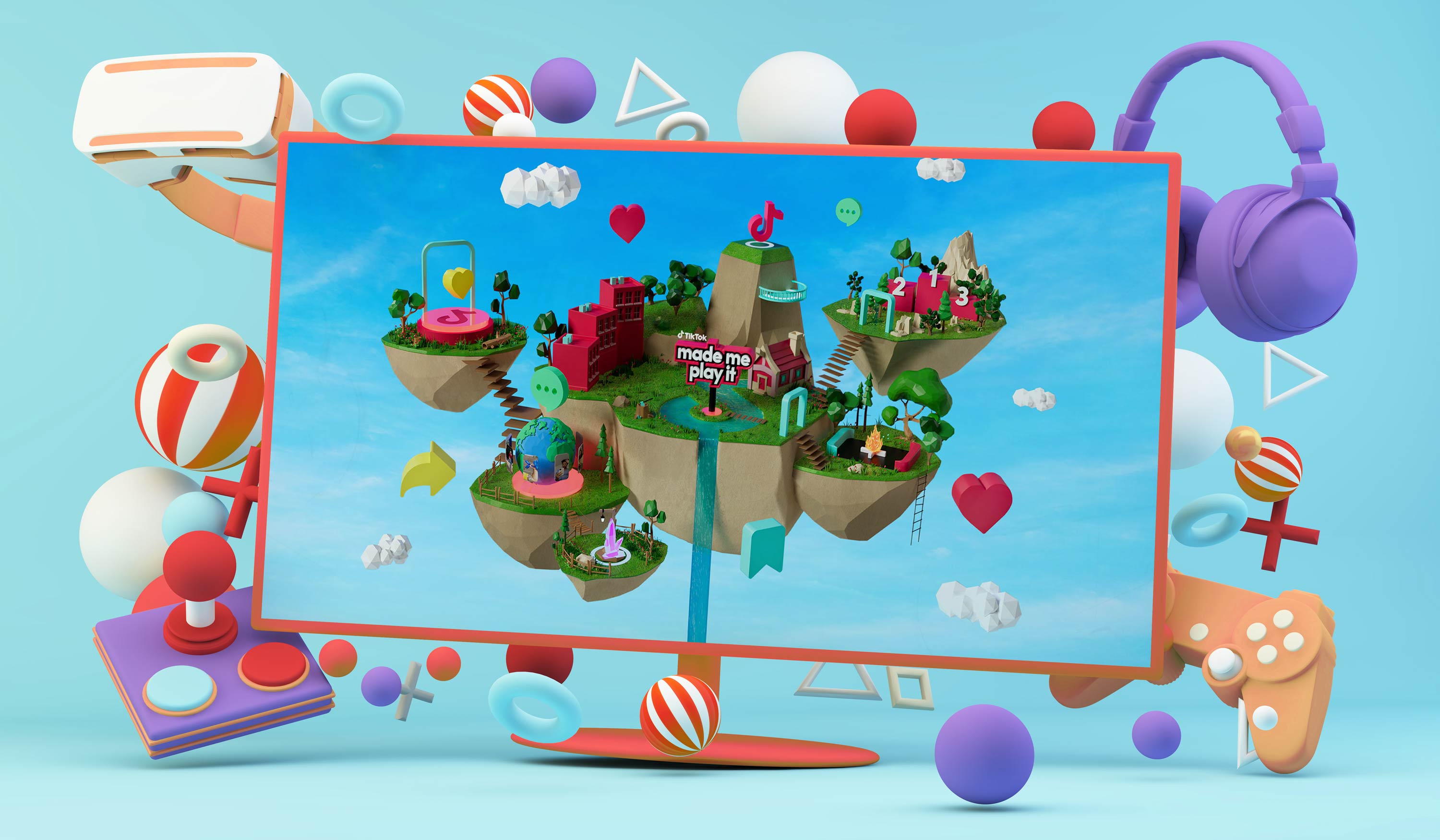
At the heart of TikTok Made Me Play It was a sprawling 3D overworld that turned the summit into a living, breathing game universe. Built as both a visual centerpiece and a navigational spine, the world drew from the wonder of iconic map screens, the progression of platform games, and the immersive logic of contemporary digital environments to create something that felt expansive, playable, and culturally fluent. Every floating island, portal, pathway, and environmental detail was designed to make the audience feel like they were entering a world of possibility rather than logging into another corporate stream. The overworld gave the entire experience its sense of spectacle and cohesion, anchoring the broadcast in a cinematic system of discovery that made TikTok’s role in gaming feel not only credible, but mythic.
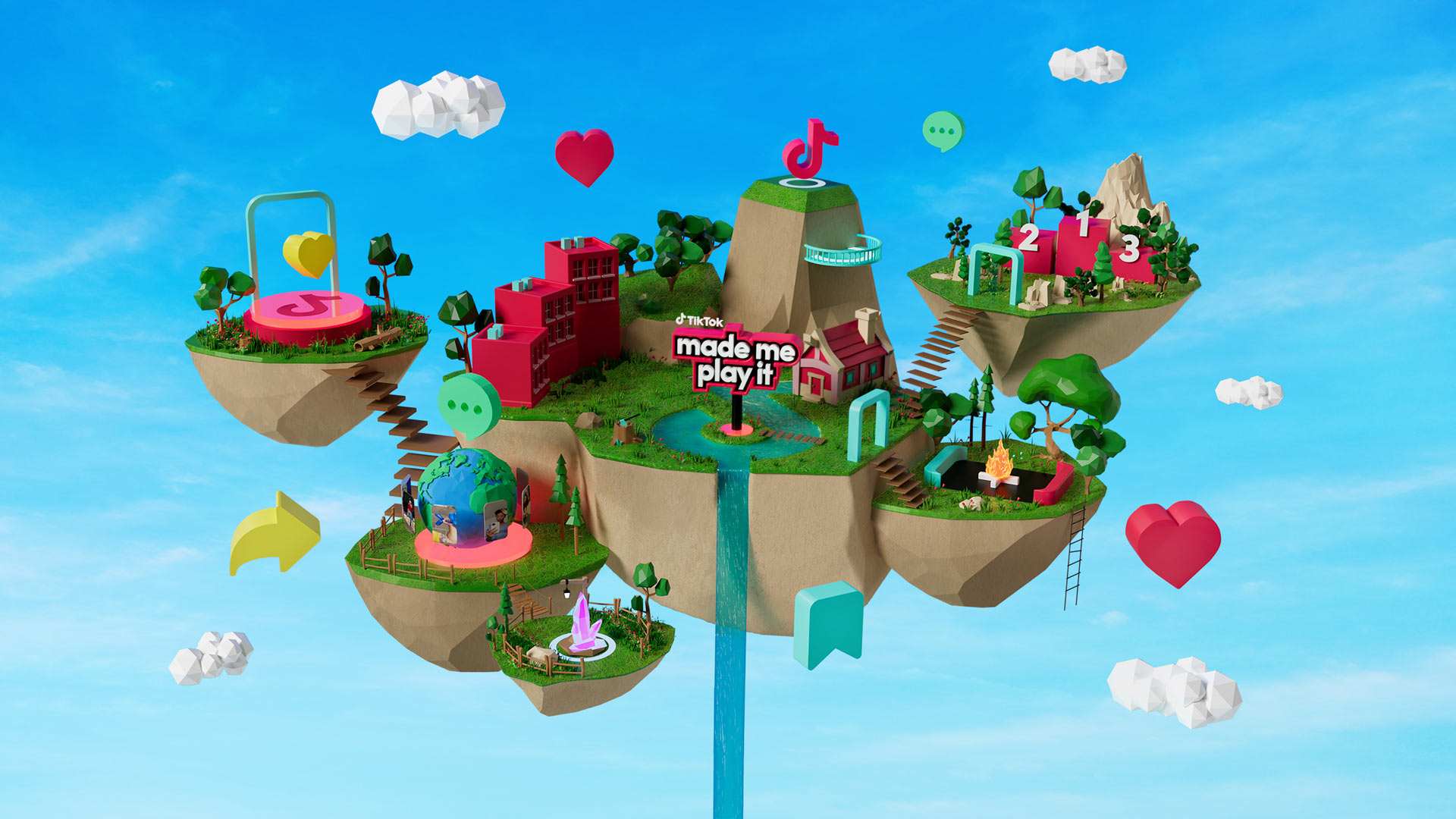
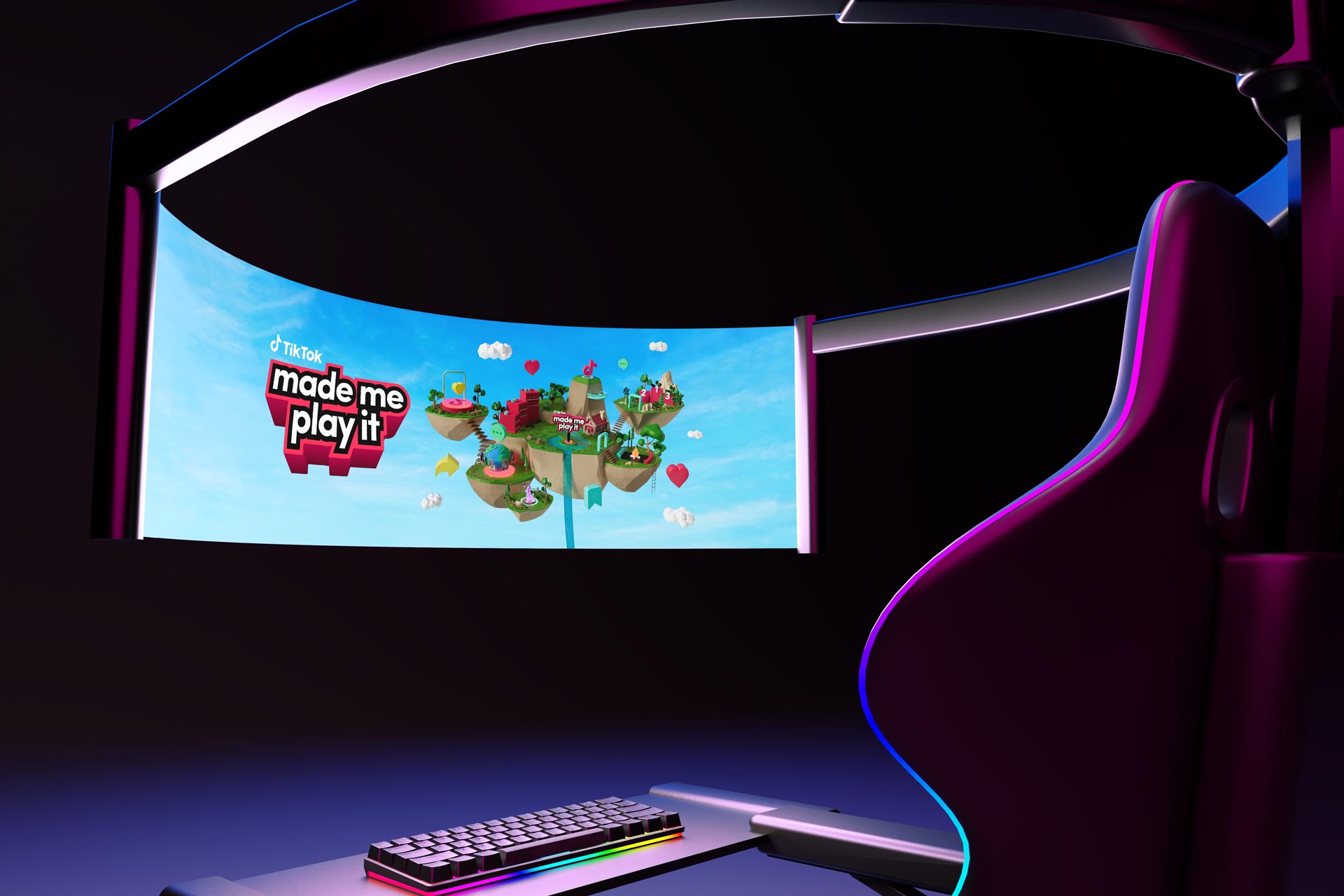
Working with Joy Seet, we developed the 3D overworld map that became the centerpiece of the event’s homepage and livestream experience. Inspired by worlds like Fortnite and Super Mario World, the map served as the central hub of the gaming portal, guiding viewers through the summit’s sessions and stories. Joy’s 3D rendering skills brought the vision to life, transforming early sketches into a vivid, explorable landscape made up of floating islands, game-like pathways, and TikTok-inspired icons. Each zone represented a different facet of the platform’s gaming community, from creator storytelling to brand collaboration, all connected through a sense of discovery and play. The overworld became the narrative backbone of the experience, giving audiences a way to feel like they were stepping into TikTok’s new world of gaming.

During the early design exploration, our team developed a wide range of treatments for the graphics, backgrounds, and motion system, experimenting with different visual languages that could express the energy of gaming through TikTok’s lens. We built motion studies inspired by retro arcade tunnels, geometric data grids, and stylized worlds that felt alive and connected to the rhythm of the platform. The process was fast, collaborative, and experimental, with designers pitching their own takes and iterating in real time. These explorations helped us uncover the balance between playfulness and precision, where bold motion, color, and sound all worked together to create a design system that felt immersive and culturally relevant. Some of them were bolder and more typography based and others more shape, color and line based.
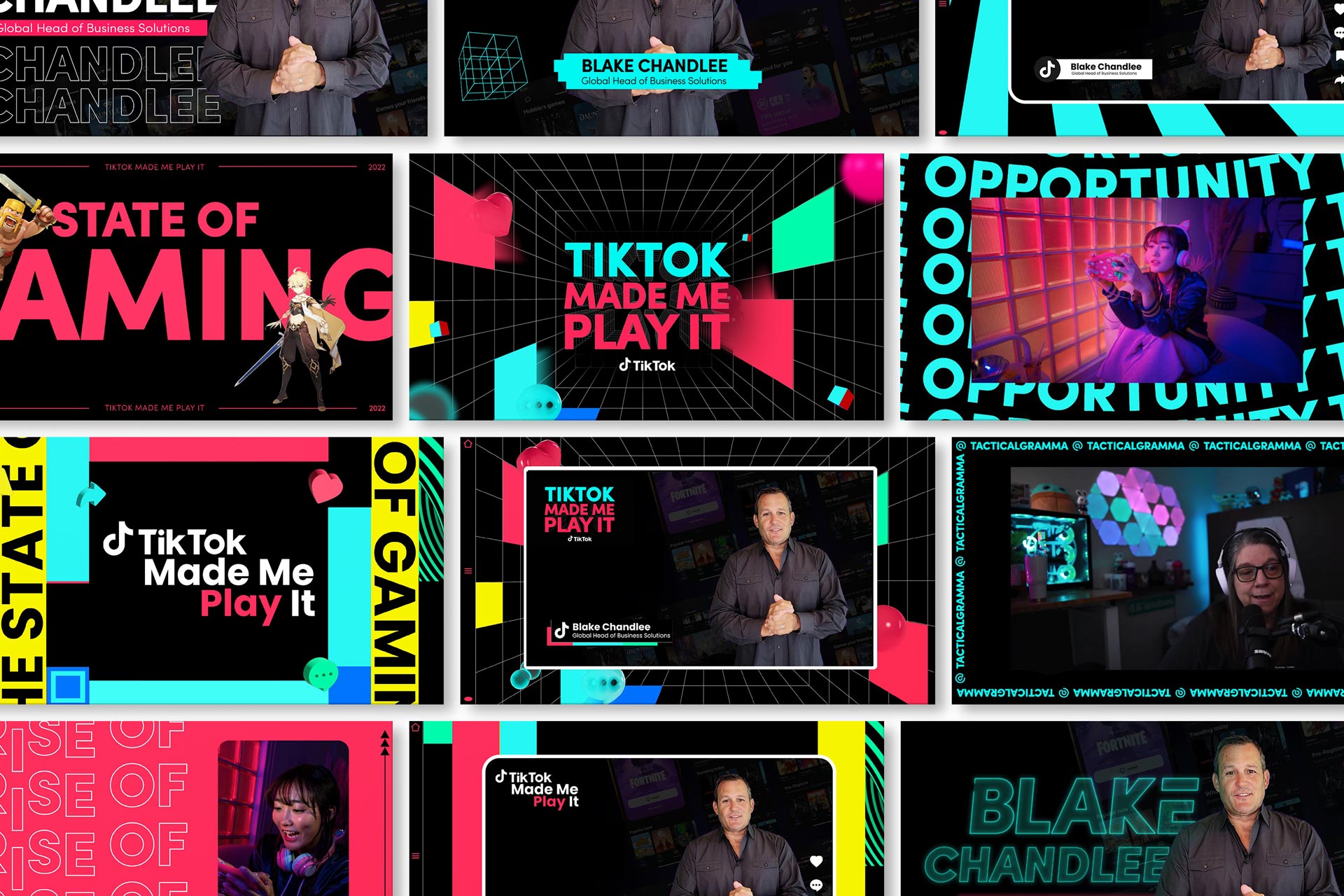
Before we arrived at the final look and feel, we explored multiple video and design package directions to pressure-test tone, hierarchy, and audience perception. Early routes ranged from high-energy, creator-native motion with layered UI references to more restrained, editorial systems built around typography, negative space, and cinematic pacing. Each direction was prototyped across key moments, openers, lower thirds, data callouts, and stage transitions, to evaluate how it held up in a live environment, on broadcast capture, and in post-event cutdowns. We studied legibility at distance, color behavior under stage lighting, and how motion density affected comprehension for a room full of executives filming on their phones. Through iterative reviews with leadership, sales, and production partners, we aligned on a unified system that balanced premium restraint with TikTok’s signature energy. The chosen direction reduced visual noise, clarified product storytelling, and created a consistent rhythm across physical space and on-screen content. That alignment allowed agencies and internal teams to execute quickly without reinterpretation, turning the package into a repeatable operating model rather than a one-off aesthetic that died after this event. We wanted to make sure this language and these assets could live on and have a second life.
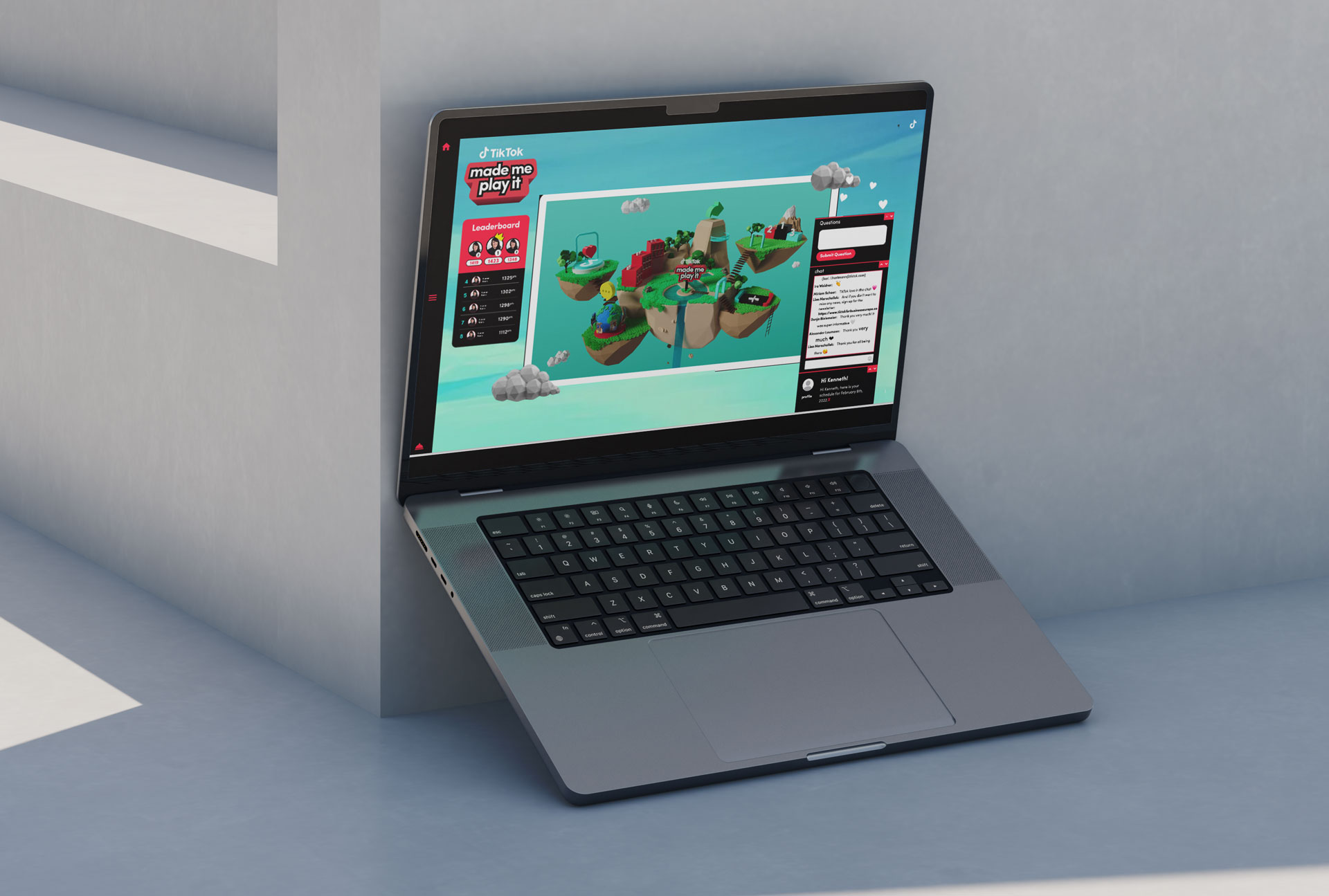
To bring the experience to life, we partnered with JoinIn to host the interactive livestream, giving audiences a way to explore panels, creator segments, and regional content in real time. The platform allowed us to build moments of discovery directly into the event flow, making it feel more like an immersive digital world than a standard broadcast. JoinIn is a virtual event platform designed to host large-scale interactive broadcasts that blend livestreaming, audience participation, and real-time analytics. It allowed us to move beyond a standard video feed and build a dynamic digital stage where viewers could switch between sessions, explore creator segments, and engage with content as it unfolded. We had partnered with JoinIn previously for our For You Summit broadcasts, so we already knew how flexible and reliable their infrastructure could be for global audiences. For TikTok Made Me Play It, we pushed the platform even further, creating a fully branded environment that mirrored the event’s visual identity and made the experience feel immersive, intuitive and engaging as they explored these levels, egnaged in the chat and dropped custom emojis.
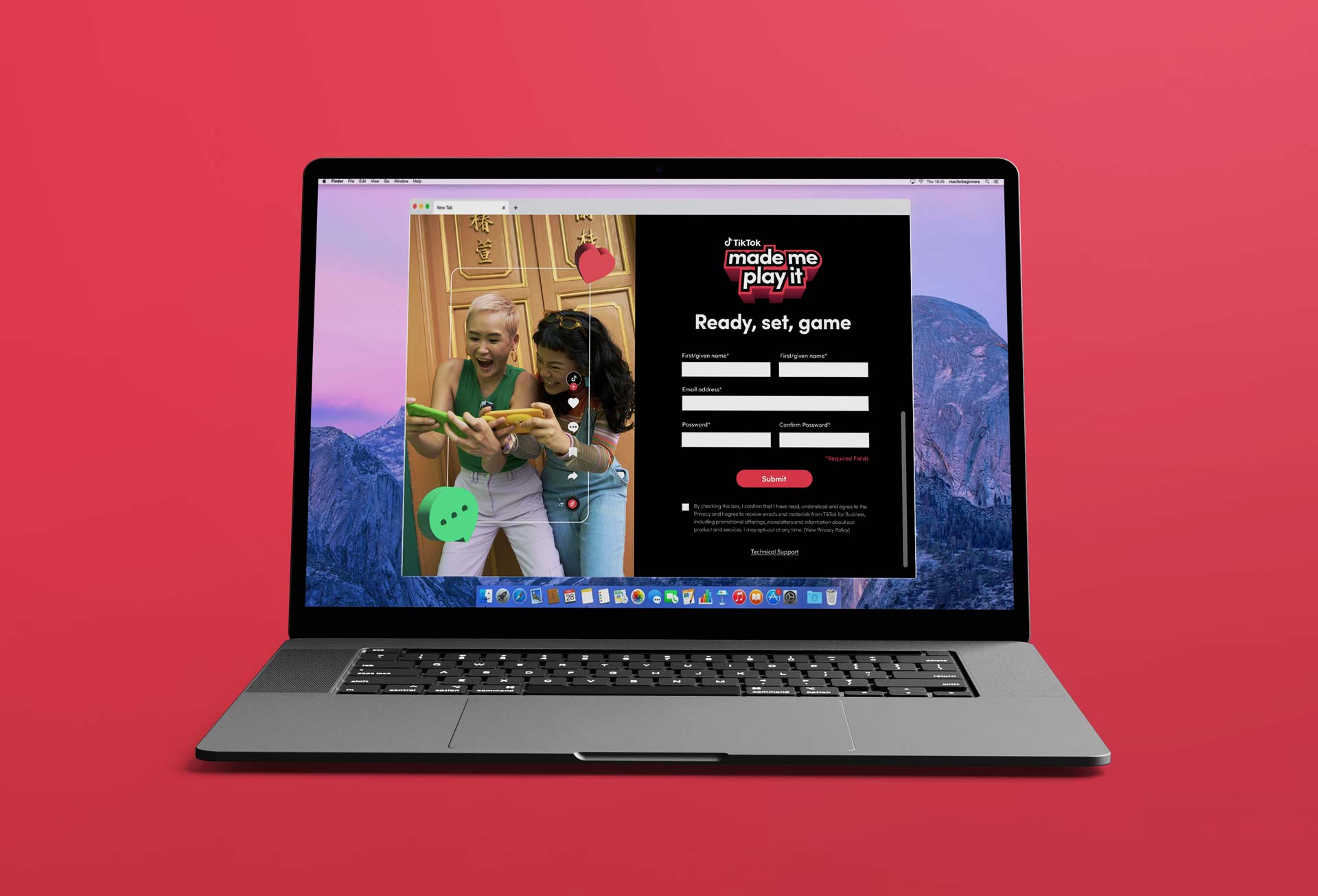
The splash page served as the first touchpoint of the experience, designed to capture both attention and intent. It invited viewers in with the line “Ready, set, game,” combining TikTok’s visual energy with a clean, conversion-focused registration flow. Built to mirror the look and feel of the event identity, it set the tone before anyone even entered the summit. From a performance marketing perspective, the page and platform worked together to track key engagement metrics, including attendance, watch time, and viewer behavior across sessions. Using JoinIn’s analytics, we were able to measure which companies were tuning in, how long they stayed, and how that engagement translated into post-event ad spend and partnership growth. The splash page wasn’t only a gateway but a strategic tool that connected creative storytelling to measurable business outcomes.
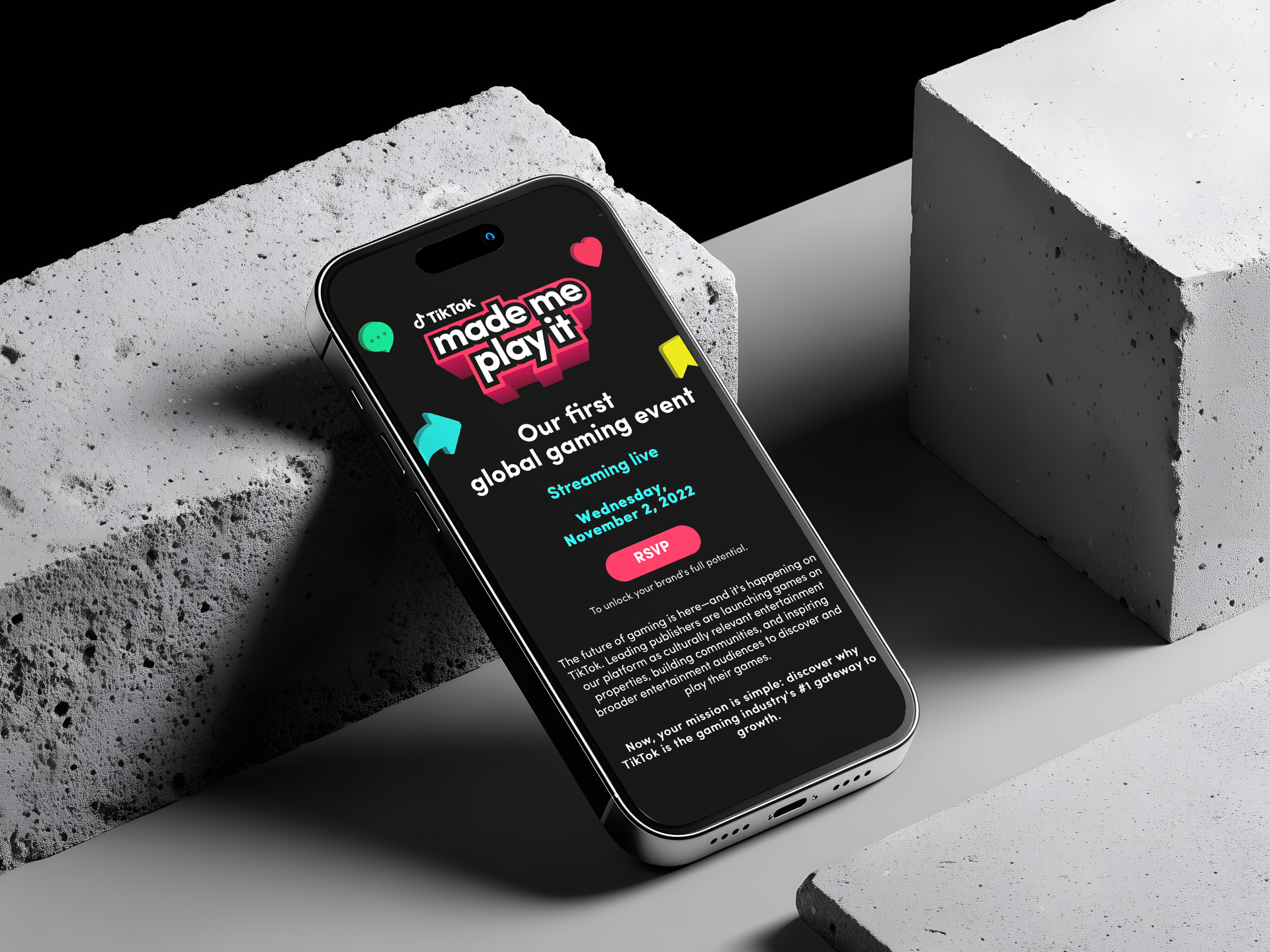
Bringing the idea to life meant uniting the people shaping gaming culture today. The summit marked TikTok’s first ever global gaming event, streamed live on November 2, 2022, and brought together some of the biggest voices in gaming and culture to show how the platform is reshaping the way people discover and connect through play. Speakers included Julia Victor from The Sims at Electronic Arts, Sami Thessman from 2K, Naor Itzhak from Playtika, Ioana Hreninciuc from Homa Games, Vincent Tan from VNGGames, and Kimi Xu from NetEase Games, alongside TikTok’s own Blake Chandlee and Assaf Sagy. They were joined by creators endemic to the gaming vertical like the ever energetic Vbunny Go, always wholesome Tactical Gramma, vivacious Khleo Thomas, Cozy Games, and composer Stephen Ddungu, each bringing their own world, voice, and audience into the conversation to show what happens when gaming, community, and storytelling come together on TikTok.
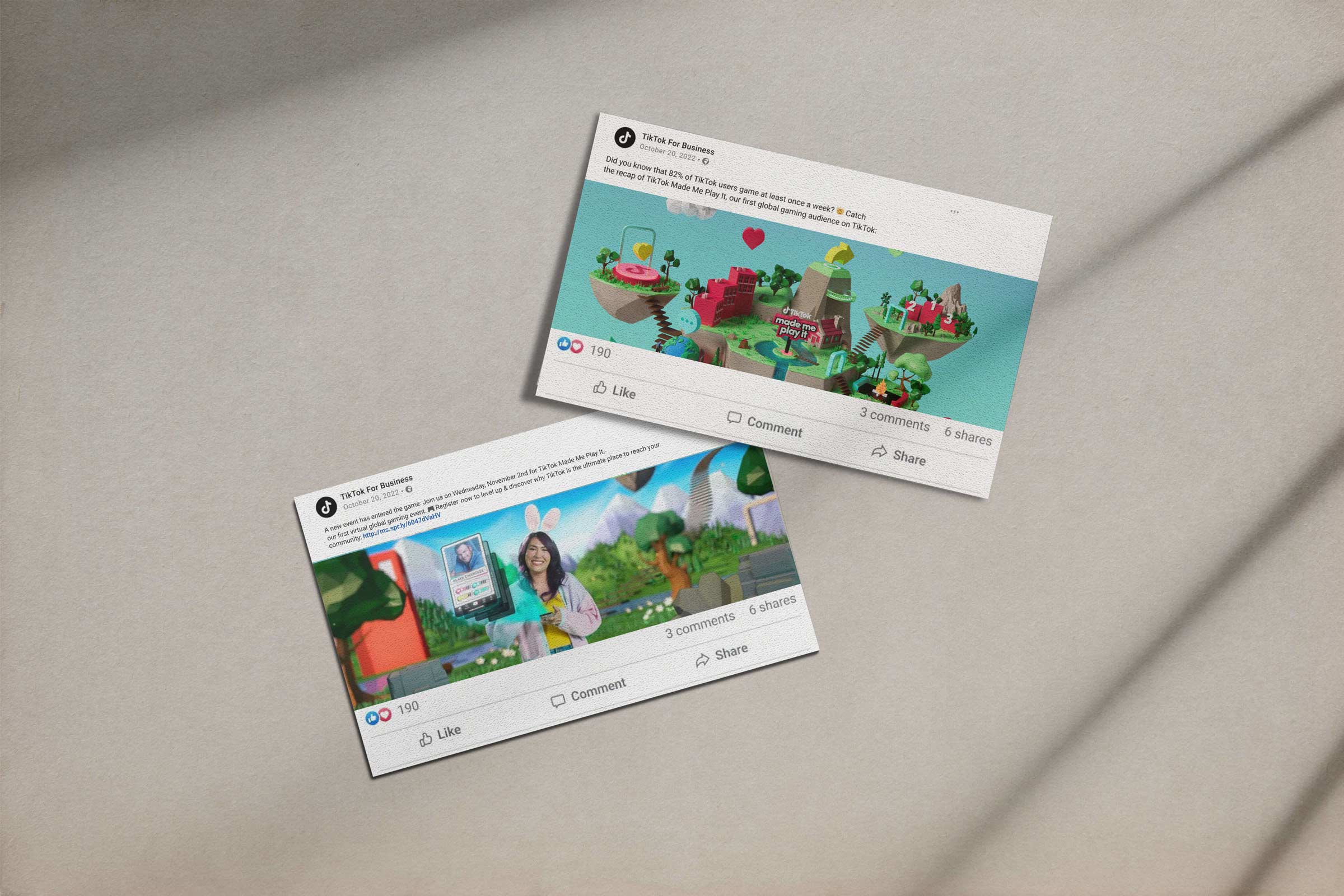
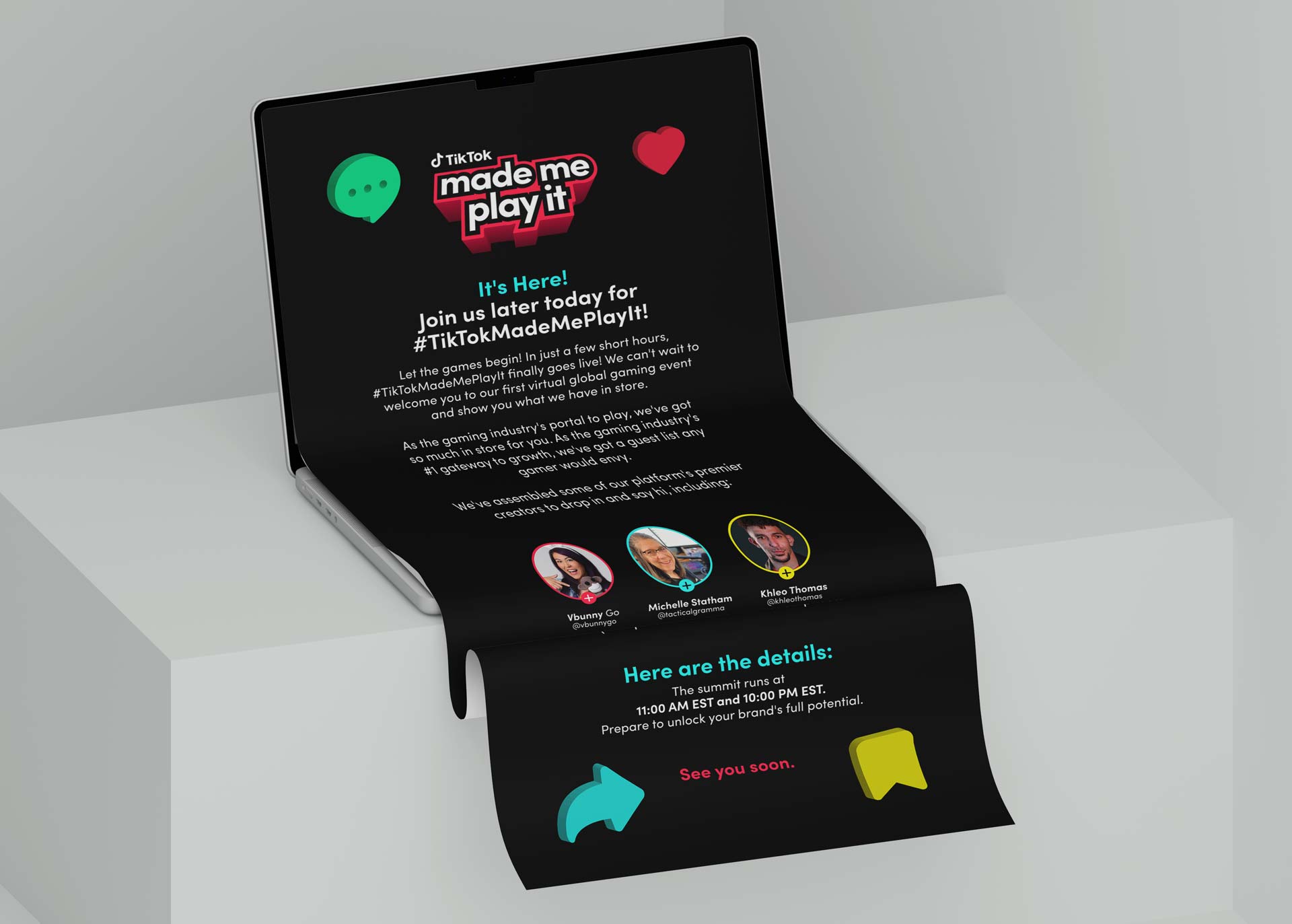
To keep the audience engaged before, during, and after the event, we built a complete email marketing journey designed to maximize attendance, impact, and bottom line revenue. The campaign included teaser announcements, countdown reminders, and creator spotlights that reflected the event’s visual identity and energy. On the day of the summit, personalized join links and live updates kept attendees connected in real time, while post-event messages highlighted key moments and encouraged deeper partnership opportunities. Every email served a strategic purpose, not just to inform but to drive participation and measurable ROI by turning curiosity into conversion and viewers into long-term collaborators. Having a visual identity package that extended across platforms was key and Amy Lai and Vanessa Rizk on my team were able to help us scale all of our social graphics for this project, on platforms like Twitter and Linkedin.
The creator integration for TikTok Made Me Play It was central to the project’s success, built on deep collaboration with some of the platform’s most beloved gaming voices including VBunny, Khleo Thomas, Cozy, Tactical Gramma, and Stephen Ddungu. Each brought a different creative perspective that reflected the full spectrum of gaming culture on TikTok, from humor and storytelling to music and community building. We gave them a canvas to showcase their personalities and creative styles within the event, shaping segments that felt authentic to their worlds rather than scripted appearances. Their involvement extended beyond performance into the design and narrative of the show, influencing tone, pacing, and energy. This collaboration helped bridge TikTok’s gaming ecosystem with its brand message, showing how creator-led storytelling continues to define the platform’s cultural impact. What's more is that this led to long term, sustainable partnerships with many of the creators involved.
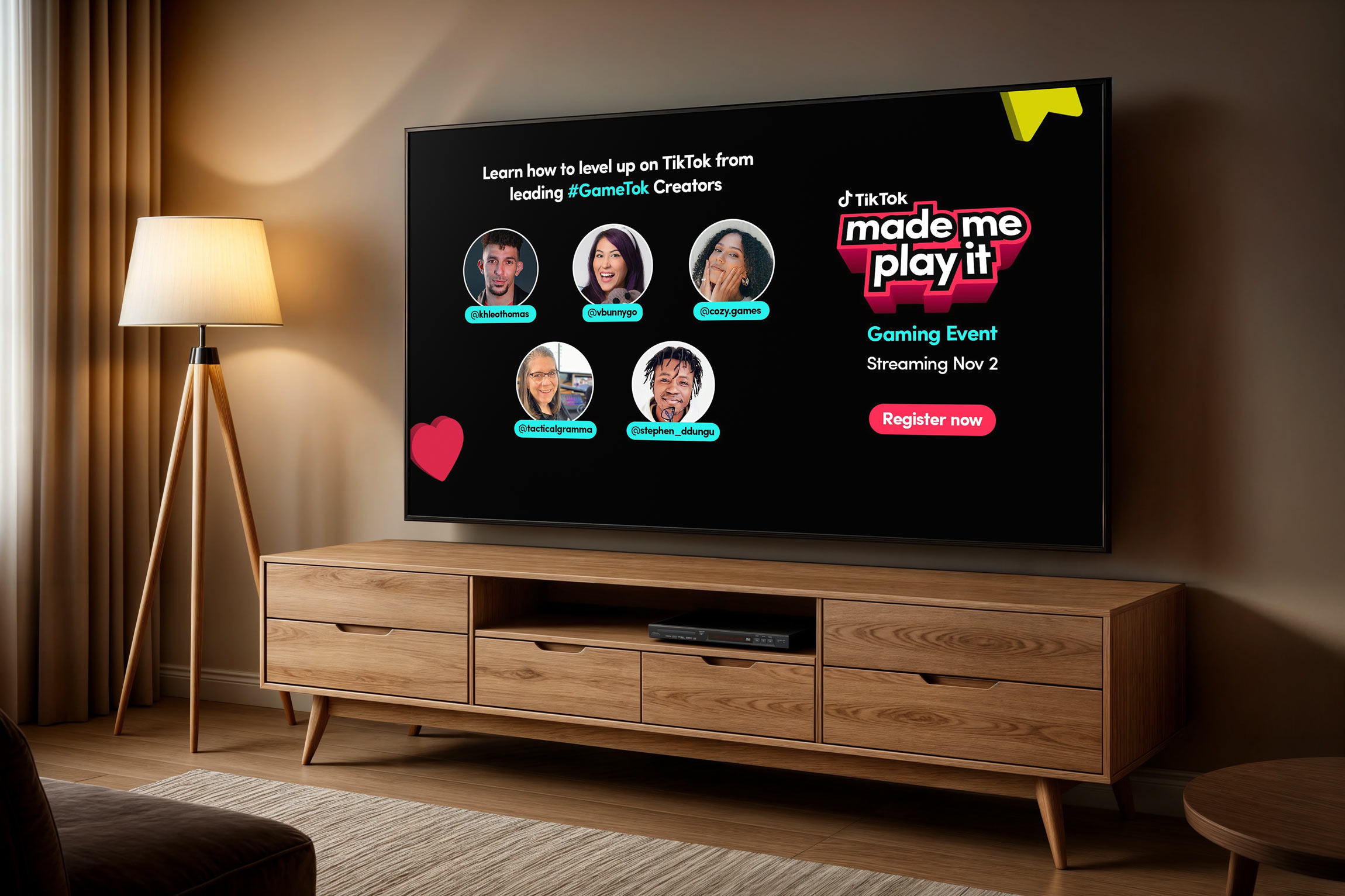
The initial creative brief kicked off in August, setting a rapid timeline to concept, design, and deliver the entire experience in under a month. My team began by building mood boards, exploring names and logos, and mapping out the visual language that would define the summit. In parallel, we started shaping the 3D immersive world that would house the event, experimenting with lighting, texture, and spatial rhythm to make it feel alive. Working closely with the JoinIn team, we explored what was technically possible within the platform and how we could push it further, turning a traditional livestream into an interactive, cinematic experience. We went into production at the end of September, beginning with a full shoot in Los Angeles to capture the core set pieces and host segments. Within a week, we were filming in Austin, London, and China with the featured talent, creators, and clients. Each location added its own texture and perspective, giving the final experience a truly global feel. The pace was intense but energizing, with creative and production teams working around the clock to bring every environment and performance to life in sync with the evolving 3D world.
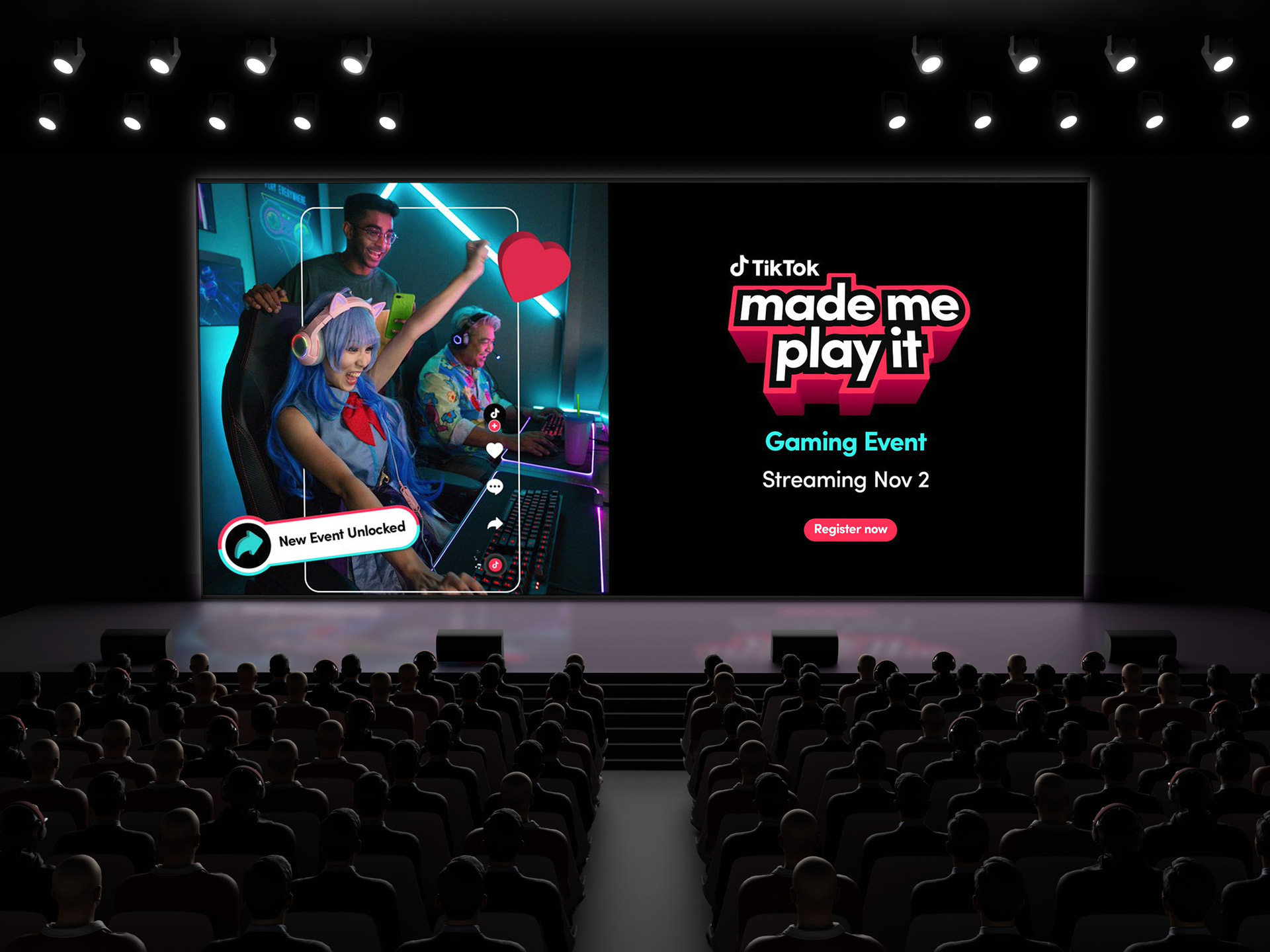
The event went live globally on the interactive JoinIn site to an invite-only audience of more than eight thousand people. From the initial briefing on August 24 to the second of November, we had just under ten weeks to concept, produce, and deliver every element of the experience. The central theme, “portal to play,” came to life through the event itself, an entry point into the world of gaming on TikTok where brands, creators, and players could explore, connect, and discover. On the day of the launch, I worked with Kenneth Liew and we extended that energy offline with an LED screen takeover on the 57th floor of TikTok’s Times Square office at 4 Times Square, the former Condé Nast building once home to Anna Wintour and Vogue where visitors to the office were greeted with an immersive takeover of Joy's 3D overworld.
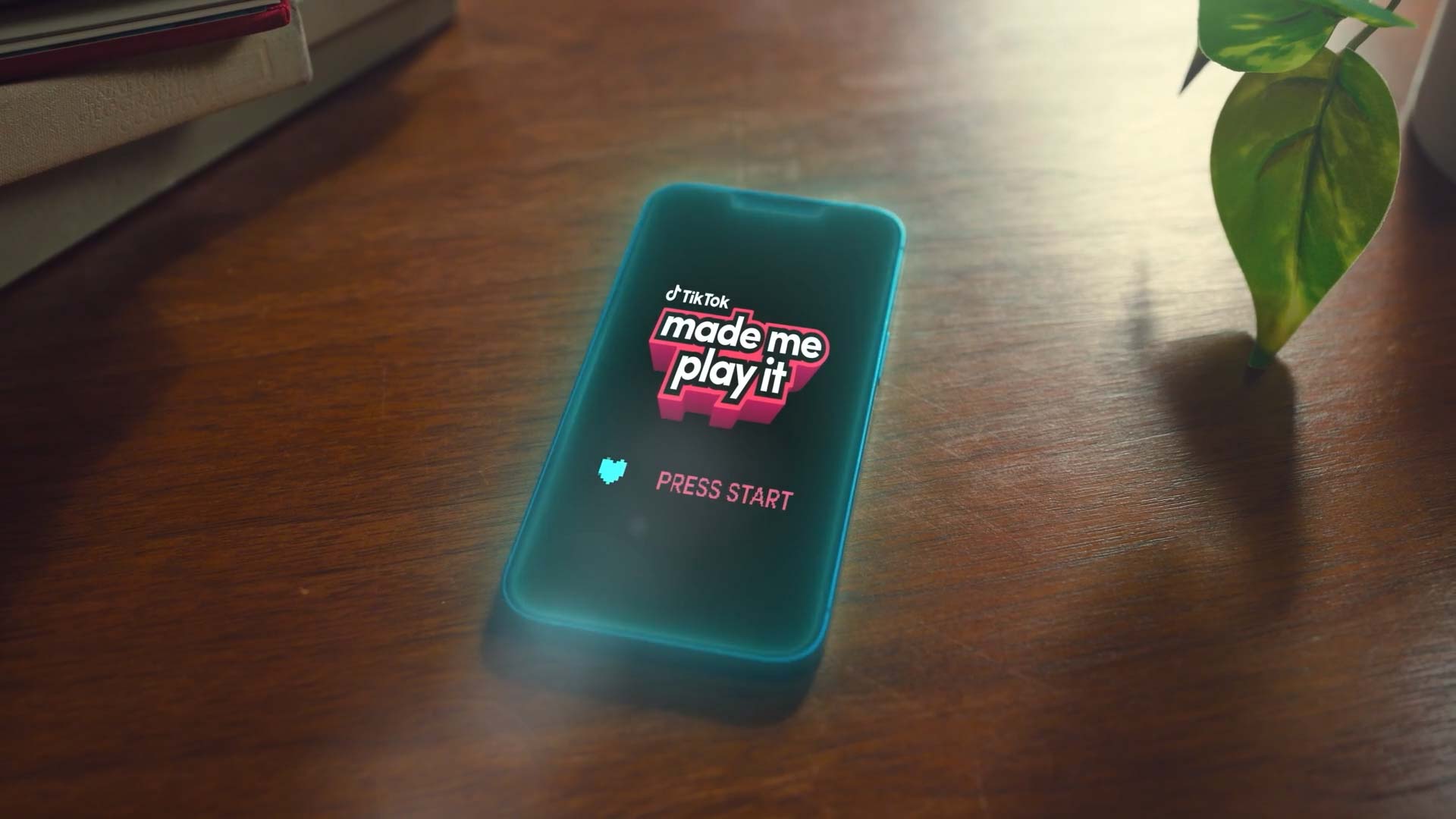
Our largest shoot took place in Los Angeles with VBunny, Khleo, and Cozy, where most of the hosting and creator segments were filmed. We then moved to Austin to capture Blake’s opening and leadership moments, followed by London for Assaf, Stephen, Homa, and several of our European partners. The final leg brought us to China, where we worked with our APAC-based clients like VNG to round out the global perspective and ensure every region’s voice was authentically represented in the final experience.Post production began on October 2 and ran for thirty days leading up to the global launch in a fast and furious race to the finish line. The team focused on 3D animation, compositing, color ingest, string outs, special effects, and building out the transitions that tied the segments together. Footage from Los Angeles, Austin, London, and China was edited and color matched into a single visual world. The process was fast, technical, and deeply collaborative, with editors, animators, and motion designers working day and night to hit delivery. What emerged was a polished 35 minute broadcast that felt cohesive, cinematic, and true to the energy of TikTok’s gaming culture.
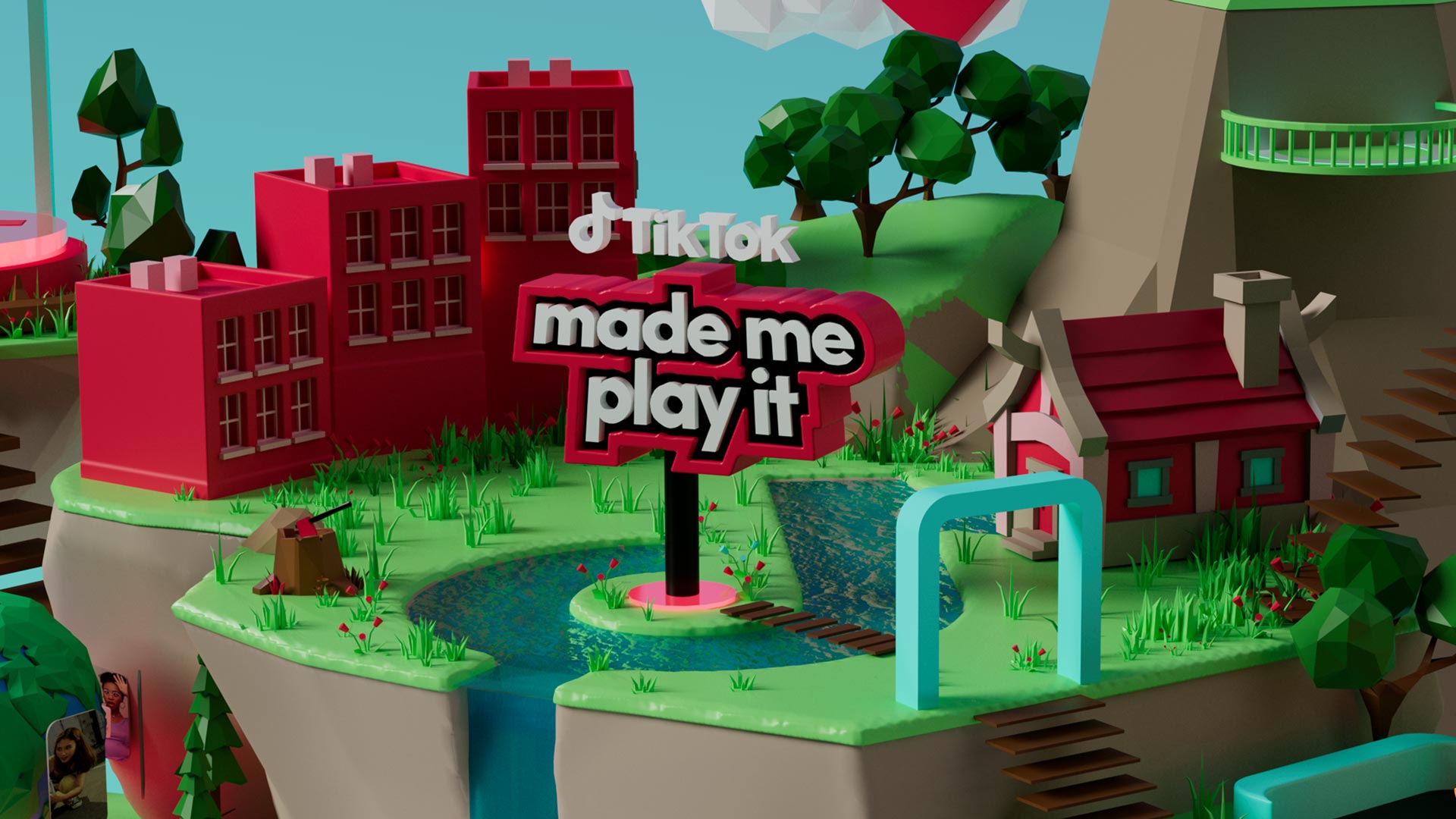
What made TikTok Made Me Play It different from any event before it was the balance of art and architecture. Every choice was rooted in human behavior and cultural insight, not aesthetic trends. It was about how people play, how they share, and how stories spread when creativity and technology meet in real time. Looking back, the project marked a turning point in how our internal teams collaborated. Design, marketing, and product moved together as one creative organism. It proved that when process and imagination are aligned, a virtual summit can feel as immersive as a live concert or a cinematic trailer. One of the key challenges was balancing the B2B nature of the event with the personality that TikTok is known for. It had to feel credible to publishers but still resemble their initial impression of TikTok. This meant designing assets that could shift between a professional business audience and the vibrant, expressive world of creators. That balance became the visual identity’s backbone.
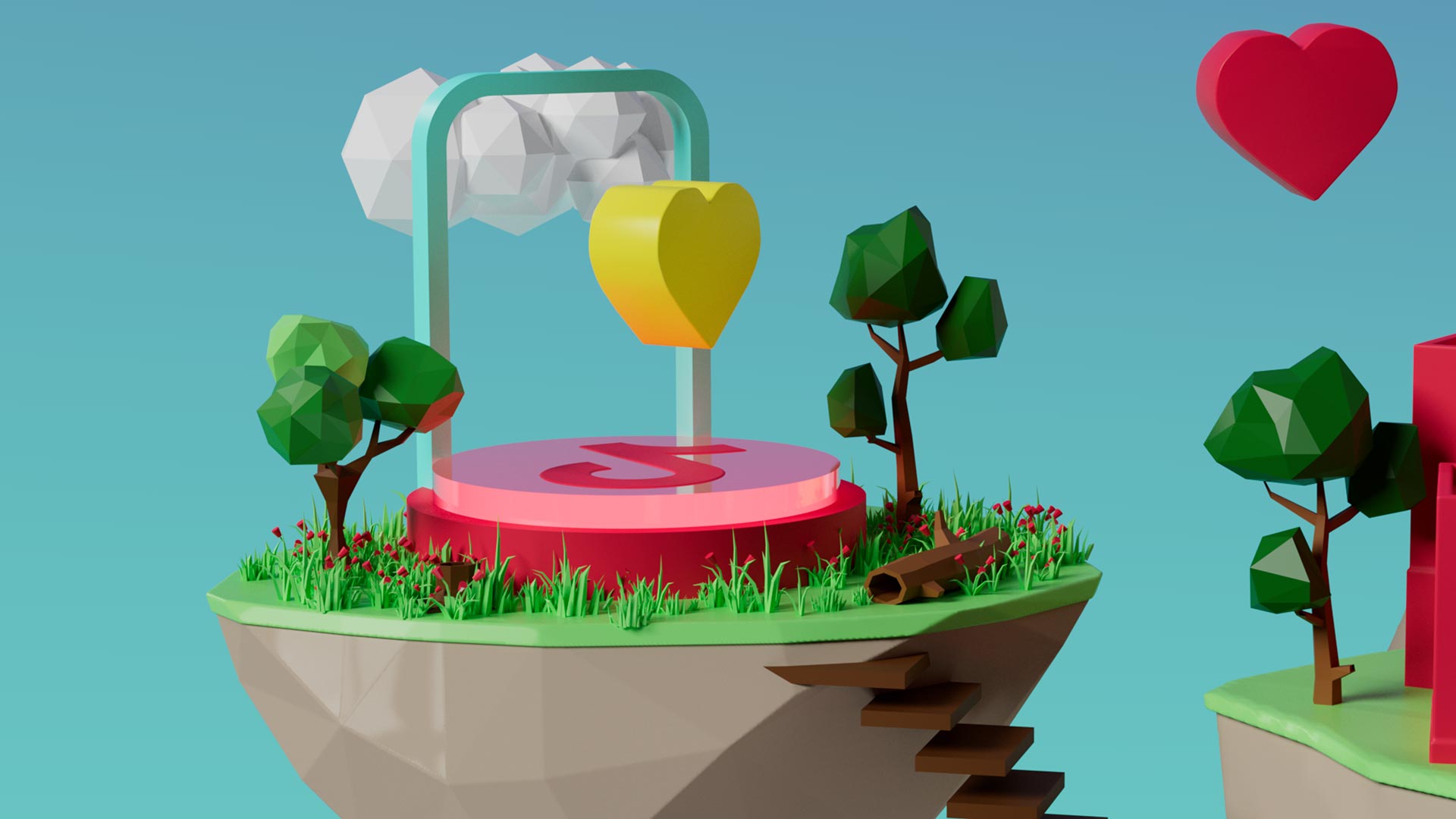

The 3D world map was one of the most important creative elements of the entire project, acting as both the visual anchor and the navigational heart of the experience. Early concepts explored flatter, isometric layouts that felt more like traditional interface design, but they lacked the depth and sense of exploration we wanted to evoke. The final island-based approach brought the idea to life, transforming the event from a simple broadcast into a journey through a living world. The fidelity and attention to detail in the 3D rendering were critical. Every surface, building, and prop was designed to feel tactile and inviting, with lighting and textures that gave the environment warmth and depth.
Gaming has evolved far beyond a niche interest into one of the most dominant forms of global entertainment, generating over 200 billion dollars in annual revenue and engaging more than 3 billion players worldwide. The summit explored how gaming is no longer just about play but about participation in culture, where audiences express themselves through music, fashion, art, cooking, and storytelling inspired by the games they love. Publishers are now thinking beyond gameplay and treating their titles as entertainment properties that live across mediums and moments. This cultural shift has redefined how brands connect with players, requiring them to build not only communities but full entertainment ecosystems around their games.

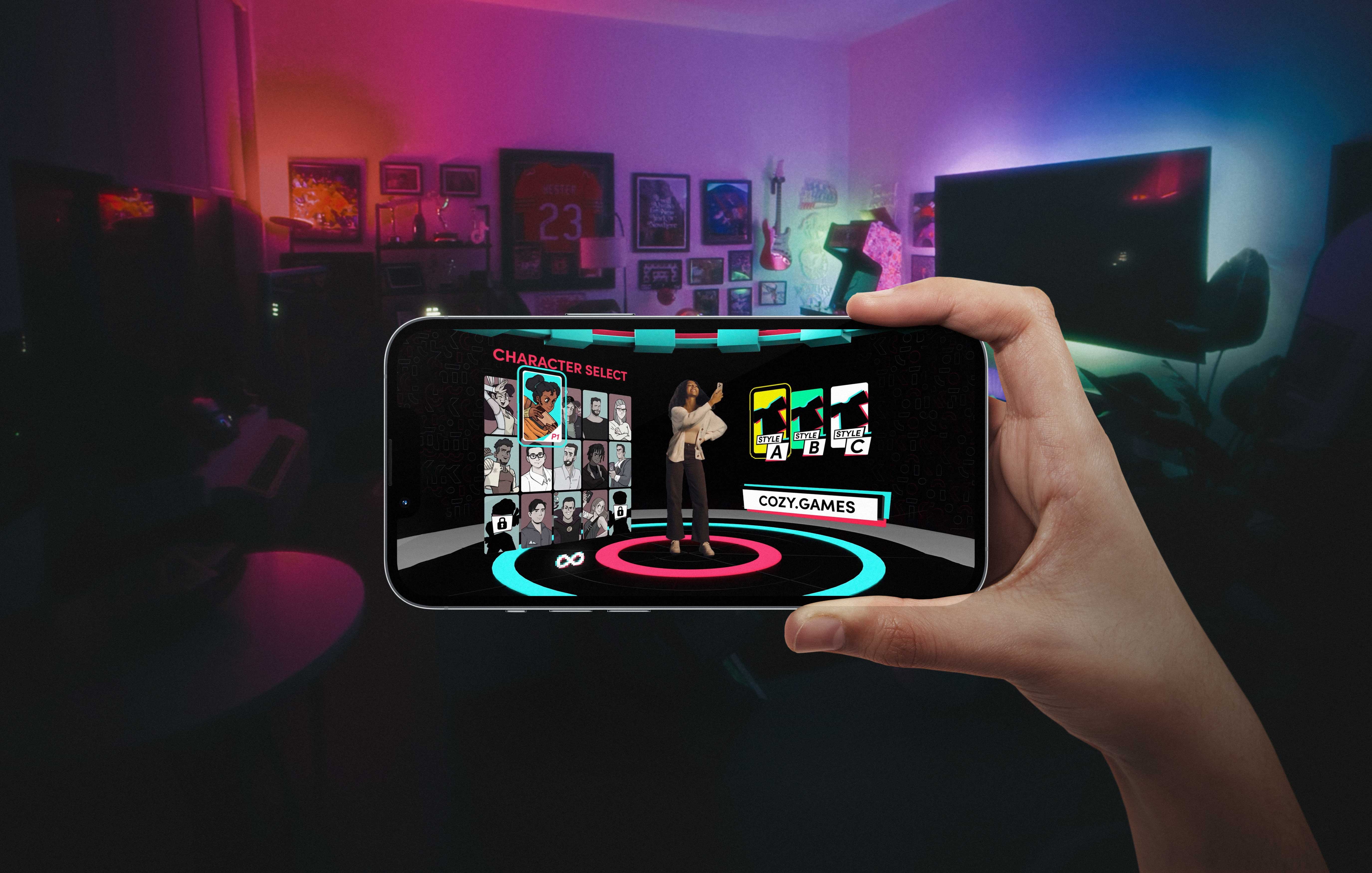
The player select screen is one of the most enduring pieces of gaming interface design straight out of Smash Brothers or Street Fighter. It establishes identity, agency, and emotional investment before gameplay even begins. From early arcade fighters to crossover franchises, the grid of characters signals that the world is populated by distinct voices, each with their own style, strengths, and narrative gravity. We drew on that legacy intentionally, using the mechanic as a storytelling framework that turned our speaker lineup into a cast you could browse, compare, and commit to. Instead of passively entering a livestream, viewers were invited into a ritual of choice that felt familiar yet reinterpreted through TikTok’s pacing, motion language, and cultural fluency. The interface was designed to reward curiosity, with subtle hover states, sound cues, and micro-animations that made each selection feel tactile and consequential. Hidden characters were embedded as Easter eggs for attentive viewers, creating a layer of discovery that echoed the platform’s own algorithmic promise: there is always something more to find if you keep exploring.

One of those secret characters carried a quieter, more human story. Khleo’s brother, who was on set with us during the shoot, became an unexpected part of the experience after expressing genuine curiosity about what we were building. Rather than treating him as background, we invited him into the process, capturing his likeness as a hidden avatar that attentive viewers could unlock. He was deeply grateful for the opportunity, asking thoughtful questions about production, design decisions, and how the team coordinated across disciplines. Watching him absorb the rhythms of a live set, from lighting cues to motion capture timing, was a reminder that these environments can be both high-performance productions and informal classrooms. That small inclusion embodied the ethos behind the entire sequence: proximity to culture and creation is real, and the boundary between audience and participant is thinner than most platforms admit. In that moment, the player select screen stopped being a nostalgic device and became a living metaphor for TikTok itself, a space where discovery, access, and aspiration converge ' one choice at a time.
At the heart of the summit was the idea that TikTok has become the world’s new portal to play. Creators are reshaping how discovery happens, introducing players to games through humor, storytelling, and creative expression. Whether it’s a film creator reimagining gameplay as a cinematic trailer or a food creator sculpting edible characters, TikTok is where fandom becomes culture. The platform’s creative ecosystem thrives on a loop of discovery, co-creation, and sharing, with 75 percent of TikTok gamers discovering new gaming content on the platform, 41 percent co-creating content, and 70 percent more likely to discuss games online. This cycle has fueled the TikTok Made Me Play It movement, showing that entertainment and play are now inseparable on the platform.
This project lived on the edge of chaos, in the best way, because we were building a world while filming the people inside it. We coordinated shoots across New York, Austin, London, and China, each with local realities that could have fragmented the experience. My job was to keep the system intact, so footage, lighting, art direction, and graphics all felt like one universe. On set, decisions were often made in minutes, whether a prop reads as playful or childish, whether a color contaminates skin tones, whether a frame will survive compositing. We built physical elements when needed to ground performances, then extended everything with 3D and VFX to create depth. To keep continuity, we used references, previsualization, and tight documentation so remote teams could execute with confidence. Reviews had to be ruthless and kind, because speed was non-negotiable but quality was the brand. The time zone challenge was real, approvals while one team slept, fixes while another team shot, delivery while the third team rendered. When it all worked, it felt like a touring production where every city is a stage but the show is still the same show.
TikTok’s impact extends beyond awareness to measurable business outcomes. With over 30 billion monthly views across the top gaming hashtags and 82 percent of users gaming at least once a week, it is one of the most active and engaged gaming audiences in the world. When TikTok is part of a game’s marketing journey, 41 percent of users go on to download the game and 26 percent make a purchase. Publishers like 2K and VNG shared how TikTok’s scale, creative agility, and stable CPMs have reshaped their marketing approach, allowing them to create content at the speed of culture and sustain conversions even during high competition periods like Black Friday. The summit reinforced that TikTok is where gaming culture happens and where business growth follows.
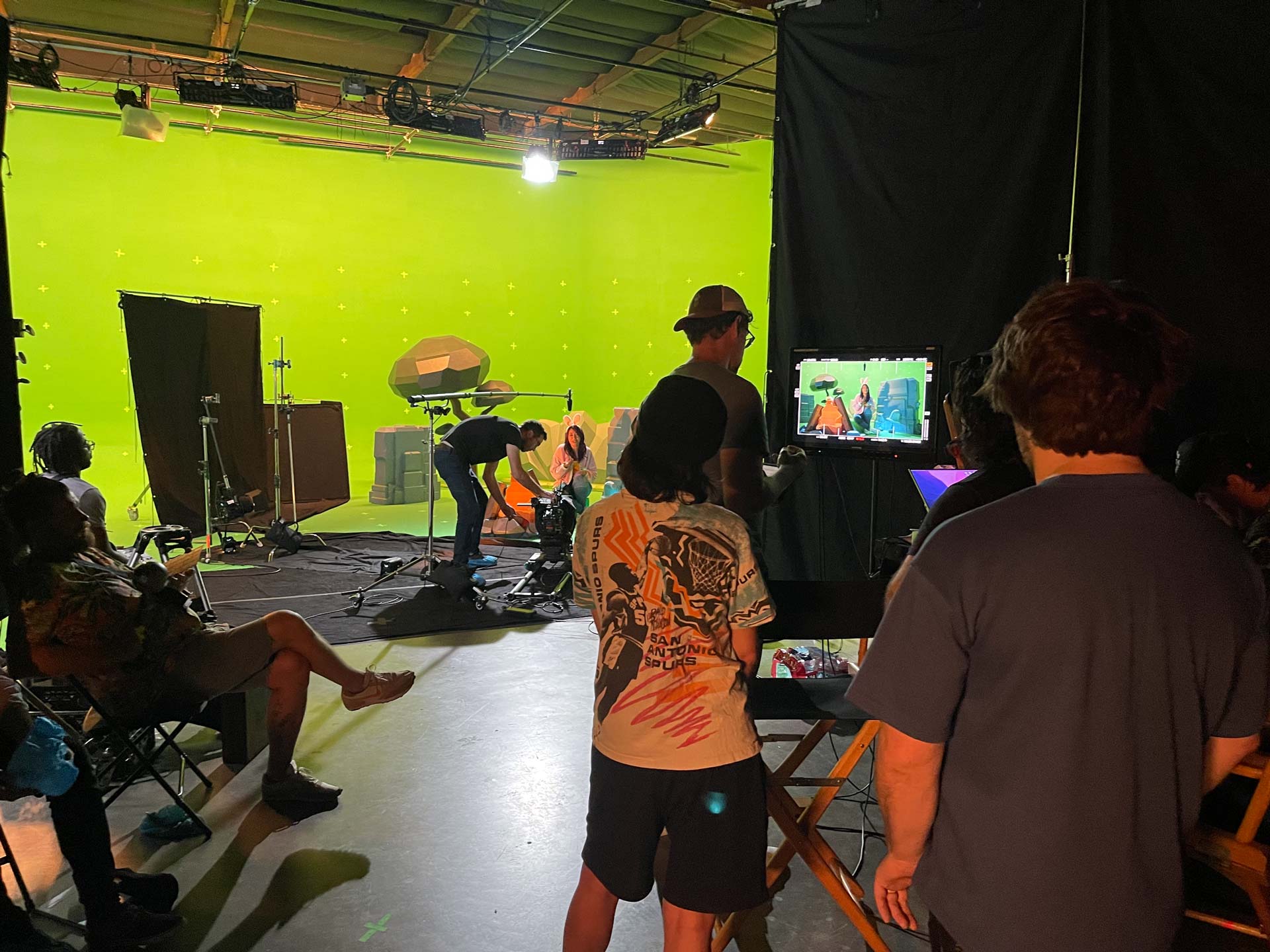
The summit was guided throughout by the main host, VBunny, whose energy and presence carried the audience through each segment of the show. She introduced speakers, set up transitions, and brought a sense of playfulness and continuity to the entire experience. From the opening moment to the closing remarks, her commentary helped frame complex insights in a way that felt human, relatable, and entertaining. VBunny’s role was essential in maintaining momentum and tone, keeping the audience engaged as the program moved from leadership keynotes to creator stories and publisher discussions. Her voice became the connective thread that tied together the worlds of gaming, creativity, and culture, reminding viewers that at its heart, this was an event built for players.
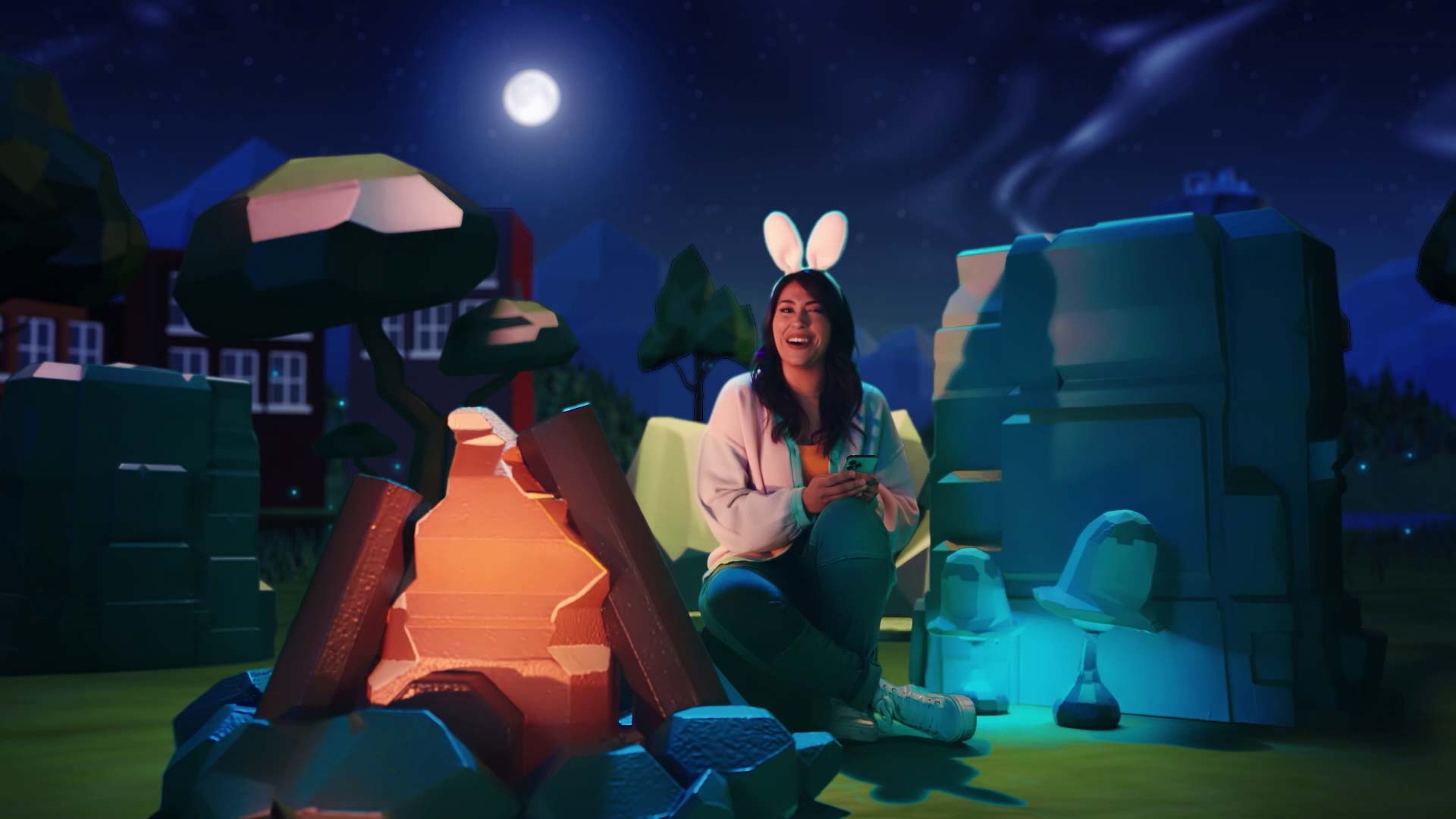

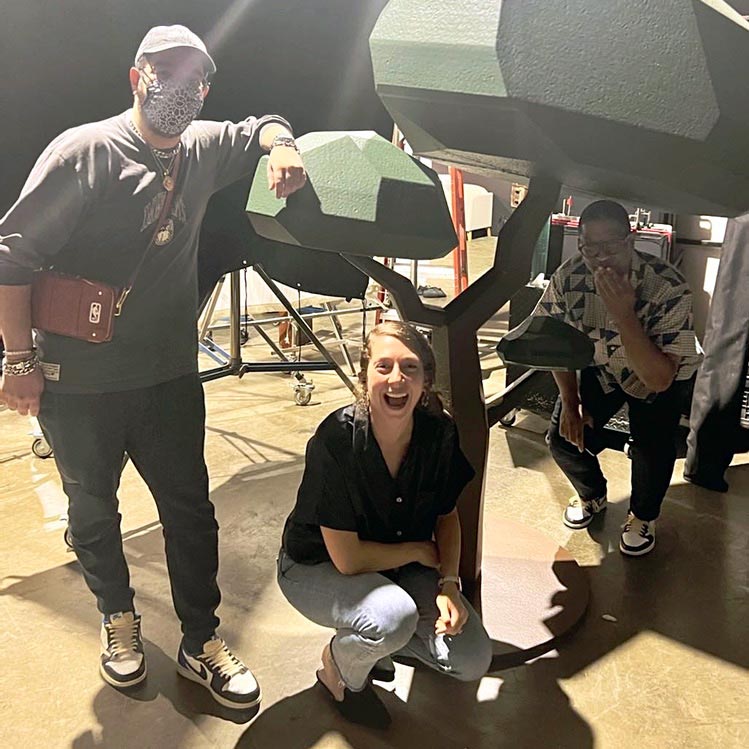
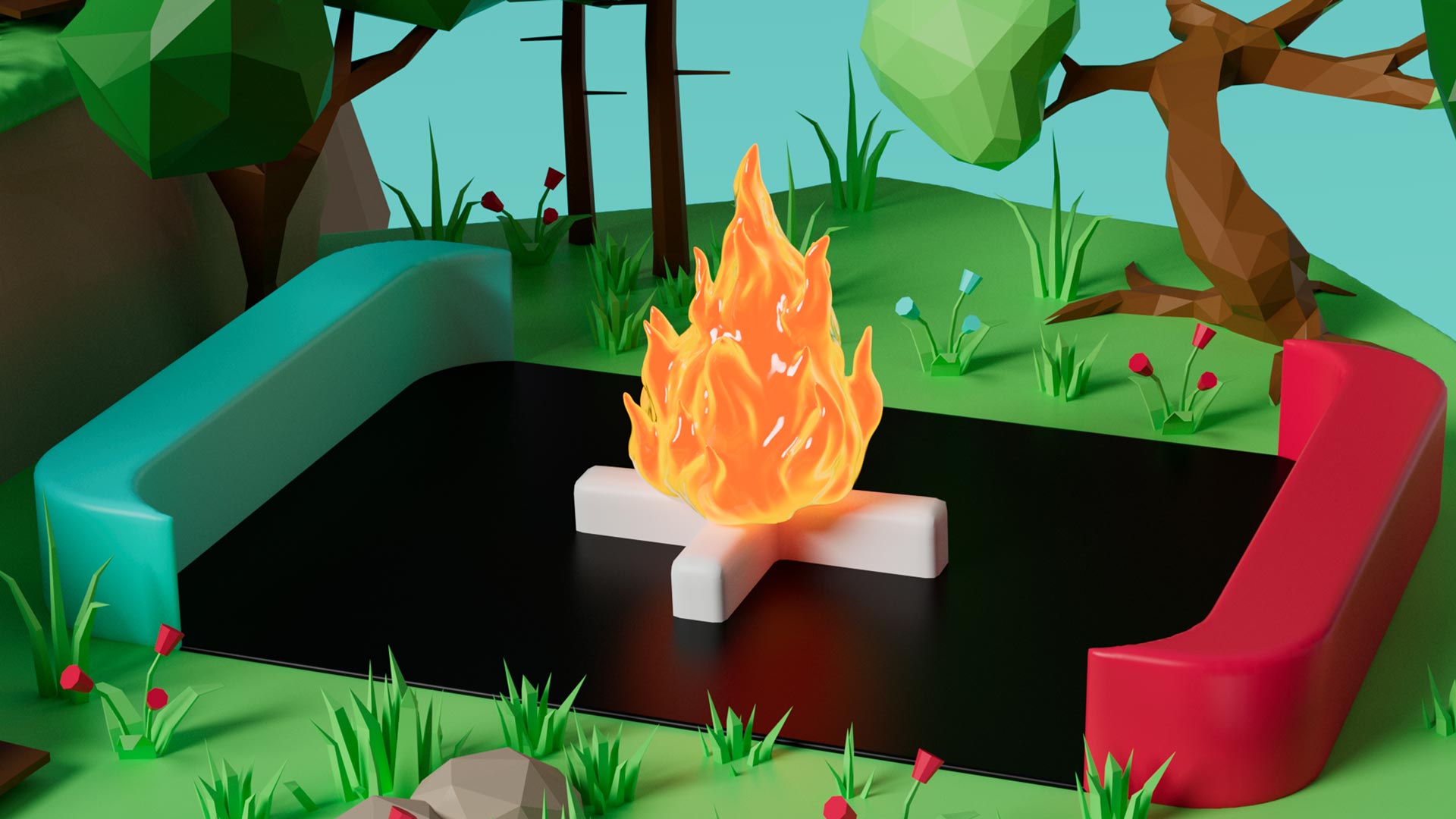
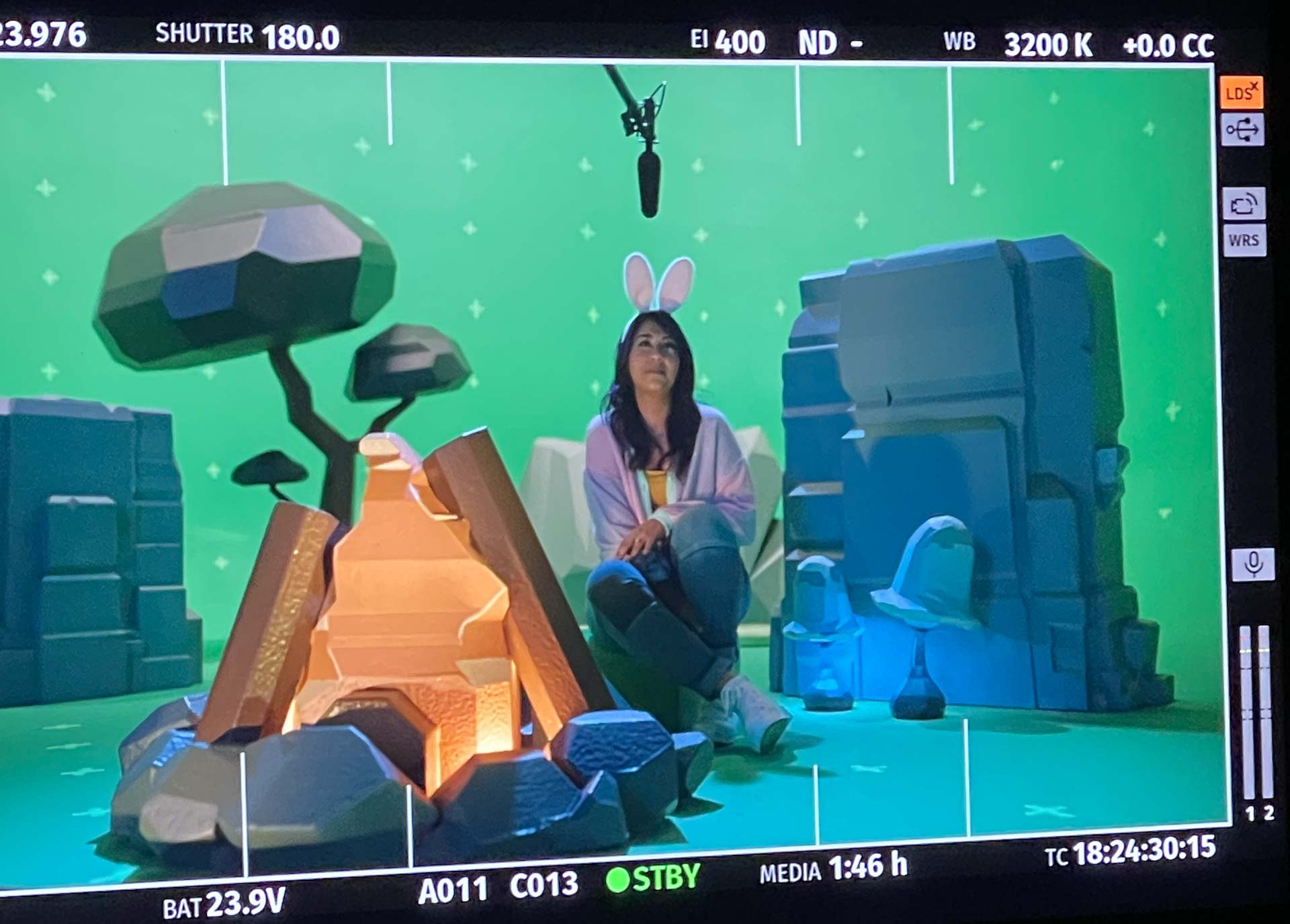
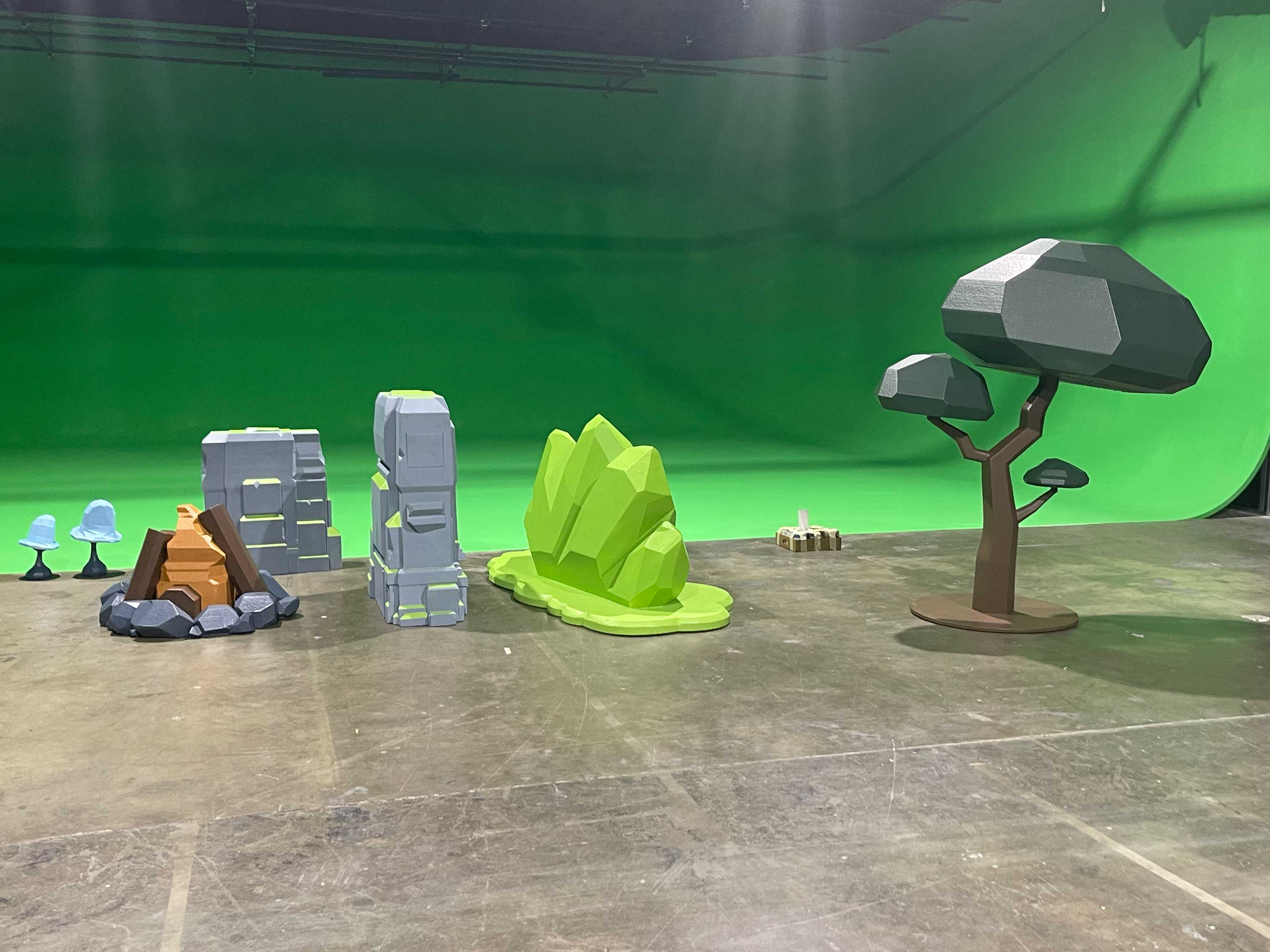

VBunny’s intro was one of the most technically intricate parts of the production, blending physical fabrication with digital world-building to create a seamless illusion of her existing inside the game. Our team built select set pieces in person, such as the stylized trees, rocks, and platform elements, to provide real lighting reference and physical grounding for her performance. The rest of the environment was constructed digitally, with 3D models, textures, and motion tracking layered in to extend the world beyond the physical frame. Every movement was carefully matched to the virtual camera path using tracking markers and previsualization, ensuring that her gestures aligned perfectly with the animated space. The result was a dynamic hybrid environment that merged handcrafted set design with precise 3D rendering, turning a simple green screen shoot into a believable, gamified entry point to the summit. The world build composition was the one with most VFX hours put into it between all the tracking and compositing.
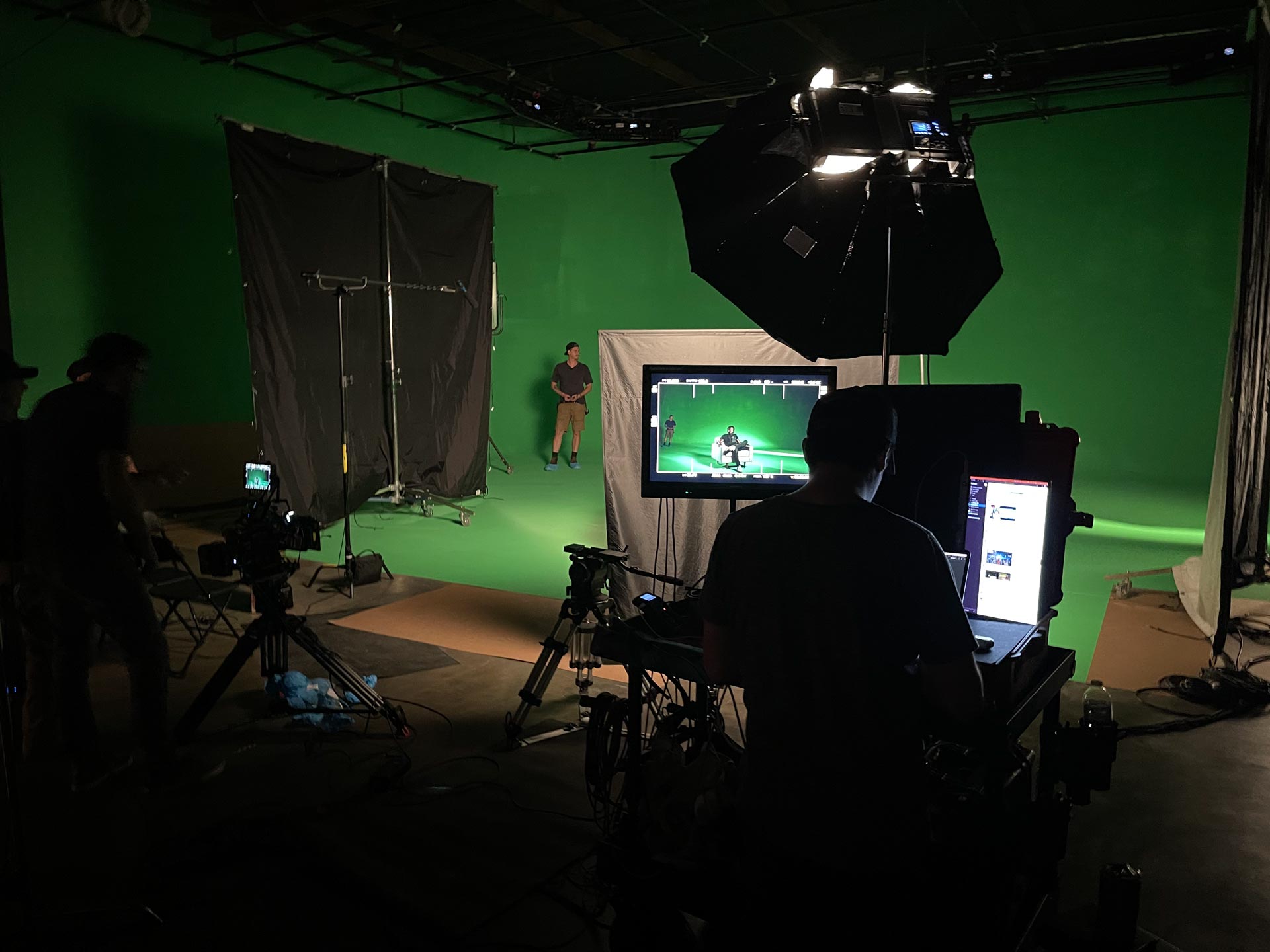
The summit opened with a welcome from Blake Chandlee, who set the stage by framing TikTok’s growing role in entertainment and its natural evolution into gaming. This was followed by a keynote from Assaf Sagy, who explored how gaming on TikTok has become a powerful force for connection and culture, shaping the way players, creators, and brands interact. The program then moved into a creator-led segment with Kennedy from Cozy Games and Khleo Thomas, who shared how their communities turn gameplay into storytelling and fandom. This first section was primarily shot in LA and in Austin on large sound stages.
The event concluded with a roundtable featuring Julia Victor from The Sims, Sami Thessman from 2K, Naor Itzhak from Playtika, Ioana Hreninciuc from Homa Games, and Vincent Tan from VNG, discussing how publishers are using TikTok to build entertainment properties that reach massive new audiences. It all came together as a fast-paced, immersive experience that felt like leveling through different stages of a game, each revealing a new layer of how gaming, creativity, and culture intersect on TikTok. The agenda was truly jam packed for a 35 minute long program, but we made the best use of time by using a pixel transition pack I developed.
The typography strategy leaned bold and legible, designed to hold on mobile screens, LED walls, and livestream compression without collapsing. Color was treated like UI feedback, with punchy contrast that read as “gaming” while still feeling unmistakably TikTok. Shapes and graphic motifs borrowed from game interfaces, but we simplified them into a toolkit that could scale across dozens of deliverables. We designed the logo to feel like an entry point, a mark that signals motion, invitation, and momentum rather than a static badge. Motion rules were as important as static rules, because the event’s identity lived in transitions, timing, and rhythm. We also built space for hidden details, small gaming nods that rewarded attentive viewers and helped the experience feel culturally fluent. The outcome was not a look, it was an operating system for creative consistency at global scale. Overall the creative landed in layers as it came together on presentation day all together.

Khleo Thomas and Kennedy, known to her audience as Cozy, were the perfect creators to bring the storytelling and energy of TikTok Made Me Play It to life. Khleo, a longtime actor, musician, and gamer, embodies the intersection of entertainment and culture that defines gaming on TikTok. His ability to move effortlessly between performance, humor, and heartfelt connection made him an ideal bridge between mainstream audiences and the gaming community. Cozy represents the new wave of creators who have turned cozy gaming into a cultural movement built on warmth, inclusivity, and emotional connection. Her presence brought balance and authenticity, showing that gaming is not only about competition but also about creativity, comfort, and community. Together they captured the full spectrum of gaming culture on TikTok, with Khleo bringing cinematic energy and charisma while Cozy brought depth, relatability, and heart.

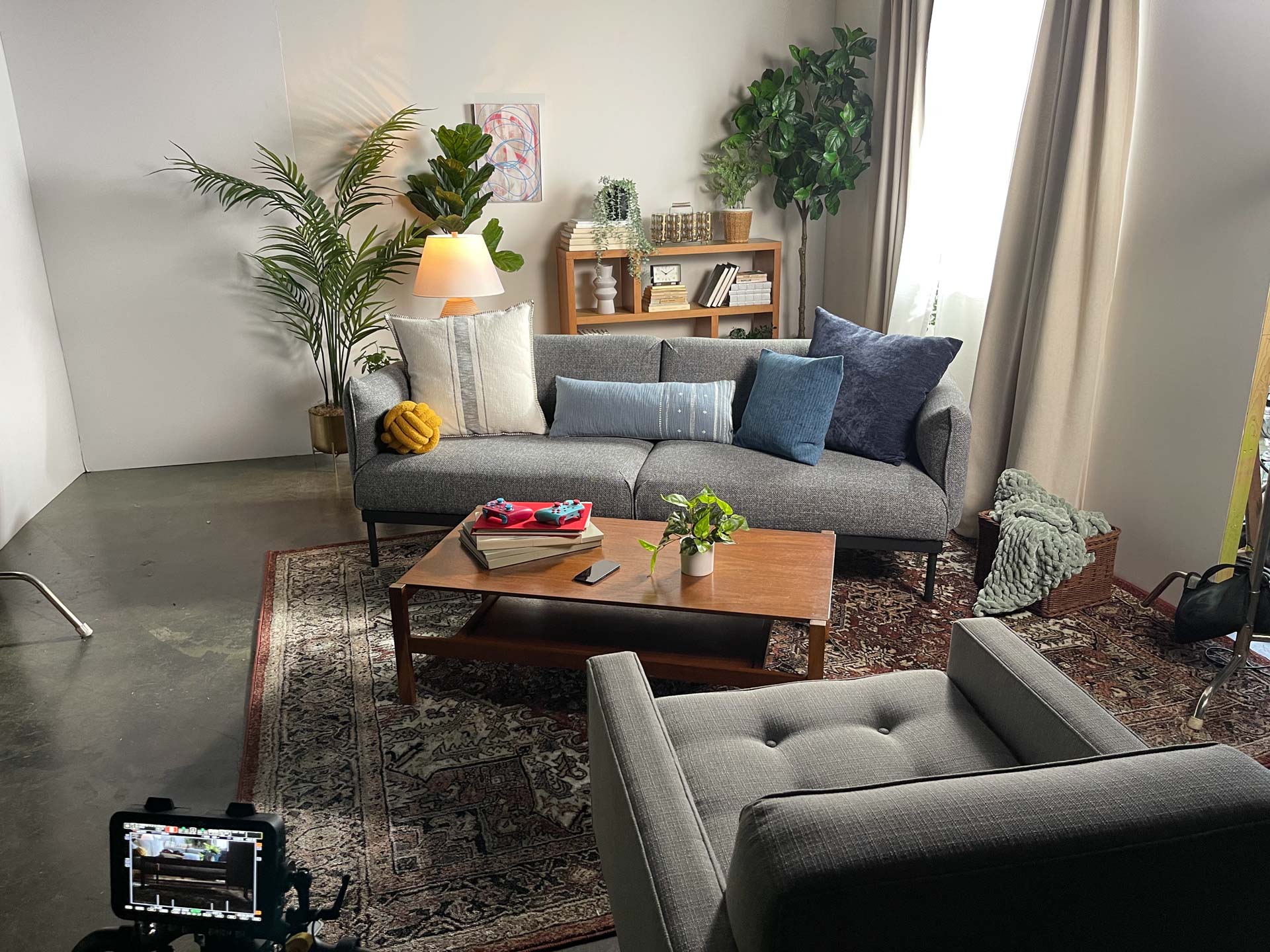
The visual world of TikTok Made Me Play It was built with intention, where nothing on set was accidental. The set design and art direction focused on subtle touches of TikTok’s signature razzmatazz pink and splash cyan, using color not as decoration but as quiet cues to keep the space connected to the brand. The controllers carried these accents most prominently, serving as both a visual focal point and a storytelling prop in the Khleo and Cozy talking points segment. Every piece of the environment, from lighting to props, was selected to feel authentic to the creator community while maintaining the polish of a global production. On set, I made sure these small but deliberate details worked together to make the world feel cohesive, balanced, and unmistakably TikTok.
The talking points segment with Khleo and Cozy sat at the heart of the show and brought a level of warmth and energy that tied everything together. Their chemistry on camera was effortless, creating an electric back and forth that felt authentic, unscripted, and fun to watch. Khleo’s acting background came through clearly in his smooth delivery and natural timing, giving structure and rhythm to the conversation while Cozy balanced it with her easy charm and thoughtful perspective. Together they made complex ideas about gaming, creativity, and community feel human and relatable. To complement their dynamic, we built a Pokémon-inspired graphic set that surrounded them with playful animations and bright, familiar iconography that reinforced the theme of discovery through play. The result was a segment that didn’t feel like a panel or a pitch but like two friends sharing a moment, perfectly capturing the spirit of TikTok’s creator-driven culture.
Following the creator-led segment, the show transitioned into a series of client interviews and brand-led discussions that grounded the storytelling in real-world insight. Executives from leading publishers like Electronic Arts, 2K, Playtika, Homa, and VNG shared how TikTok had become an integral part of their marketing strategy and how the platform’s creator ecosystem was redefining how games are launched and sustained. These interviews gave the summit credibility and strategic depth, showcasing measurable success stories and industry perspective on how cultural relevance drives business performance. Every speaker offered a unique perspective, from storytelling and community building to product design and market growth, showing how TikTok’s creative ecosystem drives not just awareness but measurable business impact.
It was deliberate to position the creator conversation before these interviews. Having Khleo and Cozy open the middle portion of the show brought a burst of energy and personality that kept the audience emotionally engaged before transitioning into the more data-driven brand insights. Their chemistry helped establish a tone of authenticity and connection, making viewers more receptive to the industry conversations that followed. This sequencing kept the pacing dynamic and balanced, alternating between playfulness and thought leadership to maintain momentum and audience engagement throughout the broadcast.

The music and sound design played a critical role in shaping the emotional rhythm of the show. From the start, I wanted the sonic landscape to feel nostalgic yet modern, echoing the sensibilities of both classic gaming and contemporary TikTok culture. Working closely with Eastward’s post-production team, I helped curate and guide the sound direction, crafting an 8-bit inspired soundtrack that ran through transitions, title cards, and gameplay-inspired sequences. The soundtrack was built with intention, blending nostalgic synth melodies and modern percussion to create a soundscape that felt rooted in classic gaming while carrying the pulse and rhythm of TikTok today.
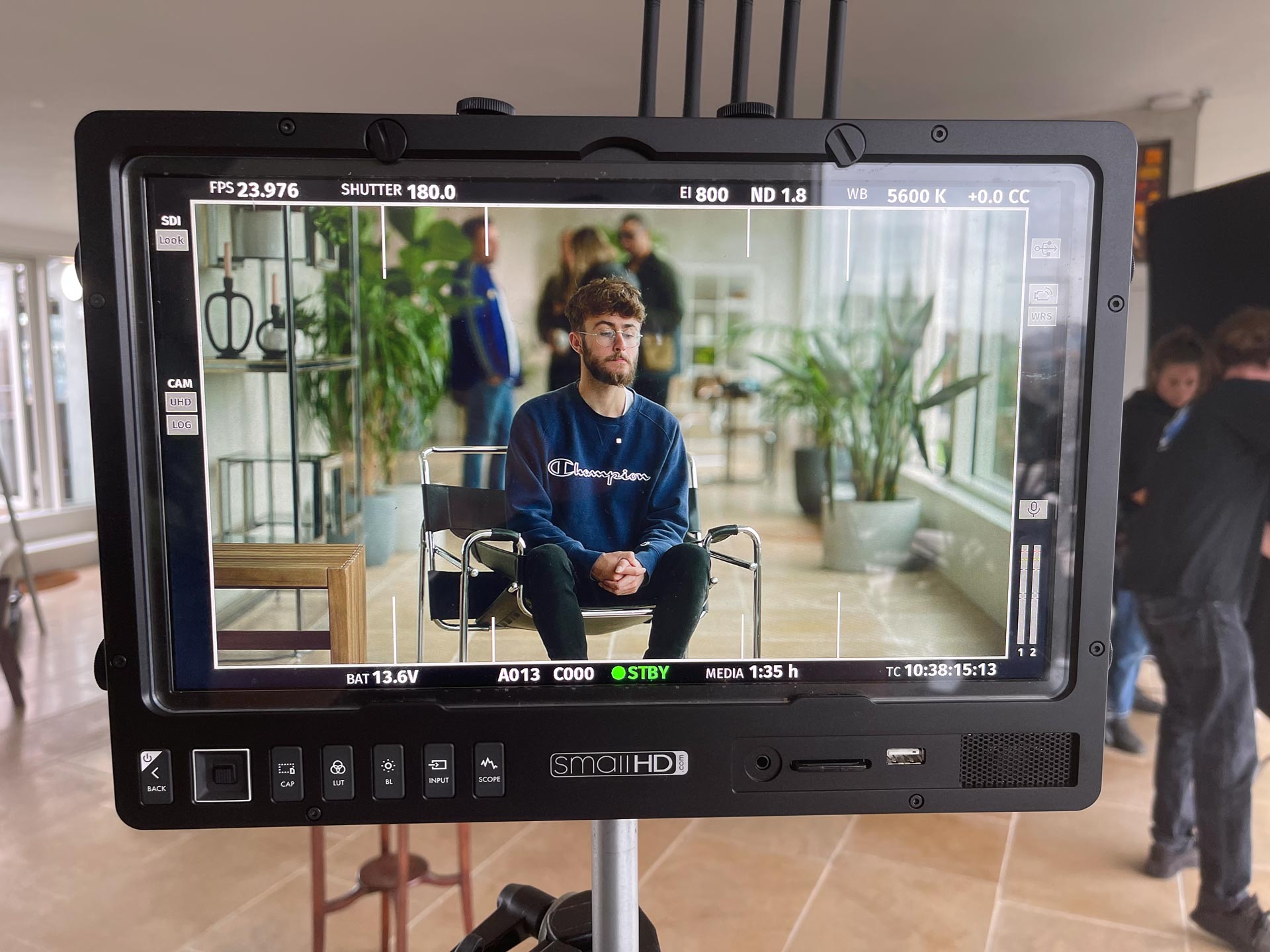
Working with Eastward on the motion graphics package was one of the most creatively rewarding parts of the project. Together, we built a visual language that brought the interviews and data-driven sections to life, turning what could have felt static into something dynamic and cinematic. The team developed modular templates for stat graphics, animated name cards, and data visualizations that aligned with the summit’s design system while keeping the pacing tight and engaging. We experimented with pixel-based transitions, UI-inspired overlays, and rhythmic cuts synced to an energetic, gaming-influenced score. Between segments, drone footage of cities and macro shots of everyday objects added a sense of scale and movement, grounding the digital world in reality.
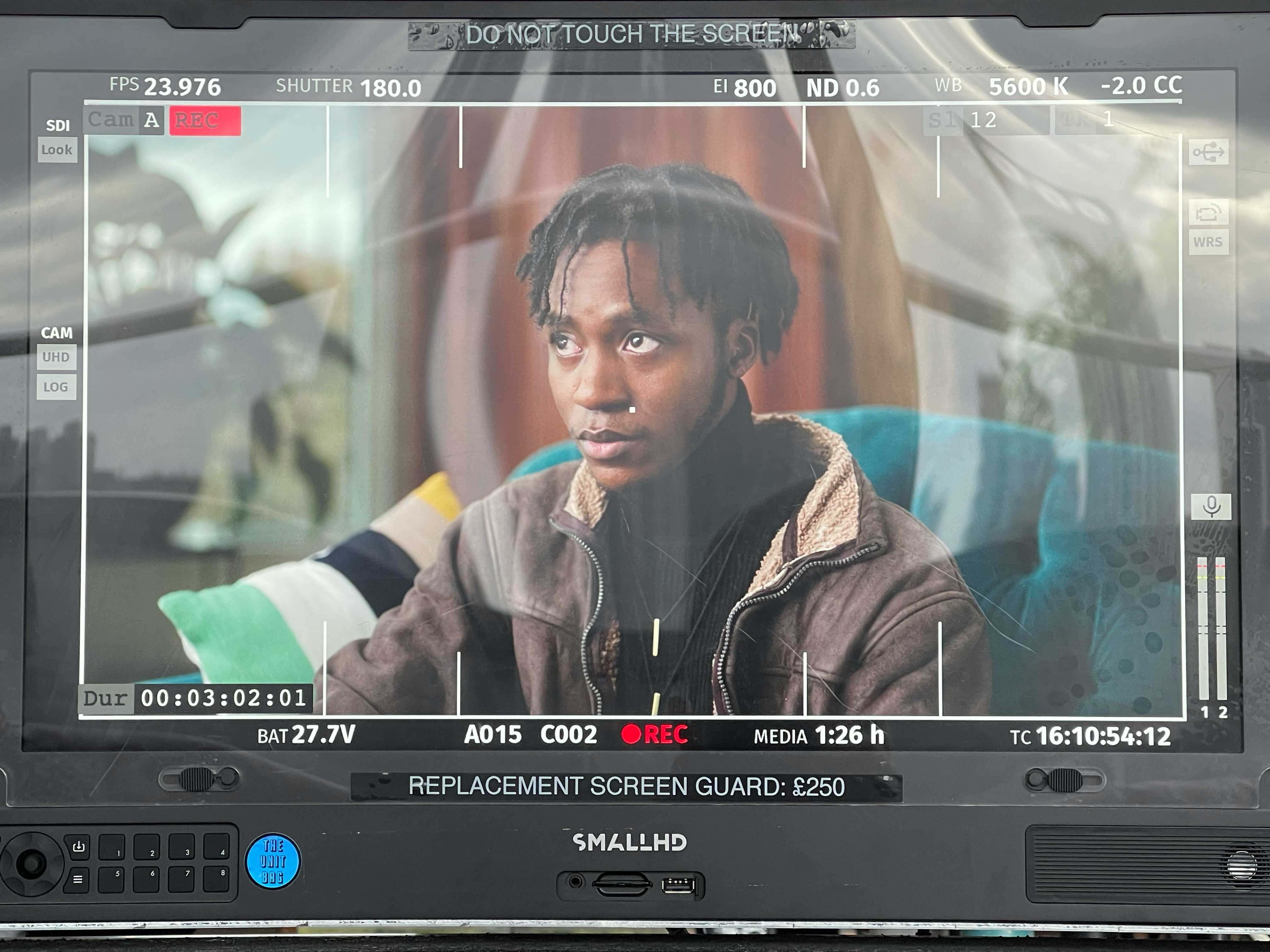
I set the north star early, then carved the work into clear lanes, identity, motion, web, 3D world, social extensions, and enablement. We ran rapid exploration sprints at the start, generating a wide range of logo and visual treatments before converging on what felt most ownable. Once we chose a direction, I shifted into system building mode, turning good ideas into repeatable rules. I gave the team clear constraints and then encouraged tasteful rebellion inside those constraints, because that is where the best work lives. Reviews focused on specificity, what is the hierarchy, what is the timing, what is the story the frame is telling. We moved in parallel, but I kept one shared language so handoffs between design and motion felt seamless. I also protected craft, even under pressure, because teams follow what you reinforce, not what you say. The collaboration became the product, proof that design leadership can scale creativity rather than dilute it. By the end, the team felt like a band that learned how to improvise while still staying in key.
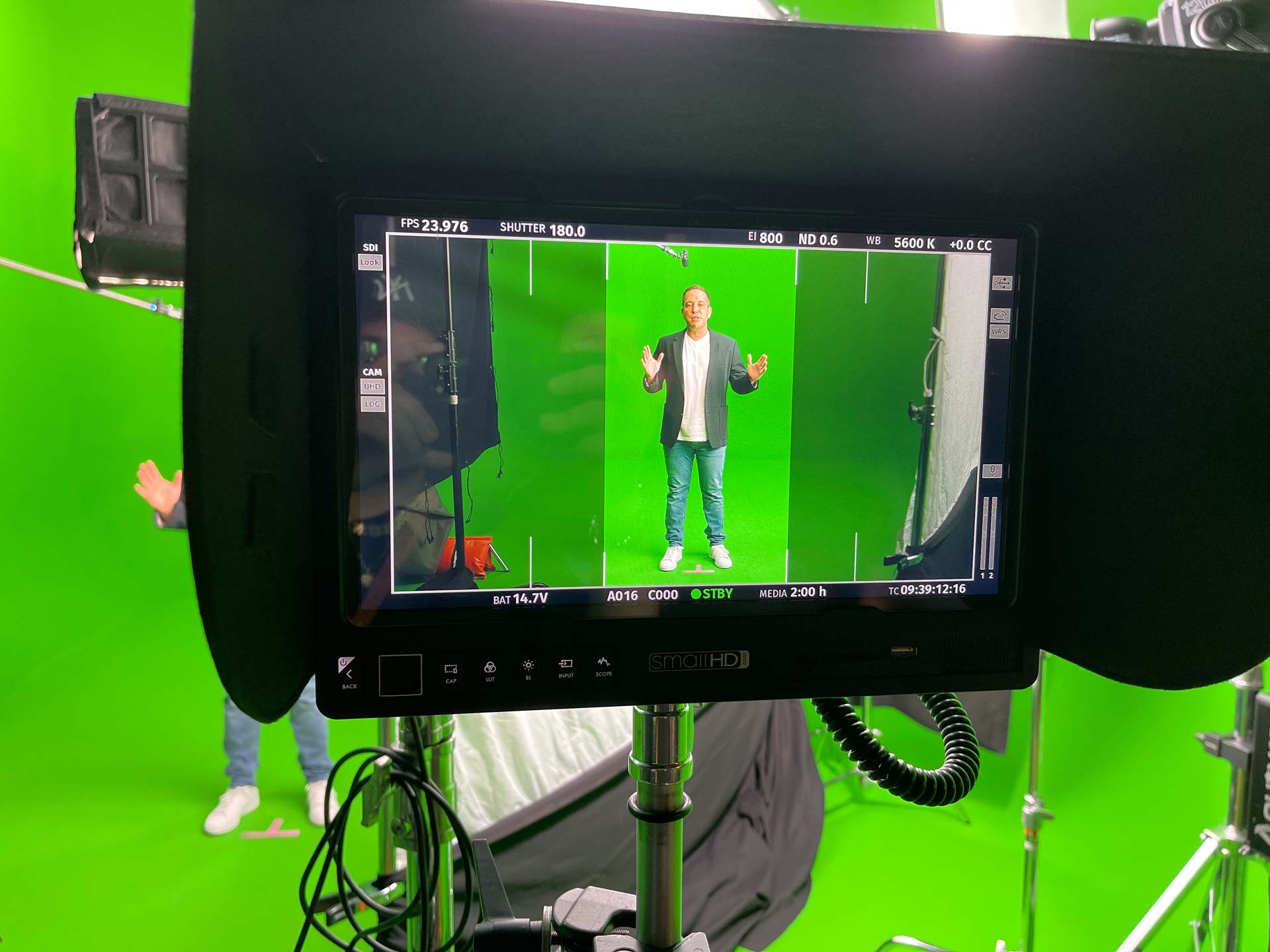
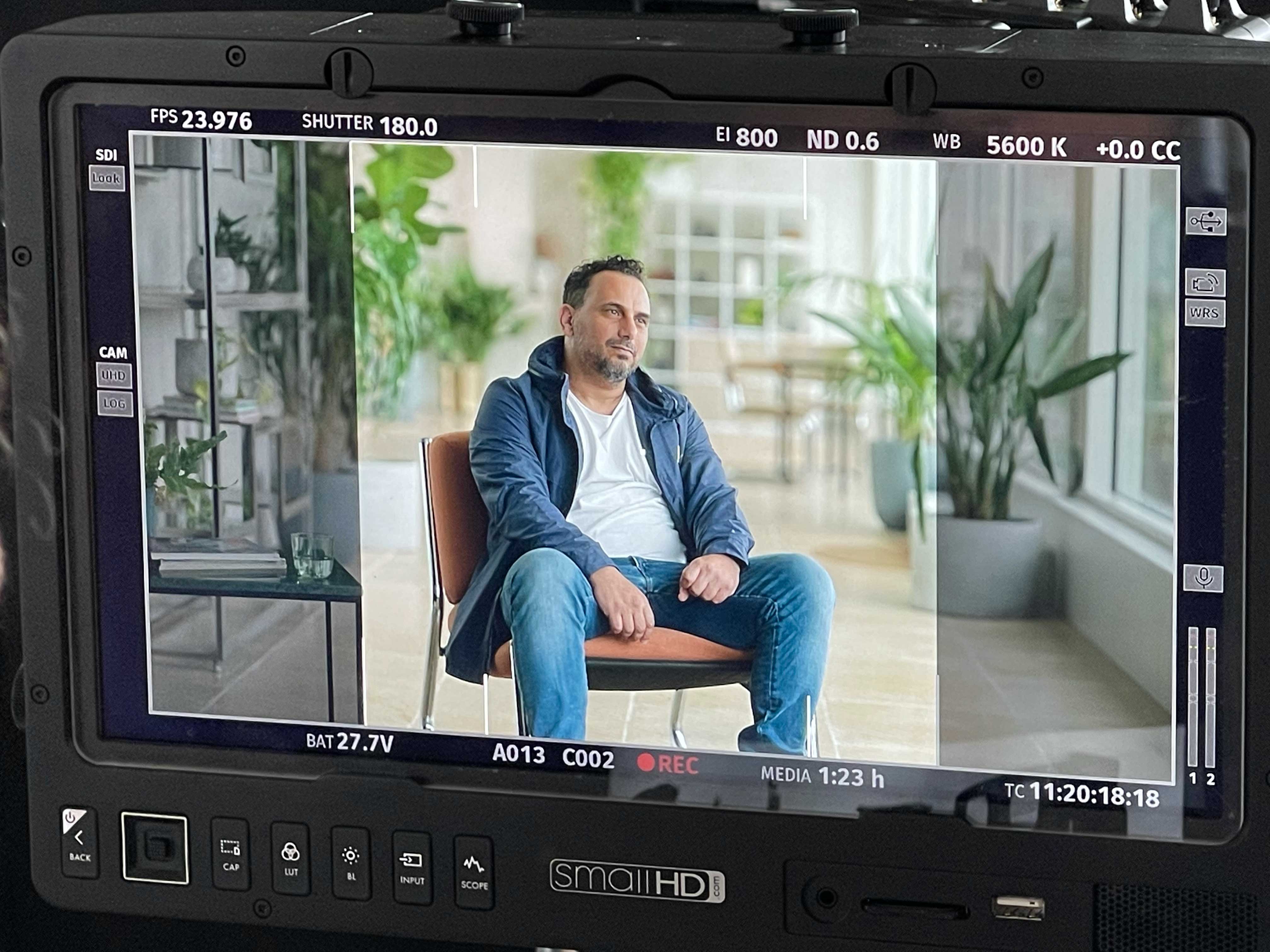
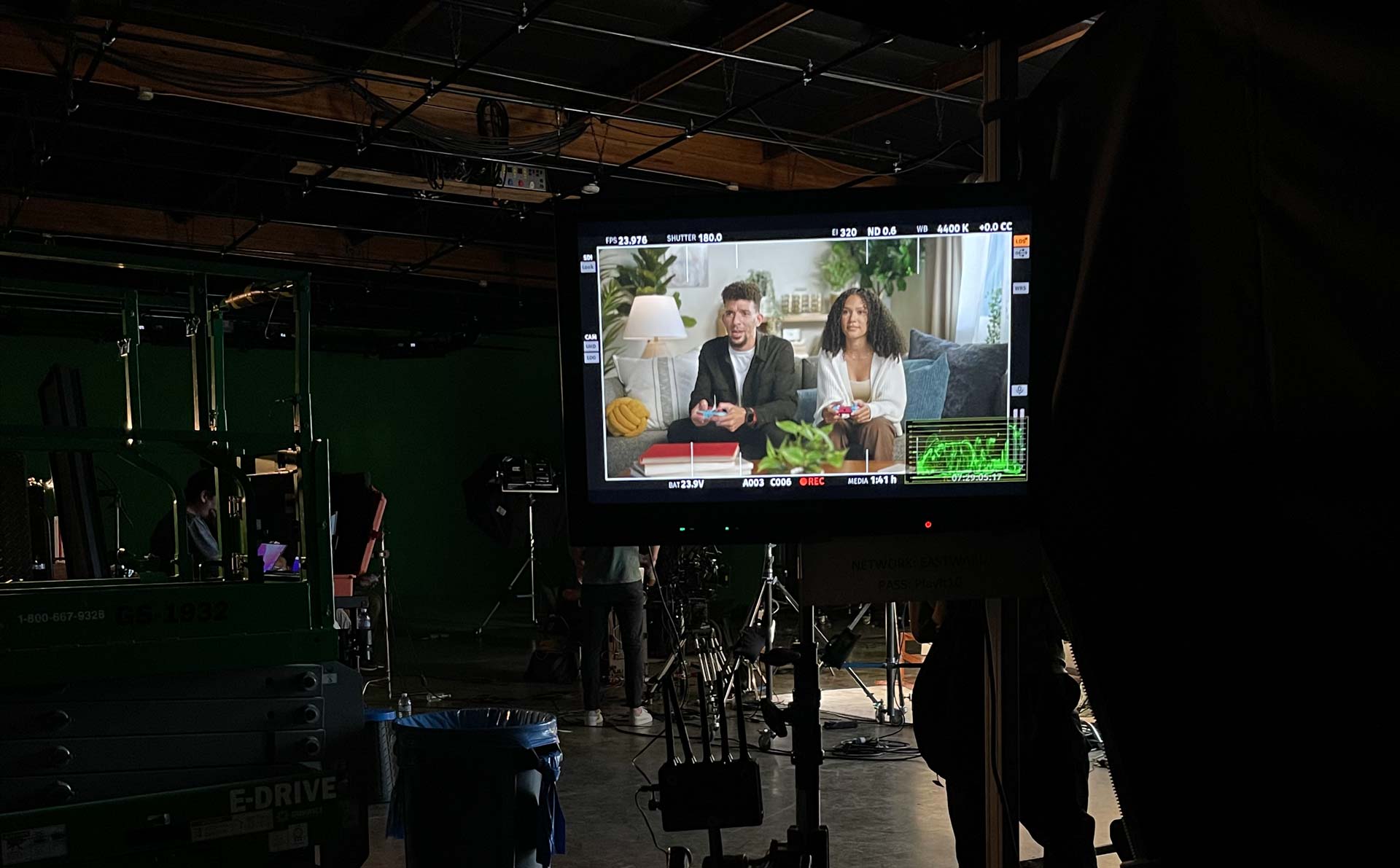
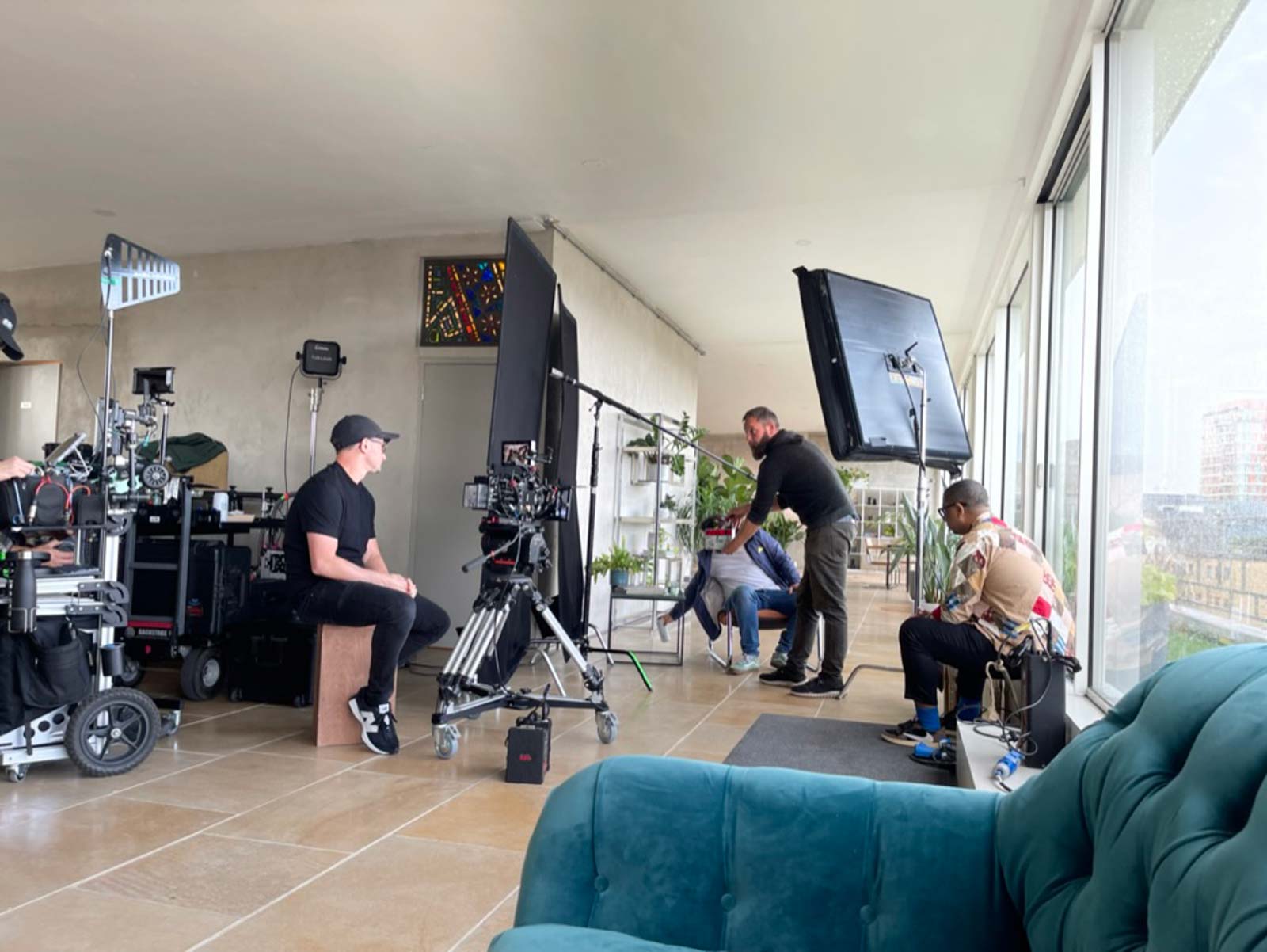
This shoot involved extensive green screen work that became one of the most complex and rewarding parts of production. Nearly every major sequence, from VBunny’s world introduction to the creator transitions and portions of the brand interviews, required detailed planning for compositing and integration into 3D environments. We shot with tracking markers and multiple layers to ensure motion alignment, giving Eastward’s post-production team flexibility to add depth and realism. I collaborated closely with them on visual continuity, lighting references, and pre-visualizations to ensure camera angles, props, and shadows aligned perfectly once composited. The color correction process was equally demanding, balancing natural skin tones against the bright, gaming-inspired palette of the 3D world so that the talent felt embedded within the space rather than superimposed. Shots were refined through multiple grading passes to perfect tone, saturation, and depth until the visuals felt polished while staying true to TikTok’s playful and modern aesthetic, creating a fluid integration of live action and digital design.

The show came full circle with Assaf returning to close it out, bringing the energy back to where it began and grounding the experience in both creativity and scale. His closing remarks highlighted the explosive growth of gaming, now reaching over three billion players and generating more than two hundred billion dollars in annual revenue. This moment connected the storytelling and emotion of the creator segments with the strategic vision of the business, showing how TikTok sits at the center of culture, community, and commerce. The design of the segment was clean and confident, pairing bold motion graphics, client logos, and a dynamic pacing that reflected the momentum of the industry. It was a fitting conclusion that reminded viewers of TikTok’s role as the ultimate platform for discovery, creativity, and growth, uniting players, publishers, and partners in one global ecosystem. The graphics, the live shoot and the music all sync into one final climax for this show.
The summit’s thesis was simple: TikTok is not adjacent to gaming culture, it is one of its primary distribution layers. We framed the event around “Portal to Play,” because the behavior already existed and we were simply giving it architecture. Gamers do not want to be sold to, they want to be surprised, seen, and rewarded for attention. So we designed for discovery instead of instruction, using navigation, motion cues, and playful reveals to make information feel earned. The strategy balanced two audiences who rarely speak the same language: publishers who want proof and creators who want vibe. That tension became the design brief, credibility without corporate stiffness, joy without chaos. We treated every segment as a level with its own purpose, emotional tone, and visual cadence. The summit had to teach, but it also had to entertain, because entertainment is the platform’s native currency. When those two truths clicked, the project stopped being a livestream and became a world with a point of view.

One element that ultimately unified the entire initiative was the deliberate alignment between cultural storytelling, product education, and revenue enablement, ensuring that every creative decision served both audience resonance and business impact. Rather than treating the summit as a top-of-funnel awareness play, we designed it as a full-funnel ecosystem where inspiration, proof, and conversion existed within the same narrative arc. Creator segments established emotional credibility, publisher insights delivered strategic validation, and the interactive platform captured actionable engagement data that sales teams could immediately translate into pipeline. This closed-loop design meant that the visual system, motion language, and user journey were not only expressive but also instrumented to reveal intent, from session dwell time to post-event partner outreach. By embedding performance thinking into the creative framework, we demonstrated how TikTok’s discovery engine moves audiences from curiosity to community to commerce without breaking the cultural spell. This was a key part of making a summit like this, it had to be both engaging and valuable for businesses as well as fun.
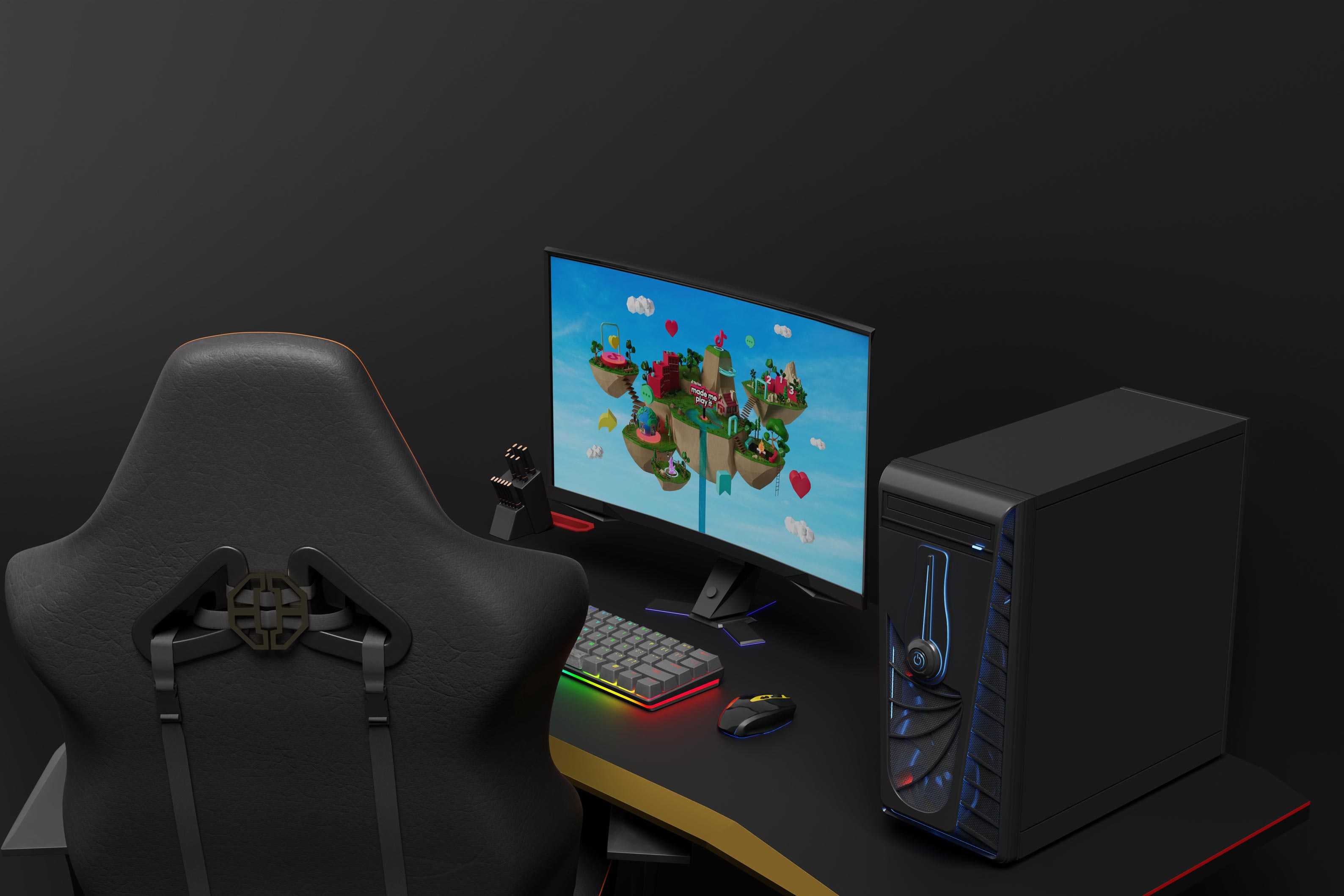
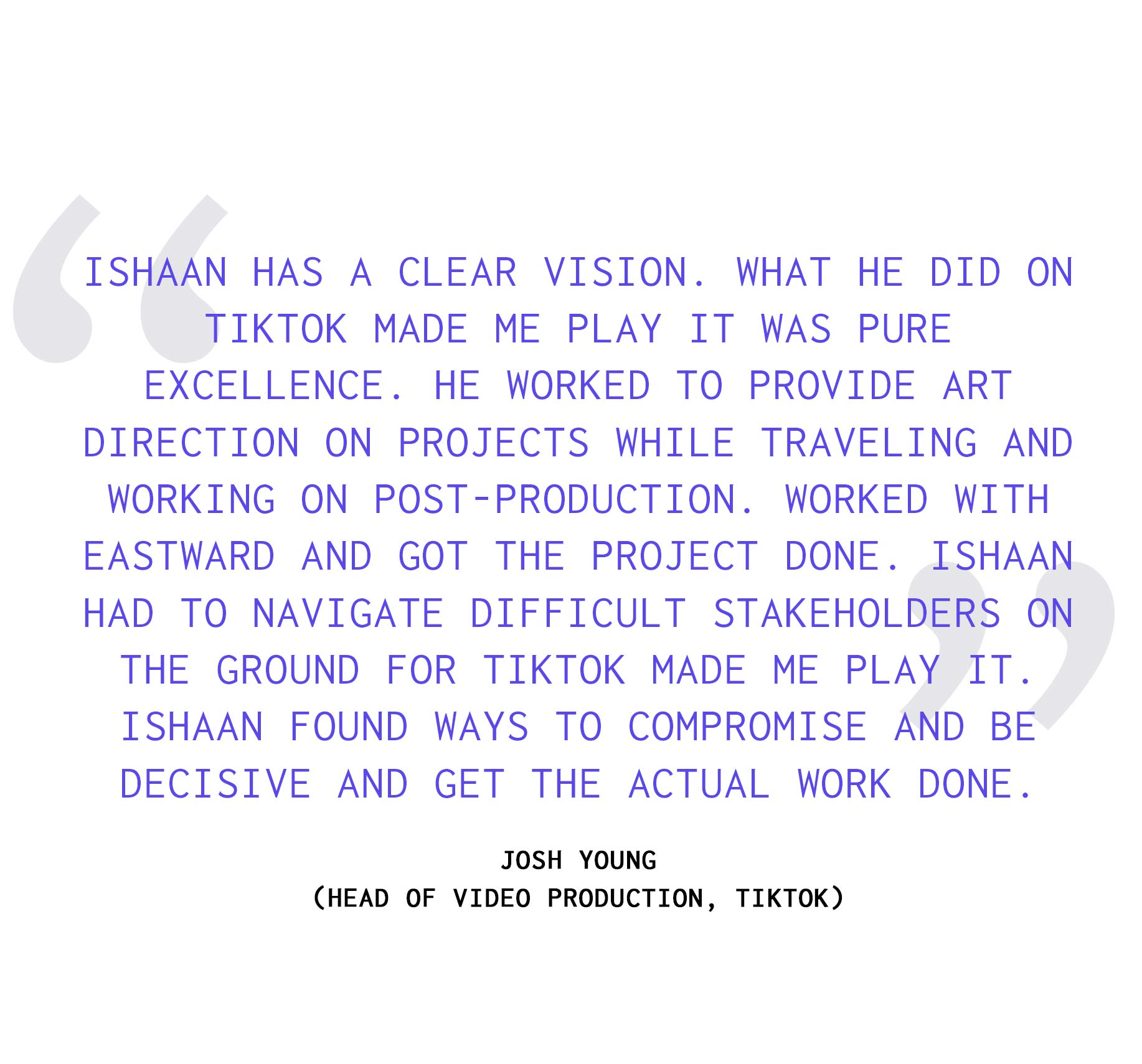
Working with Josh Young and the video production team was one of the most defining parts of this project. Josh and I partnered closely to bridge creative direction with on-the-ground execution, aligning our studio vision with Eastward’s production expertise. His leadership on the video side gave me the freedom to push the creative boundaries while maintaining clarity and momentum across shoots in multiple cities. Eastward’s team brought precision and craftsmanship to every stage of production, and together we built a rhythm that balanced creative ambition with operational efficiency. Whether it was making real-time calls on set, managing complex edits across time zones, or navigating multiple stakeholder groups, our collaboration was built on mutual trust and shared purpose. The result was a seamless partnership that made it possible to turn an ambitious idea into a global production that delivered both creatively and technically across cross functional partners, clients and production agencies.
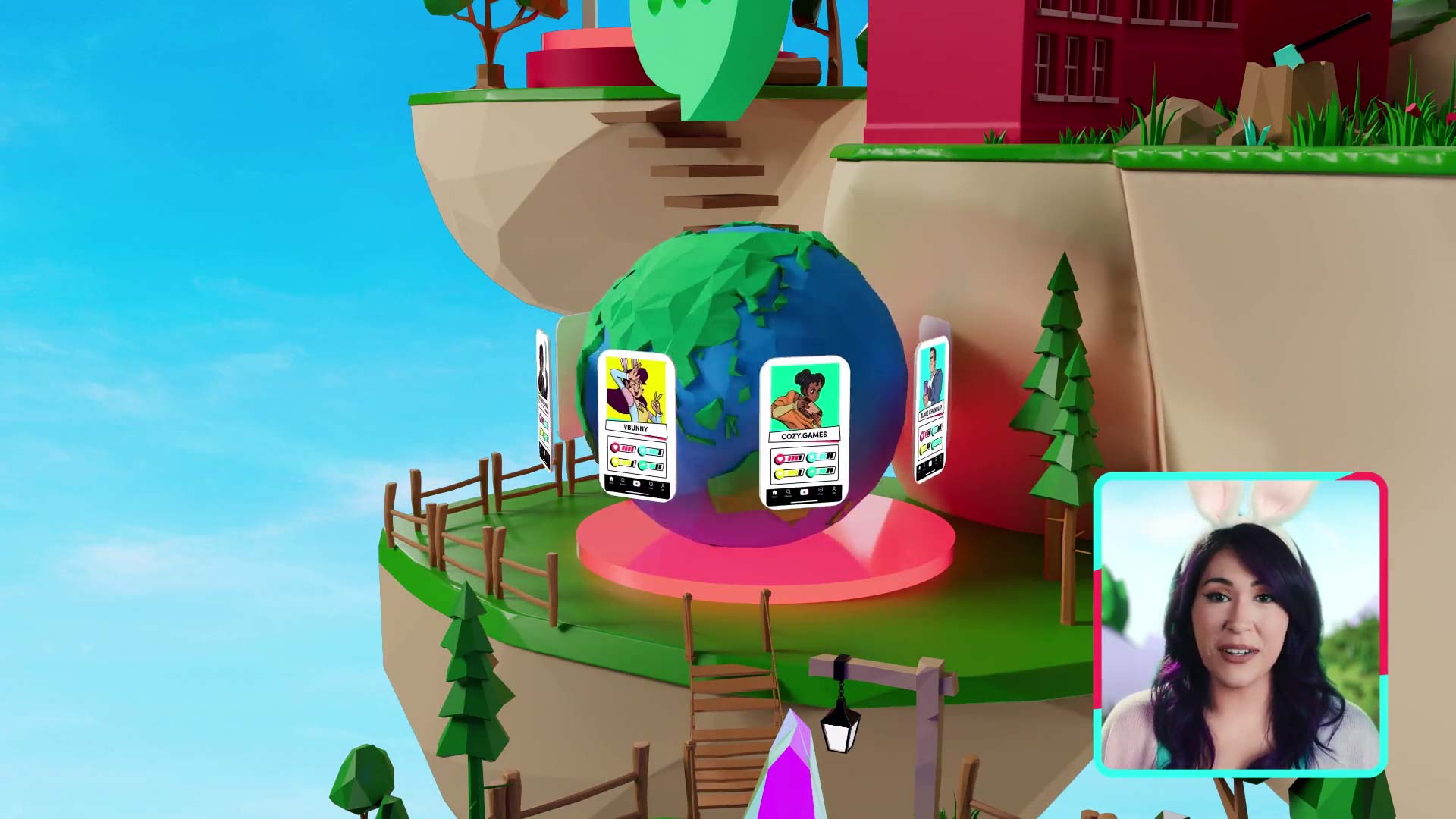
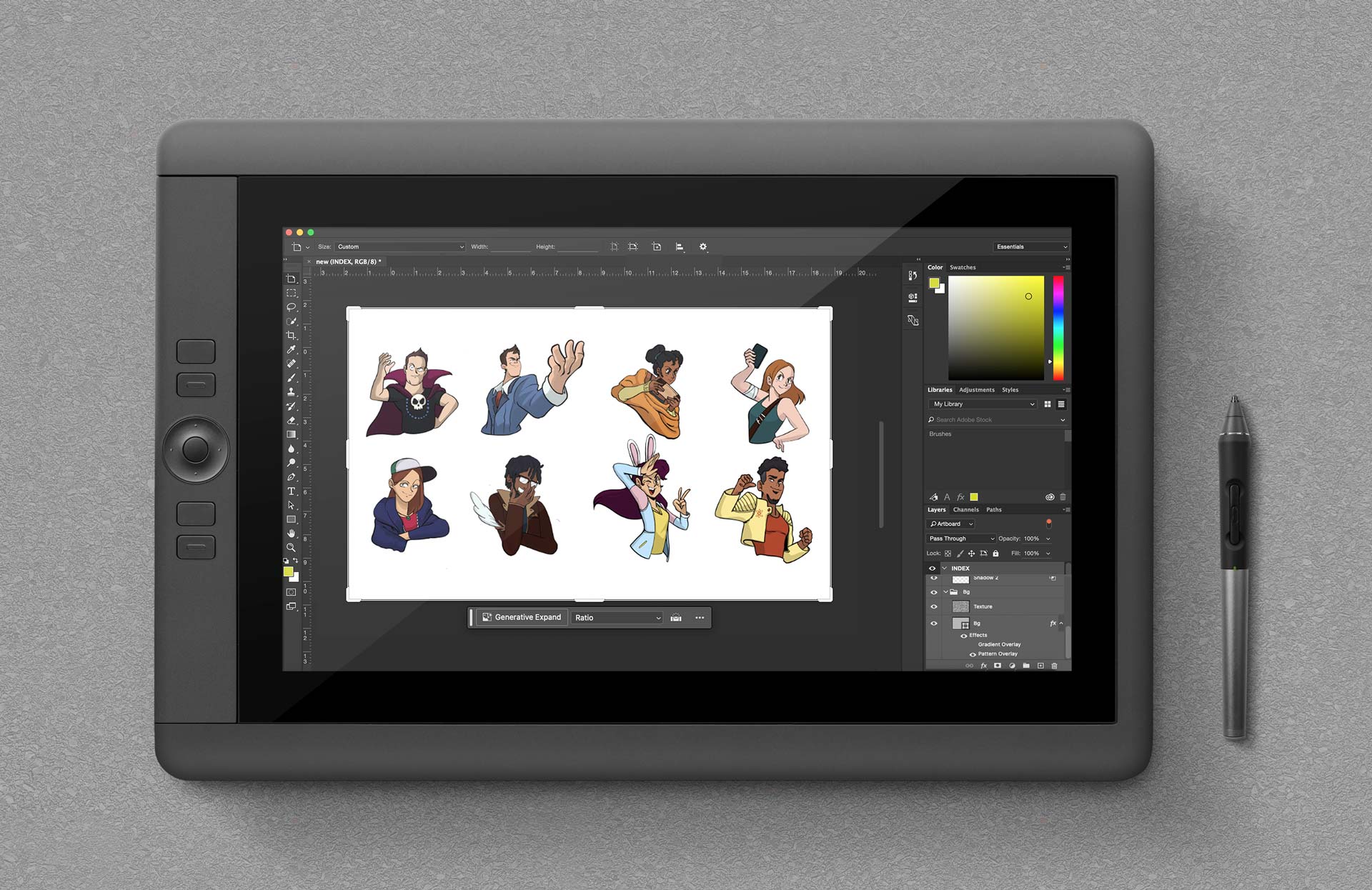
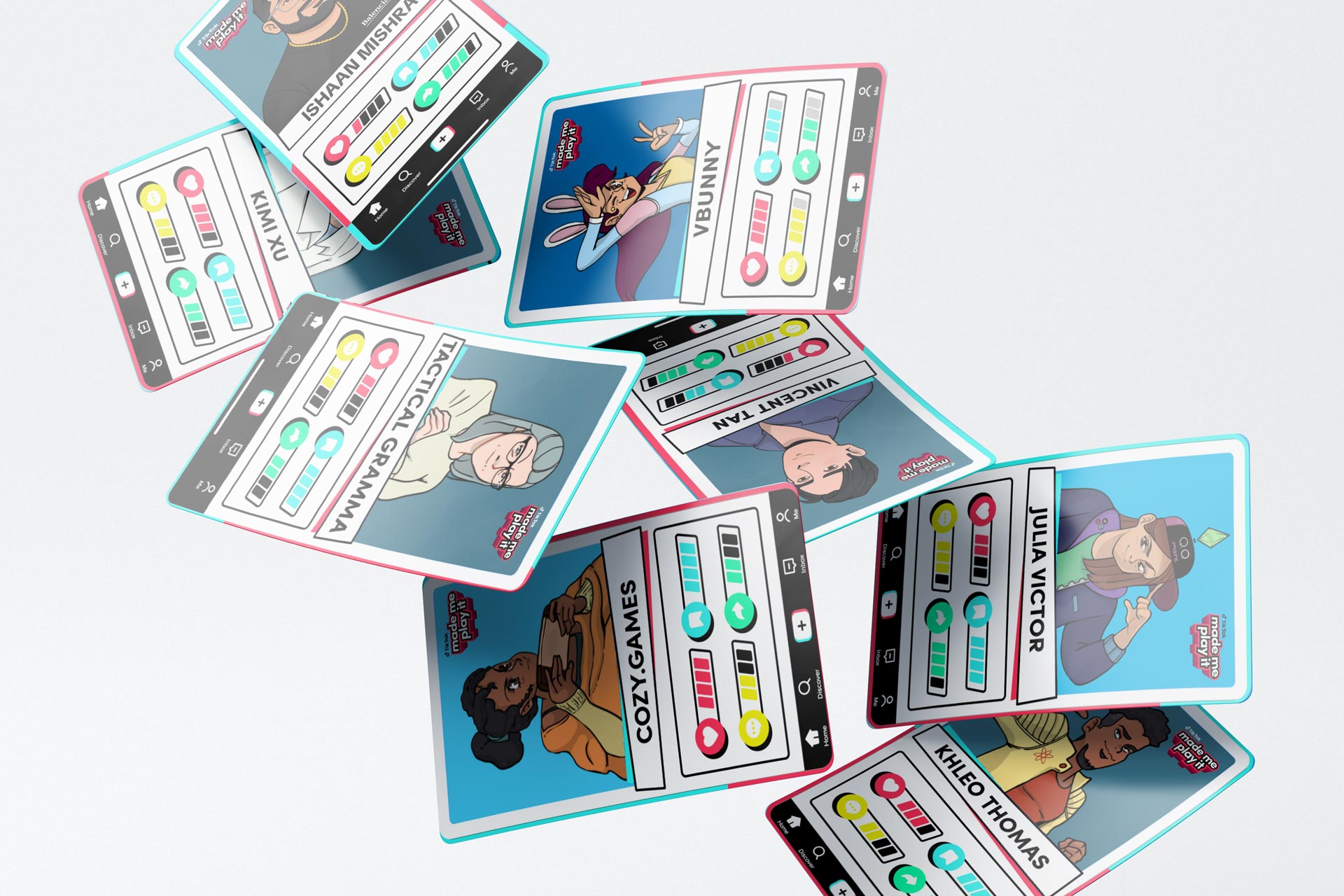
One of my favorite moments in the entire production was the end credits sequence, which we developed fully in-house. I creative directed our motion designer Wesley Phung to craft a dynamic outro inspired by trading card games, featuring custom illustrations of every speaker that I had commissioned. The sequence pulled directly from the visual language of collectible culture, with stats, icons, and UI animations that nodded to the thrill of opening a new pack of cards. It was fast-paced, nostalgic, and deeply tied to the DNA of gaming culture, offering one last burst of energy before the event closed. We wanted to make the speakers feel like heroes of a shared digital universe, each with their own unique powers and personalities, and Wesley’s execution gave that idea real life through crisp animation, bold color, and a clean sense of rhythm.
Across the entire show, these details reflected how deeply we wanted to honor the language and rhythm of real gamers. Every choice, from the 3D overworld map to the character select screen to the final trading card sequence, came from a team that genuinely lives inside gaming culture. The work wasn’t designed to imitate but to participate, to create something that felt effortless, lived in, and connected. The tone stayed playful and self aware, filled with subtle nods and Easter eggs that rewarded anyone who’s ever spent late nights chasing that next level or discovering a hidden world or trying to fully complete a level and unlock every treasure chest in a game.
TikTok Made Me Play It was built to feel alive. Every element moved in rhythm, from the 3D worlds and creator segments to the sound design and the flow of the edit. The team treated it as a work of cultural design, not corporate communication, shaping a space where the artistry of gaming could meet the clarity of storytelling. It carried the same pulse that defines the platform itself, fast and expressive, emotional and rooted in community. The work showed what happens when design and technology move with intention, when craft becomes a way to connect, and when entertainment turns into a shared language. The power of the summit came from its sense of belonging. It gathered creators, brands, and players under a shared belief that gaming is where culture now lives. Every creative choice reflected that idea, from how stories unfolded to how viewers moved through the world we built for them. The experience did not chase spectacle or validation. It sought to create understanding and resonance. It revealed that creativity has the most impact when it listens, when it builds from the inside outward, and when it captures the energy of a generation that sees play as both expression and possibility.

The trading card concept captured the full spectrum of play, from Pokémon and Yu-Gi-Oh to tabletop classics, strategy games, and even chess. It reflected how gaming on TikTok has expanded beyond screens into a shared language of creativity and connection. Each card represented a real creator or voice within that world, transforming them into collectible icons in a universe of shared imagination. The idea celebrated the culture of collecting, remixing, and sharing that defines both gaming and TikTok itself, where every player, from casual gamers to chess grandmasters, becomes part of the same creative continuum. It was both a nod to nostalgia and a reflection of how play continues to evolve as a form of storytelling and self-expression and how that is constantly celebrated on our platform through art and cards and the conversation around it.
Throughout the process, the most critical work happened in the gray areas where creative ambition, technical feasibility, and business priorities collided. With multiple regions and stakeholders advocating for local nuance, there was constant pressure to fragment the experience, but I made the call to protect a unified core system while allowing modular extensions at the edges. We reduced overly complex motion sequences that tested beautifully in isolation but slowed pacing in the full run of show, prioritizing narrative clarity over visual indulgence. When bandwidth constraints threatened the fidelity of the 3D overworld in certain regions, I worked with engineering and Eastward to optimize assets without compromising the sense of depth and discovery that defined the experience. These decisions required balancing taste with data, instinct with collaboration, and speed with craft. By creating clear guardrails and empowering teams to operate within them, we maintained creative integrity while moving at TikTok velocity. The result was not only a cohesive summit but a repeatable decision framework that teams could apply to future global productions. In many ways, the success of the event was less about any single asset and more about establishing trust in design leadership as a strategic partner in high-stakes, cross-functional work.

Serving as Design Director on TikTok Made Me Play It was one of the most rewarding experiences of my career over the course of my time as a creative. Leading the overall creative vision meant guiding an extraordinary group of more than eighty people across design, production, programming, marketing, and gaming, all working toward a shared idea of what this world could be. I partnered closely with Eastward’s production team, our internal creative lab, remote artists, and collaborators around the world to keep the north star clear and the storytelling cohesive. Every team brought something distinct, from motion and 3D to sound, copy, and brand, and it was my role to align those perspectives into one unified experience. The process demanded precision, imagination, and trust, and seeing it all come to life reminded me of what large-scale creative collaboration can achieve when everyone is working in sync toward something that feels both ambitious and culturally meaningful.
TikTok Made Me Play It embodied the evolution of TikTok as a true performance marketing engine for gaming. The campaign brought to life the same principles that drive TikTok For Business, turning creative storytelling into measurable growth for mobile game developers, studios, and SMBs. It showcased how entertainment and performance are deeply connected on the platform, where discovery leads directly to conversion through native content, creator collaboration, and data-driven targeting. Every part of the summit was designed to show how game publishers could use TikTok’s creative tools and insights to drive installs, engagement, and retention at scale. Rather than separating culture from commerce, the experience proved how the two can coexist, showing that when creativity is powered by data and expressed through community, it becomes one of the most effective growth engines in modern gaming. Not only did it drive revenue and business results, it was entertaining, nerdy and just a good time to produce.
TikTok Made Me Play It was built like a dream you could step inside, a space where imagination met precision and play became the language of connection. Every sequence, color, and sound was tuned to the pulse of discovery that defines both gaming and TikTok itself. It was a reminder that design can move like music and storytelling can feel like gameplay, that creativity is at its best when it invites participation. What began as a virtual summit became a living world, one that captured the joy of creating, the thrill of exploration, and the sense of belonging that keeps people coming back to play again.
Key Collaborators: Akshara Sharma, Alainnа Schiano, Alon Lemberg, Amy Lai, Andy Chang, Assaf Sagy, Beatriz Diogo, Blake Chandlee, Bobby Scanlon, Brian Kim, Brian Wall, Christie Ramistella, Christopher Chen, Colin Yarck, Cynthia Dew, Dana Viltz, Deborah Gilwit, Dylan Guy, Elena Gilkey, Eric Schroeder, Evan Leshner, Gavi Chavez, Greg Bennett, Hamilton Tamayo, Hannah Lewis, Hans Malzar, Hyunjin Park, Isobel Sita Lumsden, Jaclyn Williams, Jacqueline Cervantes, Jake Bulgarino, Jake Williams, Jamie Young, Jason Gomez, Jason Krangel, Jason Parmar, Jeff Boron, Jeffrey Kieslich, Johnathan Kim, Jon Bougher, Jose Hernandez, Jose Hunt, Josh Young, Joy Seet, Kenneth Liew, Kevin Alcantara, Kohl Threlkeld, Lauren Duzyk, Laura Porat, Leo Kuai, Liz Amendola, Lizzy Pettigrew, Louise Johnson, Maggie Zhou, Marina d'Orthez, Matt Tanksi, Melissa Eccles, Michael Hinson, Mikey Navarro, Miriam Fitting, Noam Zada, Om Buffalo, Omba Kamangongo, Patrick Herrin, Rich Salamone, Rita Vinnik, Ryan Hague, Sandra Manzanares, Sarah Hughes, Selina Santiago, Shani Eichbom, Sloane Humphrey, Sofia Hernandez, Spencer Harvey, Ursula Donovan, Vanessa Geammal, Vita Molis, Wesley Phung, Will Mendoza, Yohan Yoon, Yvette Banks, Yvonne Cheng, Zinnie Nguyen, Donna Wood, Zoeey Reyes
Tools: Adobe Creative Suite, After Effects, Figma, Cinema 4D, and Sketch.
Deliverables: Video Graphics Package, Visual Identity, Overlays, Studio Shot Interview Content, Virtual Summit