

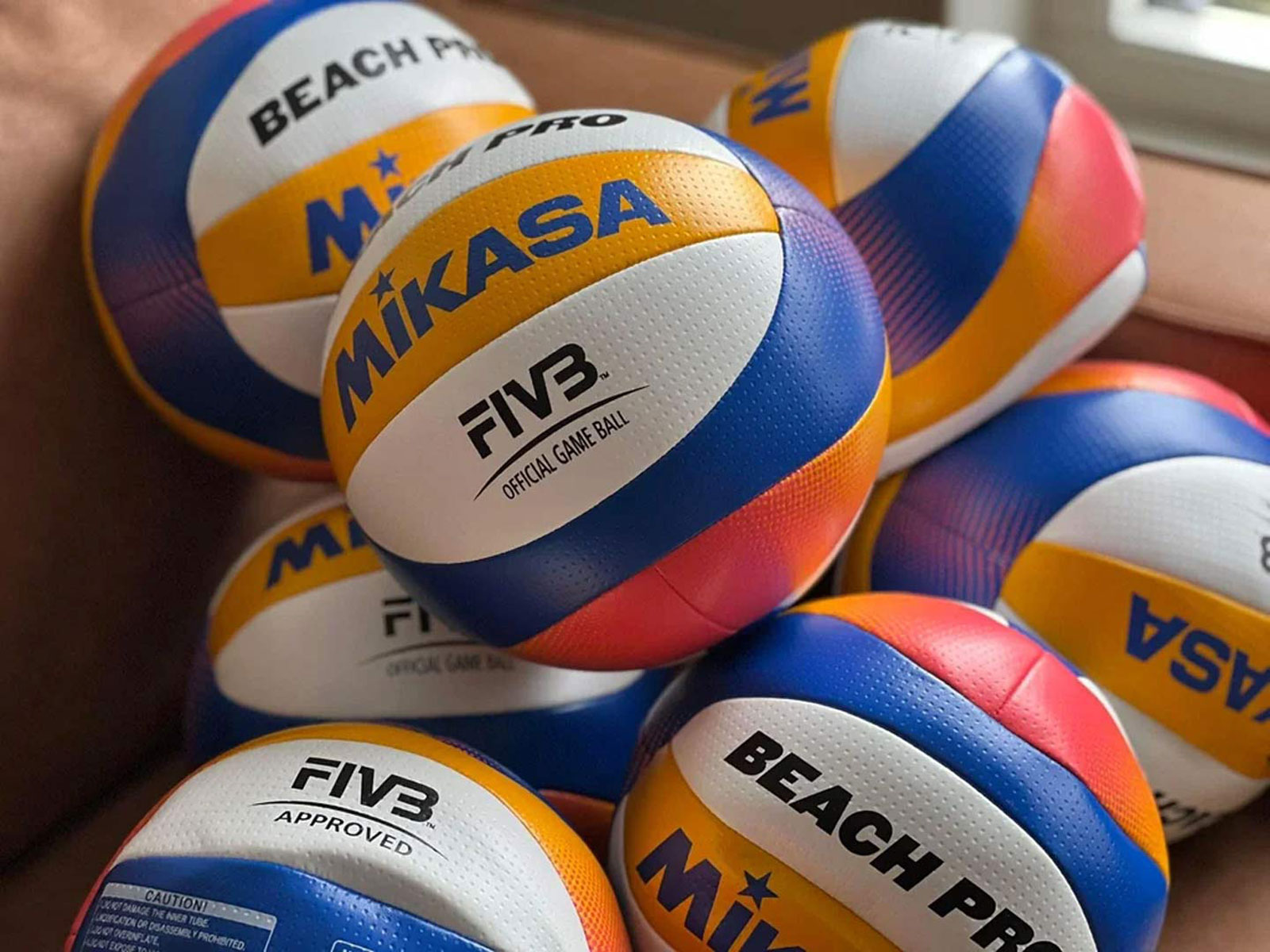
I led the creative direction and storyboarding for the launch of MIKASA’s BV550C Beach Volleyball, collaborating with Engage Digital Partners to craft a compelling visual and narrative experience. The goal was to introduce the most advanced beach volleyball ever made while reinforcing Mikasa’s legacy as the sport’s premier ball manufacturer. I developed the storyboards, conceptualized the launch video, and directed the creative execution, ensuring a seamless fusion of animation, live-action cinematography, and motion-driven storytelling. The campaign took audiences inside the Mikasa design process, from early sketches to professional play, bringing the ball’s craftsmanship, performance upgrades, and eco-conscious innovations to life. The BV550C launch positioned the ball as the official game ball for the Beach Pro Tour, FIVB World Championships, and the Paris 2024 Olympics, establishing its significance in the future of elite beach volleyball. The visual approach blended cinematic storytelling with high-energy sports action, amplifying the product’s role in shaping the game at the highest level. Beyond the launch video, I helped craft a broader digital content strategy, extending the campaign across social media, influencer partnerships, and branded graphics to maximize engagement. The result was a high-impact, globally recognized campaign that set a new benchmark in sports marketing and a ball that would go on to have many legendary stories of it's own.


"It was so amazing playing with it for the first time at the World Tour Finals. It is the exclusive game ball of the FIVB! Proud to be a Mikasa athlete." - Sara Hughes, 10x Volleyball Gold Medalist and World Champion
One of the biggest challenges was crafting a campaign that effectively balanced technical education with emotional engagement. The BV550C introduced groundbreaking innovations, including a dimpled surface for enhanced grip, reduced water absorption, and eco-friendly materials, all of which needed to be communicated clearly to both professional athletes and casual players. Translating these complex product details into a visually compelling and easily digestible story required a thoughtful approach to storyboarding and creative execution. It was crucial to ensure that the campaign was not just a technical showcase but also an exciting, aspirational narrative that resonated with the global volleyball community. Another key challenge was ensuring a seamless integration of animation, live-action footage, and digital content while maintaining a consistent visual identity across platforms. The campaign required on-location filming with elite athletes in Brazil, studio shoots for precision product highlights, and motion graphics to reinforce key features. Managing these diverse elements across multiple creative teams and locations required strong coordination, detailed pre-production planning, and a unified creative vision. The storyboards played a critical role in aligning all teams, ensuring that every piece of content—from the hero video to social media assets—felt cohesive and impactful. The final challenge was ensuring that the campaign delivered meaningful engagement and global reach. Mikasa wanted to expand its social media presence and reinforce its status as a leader in innovation, requiring a modern, digital-first approach. This meant optimizing content for Instagram, YouTube, TikTok, and other key platforms, leveraging influencer partnerships, athlete-driven storytelling, and interactive content formats. The campaign successfully captured audience attention, but achieving this required a strategic mix of creative direction, performance marketing insights, and continuous adaptation to digital trends to maximize visibility and impact.

.jpg)

Engage, with Russell Barder leading, asked me to own the storyboarding and high-level creative direction for the BV550C launch film. The brief was clear and ambitious, turn a deeply technical product into a cinematic story that felt human. Mikasa was introducing a new ball after 13 years, and the launch needed to be big and so they brought in our team to help expand and elevate the launch to a global audience.
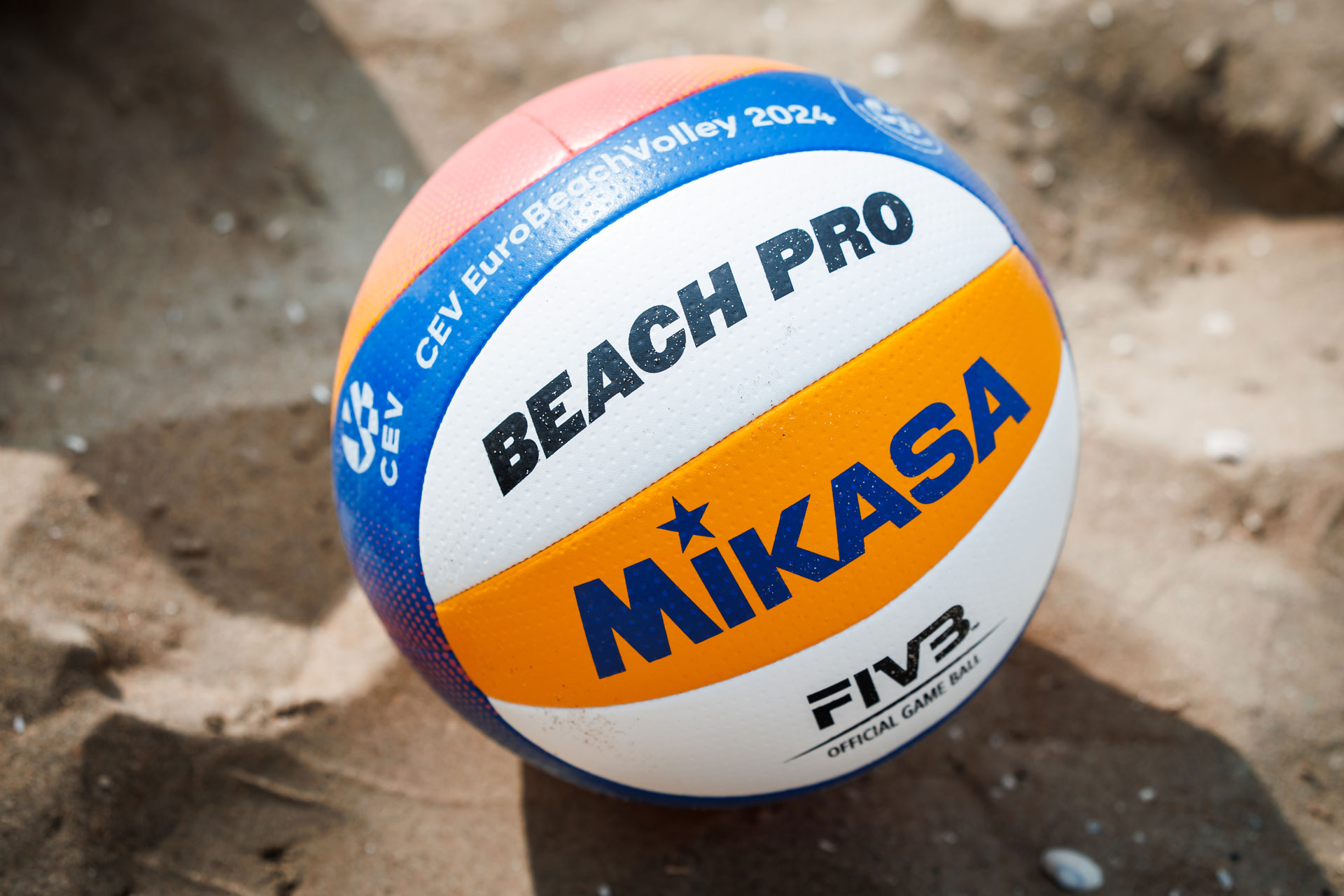
I assembled a tight strike team with Matheus Masello and Mikasa’s in-house partners, and within 48 hours over a very tight timeline, we delivered a treatment that mapped the full narrative arc. We defined the visual grammar, motion language, music approach, and script beats, then built a living storyboard in Figma and Google Slides so every stakeholder could track decisions and timing in real time. This allowed us to be nimble and assemble the production crew while building excitement as well as a promo in and of itself in the launch video, with multiple motion graphic explorations.
The boards, and the animatic above became our production blueprint. We set a cadence that intercut precision studio macros with sand-court energy, layered hand-drawn design cues over clean product shots, and used on-screen typography to land the key features like the dimpled surface, reduced water absorption, and recycled materials.
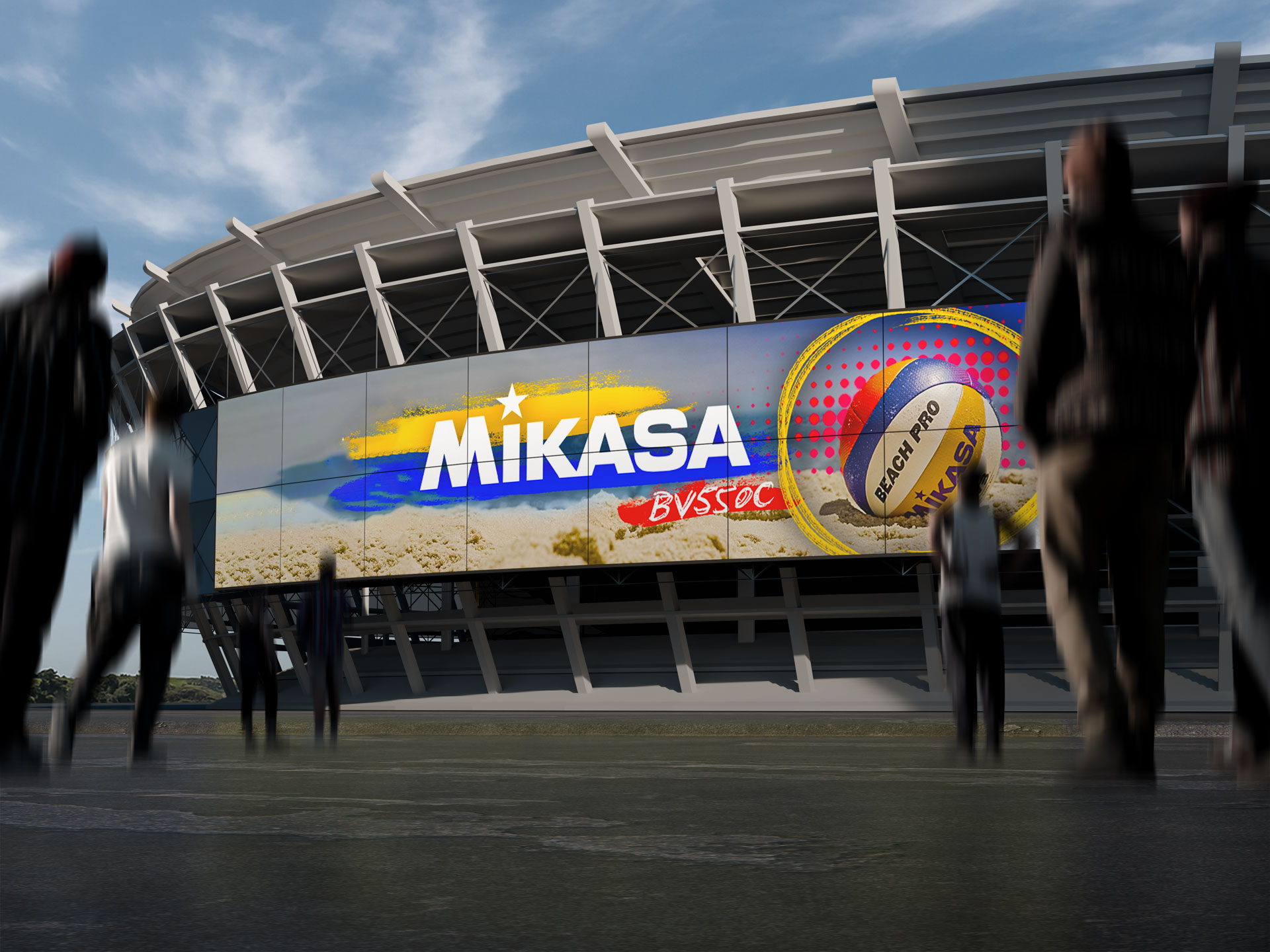
The plan supported parallel shoots in Brazil alongside controlled studio work, and the motion system was built for 16:9, 9:16, and 1:1 so the hero film and social cutdowns shared one visual DNA. By locking the story up front, we kept the creative intent intact from first frame to final export and delivered a launch video that moved smoothly from imagination to creation to play for both elite athletes and everyday players.
The launch of the Mikasa Beach Pro BV550C at the Beach Pro Tour Finals in Doha represented both a technical and creative milestone for the sport of beach volleyball. Positioned as the “best ever beach volleyball,” the BV550C was not simply an upgrade in performance but also a symbol of the brand’s commitment to design innovation and sustainability. Developed through years of rigorous research and guided by direct feedback from elite athletes and coaches, the ball integrates a series of advancements that enhance grip, precision, and playability in high-intensity conditions.
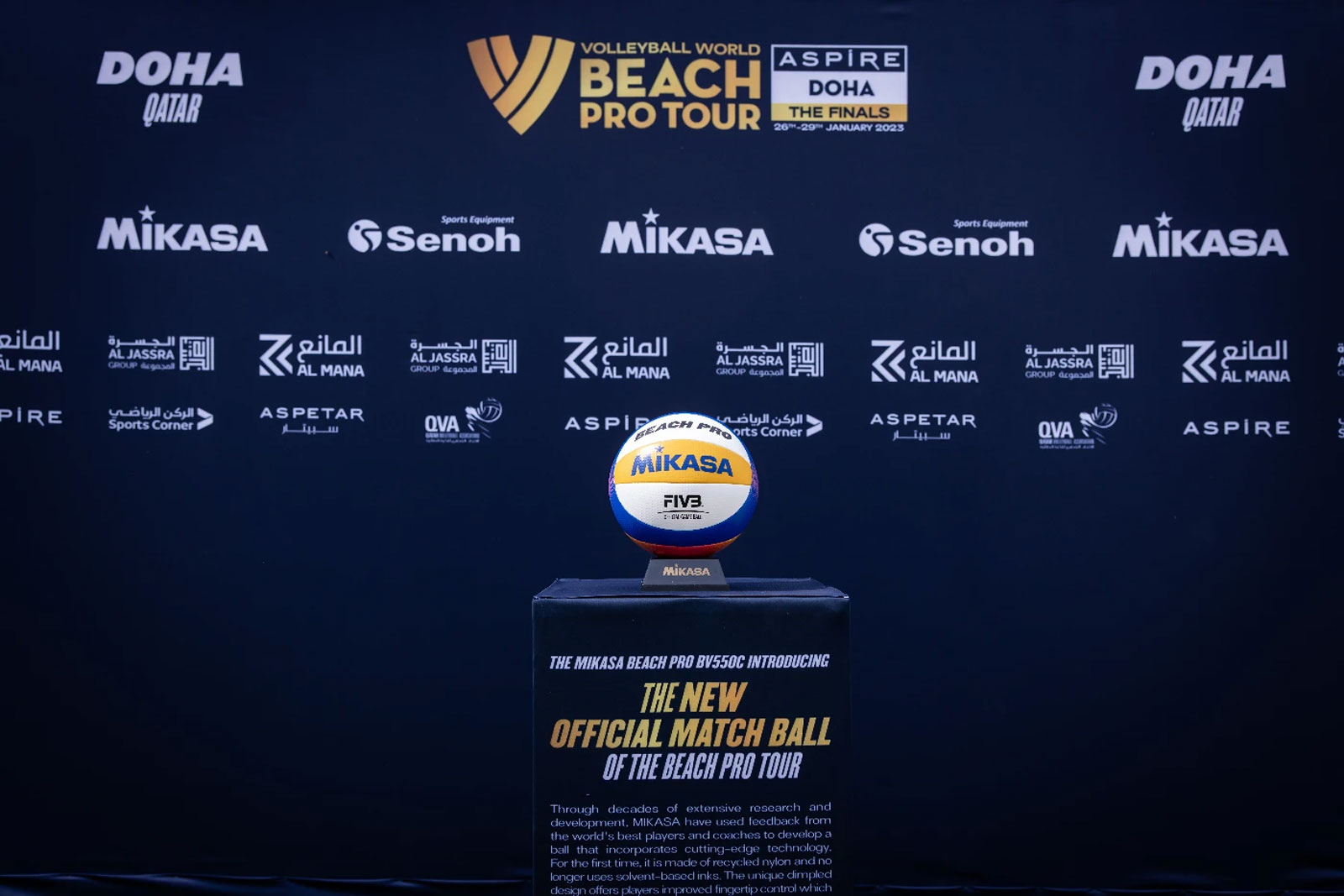
The launch video for the BV550C was conceived as both a cinematic journey and a strategic unveiling, bridging the intimacy of product design with the energy of global competition. It traced the ball’s story from the sketchbook to the sand, highlighting the artistry, engineering, and sustainability decisions that shaped its form. By intercutting close-up shots of texture and construction with kinetic scenes of the ball in play, the film framed the BV550C as not only a technical breakthrough but also a cultural icon. This narrative approach positioned the ball at the intersection of design thinking and athletic performance, allowing it to resonate with athletes, fans, and designers alike. The go-to-market strategy amplified this positioning, ensuring that the hero film could cascade into modular assets across platforms, from long-form storytelling on YouTube to quick-cut verticals on TikTok and Instagram, making the BV550C impossible to ignore in both professional and consumer spaces.
The challenge of launching the Mikasa BV550C was as much about repositioning the brand in the modern digital era as it was about introducing a new ball to the marketplace. This project required us to think beyond a single campaign execution and instead to build a narrative system that could live across platforms and formats while staying rooted in the identity of the brand. This would create an ecosystem of design and video language rooted in the product aesthetics.

Execution demanded close collaboration between our video, design, and strategy teams. Every creative choice was deliberate, beginning with the decision to layer hand-drawn elements into the campaign as a nod to the sketchbook origins of product design. These textures were blended with highly controlled studio captures of the BV550C, where we used precision lighting to accentuate material finishes, seams, and color blocks on the surface of the ball.

Motion graphics were kept sharp and efficient to hold attention in high-scroll environments while more expansive horizontal edits were tailored for YouTube and Facebook where longer dwell times could be achieved. This platform-conscious approach ensured that the campaign resonated wherever the audience encountered it.
Technical precision was a guiding principle throughout the process. Studio footage was planned to capture the ball from multiple focal lengths and angles, ensuring we had both macro views that highlighted texture and stitching and wide shots that placed the product within a larger frame of context. We approached the compositing of animated sketches with equal rigor, aligning them frame by frame to ensure that transitions between design and play felt seamless rather than ornamental.
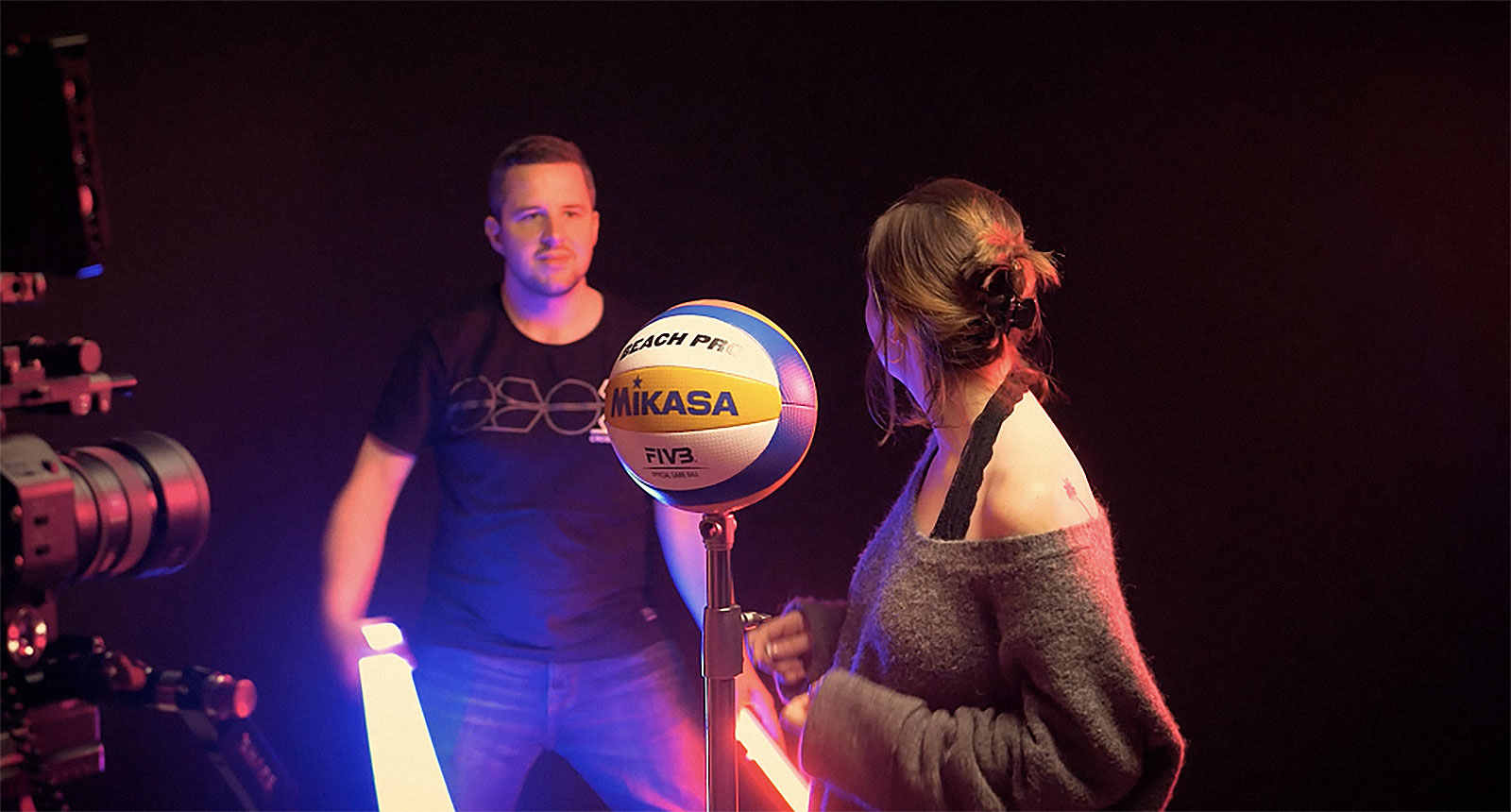
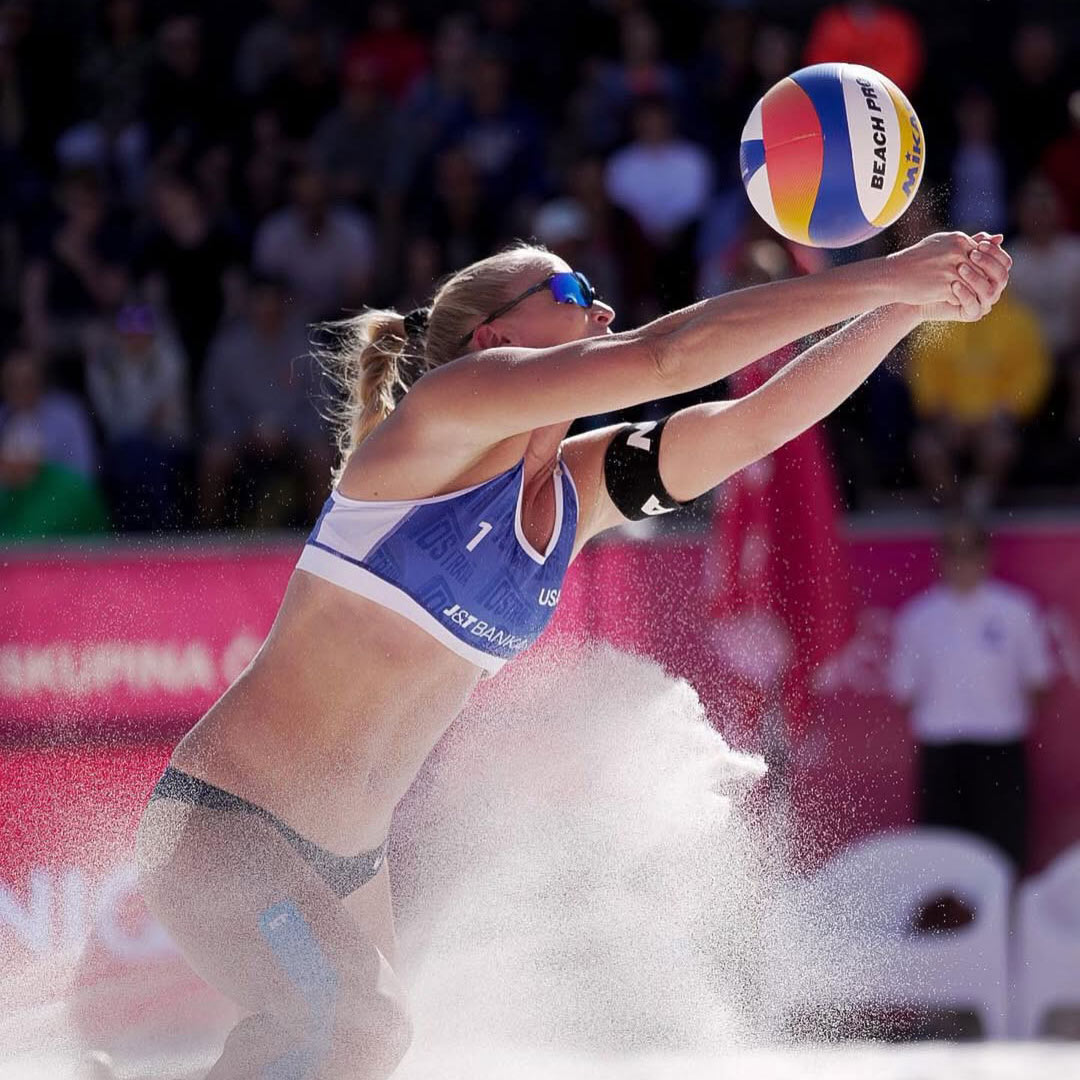
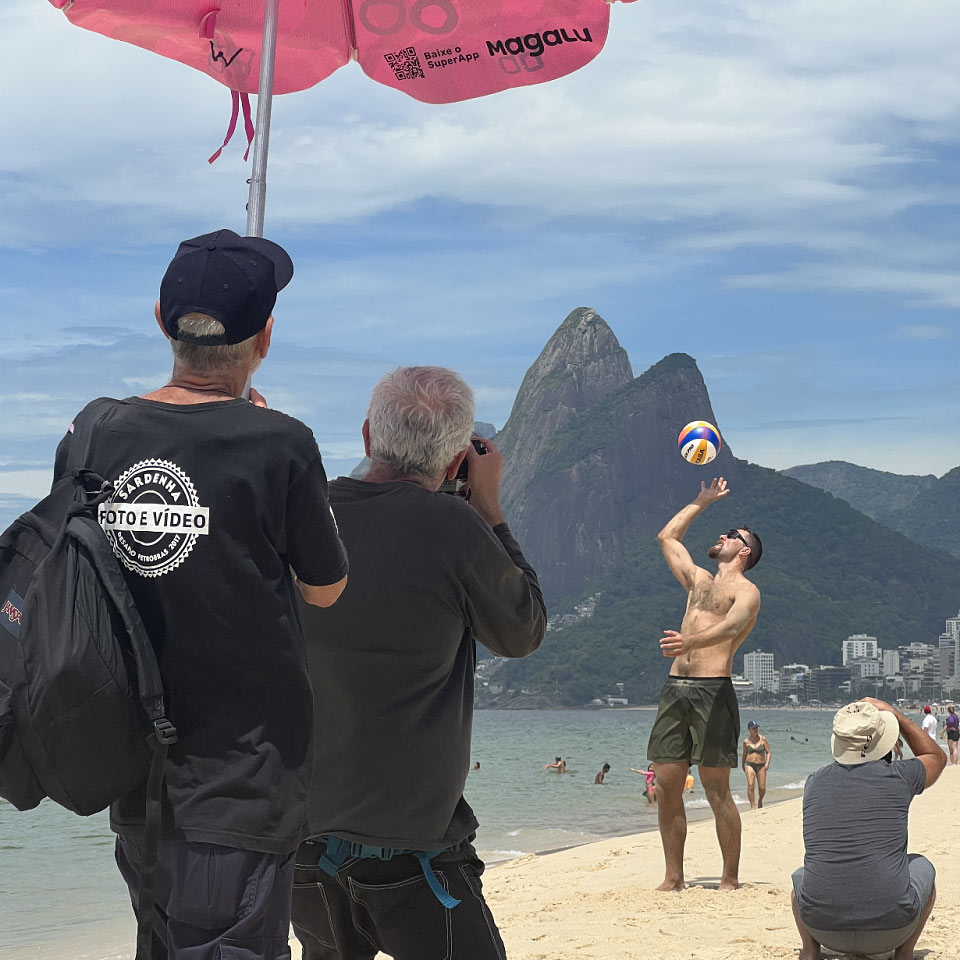
This created a dynamic interplay between the organic and the engineered, reinforcing the theme of imagination to creation in a way that felt both authentic and elevated. By weaving together hand-drawn sketches, raw design textures, and the polished precision of controlled studio captures, the film underscored how every great innovation begins with a spark of creativity before it is refined through discipline and craft. To complete the narrative, we added kinetic sequences of the ball in play, shot with the England Beach Volleyball team and a local crew in Brazil, ensuring that the product’s technical story was grounded in lived athletic experience. These outdoor moments brought sunlight, sand, and sweat into the frame, translating abstract design choices into tangible advantages during high-speed rallies. The contrast between the controlled environments of the studio and the unpredictable energy of the beach highlighted how the BV550C thrives in both spaces, a product born from design rigor but ultimately proven in the chaos and beauty of the game itself.
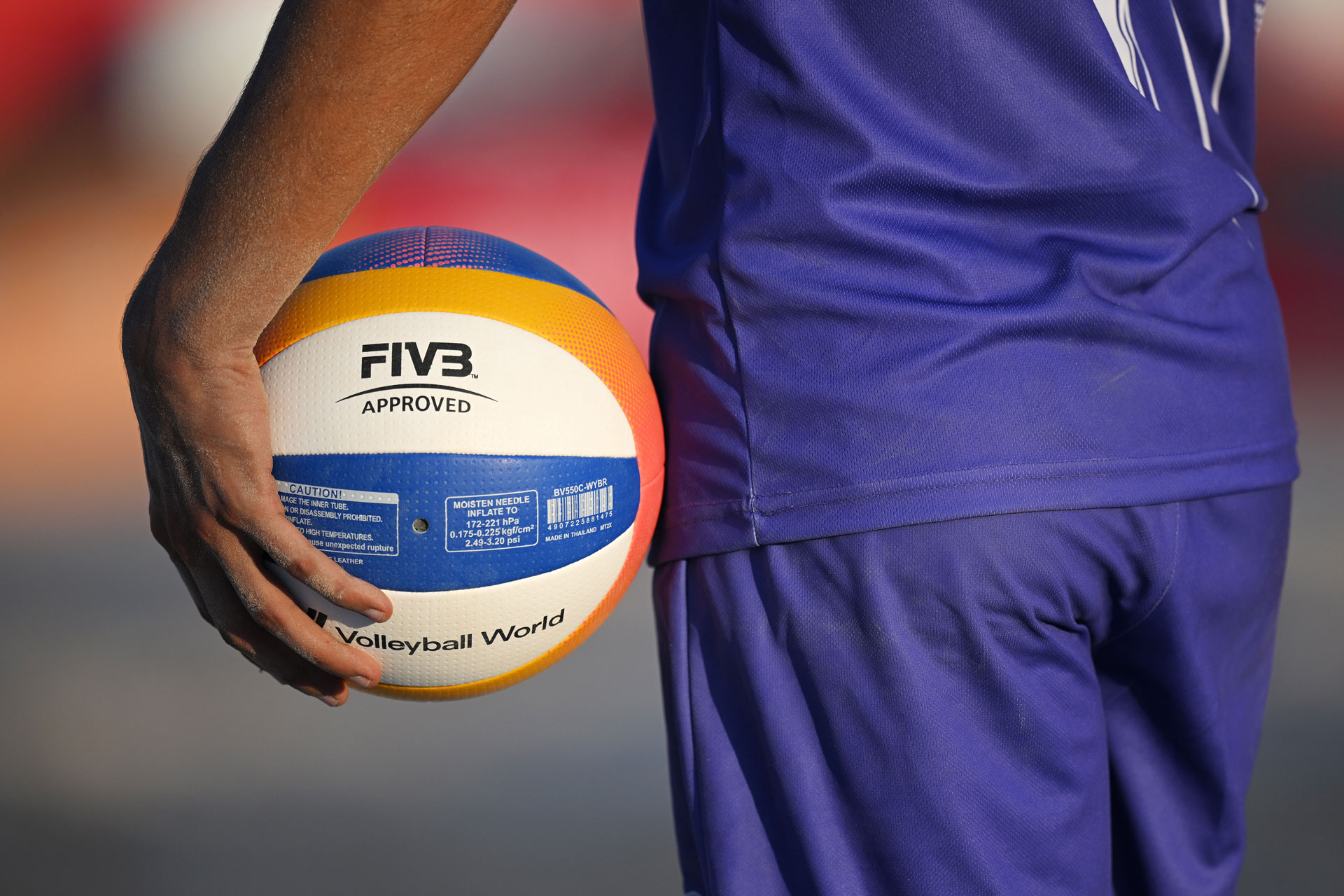
These outdoor scenes grounded the campaign in real-world energy and proved the connection between the design table and the global arena. The result was a carefully engineered rhythm where each frame advanced the story. Design motifs introduced in video assets were extended into a broader suite of graphics, allowing the campaign to have modular adaptability across platforms.

The brief called for attention to the technical specifications of the ball, its environmental credentials, and the importance of consumer education, but it also required us to evolve Mikasa’s public image in a way that felt aligned with contemporary sports culture.
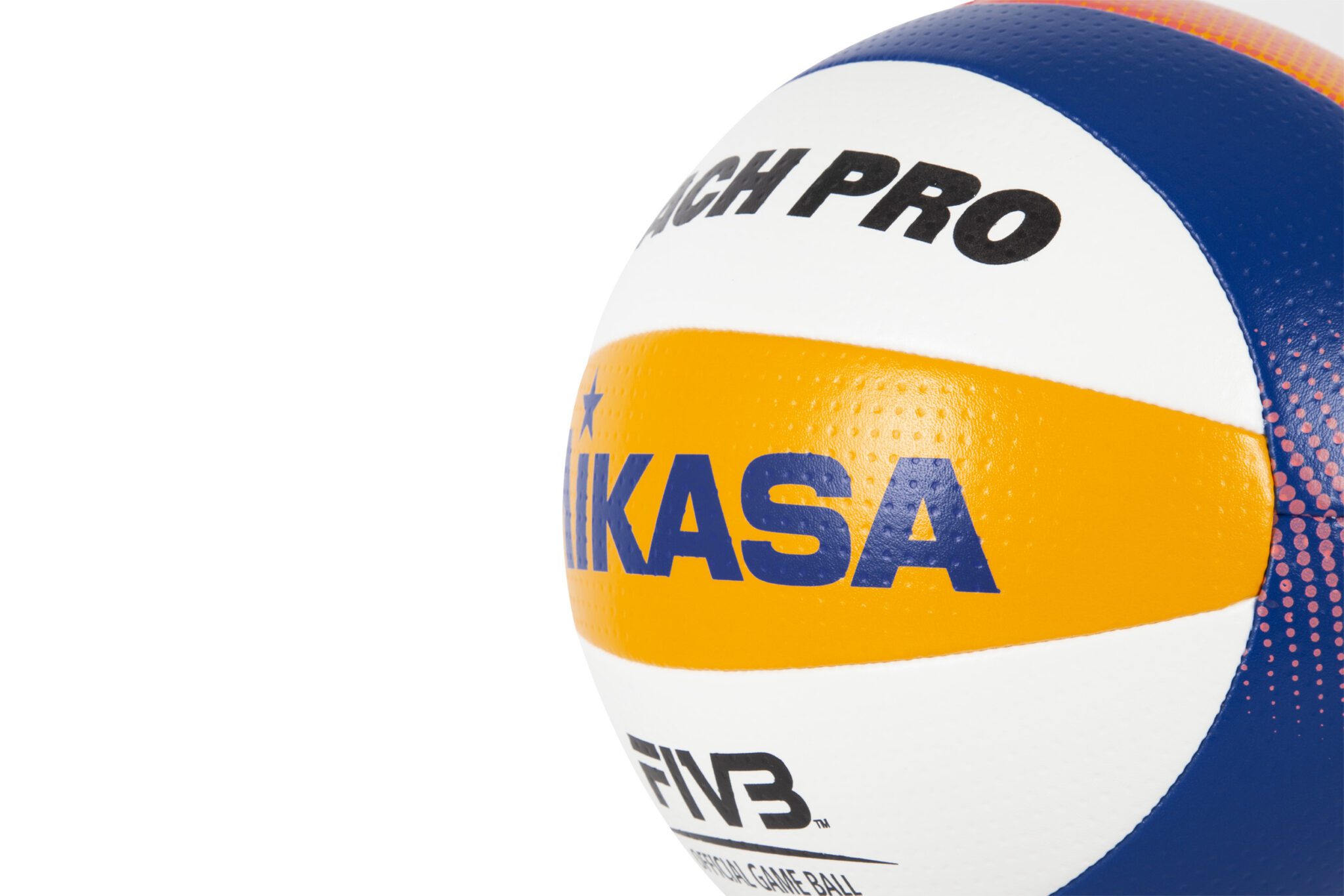
At the core of our approach was the idea of imagination to creation, a phrase that captured the essence of design thinking while also giving us a flexible structure through which to tell the ball’s story. By focusing on the journey from the first sketches through factory production and finally to global use in matches, we were able to emphasize both craft and culture in a single cohesive framework.
.jpg)
The conceptual development leaned heavily on the discipline of industrial design as a storytelling device. We approached the campaign from the perspective of a Mikasa product designer, showing the audience the creative process that drives innovation inside the company. By foregrounding sketches, prototypes, and handmade details, we created a narrative that felt intimate and authentic while also highlighting the technical rigor of the ball itself.
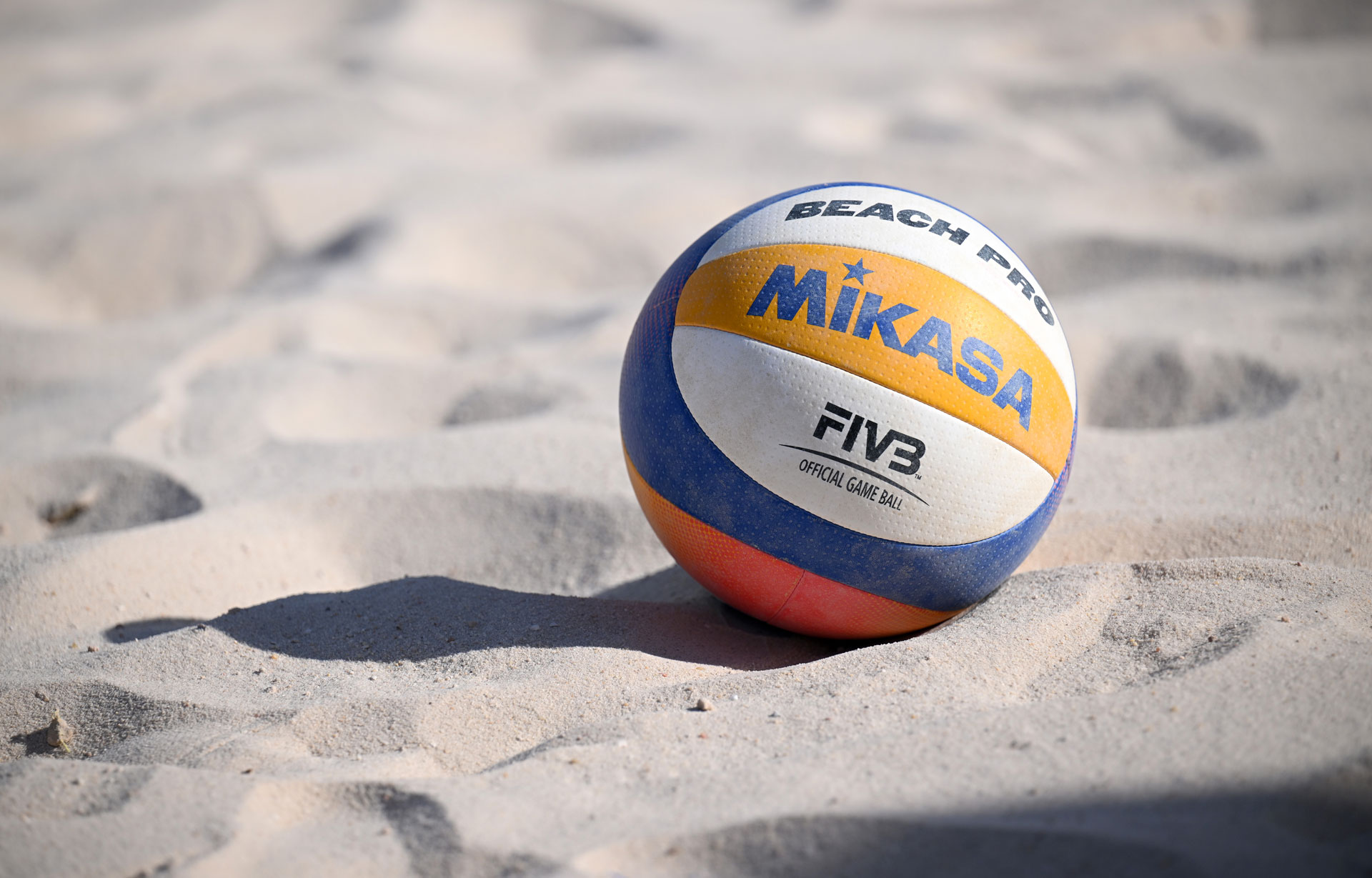
This dual focus on imagination and engineering allowed us to create a campaign that spoke to athletes, fans, and designers alike. It provided an entry point for audiences who care about performance specifications and durability, while also resonating with those who are more interested in the artistry and vision behind sports equipment.
Color theory played an essential role in unifying the campaign. Mikasa’s heritage palette of deep blues and vibrant yellows was preserved as the foundation, but we expanded it with muted earth tones to reinforce environmental messaging and sustainability credentials.

The interplay between saturated hues and neutral backgrounds created a narrative flow, guiding the viewer from technical storytelling to cultural resonance. Each shift in palette corresponded to a narrative beat: bright yellows for performance, blues for trust and heritage, muted greens and neutrals for sustainability, and high-contrast frames for moments of athletic impact. Typography was equally considered, selected for geometric clarity and bold weight to echo the engineered precision of the product itself.

The campaign’s technical execution was matched by its cultural resonance. The video and design assets created a sense of depth that allowed audiences to appreciate the BV550C as more than an object. It became a symbol of innovation and design philosophy, a proof point that Mikasa was not only manufacturing equipment but also shaping the culture of beach volleyball. This interplay of content and culture was key to nailing the marketing launch of the ball.
Modularity was an essential component of the creative strategy. We knew the campaign could not exist solely as one long-form hero film. Instead, the visual system was built to generate derivative assets that worked in isolation but remained cohesive as part of the whole. Hand-drawn textures became standalone graphics that felt like an extension of the language from the story boards, then translated to the video campaign and now beyond into graphics.
.jpg)
Quotes from athletes and designers were paired with typographic treatments that emphasized clarity and boldness. Infographics were built to translate technical specifications into digestible visuals for social feeds. This allowed Mikasa to reinforce key messaging repeatedly without diluting the impact of the central story.
.jpg)
The combination of archive materials, live-action sequences, and design-driven graphics built a layered narrative that invited audiences to explore at their own pace while also rewarding repeat viewings with new details. There was a respect for the history and legacy of the brand in a thoughtful way.
.jpg)
The campaign delivered strong results across metrics, proving the success of the creative system. The hero video accumulated 5.7 million views across Facebook, YouTube, and Instagram in just eight weeks, while Instagram alone accounted for 3.2 million views, representing an unprecedented 80,000 percent increase over Mikasa’s 2022 performance on the platform. These results speak for themselves and show the impact of our go to market strategy.
.jpg)
Beyond raw numbers, the campaign positioned Mikasa as a digitally fluent brand, capable of speaking to younger audiences without abandoning its core values of quality and performance. It also achieved cultural penetration by ranking as the seventh most viewed volleyball video globally on Facebook in Q1 2023, demonstrating reach within the sport’s global community. As a global brand this visibility was key and the templates themselves were designed to be eye catching and scroll stopping.
.jpg)
We also designed for platform-specific consumption habits. Consumption of sports content is increasingly mobile-first, so we prioritized vertical compositions and typography that maintained legibility within a two-second glance. The bold typeface choices were selected not only for aesthetic reasons but for their ability to remain readable in small formats on Instagram and TikTok.
.jpg)
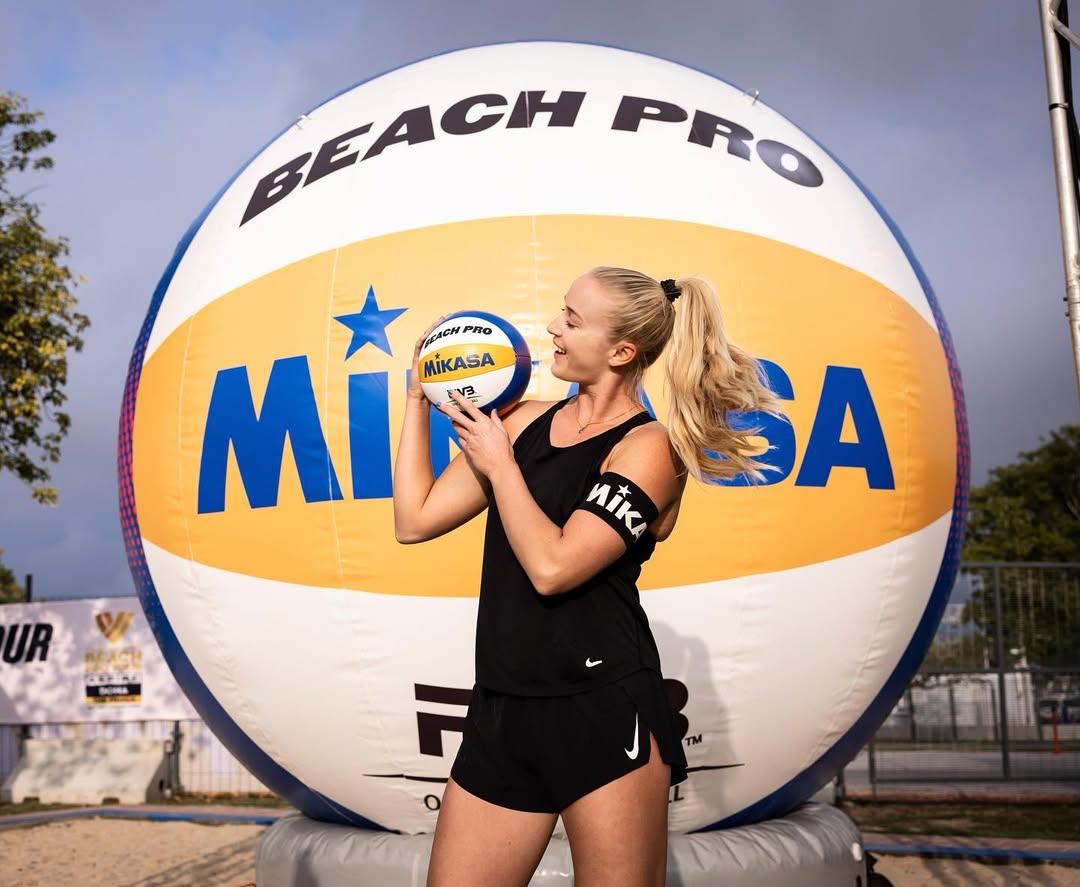
Partnering with Sara Hughes as the face of Mikasa brought a new dimension to the BV550C launch. Her presence at the unveiling connected the product’s narrative of design innovation with the reality of world-class performance, grounding the campaign in the credibility of an elite athlete. Plus, her input and extensive experience actually went into the creative development of the product itself, from user to focus group, to production to reality.
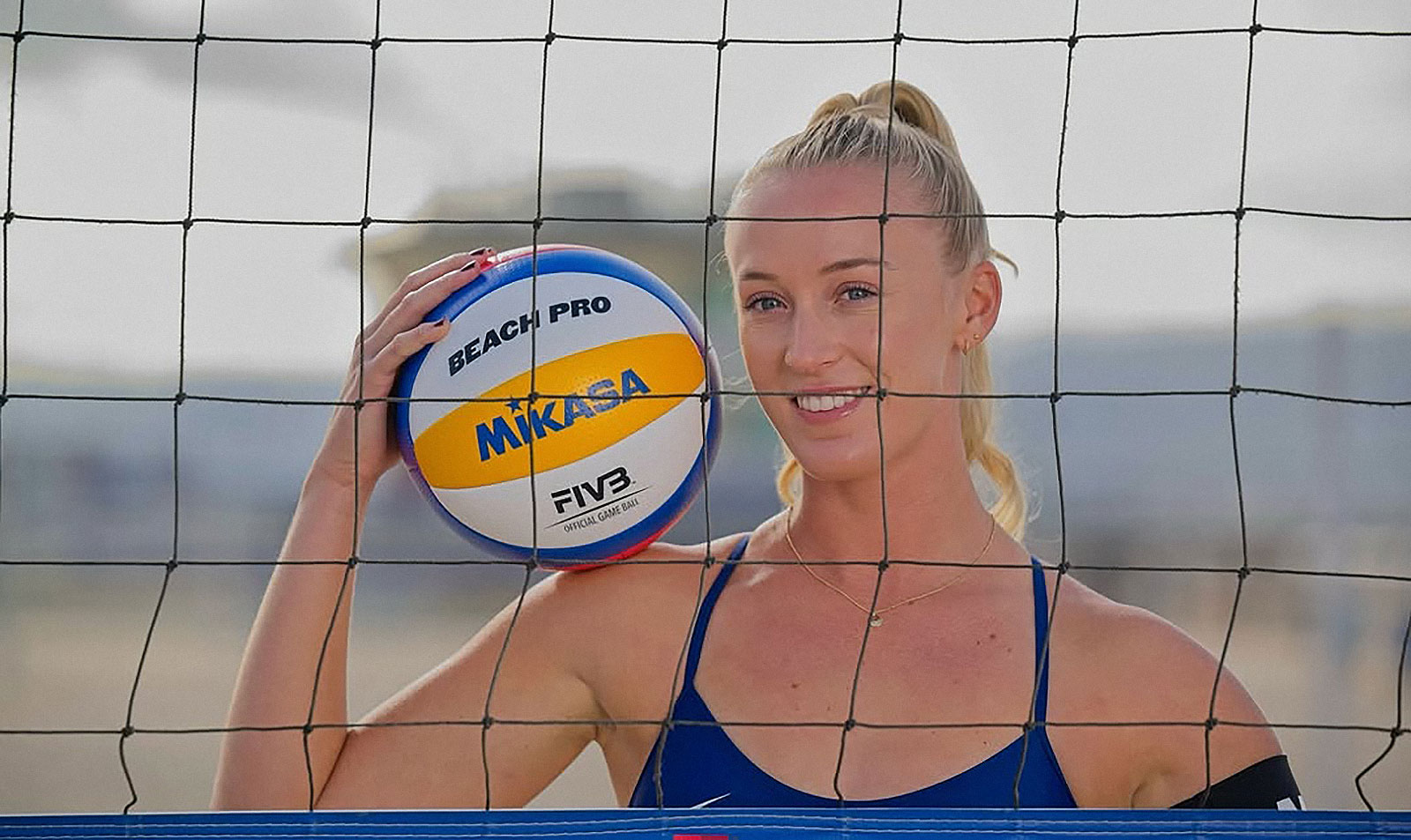
By featuring her not only in promotional content but also at the event itself, the launch took on a more human and relatable quality. She became a living testament to the ball’s promise, embodying the precision, control, and creativity that the BV550C was designed to deliver. Having a face of the brand who authentically represents what it stands for really helps build an audience and build a brand image.
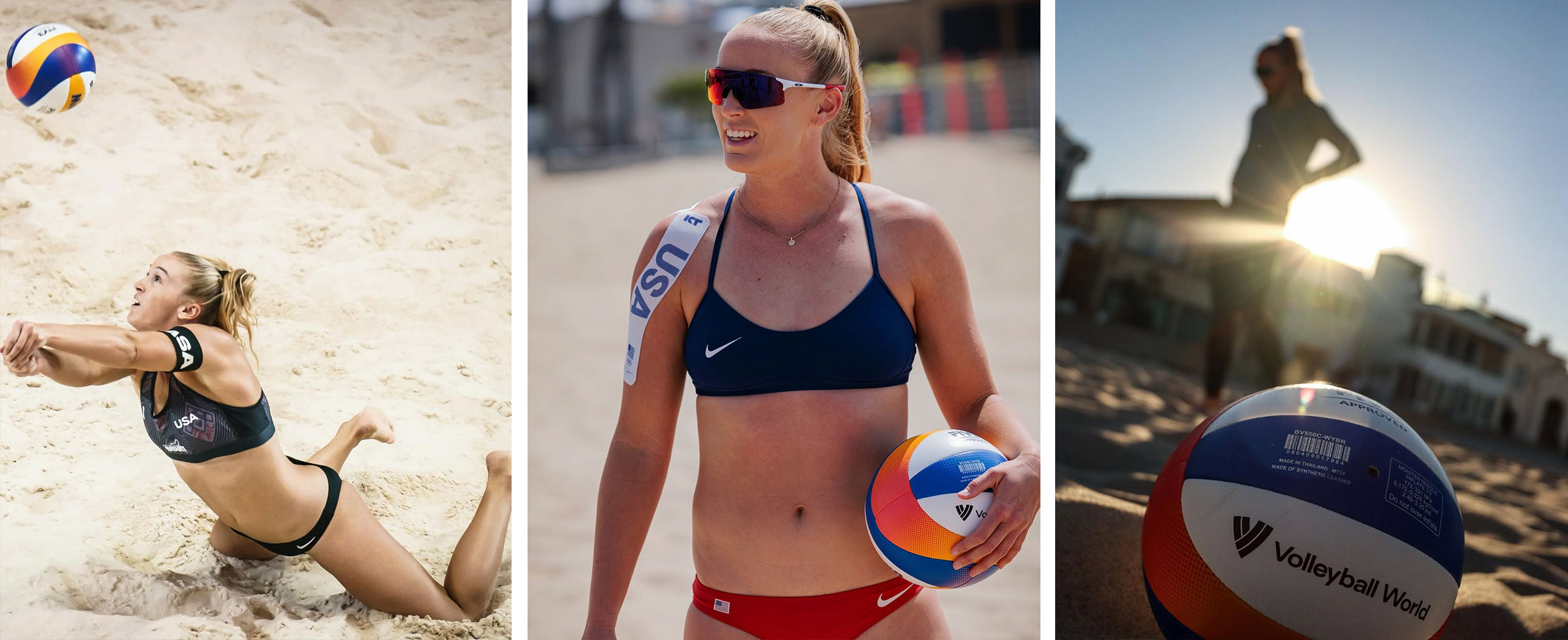
As a brand ambassador, Sara’s role goes beyond a single campaign moment. She carries the identity of the ball into tournaments, training sessions, and media appearances, extending the story in ways no static ad could achieve. Her alignment with Mikasa positions the brand as not only supplying equipment but as actively supporting the athletes who define the sport. Through her voice and presence, the BV550C became more than a product launch, it became a shared statement about where beach volleyball is headed and the values of innovation, excellence, and inspiration that guide it.
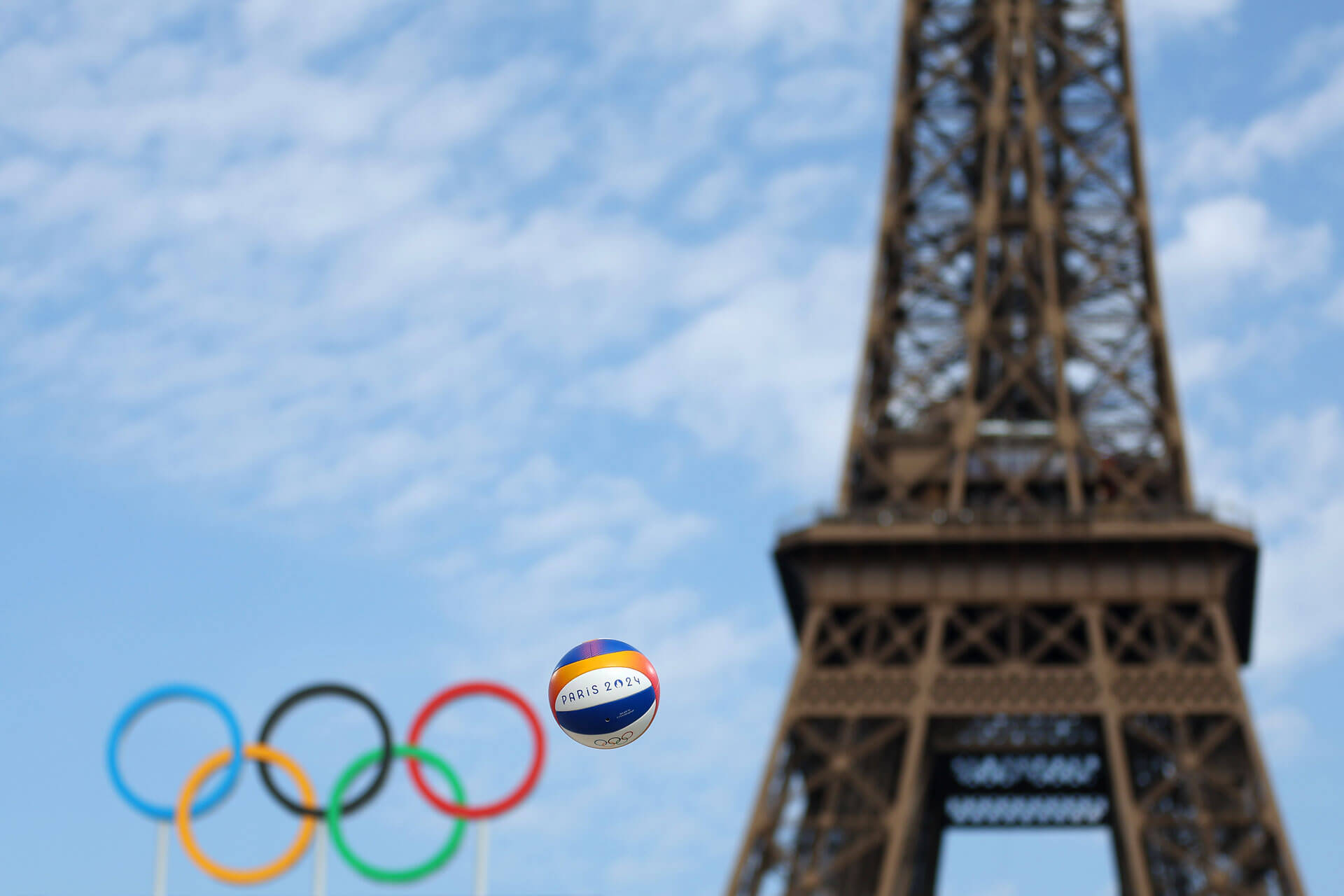
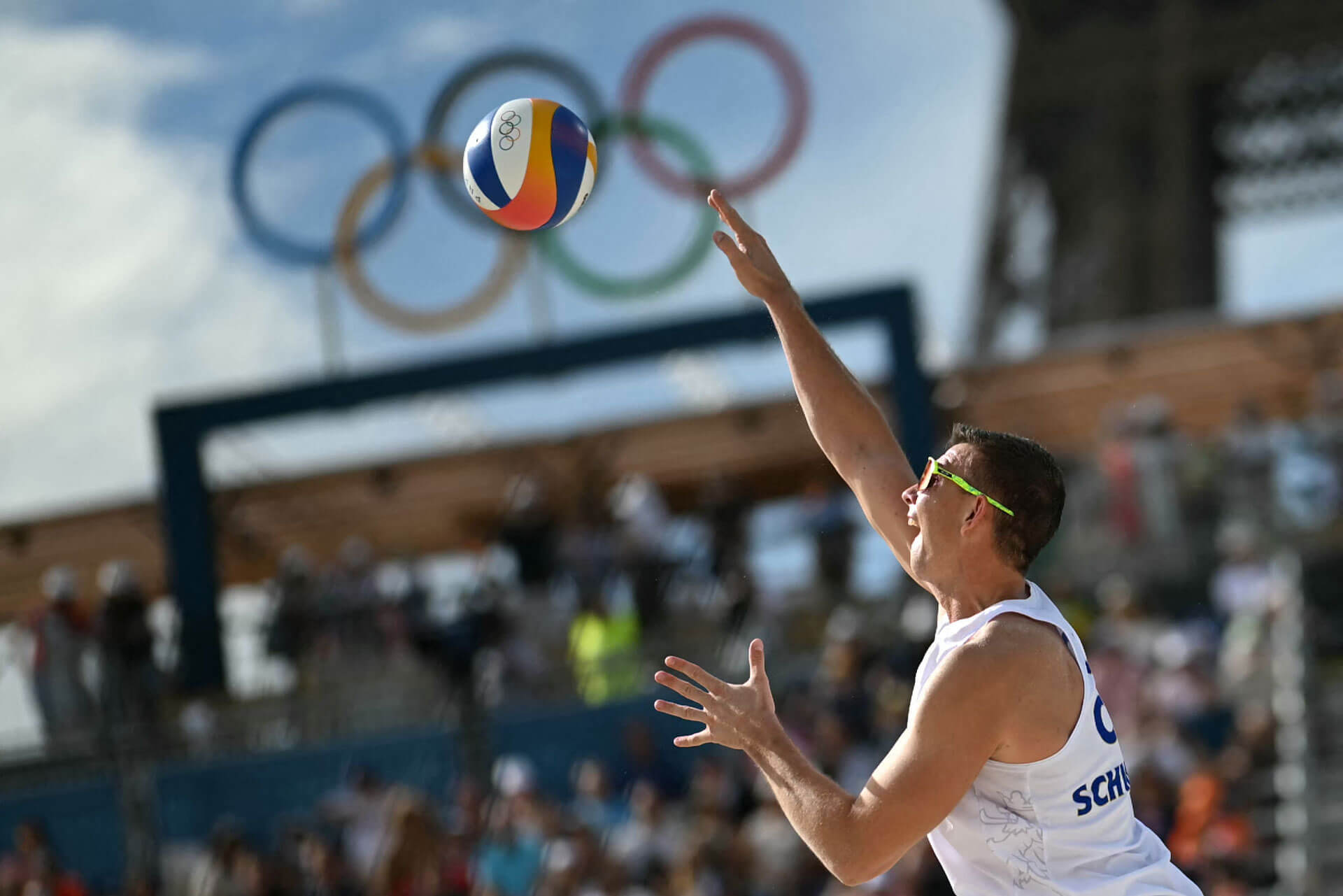
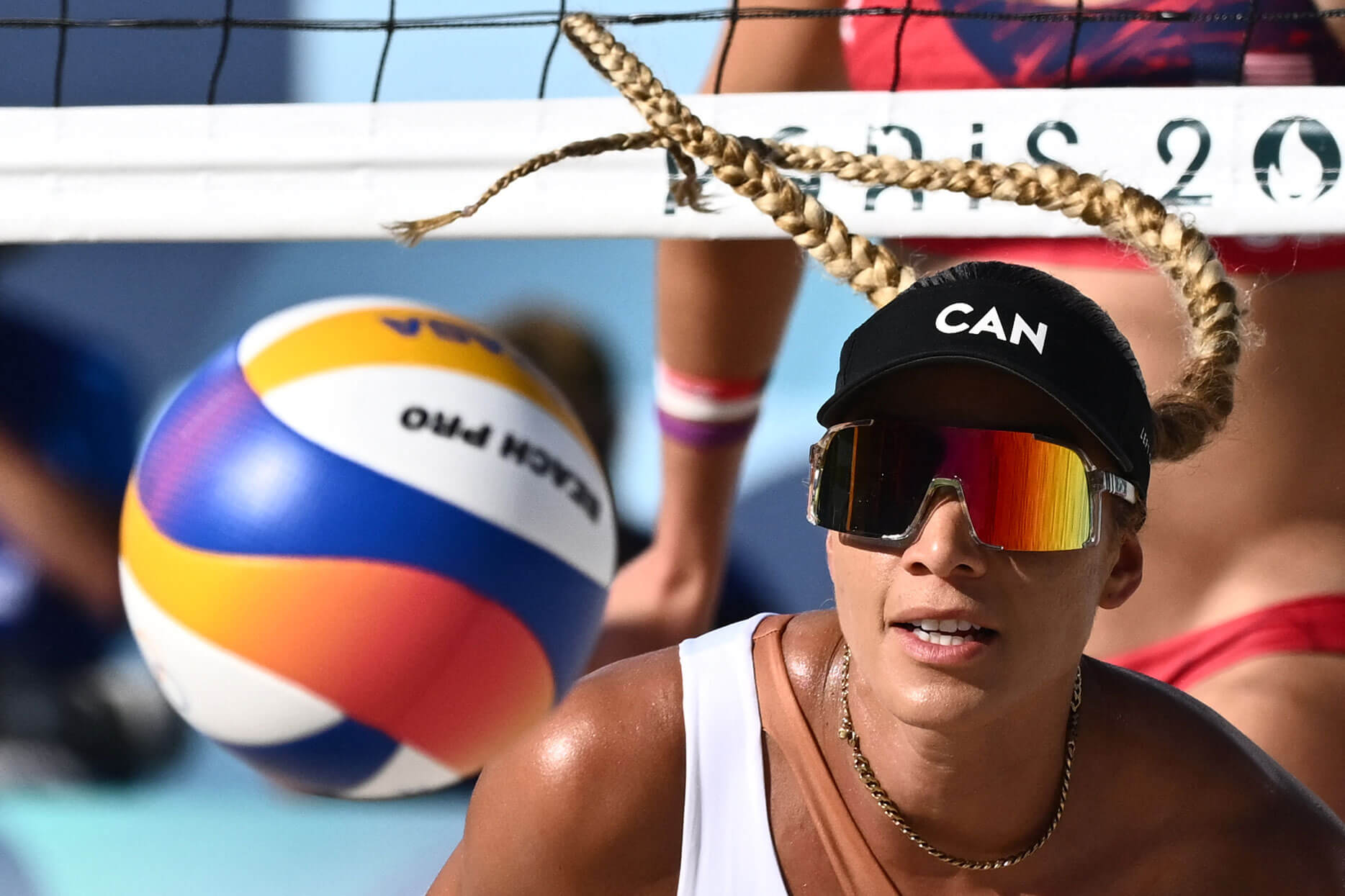
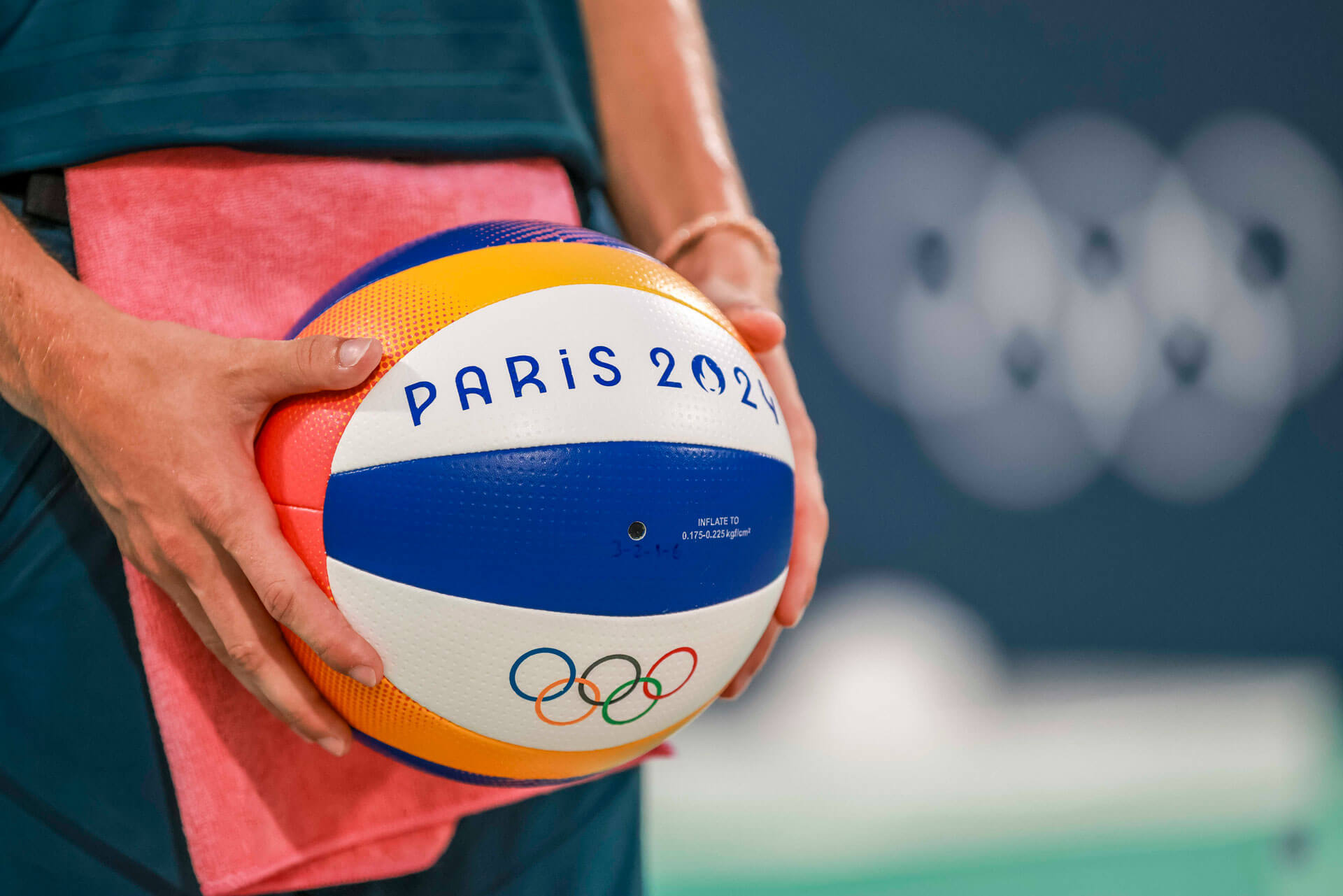
The BV550C’s selection as the official ball of the Paris 2024 Games signals how central it has become to the global stage of beach volleyball. At an event where every detail is scrutinized and performance margins are razor-thin, the ball itself carries symbolic weight.
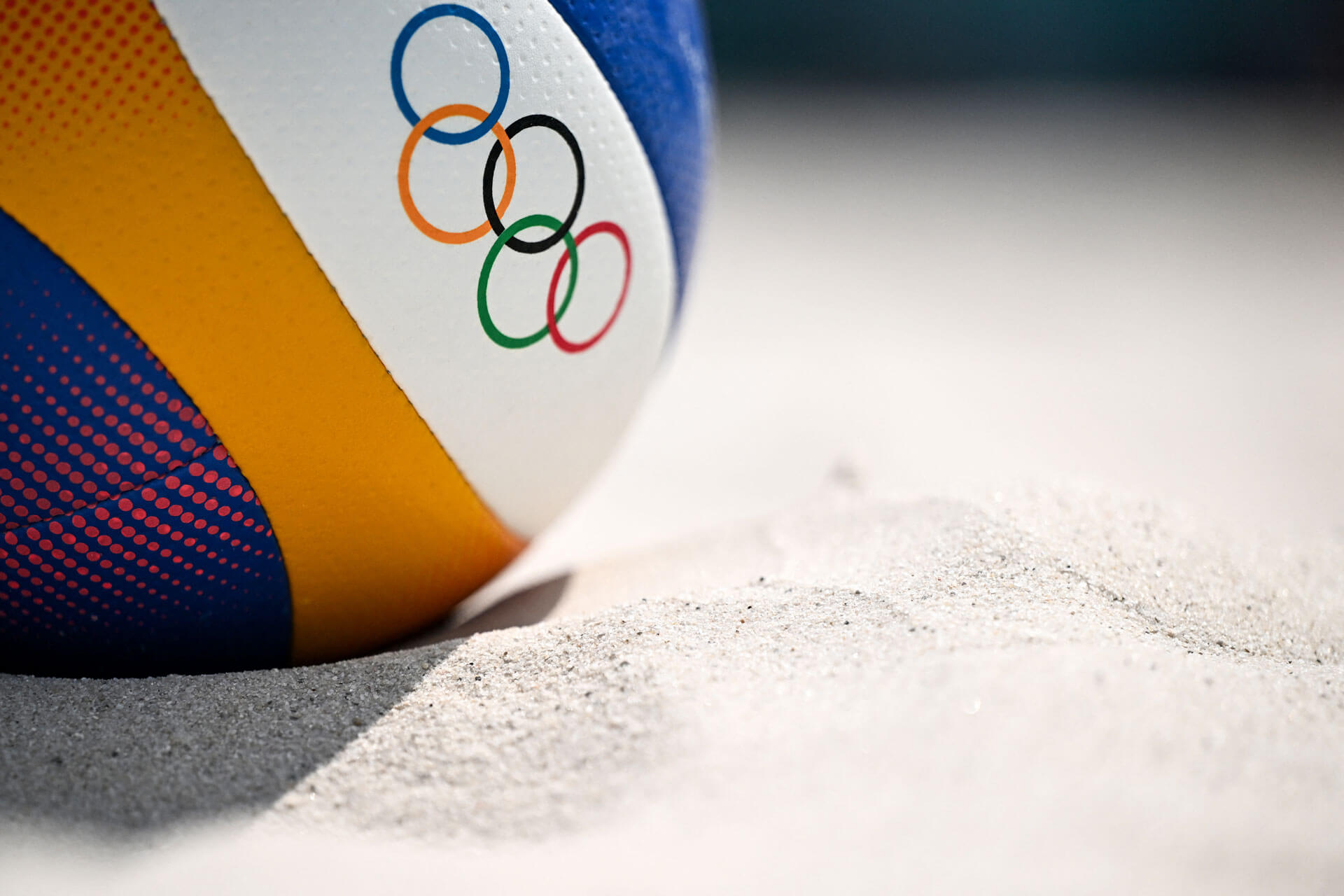
To be the official ball of the Olympic Games is more than a mark of quality, it is a cultural statement. The Olympics remain the most visible stage in global sport, where every detail is magnified and remembered. For Mikasa, having the BV550C chosen as the official volleyball of Paris 2024 is an affirmation of decades of innovation, trust, and performance. It means that every spike, serve, and rally witnessed by millions around the world is carried by a ball designed with precision and intention, a ball that represents not only athletic excellence but also the story of how design and engineering elevate human play.
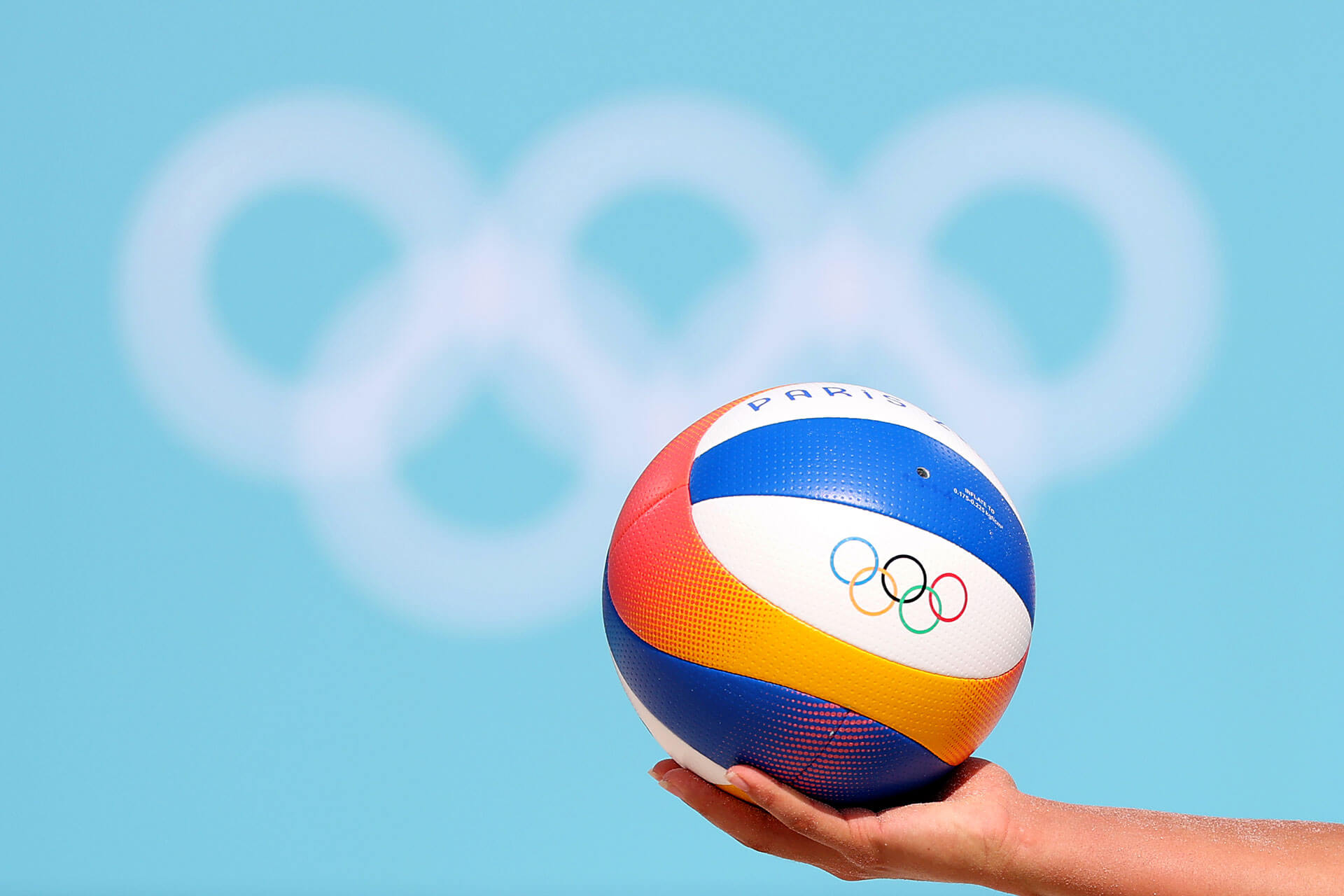
Arriving in Paris in this way positions the BV550C not simply as a piece of equipment but as an icon of the Games themselves. The Eiffel Tower backdrop, the Olympic rings, and the roar of packed stands will forever be tied to its colors and textures. For Mikasa, this is the culmination of a long legacy of being at the heart of volleyball’s biggest moments, but also a fresh opportunity to inspire the next generation of athletes and fans. The Olympic stage turns the ball into more than a tool of the sport, it becomes a symbol of unity, resilience, and global imagination on a worldwide scale.
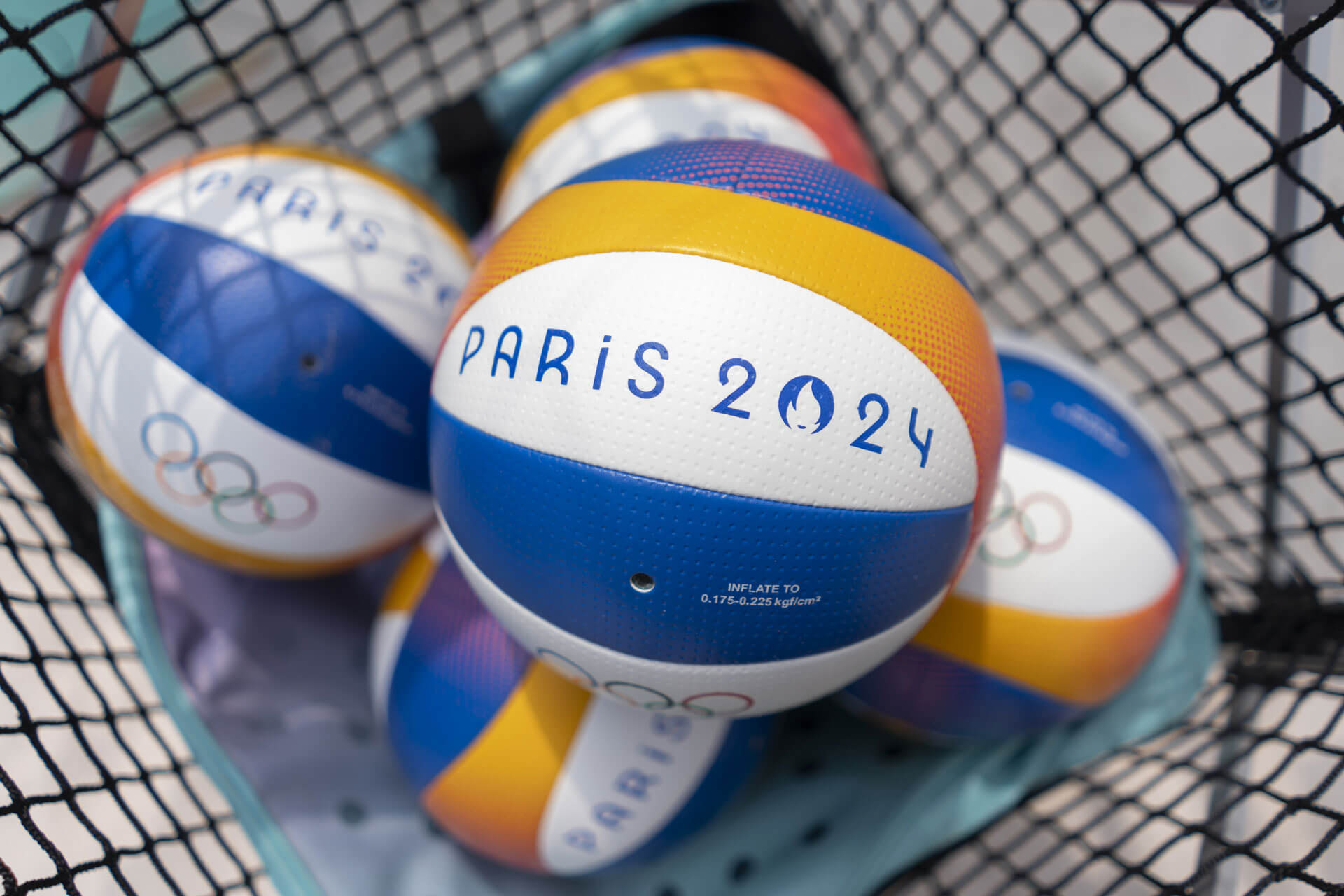
It is not only the object in play but also a shared point of connection for athletes, fans, and broadcasters who experience the sport through its movement and visibility. To serve that role, the BV550C had to meet the highest possible standards of consistency across thousands of touches, rallies, and matches under varying weather conditions.
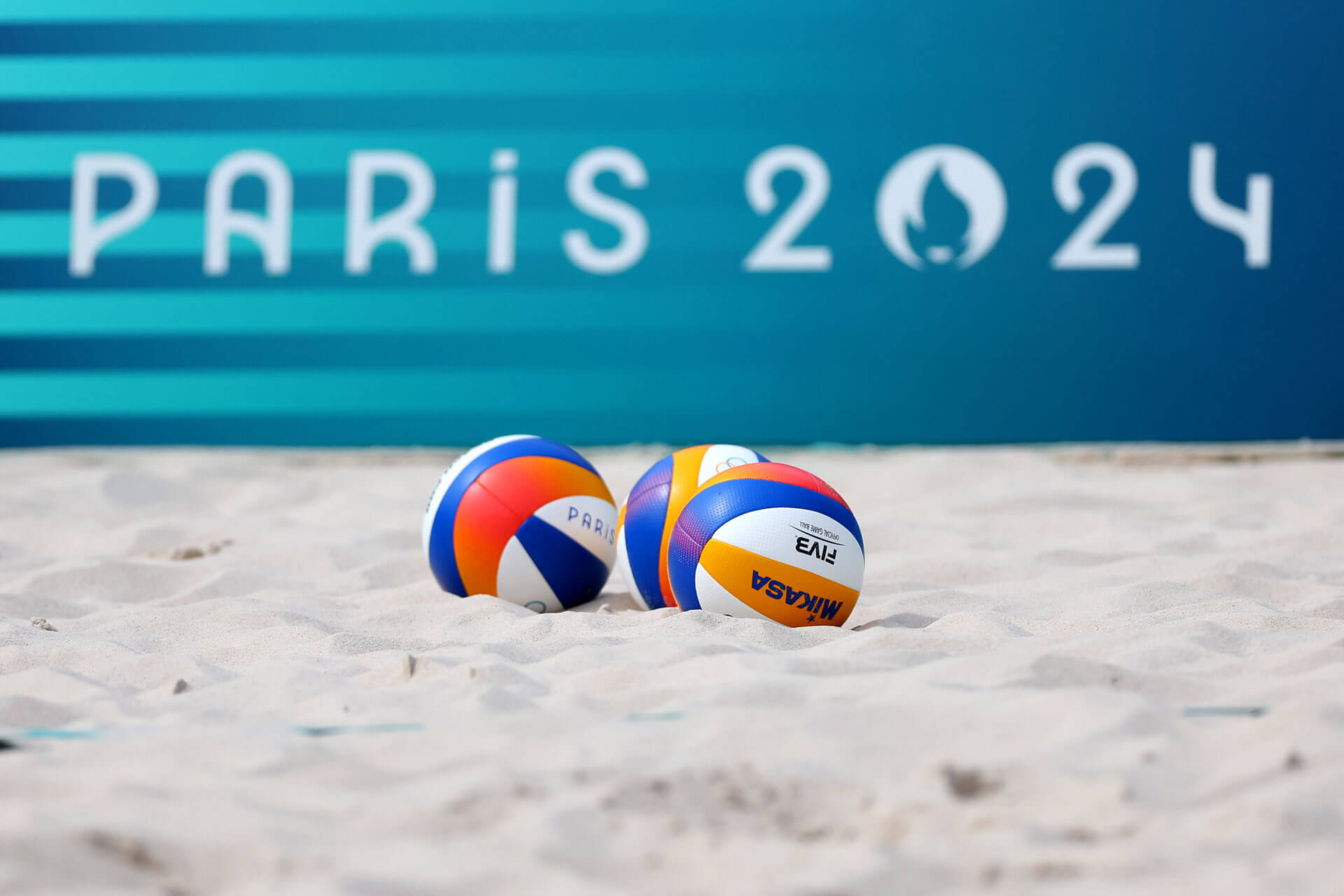
The ball’s surface and structure are designed with broadcast clarity in mind, ensuring that it can be tracked in real time by both players and audiences. Its vivid color palette allows for strong contrast against sand, sky, and stadium backdrops, which enhances not only gameplay but also the viewing experience in an era when streaming, social clips, and highlight packages are as important as the live match. This makes the BV550C not simply equipment but part of the visual identity of the sport at Paris 2024.
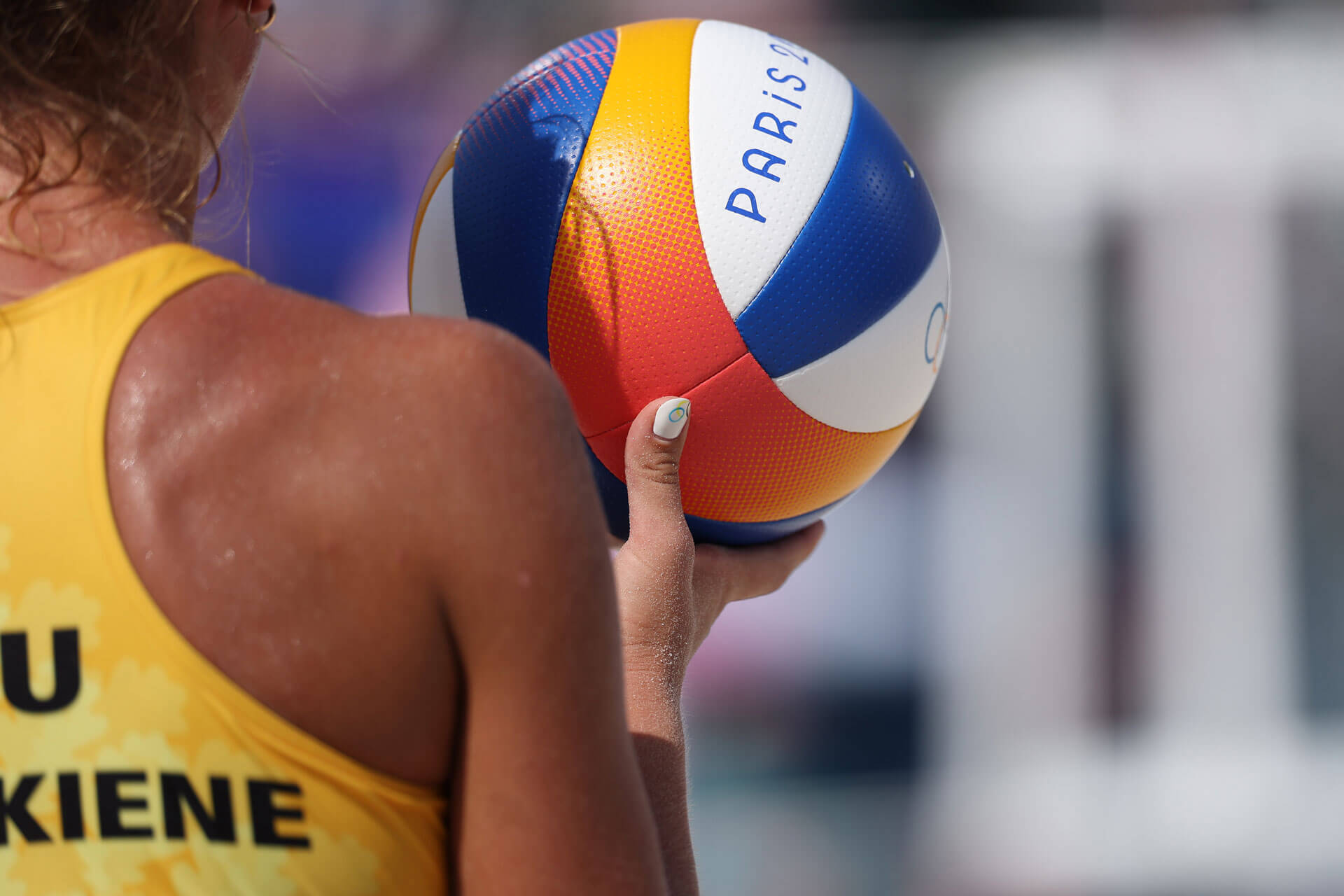
For athletes, the Olympic stage brings a unique intensity that demands equipment capable of responding instantly to the subtleties of touch and timing. The BV550C has been refined to give players confidence that their sets, serves, and spikes will feel as natural in the heat of competition as they do in training. This assurance creates an environment where skill, strategy, and athleticism can truly determine outcomes without distraction from the tools of play.
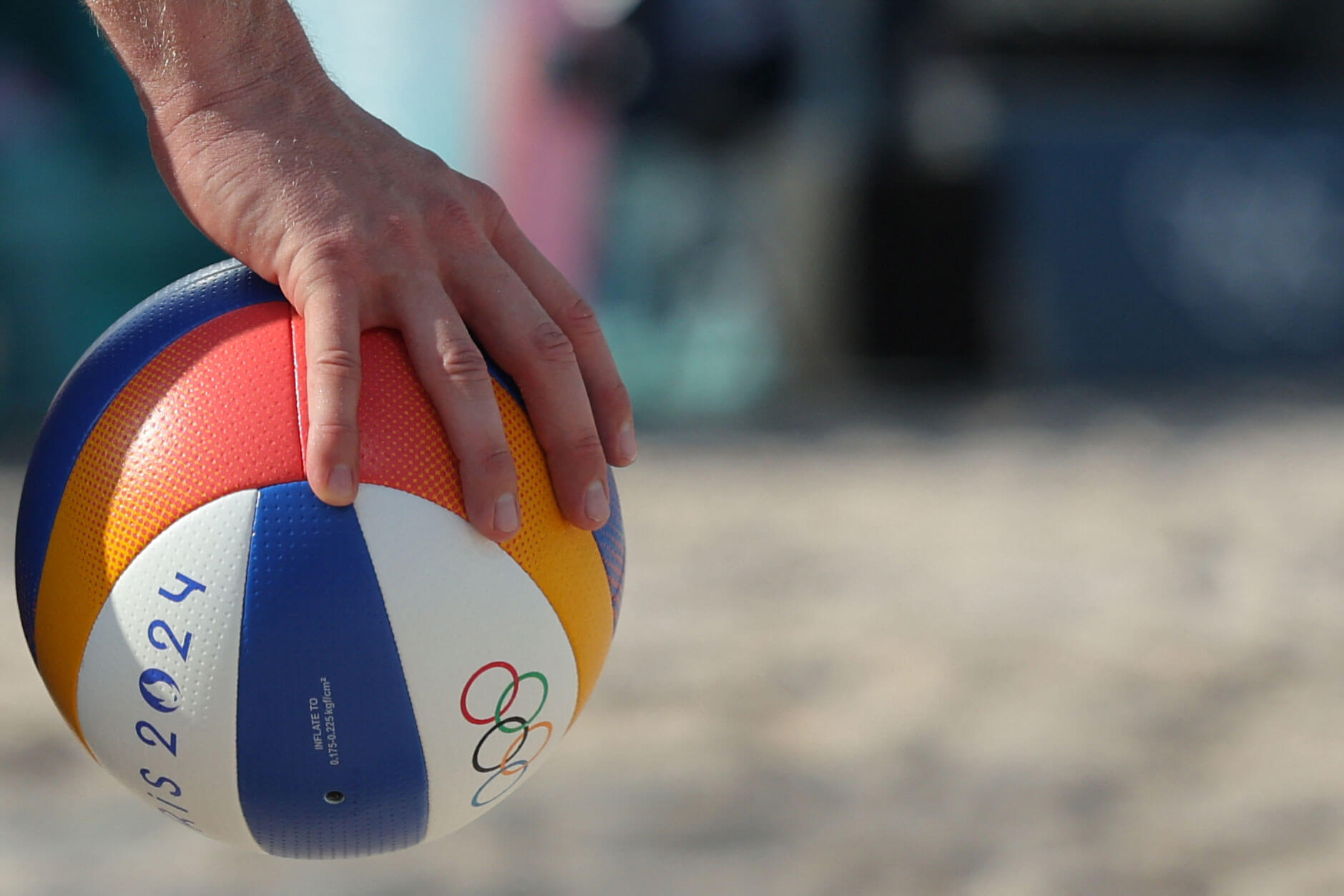
The ball also reflects the growing expectation that modern sports gear align with broader cultural values. By integrating more sustainable materials and rethinking production methods, Mikasa has positioned the BV550C as part of a larger shift in how professional sport engages with environmental responsibility. For Paris, a city already highlighting sustainability as a pillar of its Games, this alignment underscores the role of design in shaping the future of competition.
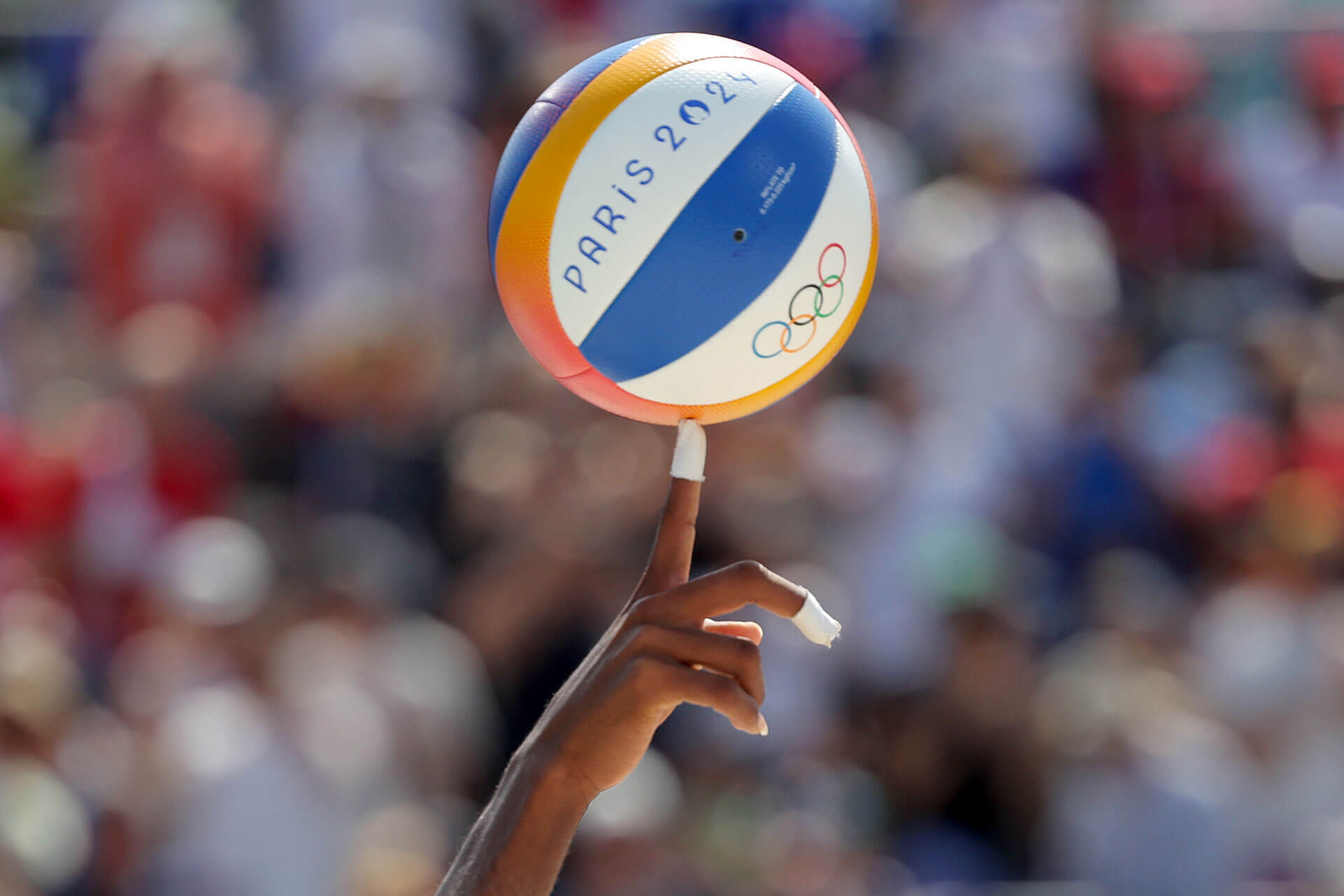
Perhaps most importantly, the BV550C was tested and trusted in the run-up to Paris, appearing in international tournaments where it had already earned credibility with top players. This continuity between professional tours and the Olympic stage helped guarantee that the ball feels both familiar and aspirational. When the Games opened, it represented not only the pinnacle of play but also the culmination of years of development, feedback, and refinement, standing as a symbol of how design and sport evolve together and show up on the big stage.
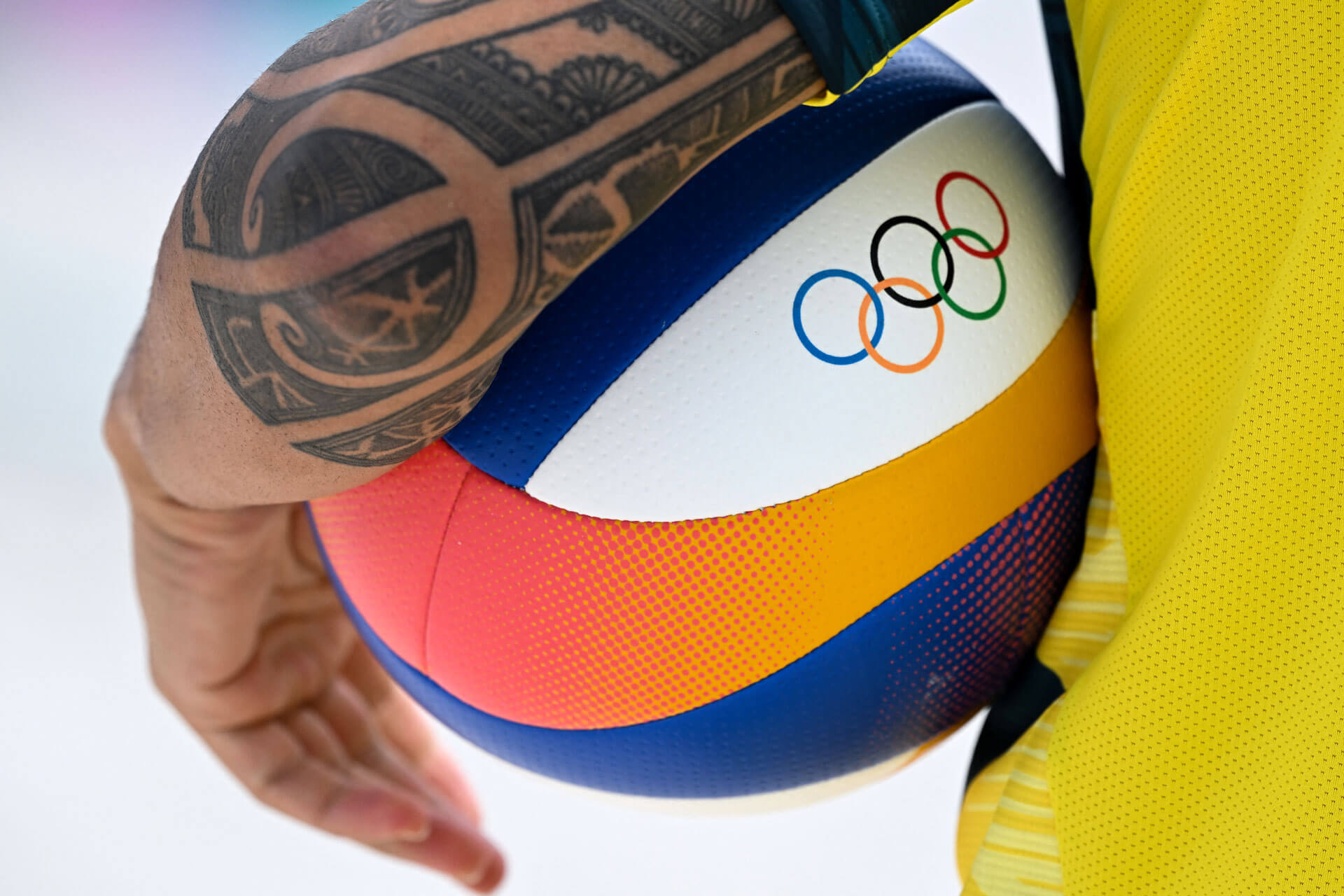
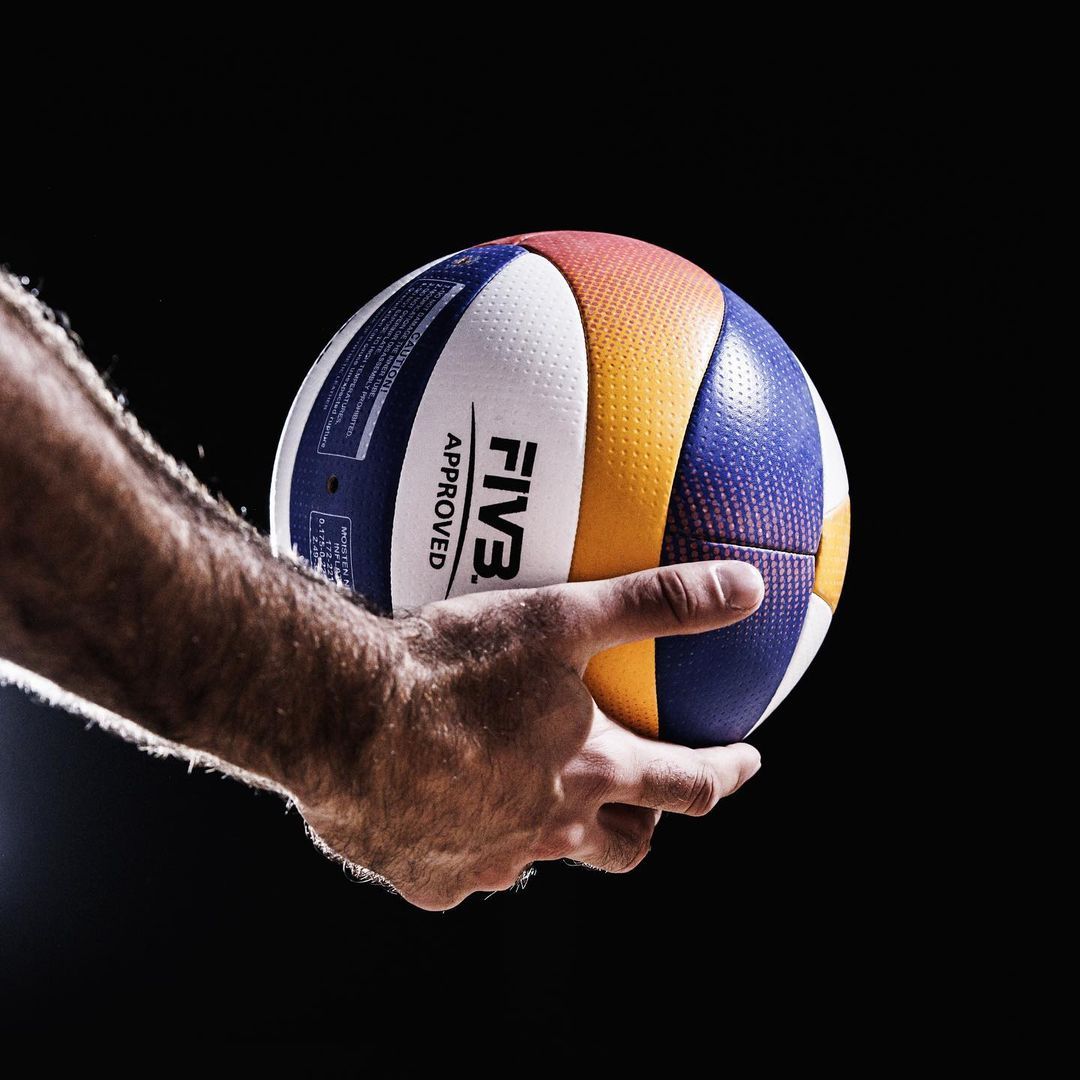
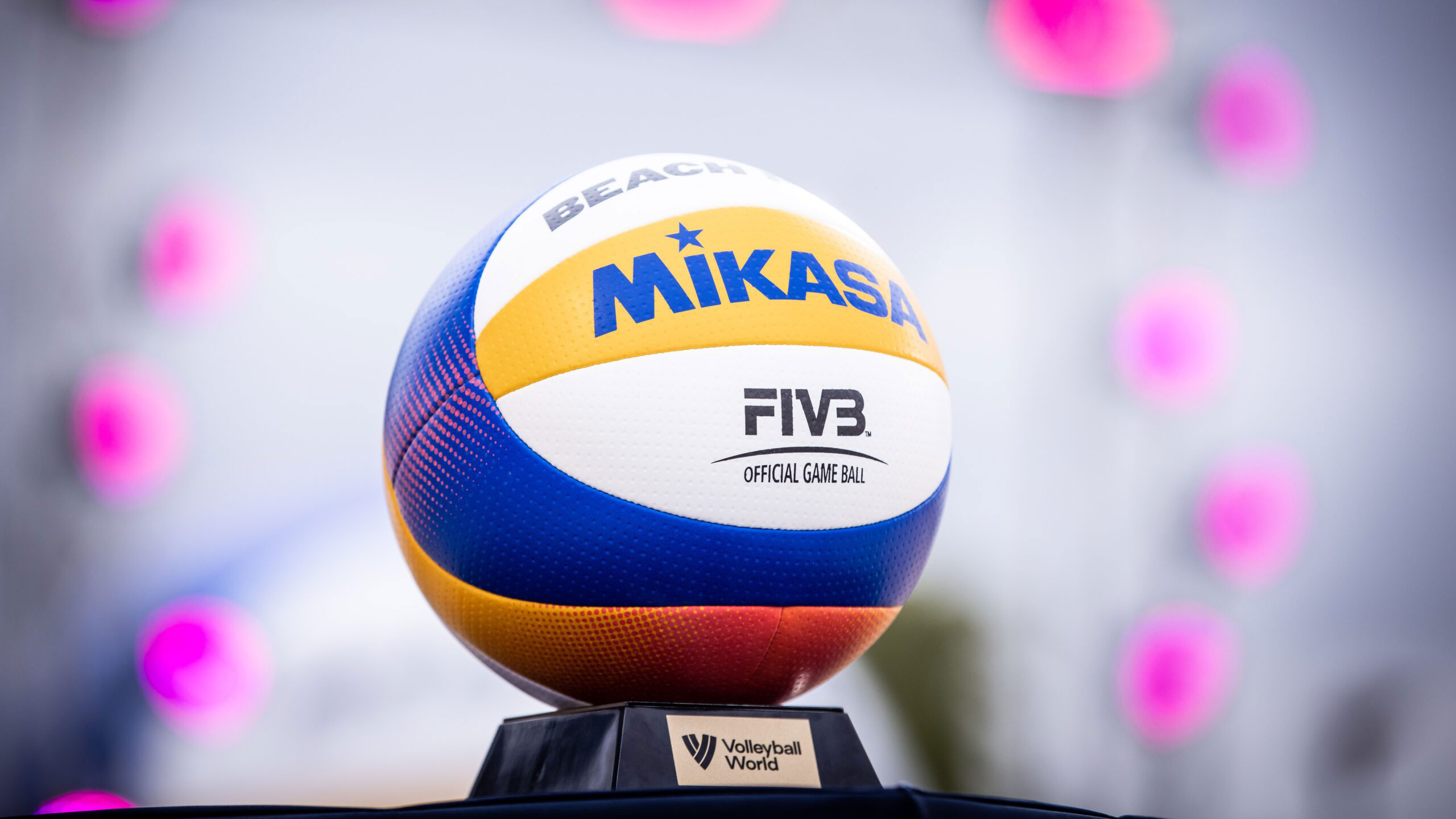
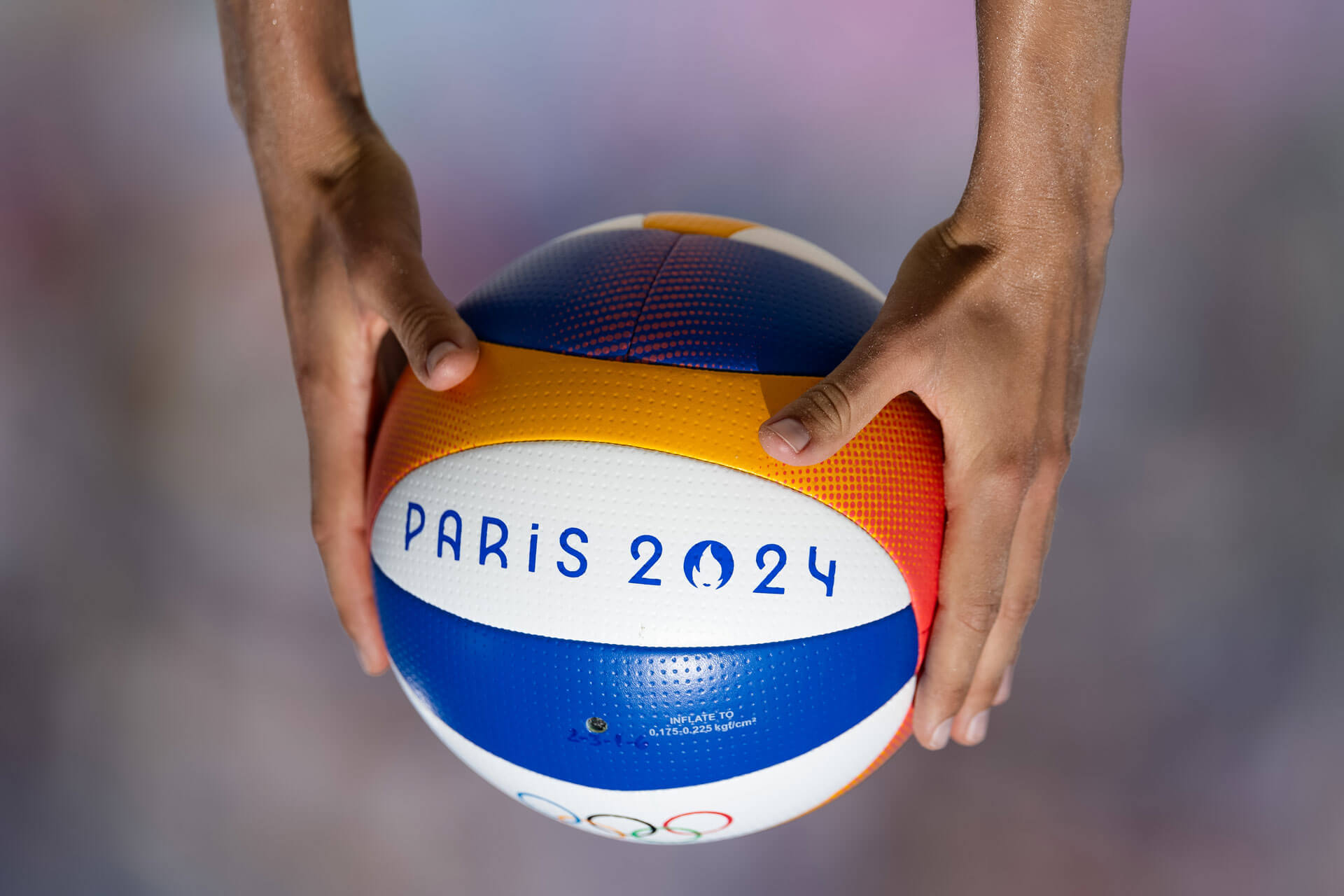
The distinctive dimpled surface texture, a design choice inspired by aerodynamics in sports equipment, allows for greater fingertip control and more delicate touches, empowering athletes to expand the creative possibilities of play. This physical design is paired with technical refinements, including a new valve structure that minimizes air leakage and damage, ensuring durability through long tournaments in demanding environments.
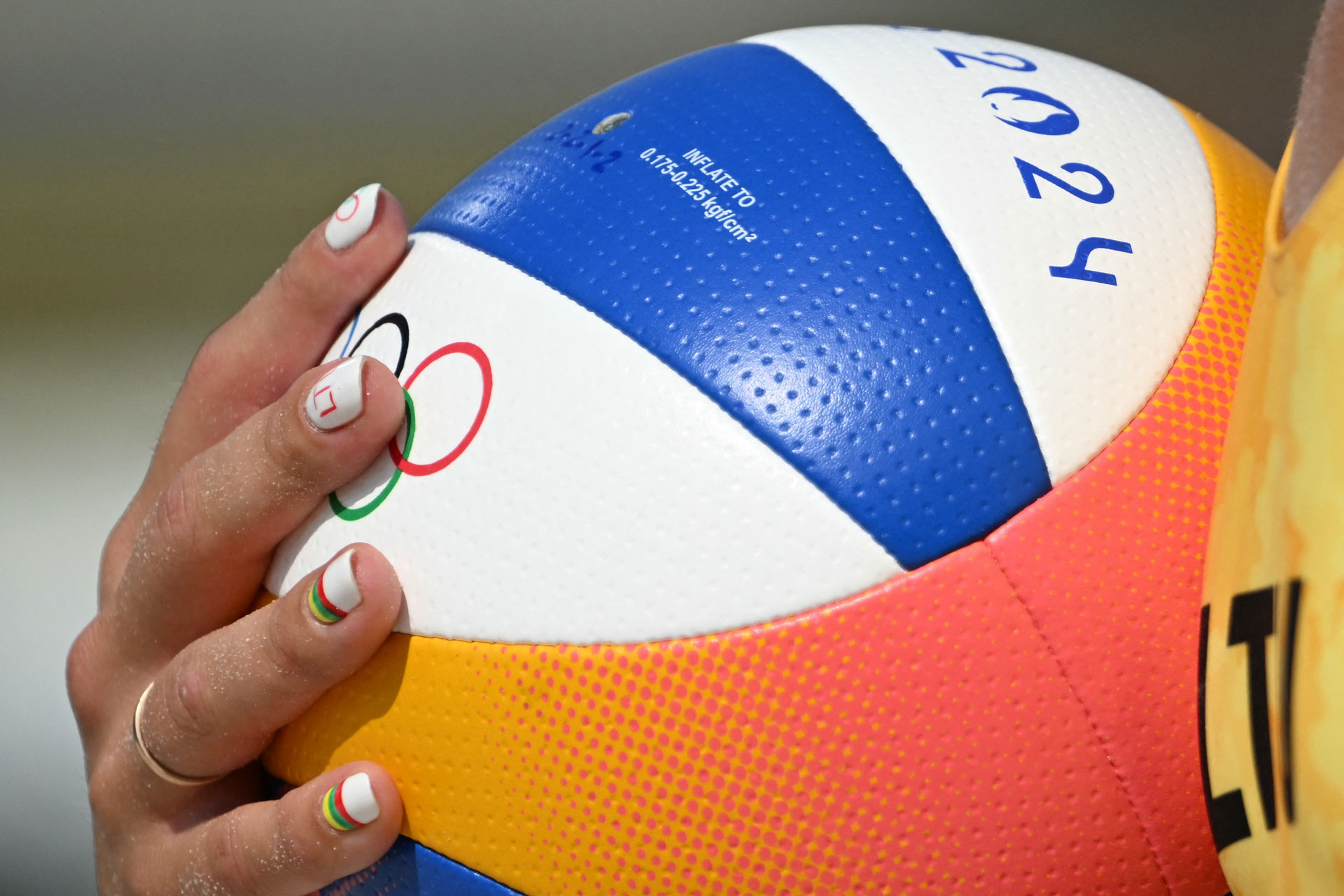
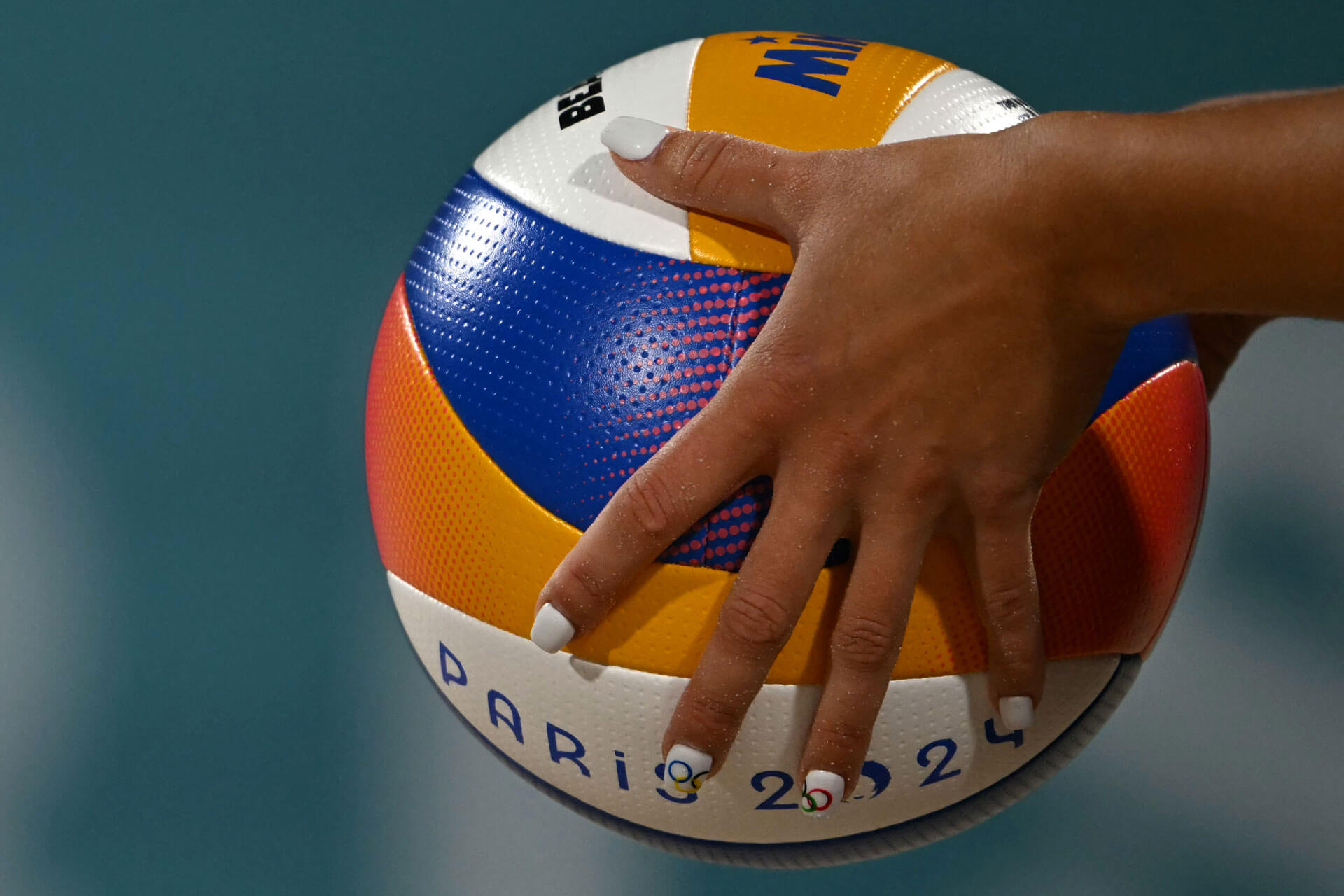
At the Paris Games, the BV550C transcended its role as pure sporting equipment and briefly entered the realm of fashion. Photographers captured moments where athletes held the ball alongside bold Olympic-inspired nail art, transforming it into an accessory that carried both athletic and aesthetic weight. The sharp geometry of its panels and the saturated colors of blue, yellow, red, and white became a striking backdrop for personal expression, turning warm-up shots and candid close-ups into visual statements
.jpg)
From a visual standpoint, the BV550C is equally forward-looking. Its bold surface design integrates Mikasa’s long-standing aesthetic heritage with modern technical innovation, creating a ball that is instantly recognizable both on television broadcasts and to fans watching from the stands.
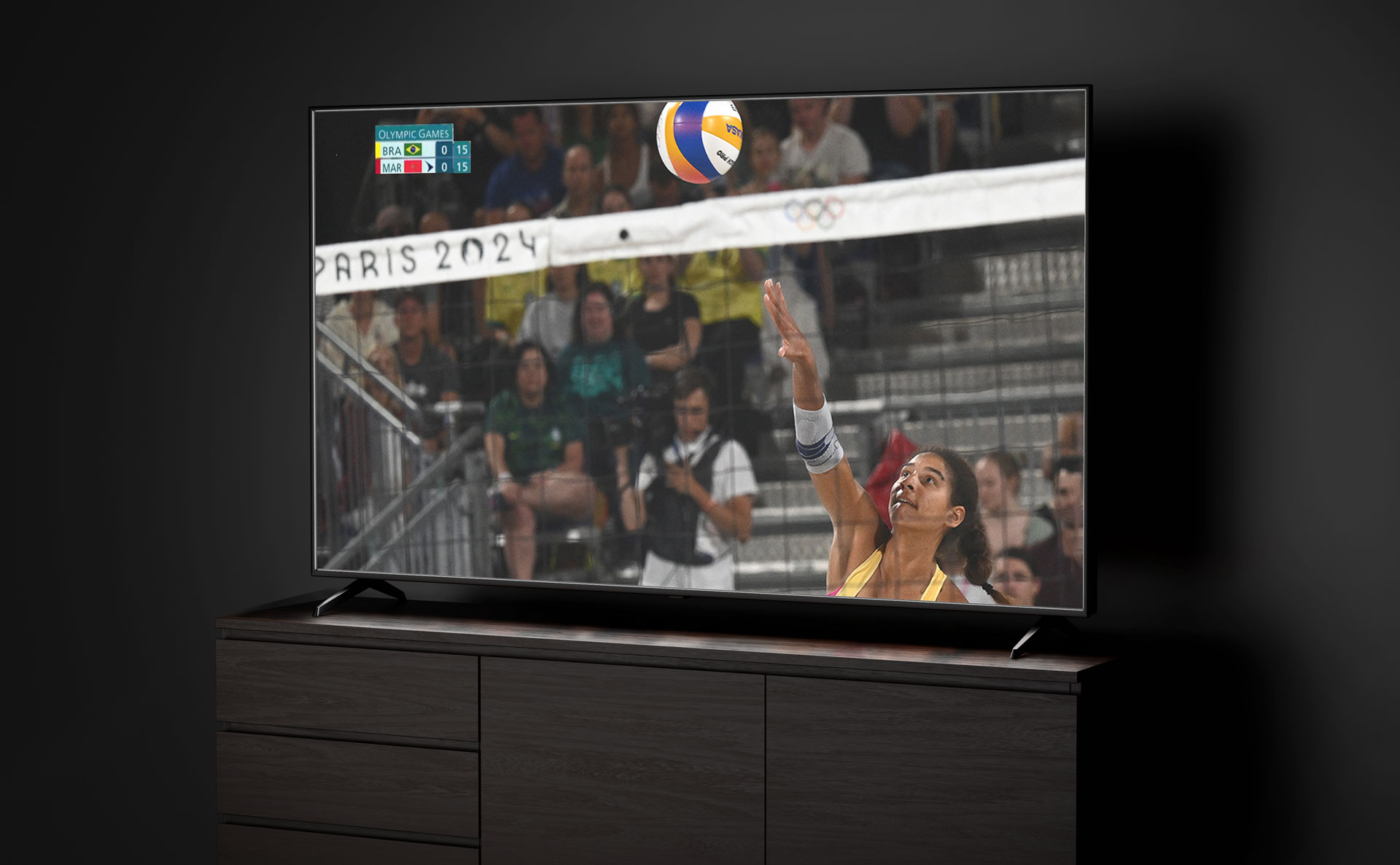
The contrasting colors and highly visible patterns were carefully selected to optimize visibility during rapid rallies under bright sunlight, while also symbolizing energy and movement in a way that reinforces beach volleyball’s identity as a dynamic, fast-paced sport. In many ways, the ball’s visual language is as important as its engineering, becoming a design icon that bridges professional play and global recreational use.
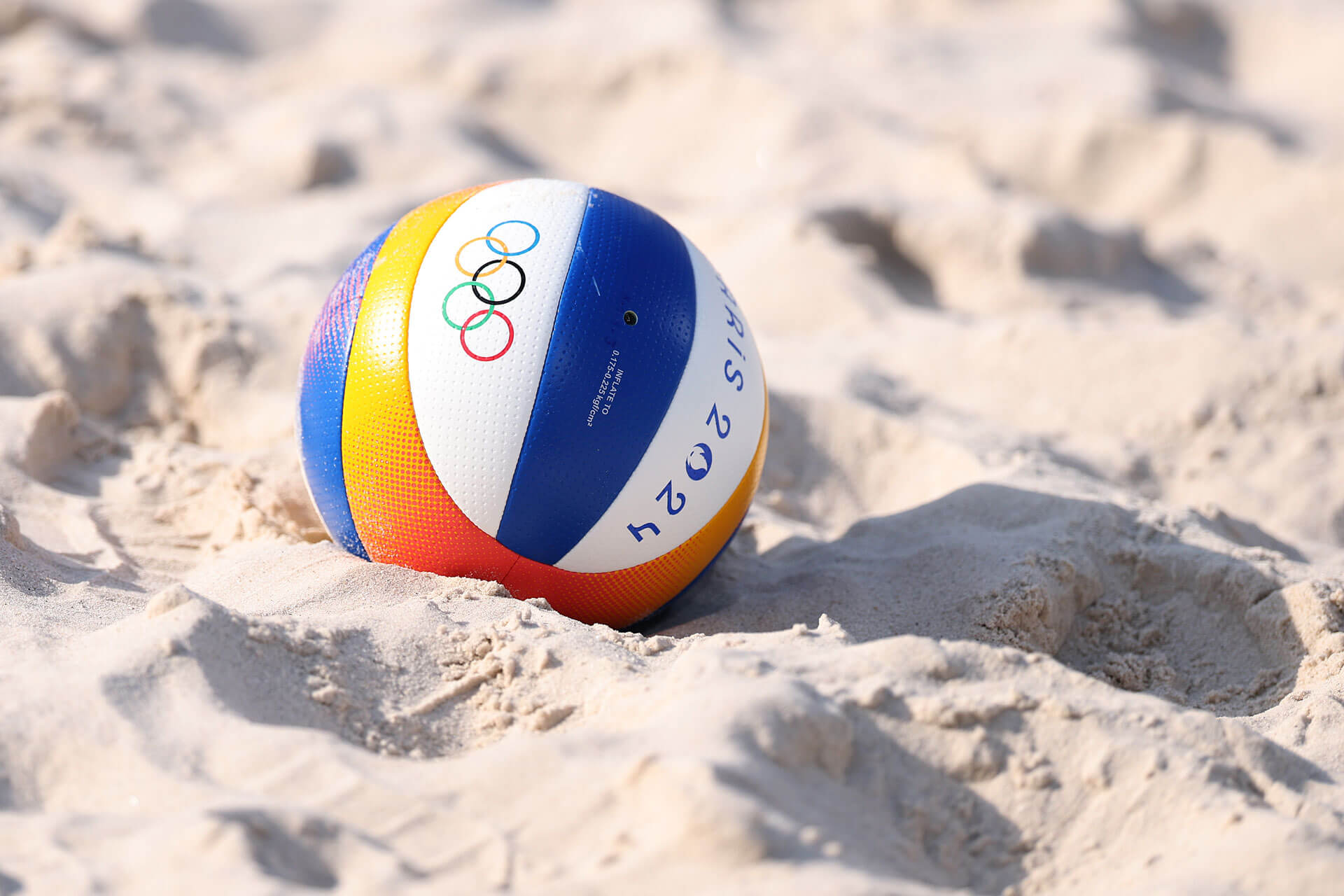
The design of the ball itself was crafted with this universality in mind as well, ensuring that its features enhance the joy of play across all levels. By combining innovation, sustainability, and iconic design, the BV550C is not just a product launch but a statement of how Mikasa envisions the evolution of beach volleyball for years to come. When it came to the BV550C, the process of creation exemplified Mikasa’s meticulous approach.
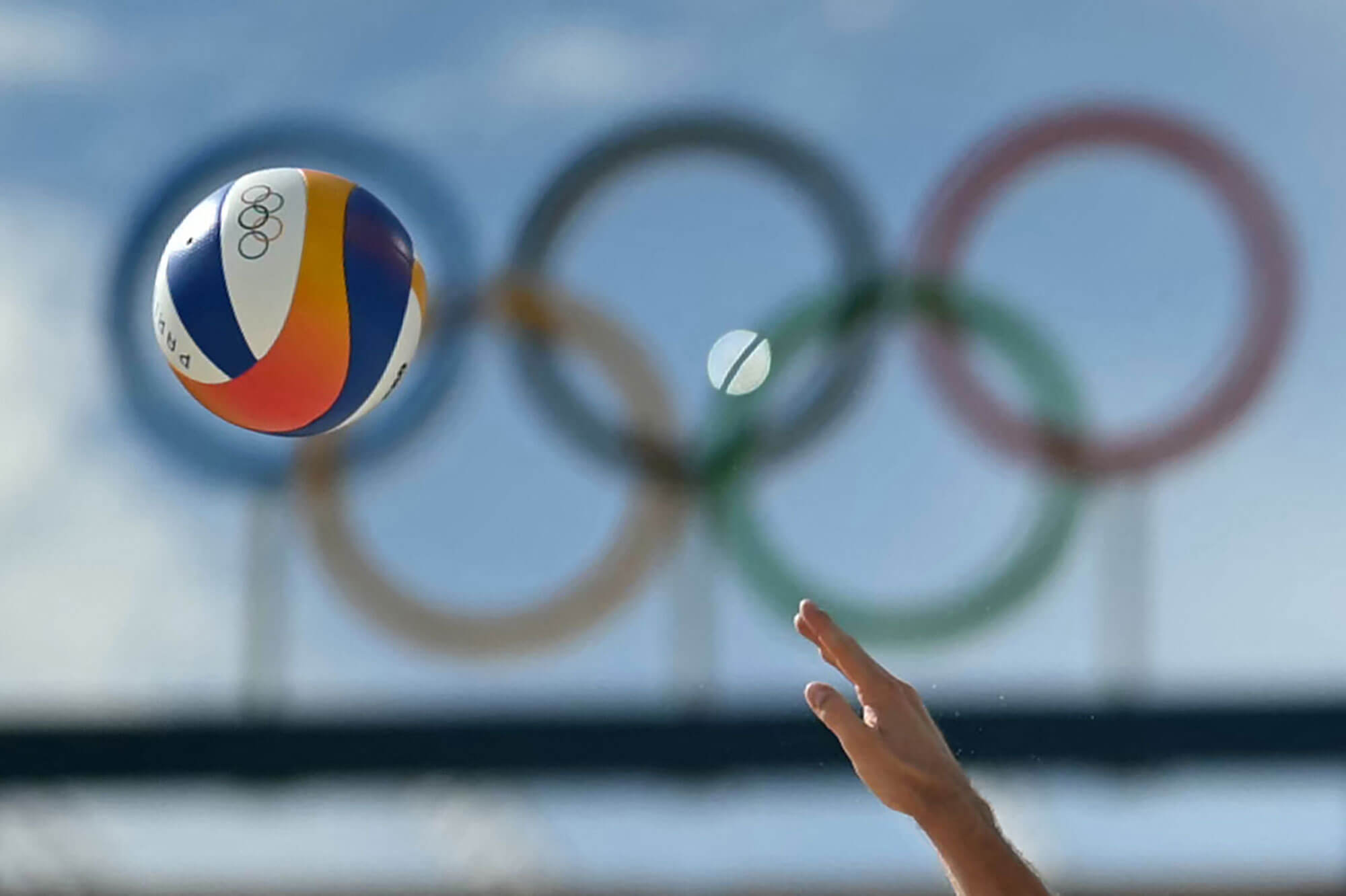
The company spent three years experimenting with over one hundred different surface materials to achieve the perfect balance of durability, grip, and responsiveness. Each iteration was an exercise in trial, error, and refinement, highlighting the company’s relentless pursuit of perfection. The result was not just another ball but a benchmark of engineering designed to elevate performance in both professional and recreational play.
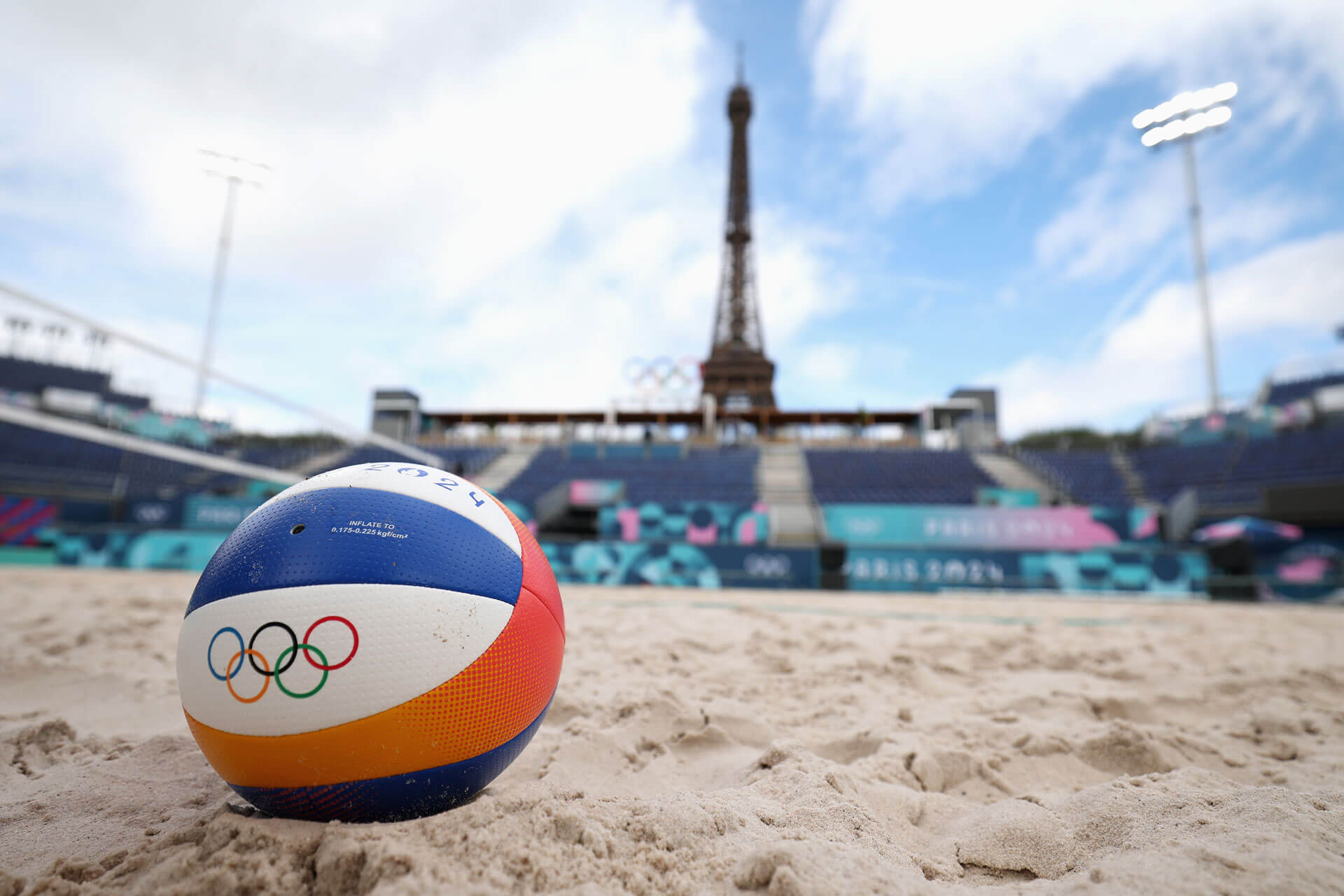
Aesthetic choices were never overlooked either. The inclusion of red in the ball’s color palette was carefully considered to reflect the energy and intensity of matches played under the blazing sun. Colors in Mikasa’s designs have always been symbolic as well as functional, improving visibility during fast rallies while evoking the vibrancy of beach volleyball culture. This attention to visual identity reinforced the connection between the product and the spirit of the sport, ensuring that every element had purpose.
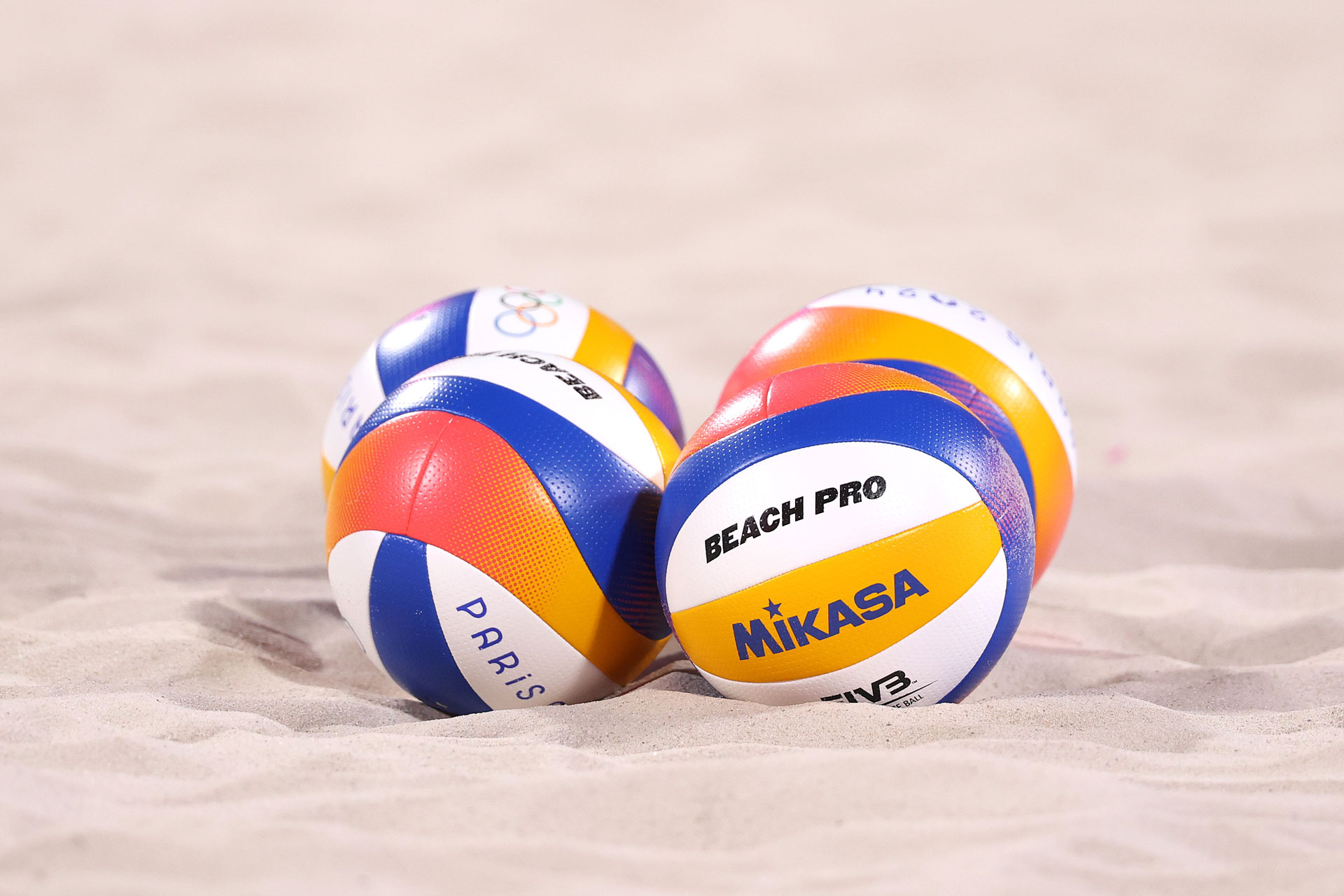
Equally notable are Mikasa’s environmental considerations, which are woven into both the material palette and production process of the BV550C. For the first time in the company’s history, synthetic leather with recycled nylon has been used, replacing more resource-heavy materials without compromising performance. Solvent-based inks were also eliminated, reflecting a design philosophy rooted not only in performance but in sustainability.
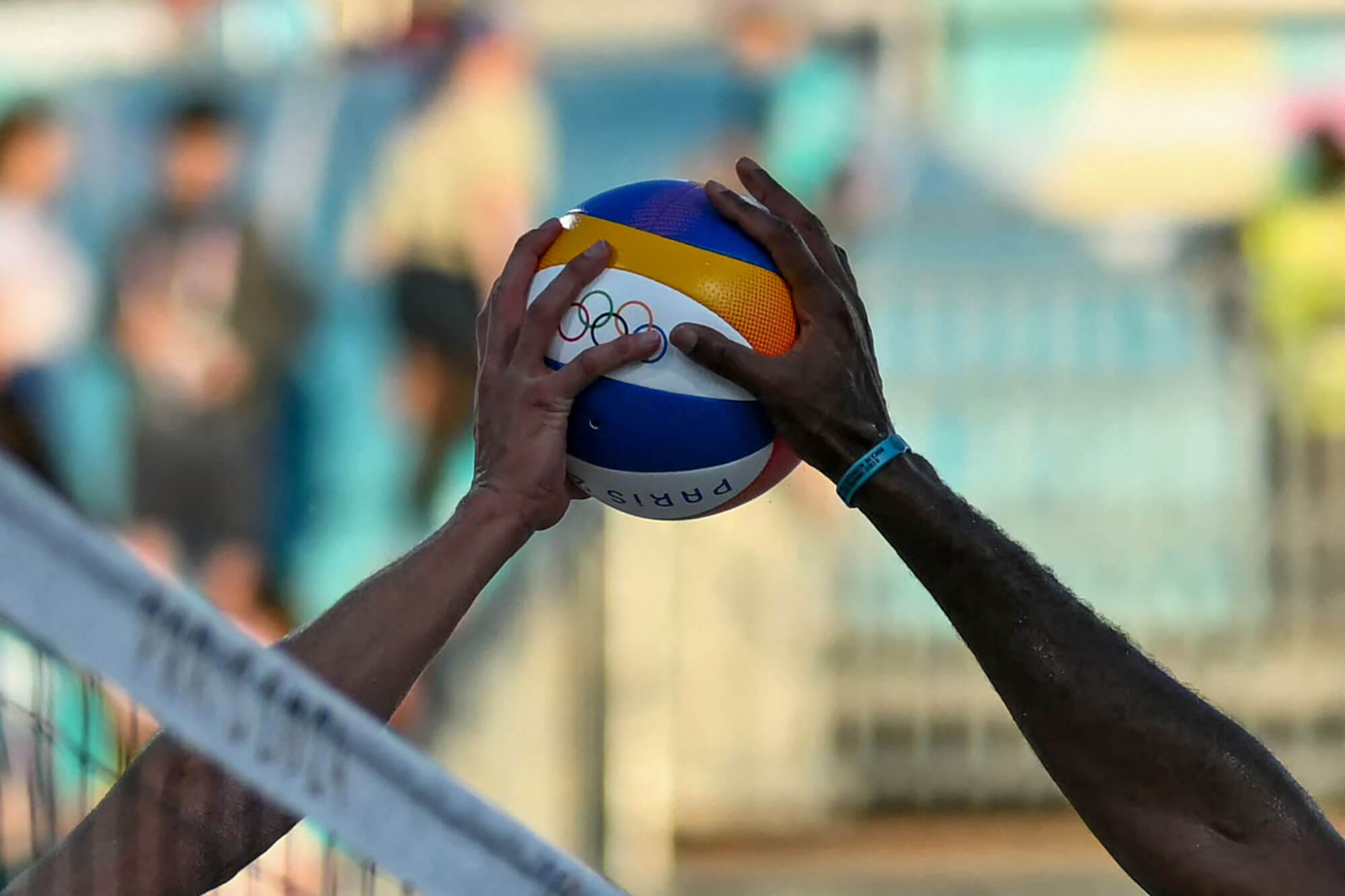
This eco-conscious approach aligns with the growing expectation that global sports brands contribute meaningfully to environmental responsibility. By embedding sustainability directly into the design, Mikasa positions the BV550C not only as a high-performance tool for athletes but also as a symbol of the future direction of sports equipment design.
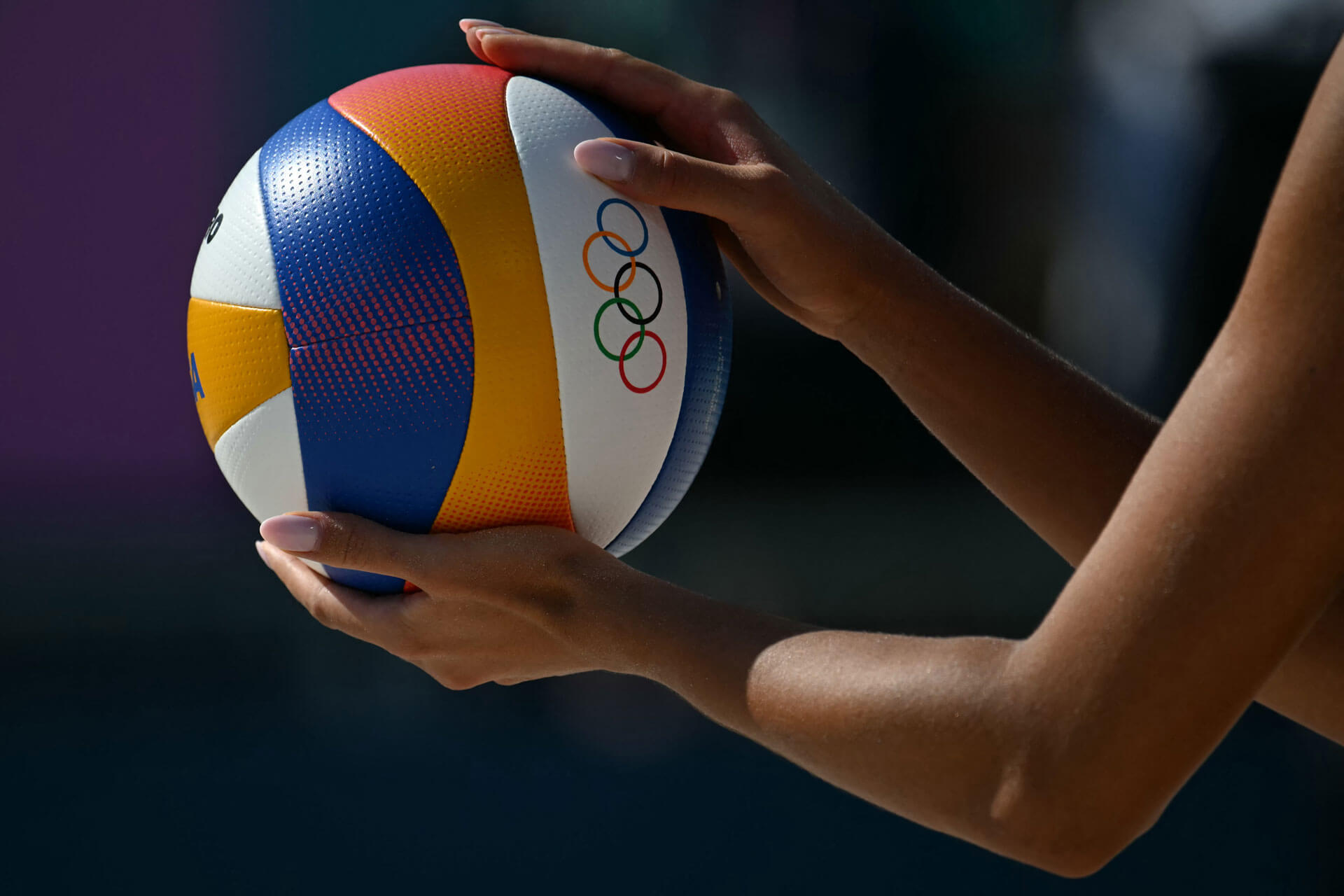
The BV550C’s impact extends beyond professional tournaments. While it debuted in the hands of the world’s best beach volleyball athletes under the spotlight of the Pro Tour Finals, its influence will ripple outward into recreational play around the world. Millions of players, from competitive amateurs to casual beachgoers, will interact with the same ball design, bridging the gap between elite sport and grassroots participation.
Mikasa’s journey has been defined by constant reinvention and a willingness to push materials and technology into new territory. The company began humbly in 1917, producing rubber for bicycle tires and sandals, a far cry from the global leader in sports equipment it would later become. That early work with rubber created a foundation of technical expertise in shaping, curing, and refining materials, which later proved invaluable as the company shifted into sporting goods. What started as a modest manufacturing business eventually grew into a brand synonymous with precision and innovation on the world stage.
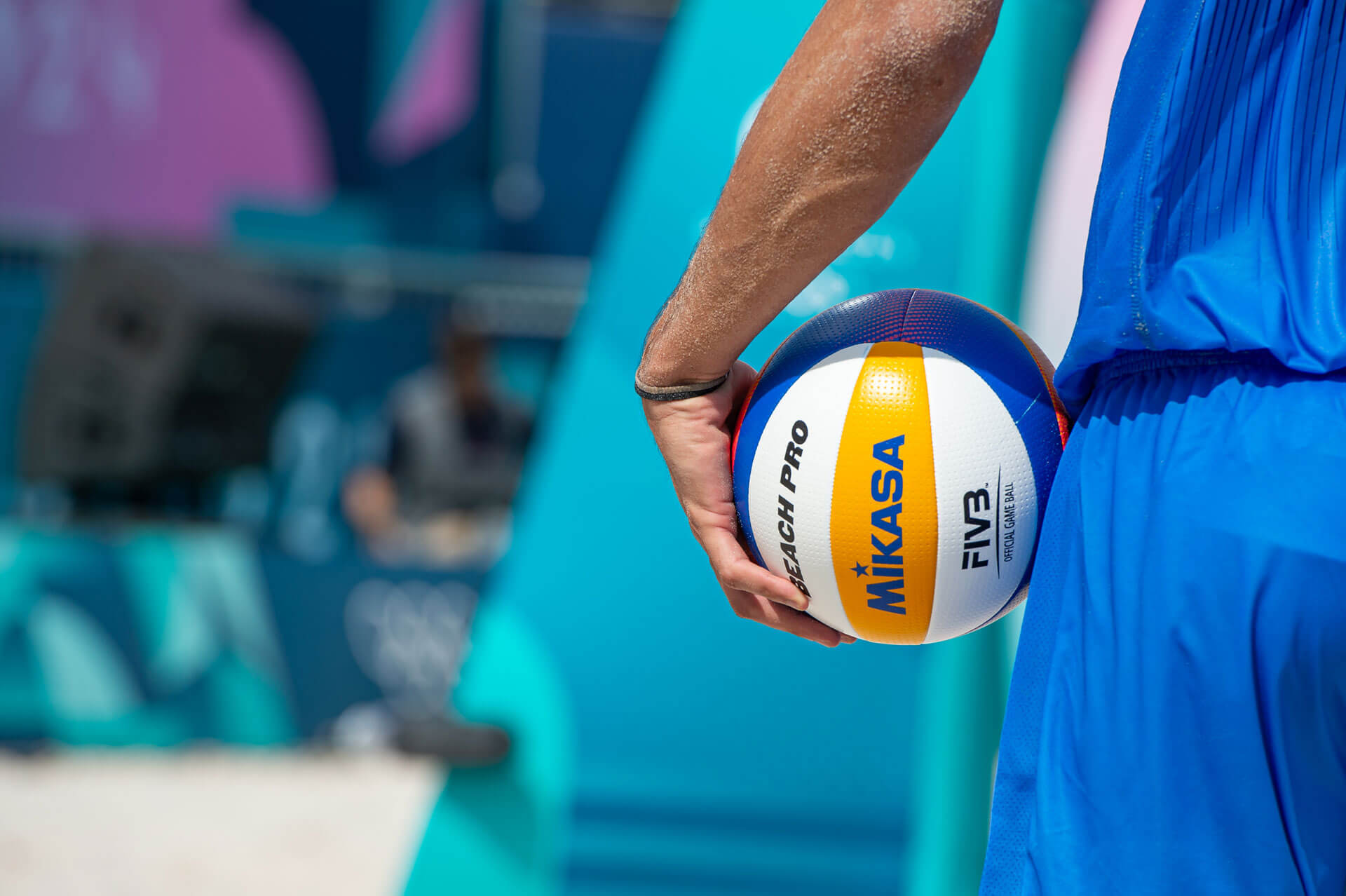
The 1960s marked a pivotal moment not only for Mikasa but for the sport of volleyball itself. When volleyball was officially introduced as an international competition, Mikasa was chosen as the ball of record. This decision gave the company an unparalleled opportunity to embed itself in the DNA of the sport. As the game spread across the globe, Mikasa’s reputation spread with it, cementing their identity as the trusted partner for both athletes and governing bodies. That milestone transformed Mikasa from a capable manufacturer into a cultural force in global athletics.
Innovation continued in the company’s home base of Hiroshima, where Mikasa pioneered the use of robotic production for volleyballs and soccer balls. This was a bold step at a time when sports equipment was still largely handcrafted, and it positioned the company as a leader in efficiency and consistency. Robotics allowed Mikasa to scale its output while maintaining impeccable standards of quality, producing equipment that professional athletes could rely on in the highest levels of competition. This fusion of craftsmanship and automation demonstrated how tradition and technology could coexist to drive excellence.
Decades of refinement led Mikasa into deeper collaboration with international federations and organizations. These relationships were not just symbolic but critical in aligning product development with the evolving needs of athletes. By being present at the negotiation tables and within the global sporting community, Mikasa ensured that its innovations responded directly to the challenges faced on the court and in training environments. The brand grew as much from its partnerships as from its technical breakthroughs. The information we gained allowed for a more targeted design and creative campaign.
For years, the VLS300 was beloved by players at every level of the game, serving as a trusted companion on courts worldwide. Yet Mikasa recognized that even icons must evolve. The decision to replace it with the BV550C was not about discarding tradition but about meeting new global expectations, from sustainability goals to heightened standards of playability. In doing so, Mikasa honored the legacy of the VLS300 while setting the stage for a new era, ensuring that the sport continues to grow with equipment that reflects the best of design, engineering, and cultural awareness.
In the end, the BV550C campaign was not a single creative piece but a carefully constructed ecosystem. By anchoring the storytelling in the discipline of design, layering textures, sketches, and real-world play, and building a modular system for social amplification, we elevated Mikasa’s narrative and expanded its digital presence.
Every design choice, from color to typography to pacing, was made with precision and intention. The campaign lived at the intersection of craft, culture, and communication, proving that design-led storytelling can transform not only awareness but perception.
Key Collaborators: Matheus Masello, Russell Barder, Finn Taylor, Ankush Sharma, Oliver Cox, Parth Dedhia, Chris Harris, Jack Heidler, Beatrice Palmerson
Tools: Adobe Creative Suite, Figma, Google Slides
Deliverables: Storyboards, Marketing Assets, Video, Commercial, Social Templates, Go To Market Strategy