

Capital One’s The Match: Tiger vs Phil represented a rare convergence of sport, entertainment, and live media spectacle. The event brought together Tiger Woods and Phil Mickelson for an 18 hole winner take all match at Shadow Creek Golf Course in Las Vegas. Scheduled for Black Friday 2018, the broadcast was designed to combine competitive golf with the personality and entertainment value of two of the sport’s most recognizable figures. The concept built on the spirit of the Skins Game format where side bets, playful banter, and personality were part of the viewing experience. The purse for the event was nine million dollars, creating immediate stakes and media attention. Distribution was designed to test a new hybrid model across traditional pay per view platforms and Turner Sports’ digital streaming product, Bleacher Report Live. The event was priced at $19.99 and positioned as a premium digital sports experience. Turner Sports and Bleacher Report collaborated across broadcast, product, and social to promote and support the event. My role involved leading social production for Bleacher Report while collaborating with Turner Sports teams on creative direction and promotion. Working alongside producer Dan Worthington, we developed a large volume of media assets to support the campaign and live coverage. The work spanned social content, promotional graphics, and support for broadcast design and tune in messaging. I also contributed to design and development efforts around the B/R Live interface and app experience tied to the event. The Match became one of the first major tests of Bleacher Report’s ability to operate within a large scale live sports pay per view ecosystem. It ultimately served as a learning moment that helped strengthen the product and creative infrastructure for future events. The lessons learned from this event helped shape how the organization approached future live events and cross platform campaigns. It became a foundational experience in understanding how modern sports audiences move between television, streaming, and social media simultaneously.

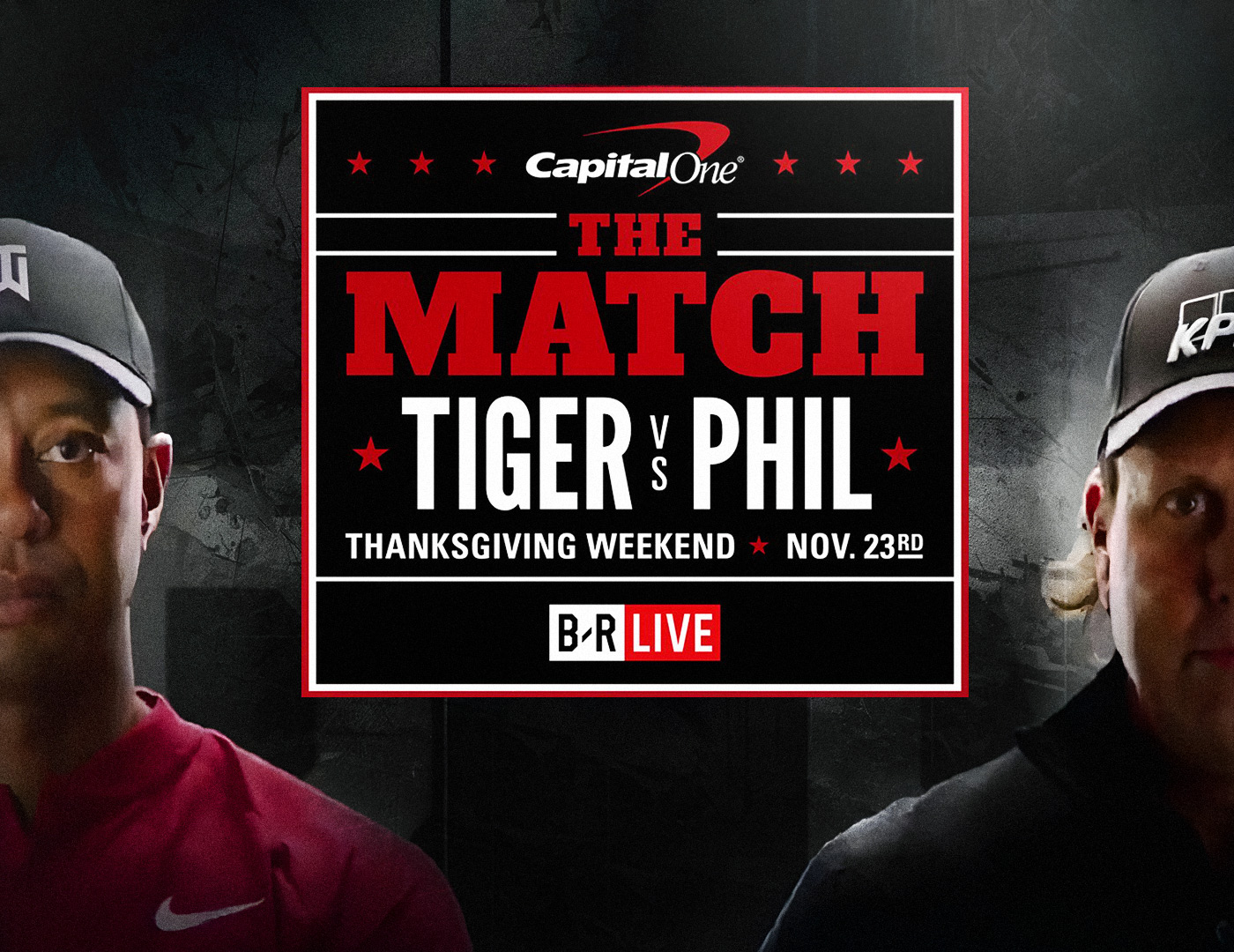
"It’s just the two of us going head-to-head, and that’s something people don’t get to see very often. You don’t get many opportunities to do something like this in golf. It’s a different format, a different environment, and it allows people to see a side of the game that they might not normally see." - Tiger Woods on The Match
The challenge surrounding The Match was both creative and operational because the event sat at the intersection of traditional sports broadcasting and an emerging digital distribution model. Turner Sports was attempting to deliver a premium pay per view golf event while also testing Bleacher Report Live as a major streaming platform. This meant the creative approach needed to work simultaneously across television broadcast, social platforms, and a brand new streaming product. Our team at Bleacher Report was responsible for generating the social energy around the event while maintaining alignment with the broader Turner Sports presentation. The campaign required building anticipation around the rivalry between Tiger Woods and Phil Mickelson while also educating audiences about how and where to watch the event. Fans needed to understand the pay per view model, the B/R Live platform, and the different ways the match could be accessed across cable providers and streaming services. The content strategy therefore needed to balance hype, clarity, and real time responsiveness. As the person leading social production for Bleacher Report, I oversaw the development of a wide range of visual and editorial assets designed to support the promotion and live conversation around the match. Working closely with Dan Worthington, we produced graphics, social videos, editorial visuals, and promotional materials that could travel across Instagram, Twitter, Facebook, and the Bleacher Report app. At the same time we collaborated with Turner Sports design teams to help shape the visual tone of the broadcast presentation. This included aligning promotional graphics and digital assets with the broader broadcast identity so the event felt cohesive regardless of where fans encountered it. We also contributed to design conversations surrounding the B/R Live interface and the user experience for accessing the stream. Because the event was positioned as a premium digital product, the app needed to feel reliable and intuitive for first time users. The scale of the moment meant millions of fans could potentially interact with the platform simultaneously. When technical issues affected the original paywall stream, Turner made the decision to open access and stream the event free on Bleacher Report’s website. The situation created immediate pressure across social channels as fans reacted in real time. Our team had to pivot quickly and adjust messaging while continuing to support the live conversation around the event itself. Despite the streaming challenges, the event still generated massive attention and engagement across the Bleacher Report ecosystem. The experience ultimately became a critical learning moment for the platform. The product and infrastructure improvements that followed helped strengthen the reliability of B/R Live for future broadcasts. That work paid off when the second Match event during the COVID era successfully generated more than forty million dollars for charity. From a creative and operational perspective the first event helped establish the blueprint for how Bleacher Report could participate in large scale live sports programming while activating social audiences at the same time. The experience reinforced the importance of coordination between broadcast production, digital platforms, and social storytelling. It also demonstrated how Bleacher Report could function as both a promotional engine and a cultural voice within major sports media moments.






Every era of sport produces a rivalry that transcends the scoreboard and becomes part of the cultural imagination. For nearly two decades Tiger Woods and Phil Mickelson occupied that space in golf, representing two contrasting visions of excellence that shaped the modern game. One embodied relentless dominance and historic achievement while the other carried the charisma, improvisation, and risk that made golf feel unpredictable. Their parallel careers unfolded across the same stages for more than twenty years, creating a narrative that fans understood instinctively even when the two were rarely paired in direct competition. The Match emerged from that mythology as an attempt to distill the rivalry into its purest form. Stripped of tournament fields and season-long standings, the event asked a simple question that had lingered in the background of the sport for decades. What would happen if the two defining figures of their generation faced each other alone under the brightest lights? The answer became a singular moment where legacy, spectacle, and modern sports media collided.
Capital One’s The Match: Tiger vs Phil represented a rare convergence of sport, entertainment, and premium live media at a moment when the industry was actively experimenting with new distribution models. The event paired Tiger Woods and Phil Mickelson in a winner-take-all $9 million match play competition at Shadow Creek Golf Course in Las Vegas during Thanksgiving weekend of 2018. It arrived at a unique moment in golf culture following Woods’ dramatic comeback victory at the 2018 Tour Championship, a moment that re-energized global interest in the sport and drew millions of viewers back into the Tiger narrative.
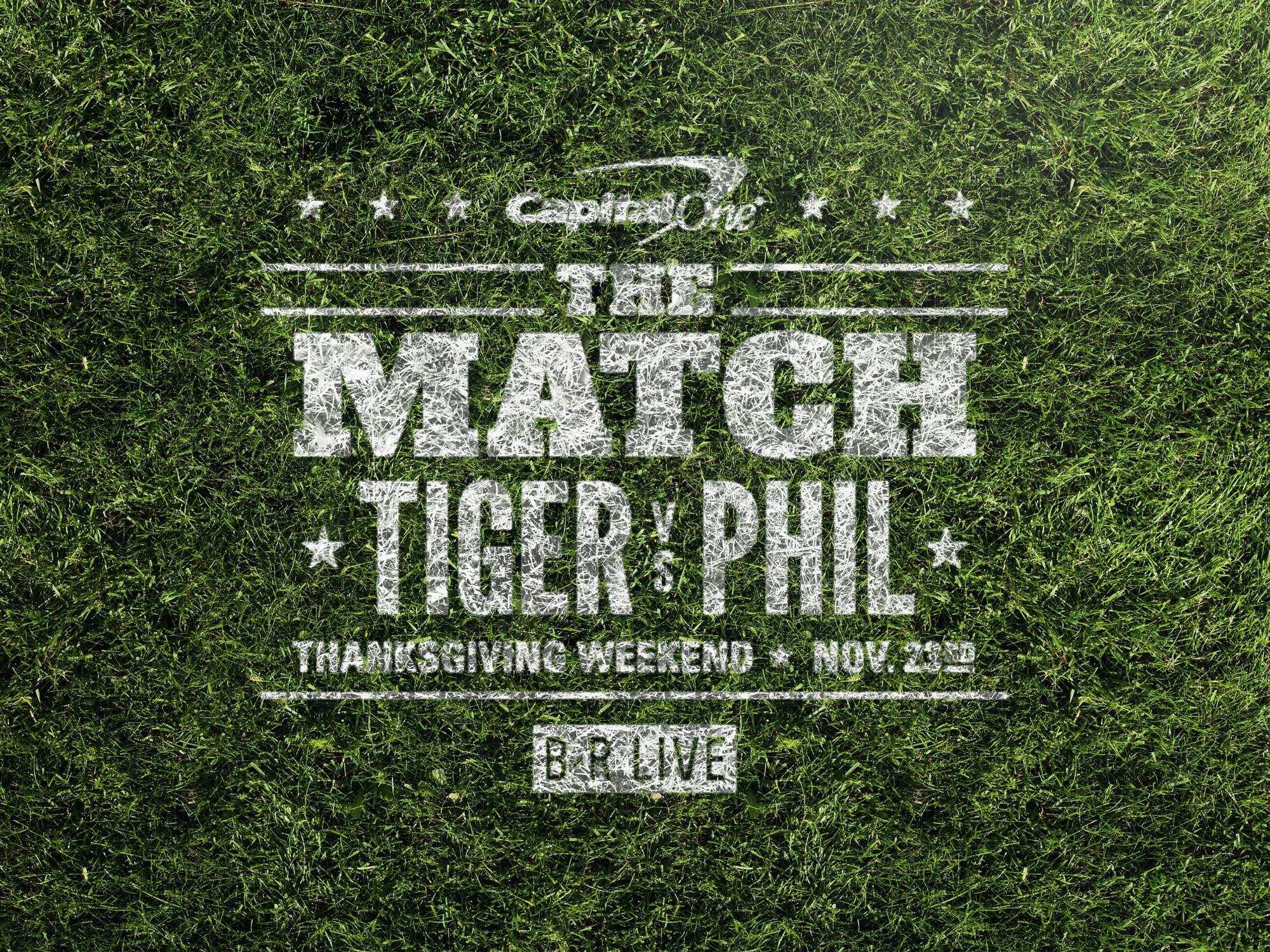
For Turner Sports, the event became an opportunity to explore how legacy sports storytelling could be reframed through modern media platforms and new forms of premium digital distribution. Rather than existing solely as a broadcast product, The Match was designed as a multi-layered entertainment experience that blended live sport, personality-driven storytelling, social media conversation, and direct-to-consumer streaming. The production combined traditional golf coverage with elements of trash talk, live betting side challenges, and behind-the-scenes content designed to feel closer to how fans experience sports culturally rather than simply watching a tournament broadcast. Distribution included traditional pay-per-view partners such as DirecTV and cable providers while also positioning Bleacher Report Live as a major new digital platform for premium sports streaming. This approach placed the event at the center of a broader industry shift where sports media companies were exploring how to build direct relationships with audiences through digital platforms.
From a storytelling standpoint the rivalry between Woods and Mickelson offered decades of competitive history to build upon. Across their careers the two golfers represented the defining figures of modern golf, combining for over 120 PGA Tour victories and 19 major championships. Woods entered the event having recently ended a five-year winless drought with his dramatic Tour Championship victory, while Mickelson remained one of the sport’s most recognizable personalities and a five-time major champion. The dynamic between the two had evolved over the years from competitive tension to a more playful rivalry that could support the entertainment tone of the event.

What made The Match uniquely compelling to work on was how it collapsed multiple historically separate layers of sport into a single, synchronized experience. It was not just a competition, but a designed moment where live broadcast, social conversation, athlete personality, and real-time stakes all converged. From a venture perspective, it demonstrated a shift from passive viewership to participatory spectacle, where the audience is simultaneously watching, reacting, and engaging through second-screen behaviors like live commentary and betting. The format blurred the line between sport and entertainment, turning what was once a linear broadcast into a dynamic, communal event shaped by cultural relevance and immediacy. It pointed toward a future where value accrues not only from media rights, but from the surrounding ecosystem of interaction, wagering, and shared experience, positioning event-based sport as a platform for deeper monetization and more emotionally resonant audience engagement.
This balance between competition and spectacle became a central creative theme of the broadcast and promotional strategy. The format itself reflected this shift, with players able to challenge each other to side bets and skill contests during the match while directing the winnings toward charitable causes. These moments were intended to make the broadcast feel conversational and unscripted rather than purely competitive. The result was a live event designed as much for storytelling and personality as for golf itself. This was a made for television event, but it also had modern tech integration and verticalized entertainment scaling.

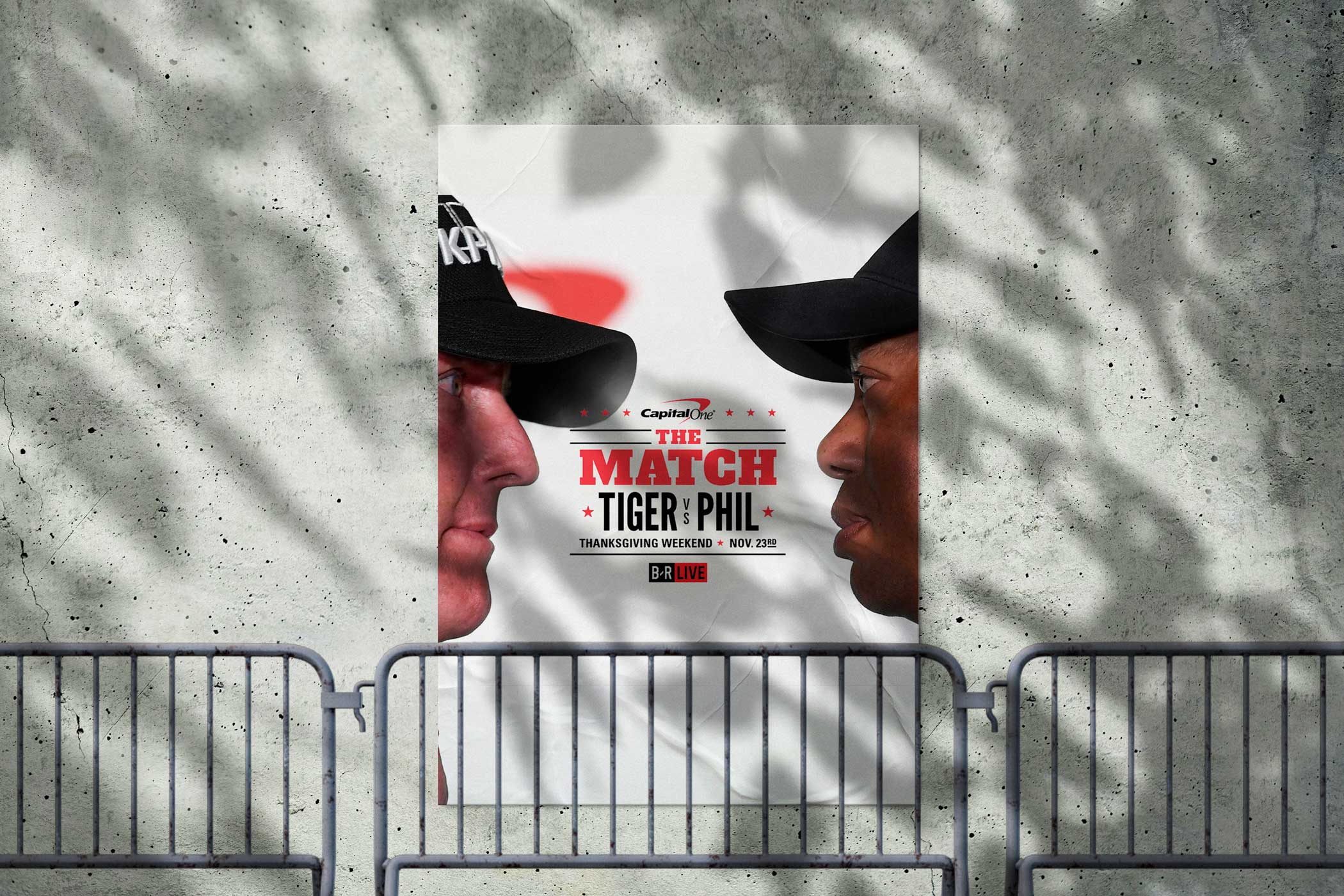
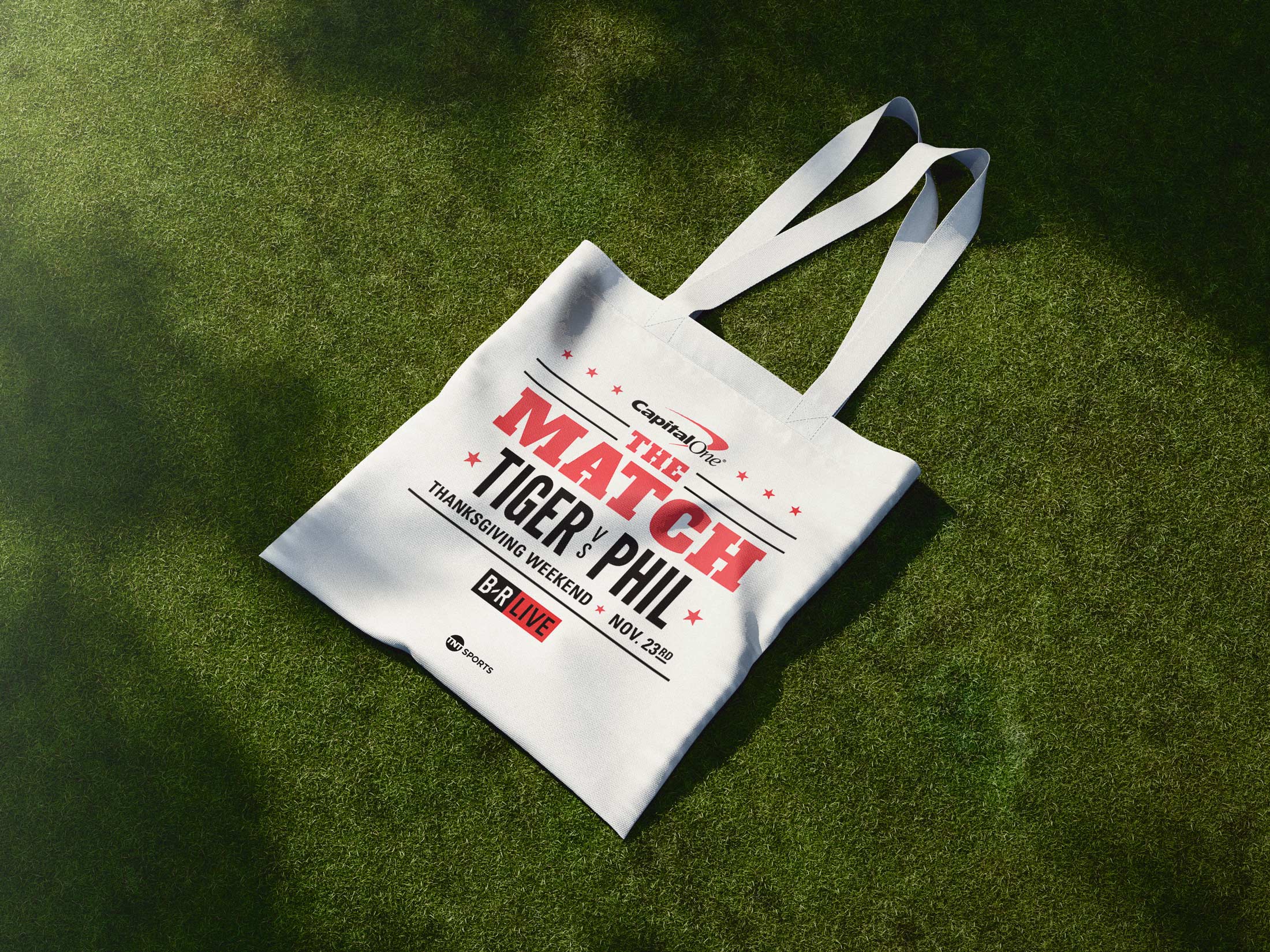
My role within the project centered on leading social production for Bleacher Report while collaborating closely with Turner Sports partners across design, broadcast promotion, and digital product development. Working alongside producer Dan Worthington and internal creative teams, I helped develop the social and promotional media assets that supported the launch and live coverage of the event. This included designing and producing graphics, social videos, editorial visuals, and promotional materials that could move seamlessly across Twitter, Instagram, Facebook, and the Bleacher Report app ecosystem. The visual identity intentionally echoed the language of a Las Vegas heavyweight title fight, using bold poster typography, star accents, and dramatic red tones to frame Tiger and Phil as opposing champions stepping into a winner-takes-all bout rather than a traditional golf match.
The pay-per-view distribution strategy extended across a broad network of traditional television providers as well as digital platforms. In addition to Bleacher Report Live, the event was made available through satellite, cable, and telecom operators including DIRECTV, AT&T U-verse, Comcast, Charter, Cox, Verizon, and Altice in the United States, along with Rogers, Shaw, and Bell in Canada. This hybrid distribution approach allowed the match to operate simultaneously within both legacy pay television infrastructure and emerging direct-to-consumer streaming environments.

Behind the scenes the project required an unusually tight level of coordination across multiple organizations that normally operate on different timelines. Broadcast production teams were preparing a live television event, product engineers were stress testing a new streaming platform, marketing groups were orchestrating sponsor activations, and editorial teams were shaping the narrative around the rivalry. Each group was solving a different piece of the puzzle while still needing to move in sync toward a single broadcast moment. The complexity of that environment meant that creative decisions often had implications far beyond design alone, influencing how audiences would discover, access, and ultimately experience the event.
What made the pairing particularly compelling was the contrast in temperament and identity that had followed both players throughout their careers. Woods represented discipline, precision, and the relentless pursuit of dominance, while Mickelson cultivated a reputation for improvisation and theatrical risk. Fans had spent years projecting these archetypes onto the rivalry, transforming each meeting between them into something symbolic beyond the leaderboard. By isolating the two competitors on a single course without the buffer of a full tournament field, the event intensified that contrast. The stage was suddenly stripped down to its essential dramatic elements: two players, one prize, and the lingering question of whose version of greatness would prevail.
Another distinctive layer of the format involved the introduction of informal side wagers between the players throughout the round, a concept that brought an unusually relaxed and authentic energy to the broadcast. Instead of presenting the match as a rigidly structured competition, the players were able to propose small challenges during play, occasionally betting additional money on specific holes or shots in a way that echoed how many golfers compete during friendly rounds with friends.
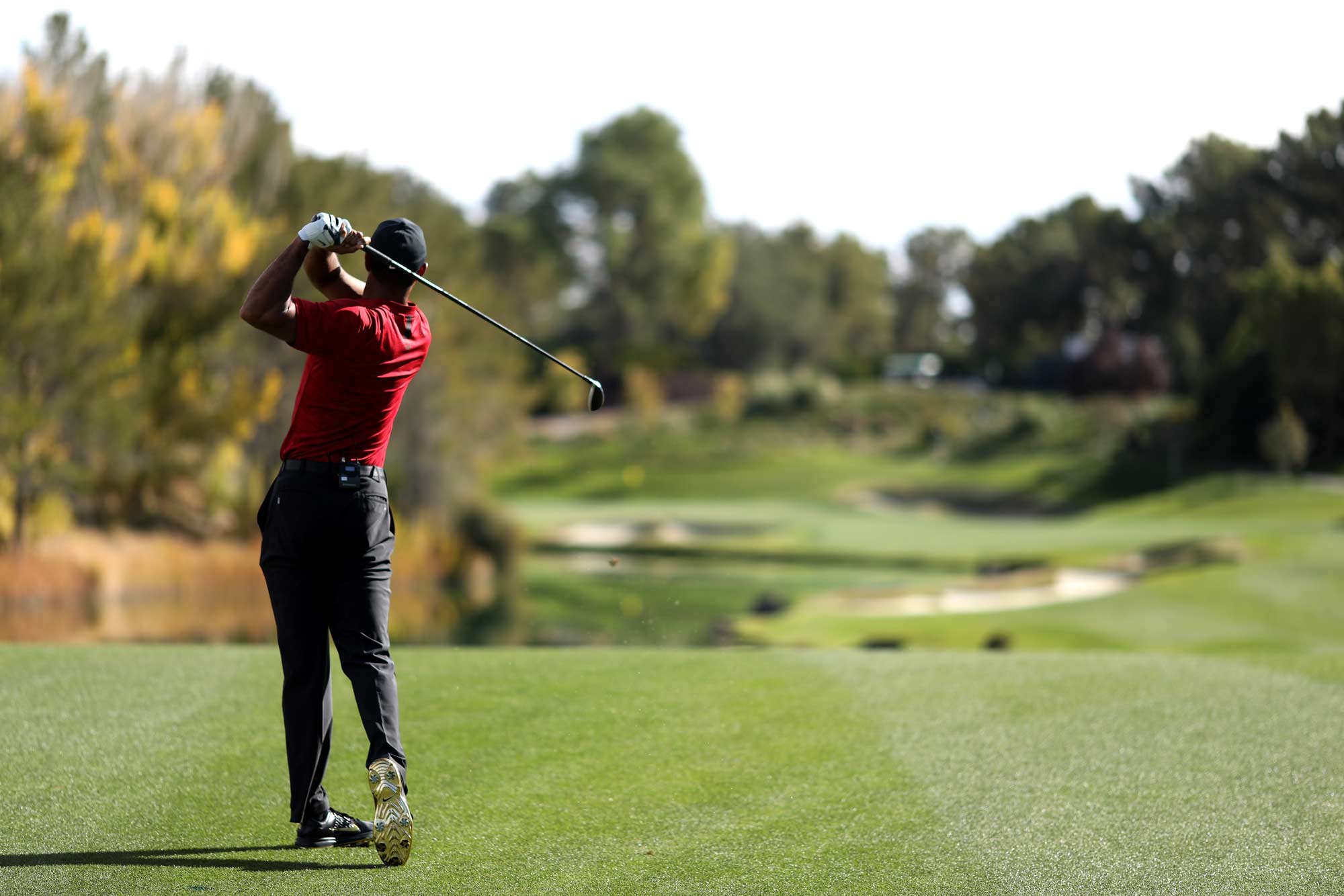
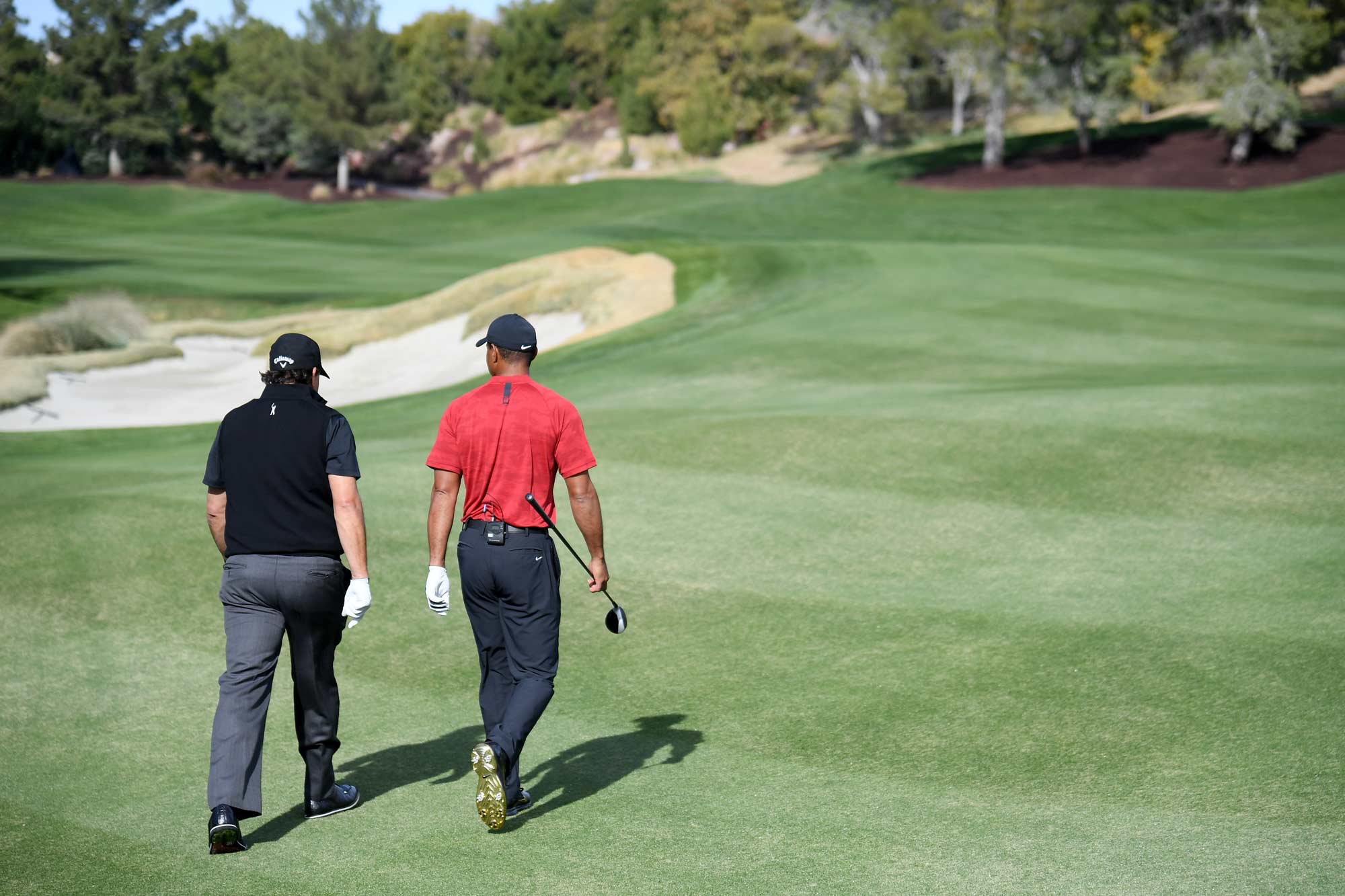
Before match day the production team conducted a full walkthrough of Shadow Creek that functioned almost like a rehearsal for the broadcast. Woods and Mickelson spent time on the course during this dry run while cameras rolled and crews experimented with different angles and placements. The goal was to identify where key moments might unfold and determine how the production could capture them most effectively. Camera operators tested sight lines on tees, around greens, and along the fairways where players would naturally pause for conversation. It allowed the entire crew to begin visualizing how the story of the match would translate onto the screen.
Those walkthroughs also gave the players a chance to adjust to the unusual circumstances of the event. Unlike a traditional tournament, they knew microphones and cameras would be following them closely throughout the round. Spending time on the course beforehand helped them become comfortable with the environment and with the presence of production equipment. In a few quieter moments the two golfers even relaxed enough to talk openly about strategy and the strange novelty of the format. Those conversations helped shape how the broadcast team thought about pacing and storytelling. The rehearsal atmosphere made the event feel less like a rigid production and more like a collaborative experiment.

Growing up, Tiger Woods was one of the defining athletes of my childhood. Watching him dominate major championships and transform the visibility of golf made a lasting impression on me as a young fan. His presence on the course carried a kind of intensity and precision that felt almost cinematic, and even people who did not normally follow golf understood that they were witnessing something historic. Tiger made the sport feel larger than itself, and for many of us he was the reason we paid attention to golf in the first place. Seeing him win in dramatic fashion or walk down the fairway in his signature red on Sundays created moments that stuck in your memory long after the broadcast ended. That kind of cultural gravity is rare in any sport.
Alongside Tiger, I was equally drawn to players like Vijay Singh, whose relentless work ethic and quiet intensity offered a completely different model of greatness. Where Tiger’s dominance often felt inevitable, Vijay’s success felt constructed, built piece by piece through repetition, discipline, and an almost obsessive commitment to improvement. There was a seriousness to the way he approached the game, a sense that nothing was left to chance and everything was earned through preparation. He was not driven by spectacle or personality, but by process, and that made his rise feel grounded in something more durable. Watching him compete, you could see the accumulation of effort in real time, a player refining his craft long after others might have plateaued.

What stayed with me was how that approach expanded my understanding of what excellence in golf could look like. Vijay represented a different kind of presence, one rooted in endurance rather than flash, in consistency rather than moments. His ability to remain competitive deep into his career, eventually reaching world number one, reinforced the idea that there was no single blueprint for success in the sport. It introduced a broader spectrum of identity within golf, where personality, background, and approach could all lead to the same outcome through different paths. That perspective became important, not just in how I viewed the game, but in how I thought about storytelling within it, recognizing that the most compelling narratives often come from contrast rather than uniformity.
Another key takeaway was the importance of designing for both spectacle and authenticity at the same time. The Match lived at the intersection of entertainment and sport. It had the theatrical framing of a prize fight in Las Vegas while still relying on the quiet traditions and etiquette that define golf. That balance required careful creative decisions across everything from promotional graphics to tone of voice. The goal was never to overwhelm the sport with spectacle but to amplify what already made the rivalry compelling. Finding that equilibrium between bold presentation and respect for the game is a lesson that continues to shape how I approach creative leadership in sports media.
The event also revealed how deeply product experience influences the perception of a live event. Content and storytelling can generate excitement, but the moment fans attempt to purchase access or watch the broadcast, the product itself becomes the final gatekeeper. Seeing both the successes and the technical challenges of a large scale streaming launch reinforced how critical infrastructure, checkout flow, and server scaling are to the overall fan experience. It highlighted the need for creative teams to work closely with product and engineering counterparts from the earliest stages of planning rather than treating distribution as an afterthought.
Anthony Kim was another player who captured my attention during those years, particularly because he represented a younger, more fearless generation entering the game. Kim had an energy and swagger that felt different from many of the established stars. When he burst onto the scene, especially during moments like the Ryder Cup, he brought a sense of excitement that hinted at where the sport might go next. His aggressive style and confident personality made him instantly memorable for fans who were watching that era unfold. For younger viewers he felt relatable in a way that bridged the gap between traditional golf culture and a more modern sports personality.
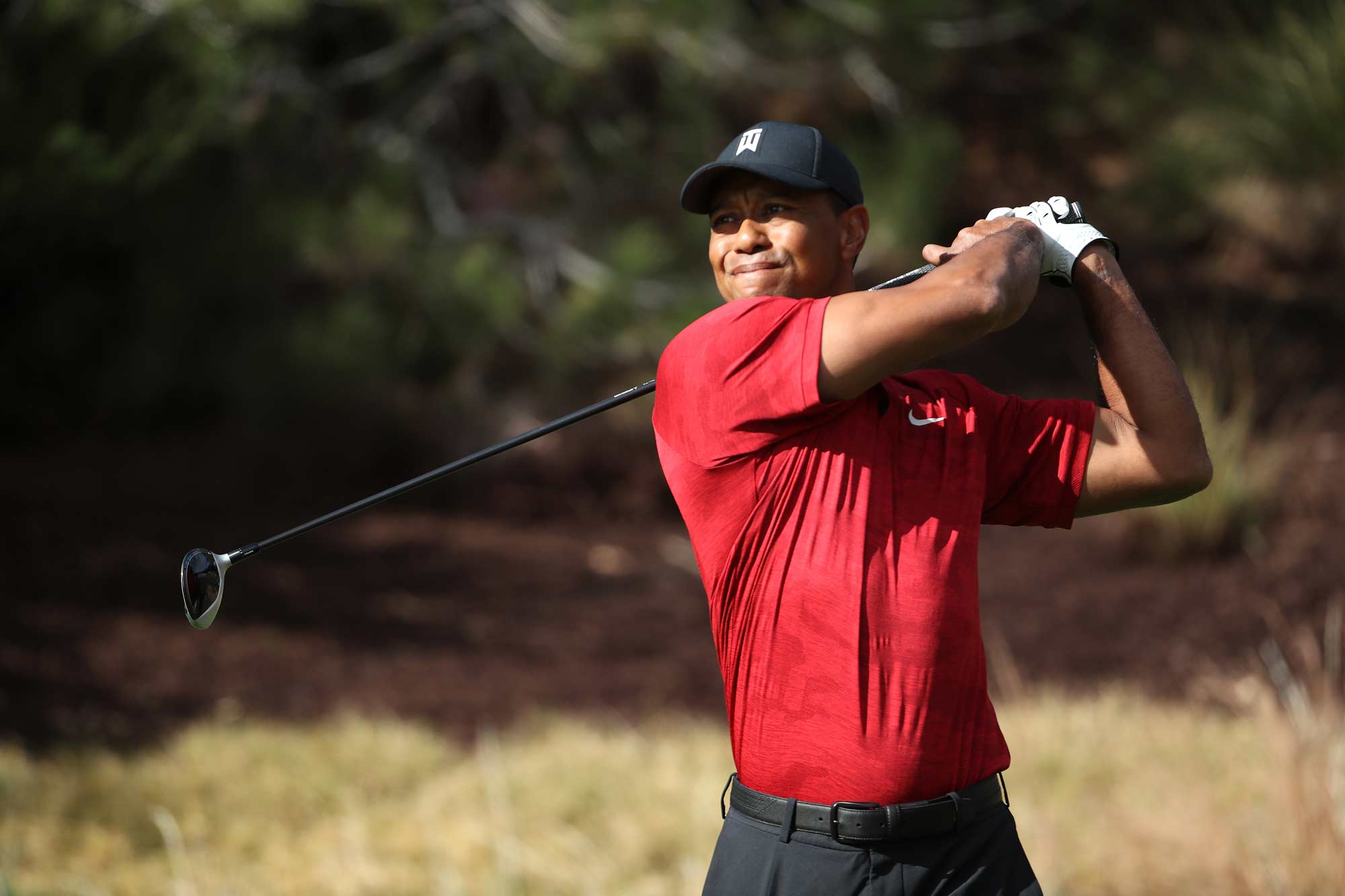
Because of that background, working on an event that involved Tiger Woods years later felt surreal in its own way. The project placed me inside a media environment built around a player I had grown up watching from the outside. It was a reminder of how sports can travel with you across different stages of life, moving from something you admire as a fan to something you eventually help shape as part of a creative team. That personal connection added another layer of meaning to the experience. It made the event feel less like just another production and more like a moment where childhood inspiration intersected with professional work.
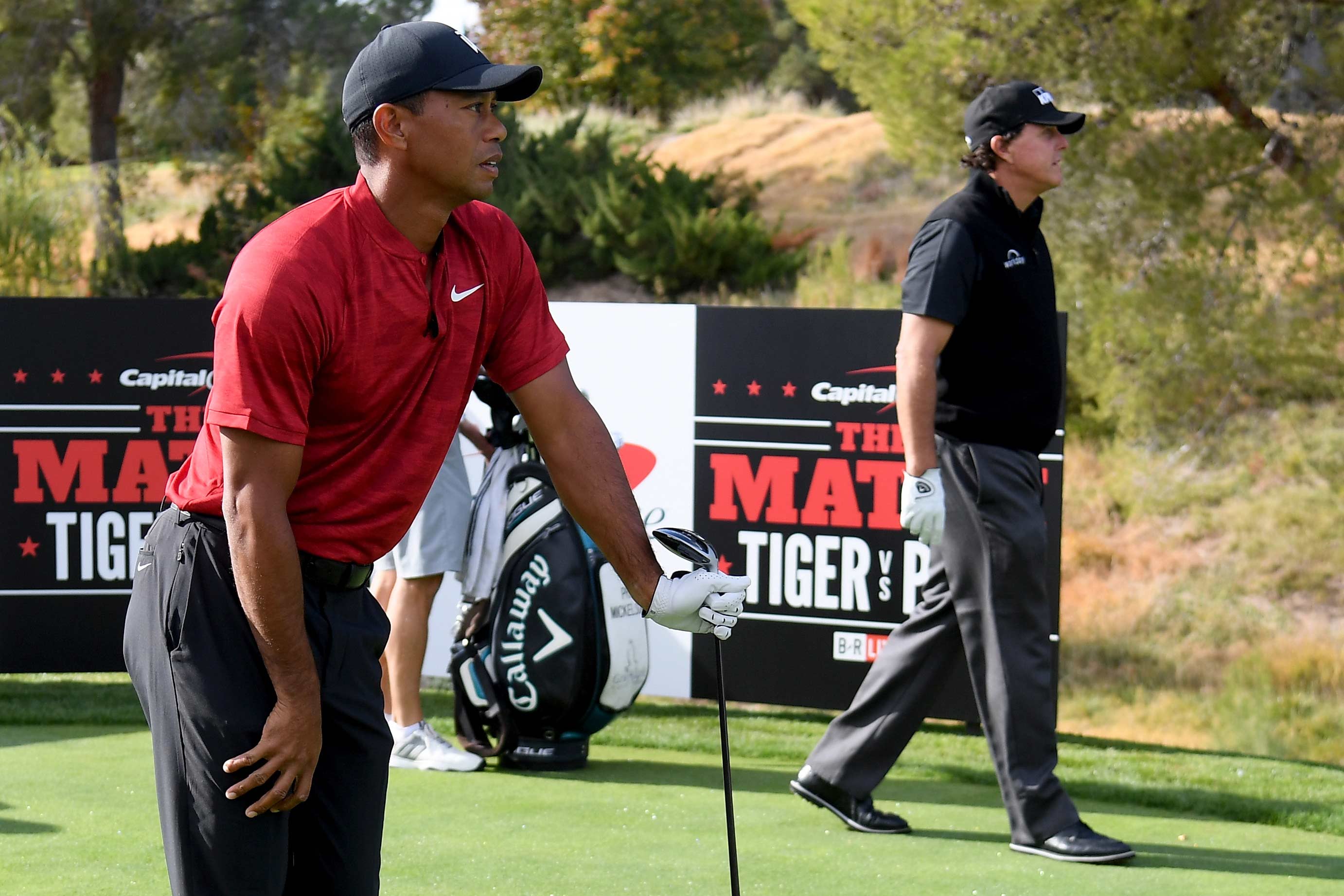
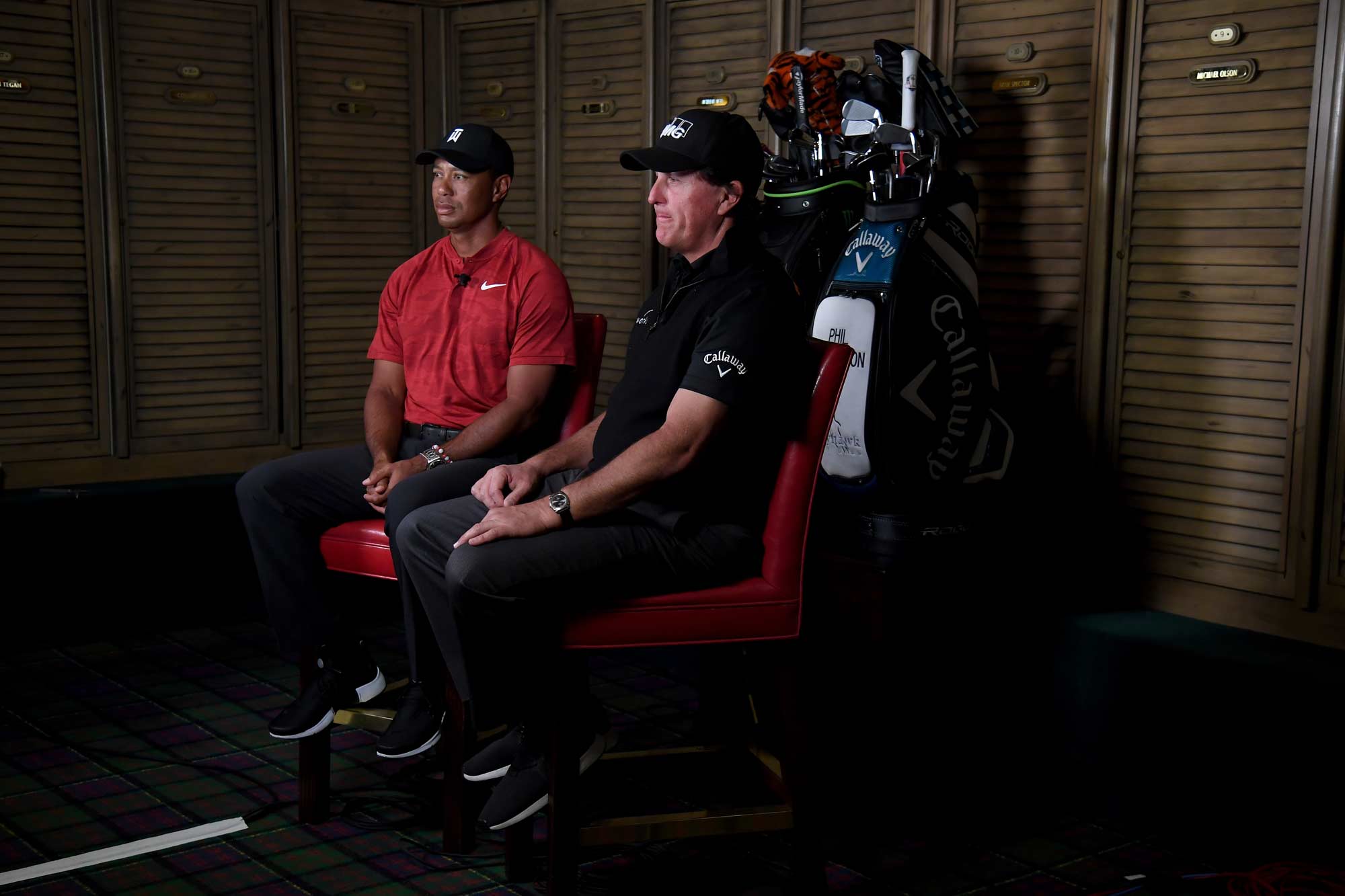
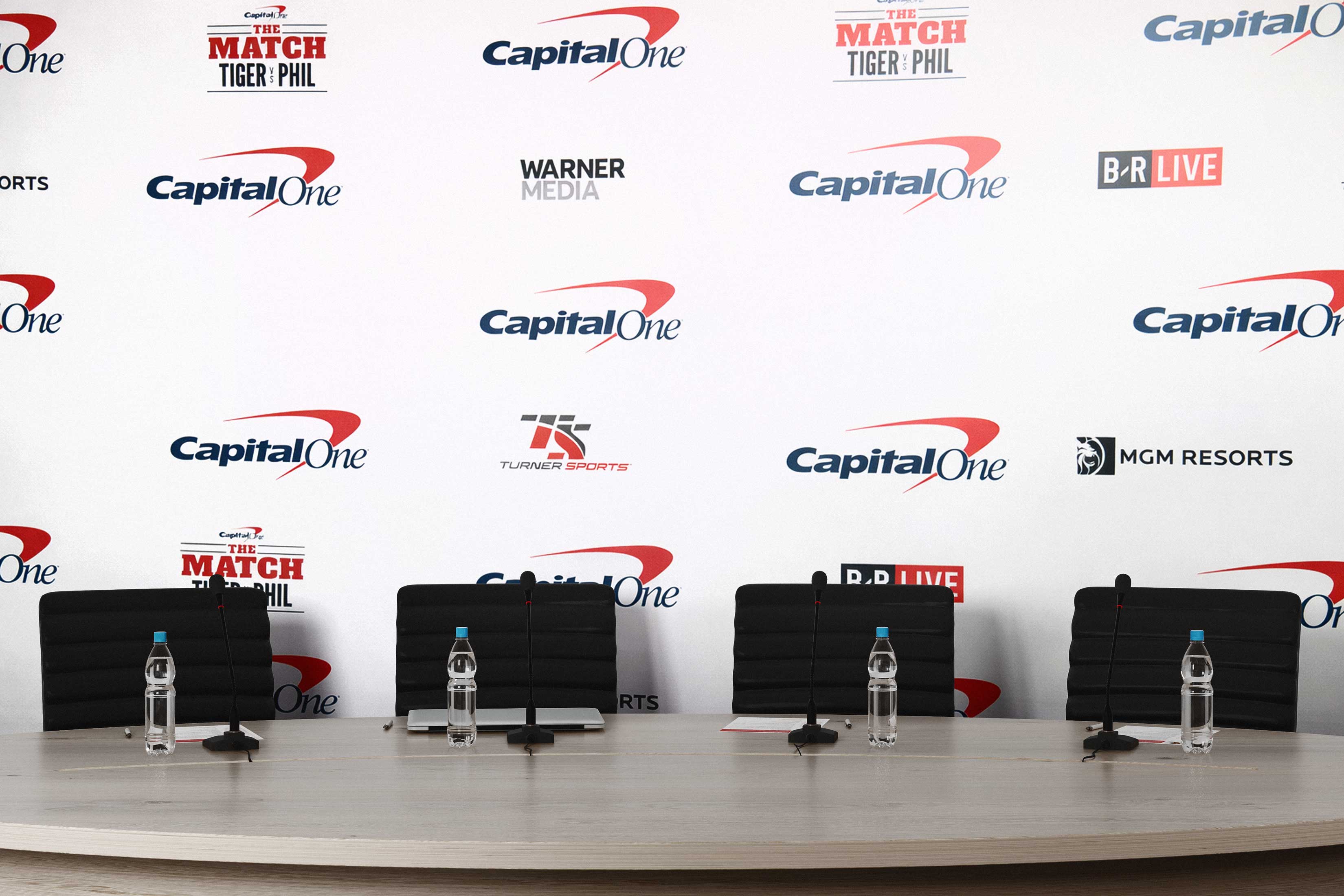
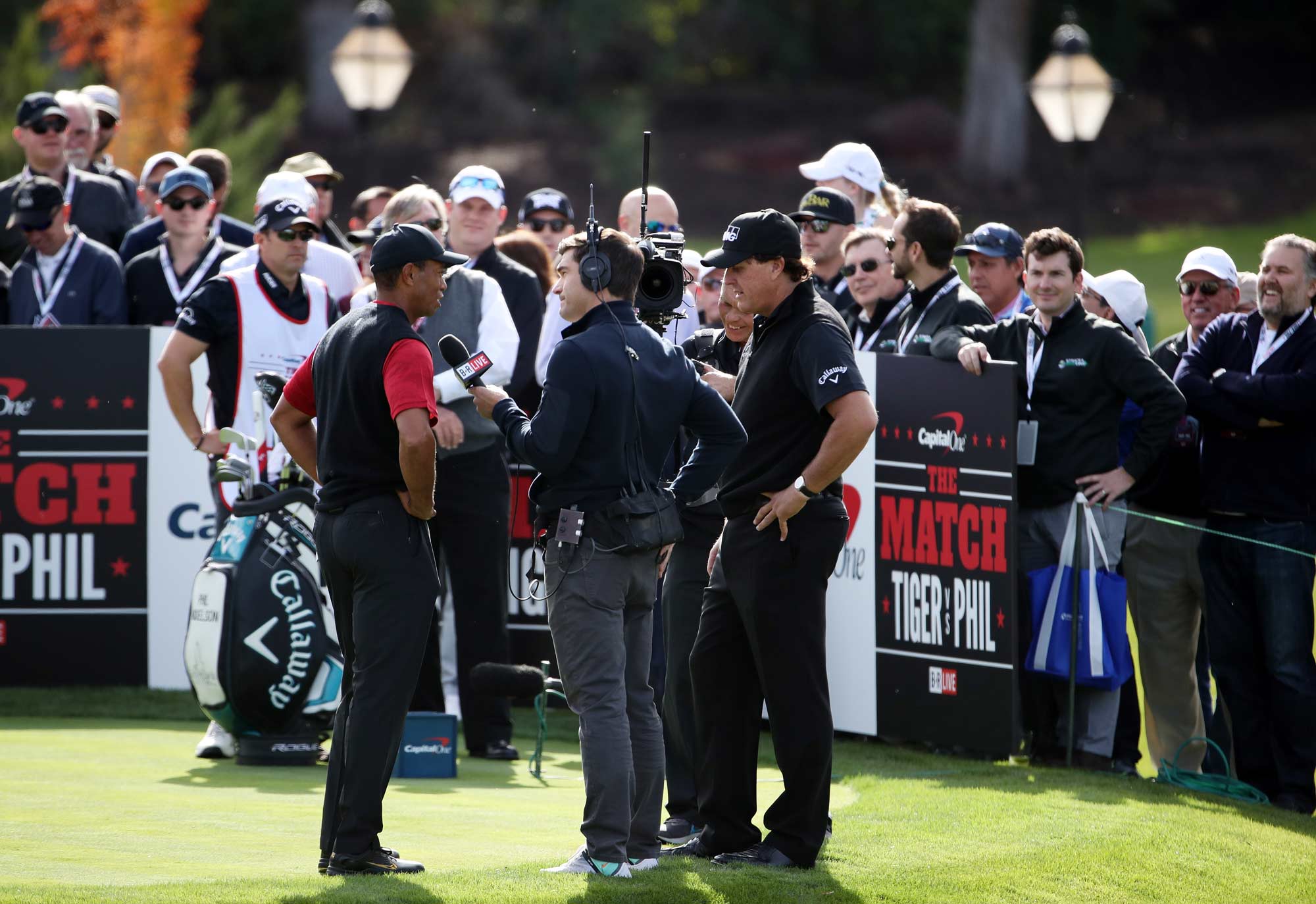
Alongside the on course preparations we also organized a formal press junket that served as a major promotional moment for the event. Media outlets from across sports and entertainment gathered in Las Vegas to interview the players and capture footage ahead of the match. The press environment was carefully staged so that every visual element reinforced the theme of a high stakes showdown. Lighting, backdrops, and signage were coordinated to match the bold visual identity developed for the campaign. The setup gave journalists a dramatic setting in which to ask questions while simultaneously generating promotional imagery.

The press area itself was constructed inside the MGM complex where much of the surrounding promotional activity for the event was centered. Our team art directed the space so it carried the same design language seen in posters and broadcast graphics. A custom lectern was installed for interviews and press statements, positioned in front of a branded backdrop that framed Woods and Mickelson as opposing champions. The environment felt closer to a fight promotion than a traditional golf media day. That theatrical tone helped reinforce the narrative that this was a head to head duel rather than a routine exhibition round.
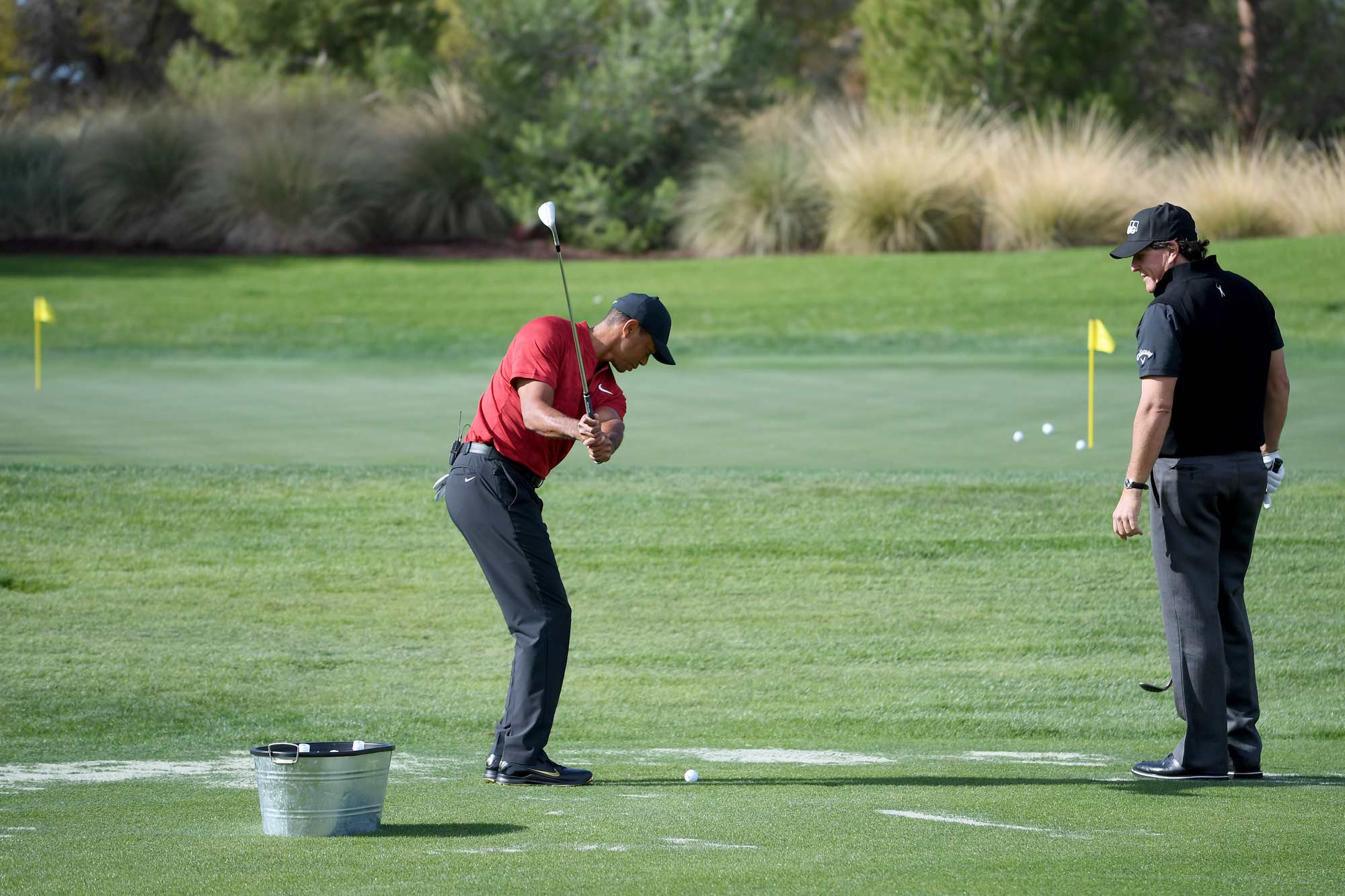
Together the rehearsal on the course and the staged press environment helped the entire production find its rhythm before the broadcast began. The dry run clarified how cameras would move through the landscape of Shadow Creek and where the most compelling storytelling moments might occur. The press junket meanwhile generated the images and sound bites that fueled the promotional campaign in the final days before the event. Both preparations contributed to a sense that the match was being treated as a major media production rather than a simple exhibition game. By the time the players arrived for the first tee shot, the visual language and narrative tone of the event had already been carefully established and there was a core social and broadcast strategy all ready underway.

Much of our energy leading up to the event was understandably focused on the creative and content side of the launch. We were building an enormous volume of social assets, promotional media, graphics, and storytelling moments designed to generate excitement around the matchup and guide fans toward the pay-per-view purchase. In hindsight, while the content engine was firing on all cylinders, the product side of the equation deserved just as much attention. A launch of that scale required deeper preparation around server capacity, purchase flow reliability, and the checkout process that would handle a surge of simultaneous users. The glitches on launch day revealed how unforgiving live sports distribution can be when demand spikes all at once. It became a valuable lesson in the balance between storytelling and infrastructure when launching a premium digital event. The creative campaign succeeded in driving attention, but the technical systems needed to be equally prepared to absorb that momentum.
These moments transformed the tone of the event from a conventional televised contest into something closer to an open conversation unfolding on the course. Viewers were suddenly listening to two legendary competitors casually negotiating bets, joking about strategy, and reacting to each other’s decisions in real time. The effect made the broadcast feel intimate and unscripted, revealing a side of professional golf that audiences rarely see during traditional tournaments. What emerged was a hybrid experience that blended elite competition with the relaxed social dynamics of a weekend money game, reinforcing the idea that the event was designed as much for entertainment as for sport. The production embraced elements of cinéma vérité by allowing unscripted conversations, candid reactions, and real-time interactions between Woods and Mickelson to unfold naturally on the course, giving the broadcast a more intimate and observational tone than traditional golf coverage.

One of the most memorable moments during the pre-match press conference captured the playful competitive tension that had defined Woods and Mickelson’s relationship for years. While discussing potential side challenges during the round, Mickelson confidently predicted he would birdie the opening hole and immediately put money behind the claim, offering to wager $100,000 on it. Woods, sensing both the theatrics of the moment and the opportunity to escalate the stakes, quickly interrupted and told him to double it. Within seconds the casual prediction had turned into a $200,000 bet before either player had even stepped onto the first tee. Through Turner’s verticalized media ecosystem we were able to coordinate an exclusive press area segment where Hines Ward interviewed Tiger Woods and Phil Mickelson, turning the media day setup into a crossover news moment that could live across multiple Turner platforms.
The exchange was delivered with smiles and laughter, yet it perfectly illustrated how quickly the rivalry between two elite competitors could shift from banter to genuine competitive tension. Moments like this were only a glimpse into a much larger web of wagers unfolding throughout the day, many of which were never fully disclosed to the audience but were understood to be part of the private gamesmanship between the two players. For audiences watching the buildup, the moment reinforced the spirit of the event itself: a high stakes contest where pride, personality, and instinct could transform even a simple prediction about the first hole into a headline.
During the live competition the players also had the ability to introduce spontaneous side challenges beyond the official match play scoring. These could include contests such as longest drive, closest to the pin, or other skill-based moments initiated during a hole. In some cases the additional stakes were structured so that winnings could be directed toward charitable causes chosen by the players. The format reinforced the idea that the match was meant to capture the spirit of how golfers often compete informally, where bragging rights, small wagers, and playful challenges unfold organically throughout a round.
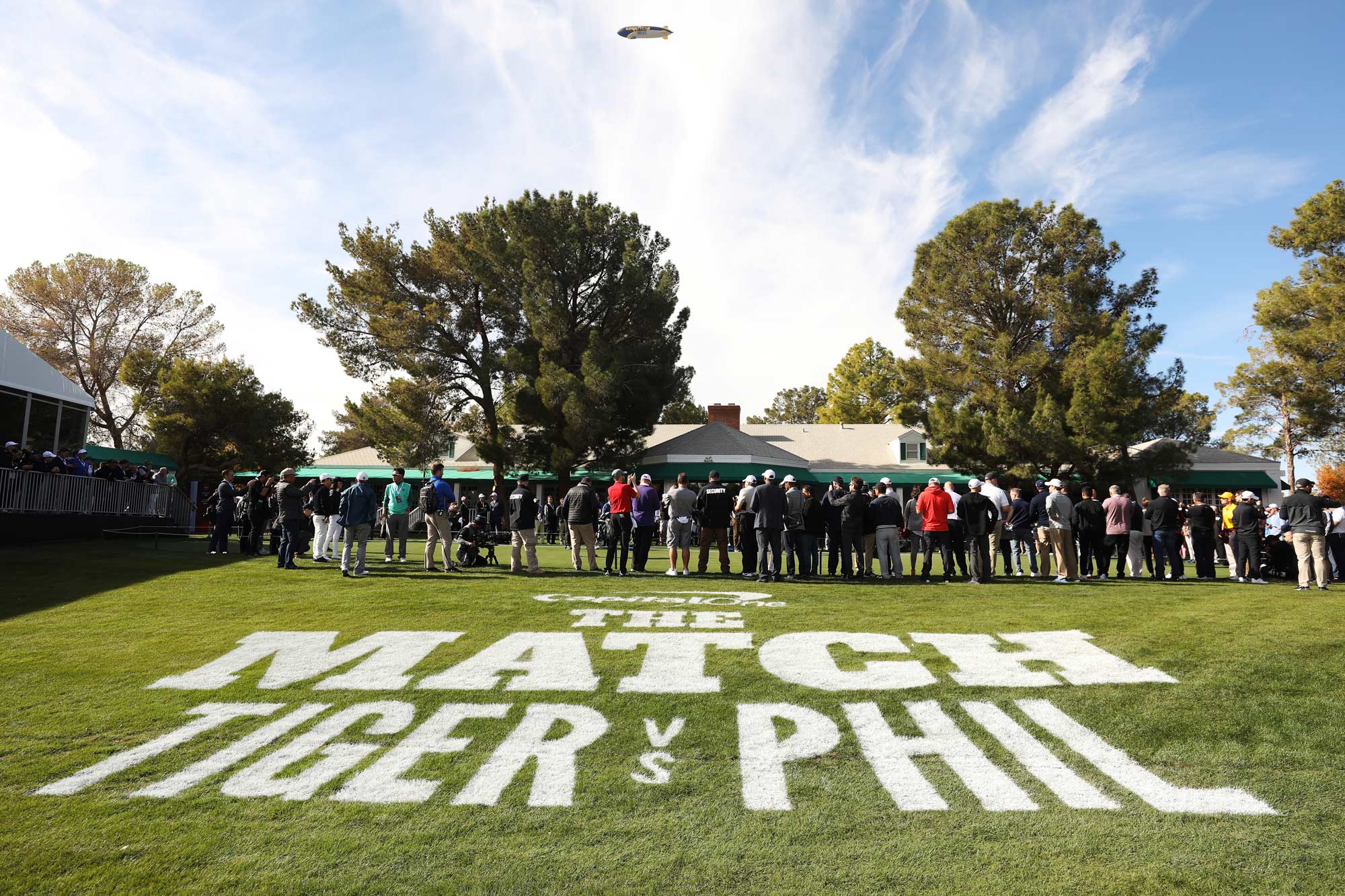
I collaborated with Turner Sports teams on elements of the broadcast visual language and promotional look and feel so the event maintained a consistent identity across platforms. Because The Match also served as one of the first major pay-per-view tests for Bleacher Report Live, I contributed to design and development conversations around the platform’s interface and user experience leading into the event. That collaboration ensured the creative storytelling surrounding the event aligned with how fans would ultimately access the stream through the app. From the moment Tiger stepped foot on the course and way before we were covering things everywhere we could. The goal was to meet fans where they already spent time while gradually guiding them toward the pay per view moment. Content was designed to feel playful, competitive, and conversational, mirroring the tone of the rivalry itself. The creative language leaned into the personalities of Woods and Mickelson while emphasizing the high stakes nature of the matchup. Social became both a hype engine and a conversion pathway.
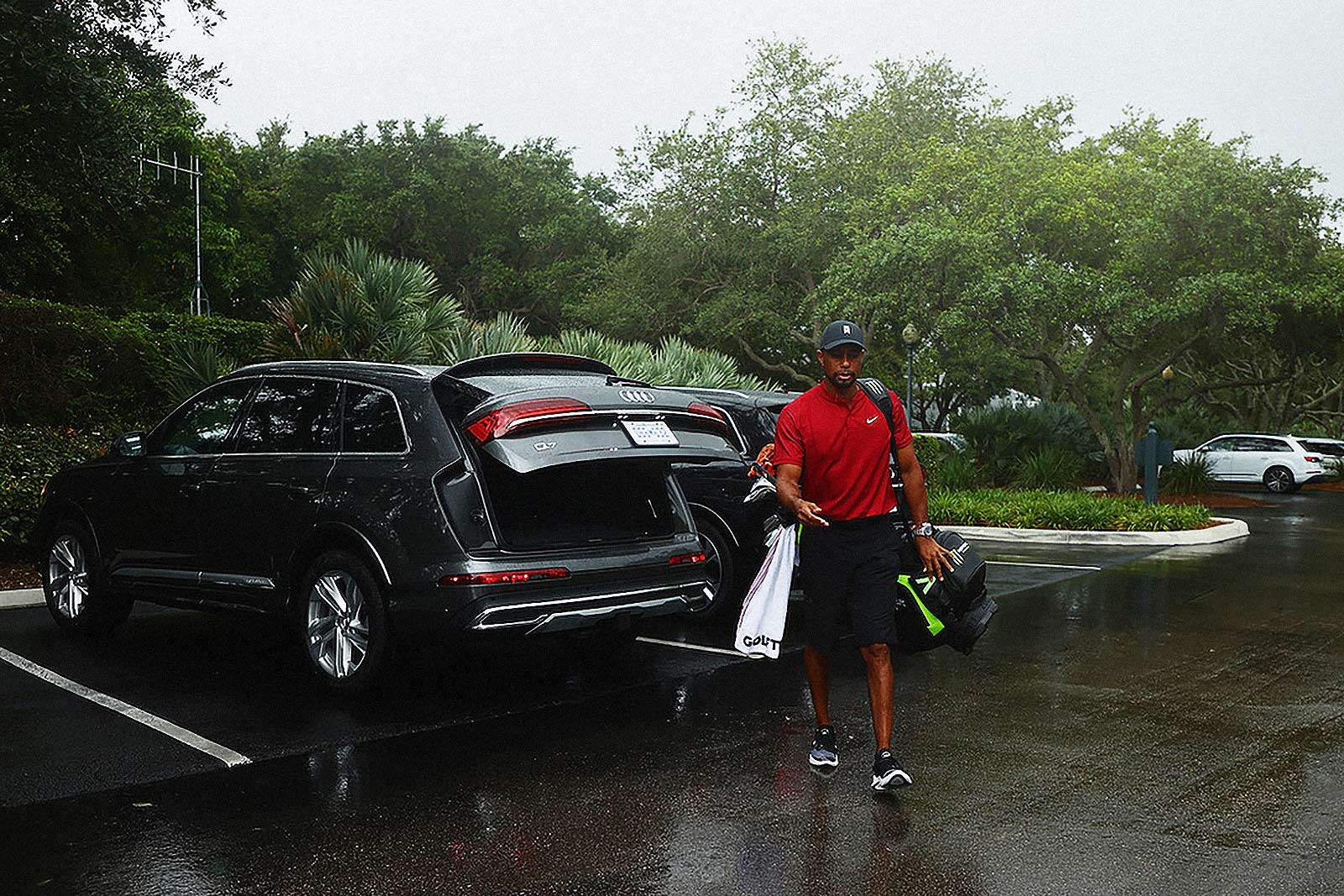
The work required constant coordination between broadcast production teams, digital product teams, and social media channels as the event approached. Long before the first tee shot was struck, the atmosphere surrounding Capital One’s The Match felt unlike a typical golf tournament. This was Black Friday in Las Vegas, a day when the desert air carries a quiet coolness and the entertainment capital of the world shifts into spectacle mode. Temperatures hovered in the low 60s with clear skies and dry desert air, creating near perfect playing conditions for an outdoor broadcast event. Alongside the broadcast rollout, a significant portion of the promotional strategy lived on social platforms where Bleacher Report had already developed a highly engaged audience accustomed to fast moving sports culture content. Rather than relying solely on traditional trailers or static promotional assets, we approached the social campaign as an opportunity to translate the spectacle of the event into interactive and shareable formats that felt native to digital audiences. The design system had to work across many mediums from social to broadcast and beyond.
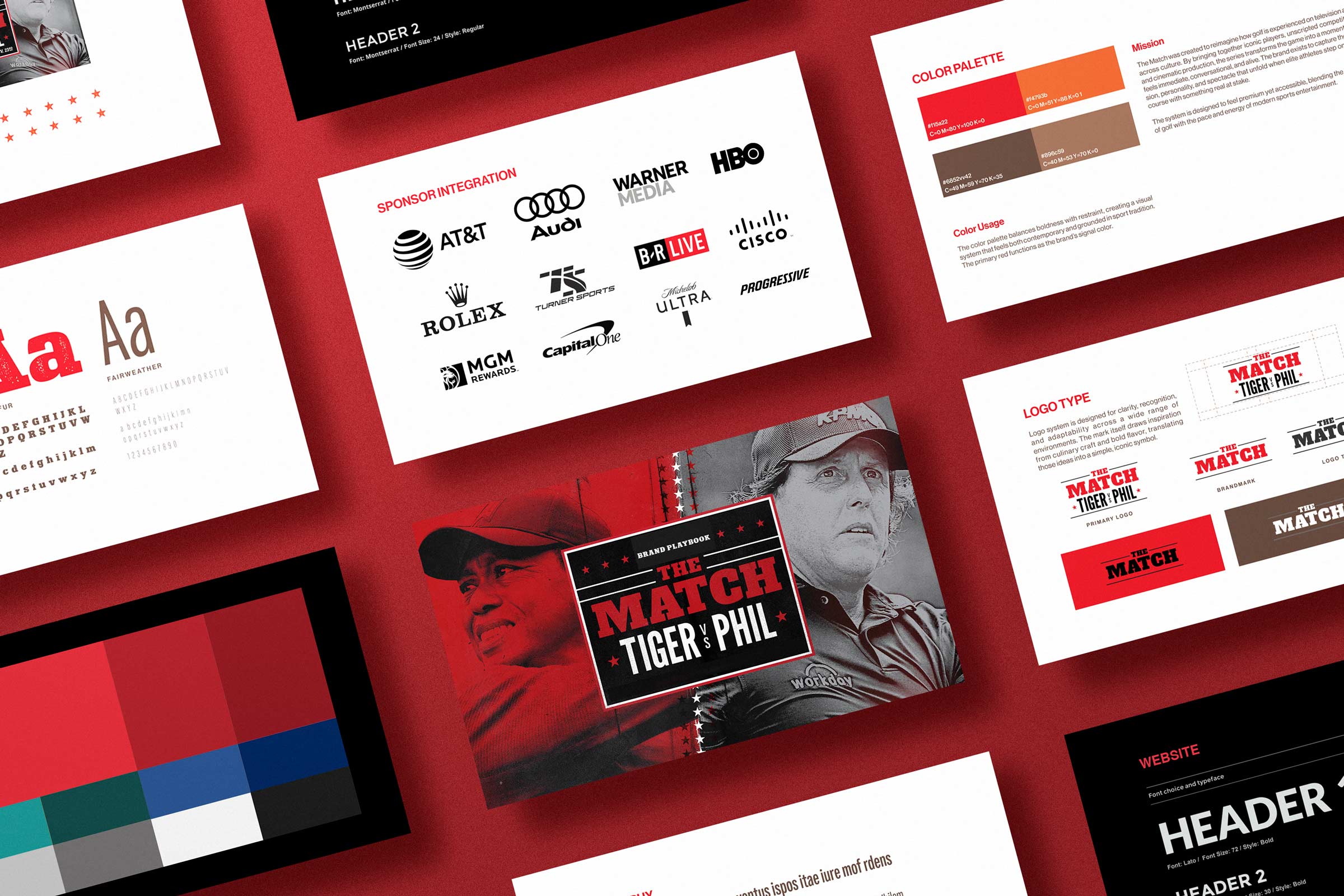
The visual identity system for The Match was conceived as a hybrid between legacy golf tradition and contemporary sports entertainment, translating a relatively restrained sport into something that could live comfortably inside the faster visual tempo of modern media. Rather than leaning into the polished country club aesthetic traditionally associated with golf branding, the system introduced a more assertive typographic hierarchy and bold color architecture designed to feel immediate, competitive, and broadcast-ready. The core palette centered on a disciplined triad of red, black, and white with supporting neutrals that grounded the visual language while allowing the primary mark to carry visual weight across screens, signage, and merchandise. The intention was to create a system that could move fluidly between premium broadcast presentation and the more aggressive visual vernacular of social media without feeling disjointed. This approach allowed the brand to function equally well in high-fidelity television graphics, quick-turn social moments, editorial layouts, and promotional assets.
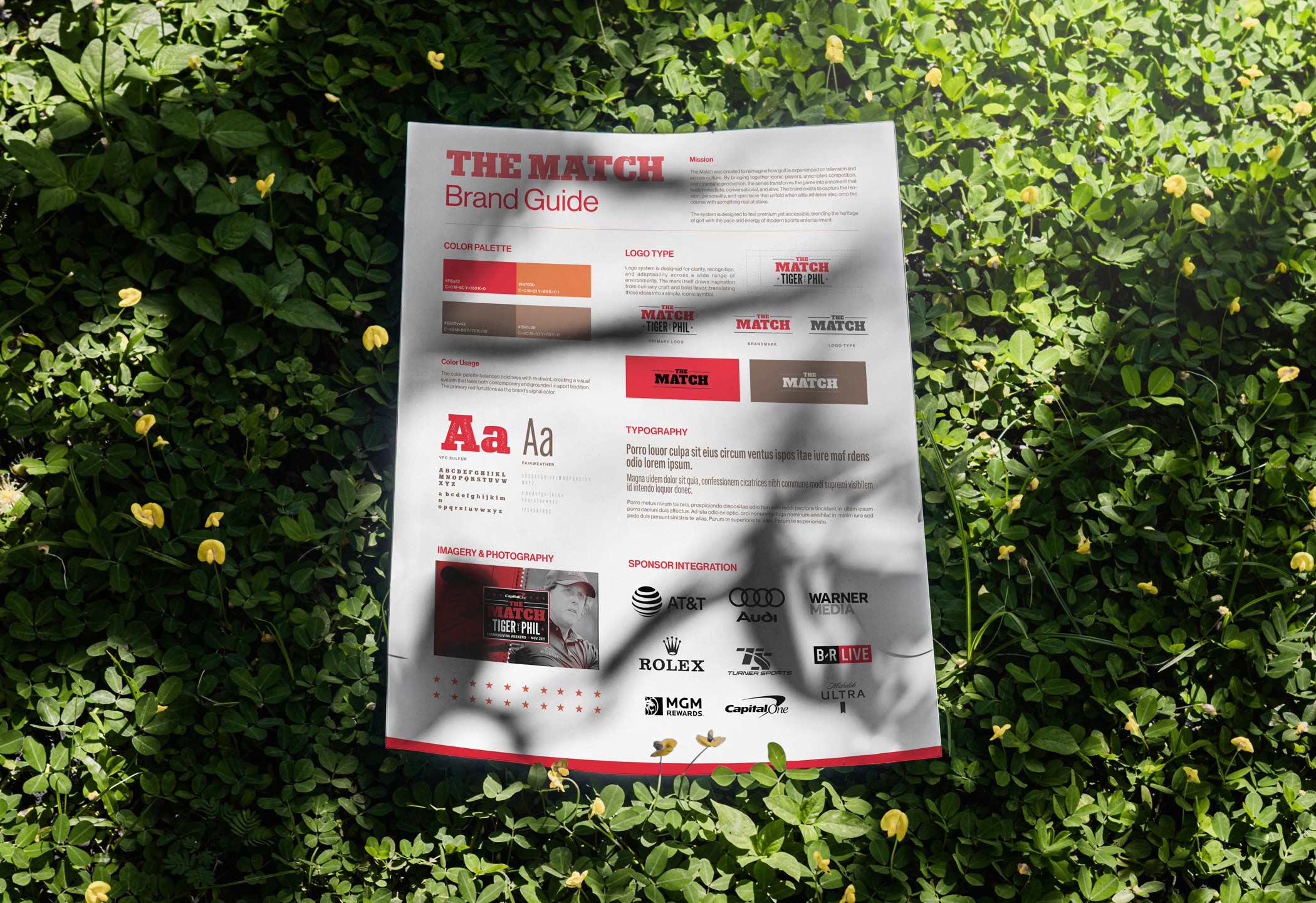
At the typographic level the system emphasized strong slab and display forms that communicated physicality and competitive tension while maintaining legibility across multiple aspect ratios. The wordmark itself was engineered to operate almost like a badge or fight poster, stacking the event title in a way that created a sense of confrontation between the two athletes while still remaining adaptable for horizontal, vertical, and square compositions. Supporting type families were selected for their ability to scale across broadcast overlays, social captions, and long-form editorial layouts, creating a flexible hierarchy that could move from dramatic hero statements to dense informational contexts without breaking the visual rhythm of the system. Grid logic and spacing rules were established to ensure that the typography retained clarity across digital interfaces, mobile screens, and print applications. These decisions helped establish a consistent visual cadence regardless of whether the brand appeared in a promotional graphic, an on-screen broadcast element, or a piece of physical merchandise.

Photography and imagery guidelines were built around contrast and tension between the two competitors. Rather than relying on traditional golf action photography, the system encouraged compositions that framed the ever iconic Woods and Mickelson as opposing forces and playful banter filled buddies on the course, often isolating them in stark monochrome treatments that amplified the rivalry narrative. Red overlays and graphic framing devices were used to unify disparate photographic sources while reinforcing the event’s core color system. These treatments created a cinematic tone that felt closer to boxing promotion or prizefight marketing than traditional golf media, reinforcing the idea that this was not simply a tournament but a spectacle built around two iconic competitors. The imagery system was designed to scale easily across digital banners, broadcast transitions, social tiles, and environmental graphics without losing its dramatic impact.

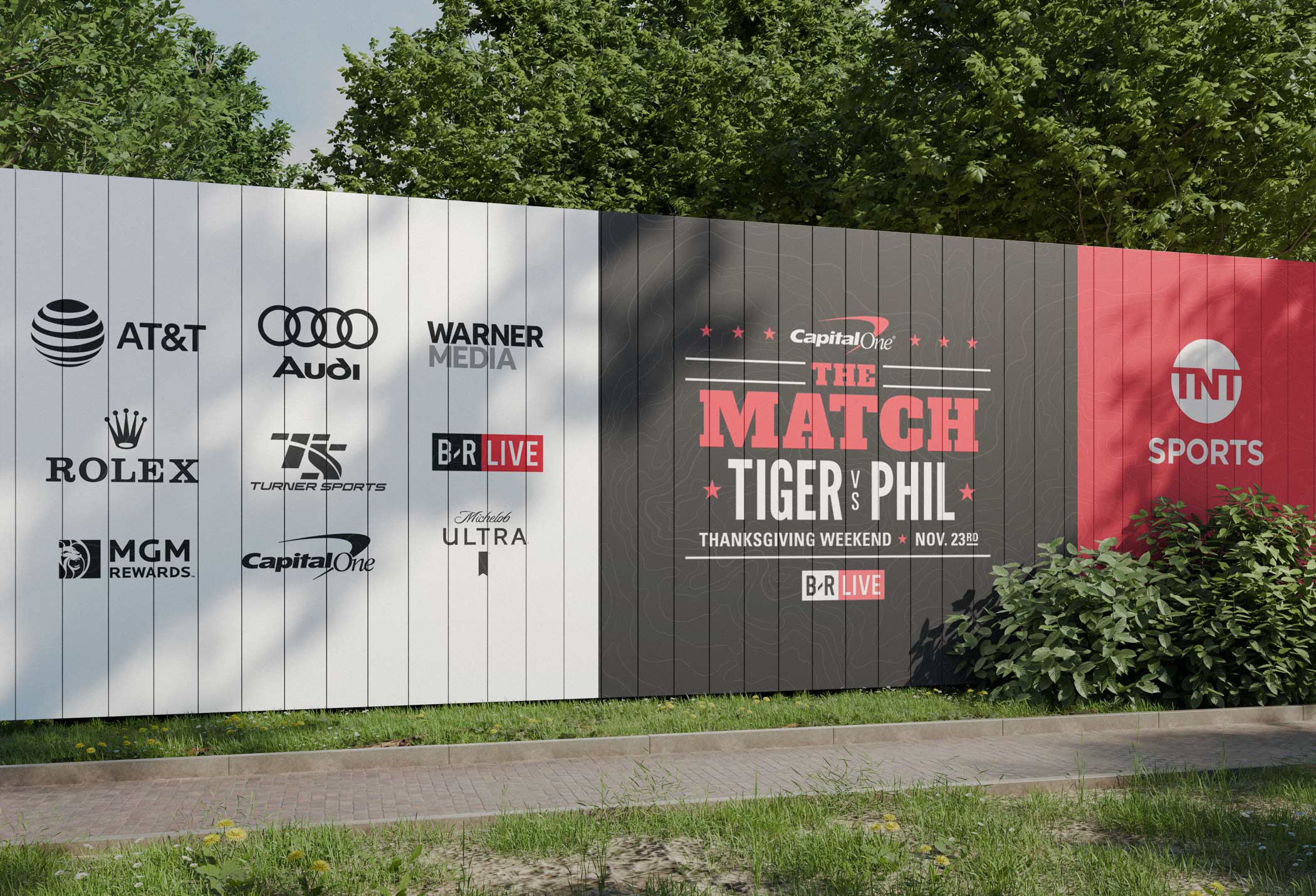
An equally important component of the style guide involved sponsor integration and brand coexistence. Because the event was supported by a roster of major partners including Capital One, Evian, AT&T, Audi, Rolex, MGM and more, the visual system had to accommodate multiple brand marks without compromising the integrity of the core identity. Clear placement rules, safe zones, and alignment structures were defined so that sponsor logos could be integrated into layouts in a way that felt intentional rather than crowded. This ensured that commercial partnerships remained visible while preserving the clarity of the event branding itself. The result was a modular identity framework that could flex across broadcast graphics, digital platforms, promotional campaigns, and merchandise while maintaining a unified aesthetic language.

What made the project particularly fascinating from a media perspective was that it did not belong neatly to any one category. It was not a tournament, not a reality show, and not purely a pay-per-view fight promotion, yet it borrowed structural elements from all three. Internally the event functioned almost like a prototype for how sports properties might evolve in the streaming era. The broadcast, the app experience, the documentary storytelling, and the social media conversation were all designed to operate together as parts of a single ecosystem rather than separate promotional layers. The match therefore became less about a single round of golf and more about observing how audiences behave when multiple media environments converge around the same moment.

Beyond the spectacle of the matchup itself, The Match was strategically positioned as a launch moment for Bleacher Report Live, Turner’s emerging direct-to-consumer streaming platform. At the time the industry was entering a new phase where major media companies were beginning to experiment with premium digital distribution models, attempting to establish direct relationships with audiences rather than relying exclusively on traditional cable infrastructure. The Match functioned as an early proof of concept within that transition. By placing one of the most recognizable rivalries in modern golf behind a pay-per-view streaming paywall, Turner aimed to demonstrate that digital-first platforms could support high-profile live sports experiences at scale. The event was priced at $19.99 and distributed through B/R Live alongside traditional pay-per-view partners such as DirecTV and AT&T U-verse, effectively positioning the platform as a legitimate destination for premium live sports content.
From a product perspective the event served as a large-scale stress test for the technical and operational capabilities of the platform. Millions of fans attempted to access the broadcast simultaneously, creating one of the first moments where Bleacher Report Live had to operate under the pressure of a major global sports event. While technical issues ultimately forced the stream to open beyond the paywall during the broadcast, the experience revealed critical insights about how audiences interact with streaming infrastructure during high-demand live programming. For the broader Turner organization the event became a formative learning moment in the evolution of digital sports distribution. The data, audience behavior, and platform performance observed during The Match informed improvements to streaming reliability, interface design, and delivery infrastructure in the months that followed.
I also used the project as an opportunity to experiment with cross vertical storytelling inside the Bleacher Report ecosystem. One concept explored the intersection between golf culture and sneaker culture by projection mapping archival Tiger Woods golf footage onto physical sneakers, transforming them into moving canvases that blended sports heritage with streetwear aesthetics. The visuals were designed specifically for distribution through B/R Kicks, allowing the promotion for The Match to travel into a completely different cultural lane where Tiger’s influence as an athlete intersects with sneaker history and fashion culture. By bringing golf content into the language of sneaker media, the activation created an unexpected bridge between audiences while reinforcing Bleacher Report’s ability to connect sports moments across its vertical platforms. The experiment illustrated how a single event could activate multiple corners of the B/R network while maintaining a cohesive narrative around competition and legacy.
From a creative and promotional standpoint the event also represented an opportunity to position B/R Live as more than simply a streaming endpoint. Through coordinated promotion across Bleacher Report’s social ecosystem, editorial coverage, and partner platforms, the match was framed as a cultural moment that fans could only fully experience through the digital platform itself. This alignment between storytelling, promotion, and product reinforced the perception that B/R Live was emerging as a serious player in the rapidly evolving streaming landscape. In many ways The Match became a foundational experiment in the modern sports media playbook, demonstrating both the opportunities and the challenges of building large-scale live sports experiences around direct-to-consumer digital platforms. The winner-take-all structure gave the event a sharp competitive edge, because even within a made-for-television spectacle the psychology of elite athletes does not soften, and for players as relentlessly competitive as Woods and Mickelson, a format like that all but guaranteed that pride, ego, and instinct would eventually overpower any sense of casual exhibition.
Mickelson himself framed the event in terms that captured the broader vision behind it. In the lead-up to the match he described the broadcast as offering fans a “rare insight” into professional golf, something the traditional tournament format rarely allowed. The idea was simple but powerful. Two of the most recognizable athletes in the sport would be mic’d up, walking the fairways together, negotiating side bets, joking, and occasionally needling each other while millions watched. In a sport often defined by quiet galleries and rigid etiquette, the format intentionally pulled the curtain back and exposed the competitive psychology of elite players in real time. What emerged was not simply a golf match but a hybrid of sport, entertainment, and personality driven storytelling. By leaning into the personalities of Woods and Mickelson and amplifying their playful rivalry through Bleacher Report’s distinctly social voice, our team was able to translate the spectacle of the event into culturally native content that not only fueled conversation across platforms but also played a critical role in guiding audiences toward the pay-per-view purchase moment.
This philosophy aligned closely with the broader strategic ambitions around the event. Golf historically built its identity around tournament structures, multi-day broadcasts, and leaderboard drama, but the modern media landscape increasingly rewards intimacy and access. The match format created a new narrative frame where the audience could experience the tension, the banter, and the tactical conversations that normally occur outside the broadcast window. From a media perspective, it also mirrored the kinds of storytelling techniques that had already proven successful across other sports properties such as boxing documentaries, Formula 1 behind-the-scenes series, and reality driven competition formats. The event positioned golf not as a distant, ceremonial sport but as something immediate, human, and occasionally mischievous.

There was also a deeper economic undercurrent shaping the experiment. With the United States beginning to open the door to legalized sports betting beyond Las Vegas, leagues and media companies alike were exploring ways to integrate wagering and fan engagement into live sports experiences. The match play structure, the side challenges, and the openly discussed wagers between Woods and Mickelson subtly echoed golf’s long history of private money games among professionals. Figures within the sport acknowledged that a bit of “hustle,” once an essential part of golf’s culture, had largely disappeared in the academy driven modern era. By bringing that spirit back into a televised environment, the event reintroduced a sense of playful risk that made every shot feel consequential.

Ultimately, the spectacle was designed to test whether a new format could coexist with the traditions of the game. Critics dismissed the event as a cash grab, pointing to the dramatic imagery of the two players standing beside stacks of money during promotional shoots. Yet the broader intent was to explore whether golf could evolve its storytelling language while preserving the competitive credibility of its greatest players. If audiences responded, the event could open the door to future matches, new broadcast formats, and deeper fan engagement across digital platforms. In that sense the $9 million showdown was never only about who would win the hole. It was about whether golf itself could adapt to the changing rhythms of modern sports media. Dan had the brilliant idea to get the over 12 Million dollars in fake prop cash.
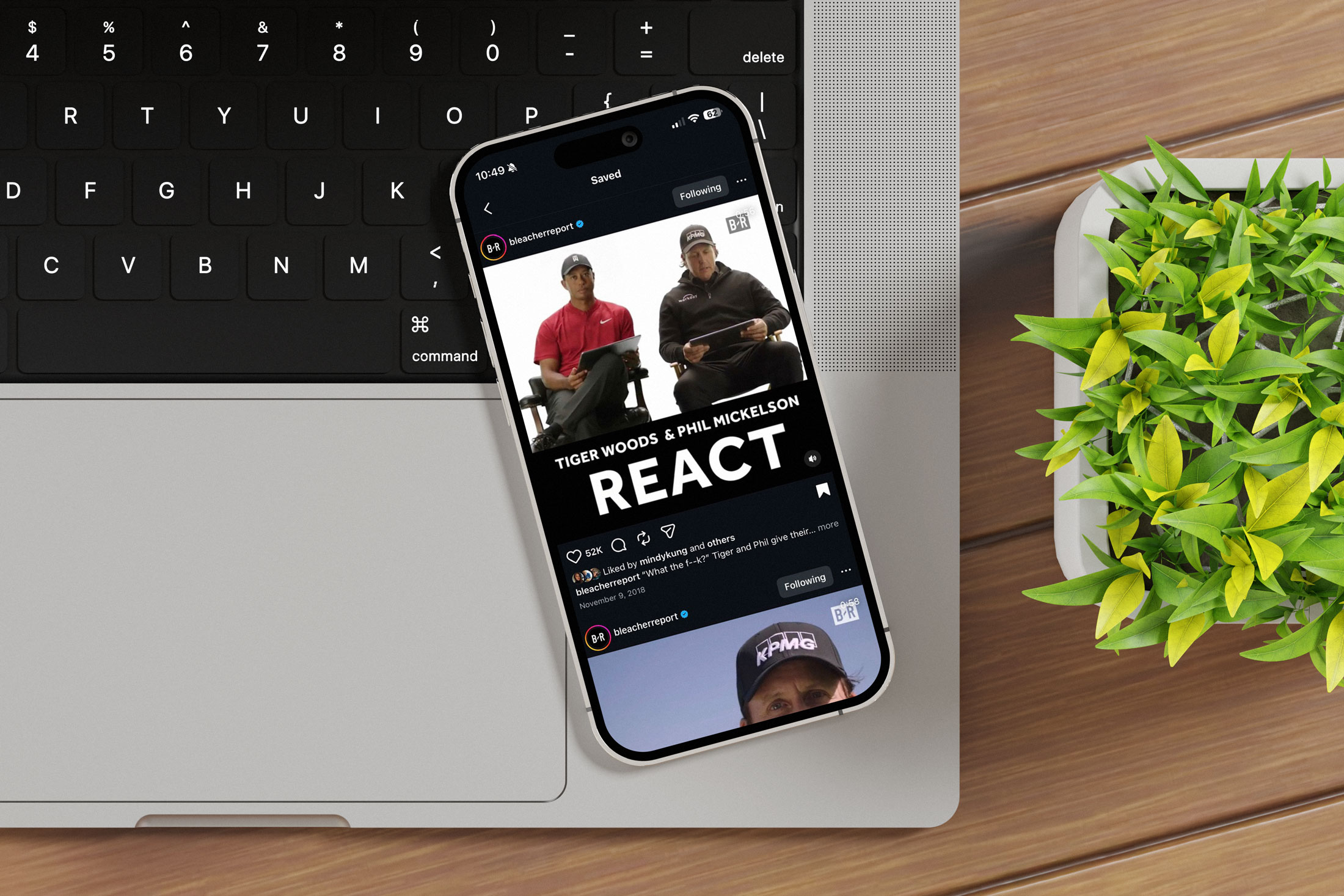
Another avenue we explored involved producing quick-turn social segments built around the kind of participatory internet humor that had already proven successful across Turner properties like House of Highlights. We filmed reaction style content where Woods and Mickelson watched notoriously terrible amateur golf swings circulating online and offered their own commentary, blending expert analysis with playful disbelief. The format leaned into a familiar social template where elite athletes react to user generated clips, creating something immediately shareable and culturally fluent. Because the concept naturally fit the tone of multiple Turner platforms, the clips could travel far beyond the core golf audience. They appeared as promotional content for the match while also functioning as standalone entertainment across channels like House of Highlights, extending the life of the material and exposing the event to younger sports fans who might not otherwise follow golf. The approach demonstrated how Turner’s network of media brands could amplify a single piece of content across different communities, turning one production moment into a multi platform promotional engine.
Bleacher Report Live was launched as Turner Sports’ first major step into the direct-to-consumer streaming landscape, designed to bring premium live sports content directly to fans through a digital platform rather than relying exclusively on traditional cable distribution. The product was conceived as a flexible hub for niche leagues, international competitions, and special event programming that might not otherwise fit within linear television schedules, while also providing a foundation for future premium pay-per-view experiences. This was a test for a world where you bought games and quarters rather than a whole season of league pass.
From a product design perspective the platform emphasized accessibility, allowing fans to purchase individual games, events, or full season packages through a simple, mobile-first interface that reflected how younger audiences increasingly consumed sports. The hope was that B/R Live would evolve into a scalable streaming ecosystem where Turner could experiment with new formats, test emerging sports properties, and build direct relationships with a digitally native audience. The Match became one of the first major moments intended to demonstrate that ambition, positioning the platform as capable of hosting high-profile live events while signaling Turner’s broader commitment to the future of sports streaming. This meant it was a test of streaming infrastructure, social tune in drive capability as well as attention metrics.
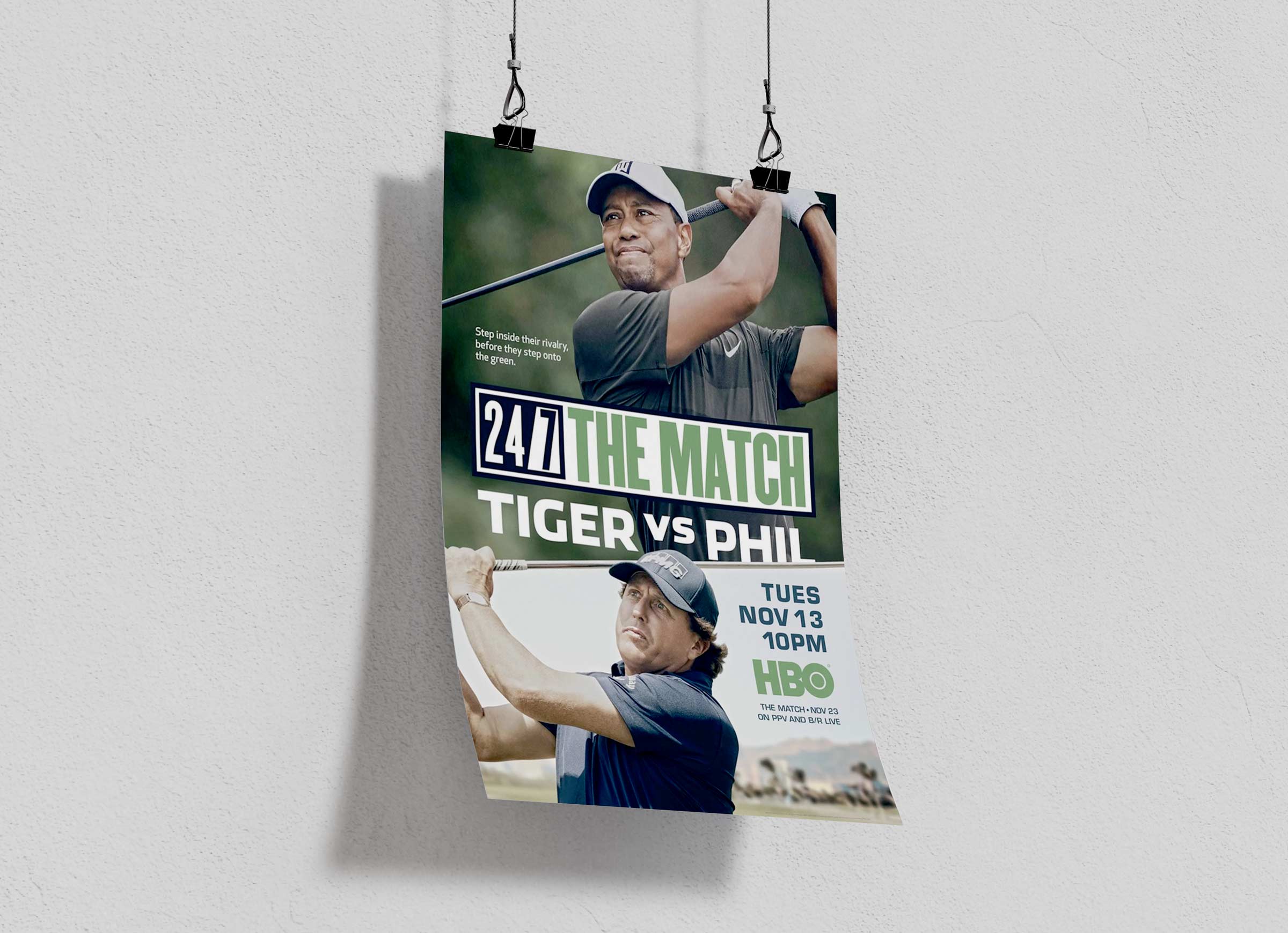
One of the strategic pillars behind The Match was the idea of verticalizing the event across multiple content layers so that the rivalry could exist not only as a single live broadcast but as an entire storytelling ecosystem. Rather than treating the match as an isolated golf telecast, Turner and its partners approached the project more like a major prizefight or championship spectacle where narrative, personality, and anticipation were just as important as the competition itself. The goal was to build momentum in the weeks leading up to the event by distributing content across different media environments that each served a distinct purpose within the broader promotional arc. Social media carried the rapid-response conversation and fan engagement, broadcast television handled the traditional coverage and analysis, while long-form storytelling platforms were used to deepen the narrative around the rivalry itself. This multi-layered approach ensured that the event lived in the cultural conversation well before the first tee shot and continued to circulate afterward through highlights, commentary, and editorial analysis. (Although in retrospect I do wish the HBO team had used our graphics package.)
A key component of that verticalization strategy was the development of a behind-the-scenes documentary through HBO’s 24/7 franchise, a series known for its cinematic coverage of major boxing events and high-profile sporting rivalries. The concept was to treat the Woods versus Mickelson matchup with the same narrative gravity typically reserved for championship fight nights such as Mayweather versus Pacquiao. By following the players in the lead-up to the match, the documentary provided audiences with access to training routines, personal reflections, and the psychological dimensions of the rivalry that would not normally be visible during a standard golf broadcast. This format helped elevate the event from a novelty exhibition into a character-driven story about legacy, competition, and two athletes whose careers had shaped the modern era of the sport. The HBO series effectively served as the narrative spine of the promotional campaign, building anticipation through episodic storytelling that allowed fans to experience the buildup as part of the event itself. Think of it like Drive to Survive but for The Match.
The HBO 24/7 documentary captured many of the small human moments that made the rivalry between Tiger Woods and Phil Mickelson so compelling beyond the statistics and trophies. Cameras followed the players during practice rounds and course walkthroughs at Shadow Creek, where Mickelson’s personality in particular came alive through playful prediction and quiet needling. At one point Phil walked through a hole during preparation and joked about how he hoped Tiger would actually make it there during the match so he could see how the situation played out. The comment was delivered with a smile but carried the familiar edge of competitive ribbing that had defined their relationship for decades. These moments revealed the strange balance between respect and rivalry that existed between the two players. The documentary allowed audiences to see them not as distant sports icons but as two veteran competitors casually talking through strategy, reading greens, and trading subtle jabs. Those quieter scenes helped frame the eventual showdown as something more personal and conversational rather than a purely formal sporting contest.

Beyond the live broadcast itself, supporting content and promotional material were distributed across a wide range of Turner, WarnerMedia, and AT&T platforms in the lead up to the event. This cross platform rollout allowed the narrative surrounding the match to circulate through multiple media environments simultaneously, reinforcing the sense that the duel between Woods and Mickelson was unfolding as a broader cultural event rather than a single isolated telecast. Promotional trailers appeared across Turner networks, social channels amplified interviews and highlight moments, and Bleacher Report editorial coverage kept the rivalry present in daily sports conversation.
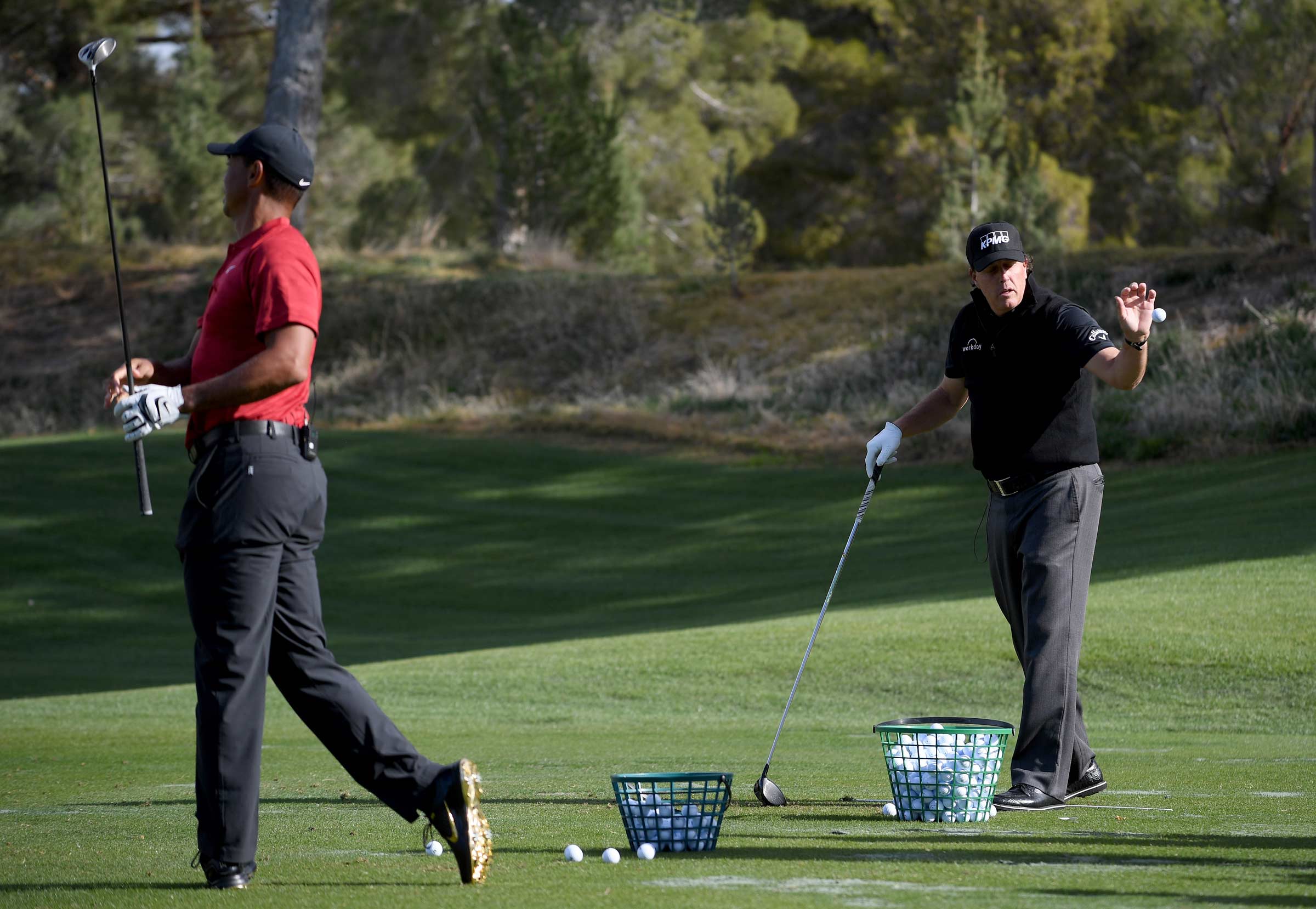
The strategy ensured that audiences could encounter the story of the match from multiple entry points depending on where they already consumed sports media. Some viewers discovered the event through social clips and editorial storytelling, while others encountered it through traditional broadcast promotion or branded integrations with sponsors. The result was a media environment where the event seemed to exist everywhere at once, gradually building anticipation as the date approached. By the time the players arrived in Las Vegas, the narrative momentum around the matchup had already been established across television, digital platforms, and social media feeds.
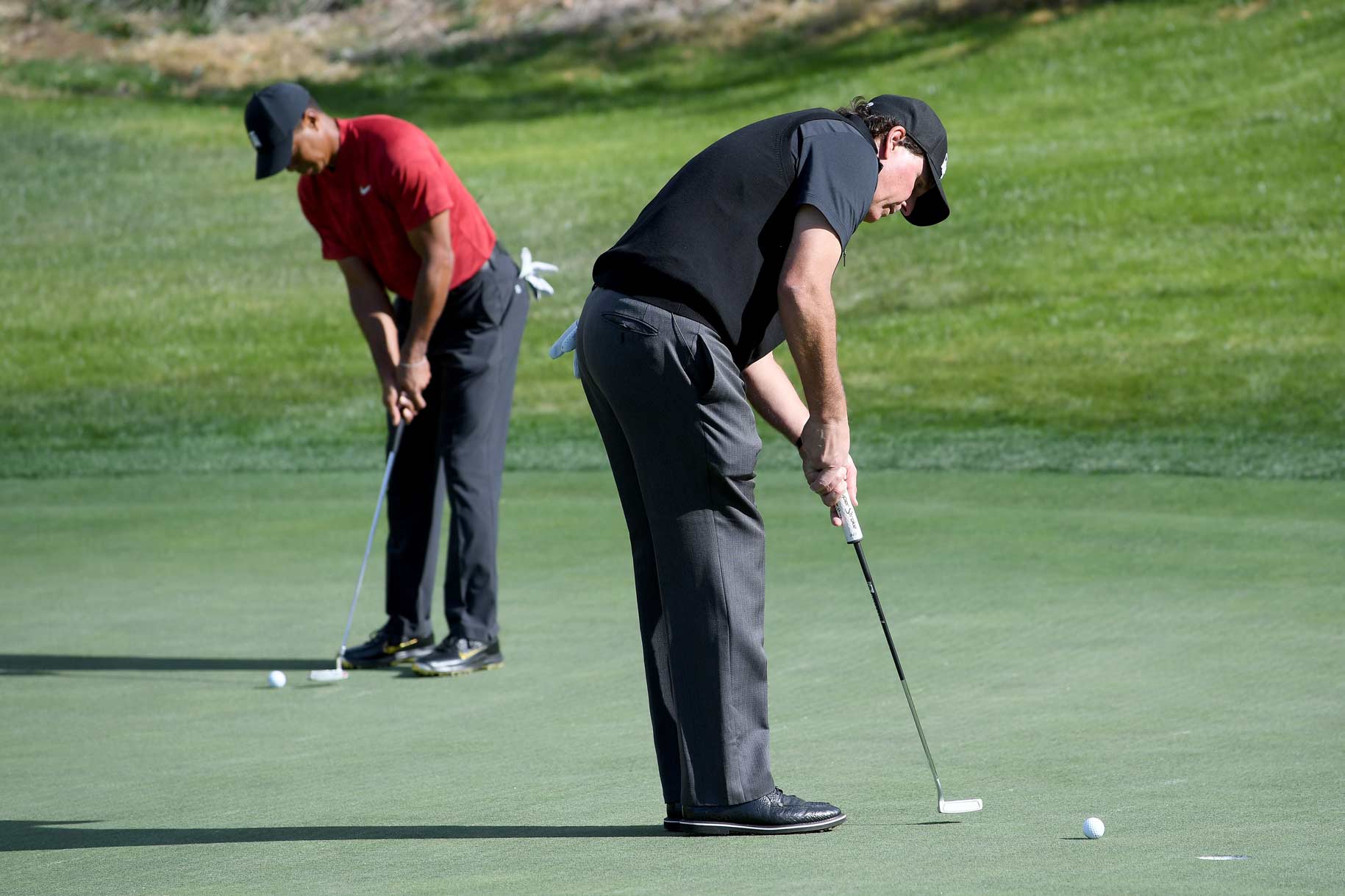
The buildup to the press conference also reflected the extraordinary business stature that both Tiger Woods and Phil Mickelson carried within the sport. Over the course of their careers the two golfers had evolved from tournament competitors into global commercial figures whose influence extended far beyond the fairway. Sponsorship portfolios, apparel deals, equipment partnerships, and personal brands had transformed each player into a powerful business entity within the larger sports economy. Woods in particular had become one of the most commercially successful athletes in history, with endorsement relationships that spanned multiple industries and decades. Mickelson meanwhile had built a reputation as one of the most marketable personalities in golf, combining charisma with a long list of corporate partnerships that reflected his wide appeal. By the time The Match was announced, both players were operating at a level where their individual brands carried enormous financial gravity.
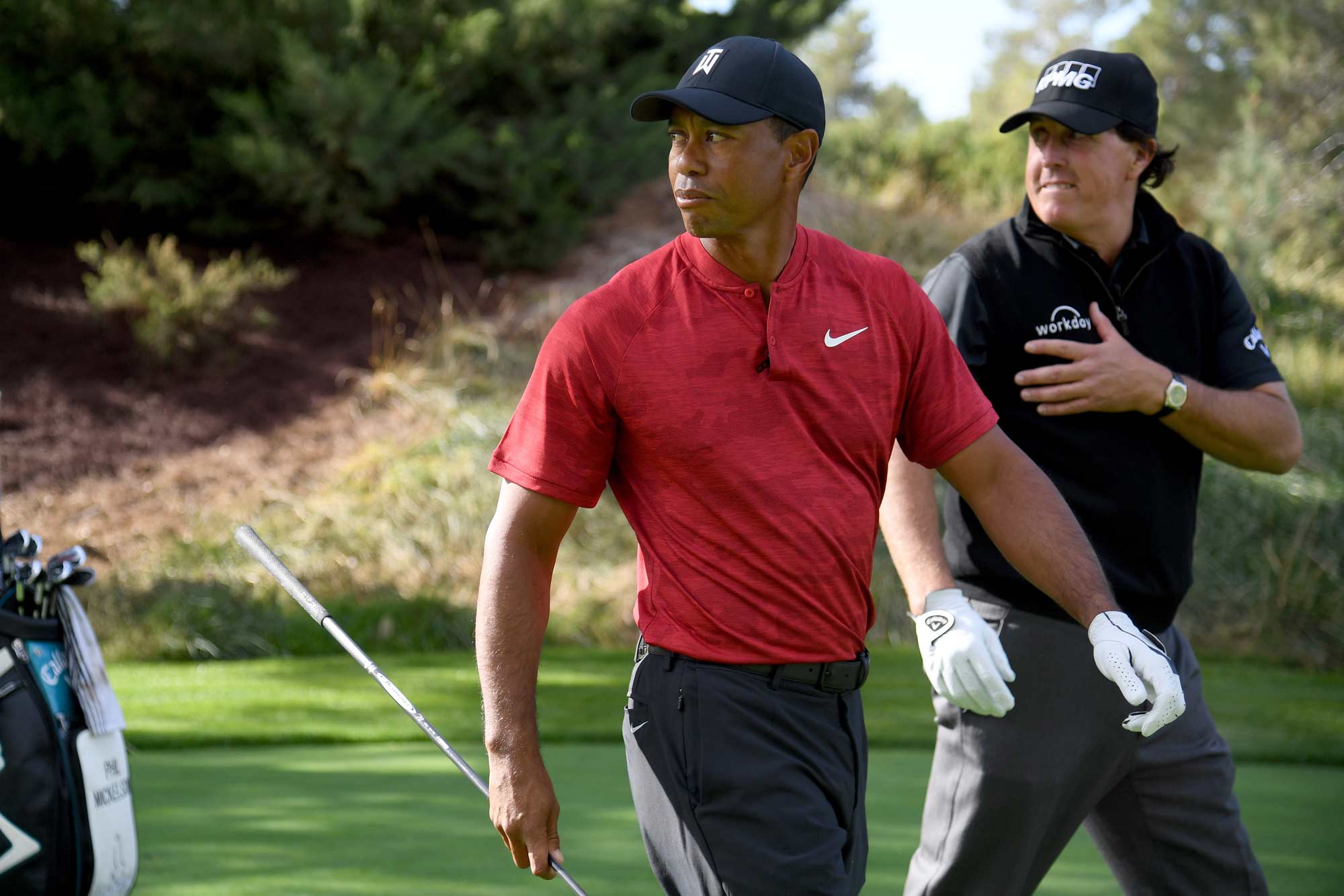
That commercial influence had gradually reshaped the economic landscape of professional golf itself. Prize money from tournaments was only one piece of a much larger financial ecosystem that included endorsement revenue, licensing arrangements, and personal business ventures. Woods’ long standing relationship with Nike had become one of the most recognizable athlete partnerships in sports history, while Mickelson’s deals with brands such as Callaway and financial services companies demonstrated how athletes could leverage personality into sustained corporate relationships. Their presence in Las Vegas therefore represented more than a sporting rivalry. It was also a meeting between two athletes who had helped define the modern blueprint for sports business success. The match brought together not just two competitors but two highly developed global brands. You could always find these two on any forbes list and now they were putting that cash on the line.
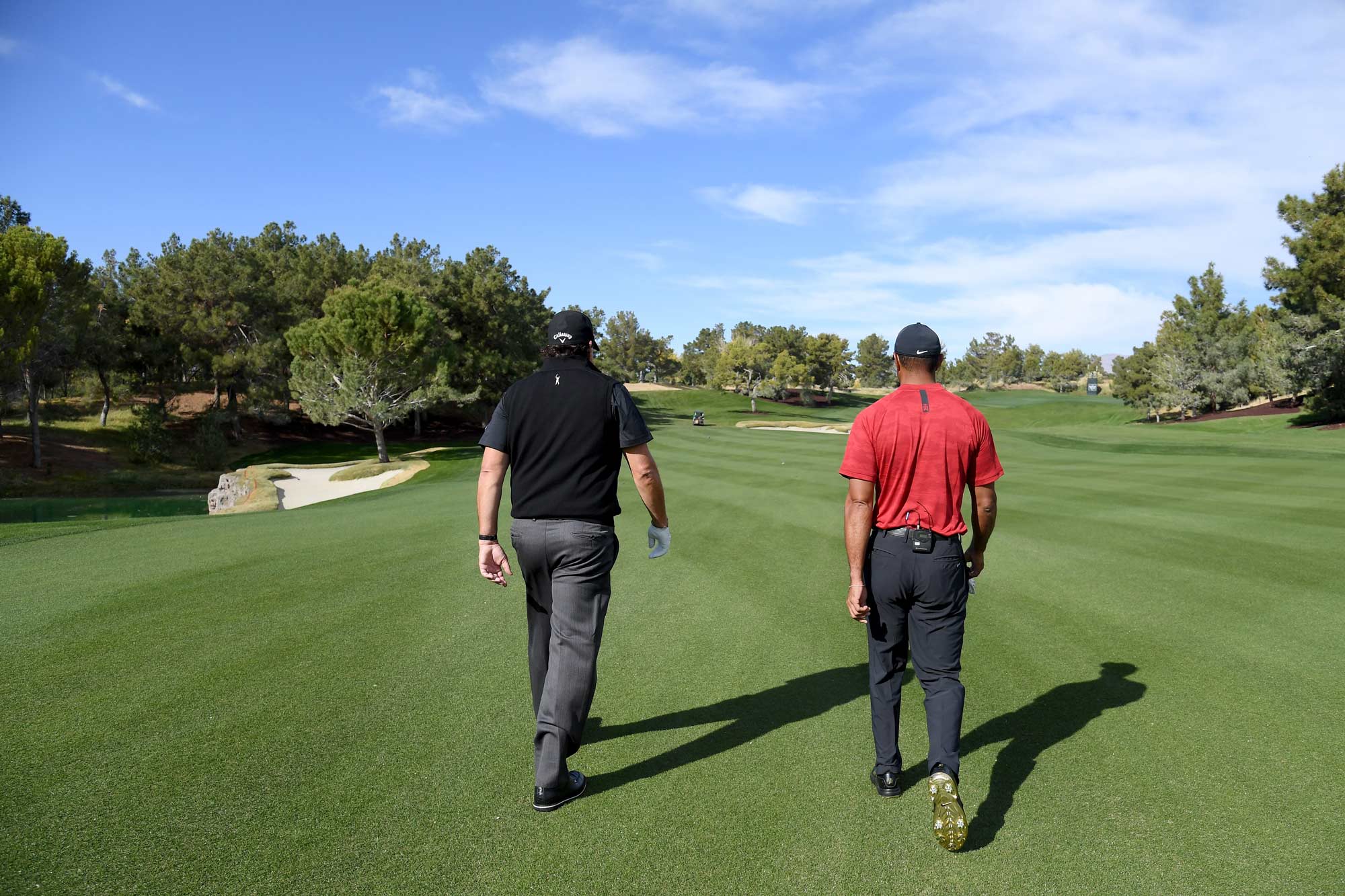
Financially, both men had reached levels of wealth that placed them among the most successful athletes ever. Woods had long since crossed the threshold into billionaire status through a combination of tournament earnings, endorsements, and business ventures. Mickelson’s career earnings and sponsorship portfolio placed him among the highest paid golfers in the world for decades. The nine million dollar purse attached to The Match was therefore not simply about the money itself. It functioned more as a symbolic extension of the high stakes aura that surrounded both players throughout their careers. In many ways the press conference felt like the opening act of a heavyweight fight promotion where two enormously successful figures were stepping forward to put their reputations on the line. The event carried the atmosphere of a business summit, a media spectacle, and a sporting rivalry all at once.
In retrospect, one of the most important aspects of the inaugural event was that it gave Turner a repeatable template rather than a one-off stunt. The first edition established the emotional logic of the franchise: simplify the competitive premise, elevate the personalities, and build the surrounding media environment so the event feels larger than the play itself. Once that formula proved viable, it could be reinterpreted with different athletes, different sports adjacencies, and different commercial objectives. That is often the true marker of a successful media concept. It does not merely perform once. It reveals a structure flexible enough to be reused, remixed, and scaled.
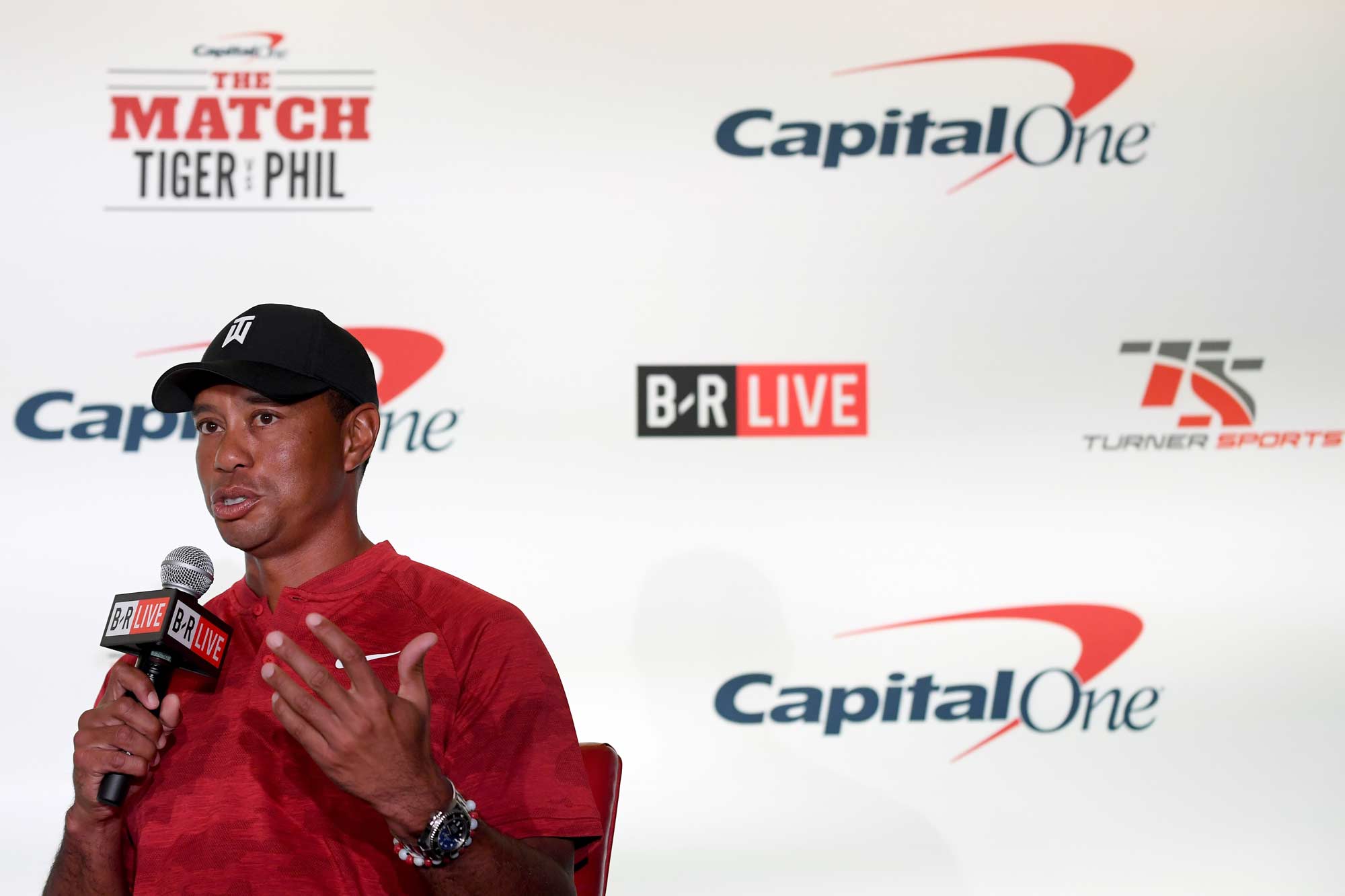
The broadcast also incorporated high-resolution production elements intended to position the event as a premium viewing experience. AT&T served as the official 4K sponsor, with the match carried on DIRECTV’s dedicated 4K live event channel. The initiative reflected a broader push within sports broadcasting at the time to experiment with higher fidelity viewing formats that could elevate the spectacle of major live events. Capital One’s role extended beyond traditional title sponsorship through a series of integrated fan access initiatives tied to the broadcast platform itself. Cardholders were offered promotional incentives connected to the B/R Live purchase flow, including a one-time discount on the pay-per-view event. These types of integrations allowed the sponsor to participate directly in the purchase journey rather than appearing solely as branding within the broadcast environment.
One of the more theatrical promotional moments leading into the event came in the form of a staged press conference and face off between Woods and Mickelson. Borrowing visual cues from boxing promotions and championship fight nights, the production framed the appearance less like a routine golf media day and more like a ceremonial confrontation between rivals. The players were positioned side by side in front of cameras, photographers, and assembled media as they addressed questions about the match while subtly engaging in playful verbal jabs. The staging reinforced the idea that this was not simply another exhibition round but a high stakes duel between two of the sport’s defining figures whose names had been heard by so many sports fans across the years.

The atmosphere of the event leaned into spectacle without abandoning the humor that defined the rivalry. Woods and Mickelson traded comments about strategy, confidence, and the outcome of the match while maintaining the casual tone that had characterized their relationship over the years. Rather than overt hostility, the interaction carried a layer of knowing sarcasm and competitive teasing that made the moment feel authentic rather than manufactured. This balance between seriousness and playfulness helped position the event somewhere between a sporting contest and an entertainment production.
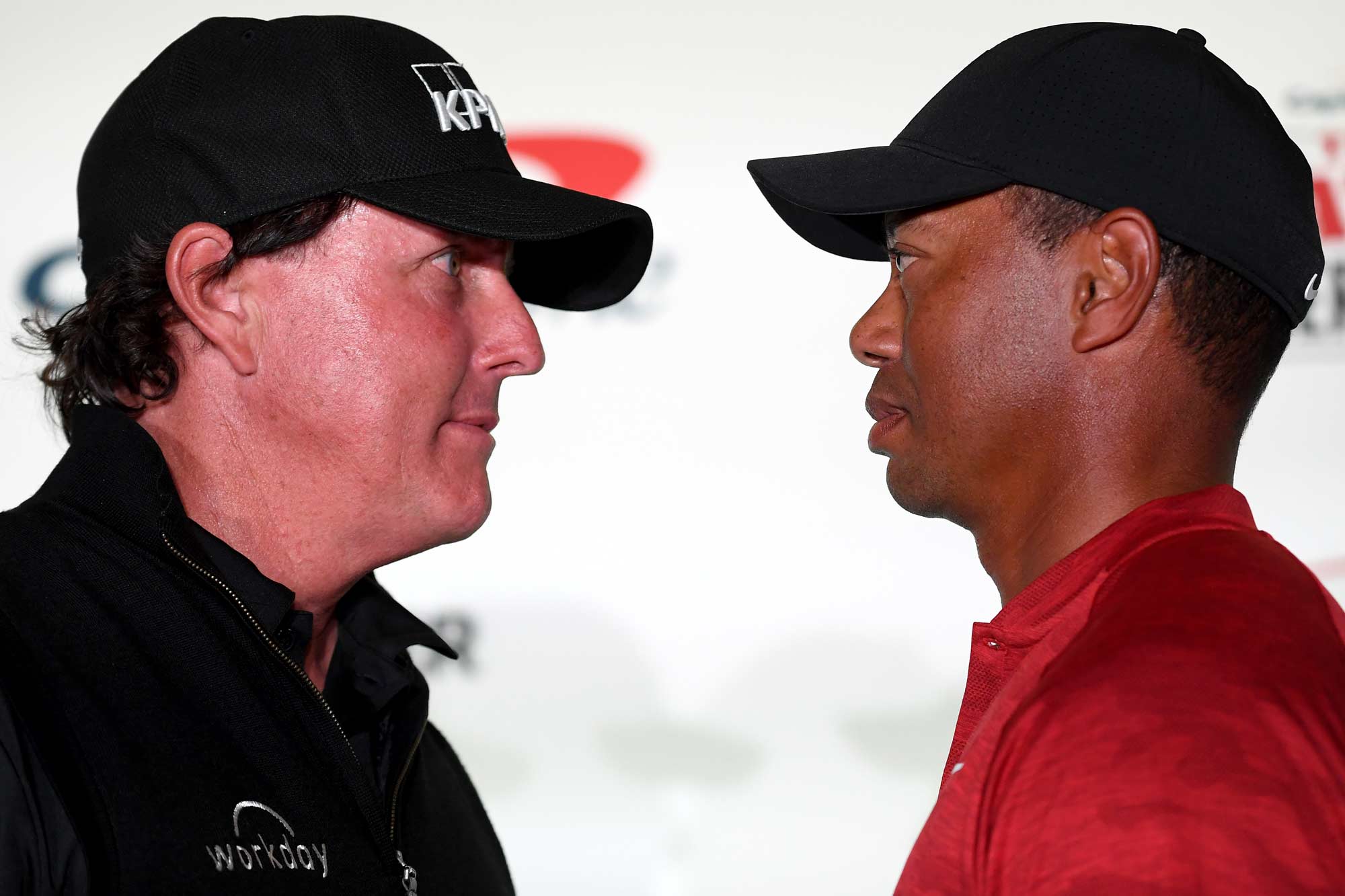
From a promotional standpoint the face off served as a powerful visual anchor for the broader campaign. Images and clips from the press conference circulated rapidly across digital platforms, providing a steady stream of shareable moments that extended the narrative around the matchup. The confrontation imagery echoed the design language used across posters, trailers, and promotional graphics, reinforcing the framing of the event as a head to head showdown. In effect the press conference became a live piece of marketing content, one that translated the rivalry into a visual moment audiences could immediately recognize and share.
The moment also offered viewers an early glimpse of the dynamic that would define the broadcast itself. Seeing the two competitors standing shoulder to shoulder, joking, baiting each other, and speaking candidly about the stakes created a sense of anticipation that extended beyond the sport of golf. It reminded audiences that the appeal of the event was not only about shot making but about personality and narrative tension. The press conference therefore functioned as both a media event and a storytelling device, setting the tone for the unusual blend of competition and entertainment that would unfold on the course.
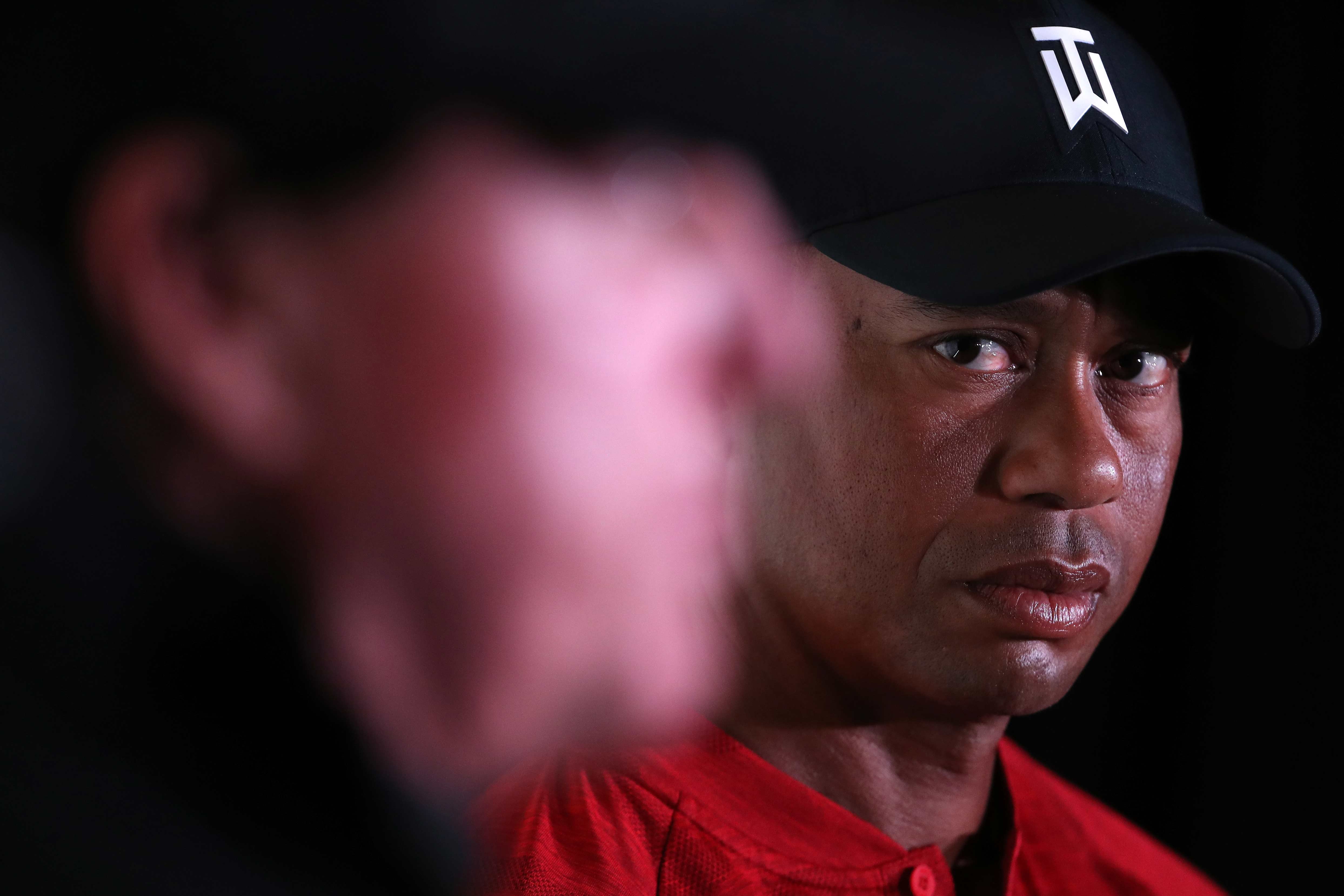
One of the most unexpectedly viral moments came from a simple still image captured during the broadcast. Tiger Woods stood locked in with the kind of laser focused stare that had defined so many of his greatest moments, eyes narrowed, jaw set, completely absorbed in the shot ahead of him. The frame carried that unmistakable Tiger intensity that fans had come to recognize over decades of dominance, the look of a competitor who seemed to disappear into the pressure of the moment.
Within minutes the image began circulating across social channels where it quickly became meme worthy material. It perfectly captured the contrast at the heart of the event, a relaxed exhibition full of banter and side bets suddenly interrupted by the unmistakable presence of one of the most competitive athletes in sports history. Even in a made for television duel in Las Vegas, Tiger’s competitive switch had clearly flipped on. The photo became a shorthand for that transformation, a reminder that beneath the spectacle and entertainment there was still a champion who approached every swing with absolute seriousness.
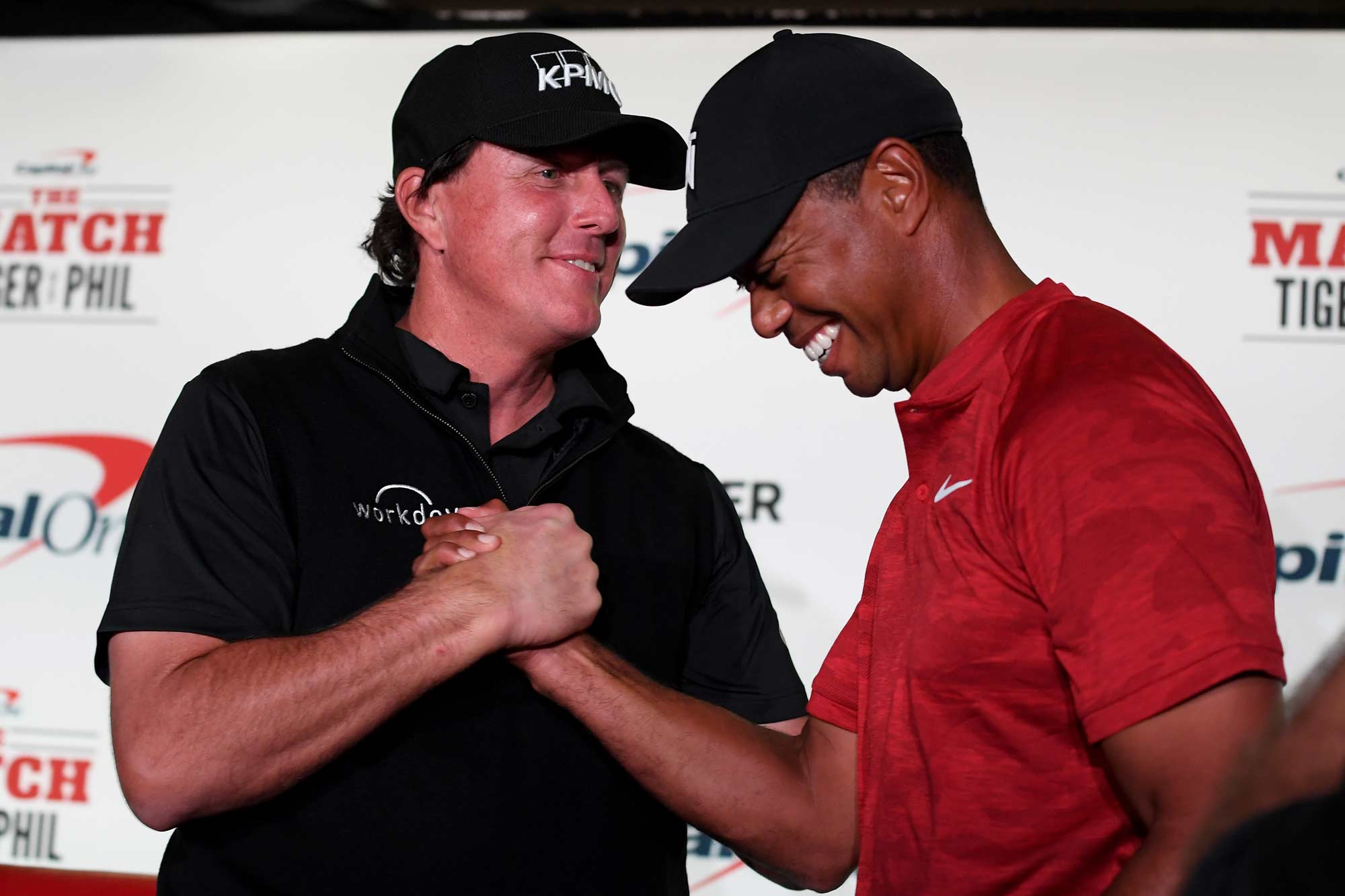
The promotional campaign surrounding Capital One’s The Match: Tiger vs. Phil operated at the scale of a major entertainment launch rather than a typical golf broadcast. Turner Sports, Bleacher Report, HBO, and AT&T coordinated a wide reaching marketing blitz designed to position the event as both a cultural spectacle and a technological milestone. Promotional materials spanned television spots, social media activations, outdoor advertising, digital takeovers, and editorial coverage across the Bleacher Report ecosystem.
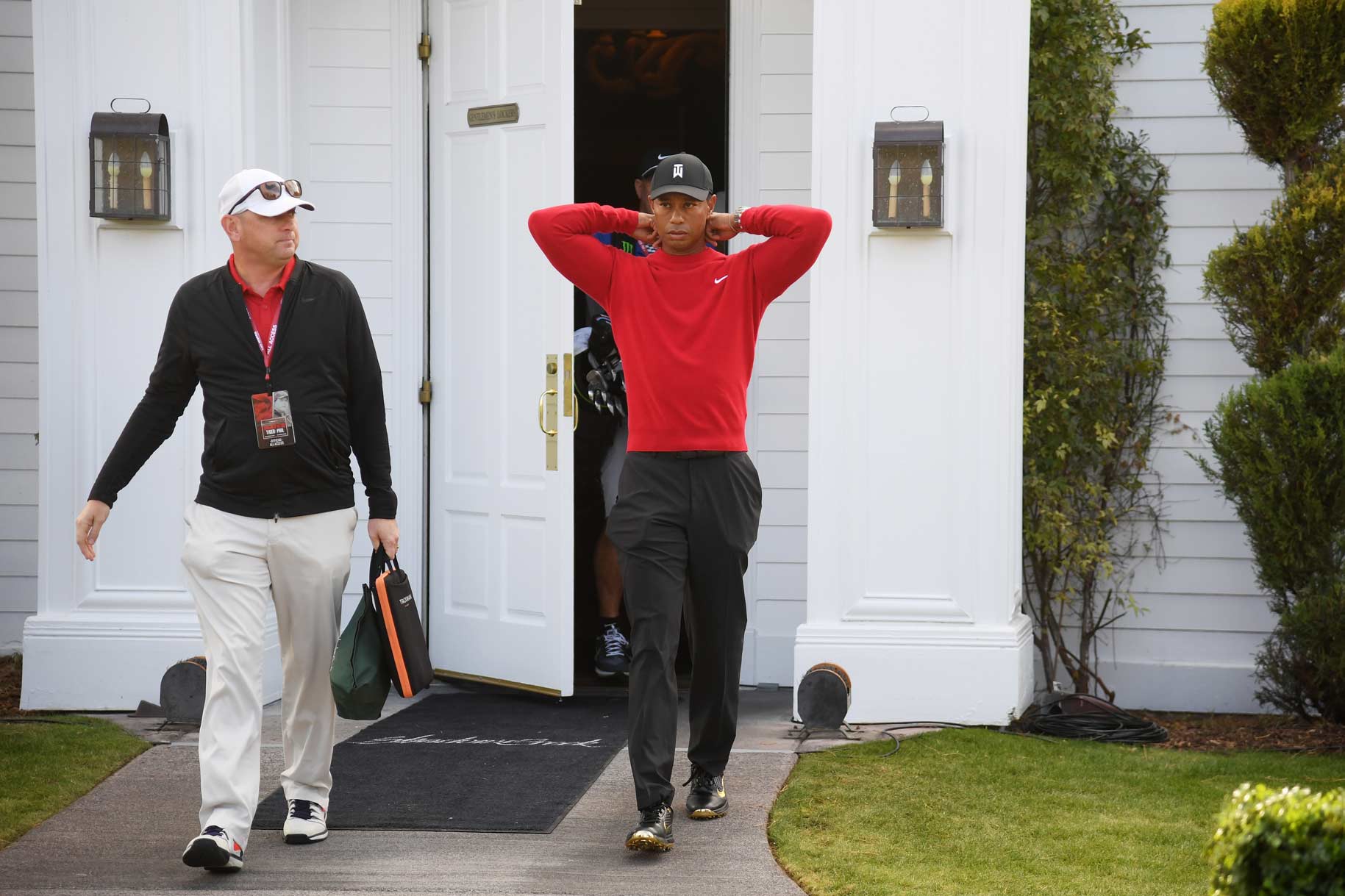
A large part of the challenge was not simply generating awareness but shaping expectation. If the event were framed too seriously, it risked feeling like an underwhelming exhibition rather than a true contest. If it leaned too far into comedy, it risked undercutting the legitimacy of the purse, the players, and the platform launch attached to it. The creative sweet spot lived somewhere in between, where the rivalry could remain playful without losing its edge. That tension guided a great deal of the campaign work and influenced how we wrote, designed, and distributed content across platforms. The audience needed to feel that the match was fun, but also that it mattered.
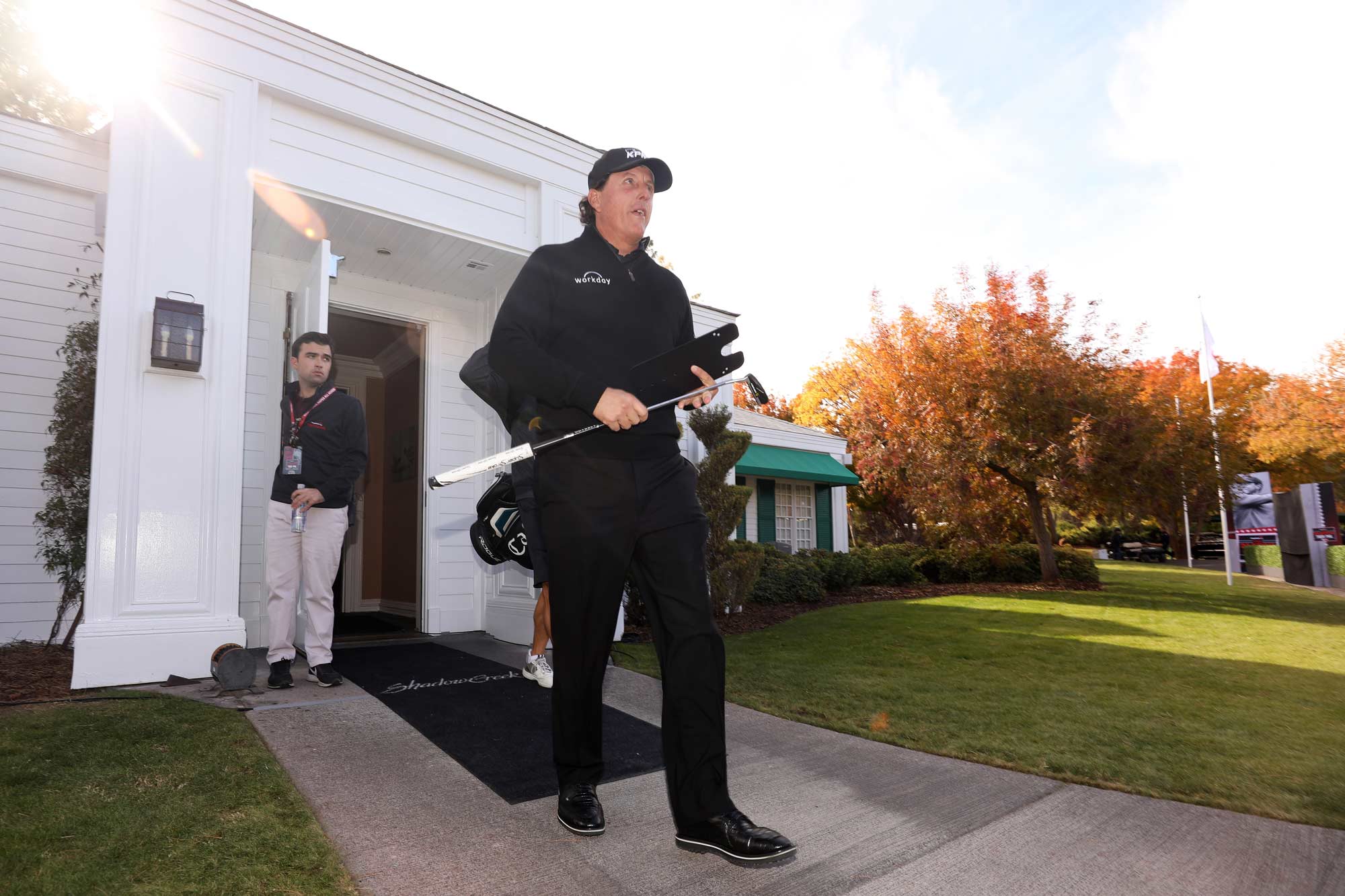
What made the concept unusually strong was that it collapsed several audience fantasies into one package. Golf fans got a direct confrontation they had imagined for years. Casual viewers got celebrity, money, and trash talk. Media companies got a premium live test case with built-in narrative stakes. Brand partners got two globally recognizable icons in a format simple enough for anyone to understand immediately. That compression of story, commerce, and spectacle is part of what made the event feel so potent before a single shot was hit.
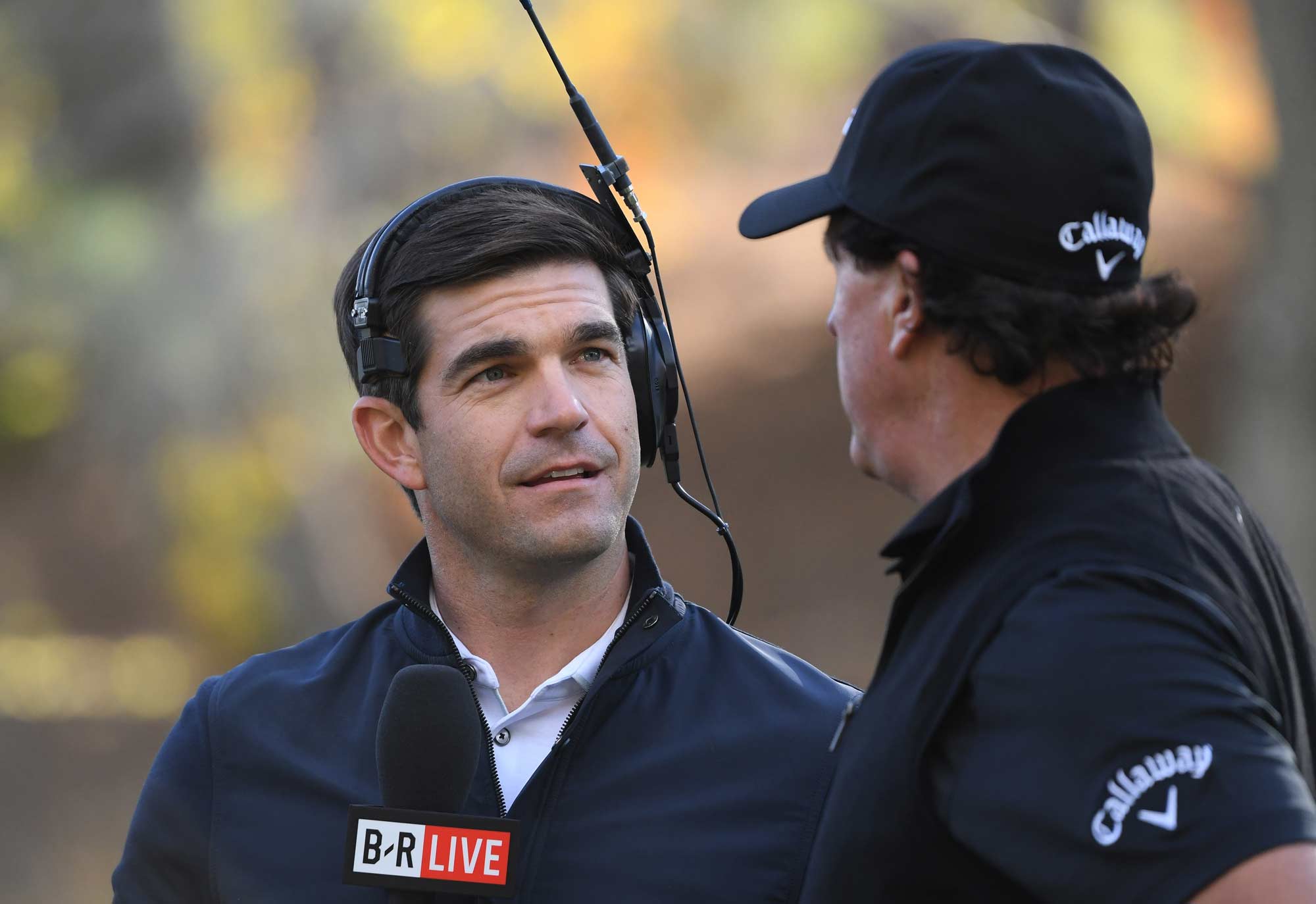
The creative language leaned into the visual mythology of prize fighting and championship showdowns, presenting the matchup as a once in a generation duel between two icons of the modern era. Trailer style hype videos, documentary previews, and athlete interviews circulated across platforms to sustain anticipation in the weeks leading up to the broadcast. The campaign treated the match as a media property with multiple narrative entry points rather than a single broadcast event. By the time Black Friday arrived, the buildup had created a sense that viewers were about to witness something experimental and historic.
Capital One’s role as title sponsor extended far beyond simple logo placement, becoming a fully integrated creative partnership that spanned advertising, broadcast, and promotional storytelling. Working alongside Turner’s internal creative teams, we developed a series of co-branded campaign assets that leaned heavily into the entertainment value of the matchup while maintaining the credibility of the athletes and the stakes of the competition. The campaign prominently featured Charles Barkley and Samuel L. Jackson, two personalities who were already deeply connected to the broadcast itself.
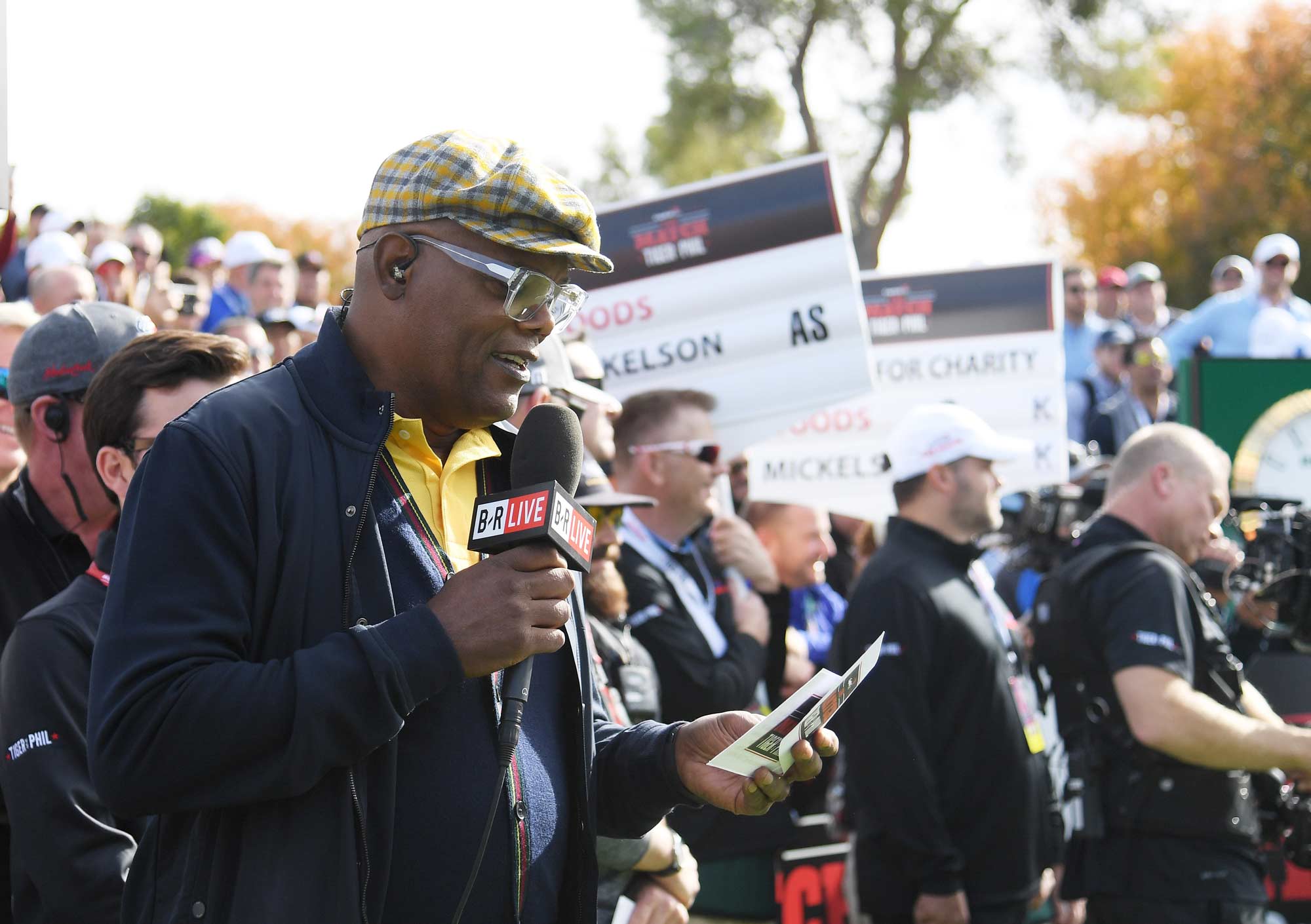
Jackson delivered the iconic first-tee introductions while Barkley appeared as both a studio analyst and comedic foil throughout the coverage. By bringing both of them into the advertising creative, the campaign created a seamless bridge between promotion and broadcast experience. Viewers would encounter the personalities first in promotional spots across Turner networks and digital platforms, then see those same voices appear naturally within the live event itself. The approach helped reinforce continuity across the entire marketing funnel while giving the campaign an unmistakable sense of character and humor. Charles Barkley is hard to miss with in terms of talent, he is physically funny but also has great expressions and timing.
From a brand strategy perspective, the work also demonstrated the value of aligning talent partnerships across multiple touchpoints within a single campaign. Rather than separating advertising talent from broadcast talent, the creative leaned into the idea of “double dipping” by allowing the same personalities to exist across advertising, commentary, and promotional storytelling. Barkley’s irreverent humor and Jackson’s unmistakable voice added a level of cultural resonance that traditional golf marketing rarely achieves. They were both professional and highly media trained and knew how to play it up for the cameras.
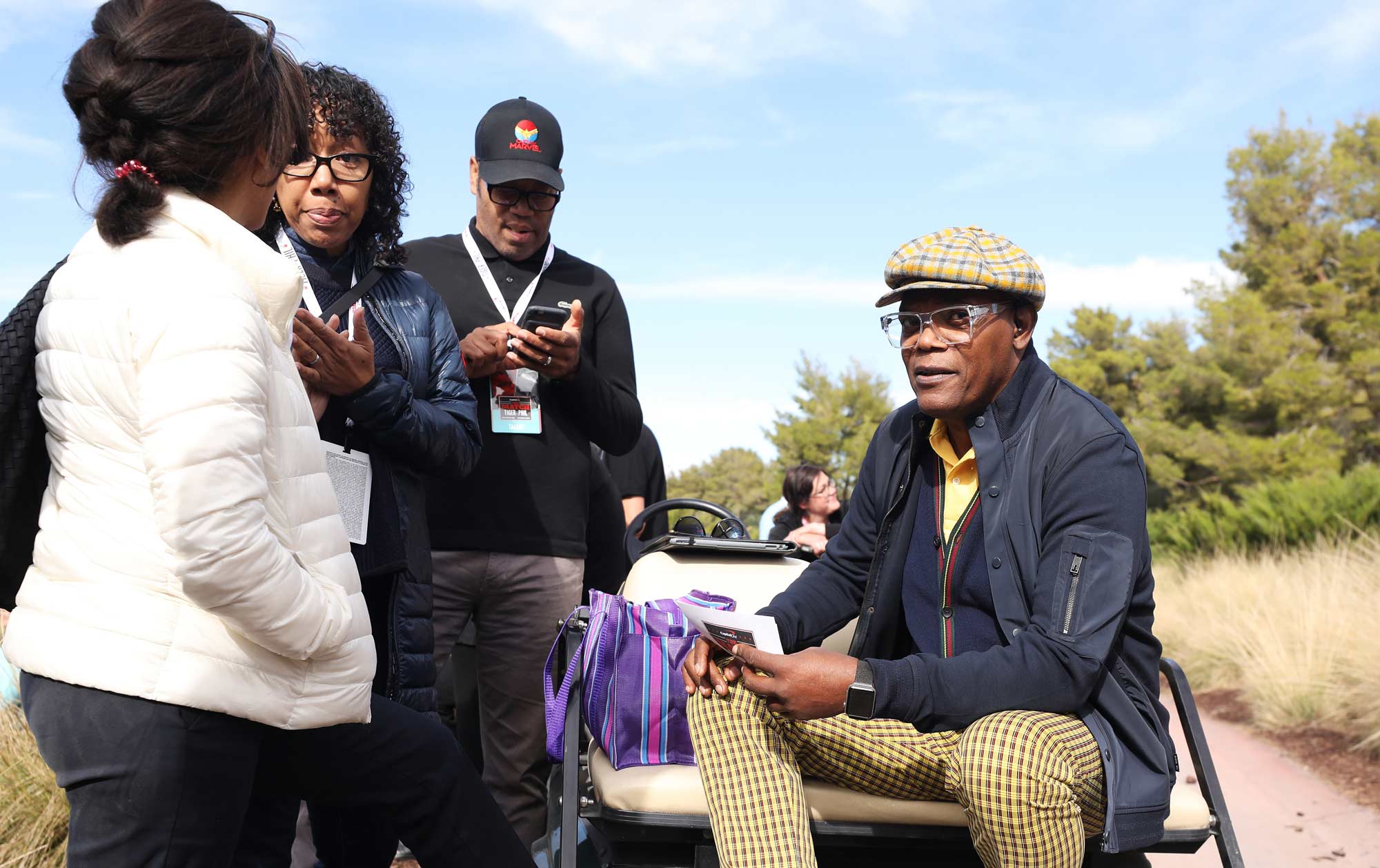
The ads ran across Turner properties in the weeks leading up to the match, helping build familiarity and anticipation while reinforcing Capital One’s role as the presenting sponsor of the event. The result was a campaign that felt cohesive across television, digital media, and the live broadcast itself. Credit is also due to Tara August on the talent side, whose instincts in pairing these personalities with the campaign helped elevate the entire creative approach. Her ability to recognize how talent could amplify both the brand message and the entertainment value of the event played a significant role in shaping the tone of the promotion.
Charles Barkley remains one of the most singular voices in sports broadcasting, a talent whose authenticity and fearlessness have made him a cultural institution far beyond basketball. For decades on Inside the NBA, he has built a reputation for saying exactly what is on his mind, whether it is joking about churros in Phoenix, delivering the now legendary lines about the women in San Antonio, or simply calling a game the way fans in a living room might talk about it with their friends. That same irreverent honesty was very much present during The Match, where Barkley brought his unmistakable mix of humor, blunt commentary, and self aware entertainment to the broadcast.
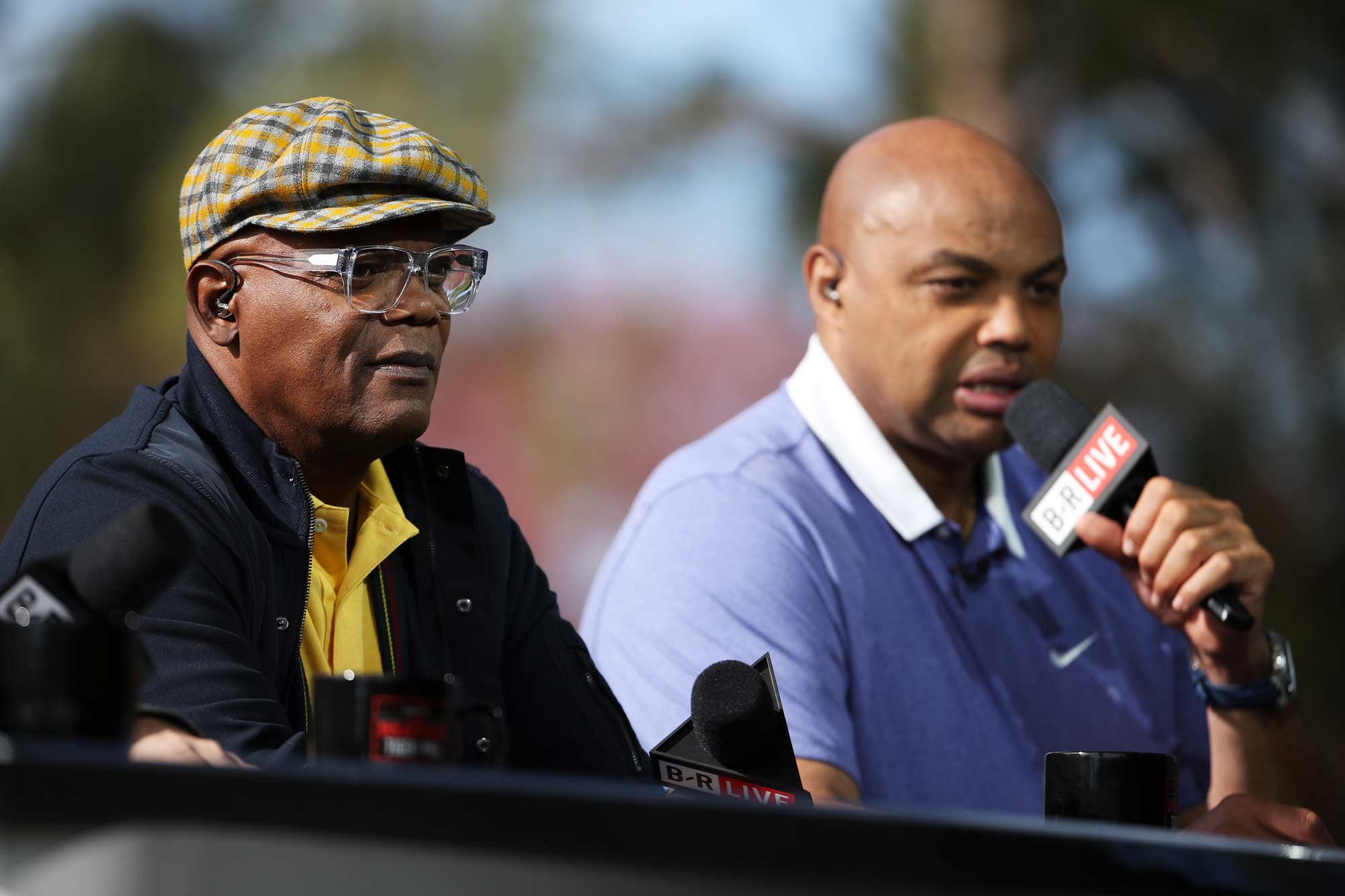
At one point he famously remarked that viewers were watching “some really crappy golf,” a line that immediately captured the tone of the moment and reminded audiences why his voice resonates so strongly with fans. Barkley has always understood that sports are as much about personality and storytelling as they are about statistics. His presence elevated the event by injecting spontaneity and humor into what might otherwise have been a fairly traditional golf telecast. Having him involved in the broadcast felt like an enormous luxury for the production, and for many viewers his commentary alone was worth the price of admission.
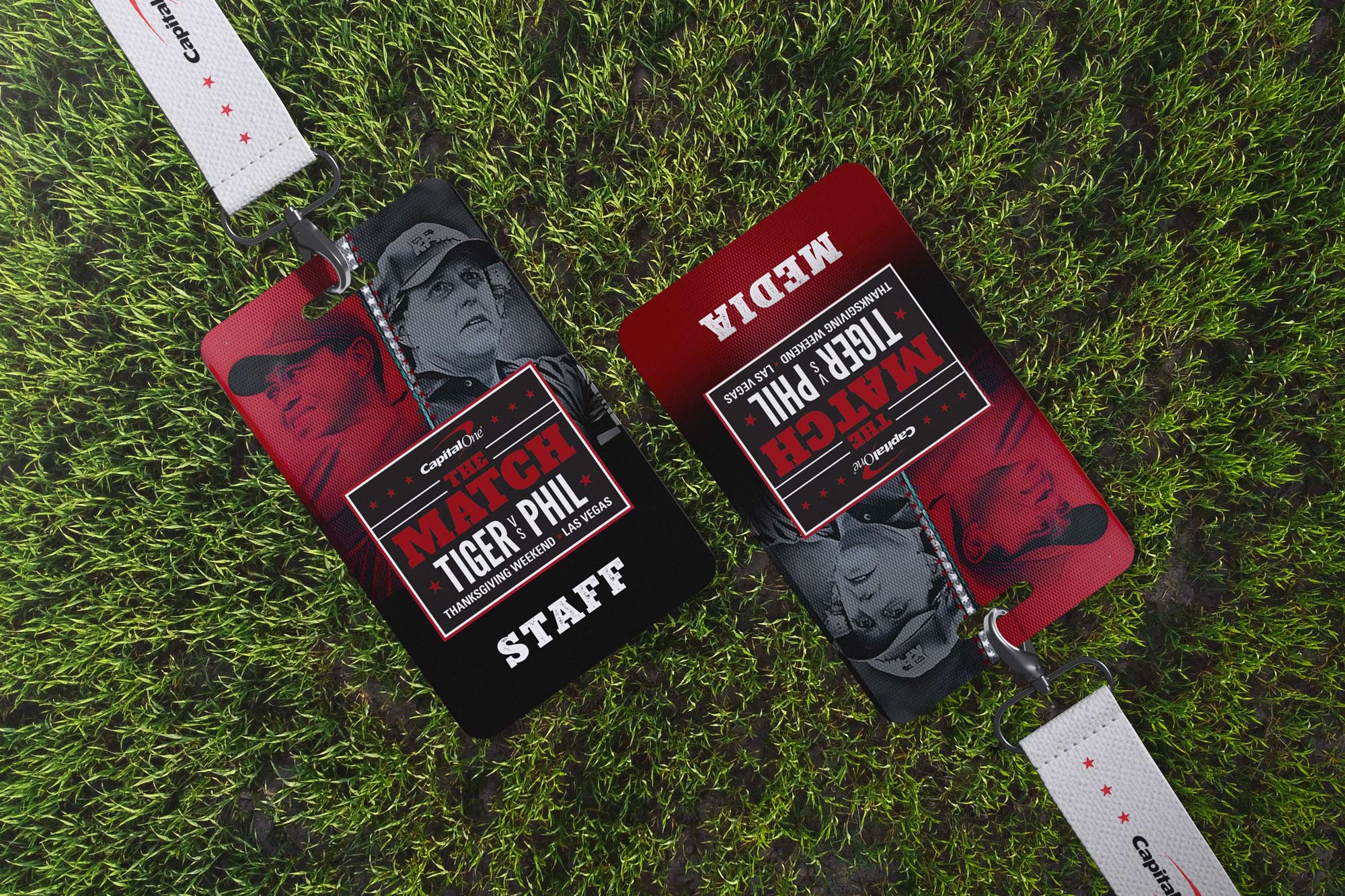
From a marketing architecture perspective, the promotional strategy for The Match was designed around a multi-layer conversion funnel that moved audiences from awareness to pay-per-view purchase across several distribution platforms simultaneously. Out of home placements in major markets and Las Vegas itself helped establish the event as a spectacle worthy of a prizefight, using bold poster graphics and countdown messaging to generate broad cultural visibility. That awareness layer was reinforced by a coordinated digital campaign across social platforms, editorial coverage, and short-form video designed to sustain conversation and drive curiosity around the event. The event lived in a unique space where casual banter and friendly trash talk unfolded between two legends walking the fairway, yet beneath that relaxed atmosphere sat a framework of real money stakes, major advertising partners, and a sleek marketing machine engineered to turn an informal round of golf into a global pay-per-view spectacle.

Within Bleacher Report’s digital ecosystem, the event also represented an opportunity to activate the brand’s social storytelling engine at full scale. My work focused on supporting the creative and promotional alignment between social distribution, platform promotion, and broadcast storytelling so that the event felt native across every surface where fans encountered it. Having previously helped shape product and content experiences within the B/R app and Team Stream environment, I contributed to how promotional assets, highlights, and editorial storytelling could flow naturally between social media, the app ecosystem, and the broader Turner broadcast environment.
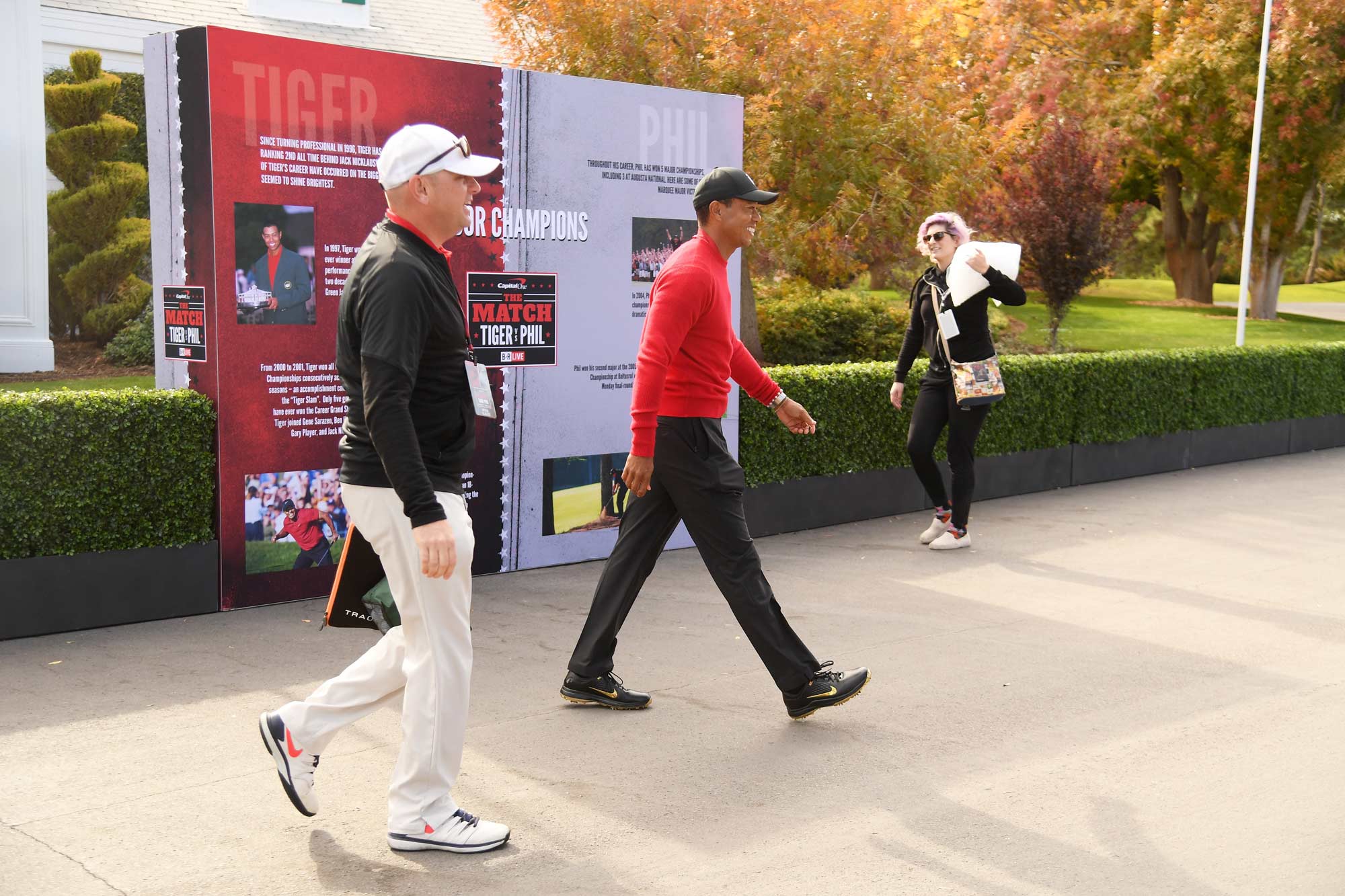
Pulling off an event of this scale required an enormous amount of cross functional collaboration across Turner, Bleacher Report, WarnerMedia, and a wide network of production, product, marketing, and sales teams. Creative, engineering, broadcast production, sponsorship integration, social media, and editorial groups all had to move in sync to bring the experience to life. The broadcast itself demanded coordination between on course camera crews, producers, and talent, while the digital side required product teams managing the B/R Live platform, social teams cutting clips in real time, and editorial teams shaping the surrounding narrative.
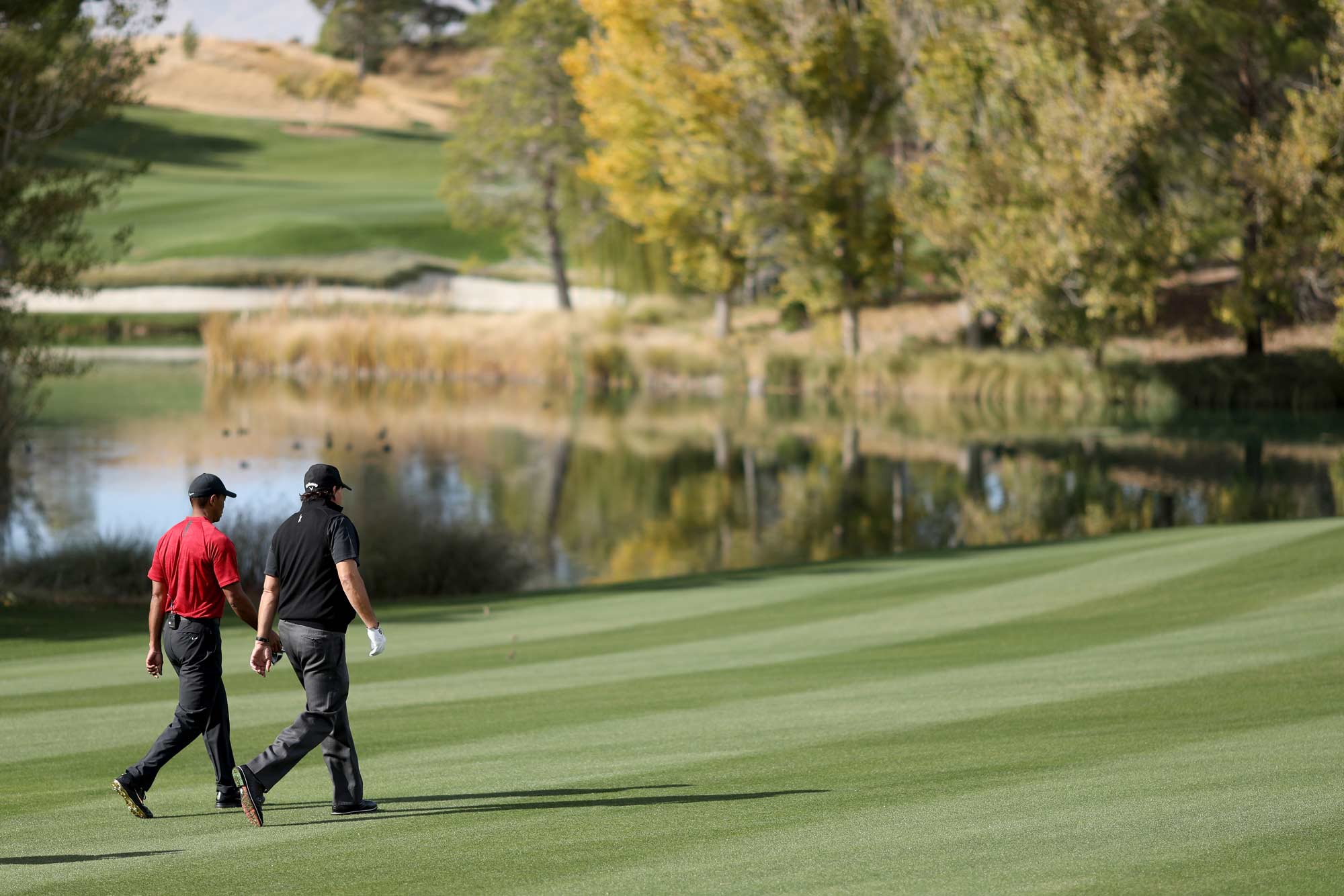
For many of us working on the event, Tiger Woods was not only a competitor in the match but a defining figure of our childhood. An entire generation grew up watching him transform golf from a quiet Sunday broadcast into must watch television. His dominance, intensity, and charisma made the sport feel electric in a way it had rarely felt before, pulling in viewers who might never have otherwise paid attention to a tournament.
Tiger made golf cool to kids who were raised on basketball and football, turning major championships into cultural events that cut across sports fandom. Seeing him walk the fairways at Shadow Creek during The Match carried a sense of full circle nostalgia for those of us who had watched his rise from the late nineties onward. Even years later the aura was unmistakable, the same focus, the same presence that made every shot feel consequential. For a generation of fans and creatives alike, Tiger was the reason golf felt larger than the game itself. How rare it was to get such intimate time with a legend.
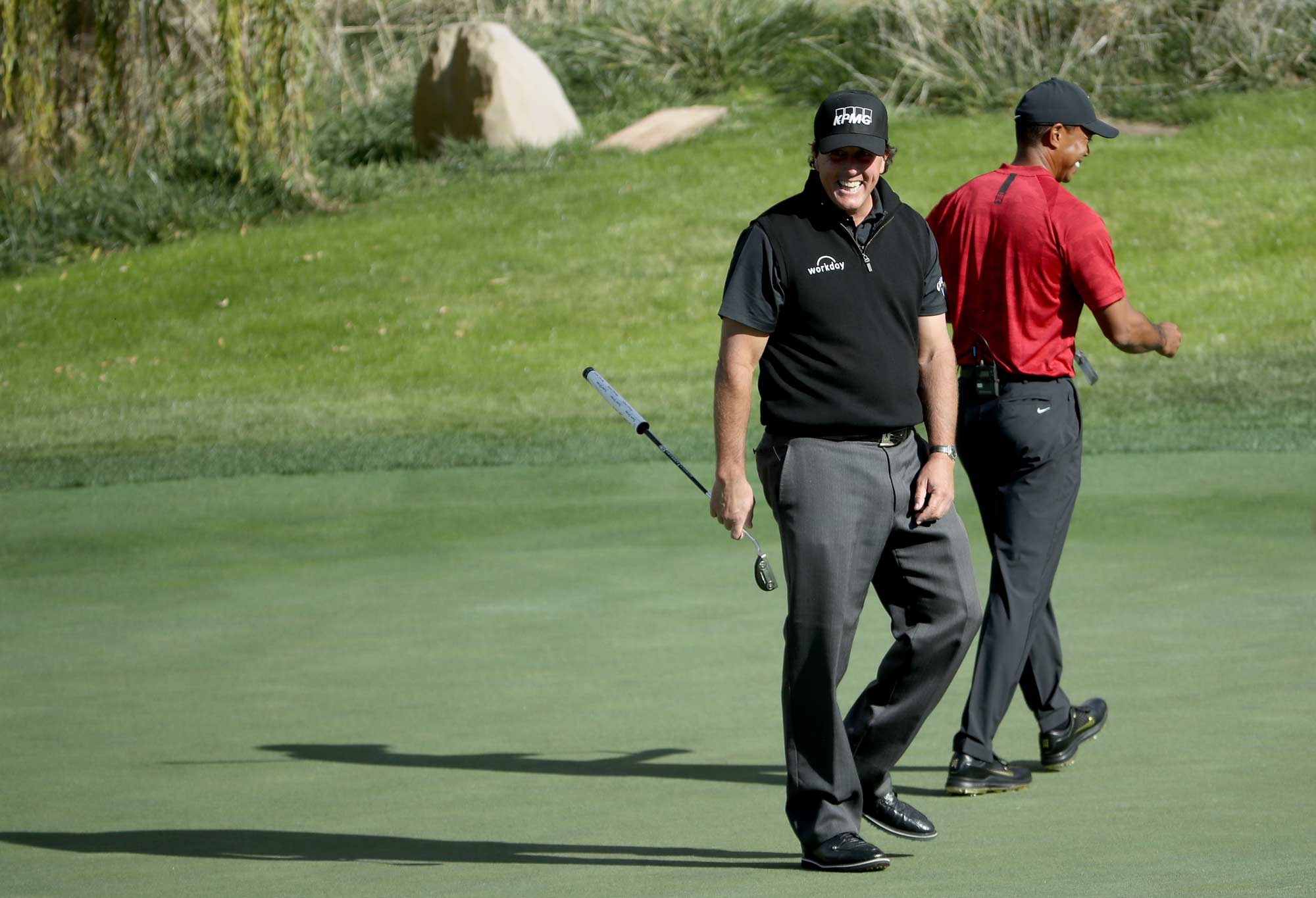
At the same time sponsorship teams were integrating brand partners, marketing teams were coordinating promotional campaigns, and platform teams were ensuring distribution across television, streaming, and social channels. It was a complex orchestration where dozens of moving parts had to align under tight timelines. What made the event successful was the shared understanding across departments that everyone was contributing to the same larger moment. When that level of collaboration works, the final result feels seamless to the audience even though it represents months of coordinated effort behind the scenes.

Working on the broadcast package alongside Jordan Shorthouse and Liane Hunter was a tight, highly collaborative process where concept and execution were constantly being pushed in parallel. Jordan set a strong creative foundation with a clear vision for how the event should feel at a broadcast level, and Liane brought a sharp design sensibility that translated that vision into striking, cinematic frames. My role within that dynamic was to build on and extend those ideas through motion, composition, and system thinking, ensuring the graphics didn’t just look good in isolation but worked cohesively across the full package. There was a shared understanding that this needed to feel elevated beyond typical sports graphics, which meant every detail, from typography to energy effects, had to carry intention. We challenged each other in real time, refining pacing, hierarchy, and visual impact so the work could hold up both on broadcast and across digital surfaces. The collaboration was fluid, with ideas moving quickly between concept, design, and execution without ego getting in the way. That kind of environment allowed us to push further than any one person would individually, resulting in a package that felt cohesive, ambitious, and considered. It was a true example of aligned creative direction and craft coming together to build something that operated at a premium level across every touchpoint.
That versatility became especially important because the event had to behave differently depending on where it appeared. On social, the creative needed to arrest attention instantly and communicate personality at a glance. In product surfaces, it needed to create confidence and clarity around purchase and access. In broadcast environments, it needed to hold up under the visual scrutiny of premium live television. On physical signage and promotional placements, it needed to read with the blunt force of an event brand rather than a content franchise. Designing for all of those surfaces at once required a system sturdy enough to remain recognizable while still elastic enough to adapt.
Throughout the event our team worked quickly to cut and distribute short highlight clips that could travel across Turner’s digital ecosystem in near real time. Moments from the broadcast were edited into social friendly formats and posted across TNT Sports channels, Bleacher Report platforms, and most importantly House of Highlights, which had become one of the most powerful amplification engines in sports media. The goal was to capture the personality driven beats of the match such as side bets, reactions, and playful exchanges and push them out while the broadcast was still unfolding. By circulating these clips across multiple feeds we were able to extend the life of key moments beyond the television screen and into the fast moving rhythm of social media. House of Highlights in particular helped expose the event to a younger audience that might not normally tune into a golf broadcast. Each clip acted as both entertainment and promotion, pulling viewers deeper into the story of the match while reminding them that the full experience was happening live. In that way social media became an extension of the broadcast itself, turning individual moments into shareable cultural fragments that traveled far beyond the course. Hell, you are here reading all of this now because it lives on because it mattered and that legacy can be seen.
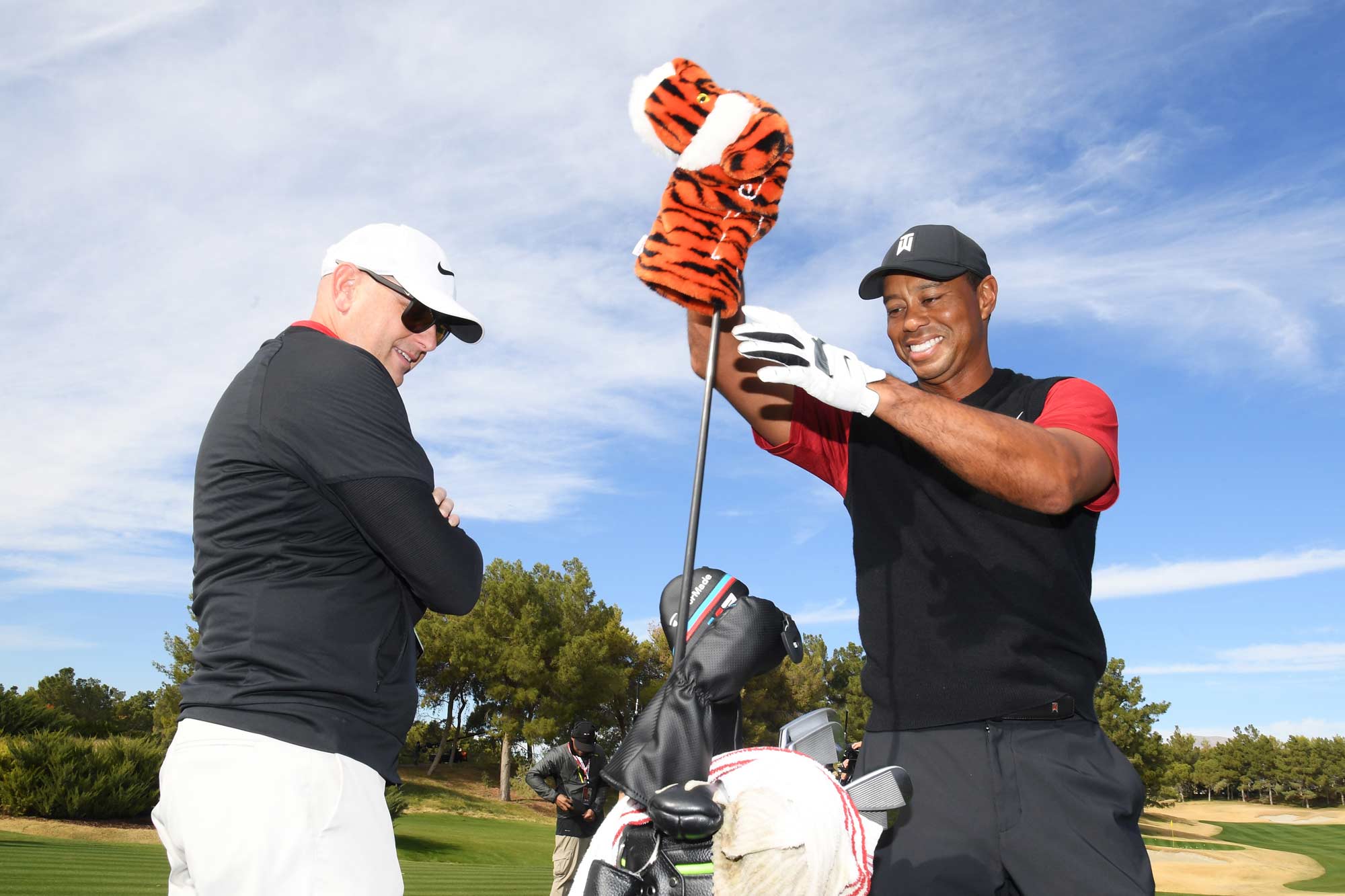
The opening hole immediately captured the playful tension that defined the entire event. Before either player had even swung a club, Phil Mickelson confidently predicted he would birdie the first hole and turned the statement into a $100,000 wager. Tiger Woods quickly escalated the moment by telling him to double the bet, instantly raising the stakes to $200,000. The exchange drew laughter from the gallery but also set the tone for the day where casual banter existed alongside very real money. Both players opened cautiously off the tee as they eased into the rhythm of the match and adjusted to the unusual spectacle surrounding the round. The hole established the atmosphere of conversation, competition, and spectacle that would define the broadcast. Even before the first green was cleared it was clear that the event would feel different from a traditional tournament. This was a great way to kick things off for us.
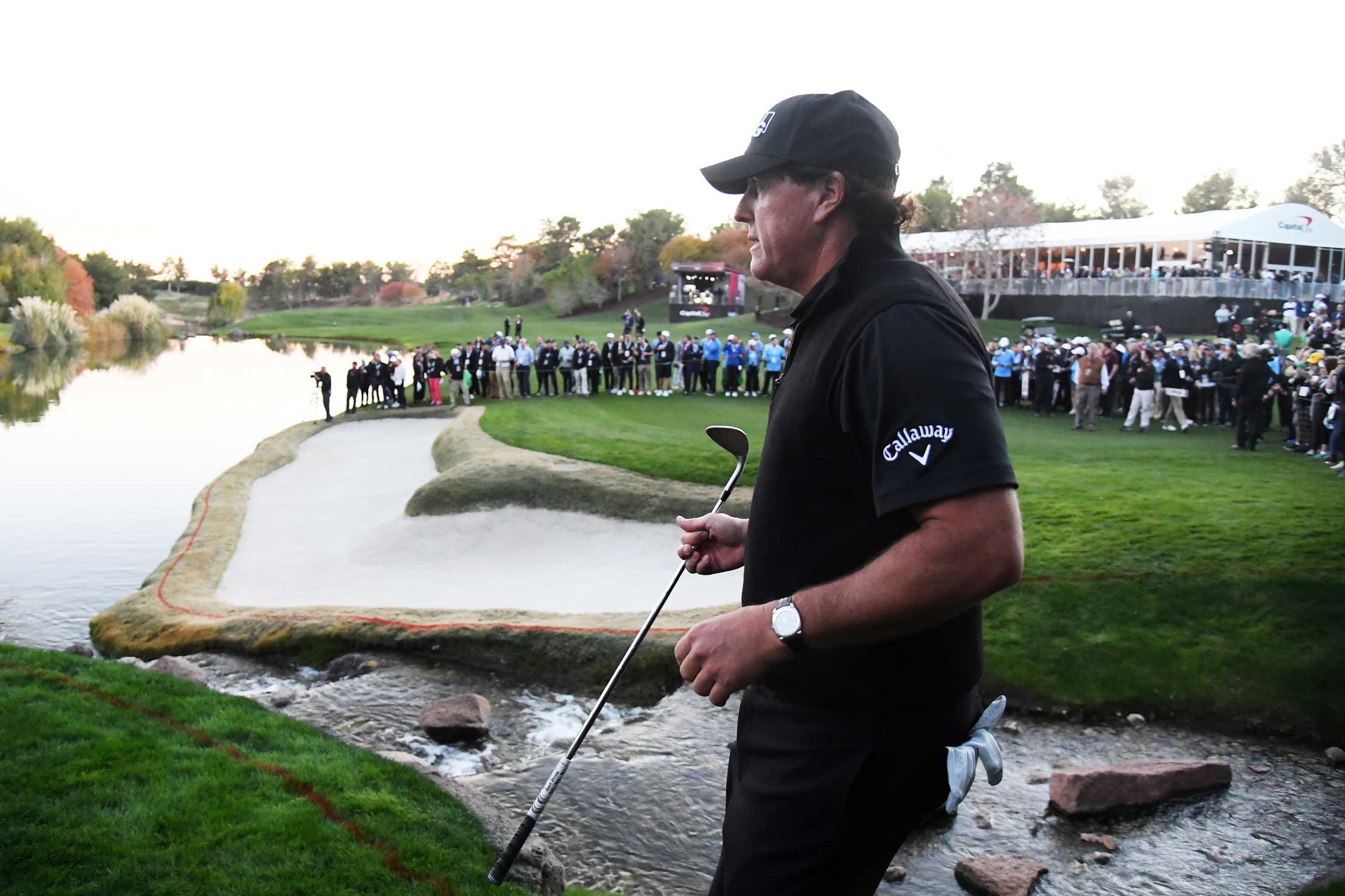
As the players settled in, the second hole revealed the early rhythm of match play golf. Unlike stroke play tournaments where every shot accumulates pressure across the leaderboard, match play allows competitors to focus purely on the opponent standing beside them. Woods and Mickelson exchanged solid shots while continuing their lighthearted dialogue and occasionally referencing the earlier wager on the first hole. The broadcast leaned heavily into these moments and microphones picked up the subtle conversations between swings. It felt less like a tournament and more like a private money match that viewers had been invited to witness. The relaxed atmosphere gave the audience an unusual window into how two professionals actually interact during a round. The familiarity between the two players made the exchange feel authentic rather than staged. This allowed the players to warm up and get back into the zone with their play.
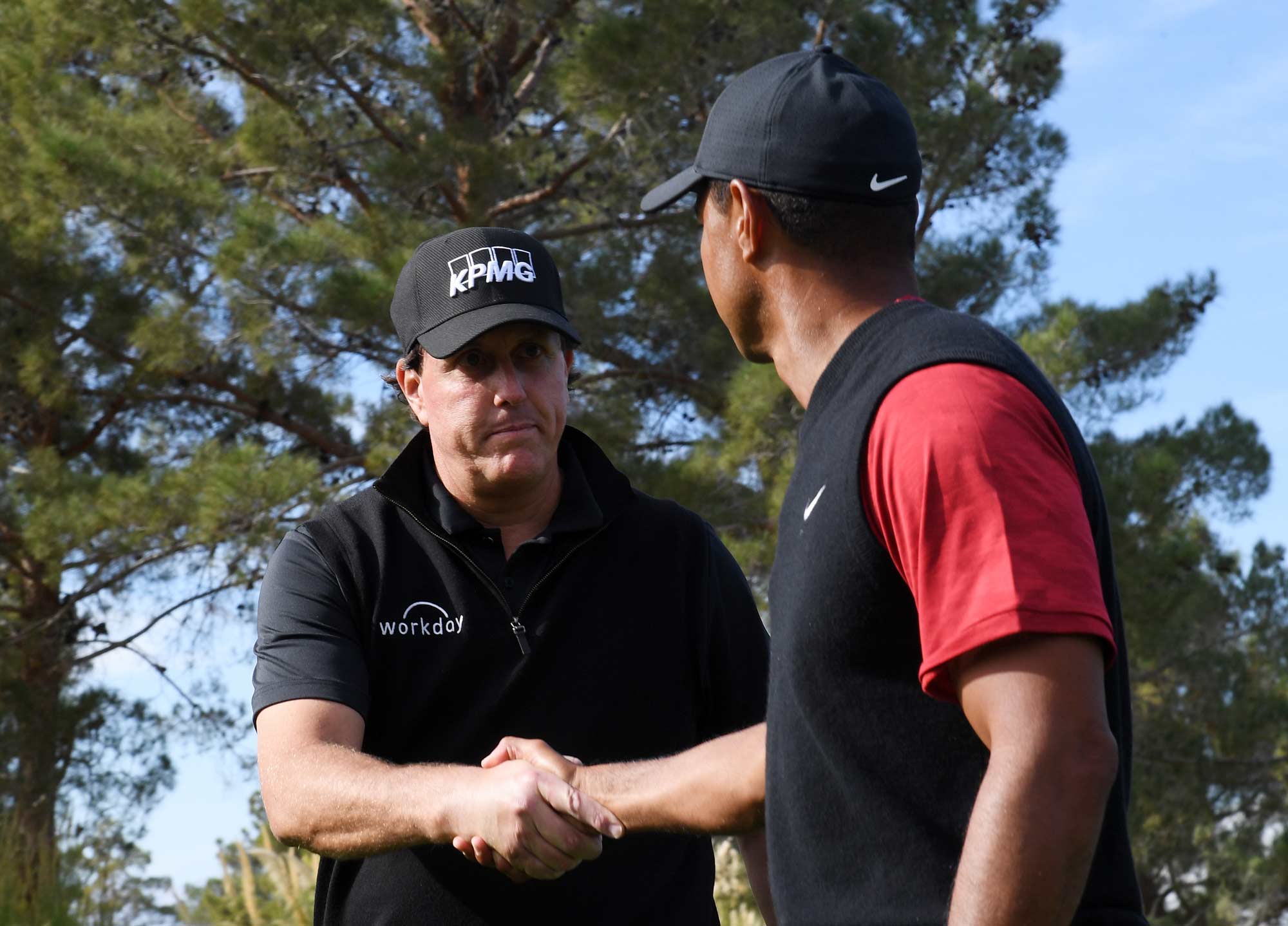
By the third hole the tension of the opening shots had begun to fade and the personalities of both players started to emerge more clearly. Mickelson leaned into his role as the entertainer and joked with commentators while occasionally narrating his own thinking on the course. Woods remained more reserved but still engaged in the back and forth and offered subtle reactions to Phil’s predictions. The contrast between their temperaments added a narrative layer to each shot and reinforced the decades of rivalry behind the event. Viewers were reminded that these were two players who had competed against each other for most of their careers. The match began to feel less like a novelty and more like a legitimate duel between familiar adversaries. Every hole started to carry its own small psychological battle.
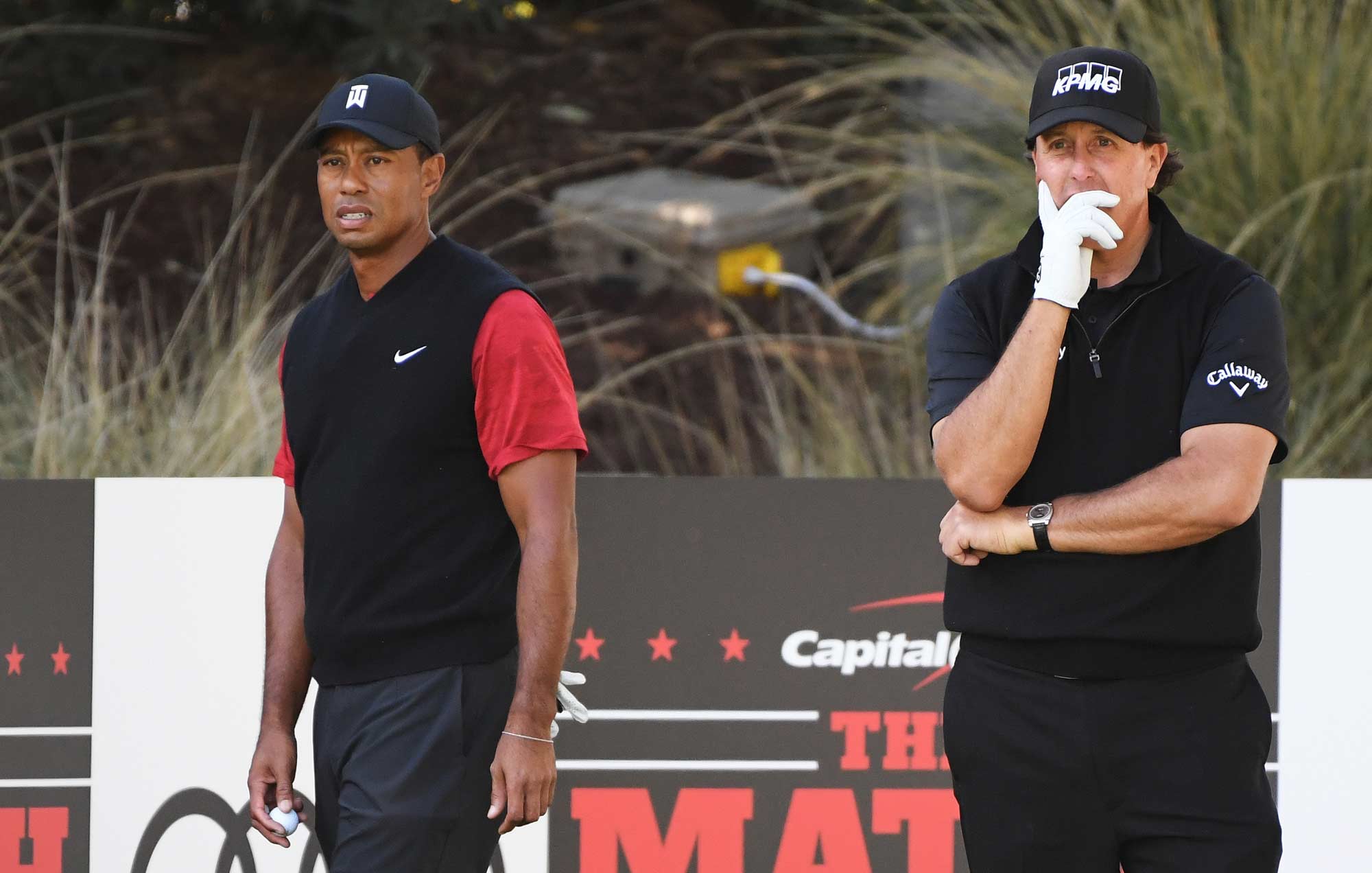
The fourth hole introduced one of the early strategic tests of the round as the layout of Shadow Creek demanded careful shot placement. The course forces players to navigate water hazards and tightly framed landing areas that reward precision rather than aggression. Both golfers approached the hole with a mix of caution and confidence as they evaluated risk versus reward. Television cameras captured sweeping views of the course which made the setting feel almost surreal in the middle of the desert landscape. The pristine fairways and dramatic water features reinforced the theatrical quality of the event. It was a reminder that the environment itself had been selected to elevate the spectacle of the match. The hole played out like a careful negotiation between two veterans who knew exactly how to manage a course.
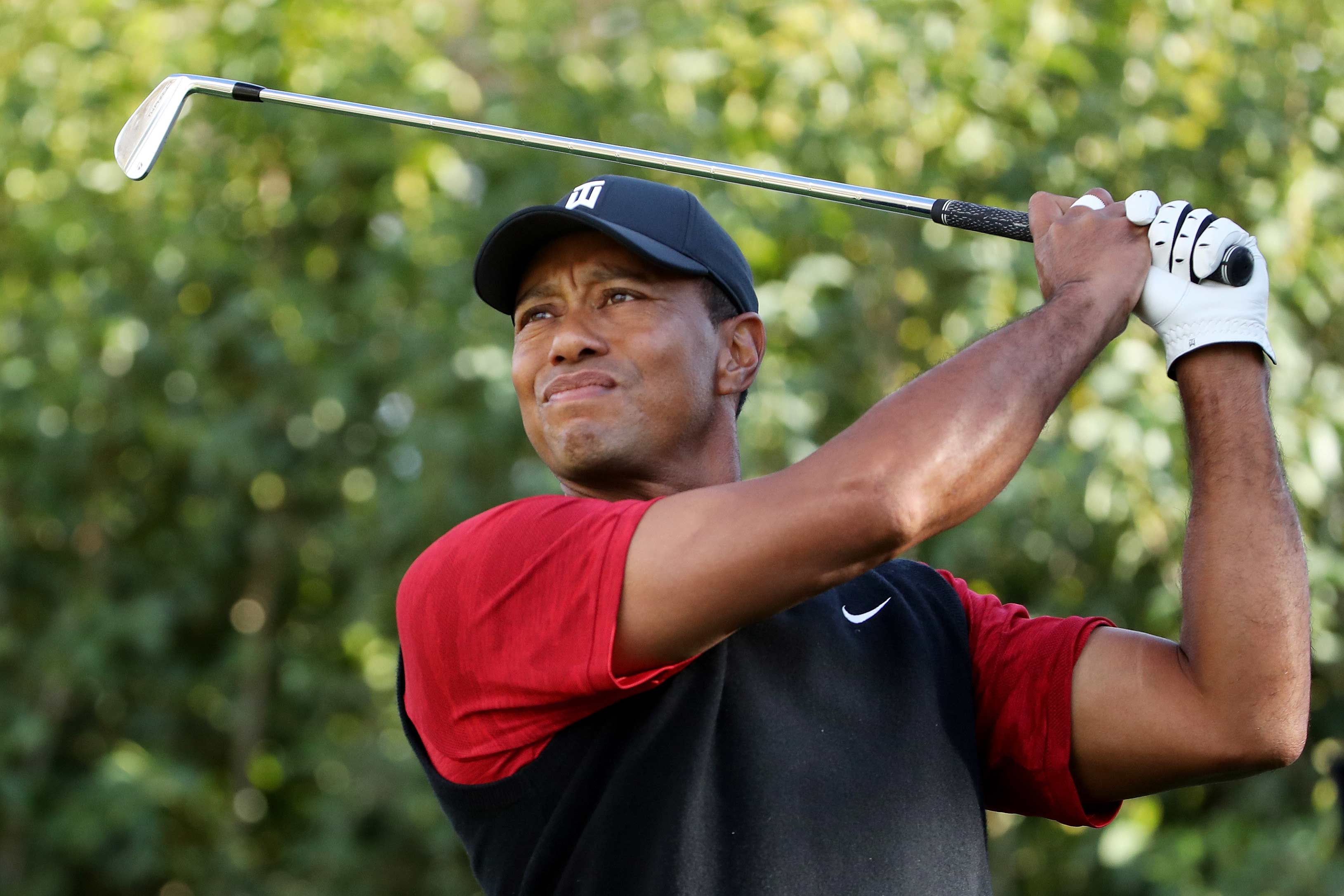
The fifth hole continued the gradual rhythm of the match as both players settled deeper into the competition. Commentary began to focus more heavily on the long history between Woods and Mickelson and the many tournaments where their careers had intersected. The broadcast blended technical analysis with storytelling about the rivalry that had defined an era of golf. Every shot carried a layer of context because viewers understood how rarely the two had faced each other in such a direct format. The match play structure gave each hole a self contained drama that reset with every tee shot. The tension grew slowly as the round progressed through the front nine. By this point the players were clearly comfortable with the unusual atmosphere of the event.
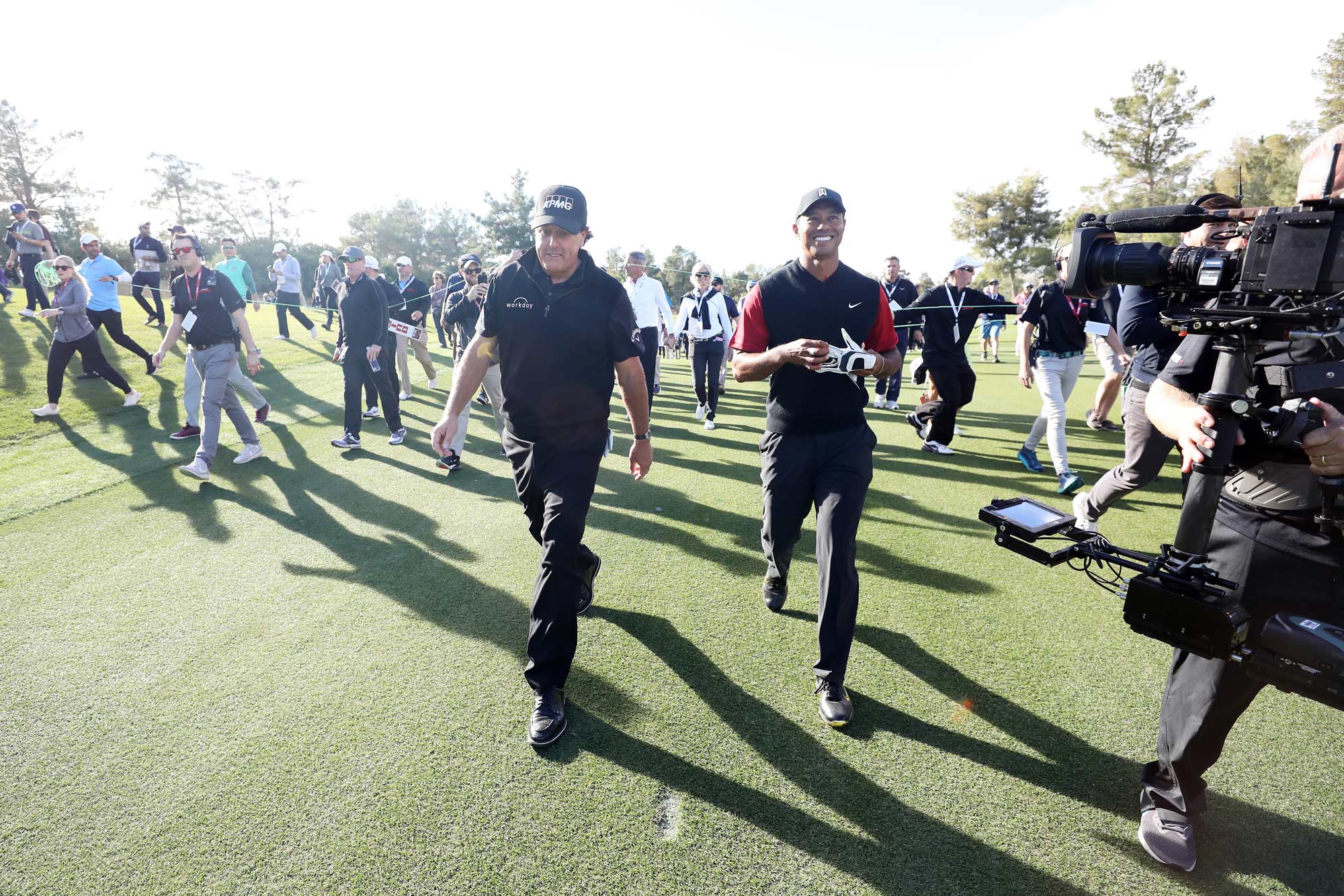
On the sixth hole the broadcast leaned even further into the intimacy created by the players wearing microphones. Viewers could hear discussions about club selection, course conditions, and occasional remarks about the side wagers that hovered over the round. Those snippets of conversation revealed the small calculations that professional golfers make before every swing. The effect was similar to walking alongside the players and overhearing the strategy behind each decision. It was a rare look into the quiet dialogue that normally stays hidden during tournament broadcasts. The tone of the coverage felt more conversational than traditional golf television. That sense of access became one of the defining characteristics of the event.
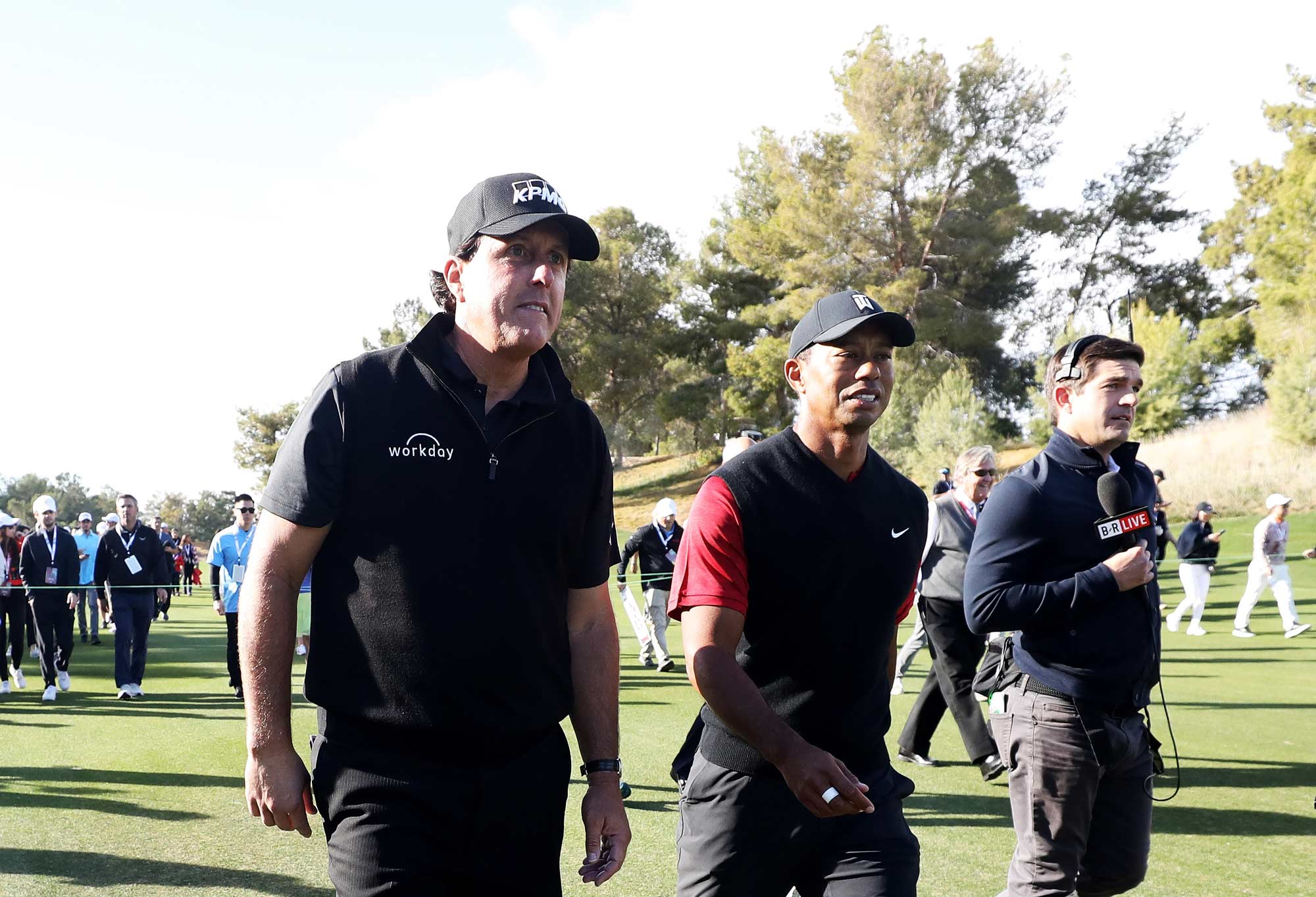
The seventh hole marked a point where the competitive instincts of both players became more visible. Even though the event carried an entertainment tone, neither golfer appeared interested in treating it as a casual exhibition. Woods’ trademark focus began to show through his deliberate preparation before each shot. Mickelson responded with the aggressive shot making that had defined his career for decades. The balance between entertainment and genuine competition started to shift toward the latter. Viewers could sense that both players wanted the bragging rights that would come with winning the match. The rivalry that had lived in the background of golf for years was now unfolding hole by hole. I also just want to take the time to give comedy legend Norm Macdonald rest his soul who was in the crowd his flowers at this moment.
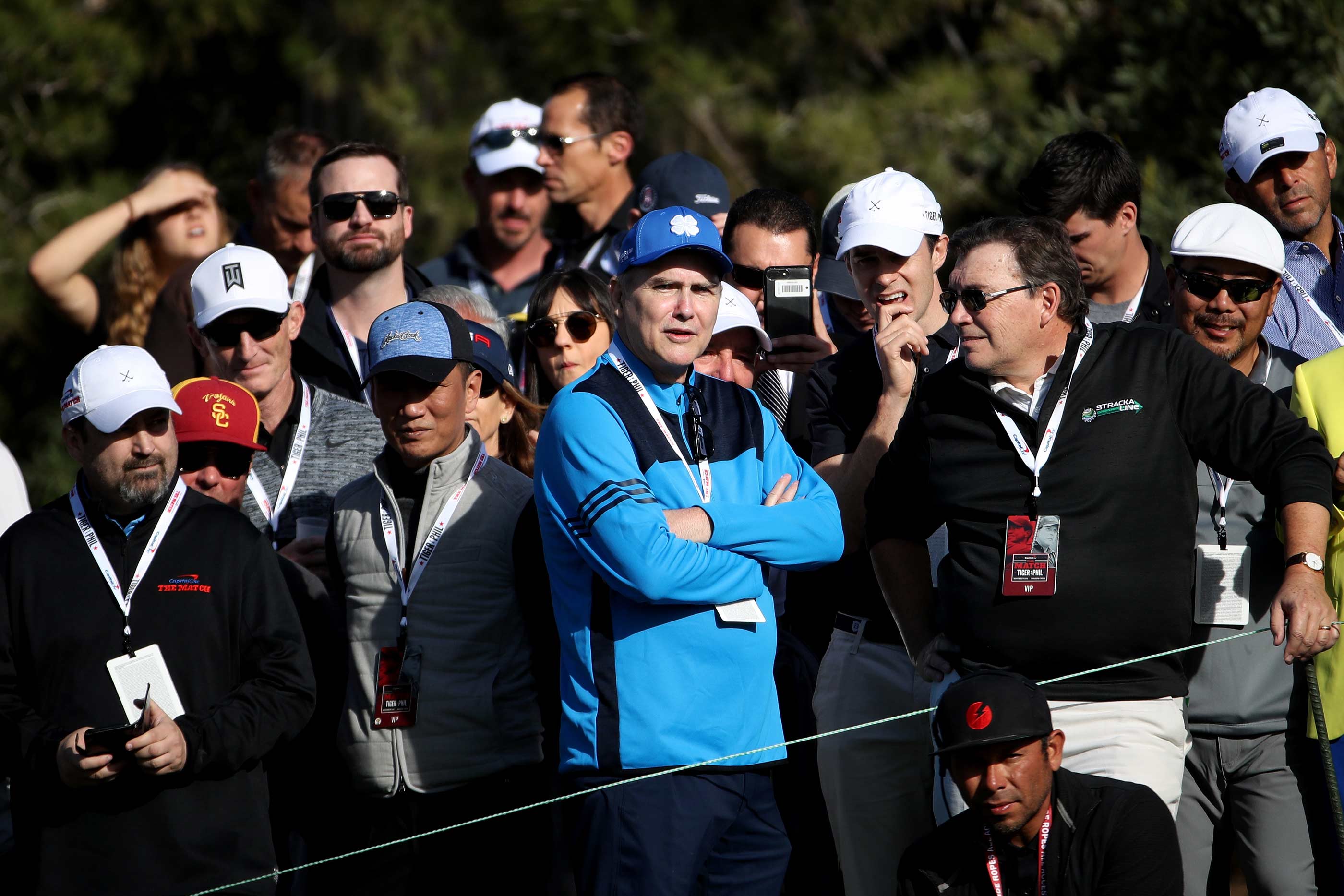
By the eighth hole the rhythm of the broadcast had become fully established. The players continued exchanging shots while occasionally revisiting the idea of side bets tied to particular moments on the course. Those playful challenges reinforced the original premise behind the event which was to replicate the feeling of a private high stakes game. Cameras captured the details of each swing along with the reactions that followed successful or disappointing shots. The match remained close enough to keep the outcome uncertain. Each hole felt like a small chapter in a longer story that was gradually unfolding. The energy of the round built quietly as the players moved deeper into the course.
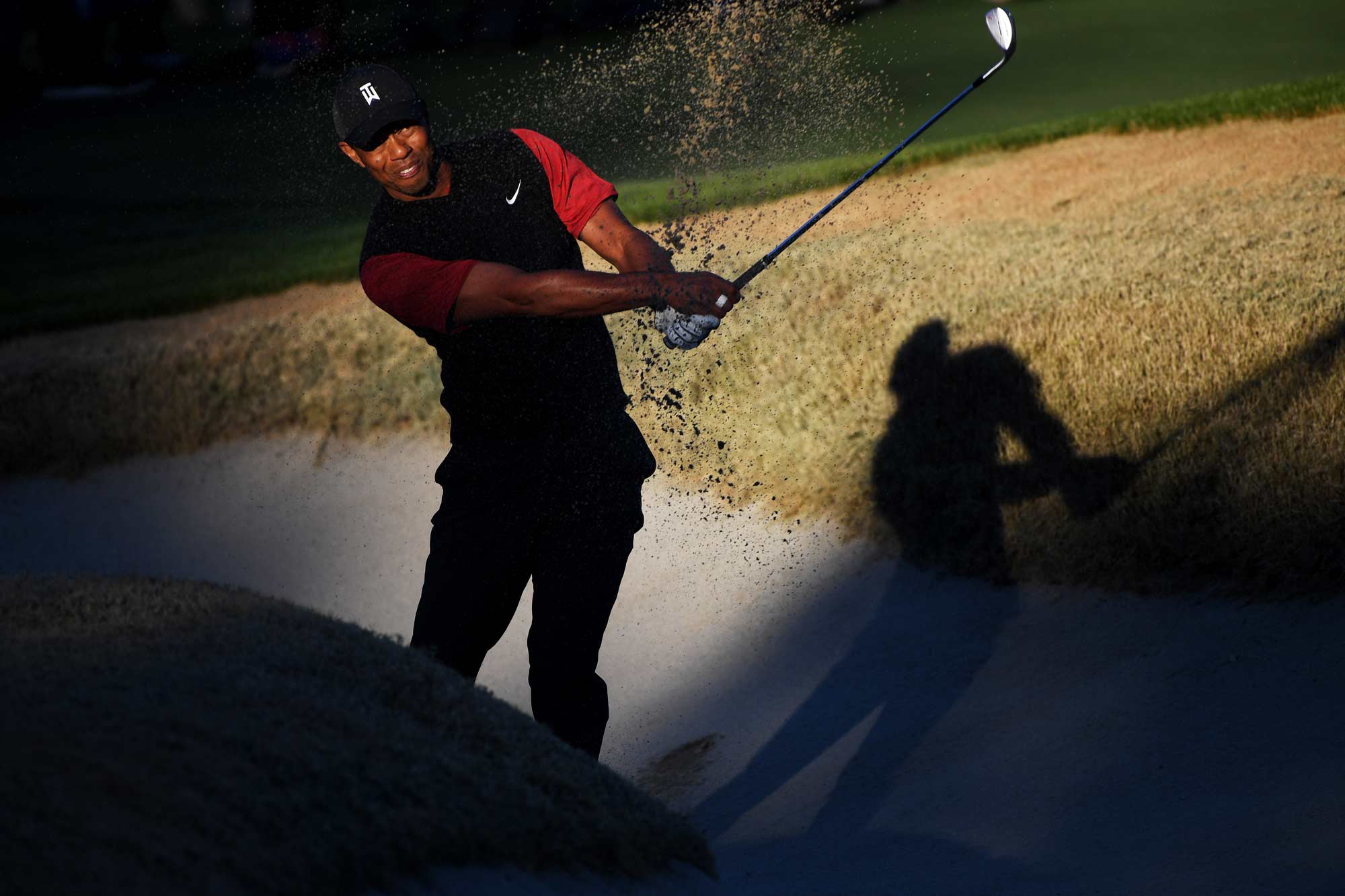
Reaching the ninth hole the match approached the midpoint of the round and momentum began to matter more. Both players had settled into their rhythm and the quality of the golf improved noticeably. The broadcast lingered on the technical precision of iron shots and the careful reads required on Shadow Creek’s greens. Commentators emphasized how match play can shift quickly with a single mistake or a well timed putt. The tension grew slightly as the players approached the turn. Each swing carried more weight as the front nine came to a close. Viewers were reminded that a winner take all purse meant every hole had real consequences.
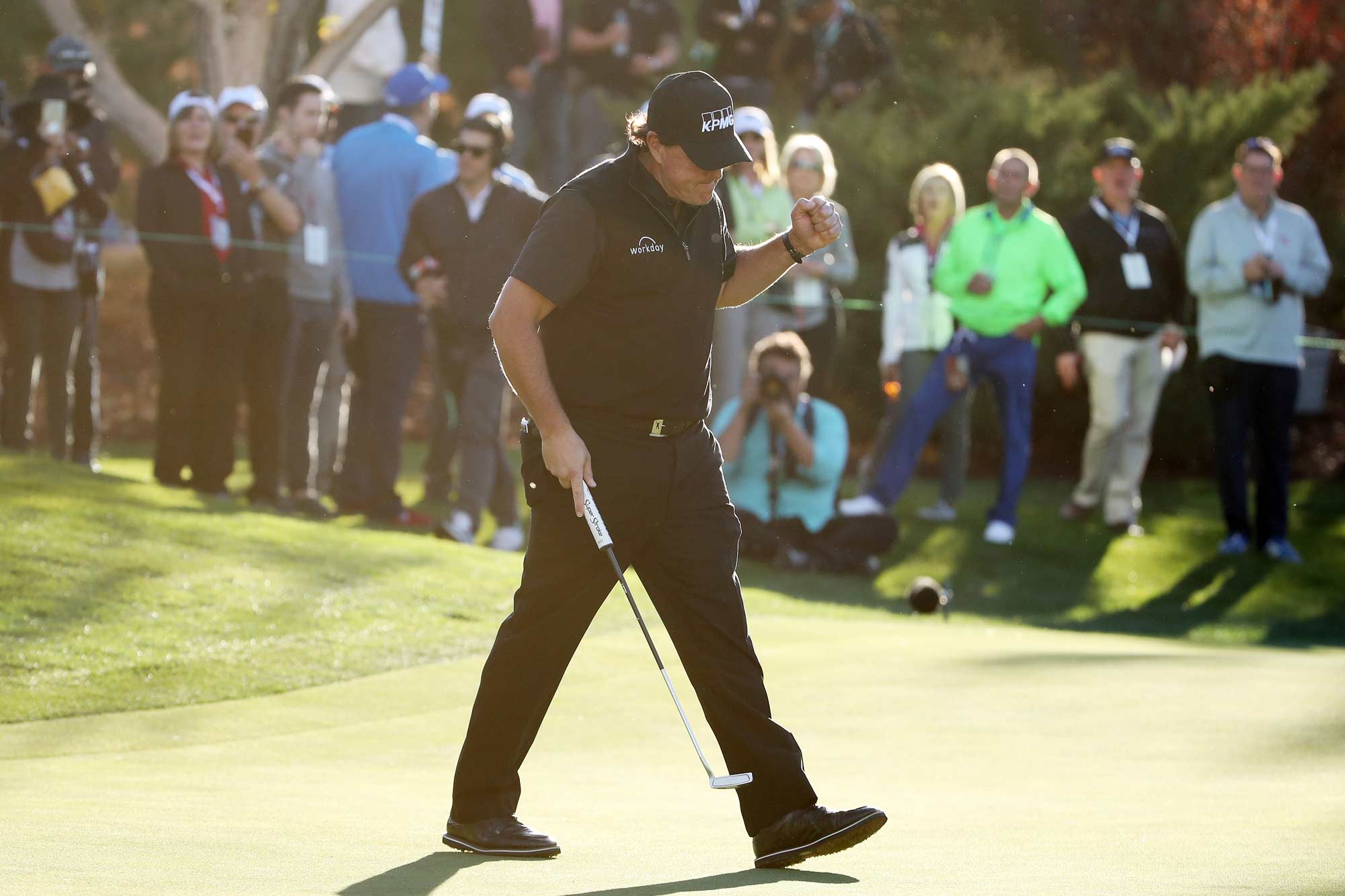
The tenth hole marked the beginning of the back half of the match and the atmosphere began to change. By this stage the novelty of the event had faded and the competitive stakes were more apparent. Conversations between the players became slightly quieter as the focus on execution increased. The broadcast highlighted how quickly match play can swing once the round moves past the midpoint. Both Woods and Mickelson appeared fully invested in the outcome. The energy on the course felt sharper and more deliberate than earlier in the round. What began as spectacle had gradually evolved into a genuine contest between two fiercely competitive athletes.
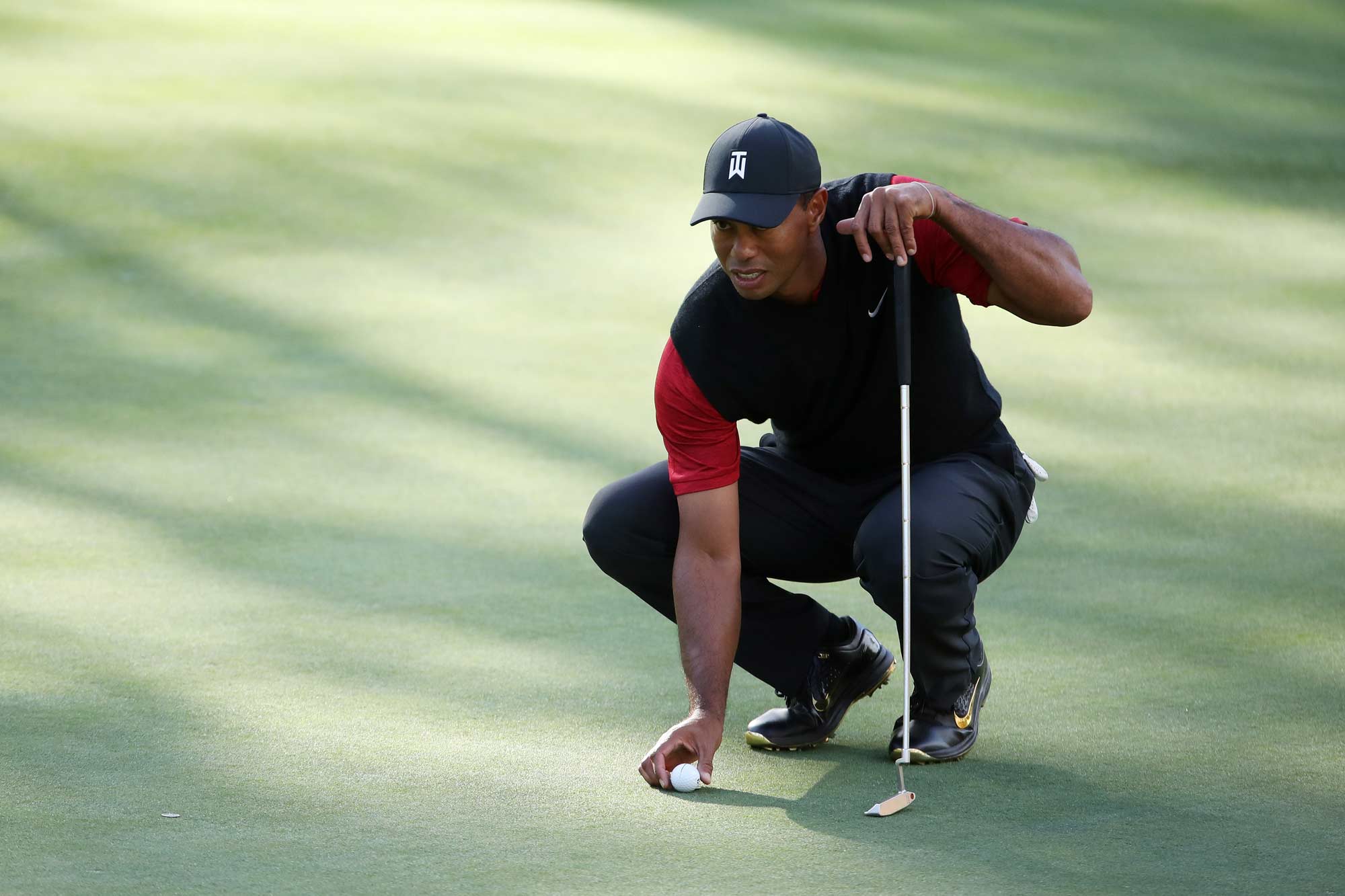
The match ultimately became a moment where Bleacher Report’s evolving digital voice intersected with Turner’s large scale broadcast infrastructure. It demonstrated how modern sports media could combine traditional television spectacle with the speed and cultural fluency of social platforms. By the time Woods and Mickelson stepped onto the first tee, the narrative had already traveled through multiple layers of storytelling, promotion, and audience engagement.
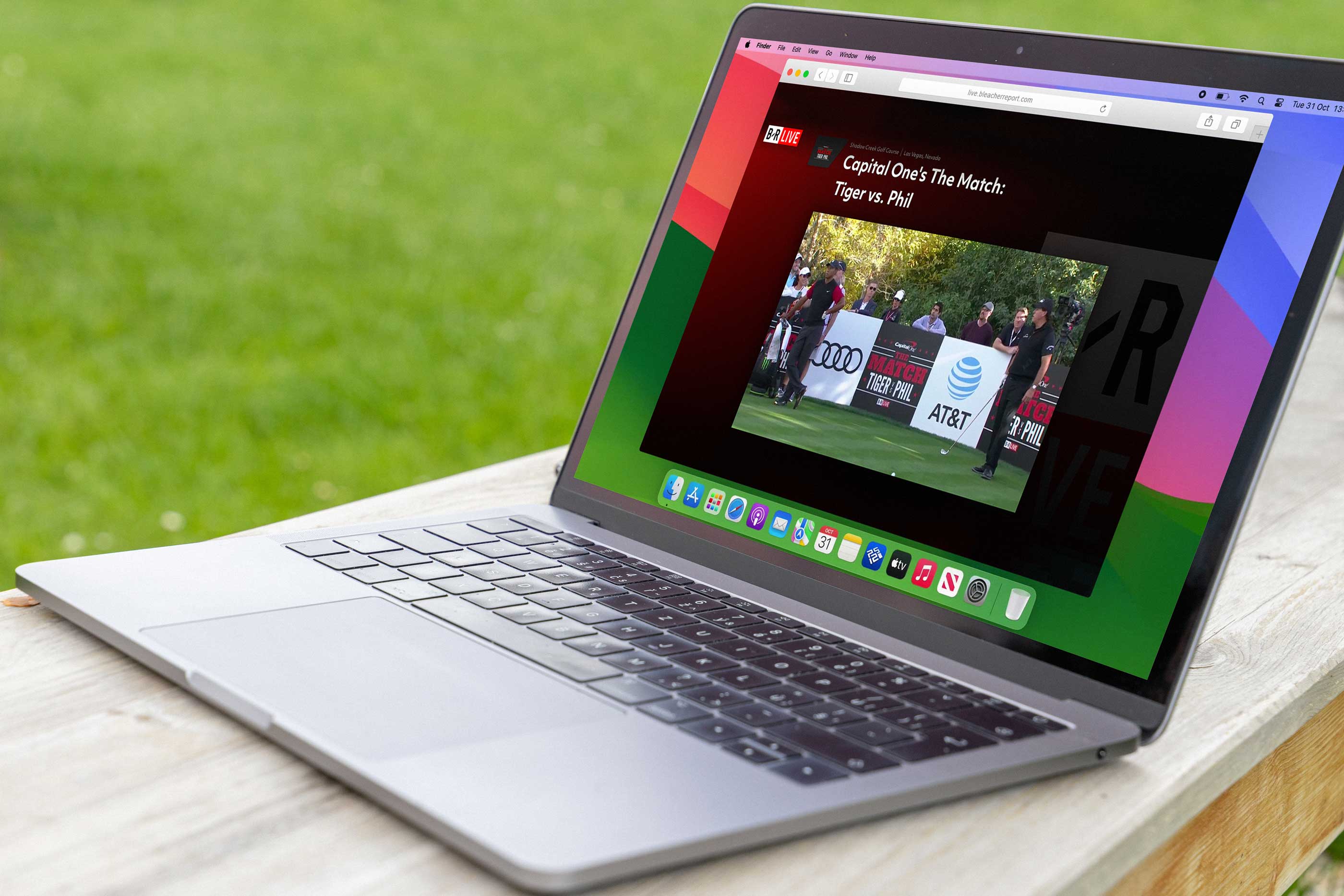
As attention built, messaging shifted toward clear call to action pathways that directed viewers toward purchase options through AT&T, DirecTV, and the B/R Live streaming platform. Each channel played a distinct role within the funnel, with social and editorial acting as the discovery engine while broadcast promotion and product integration emphasized the immediacy of the pay-per-view experience. Within the Bleacher Report ecosystem we focused on ensuring the event appeared native across feeds, highlights, and promotional units so that fans could move seamlessly from content consumption to purchase intent. The result was a coordinated campaign that treated the match not only as a sporting event but as a premium media product designed to convert attention into real time viewership across multiple platforms.

The origins of Capital One’s The Match: Tiger vs. Phil began with a deceptively simple idea that blended nostalgia, spectacle, and modern media experimentation. Hollywood agent Jack Whigham and producer Bryan Zuriff began exploring the concept after reflecting on the popularity of the old Skins Game, a Thanksgiving week golf exhibition that once brought together the sport’s biggest personalities in a more relaxed but still competitive format.
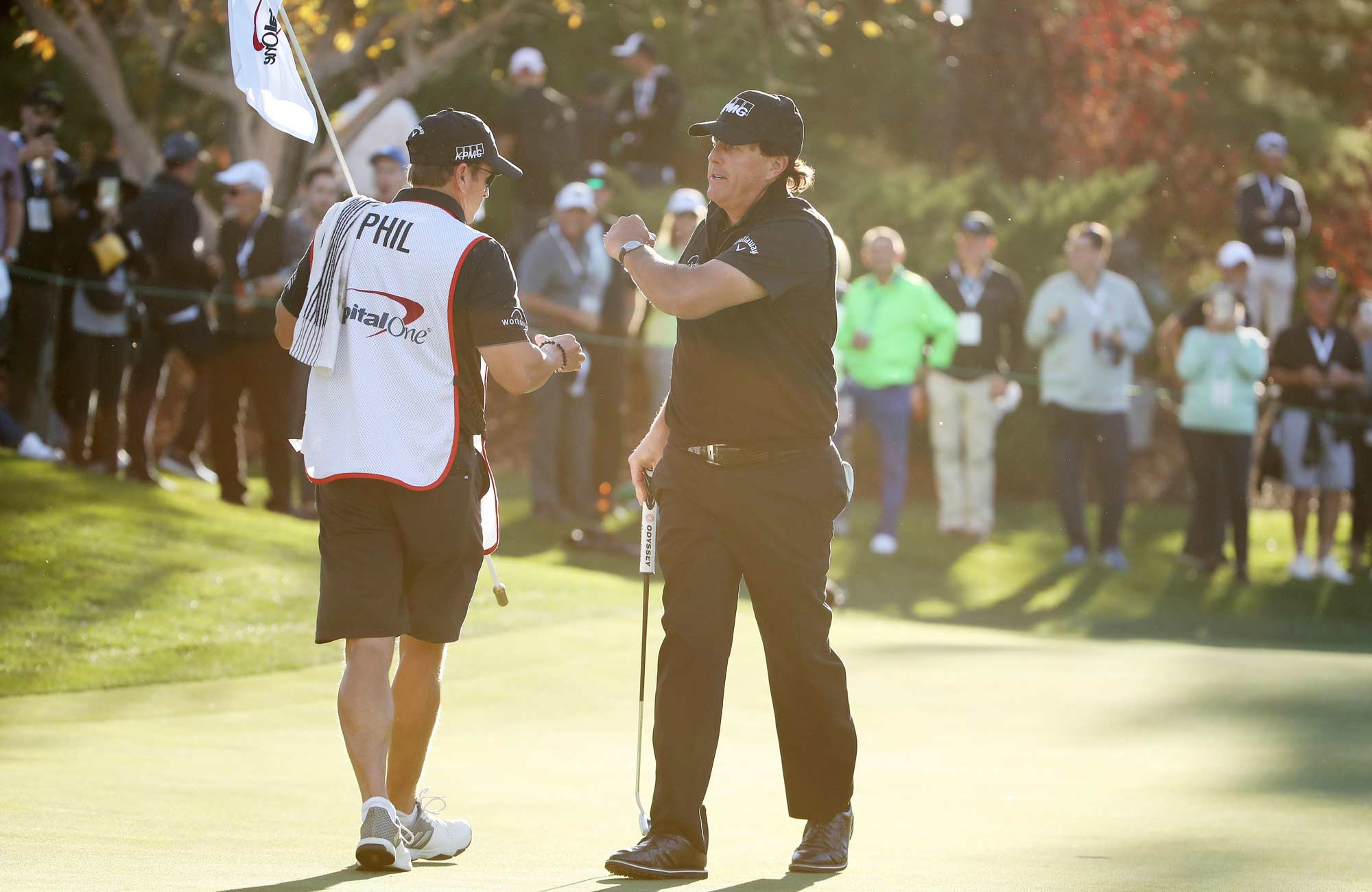
Their idea was to recreate that spirit for a contemporary audience by staging a high stakes head to head match between the two defining figures of modern golf. Instead of a traditional tournament format, the event would be winner take all match play with on course side bets, live player microphones, and real time banter designed to capture the way golfers actually compete with friends. The concept quickly evolved into something larger than an exhibition round. It became an experiment in how sports could intersect with entertainment, streaming technology, and premium live events in a way that felt both authentic and culturally relevant. With Tiger Woods and Phil Mickelson agreeing to participate, the project gained immediate gravity and momentum across the sports media landscape.

Las Vegas became the natural stage for that experiment. Hosting the event at Shadow Creek placed the match in the heart of a city built on spectacle, risk, and high stakes competition. The setting reinforced the narrative framing of the event as something closer to a heavyweight title fight than a conventional golf broadcast. At the same time, Las Vegas represented an important strategic proving ground for Turner and Bleacher Report as the broader sports media landscape began exploring the intersection of live events, streaming distribution, and legalized sports wagering. Conversations were already beginning around how sports media companies could participate more directly in betting ecosystems, and partnerships with casino operators such as MGM were part of that early exploration. The match offered a rare opportunity to test how a premium sporting event could operate within the unique commercial environment of Las Vegas.

Las Vegas also carries a long tradition of transforming athletic competition into theatrical spectacle. Championship boxing matches, heavyweight prize fights, and high-stakes poker tournaments have all used the city as a stage where sport merges with entertainment and risk. Positioning the match within that lineage allowed the event to borrow the dramatic pacing and visual language of those earlier spectacles. The course became a kind of outdoor arena, where each hole functioned almost like a round in a longer contest unfolding under the lights of a city built on performance. That framing helped audiences instinctively understand the event as something larger than a casual exhibition.
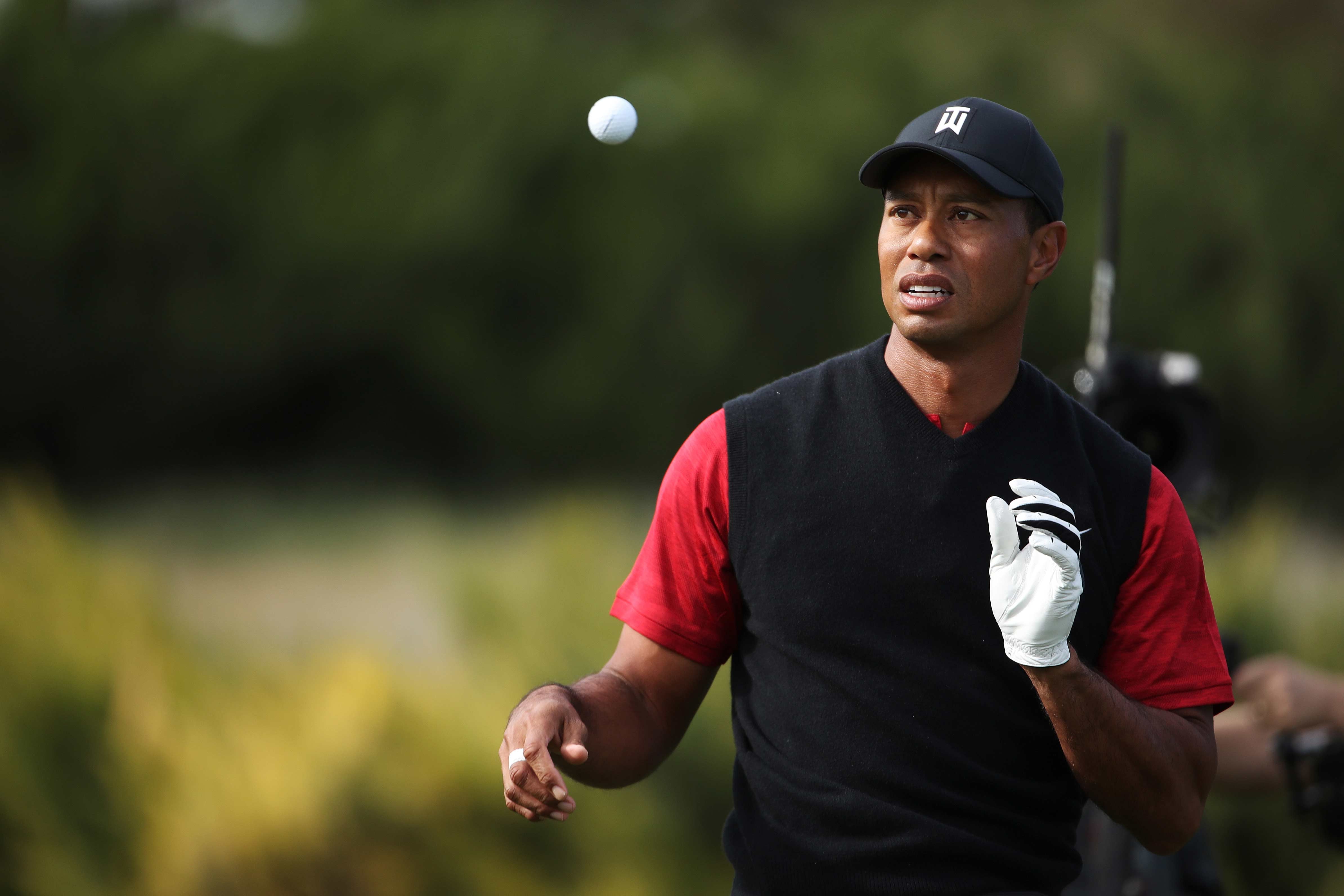
Golf has always been a sport defined as much by its code of conduct as by its scorecard. At its center stands the flag, planted in the green as both a literal target and a symbolic marker of the game’s deeper values. Unlike many sports governed by referees at every moment, golf asks its players to police themselves. Every stroke, every penalty, every score is ultimately a matter of personal honesty. The flag therefore represents not only the destination of the shot but also the integrity of the competition itself.
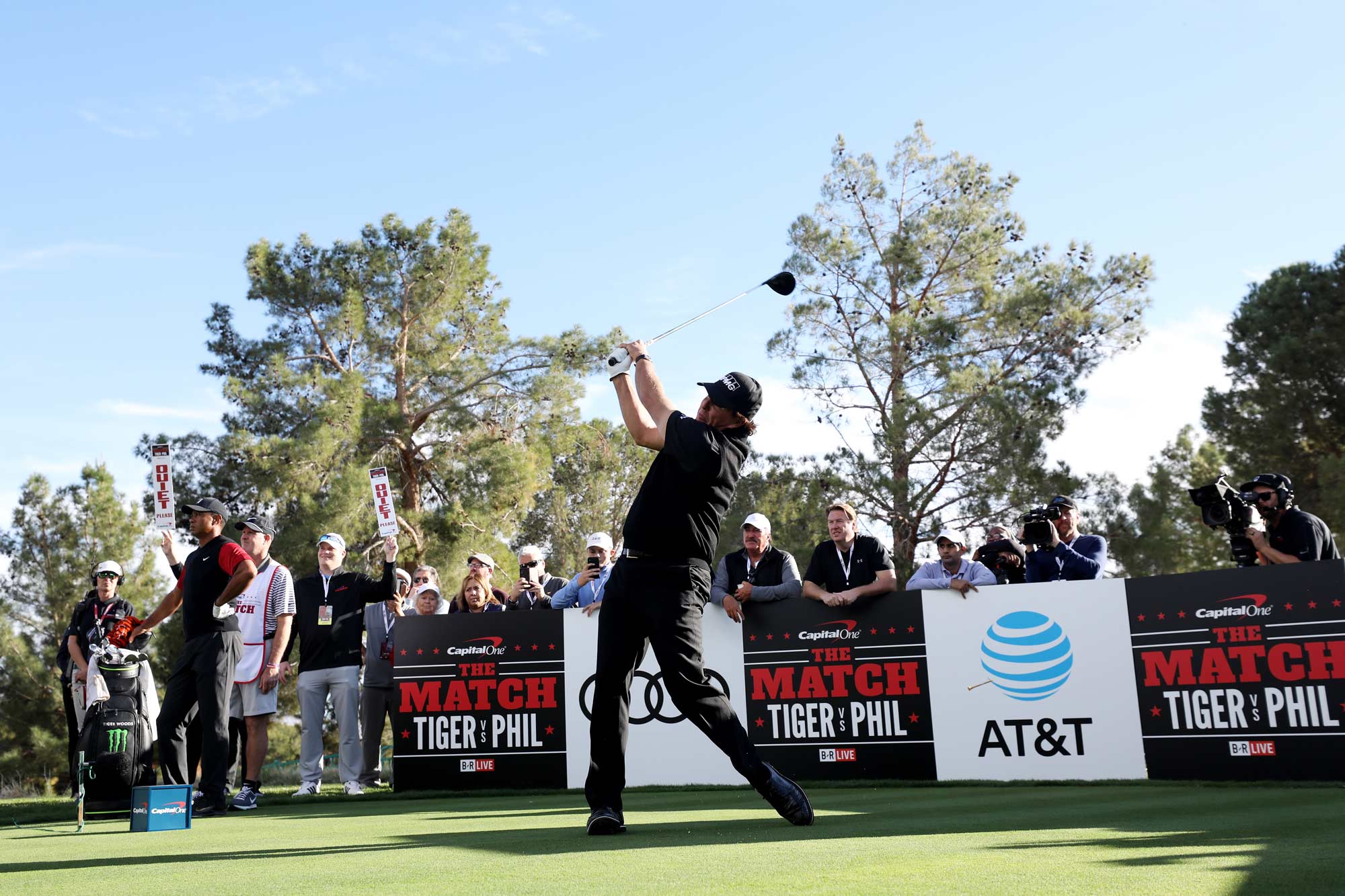
For generations, the game has carried a quiet expectation that players will hold themselves accountable even when no one else is watching. The idea of self scoring is fundamental to golf’s identity. Players are expected to call penalties on themselves, acknowledge mistakes, and protect the fairness of the competition. That ethos has shaped the character of the sport and helped it maintain a reputation for honor. The match between Tiger Woods and Phil Mickelson leaned into that tradition while placing it on a massive stage. Despite the spectacle of Las Vegas and the dramatic winner take all purse, the match still revolved around those same core principles. Two competitors standing on a course, calling their own shots and trusting the structure of the game.
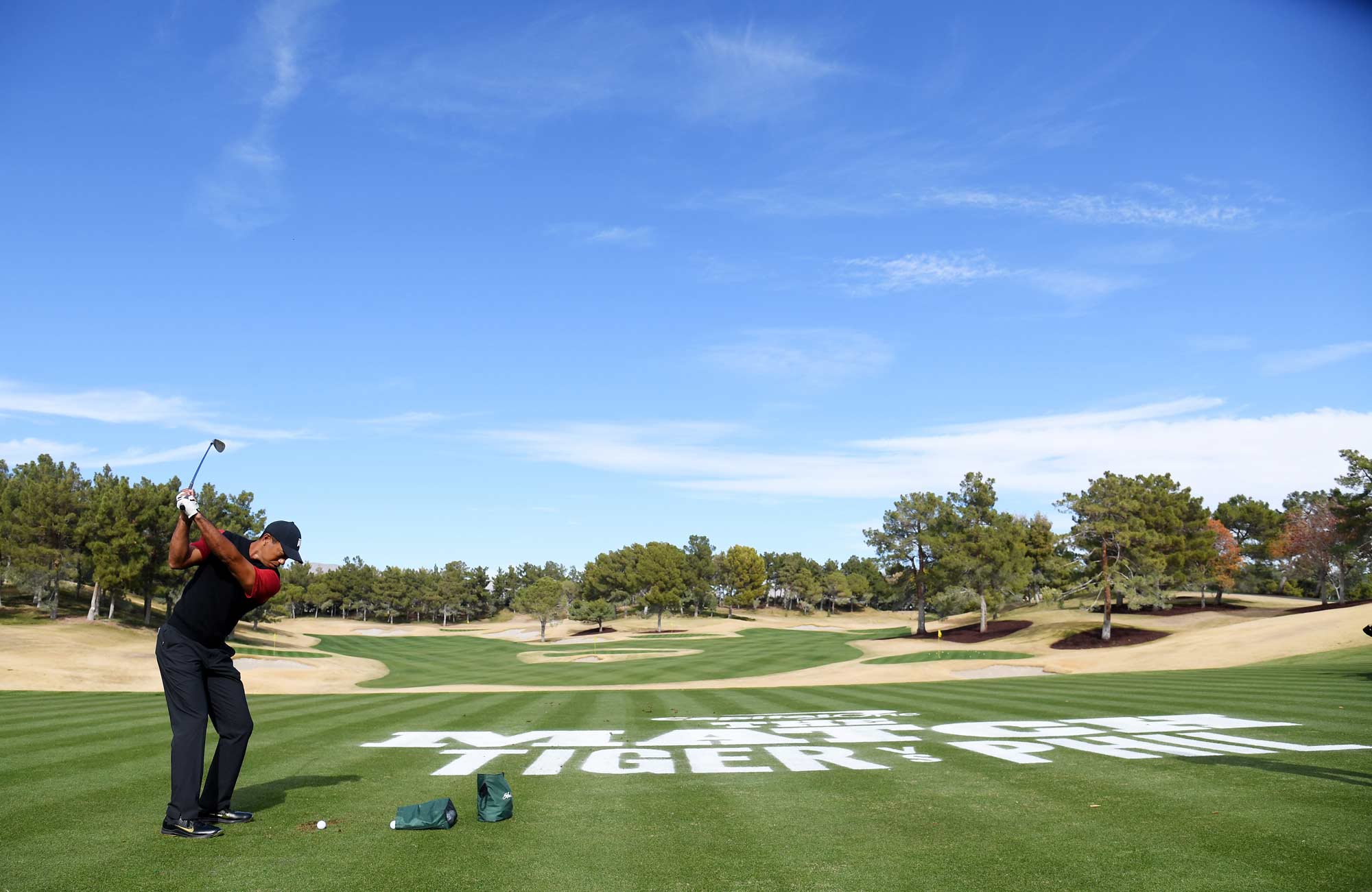
The broadcast may have included drones, data graphics, and microphones, but at its heart the event still respected the simple architecture of golf. Every hole began with the same ritual that golfers everywhere understand. A tee shot toward a flag that represents both challenge and fairness. There is something uniquely human about a sport that asks its participants to regulate themselves. In golf, integrity is not enforced solely by officials but by the shared culture of the game. Players know that their reputation travels with them from round to round and tournament to tournament. The match highlighted that dynamic by allowing fans to hear conversations and small moments between the players as they navigated the course. Those exchanges reminded viewers that competition and respect often coexist in the same breath.
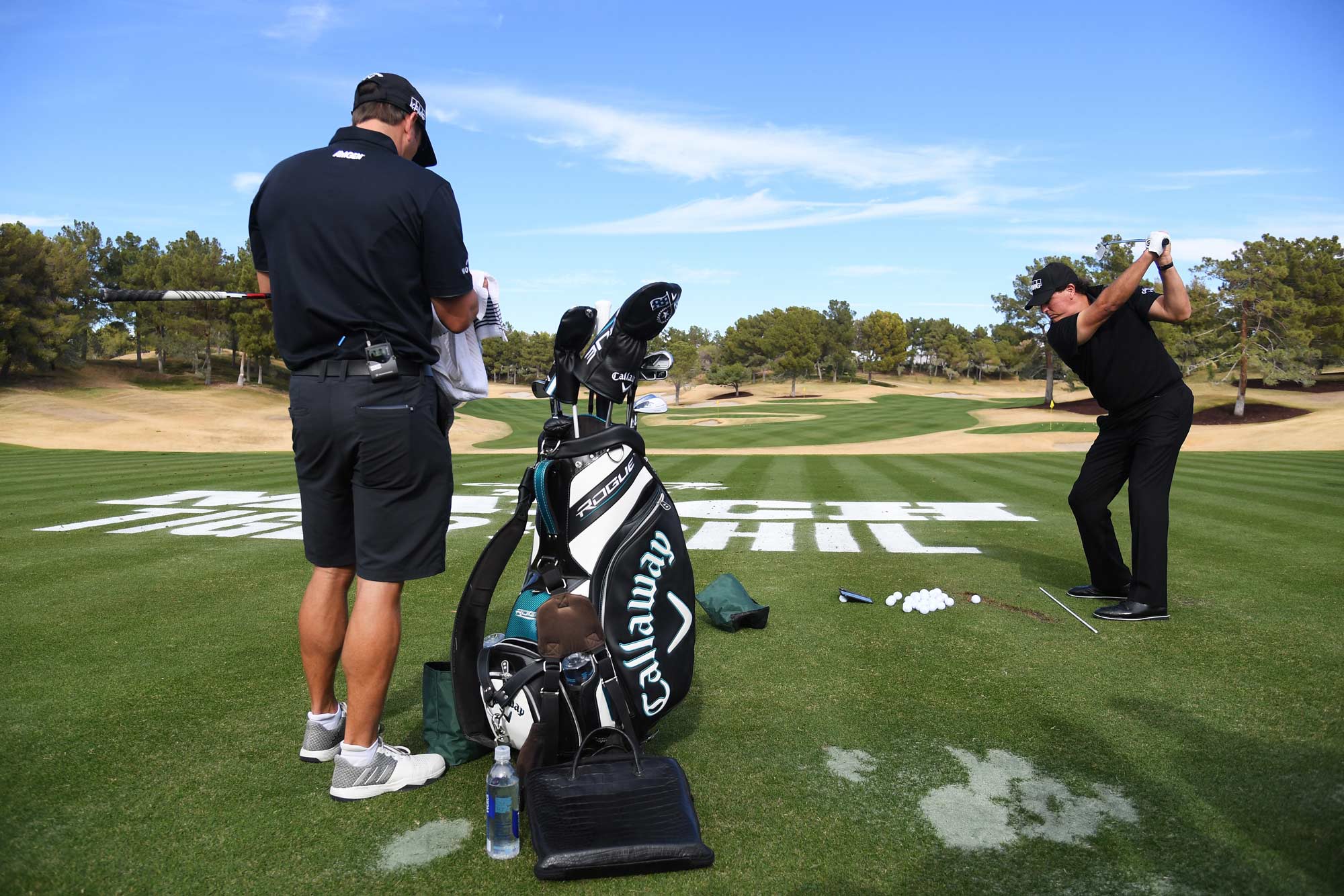
The event also celebrated the joy of the game itself. While the stakes were high, there was a clear sense that Woods and Mickelson were enjoying the experience of playing golf together in a different environment. Their rivalry has always been intense, but it has also been defined by a deep understanding of each other’s abilities. The match allowed that familiarity to surface in small gestures, shared laughter, and moments of playful challenge. It revealed a side of professional competition that fans rarely get to see.
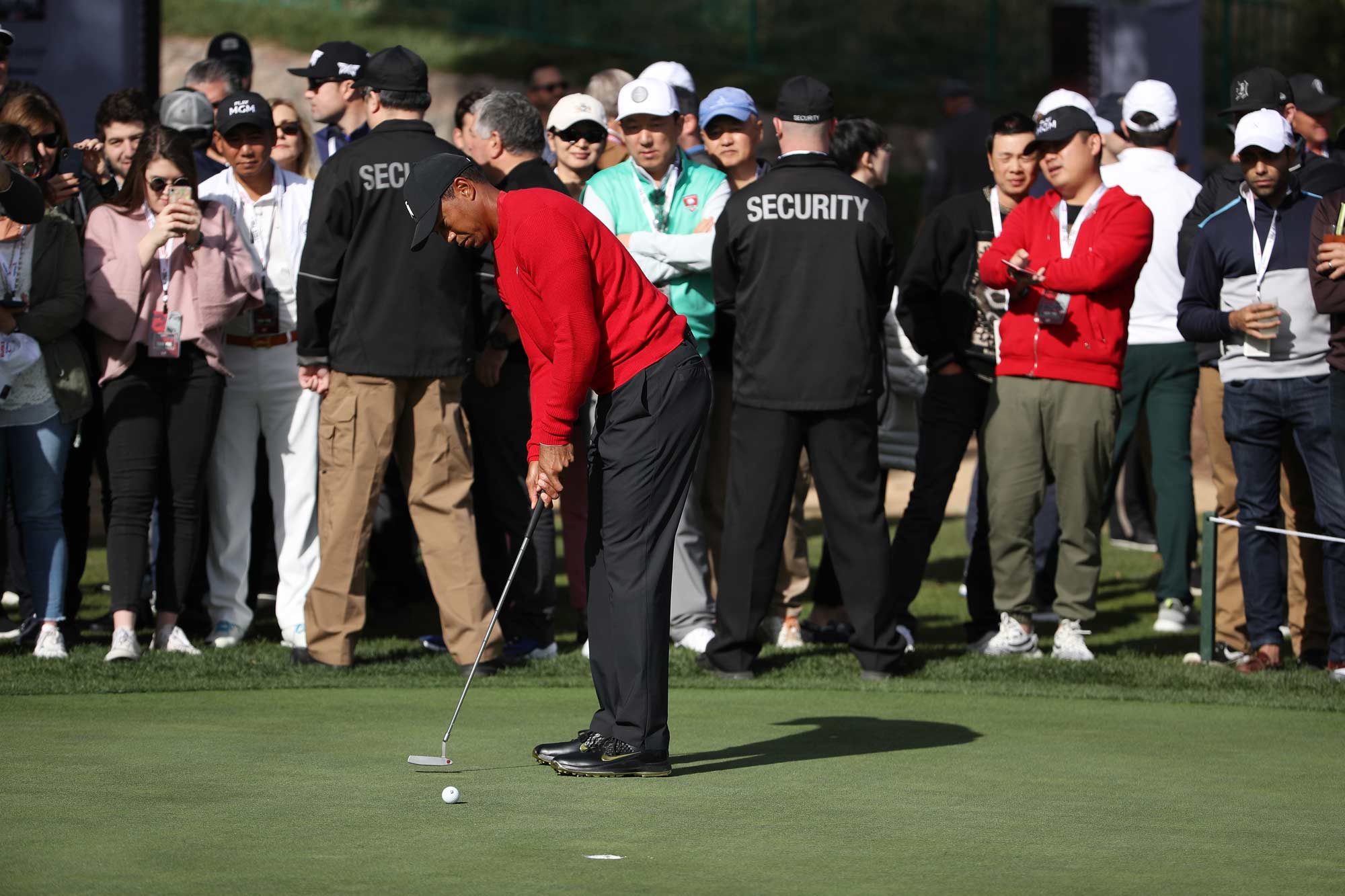
Camaraderie is one of golf’s most enduring qualities. Even at the highest level, players spend hours walking the same fairways and sharing the same space. Conversations between shots become part of the rhythm of the round. The match leaned into that rhythm by allowing microphones to capture snippets of dialogue that would normally remain private. Those moments helped humanize two legends whose careers have often been framed solely through trophies and statistics.
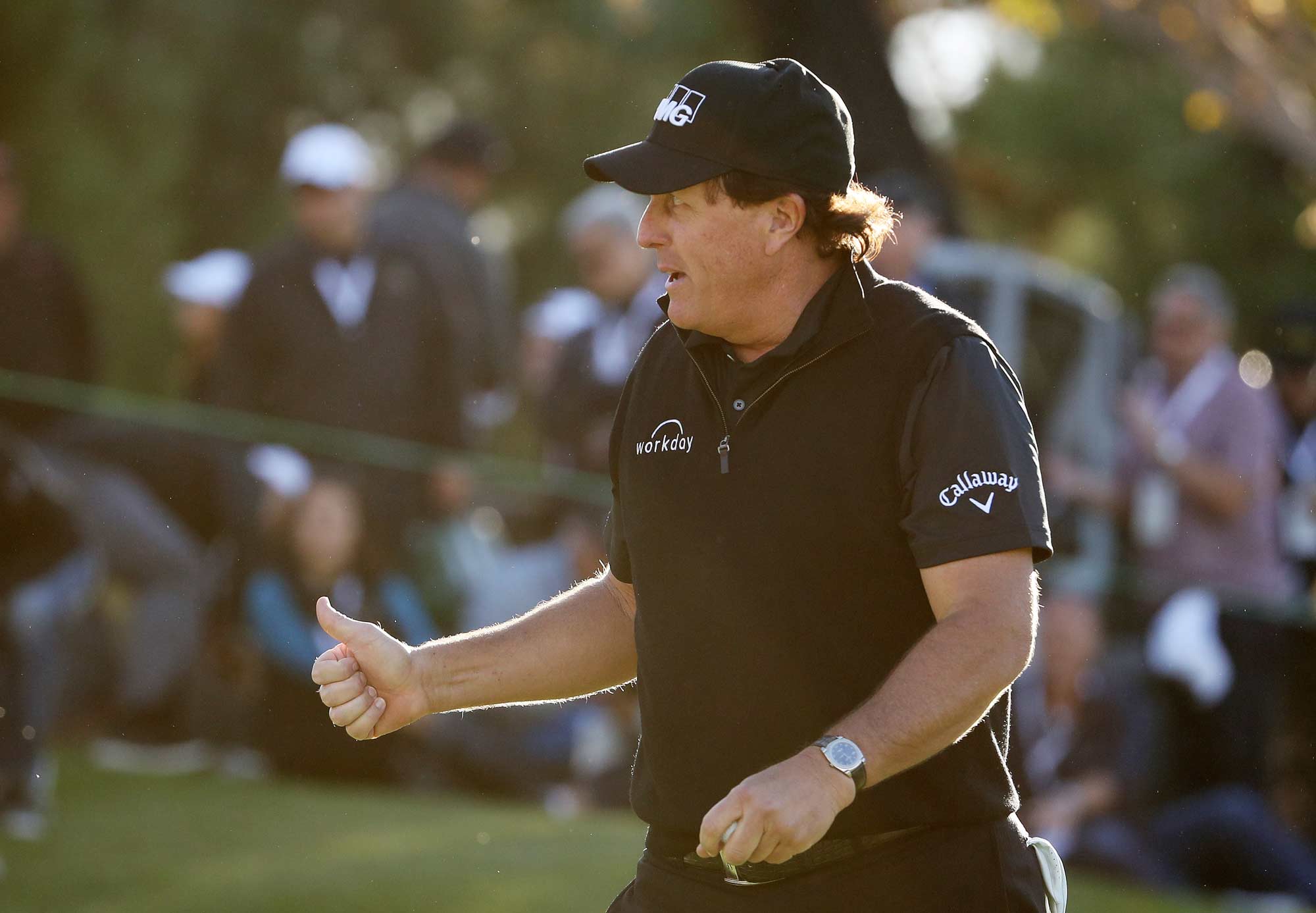
Gamesmanship has always been part of golf as well. Friendly banter, psychological nudges, and strategic bets have existed on courses long before professional broadcasts. The side wagers and playful challenges during the match echoed that tradition. They reflected the way many golfers approach a casual round with friends where pride and bragging rights are often as important as the score. In that sense the event felt both extraordinary and familiar at the same time.
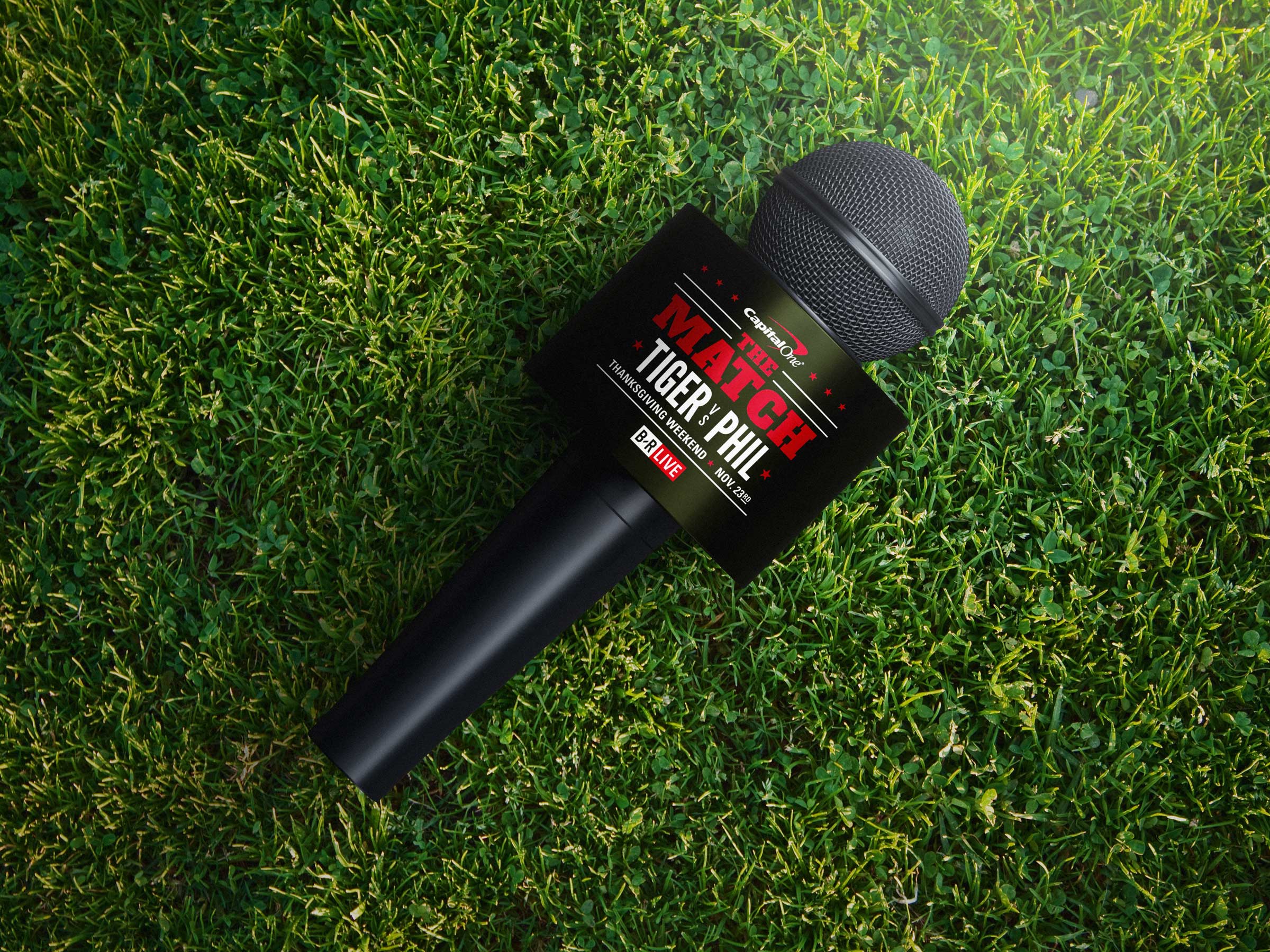
At the same time, the match reminded viewers that golf is ultimately about respect for the game itself. The course demands patience, precision, and discipline regardless of who is playing. Even two of the most decorated players in history must submit to the same conditions that every golfer faces. Wind, lies, angles, and nerves all remain part of the equation. The integrity of the course and the rules never change.
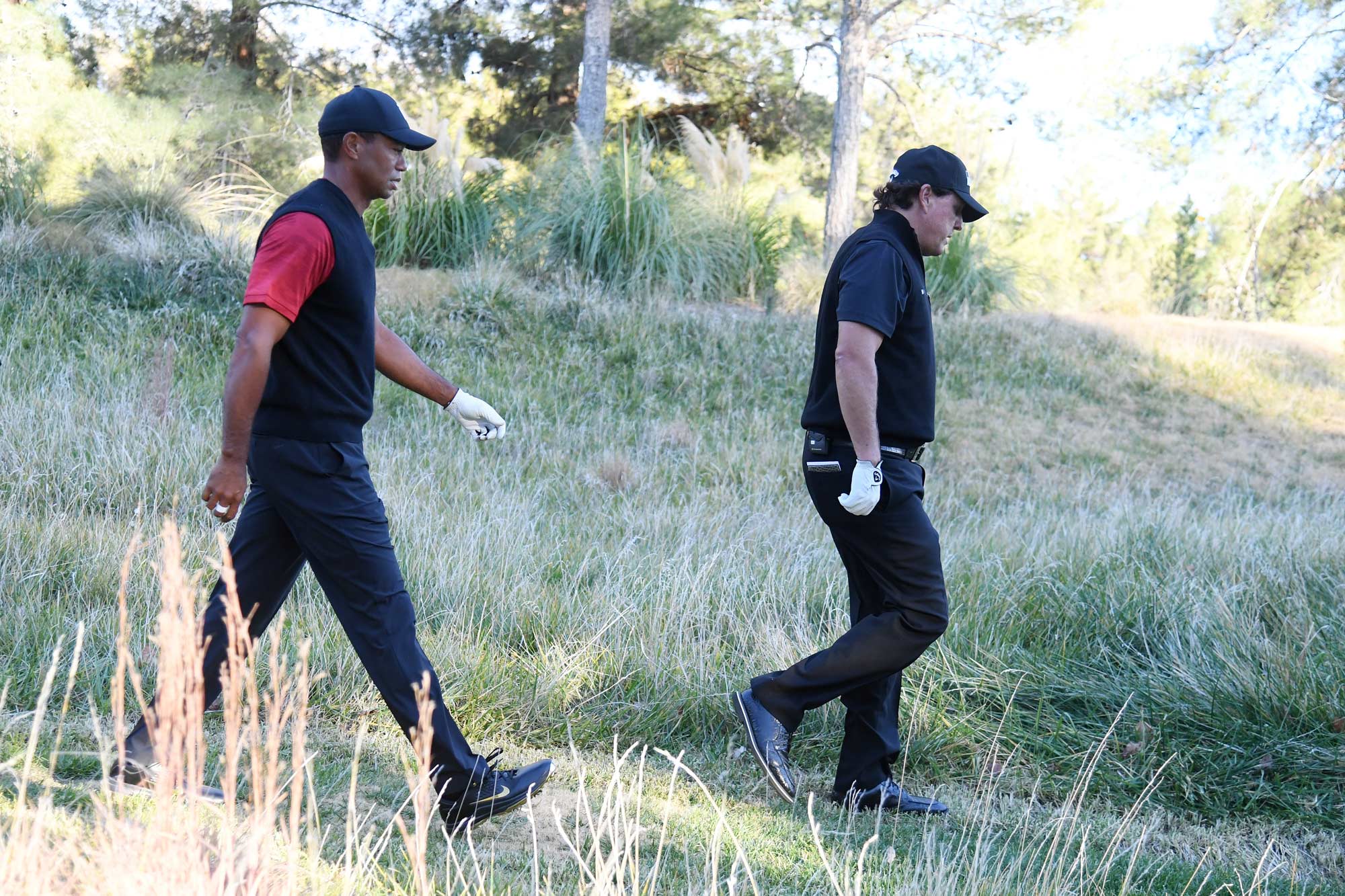
There was also a quiet educational dimension to the event. By showcasing the personalities and conversations behind the competition, the broadcast gave fans a deeper understanding of how professionals approach the mental side of the sport. Viewers could see how players evaluate risk, recover from mistakes, and maintain composure under pressure. In doing so, the match reinforced many of the lessons that golf teaches to anyone who plays it.
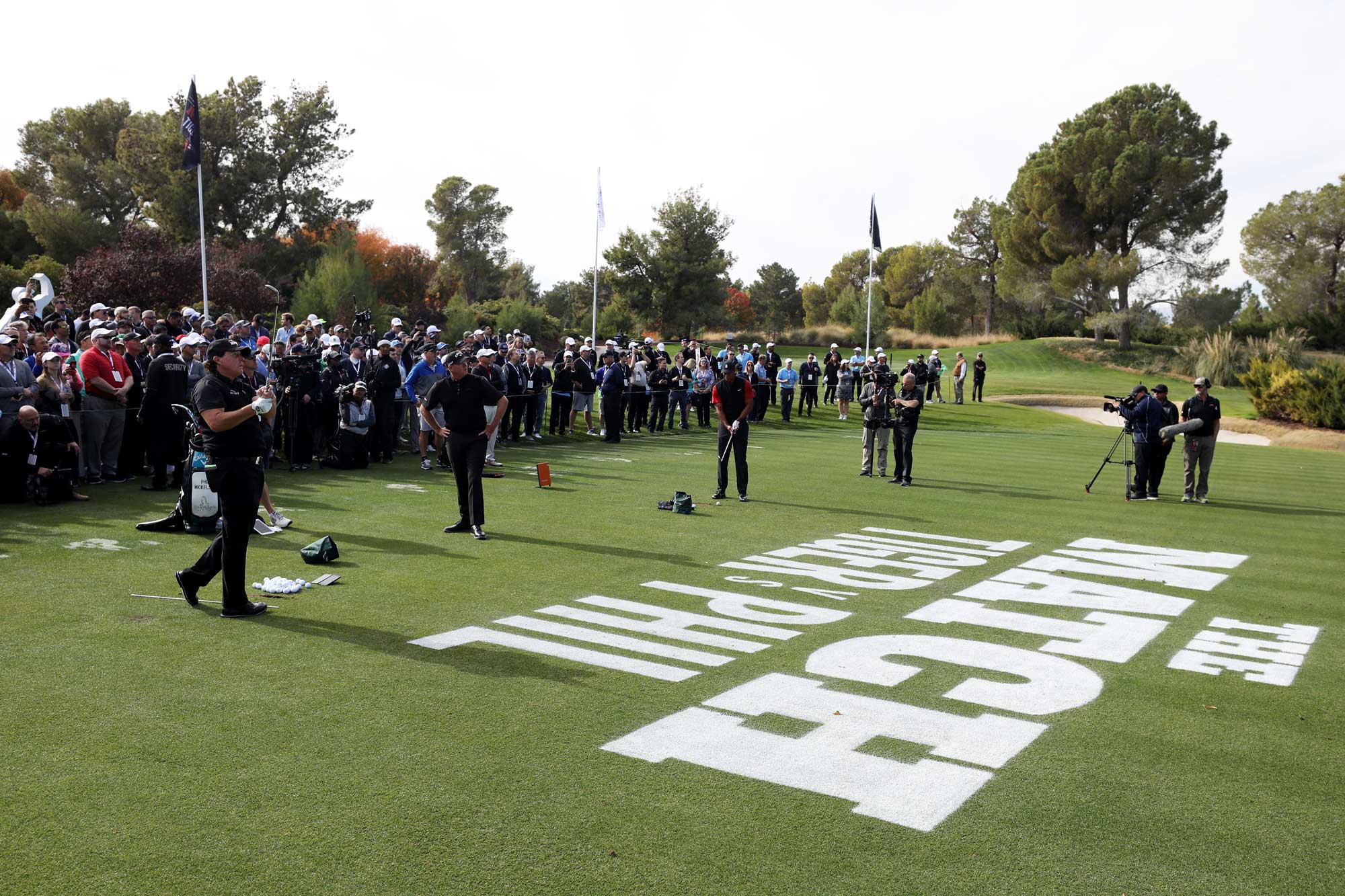
In the end, the flag remained the central image that tied everything together. It stood as the objective each player pursued on every hole, but it also symbolized the enduring spirit of the game. Beneath the spectacle of Las Vegas, the sponsorships, and the broadcast production was a simple contest built on honesty, respect, and shared love for golf. The match celebrated not only the rivalry between Woods and Mickelson but also the traditions that have defined the sport for generations.

Moments like this also illustrated how rapidly the economics of sports media were shifting during that period. Traditional broadcast infrastructure had been optimized for decades around predictable television audiences, whereas streaming demanded systems capable of absorbing sudden global surges of interest within seconds. Events such as this where apps glitched forced media companies to confront the reality that digital distribution operates under entirely different technical assumptions than cable television. What appeared externally as a frustrating failure also functioned internally as a revealing stress test for the next generation of sports delivery systems.

For Bleacher Report and Turner Sports, the event also intersected with longer term ambitions around audience engagement and monetization. As the industry began shifting toward integrated media and betting experiences, the possibility of developing a Bleacher Report betting product and eventually establishing a physical presence in Las Vegas was already entering strategic discussions. Hosting a globally visible sporting spectacle in the city allowed the organization to observe how sports, entertainment, and wagering culture could coexist within a single media event. The match served as an early test case for how premium sports content could drive both viewership and commercial partnerships in a market uniquely built around gaming and entertainment.
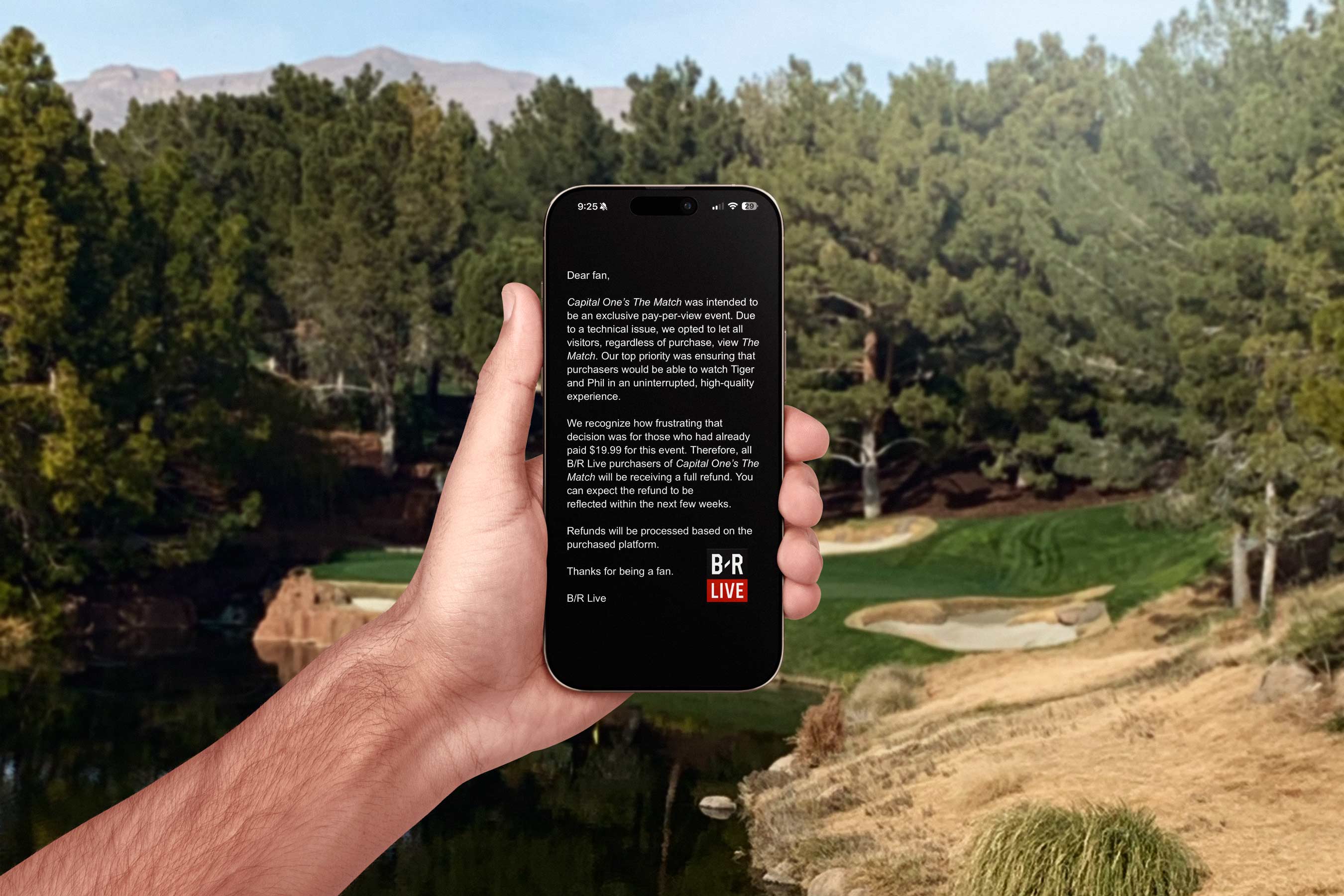
The broadcast of Capital One’s The Match: Tiger vs. Phil ultimately became as memorable for its technical disruption as for the golf itself. Demand for the pay per view stream through B/R Live surged far beyond expectations as fans attempted to purchase access shortly before the first tee shot. As the traffic spike intensified, users began reporting problems completing purchases and loading the stream inside the platform. Social media quickly filled with screenshots and complaints from viewers who were actively trying to pay the $19.99 fee but could not successfully access the event. What had been designed as a flagship launch moment for Turner’s new streaming infrastructure suddenly turned into a stress test unfolding in real time. Engineers and product teams scrambled behind the scenes to stabilize the platform as the broadcast window opened.

The scale of the technical strain revealed a core reality about live sports streaming that many media companies were still learning at the time. Unlike on demand video, where traffic distributes more evenly across time, a pay per view sporting event creates a massive simultaneous surge of users all attempting to access the same live stream at the same moment. That concurrency spike can push infrastructure beyond planned capacity if systems are not designed to handle peak load conditions. As fans continued encountering issues accessing the stream, Turner made the decision to remove the paywall entirely and make the broadcast free on the Bleacher Report website. The move ensured that viewers could still watch the event even if the purchase process had failed. While it meant refunding customers who had already paid, it allowed the event itself to proceed without completely collapsing the audience experience.

In the immediate aftermath the company acknowledged the failure publicly and issued refunds through distributors including DirecTV, Comcast, Dish, and other cable providers that had sold the event through their own pay per view systems. The financial implications were significant because close to one million viewers had attempted to purchase access before the paywall was lifted. Industry estimates suggested the glitch may have cost Turner close to ten million dollars in potential revenue once refunds were processed. Yet the event still generated enormous viewership and media attention despite the disruption. More than fifty million minutes of video were consumed across the B/R Live ecosystem during the broadcast window. The incident quickly became one of the most discussed streaming failures in the early evolution of digital sports pay per view.

From a strategic standpoint, however, the failure also provided Turner and Bleacher Report with a powerful learning experience about the future of streaming infrastructure. The event exposed the operational realities of launching premium live sports products in an environment where demand could scale unpredictably within minutes. Engineers and product teams gained direct insight into concurrency management, purchase flow reliability, and the technical architecture required to support global live audiences. Those lessons became foundational for future live streaming initiatives both within the Turner ecosystem and across the industry more broadly. In that sense the glitch, while painful in the moment, accelerated the maturation of streaming operations in a way that few internal tests ever could. The match itself remained a cultural spectacle, but the technical disruption quietly shaped how sports media companies approached live digital distribution moving forward.
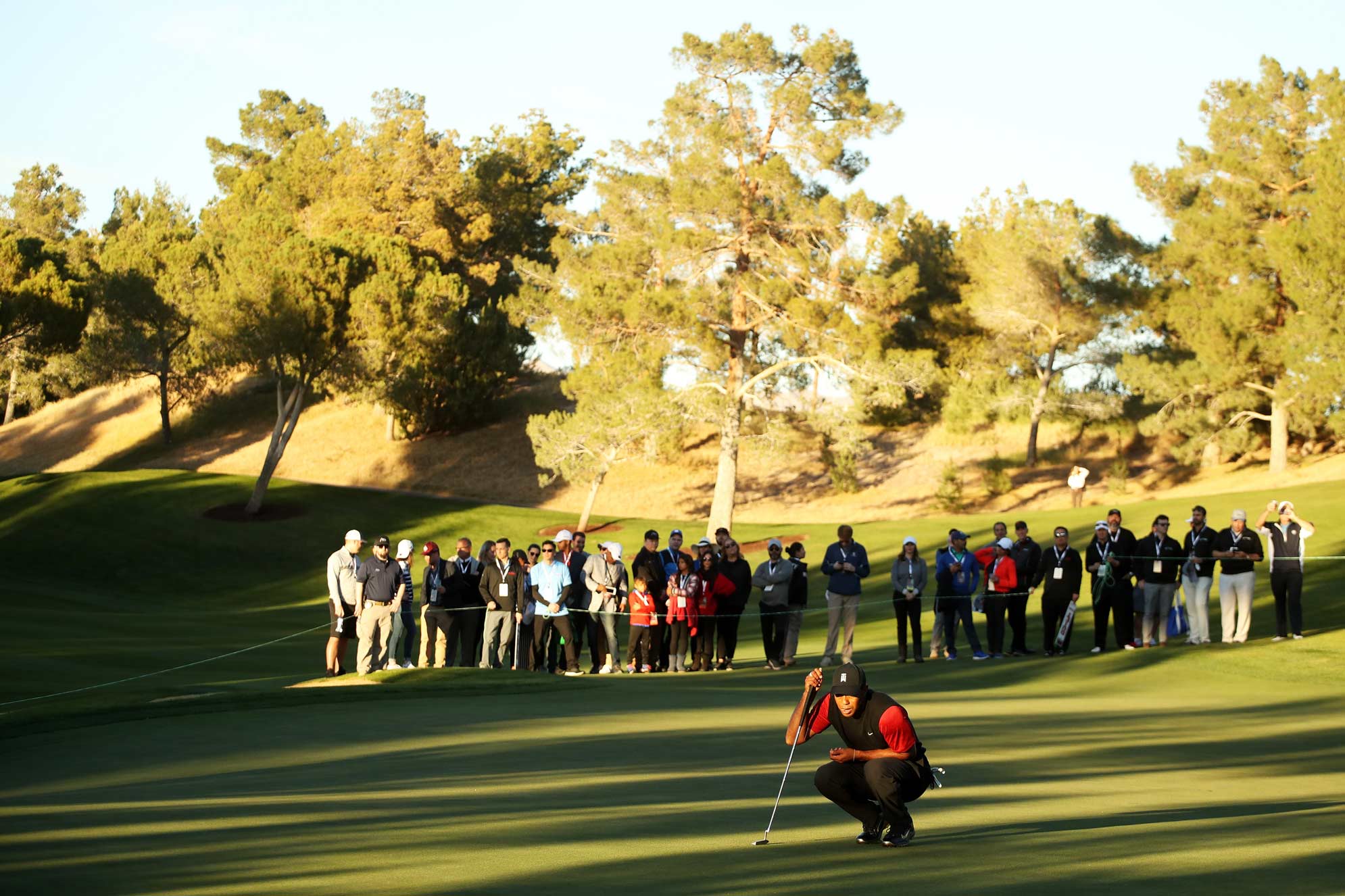
The timing of the event was also strategically chosen to echo a moment in golf history that had long resonated with television audiences. For many years the Thanksgiving weekend had been associated with exhibition golf events that felt more relaxed and conversational than traditional tournaments. Scheduling the match during that same holiday window helped frame the event as a kind of modern successor to those earlier spectacles while still introducing new production ideas. The timing also meant the broadcast arrived during a moment when many fans were already at home and inclined to watch sports as part of the holiday weekend.

In that sense, The Match was not only about two golfers competing for nine million dollars. It represented a broader exploration of how sports media companies could create new revenue pathways by blending live events, streaming distribution, sponsorship, and emerging betting ecosystems. The Las Vegas setting allowed the event to operate at the intersection of all of these forces while maintaining the narrative simplicity of a one on one showdown. For those of us working across the Bleacher Report and Turner ecosystem, the project became a valuable learning environment that demonstrated how creative storytelling, product distribution, and commercial strategy could align around a single moment in culture. The lessons from that experiment would later inform how sports media companies approached future events, streaming launches, and the growing integration between sports content and betting platforms.

The vertical sales integration around the event created a powerful alignment between storytelling, sponsorship, and distribution. Rather than treating advertising as a layer added after the creative was finished, the sales organization was embedded early in the process, working alongside production, marketing, and digital teams to shape how brands could naturally participate in the narrative of the matchup. Because the event revolved around two of the most recognizable athletes in the history of the sport, the commercial opportunity was immediately clear. The presence of Tiger Woods and Phil Mickelson cast an enormous cultural shadow across the entire project, giving sponsors confidence that the audience would arrive long before the first tee shot was struck. Their rivalry had been building in the public imagination for nearly two decades, which meant the attention surrounding the event was already baked into the premise itself.
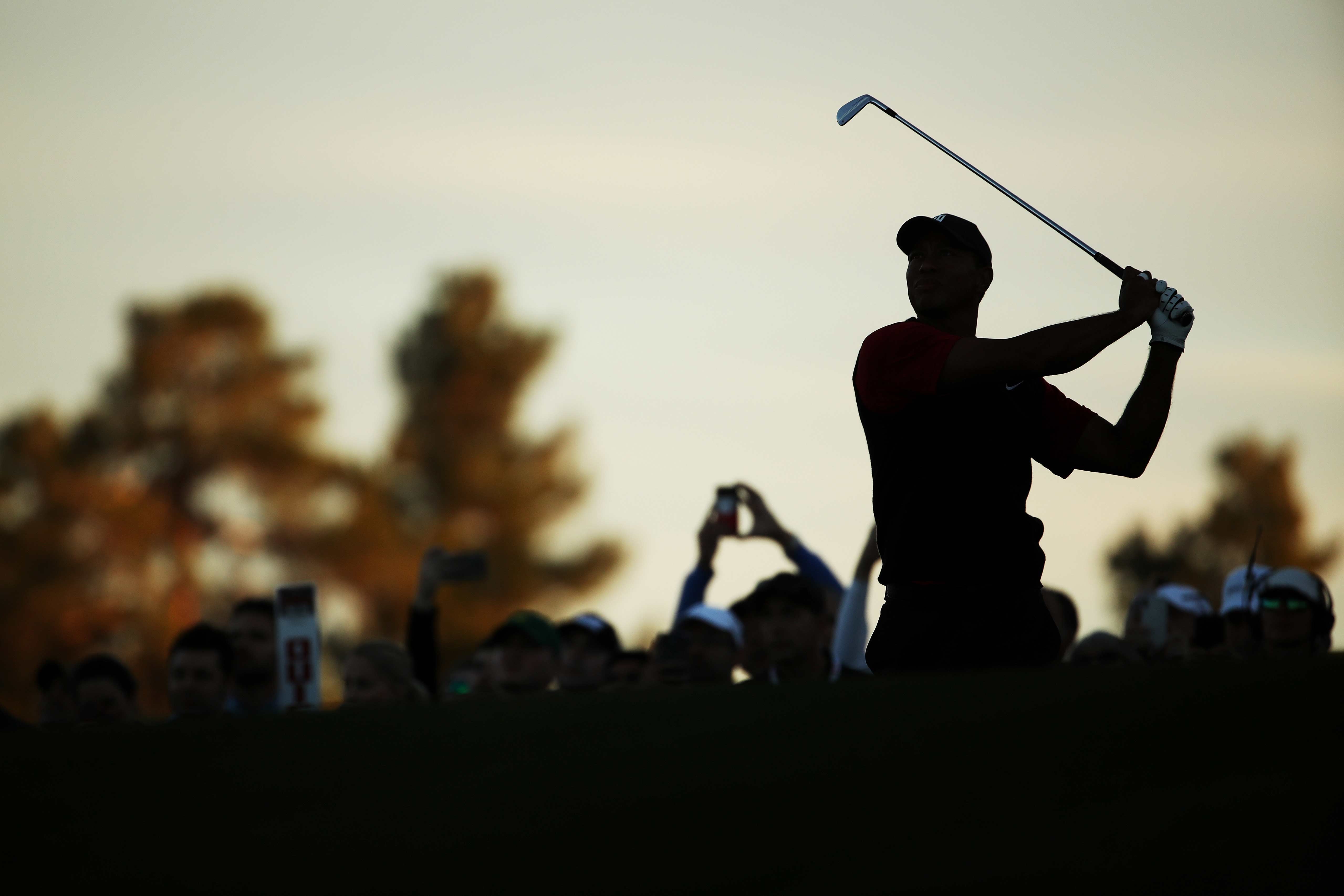
For the vertical sales teams this created a rare environment where brand partnerships could be designed around the gravity of the athletes rather than forced into the broadcast as traditional advertising interruptions. Sponsors understood that the story of Woods versus Mickelson carried its own momentum and cultural weight, and the task became finding ways to attach brand presence to that narrative without disrupting the authenticity of the competition. This approach allowed partnerships to extend across broadcast placements, digital media, and social storytelling while still feeling integrated into the broader spectacle of the event. The rivalry functioned as a gravitational center, drawing attention naturally and giving commercial partners a stage that felt both premium and culturally relevant.
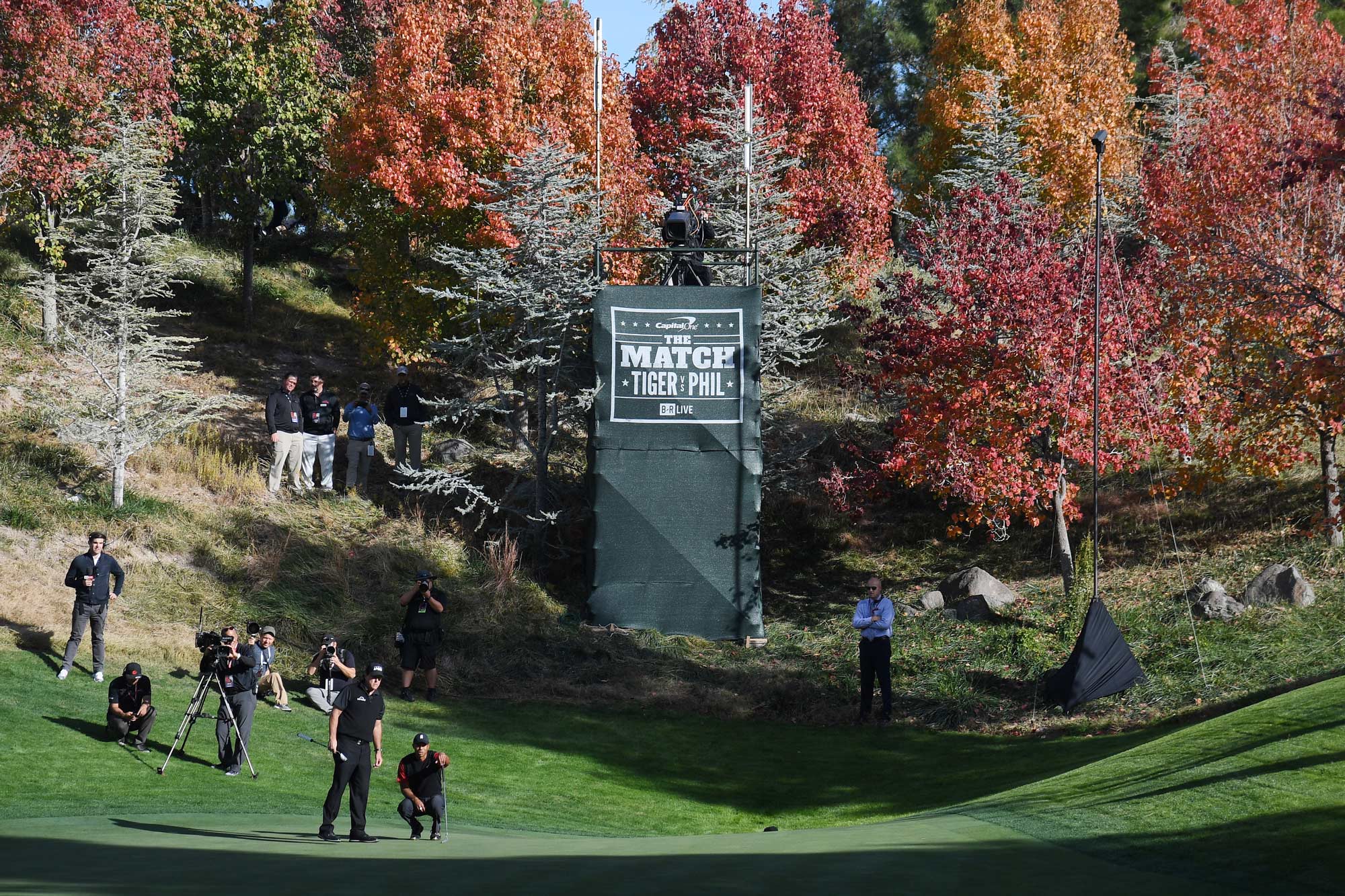
Because the matchup itself guaranteed global curiosity, the sales and marketing strategy could focus less on manufacturing interest and more on harnessing the attention that already existed around the players. Woods alone had spent decades commanding enormous television audiences, while Mickelson’s personality and longevity made him one of the most recognizable figures in the sport. When those two forces were positioned opposite each other in a winner-take-all format, the audience base was essentially preassembled. The role of the integrated sales structure was to organize that built-in attention into a coherent commercial ecosystem, allowing sponsors, media partners, and digital platforms to benefit from the enormous visibility generated by the rivalry.
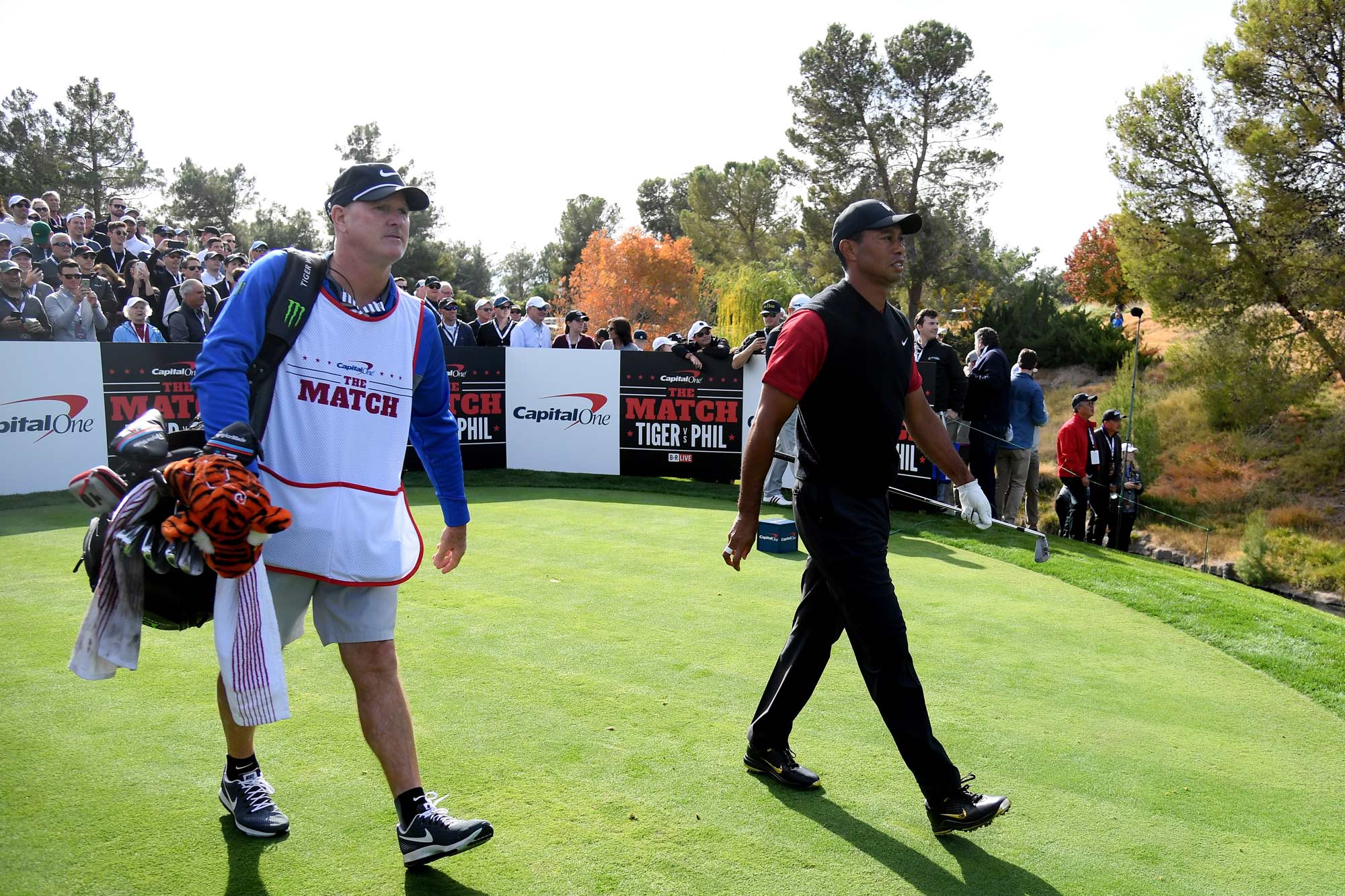
As the match moved into the eleventh hole, the rhythm of the round shifted toward the decisive stretch. Both Woods and Mickelson had settled into the pace of the course and the broadcast environment around them. The early novelty of the event had faded and the competitive edge between the two players became more apparent. Every tee shot now carried the quiet understanding that the round was entering its most important phase. Woods remained methodical in his preparation before each shot while Mickelson continued to lean into his instinctive style of play. The tension between those two approaches gave the hole a subtle dramatic energy. It was clear that the second half of the round would determine whether the match stayed close or began to separate.
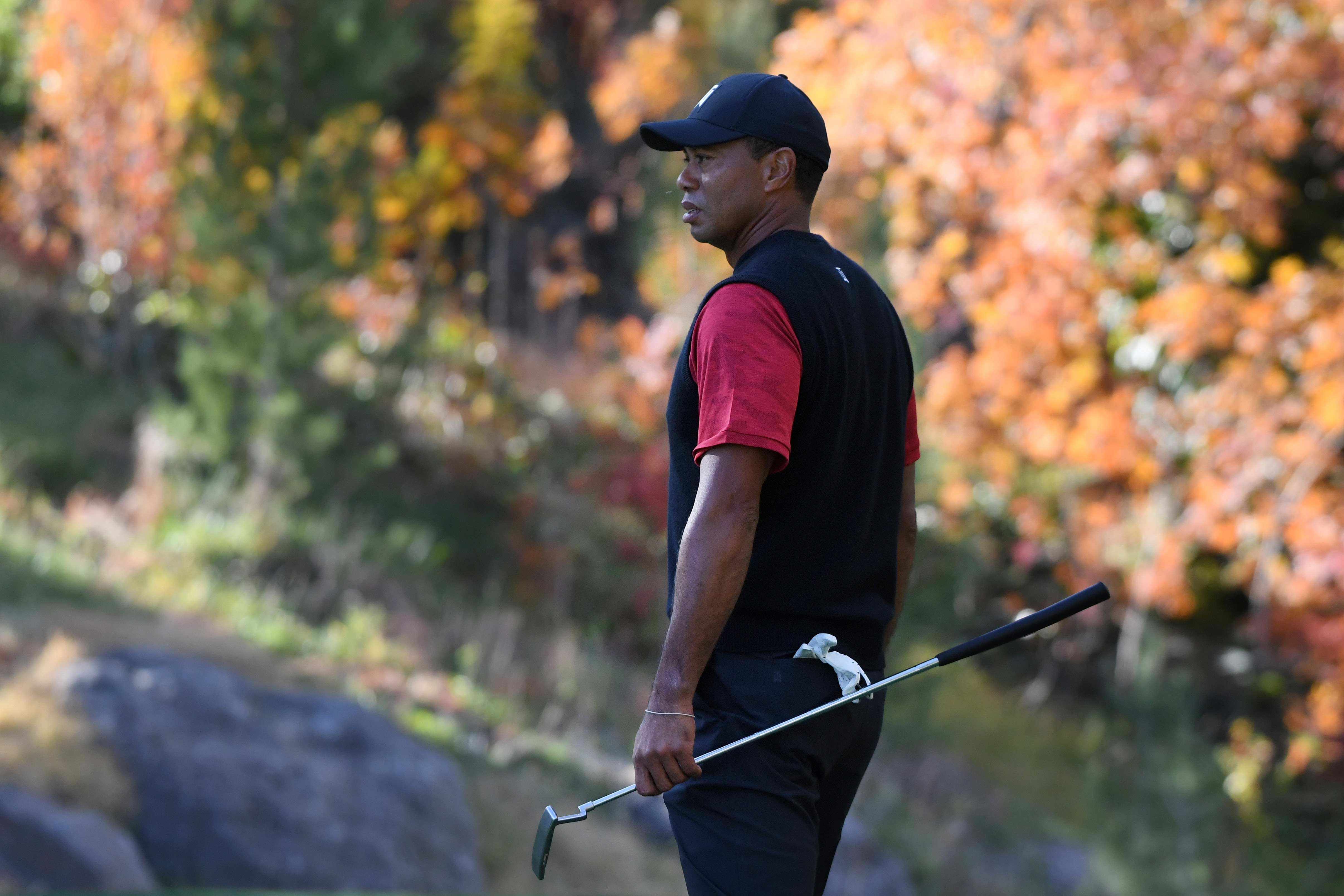
The twelfth hole continued to showcase the strategic nature of match play golf. Instead of chasing a total score, each player was reacting directly to the position of the other. Woods focused on placement and consistency while Mickelson occasionally flirted with more aggressive lines. The contrast between their decision making became part of the story unfolding on the course. Viewers could sense how carefully each competitor was weighing risk and reward. The quiet conversations picked up by the microphones reinforced how much calculation goes into every swing. Even routine shots carried the weight of the rivalry.
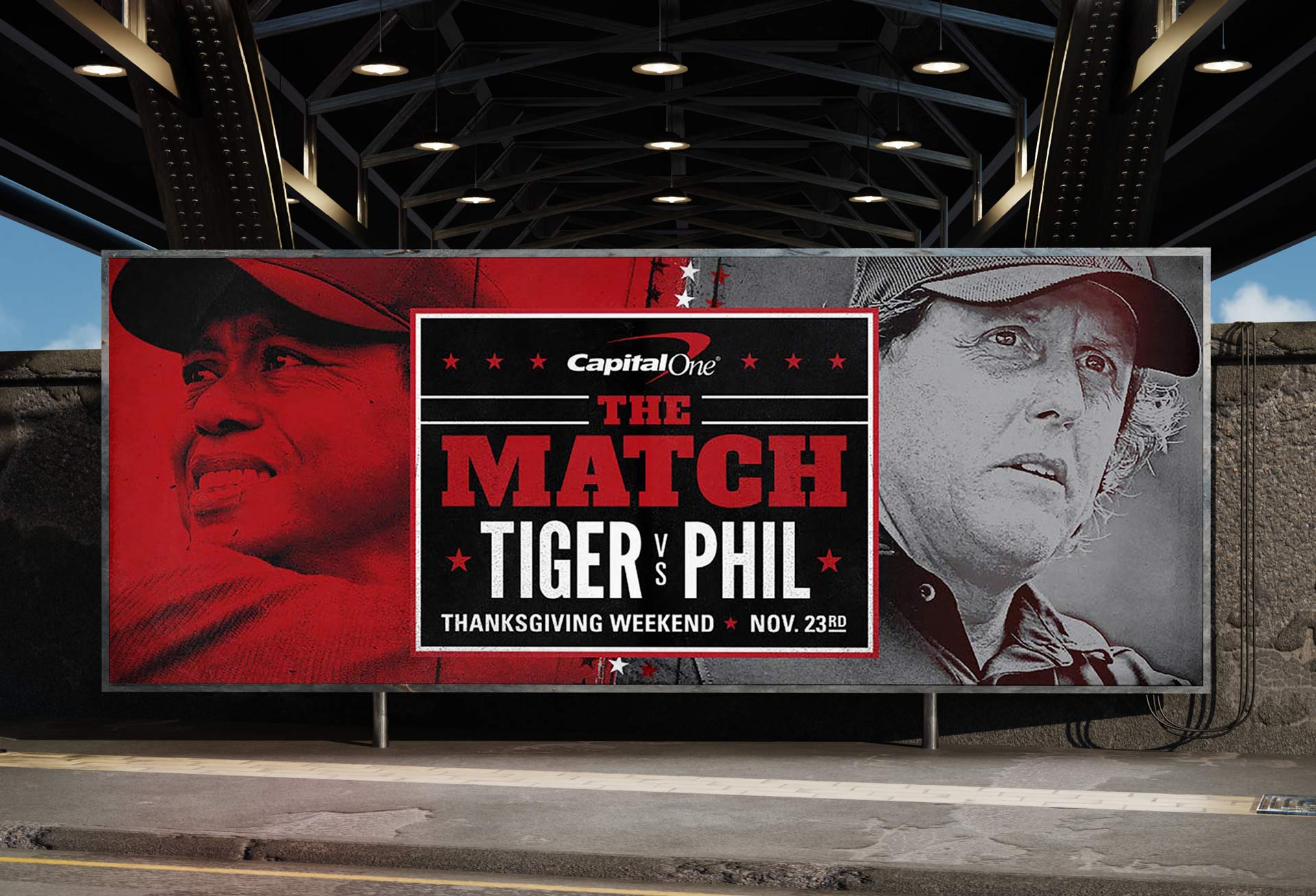
Tiger Woods’ career has been as much a story of physical resilience as it has been of dominance, defined by a series of injuries that would have ended most athletes’ time at the top. From early knee surgeries to chronic back issues that culminated in multiple procedures, including spinal fusion, his body was constantly under strain from the explosive torque and repetition of his swing. There were long stretches where it felt uncertain whether he would ever return to competitive form, as each comeback was met with new setbacks. Yet what made Tiger unique was not just his ability to recover, but his willingness to rebuild, adapting his game, his swing mechanics, and even his expectations to extend his career. His victories in the later stages of his career carried a different weight, shaped by pain tolerance, discipline, and a deeper understanding of his limitations. The 2019 Masters win in particular stood as a culmination of that journey, a moment that redefined not just his legacy but the narrative of perseverance in modern sport. His injuries humanized an almost mythic figure, revealing the cost of sustained greatness at the highest level. In many ways, his physical battles became inseparable from his legend, adding layers of depth to a career already defined by historic achievement.
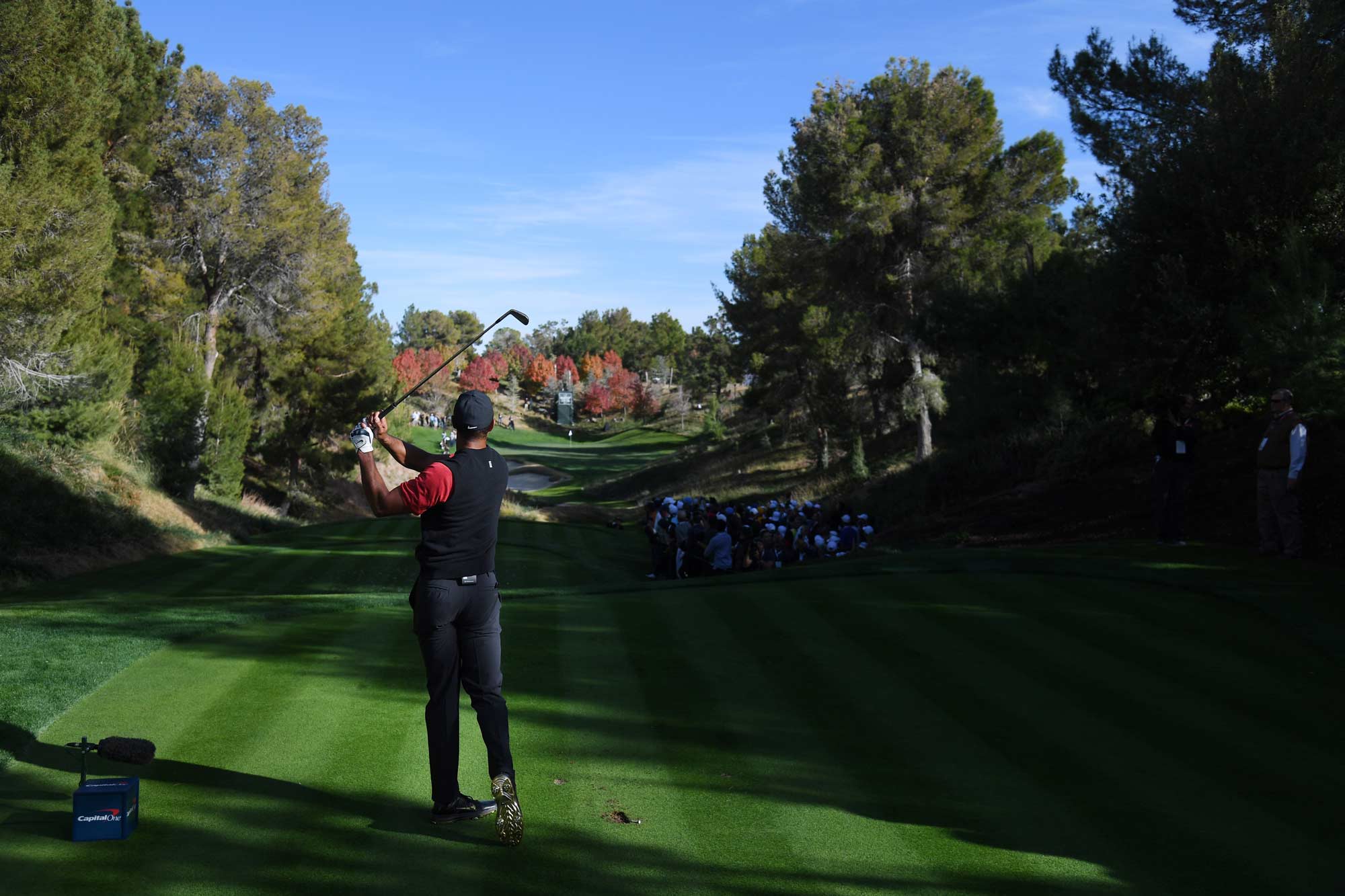
By the thirteenth hole the match had developed a steady tension that was noticeable across the broadcast. The players moved deliberately through the fairway while commentators discussed the long competitive history between the two golfers. Both men had spent decades competing on the same stages, yet moments like this where they faced each other alone were rare. Each shot felt like a small chapter in a rivalry that had stretched across an entire era of professional golf. The environment of Shadow Creek added to the sense of isolation and focus. With no large tournament field around them, the contest felt almost private despite the millions watching. The hole reinforced how unusual the format truly was and how interesting this experimental format was in the first place.
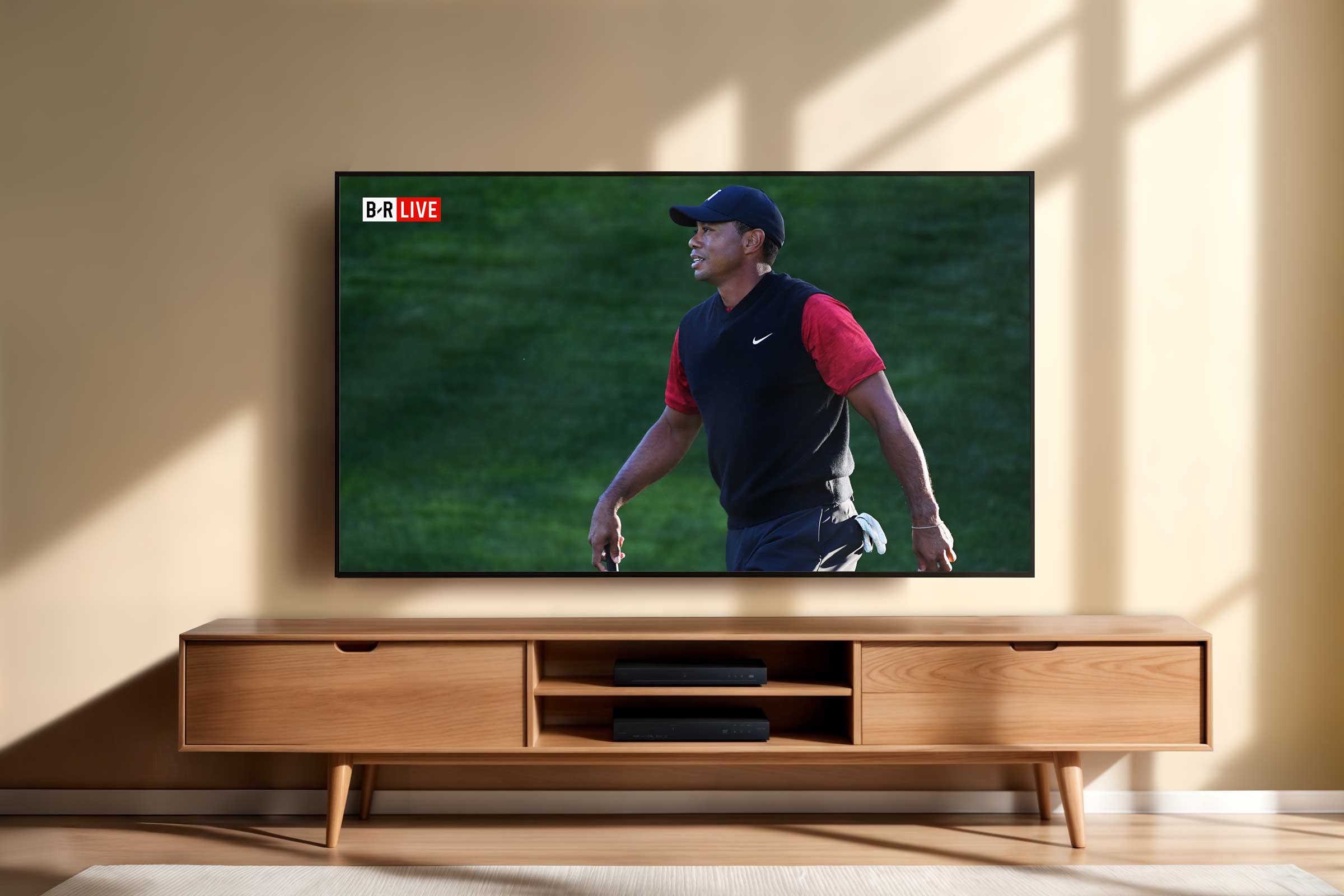
The fourteenth hole brought a renewed sense of urgency as the round continued to tighten. Match play creates a unique kind of pressure because a single mistake can shift momentum instantly. Woods relied on his disciplined approach while Mickelson searched for opportunities to attack. Their body language reflected how seriously both players were treating the contest. The earlier banter gradually gave way to concentration and execution. Even so, the occasional comment between shots reminded viewers that the rivalry still carried an undercurrent of humor. That balance between seriousness and personality kept the broadcast engaging.

On the fifteenth hole the match began to feel like it was approaching a decisive moment. Both competitors understood that the remaining holes would determine the outcome. Woods maintained a steady rhythm while Mickelson continued to look for moments where he could apply pressure. The broadcast captured the small details of their preparation before each shot. Every putt was read carefully and every swing carried a sense of calculation. Viewers could feel the tension building as the round moved deeper into the closing stretch. The stakes of the nine million dollar purse hovered over the course.
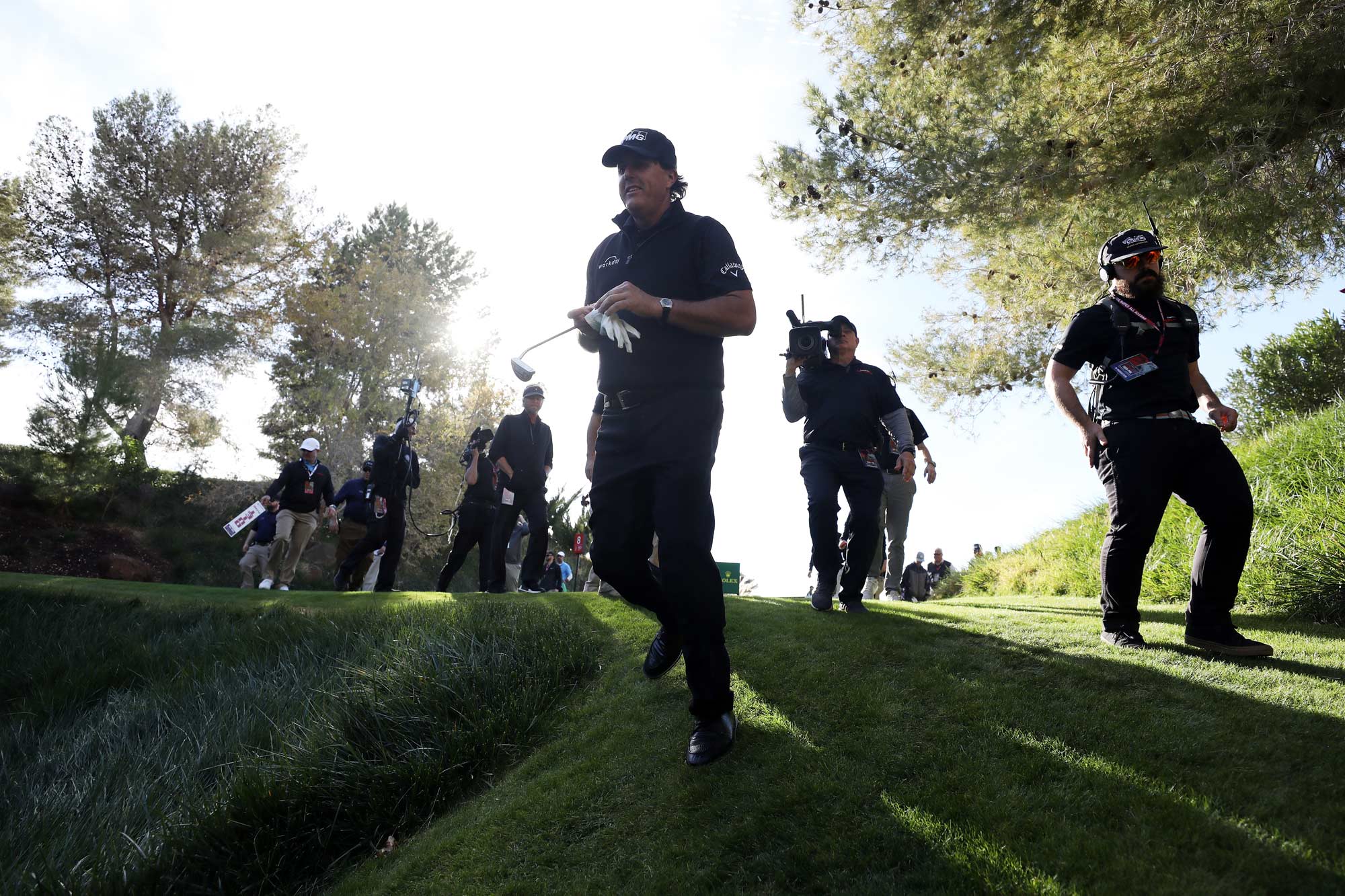
The sixteenth hole highlighted how demanding the layout of Shadow Creek could be late in a round. Precision became increasingly important as both players tried to avoid unnecessary mistakes. Woods leaned on his experience and control while Mickelson relied on feel and creativity. Their contrasting styles created a compelling rhythm as the hole unfolded. The cameras followed the ball flights closely and captured the reactions that followed each shot. The match remained competitive and unpredictable. It was the kind of tension that match play often produces near the end of a round.
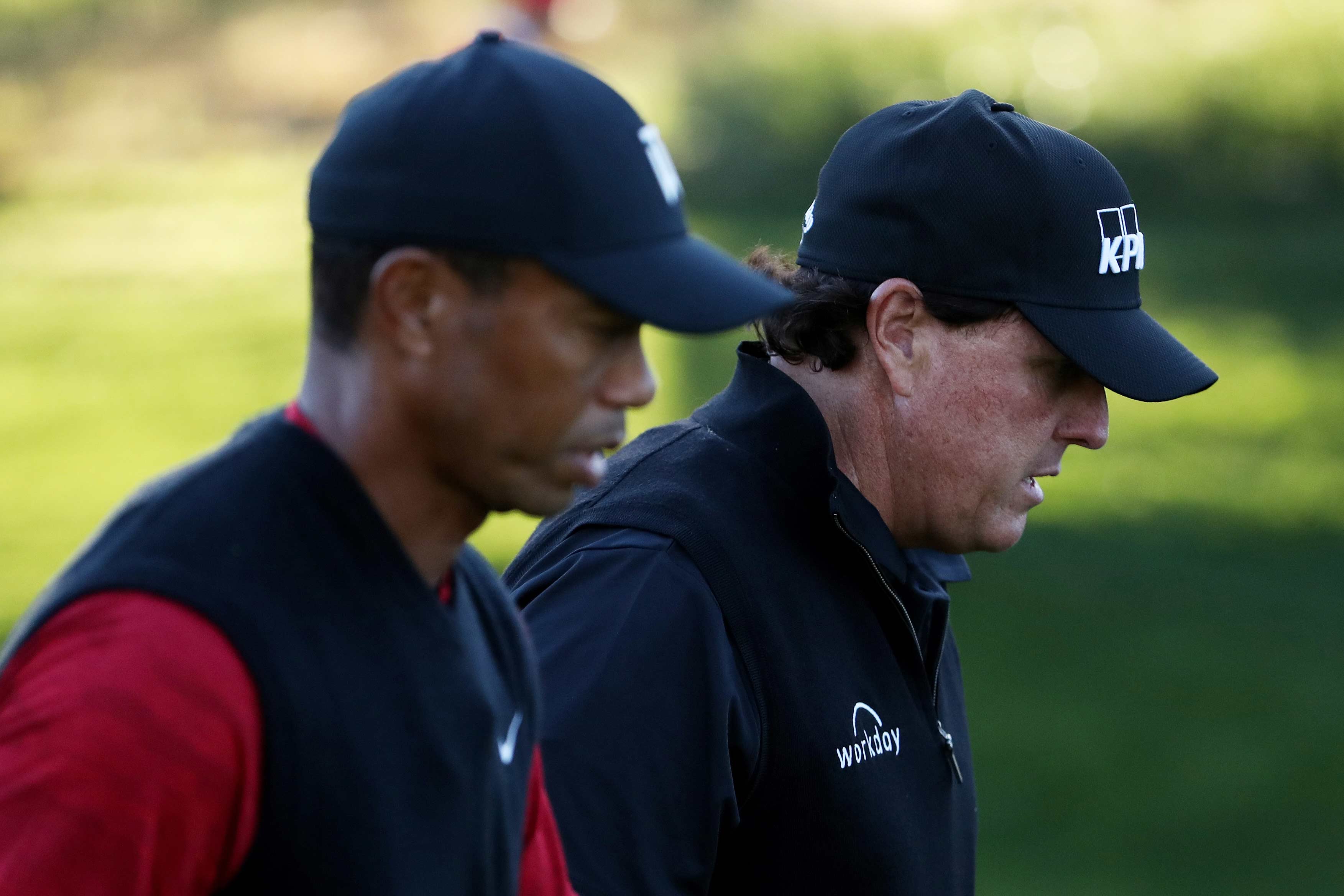
As the players arrived at the seventeenth hole the sense of anticipation grew noticeably stronger. The end of the match was now clearly within reach and every shot mattered. Woods continued to display his trademark patience while Mickelson remained confident in his approach. The quiet atmosphere of the course amplified the drama of the moment. With only two players competing, every movement and reaction felt more visible. The hole unfolded with the kind of focus normally reserved for championship moments. The broadcast reflected the growing intensity.
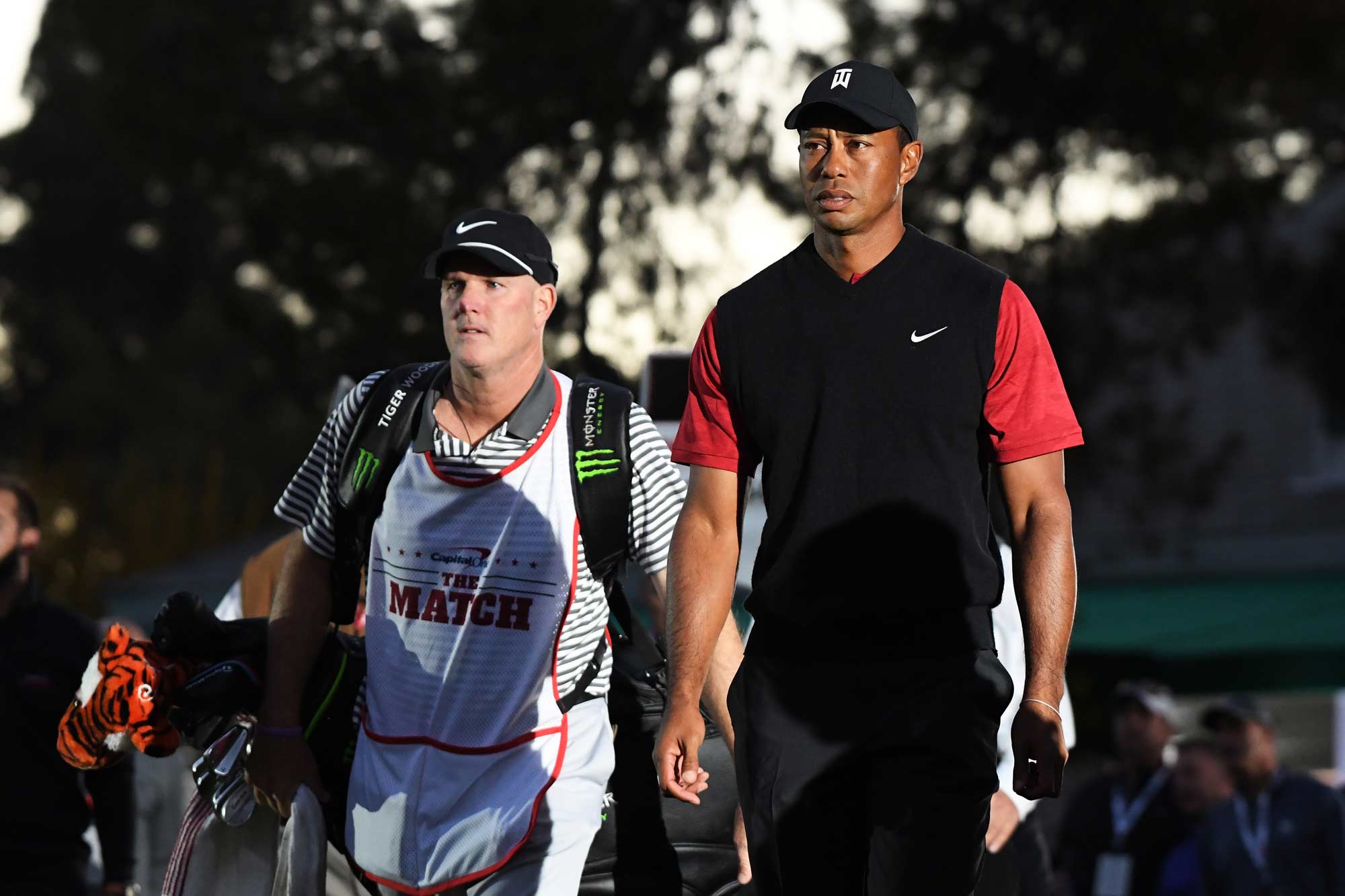
The eighteenth hole served as the dramatic conclusion of the scheduled round. Both players understood that this hole would determine whether the match ended or continued. The tension of the moment was evident as they worked their way toward the green. Each swing carried the possibility of deciding the outcome of the contest. When the hole concluded the match remained unresolved, forcing the players into sudden death playoff holes. The extended contest added another layer of drama to an already unusual event. What had begun as a spectacle now stretched into extra competition.
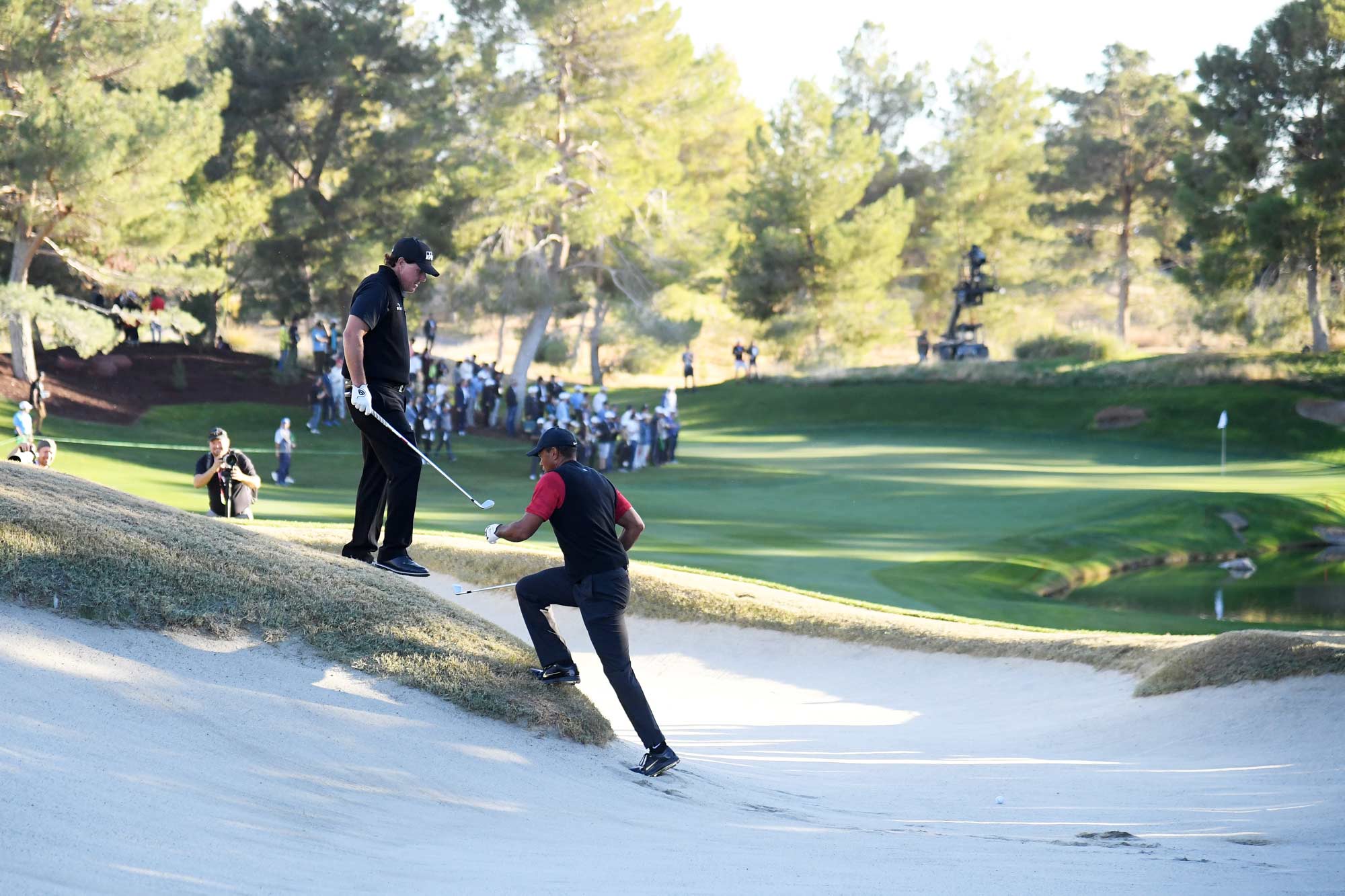
Another strategic lever we leaned on heavily was Turner’s internal house advertising ecosystem, which allowed us to cross promote the event alongside major entertainment properties across the WarnerMedia portfolio. Spots promoting The Match ran within existing network inventory and were often paired with major film and television campaigns, including co branded placements around titles like The Hunger Games. These house ads created an interesting cultural overlap where a premium sporting event could live inside the promotional gravity of blockbuster entertainment. By weaving the event into these broader marketing rotations, the match gained exposure in environments where audiences were already primed for spectacle and high stakes storytelling. The creative often mirrored that tone as well, borrowing cinematic pacing, dramatic voiceover, and bold visual language to frame the duel between Tiger Woods and Phil Mickelson as something closer to a heavyweight showdown than a typical golf broadcast. It demonstrated how internal media inventory could be used strategically, turning the full reach of Turner’s networks into a promotional engine that helped elevate the event beyond traditional sports marketing.
The nineteenth hole marked the beginning of the sudden death playoff and immediately heightened the pressure. Every shot now carried immediate consequences because a single mistake could end the match. Woods and Mickelson approached the hole carefully while the broadcast leaned into the suspense of the moment. The gallery and commentators sensed how unusual it was to see two legends of the sport pushed beyond the original format. The tension built with each swing and each read of the green. Both players showed the composure that had defined their careers. The playoff extended the drama of the event. Also update, Norm got a club.
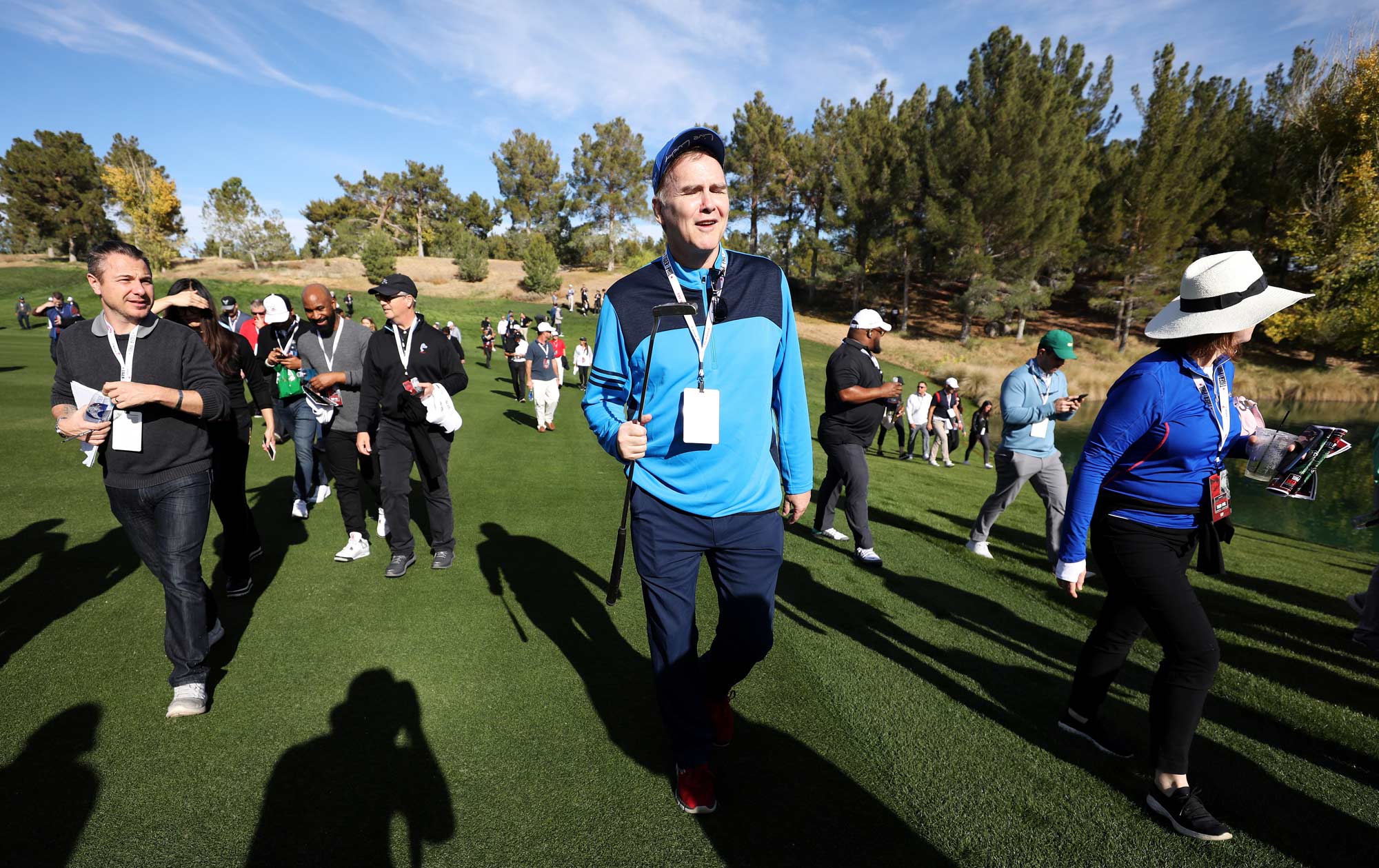
The twentieth hole continued the playoff with both competitors still locked together. Fatigue began to show slightly after hours on the course, yet neither player showed any willingness to concede momentum. Woods remained focused and deliberate while Mickelson continued to project confidence. The extended match added a layer of unpredictability that made every shot feel decisive. The broadcast captured the growing sense that the match might stretch even further. Each putt now felt like it could determine the entire outcome. The tension of sudden death golf was fully on display.
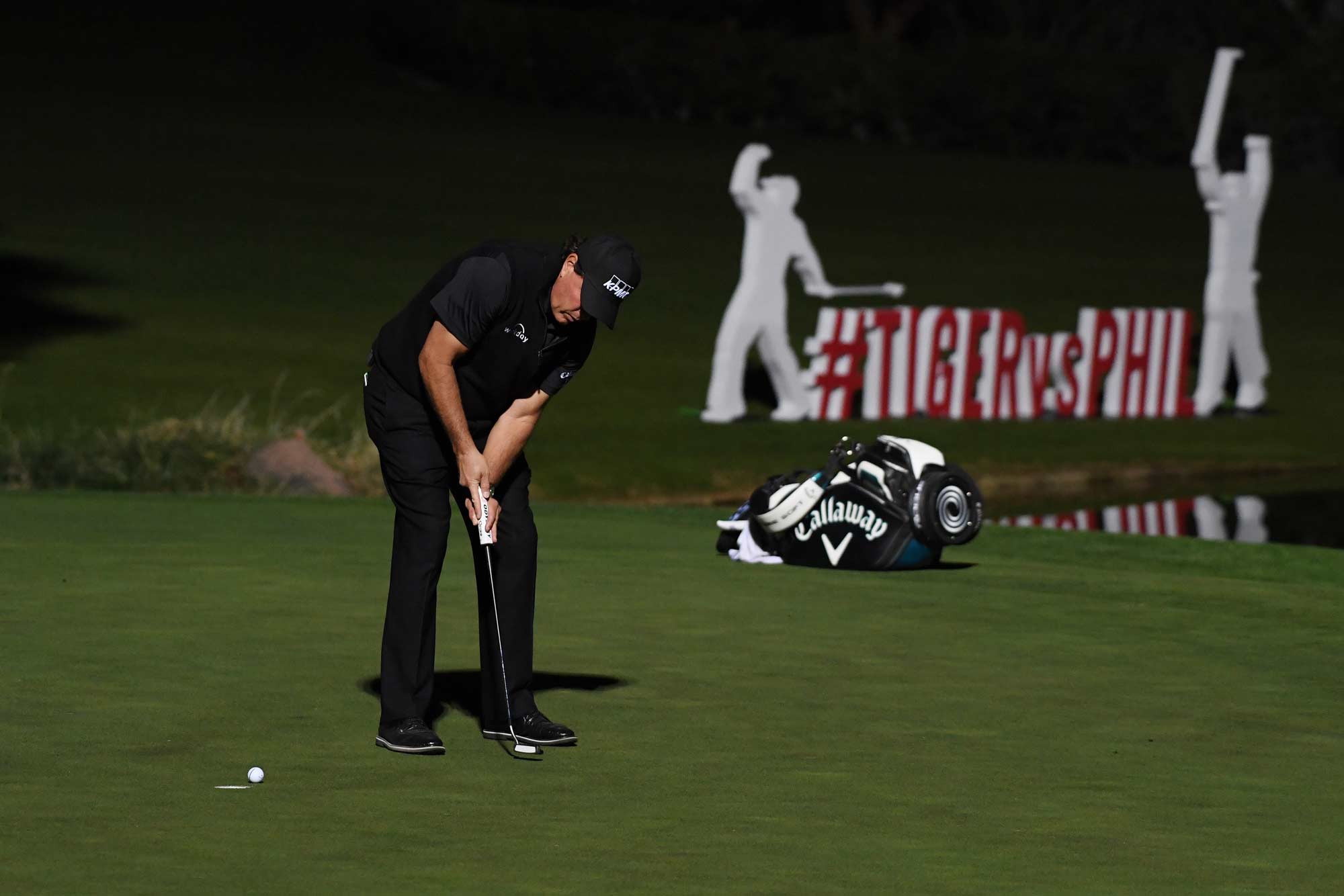
The twenty first hole kept the suspense alive as the playoff refused to resolve itself quickly. Both golfers produced steady shots that kept the match tied. The audience watching at home could sense how evenly matched the two rivals remained. Every approach shot was followed by careful evaluation and quiet concentration. The players knew that a single moment of brilliance or error would end the contest. The extended duel added a sense of endurance to the narrative of the match. The rivalry had now stretched well beyond the original eighteen holes.
On the fourth trip to the short playoff hole Mickelson finally delivered the decisive moment. Woods had an eight foot birdie attempt that narrowly missed, leaving the door open for his longtime rival. Phil calmly lined up a putt from just inside four feet and rolled it into the center of the cup. After more than five hours of play the match was decided with a simple stroke that carried nine million dollars in prize money. Mickelson celebrated the victory with a mix of relief and humor, acknowledging that opportunities to claim bragging rights over Tiger Woods had been rare throughout their careers. The match officially concluded after twenty two holes with Phil emerging as the winner.

The conclusion carried a strange sense of inevitability given how the narrative had been framed leading into the event. For years the rivalry had existed largely in imagination, fueled by comparisons, statistics, and what-if conversations among fans. Watching the two finally settle that hypothetical debate head-to-head gave the moment a kind of narrative closure rarely available in modern professional sports. The victory itself mattered less than the fact that the contest had finally been staged at all. In that sense the match resolved a story that had been quietly building across decades of parallel careers. Despite technical difficulties the overall event was a massive win.
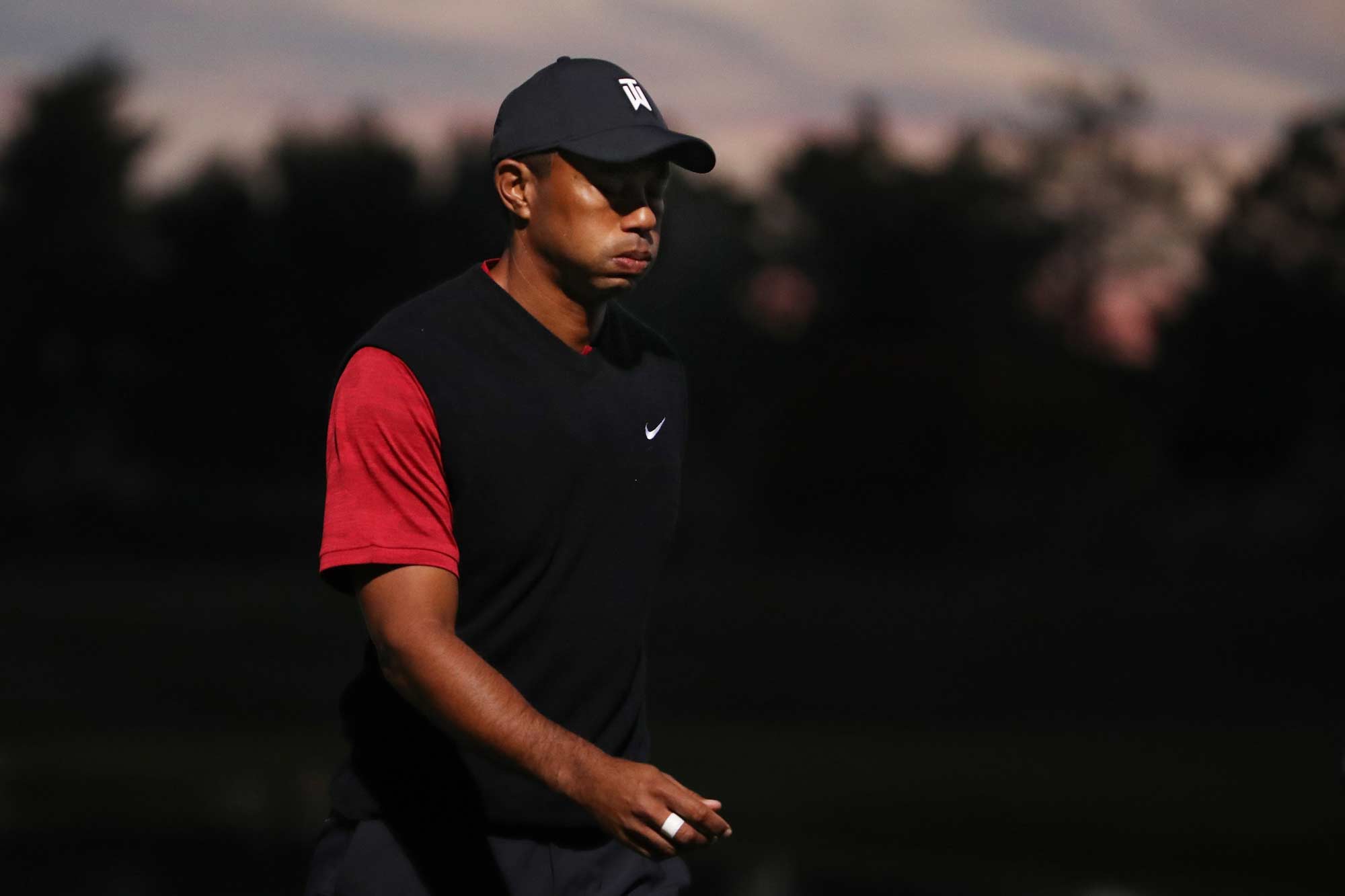
Working on an event of this scale became a formative lesson in how modern sports media is no longer a single discipline but an ecosystem that blends product, storytelling, technology, sponsorship, and distribution into one coordinated experience. The Match demonstrated that the most compelling sports moments today are rarely confined to the broadcast itself. They unfold across platforms, across social feeds, across brand integrations, and across the broader cultural conversation that surrounds the game. Being part of that process reinforced the importance of thinking beyond individual deliverables and instead understanding how creative decisions ripple through an entire media environment. A single graphic, clip, or campaign asset could influence product engagement, social momentum, and even revenue performance depending on how it was deployed. The experience also deepened my appreciation for the complexity of cross functional collaboration at scale.
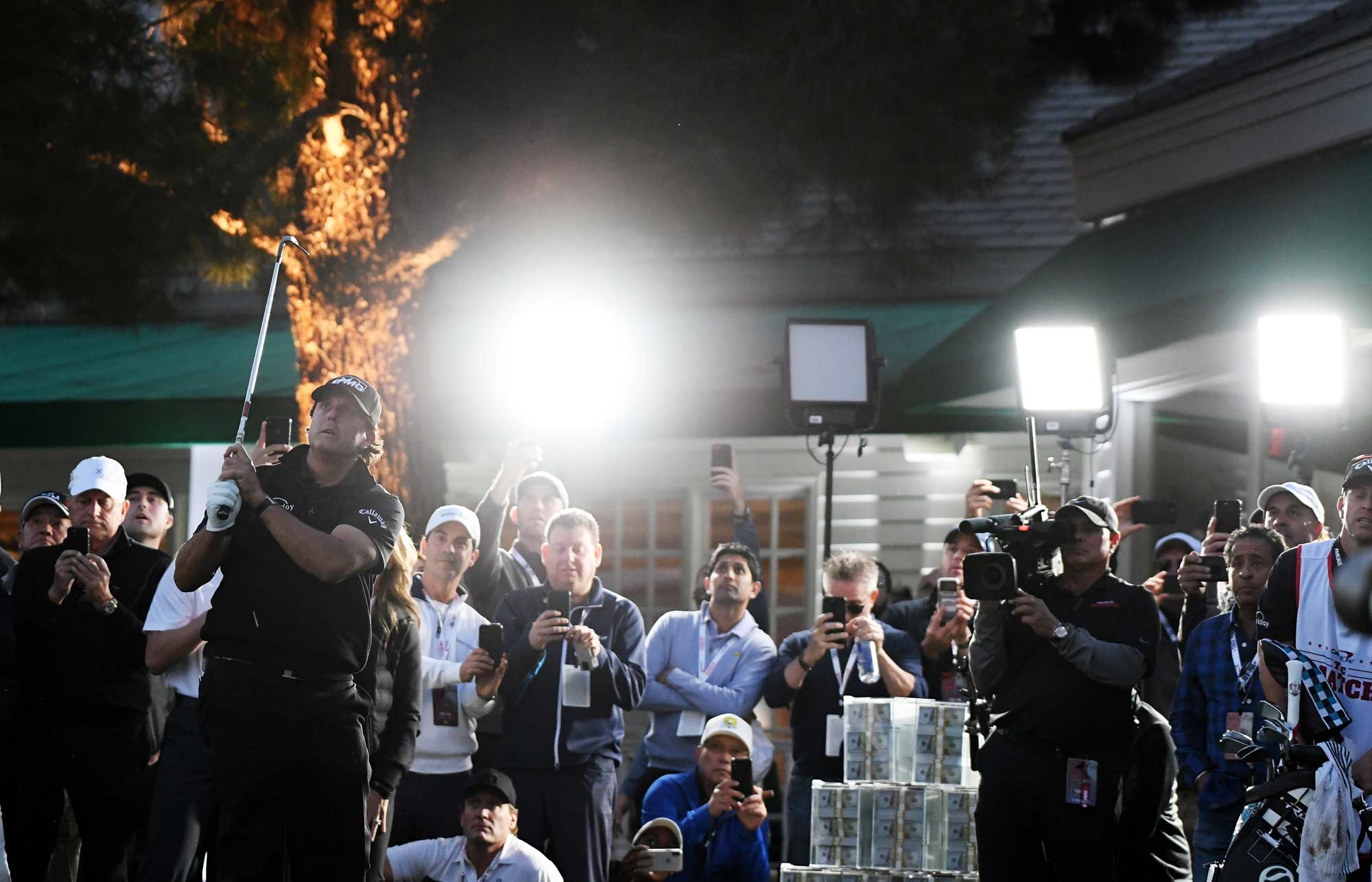
Large events operate like living systems where dozens of teams must align around a shared objective despite very different areas of expertise. Broadcast producers focus on the rhythm of live storytelling. Product teams focus on reliability, user flow, and infrastructure. Marketing teams build narrative momentum while sales teams translate attention into sponsorship value. The creative role sits at the intersection of all of these forces, translating strategy into something tangible that audiences can feel. Learning to navigate those different priorities while keeping the overall vision coherent became one of the most valuable skills to come out of the project.

Even before the final putt dropped on the twenty second hole, the event had already proven how powerful bold visual framing can be in shaping the perception of a sporting moment. From the beginning the branding intentionally leaned into the language of a heavyweight title fight, using dramatic red tones, star accents, and oversized typography to position the matchup as something larger than a casual exhibition round. That visual identity translated surprisingly well onto the pristine setting of Shadow Creek, where the elegance of the course contrasted with the punchy theatrical energy of the graphics and promotional materials. Instead of feeling out of place, the tension between the refined golf environment and the bold spectacle of the branding helped elevate the entire event. It turned what could have been a novelty exhibition into something that felt genuinely cinematic. The design language helped signal to audiences that this was not simply a round of golf but a showdown.
.jpg)
Las Vegas amplified that sense of theatrical scale. The city is built on spectacle and storytelling, and framing the match within that environment allowed the event to adopt the pacing and drama of a major entertainment broadcast. Between the HBO documentary buildup, the celebrity introductions, the side bets unfolding in real time, and the massive production infrastructure surrounding the course, the day carried the energy of a television event rather than a traditional tournament. The branding and visual tone reinforced that feeling throughout the broadcast, appearing across posters, graphics packages, promotional trailers, and on course signage. By the time Mickelson rolled in the winning putt, the match had delivered not only a sporting result but a fully realized media spectacle. It demonstrated how thoughtful creative direction and strong visual identity could transform a simple concept into a memorable cultural moment.
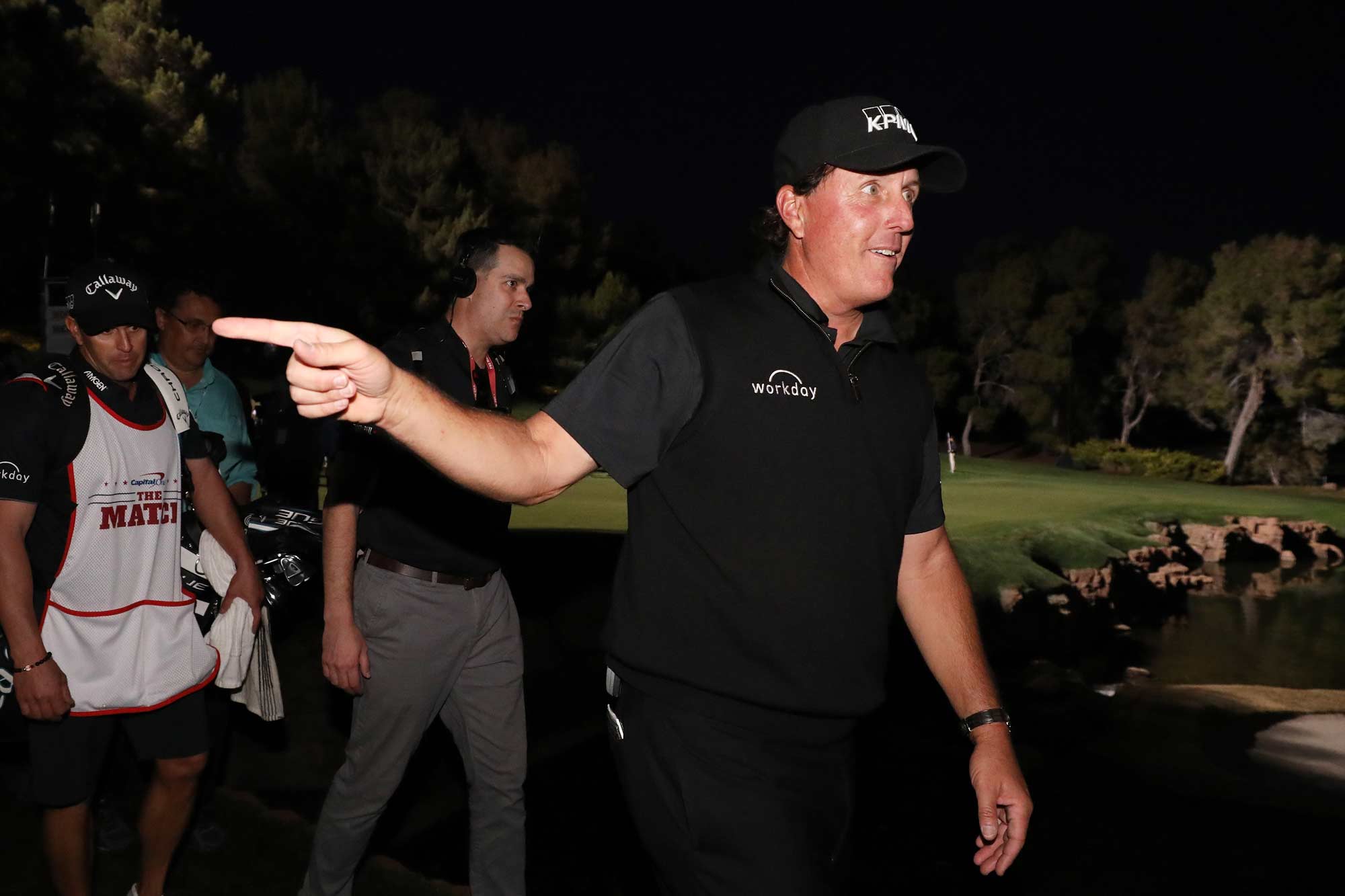
By the time the final putt dropped on the twenty second hole, the event had revealed more than a winner. It showed how compelling golf can be when stripped down to its most elemental form. Two competitors, one course, and a single outcome with nothing else to hide behind. Over the course of the match viewers saw the full emotional range that the sport produces, from early confidence to mid round frustration to the quiet pressure that builds as the finish approaches. It reinforced how much of golf lives in the space between shots, where patience, composure, and small decisions slowly shape the outcome of an entire round.
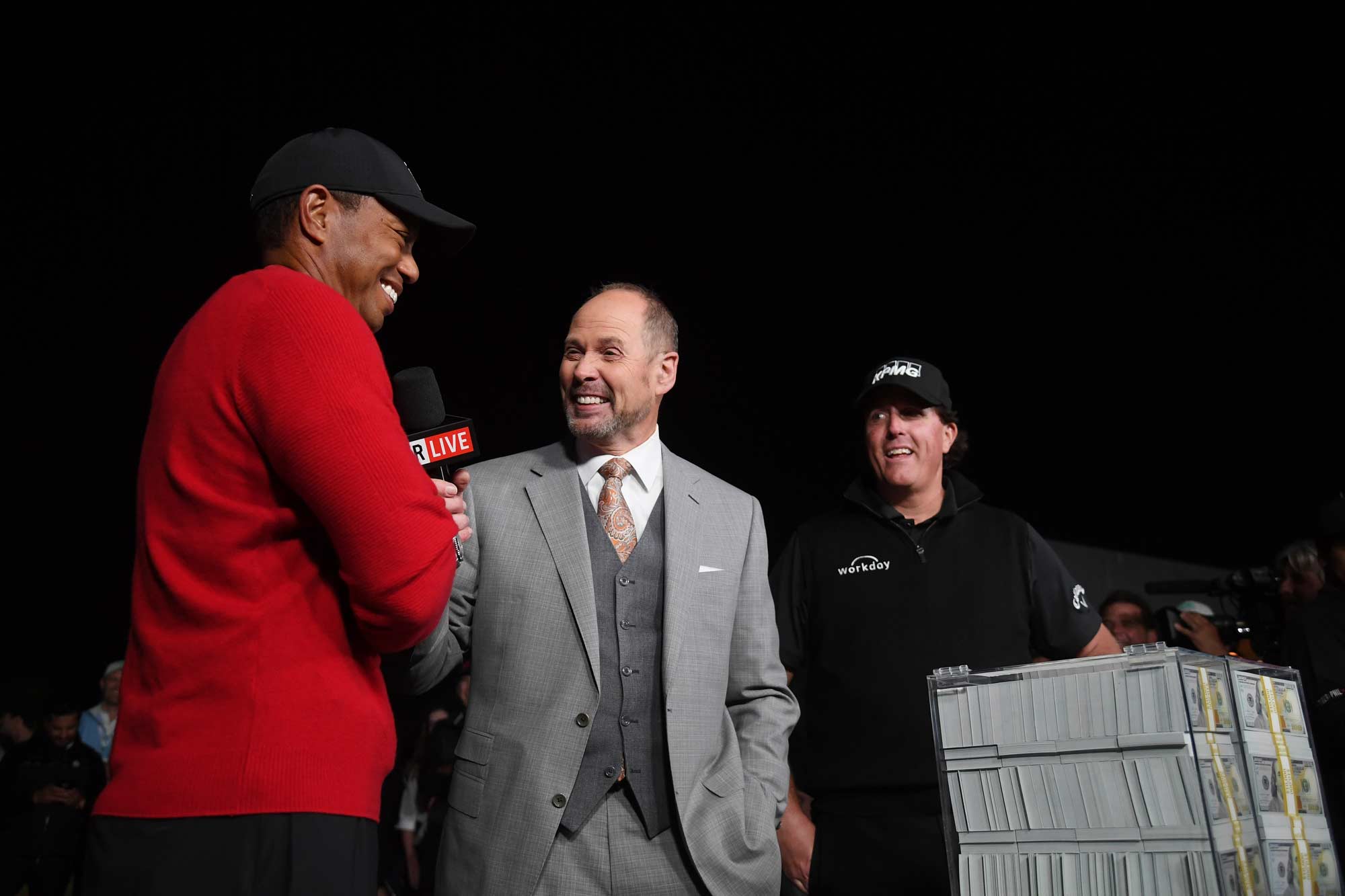
What also became clear after those twenty two holes was how powerful personality can be in sports storytelling. The banter, the side bets, the shared smiles, and the competitive tension between Tiger Woods and Phil Mickelson gave the broadcast a rhythm that traditional tournaments rarely capture. Fans were not simply watching swings and putts. They were watching two legends navigate a rivalry, a friendship, and a moment of real competitive pride. The format allowed the human side of the sport to surface in a way that felt intimate and unscripted.
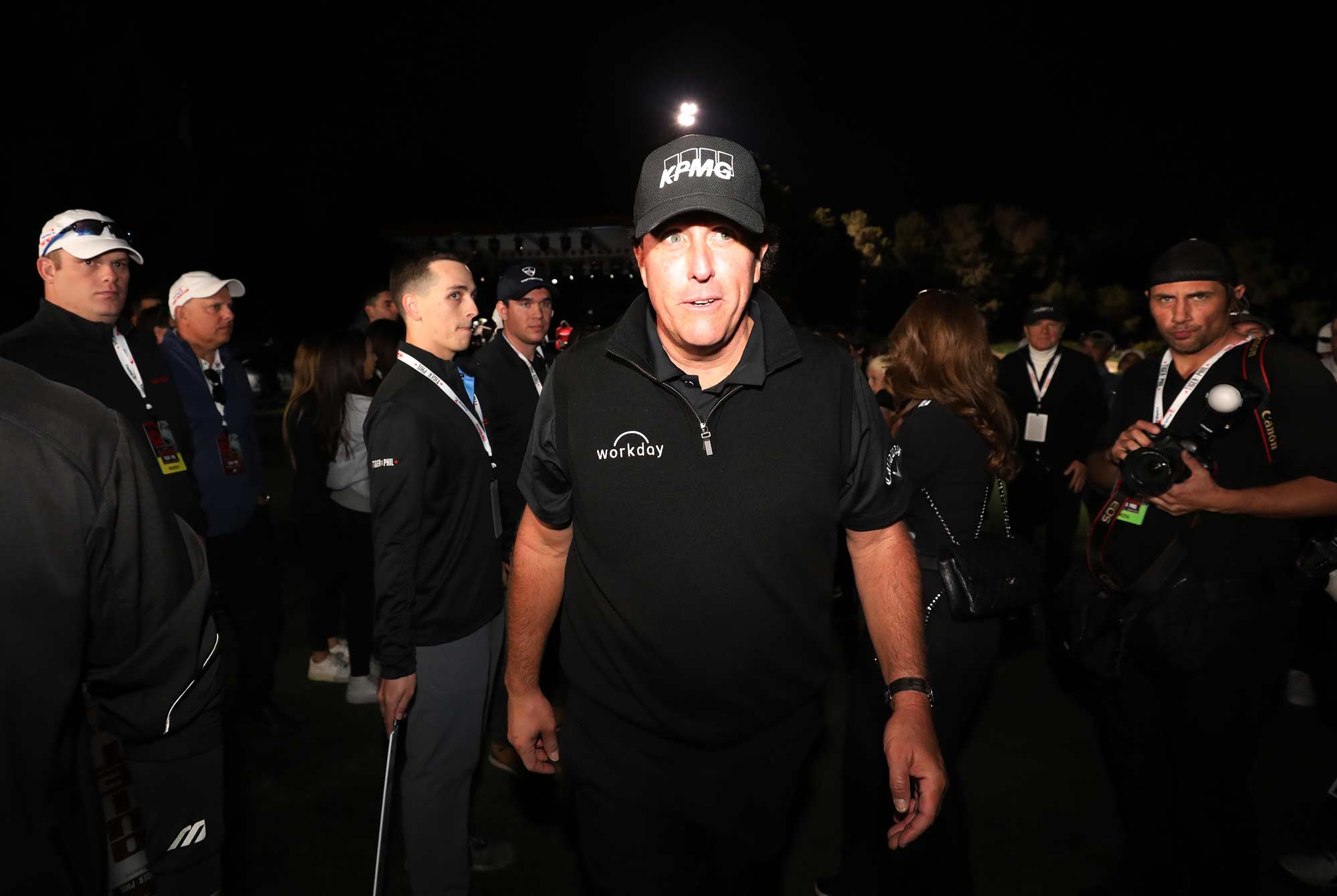
At a broader level, the match demonstrated that golf could evolve without abandoning its traditions. The event embraced modern storytelling tools, social amplification, and pay per view distribution while still respecting the underlying values of the game. Integrity, strategy, and sportsmanship remained the backbone of the competition even within a Las Vegas spectacle. The result was a case study in how a classic sport can be reframed for a new media era while still honoring the spirit that made it meaningful in the first place. Moments like this showed that golf is capable of evolving without losing its soul, proving that innovation in format, storytelling, and distribution can expand the audience while still honoring the traditions that have always defined the game.
Working on The Match was one of those rare projects where creative ambition, cultural relevance, and technical scale all intersected at the same time. It was an opportunity to contribute to something that lived across multiple layers of the media ecosystem, from broadcast design and social storytelling to product integration and sponsor campaigns. The project demanded collaboration with an unusually wide range of partners including luxury brands, broadcast talent, marketing teams, engineers, and production crews. Navigating that environment reinforced how modern sports media is rarely the work of a single discipline. Instead it requires designers, producers, strategists, and marketers to move in sync across a shared vision. Being part of that process was both energizing and deeply instructive.
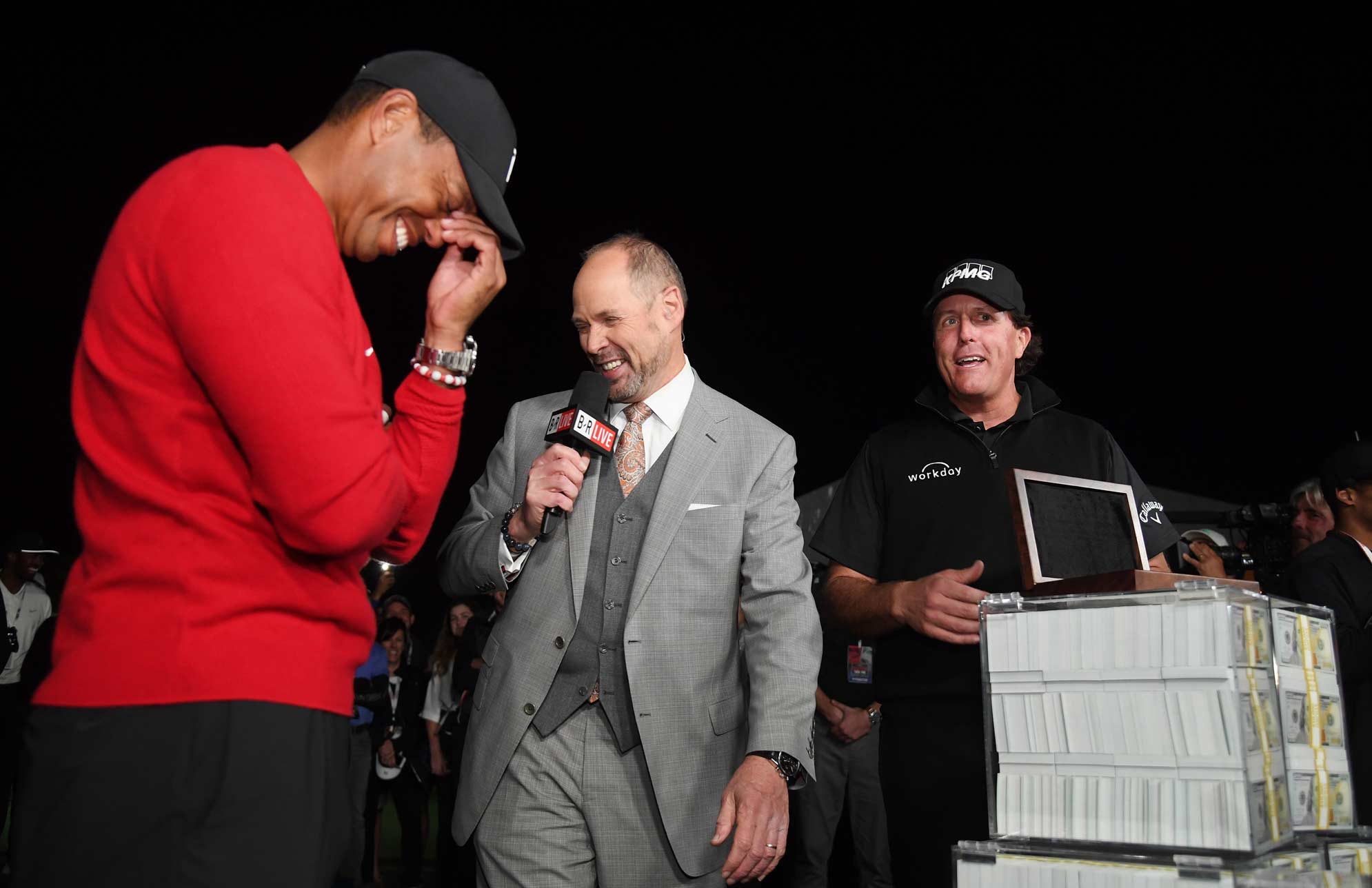
The experience also provided an invaluable education in working with premium partners and large scale brand systems. Companies like Capital One, Rolex, and MGM operate within highly refined brand frameworks where every visual and narrative detail carries weight. Designing within that context meant balancing bold creative expression with the discipline required to respect established brand language. It was an exercise in understanding how luxury positioning, sponsorship storytelling, and event marketing can coexist within a single cohesive campaign. Projects like this sharpen the instinct for when to push creatively and when to maintain brand fidelity. That balance is one of the most important skills in large scale creative direction.
The success of The Match also opened the door to deeper, more intentional content partnerships with endemic golf brands, most notably Callaway. As the platform demonstrated its ability to translate golf into a culturally relevant, digitally native format, it became clear there was an opportunity to bridge traditional golf audiences with a younger, more engaged demographic. Working closely with partners, we developed content that felt native to the B/R voice while still aligning with brand objectives, avoiding the disconnect that often comes with forced integrations. This allowed us to create programming that delivered both cultural credibility and commercial value, expanding the role of B/R from a publisher into a creative partner. These collaborations proved that golf content could exist beyond its conventional boundaries, unlocking new pathways for storytelling, brand alignment, and audience growth within the sport.

Over time the concept demonstrated a flexibility that allowed the format to evolve beyond its original one-on-one structure. Later editions experimented with team play, celebrity athletes from other sports, and different match formats that changed the rhythm of the competition. Some iterations paired professional golfers with high-profile athletes from the NFL or NBA, creating crossover moments that expanded the audience beyond traditional golf fans. I had limited scope on future iteratrions but they carried the same spirit. There was a chance to carry over a lot of my experince in targeted moments rather than running the whole show.
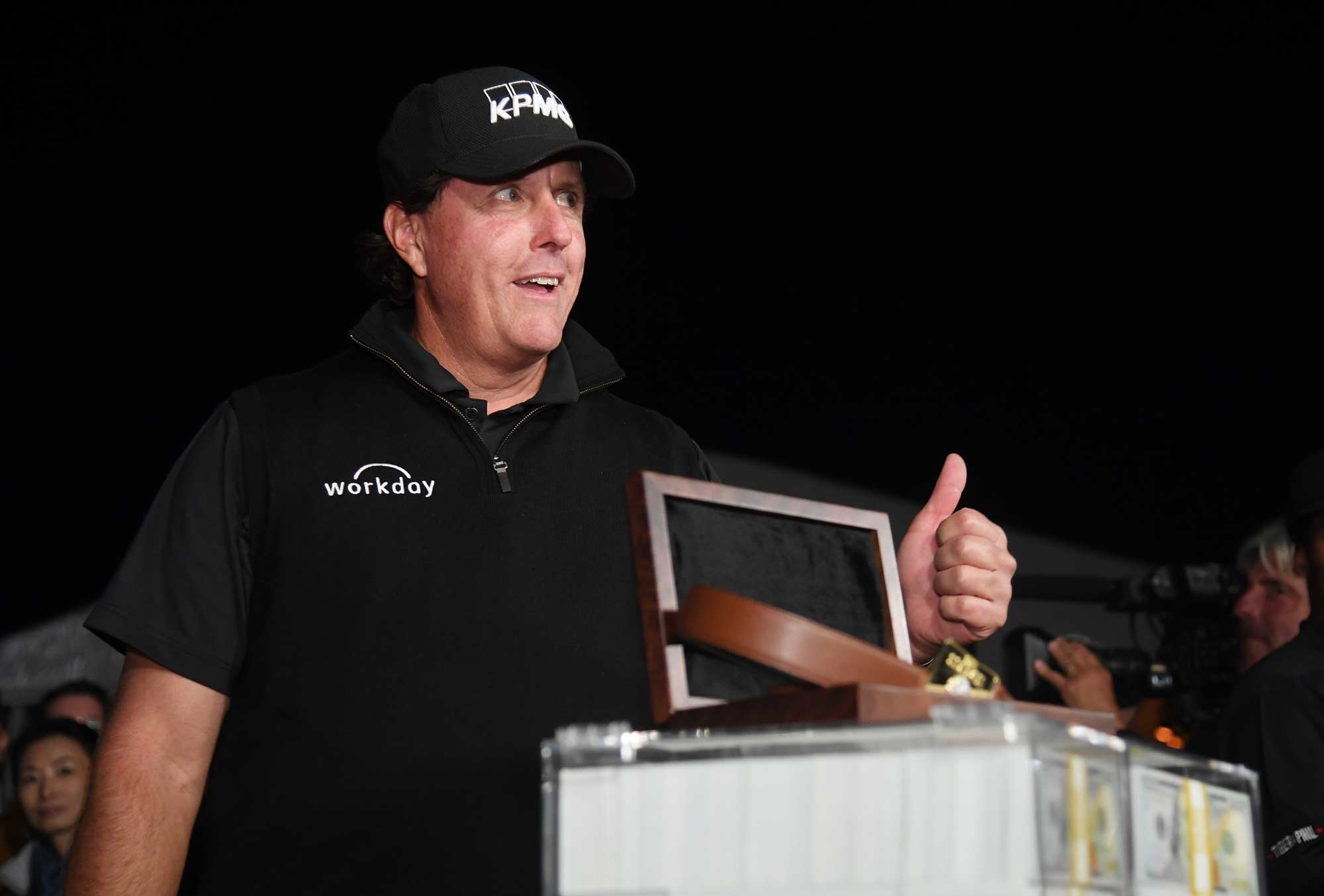
One of my main contritbutions was the Cart cam and the ideation around that.secondary viewing experience hosted by Taylor Rooks that followed players more casually around the course. Rather than functioning as a traditional commentary booth, the format leaned into a relaxed conversational style where Rooks interacted with players, guests, and on course personalities while riding alongside the competition. The perspective gave audiences a more intimate and unscripted view of the match environment, capturing small moments that rarely appear in a standard golf telecast. The Cart Cam stream lived primarily on Bleacher Report platforms, reinforcing the idea that the event could support multiple viewing layers simultaneously. These contributions brought me to my tail end of my time at the company but the idea lives on now still.
These variations illustrated how the core idea of conversational competition could adapt to different personalities and sports cultures while still preserving the underlying spirit of the original event. The broadcast footprint also expanded significantly after the first installment. While the inaugural edition relied heavily on pay-per-view distribution and digital streaming, subsequent versions were carried across multiple cable networks within the Turner portfolio. This broader television distribution allowed the franchise to reach a much larger audience while still maintaining the experimental tone that had defined the original match. Over time the event became a recurring part of the network’s seasonal programming, often positioned around the holiday period when audiences were more receptive to entertainment-driven sports broadcasts.
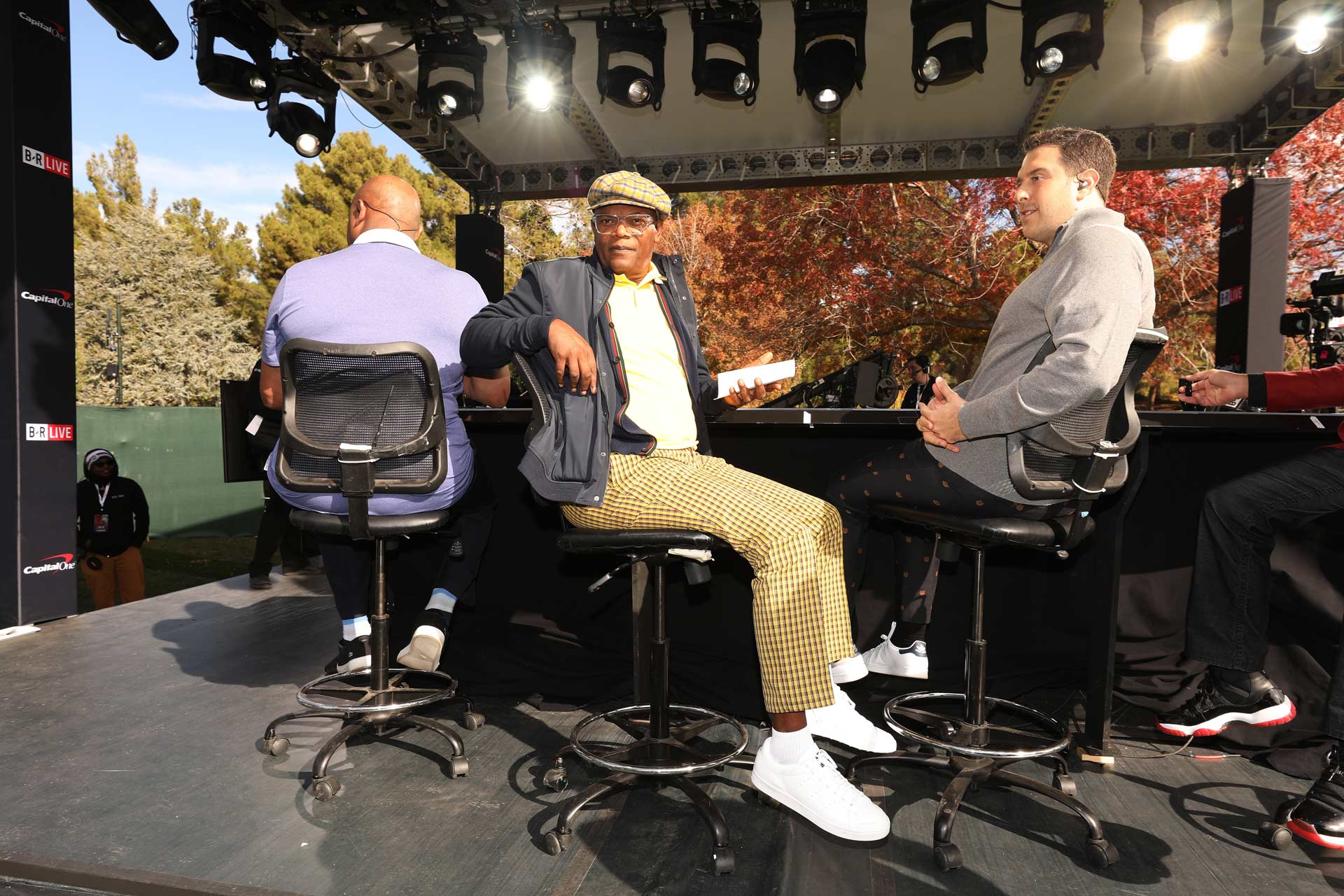
Another notable evolution occurred when the event began reaching audiences outside the United States through international distribution partnerships. As media companies consolidated their global sports platforms, the match was eventually carried through additional streaming and broadcast outlets that extended its reach beyond domestic cable television. This expansion reflected how quickly the concept had moved from a one-off exhibition experiment into a recognizable sports entertainment property capable of traveling across multiple markets and media environments.
David Levy played a central role in shaping the broader vision that allowed events like The Match to exist in the first place. As President of Turner, he had spent years pushing the company to think about sports media not simply as a broadcast business but as an ecosystem that connected television, digital platforms, advertising, and emerging streaming products. Levy understood that the traditional model of sports rights and scheduled programming was beginning to evolve, and he encouraged teams across Turner to experiment with new formats that could live across multiple distribution channels. The Match represented that philosophy in action. It combined premium talent, pay per view distribution, social amplification, and brand partnerships into a single event designed for a modern audience. Levy’s leadership helped create the environment where creative teams, product teams, and commercial teams could collaborate on ideas that pushed beyond the boundaries of a standard sports telecast.
Craig Barry was equally instrumental on the production side, bringing decades of experience in live sports broadcasting to the execution of the event itself. As one of Turner Sports’ most respected production executives, Barry had overseen some of the network’s most complex and high profile broadcasts across multiple sports. His approach balanced technical precision with a deep understanding of storytelling within live competition. For The Match, that meant orchestrating a production that could capture both the competitive drama of the round and the conversational intimacy that came from miking up the players. Cameras, microphones, graphics, and broadcast talent all had to work together to translate the experience of walking the course into something compelling for viewers at home. Barry’s steady leadership ensured that the broadcast felt polished and coherent even as it experimented with new elements like player conversations and live side bets.
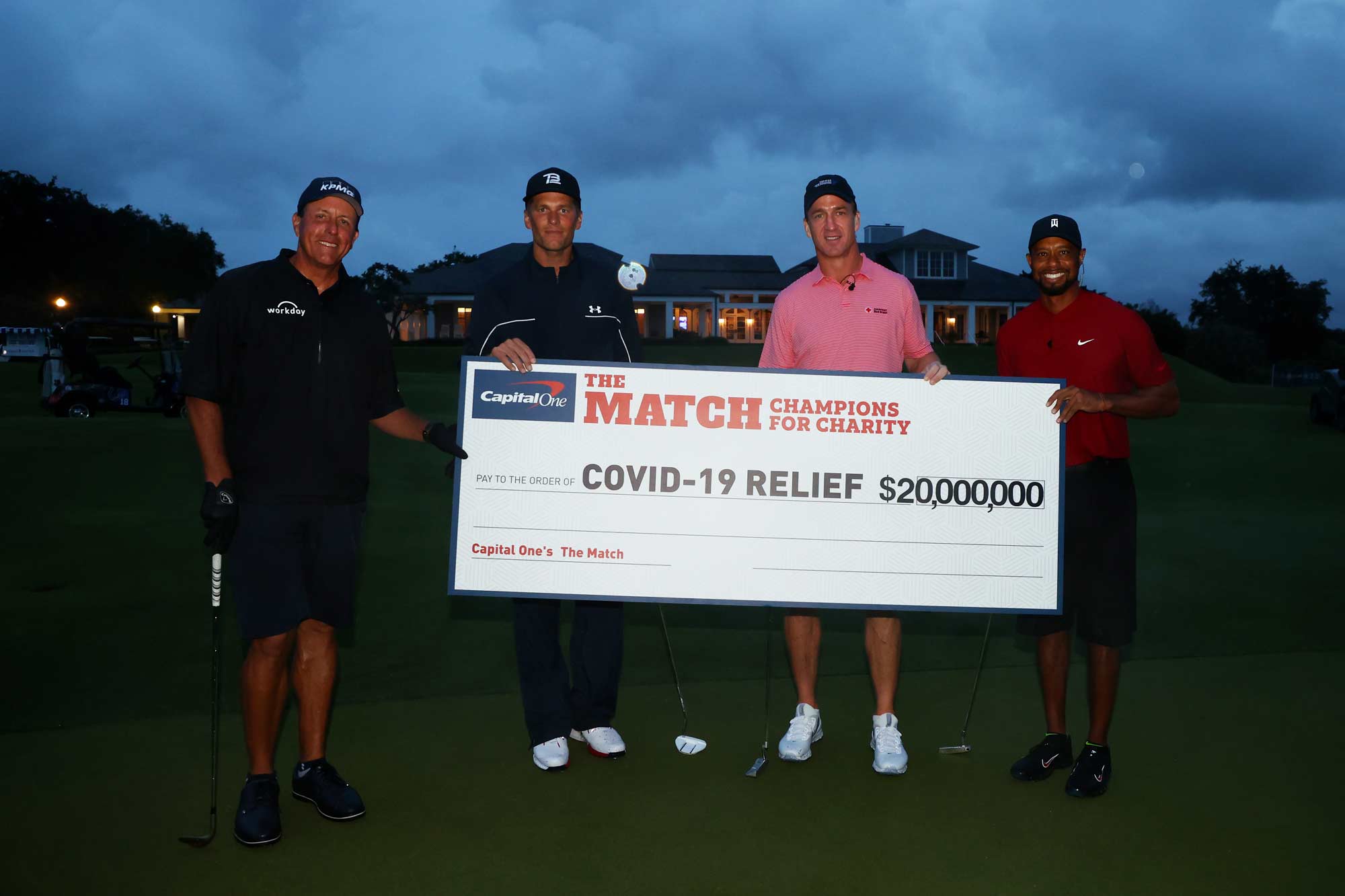
The event also revealed how deeply product experience influences the perception of a live event. Content and storytelling can generate excitement, but the moment fans attempt to purchase access or watch the broadcast, the product itself becomes the final gatekeeper. Seeing both the successes and the technical challenges of a large scale streaming launch reinforced how critical infrastructure, checkout flow, and server scaling are to the overall fan experience. It highlighted the need for creative teams to work closely with product and engineering counterparts from the earliest stages of planning rather than treating distribution as an afterthought.
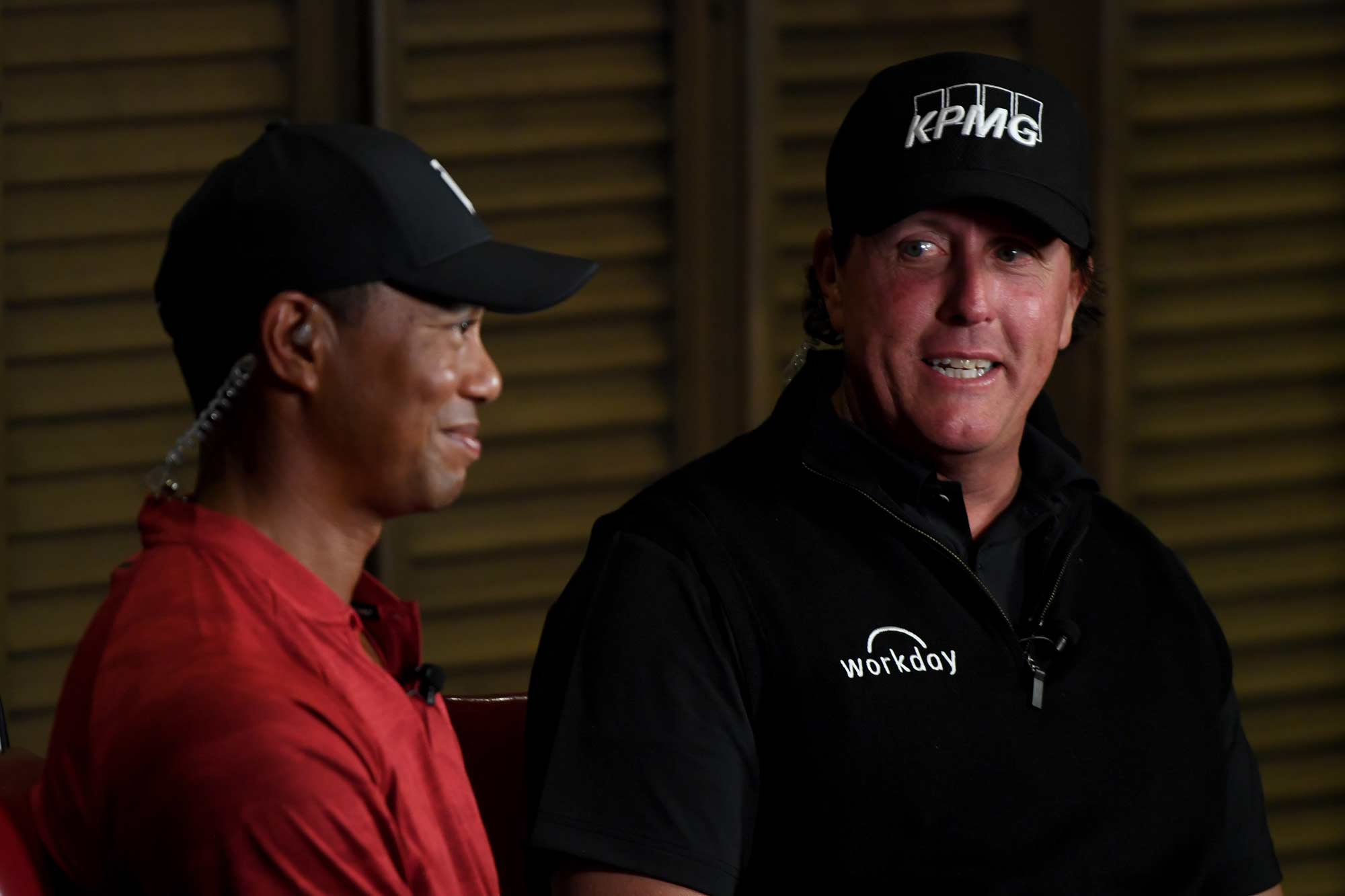
On a personal level, the project strengthened my understanding of how sports properties can be positioned not simply as events but as cultural narratives. The rivalry between Tiger Woods and Phil Mickelson had existed for decades, yet the framing of the match gave that history a new stage and a new language. Through design, marketing, and storytelling, the event was able to transform a single round of golf into something that felt cinematic, competitive, and culturally relevant. That ability to translate athletic competition into broader narrative form remains one of the most powerful tools in sports media.
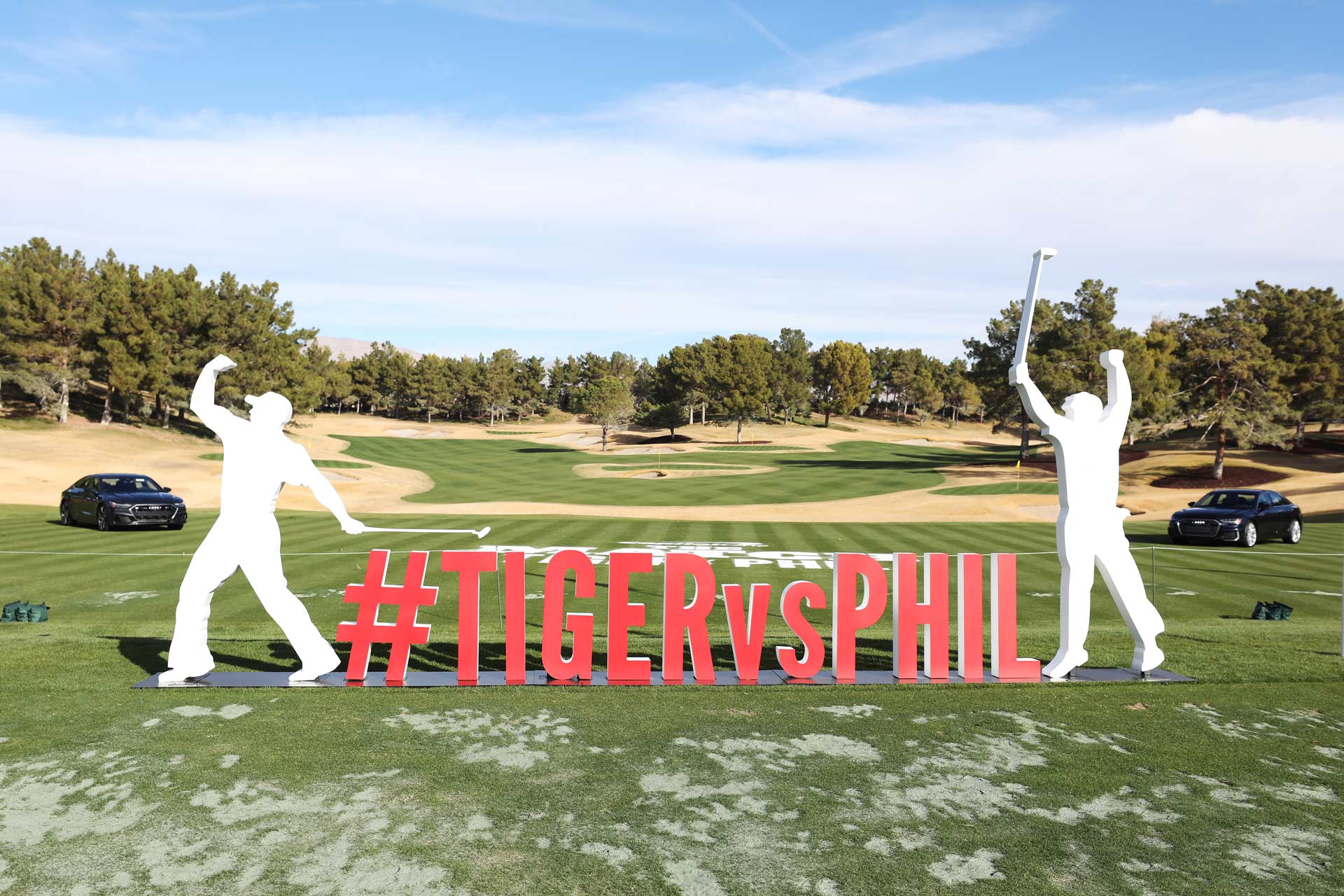
Later iterations of the event also experimented with alternative competitive structures that moved away from the original winner-take-all duel. Some versions introduced team formats, others shortened the number of holes to accelerate pacing for television audiences. These adjustments illustrated the producers’ willingness to treat the event as a flexible entertainment framework rather than a rigid sporting format.
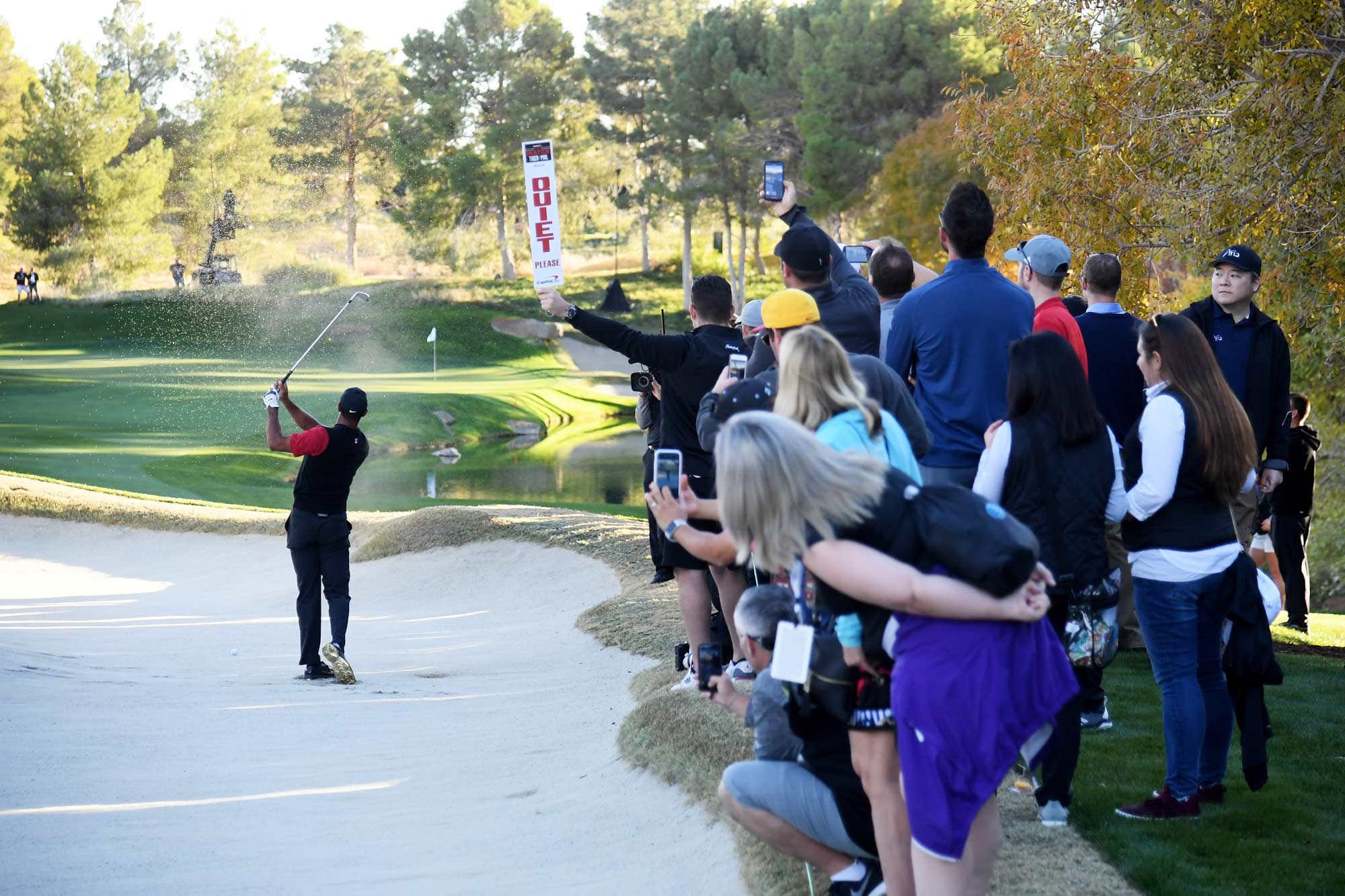
The central idea remained the same: place recognizable personalities in a competitive setting where conversation, improvisation, and storytelling could unfold naturally alongside the play. The continued evolution of the franchise ultimately demonstrated that the original concept had tapped into something broader about the way modern audiences engage with sports. Traditional tournament structures remain the backbone of professional golf, but the success of these exhibition formats suggested that viewers were also interested in more intimate, personality-driven competitions. By allowing athletes to interact more freely with one another and with the broadcast itself, the event carved out a distinctive space somewhere between sport, entertainment, and unscripted television.
For me, the project stands as a formative example of how creative direction operates at the intersection of design, culture, technology, and business strategy. It required balancing the craft of visual storytelling with the realities of product launches, sponsorship relationships, and large scale distribution. Collaborating with teams across Turner Sports, Bleacher Report, production crews, engineers, and brand partners reinforced how ambitious ideas only succeed when cross functional groups move together toward a shared vision. Even with the inevitable challenges and lessons learned along the way, the event remains a powerful reminder of what can happen when creativity is given room to operate at scale. In the end, the match was more than a round of golf. It became a cultural moment and a case study in how bold ideas can transform a simple sporting concept into a global media event and spread the game of golf to more people and more households.
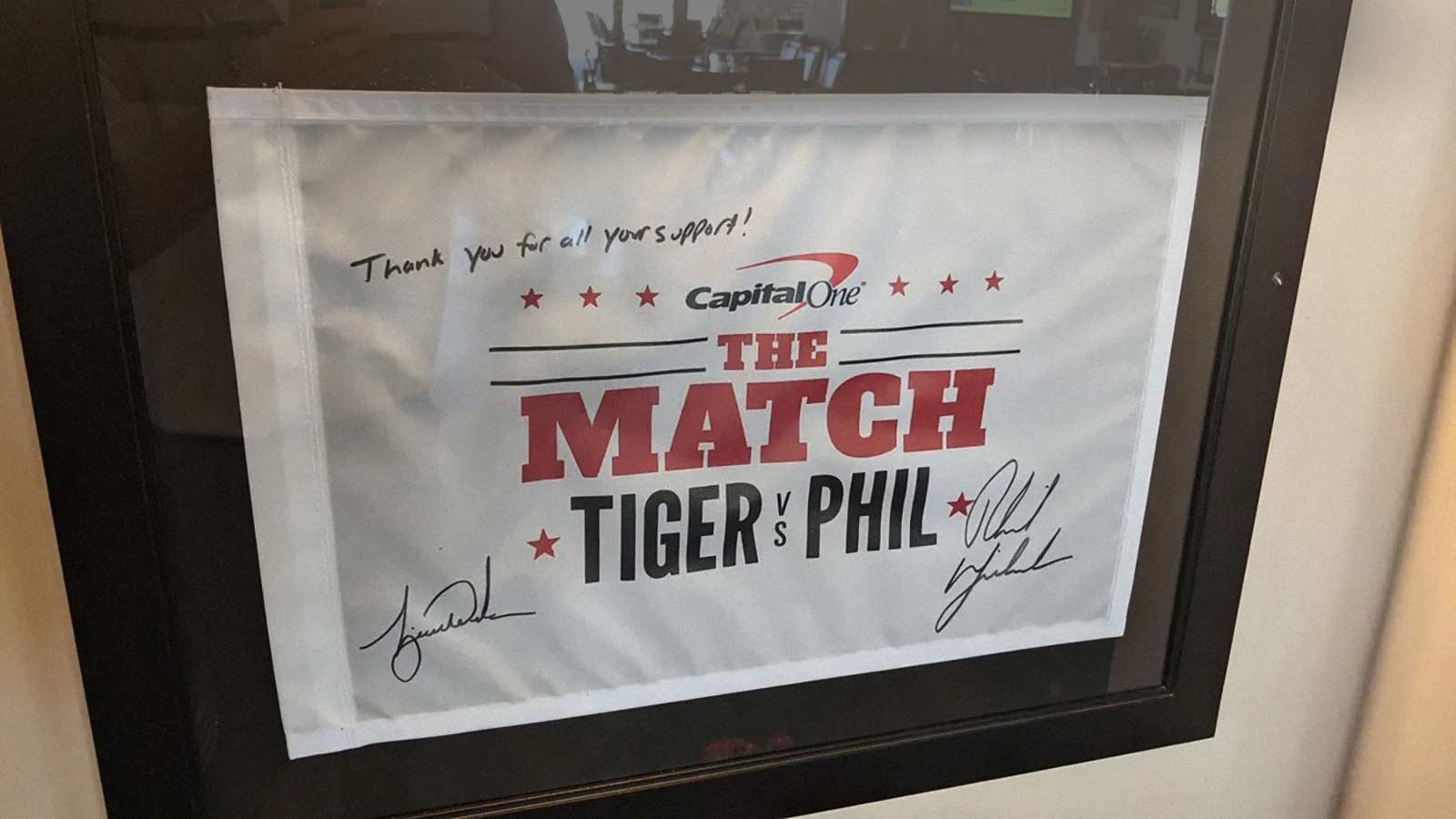
Looking back, The Match represented a moment when multiple forces in sports media were converging at once. Traditional broadcast spectacle, digital distribution, social storytelling, brand partnerships, and emerging streaming infrastructure all collided around a single event. What began as a simple concept built around two legendary competitors ultimately became a large scale experiment in how modern sports could be packaged, marketed, and delivered to audiences across an increasingly fragmented media landscape. From the HBO documentary and the bold visual identity to the social campaigns, sponsor integrations, and live broadcast production, every layer contributed to a unified experience that felt distinctly contemporary. The event demonstrated that sports storytelling no longer lives in one place. It exists across platforms, formats, and communities simultaneously, with each layer reinforcing the overall narrative.
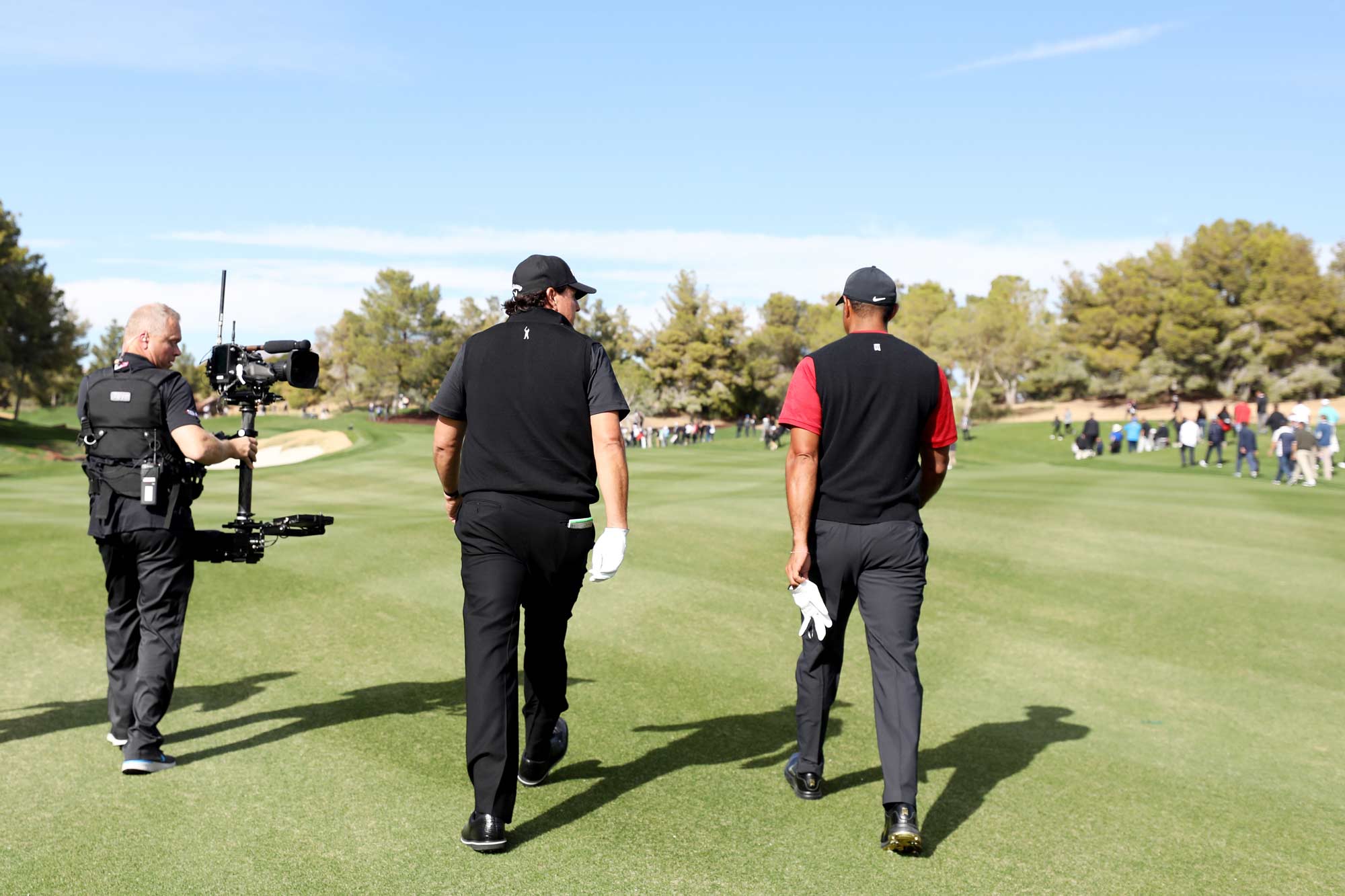
For those of us working inside the project, it also revealed how modern sports events are no longer single broadcasts but ecosystems. The competition on the course was only one part of the story. Around it lived a network of content, design systems, sponsor narratives, social conversations, and real time audience participation that extended the event far beyond the final putt. Each touchpoint reinforced the others, creating a loop where broadcast drove social engagement, social amplified brand partners, and digital content deepened the mythology of the moment. What emerged was less a traditional telecast and more a living media environment, one where the boundaries between sport, entertainment, and culture began to blur in ways that would soon become the new standard for how major events are experienced. (Here's a little bonus Tiger clip for anyone who scrolled down this far, shoutout to y'all.)
Key Collaborators: Dan Worthington, David Levy, Ishaan Mishra, Jack Whigham, Bryan Zuriff, Joe LaCava, Tim Mickelson, Mark Steinberg, Tiger Woods, Phil Mickelson, Ernie Johnson Jr., Darren Clarke, Peter Jacobsen, Natalie Gulbis, Shane Bacon, Adam Lefkoe, Pat Perez, Charles Barkley, Samuel L. Jackson, Michael Mandt, Dylan O'Keefe, Oscar Ohlson, Bridget Greaney, Joe Yanarella, Rory Brown, Bennett Spector, Chris Perez, Kenny Dorset, Dave Finochio, Craig Barry, Matt Hong, Tyler Lasiter, Jackie Decker, Ryan Lohuis, Bentley Weiner, Steve Lamme, Tim Mullen, Ryan Polukord, Lenny Daniels, Jordan Shorthouse, Liane Hunter
Tools: Adobe Photoshop, Adobe After Effects, Final Cut Pro
Deliverables: Brand Identity, Show Package, Television Branding, Social Media Content, Marketing Promo, Tune In Content, Influencer Marketing