

Take It There was a Bleacher Report original interview series hosted by Taylor Rooks that set out to create a more thoughtful, culture-forward space for athletes to speak candidly about their careers, identity, and the realities of modern sports. During the early development of the show, I worked alongside the design team to help shape the visual identity and overall creative direction of the series. In collaboration with renowned designer Sophia Chang, we explored a range of concepts for the show’s logo and graphic language, aiming to develop a mark that felt confident, direct, and conversational. The goal was to capture the tone of Taylor’s interviewing style while creating a visual system that could live comfortably within the broader Bleacher Report brand ecosystem. Beyond the logo itself, the process involved defining a cohesive visual language that could support the show across multiple touchpoints. Working closely with the internal design and production teams, we developed a set of graphics, type treatments, and motion principles that allowed the show to feel polished while still maintaining the immediacy and cultural fluency that defines Bleacher Report’s voice. The identity needed to function equally well across long-form episodes, social clips, thumbnails, and promotional assets, ensuring that the series remained instantly recognizable as moments from the interviews circulated across YouTube, Twitter, Instagram, and the B/R app. In addition to the identity work, I contributed creative consulting during the concepting phase of the show, helping think through how the format could differentiate itself within the crowded sports interview landscape. The intention was to move beyond traditional press-style interviews and create a platform where athletes could reveal personality, perspective, and cultural context in a more relaxed setting. By aligning the visual identity with that ethos, we were able to support a show that felt modern, conversational, and deeply connected to the evolving intersection of sports, culture, and digital storytelling.

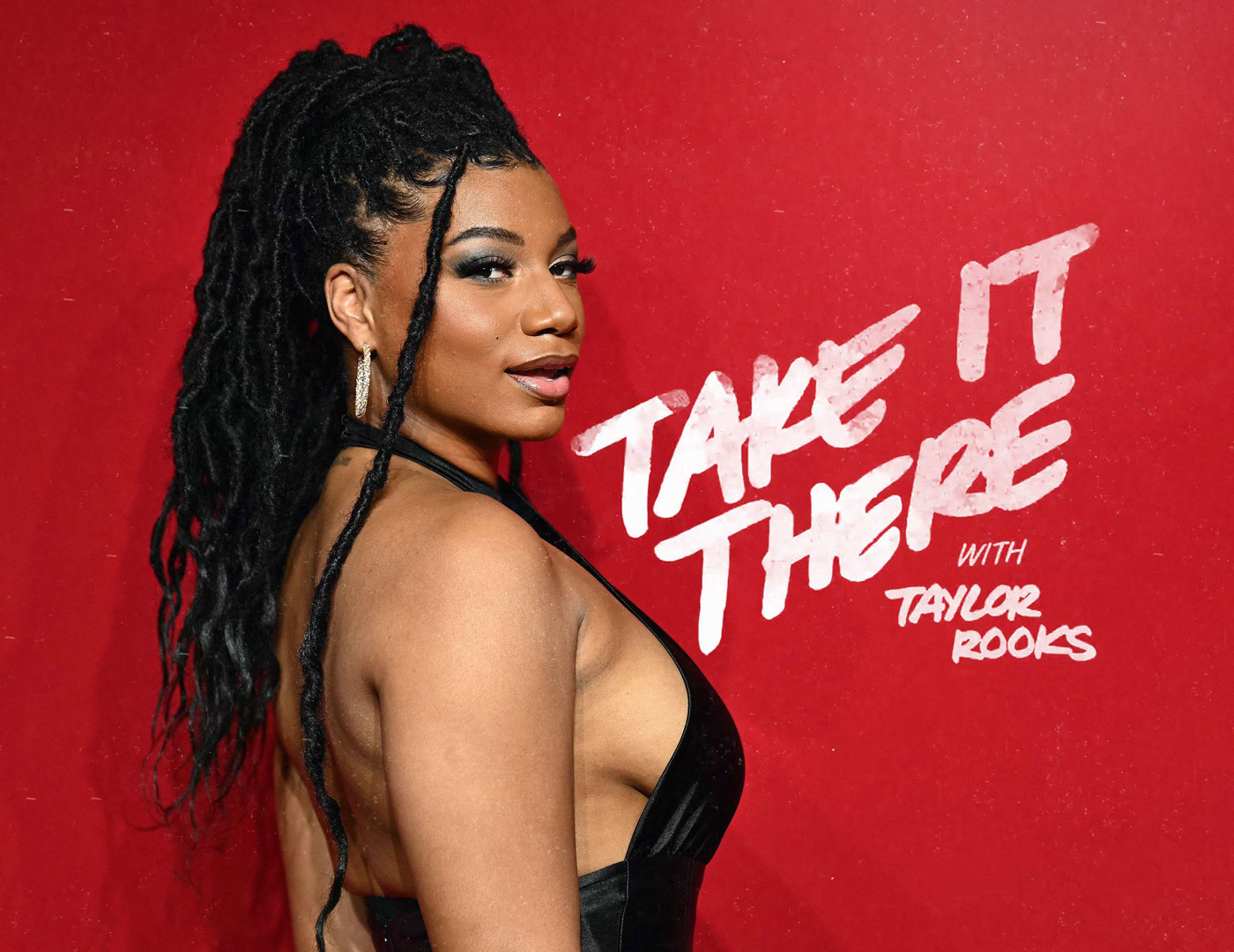
“The best work happens when you stop trying to impress people and start trying to understand them.” - Taylor Rooks
I was a core part of the B/R Studio team as a creative consultant, producer and strategist on Take It There with Taylor Rooks, the challenge was to help shape a show identity and creative foundation that could stand apart within an increasingly saturated sports media landscape while still feeling authentic, intimate, and culturally fluent along with a rollout strategy and social media template pack for release. Sports interviews had long been dominated by traditional broadcast formats that prioritized highlights, statistics, and postgame analysis, but this series set out to create something different. Hosted by the one and only Taylor Rooks, the show centered on candid, thoughtful conversations that explored the personalities, values, and cultural influence of modern athletes. My role involved helping guide the early creative direction of the show with Joe Yanarella and Courtney Andrialis-Vincent, working alongside the design team to develop a visual identity and tone that matched the intelligence and warmth of Taylor’s interviewing style. I also worked closely with Dylan Macnamera from our talent team to strategize more broadly around amplifying the content series and extending it's life. In collaboration with acclaimed designer Sophia Chang, we explored concepts for the show’s logo and graphic language, ultimately shaping a mark and identity system that felt confident, editorial, and culturally aware while aligning with the evolving voice of Bleacher Report. Beyond the logo itself, the challenge extended into building a scalable visual framework capable of supporting the show across a fragmented and rapidly evolving distribution environment. Unlike traditional television programming, Take It There was designed to live simultaneously across multiple digital platforms where content behaves very differently. Long form episodes on YouTube required a cinematic and editorial sensibility, while social clips needed to feel native to fast moving feeds on Twitter and Instagram. Thumbnails, quote graphics, title cards, and promotional assets all had to maintain a clear identity while remaining flexible enough to accommodate different guests, topics, and standout moments from the interviews. Throughout this process I collaborated closely with designers Drew Paterson and Adam Powell, working alongside creative leadership from Tim Moore to refine the visual language of the show and ensure the system could support rapid content production while remaining cohesive across Bleacher Report’s distribution ecosystem. At a strategic level, the project also required thinking beyond aesthetics and considering how the show could reinforce Bleacher Report’s broader cultural positioning within sports media. At the time, the company was expanding its slate of original programming and exploring formats that blended sports, culture, and storytelling in ways that resonated with younger digital audiences. The creative direction of Take It There needed to reflect that evolution by presenting athletes in a more thoughtful and human context. By aligning the show’s branding, tone, and visual framework with that vision, we helped establish a recognizable platform for deeper athlete driven storytelling. The result was a cohesive creative foundation that supported both the interviews themselves and the broader promotional ecosystem around them, allowing moments from the series to travel fluidly across platforms while reinforcing Bleacher Report’s role at the intersection of sports, culture, and digital media.
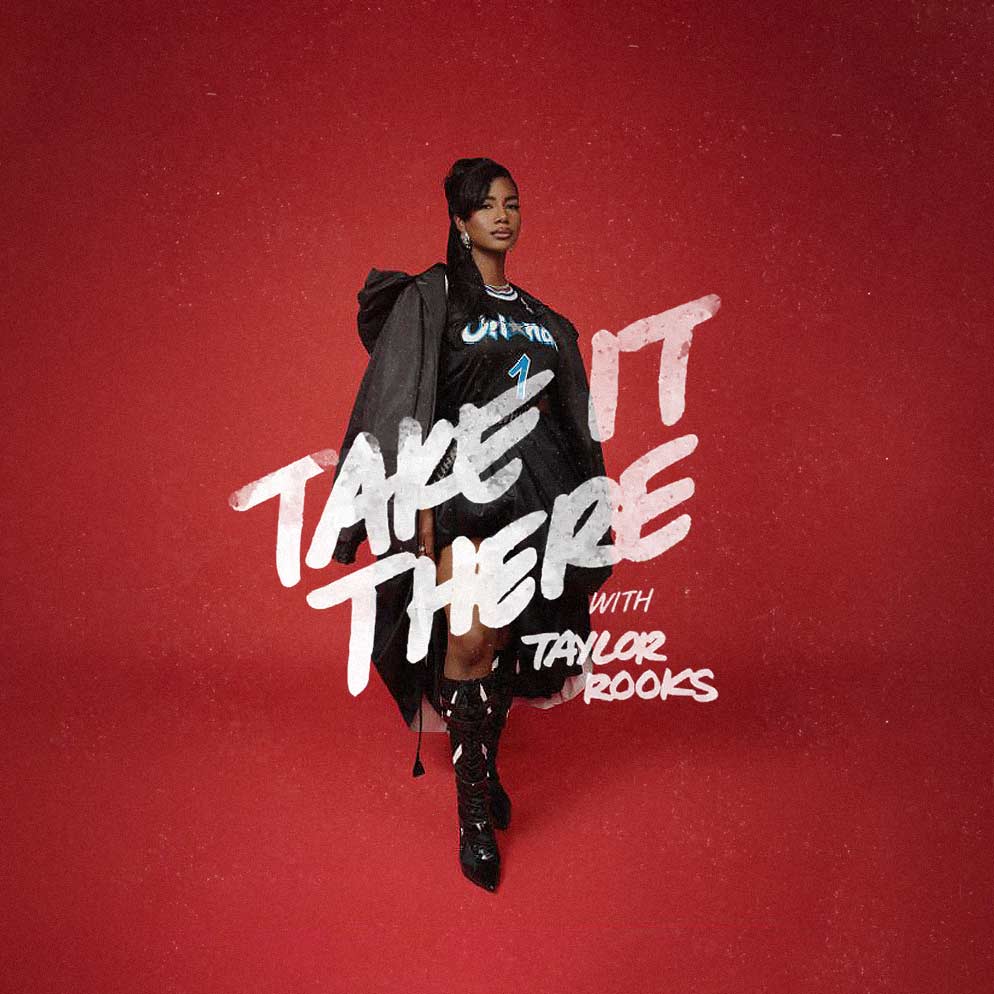

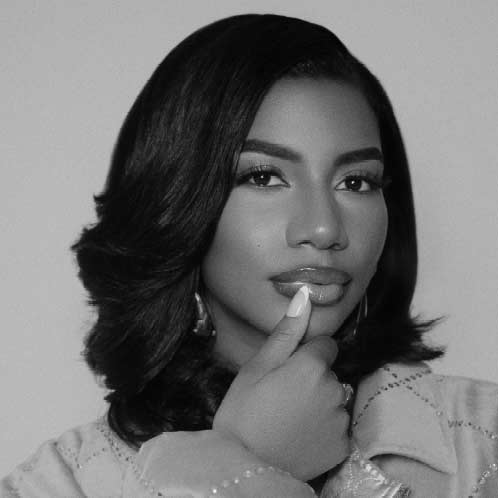
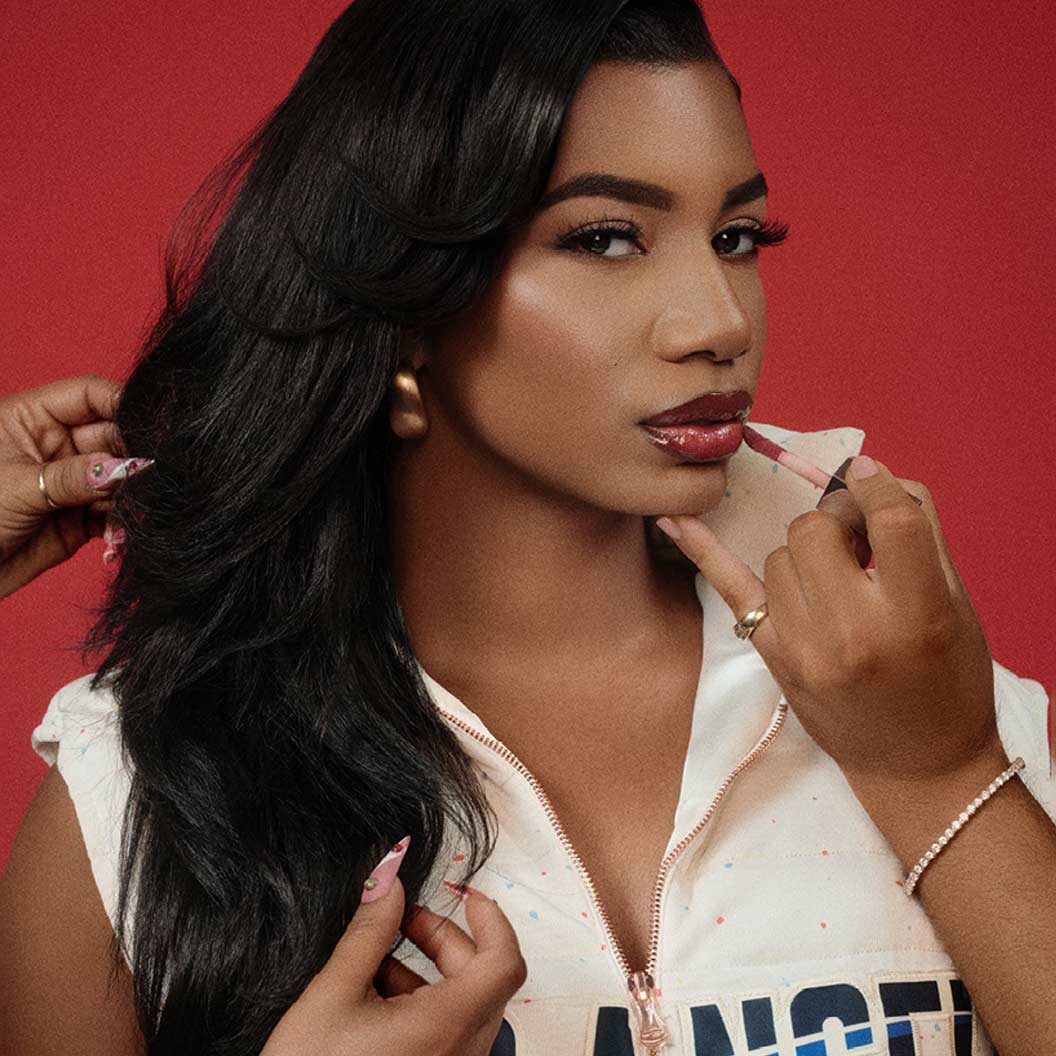
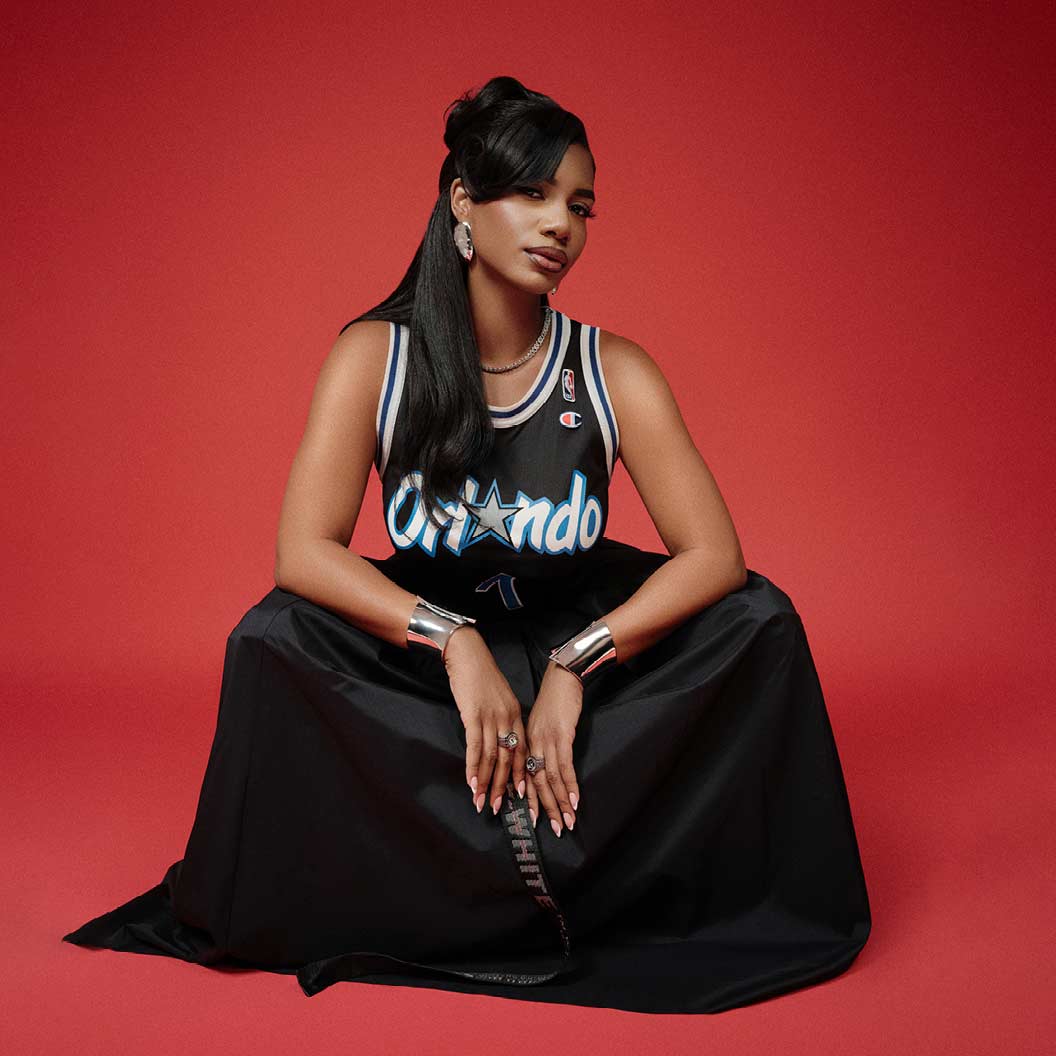
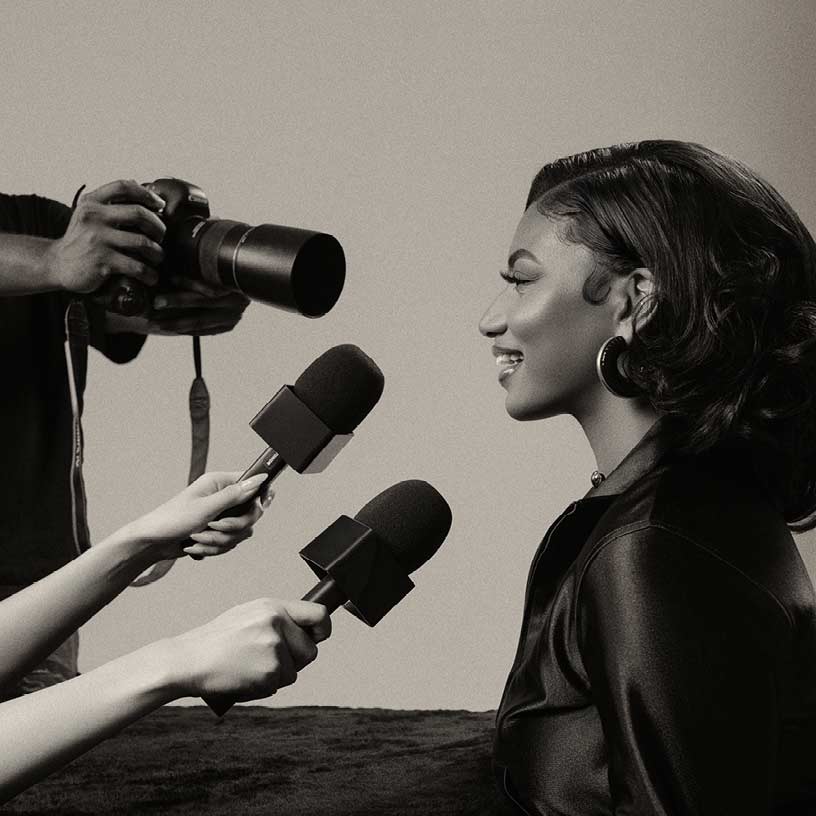
Take It There with Taylor Rooks was a Bleacher Report original interview franchise built for the digital era, designed to capture the parts of athlete identity that rarely make it into highlight culture. The series was conceived as long form, personality led storytelling where the interview is treated as a cultural product, not a press availability. The format prioritized intimacy, pacing, and tonal range, giving talent room to move from competitive mythology into real perspective, vulnerability, and self authored narrative. From a creative direction standpoint, the goal was to build a show that felt premium and intentional, while still native to the way modern audiences consume sports media across feeds, clips, and algorithmic discovery. Each episode was structured to generate both a complete long form experience and a set of modular moments that could be atomized into social cutdowns without losing context. The show’s production language leaned into environmental authenticity, using homes, backyards, training spaces, and lifestyle settings to create a sense of access and reduce the performative guardrails athletes often bring to traditional media.
At the brand level, the ambition was to establish a recognizable interview platform inside the Bleacher Report ecosystem that could live alongside daily news and culture content while signaling a more elevated editorial lane. Season one established the franchise with a roster that intentionally spanned leagues, geographies, and cultural footprints to prove the concept could scale beyond a single sport. The guest mix included NBA, NFL, global soccer, and WNBA talent, allowing the series to flex across different fandom behaviors and audience psychographics while maintaining a consistent creative thesis. This required a clear narrative architecture, because each athlete came with a different level of public saturation, media training, and cultural storyline, and the show needed to meet them where they were. The early success validated the distribution strategy, where full episodes drove depth and credibility, and cutdowns served as top of funnel awareness assets across social surfaces.
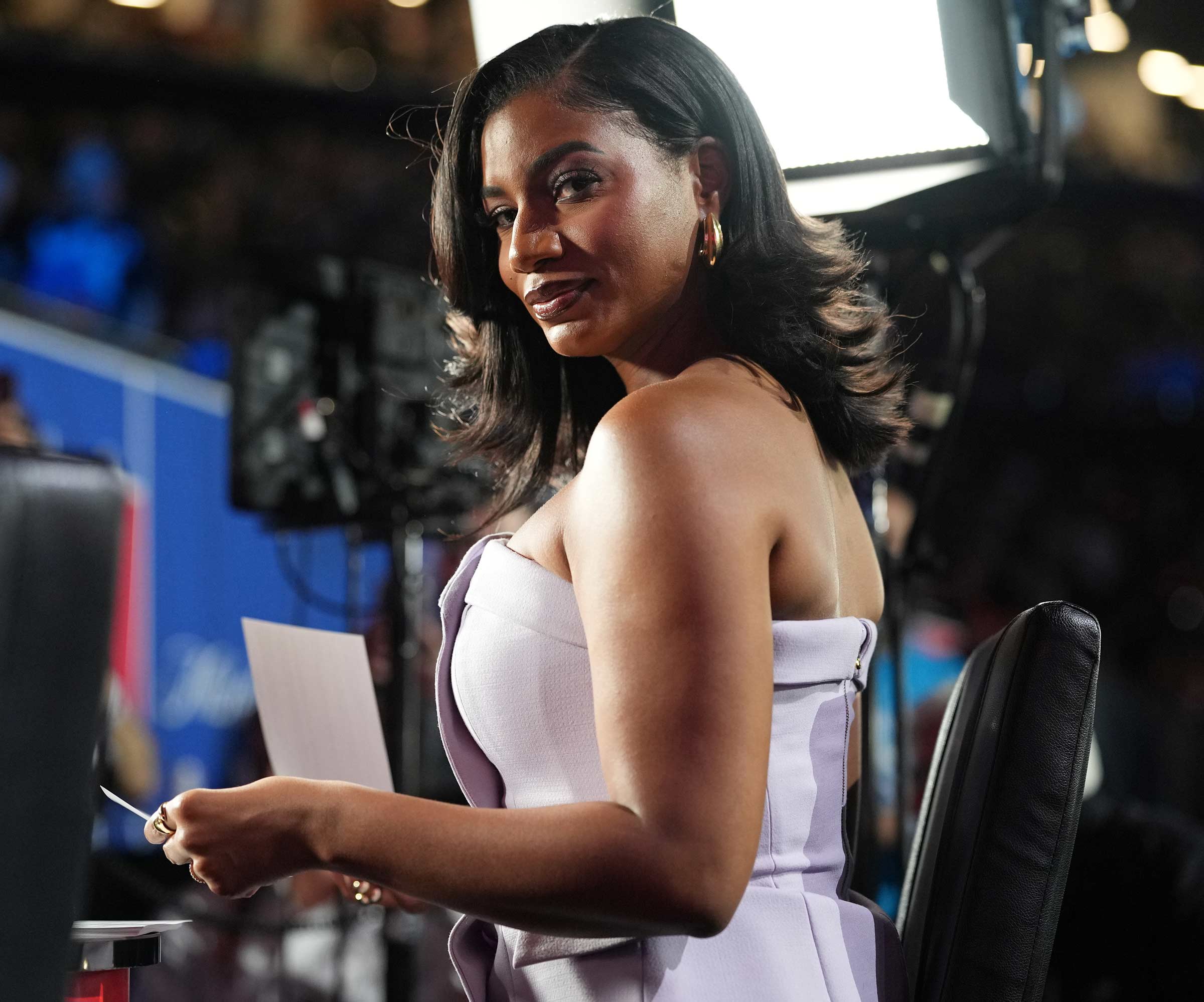
When Taylor Rooks joined Bleacher Report in 2018, the company was in the middle of expanding its original programming and investing in talent who could speak fluently across both traditional sports media and emerging digital platforms. Rooks had already built a reputation as a sharp interviewer during her time at the Big Ten Network, CBS Sports Network, and SportsNet New York, where she developed a style that blended journalistic curiosity with a conversational tone that resonated with younger audiences. She also arrived with a growing digital following and an instinct for storytelling that translated naturally to the social era of sports media. Bleacher Report leadership recognized that her voice aligned with the company’s broader strategy of creating content designed specifically for the way modern fans consume sports across platforms. Shortly after joining the company in June 2018, the team began developing a long form interview concept that would give Rooks the freedom to conduct deeper conversations than the short segments typical of television sports coverage. The goal was to create a signature series that could showcase her interviewing ability while building a recognizable editorial property within the Bleacher Report ecosystem.
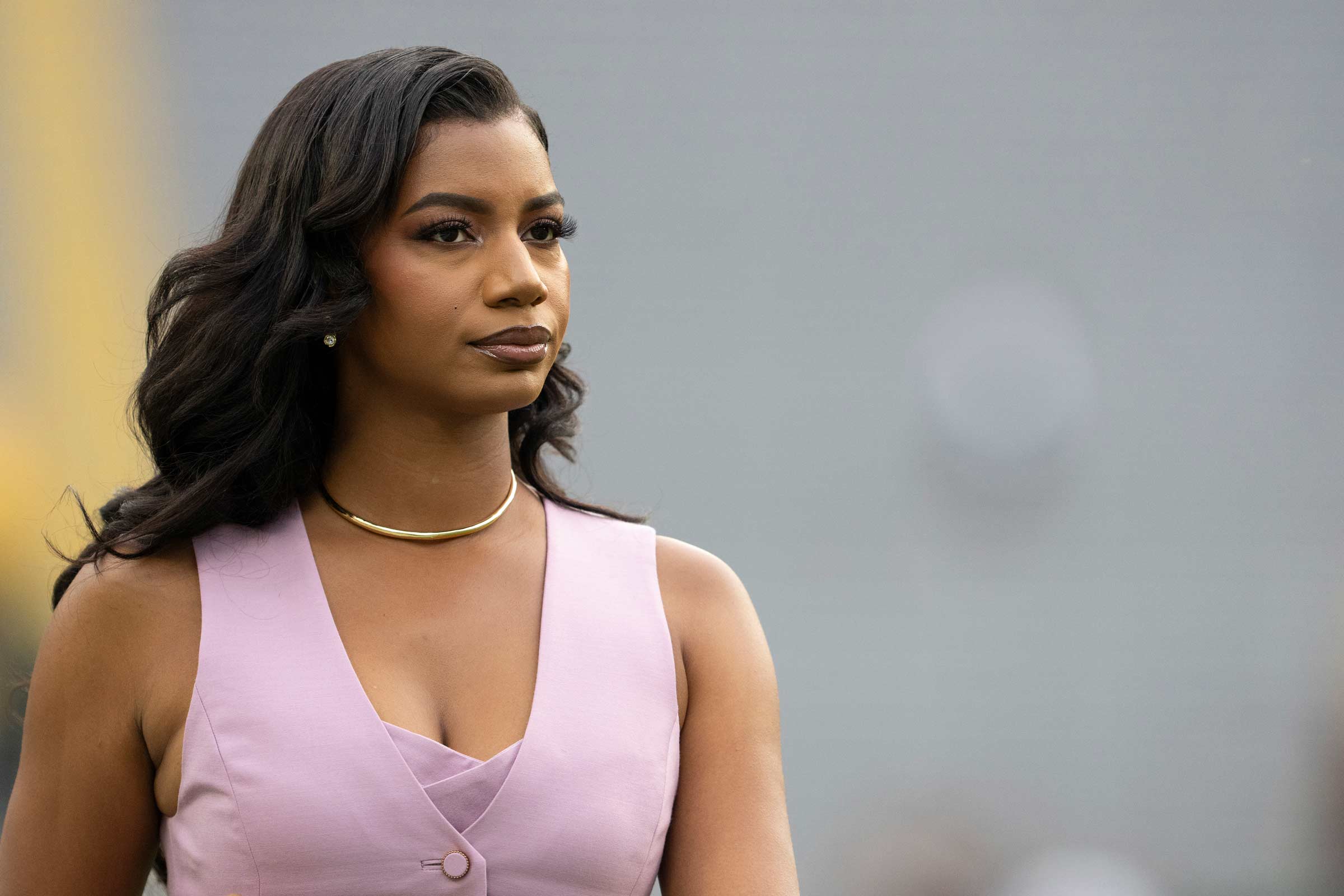
That concept ultimately became Take It There, a digital interview series built around candid, personality driven conversations with some of the most influential athletes in the world. Rather than staging interviews in traditional studios, the format placed Rooks in environments that reflected the guest’s personal world, from homes and training spaces to outdoor courts and everyday hangouts. This approach created a relaxed atmosphere that encouraged more authentic exchanges and allowed athletes to move beyond the rehearsed answers that often dominate sports media appearances. The series also aligned with Bleacher Report’s broader push toward platform native storytelling, with episodes designed to live across YouTube, social media, and the B/R app while generating a steady stream of shareable moments. By pairing Rooks’ interviewing style with Bleacher Report’s digital distribution engine, the show quickly emerged as one of the company’s most distinctive athlete interview formats.
From a creative operations lens, the work demanded repeatable systems for packaging, titling, thumbnailing, and clip selection so that each episode could travel efficiently without diluting the brand. The series also benefited from platform native publishing discipline, with assets designed to perform across YouTube, app, site, and social placements with different aspect ratios, runtimes, and engagement mechanics. Season one effectively proved that an athlete interview could function like an IP asset, not a one off content drop, and that the format could generate momentum through both appointment viewing and viral circulation. Internally, the visual development of the series was anchored by a tight collaboration within the Bleacher Report design studio.
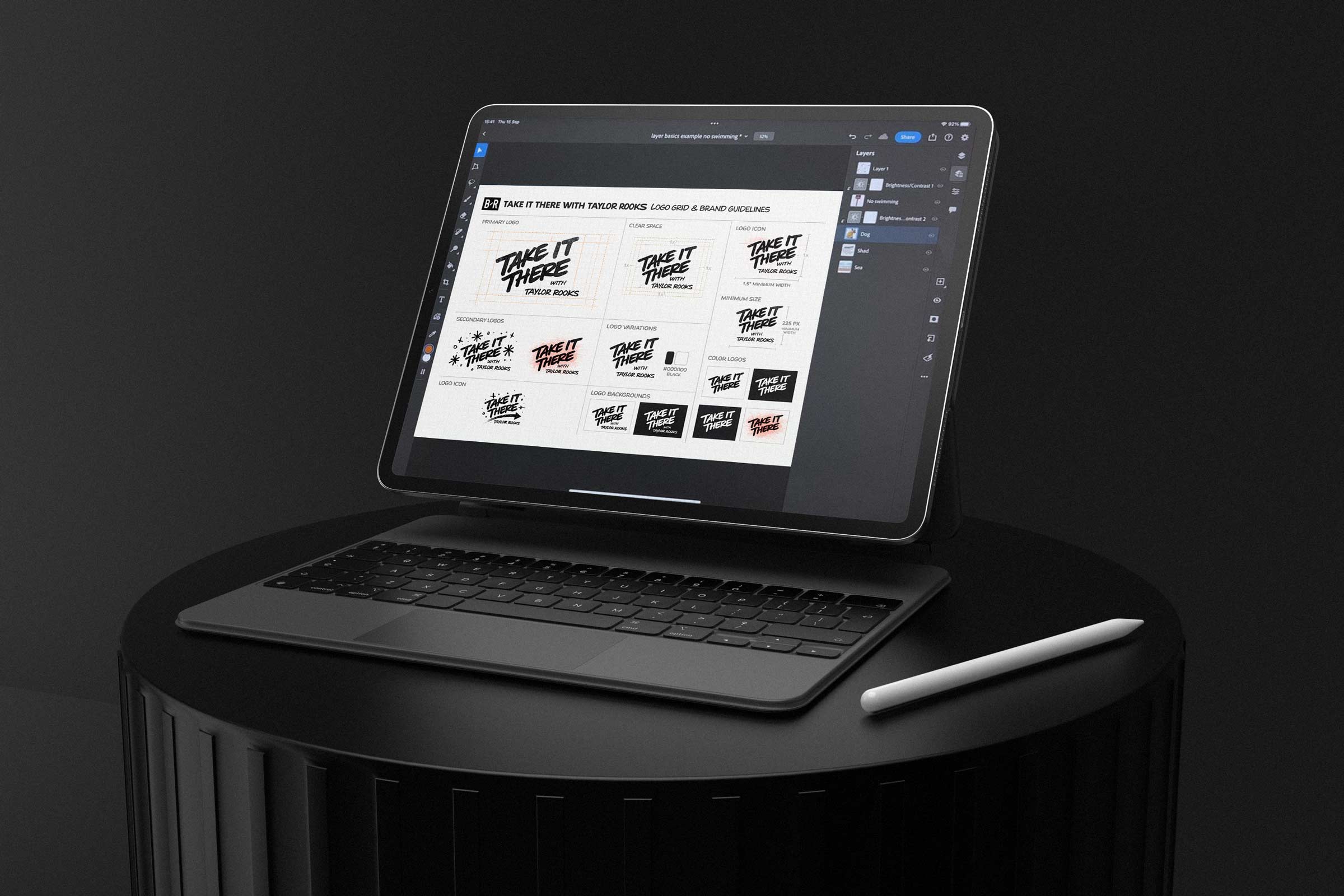
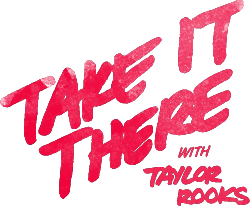
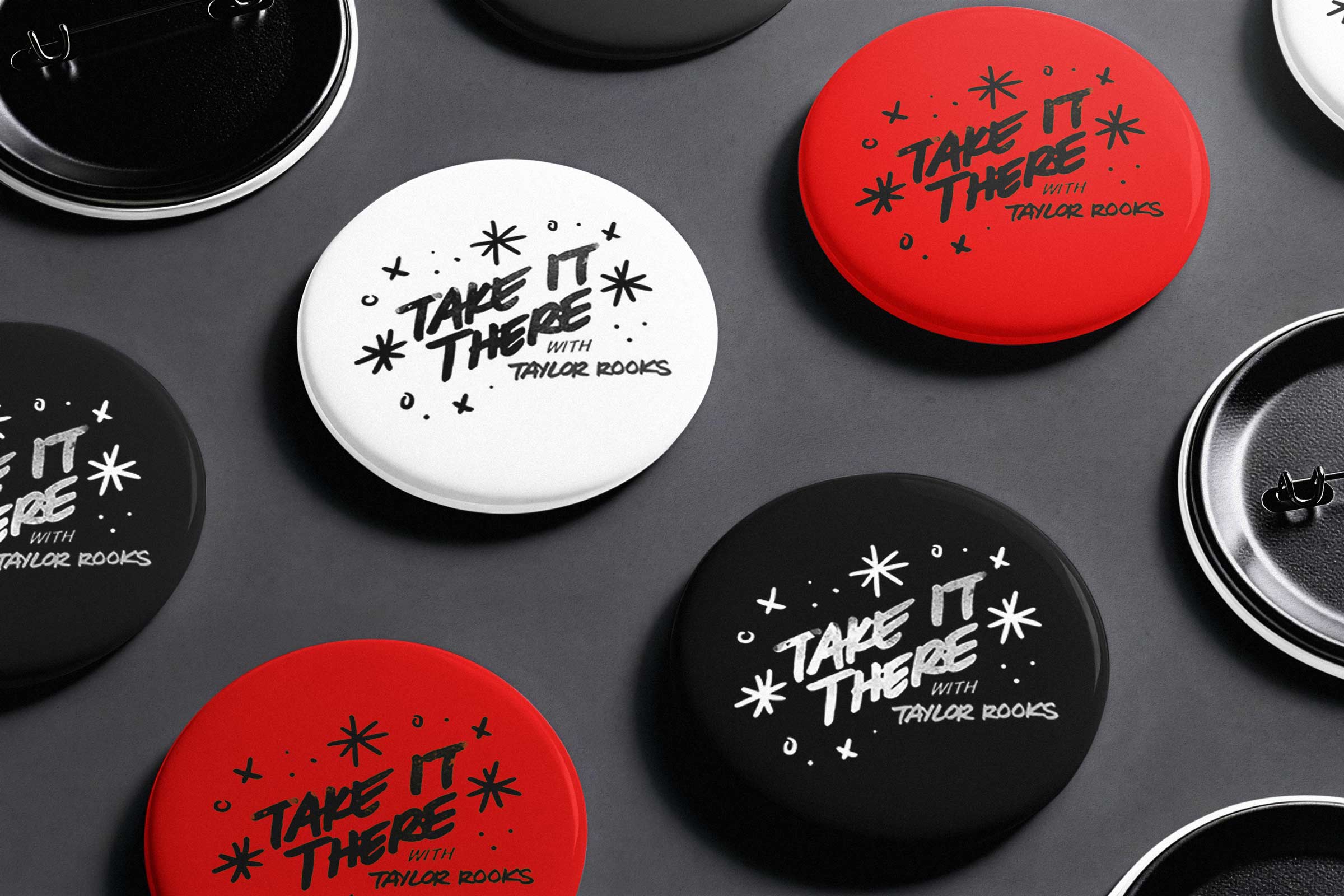
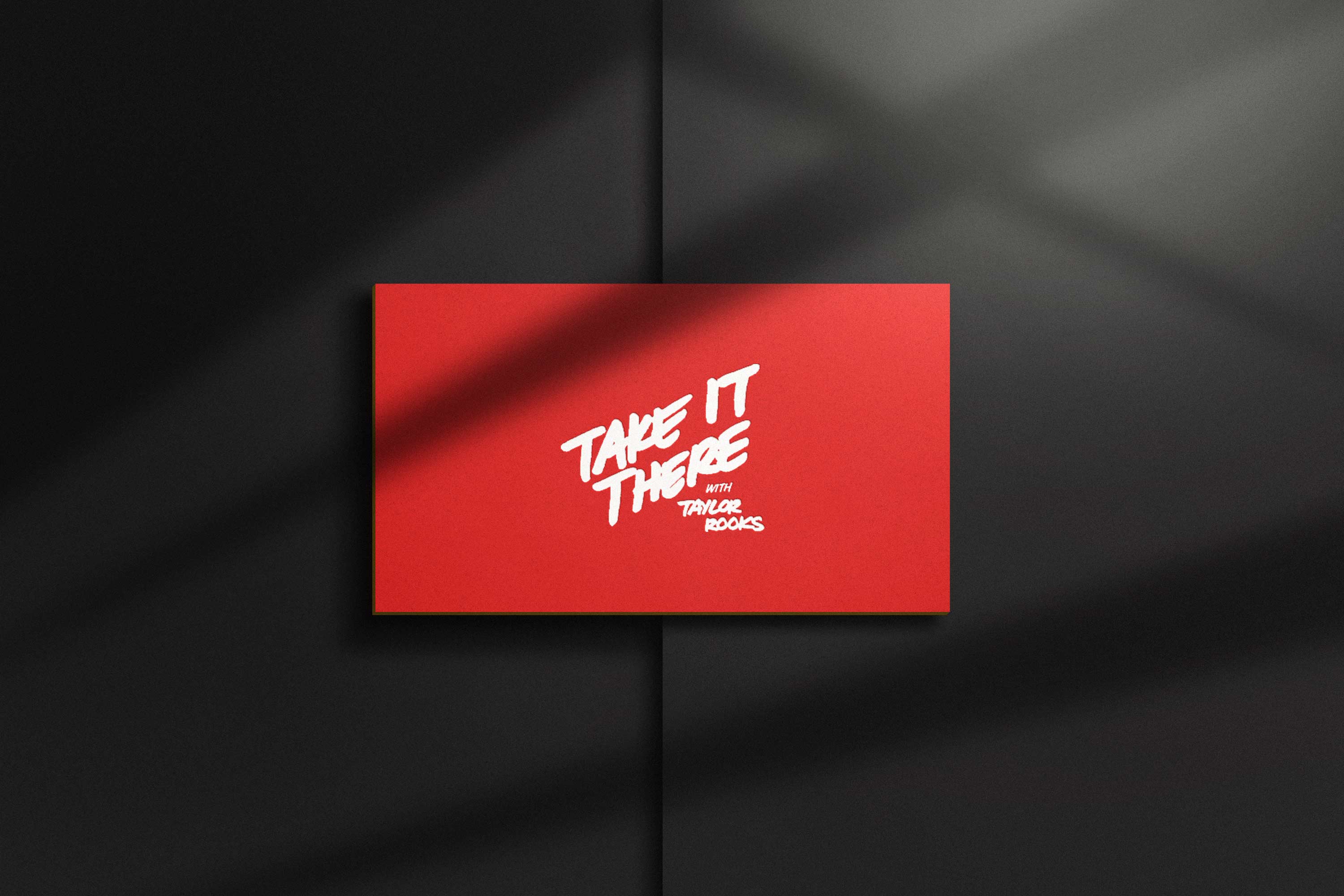
To elevate the identity beyond a typical sports media graphic package, we partnered with renowned illustrator and designer Sophia Chang to develop the custom handwritten typography used in the show’s logo. Chang’s lettering brought a distinct personality to the mark, introducing an expressive and conversational quality that mirrored the tone of Taylor Rooks’ interviewing style. The hand drawn approach gave the title a sense of immediacy and authenticity while still feeling premium and editorial, helping the show stand apart from the more rigid typographic aesthetics often associated with sports broadcasting. It also carried symbolic weight that felt appropriate for the project, as the logo for a series centered around Taylor’s voice and perspective was crafted by a female designer whose work is known for blending illustration, culture, and storytelling.
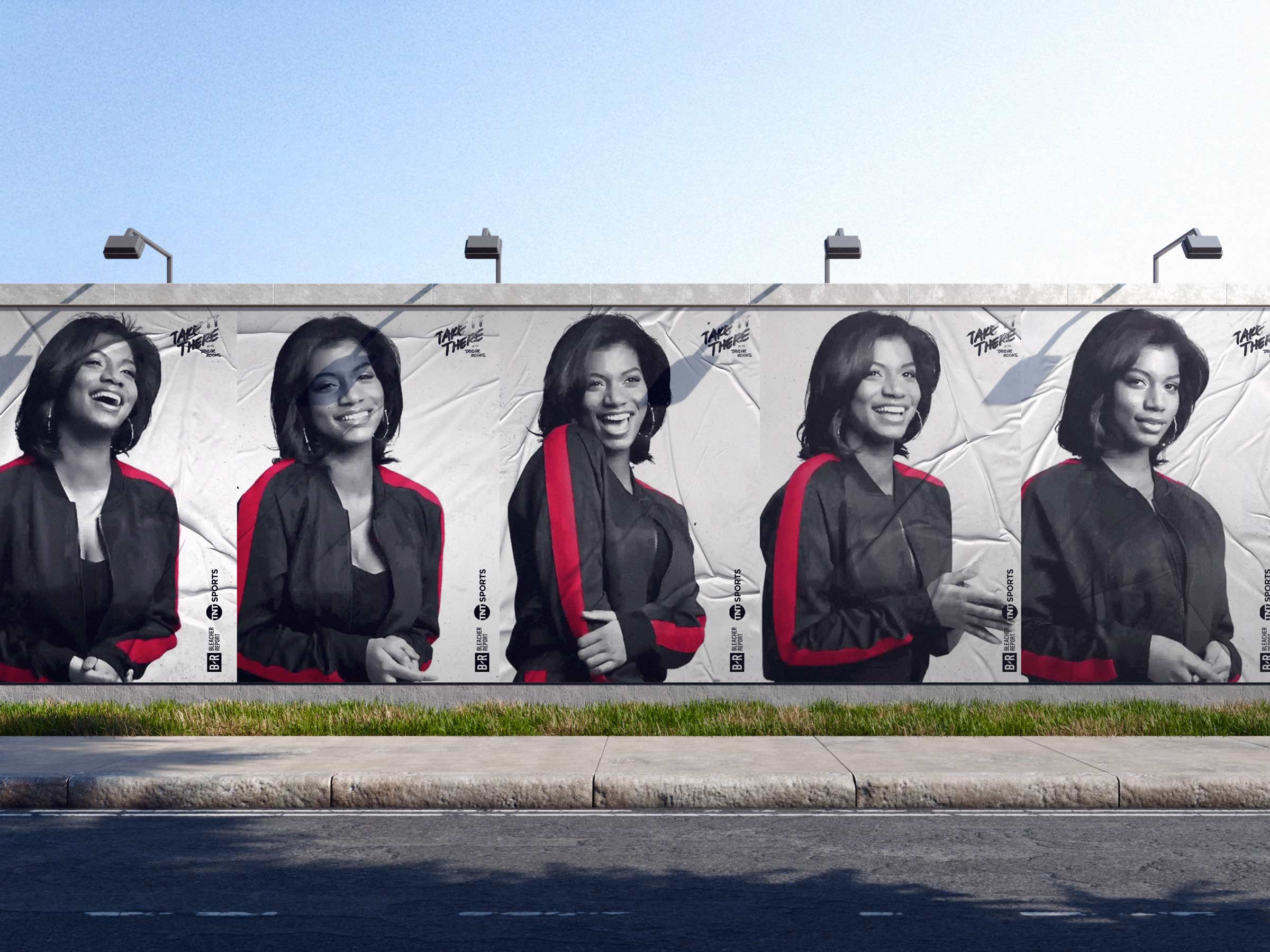
This collaboration between the internal design team and Sophia Chang allowed the visual identity to strike a balance between polish and personality, giving the series a look that felt both premium and culturally fluent. Chang’s handwritten logotype served as the central anchor of the system, introducing an expressive, human quality that mirrored the tone of Taylor’s interviews while differentiating the show from the more rigid graphic conventions often associated with sports broadcasting. Around that core mark, the team developed a supporting visual language that included typographic hierarchy, motion behaviors, framing devices, and compositional rules that could extend naturally across the full range of show assets. The goal was to build an identity that felt editorial and intentional rather than templated, allowing the brand to feel responsive to the different personalities and stories that each episode brought forward.
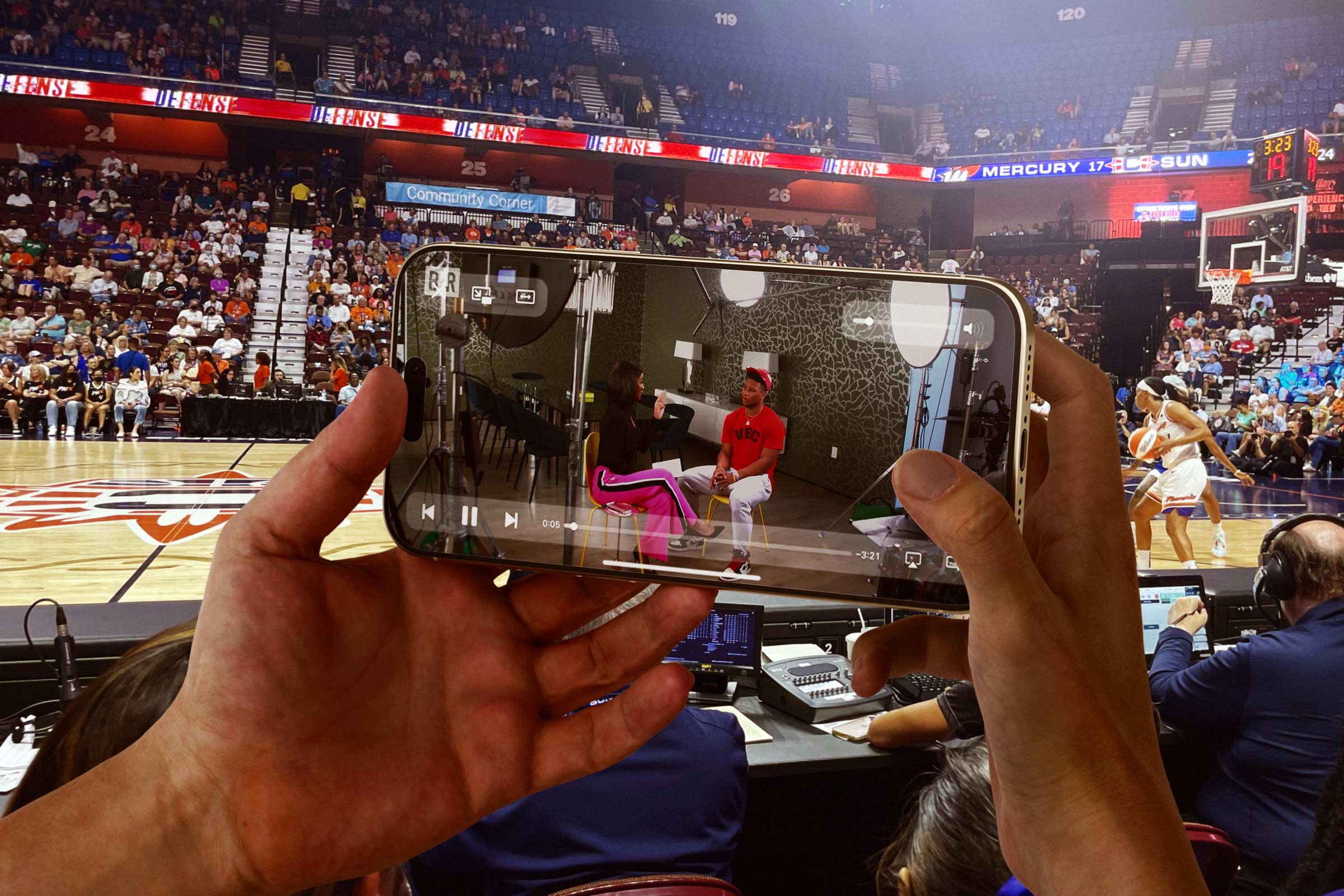
The surrounding motion language, layouts, and graphic treatments were designed specifically with digital distribution in mind. Title sequences, lower thirds, pull quotes, and social graphics were all constructed within a shared visual framework that allowed editors and motion designers to move fluidly between moments using layered compositions, animated typography, quick transitions, and subtle texture treatments. This ensured that the identity remained cohesive while still allowing each episode and social clip to feel fresh and dynamic. As the series rolled out across YouTube, social platforms, and the Bleacher Report app, the visual language maintained a recognizable presence whether it appeared in full episode title cards or short form clips circulating through feeds.
The resulting identity felt original and expressive, setting the tone for a show that prioritized personality, conversation, and cultural awareness over traditional sports broadcast aesthetics. The handwritten mark anchored the system with a strong point of view, giving the brand an editorial sensibility closer to magazine storytelling than studio television. From that foundation we developed a flexible set of visual guidelines that could extend across title sequences, social graphics, episodic packaging, and promotional assets. The system was designed to be recognizable yet adaptable, allowing the brand to live comfortably across multiple digital surfaces without feeling rigid.
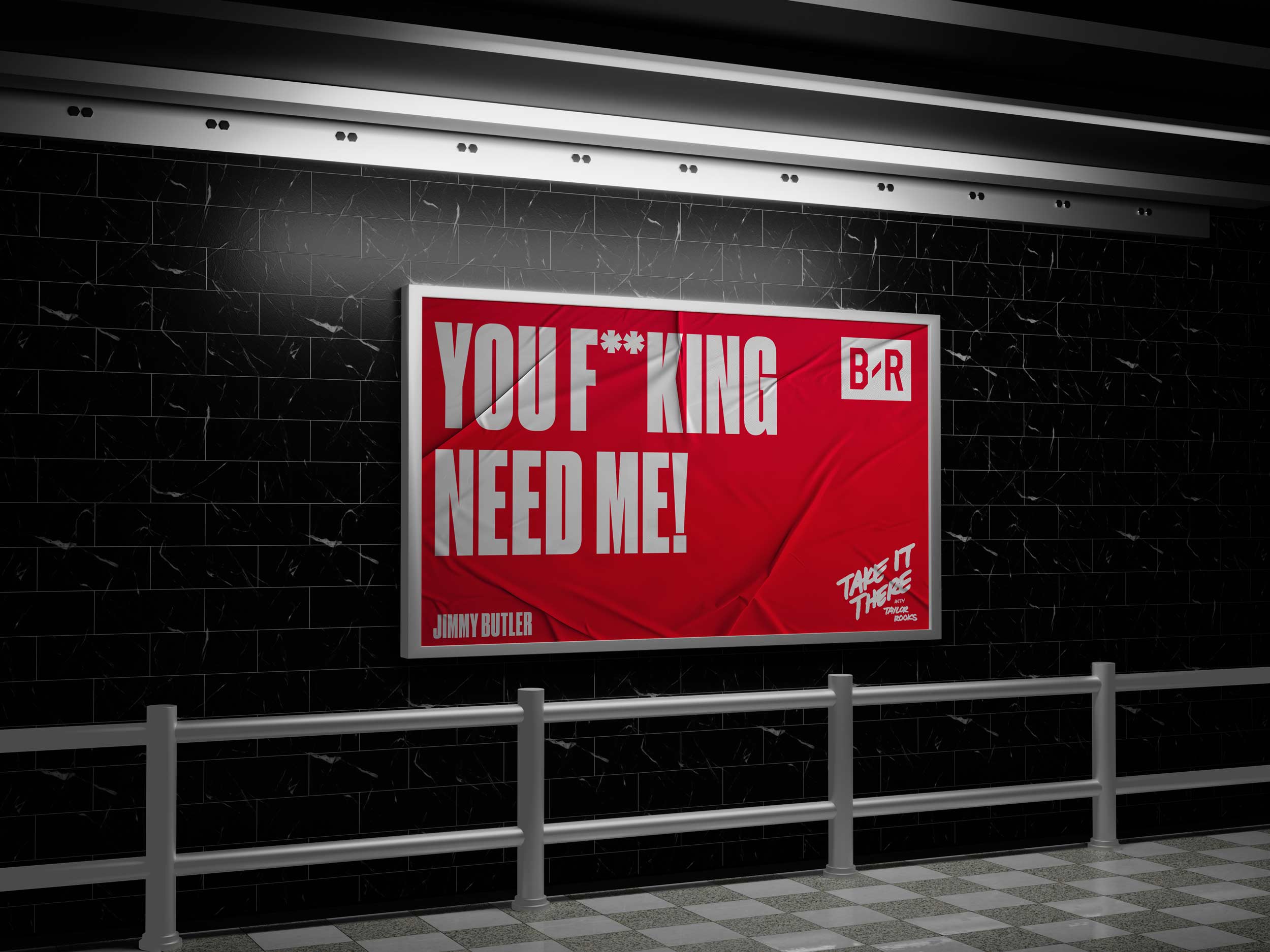
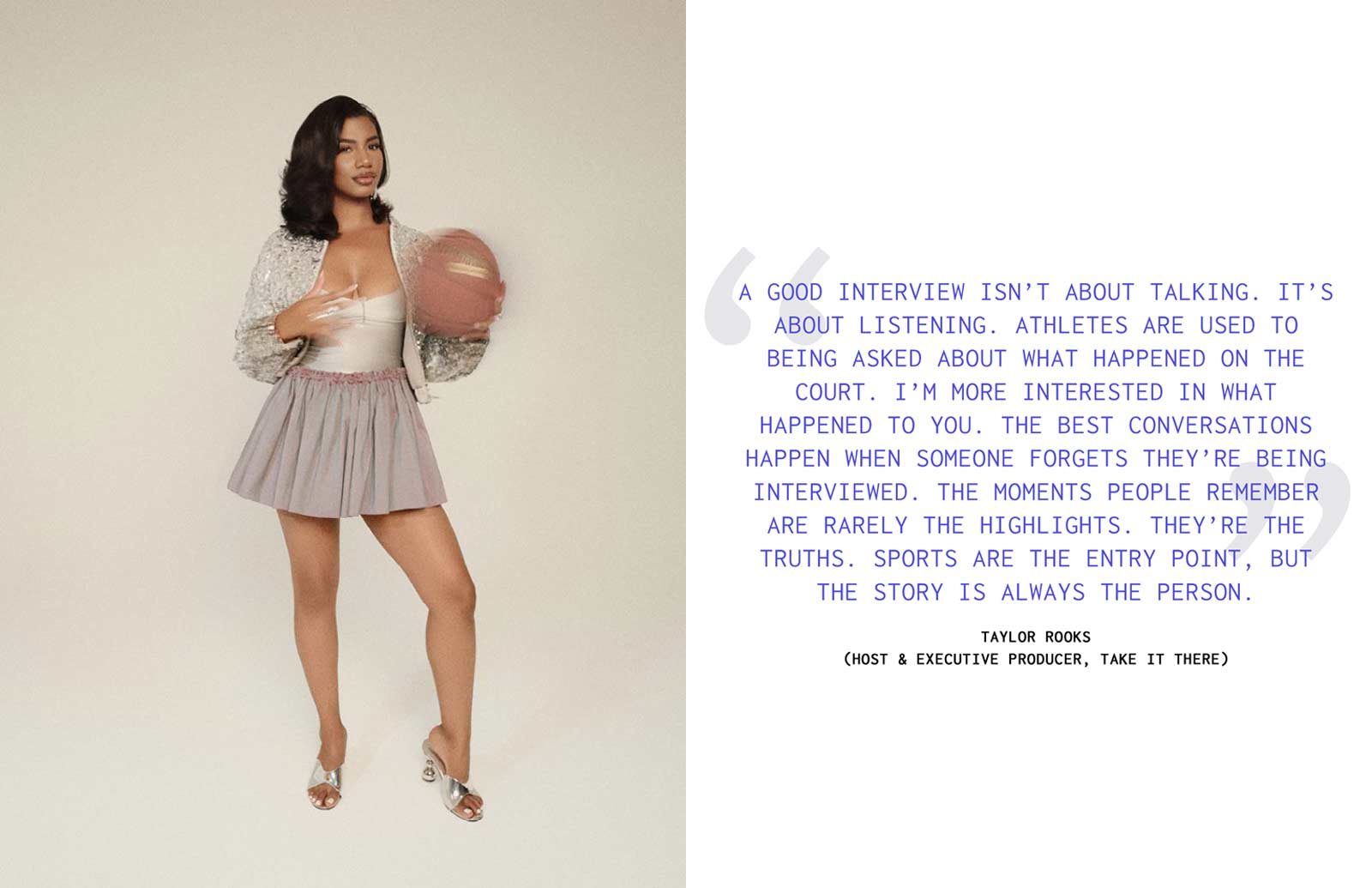
Those guidelines ultimately enabled a show package that felt energetic and contemporary, built around motion, transitions, compositional layering, and subtle textures that gave the interviews visual rhythm without distracting from the conversation itself. Editors could move between moments using dynamic cuts and animated typography while maintaining a consistent visual signature. This flexibility was essential in a digital distribution environment where the same content needed to perform in multiple formats, runtimes, and aspect ratios. The result was a design framework that supported storytelling while giving the series a distinct aesthetic presence within the broader Bleacher Report content ecosystem. Taylor Rooks’ interview style is rooted in curiosity, empathy, and a deep respect for the athlete’s voice, allowing conversations to unfold with an honesty rarely seen in traditional sports media. Her storytelling ethos centers on revealing the person behind the performance, creating space for athletes to speak openly about identity, pressure, and perspective rather than simply recounting highlights or headlines.
I had a chance to help oversee and give creative feedback throught the process and then help with social packaging and programming. Tim Moore served as Design Director for the initiative, helping guide the broader creative framework and ensure the project aligned with the evolving visual standards of B/R’s original programming slate. Art direction for the series was led by Drew Paterson, who helped translate the early conceptual direction into a cohesive design language that could support the show’s editorial tone and cultural positioning. Motion design and animation were developed by Adam Powell, whose work established the pacing and graphic rhythm that carried the identity through title sequences, lower thirds, and social cutdowns. Together this internal team created a flexible visual system capable of supporting both the long form interviews and the rapid production of promotional and social assets that accompanied each episode.
Taylor Rooks brought a distinct voice to Bleacher Report, combining traditional broadcast journalism with a digital native instinct for conversation and cultural storytelling. Her interview style emphasizes curiosity, empathy, and thoughtful questioning, creating space for athletes to move beyond rehearsed answers and speak more openly about their lives, pressures, and perspectives. On Take it There, instead of relying on traditional studio setups, the series intentionally placed interviews in environments connected to the guest’s personal world, from homes and training spaces to casual everyday locations. This approach helped remove the formality of broadcast interviews and created a more relaxed atmosphere that encouraged authentic conversation.
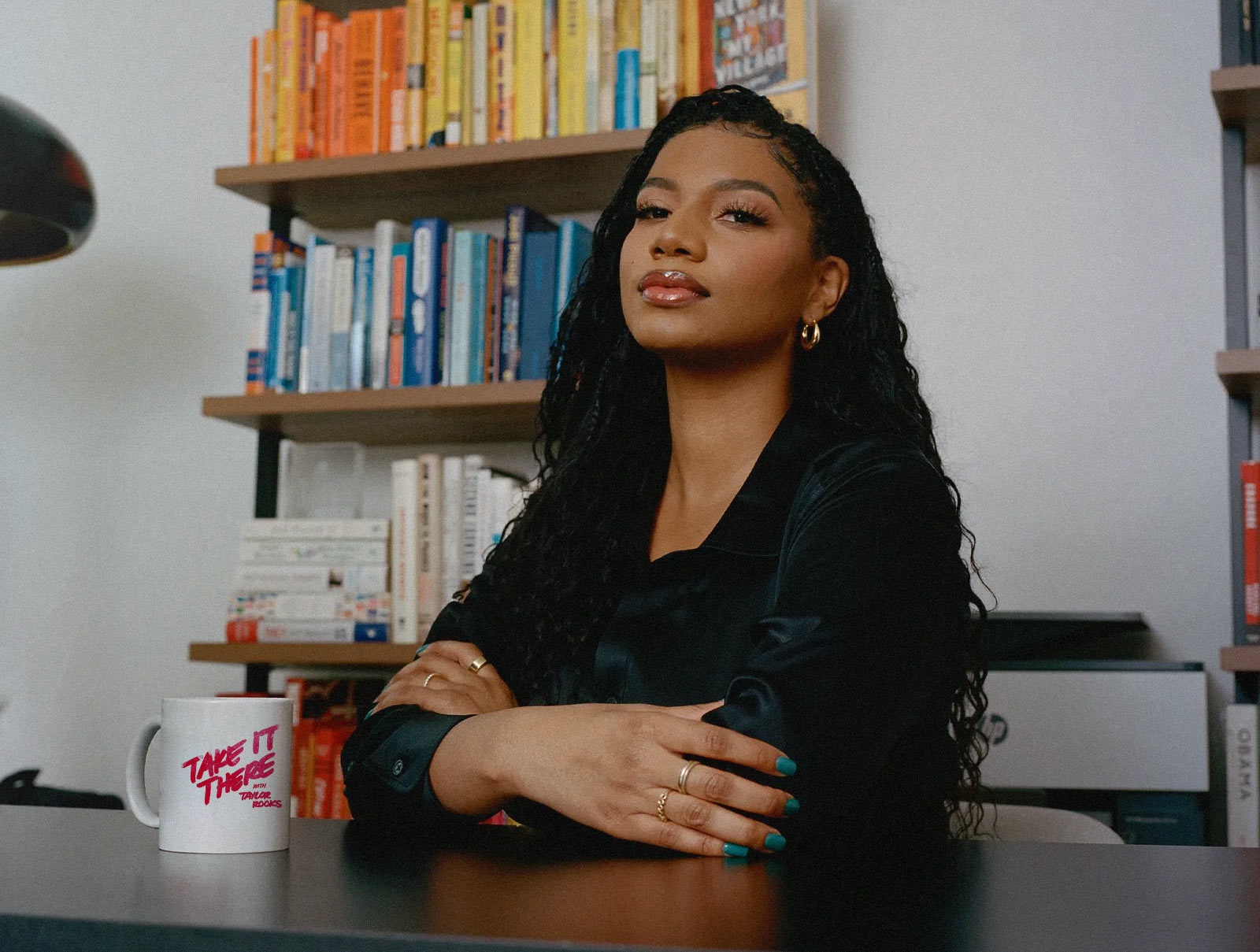
Bleacher Report leadership viewed Rooks as a voice uniquely suited to the modern sports media landscape, someone who could communicate with athletes and fans in a language that resonated across digital platforms where sports culture increasingly lives. The series debuted as part of Bleacher Report’s “Premiere Month,” a programming initiative designed to spotlight the company’s slate of original shows and establish new franchises within its growing digital studio. This launch window placed the show alongside other flagship properties such as Game of Zones and The Champions, positioning it as a core component of the studio’s evolving programming slate. Episodes were structured to run approximately ten to fifteen minutes, a format intentionally designed to balance depth of conversation with the viewing habits of digital audiences. Distribution was built to operate across multiple platforms simultaneously, with full episodes appearing on YouTube and the Bleacher Report website while shorter segments and highlights circulated through Twitter, Instagram, and other social channels.

The show was conceived as a flagship interview property that could anchor Bleacher Report’s growing portfolio of original programming while giving Rooks a platform that reflected her strengths as a storyteller. From the beginning, the series was designed to function as a digital native product rather than a repurposed broadcast format. This meant building a show that could thrive across YouTube, social platforms, and the Bleacher Report app simultaneously. The positioning centered on thoughtful conversation, cultural relevance, and authenticity, giving athletes space to speak about the realities of their careers and lives beyond the court or field. In many ways, the show reflected the broader shift in sports media toward personality driven storytelling and deeper narrative engagement.
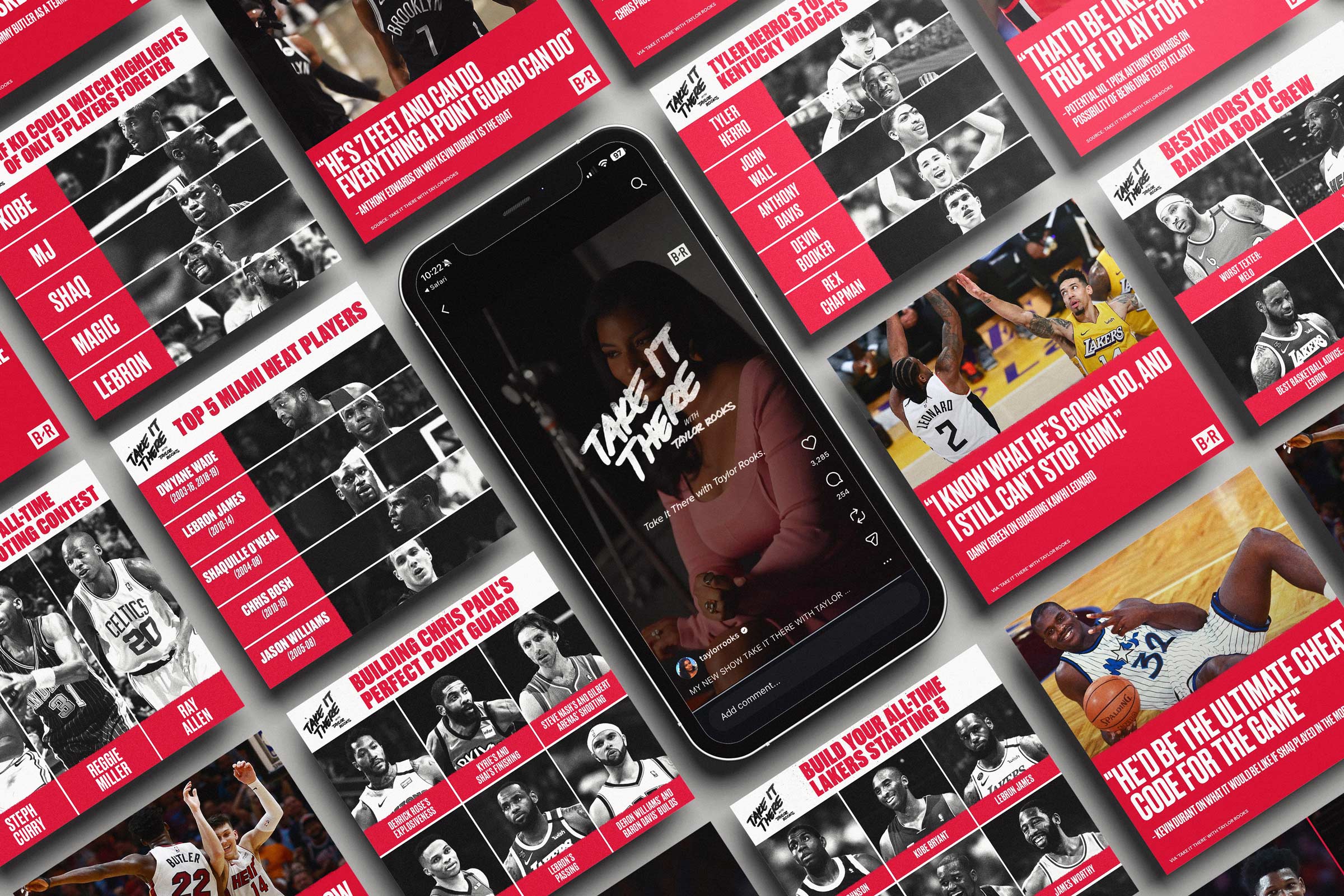
Rather than chasing soundbites or controversy, the show leaned into dialogue that explored mindset, identity, cultural influence, and the emotional realities of professional sports. This perspective aligned naturally with Bleacher Report’s broader editorial ethos, which has long emphasized the intersection of sports and culture. The tone of the series reflected the idea that athletes are not simply performers but also individuals navigating public life, expectations, and personal ambition. By creating a platform where those conversations could unfold naturally, the show offered something distinct within the crowded ecosystem of sports media. The intention was to build a space where storytelling could feel intimate without sacrificing the energy and relevance of contemporary sports culture.
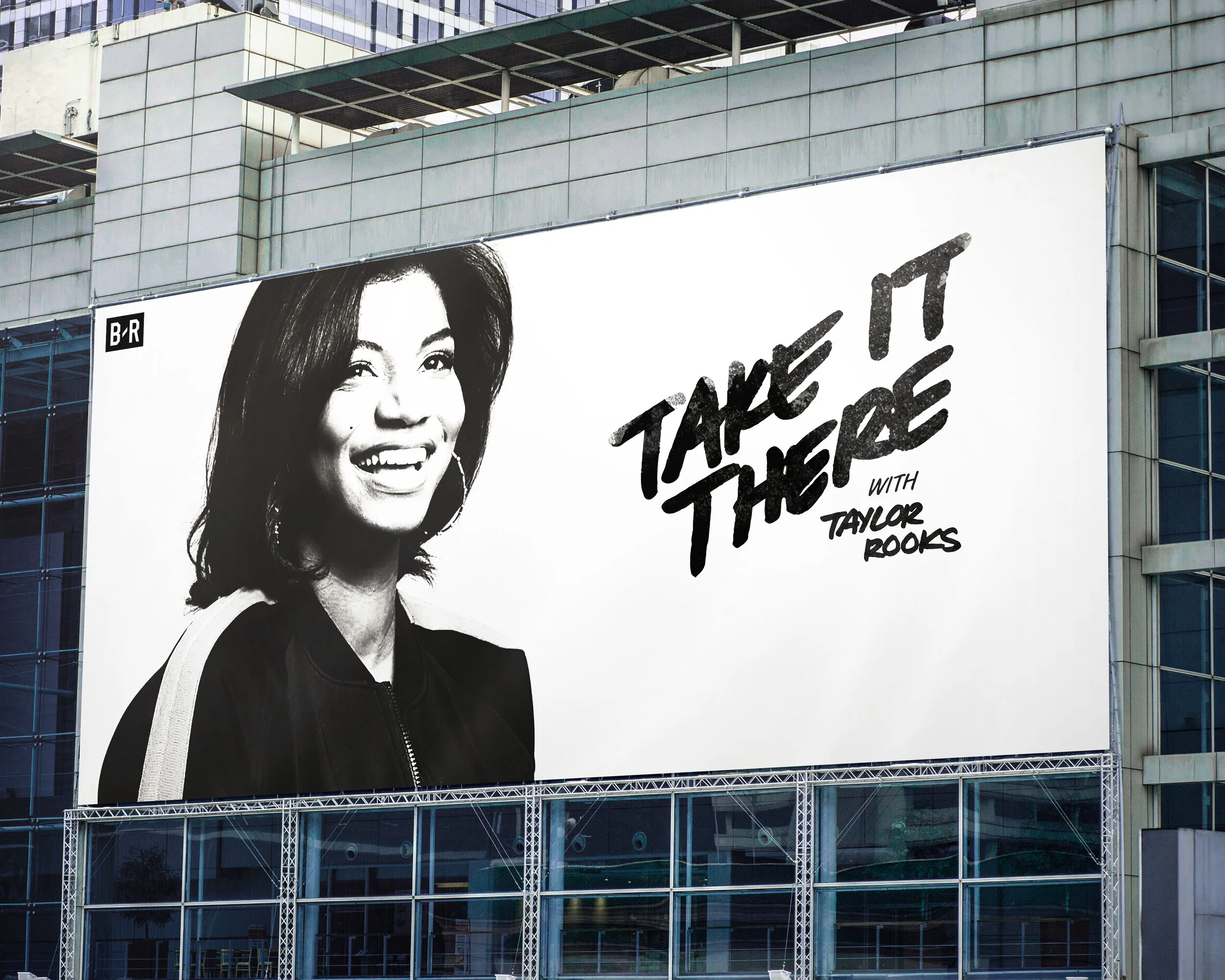
Clips from the interviews could travel quickly through feeds, generating discussion and extending the life of each episode well beyond its initial release. The strategy reflected Bleacher Report’s understanding that modern sports content rarely exists in a single format or location. Instead, the show functioned as a central narrative hub whose moments could be repackaged and redistributed across the broader ecosystem. This distribution model helped amplify the reach of each interview and ensured that the conversations remained visible long after their premiere. In many ways, the rollout demonstrated how editorial storytelling, social distribution, and platform strategy could operate together as a unified content engine. The combination of personality driven storytelling and platform optimized distribution created a feedback loop in which interviews could spark ongoing discussion across multiple channels. Each episode functioned not only as a piece of long form content but also as a source of numerous social moments that could circulate independently. Over time, those moments contributed to the show’s growing cultural presence within the sports media landscape.
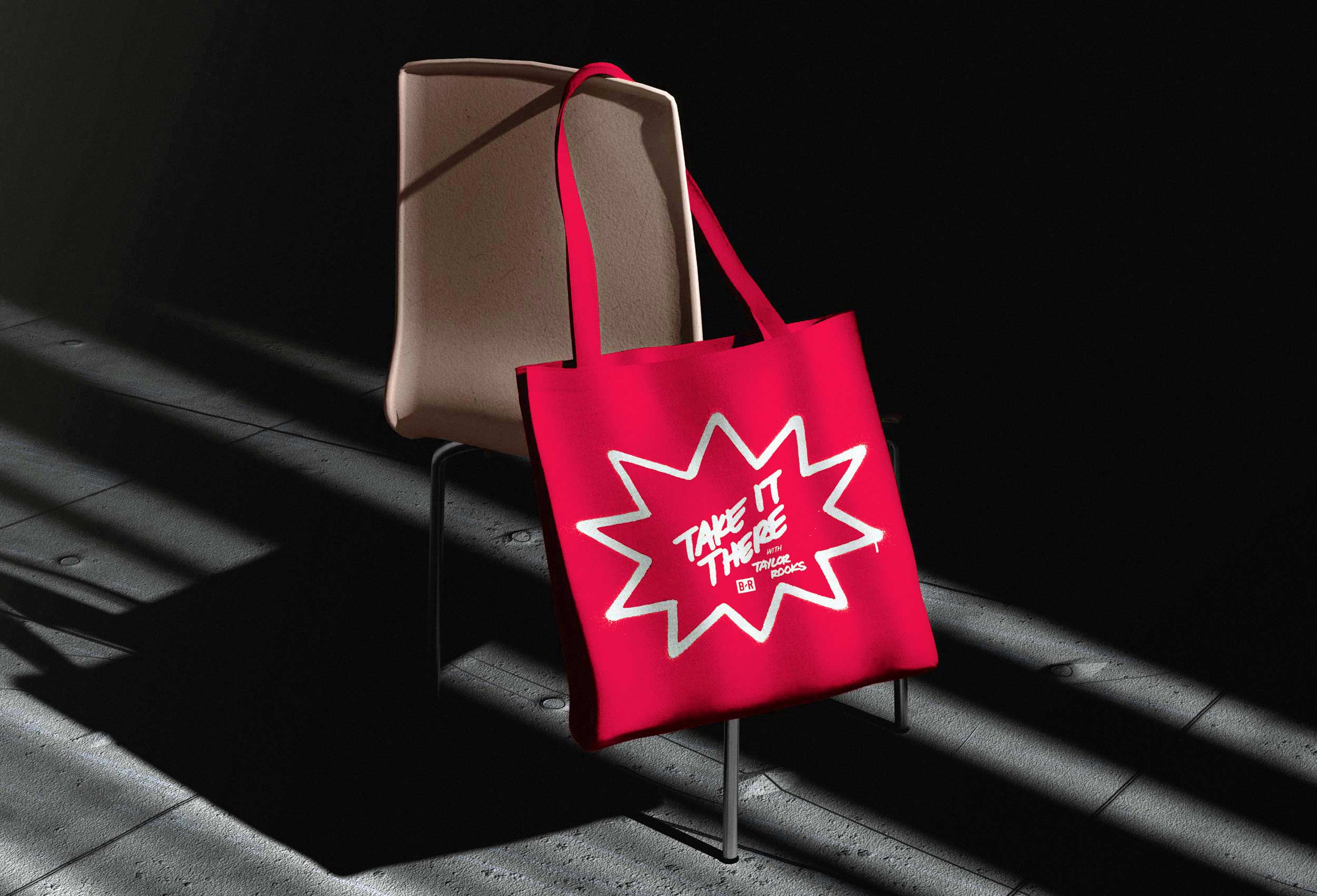
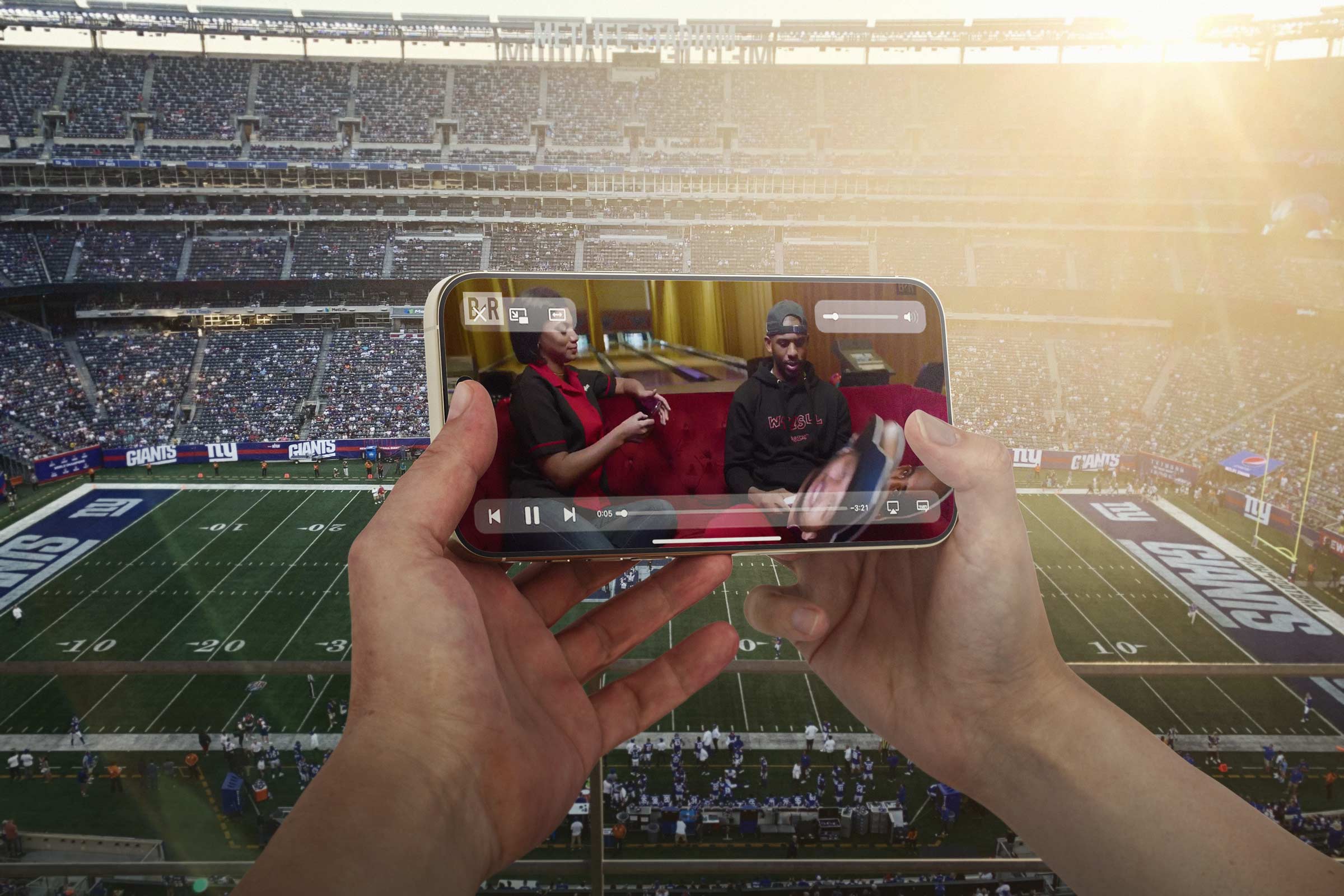
Audience engagement quickly validated the approach. During its first season, Take It There with Taylor Rooks generated more than twenty million total video views while also producing nearly one and a half million social engagements across Bleacher Report’s digital channels. Individual episodes regularly surpassed one million views across platforms, with the most popular installment featuring Ja Morant drawing approximately three million total video views on its own. The show also proved particularly effective at reaching younger audiences, with roughly seventy eight percent of YouTube traffic coming from viewers under the age of thirty five. That demographic alignment was especially significant given Bleacher Report’s broader strategy of building a brand that resonated with digitally native sports fans. The series was also among the company’s early experiments with Instagram’s emerging IGTV platform, where episodes similarly attracted strong viewership numbers and extended the show’s reach within mobile first environments. These metrics reinforced the idea that audiences were hungry for athlete conversations that moved beyond traditional press conference narratives.
Beyond raw numbers, the series helped reinforce Bleacher Report’s broader reputation as a company capable of blending sports journalism with culture forward storytelling. At a time when the boundaries between athletes, entertainment, and digital media were becoming increasingly fluid, Take It There offered a format that acknowledged and embraced that reality. The show demonstrated that thoughtful conversations with athletes could perform just as well online as highlight driven content when presented with the right tone and creative packaging. It also helped position Taylor Rooks as one of the most distinctive interviewers working in sports media today, a voice capable of connecting with both athletes and audiences in a way that felt genuine rather than transactional. The success of the series contributed to Bleacher Report’s expanding reputation as a studio capable of producing original programming that resonated far beyond the confines of traditional sports coverage. Internally, the show also provided a blueprint for how future personality driven series could be developed and distributed across the company’s ecosystem. By combining strong editorial instincts, thoughtful design, and a digital first distribution strategy, the project demonstrated how sports storytelling could evolve within a rapidly changing media environment. In many ways, Take It There represented the convergence of several trends shaping the future of sports media. It was athlete driven, culture aware, platform native, and built for a generation that experiences sports as part of a much broader cultural conversation.
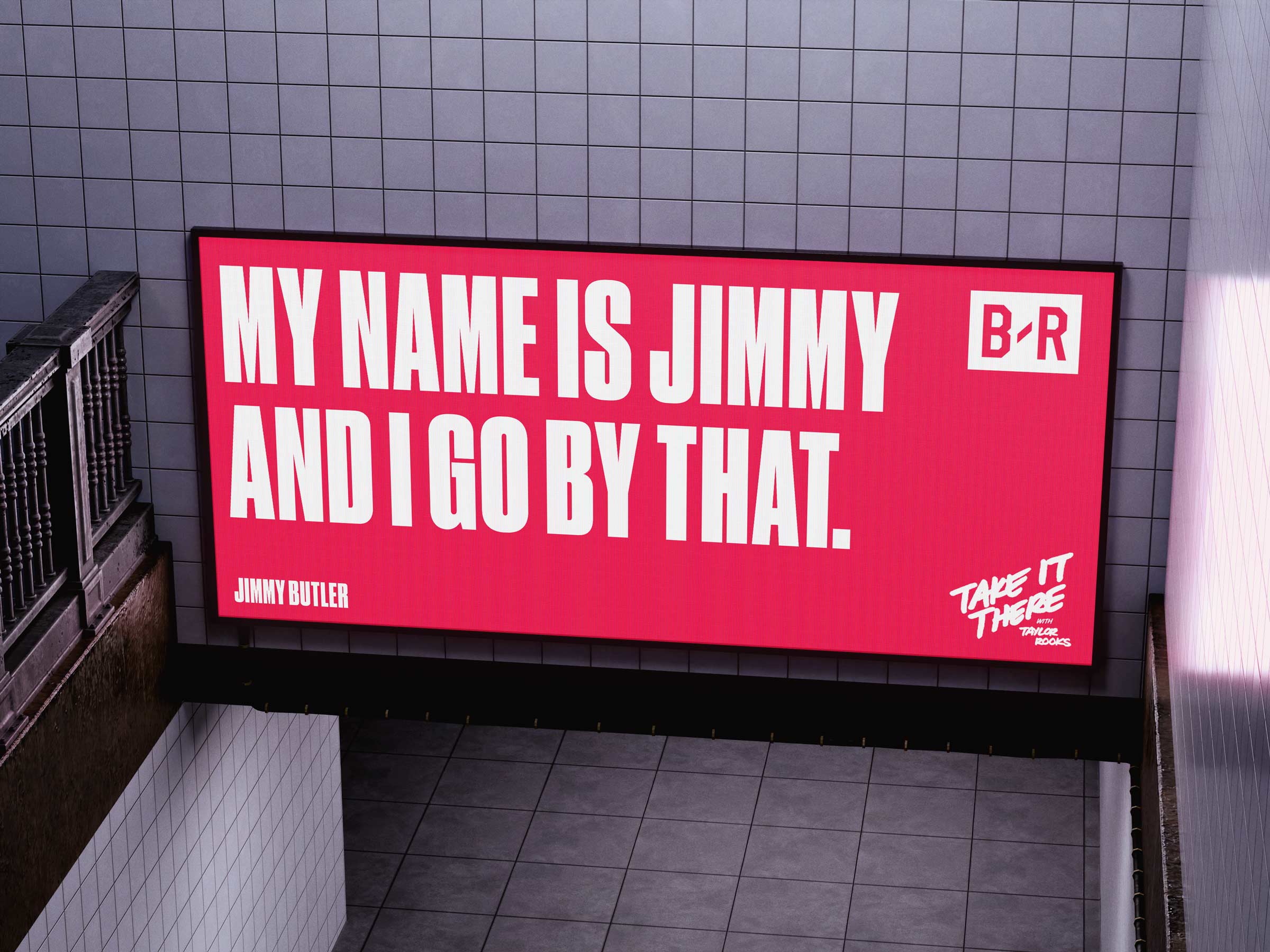
The series opens by immediately clarifying the show’s core promise: no podium answers, no media-training gloss, and no rush to the highlight reel. Butler addresses the labels that have followed him across locker rooms, including the whole “diva, bully, toxic” framing, and reframes it as competitiveness plus standards, not chaos for sport. The emotional spine of the episode is his admission that he came close to walking away from basketball during college, which lands because it undercuts the myth of linear success and turns the conversation toward doubt, identity, and survival. Rooks keeps the pacing intimate and conversational, letting Butler sit in the uncomfortable parts rather than cutting away the moment it gets heavy. The positioning is deliberate: this is athlete storytelling as character study, not athlete storytelling as PR tour. The episode also sets a template for the series’ editorial texture, where a single vulnerability can become the headline, but the real value is the context around it. In terms of brand architecture, it establishes Take It There as a premium interview property inside B/R’s ecosystem, built to travel as full episodes but also as quoteable, culturally shareable moments.
This episode is built around values, specifically Lillard’s relationship with loyalty, legacy, and the modern ring economy that frames player movement as either ambition or betrayal. B/R’s framing is explicit that he “can live” with not winning a championship if the tradeoff is staying true to himself, which instantly makes the conversation about principles instead of hypotheticals. Rooks uses the superteam topic as an entry point, then widens the aperture into how he measures success and how he processes criticism from both traditional media and online fan culture. The episode also leans into Lillard as a cultural operator, not only an athlete, with B/R calling out his identity as “the best rapper in the NBA” and making space for him to talk taste, authenticity, and what “corny” looks like in music and persona. Structurally, it is a clean example of Take It There’s format: start with the headline debate, then pivot into ethos, then end with personality. The impact is that the episode plays like a brand statement for Lillard, while also reinforcing B/R’s broader positioning as the platform that treats athletes like complete humans with creative lives.
The third episode features Saquon Barkley, one of the most exciting young players in recent football memory and a good friend of Taylor's. Barkley’s episode is a confidence episode, but it is framed as grounded confidence, not bravado for clicks. The setup is simple and sticky: he is usually humble, yet he agrees he could become the best at his position, which creates immediate tension between public persona and private ambition. From there, the conversation threads through leadership and franchise context, including the Eli Manning situation, which situates Barkley inside a legacy organization that is always negotiating past and future at the same time. The lighter secondary b story beat, that he was almost named “Tupac,” works as a cultural texture layer that keeps the episode from feeling like a standard football profile and provides some levity to the episode. Rooks’ style here is to let the confidence sit without challenging it in a debate format, and instead interrogate what it costs to carry that expectation. The positioning becomes clear: Take It There is not trying to “gotcha” talent, it is trying to render them with dimensionality. Editorially, the episode is built for both long-form consumption and short-form extraction because it contains big declarative statements plus personal anecdotes with pop. In the context of the series, it expands the guest mix beyond the NBA and reinforces that the show’s lens is culture-first, not league-first.
Gobert’s episode is engineered around motivation and memory, using the draft as a symbolic origin story that still informs how he competes. The core hook is that he was passed over by 26 teams and still carries it, to the point where he can name almost every player drafted ahead of him, which turns resentment into a measurable, almost ritualized discipline. Rooks uses that chip as the narrative engine, but the real story is how Gobert metabolizes disrespect into work, and how that changes a person over time. The episode positions him less as a stat sheet and more as a mindset, which is crucial for a player whose impact has often been debated through metrics and awards discourse. It also showcases the show’s ability to make something like draft slot feel cinematic, not because of production gimmicks, but because of emotional specificity. In brand terms, it is a clean example of B/R leaning into the psychology of modern athletes, not only their performance. The episode’s shareability is built into the premise because “I remember everyone drafted before me” is already a social clip with built-in audience reaction. Within the season arc, it reinforces that Take It There can make even familiar sports narratives feel newly human by centering what the athlete still carries.
Salah’s episode expands the series beyond American sports and proves the format works globally when the interview is rooted in emotion and identity, not league-specific inside baseball. The headline beats are intentionally accessible: he is still emotional about the Champions League final injury from the Sergio Ramos challenge, he has nothing to say to doubters, and he even gets playful about his hair being better than Odell Beckham Jr.’s. Those details are not filler, they function as a calibrated mix of pain, confidence, and charisma that makes the guest feel real to a wide audience. B/R frames it as Salah learning to embrace “newfound fame,” which sets the episode’s thematic lane as celebrity pressure and public expectation. Rooks’ approach is to keep the tone relaxed while still letting the injury moment land with gravity, which is where the show’s “culture-forward” identity actually shows up. The positioning of the episode is also strategic because it broadens B/R’s editorial footprint into world football without losing the series’ voice. It becomes less about match outcomes and more about how superstardom reshapes a person’s relationship to criticism. In the season package, this episode is proof-of-concept that Take It There can operate as a global storytelling product, not only an NBA adjacent series.
This is one of the season’s clearest statements about what the show wants to do culturally, which is to treat athlete experience as social commentary without turning it into a lecture. Delle Donne directly addresses misogynistic trolling with a line that is both funny and sharp, saying if people are going to do the “kitchen” thing, “at least say ‘order Postmates’ or something,” which instantly reframes the insult as dated and lazy. The episode then widens into support systems and peer validation, with B/R noting she has received support from NBA stars like LeBron James, which signals cross-league respect and amplifies the legitimacy of her platform. The narrative is not “overcoming adversity” in a generic way, it is “naming the environment accurately” and then choosing to compete anyway. Rooks’ interview style here is especially effective because she gives Delle Donne room to be irritated, thoughtful, and aspirational in the same breath. The episode’s positioning is also brand-relevant because it lets B/R show its audience that women’s sports is not a sidebar, it is core storytelling with stakes and cultural relevance. The impact is that the episode becomes a resource for how athletes respond to online toxicity without feeding it. In the context of the series, it strengthens Take It There as a platform that can hold difficult topics while still feeling conversational and current.
Morant’s episode is built like a draft-week identity piece, using playful basketball discourse as the surface layer and ambition as the real subject. The hook is the dream starting five question, framed with the “KD or Bron at the 3?” tension, which is perfect for audience participation and social debate while still staying personal. B/R’s description highlights that Morant calls himself “Point God,” which is not just a quote, it is positioning, the kind of self-mythmaking that young stars use to define their own narrative before the league defines it for them. There is also an AAU thread, including playing with Zion Williamson, that situates him inside the modern talent pipeline where relationships and reputations are built early. Rooks keeps it light enough to feel fun, but structured enough that it still reads as a serious introduction to a future franchise face. The episode’s impact is that it functions as a cultural draft artifact, not just a Q&A, because it captures the pre-NBA version of Morant’s confidence before the narrative calcifies. In the season arc, it becomes the most naturally viral format, because it yields opinions, quotes, and debate fuel in the same package.
The finale is positioned as emotional closure for a very specific NBA storyline, the human cost of a franchise choosing a championship pivot over loyalty. B/R frames it as DeRozan getting real about the trade to San Antonio and explaining why he is still rooting for Toronto during the Finals, which makes the episode inherently bittersweet rather than purely reflective. The defining quote, that he “had to be the sacrificial lamb,” became the headline because it captures both pain and pride, and it reframes the Raptors’ title run as something built on groundwork he believes he laid. What makes the episode work is that it is not just a trade reaction, it is a meditation on contribution and erasure, on how quickly a city can move on once the banner is possible. Rooks handles it with restraint, letting him claim his role in the franchise history without turning it into a grievance monologue. The positioning is premium and editorial, because the interview treats DeRozan like a protagonist in a longer story about modern team building and public memory. The impact is that the episode becomes part of the historical record of that era, not a disposable news reaction. In the context of the full season, it is the strongest proof that Take It There can take a major sports headline and turn it into something more lasting, a character-driven postscript that lives beyond the news cycle.

Season two expanded the franchise by scaling the caliber and breadth of talent, leaning into higher profile NBA voices and widening the range of perspectives the show could credibly hold. The roster included elite stars and culturally central players such as Kevin Durant, Jaylen Brown, Chris Paul, Trae Young, Danny Green, Dwight Howard, and Tyler Herro, which pushed the series further into the mainstream conversation. With that elevation came higher expectations around creative consistency, brand coherence, and audience retention, because the show now had to deliver not only intimacy but repeatable excellence. The challenge became maintaining the same human texture while increasing the production velocity and the number of high impact moments that could be extracted for social. Editorially, season two reinforced the core positioning of the franchise as a place where athletes could be multidimensional, where legacy, pressure, identity, and cultural context were treated as first class topics. From a creative director perspective, this is where the series matured into a fully formed content system, with a recognizable identity, predictable packaging, and a clear distribution playbook across channels. Across both seasons, Take It There functioned as a modern sports culture platform, translating long form trust into short form performance while strengthening Bleacher Report’s credibility in premium athlete driven storytelling.
Jaylen Brown’s appearance in Season 2 of Take It There with Taylor Rooks quickly establishes the episode as a conversation about intellect, identity, and the evolving role of the modern athlete. Known as one of the NBA’s most thoughtful young voices, Brown uses the interview to challenge the narrow expectations often placed on professional players, emphasizing that curiosity, education, and personal growth are just as central to his life as basketball. Rooks guides the discussion toward Brown’s time at UC Berkeley and the ways that environment shaped his worldview, allowing him to speak openly about learning, leadership, and the responsibility that comes with visibility in the NBA. Rather than leaning on highlight driven narratives, the conversation explores how Brown thinks about influence, community, and the importance of developing interests outside of the game. He reflects on navigating early expectations with the Boston Celtics while also maintaining a broader perspective on what success and impact can look like. Rooks’ conversational interviewing style creates space for Brown’s ideas to unfold naturally, revealing a player who is as comfortable discussing philosophy and social responsibility as he is breaking down basketball. Moments from the episode circulated widely across Bleacher Report’s digital platforms, resonating with audiences who increasingly view athletes as multidimensional public figures rather than purely competitive performers. Within the broader arc of Season 2, the episode reinforced the series’ ability to spotlight athletes who bring depth, intelligence, and cultural awareness to the conversation while expanding the definition of what a sports interview can be.
The next episode features Kevin Durant, also known as Easy Money Sniper, and shifts the tone of the series toward the psychology of elite performance and the mindset required to sustain greatness under constant scrutiny. At the time of the conversation, Durant was operating at the peak of his powers in the NBA while simultaneously existing at the center of ongoing debates about championships, legacy, and the pressures that accompany superstardom in the modern sports media environment. Rather than focusing purely on statistics or accolades, the interview explores Durant’s relationship with competition, self belief, and the internal standards that drive him as one of the most skilled scorers the league has ever seen. Rooks guides the conversation toward the mentality behind his approach to the game, allowing Durant to reflect on the discipline, focus, and emotional resilience required to perform at the highest level year after year. He speaks openly about the balance between blocking out external noise and maintaining the relentless hunger that fuels his development as a player. The discussion also touches on the cultural dimension of Durant’s career, including the expectations placed on him as both an athlete and a public figure whose every move is analyzed across traditional media and social platforms.
The Chris Paul episode brings one of the NBA’s most respected floor generals into the Take It There format, shifting the conversation toward leadership, longevity, and the responsibility that comes with being one of the league’s most influential veterans. Paul reflects on the role he has played as both a competitor and a steward of the game, balancing the relentless drive to win with the obligations that come with representing players on and off the court. At the time of the interview, Paul had already built a reputation not only as one of the greatest point guards of his generation but also as a central figure in the NBA Players Association, a role that placed him at the intersection of sports, business, and athlete advocacy. Rooks guides the discussion through the mindset required to lead teams through high pressure playoff environments while also navigating the broader politics and responsibilities of the league. Paul speaks candidly about preparation, discipline, and the mental details that separate elite point guard play from simple statistical production. The conversation also explores how leadership evolves over time, particularly as younger players enter the league and look to veterans like Paul for guidance and example. Throughout the interview, Paul’s competitive edge remains evident, but it is paired with a thoughtful understanding of the larger ecosystem surrounding professional basketball. Rooks’ interviewing style allows the conversation to move naturally between tactical insights about the game and reflections on Paul’s influence beyond it. The episode ultimately positions CP3 not only as a legendary playmaker but as a strategic thinker whose impact on the league looms large.
Tyler Herro’s episode of Take It There with Taylor Rooks captures the early moment when the young Miami Heat guard was transitioning from promising rookie to one of the NBA’s most talked about rising personalities. Known for his confidence, swagger, and willingness to embrace the spotlight, Herro uses the conversation to reflect on the rapid shift from college basketball to performing on one of the league’s biggest stages. Rooks explores how quickly expectations can change for a young player whose breakout playoff performances suddenly place him under the microscope of national attention and social media conversation. Herro speaks openly about the mentality required to maintain confidence as a young guard competing against established veterans while also adjusting to the pace and physicality of the NBA. The discussion also touches on the cultural dimension of his emergence, including the way his personality, fashion choices, and on court bravado have made him a recognizable figure among younger fans. Rather than shying away from the confidence that defines his public image, Herro frames it as an essential part of the belief system required to succeed at the highest level of the sport.
Danny Green’s episode of Take It There with Taylor Rooks leans into the lighter, personality driven side of the series, giving audiences a glimpse into the off court interests and friendships that shape players beyond the hardwood. The conversation follows Green in a more relaxed setting where basketball talk blends naturally with curiosity and humor, highlighting the show’s ability to move fluidly between sports insight and cultural storytelling. During the episode, Green reflects on his career journey as a three point specialist and championship contributor across multiple teams, discussing the discipline and adaptability required to remain valuable in a league that evolves quickly. Rooks explores how role players like Green carve out longevity in the NBA by mastering details that often go unnoticed but are essential to winning basketball. The episode also features a memorable guest appearance from Dwight Howard, adding an unexpected dynamic to the conversation and reinforcing the camaraderie that exists among players off the court. At one point the discussion shifts toward a playful exploration of reptiles, with Green and Howard examining the animals and reacting with a mix of fascination and humor that gives the episode a distinctly different tone from the more serious interviews in the series.
The Season 2 finale of Take It There with Taylor Rooks features Atlanta Hawks star Trae Young, creating a fitting closing chapter for the season given Rooks’ own deep connection to the city. As an Atlanta native, the conversation carries a natural hometown energy, with both interviewer and guest sharing an understanding of the culture, pride, and expectations that surround the city’s basketball identity. At the time of the interview, Young was quickly establishing himself as one of the league’s most electrifying young guards, known for his deep shooting range, fearless playmaking, and unapologetic confidence on the court. Rooks guides the discussion toward Young’s mentality as a rising franchise centerpiece, exploring how he balances the excitement of early success with the pressure of becoming the face of a rebuilding team. Young reflects on the competitive fire that has driven him since his college days at Oklahoma and how he embraces the responsibility of leading a new generation of Hawks basketball. The episode also touches on the cultural energy of Atlanta itself, a city whose influence across music, sports, and fashion continues to shape the broader landscape of American culture. Rooks’ familiarity with that environment creates a conversational ease that allows Young to speak openly about ambition, leadership, and the hunger to prove himself among the league’s elite guards. The interview frames Young as part of a new wave of players redefining the style and pace of modern basketball while carrying the expectations of an entire fanbase.
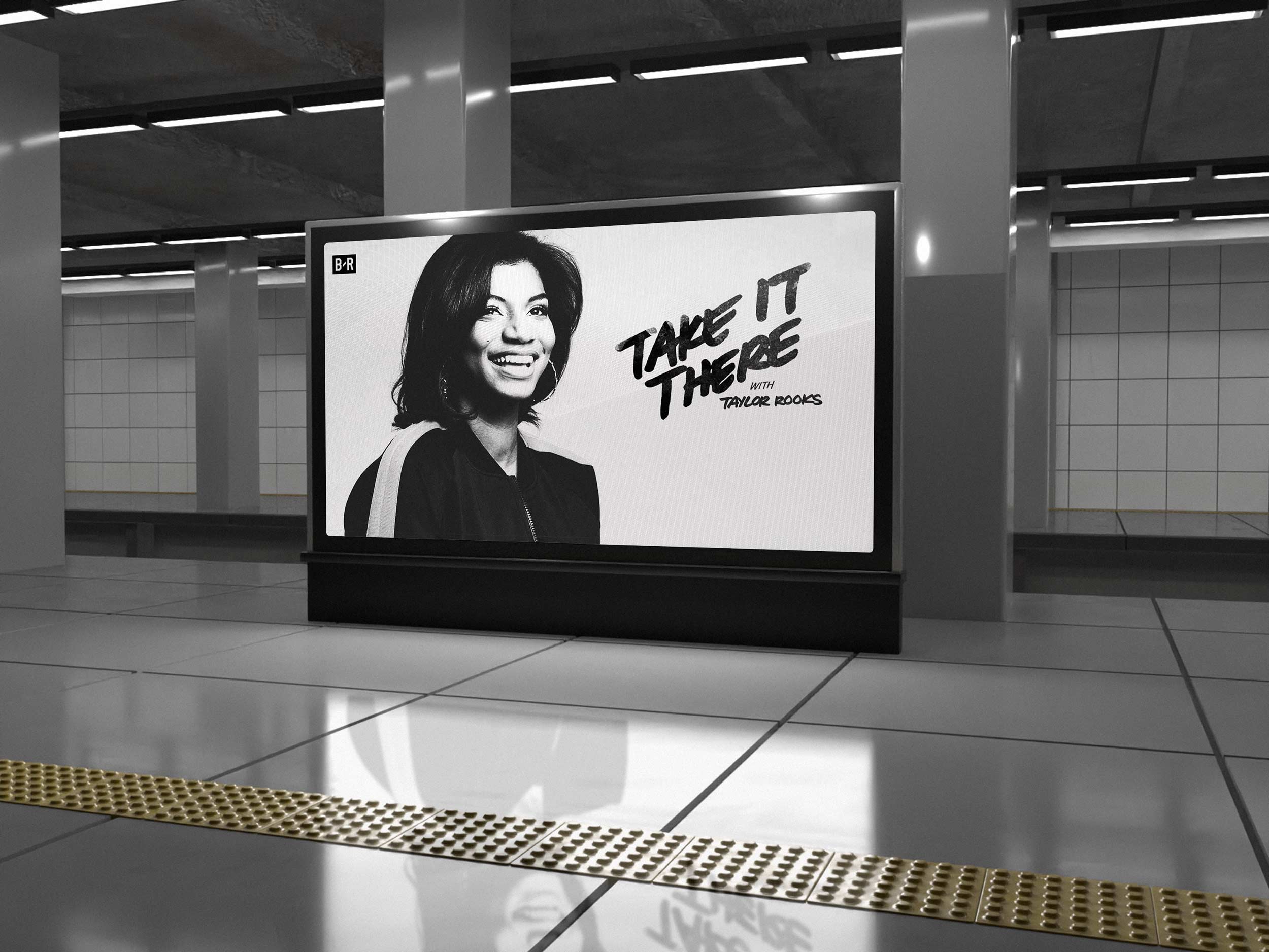
Take It There with Taylor Rooks ultimately demonstrated how athlete interviews could evolve in a digital first sports media environment that increasingly values authenticity over spectacle. At a time when much of sports conversation was dominated by debate shows and headline driven commentary, the series created a space where athletes could speak with nuance about their careers, identities, and the pressures of life in the public eye. The format intentionally slowed the conversation down, allowing moments of vulnerability, humor, and reflection to emerge in ways that traditional broadcast interviews rarely make room for. This approach resonated strongly with younger audiences who were already engaging with sports through social platforms and cultural storytelling rather than purely through game coverage. By positioning the athlete as a multidimensional subject rather than a highlight generator, the show aligned with the broader shift taking place across sports media toward personality driven narratives. In doing so, Take It There helped reinforce Bleacher Report’s identity as a platform capable of producing original programming that sat comfortably at the intersection of sports, culture, and digital storytelling. The show’s ability to generate both long form engagement and short form social moments demonstrated the effectiveness of designing content for a fragmented distribution landscape. Interviews that unfolded across ten to fifteen minute episodes could also be distilled into quotes, clips, and reactions that traveled quickly through the social ecosystem. This hybrid storytelling model would become increasingly common across sports media in the years that followed.
The success of the series also reflected a broader transformation in how audiences connect with athletes and public figures. Fans were no longer satisfied with purely transactional media appearances focused on statistics or postgame reactions. Instead, there was a growing appetite for conversations that revealed personality, perspective, and emotional context. Take It There capitalized on that shift by building an environment where athletes could move beyond rehearsed talking points and engage in more thoughtful dialogue. The result was a show that often captured moments of honesty and introspection that stood out within the broader sports media landscape. Whether discussing the psychology of competition, the challenges of public perception, or the cultural dimensions of modern sports stardom, the interviews consistently treated athletes as complex individuals rather than simply performers. This tone helped the series stand apart from traditional sports interview formats that often rely on confrontation or debate as their primary storytelling mechanism. Instead, the show leaned into curiosity and empathy as the foundation for meaningful conversation. Over time, that approach helped build trust with guests and credibility with audiences who recognized the difference between promotional interviews and genuine dialogue. In many ways, the series anticipated the direction that athlete driven storytelling would take across podcasts, streaming platforms, and digital media properties in the years that followed.
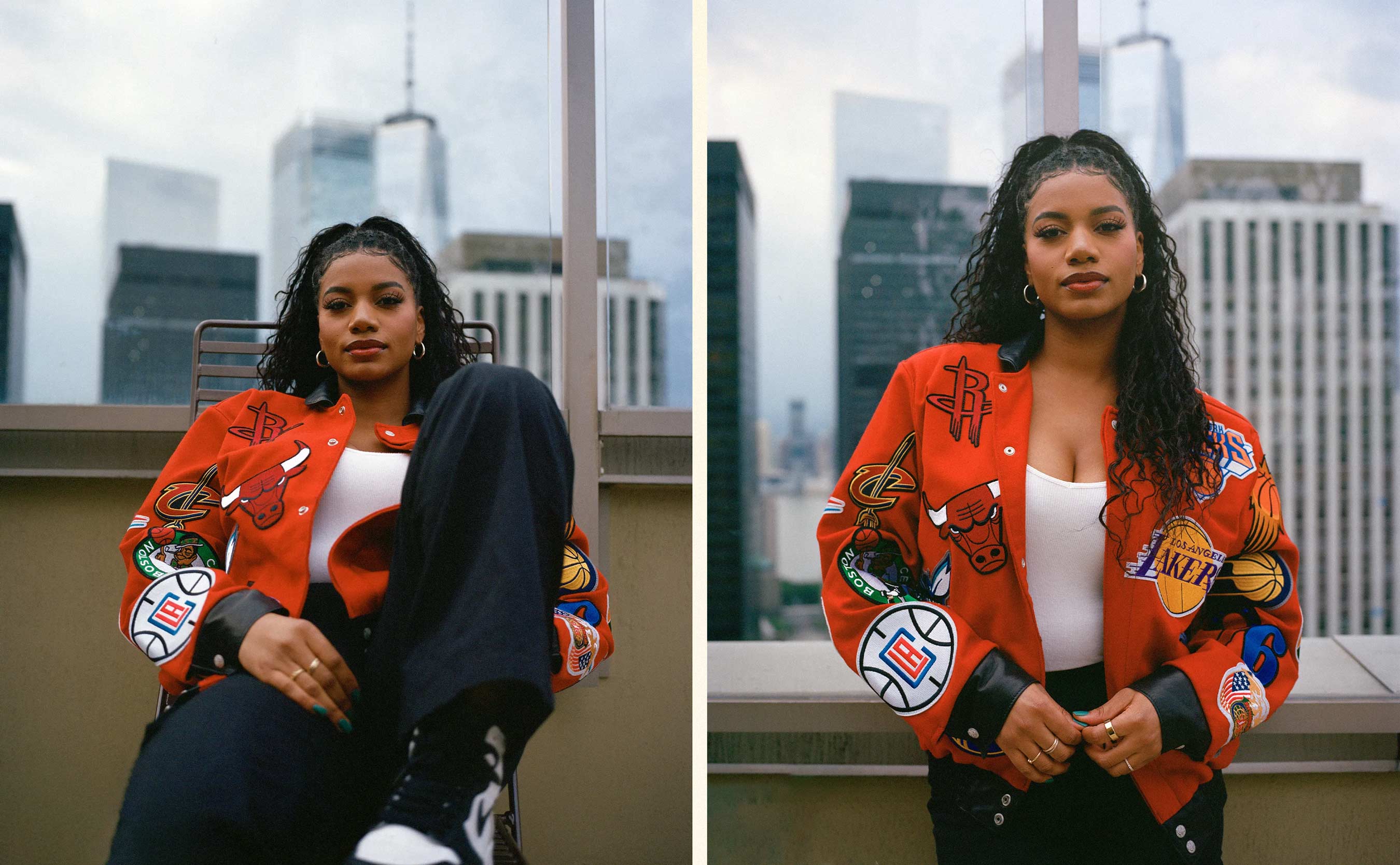
For Taylor Rooks herself, the series served as a defining platform that further established her reputation as one of the most compelling interviewers in contemporary sports media. Already known for her work across networks such as SNY, CBS Sports Network, and the Big Ten Network, Rooks used the show to demonstrate a conversational style that combined journalistic rigor with emotional intelligence. Her ability to create an atmosphere of trust allowed athletes to open up about subjects that might otherwise remain off limits in traditional media settings. That skill would continue to shape her career trajectory as she became an increasingly visible presence across major sports platforms. In the years following the show, Rooks expanded her work across television and digital media, hosting high profile conversations and contributing to major sports broadcasts. She also became a central on air figure within Amazon’s expanding sports coverage, including its high profile Thursday Night Football programming, where her interviewing style and cultural fluency translated naturally to a national audience. Across these roles, Rooks continued to demonstrate the qualities that made Take It There resonate in the first place: curiosity, preparation, and a genuine interest in understanding the people behind the headlines. Her career progression reflects the growing importance of hosts who can bridge traditional broadcast media with the conversational tone that defines modern digital storytelling.
Looking back, Take It There with Taylor Rooks occupies an important place within the evolution of digital sports programming at Bleacher Report. The series helped demonstrate that athlete interviews could function as a central storytelling format within a platform built primarily around real time sports coverage and viral content. By investing in personality driven conversations, the company showed that depth and cultural relevance could coexist with the fast moving rhythms of digital media. The show also reinforced the value of building programming around distinctive voices rather than anonymous studio formats. Rooks’ presence as a host gave the series a recognizable identity that audiences could follow across episodes and platforms. In an era where sports media increasingly blurs the boundaries between journalism, entertainment, and cultural commentary, Take It There offered an early blueprint for how those elements could coexist within a single format. The interviews captured moments of vulnerability, ambition, humor, and reflection that helped humanize some of the most recognizable figures in sports. At the same time, the series demonstrated how thoughtful production, strong visual identity, and platform aware distribution could transform a simple interview concept into a recognizable media property. Its legacy lies not only in the conversations themselves but also in the broader influence it had on how sports media approaches storytelling in a digital age.
Key Collaborators: Taylor Rooks, Shakir Standley, Duane Jackson, George Anagnostakos, Damian Lillard, Saquon Barkley, Jimmy Butler, Mohamed Salah, DeMar DeRozan, Ja Morant, Elena Delle Donne, Rudy Gobert, Courtney Andrialis-Vincent, Jeffrey Elizabeth Copeland, Joe Yanarella, Justine Gubar, Karin Hammerberg, Lakia Holmes, Nicole Peterson, Duane Jackson, Jonathan Fierro, Rachel Roderman, Bryan Twz Brousseau, Danielle Beeber, Pier de Sanctis, Armond Hambrick, Allison MacPherson, Ximena Rolfe, Nicole Stefansic, Sarah Wood, Steve Pellegrino, Mark Steinmetz, Tim Moore, Adam Powell, Drew Paterson, Matt O'Connor, Matthew O'Connor, Rick Cutler, Matthew Caulfield, Eric Diebner, Blair Johnson, Tri Nguyen, Alex Yaker, Colleen Brennan, Rick Elders, Kristin Pelletier, Tanner Herriott, Tim Anderson, Richard Bloenk, Payden Button, John Goraj, Jim Warney, Tyler Halloran, Dakota London, Jasmine Rao, Sage Velastegui, Lisa Edward, Oliver Bunyaner, Kevin Jones, Jose Marcellino, Terence O'Kane, Shaun Schofield, Julian Tuzzeo, Liann Wadewitz, Dametreus Ward, Eburns, Jazmyn Hobdy, Karin Hamburg, Sam Toles, Cassidy Cocke, Francois Joseph, Deaun, Meech Studios
Tools: After Effects, Photoshop, Illustrator, Figma, Cinema 4D, and Sketch
Deliverables: Show Package, Content Series, Branding