

As Multimedia Director at Bleacher Report, I played a critical role in shaping the series into one of B/R Kicks’ signature franchises, helping define its creative identity, storytelling structure, visual language, and overall experience. The premise was intentionally straightforward: take the access Bleacher Report had to athletes, brands, and coveted sneakers and use it to create unexpected moments for real fans. But making that idea work required far more than putting a pair of shoes in someone’s hands. I helped develop the format around anticipation, surprise, and genuine human reaction, ensuring every episode felt spontaneous without ever feeling unconsidered. I worked across concept development, production, design, talent, and brand partnerships to create stories where the sneaker acted as the catalyst rather than the entire point, whether that meant working with athletes like Stephen Curry and Derrick Rose, surprising young players in their own communities, or expanding the format into larger activations and branded partnerships. At the same time, I helped shape the branding, show package, social rollout, and promotional assets so Sneaker Shock felt unmistakably B/R Kicks across every touchpoint. The challenge was balancing authenticity with production, entertainment with marketing, and cultural credibility with commercial opportunity, all within a digital ecosystem where audiences can immediately tell when something feels forced. The result was a repeatable franchise that turned sneaker scarcity into access, brand partnerships into experiences, and product moments into stories people actually wanted to watch. Sneaker Shock required us to continually push B/R Kicks beyond the conventions of sneaker media. We were not interested in simply photographing rare shoes, reporting release information, or putting celebrities in front of product. The larger opportunity was to use Bleacher Report's access to athletes, brands, and culture to create experiences that fans could actually participate in.

"This is such a fun idea for a sneaker show." - 4 Time NBA Champion Stephen Curry
Creating a series like Sneaker Shock meant navigating the tension between spontaneity and control. The entire format depended on capturing a reaction that felt genuinely unexpected, but producing those moments required an enormous amount of planning behind the scenes. The first challenge was protecting the authenticity of the surprise. Sneaker culture is deeply fluent in marketing, and audiences can immediately sense when a reaction feels staged or when a brand integration overwhelms the experience. We had to design each episode carefully enough to guarantee that the story worked while leaving enough space for something unpredictable to happen. That meant thinking through everything from the recipient and sneaker selection to the location, athlete involvement, camera placement, and timing of the reveal, all without losing the sense that viewers were witnessing a real moment unfold. The second challenge was making a deceptively simple format feel continually fresh. At its core, Sneaker Shock had an intentionally straightforward premise: surprise someone with a pair of sneakers they never expected to receive. But sustaining that idea across multiple episodes meant constantly finding new ways to create context and emotional stakes around the reveal. A surprise involving Stephen Curry needed to feel fundamentally different from one centered on Derrick Rose, a Chicago high school basketball team, or a community partnership. The sneaker could never be the entire story and the audience has a deep level of sneaker knowledge that we had to respect. The people, places, cultural references, and relationships surrounding it had to give each episode its own reason to exist. That required close collaboration across creative, production, editorial, talent, and partnership teams to make sure we were building experiences rather than simply documenting giveaways. There was also the complexity of coordinating athletes, brands, communities, and real people within productions where timing was often extremely limited. Working with major sports talent meant operating around game schedules, travel, appearances, footwear launches, and constantly shifting availability. At the same time, the surprise itself could not feel rushed simply because the production window was. Every episode required extensive preparation so that once the cameras were rolling, the experience could unfold naturally. When the format expanded into larger activations involving hundreds of pairs, live audiences, schools, or community organizations, that logistical challenge became significantly greater while the creative expectation remained the same: the moment still needed to feel personal.




Sneaker culture has always been built around anticipation. The release date, the line outside the store, the raffle notification, the moment the box finally opens. For every collector who manages to get the pair they have been chasing, there are thousands more refreshing apps, entering drawings, and taking losses on shoes that disappear in seconds. When we were building B/R Kicks, I became interested in what would happen if we took that familiar tension and completely reversed it. Instead of making fans chase the sneaker, what if the sneaker found them? That simple idea became Sneaker Shock, an original B/R Kicks franchise built around surprising unsuspecting fans with some of the most coveted shoes in the world. That was ultimately the larger ambition behind B/R Kicks. We did not want to stand outside sneaker culture documenting it. We wanted to participate in it, create within it, and occasionally make somebody's relationship with it a little more memorable. Sneaker Shock distilled that philosophy into perhaps its simplest form. Take the thing everyone wants, put it into the hands of someone who never saw it coming, and let the reaction tell the story.
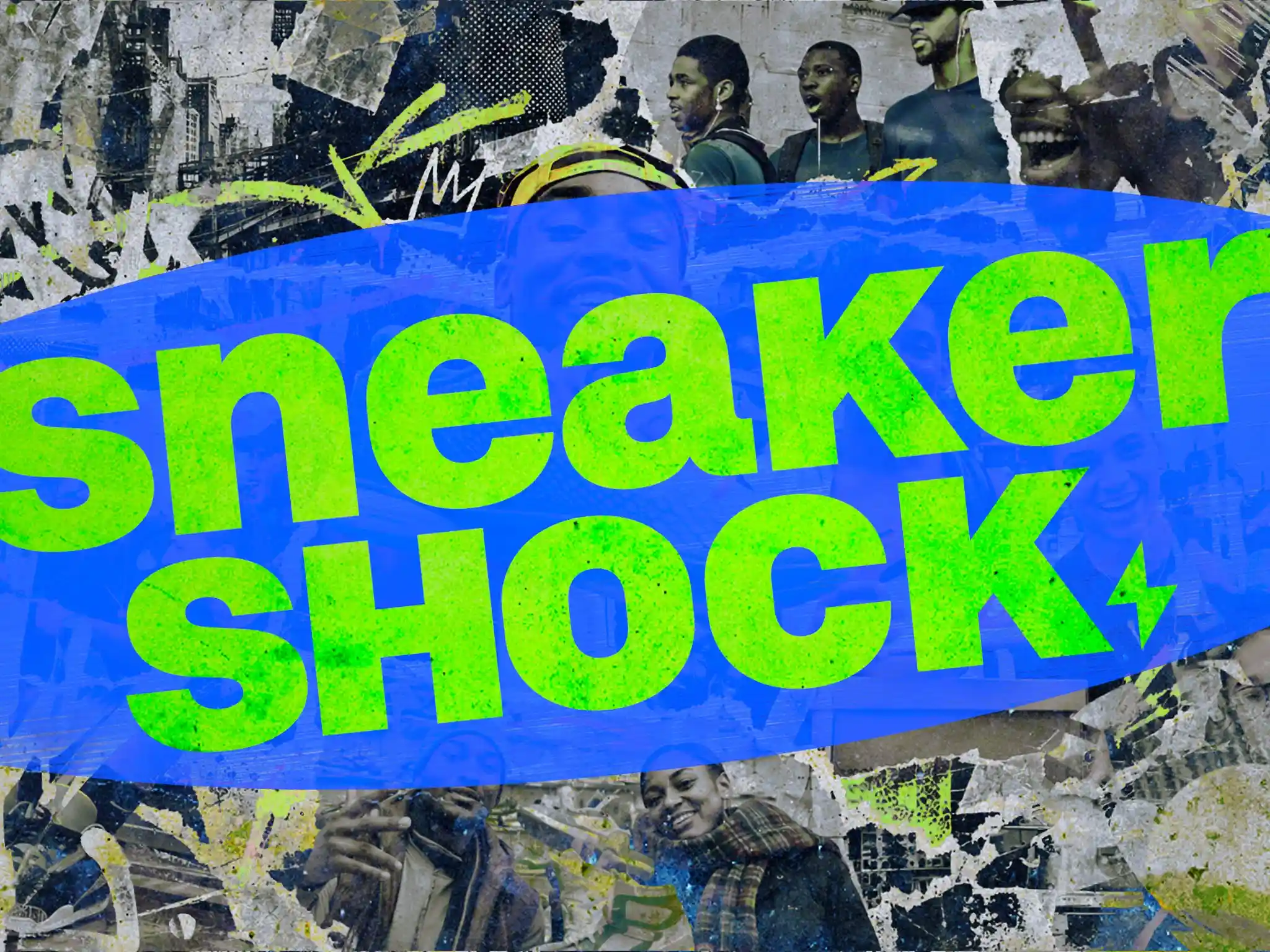
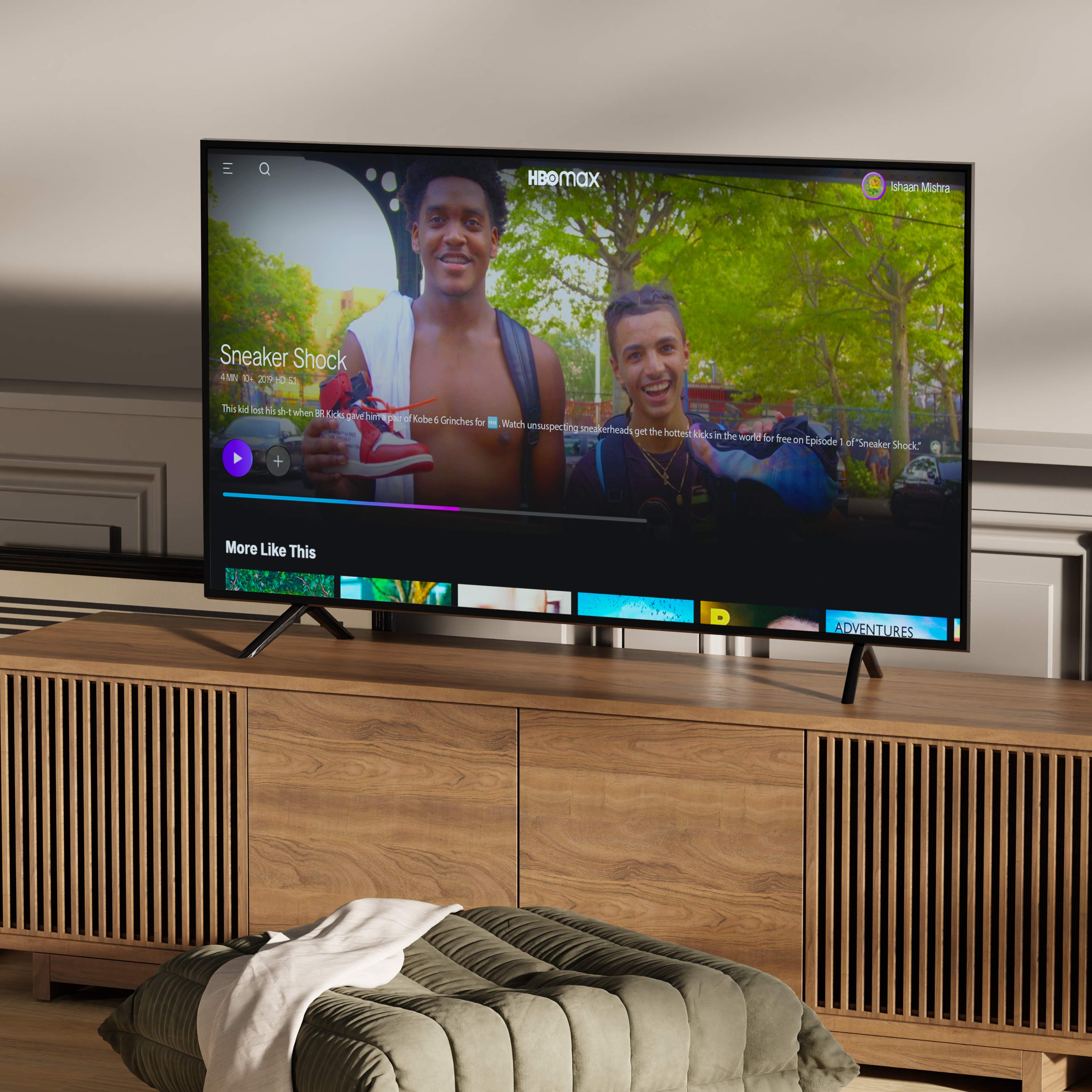
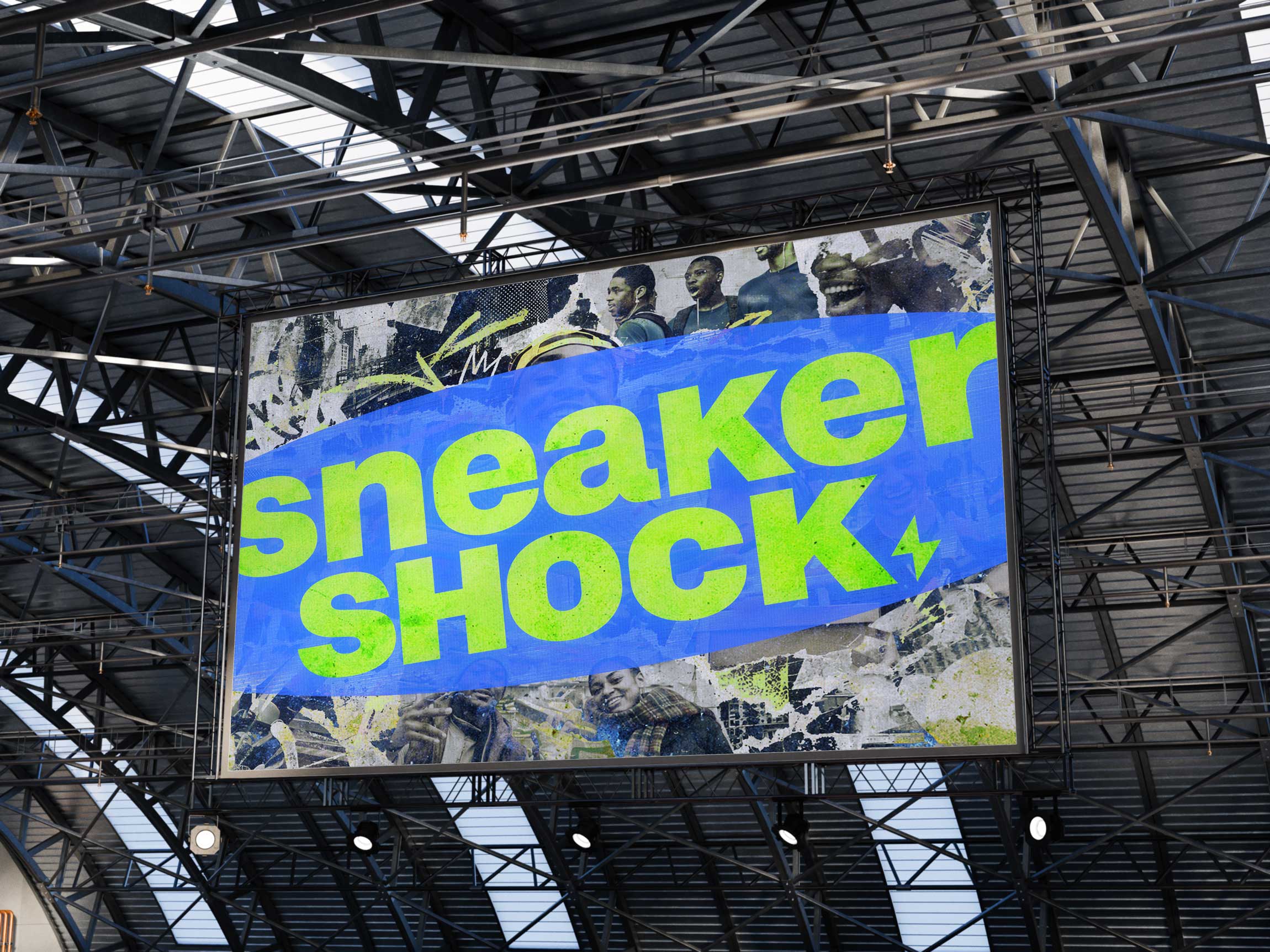
Sneaker Shock arrived at an important moment in the evolution of B/R Kicks. What had started as a social experiment inside Bleacher Report was becoming a legitimate cultural platform, and the ambition was no longer simply to cover sneaker culture but to create experiences within it. As we expanded the brand beyond Instagram into original programming, events, partnerships, and commerce, we needed formats that could translate the energy of the community into entertainment. Sneaker Shock became one of those foundational franchises, alongside Pre Heat, when Bleacher Report began making a larger investment in B/R Kicks and expanding the brand into original video and physical experiences. The first episode set the tone at Dyckman Park, where we pulled up in a Mister Softee truck and flipped the familiar summer ritual into a sneaker drop, surprising players with pairs of Kobe Grinches, Off-White Jordan 1s, and Bruce Lee Kyries in one of New York City’s most iconic basketball environments.
As one of the people who helped conceptualize and develop the series, and as a consulting producer within the broader B/R Kicks team, I approached Sneaker Shock as more than a giveaway mechanism. The sneaker itself could create an immediate emotional payoff, but the story surrounding the surprise was what made the format sustainable. Who receives the shoe, why that particular pair matters to them, where the surprise happens, and who delivers it could turn a simple product reveal into something personal. That framework gave us enormous creative flexibility. An episode could be funny, emotional, aspirational, community focused, or built around an athlete, while still returning to the same unmistakable ritual: someone opens a box and realizes they are holding a pair they never expected to own.
The format also represented something fundamental about the philosophy behind B/R Kicks. Sneaker media had historically been driven by exclusivity, access, and expertise. We respected that history, but we wanted our version of the culture to feel more generous and participatory. Sneaker Shock transformed one of the most frustrating aspects of sneaker culture, scarcity, into an act of inclusion. Instead of celebrating the person who already had everything, we could use access to create a moment for someone who normally would not have it. The joy was not in watching somebody flex a rare sneaker. It was watching somebody realize that, for once, they were the person getting the pair.
That premise became even more powerful once athletes and footwear brands began seeing what the format could do. After the initial episodes, Sneaker Shock evolved into a platform where brands could participate without interrupting the entertainment. Under Armour, adidas, Jordan Brand, and SHOWTIME could provide access, product, talent, or cultural context, but the emotional architecture of the series remained intact. The integration worked because the product was not inserted around the story. The product was capable of becoming the catalyst for the story itself. That distinction was critical to how we thought about branded content across B/R Kicks. The goal was always to build something audiences would choose to watch whether or not a sponsor was attached.
One of the largest expressions of that idea came through our work with Stephen Curry and Under Armour in Oakland. Working with Curry gave us the opportunity to take the fundamental Sneaker Shock mechanic and expand it from an intimate surprise into a communal spectacle. At the Fox Theater, Curry and Under Armour helped us give away 250 pairs of his sneakers, turning the reveal into a shared experience at a scale the franchise had never attempted before. What still made the moment work was the same thing that made the smaller episodes work: the genuine disbelief and excitement of people realizing that something normally defined by limited access was suddenly being placed directly into their hands.
In Chicago, Sneaker Shock became an even clearer example of how sneakers could carry meaning far beyond the product. For our adidas integration around Derrick Rose and the Son of Chi collection, the story was inseparable from place. Rose's relationship with Chicago has always transcended basketball, so rather than building the episode around celebrity access alone, we brought the experience back to the community that shaped him. Rose surprised players from Currie High School with pairs of the Son of Chi colorway, connecting the sneaker, the athlete, the city, and the next generation of Chicago basketball players within a single story. The episode became part of a much larger Bleacher Report and adidas ecosystem spanning content, retail, merchandise, events, and community activation, demonstrating how an original editorial franchise could become connective tissue across an entire partnership.
That community centered approach became especially important when SHOWTIME partnered with us around the second season of The Chi. Rather than simply placing talent from the series into an existing B/R Kicks format, we rebuilt Sneaker Shock around the cultural world of the show. The episode paired The Chi star Jacob Latimore with Chicago native Jabari Parker and children from the South Side through Chi Gives Back. Before the sneakers ever appeared, the group talked about their city, what they loved about it, and the realities of growing up there. Only then did the kids enter the locker room and discover the shoes waiting for them. The surprise worked because the giveaway was the conclusion of a story about identity, neighborhood, and belonging rather than the entire story itself. The resulting campaign generated more than 1.17 million cross platform views in its first two weeks and delivered 64 percent more Facebook engagement than the average Bleacher Report branded post.

As Sneaker Shock expanded, the series increasingly became a bridge between the access Bleacher Report had built with athletes and the audience B/R Kicks had built within sneaker culture. From a creative perspective, I was involved in shaping the format, visual language, production approach, and broader relationship between Sneaker Shock and the B/R Kicks brand. Working across creative direction and production meant thinking simultaneously about the larger franchise and the smallest details of an episode, from how the surprise was staged and how the sneaker was photographed to pacing, graphics, camera placement, social cutdowns, and the moment the reveal needed to happen. The format had to feel polished enough to support major athletes and partners while remaining loose enough to capture genuine reactions. Too much production and the surprise stopped feeling real. Too little and the franchise lost the visual credibility required of a sneaker property. Finding that balance became part of the language of the show.
Sneaker Shock also demonstrated the commercial potential of the larger B/R Kicks strategy. We had built the brand around the belief that sneaker culture could connect sports, fashion, music, entertainment, and commerce without flattening those worlds into generic lifestyle content. A franchise like Sneaker Shock made that proposition tangible. A footwear company could launch a shoe. An athlete could tell a personal story. An entertainment partner could speak authentically to a community. Bleacher Report could distribute the experience to millions of fans. Most importantly, the audience still received something that felt unmistakably like B/R Kicks rather than an advertisement wearing the clothes of B/R Kicks. What I remain most proud of is how simple the idea stayed even as the scale grew. Sneaker Shock never required an elaborate premise. At its heart, it was about understanding what a pair of sneakers can mean to someone. Sneakers can represent an athlete you grew up idolizing, the neighborhood that raised you, the first thing you saved money to buy, membership in a community, or simply the feeling of having something you never thought you would get. The series took the access we had earned as a media company and used it to create that feeling for other people.
Key Collaborators: Oruny Choi, Rachel Roderman, Matt Sullivan, Lance Fresh, Courtney Andrialis-Vincent, Joe Yanarella, Ed Romaine, Duane Jackson, Adam Powell, Travis Hunter, Gennady Kolker, Chris Perez, Tim Coughlin, Christian Pierre, Dimitri Wallace, Moira Curran, Irina Finerman, Megan Scully, Stadium Goods
Tools: Adobe Premiere, Adobe After Effects, Final Cut Pro, Adobe Photoshop
Deliverables: Branded Series, Social Content