

Gaming has exploded into one of the dominant forces in culture, and TikTok has become the stage where that plays out in real time. With over a billion users discovering, streaming, and shaping conversations around games, it is where titles move from launches to cultural phenomena and where entire communities of fans define the language of the moment. When I took on the responsibility for design direction around Gaming on TikTok, the challenge was not to invent a gimmick or overload the space with noise, but to give this cultural engine a clear and powerful identity. The work was about distilling the raw energy of gaming into a system that could live everywhere: on feeds, on stages, on screens, and in the physical spaces where creators and players come together. My role was to build a foundation that was bold enough to stand out but flexible enough to evolve with the constantly shifting rhythms of the gaming community. The design system leaned into a set of visual tools that became the DNA of Gaming on TikTok. Glass icons gave the work a sense of dimension and modernity, while oversized typography delivered the confidence and urgency that gaming conversations demand. The grid structure acted as the backbone, keeping everything aligned while still allowing for expressive movement and play. This language was never meant to sit quietly on a file server, it was built to be lived with and stretched across every surface the brand touched. At major cultural tentpoles like MAU, Gamescom, and SXSW, I worked with our teams to scale the system into full event experiences, turning type and icons into physical installations, adapting the grid into environmental graphics, and making sure the brand felt as alive in person as it did on screen. The strategy was about creating a simple, strong identity and then proving its versatility by embedding it across content, campaigns, and experiential, until Gaming on TikTok felt like a world of its own.


“If gaming is entertainment, and entertainment is culture, culture right now for this generation is made on TikTok.” - Julia Victor, Head of Brand for The Sims at Electronic Arts
The gaming industry has long relied on traditional advertising and static promotional campaigns. However, as consumer behavior shifted toward digital-first entertainment experiences, it became evident that these methods no longer captured audience attention effectively. TikTok's rise in gaming presented a unique challenge: how to integrate its organic and paid strategies into a cohesive ecosystem that empowered brands to connect authentically with players. Unlike conventional platforms, TikTok demanded a new approach, one that prioritized creativity, user participation, and cultural relevance. The goal was clear: transform TikTok into the go-to platform for game discovery and engagement by leveraging interactive content, creator partnerships, and immersive brand storytelling. The challenge was to build TikTok as a portal to play where different brands and lifestyles could intersect with our gaming audience. To achieve this, it was crucial to build a dynamic framework that allowed gaming brands to cultivate lasting relationships with their audiences while driving measurable business impact. I helped spearhead a distinctive vertical look and feel for our gaming initiative and worked with my design team to scale it for in person and virtual events as well as massive global video and advertising campaigns. My role was to shape that system from the ground up, giving it a vertical look and feel that could hold its own inside the app while also translating seamlessly to the outside world. I worked closely with my team to create a design language that was lightweight enough to live inside a TikTok feed, but strong enough to command presence at global tentpoles and live events. It was never about decoration but about building trust and recognition. By aligning the creative system with the way gamers actually consume and share content, we turned TikTok into a stage where brands could not only advertise but participate. This balance of cultural fluency, design clarity, and adaptability is what helped us grow Gaming on TikTok into a recognizable platform with real influence in both digital and physical spaces. From live events, to digital collateral and even a live streamed worldwide summit, I helped turn this vertical into a major revenue driver and focus for our Global Business Marketing unit. Furthermore, I helped us take these templates and toolkits across the globe in true TikTok fashion.

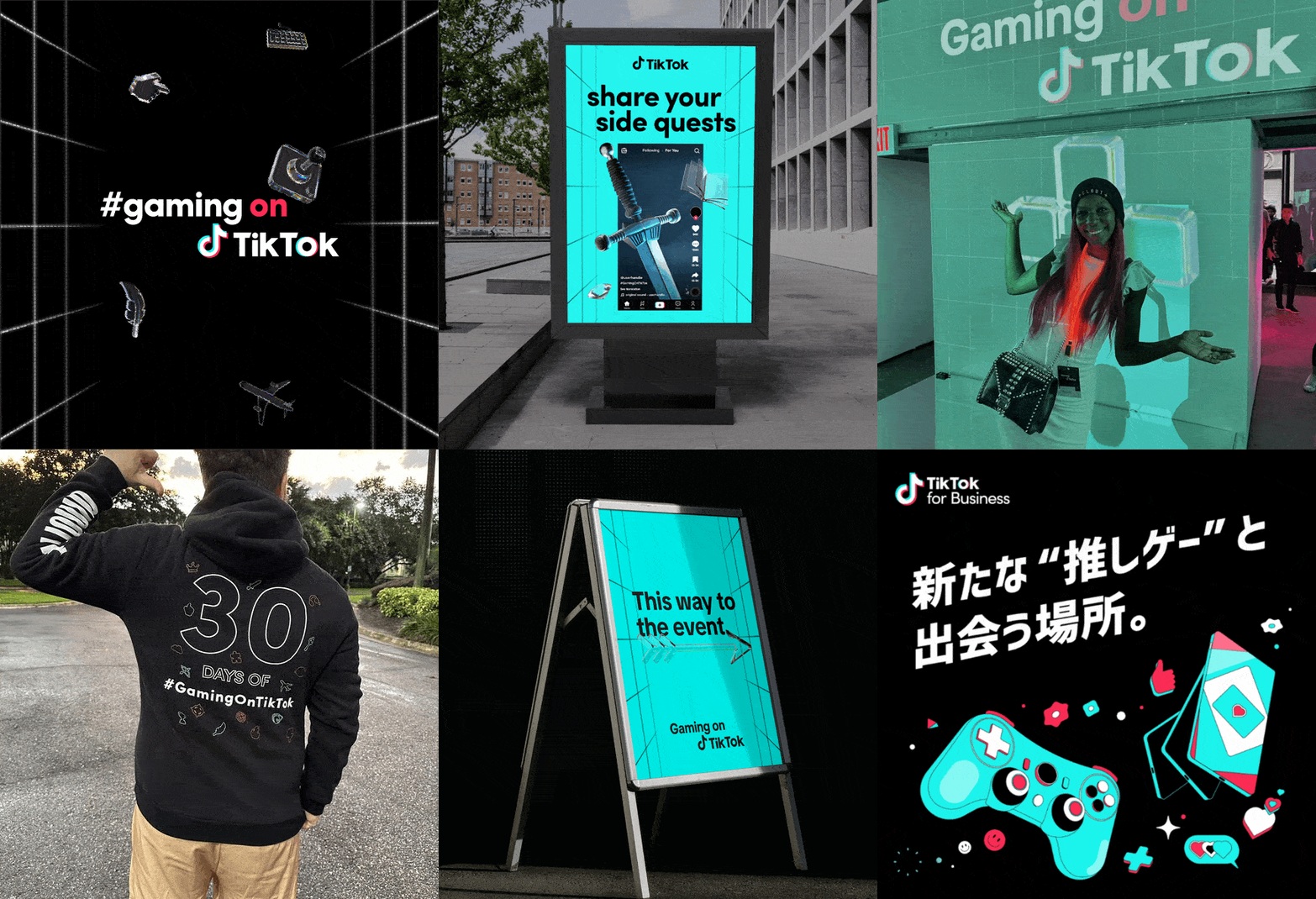
The gaming landscape has always been defined by constant change, moving forward with each new wave of technology and every shift in consumer behavior. What once relied on static campaigns and traditional advertising has now been reshaped by digital culture and participatory media. At the center of this transformation stands TikTok, a platform that has become a cultural engine in its own right. With an audience of over one billion users actively shaping how games are discovered, discussed, and shared, TikTok has grown into an ecosystem where gaming is not only consumed but lived out in real time.
.jpg)
This is a space where trailers become memes, highlights spark challenges, and niche titles can capture global attention overnight. TikTok has turned the process of game marketing into a dialogue between creators, players, and publishers, with every interaction feeding back into the cultural momentum. Early on in my TikTok tenure, we identified it as a key vertical with design needs due to the revenue potential, therefore we began to create a visual identity around it.
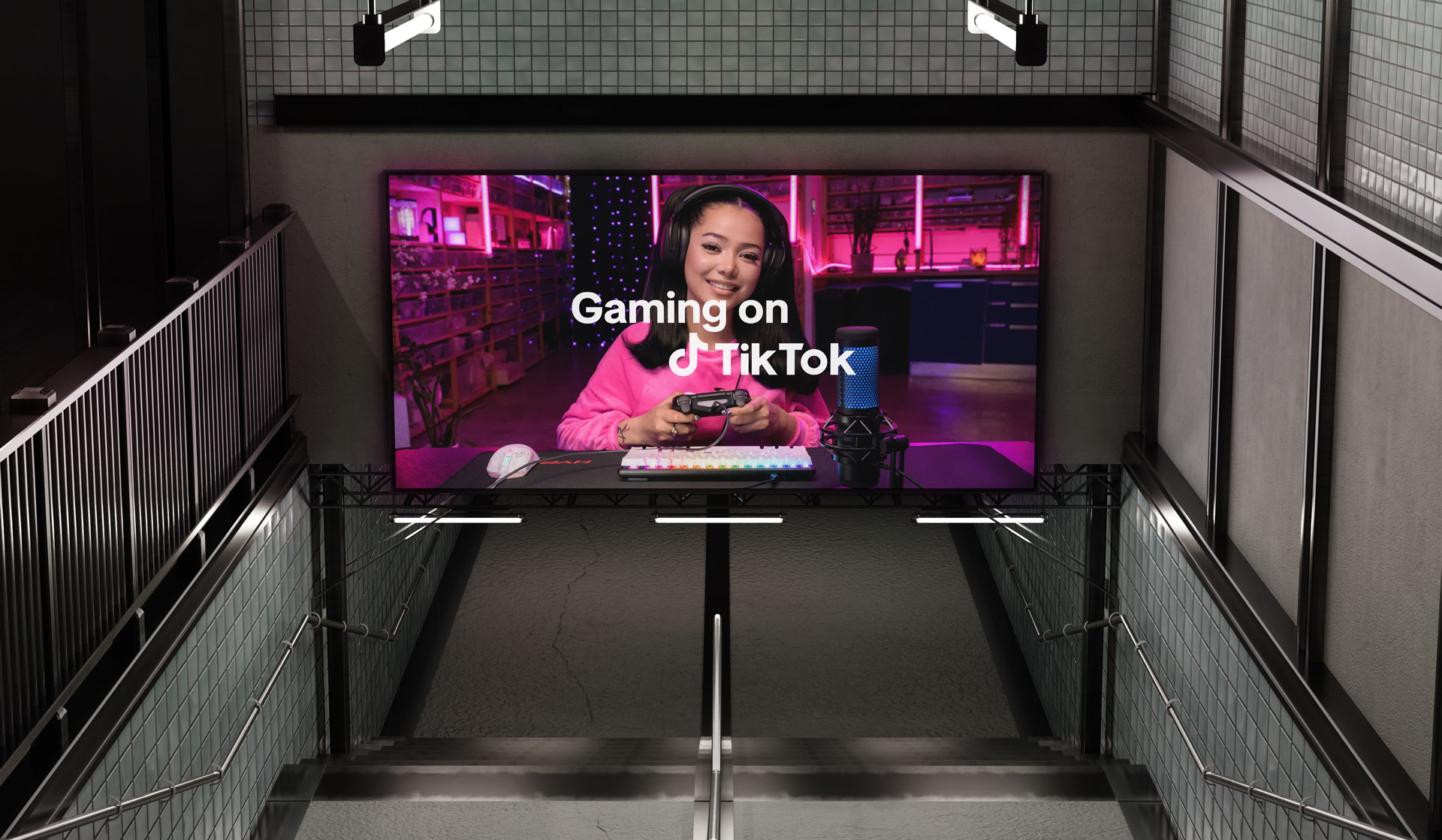
Gaming on TikTok is no longer just clips from a console. It is a full ecosystem where discovery, live streaming, community, and commerce meet. Our mandate was to show brands and publishers how real play turns into real impact, from trailer drops and beta moments to launch day and the long tail of fandom. We built a clear story arc around creators at the center, studios and publishers as amplifiers, and fans as co-authors of the narrative.
In the early stages, the brand operated as a hotbed for conversation and a magnet for revenue-driving opportunities, but it lacked the structure of a unified identity. There was energy and experimentation everywhere, yet no cohesive set of guidelines that tied TikTok’s presence together in a consistent way.
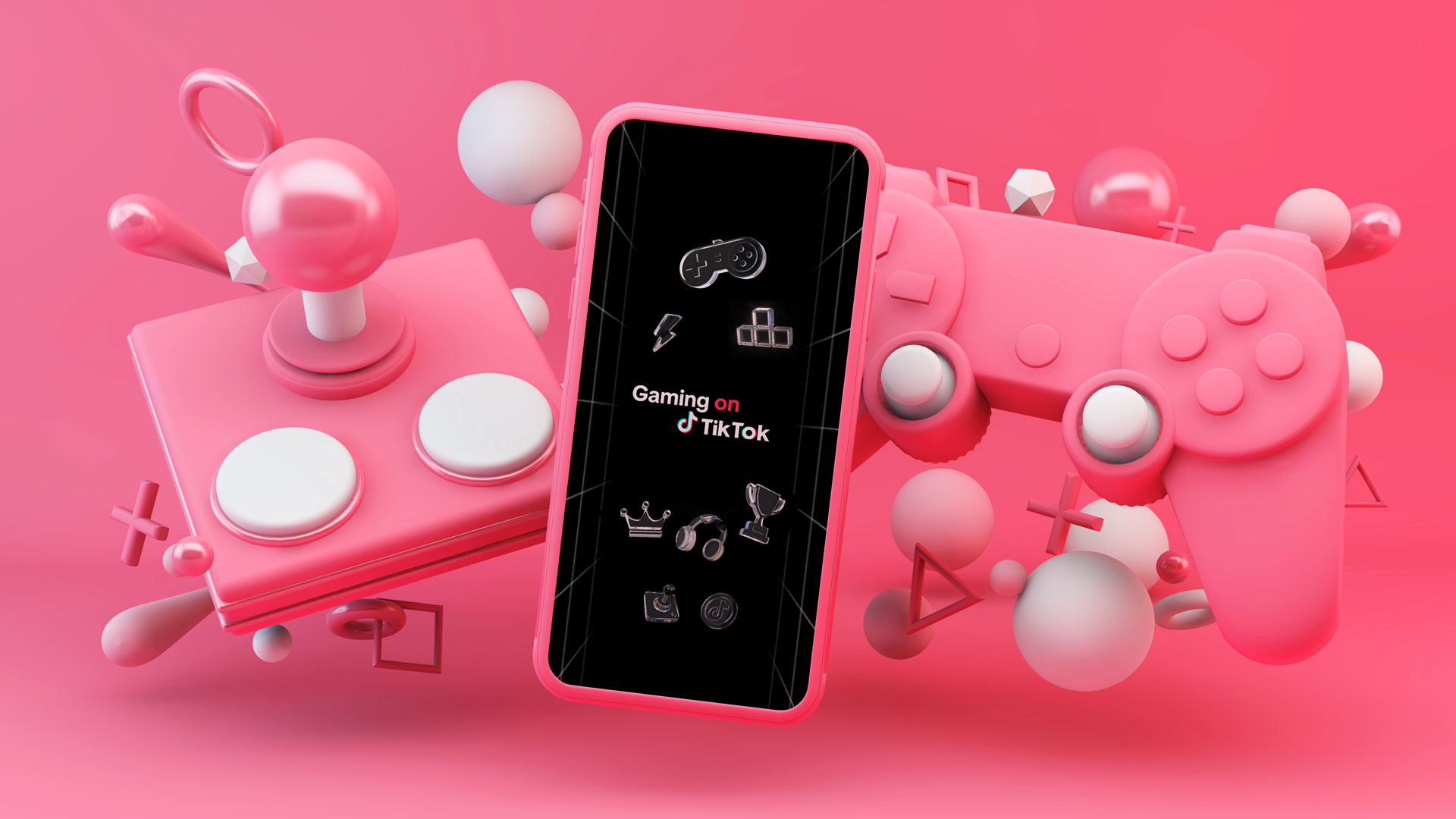
Before the development of our glass icons and core toolkit, the design language felt closer to the wild west, with individual teams pushing bold ideas that didn’t always align with one another. For instance, in our Gaming Unboxed promo below, we had many 3D textured colorful icons, but it was rooted in our expressive type and other core brand elements. This early look and feel evolved over time as our needs changed as a marketing org.
The Gaming 101 Playbook is a perfect snapshot of that era, leaning into colorful 3D renders and expansive digital worlds that showcased how immersive gaming could feel on TikTok. It was vibrant and full of possibility, but it also highlighted the absence of a formal system. Over time, the work evolved into a much cleaner and sleeker expression, rooted in minimalism with black backdrops, grid lines, and sharply executed 3D icons. This progression marked the brand’s maturation, shifting from exploratory spectacle into a refined toolkit that could scale with authority across every touchpoint.
TikTok is an interactive hub that fuses entertainment and community, a stage where game launches evolve into cultural moments that extend far beyond the screen. For the industry, this represents a fundamental shift in how influence works, moving away from static messaging and toward an environment where creativity, participation, and cultural relevance define success. Knowing the industry was key as this audience was very savy and knew when they could smell bullshit. Look no further than infamous bombs like when Jesse Wellens from Prank Vs Prank was brought on stage at E3 and bombed. We knew how smart our audience was as well as the brands that cater to them, and so our team needed to know their stuff.
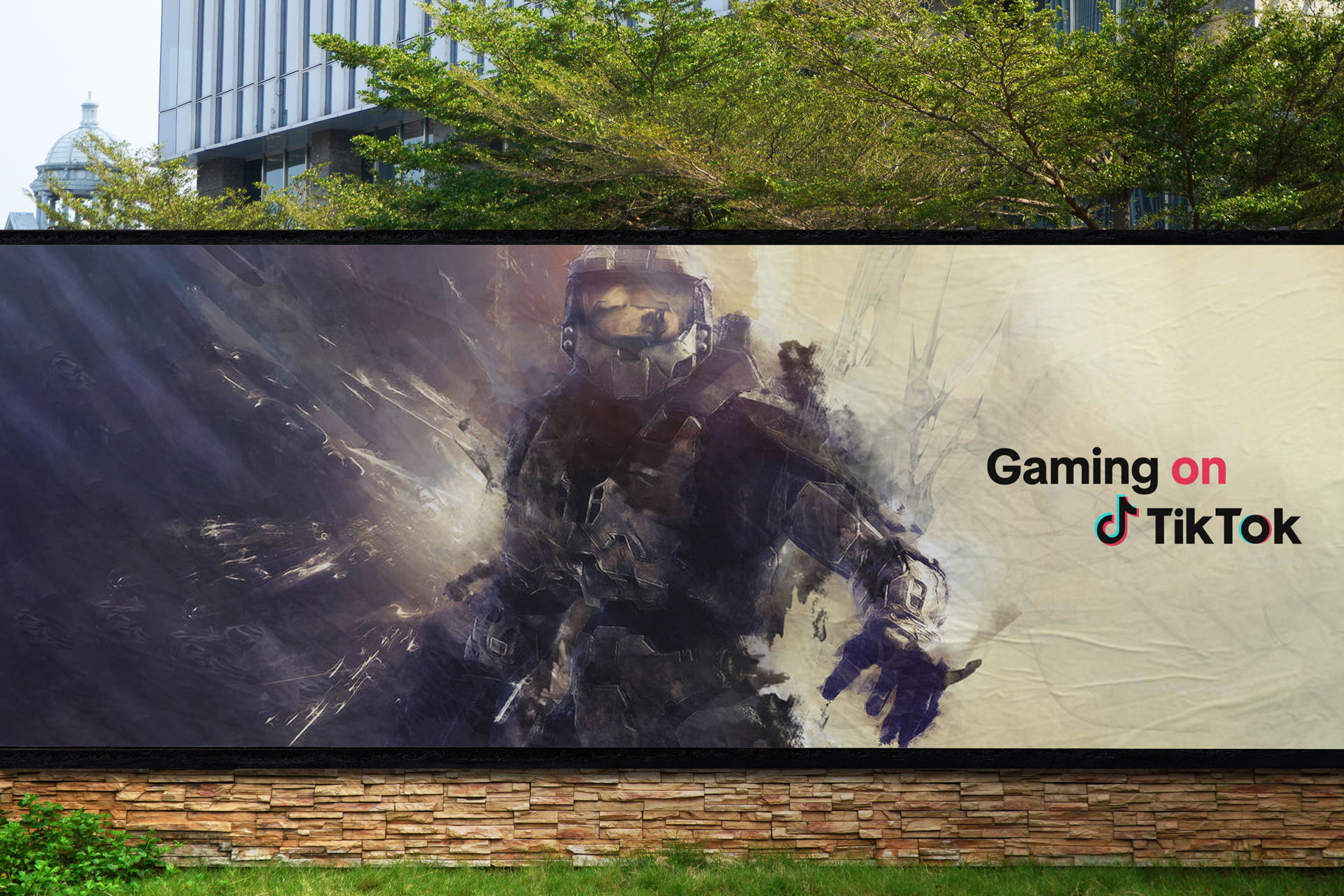
My love of gaming started the same way it did for so many kids of my generation, waking up on Christmas morning to find a Nintendo 64 waiting under the tree. I spent days lost in the worlds of Super Mario 64 and Mario Kart, the kind of marathon sessions that make childhood feel infinite. From there, I graduated to the GameCube, where titles like Star Fox expanded my sense of what games could be, and all the while my transparent purple Game Boy Color rarely left my side.
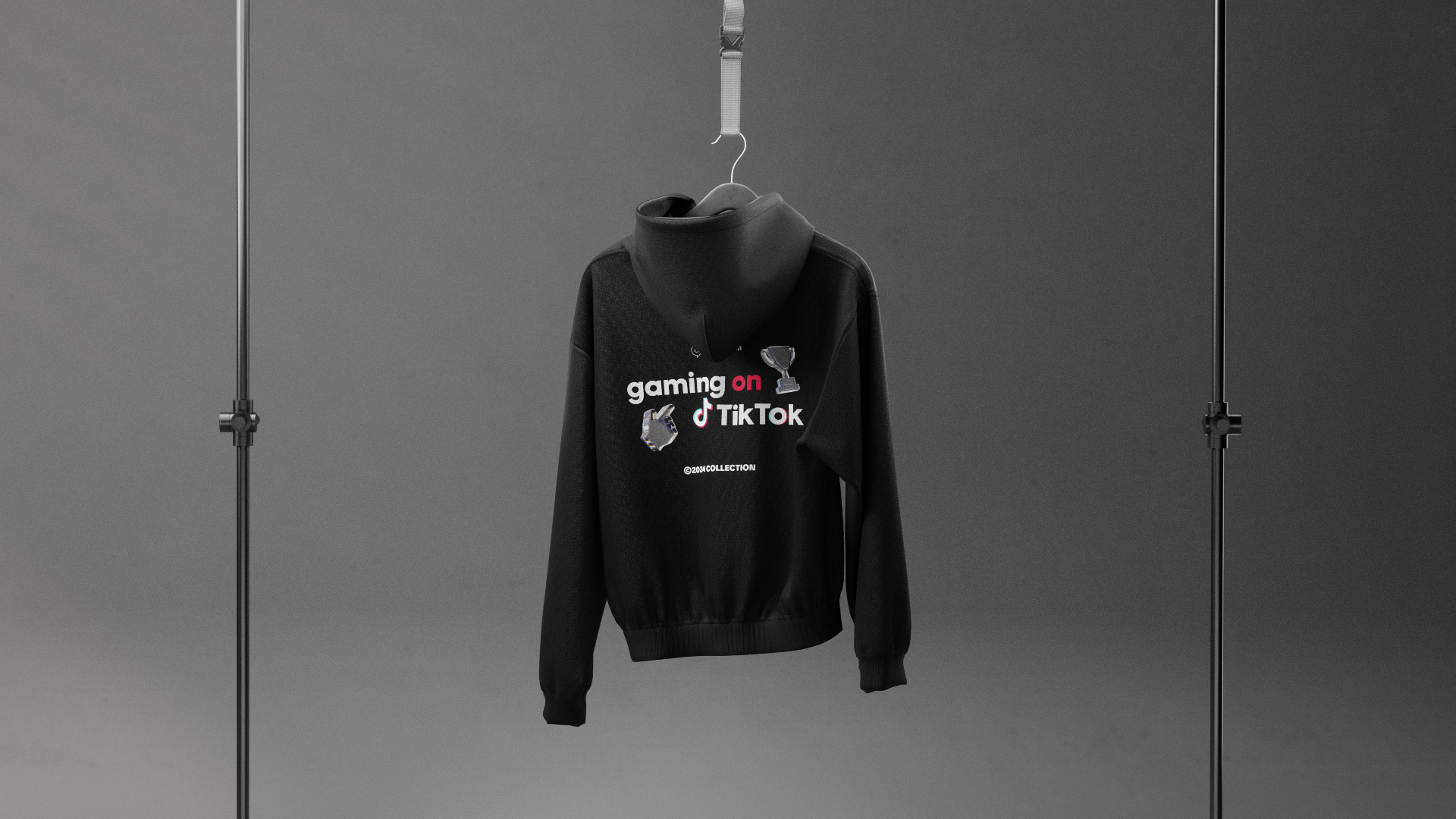
Pokémon Crystal was my favorite, with the legendary duo of Typhlosion and Suicune leading my team and the thrill of battling the Red Gyarados burned into my memory. Those experiences made me a fan for life. The arrival of the PSP opened the door to sports games, a perfect match with my love of the NBA, and soon after the Xbox 360 pulled me into the cinematic action of Halo and Gears of War. Since then, I have owned nearly every major console, from the Wii and Switch to the full PlayStation and Xbox lines, and gaming has stayed a constant in my life. It has always been both an escape and an inspiration, shaping how I think about storytelling, world-building, and community.
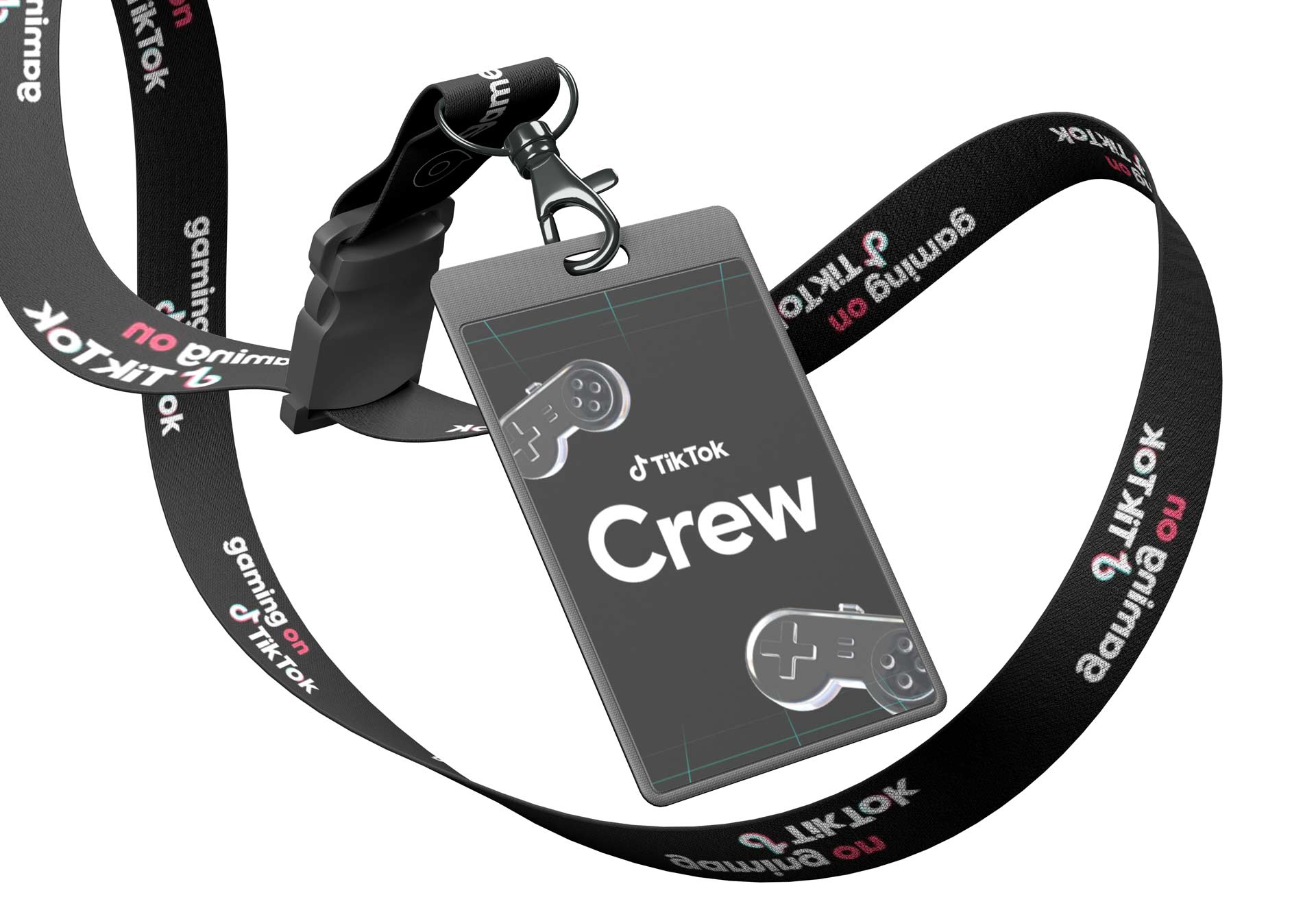
I still chase small moments of joy through games. Super Mario Odyssey reminds me how pure mechanics can feel like magic, from the snap of a perfect cap throw to the flow of a chained jump that turns a level into a playground. It is momentum, timing, and curiosity working together to reward exploration with surprise. It Takes Two brings a different kind of delight, where progress only happens through trust, clear communication, and intuitive collaboration. The puzzles are clever, but the feeling of solving them side by side is the real hook. I wanted to bring that same playfulness into the visual identity, branding, and design system, translating the wonder of a perfect jump and the rhythm of co-op into a language that feels kinetic, generous, and easy to use.
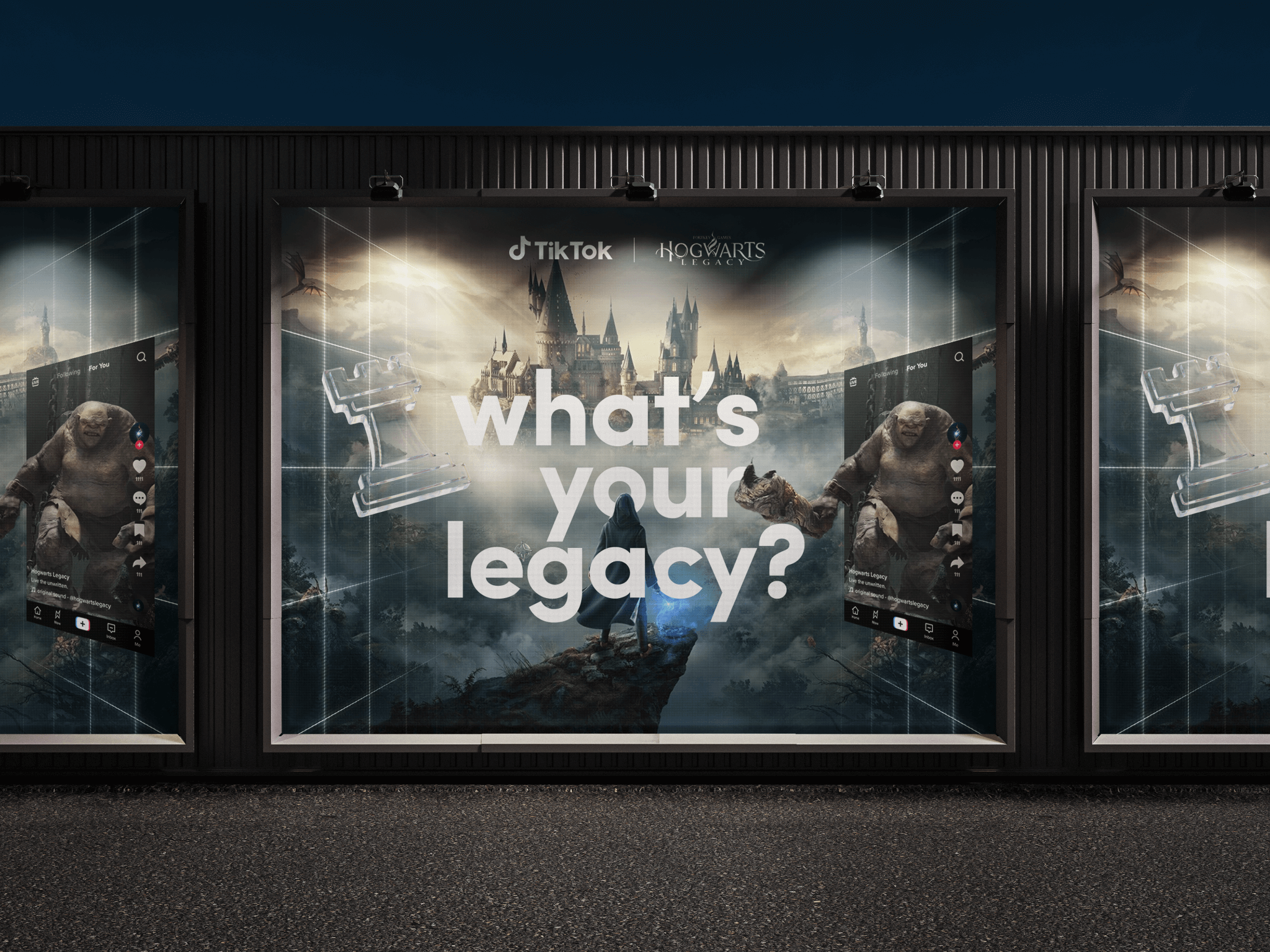
Gaming is no longer just about playing, it is about culture, shared experiences, and interactive storytelling. TikTok has positioned itself as the epicenter of gaming discourse, where players, creators, and brands co-create content that fuels a cycle of discovery and engagement. The platform’s unique ability to merge gaming with mainstream entertainment has turned game marketing into an ongoing cultural movement, rather than a one-time launch campaign. Thus the true need for a cohesive gaming centric visual identity became clear.

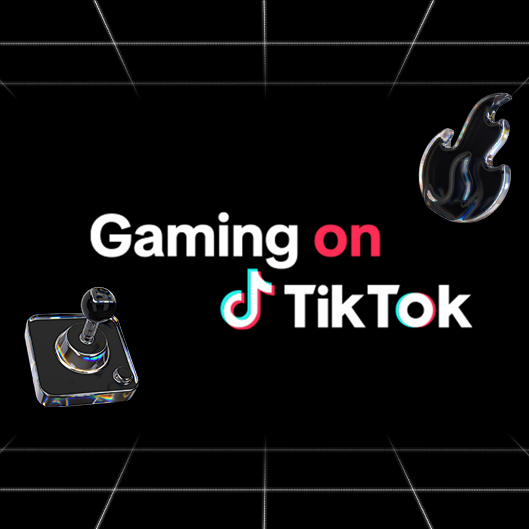
The 3D glass icons created for Gaming on TikTok became one of the most recognizable visual signatures of the brand. Each icon was designed as a sculptural object, rendered in reflective glass to capture both the sleek minimalism of TikTok’s identity and the diverse language of gaming culture. From classic joysticks and chess pieces to swords, trophies, and flame emblems, the set distilled universal symbols of play into a cohesive visual system. Their translucency and shine allowed them to feel premium yet approachable, adaptable across motion, digital, and physical environments. The icons not only unified the look and feel of global gaming activations but also elevated TikTok’s role as a central hub where all types of gaming communities could connect. They became more than just graphics, functioning as a living toolkit that bridged TikTok’s clean design grid with the immersive worlds of gamers worldwide.
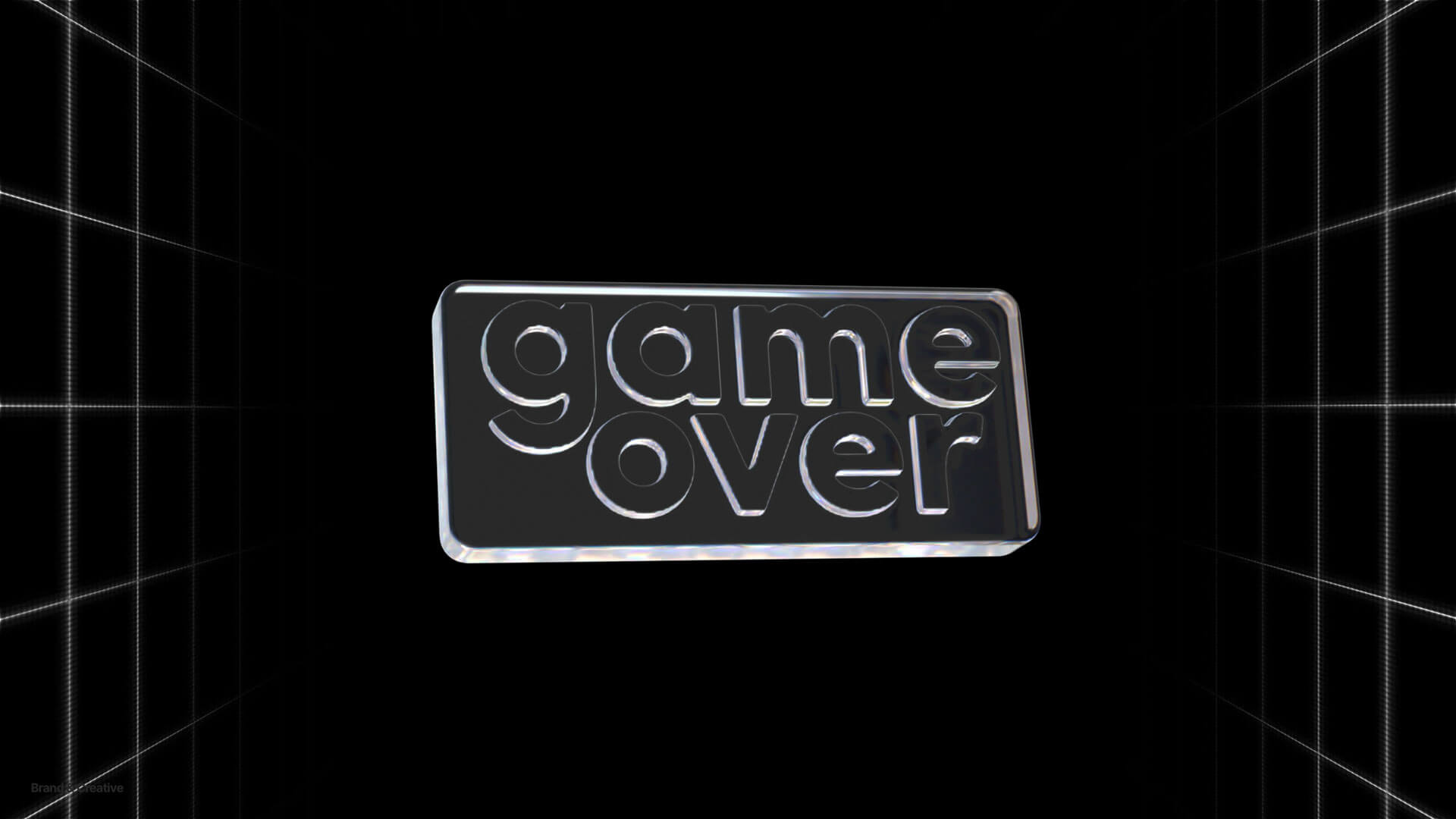
The design language leans into a high contrast world with luminous accents, clean grids, and UI frames that feel native to gaming. Chrome and glass textures carry the energy of hardware, while kinetic type and subtle HUD cues keep motion purposeful. We paired bold, legible typography with modular panels so the system scales from vertical video to OOH, from stage screens to product pages. Every element is built to read in a two-second scroll and still hold up on a thirty-foot LED.
To bring Gaming on TikTok’s visual identity to life, I collaborated with Yohan Yoon and our partners at Loop in Brazil to create a high-energy motion graphics sizzle reel. The piece was designed as a showcase of our strongest campaigns, creator collaborations, and cultural milestones, translating the static toolkit into an immersive moving format. We treated the video as a design artifact in itself, building every sequence to reflect the energy and fluency of gaming culture. The creative process began with detailed storyboards that mapped out narrative beats rather than a loose montage. The music leaned into chiptune textures layered with contemporary production, grounding the piece in the history of gaming while keeping it relevant for today’s audience.
On the visual side, we used z-space motion and layered depth to create a sense of immersion and movement, making the toolkit feel dynamic and alive. Typography, color, and iconography carried directly from the system I had built for Gaming on TikTok with Parris Pierce and Alex Polozun, ensuring a seamless connection between brand language and video storytelling. The end result was a motion piece that not only communicated the platform’s success in gaming but also felt authentic to the medium it was celebrating.
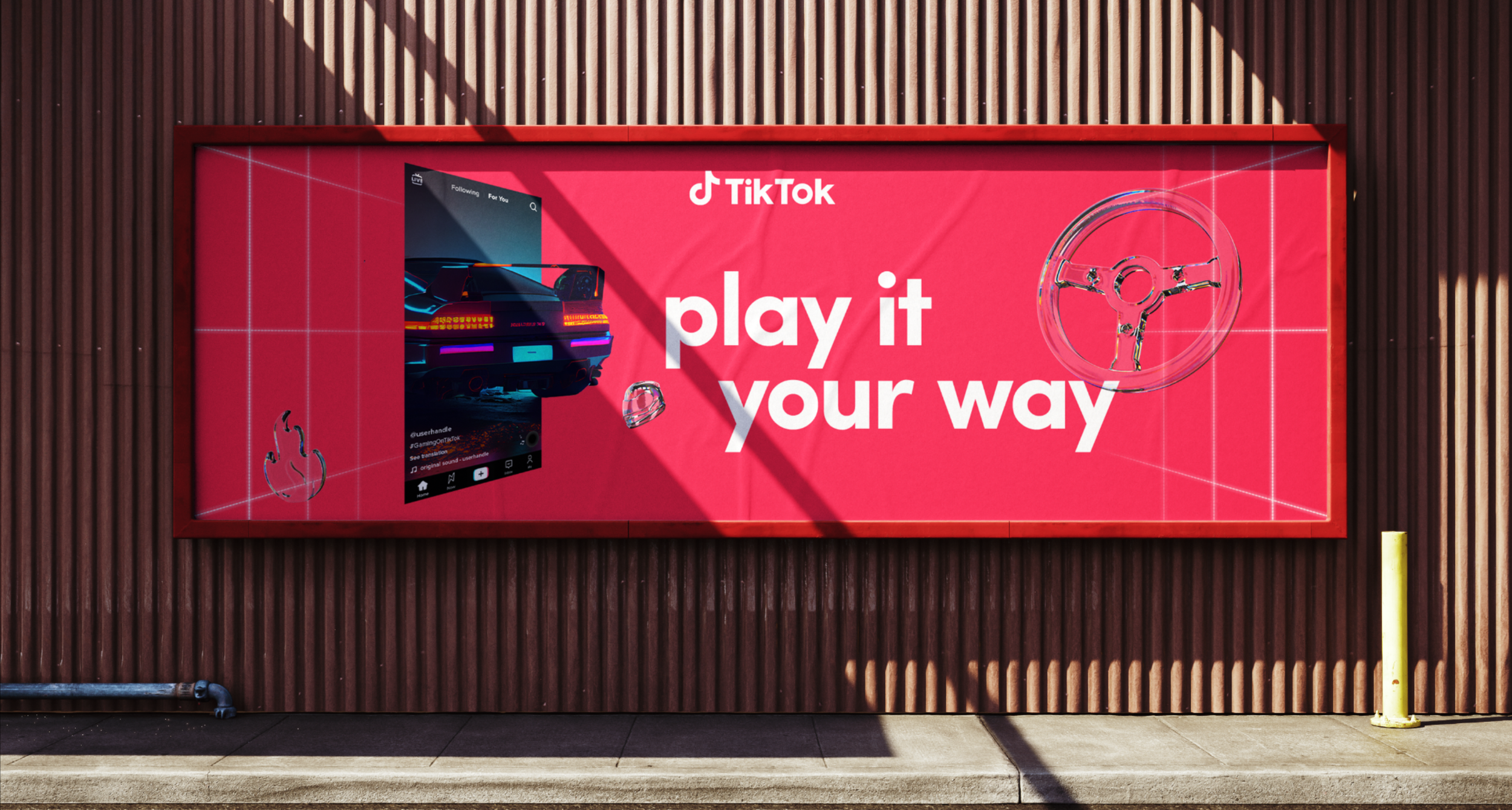
As the Design Director spearheading TikTok’s gaming vertical, I played a pivotal role in establishing the platform’s visual and strategic identity for gaming. Through immersive branding, innovative storytelling, and high-impact industry initiatives, we have transformed TikTok into the number one destination for gaming culture and influence. I helped spearhead two versions of our Global Gaming Design Toolkit, the first one with Sofia Pro and the second one as a refresh when we launched our owned and operated typeface TikTok Sans.
.jpg)
Our work has not only fostered community-driven engagement but has also amplified game publishers' ability to reach audiences like never before. I worked closely with my direct report Joy Seet to build a relationship with our consumer and user brand design team who was tasked to deliver a gaming campaign visual language. We provided art direction and expanded this toolkit for the TikTok for Business side of the organization. This global effort and attention to the toolkit allowed us to evolve it over time.
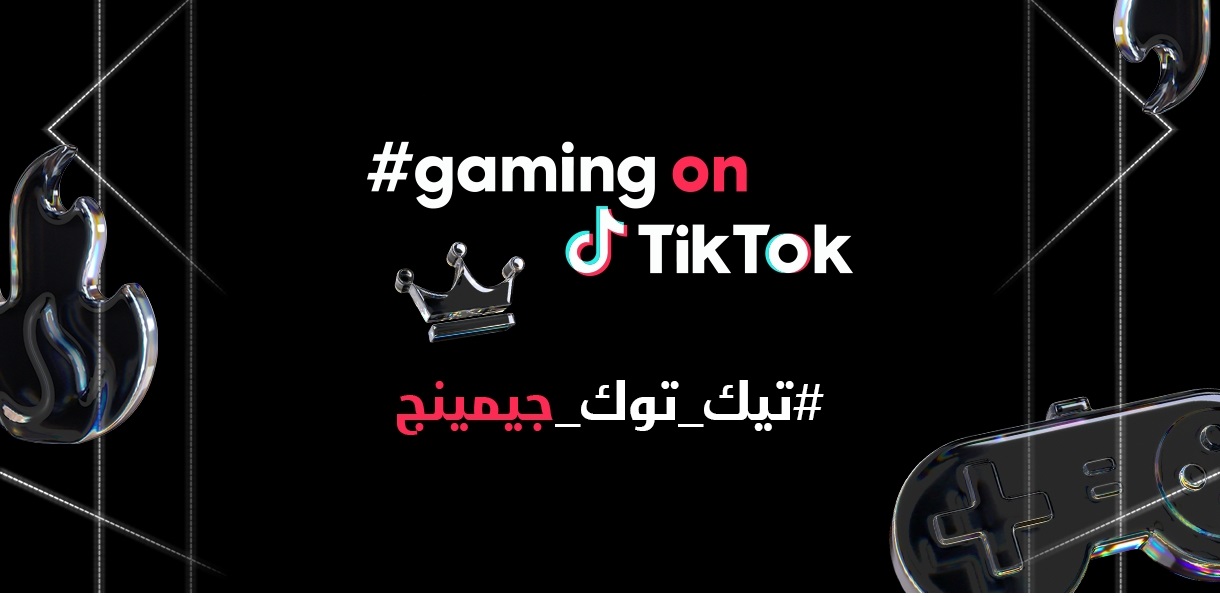
The Gaming Events Toolkit was designed as a comprehensive system to unify how TikTok shows up across the global gaming ecosystem. I led the development of this toolkit with the goal of building a scalable and flexible visual identity that could adapt to everything from B2B keynotes and sales meetings to massive consumer-facing events like Gamescom and SXSW. It included a full suite of assets: 3D glass gaming icons, modular templates for social and experiential activations, motion graphics guidelines, data visualization systems, and on-site branding elements that could be deployed quickly without losing consistency.
The typography leaned bold and energetic to mirror the pace of gaming culture, while the iconography balanced familiarity with a futuristic edge. Every detail, from the motion rules to the way charts animated, was crafted to make the system feel native to gaming while still unmistakably TikTok. This toolkit became the foundation for how the brand engaged with publishers, developers, creators, and fans, giving us both speed and clarity in a sector where cultural relevance moves faster than almost anywhere else.
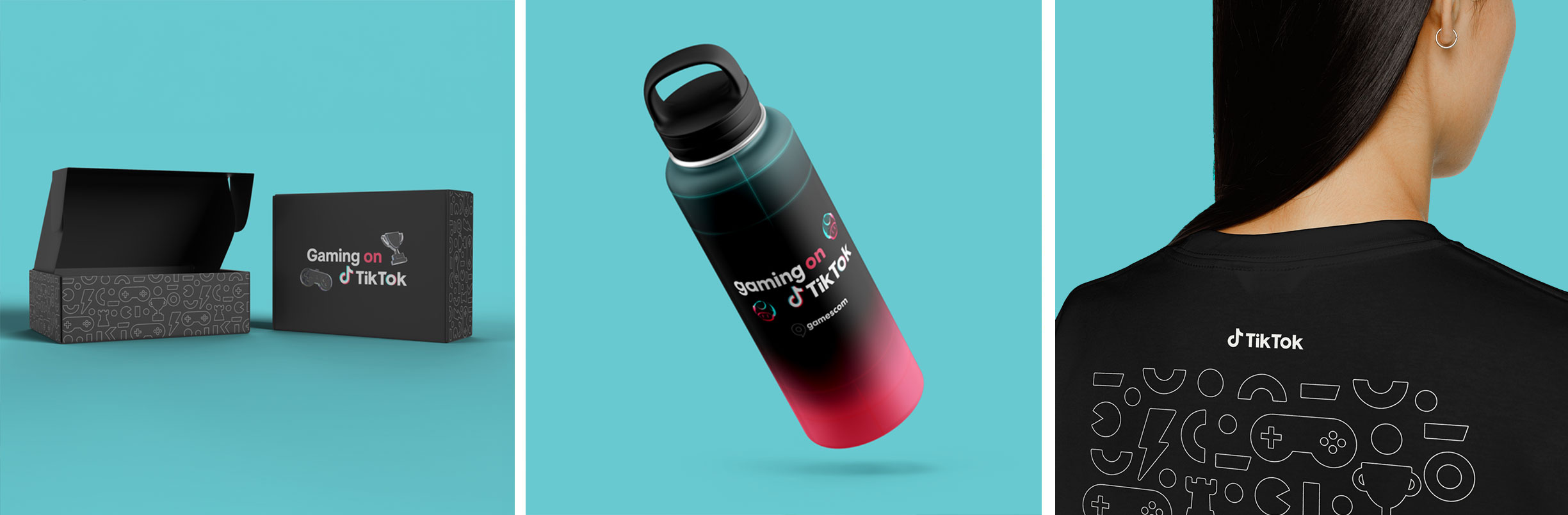
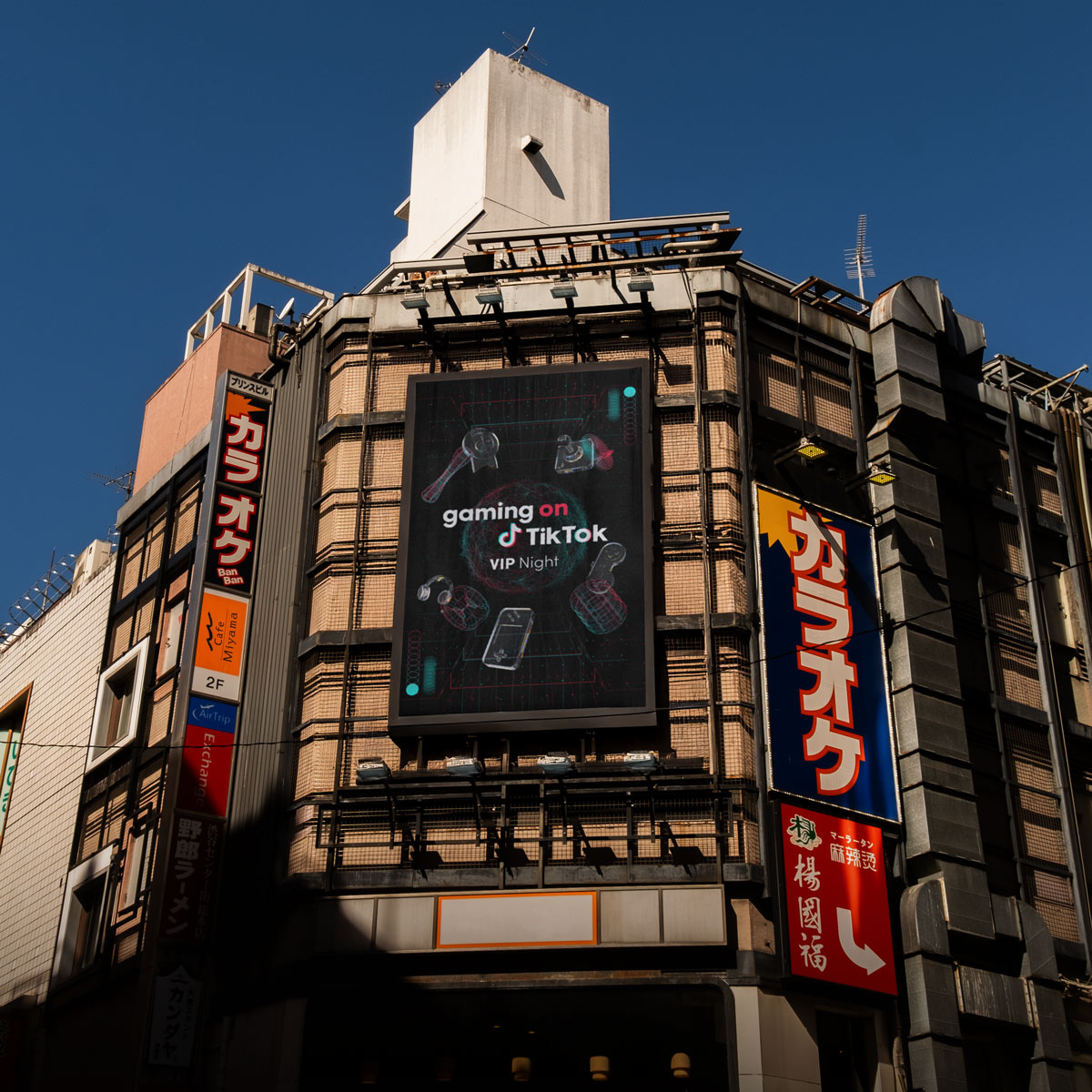
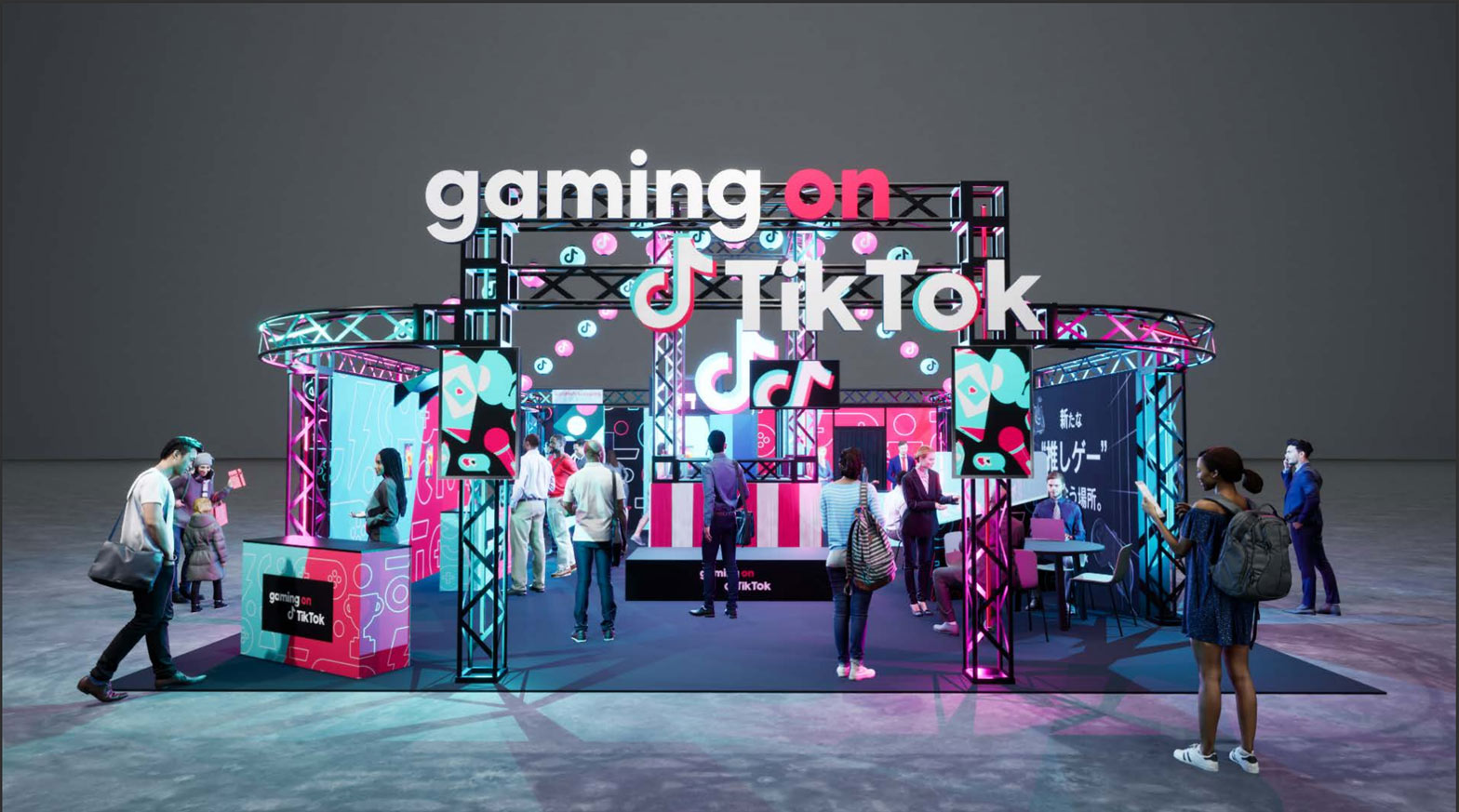
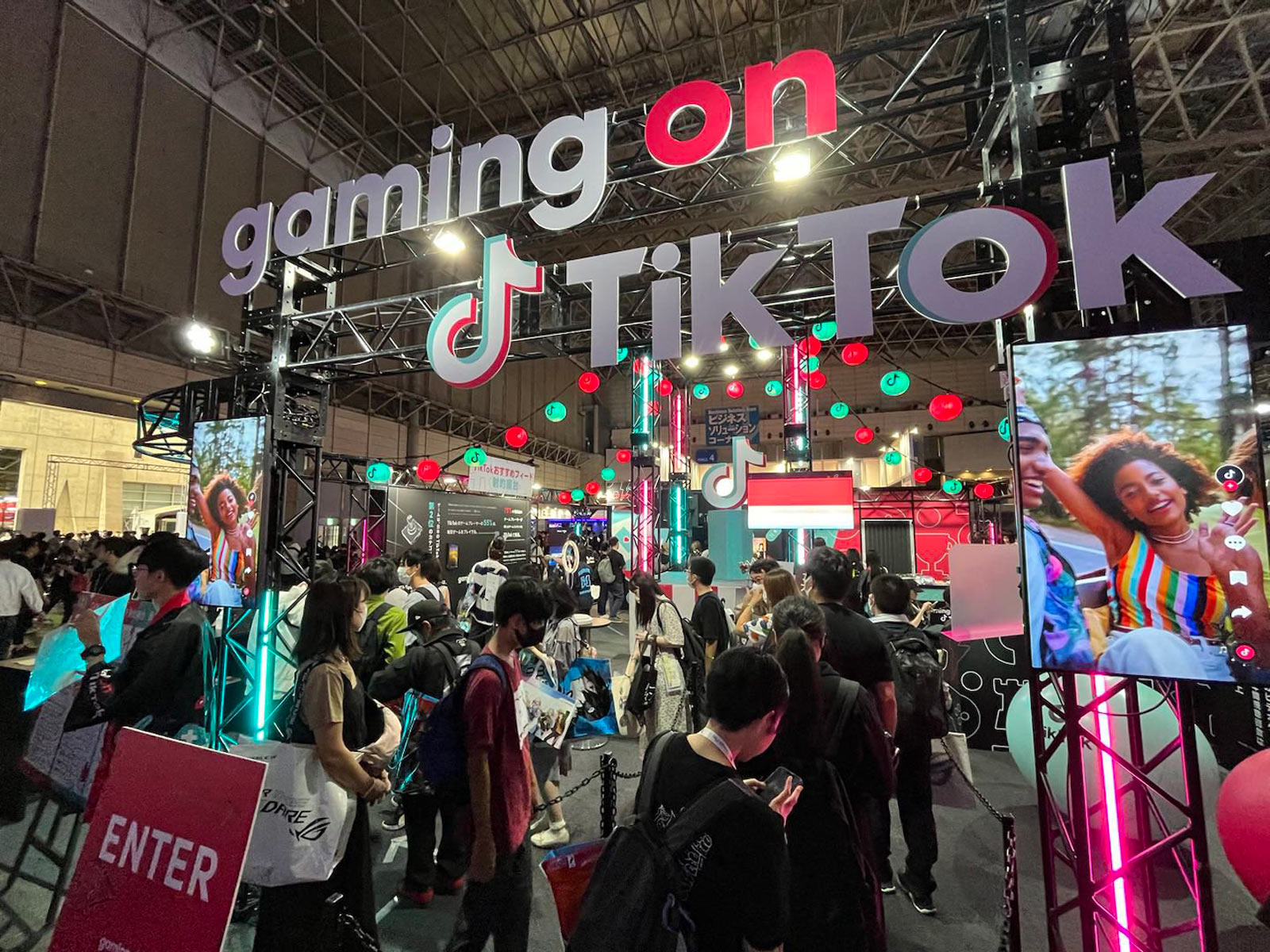
Through viral trends, creator-led challenges, and interactive experiences, TikTok ensures that games are not only discovered but also embedded into global entertainment conversations. This shift has enabled game publishers to cultivate passionate communities, drive long-term retention, and establish their titles as entertainment phenomena that extend beyond gameplay. To match that level of cultural reach, our presence at gaming events across the globe needed to feel unified and unmistakably TikTok. The render from Tokyo Gameshow 2023 shows the event toolkit and branding in action developed in collaboration with our team on the ground there.
From Gamescom to MAU to SXSW, we built toolkits and templates that allowed our brand to show up consistently while still giving regional teams the flexibility to adapt to their own audiences. Every element, from the motion system to the typography to the glass-like 3D icons, was designed with scalability in mind, so that whether it appeared on a massive LED screen at a keynote or inside a localized event deck, it carried the same energy and recognition.
Because mobile gaming had penetrated virtually every corner of the globe, our gaming visual identity had to be equally fluid, able to move seamlessly across markets, formats, and cultural contexts without losing its core DNA. The result was a cohesive system that gave TikTok Gaming a recognizable face in both digital and physical spaces, reinforcing our role as the place where gaming lives.
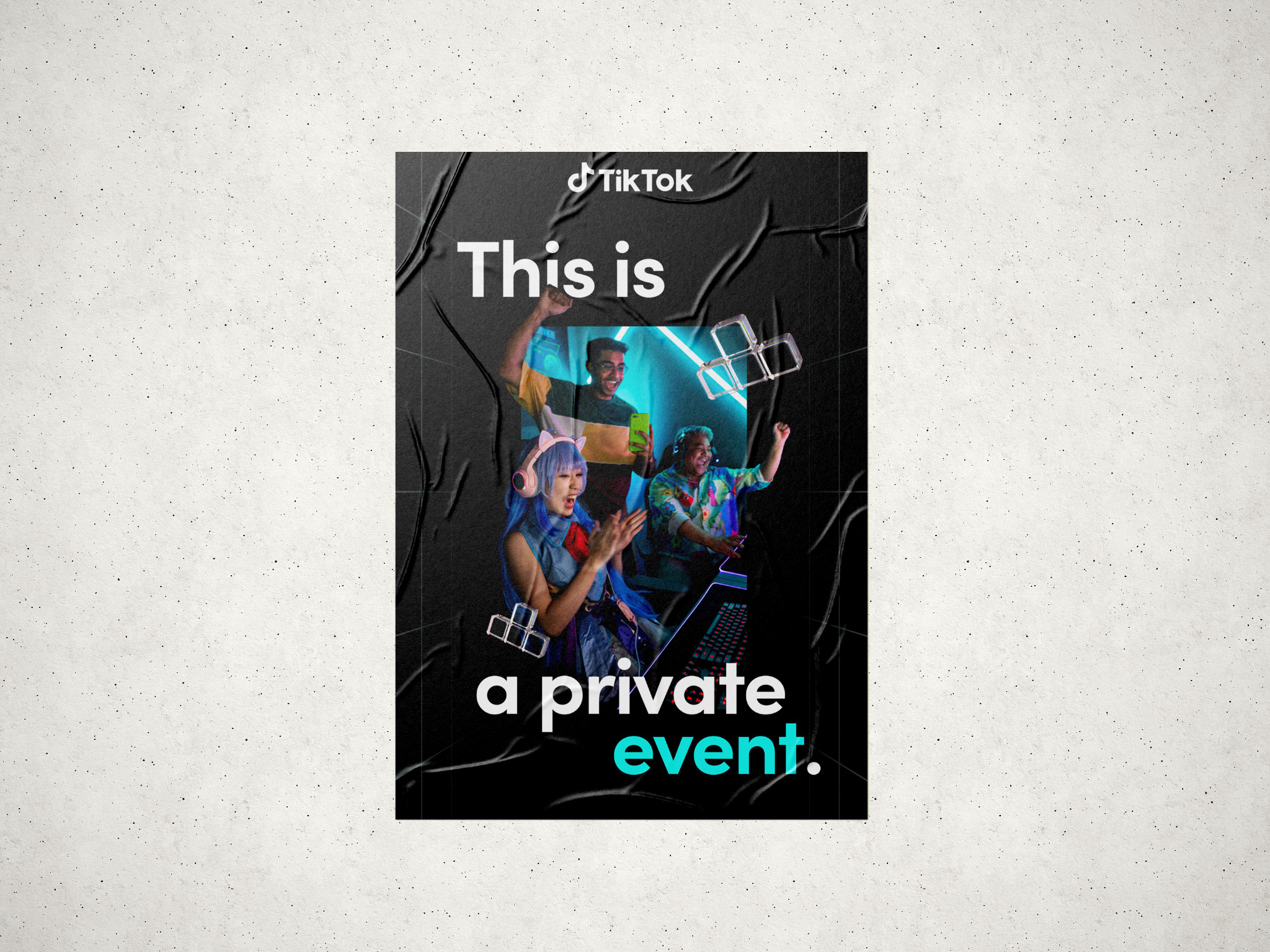
I played a pivotal role in developing a compelling visual identity that bridged TikTok’s playful essence with the energy of gaming culture. Working alongside a talented cross-functional team that included Joy Seet, Vanessa Rizk, Omer Carmeli, Jason Gomez, Alex Polozun, Harris Whitley, Raisa Januja, Shani Eichbom, Noam Zada, Asaf Sagy, and Rema Vasan, we created a vibrant and engaging brand system that resonated with both industry leaders and gaming audiences.
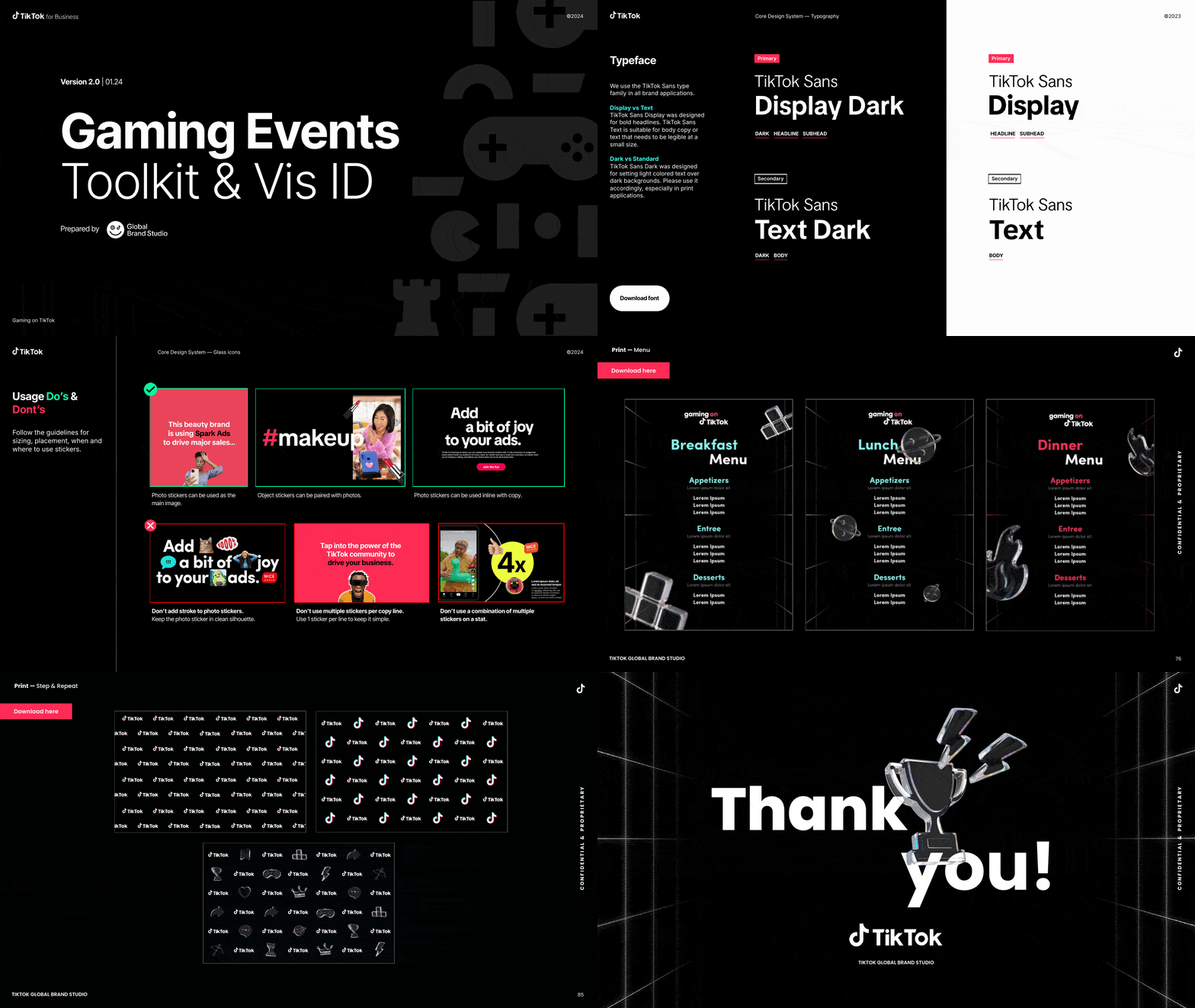
This was a true collaboration that brought together the user-facing side of TikTok with the business-facing side of the organization. Together with the global gaming team, we built a look and feel that could flex across events, sizzles, campaigns, and partner activations, giving Gaming on TikTok a recognizable and scalable identity that worked across regions and audiences.
The process was rooted in cultural awareness and design clarity. Our work ensured that TikTok’s gaming presence spoke directly to players while also offering polished, adaptable assets for partners and advertisers. By working across disciplines and geographies, we defined a design language that felt native to the platform while still elevated enough to carry impact at major industry moments.
This identity became the framework for how TikTok presented itself at gaming events worldwide, blending bold visual storytelling with a cohesive system that reflected the creativity of our users and the strategic needs of the business. Through this approach, we established a brand system that was authentic, scalable, and ready to evolve with the gaming community.
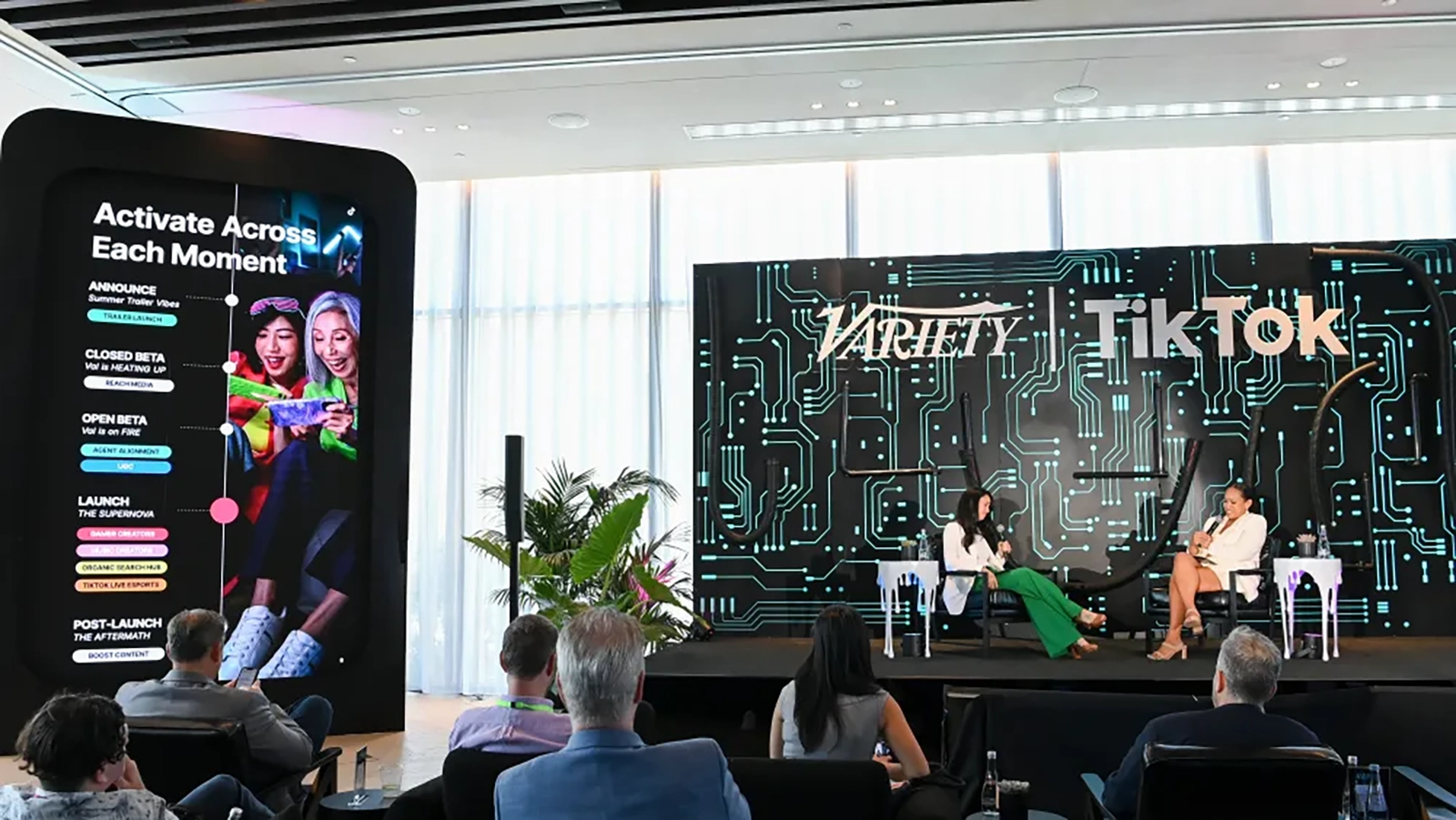
We took that story on the road with partner programming, including a Los Angeles session with Variety that brought publishers, studios, and creators together. Our team handled the stage environment, show graphics, and a playbook that mapped how to activate across each moment of a release. The result was a consistent narrative across panels, case studies, and live demos, giving the industry a clear view of how to launch, measure, and grow on TikTok Gaming.
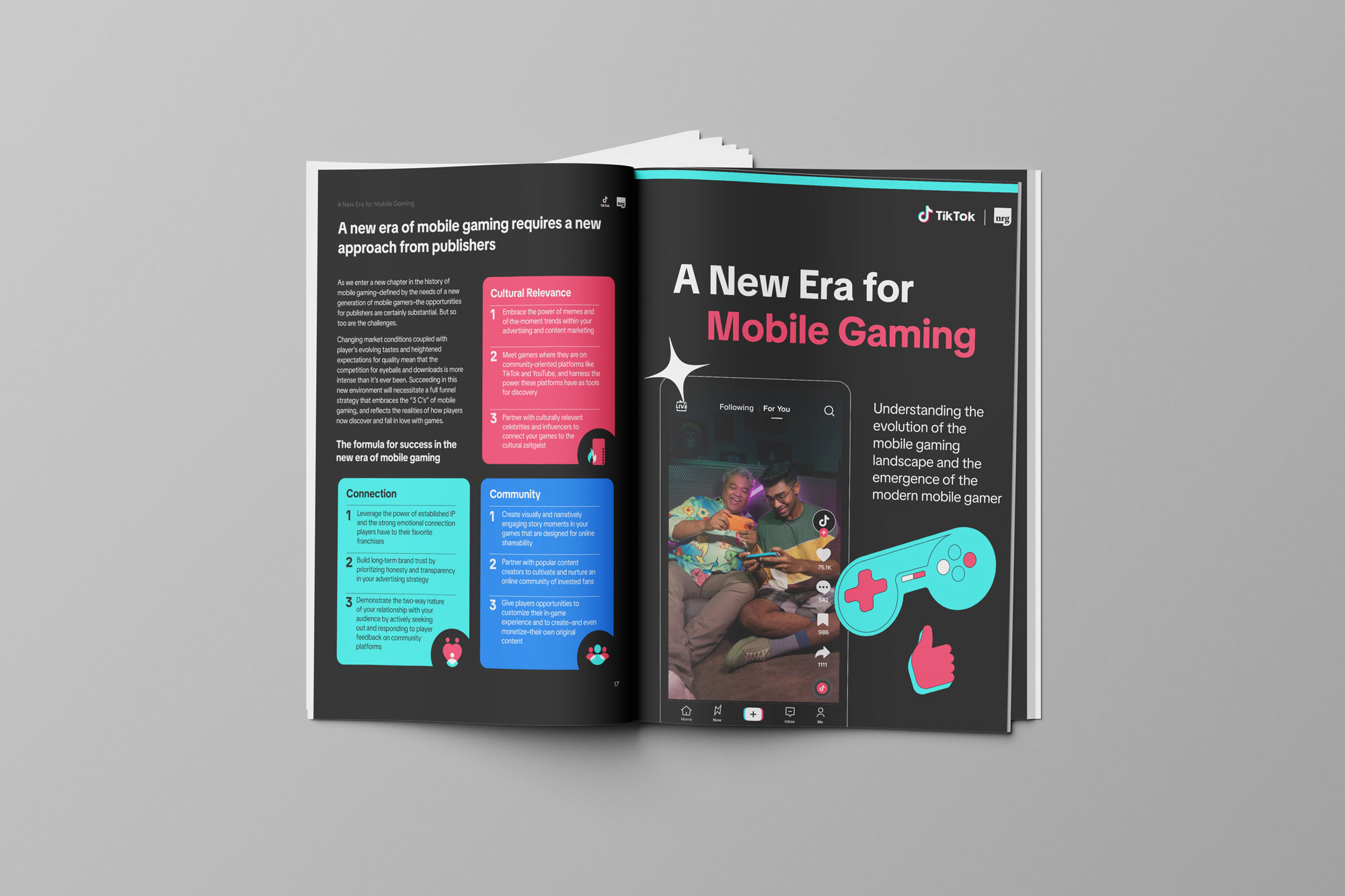
Our approach ensured that every touchpoint, from immersive live events to high-impact digital campaigns, reinforced TikTok’s positioning as the #1 Destination for Gaming Culture & Impact. By leveraging dynamic visuals, seamless brand integration, and interactive storytelling, we crafted an experience that elevated TikTok’s role in the gaming ecosystem and drove sustained engagement.
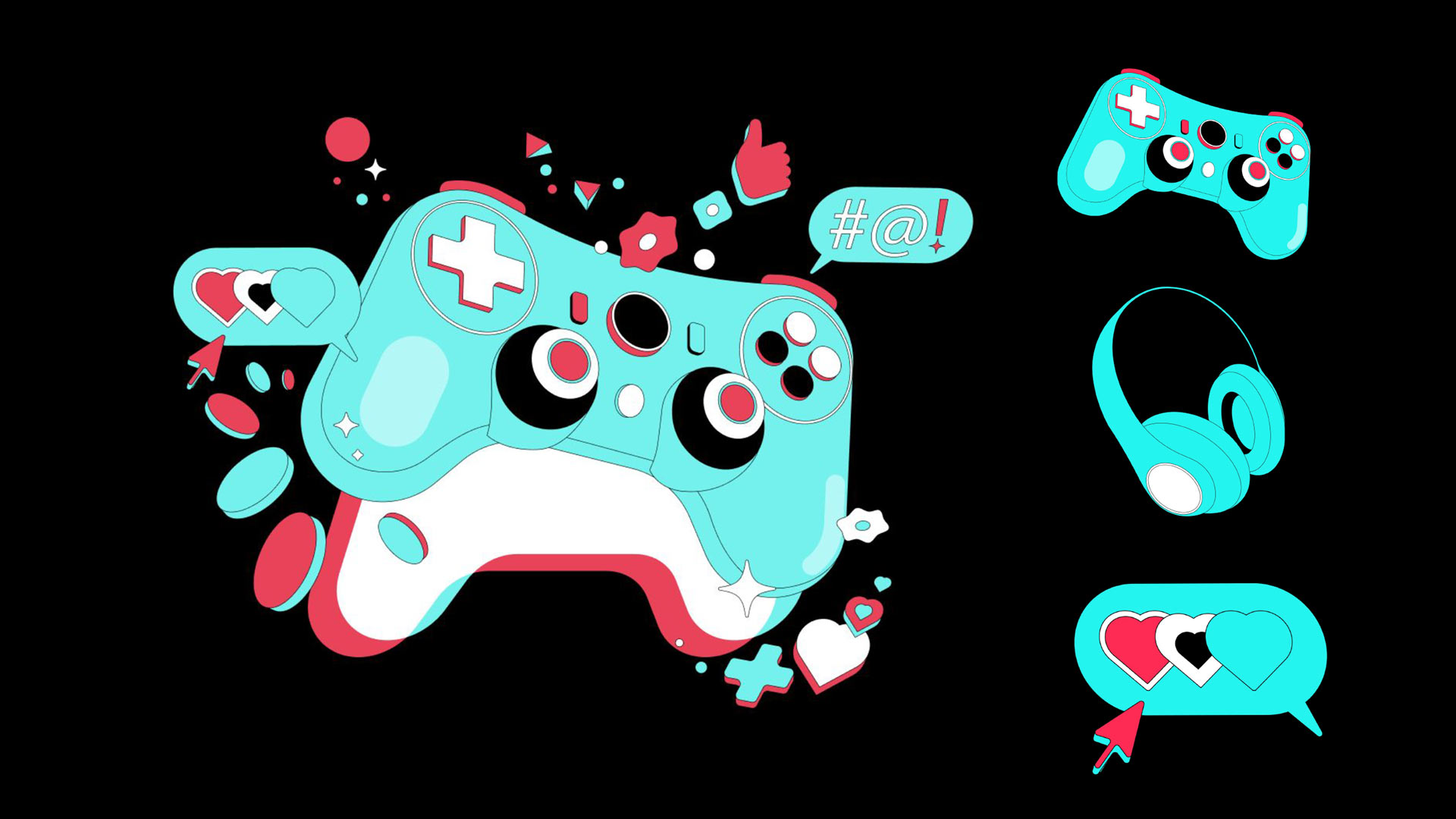
The Gaming-specific illustrations were a critical layer of the overall toolkit, giving us the ability to translate the TikTok brand into a visual system that felt truly endemic to gaming culture. Working closely with my direct report, Michael Hinson, and our retainer agency Design Force, we developed a suite of bold, scalable illustrations that could flex across a wide range of contexts. The goal was to create assets that felt playful and contemporary, while still carrying the polish and authority needed for B2B presentations, sizzles, and tentpole events. These illustrations, from controllers and headsets to expressive symbols like hearts, thumbs-up, and motion accents, became essential in creating a recognizable shorthand for Gaming on TikTok.
What made this effort unique was the focus on optionality. We deliberately built the system so that it could scale up for large-format experiential activations or slim down for mobile and social content without losing cohesion. By giving teams a flexible library of gaming-inspired icons and motifs, we ensured that our visual language could stay fresh while remaining consistent, no matter the execution. This balance of adaptability and recognizability gave us the creative freedom to tell different stories while reinforcing a unified identity across every touchpoint.
A strong brand presence is crucial in a landscape as vibrant and fast-paced as gaming. To ensure TikTok’s dominance in the sector, my team and I developed a comprehensive visual identity system, seamlessly integrating the aesthetics of gaming culture with TikTok’s dynamic brand.
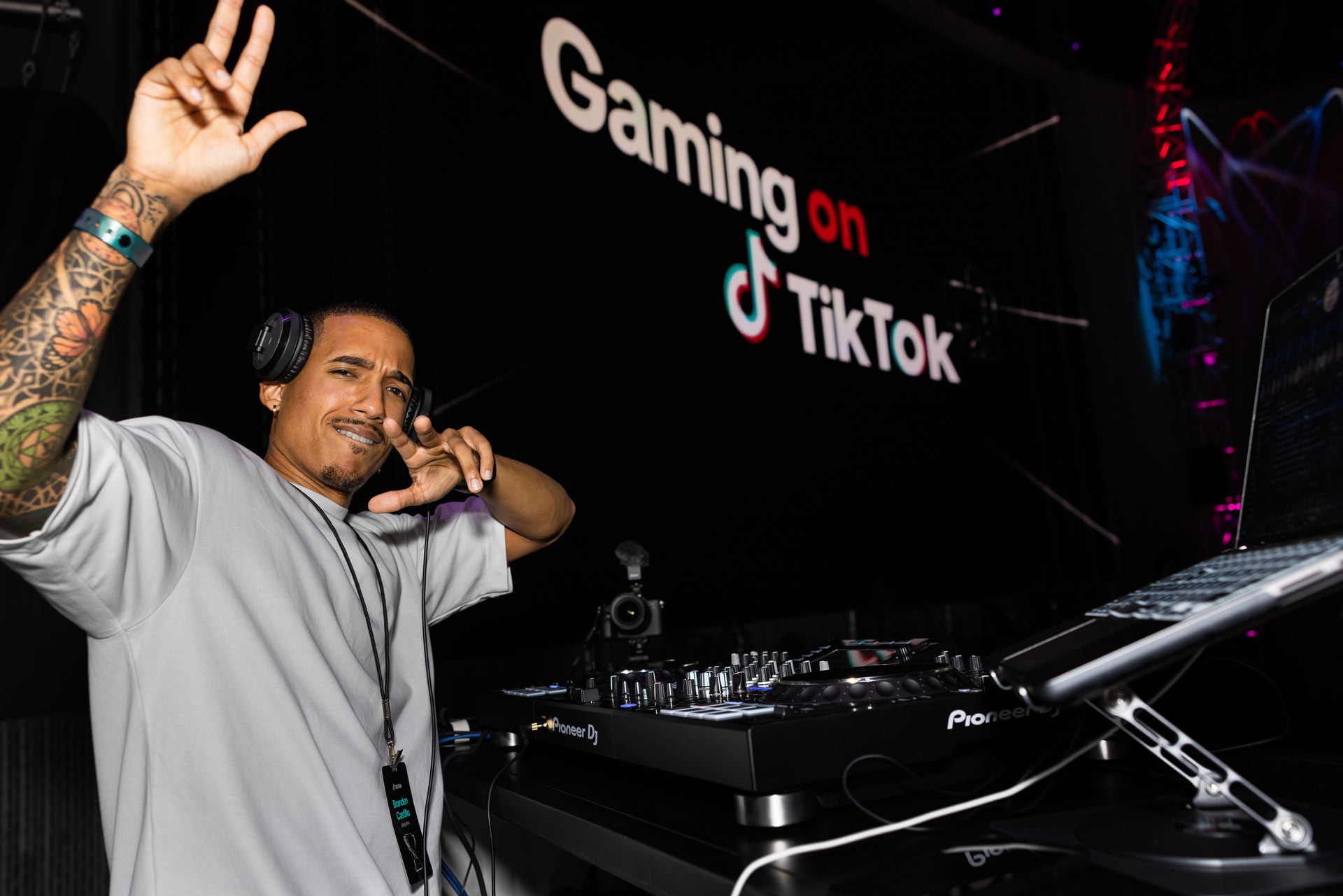
From the pixelated charm of retro gaming to the sleek, futuristic aesthetics of modern esports, we curated a design language that resonated with both casual gamers and hardcore enthusiasts. Elements like 3D glass icons, neon cyberpunk themes, and verticalized design systems created an immersive identity that adapted to diverse gaming genres and storytelling formats. This cohesive system not only strengthened TikTok’s brand recall but also empowered creators, developers, and publishers to seamlessly engage their audiences.
We designed a vibrant brand system that mirrored the epic worlds of gaming, drawing inspiration from immersive, interactive gaming environments. Our visual motifs included grid lines, 3D glass icons, and genre-specific vertical elements that celebrated different gaming styles. These elements were strategically incorporated to enhance brand recognition and engagement in a saturated marketplace.
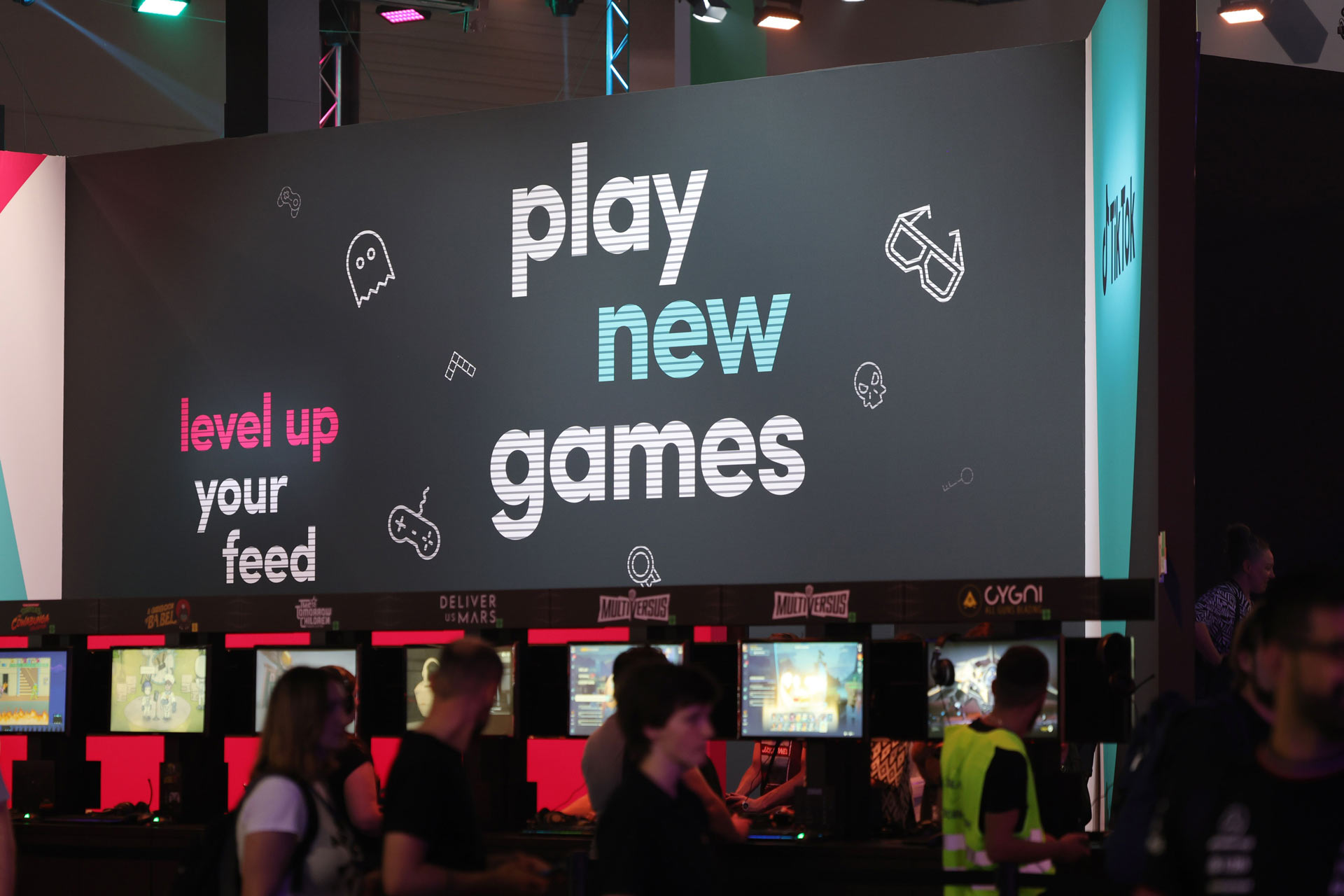
The Gamescom presence was a true showcase of how TikTok’s visual identity for gaming could scale to one of the largest stages in the industry. The stage design leaned heavily on the brand’s grid system, using clean white lines against a deep black backdrop to create a sense of immersion and precision. These grids, paired with bursts of light and animated transitions, gave the space both structure and energy, echoing the same balance of order and play that defines TikTok’s creative culture. The line illustrations of controllers, glasses, soccer balls, and other gaming motifs added character and reinforced the universality of gaming culture while staying consistent with the 3D glass iconography that had already become synonymous with TikTok Gaming.
.jpg)
Beyond the visual system, the scale of the booth itself signaled TikTok’s ambitions in gaming. With a footprint of more than 300 square meters, the space featured a live stage, a gaming area, and two fully equipped streaming rooms. This was not a passive booth but a hub for interaction, where creators, fans, and brands could all take part in the action. Panels, live gaming showcases, and cosplay meetups brought constant energy to the floor, while exclusive giveaways and interactive installations kept audiences engaged throughout the event. The integration of TikTok LIVE as both a broadcast tool and a content driver underscored the platform’s dual role as a community builder and a marketing powerhouse.
.jpg)
In the broader context, TikTok’s partnership with Gamescom highlighted the platform’s evolution from a place where gaming content was discovered to a player that actively shapes gaming culture. By anchoring its presence in such a high-profile setting, TikTok positioned itself alongside legacy gaming brands while also demonstrating its unique ability to bring fans, creators, and IP holders into one shared space. The booth was not simply about exposure but about creating a living example of how TikTok connects global audiences to the culture of gaming in real time.
.jpg)
Through this design strategy, we successfully positioned TikTok as the premier platform for gaming content, providing both game publishers and players with an engaging, immersive experience that extends beyond traditional marketing. Our work empowered gaming brands to harness the power of TikTok’s unique storytelling format, amplifying their presence through creator collaborations, interactive formats, and visually compelling campaigns.
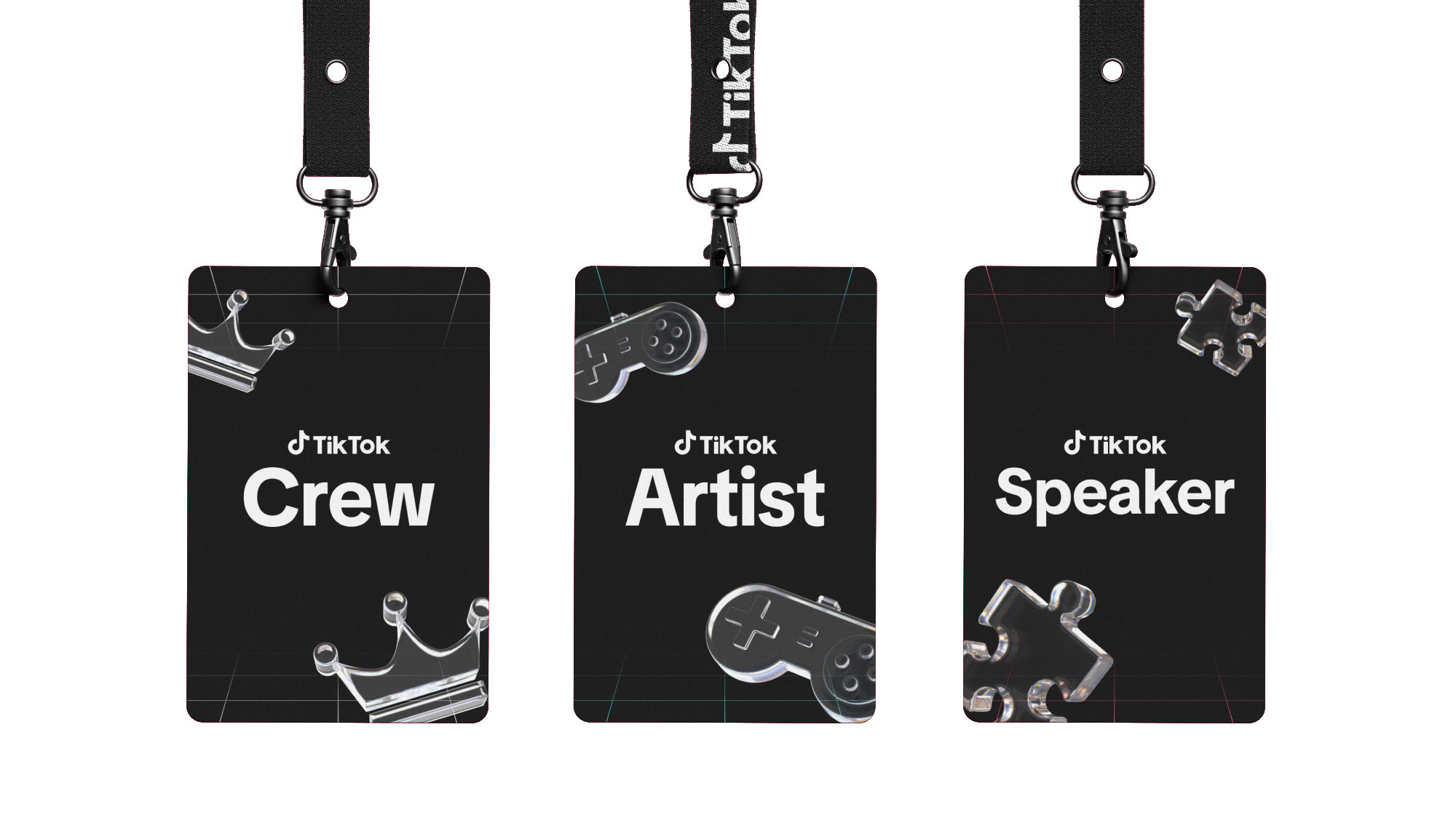
The system included fun cultural nods, such as pixel-art influences, neon-lit cyberpunk themes, and TikTok’s signature playful energy infused into typography and motion design. Working with Seen as our production agency, we even created a global live streamed video around the gaming community and how TikTok was positioned to change the way brands can interact with consumers in ur Game Changers live stream.
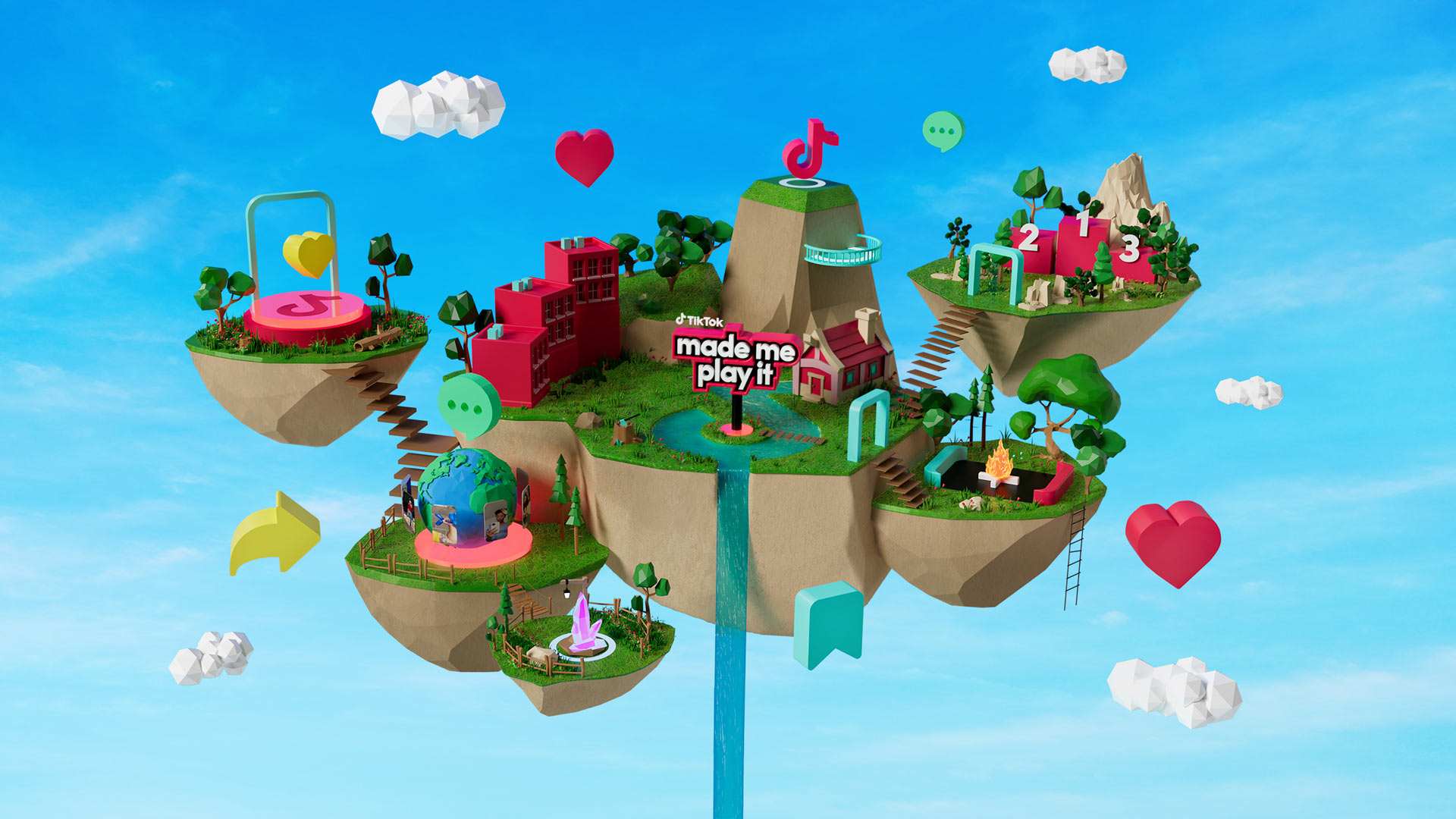
One of our most ambitious projects in follow up to this was the TikTok Made Me Play It (TTMMPI) virtual gaming summit. In collaboration with Eastward Films, we set out to create an immersive industry-first event that brought together gaming executives, creators, and marketers to explore the future of gaming on TikTok. It took the foundation laid by game changers and took it up a whole notch to an interactive playground.
Our execution involved designing a fully interactive 3D virtual world, complete with gamified elements that mirrored the platform’s unique engagement model. We orchestrated high-production studio shoots across multiple global cities, Los Angeles, New York, Austin, and London all while featuring gaming influencers, industry leaders, and TikTok’s creative minds. In just 45 days, we developed hundreds of 2D and 3D assets, ensuring a seamless visual and experiential narrative. The result? Over 8,000 industry professionals attended, leading to landmark partnerships with leading game publishers.
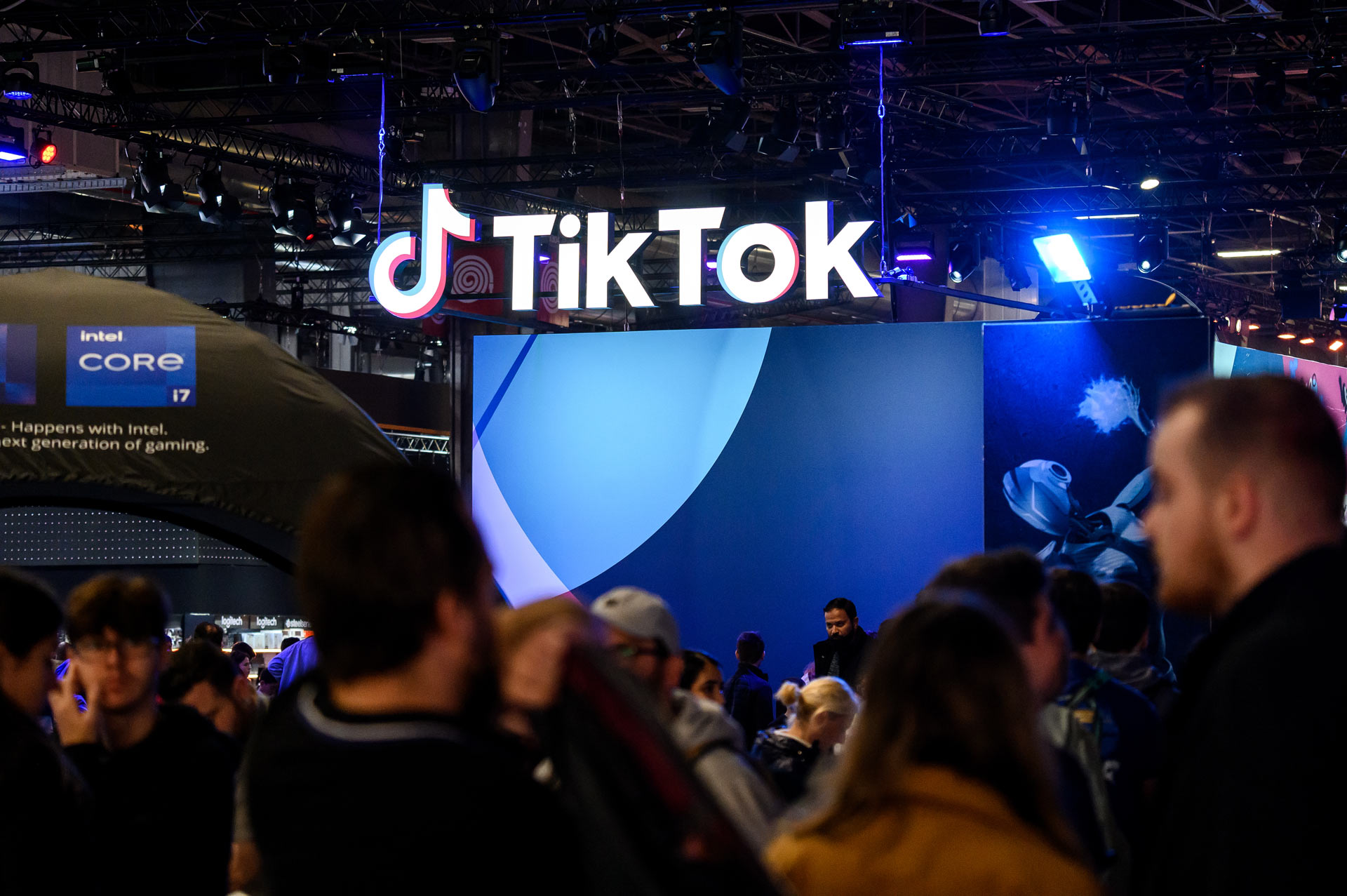
For decades, the gaming industry relied on traditional advertising, trailers, and static promotional content. However, as digital-native audiences demanded more interactive and personalized experiences, it became clear that conventional marketing was no longer enough. TikTok emerged as the perfect solution, a platform where storytelling is organic, participation is encouraged, and engagement is authentic. From Paris Games Week to Trade Shows in Japan, our Gaming team was all over the globe and this visual identity needed to have a lot of flexibility to regionalize and adapt but keep the same backbone.
To capitalize on this shift, we developed an innovative framework that integrated organic virality with strategic brand storytelling. Through data-driven insights, creator collaborations, and gamified content formats, we positioned TikTok as the ultimate launchpad for game marketing. This transformation allowed publishers to move beyond impressions and drive actual game downloads, engagement, and sustained player communities.
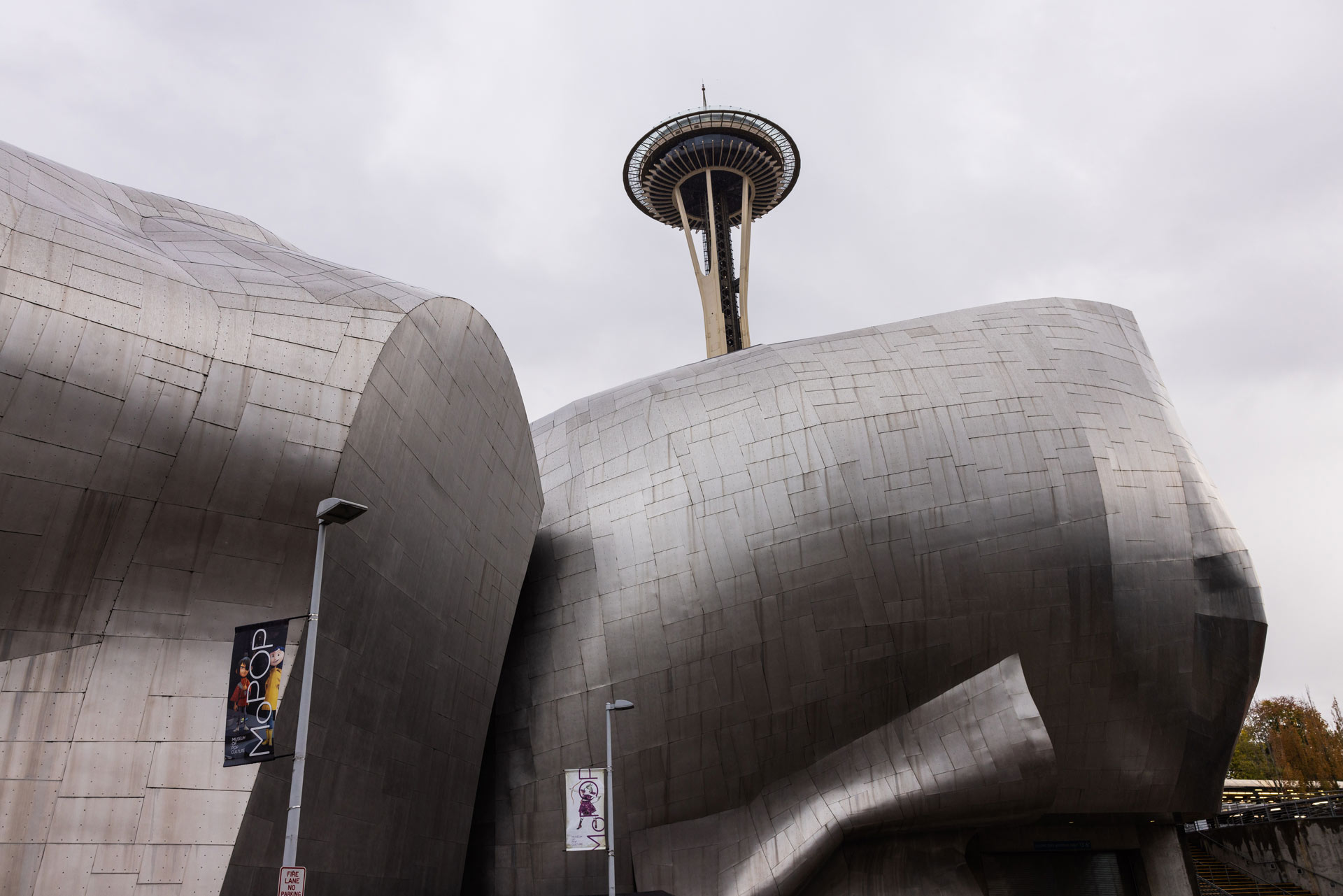
The Gaming on TikTok Summit in Seattle was a landmark moment in bringing TikTok’s gaming story to life in a physical environment. Hosting the summit inside the Museum of Pop Culture gave the event an added layer of cultural significance, a reminder that gaming is not just entertainment but a cornerstone of modern creativity. For me, leading the design direction was about fusing that cultural weight with TikTok’s playful, forward-looking identity.
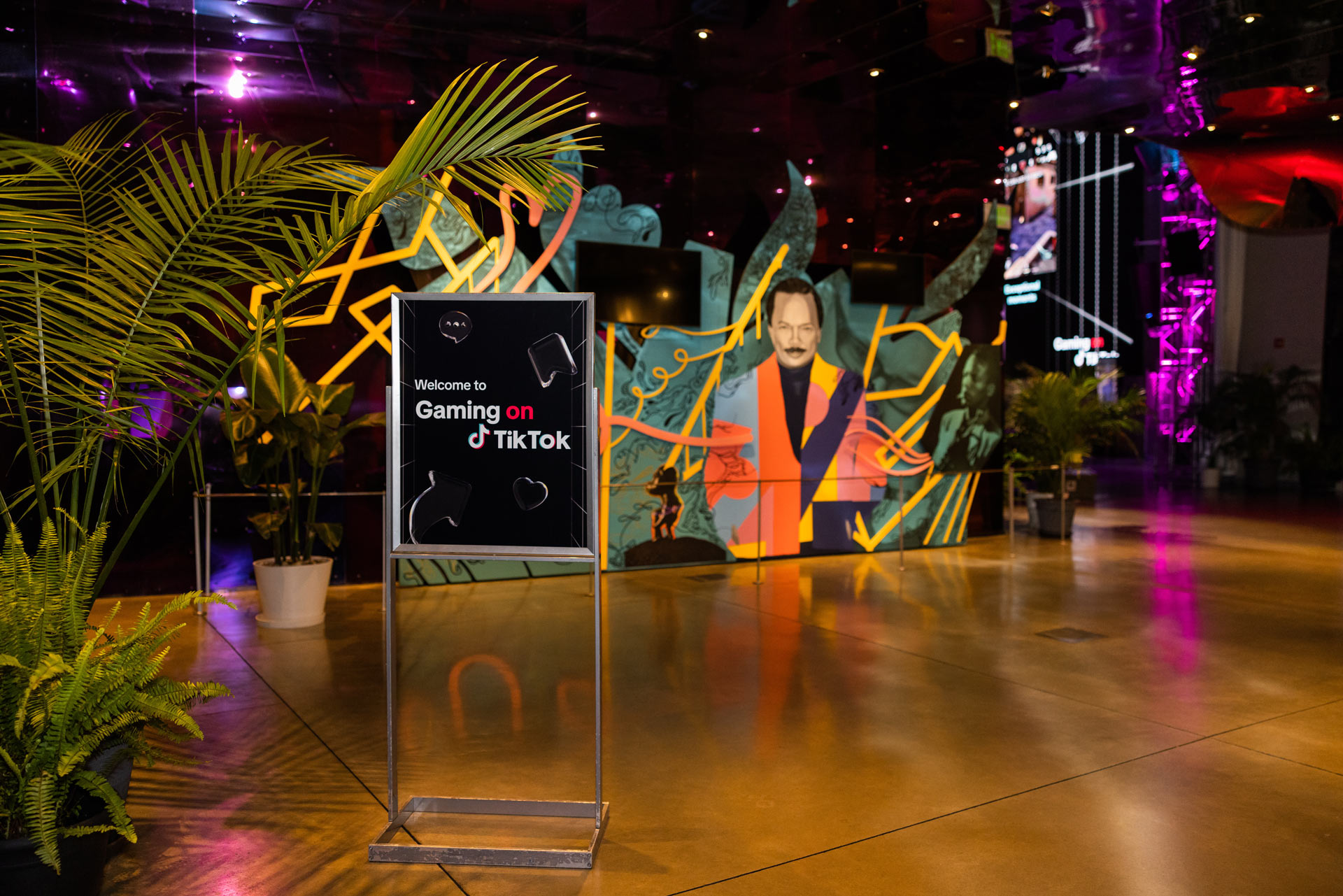
The vision was to create an experience that felt more than a business conference. From the beginning, I wanted it to feel like a stage where the energy of gaming culture could be seen, felt, and shared. The design had to be bold enough to grab attention yet minimal enough to let the content and community shine. This balance was achieved through the visual language we had been refining: glass icons that refracted light and color, grid systems that suggested movement and perspective, and black backdrops that let everything else pop with clarity.
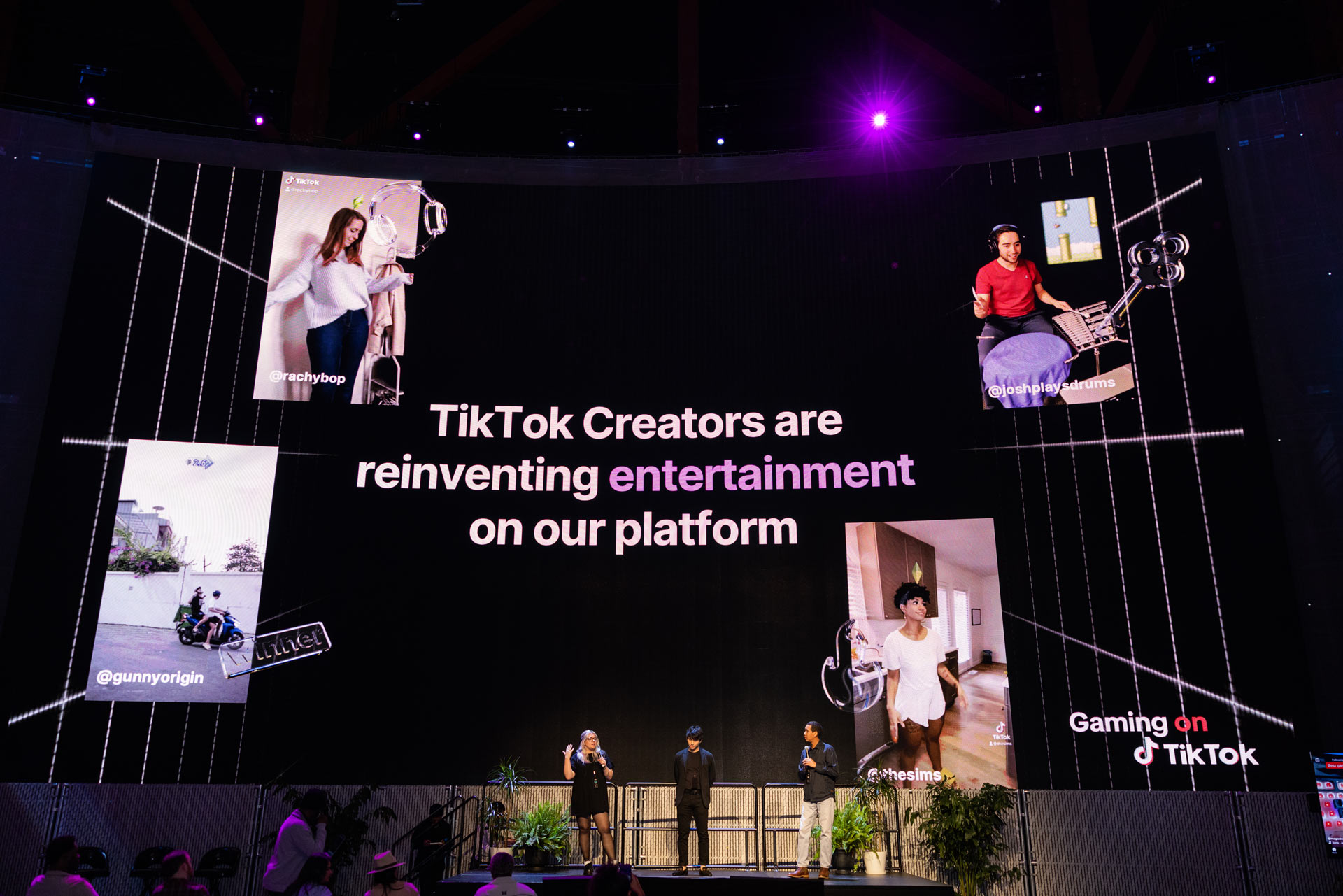
What made this event particularly meaningful was the timing. TikTok had already proven itself as a home for creators and cultural movements, but the gaming vertical was still gaining shape. The Seattle summit allowed us to tell that story at scale and in person. It was an opportunity to show partners that TikTok was not simply a place where gaming content lived, but a platform where entire communities and fandoms could thrive. I worked closely with Micayla Diener on our events team to bring this space to life.
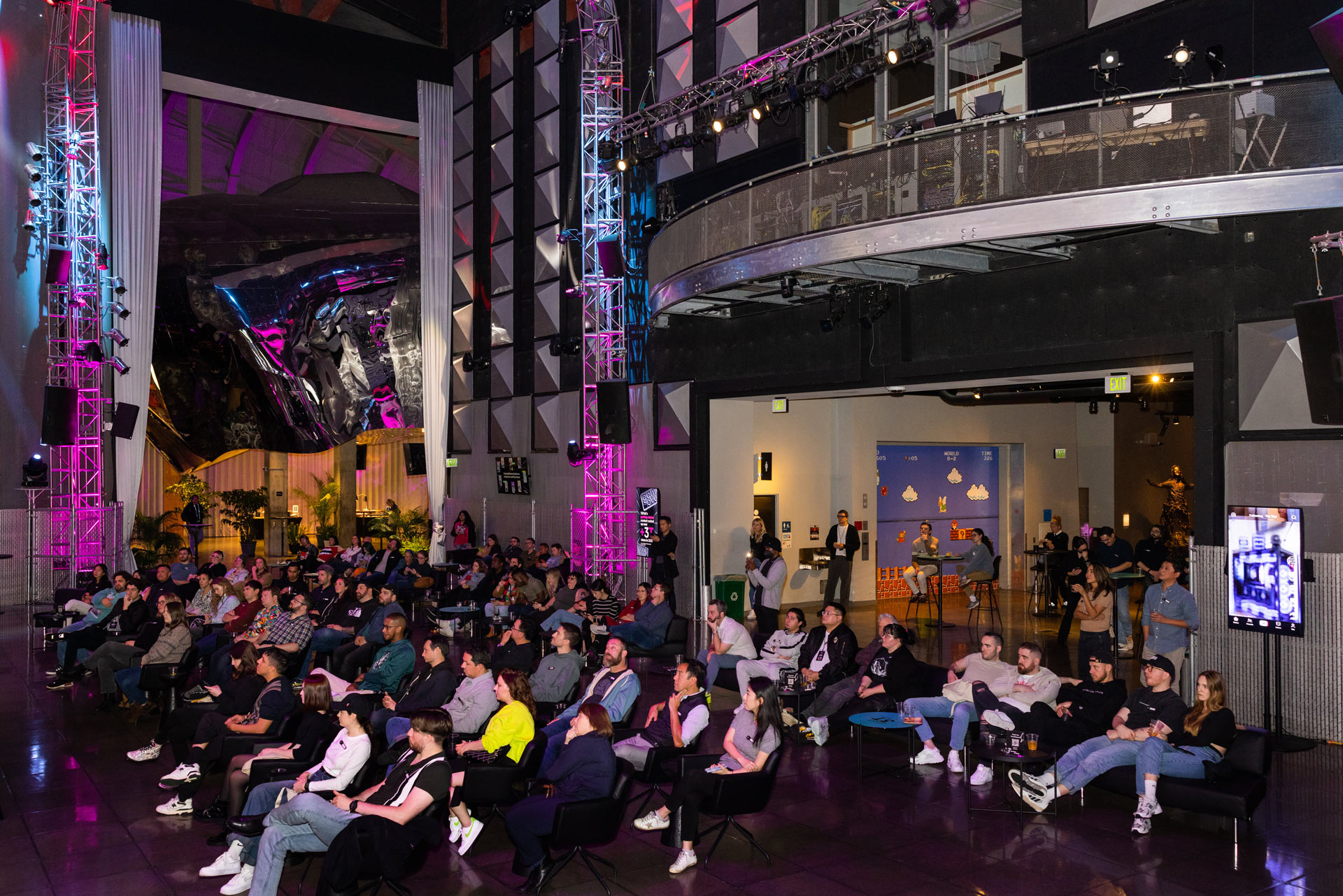
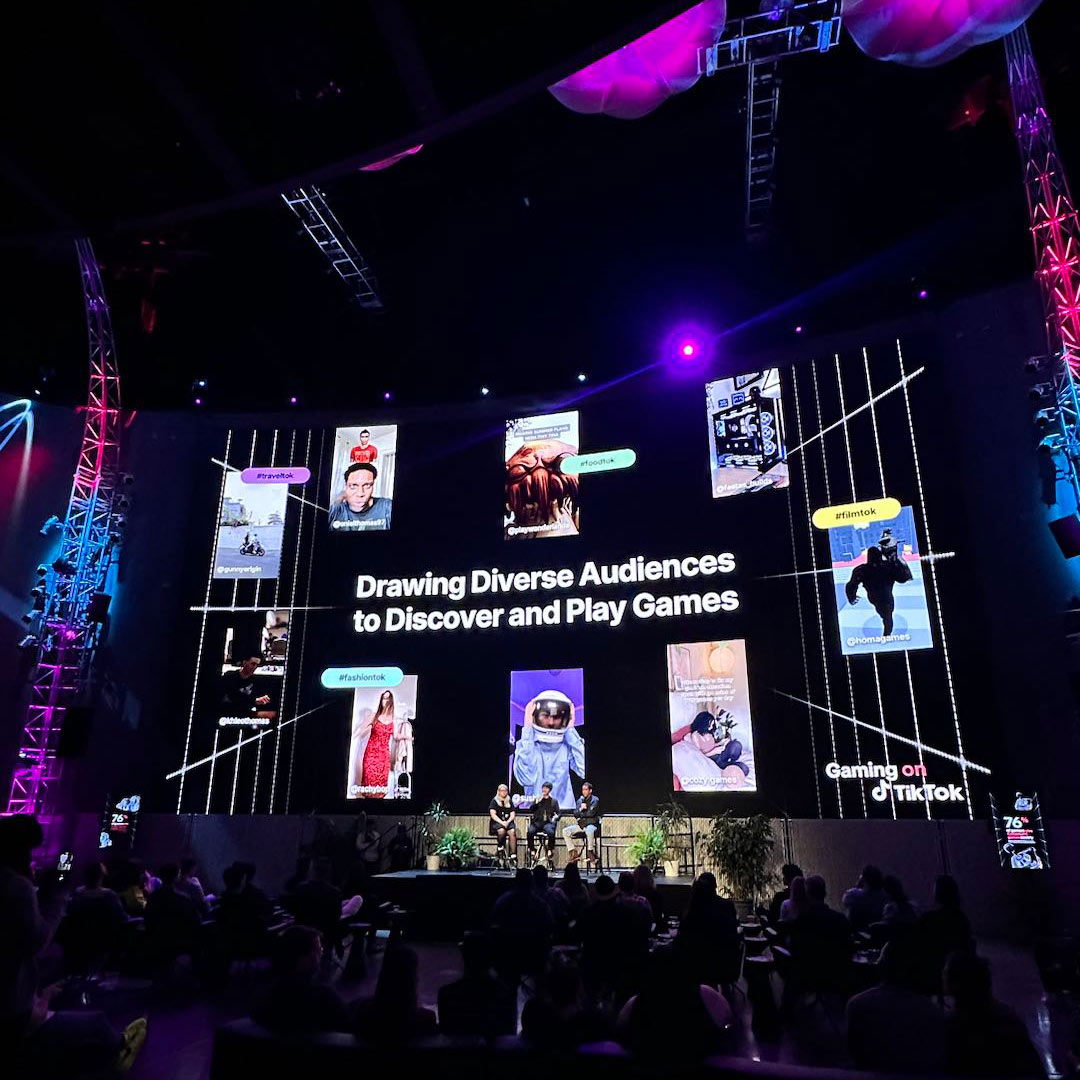
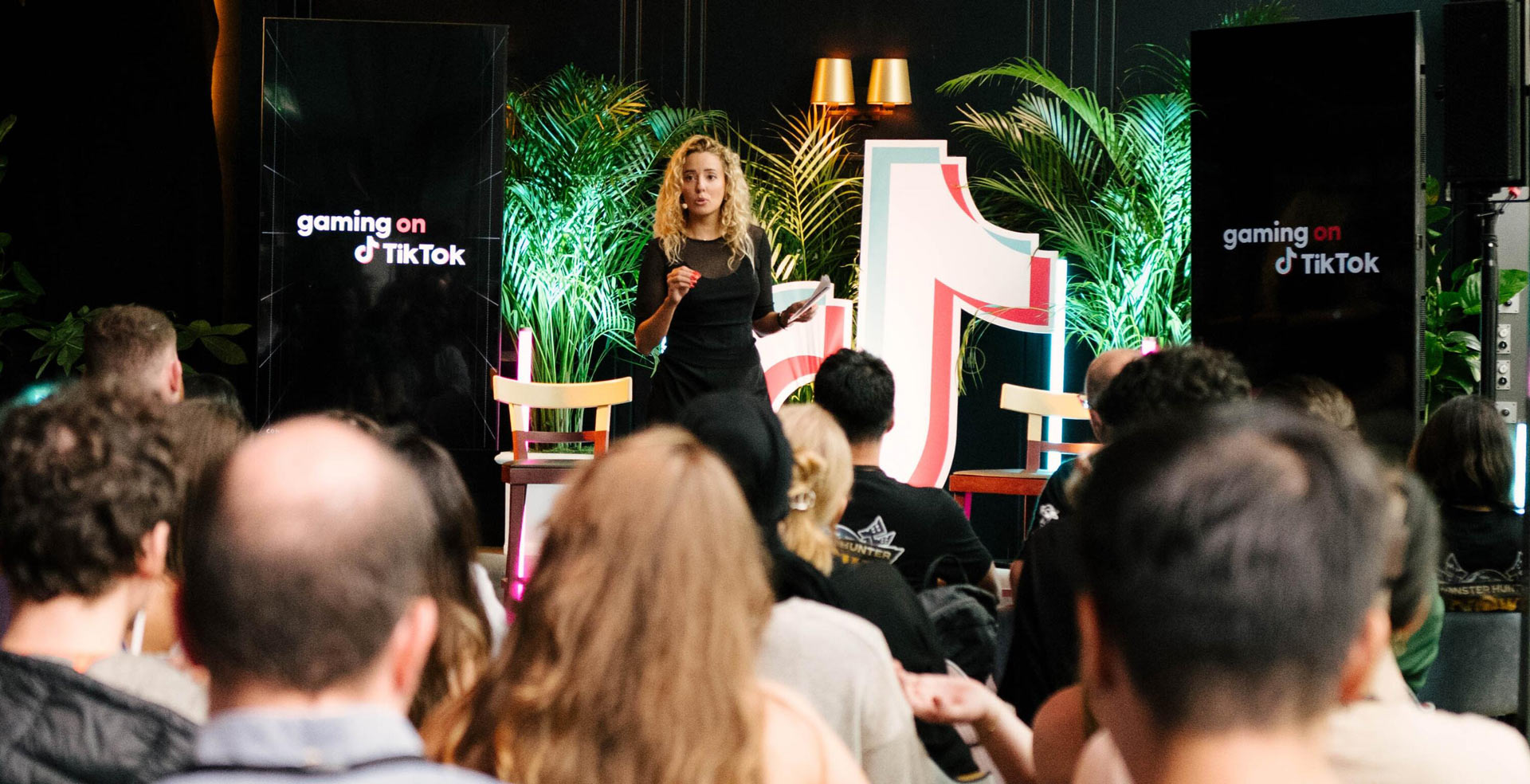
The audience at the Seattle Gaming on TikTok Summit reflected the diversity and energy of the gaming ecosystem itself. From creators and influencers to publishers, brand partners, and industry veterans, the room was filled with people who not only consume gaming content but actively shape the culture around it. The seating layout created an intimate yet communal atmosphere, encouraging casual conversation while keeping the focus on the stage. You could feel the attentiveness in the way people leaned forward during panels, the excitement in spontaneous applause, and the shared sense of possibility as insights and strategies were revealed.
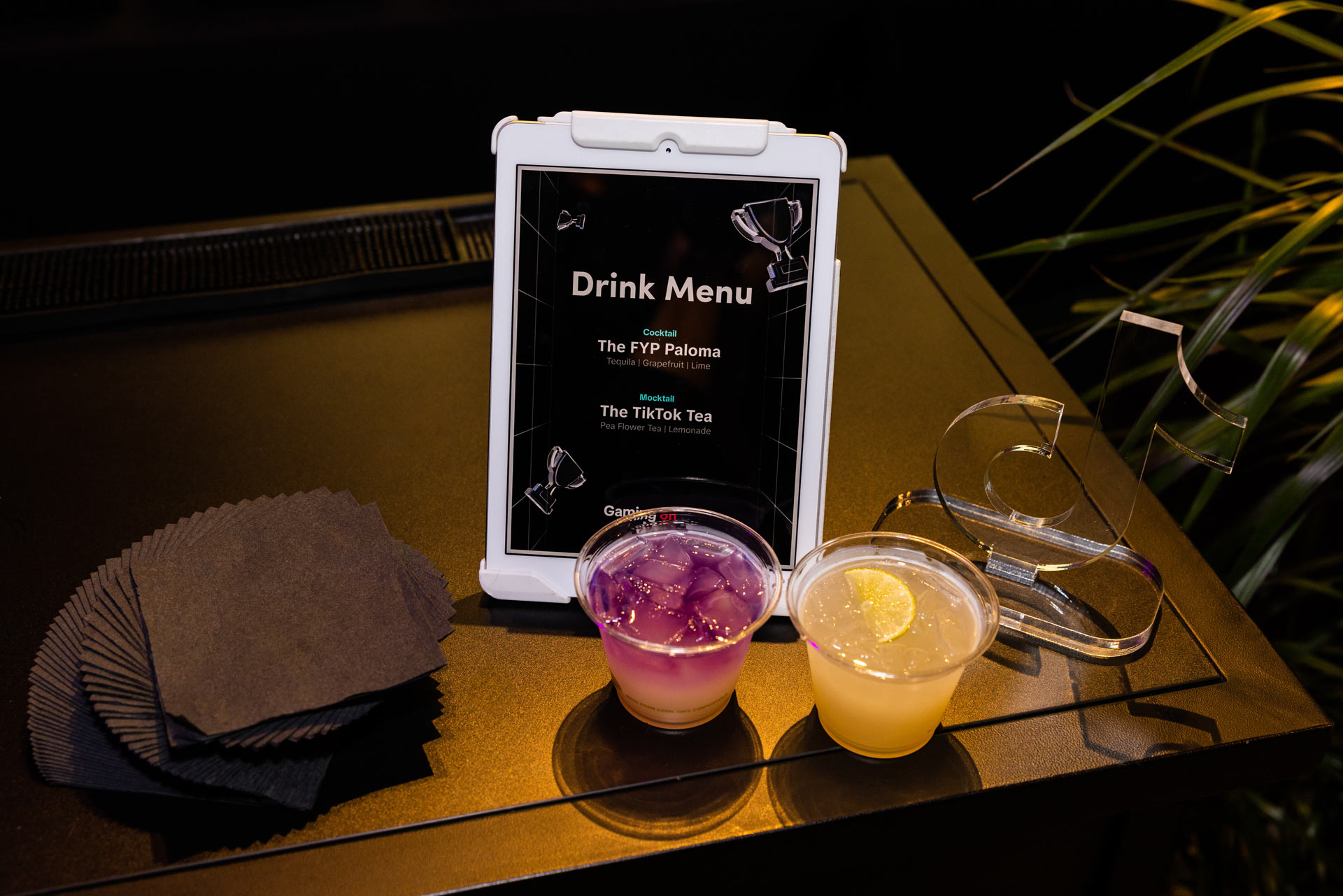
The logistics of the summit pushed us to think globally while executing locally. The programming spanned panels, case studies, and creator workshops, all carefully designed to appeal to different parts of the ecosystem. Industry leaders were given the space to discuss strategy and innovation, while creators were given hands-on opportunities to learn and experiment. This layered approach mirrored the layered identity of TikTok itself: a place where play, commerce, and creativity converge seamlessly.
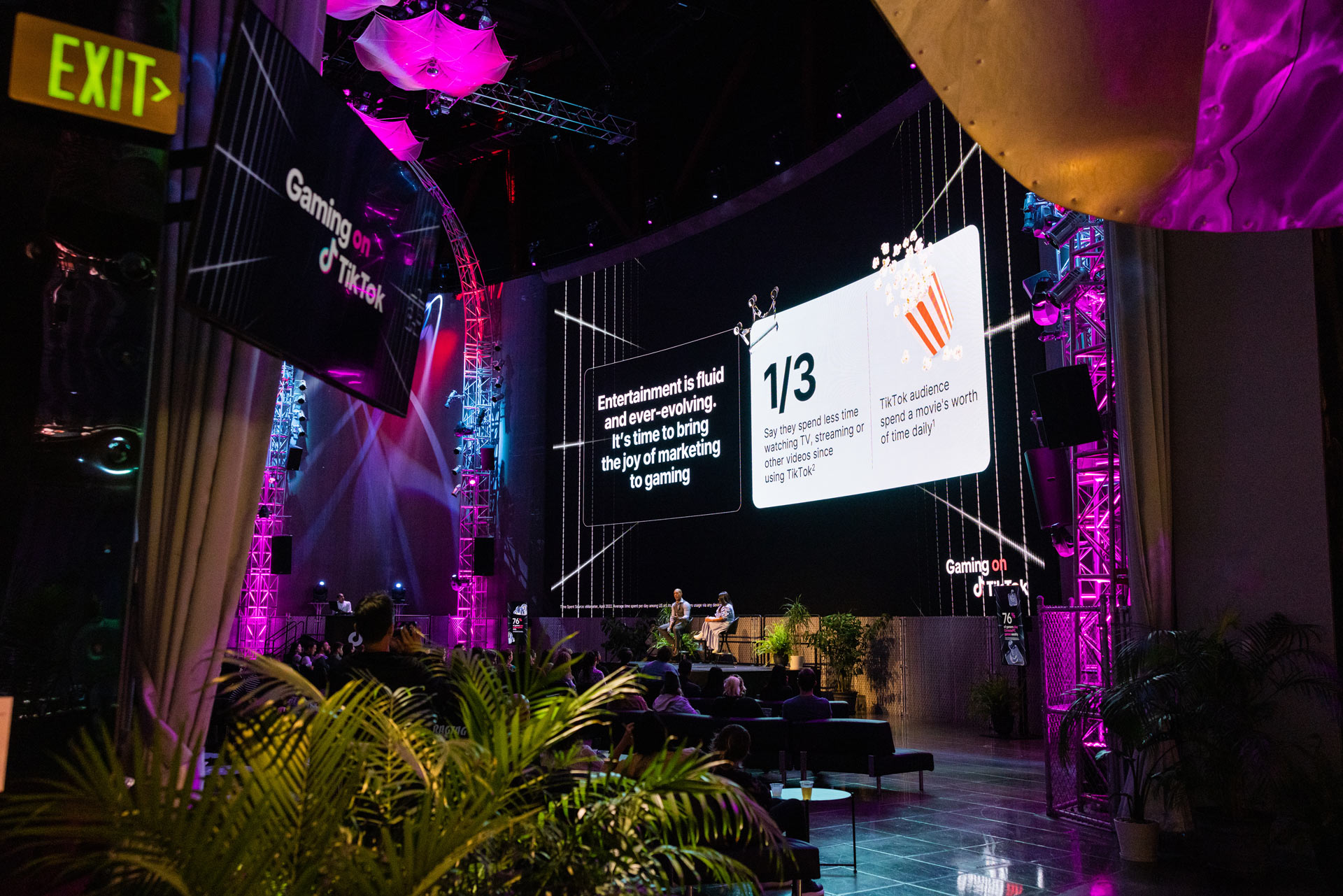
Applying the look and feel of the brand toolkit was where everything came together. The glass icons that had once been designed for digital toolkits suddenly had a new life as larger-than-life physical installations. The black and grid-based stage environments carried over directly from our virtual and campaign design work, giving the event a sense of continuity with the global visual system we had been building. Every touchpoint, from stage design to motion graphics, reinforced a single, cohesive identity.
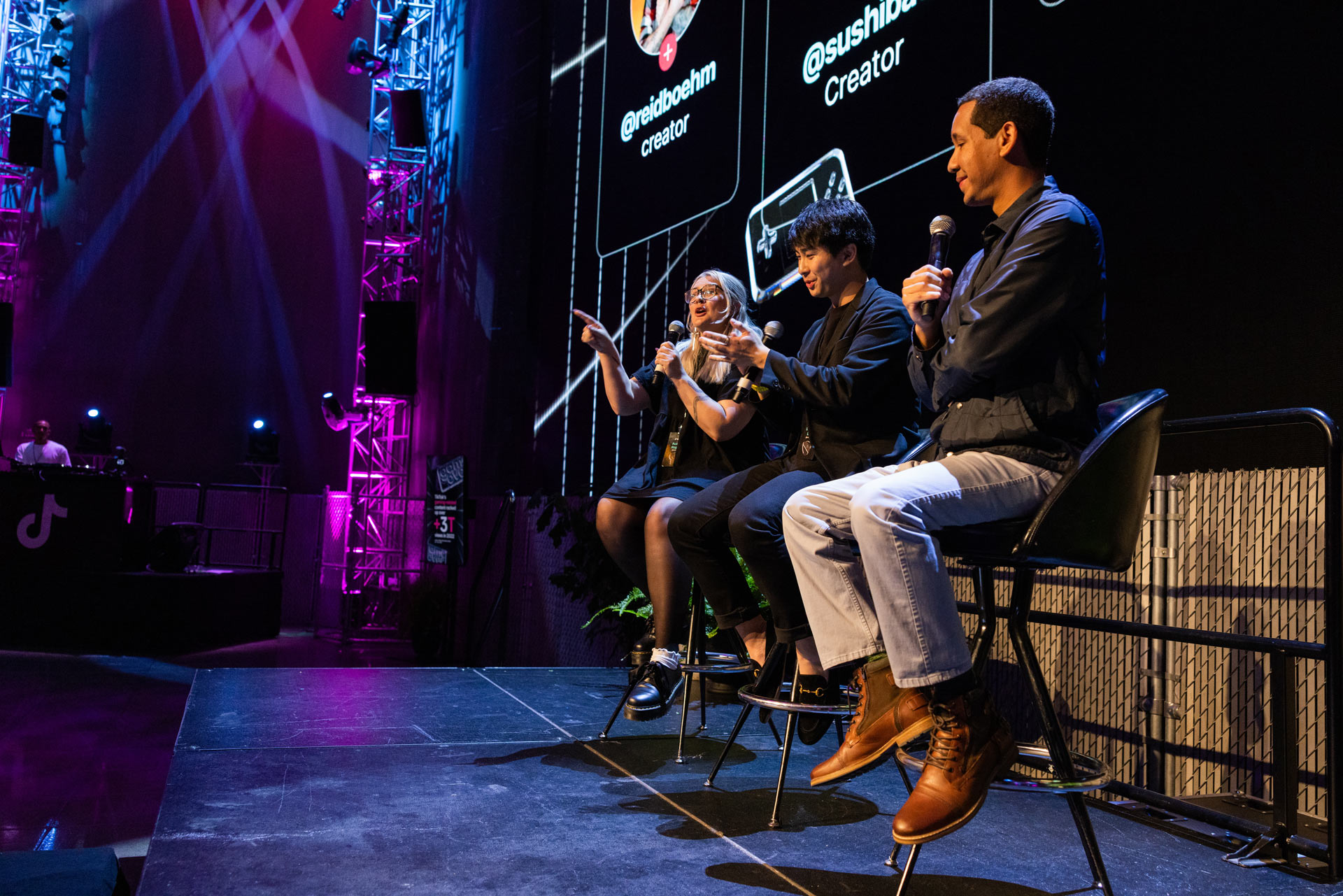
The panels were a highlight because they demonstrated the diversity of voices within gaming. From major publishers to rising creators, the conversations reflected the broad spectrum of the industry. Each speaker was framed within a visual environment that underscored TikTok’s role as both a cultural stage and a business platform. The design was not decoration; it was a framing device that allowed each story to stand taller and connect deeper with the audience.
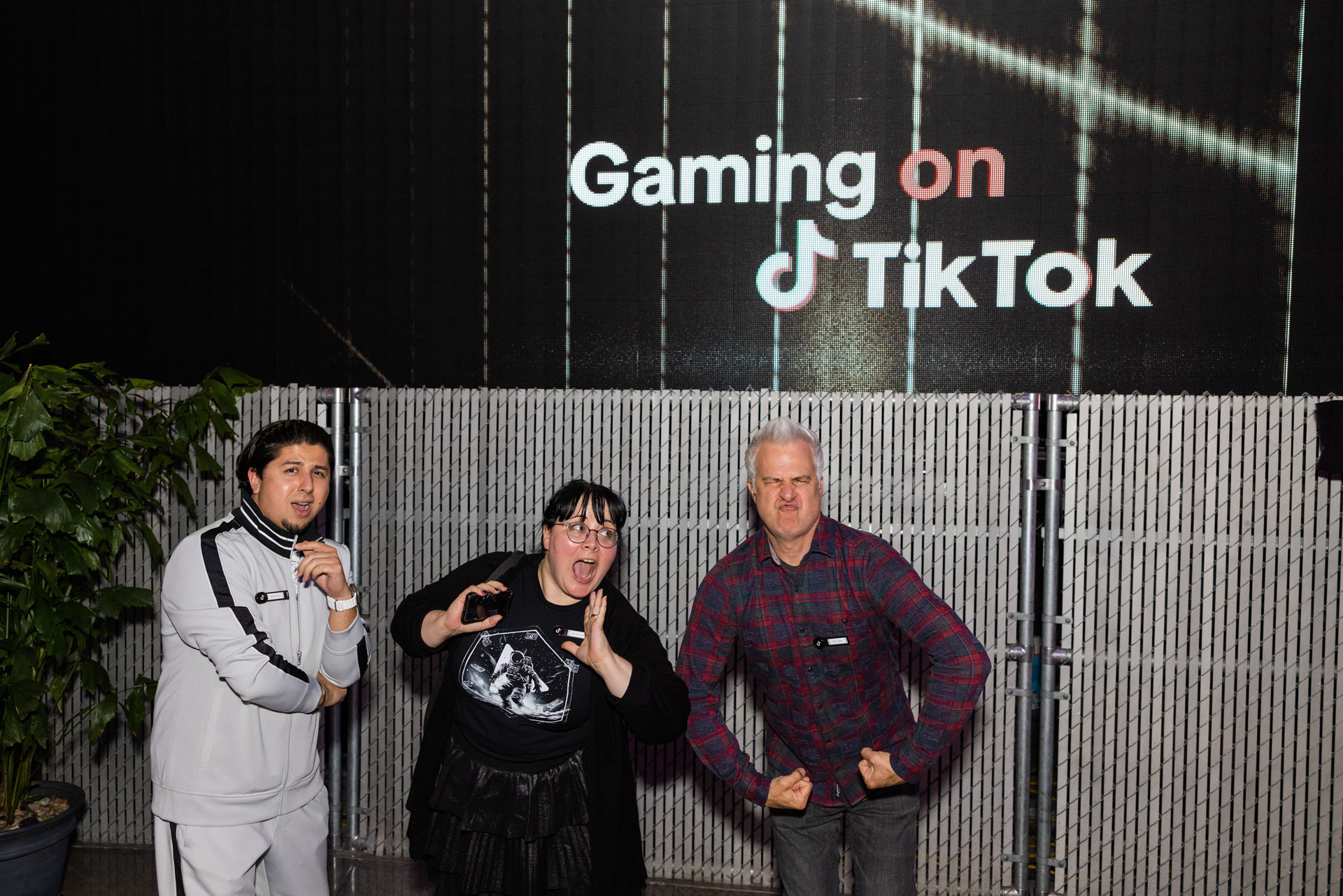
Case studies gave the event a more tactical edge. We showcased how brands were already leveraging TikTok to create authentic gaming moments and drive measurable results. These stories resonated because they were grounded in success, and the sleek environment around them added legitimacy. Attendees left not just inspired but equipped with tangible strategies they could take back to their own organizations.
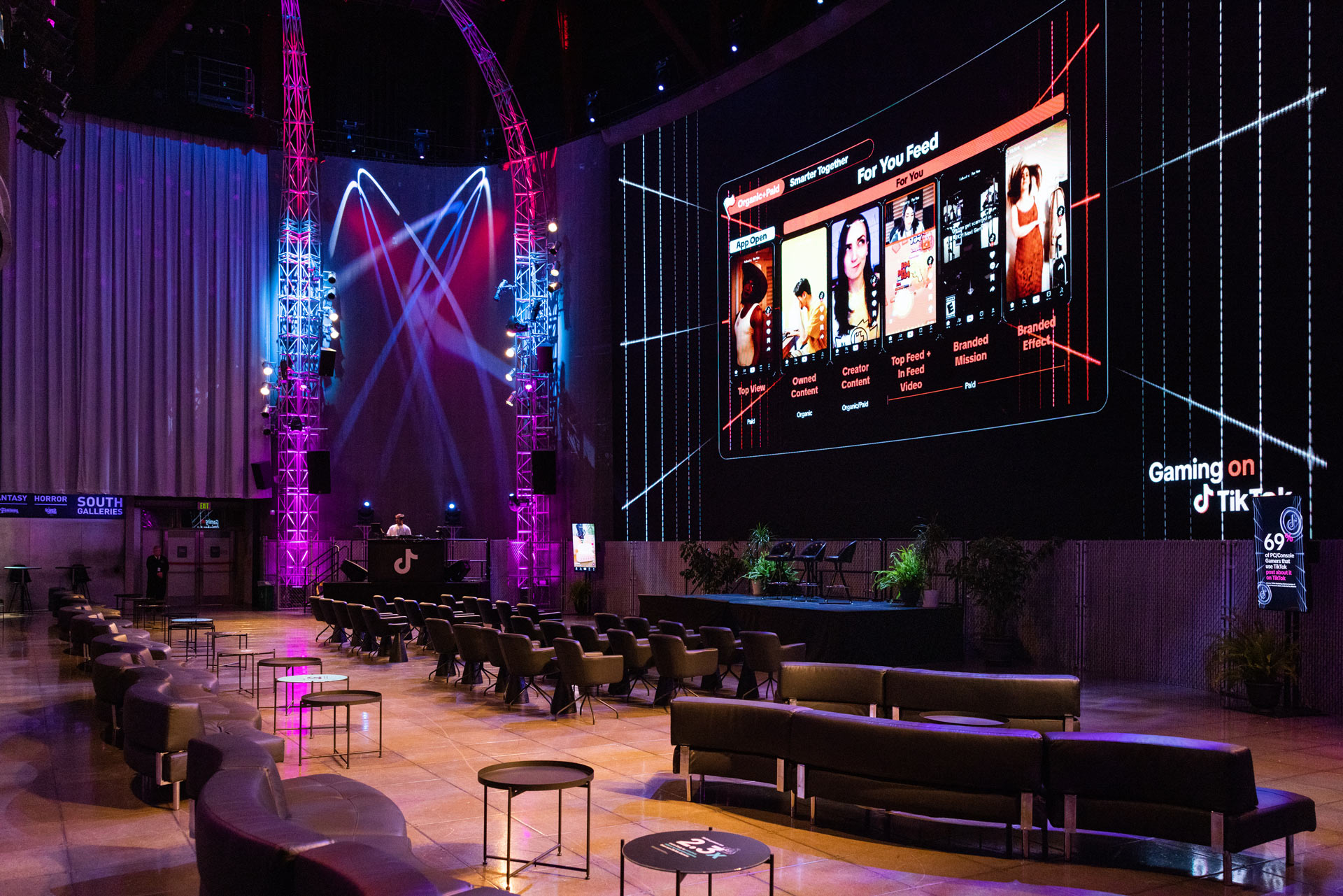
Creator workshops added another dimension. These sessions leaned into TikTok’s DNA, putting creators at the center of the story. The workshops were interactive, playful, and gave attendees a chance to see how creativity on the platform could spark real community growth. From a design standpoint, the workshops were staged to feel intimate yet connected to the larger summit, reflecting TikTok’s ability to scale personal creativity into global moments.
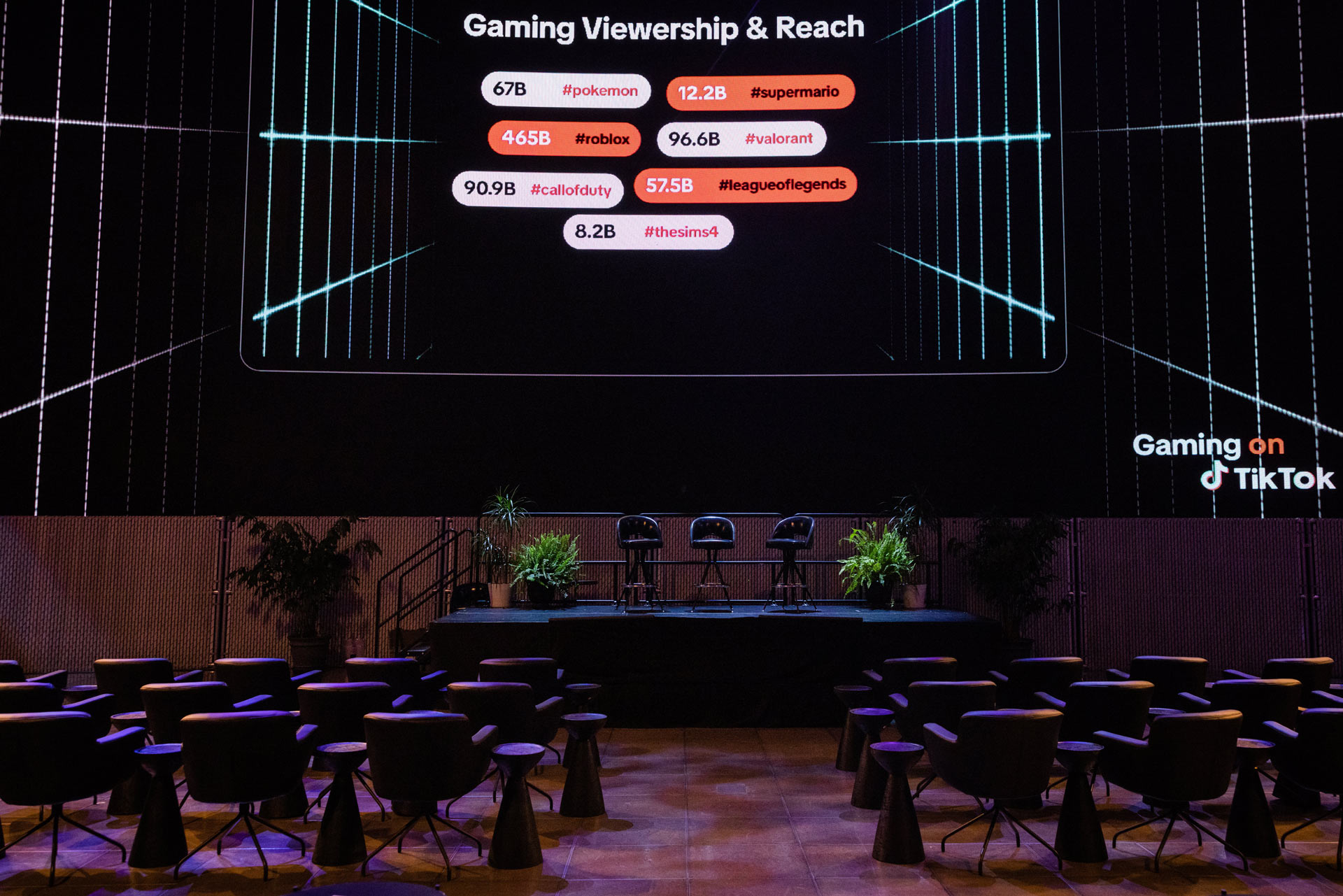
One of the most rewarding aspects of the summit was seeing how the design language elevated the overall perception of TikTok in gaming. Before this period, the brand’s gaming identity was still evolving, often leaning into colorful 3D renders and experimental visuals. In Seattle, the new look and feel signaled maturity. It showed that TikTok could operate with the polish and cohesion of a true global partner while still retaining the playfulness that makes the platform unique.
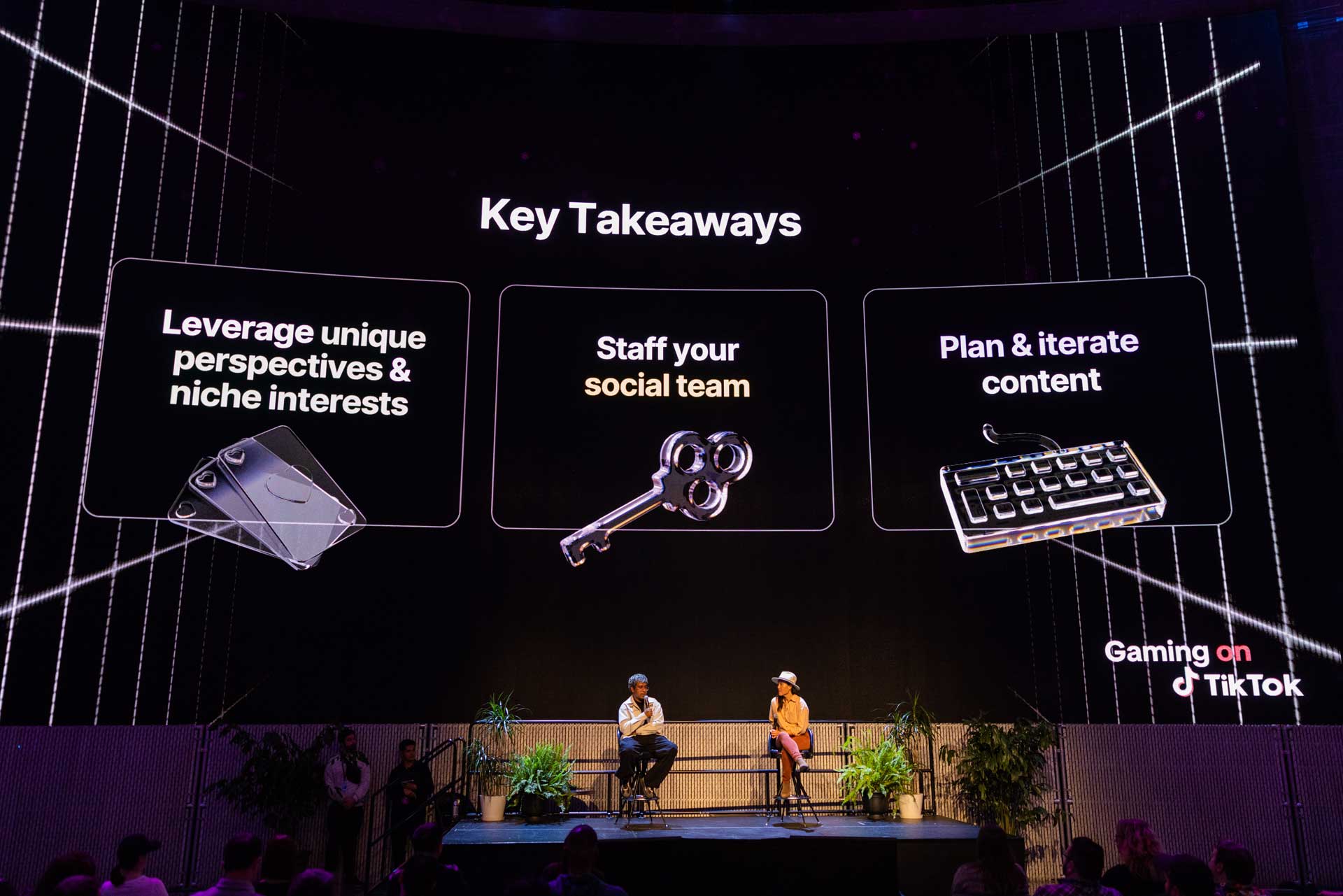
For me personally, this summit was a milestone in connecting my own love of gaming with my professional practice. Growing up immersed in gaming culture, I knew how important it was for a brand to feel authentic to players and fans. By shaping the summit’s visual identity and experience, I was able to help TikTok speak that language fluently and credibly. It was the kind of project that reminded me why I love this work: translating culture into design systems that move people.
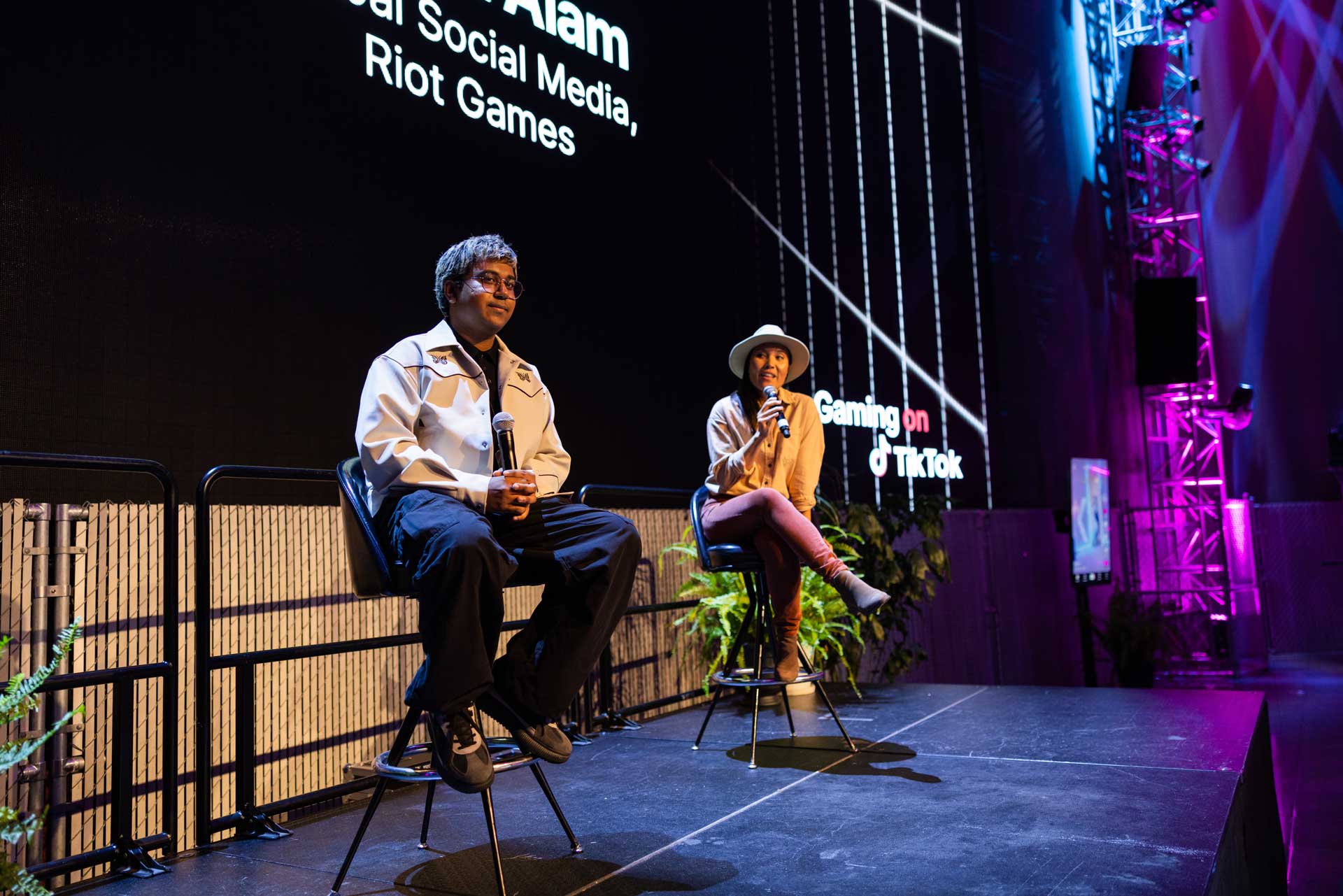
The Seattle summit ultimately felt like a turning point. It validated that the look and feel we had developed could scale across regions and formats, from virtual events to physical summits. It also cemented TikTok’s credibility with partners, creators, and industry leaders in gaming. More than anything, it proved that thoughtful design is not just about aesthetics but about building trust and shaping how people see what is possible.
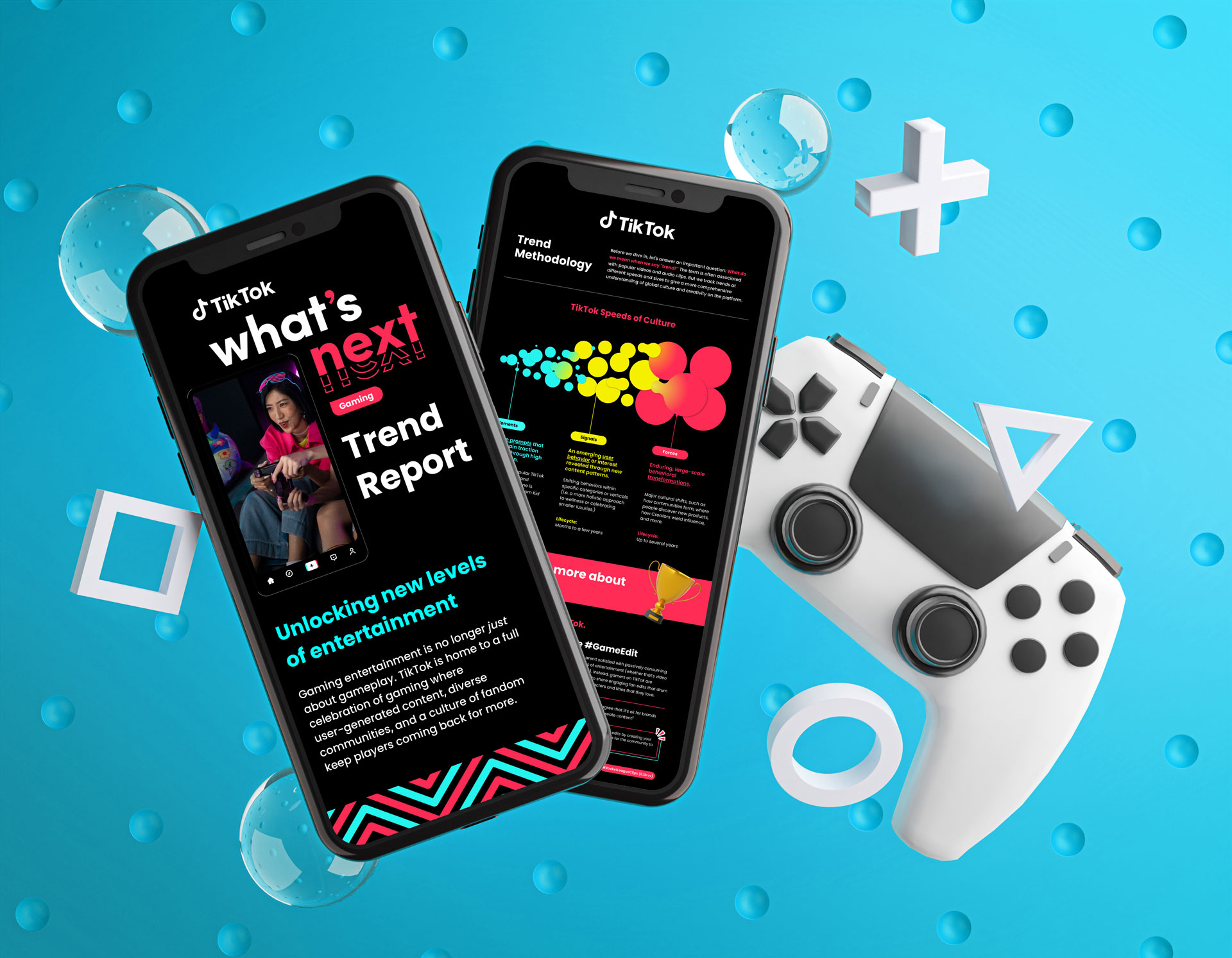
I partnered with Rema Vasan, Jose Miguel Hunt, and our design agency Design Force to create the What’s Next: Gaming Trend Report, TikTok’s first dedicated deep dive into gaming culture on the platform. The report analyzed over 3 trillion views of gaming content and identified key shifts in behavior, creativity, and brand engagement. Our goal was to provide brands with clear insight into how gaming audiences connect, discover, and influence culture on TikTok while showcasing the platform’s unique role in shaping the future of entertainment. The findings were organized into three cultural forces. Actionable Entertainment highlighted how gamers are not passive viewers but creators of fan edits, cosplays, and AR-driven interactions that bringTikTok game worlds into real life. Making Space for Joy explored how humor, relatability, and inclusivity define gaming culture on TikTok, with 75% of users saying they feel part of a shared-interest community and 1.4x more likely to be influenced by humor in branded content.
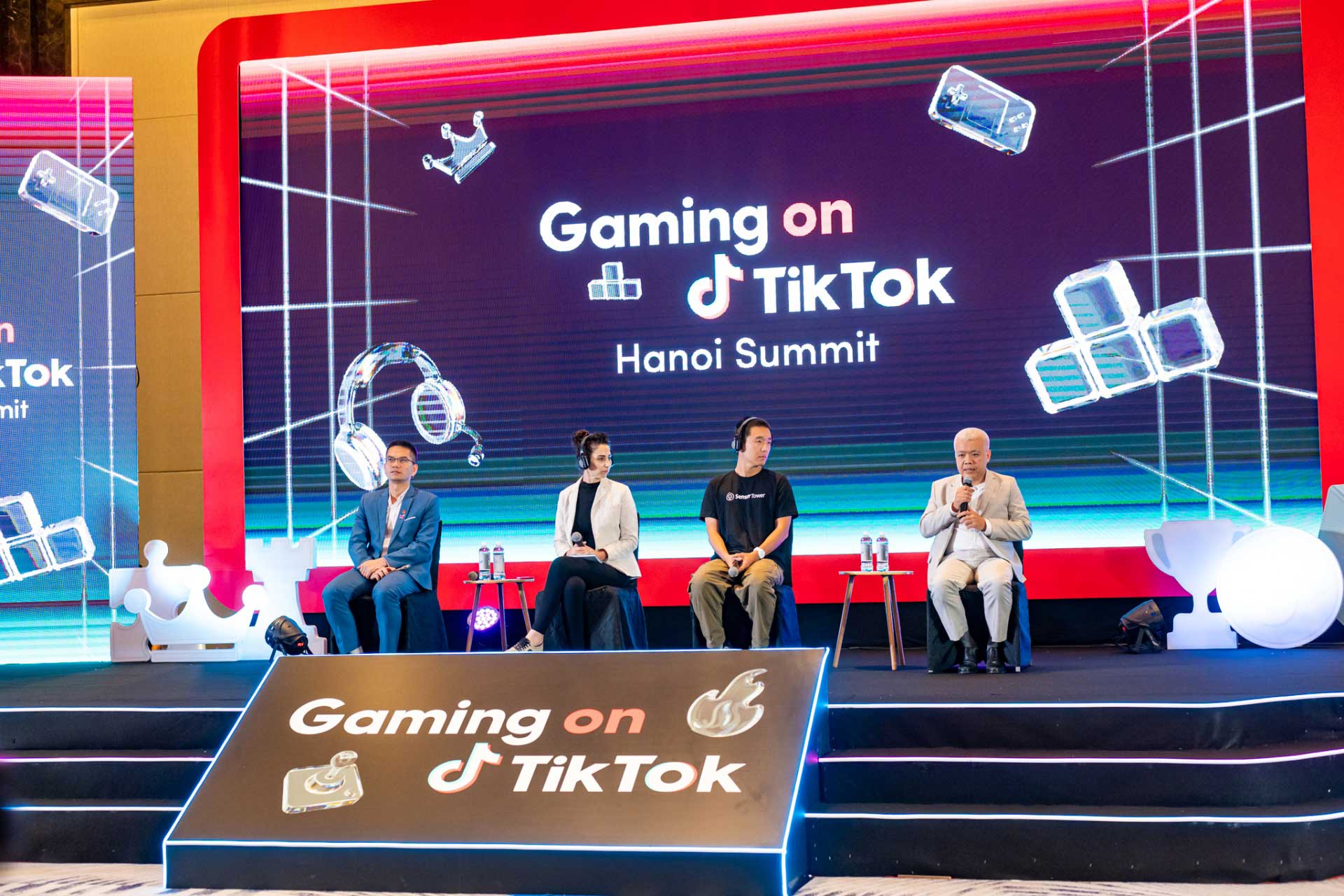
The Hanoi Gaming Summit marked a major step in bringing TikTok’s global gaming vision into a regional context, and the look and feel we had developed came to life in an entirely new way. Working closely with the APAC team, we applied the bold grid system, glass icons, and clean black backgrounds across stage design, signage, and digital assets. The consistency of this system gave the event a sleek and immersive atmosphere that spoke to both the professionalism of the platform and the playfulness of gaming culture. Seeing the design applied at scale in a live setting proved that the toolkit was flexible enough to adapt to regional needs while still feeling distinctly TikTok.
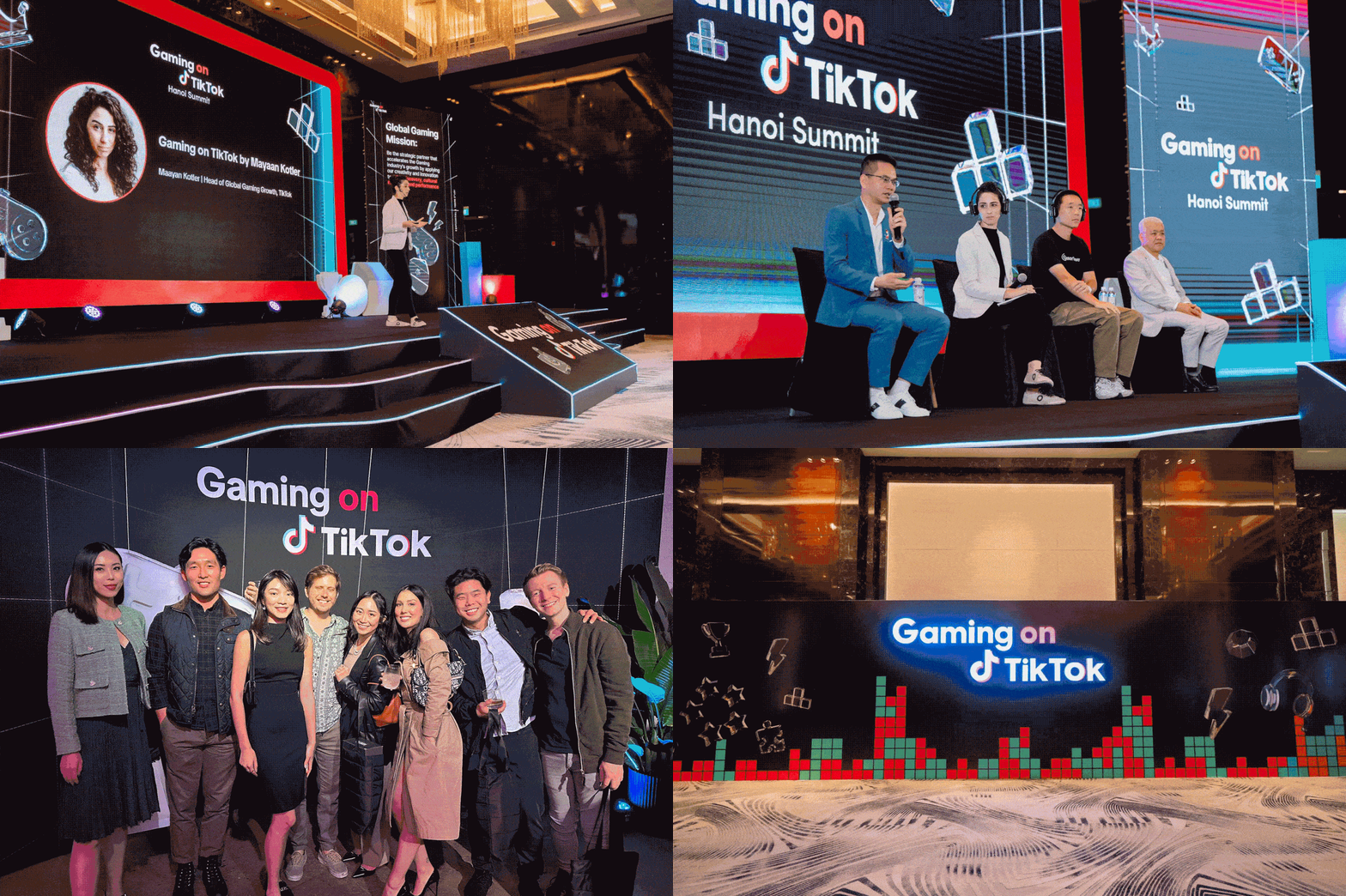
Beyond the visuals, the summit itself was built around meaningful content. Panels featuring industry leaders highlighted the growing opportunities for gaming on TikTok, while case studies showcased the measurable impact of campaigns on discovery and engagement. Workshops with creators gave attendees a direct look at how cultural trends emerge on the platform, grounding strategy in real community behavior. The mix of polished design and interactive programming created an event that felt both globally aligned and locally relevant, reinforcing TikTok’s position as a central hub for the gaming industry.
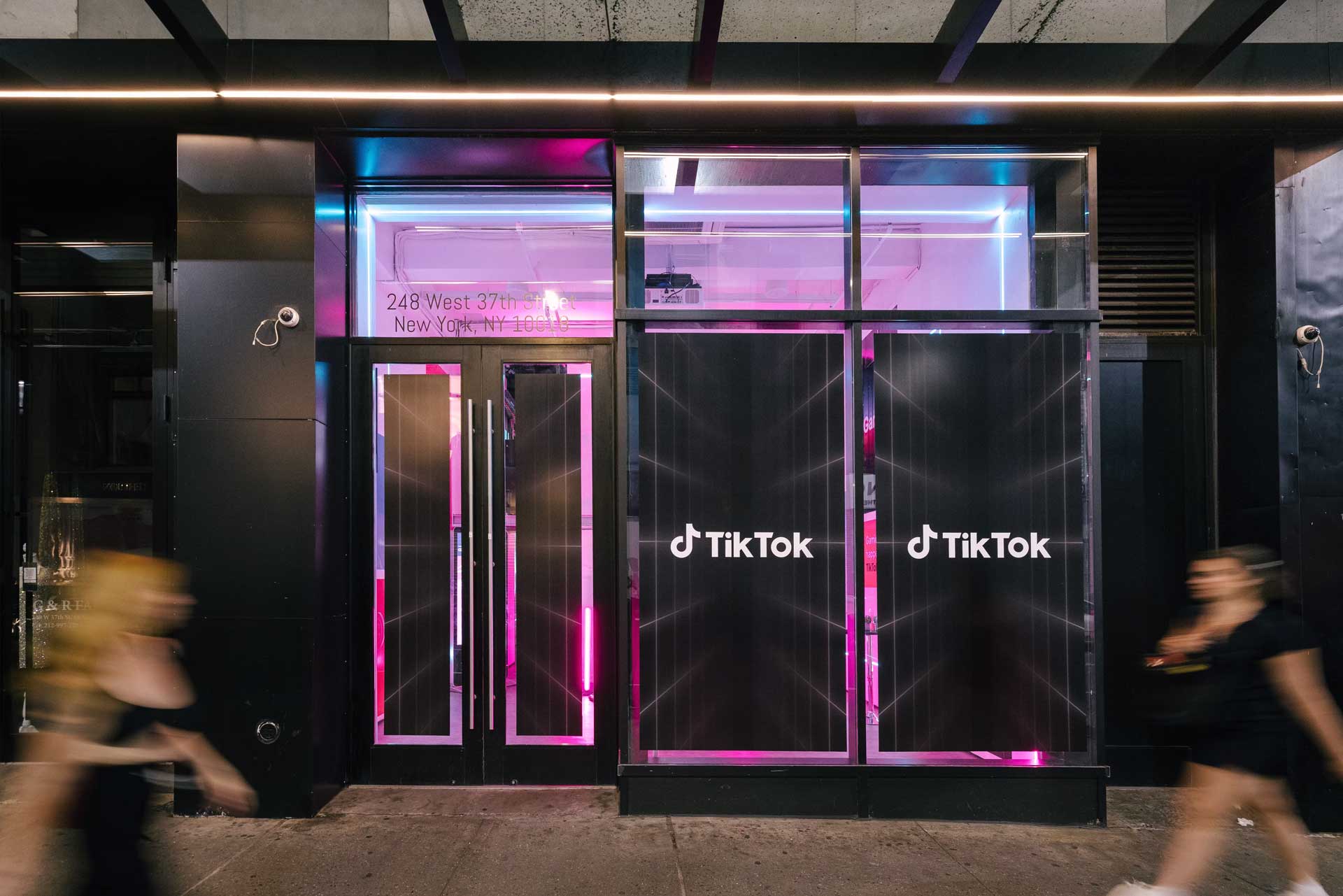
The Gaming on TikTok event at Lightbox NYC brought together creators, partners, and industry leaders in an environment that was designed to feel more like stepping into a living game than attending a traditional showcase. Every element of the space was considered to reinforce the sense of immersion, from the vibrant LED projections to the spatial sound design that gave the venue an electric pulse.
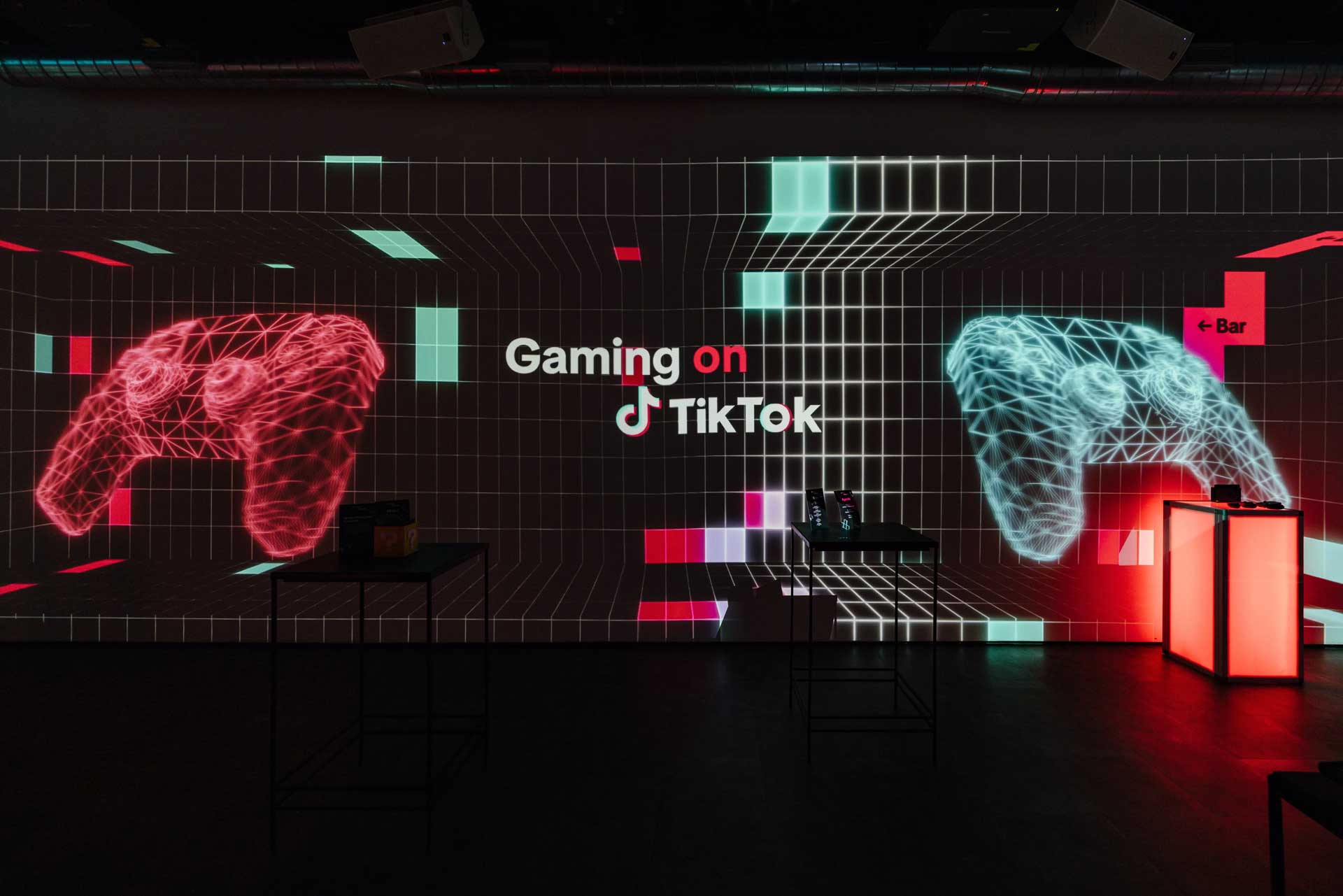
The Lightbox venue, with its multi-surface projection walls, was the perfect canvas to transform into an expansive digital playground. We worked closely with production teams to create visuals that wrapped the room in gridded worlds, glowing controllers, and dynamic motion sequences that transported attendees into the TikTok gaming ecosystem. This wasn’t about flat presentations. It was about creating an atmosphere that surrounded the audience and pulled them into the story.
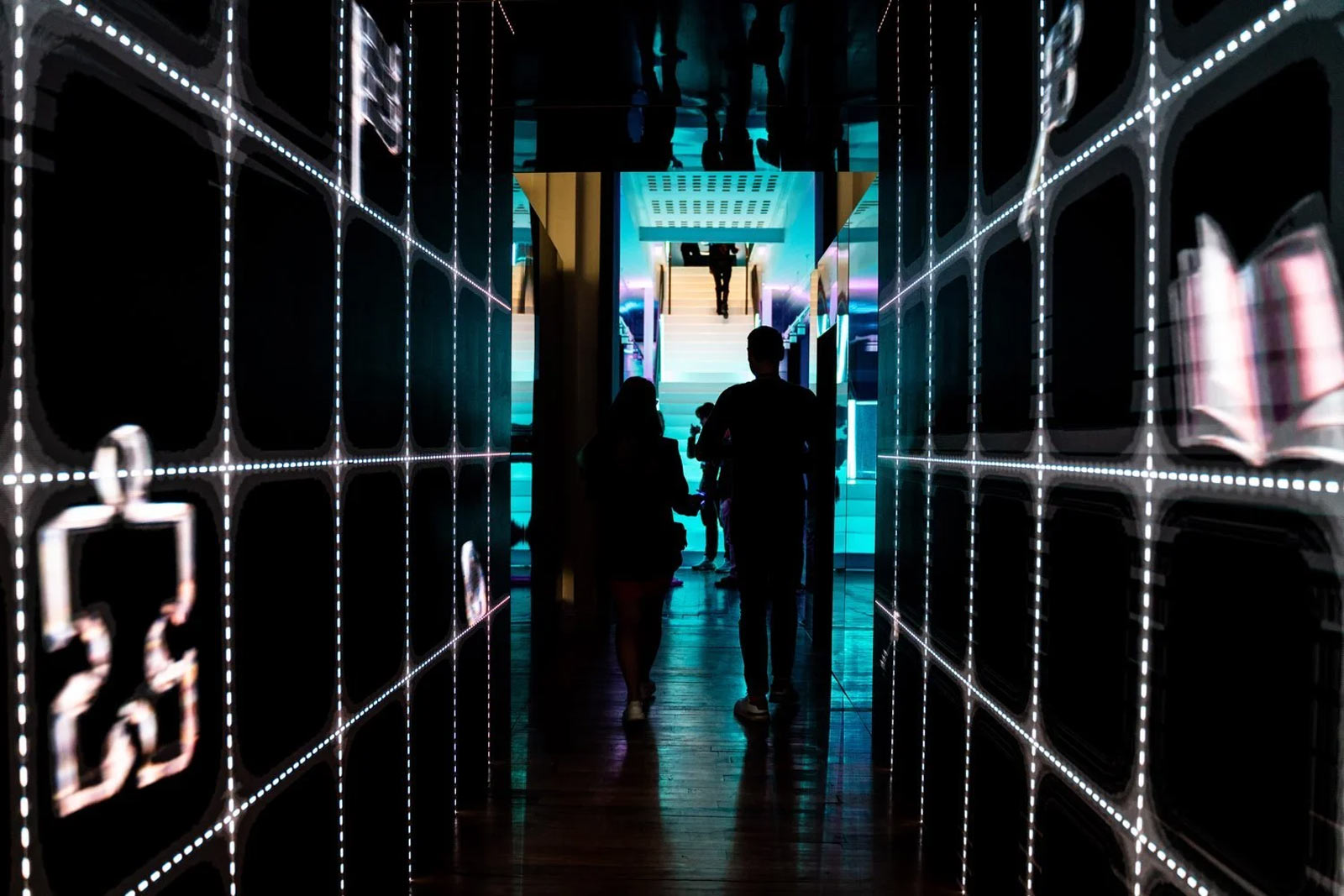
Guests entered through a branded exterior that glowed with TikTok’s black-and-neon palette. Once inside, they were immediately immersed in a projection-mapped tunnel that set the tone for the night. This passageway wasn’t only a point of entry. It was a sensory transition from the noise of Manhattan into a fully curated world of gaming.
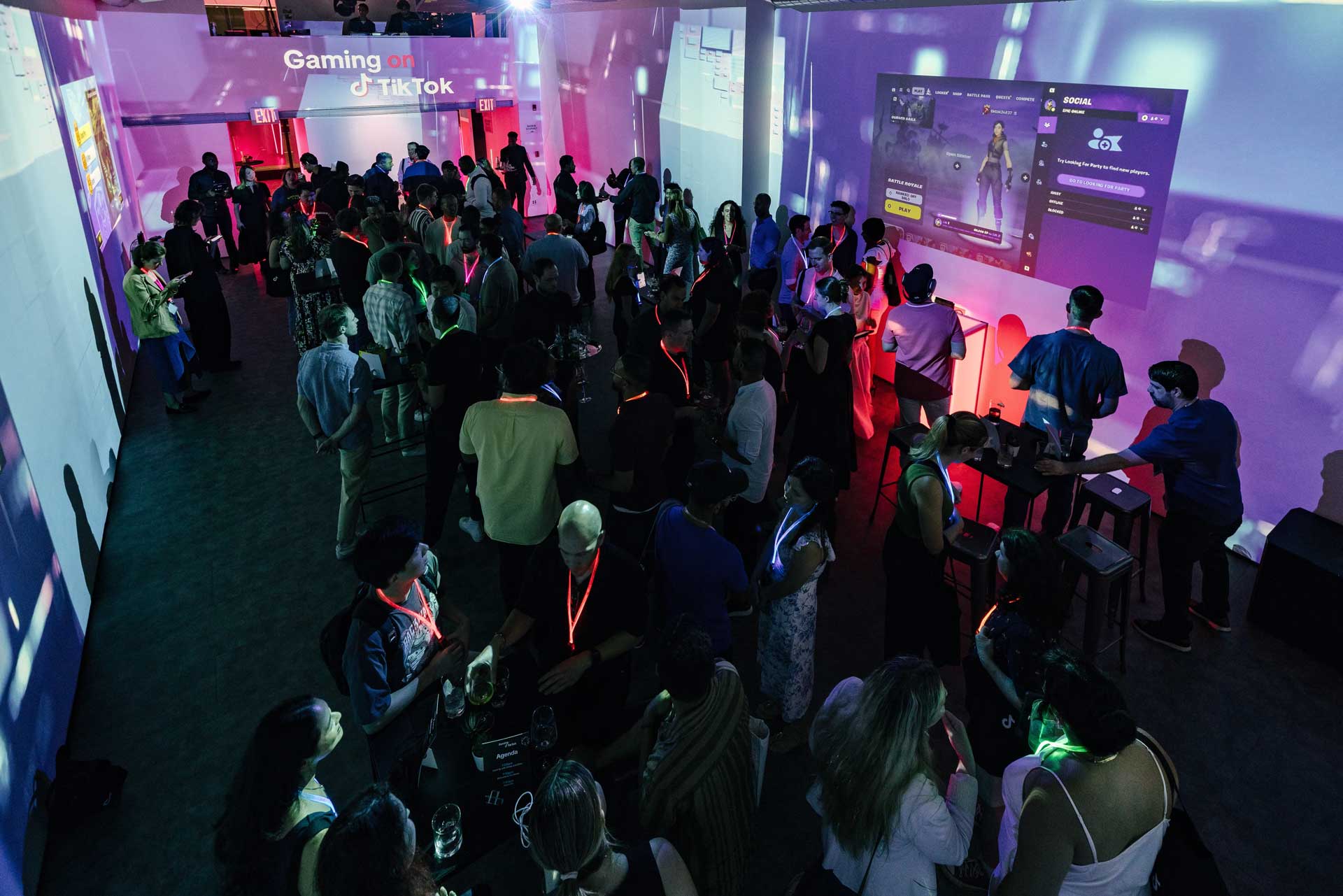
Every corner of the venue was designed for interactivity. Screens looped TikTok gaming content, walls came alive with responsive visuals, and there were multiple opportunities for attendees to engage with live gameplay and creator-driven activations. The tactile and digital merged, giving guests a chance to play while also being inspired by the culture that surrounds gaming on TikTok.
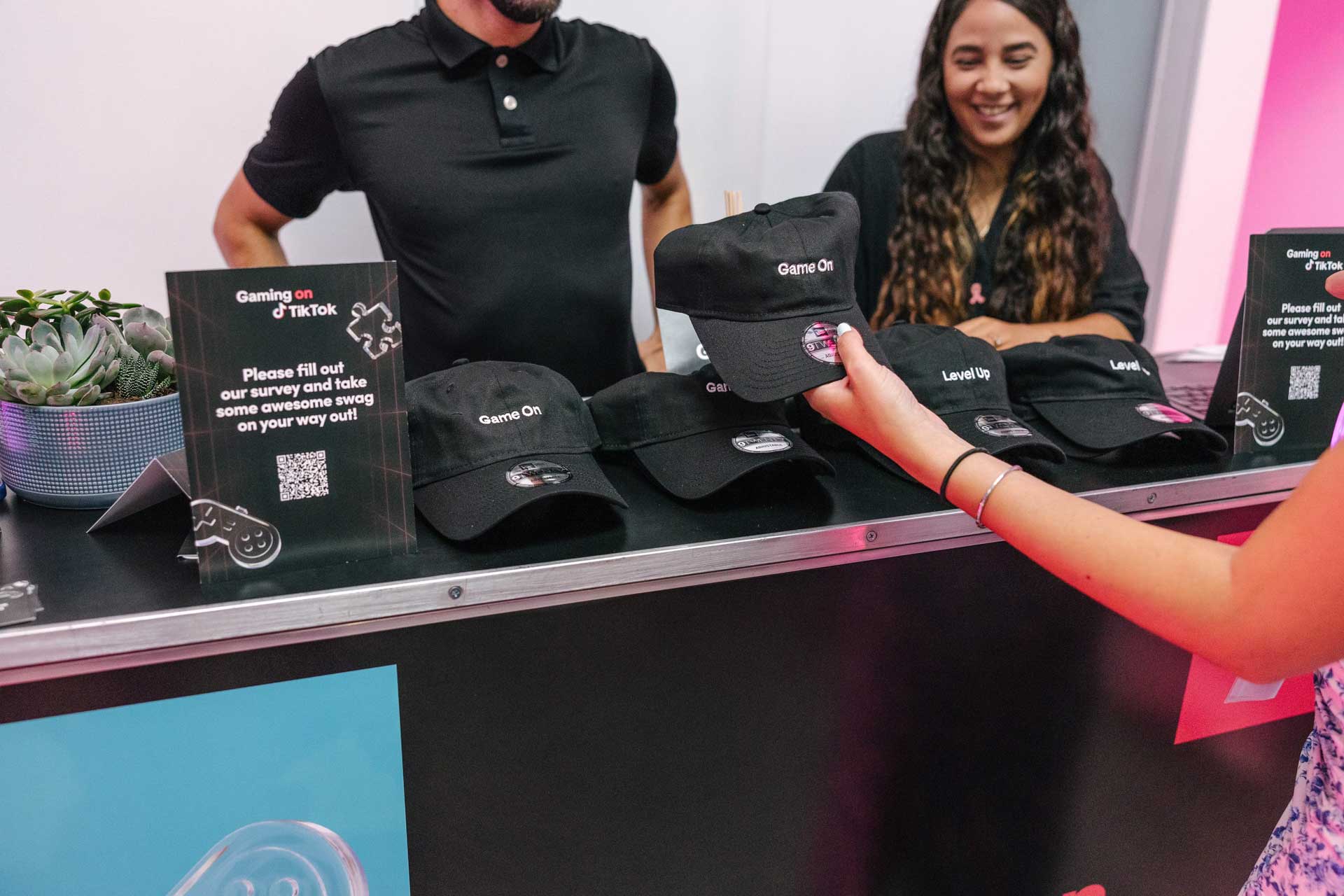
Merchandise and giveaways carried the same thoughtfulness. Branded hats, custom backpacks, and “Game On” swag became both souvenirs and design elements within the space. They reinforced the identity of the night and gave guests something tangible to carry the experience forward after leaving the venue.
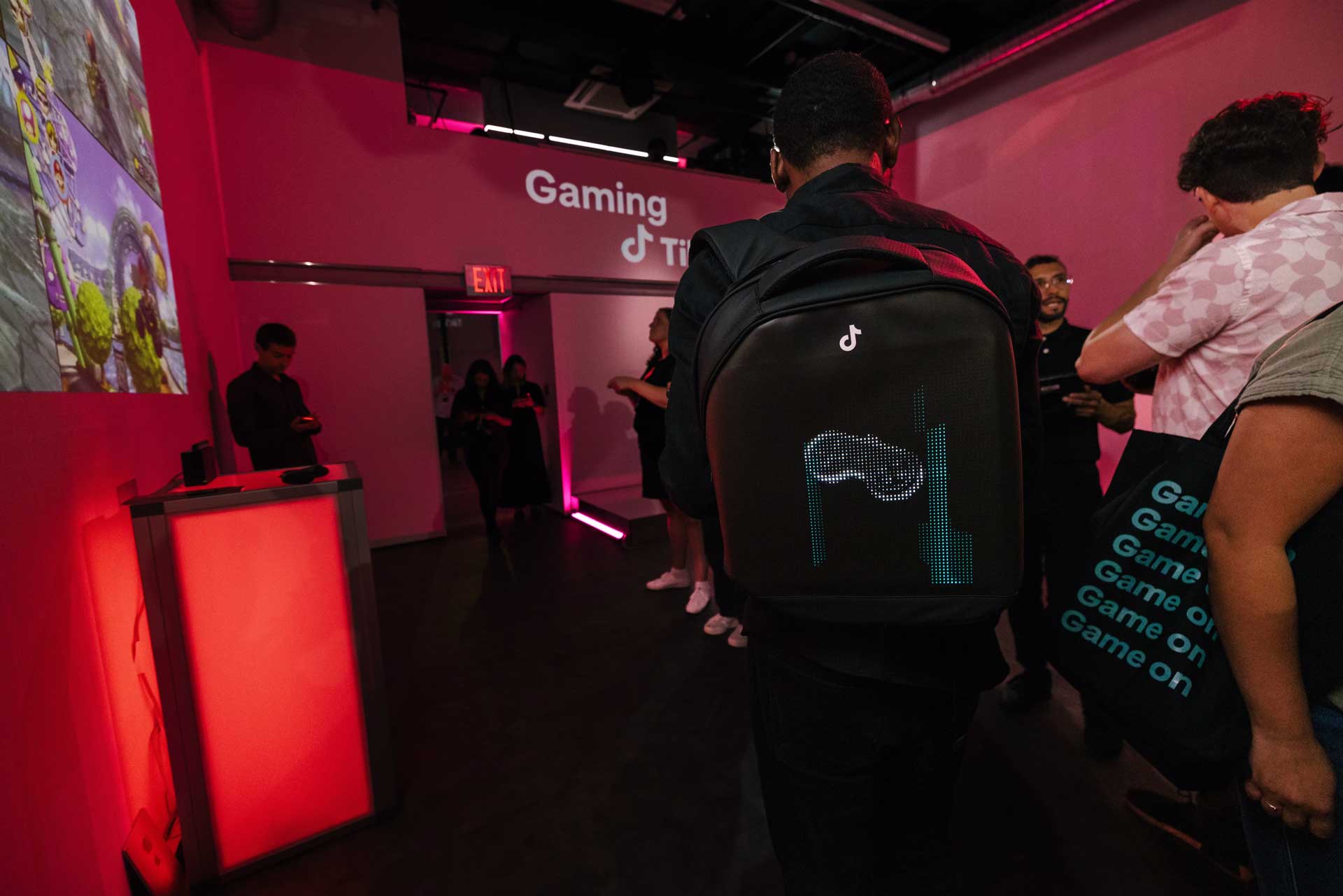
The programming reflected the breadth of the platform. Creators shared stories on stage about how TikTok has amplified their communities, while panels broke down insights into gaming trends, content strategies, and fan behavior. These conversations were framed not in isolation but as part of the immersive world we had built around them, giving their words extra weight and context.
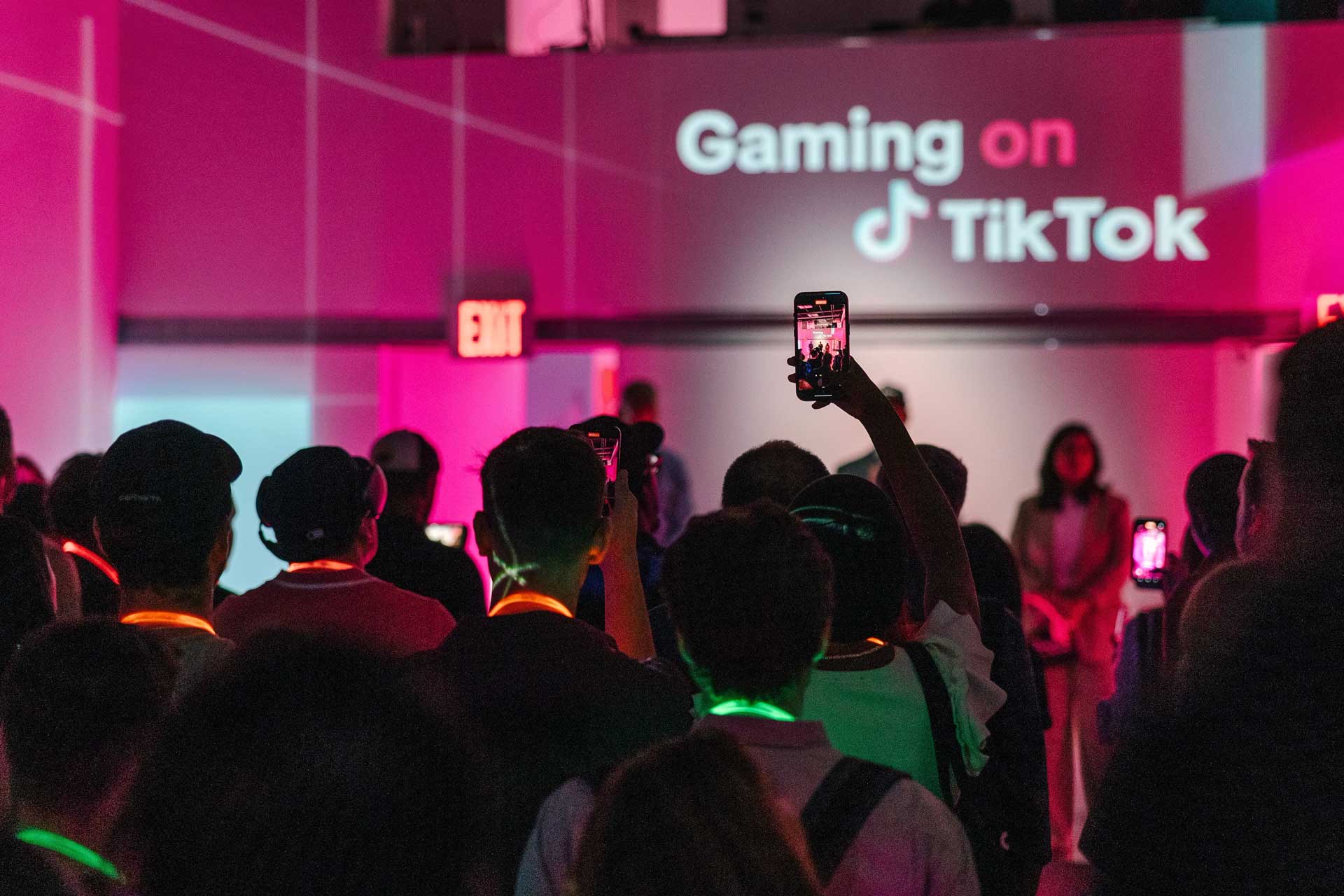
Lighting design played a critical role in sustaining the mood. Pulses of pink and teal swept across the walls, synchronized with the visuals and music. The room breathed with the rhythm of the event, creating moments of high energy during panels and softer ambient phases in between. This interplay of light and sound kept attendees engaged across the full program and reflected the dynamic nature of our platform from a visual perspective. Working closely with our gaming team I helped shape what these visuals would look like throughout the night along with Joy Seet.
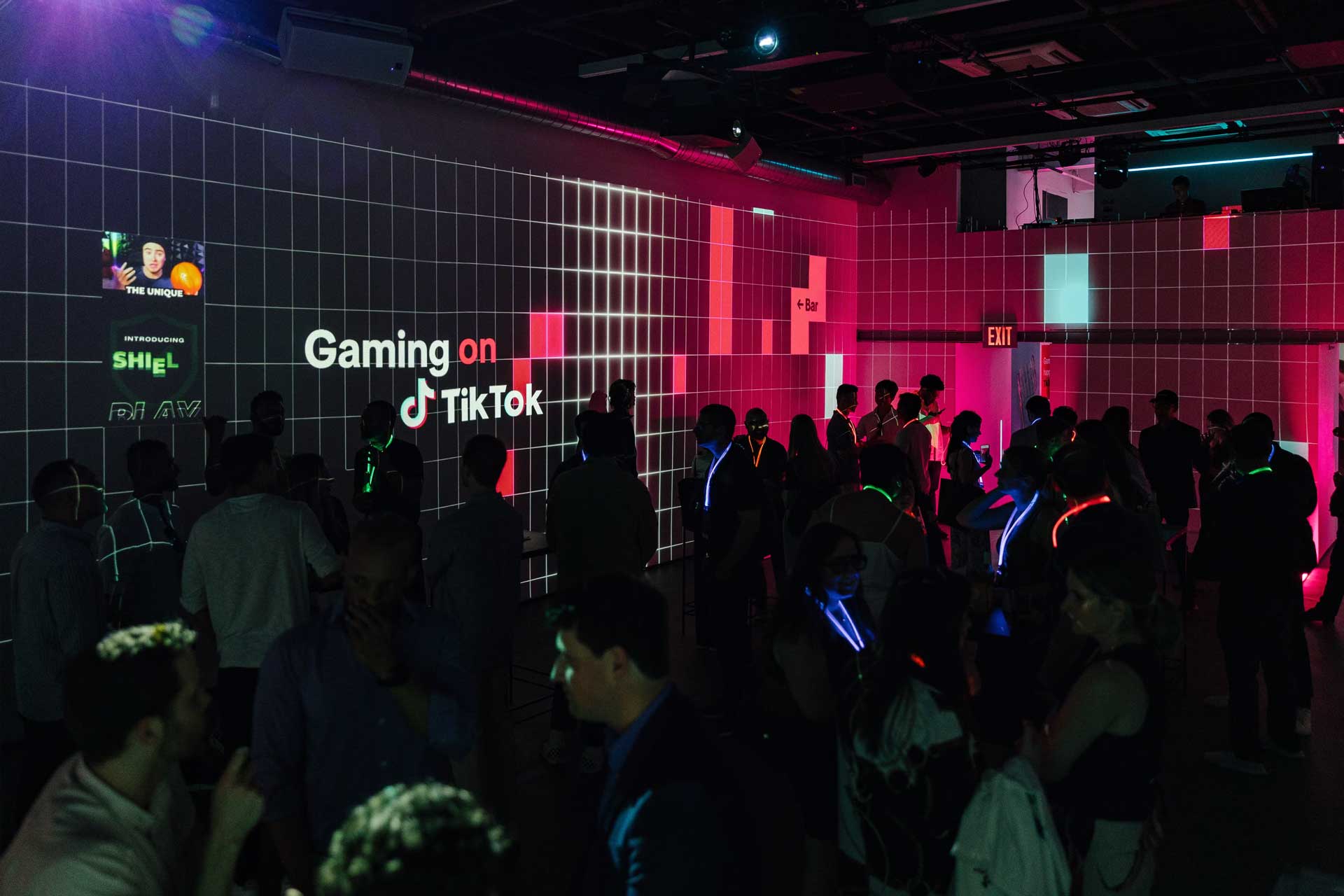
Hospitality also reflected the immersive approach. Bars and lounges were integrated into the projection zones, ensuring that even moments of rest felt like part of the experience. Guests were never “out of the event.” Instead, they were consistently enveloped in the design system we had developed for Gaming on TikTok.
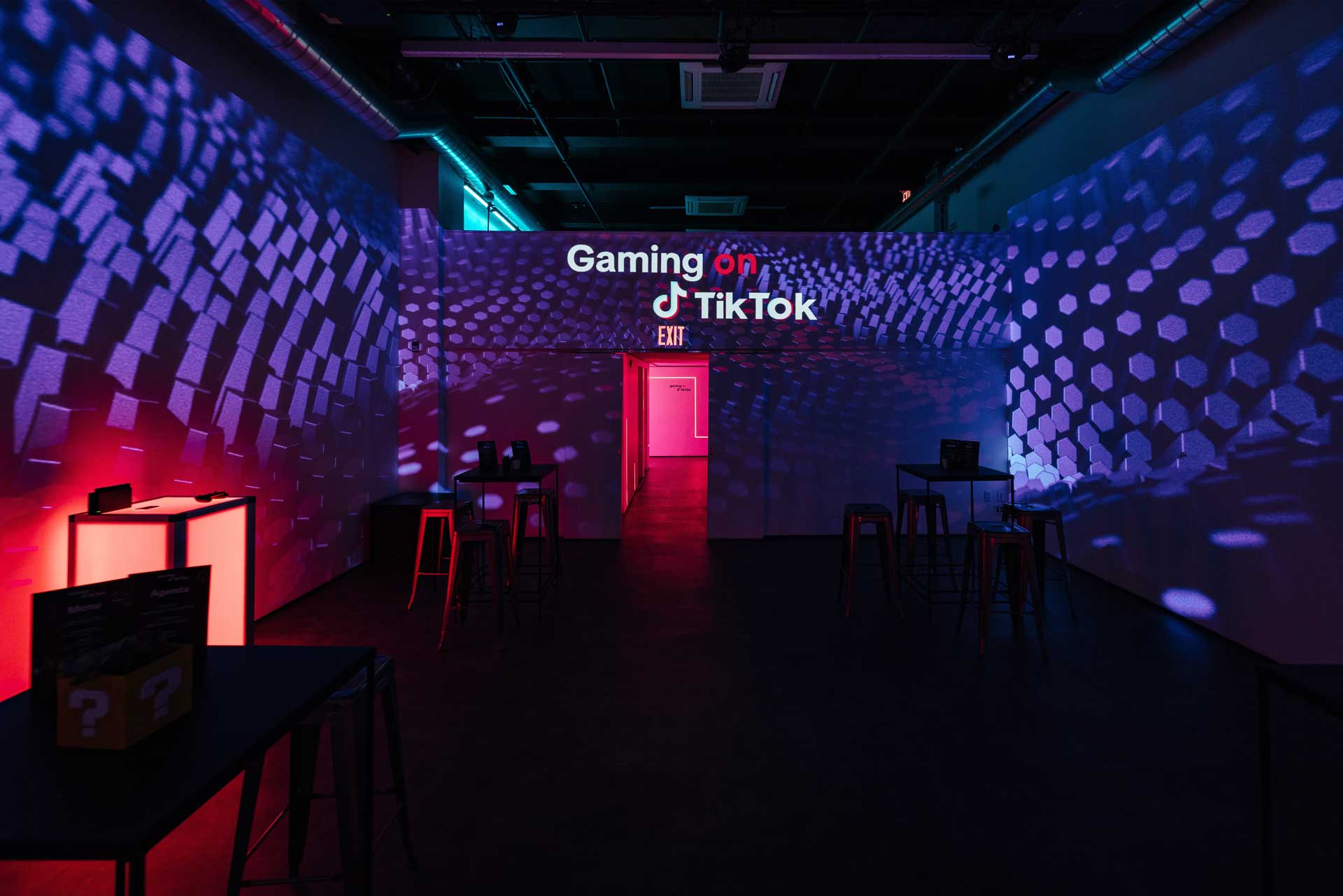
The event was not only a showcase of gaming content but also a proof of how TikTok can build community through design, technology, and culture. By treating the environment as a narrative tool, we created a space that was as inspiring for business partners as it was exciting for creators and fans. It became an example of how TikTok’s playful essence could scale into real-world environments.
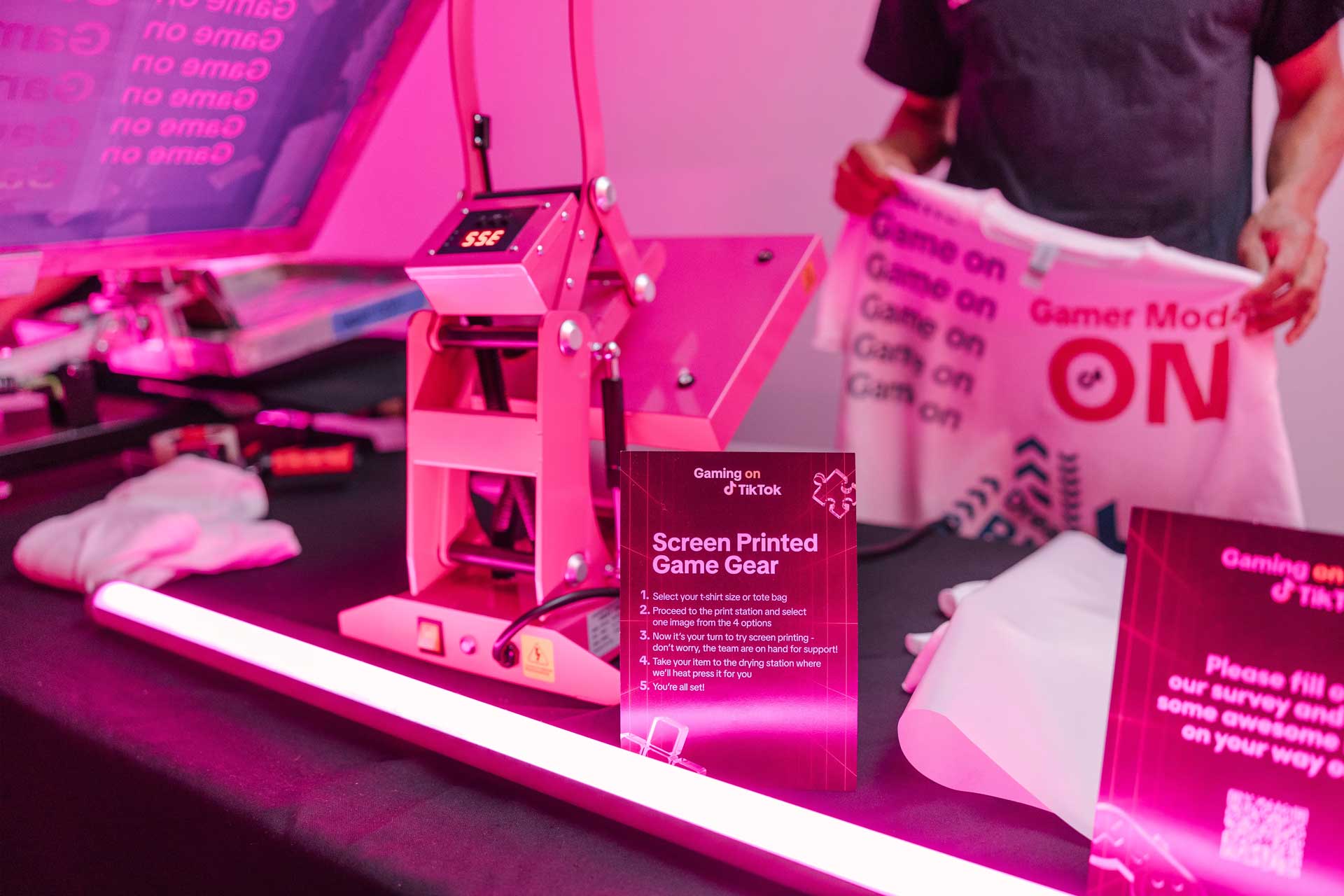
The screen-print station was one of the event’s most popular activations. Guests could choose from bold, graphic designs created with TikTok’s vibrant color palette and distinctive typography. Each print was pressed on-site, allowing attendees to walk away with gear that was both personalized and instantly memorable. The process turned into a live performance of brand-making, where TikTok’s visual identity unfolded in real time across tote bags and tees.
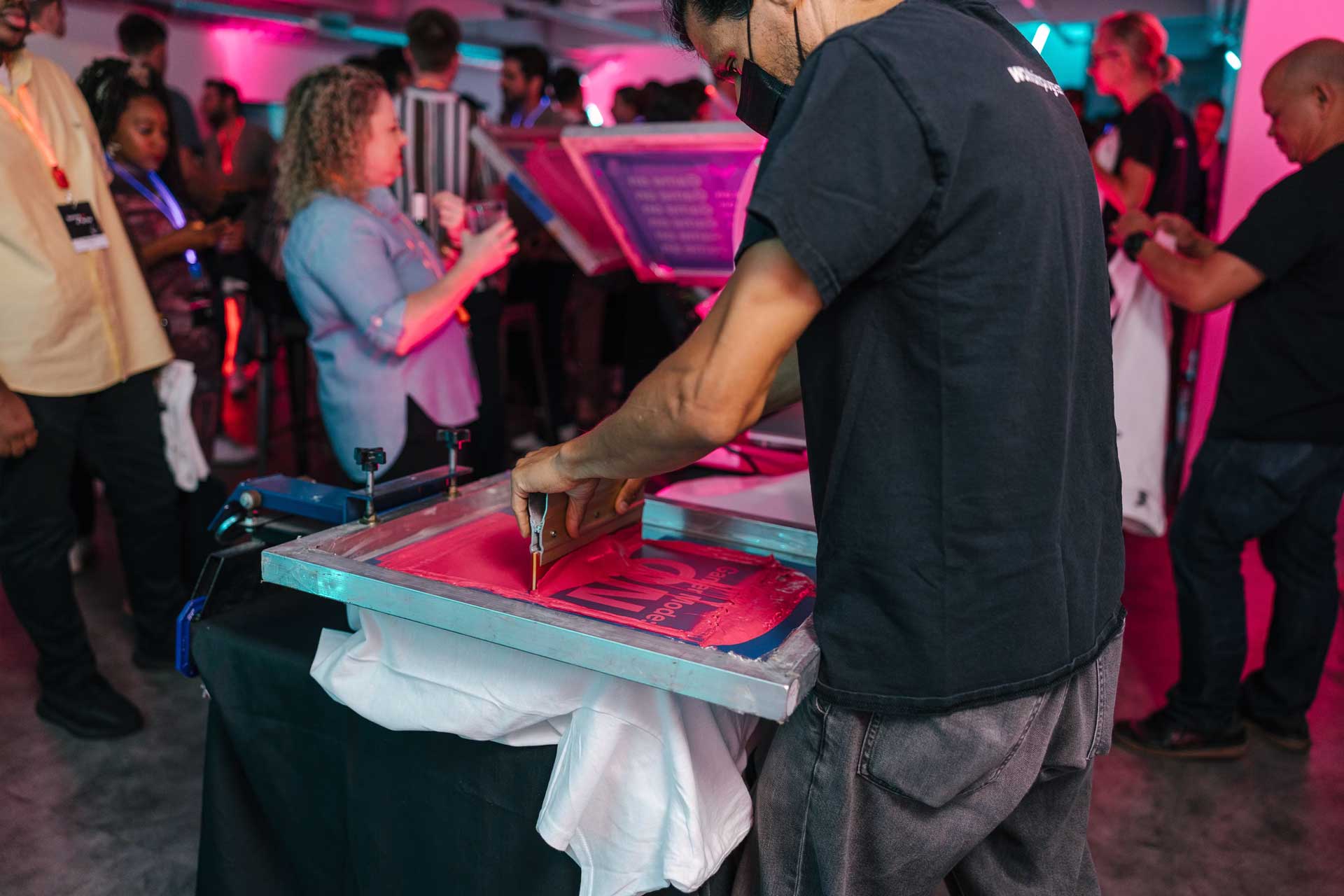
The customization experience leaned into TikTok’s creative ethos. Every item printed became a one-of-a-kind artifact, echoing the platform’s culture of individual expression. By centering guests in the act of production, the station blurred the line between audience and creator. Each screen pull revealed the sharp graphics in TikTok’s signature colors, transforming plain fabric into wearable brand statements.
.jpg)
The physicality of screen printing carried a deliberate analog energy in contrast to the digital-first world TikTok inhabits. Watching designs come to life with squeegees, ink, and heat presses grounded the activation in tactility. This balance of physical craft and digital culture resonated strongly with an audience that lives at the intersection of gaming, creation, and community.
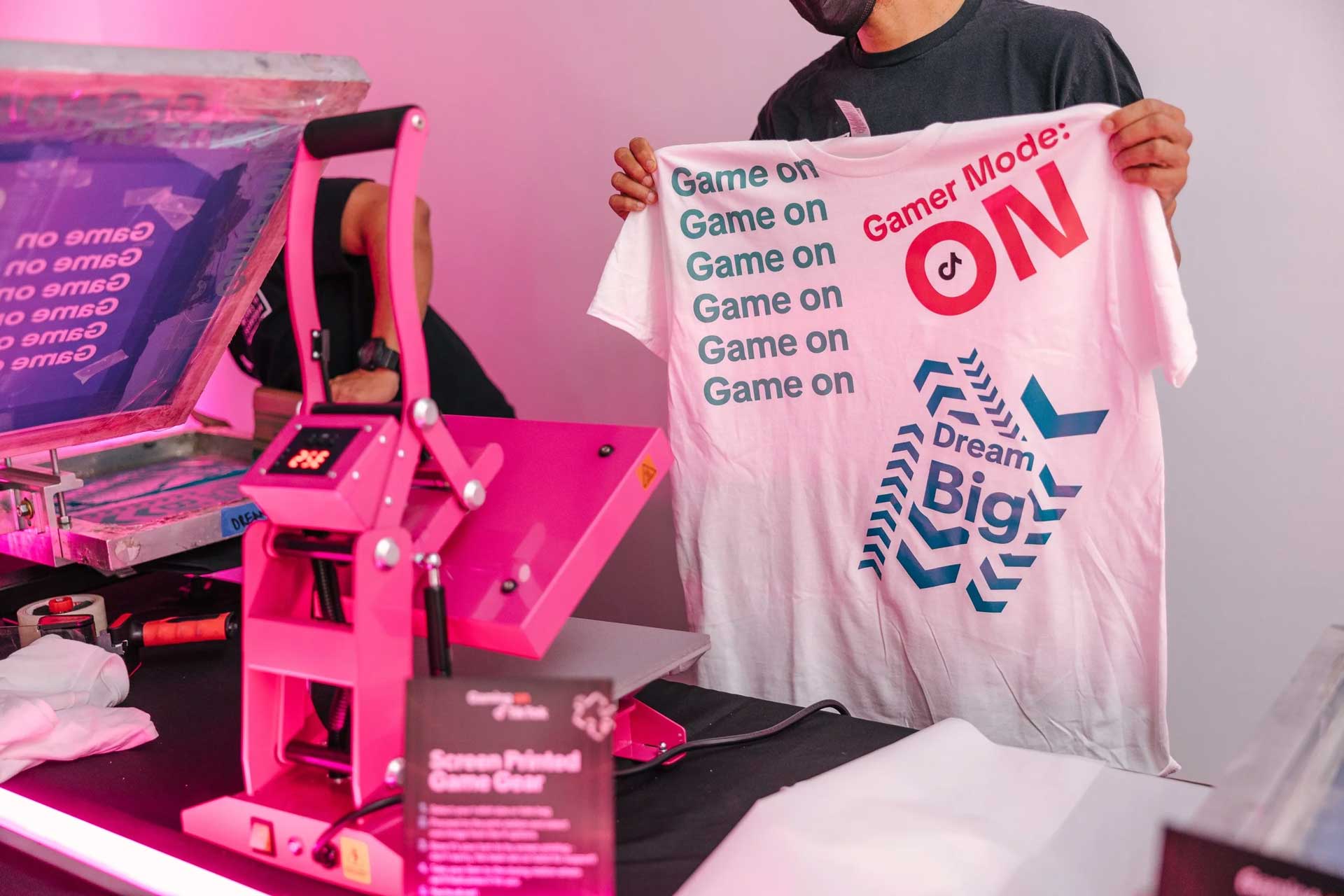
TikTok’s design system came through in every graphic option offered at the station. Geometric grids, bold typographic locks, and playful gamer-inspired slogans showcased the versatility of the brand toolkit. In a setting where neon pink light washed the room, these prints popped with a sharp clarity that reinforced TikTok’s place as a cultural driver, not just a digital platform.
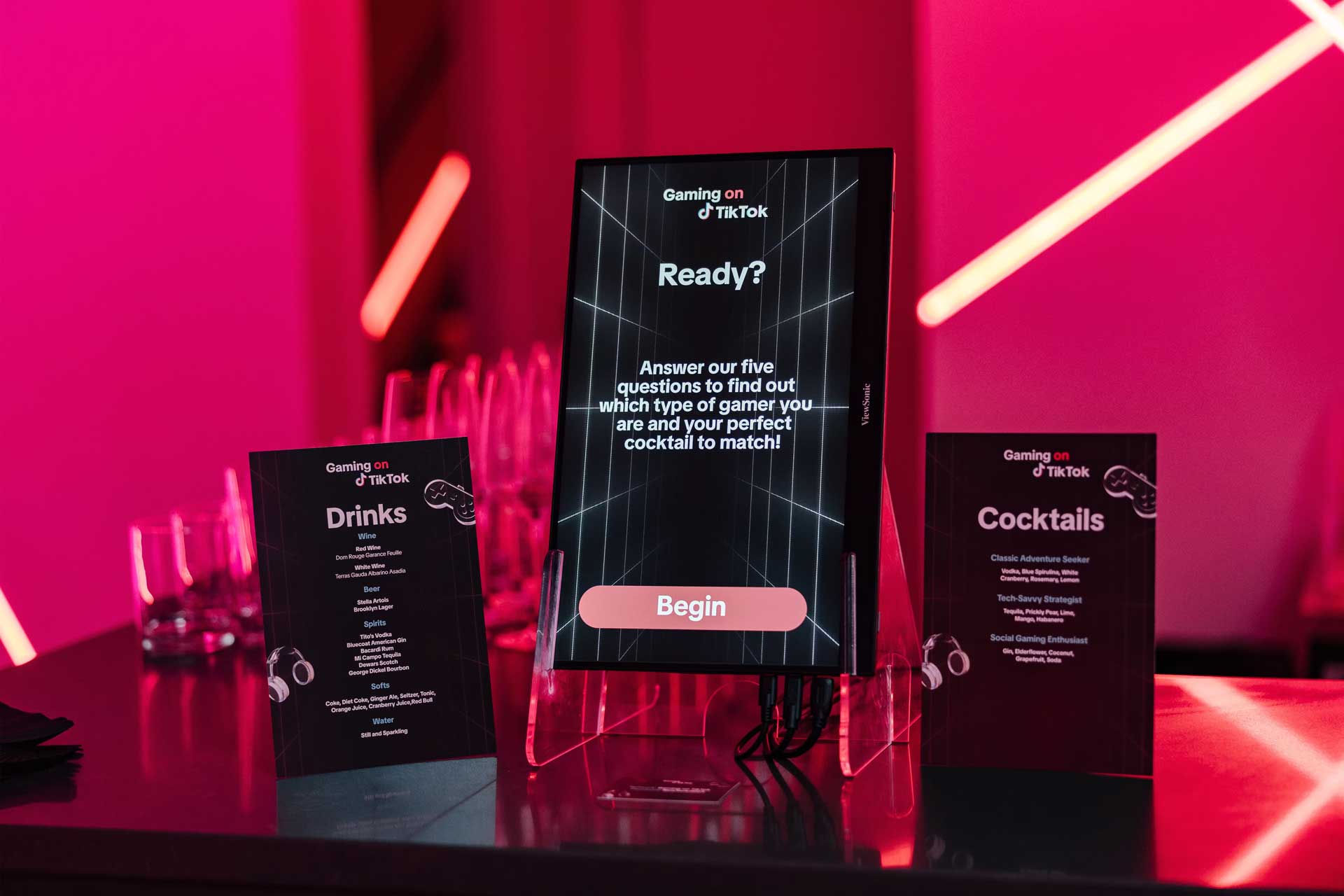
The bar menu carried the same sense of immersion and creativity. Guests discovered custom cocktails designed to pair with gaming archetypes, from “Classic Adventure Seeker” to “Tech-Savvy Strategist.” Each drink became a reflection of the player’s style, reinforcing TikTok’s positioning as a platform that celebrates all identities. Even non-alcoholic mocktails were crafted with equal attention to narrative, making the bar experience feel like a storytelling device in its own right.
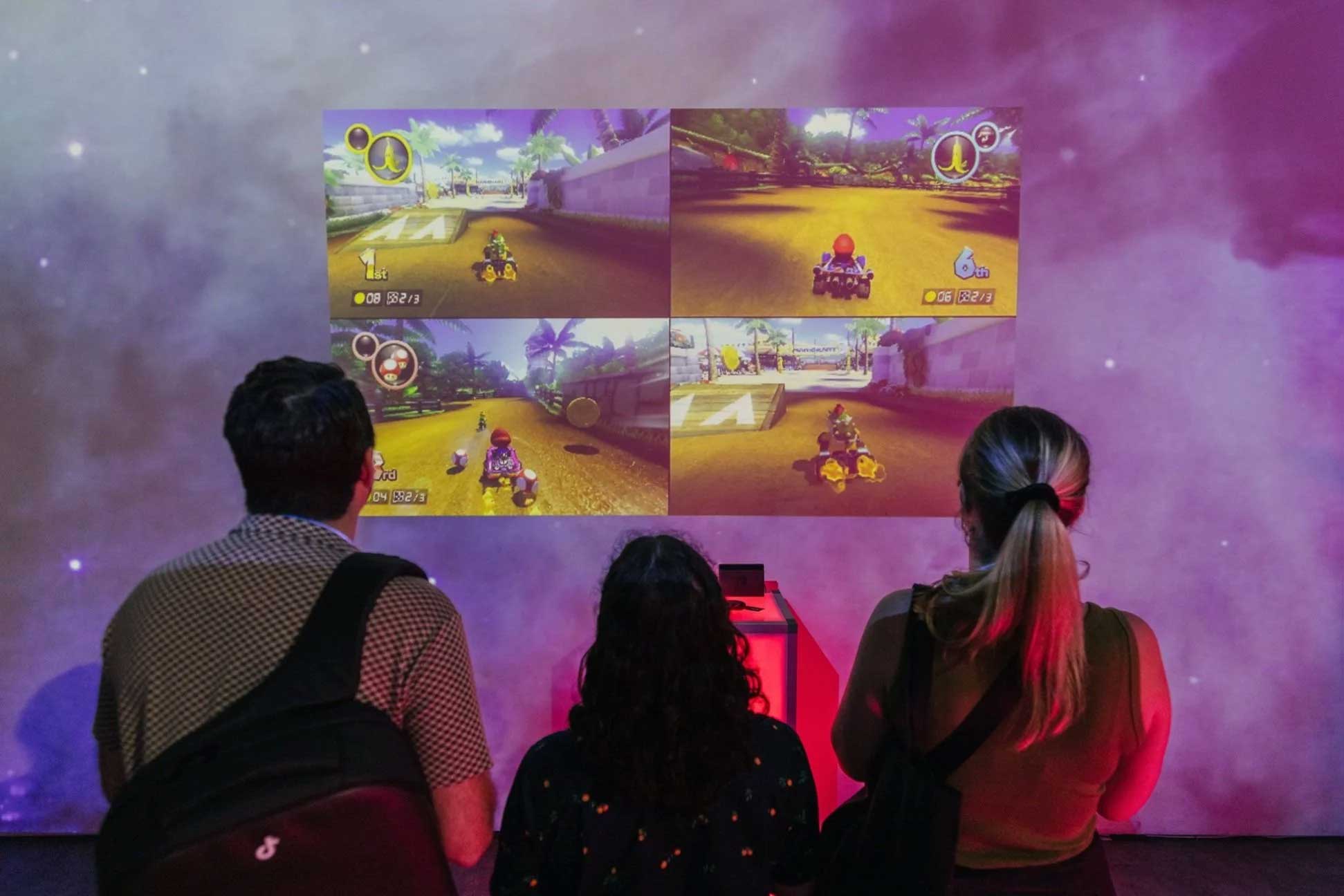
Projected gameplay created an environment where attendees were not only observing but stepping inside the culture TikTok enables. Mario Kart battles lit up the walls, transforming the venue into a shared digital arena. Guests laughed, cheered, and competed with the same energy that powers TikTok’s most viral clips. The wall projections ensured that gaming was not tucked into a corner, but instead became the connective tissue of the space.
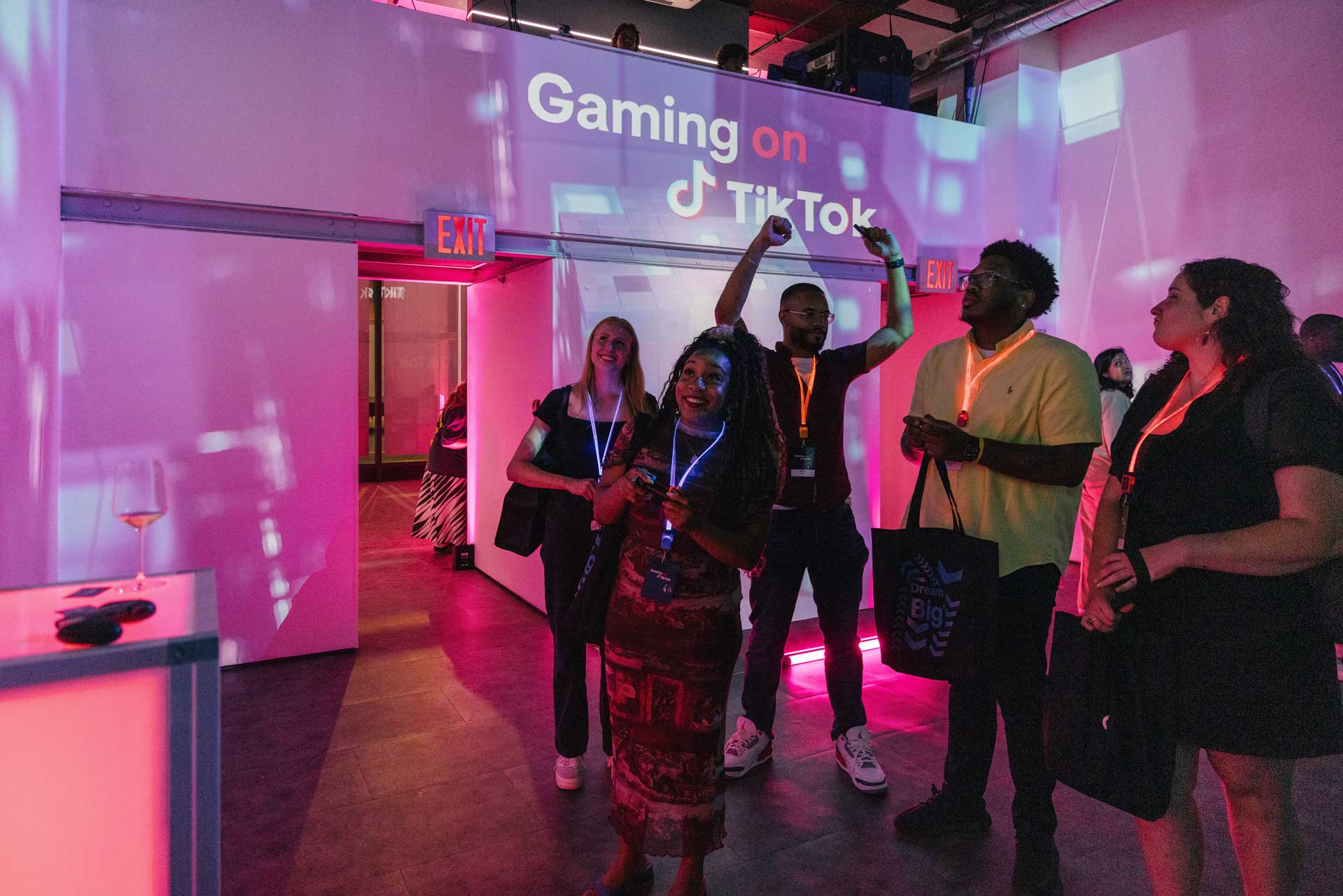
Moments of playfulness threaded through the evening. Whether it was a guest pulling a fresh tee from the press, someone raising a glass named after their gamer persona, or a crowd gathering around a projected race, the event celebrated participation. TikTok’s brand world was not something to look at. It was something to live inside of, a cultural canvas that attendees actively co-authored.
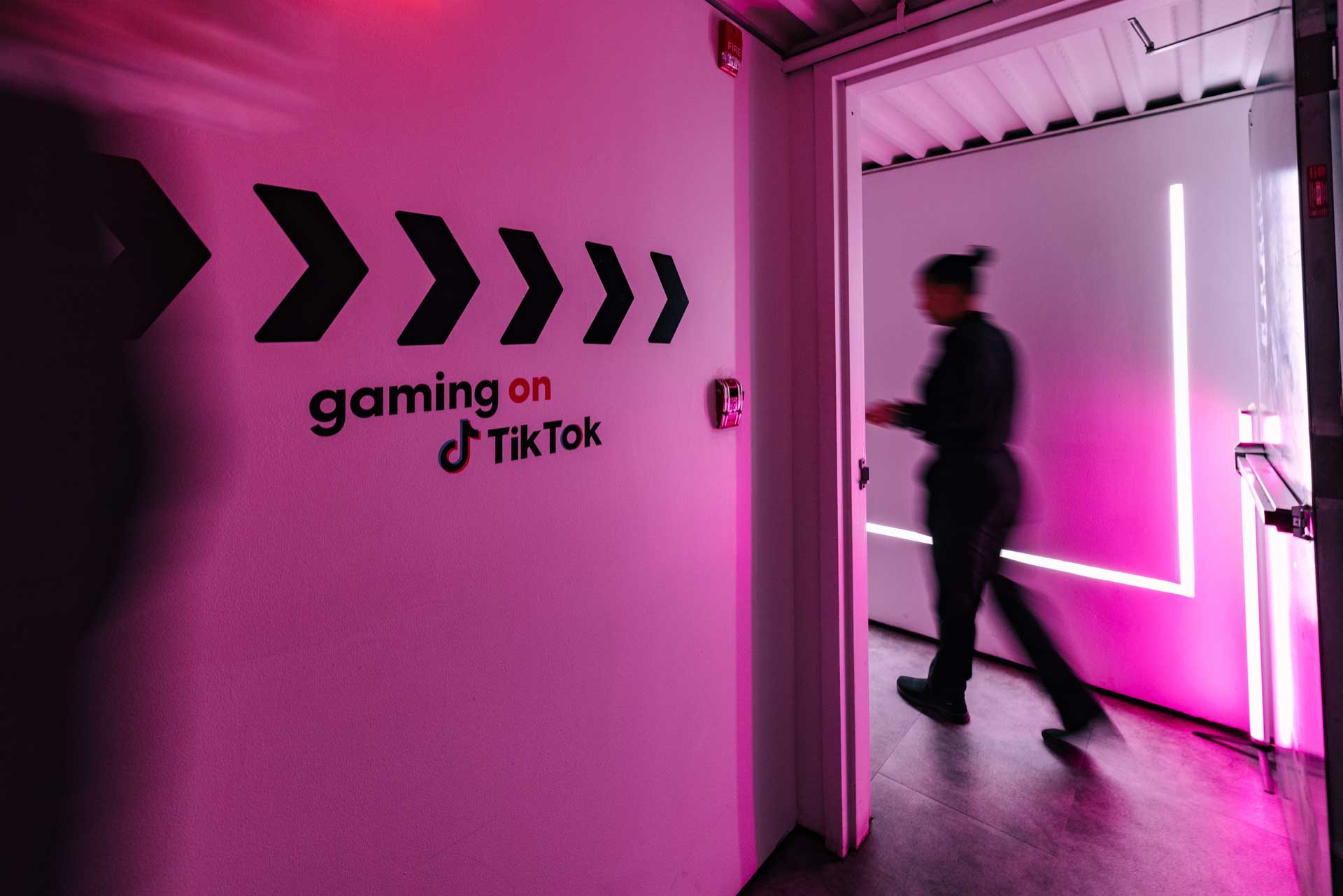
Even wayfinding was designed as part of the immersion. Graphic arrows, bold logos, and directional lighting led guests deeper into the experience with a sense of narrative flow. The environment echoed the endless scroll of TikTok itself. Every turn brought a new surprise, a new piece of content to engage with, and another opportunity to connect.

Altogether, the combination of tactile activations, digital projections, and crafted details built a space that felt alive with TikTok’s energy. It was not a passive event. It was an ecosystem of creativity and play. The custom screen-printed gear, thematic drinks, and competitive gameplay were not isolated touchpoints but interconnected expressions of the same idea. TikTok is where culture is not only discovered but made.
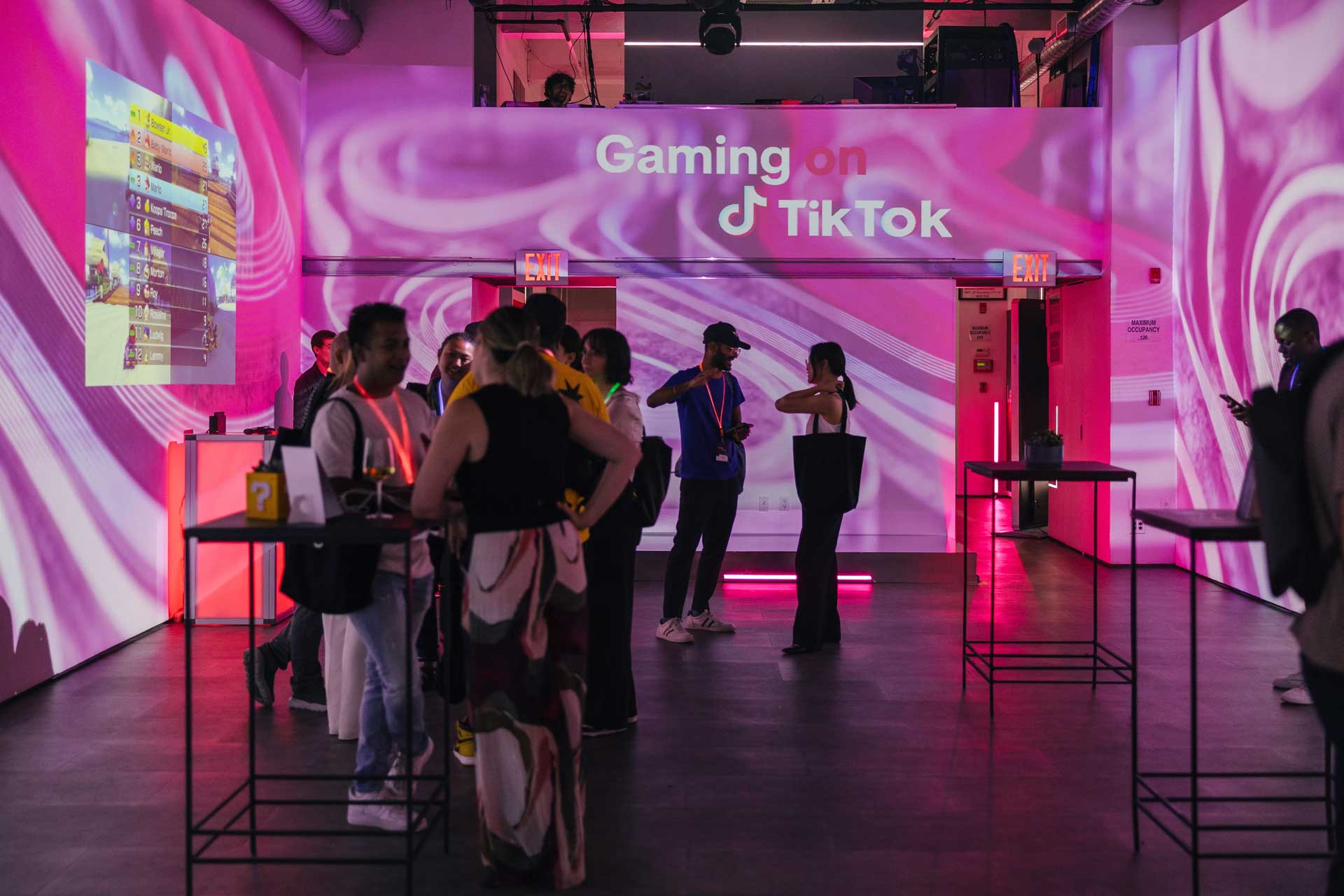
Ultimately, Gaming on TikTok at Lightbox NYC represented a milestone in evolving our experiential design language. It proved that TikTok can activate gaming in a way that is premium, immersive, and unforgettable, while staying authentic to the platform’s spirit of creativity and community. It was more than an event. It was an experiment in world-building, one that showed what happens when brand identity and cultural passion come together in the physical world.
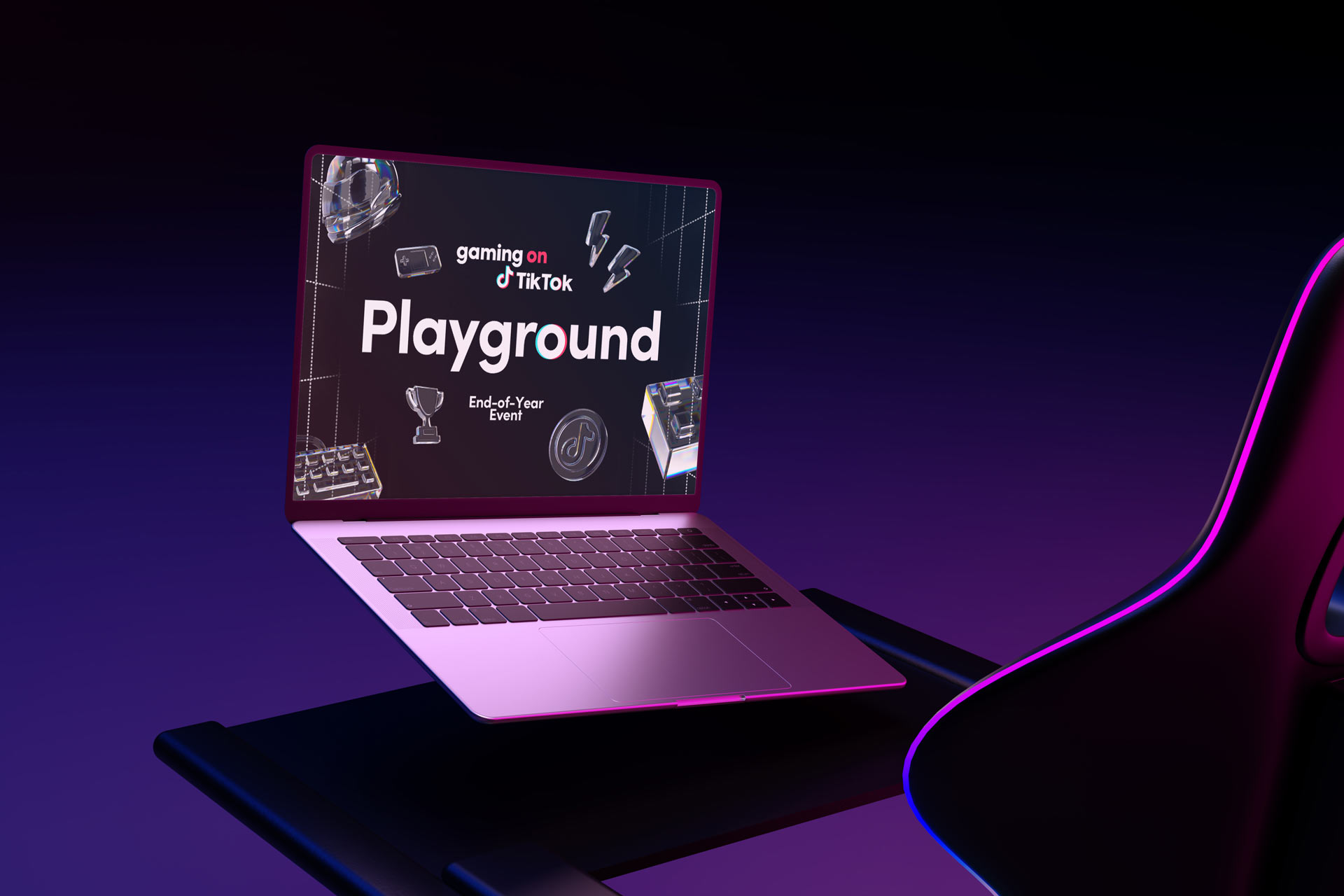
Recognizing the importance of honoring gaming’s biggest moments, we launched TikTok’s Gaming Awards and End-of-Year Recap campaigns. These initiatives reinforced TikTok’s role as a tastemaker in gaming, showcasing the platform’s ability to not just report trends but to shape them. This also extended into subgroups and verticals where we recognized that anybody can be a gamer, and these interest crossed into a ton of demographics.
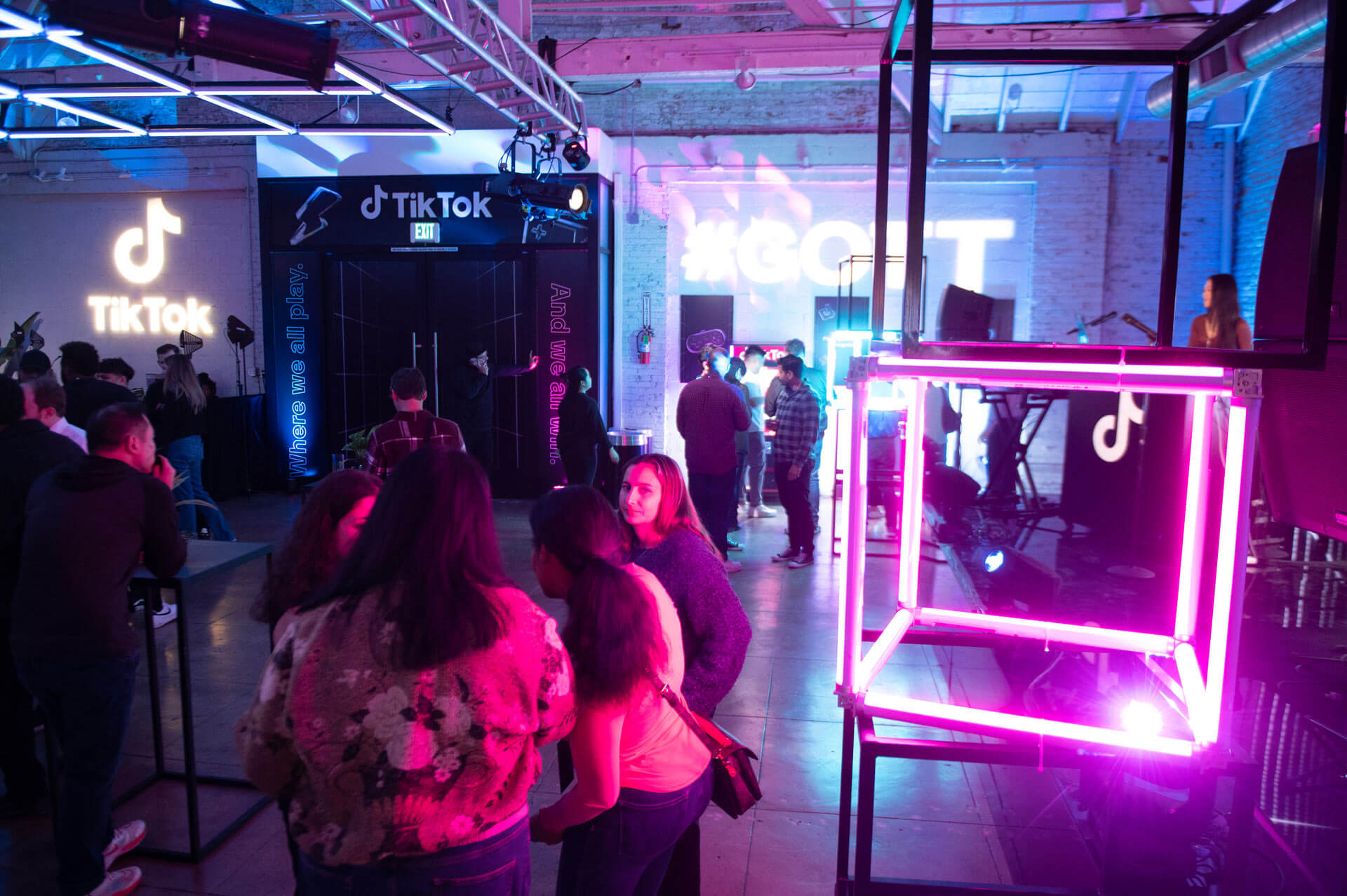
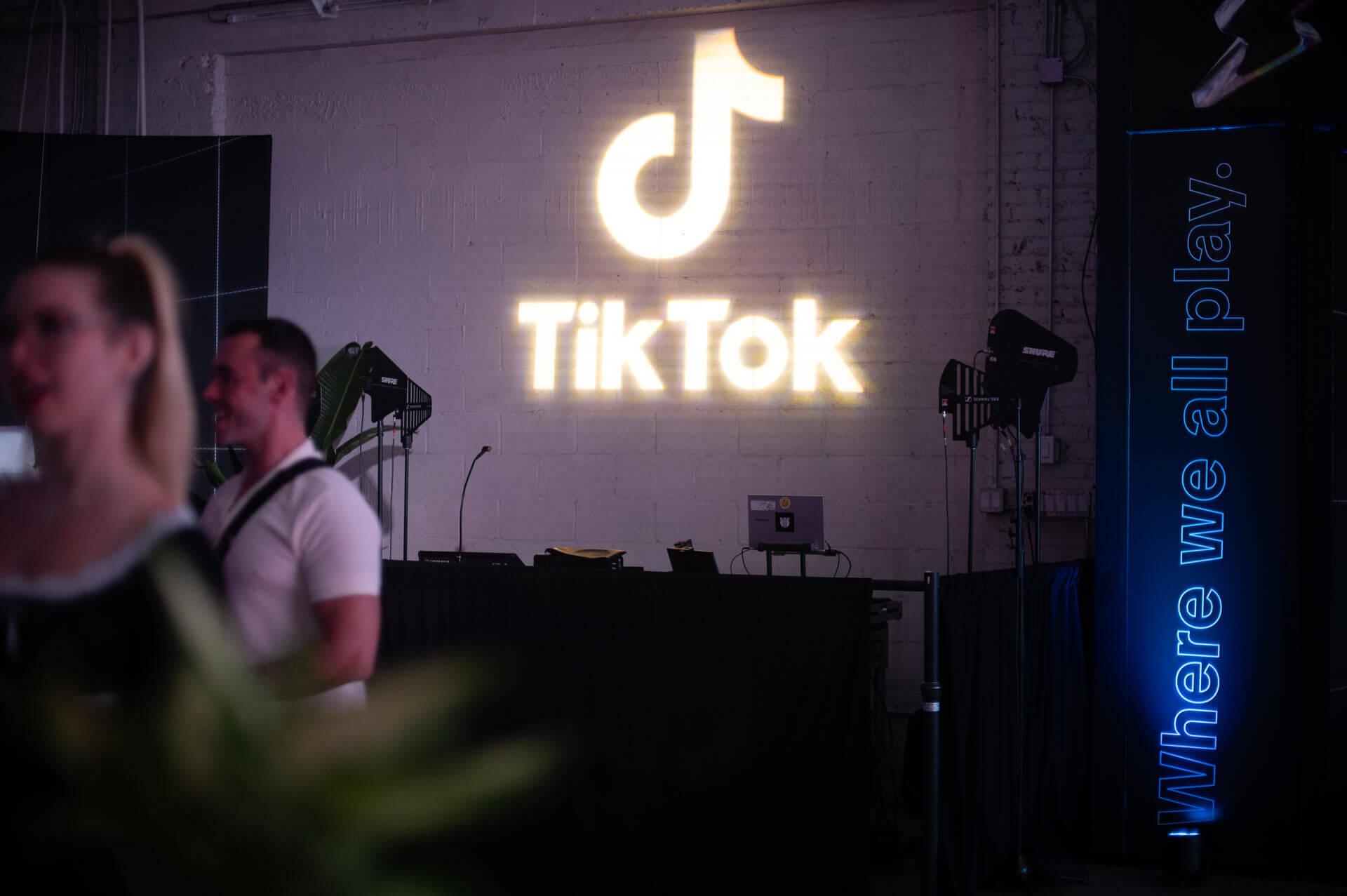
The TikTok Gaming end-of-year celebration in Los Angeles took over HoneyPot and transformed it into a space that felt alive with energy. While it landed in December, this was not framed as a traditional holiday party. Instead, it was a cultural moment built to show the strength of TikTok Gaming’s identity and community. Every detail was designed to express how the brand connects people through play, creativity, and performance. I once again worked with the dynamic team of Joy Seet, Vanessa Rizk, and Micayla Diener.

The venue itself was completely reimagined. HoneyPot became a futuristic playground framed by glowing grid lines and brand-driven installations. From the first step inside, the audience entered a world that reflected the TikTok Gaming visual system. The balance of clean lines, glowing icons, and immersive light created an environment that was both stylish and playful, offering a glimpse into how TikTok Gaming could exist as a physical space.
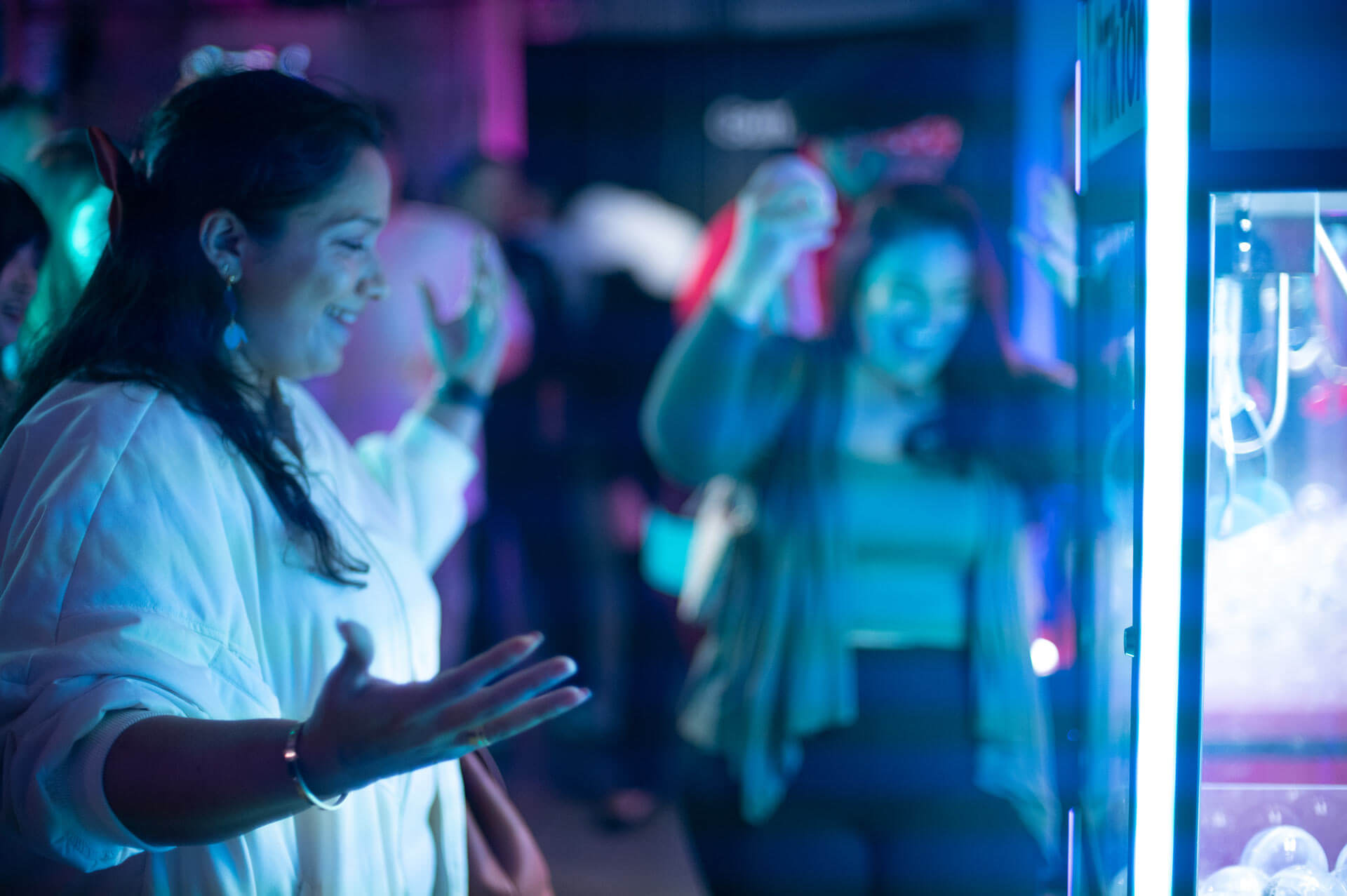
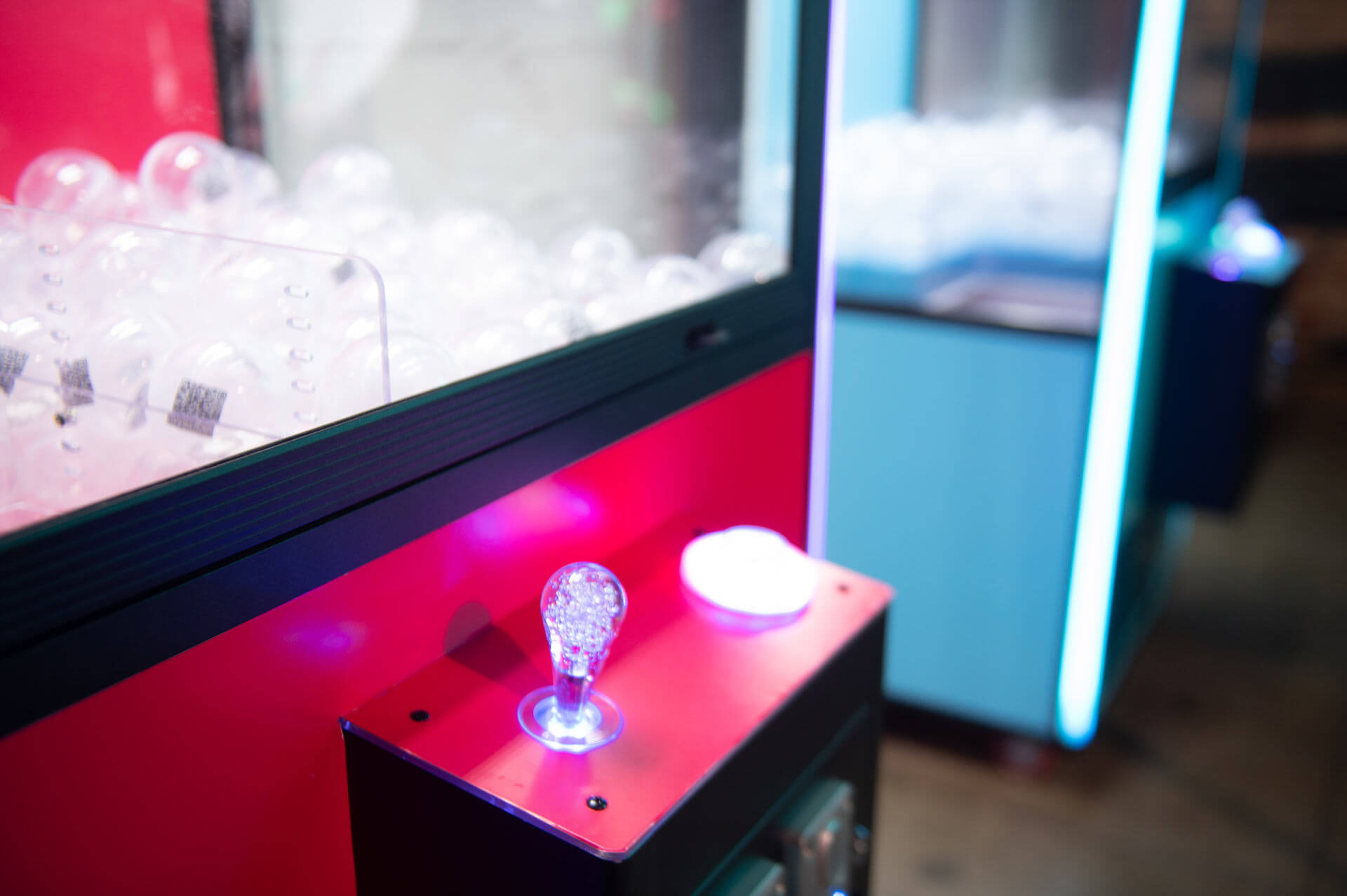
The claw machines quickly became a focal point of the event. Guests clustered around them throughout the night, waiting their turn to test skill and luck. Each machine was filled with branded capsules and merchandise, turning the simple act of grabbing a prize into a shared moment of excitement. The glowing machines reinforced the sense of play while creating Instagram-ready backdrops that tied perfectly into the digital culture of TikTok.
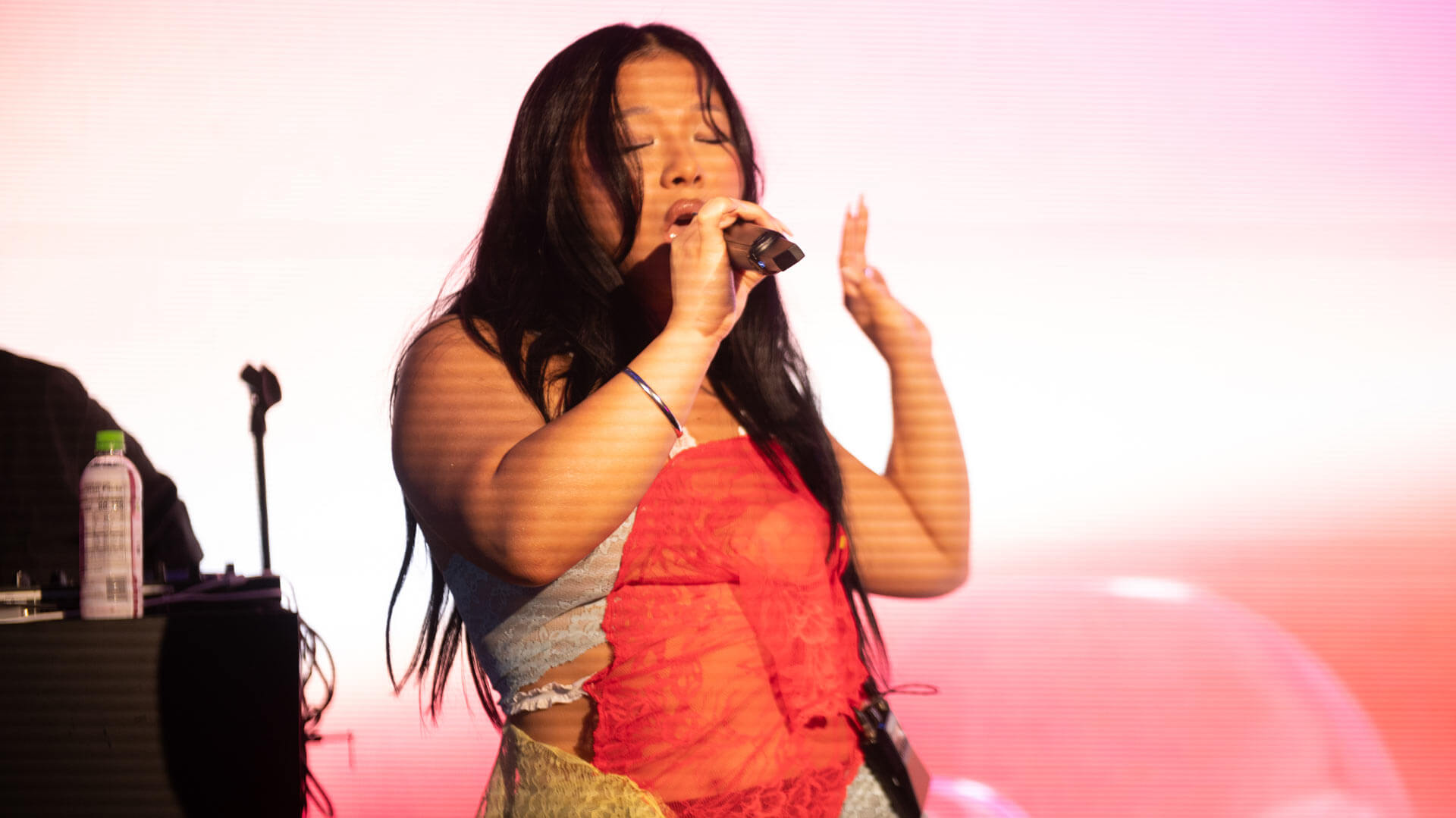
Music played a central role in driving the night. Performances gave the event its rhythm and kept the energy rising as the crowd grew. Live vocalists and DJs created a layered experience that blended with the soundscape of the venue. For TikTok, music and gaming have always been intertwined, and here that connection was amplified on stage. Each performance was not just entertainment but an expression of the community that fuels the platform.
The brand visual identity carried throughout every touchpoint of the event. Iconic gaming shapes were suspended across the space, from lightning bolts to retro controllers and pixel-style blocks. Each piece glowed with the same iridescent finish seen across TikTok Gaming’s global toolkit. The result was a venue that never lost sight of the brand, whether guests were at the bar, the stage, or the activations.
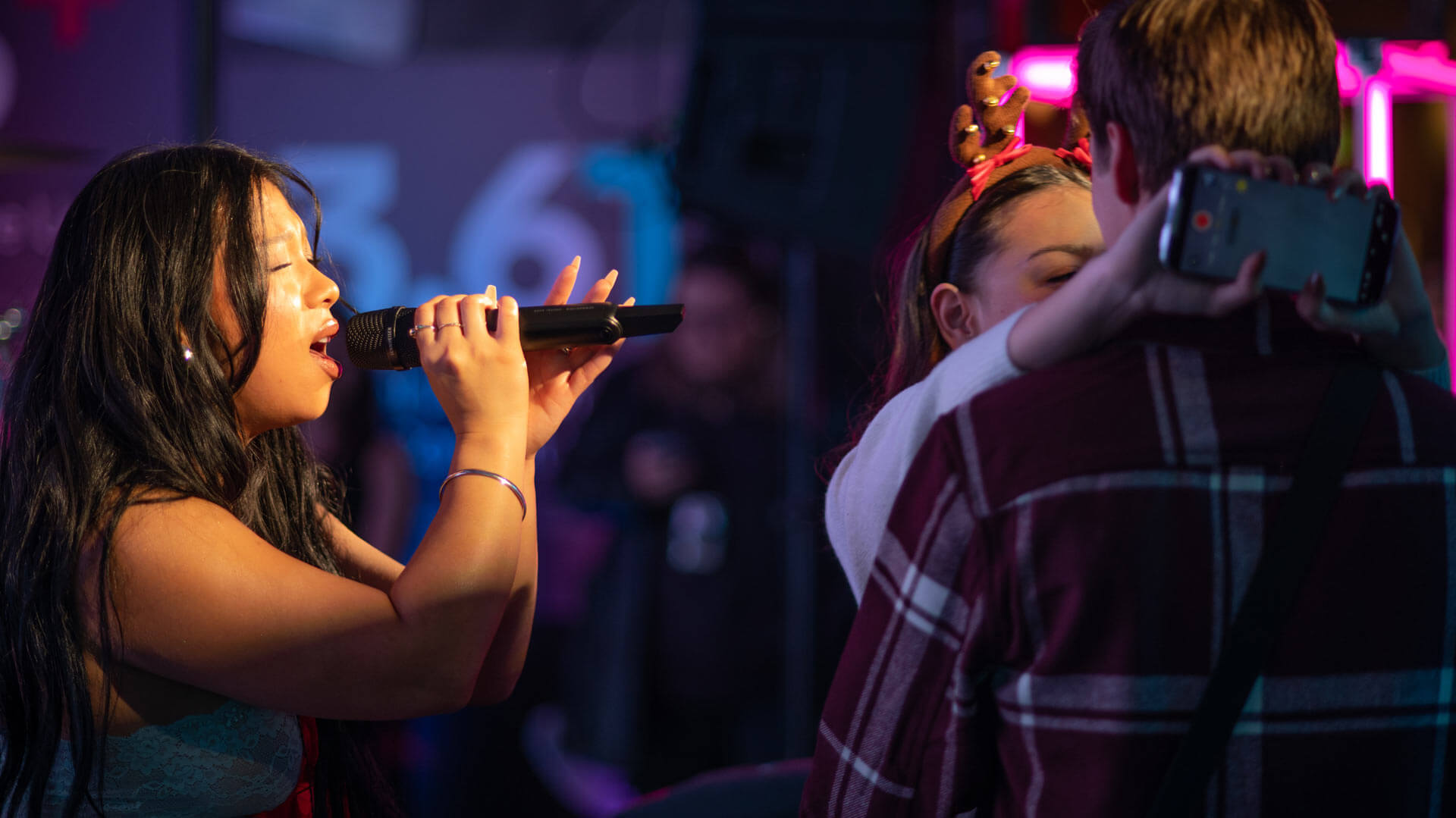
Lighting design turned the venue into a moving canvas. Shades of blue, purple, and pink filled the room and shifted with the performances. Spotlights tracked the stage while ambient tones set the mood for the lounge zones. The lighting was precise, designed to make every candid photo and short video feel like part of the TikTok visual world. Guests were both participants and creators, and the design ensured their content reflected the same energy as the event itself.
The social areas of the party were carefully planned. HoneyPot’s bar and lounge were reworked to feel like natural extensions of the TikTok Gaming identity. Custom signage and digital overlays tied these areas back into the larger story. Guests used these moments to connect, network, and share their experiences, all while surrounded by the visual markers of TikTok Gaming. These quieter spaces provided balance to the high-energy performances and activations.
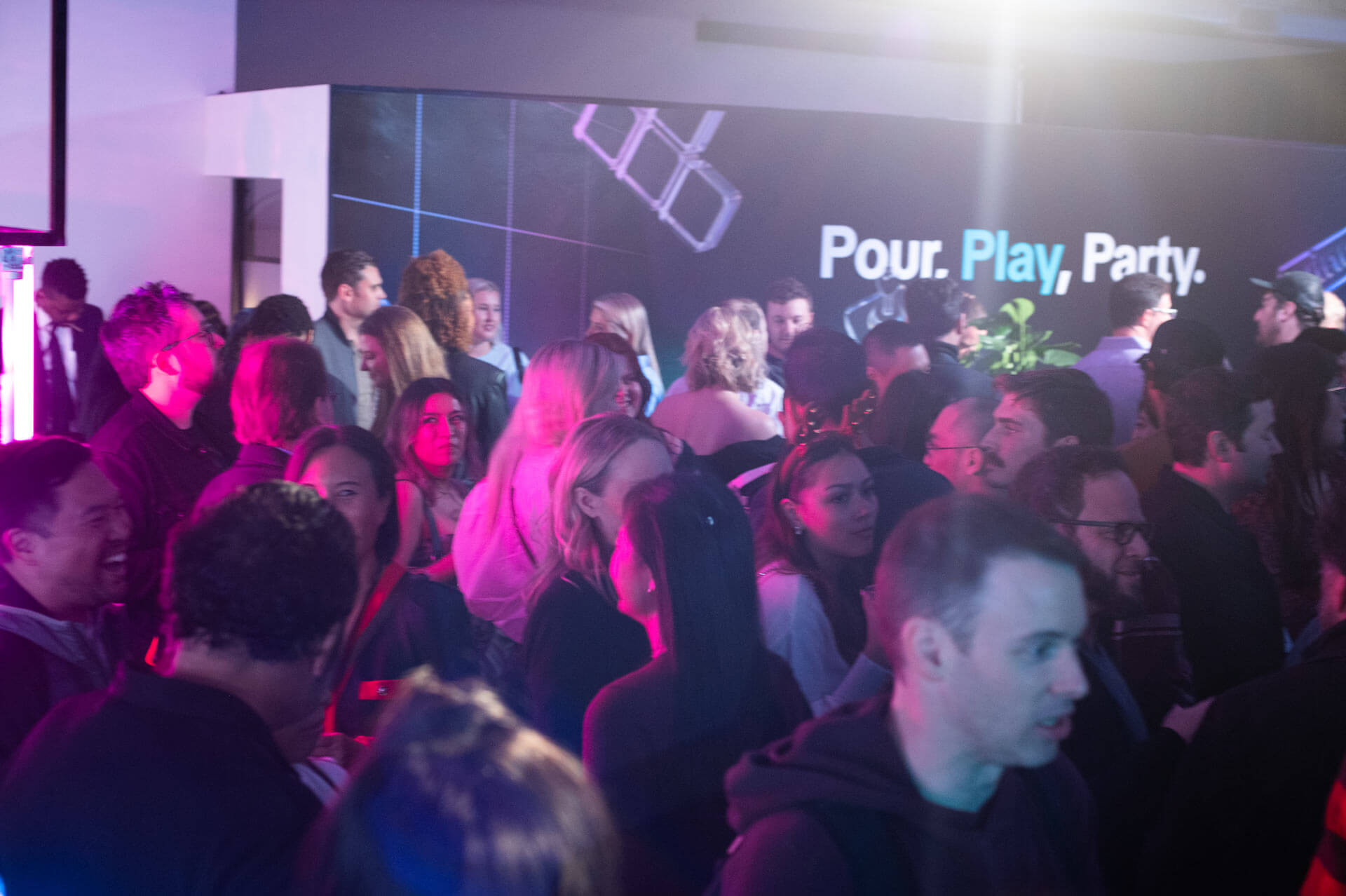
The integration of screens and live content created a bridge between the physical and digital. Walls of LED screens displayed TikTok Gaming highlights, creator content, and clips being generated in real time from inside the party. Guests could literally see themselves reflected back into the TikTok ecosystem. This seamless loop between offline and online captured the brand’s unique power: the ability to take live energy and amplify it through the platform.
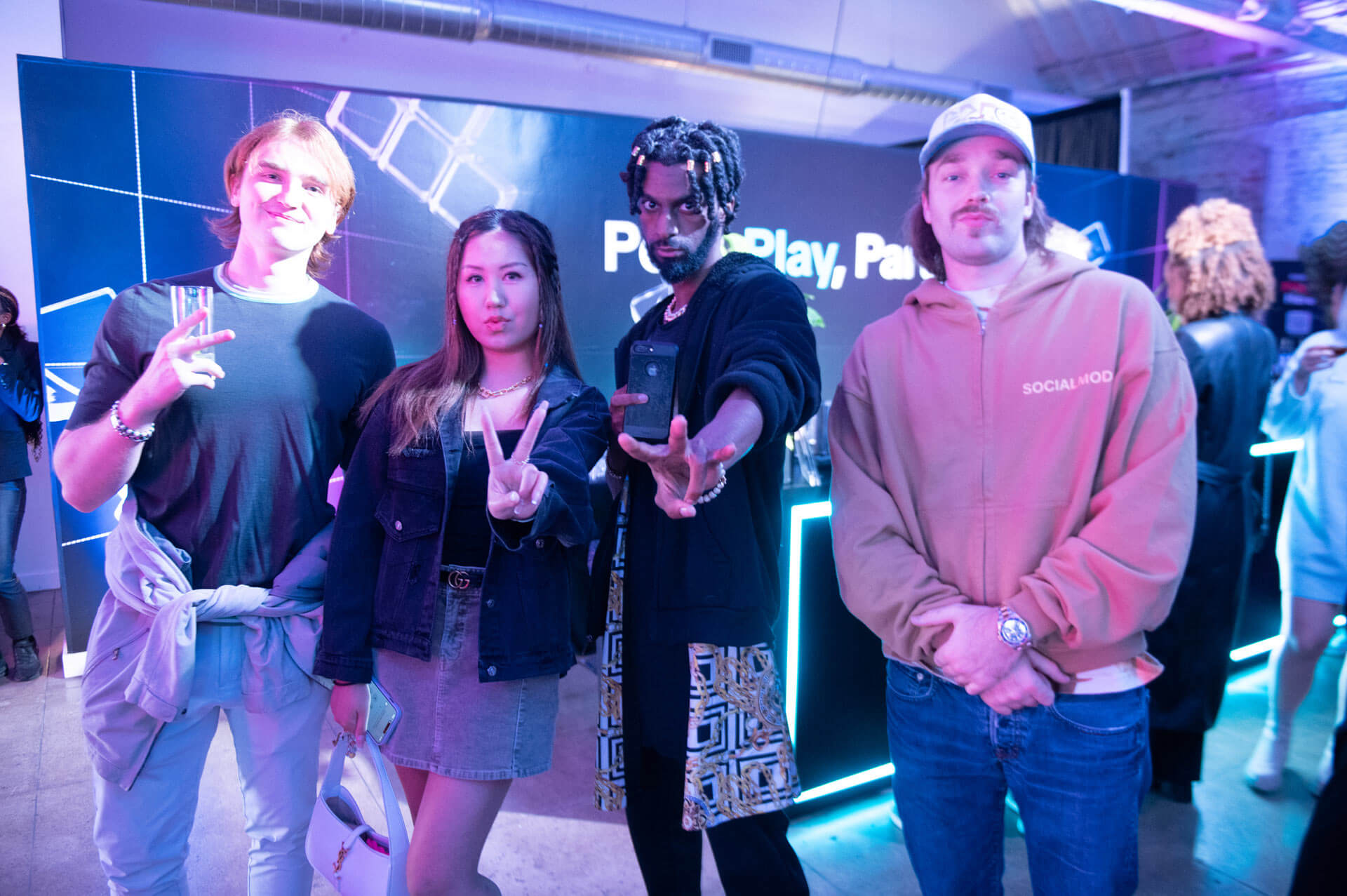
The crowd represented the diversity and creativity of the gaming community. From creators to partners to industry leaders, the audience was a snapshot of the world TikTok Gaming connects every day. The mix of backgrounds and perspectives fueled the conversations in the room. It gave the night an authenticity that came not from decor or staging but from the people who filled the space and made it come alive. As the night unfolded, moments of surprise kept the energy high. Performances brought people to the front of the stage, while the claw machines kept lines of guests laughing and competing. Conversations at the bar turned into collaborations and content planning. Everywhere you looked, the design and energy pushed people toward interaction. That sense of momentum was the true success of the event.
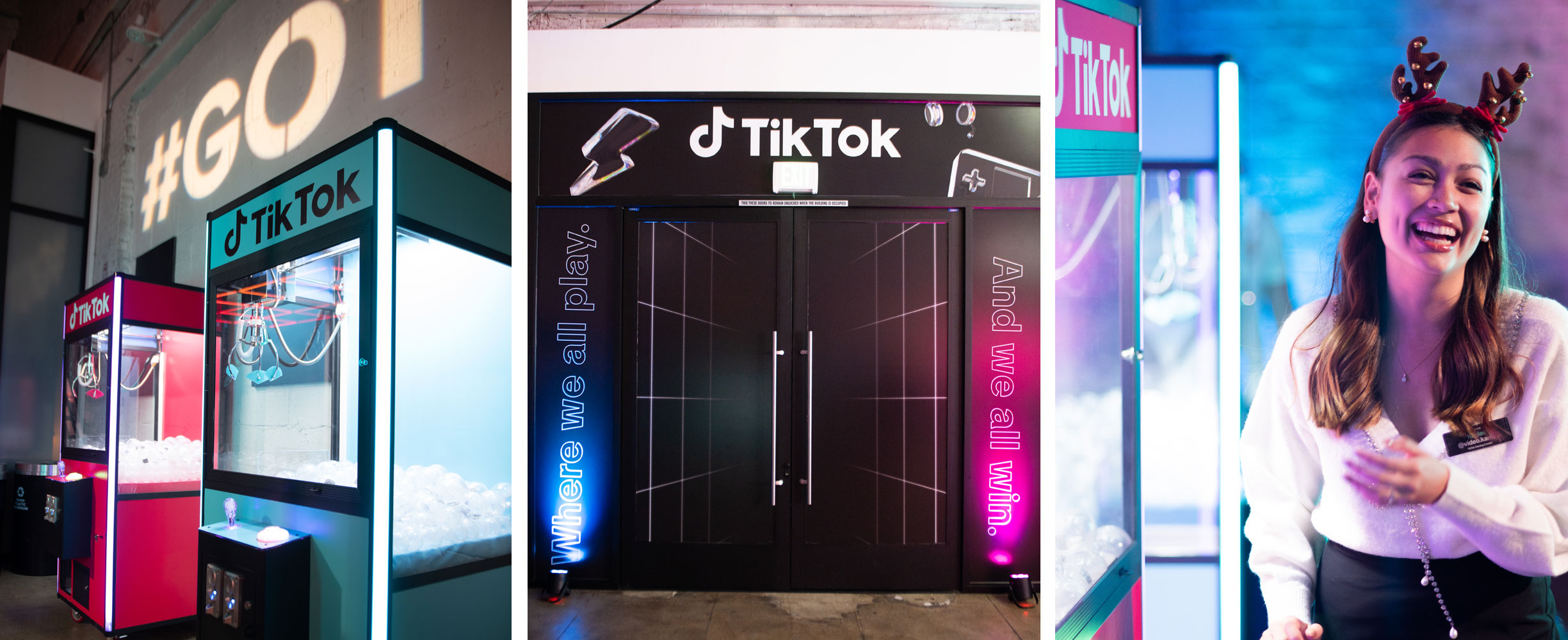
The impact of the party extended far beyond HoneyPot. Attendees shared their experiences across TikTok and other platforms, amplifying the event to audiences who were not present in Los Angeles. Videos of performances, group photos, and claw machine wins created a ripple effect that carried the TikTok Gaming brand into new spaces. The party was both a live experience and a global broadcast, fully aligned with how the platform itself operates.
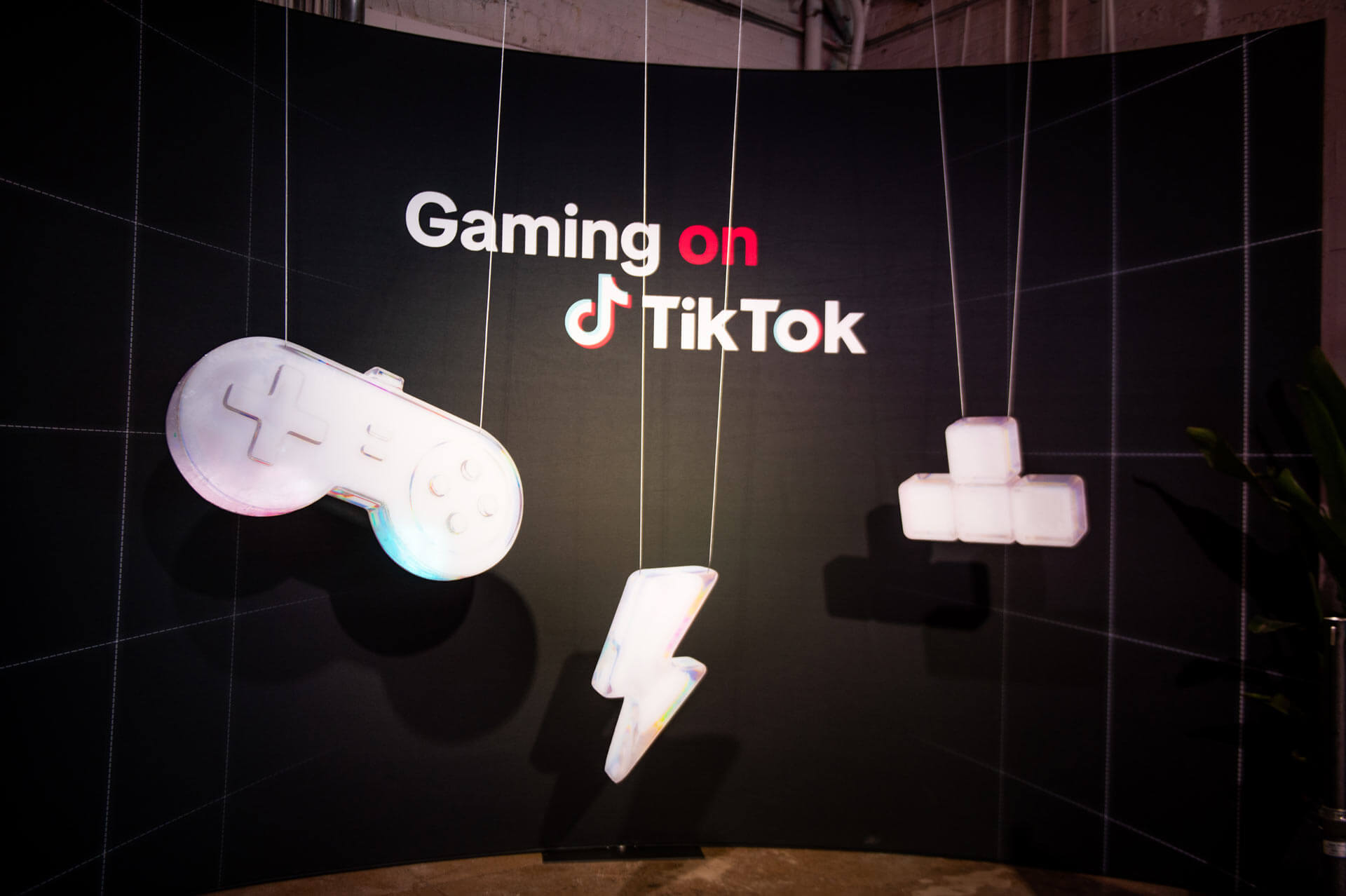
In closing, the TikTok Gaming end-of-year party was a demonstration of what it means to bring a brand to life. It was not about holiday motifs but about creating an environment that reflected the community, the culture, and the design identity of TikTok Gaming. Through music, interactivity, and visual storytelling, HoneyPot was reshaped into a physical extension of the platform. Guests left not only with memories of a great night but with a deeper connection to the brand.
We crafted visually striking award show branding that reflected the diversity of gaming genres, from high-octane esports arenas to whimsical indie adventures. The recap campaigns compiled the year’s most viral gaming moments, creator-driven trends, and emerging subcultures—offering an annual retrospective that solidified TikTok’s position at the heart of gaming conversations.
To establish TikTok as the go-to partner for gaming executives, we conceptualized and executed the Gaming C-Suite Napa Valley Summit. This invite-only event gathered top decision-makers from major game studios and publishers, providing an exclusive forum for strategic discussions on the evolving gaming landscape.

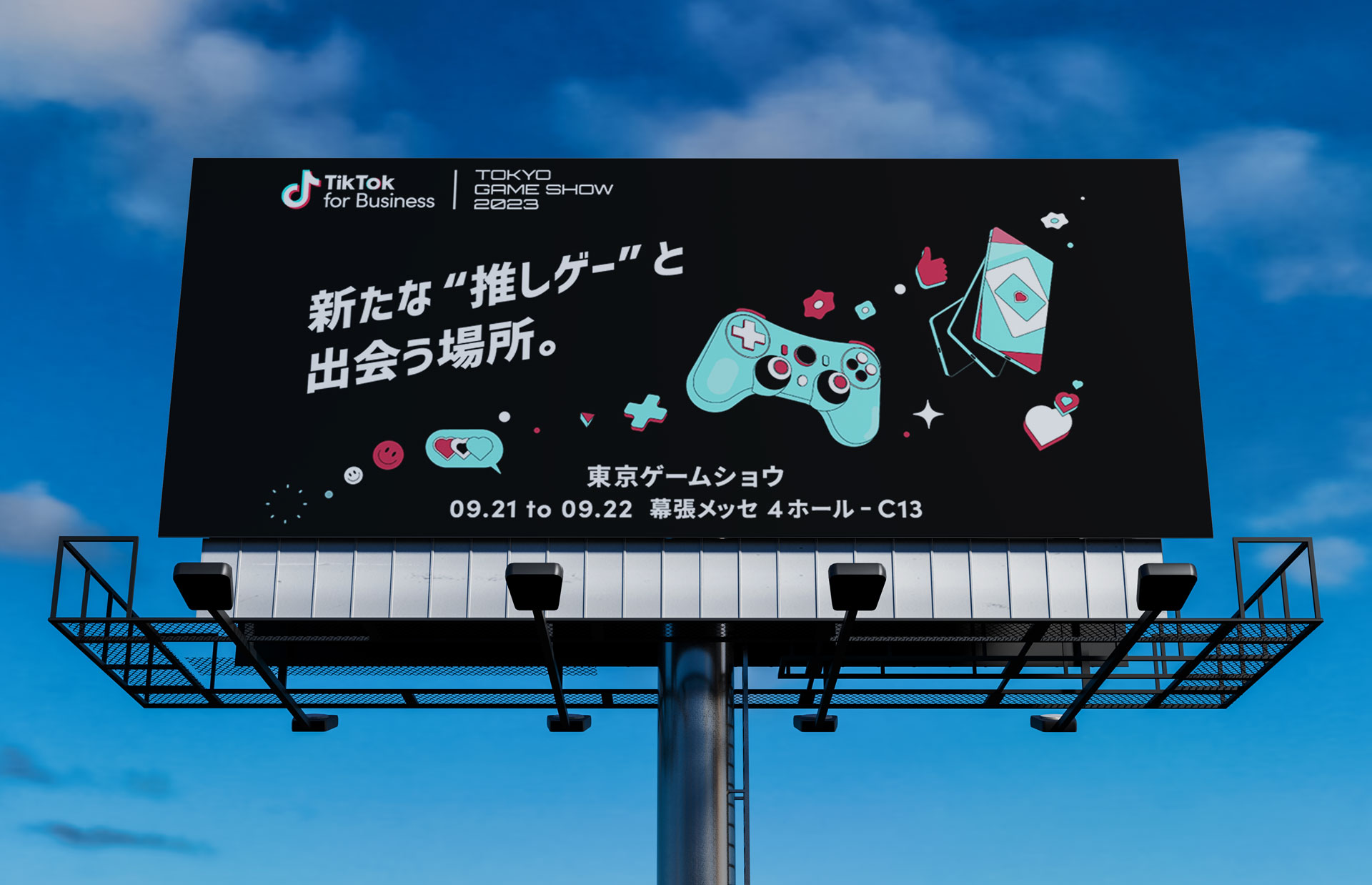
The Tokyo Game Show is one of the largest gaming events in the world, and in 2023 TikTok made a bold move by creating a booth that merged global brand identity with local festival culture. Gaming on TikTok at TGS2023 was designed to feel both familiar to Japanese audiences and distinctively TikTok, blending lanterns, happi coats, food stall games, and bold digital iconography. My role as lead design director was to ensure that this vision translated seamlessly into a physical experience that would capture attention on a crowded convention floor.
At Tokyo Game Show we set out to fuse TikTok’s sleek global identity with the warmth of a Japanese matsuri. Partnering with TOW, we built a 3D previsualization that treated the booth as a living system, not a single set piece. We blocked sightlines, traffic flow, and hero moments first, then layered brand elements with intent. Lantern strings carried the logo as repeating beats. Truss frames held our grid lines, neon accents, and glass-like iconography. Wall skins used our gaming patterns at multiple scales so the space read from twenty meters and from two. Every surface worked as an owned canvas for capture, from the entry portal to the stage header, with copy set in TikTok Sans for immediate brand recall.

The render process moved from graybox to look-dev in Cinema 4D with lighting studies that balanced festival glow and clean readability. TOW dialed materials for lantern paper, acrylic edge light, satin black, and LED pitch so what we saw in preview matched what guests felt on site. We built touchpoints into the model as modules: photo booth with happi coats patterned from the toolkit, festival game bay with target UI, data wall for business storytelling, creator meet zone, and a giveaway counter that doubled as a content moment. Each module snapped to the same grid, shared a color hierarchy of black, cyan, and razzmatazz, and shipped with motion and signage specs, allowing production to execute fast while keeping the booth unmistakably TikTok.
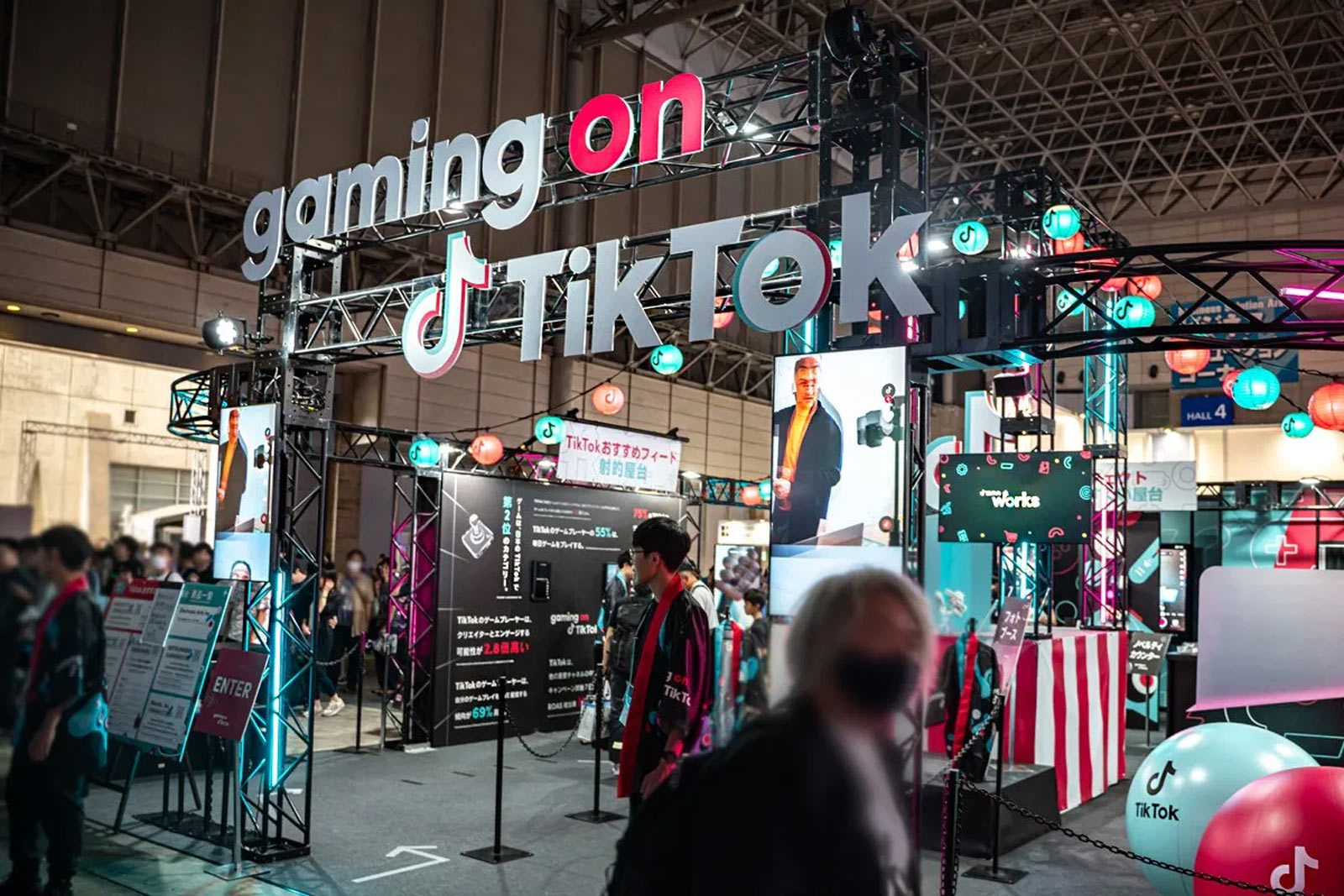
The booth design began with a core question. How do we take TikTok’s sleek global visual identity and reimagine it through the lens of Japanese matsuri culture. Our Japanese team was instrumental in shaping the direction, advising on cultural touchpoints that would resonate with audiences while still feeling modern. The use of lanterns printed with TikTok’s logo, the inclusion of happi coats for photo ops, and the festival-style mini games all emerged from these early collaborations.

At the center of the booth stood a towering TikTok logo, framed by a truss structure lit in vibrant cyan and pink. Strings of lanterns stretched across the space, creating an instant sense of festivity. This structure served as both a beacon across the show floor and a visual anchor that tied together the entire design. The lighting cues were drawn from gaming culture’s RGB setups but carefully balanced with TikTok’s clean grid-based brand system. I worked closely with production to calibrate the tones so that the booth glowed without overwhelming the senses.
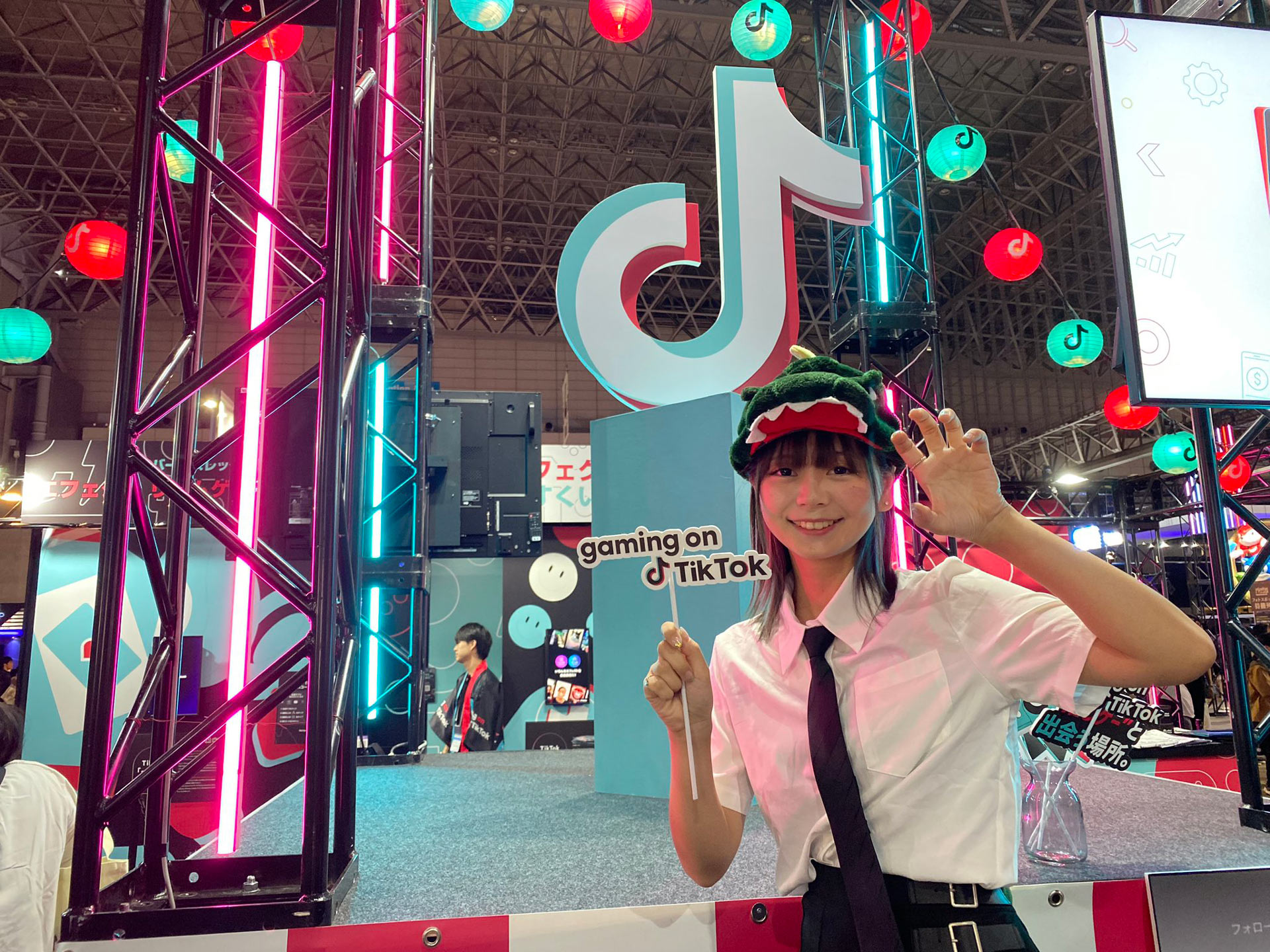
The photo booth was one of the most popular attractions. Visitors could put on custom happi coats designed with TikTok’s gaming icons and bold graphics. They then stepped into a ring-light equipped station to take selfies, echoing the rituals of TikTok creators worldwide. This was not only fun for attendees but also an intentional brand move. It linked the act of content creation with gaming culture in a physical setting. My team developed the patterns for the happi coats using our visual toolkit, ensuring that the clothing became a moving extension of the booth’s design.
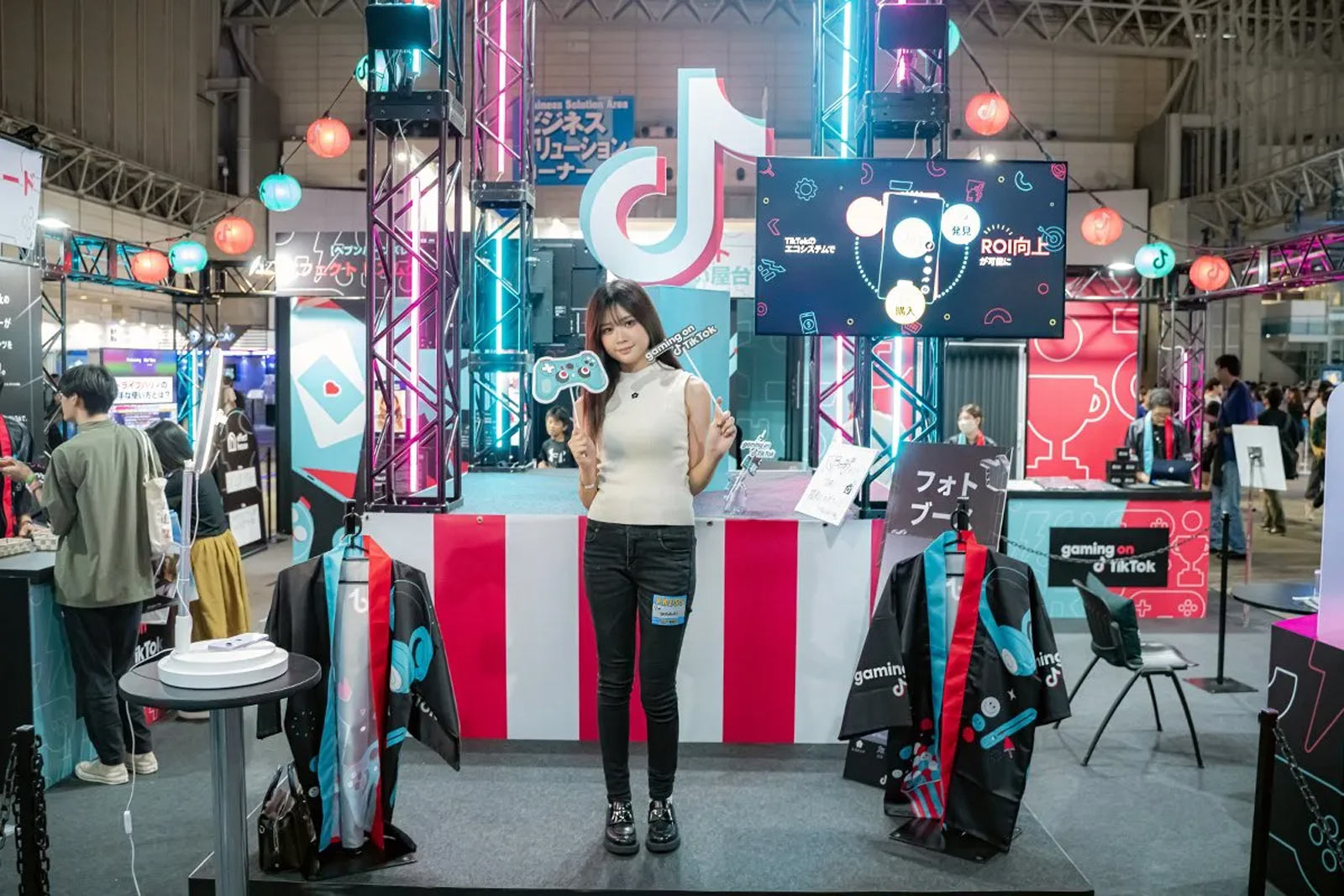
Another standout feature was the integration of food stall-inspired games. In Japanese festival culture, target shooting is a staple activity, and we wanted to reinterpret it for a modern audience. Players used decorated rifles to shoot at digital targets displayed on LCD screens. Winning earned them exclusive stickers branded with “Gaming on TikTok.” This simple interaction carried multiple layers of meaning. It tapped into nostalgia for childhood festivals, created a playful connection to FPS and TPS games, and reinforced TikTok’s role in gaming culture. My role here was to ensure the signage, prizes, and targets all fit into our visual system while still feeling rooted in the local context.
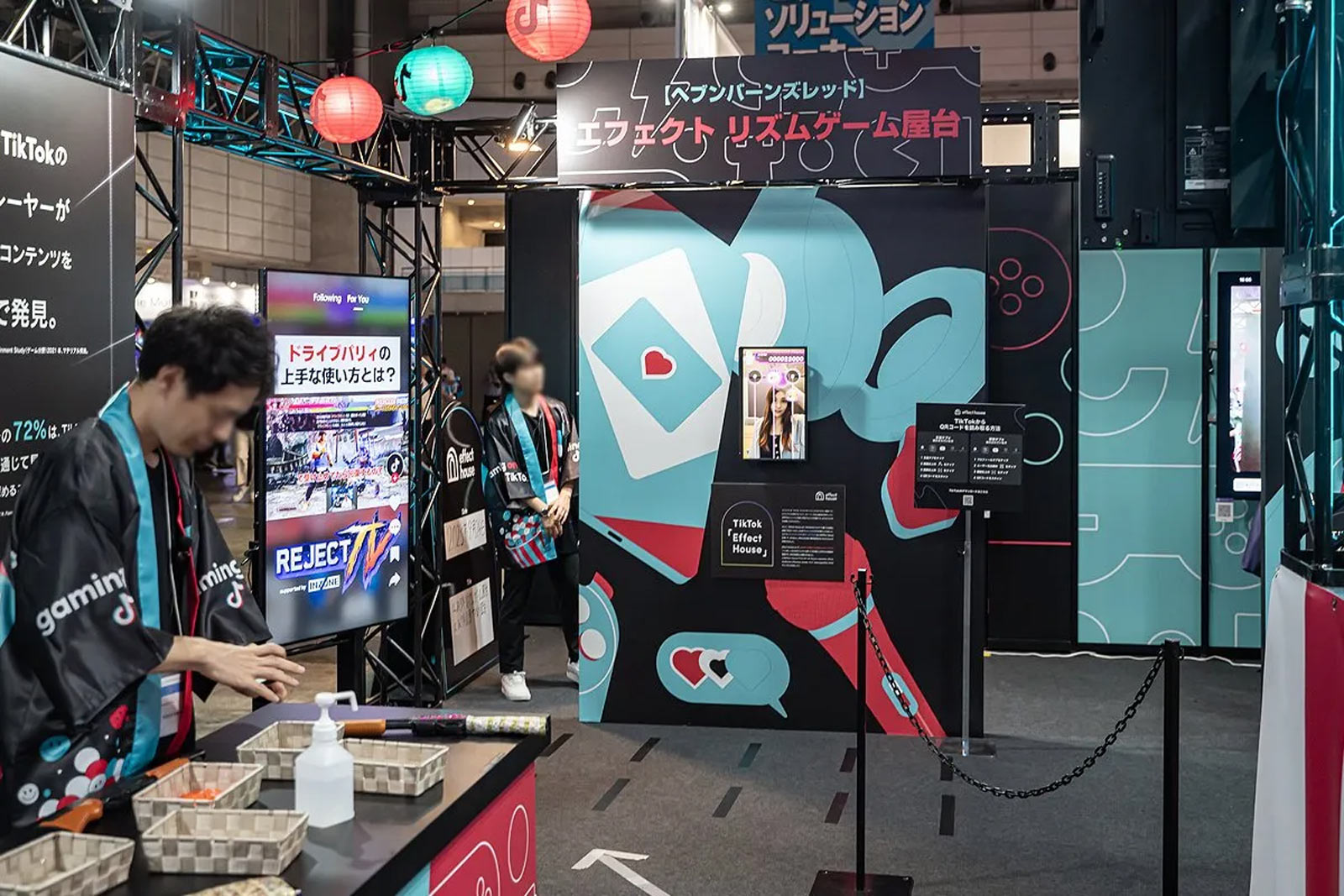
Collaboration with our Japanese team was critical throughout the process. They helped us navigate cultural nuances, from the choice of lantern colors to the typography and language balance on signage. We translated key statistics and messages about TikTok’s role in gaming into Japanese while retaining the clean hierarchy of the global brand system. This ensured that the booth communicated effectively to local audiences without losing its connection to TikTok’s global visual identity.
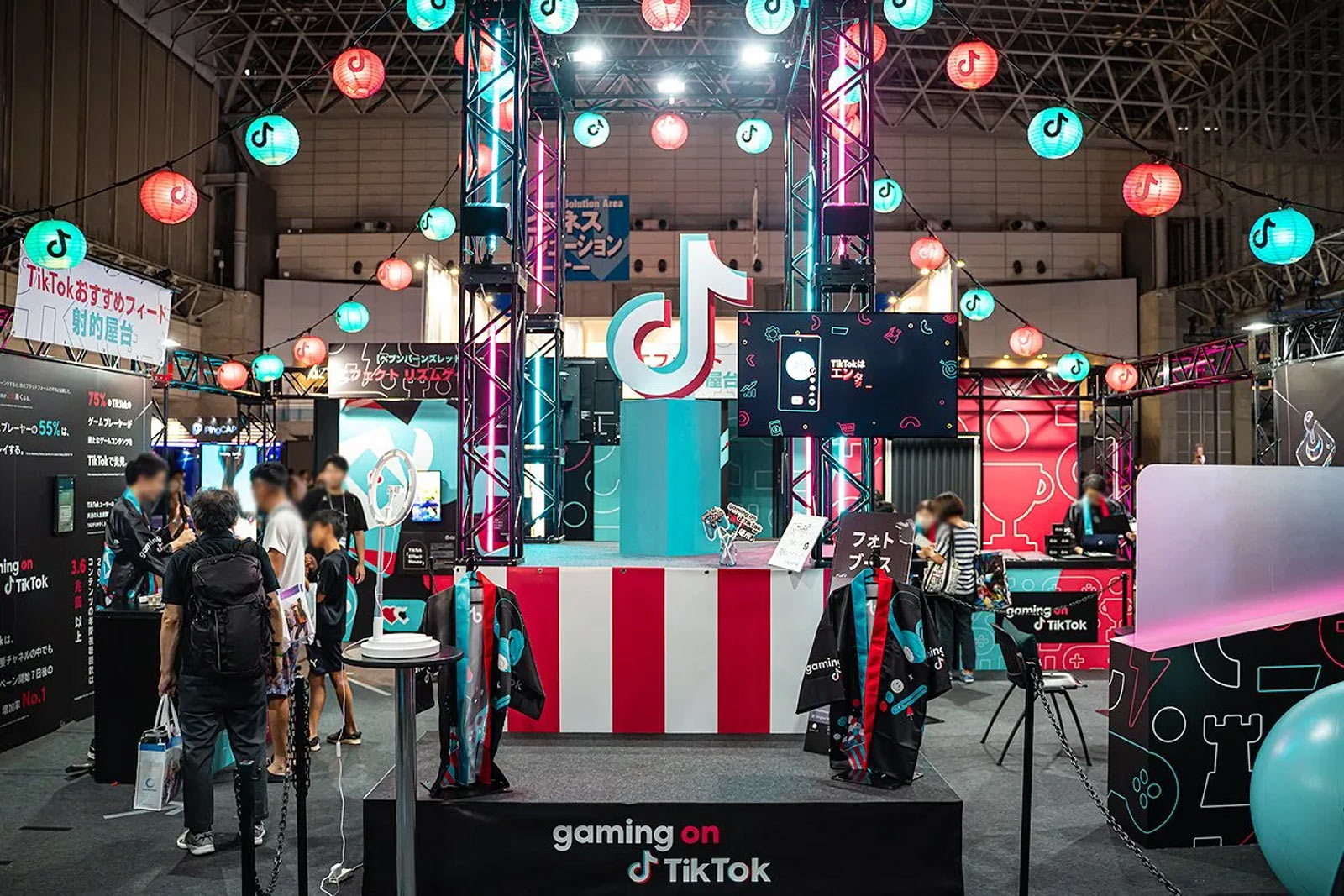
Designing for flow was another key part of the project. TGS draws enormous crowds, and we needed a booth that could welcome people in, guide them through experiences, and leave them with memorable moments. The entrance signage created a natural funnel, leading visitors first to the photo booth, then to the festival games, and finally to the storytelling walls where we displayed data about TikTok’s growing influence in gaming. Each stop was carefully designed as both a visual and interactive beat.
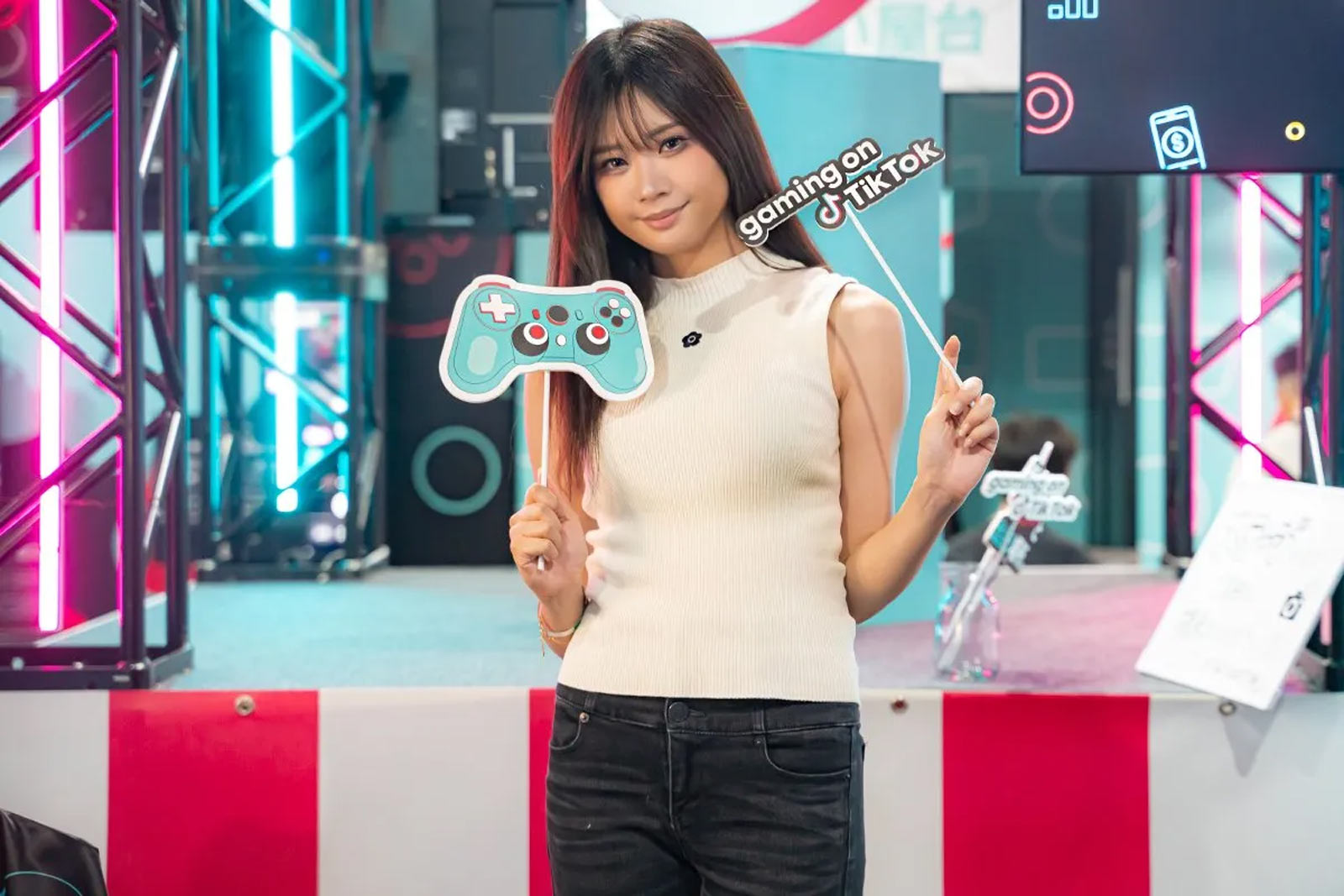
The merchandise elements played a central role in extending the brand experience beyond the booth. The happi coats quickly became one of the most photographed elements. Visitors shared selfies across platforms, turning our booth into a viral backdrop. Even small prizes like the stickers became miniature billboards that left the show floor with attendees. This was exactly the kind of ripple effect we wanted. The Japanese team reminded us that take-home items carry strong cultural value at festivals, and we designed accordingly.
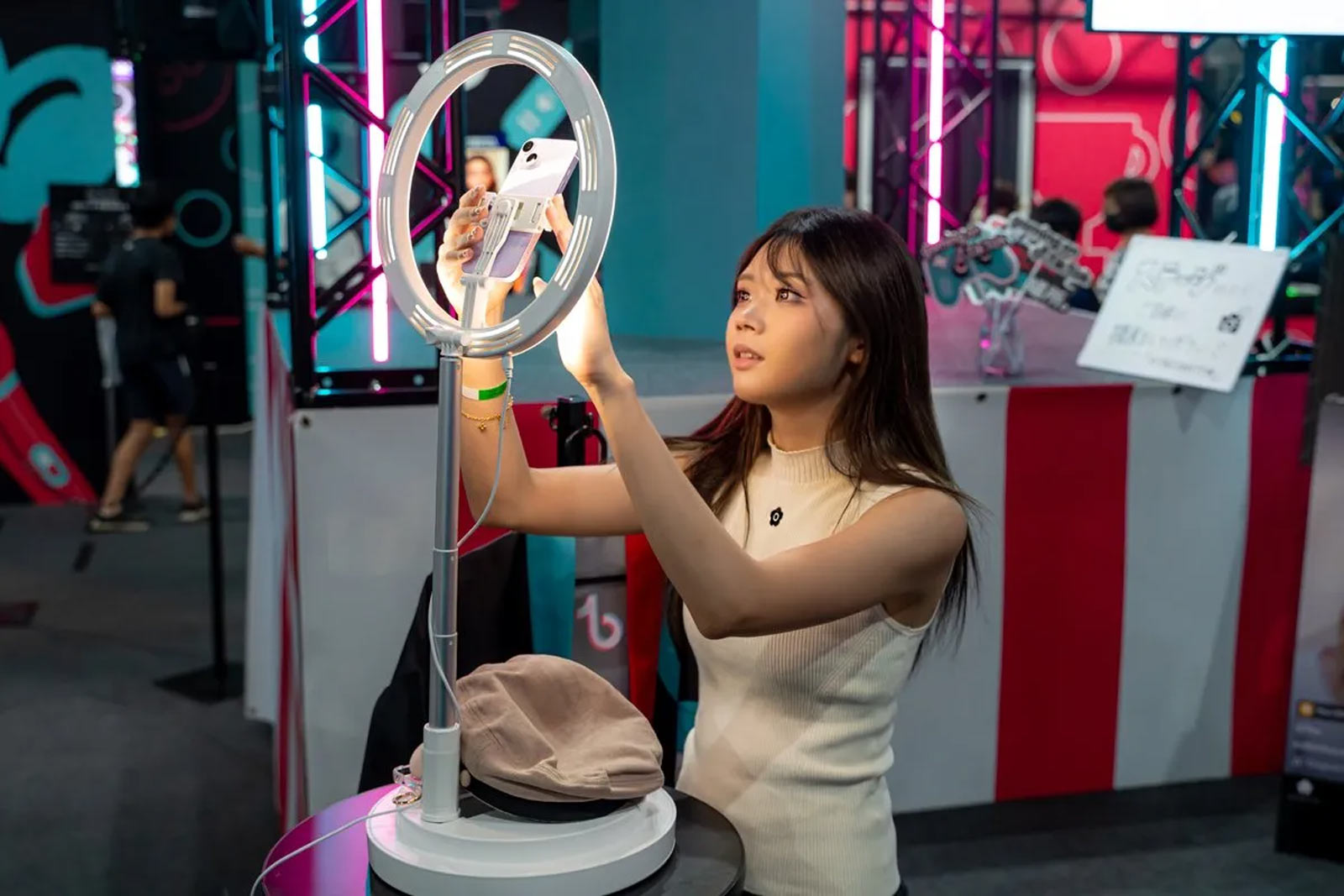
The balance between traditional and modern was the defining achievement of this activation. On one hand, the booth felt like a festival space with lanterns, stalls, and celebratory clothing. On the other hand, it was a high-tech environment with LED screens, neon lighting, and bold digital iconography. This duality reflected TikTok’s role in gaming culture. We are both global and local, playful and professional, digital and physical.
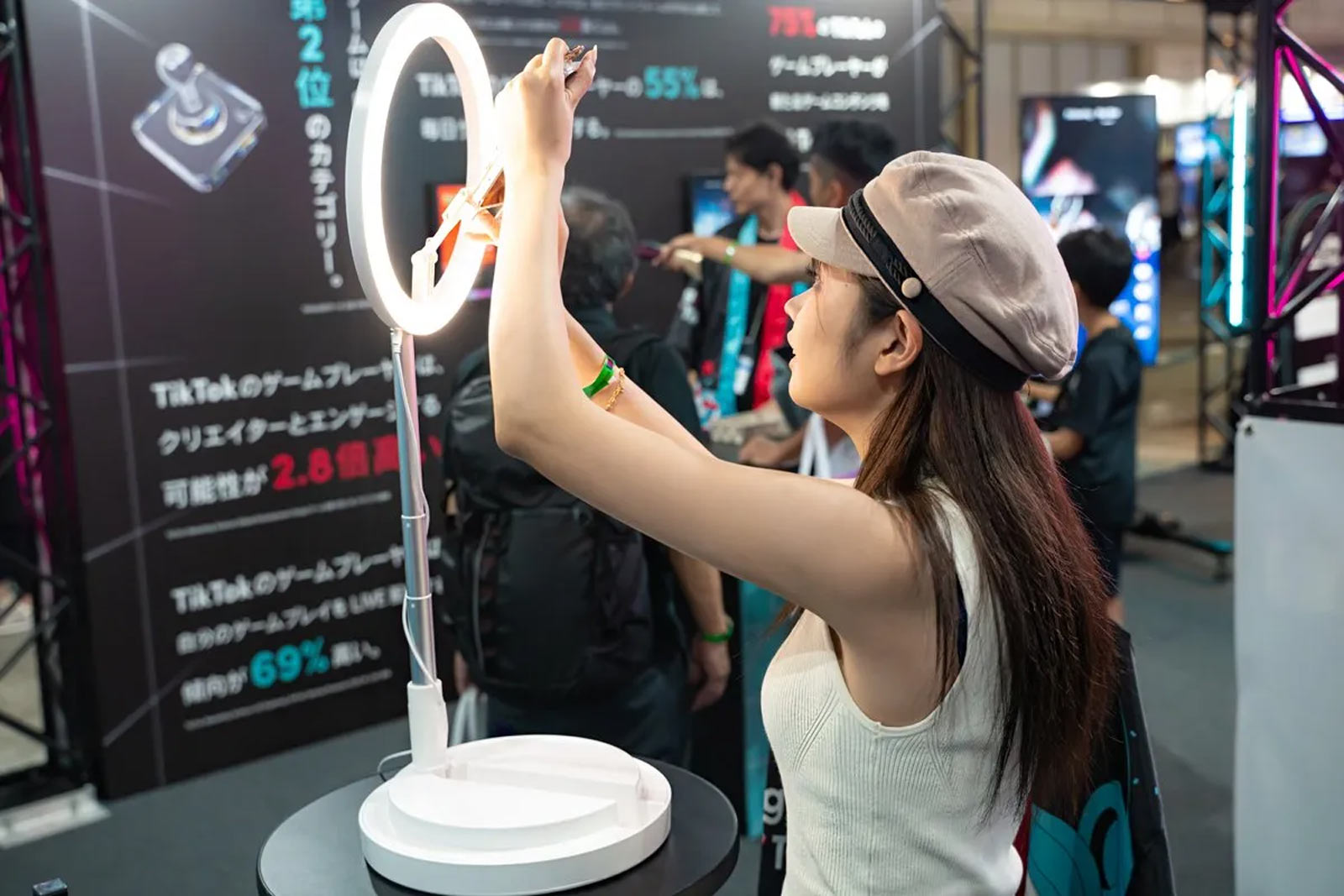
Another layer of success came from the integration of brand storytelling. Large-scale graphics highlighted data points such as TikTok’s percentage of gaming discovery or the engagement rates of mobile gamers on the platform. These statistics reinforced the business case for TikTok as a home for gaming while the surrounding experiences made the message emotionally resonant. I made sure the typography, grids, and iconography carried through across all touchpoints, tying the booth together visually and strategically.
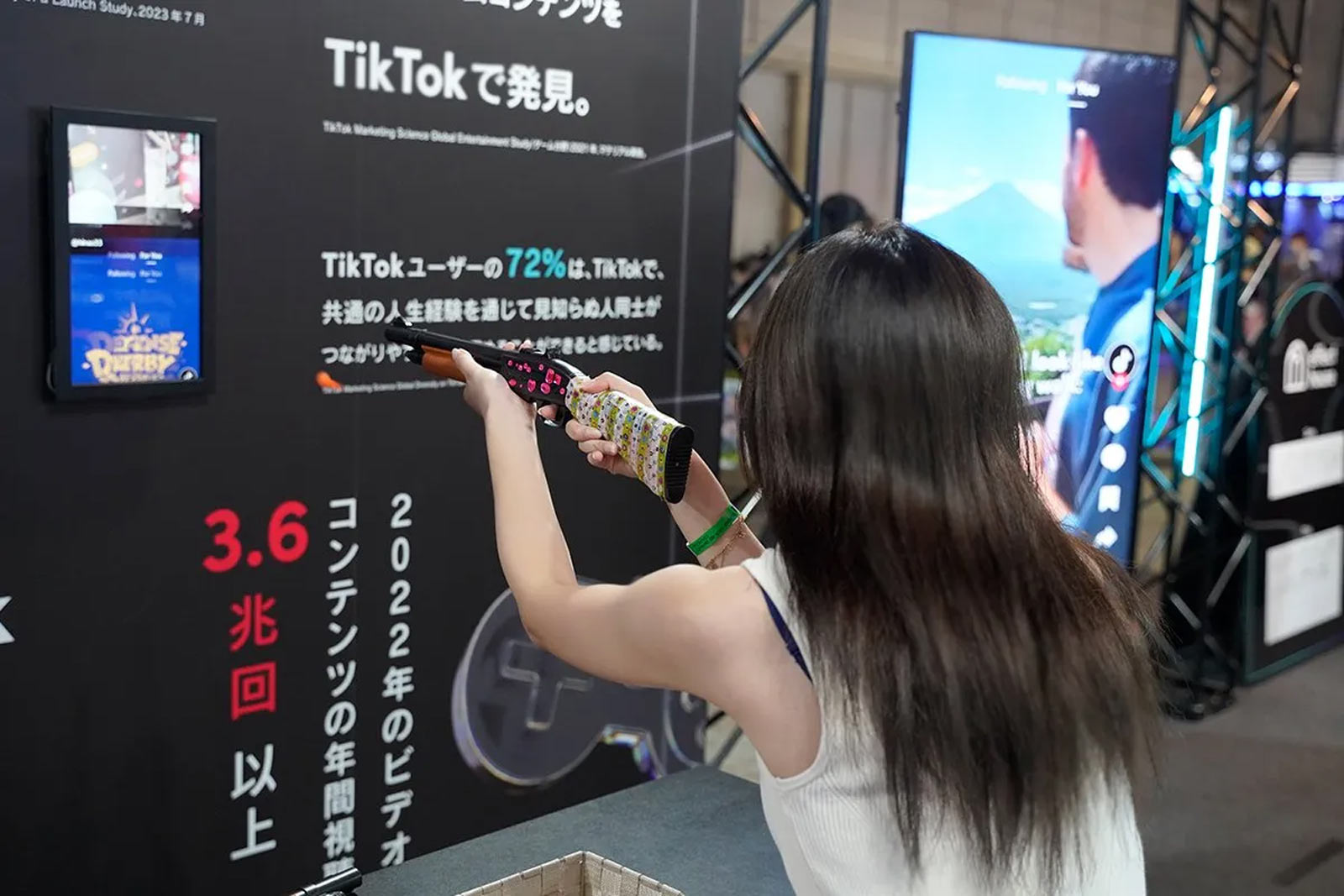
The result was a booth that felt unlike anything else on the floor at TGS2023. Attendees engaged deeply with the experiences, shared their photos, and left with a stronger sense of TikTok’s presence in gaming. Internally, it became a case study in how design can adapt a global brand system to a specific cultural moment. By working hand-in-hand with our Japanese team, we ensured authenticity, while still pushing TikTok’s sleek and modern identity forward. For me personally, this project was a career highlight. It combined my love for gaming with the challenge of design translation across cultures. It proved that brand systems are not static but living frameworks that can flex and adapt to new contexts. Gaming on TikTok at TGS2023 showed that when design, culture, and strategy align, a booth can become more than an installation. It can become a celebration of community, play, and identity.
Balancing TikTok’s signature playfulness with high-end corporate branding, we developed premium event materials, interactive presentations, and visually dynamic keynote designs. Our team meticulously crafted a refined yet immersive aesthetic, ensuring that every element, from the invitation design to the presentation stage, reinforced TikTok’s credibility as a major player in the gaming industry. This summit was instrumental in deepening strategic relationships and solidifying TikTok’s role in gaming innovation.
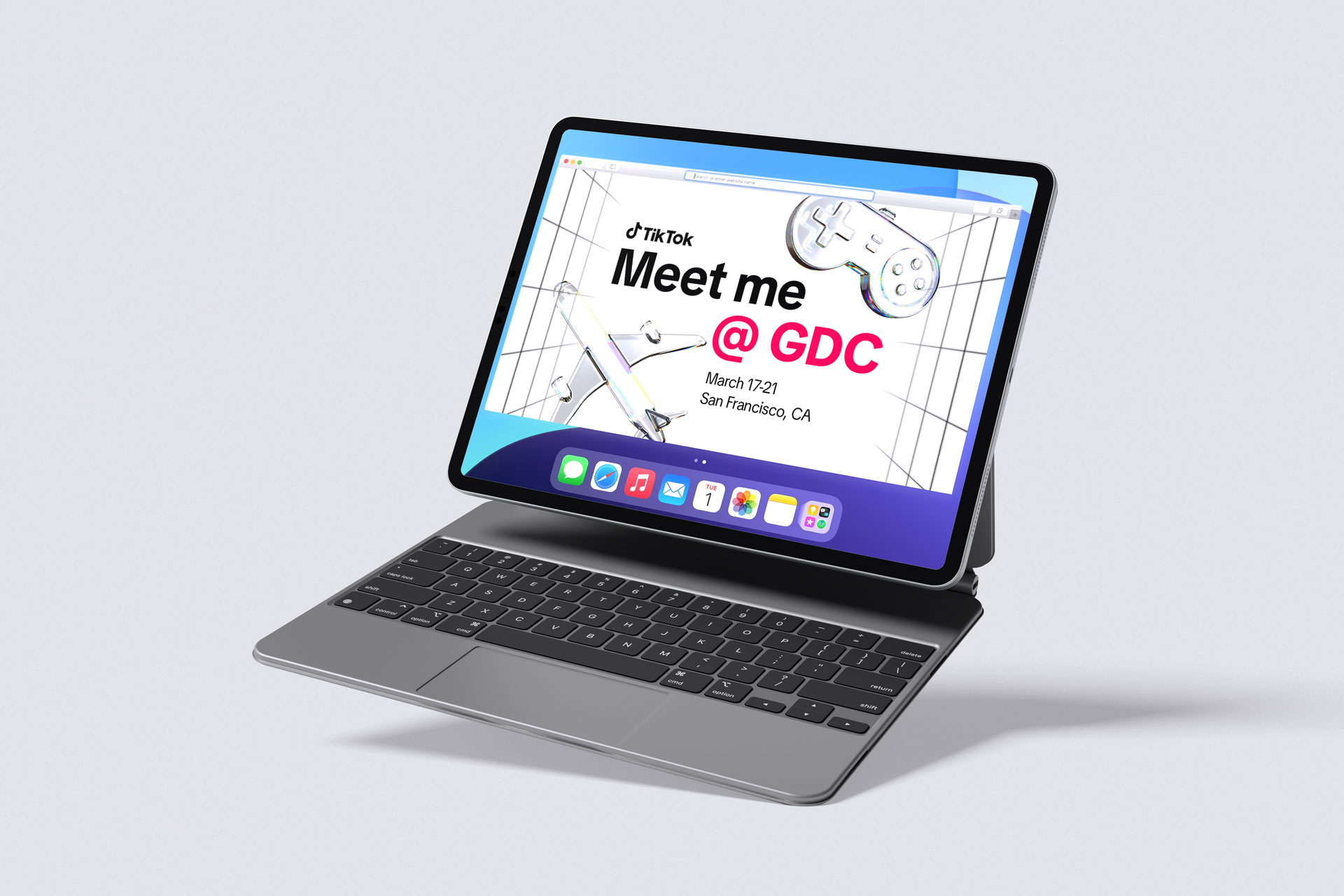
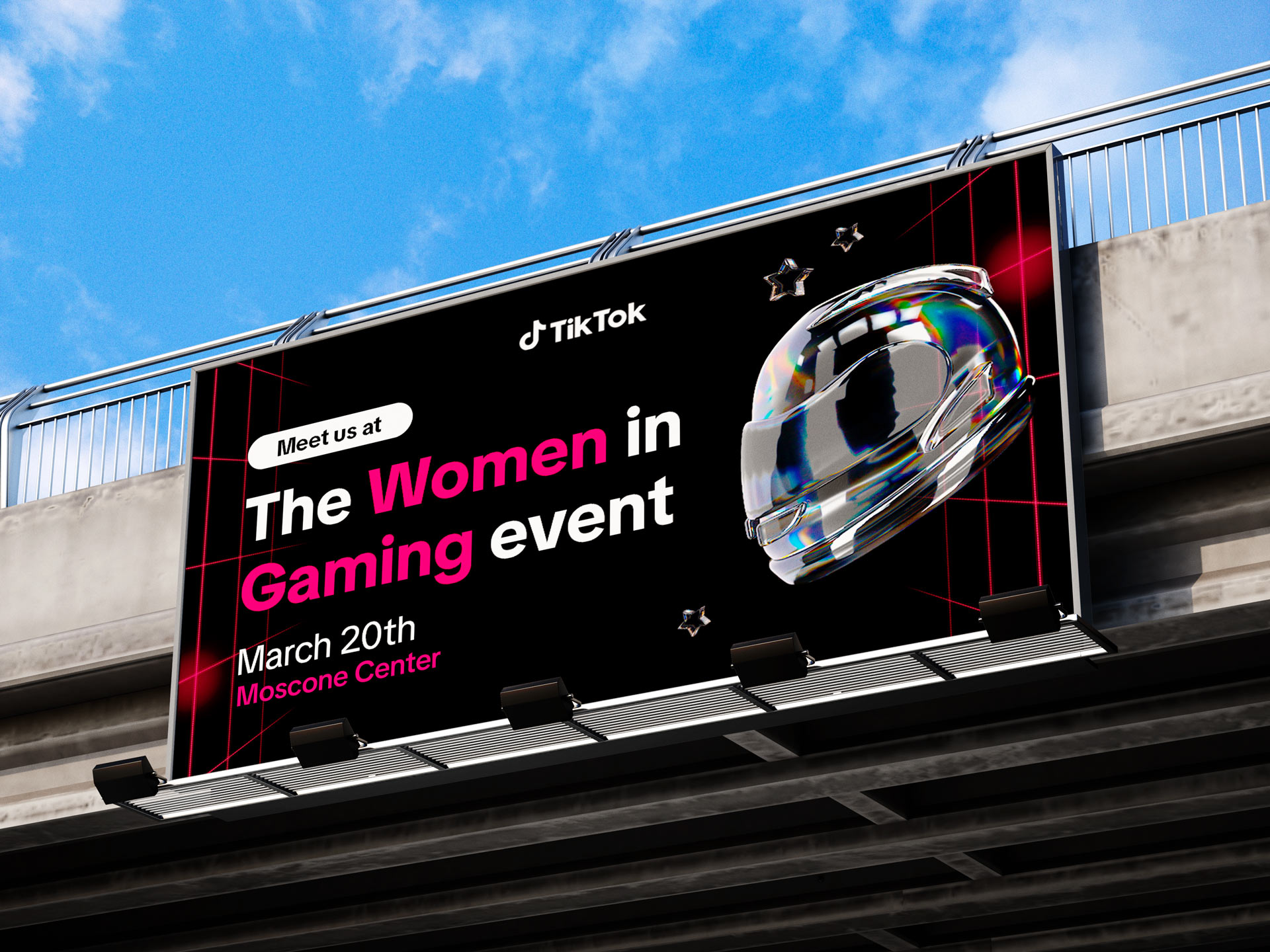
Gaming on TikTok also showed up in full force at the Gaming Developer's Conference (GDC) held from March 18th to 22nd, 2024, at the Moscone Center in San Francisco. With over 32,000 attendees, TikTok's presence at GDC was aimed at solidifying its position as the ultimate destination for gaming culture and impact. TikTok's presence was anchored by its expo booth experience, which served as a hub for educational content sessions, featuring industry experts and thought leaders. Sessions ranged from community engagement strategies to leveraging TikTok Live and Effect House for maximum impact. The booth's stage hosted five compelling mini-sessions covering various aspects of gaming development and marketing on TikTok. I worked closely with Cassandra Lange on our gaming team to bring the trade booth to life.
.jpg)
With GDC serving as a launching pad for TikTok's continued growth in the gaming sector, the stage is set for even greater innovation and collaboration with the industry in the future. As TikTok continues to evolve and expand its presence in the gaming space, its impact is poised to reach new heights, driving innovation and growth across the industry. It is just one of many events like this where I helped provide experiential design guidance and creative direction to make sure our gaming events had an impact. One of my favorite details was the portal to play 360 skybox banner that hung above the activation with our signature gaming pattern peeking out from behind in our classic razzmatazz. The space was filled with neon strip lighting and our signature glass icons, providing ample space for panels throughout the convention. We worked closely with Devin Poissant at Skyline as our production company for this project.
.jpg)
At GDC, TikTok’s Ready Player All panel served as a deep dive into how gaming culture continues to evolve through discovery, creativity, and community on the platform. Led by Assaf Sagy, the session brought together industry leaders, developers, and creators to unpack how TikTok has become a space where games find life beyond launch day. The conversation explored how discovery loops, creator storytelling, and cultural trends are transforming the way players engage with titles long after release. Rather than treating gaming as an isolated vertical, the panel emphasized how TikTok acts as a connective tissue between fandom, storytelling, and commerce, giving developers new ways to build momentum and reach audiences that were previously out of reach. Assaf’s insight into the intersection of culture and technology made the discussion both strategic and human, illustrating how TikTok enables studios to think like creators and market in ways that feel organic to the community.
The Gaming on TikTok initiative is more than just a marketing strategy, it’s a cultural shift. By redefining how games are discovered, shared, and celebrated, TikTok has become a powerhouse in gaming entertainment. Through bold creative execution, data-driven insights, and immersive branding, my team and I have helped shape the future of game marketing, proving that TikTok is not just a platform but a gateway to the next era of gaming culture.
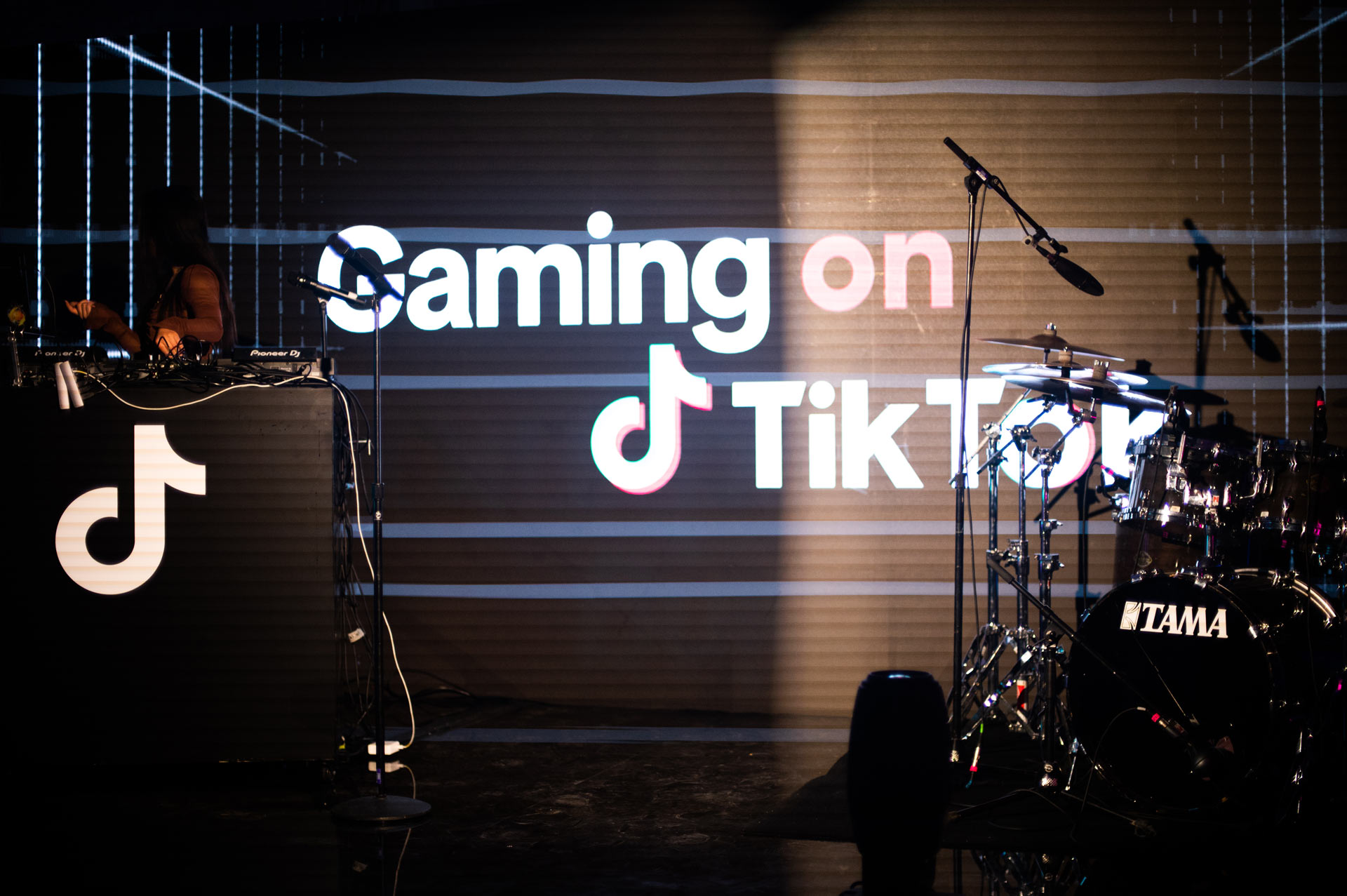
This transformation has unlocked new opportunities for game publishers, enabling them to maximize reach, drive engagement, and cultivate dedicated gaming communities like never before. As TikTok continues to evolve, so does the potential for gaming brands to harness its power and turn their titles into global phenomena.
Key Collaborators: Jason Gomez, Joy Seet, Alex Polozon, Rema Vasan, Raisa Januja, Harris Wheatley, Omer Carmelli, Shani Eichbom, Noam Zada, Asaf Sagy, Khleo Thomas, VBunny, Parris Pierce, Alex Magdalano, Vanessa Rizk, Jake Bulgarino, Kohl Threlkeld, Jamie Young, Jon Bougher, Rich Salamone, Donna Wood, Jonathan Kim, Matt Tanksi, Laura Porat, Beatriz Diogo, Jake Williams, Will Mendoza, Jason Krangel, Colin Yarck, Yohan Yoon, Josh Young
Tools: Adobe Photoshop, Adobe Illustrator, Adobe After Effects, Figma, Final Cut Pro, Cinema 4D, Google Slides
Deliverables: Design Toolkit, Brand Guidelines, Social Templates, Webpage Design, Video Production, Sizzles, Case Studies, Event Collateral