

TikTok World is our annual flagship product showcase, the stage where we reveal the latest ad solutions across branding, creative, search, commerce, and performance, and translate a complex ecosystem into a clear, compelling story for marketers. My remit was to lead the visual direction across every touchpoint, from the keynote narrative and hero films to the product deep dives, motion language, UI walk-throughs, environment design, and the modular design system that powered global rollout. Each year I worked closely with Product Marketing, Sales, and the Global Brand Studio to build a narrative architecture that aligned with our roadmap while giving the audience a coherent way to understand how these tools shape growth. It was essential to hero each product launch with precision and ambition and to speak directly to an audience of industry practitioners who expect depth, data fluency, and creative rigor. We designed systems that scaled across regions and time zones and gave EMEA, APAC, and LATAM the ability to localize confidently without drifting from the core identity. The result was a multi-format, insight driven experience that framed our solutions with real strategic clarity and helped marketers understand not only what TikTok can do but how to activate it across the full funnel in a way that feels grounded, modern, and built for serious performance.


"TikTok is more than an entertainment platform, it's a growth partner unlike any other, where brands can turn attention into action that delivers business results." - David Kaufman, Global Head of Product Operations and Solutions at TikTok
Telling a dense and often highly technical product story in a way that captures attention, drives comprehension, and creates real emotional resonance is one of the hardest challenges in marketing, especially inside a rapidly evolving ecosystem like TikTok where the product suite grows faster than most audiences can keep up with. Product launches often arrive with layers of complexity, from intricate UI logic and measurement capabilities to region specific constraints, API level integration details, and audience behaviors that shift month to month. Most marketers do not have the time or cognitive bandwidth to decode a raw product spec sheet, which means the creative team carries the responsibility of turning complexity into clarity without losing the substance that makes the product valuable. Navigating this tension became a central part of my role. I had to blend strategic storytelling with visual systems thinking to ensure that every motion graphic, every experiential touchpoint, every printed element, and every in room environmental asset worked together to translate dense product information into something that felt intuitive, aspirational, and actionable. The challenge began with truly understanding the product at a foundational level, which meant spending time with product managers, data science partners, research teams, and global marketing stakeholders to interpret the underlying logic of features that were often still being built. Many of these tools required a working knowledge of targeting models, attribution windows, auction mechanics, machine learning optimization, signal ingestion, and cross platform analytics, and my job was to take all of that complexity and find the human story inside it. TikTok World was a product showcase that needed optimized design storytelling at its core. Creative had to be implemented in a way that the audience would resonate with and remember.


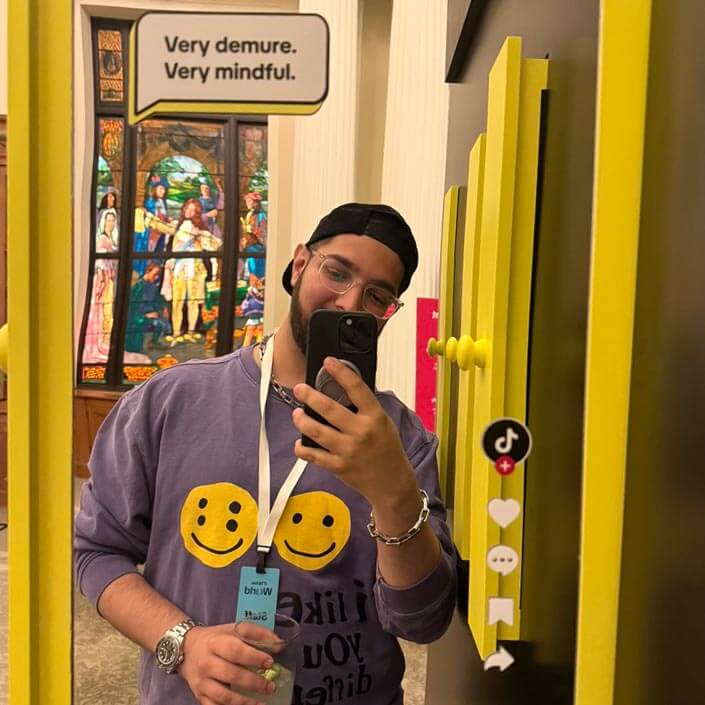
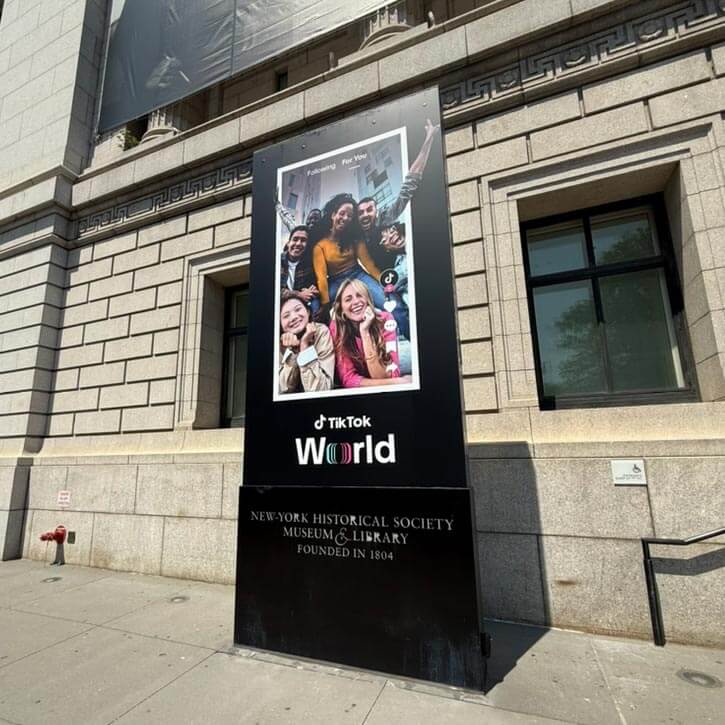
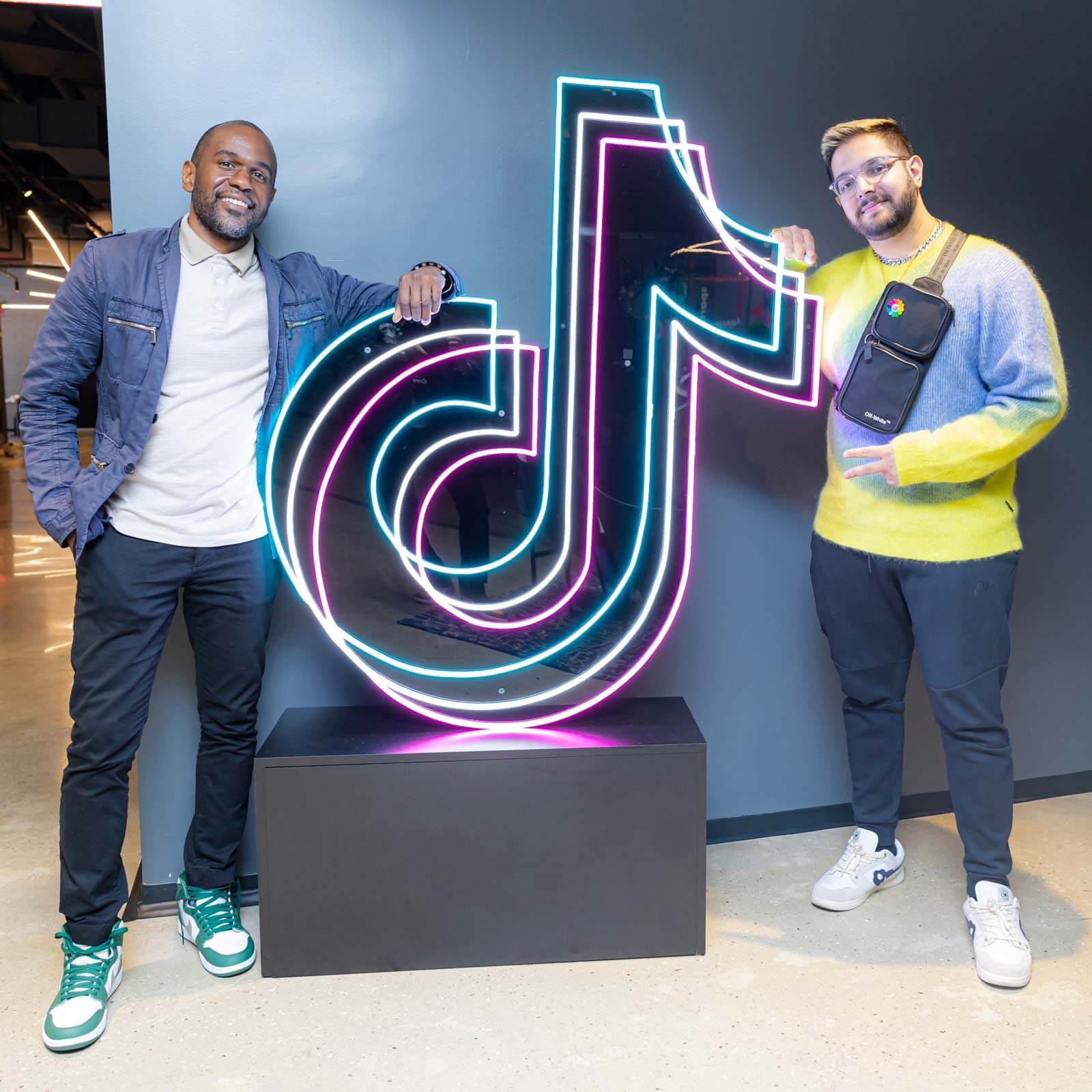
TikTok World is the platform’s global product summit, a flagship event designed to bring together brands, agencies, creators, and industry leaders to explore the future of entertainment, advertising, and community-driven storytelling. At its core, the event functions as both a launchpad and a laboratory. TikTok unveils new ad products, creator tools, measurement frameworks, and commerce solutions while demonstrating how culture is actually formed on the platform. It is less a traditional marketing conference and more a live expression of TikTok’s thesis that entertainment, commerce, and community are no longer separate domains but part of a single, participatory ecosystem.
The need for an event like TikTok World emerged from a fundamental shift in how audiences engage with media. Traditional advertising relied on interruption and scale. TikTok proved that relevance and authenticity outperform both. Brands needed a new playbook. Agencies needed new creative models. Creators needed clearer pathways to collaboration and monetization. TikTok World exists to align these stakeholders around a shared language of culture-first marketing, showing how storytelling, creator partnerships, and community participation drive measurable business outcomes. It reframes advertising as co-creation rather than persuasion.
The attendees reflect this transformation. CMOs, brand strategists, media buyers, and creative directors sit alongside independent creators, production studios, commerce partners, and platform engineers. Entertainment companies explore new release strategies. Retailers examine social commerce integrations. Gaming studios test direct download pathways. Film distributors evaluate native ticketing experiences. For many, the event is less about learning TikTok and more about understanding the new rules of attention, where discovery is algorithmic, trust is peer-driven, and culture moves faster than traditional campaign cycles can accommodate.
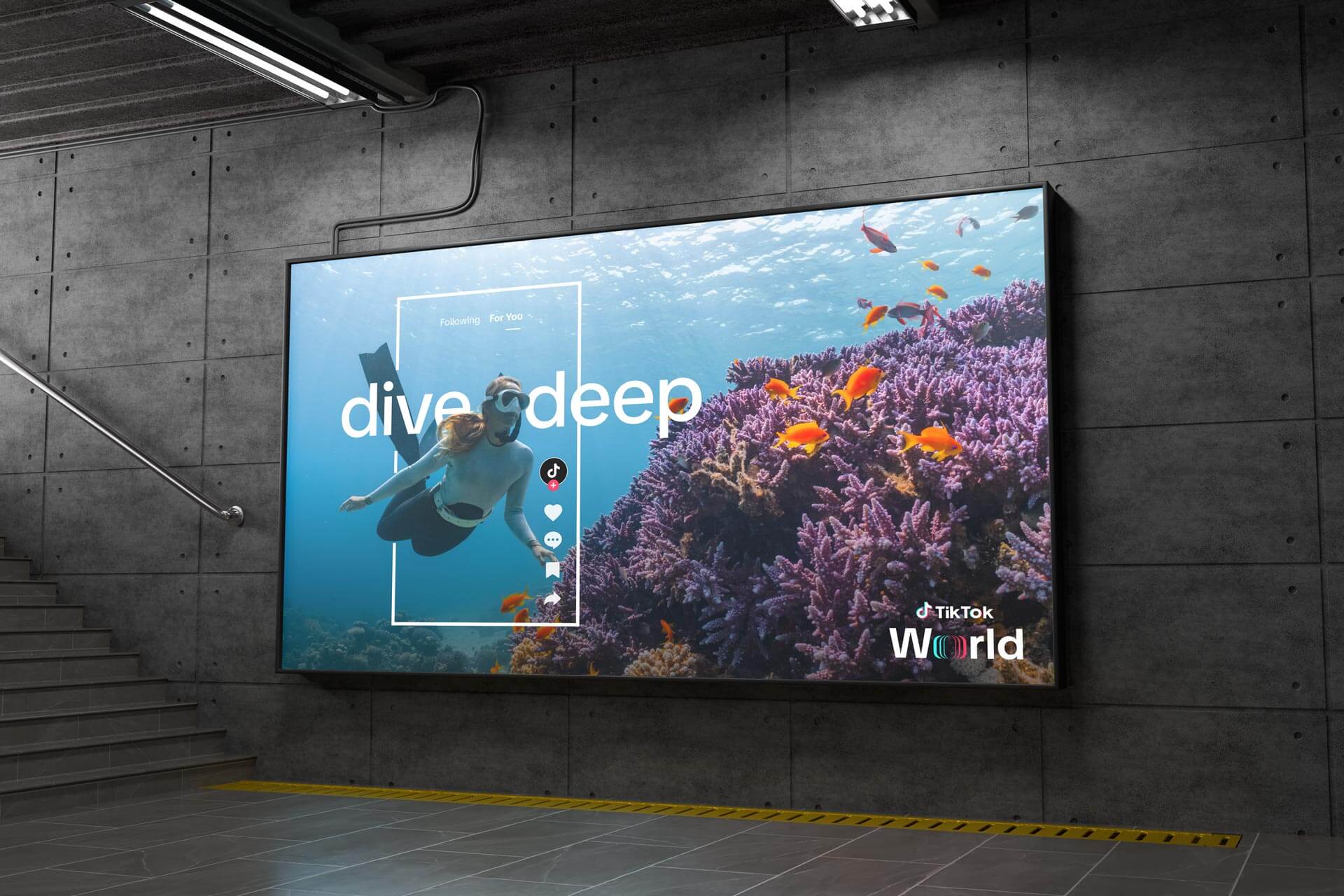
What does not show up in decks is the pace and ambiguity at which these decisions get made. Product narratives shift late, stakeholders have competing priorities, and timelines compress in ways that force instinct to take over where process cannot keep up. In those moments, my role was to hold the line on what mattered, protecting the integrity of the story while still moving the work forward. That meant making calls without perfect information and absorbing the risk that comes with it. It also meant knowing when to push back and when to align, which is a subtle but critical leadership skill in environments like this. The final output only works because thousands of micro-decisions were made quickly and with conviction. That is the invisible layer of creative direction that rarely gets documented but defines the outcome.

At a certain point, the work stopped being about making individual moments look good and started becoming about designing a system that could think. Every decision, from typography to motion timing to spatial flow, had to ladder back to a singular idea: reduce friction between understanding and action. We were not designing an event, we were designing a translation layer between product complexity and human intuition. That required restraint as much as expression, knowing when to simplify, when to dramatize, and when to get out of the way entirely. The strongest creative choices were often the ones that removed noise rather than added spectacle. Over time, this discipline became the differentiator, turning TikTok World into something that felt clear even at its most ambitious. That clarity is what ultimately drives trust, and trust is what converts.

Across multiple years, the challenge was not to reinvent TikTok World, but to evolve it without losing its core identity. Each iteration had to feel like a continuation of a story rather than a reset, building equity while introducing new signals of progress. We treated each year as a chapter, refining what worked, retiring what didn’t, and layering in new capabilities as the platform matured. Early years leaned into cultural validation and excitement, while later years emphasized performance, infrastructure, and measurable impact. This progression mirrored TikTok’s own journey from disruptor to essential platform. Maintaining that alignment required a long-term view of the work, resisting the temptation to chase novelty for its own sake. The result was a body of work that compounds rather than fragments over time.

Ultimately, TikTok World signals a broader industry evolution. It positions TikTok not merely as a social platform but as infrastructure for modern influence, where creativity is the primary growth engine and community is the new distribution channel. By convening the ecosystem in one place, the event accelerates adoption of new tools, encourages experimentation, and helps brands move from observational participation to active cultural contribution. In an era where relevance is earned in real time, TikTok World serves as both a compass and a catalyst for how the next generation of entertainment and advertising will be built.
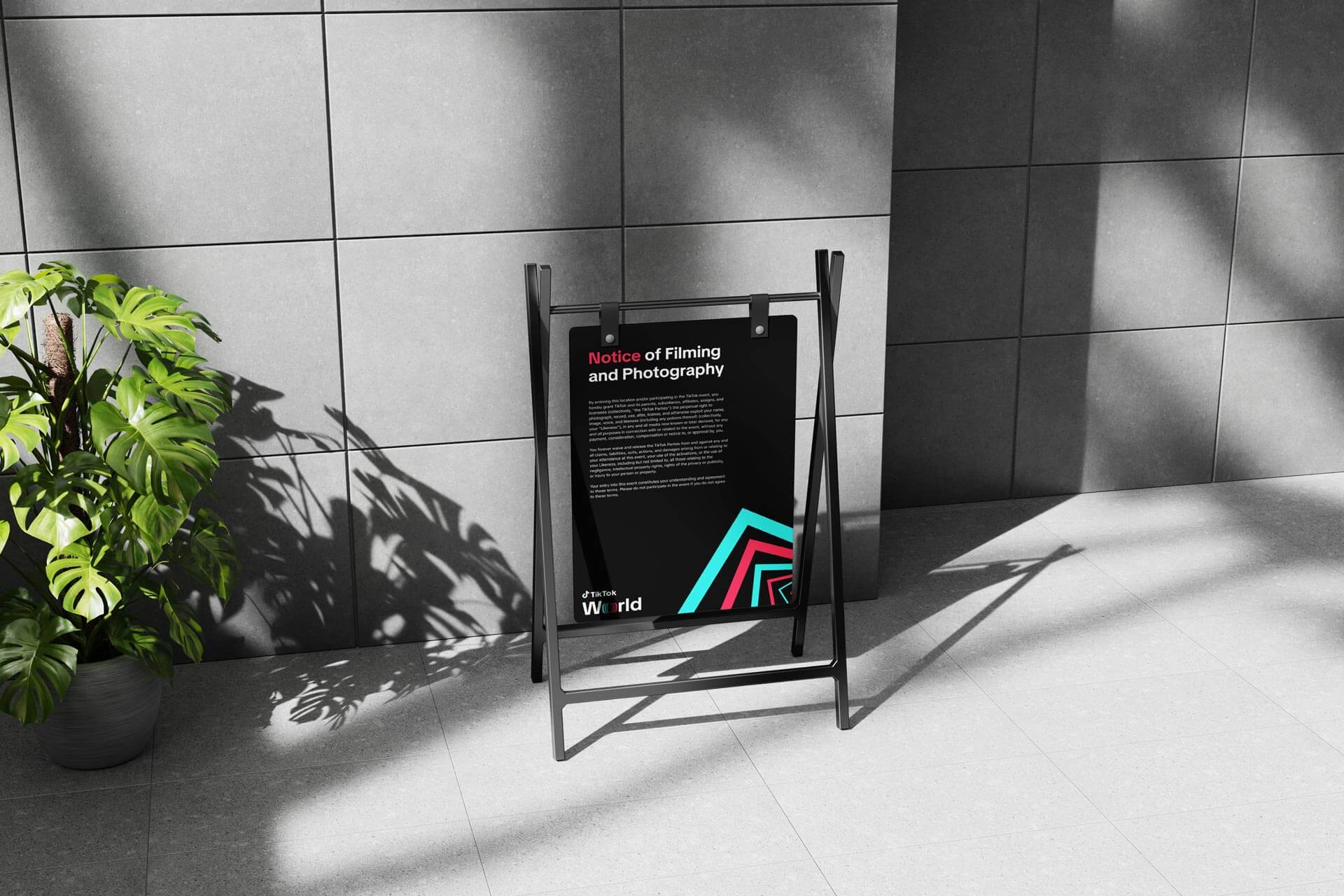
Large technology companies have long used flagship events as strategic stages to frame their vision, control their narrative, and unveil the future on their own terms. Apple turned keynote presentations into cultural rituals, where product launches feel closer to premieres than press briefings. Microsoft’s developer conferences established roadmaps that shaped entire software ecosystems. Facebook’s F8 created a forum to redefine social infrastructure and platform partnerships. These gatherings are not merely announcements. They are instruments of positioning, moments where companies signal priorities, rally partners, and set the tempo for the industries orbiting them.
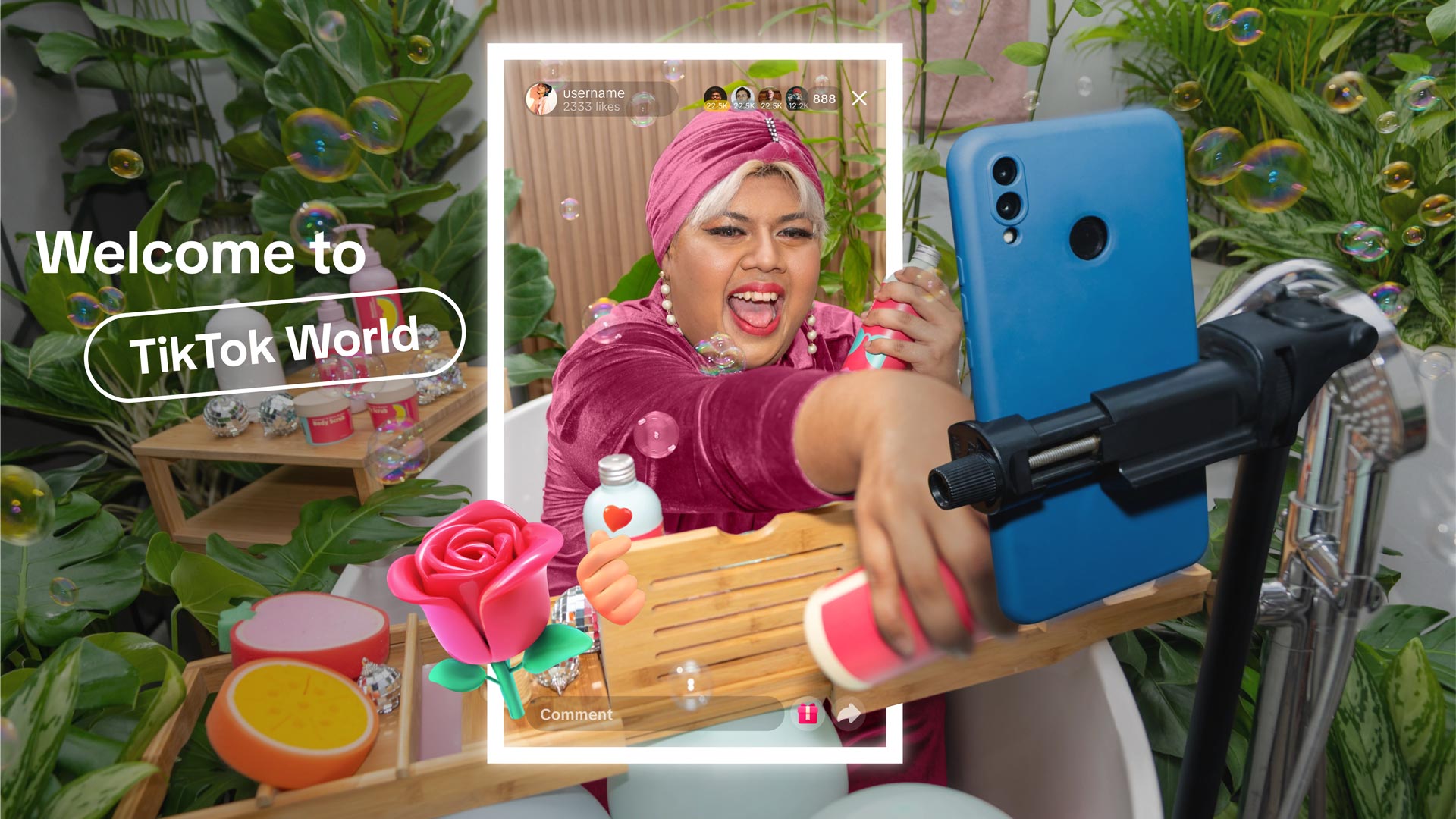
Historically, these events emerged from a need to consolidate influence. Apple needed a way to demonstrate the harmony between hardware, software, and services which led to WWDC. Microsoft required a developer-first stage to ensure adoption across enterprise and consumer markets. Facebook built F8 to cultivate a platform economy of apps, advertisers, and creators. Each event became a strategic lever, aligning stakeholders around a shared future while reinforcing the company’s role as the central node in that ecosystem. The format evolved into a hybrid of product reveal, thought leadership summit, and cultural spectacle.
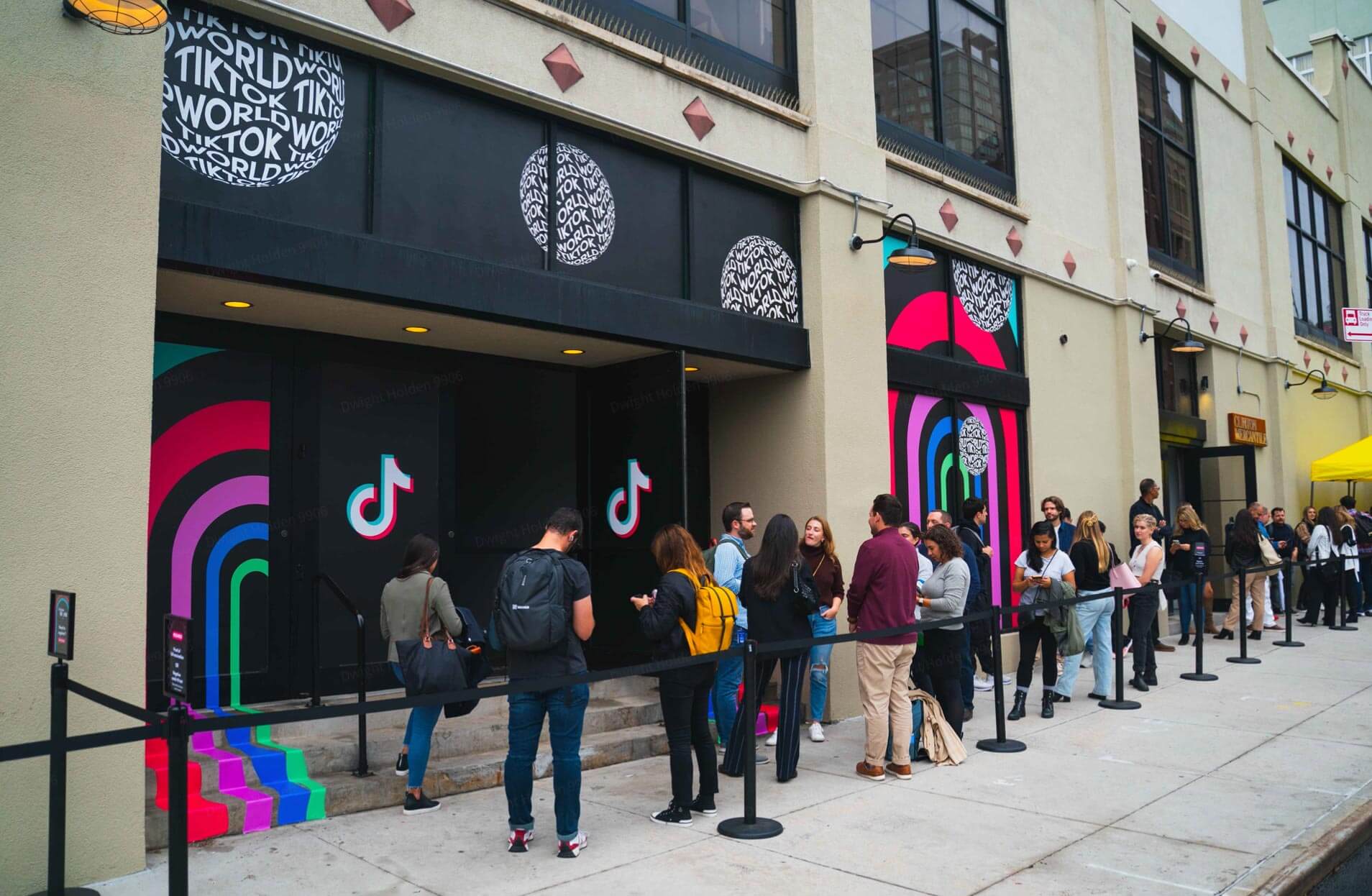
TikTok World sits squarely in this lineage but reflects a new media paradigm. Where earlier tech summits focused on operating systems, devices, or developer tools, TikTok’s focus is culture as infrastructure. Its announcements center on creator marketplaces, ad formats that reward attention rather than impressions, commerce integrations, and tools that collapse the distance between discovery and purchase. The event reframes product not as software alone but as a set of behaviors and interactions that shape how communities form, create, and transact in real time.
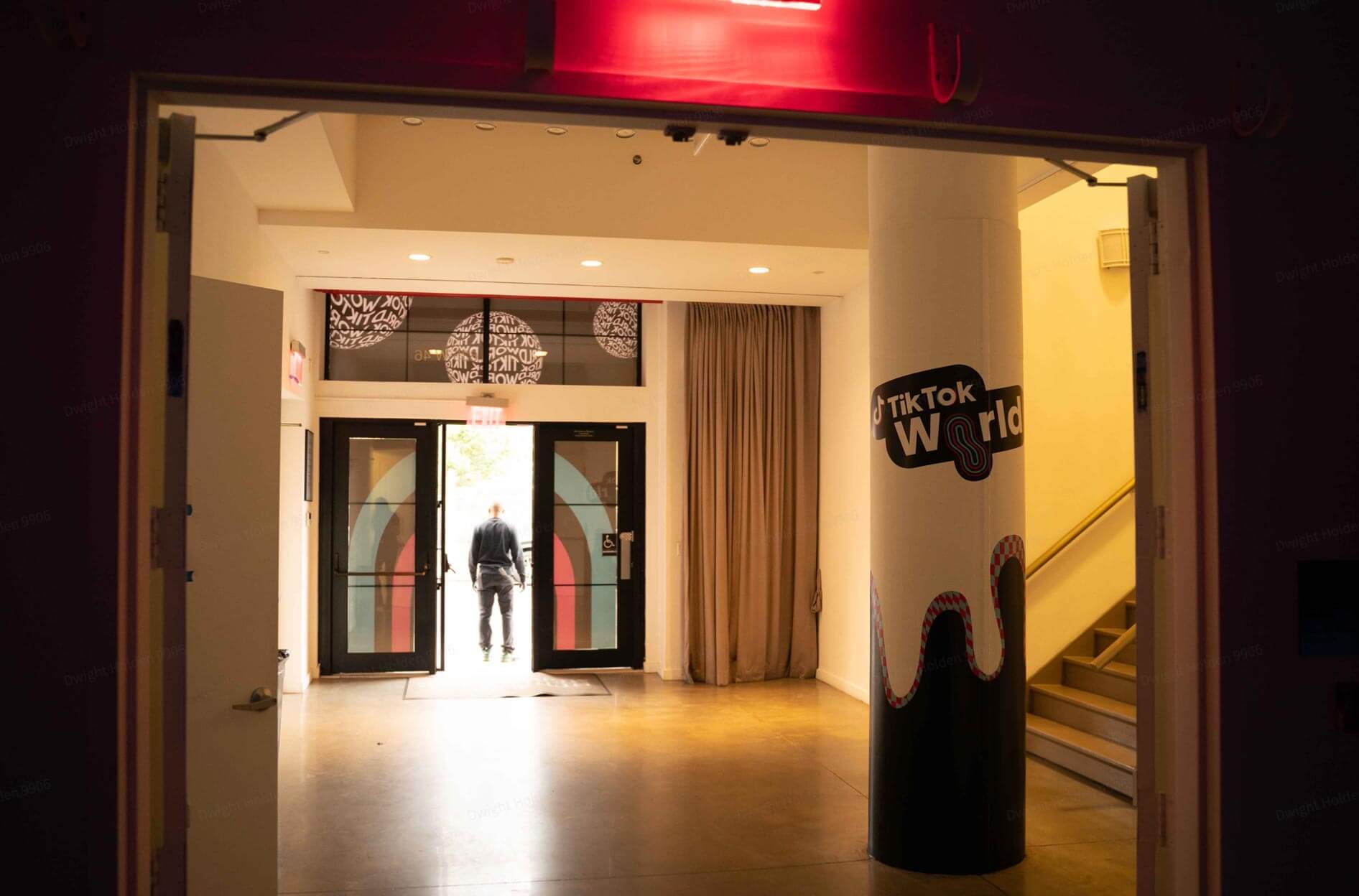
Crucially, TikTok World was designed to exist outside legacy industry circuits such as NewFronts, Cannes Lions, or VidCon. Those stages come with inherited expectations and shared attention. By building an owned tentpole moment, TikTok ensured that the spotlight remained fixed on its ecosystem, its data, and its vision. The company could tell a cohesive story rather than competing for airtime within broader industry agendas. This autonomy allowed for deeper product storytelling, clearer positioning, and a stronger signal to the market about where the platform intended to lead.

At its core, TikTok World 2022 reframed creativity as a performance lever. Platform research presented during the summit emphasized that creator authenticity and native storytelling significantly outperform traditional brand-first advertising, driving higher watch time, recall, and purchase intent. This insight informed updates to the TikTok Creator Marketplace, including enhanced discovery tools, automated creator matching, and performance analytics designed to streamline collaboration at scale. By operationalizing creator partnerships through data-backed tooling, TikTok lowered friction between brands and creators while reinforcing the platform’s thesis that cultural fluency, not production polish, is the primary driver of engagement.
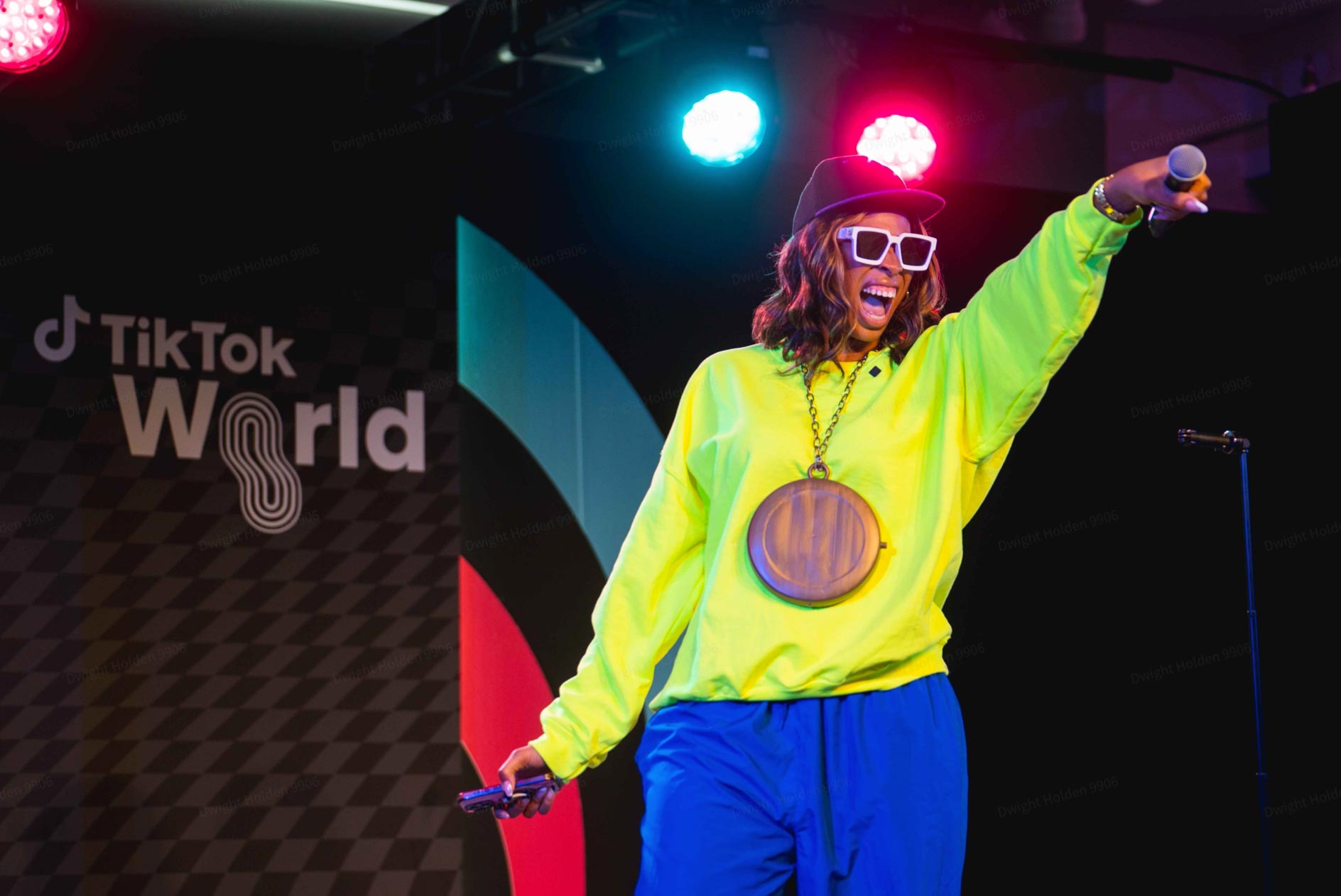
TikTok World 2022 functioned as a global product and ecosystem summit designed to formalize TikTok’s position as a full-funnel marketing platform rather than a top-of-funnel entertainment channel. The event brought together brand marketers, media buyers, creative strategists, and platform partners to preview a suite of advertising solutions built around attention, authenticity, and performance. Framed as a forward-looking blueprint for the future of entertainment and commerce, the summit articulated how TikTok’s community-driven content model translates into measurable business outcomes, positioning the platform as both a cultural engine and a revenue driver for brands operating in an increasingly fragmented media landscape.

A major product highlight was the evolution of campaign objectives toward attention-based metrics, most notably the introduction of Focused View. This model allowed advertisers to pay only when users demonstrated meaningful engagement, such as watching a video for a defined duration or interacting within the first seconds. In an environment where viewability and ad fraud remain persistent concerns across digital media, Focused View signaled a shift toward outcome-based buying tied to real user intent. For performance marketers, this represented a more efficient allocation of spend, while for brand marketers it provided a clearer proxy for resonance in a sound-on, full-screen environment. A new standard moving forward.
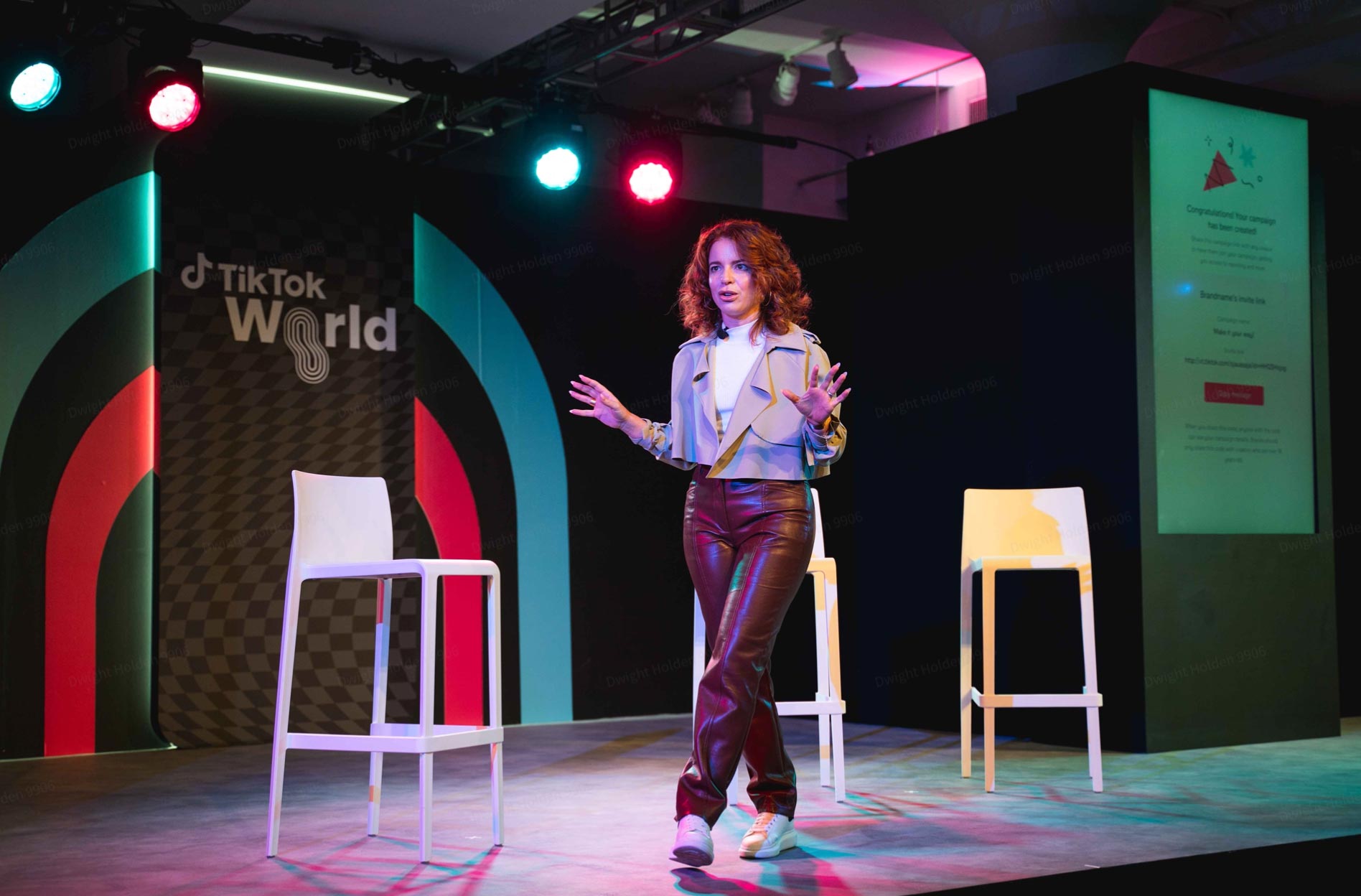
TikTok World 2022 also expanded the platform’s commerce infrastructure, positioning TikTok as a discovery-to-purchase engine rather than a passive awareness channel. Shopping Ads introduced integrated catalog solutions, enabling brands to deploy Video Shopping Ads, Catalog Listing Ads, and LIVE Shopping formats that bridge inspiration and transaction without forcing users to exit the platform. This closed-loop approach aligned with broader industry trends toward social commerce while leveraging TikTok’s unique strength in trend acceleration, where products can move from obscurity to viral demand within hours.
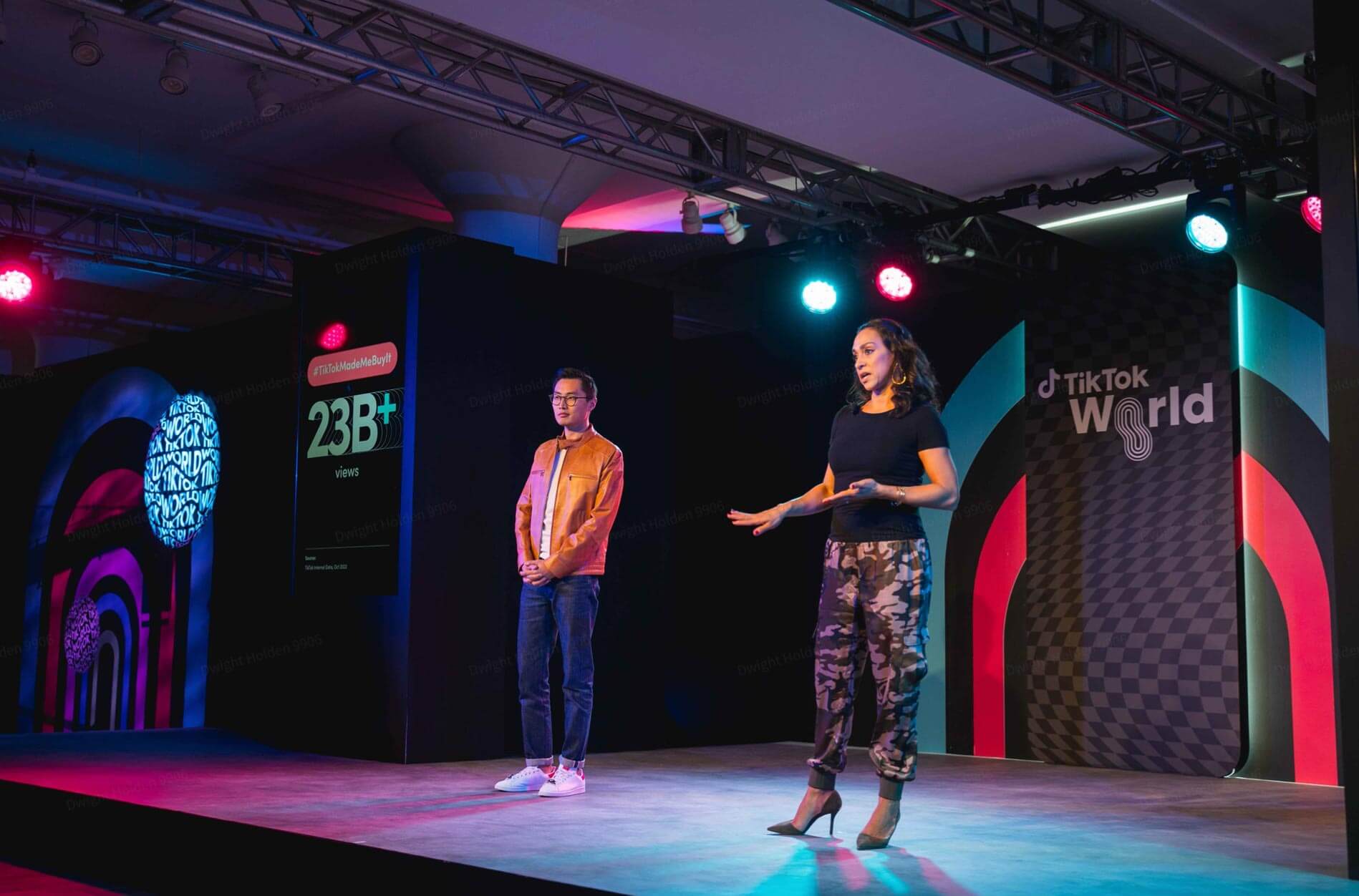
From a creative systems perspective, TikTok World emphasized modularity and adaptability. The platform’s ad formats and creative tools were presented as interoperable components within a broader content ecosystem, enabling brands to iterate rapidly, test variations, and scale winning concepts across regions. This approach mirrored agile product development methodologies, applying them to creative production workflows. By equipping marketers with templates, analytics, and optimization tools, TikTok positioned itself as both a media platform and a creative operating system capable of supporting continuous experimentation.
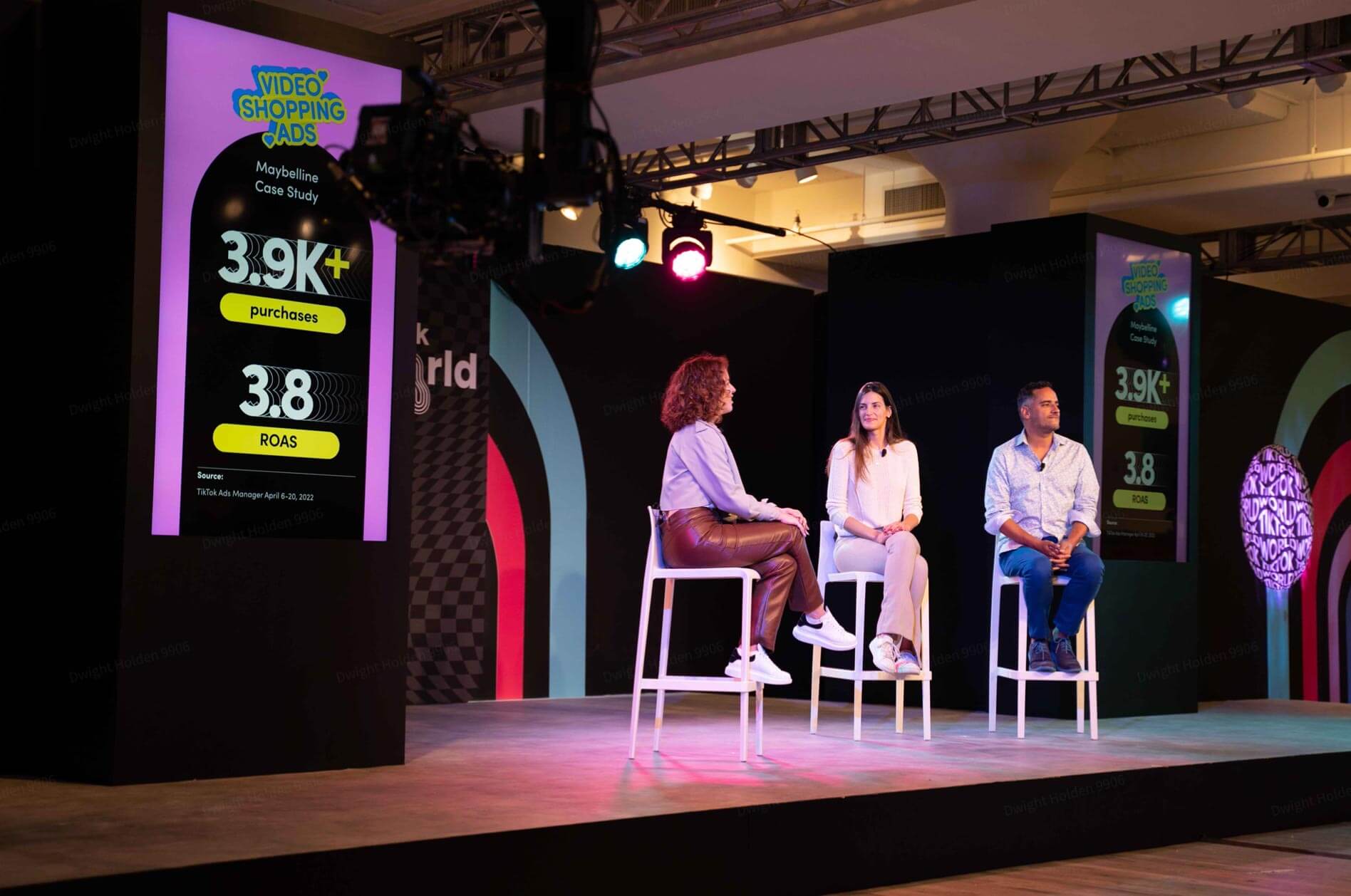
The event underscored the importance of communities over demographics, reframing audience segmentation around shared interests, behaviors, and cultural participation. TikTok presented data demonstrating that users discover products, entertainment, and trends through community signals rather than traditional targeting categories. This insight informed new measurement frameworks and creative best practices, encouraging brands to design content that participates in conversations rather than interrupts them. For strategists, this represented a paradigm shift from audience targeting to cultural alignment as the primary driver of campaign effectiveness.
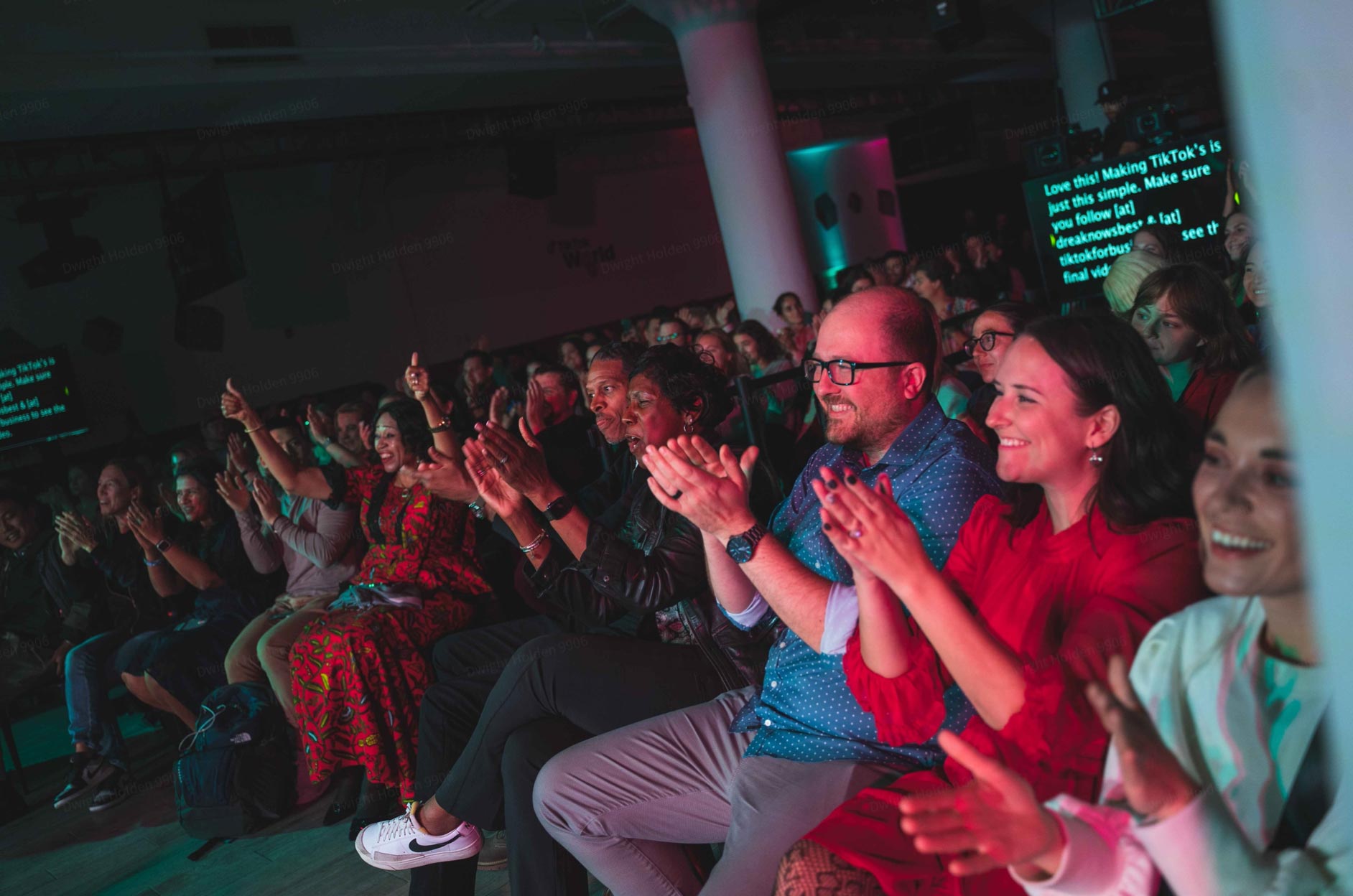
Importantly, TikTok World 2022 reinforced the platform’s role in redefining entertainment marketing. The introduction of Showtimes on TikTok demonstrated how native integrations can drive offline outcomes, allowing studios to convert trailer views into ticket purchases through location-based showtime listings. This functionality illustrated TikTok’s ability to collapse the path from discovery to action, a capability increasingly valued by advertisers seeking measurable ROI in a privacy-constrained digital environment. A turning point for the brand, where clarity of vision translated into confidence across every touchpoint and execution.
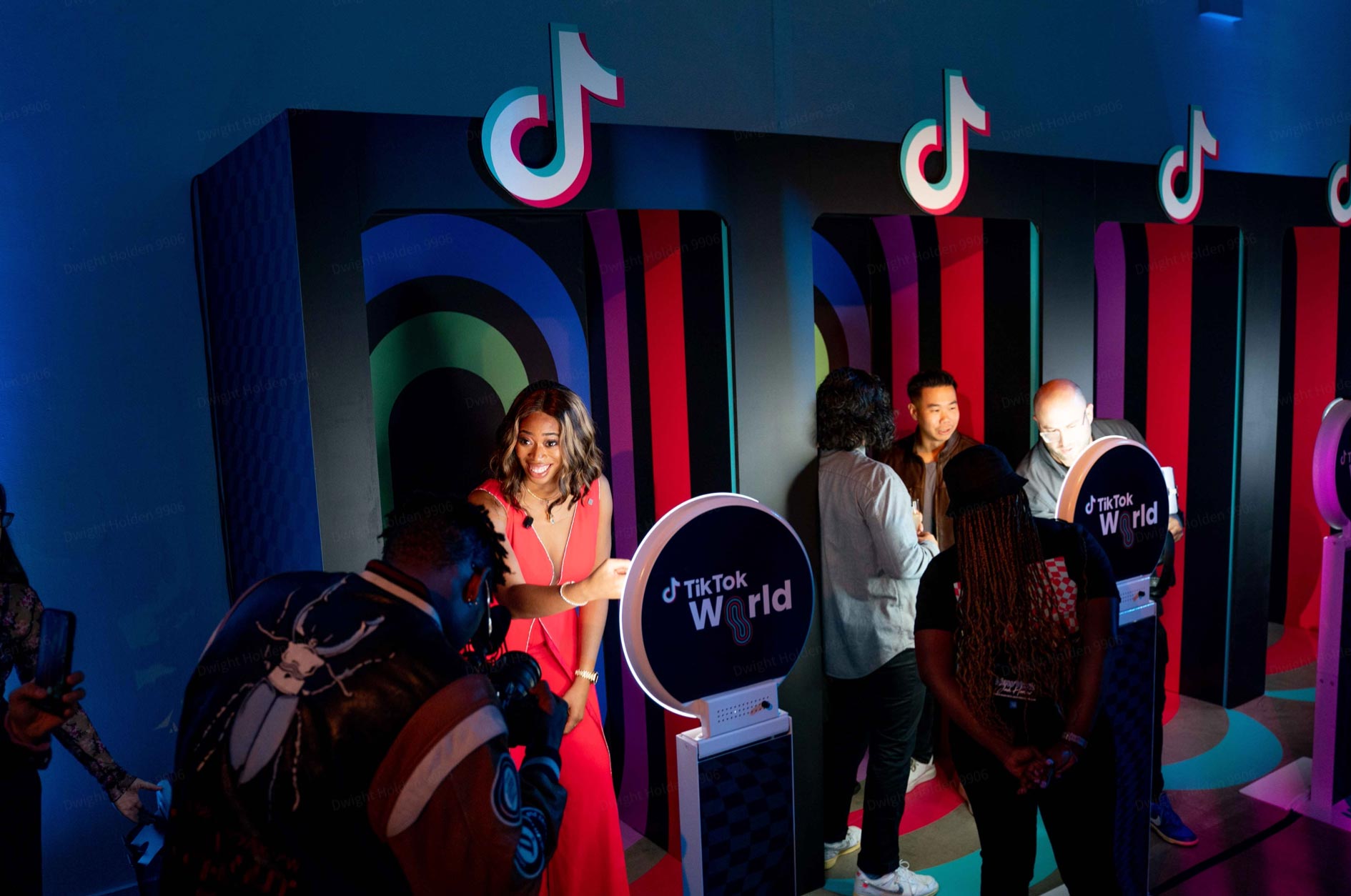
Equally impactful were the photobooth environments, which we designed as content studios rather than simple backdrops. Equipped with dynamic lighting, motion triggers, and modular set pieces, the booths enabled attendees to create platform-native content on the spot, mirroring the tools available to creators worldwide. By the time guests left, they had not only attended a summit but actively contributed to its narrative through their own posts and videos. That participatory loop was the ultimate measure of success. We didn’t just build an event people remembered. We built an experience they helped author, one that reflected TikTok’s core truth that culture is created together, in real time.
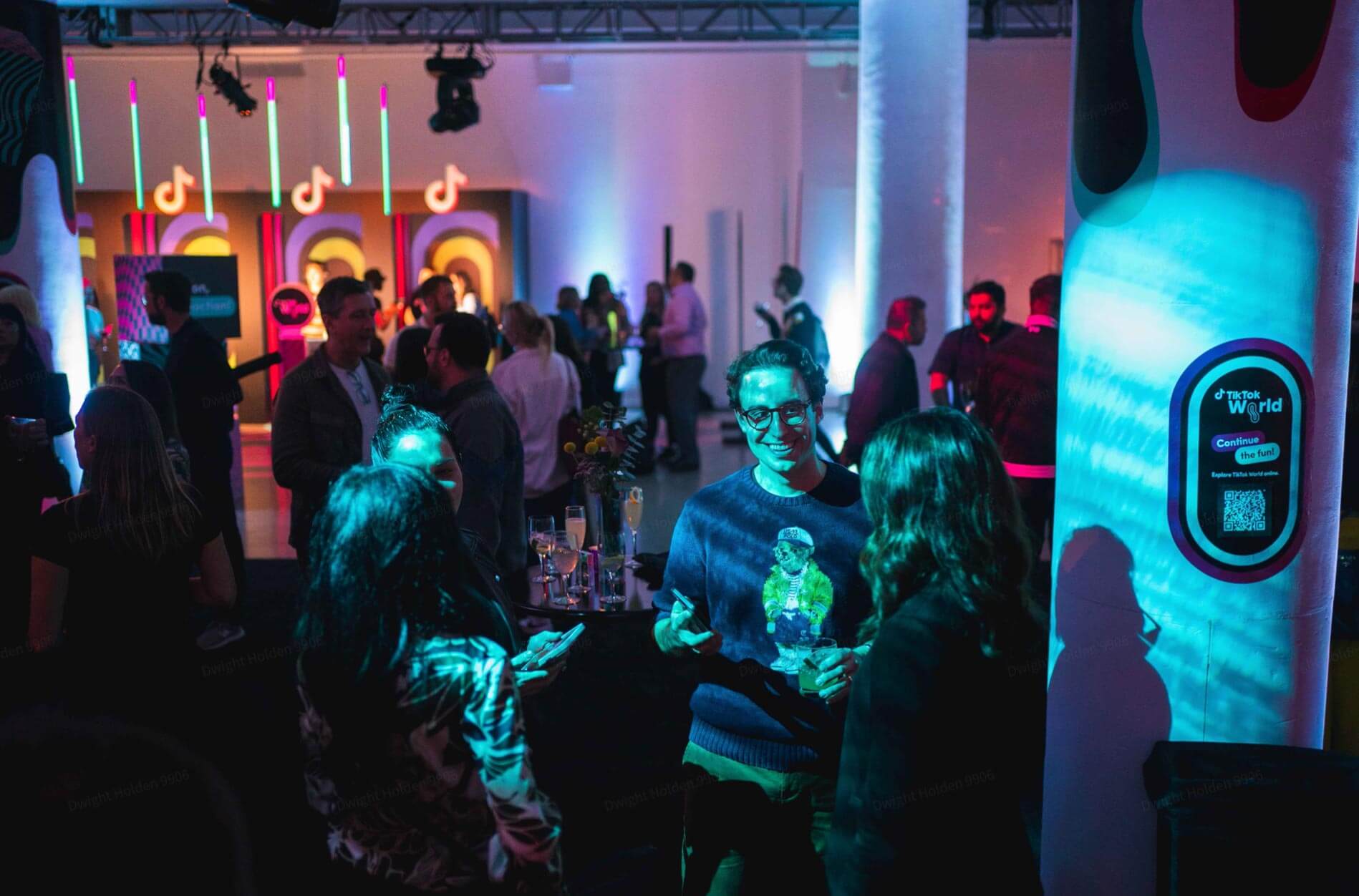
Working alongside Lizzy Pettigrew on TikTok World was one of those rare moments where brand, product, and experience design truly moved in lockstep. Our mandate was not simply to stage a conference but to translate TikTok’s creative ethos into a physical environment that felt as participatory and dynamic as the platform itself. Lizzy and I partnered closely to define the art direction and experiential framework, establishing a visual language that balanced polish with play. We wanted attendees to feel the same sense of discovery they experience when scrolling the For You feed, where each turn reveals something unexpected yet culturally fluent. That meant designing an environment that encouraged movement, interaction, and moments of delight rather than passive observation.
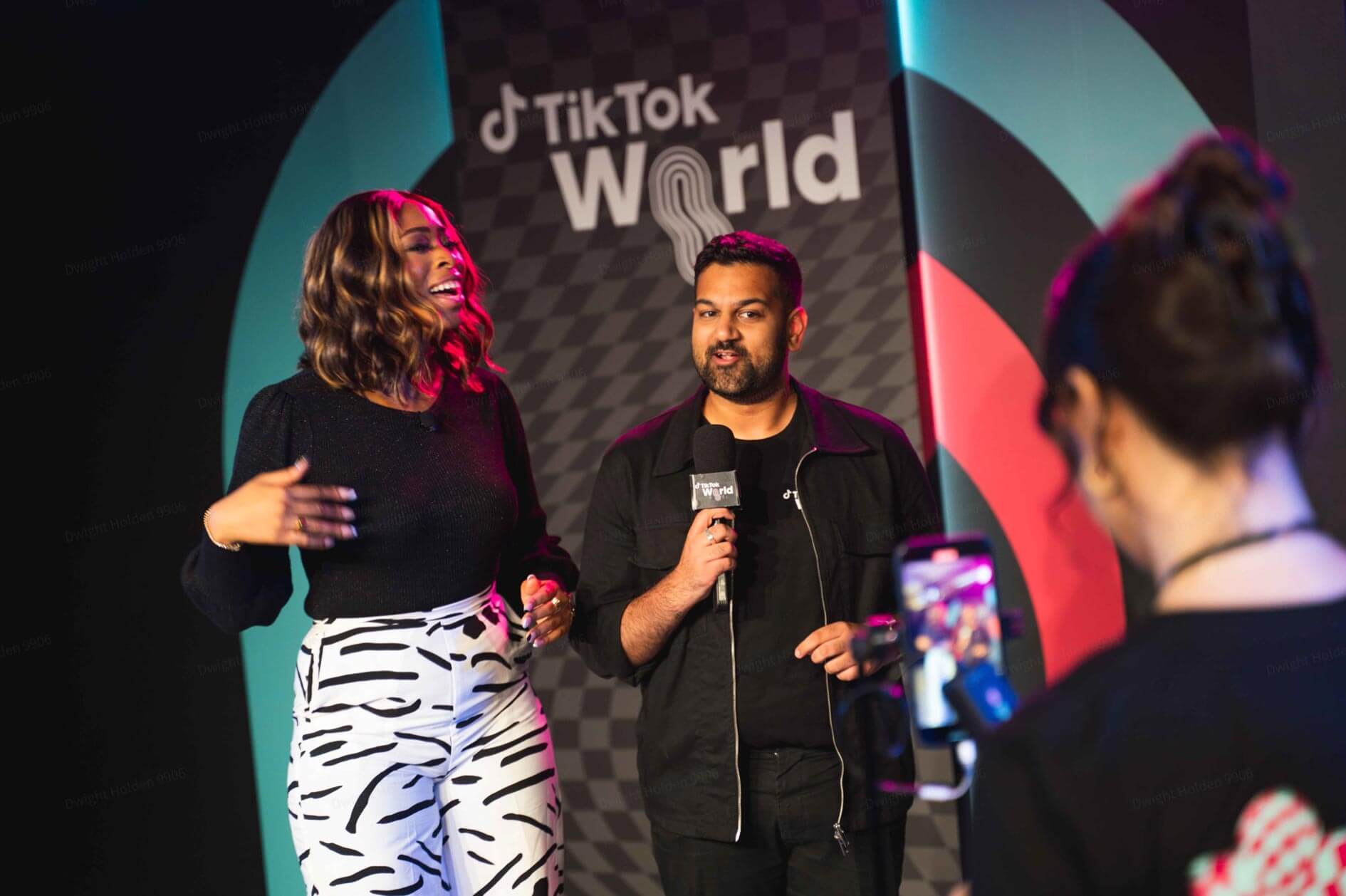
As the vision took shape, we expanded the effort with an exceptional design team including Crystal Yin and Eric Schroeder, whose strengths in spatial storytelling and systems thinking helped scale the concept across multiple touchpoints. Together we built a cohesive look and feel that extended from environmental graphics to motion systems, wayfinding, stage design, and interactive installations. Every surface and screen was treated as an extension of the platform’s visual grammar, using bold typography, layered color, and modular layouts to create a sense of rhythm and continuity. The goal was to ensure that whether someone was in a keynote session, exploring a product demo, or capturing content for their own channels, the experience felt unmistakably TikTok.
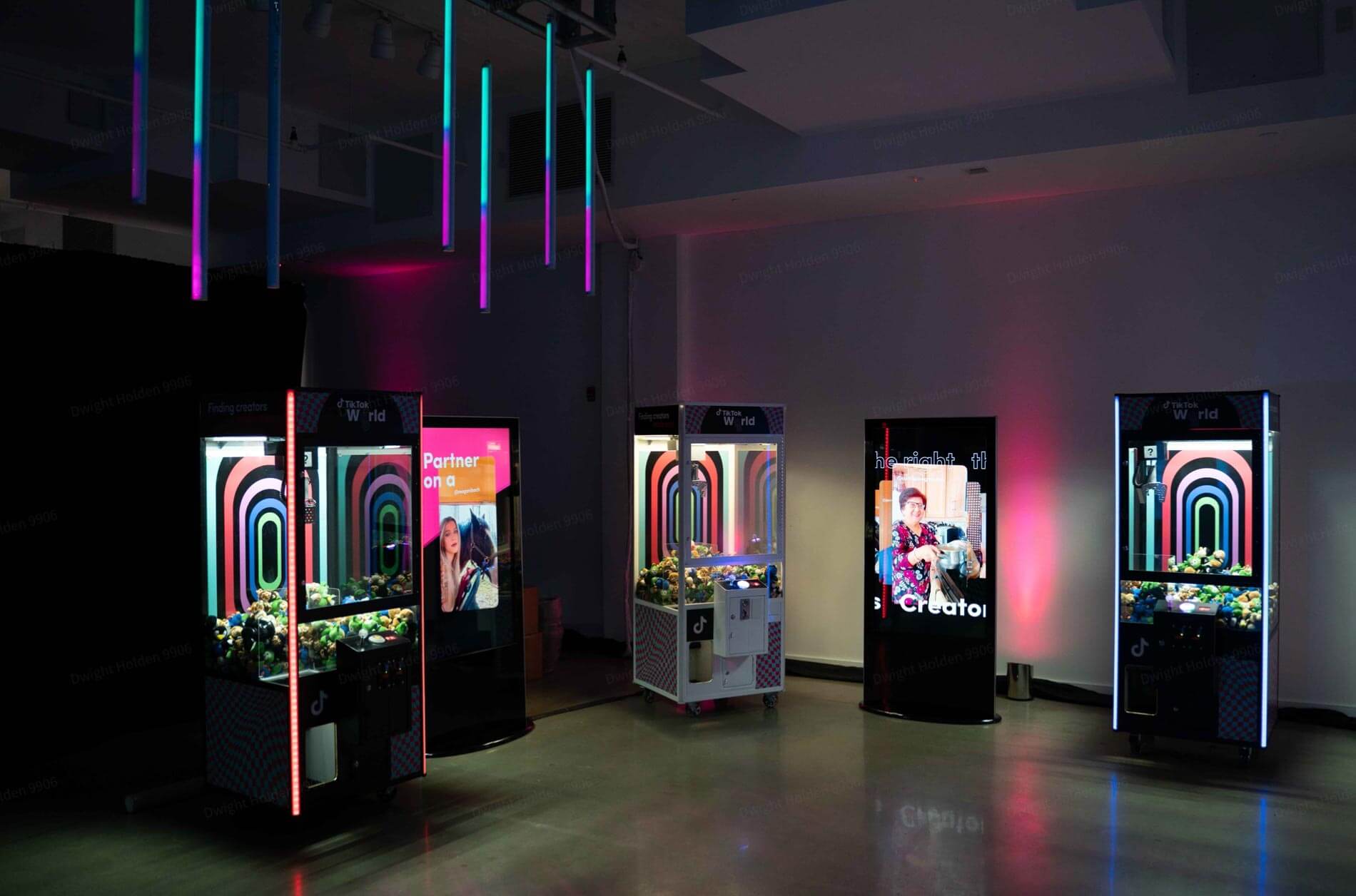
Close collaboration with Rahul Kothari and the broader product team was essential to making the event more than aesthetic theater. We worked in tandem to translate abstract product capabilities into tangible, memorable interactions that demonstrated real utility. Instead of static booths, we designed immersive zones where attendees could experiment with tools, simulate campaign workflows, and visualize performance metrics in real time. This alignment between product storytelling and experiential design allowed the event to function as both a showcase and a hands-on lab, reinforcing TikTok’s positioning as a platform where creativity and performance coexist.
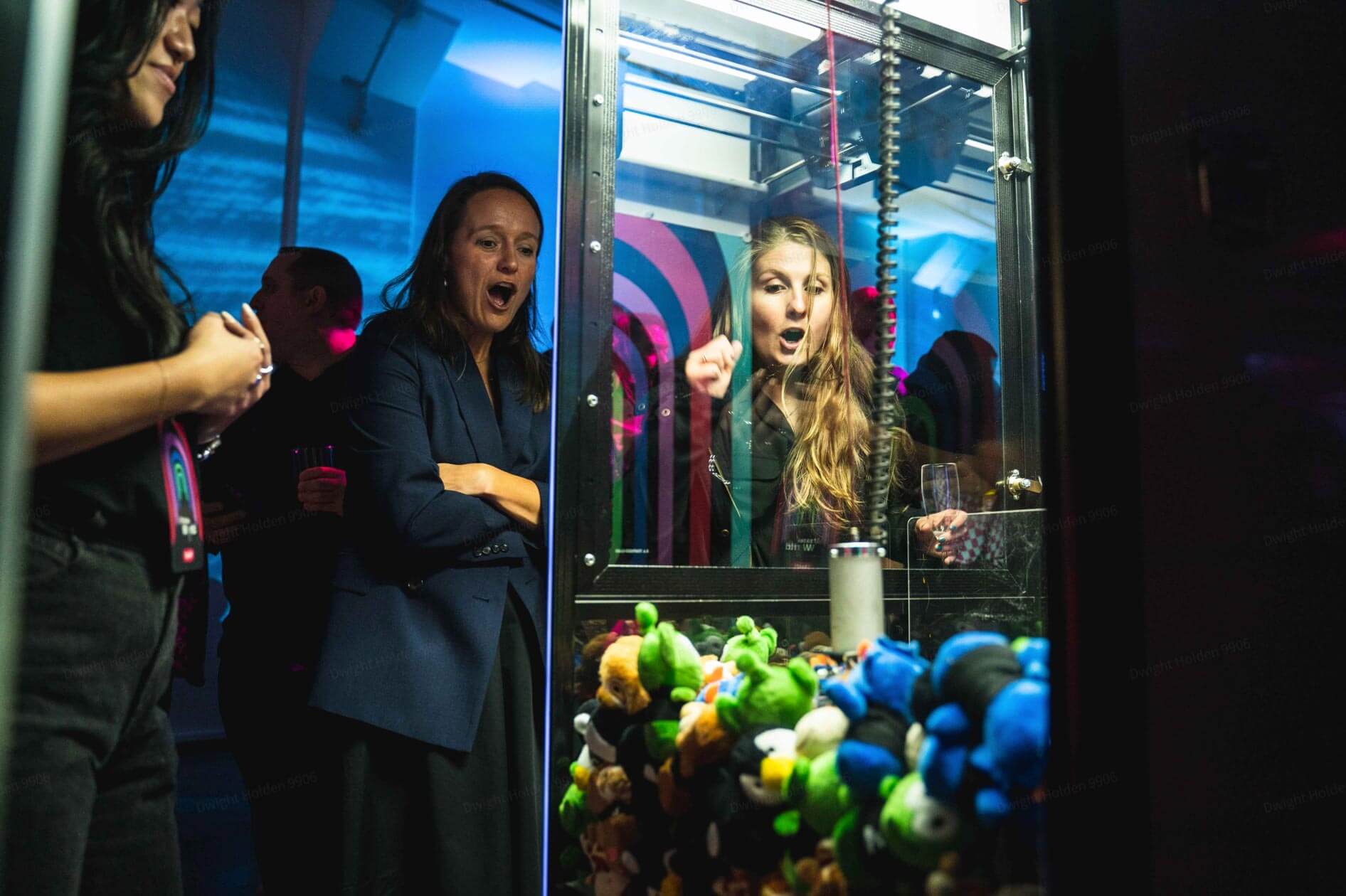
The playful installations became some of the most talked-about elements of the event. Arcade machines reimagined classic gameplay through a TikTok lens, blending nostalgia with social mechanics and inviting attendees to compete, collaborate, and share their results. Fuzzy elevator interiors transformed transitional spaces into sensory moments, softening the corporate feel of vertical movement and turning even a short ride into an Instagrammable experience. These unexpected touches helped maintain a sense of whimsy and cultural relevance, reminding guests that TikTok thrives at the intersection of entertainment and participation.

Beyond product announcements, TikTok World served as a narrative reset for the industry. By hosting its own global summit outside traditional advertising tentpoles, TikTok asserted control over its messaging and demonstrated maturity as a platform shaping the future of media, commerce, and creativity. The event signaled that TikTok was no longer an emergent social network but a foundational layer in the modern marketing stack, one where culture, community, and commerce converge in real time.
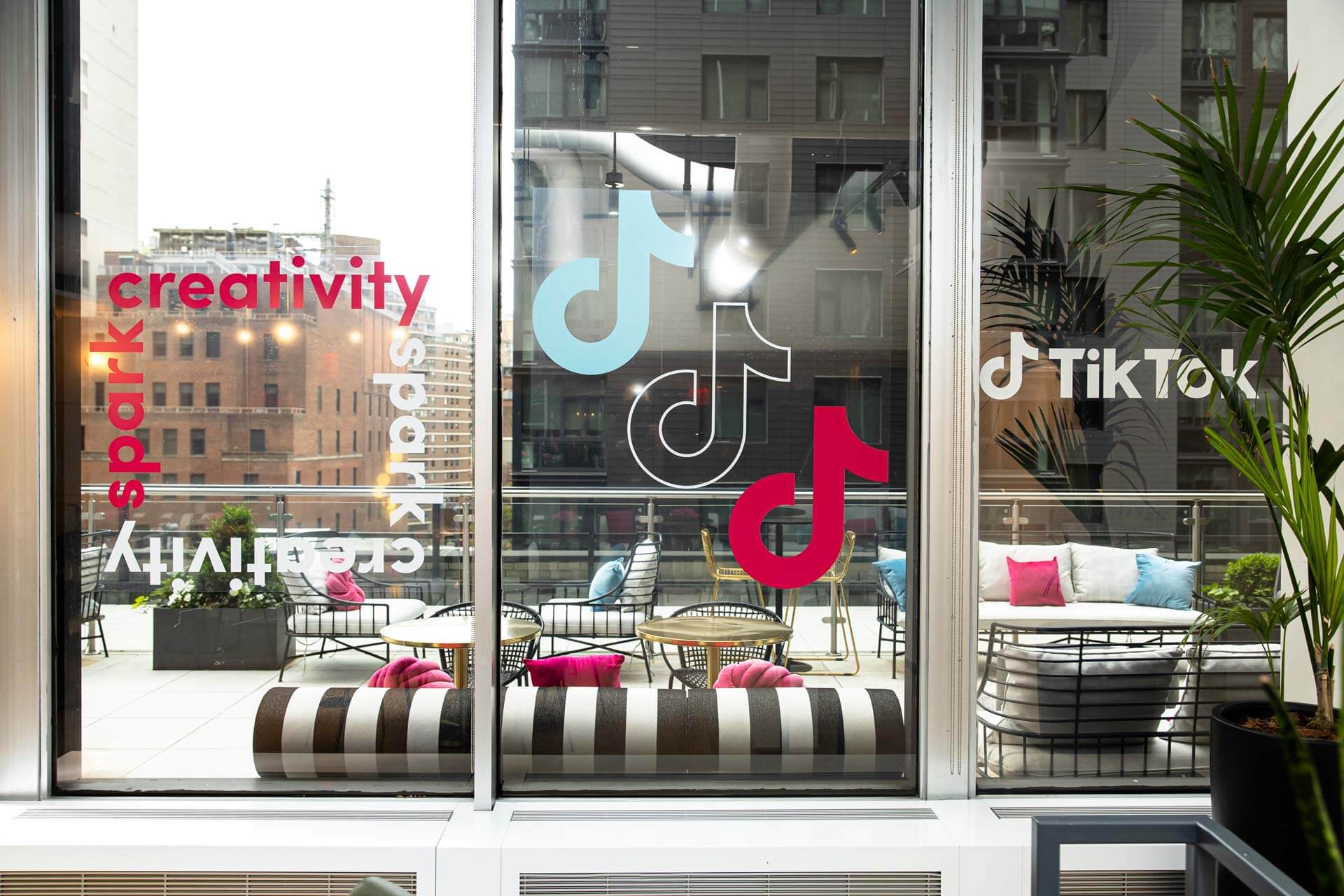
TikTok World 2023 took place at Ease Hospitality on 605 3rd Avenue in New York City, marking the platform’s third global product summit and a strategic evolution in how TikTok engages with advertisers and agency partners. Unlike prior years, which emphasized high-level product launches for C-suite audiences, the 2023 event pivoted toward deeper product education and practical application. The audience consisted primarily of mid-senior to senior brand and agency decision-makers responsible for media investment and budget allocation, signaling a deliberate shift toward performance accountability and full-funnel adoption.
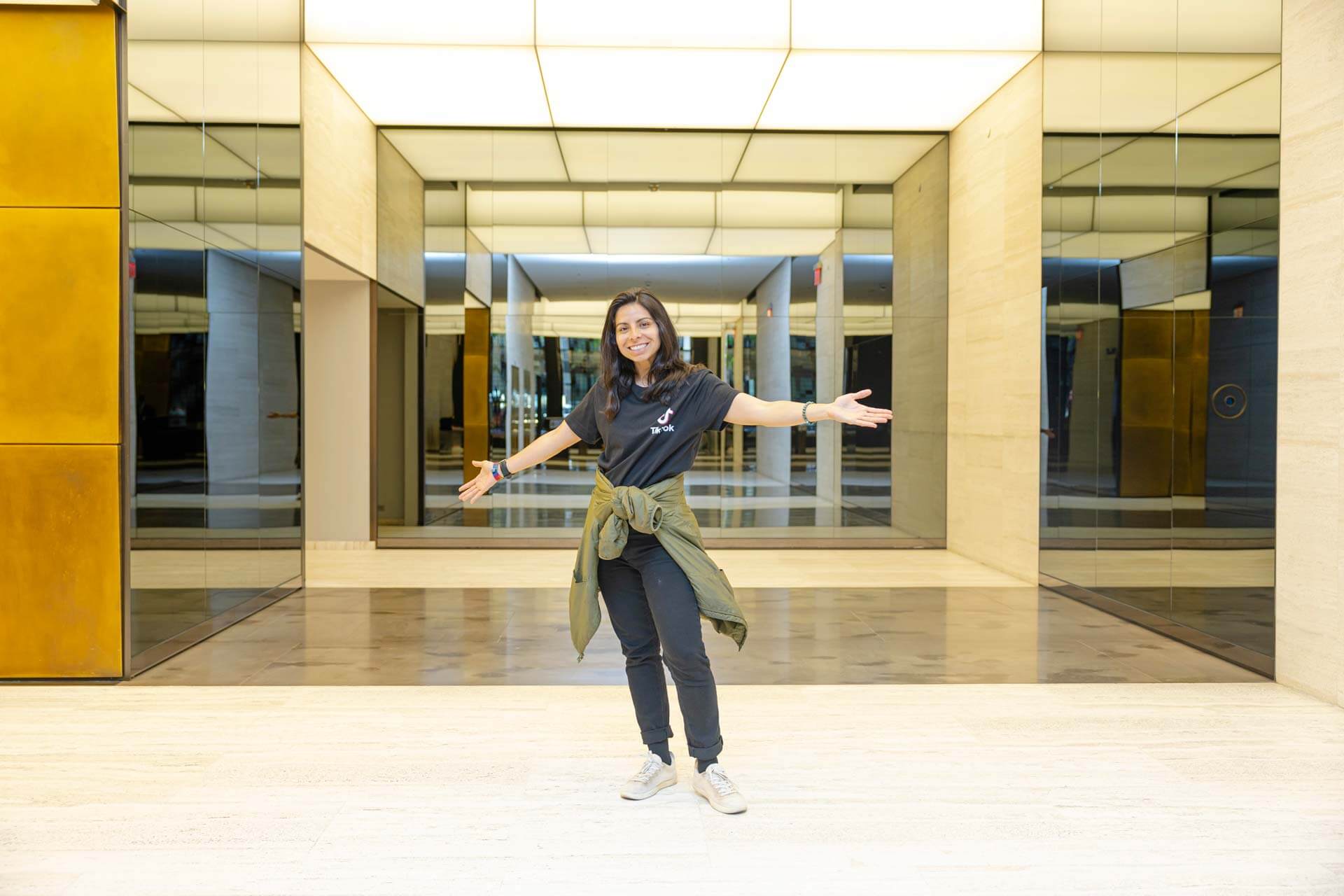
The event’s core objective was twofold: generate excitement around TikTok’s 2023 product vision while enabling meaningful, face-to-face dialogue between clients and product experts. In parallel, TikTok launched a synchronized digital experience to extend reach beyond the physical venue through on-demand content and the TT4B hub, reinforcing a hybrid event model that merges experiential marketing with scalable digital distribution. This dual-track strategy reflects a broader industry shift toward integrated IRL and digital ecosystems designed to maximize content longevity and measurable impact.
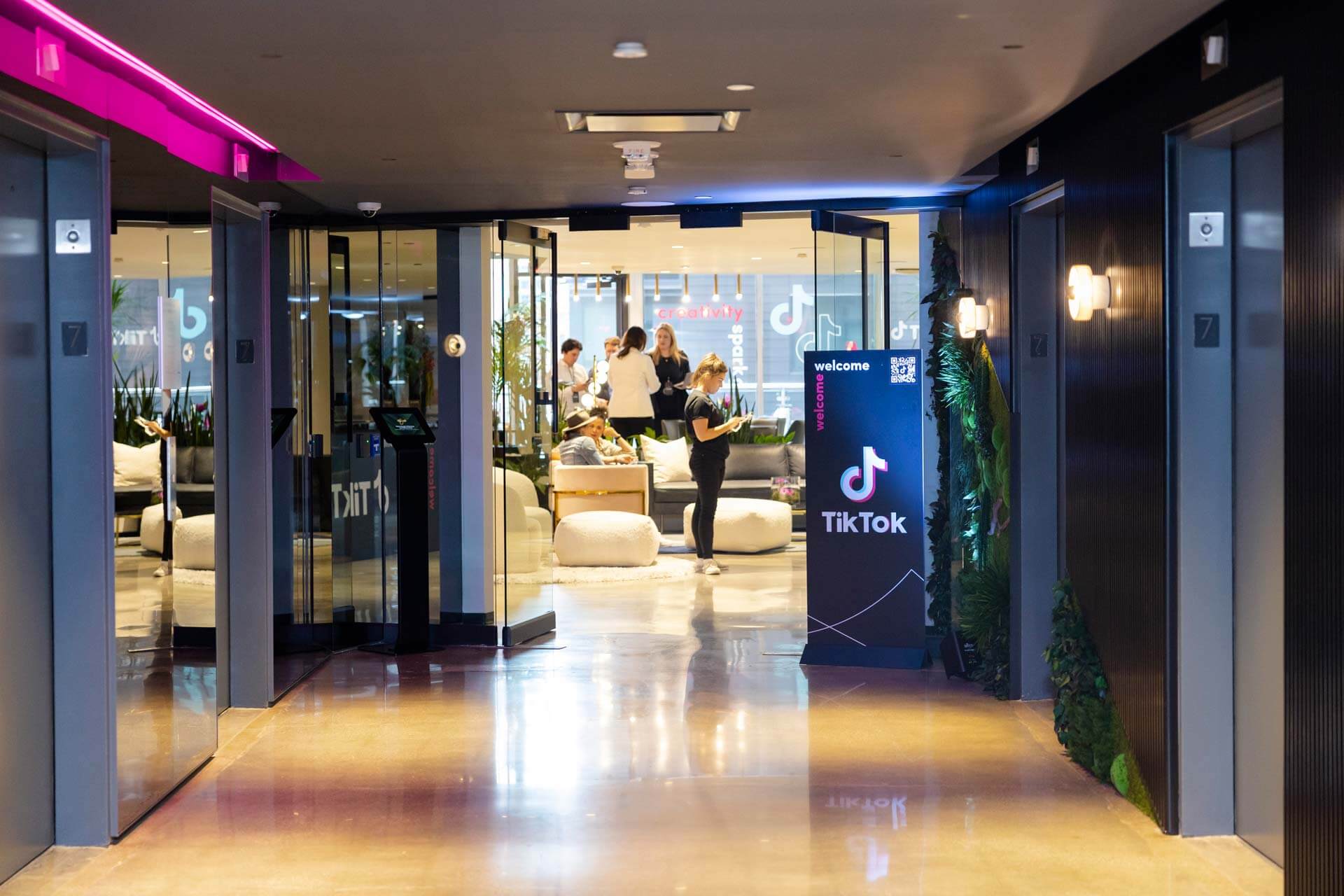
Programming was structured around four primary solution tracks: Branding, Commerce, Creative, and Performance. Each track emphasized TikTok’s full-funnel capabilities, from upper-funnel storytelling to lower-funnel conversion optimization. Breakout sessions allowed advertisers to explore how entertainment-driven advertising drives measurable outcomes, while product deep dives provided granular insights into tools like Video Shopping Ads and performance solutions engineered for TikTok’s attention economy. This modular structure mirrored enterprise SaaS conferences, positioning TikTok not merely as a media platform but as a comprehensive marketing infrastructure.
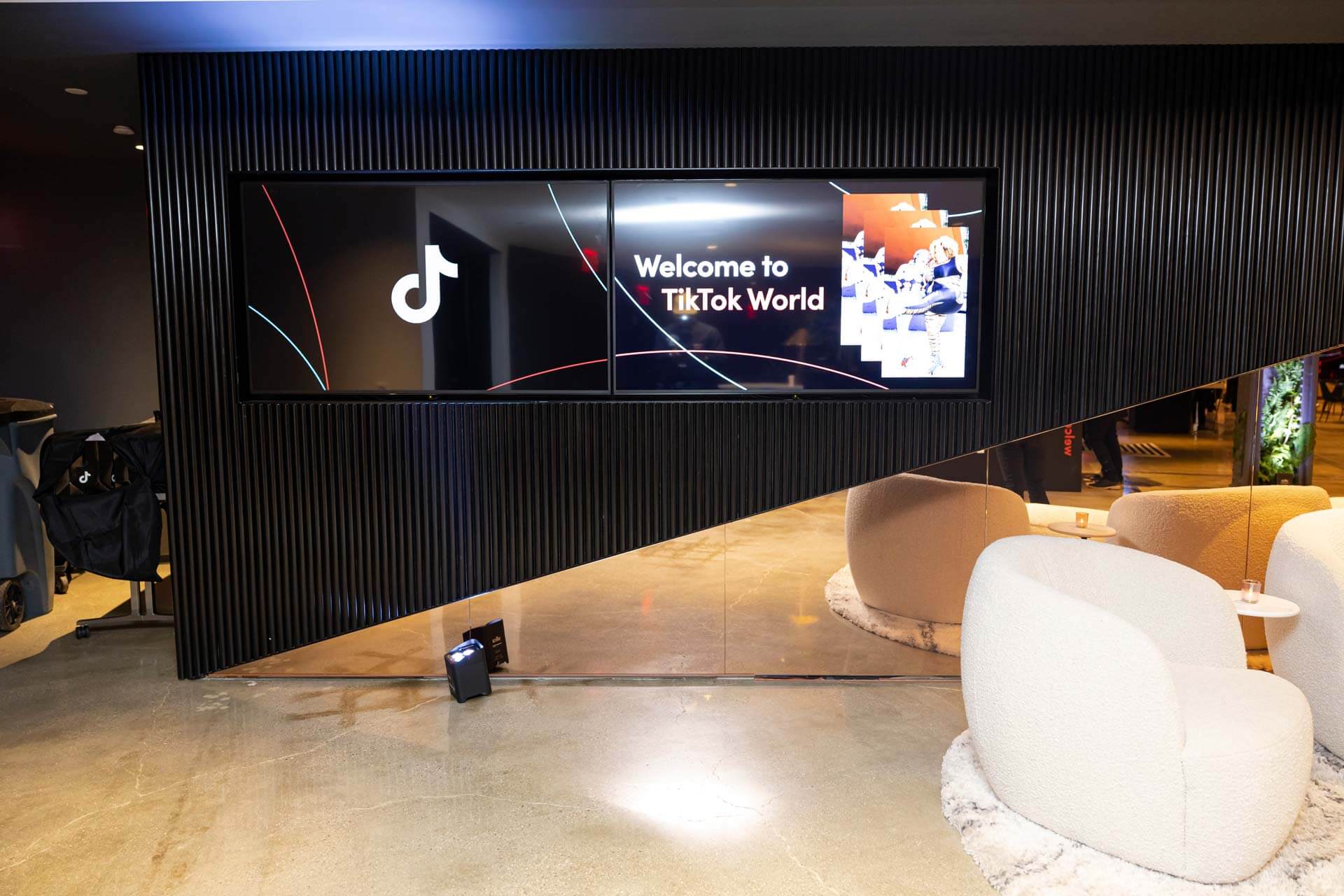
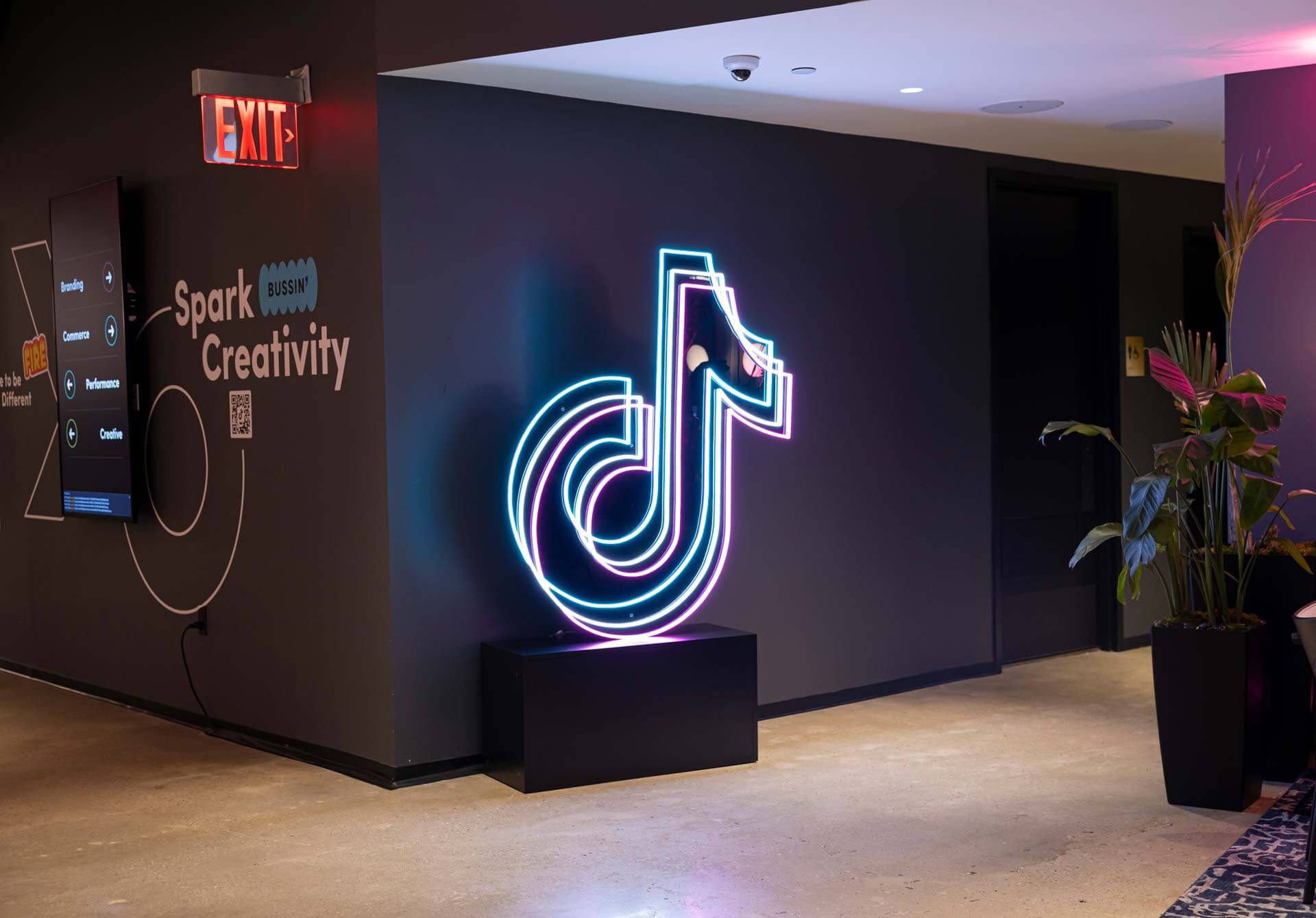
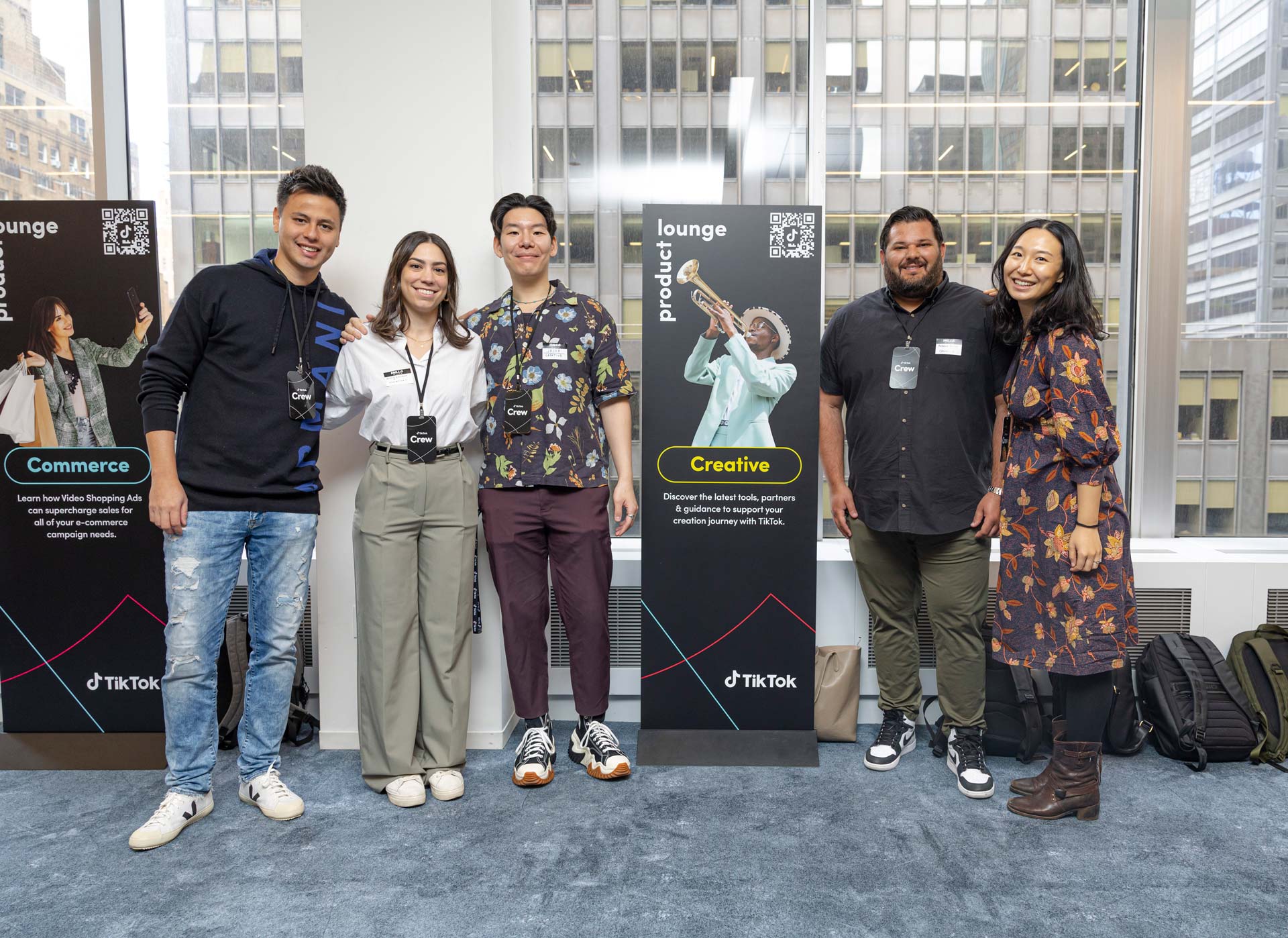
The physical environment reinforced this positioning through product booths and expert staffed lounges designed for consultative engagement. The TikTok Product Lounge enabled real time conversations with subject matter experts, while QR enabled touchpoints connected attendees to the TT4B digital ecosystem and extended the life of every interaction beyond the room. This design transformed the event into a living product interface where spatial storytelling and interaction design worked in tandem to demonstrate platform capabilities, turning the venue itself into a three dimensional expression of TikTok’s marketing stack.
Strategic partnerships were also spotlighted, including TikTok x Smartly, which emphasized creative production scalability and automation at enterprise scale. The collaboration secured post event meetings with major advertisers, underscoring the summit’s role as a pipeline accelerator rather than a purely brand building exercise. By embedding partner ecosystems into the experience, TikTok demonstrated how its platform integrates into broader martech stacks, reinforcing credibility with performance driven advertisers seeking efficiency, interoperability, and measurable outcomes.
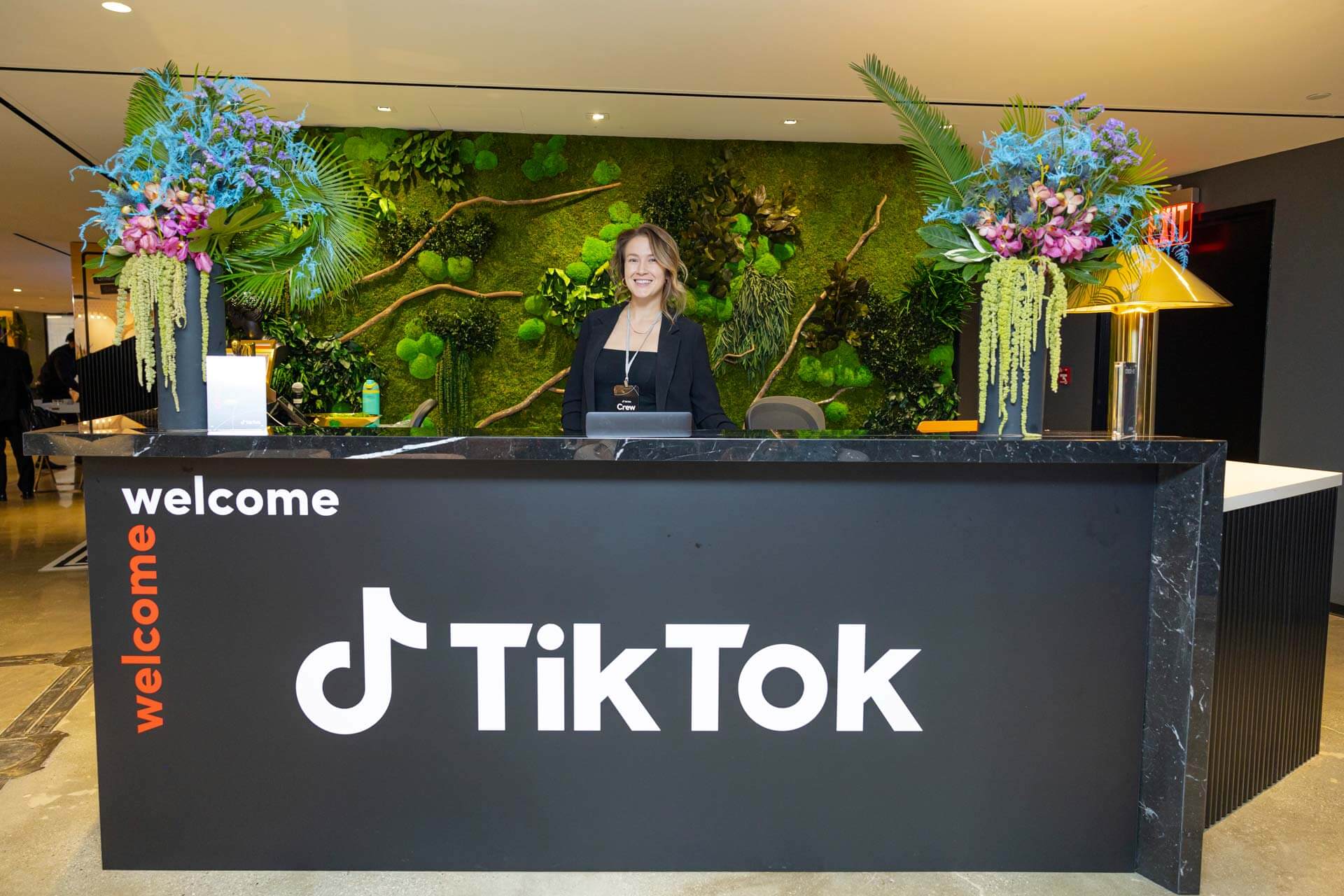
Creator presence and experiential touches humanized the product narrative and grounded the technology in culture. Live juicing activations, roaming entertainment, and creator led moments illustrated TikTok’s commitment to creativity and community while modeling how brands can activate culture within physical spaces. These moments served as experiential case studies, translating platform ethos into tangible interactions that clients could replicate within their own retail environments, events, and omnichannel campaigns.
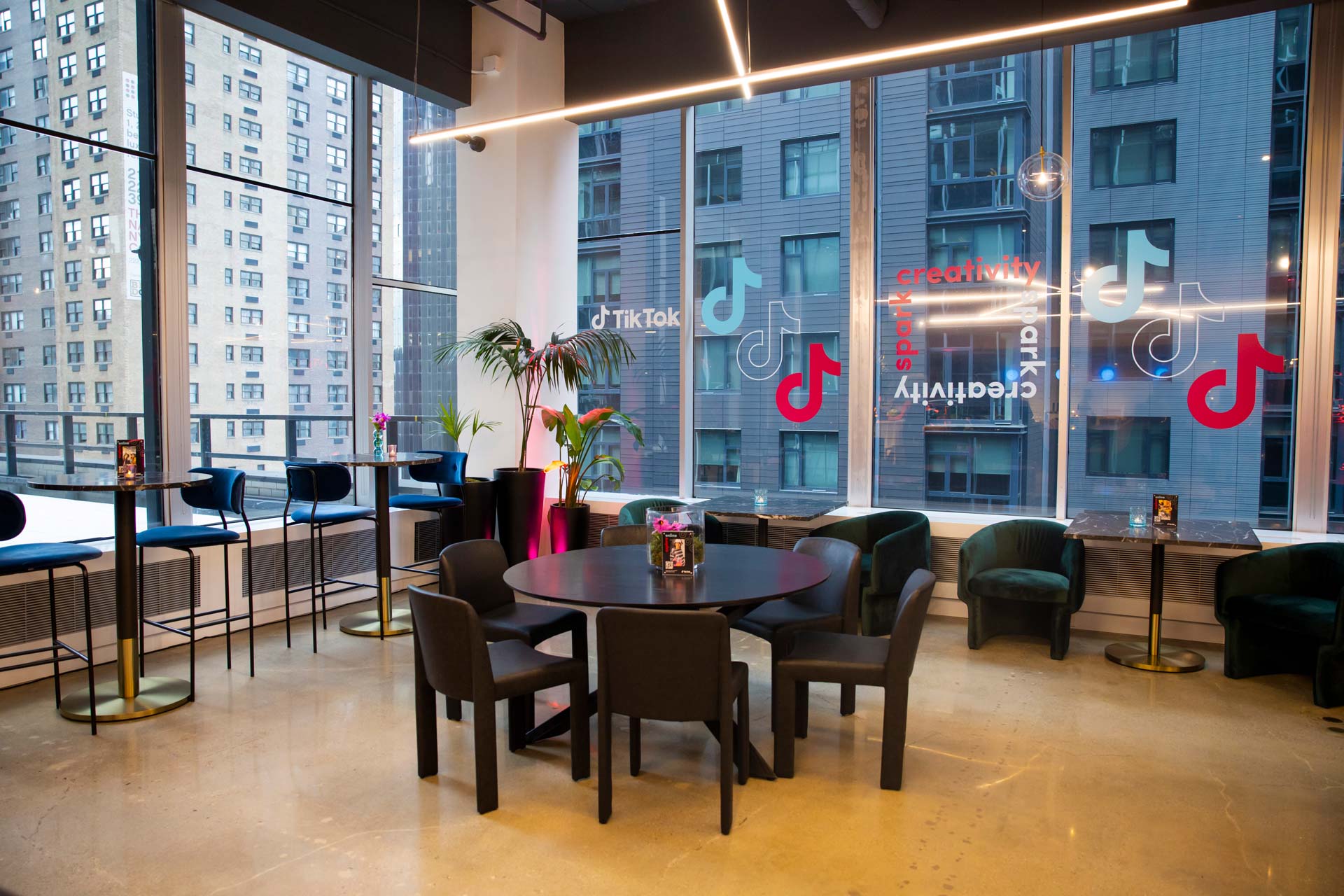
What stands out most about TikTok World 2023 is how deliberately it evolved from a splashy product showcase into a high-touch, education-driven ecosystem designed to shorten the distance between product, sales, and client decision-makers. The event reframed itself as a mini-conference with multiple content tracks and product zones, enabling self-directed learning and deeper technical conversations rather than passive keynote consumption. This shift signaled maturity in TikTok’s go-to-market strategy: instead of announcing features, the focus moved toward operationalizing them within real media plans, budgets, and performance frameworks. It marked a clear transition from spectacle to substance, where credibility was built through clarity rather than hype.
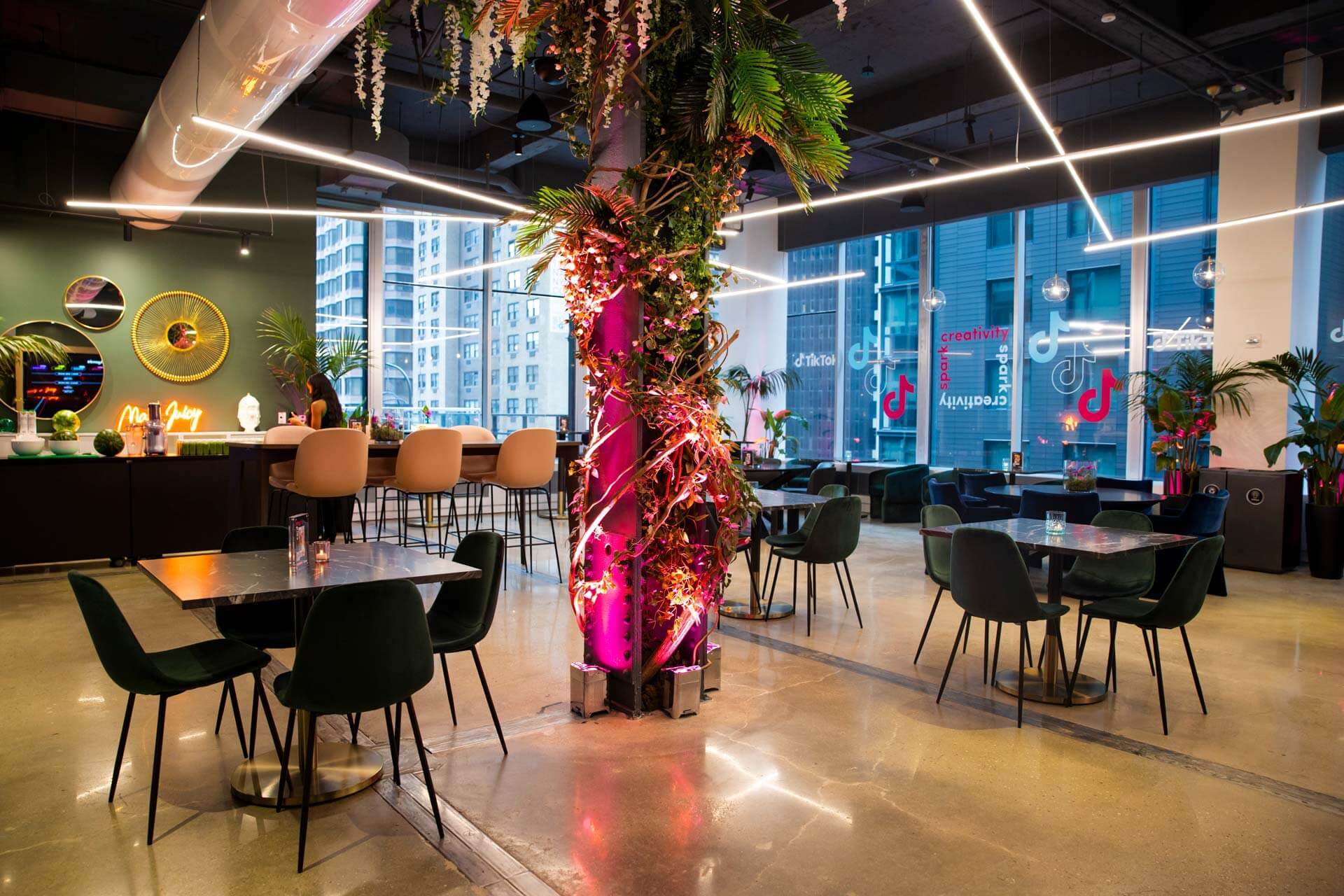
A core strategic insight was the importance of audience calibration. Unlike earlier iterations aimed at C-suite spectacle, the 2023 format targeted mid-senior to senior brand and agency leaders who control spend and implementation. By aligning programming with budget owners rather than brand figureheads, the event optimized for downstream revenue impact, not vanity awareness. This is a classic shift from top-funnel narrative building to mid-funnel enablement, where education directly influences allocation decisions. It reflects a growing understanding that influence in modern marketing organizations is distributed, not centralized.
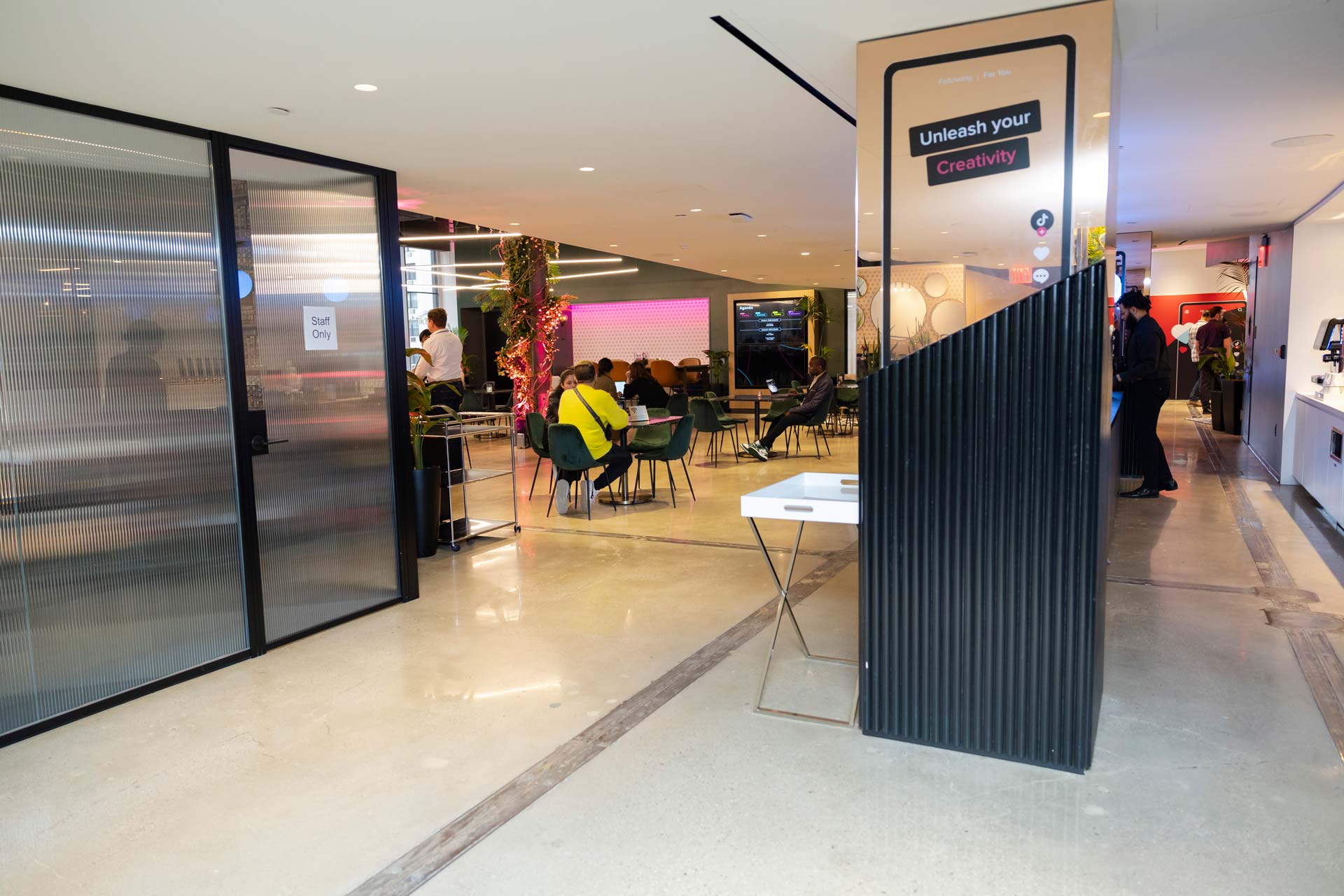
The multi-track structure reinforced TikTok’s positioning as a full-stack marketing platform rather than a single-format media channel. With multiple content tracks and dedicated product zones, the experience mirrored modular SaaS onboarding, allowing attendees to navigate branding, creative, commerce, and performance according to their organizational priorities. This format implicitly communicated that TikTok’s value proposition is composable, interoperable, and adaptable across the marketing funnel. It also empowered attendees to build personalized learning journeys that matched their specific business challenges.
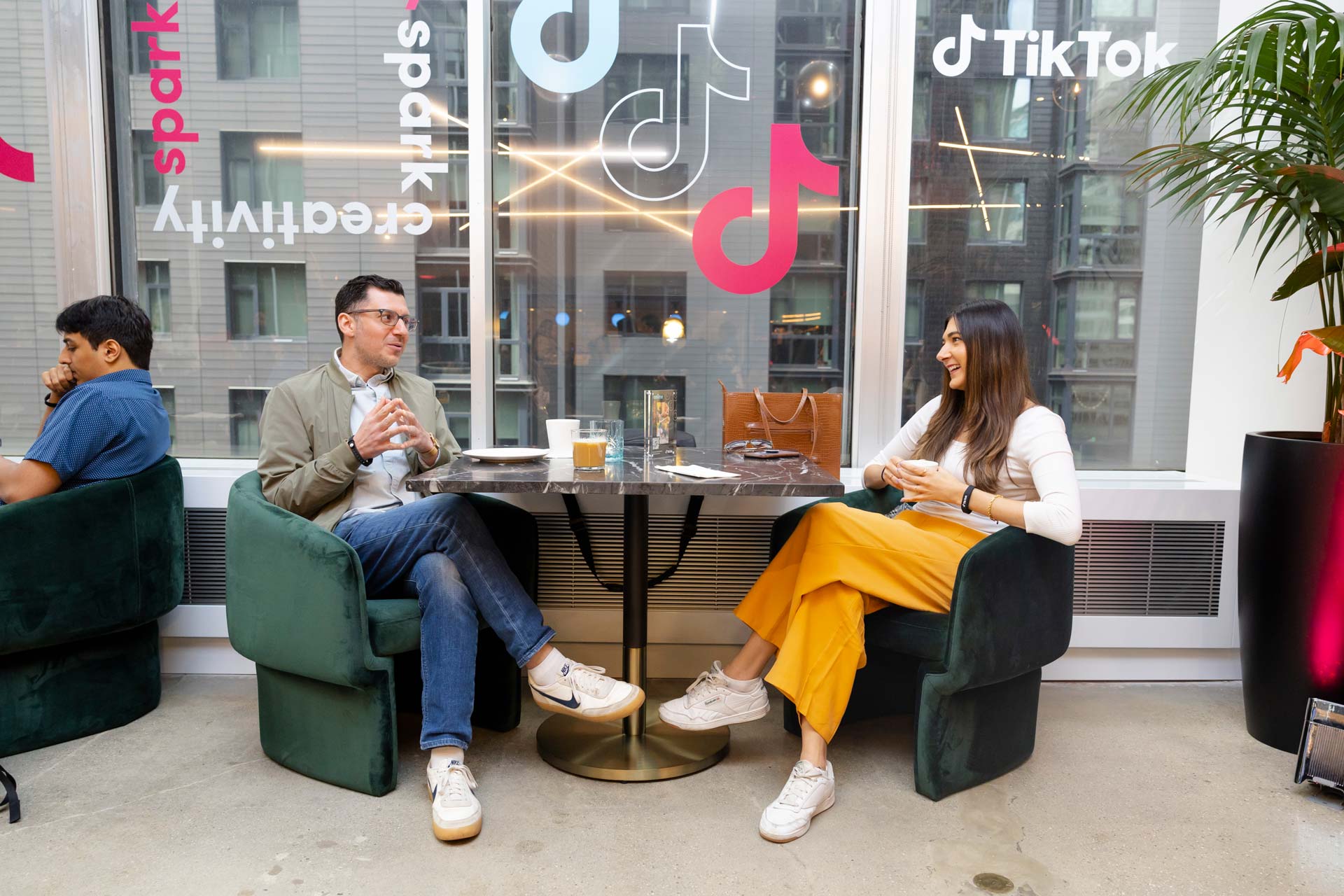
Another critical insight was the emphasis on simultaneity between IRL and digital distribution. The strategy to launch on-demand video assets and a centralized hub the same day extended the event’s reach beyond the room. This hybridization reflects a broader industry pattern: events are no longer temporal; they are content engines. The physical summit becomes the capture layer, while digital distribution converts moments into evergreen enablement assets. In doing so, TikTok ensured that insights generated in a single venue could influence global teams across time zones.
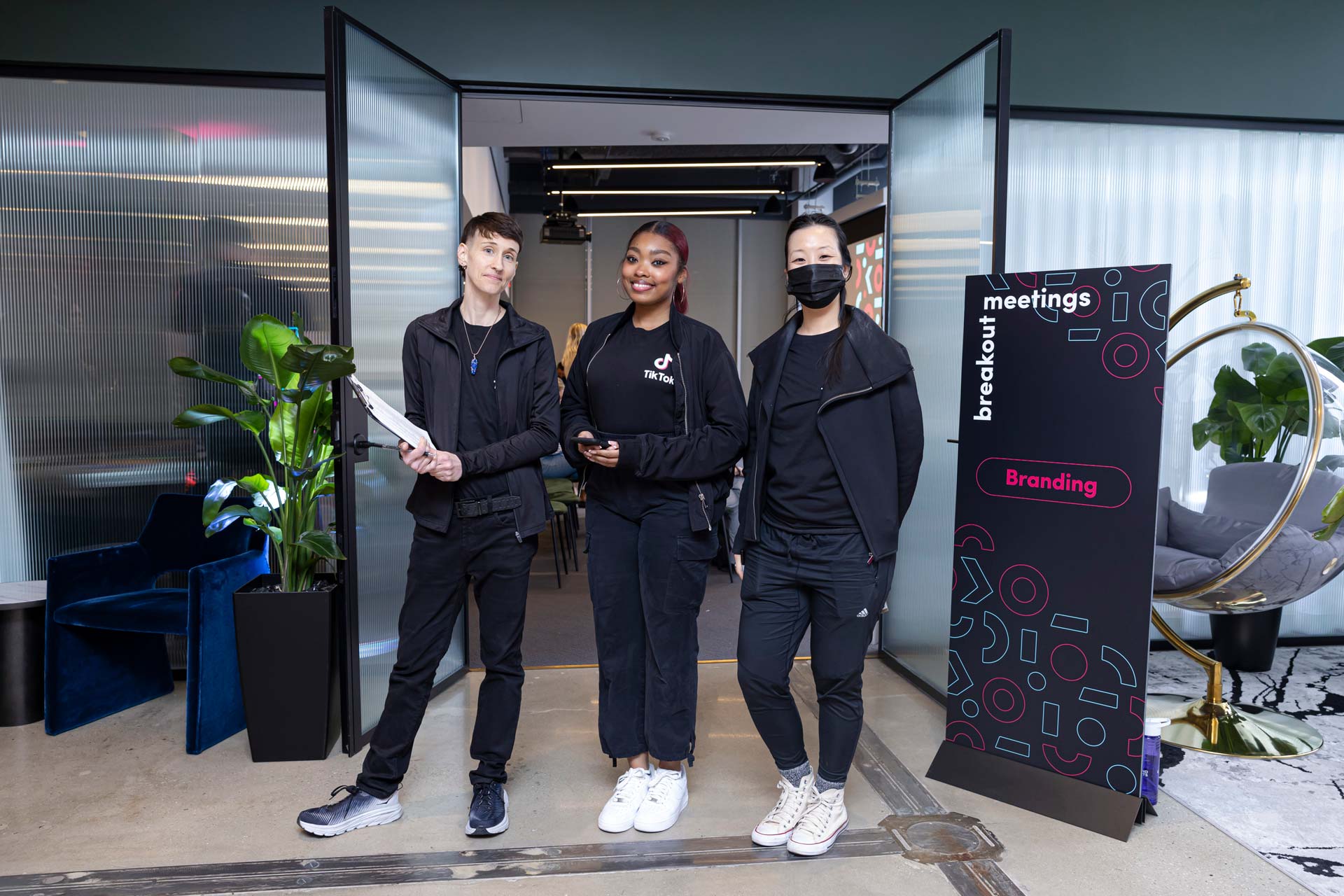
Feedback highlighted that the deeper, more digestible format lowered barriers between clients and product teams, creating a psychologically safe space for candid questions and tactical dialogue. That’s not a soft benefit. In enterprise sales, trust velocity often determines deal velocity. By humanizing product experts and facilitating direct access, TikTok accelerated relational capital, which is often the hidden driver of multi-quarter commitments. These moments of transparency helped reposition the company from a platform vendor to a collaborative partner.
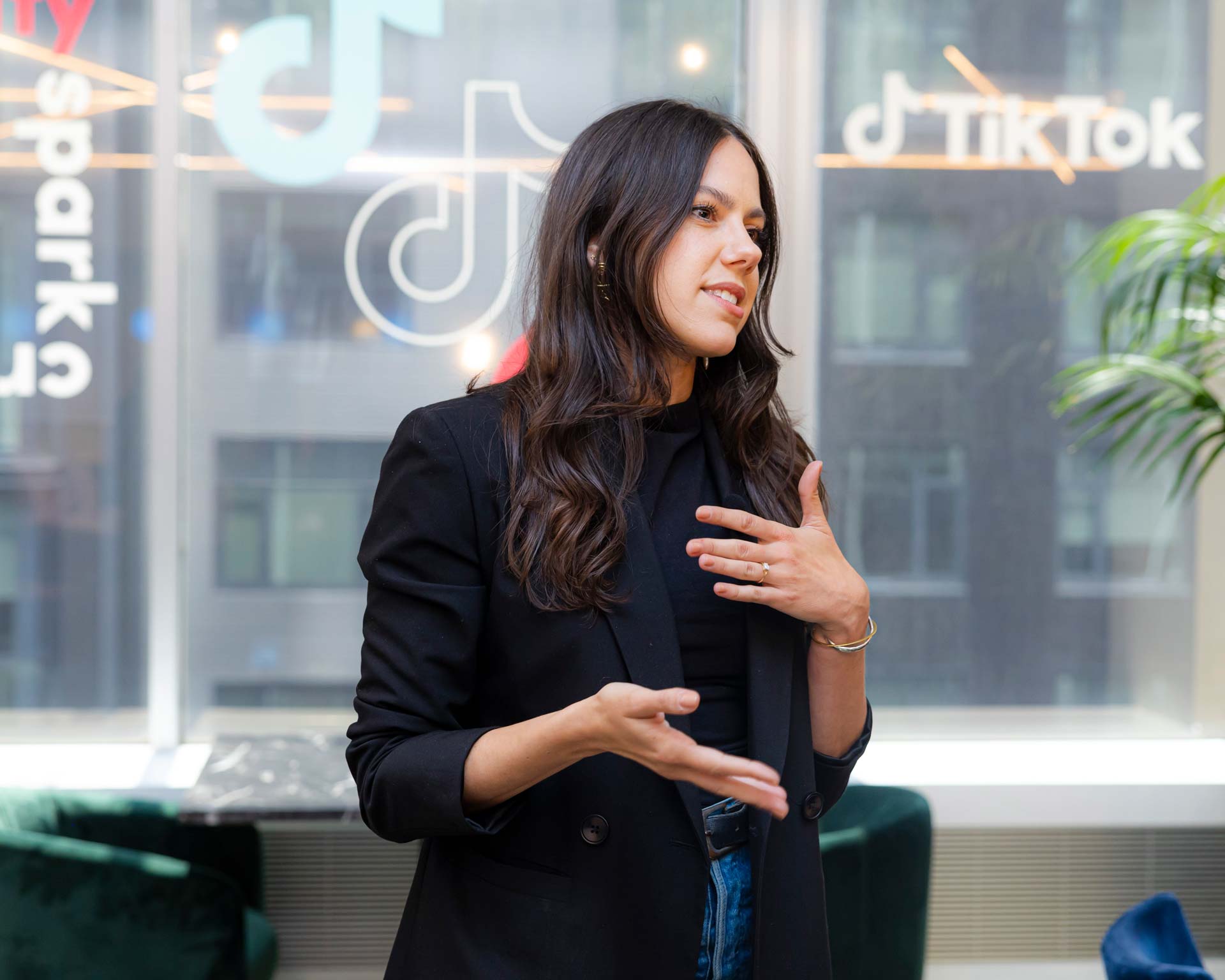
The event also revealed operational learnings around attention economics. Afternoon session drop-off and post-lunch attrition underscored a universal truth in conference design: cognitive bandwidth is finite. Future iterations can apply staggered programming, mixed-format energizers, or incentive-based engagement to maintain participation across the full agenda. The lesson is less about logistics and more about designing for human energy curves. It reinforced that experience design must account for physiology as much as information density.
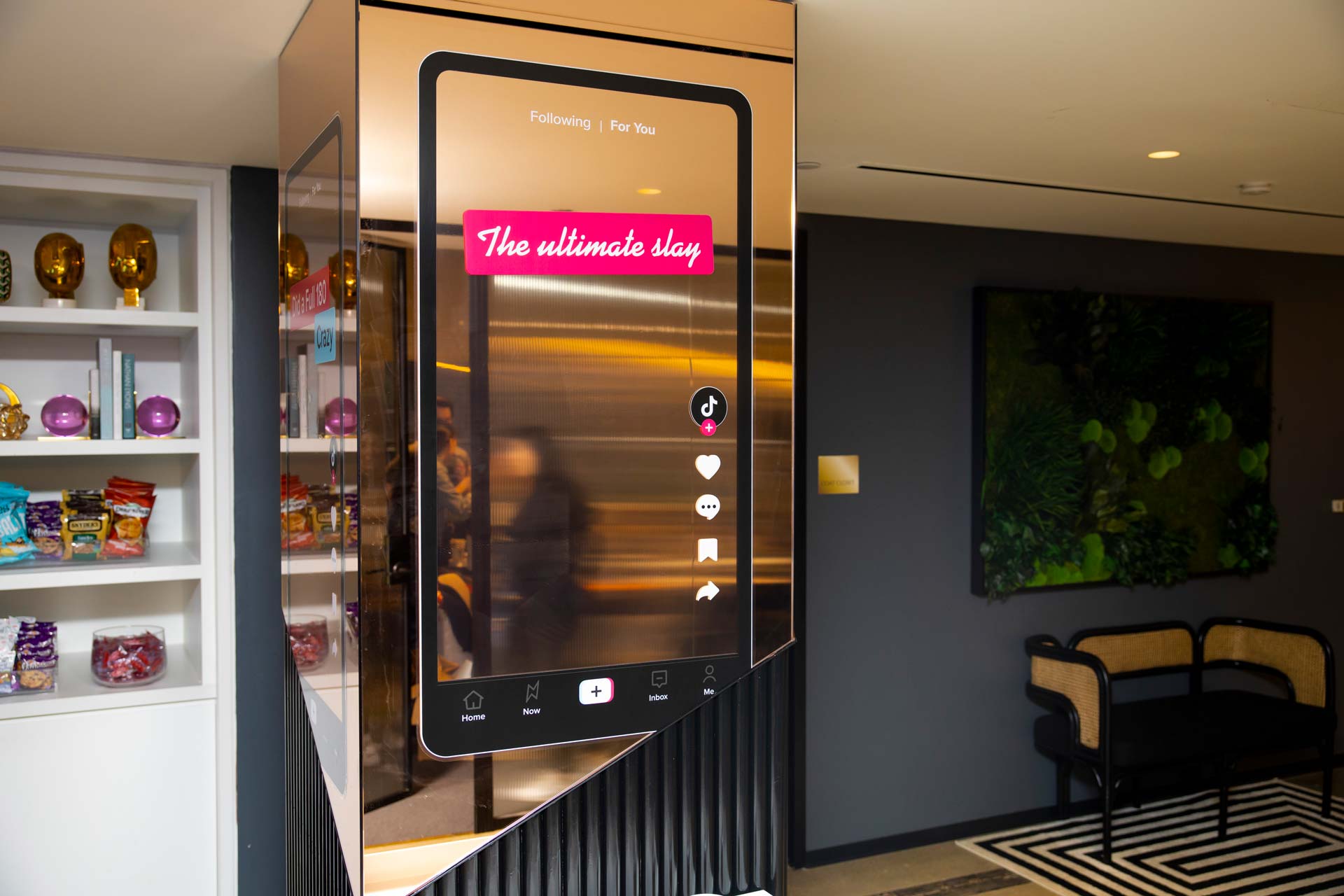
Another notable insight was the underutilization of product booths, suggesting that passive discovery models are insufficient in high-density information environments. This points to a need for guided pathways, scheduled micro-consultations, or gamified exploration to convert awareness into meaningful product conversations. In experiential design terms, intention must be architected, not assumed. Without clear prompts, even compelling tools risk becoming background noise in a crowded environment.
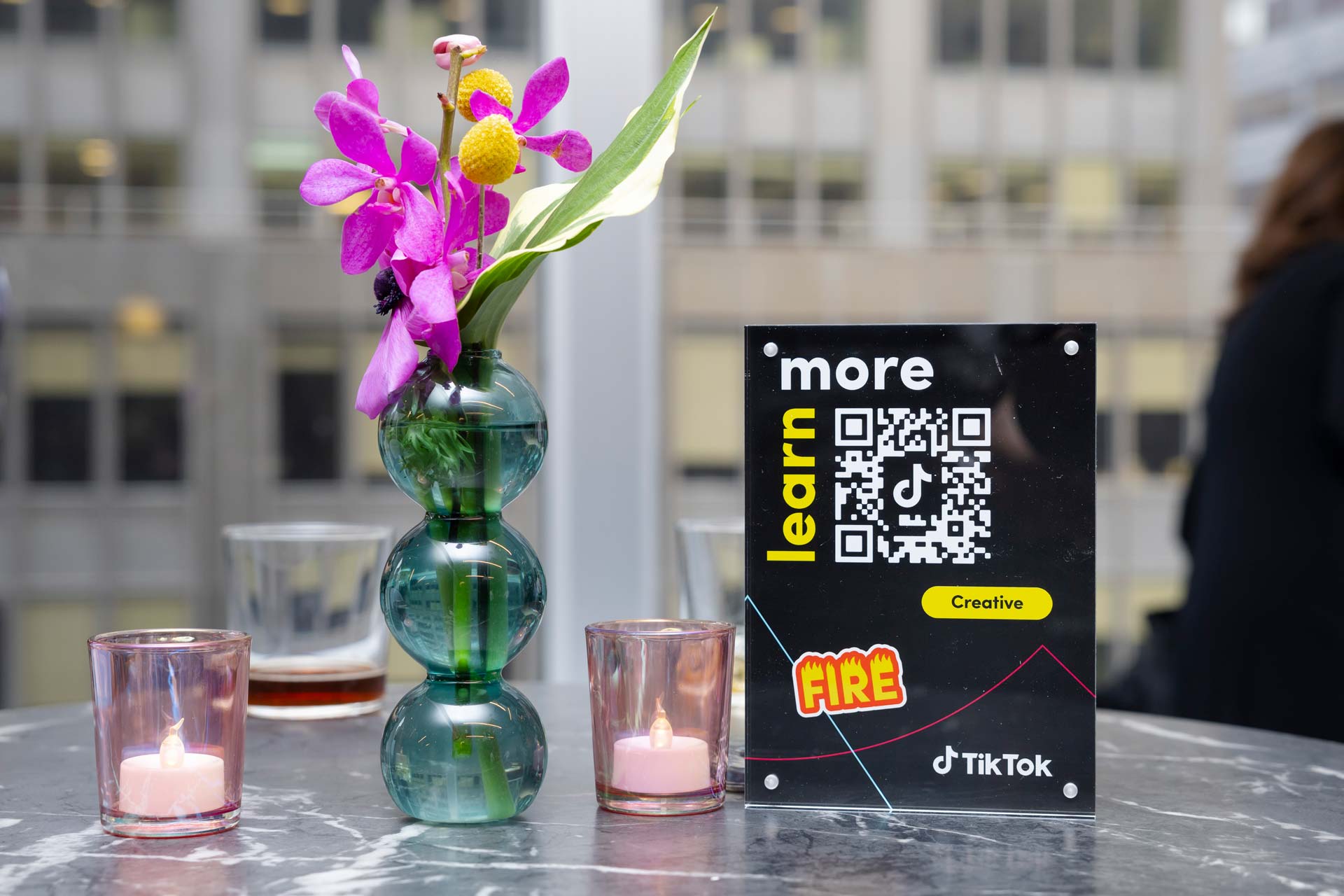
From a measurement standpoint, the event emphasized the opportunity to tie interactions to monetization signals and client lifecycle data. This reflects a growing imperative across ad tech: events must function as measurable pipeline accelerators, not brand theater. Capturing attendee intent, session engagement, and follow-up actions can transform events into quantifiable revenue drivers. It also enables more precise attribution models that justify continued investment in experiential marketing. There was also a subtle but important branding outcome: the venue’s inviting, understated design allowed the content to lead while still expressing TikTok’s identity. In experiential branding, restraint can signal confidence. The environment functioned as a frame rather than a spectacle, reinforcing TikTok’s transition from disruptor to infrastructure. This restraint communicated that the platform no longer needed to prove its relevance, only its reliability.
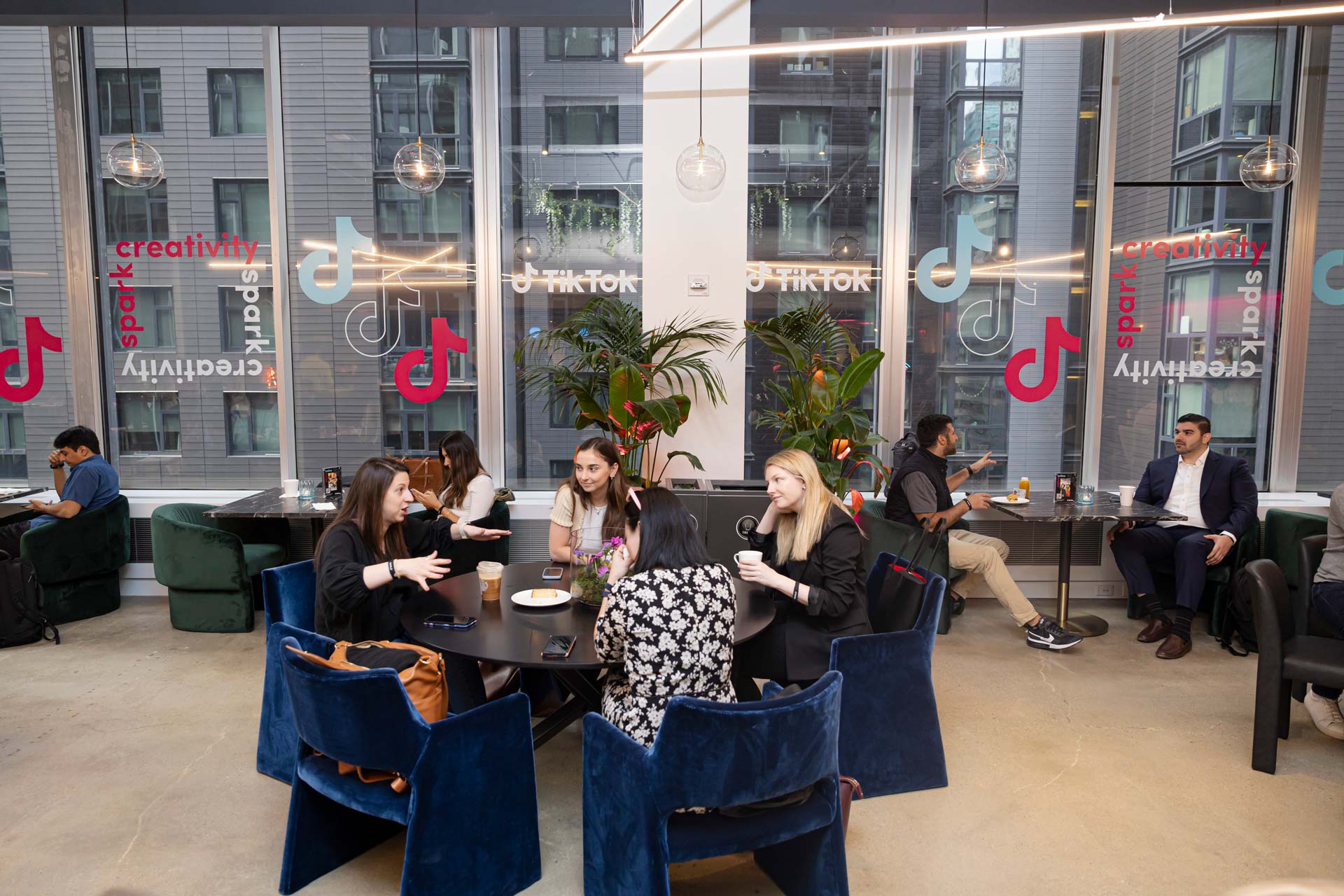
The hybrid format surfaced a tension between exclusivity and scale. While the intimate environment enabled deeper conversations, limited attendance constrained broader ecosystem participation. The path forward likely involves tiered access models, where core clients receive high-touch experiences while global audiences engage through synchronized broadcasts and localized activations. Balancing scarcity and reach will be key to preserving prestige while expanding influence.
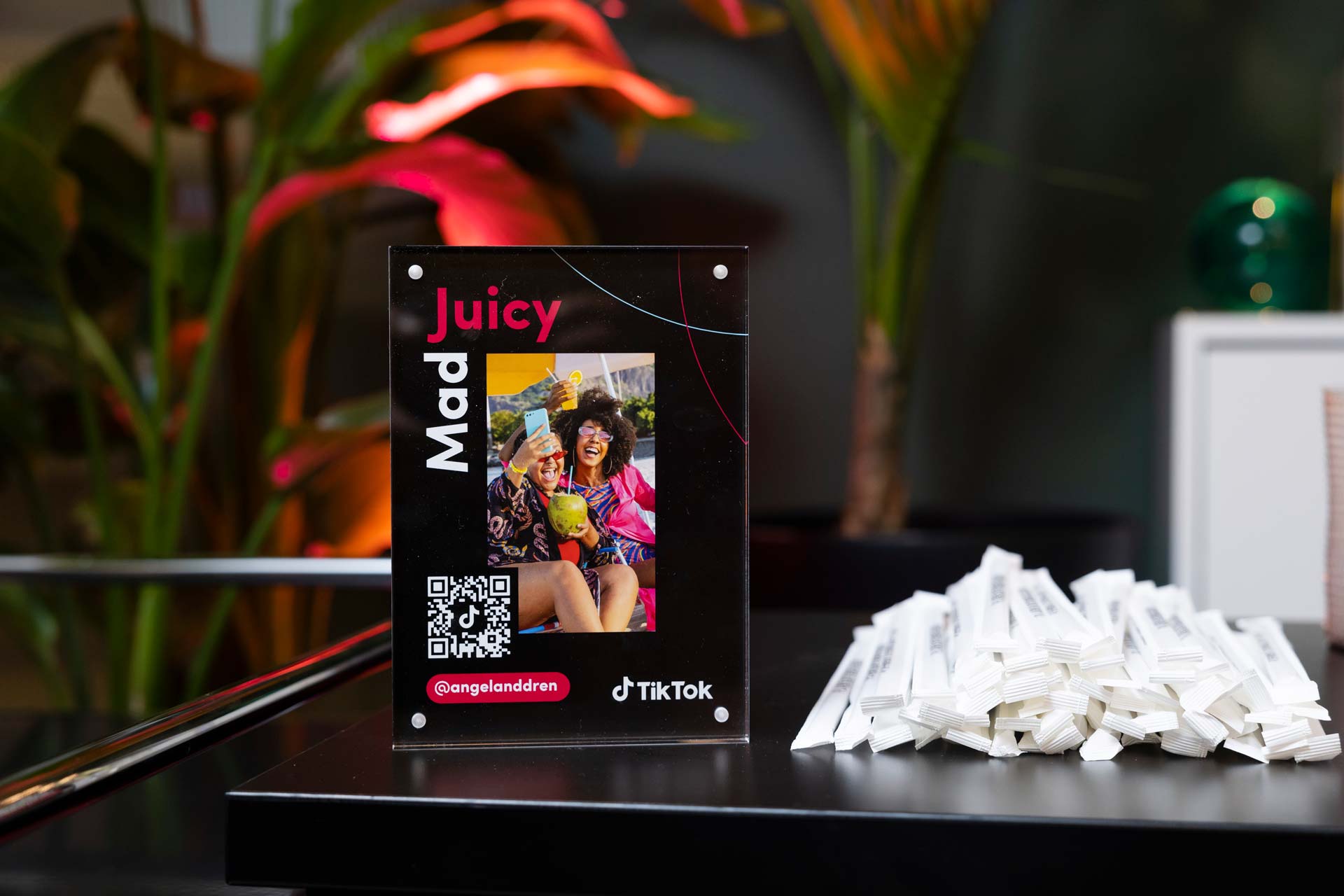
Mad Juicy’s presence at TikTok World 2023 exemplified the platform’s commitment to creator-led experiences that blur the line between brand activation and cultural participation. The live juicing bar, hosted by creators @angelanddren, transformed a simple hospitality touchpoint into a participatory content moment where guests could watch, film, and share the experience in real time. Rather than feeling like a catered amenity, the activation functioned as a living embodiment of TikTok’s ethos: creators as entrepreneurs, content as commerce, and everyday rituals reframed as shareable storytelling.
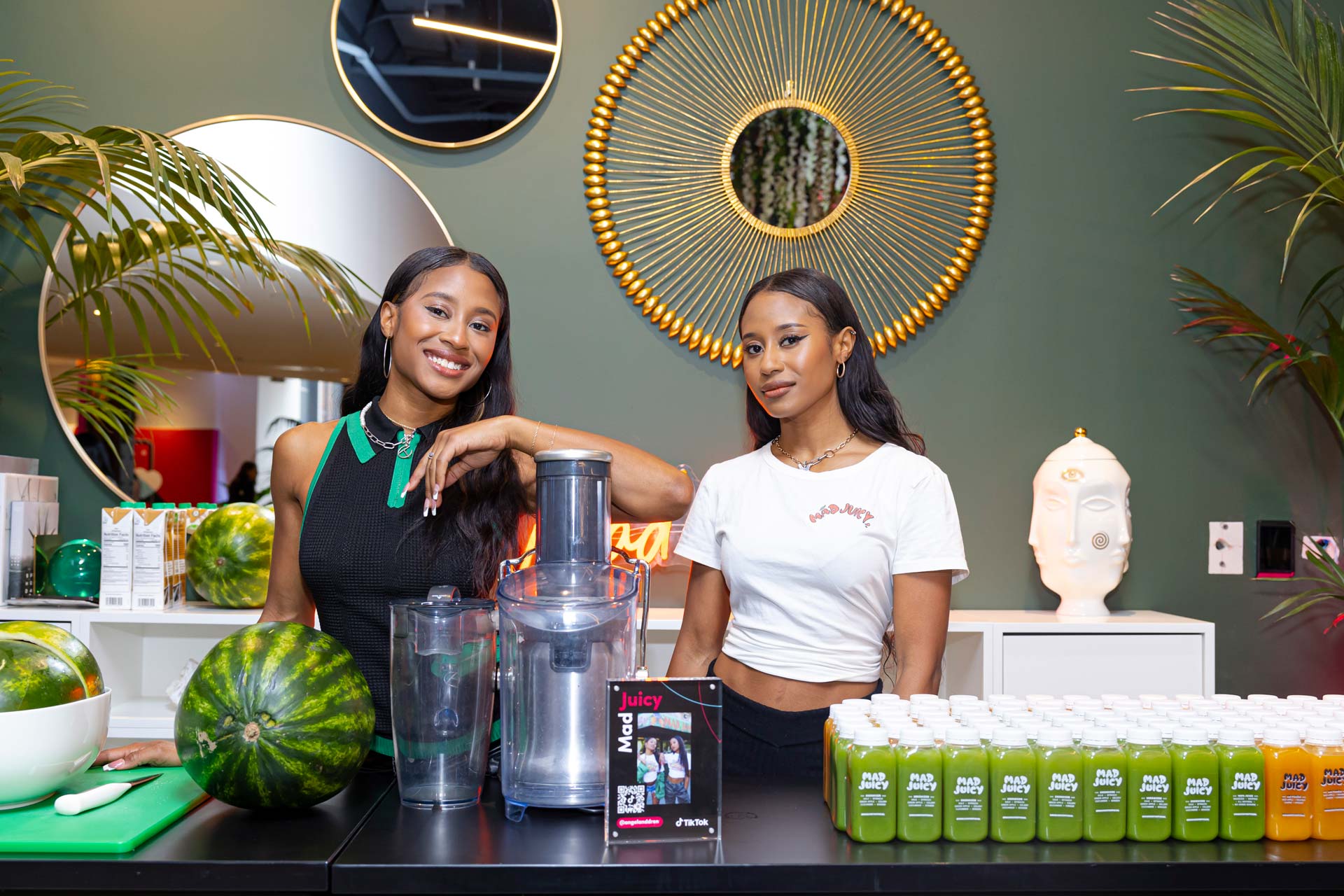
This integration also demonstrated how TikTok positions creators not as talent hired to decorate an event, but as ecosystem partners who activate audiences through authenticity and presence. Guests weren’t passive consumers of branded messaging; they were co-participants in a creator-driven environment where the act of grabbing a juice became a moment of social proof and organic amplification. The Mad Juicy bar reinforced the idea that the future of brand engagement lies in lived experiences that feel native to platform culture, where creators mediate trust and transform physical spaces into content engines that extend far beyond the event footprint.
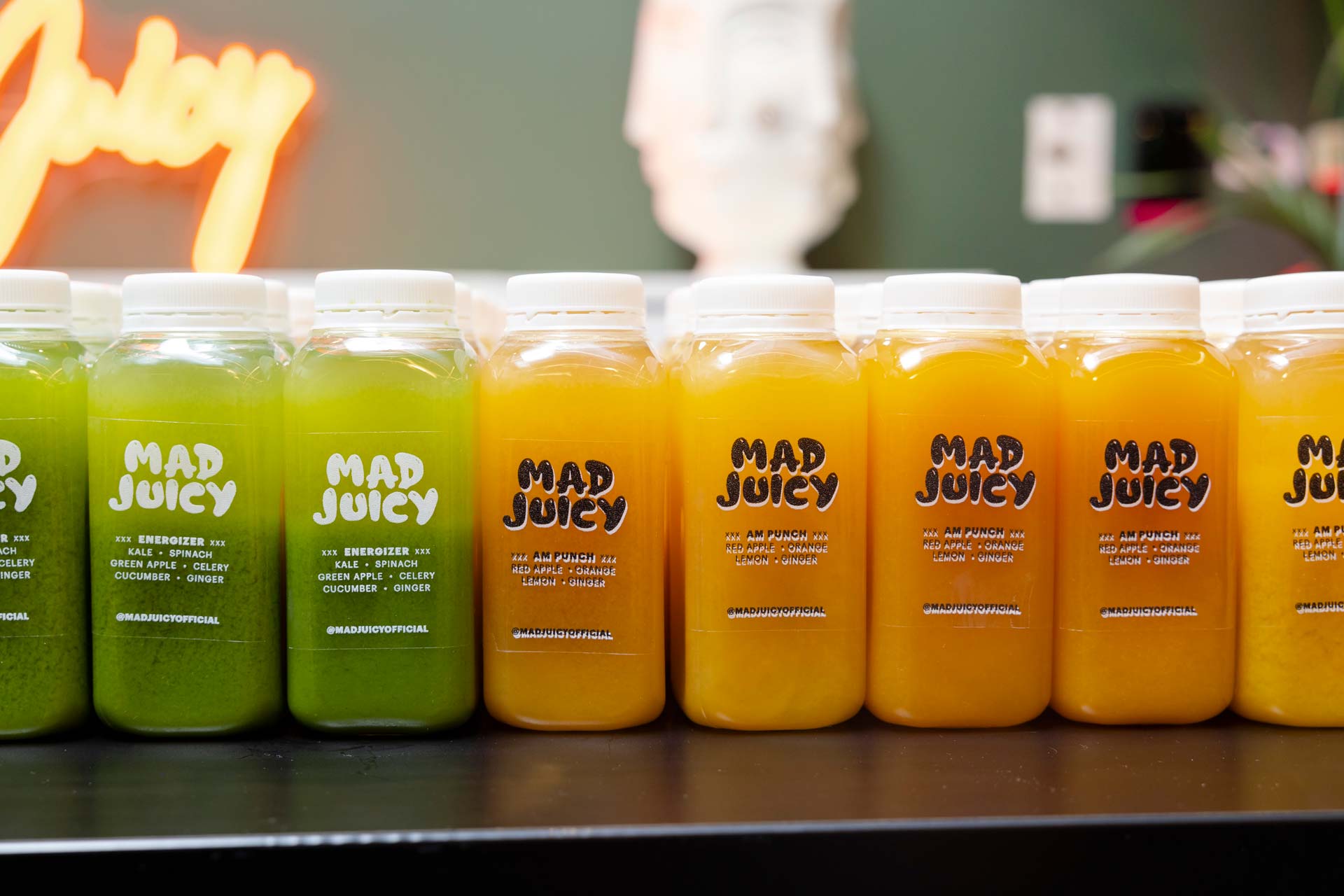
The Mad Juicy activation naturally opened the door to a broader conversation about endemic, authentic marketing and what it means for a brand to feel native to its own ecosystem. TikTok World was not designed as a trade show with branded booths competing for attention; it functioned as a living expression of the platform’s values, where every touchpoint reflected the behaviors and aesthetics that define the community. Endemic branding in this context meant that nothing felt imported or forced. Instead, the environment mirrored the rhythms of the For You feed: spontaneous, creator-led, visually distinctive, and rooted in participation. This approach signaled a shift away from interruption-based marketing toward cultural alignment, where brands earn attention by embedding themselves in the experiences people already love.
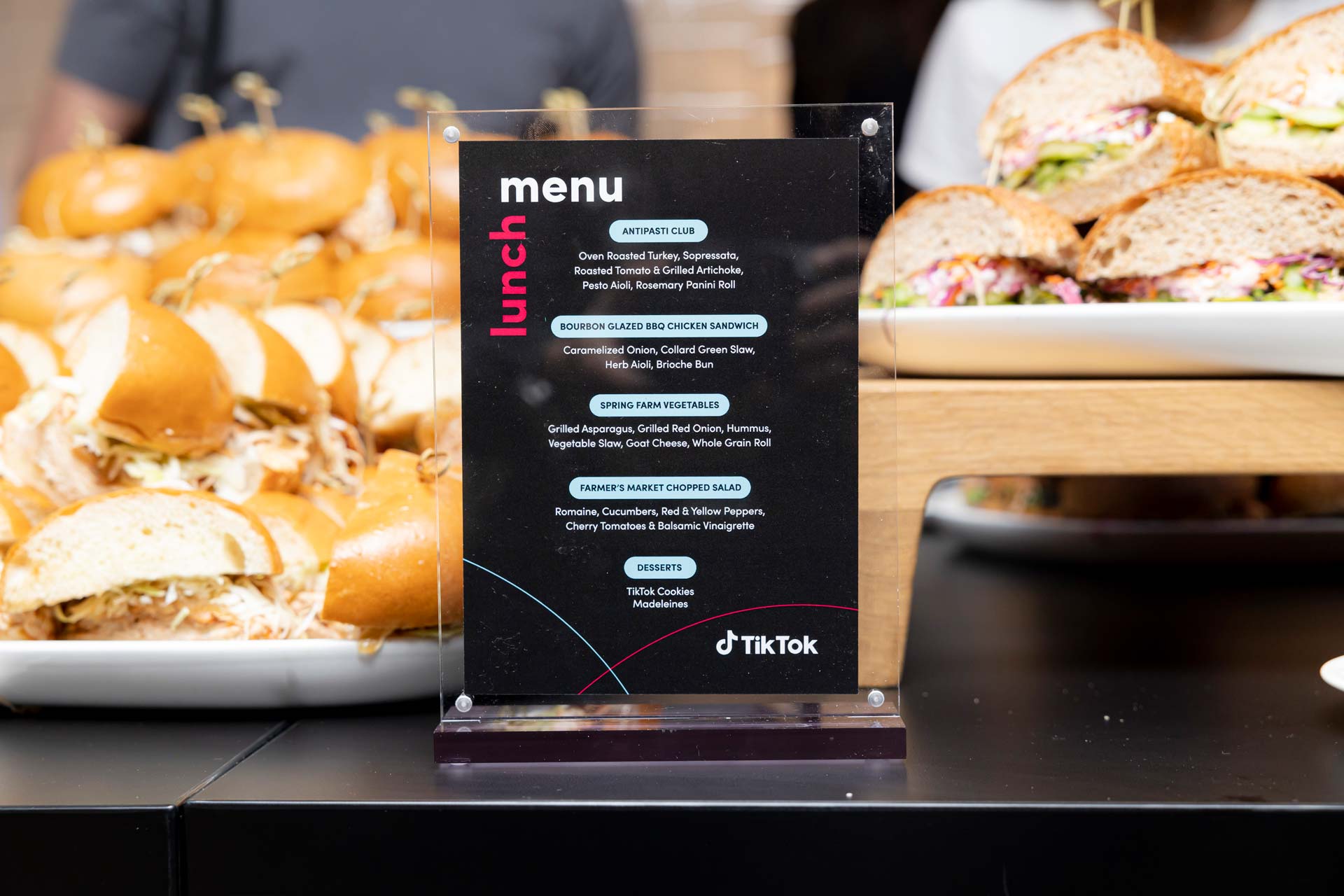
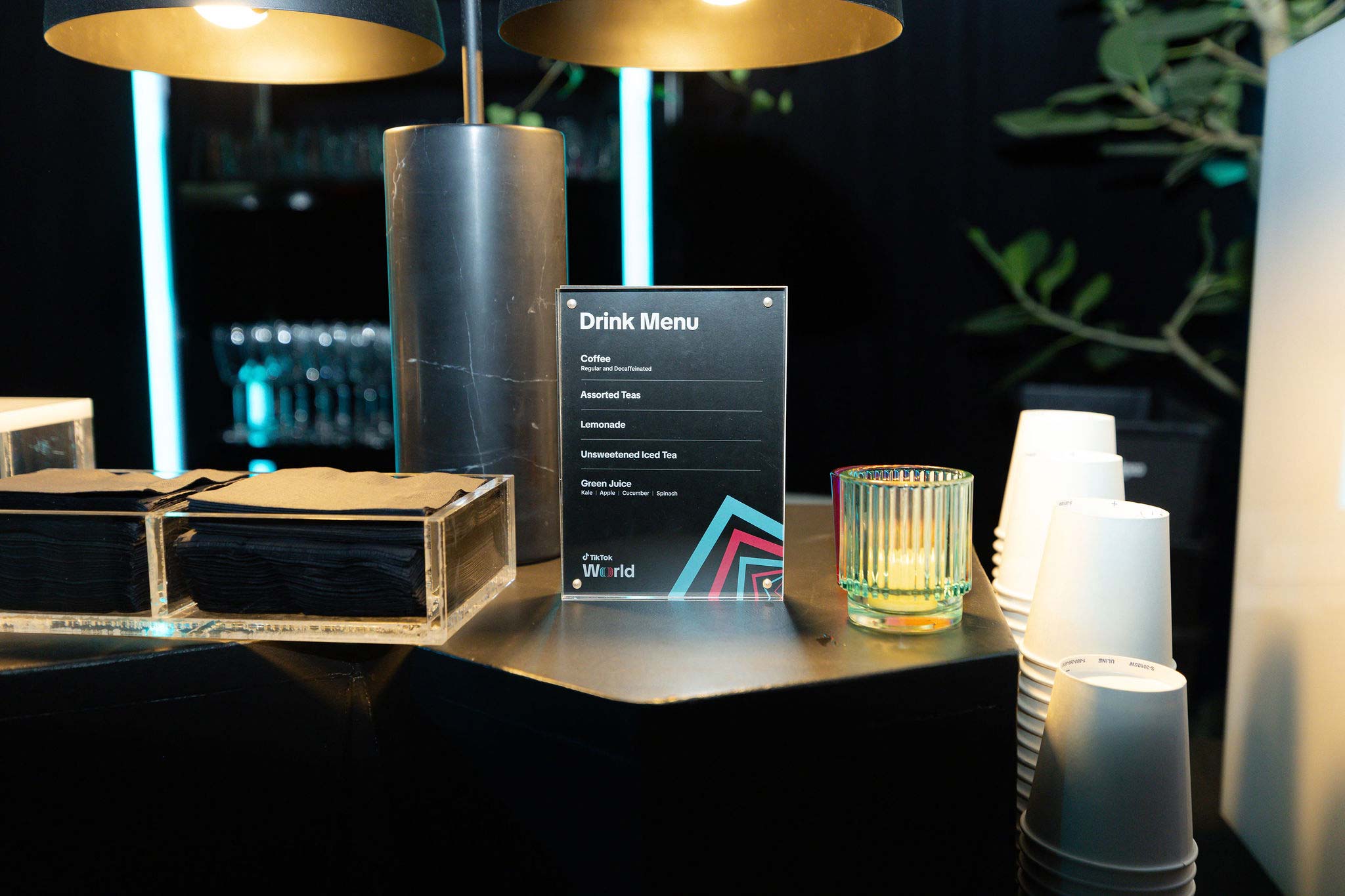
Hospitality became the connective tissue that made this philosophy tangible. Rather than treating food, beverage, and comfort as afterthoughts, the creative direction framed them as integral storytelling devices. Menu selections were curated to reflect TikTok’s global, youth-driven palate, balancing playful indulgence with photogenic presentation that encouraged sharing. Floral arrangements, lounge layouts, and material choices were orchestrated with the same intentionality as stage design or product demos, ensuring that every corner of the space felt cohesive and camera-ready. The result was an environment where guests did not simply attend an event; they inhabited a brand world that felt both elevated and familiar.
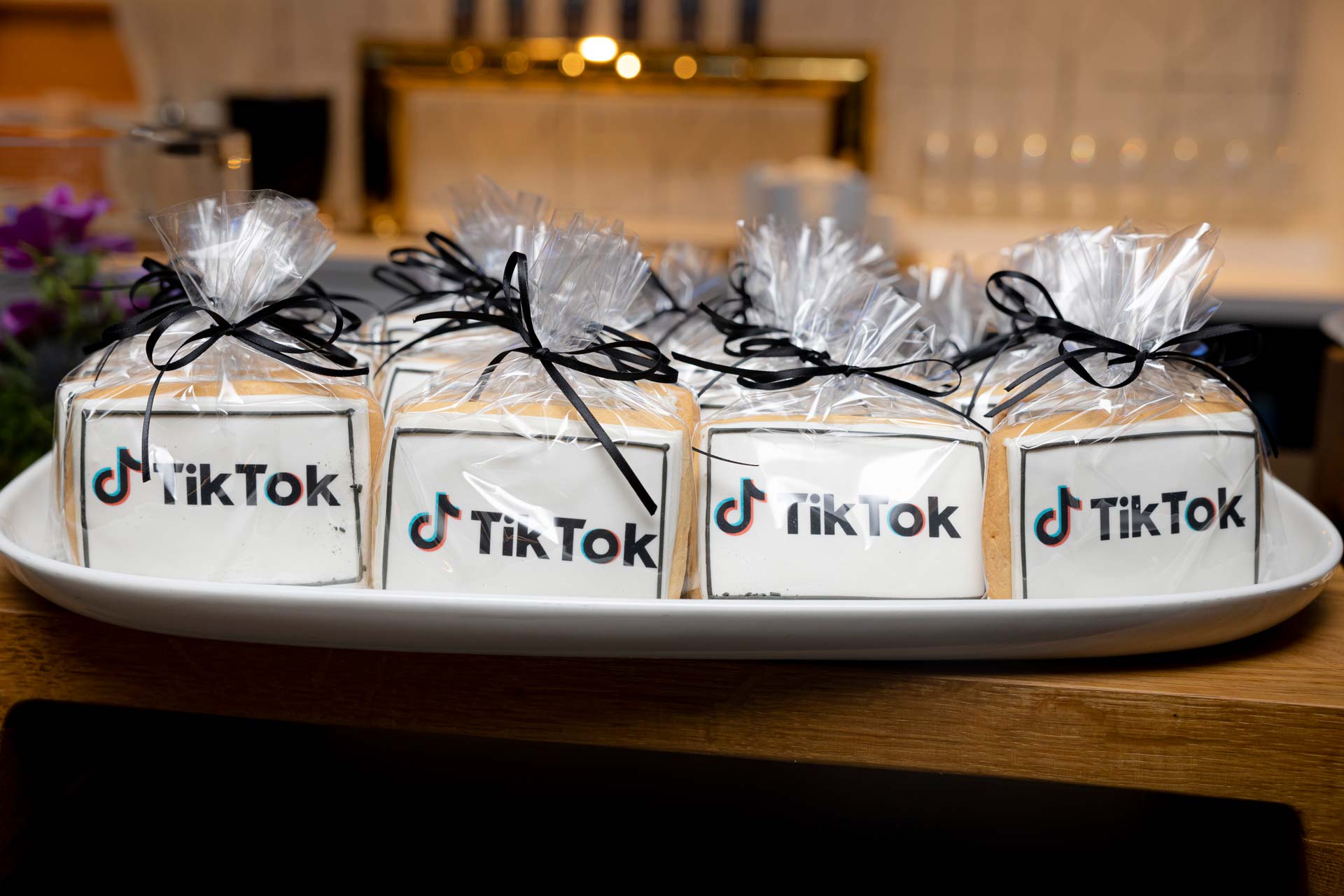
This level of cohesion reinforced trust and emotional resonance, two currencies that are increasingly vital in a fragmented media landscape. When hospitality is aligned with brand identity, it communicates care, attention to detail, and cultural fluency without the need for overt messaging. Guests register these signals, associating the brand with thoughtfulness and authenticity rather than spectacle alone. In a platform built on creator intimacy and community connection, these cues matter. They transform passive attendees into active participants who feel welcomed, seen, and eager to share their experience with their own audiences. We even introduced custom TikTok-branded cookies as a surprise-and-delight moment, a small but memorable touch that reinforced the platform’s playful personality while giving guests a tactile reminder of the experience.
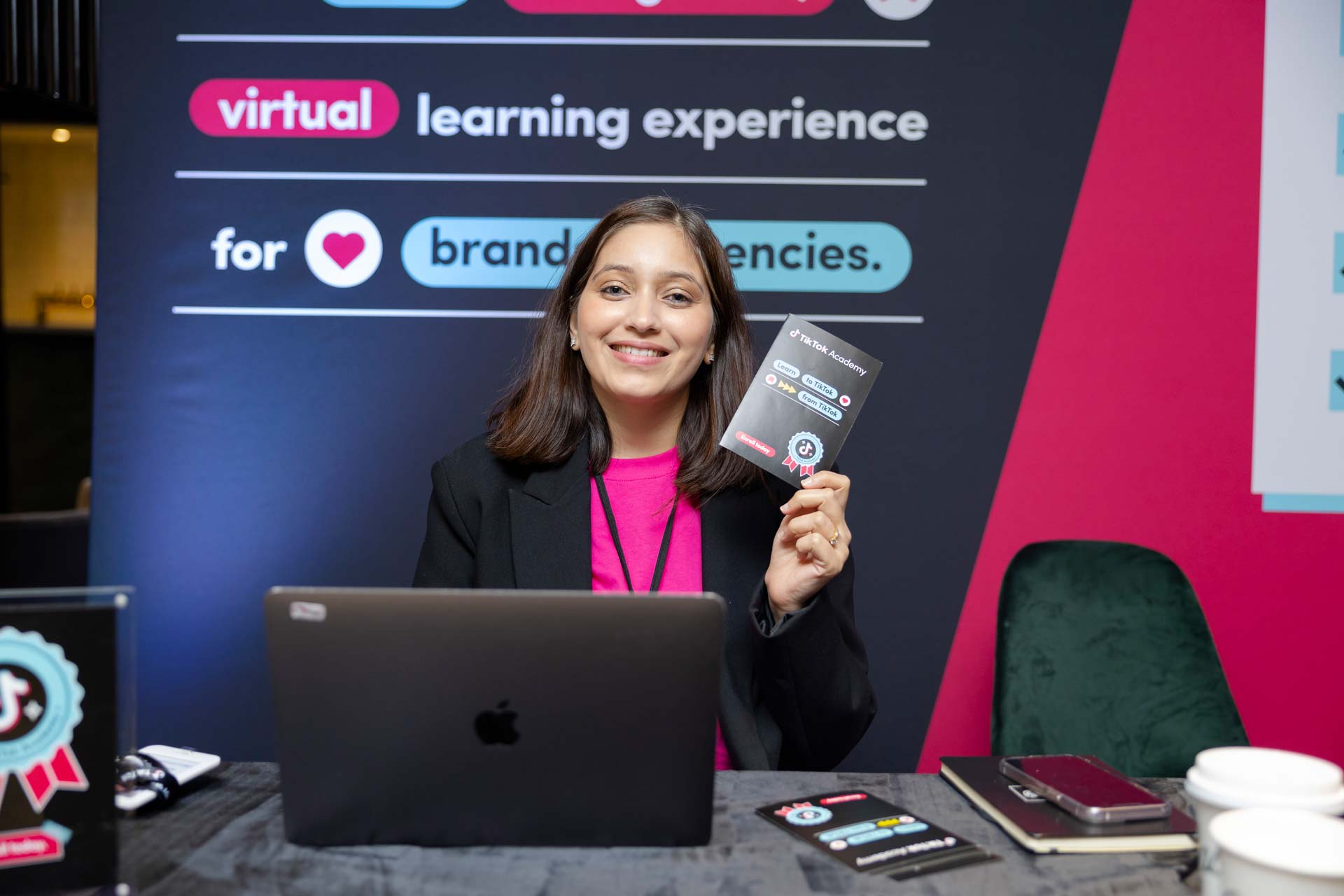
TikTok Academy is the platform’s structured learning and certification ecosystem designed to educate marketers, agencies, and brand teams on how to succeed within TikTok’s unique content and advertising environment. It offers modular coursework covering everything from creative best practices and community-first storytelling to performance measurement, ad products, and full-funnel campaign strategy. More than a simple knowledge base, the Academy functions as an enablement engine, translating platform behaviors into actionable frameworks that help brands move from interruption-based advertising to participatory culture. In an ecosystem where trends evolve daily, the Academy provides a common language and operating system for marketers who need to understand not only how TikTok works, but why it works.
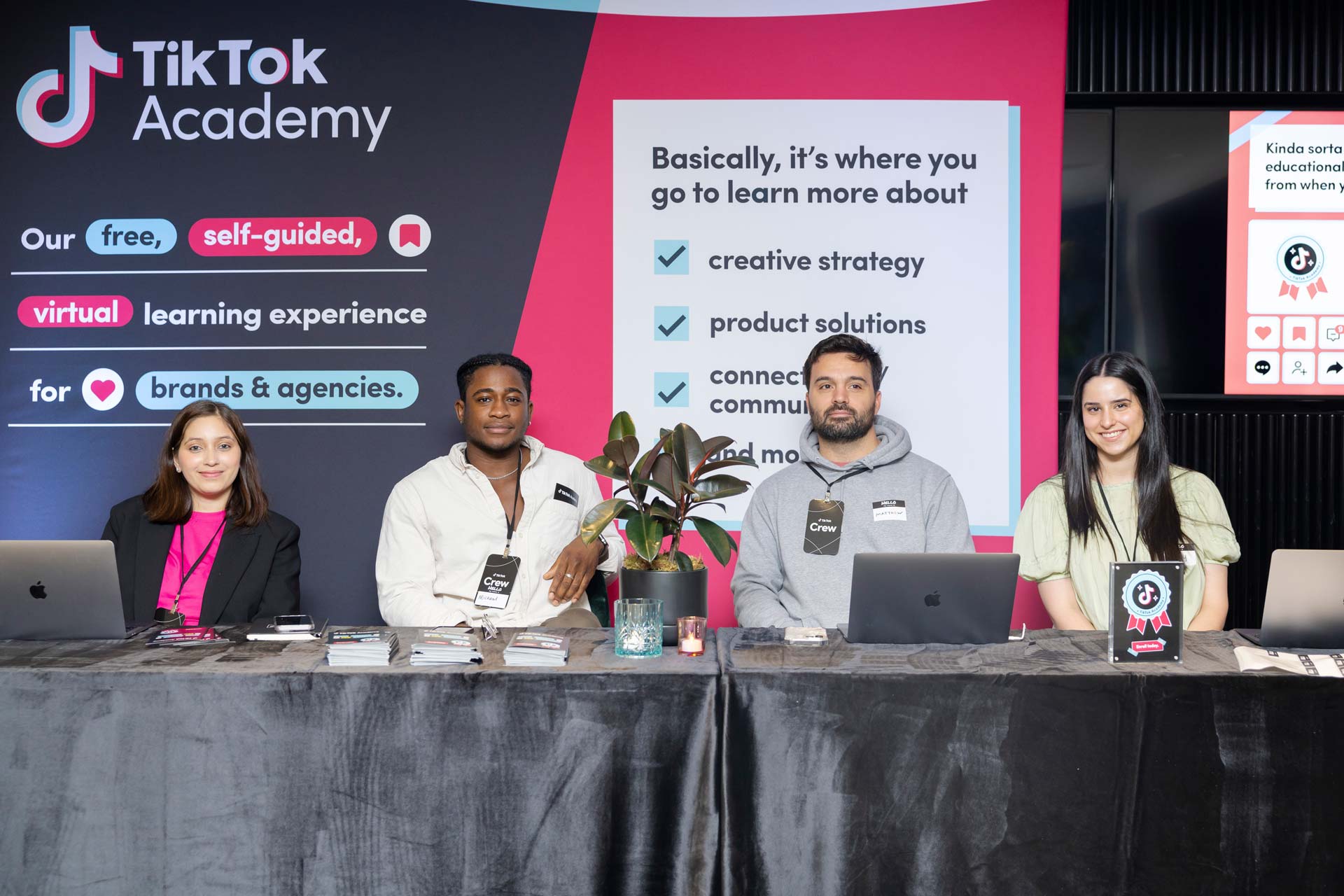
At the event, we brought TikTok Academy to life through a dedicated booth that transformed abstract learning into a tangible, human-centered experience. Manned by our own Pragya Borar, the space operated like a Genius Bar for brand partners, offering real-time guidance on certification pathways, campaign optimization, and creator collaboration strategies. Instead of sending attendees to a URL and hoping they would follow through, we created a face-to-face bridge between education and execution. Pragya fielded nuanced questions from CMOs, media planners, and agency teams, helping them map their business objectives to TikTok-native solutions while demystifying tools that can often feel opaque from the outside.
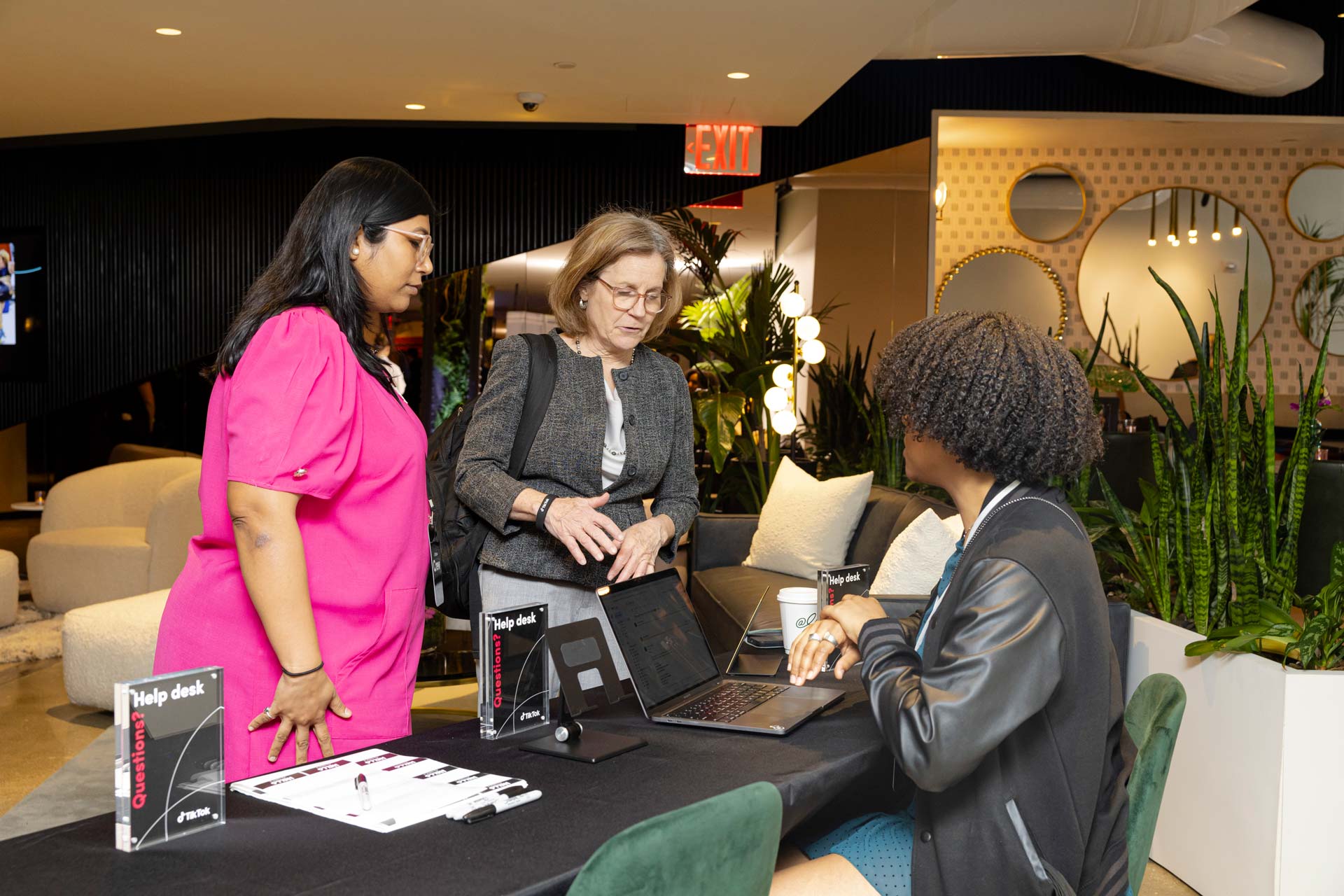
This physical integration of TikTok Academy reinforced a core message of the event: empowerment through understanding. Brands were not only inspired by the creative and cultural energy of the space, they were equipped with the knowledge to act on it. Attendees left with clear next steps toward certification, deeper familiarity with learning resources, and a sense that TikTok was invested in their long-term success, not only their ad spend. By embedding education directly into the environment, we ensured that curiosity could convert into capability, and that capability could translate into more authentic, effective participation on the platform.
TikTok World 2023 arrived at a moment when the platform was no longer an emerging channel but a central pillar of modern media strategy, with roughly 150 million Americans engaging daily and brands shifting from experimental budgets to full-funnel investment. The event was positioned as a strategic briefing for marketers navigating an environment defined by attention scarcity, algorithmic distribution, and creator-led influence. Rather than asking whether TikTok deserved a place in the media mix, attendees were focused on optimization, automation, and measurable business outcomes, signaling a maturation of the platform from cultural disruptor to performance engine.
A core throughline of the event was the mandate to “think TikTok first,” a reframing that challenges legacy creative workflows built for television or static social placements. The platform’s vertical, sound-on, full-screen environment demands native storytelling structures, rapid hooks, and formats that invite remix rather than passive consumption. Marketers were encouraged to treat TikTok as a creative origin point rather than a downstream adaptation channel, enabling assets to cascade across paid, owned, and earned media with greater efficiency. This inversion of the traditional production hierarchy reflects a broader shift toward creator-inspired, platform-native ideation.
Equally central was the emphasis on TikTok’s foundational value triad: entertainment, education, and community. The event underscored that high-performing brand content does not interrupt the feed but contributes to it, aligning with the motivations that bring users to the platform in the first place. Whether through how-to content, behind-the-scenes storytelling, or humor rooted in cultural fluency, brands were urged to embed themselves within niche communities rather than broadcast to generalized demographics. This community-first paradigm reframes targeting from a data exercise into a cultural one, where relevance is earned through participation.
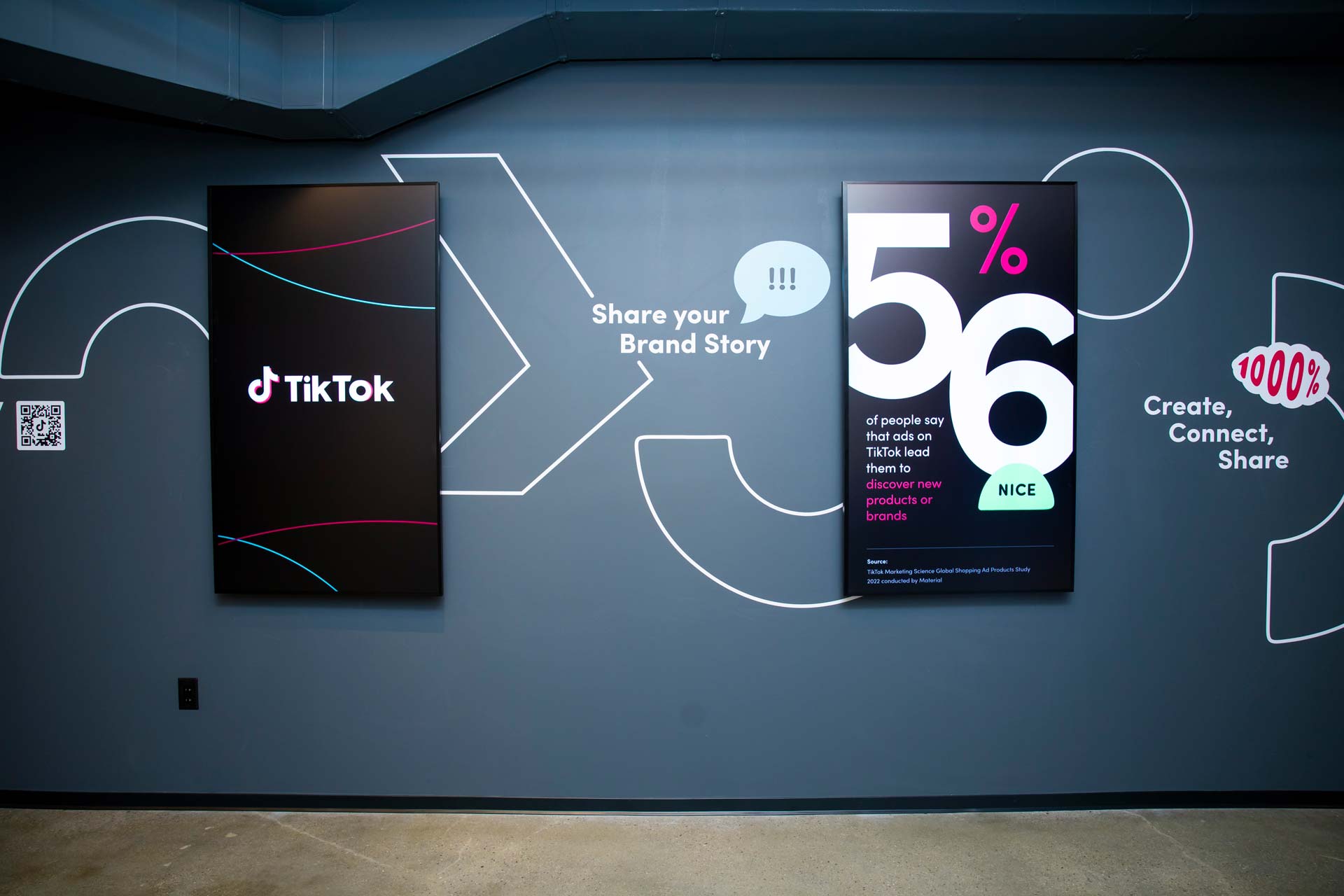
Automation and AI emerged as key enablers of scale, with tools like Smart Creative and script generation positioned as accelerants rather than replacements for human creativity. By dynamically assembling and testing combinations of video, copy, and calls to action, these systems allow marketers to iterate at the speed of the feed while preserving strategic intent. The promise is not merely efficiency but adaptive learning, where campaigns evolve in real time based on audience behavior signals. This shift toward machine-assisted optimization reflects the growing complexity of managing performance across fragmented attention landscapes.
The event also addressed the broader geopolitical and regulatory context surrounding the platform, acknowledging marketer concerns while reinforcing the importance of understanding TikTok’s capabilities regardless of policy uncertainty. In doing so, TikTok World functioned as both a product showcase and a confidence-building exercise, emphasizing transparency, trust, and operational resilience. For many brands, the takeaway was pragmatic: the cultural and commercial gravity of the platform necessitates fluency, even amid shifting policy headwinds.
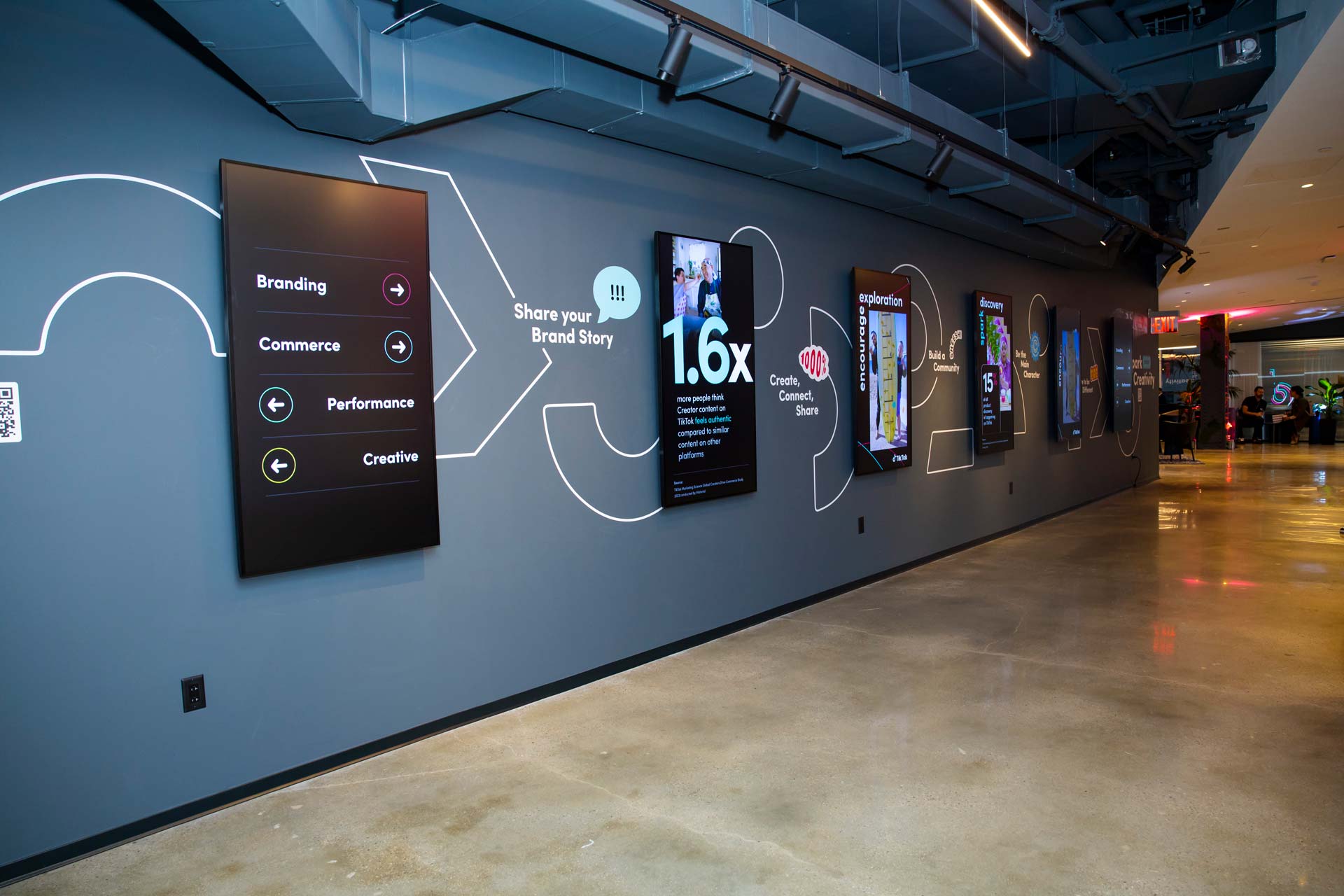
Working closely with Maya on the events team, I helped drive the creative direction for TikTok World from soup to nuts, translating strategic objectives into a cohesive visual identity that could scale across every touchpoint of the experience. From early concept decks through final execution, we developed a system that balanced TikTok’s playful, creator-first energy with the clarity and polish required for a global B2B product summit. My role centered on building the visual language and ensuring fidelity in implementation, defining typography hierarchies, motion behaviors, color applications, environmental graphics, and wayfinding so that every surface, screen, and printed artifact felt unmistakably TikTok while still serving the functional needs of attendees navigating a complex event environment.
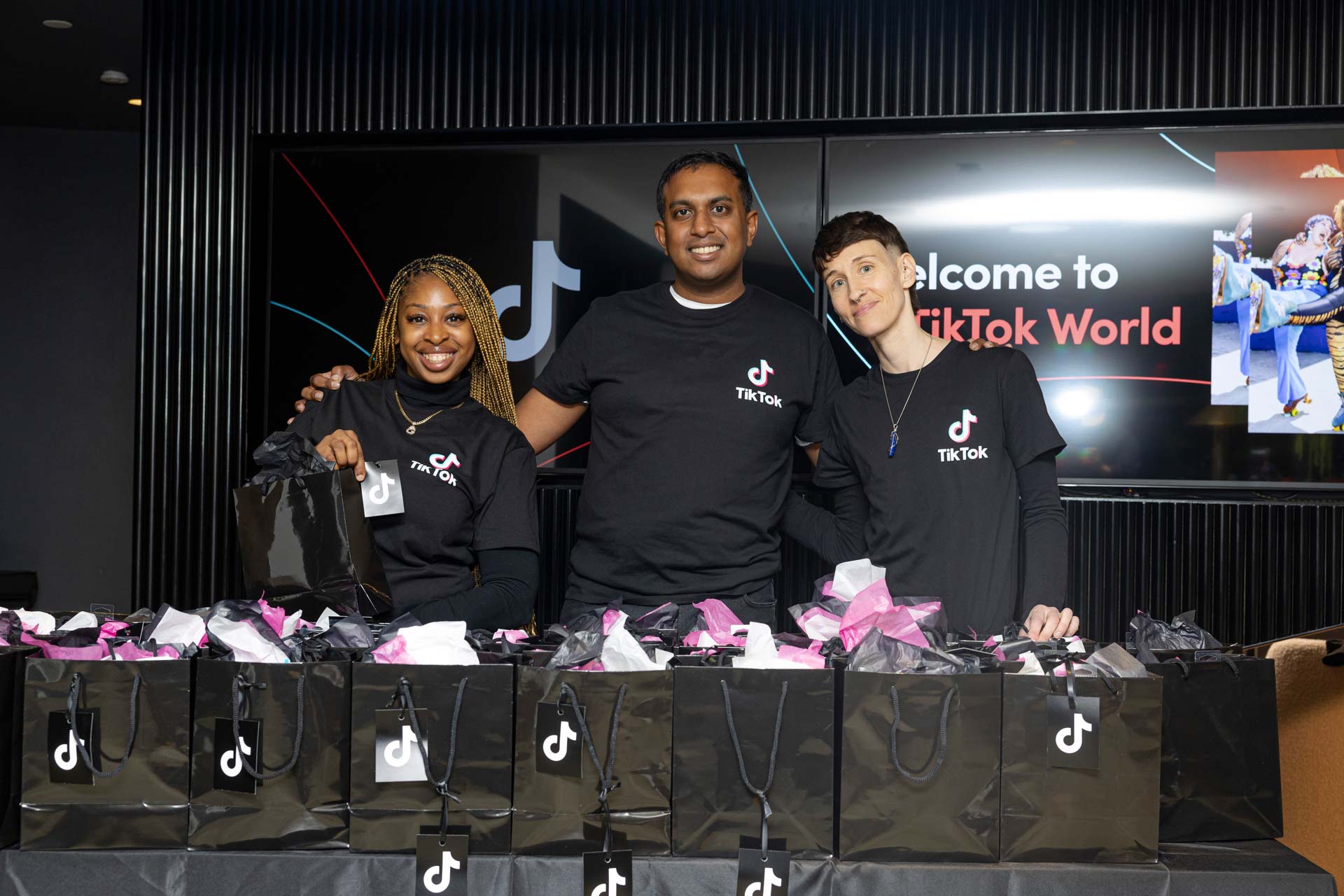
Beyond defining the system, I was deeply involved in operationalizing it, partnering with production, fabrication, and digital teams to ensure the vision translated seamlessly from Figma files to physical builds and live content. That meant reviewing materials, working with my designer Mike Hinson and refining scale and placement, guiding vendor outputs, and troubleshooting in real time as elements came together on site. Whether it was environmental branding, stage design, interactive installations, or presentation templates, I worked to maintain a consistent creative throughline so the event felt intentional rather than assembled. The result was an experience where brand expression, hospitality, and product storytelling operated as one integrated system, reinforcing TikTok’s identity at every moment attendees encountered the space.
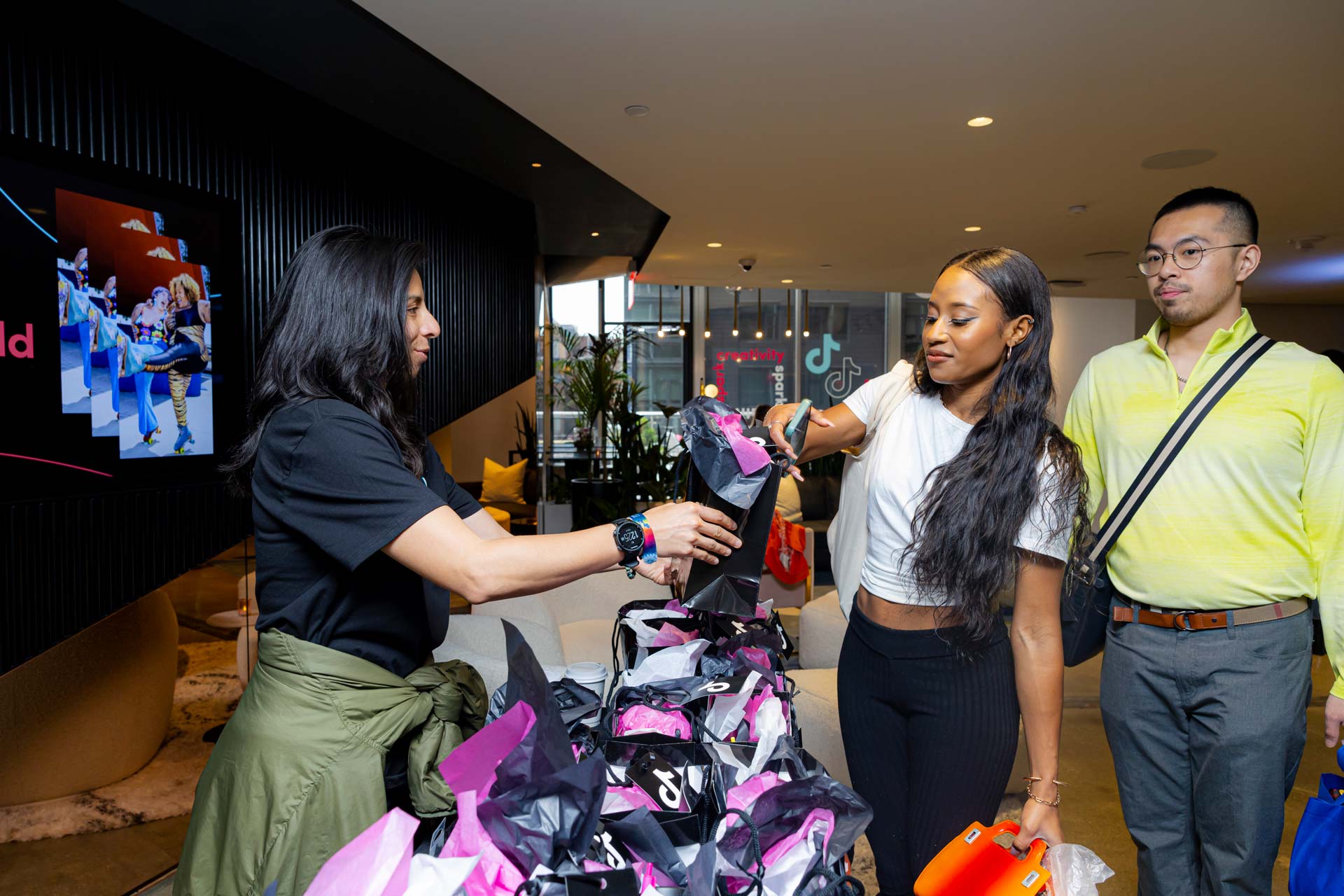
The success of TikTok World was not the result of a single team, but the orchestration of a deeply cross-functional ecosystem that spanned Global Business Marketing, Global Marketing Solutions, MarComms, Product Strategy & Operations, and Enterprise and Agency partnerships. Working in lockstep with events leadership, GBM Studio, and PSO subject matter experts, we created an environment where product storytelling, client education, and experiential design converged into a cohesive narrative. The event drew 171 mid-to-senior level brand and agency decision makers, nearly achieving the 200-attendee target, and created a high-intent environment for meaningful product conversations and post-event deal flow.
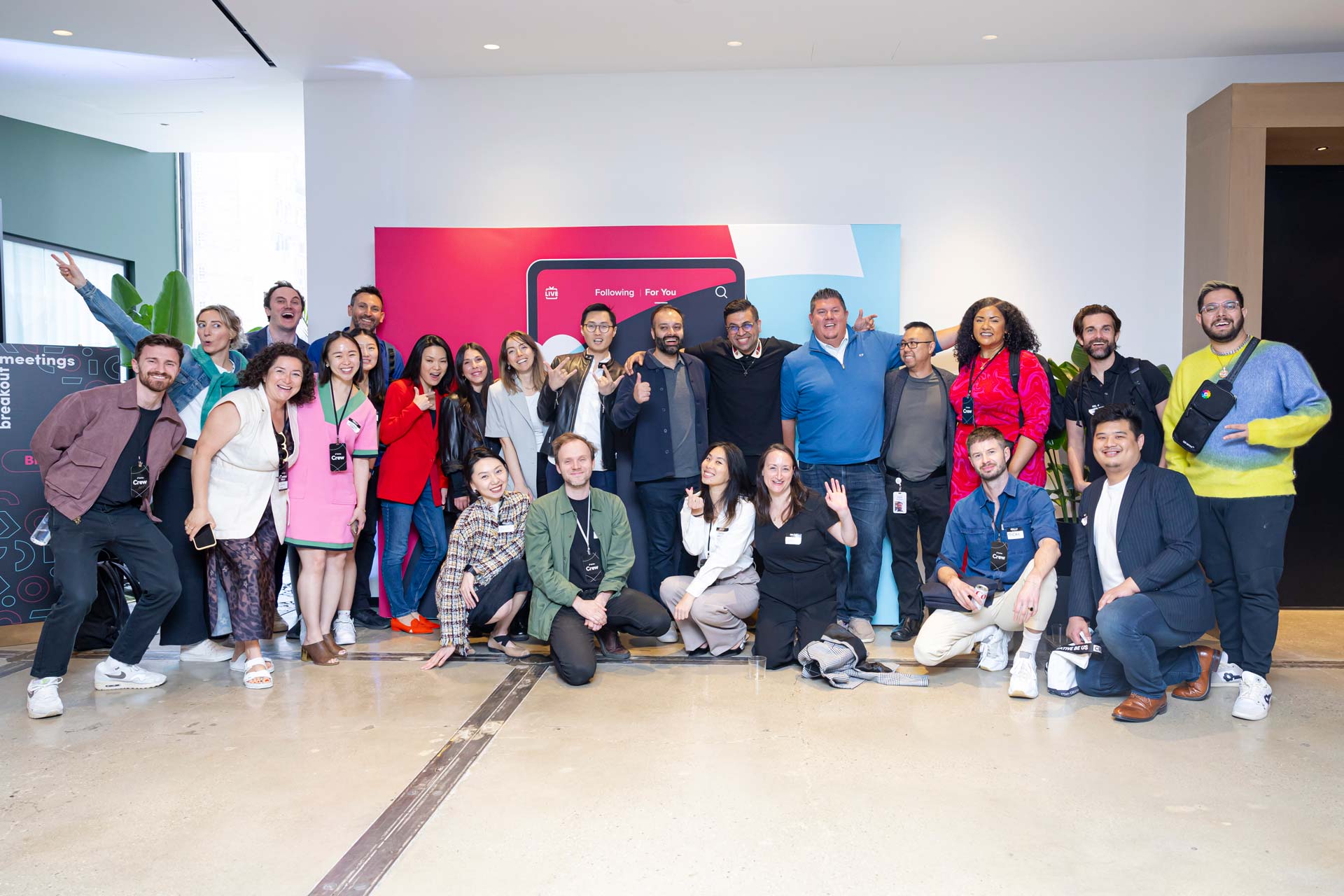
From a performance standpoint, the impact extended far beyond the room. TikTok World generated 32 pieces of media coverage with 96.4% positive sentiment, alongside 241 social mentions reaching over 4.3 million people globally, demonstrating strong message pull-through and brand authority in the advertising ecosystem. These outcomes were powered by tight coordination with MarComms for amplification, Comms for narrative alignment, GA&A for measurement frameworks, and GBS teams for client follow-through, ensuring that the experience translated into tangible business momentum. What emerged was more than an event. It was a full-funnel activation that reinforced TikTok’s positioning as an end-to-end growth platform for brands while proving the value of integrated, design-led collaboration at scale.
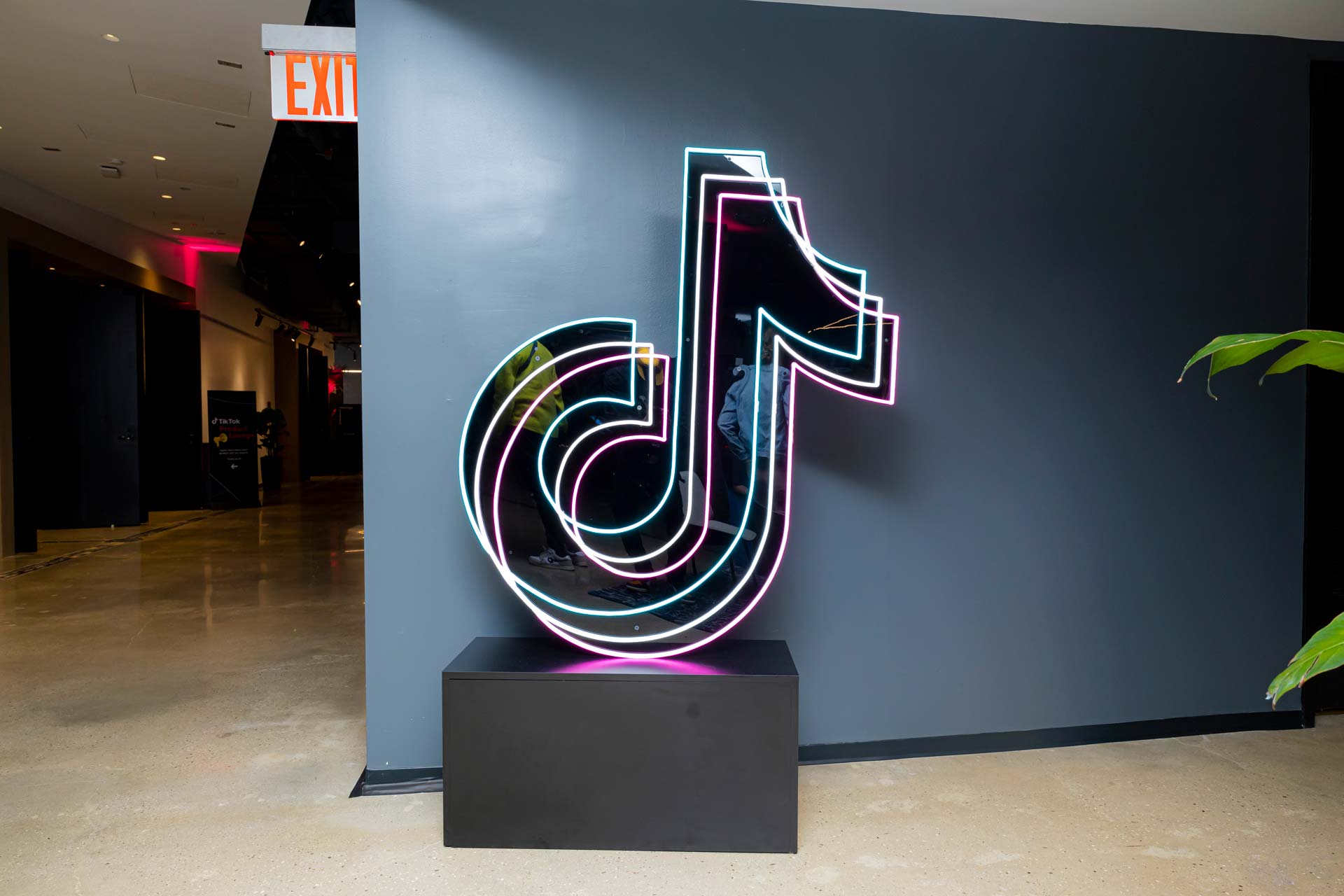
Ultimately, TikTok World 2023 demonstrated that the platform’s evolution is not solely about new ad formats or measurement tools but about redefining the relationship between brands and audiences. It signaled a future where creativity is participatory, media is community-driven, and performance is inseparable from authenticity. For attendees, the event was less a roadmap than a recalibration, challenging them to rethink not only how they advertise, but how they show up in culture. This holistic approach demonstrated that the future of marketing lies not in louder messaging but in more meaningful environments, where authenticity is expressed through design, service, and sensory experience. By aligning hospitality with brand ethos at every level, TikTok World showed how immersive, on-brand care can deepen engagement, extend reach, and leave a lasting impression that outlives the event itself.
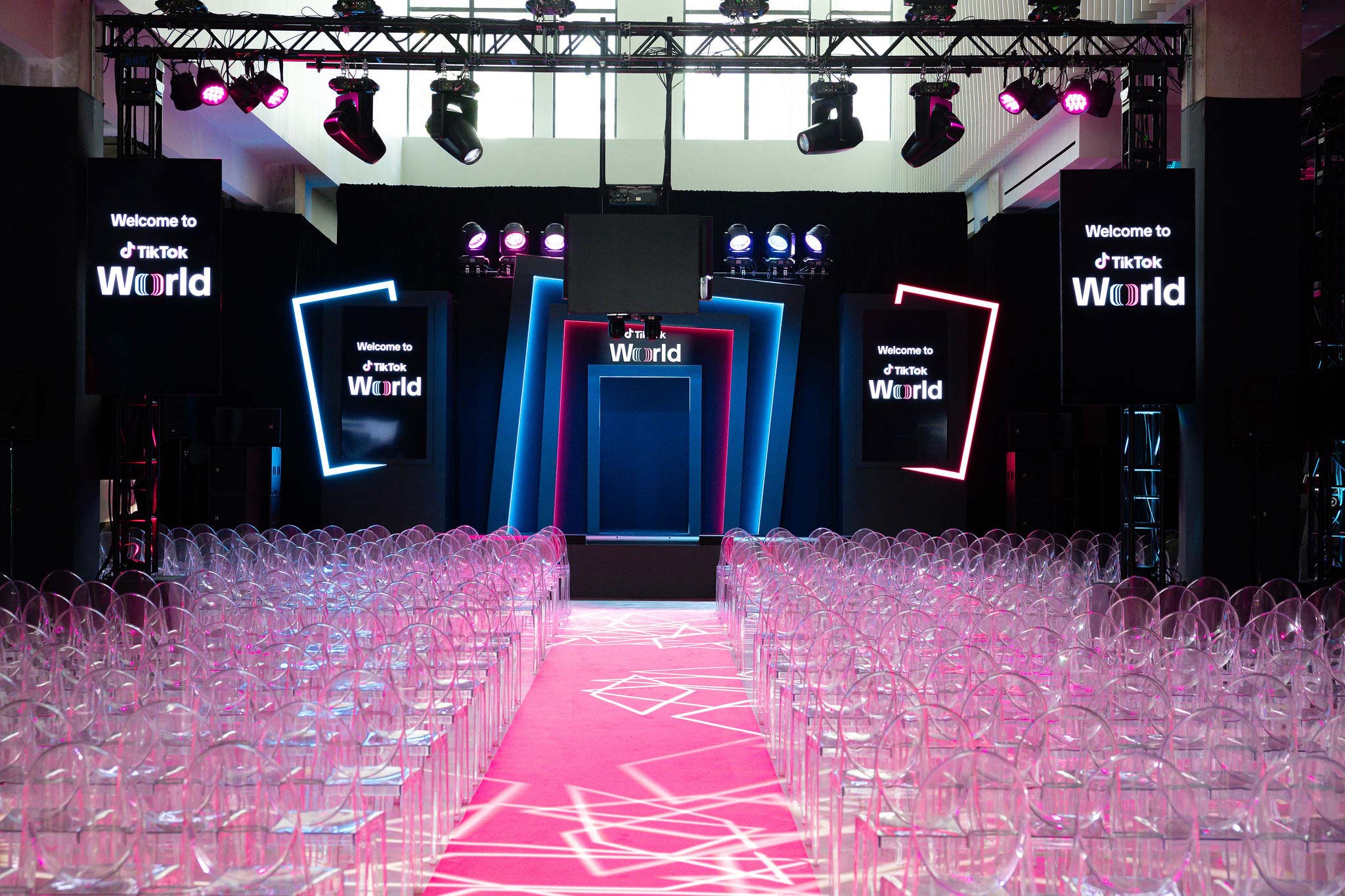
As we moved into 2024, the mandate shifted from validation to scale. The question was no longer whether an owned global summit could drive impact, but how to evolve the experience to meet a more mature advertising ecosystem, heightened regulatory scrutiny, and a market demanding clearer proof of performance. This next chapter required sharper storytelling, deeper product integration, and an even more intentional approach to hospitality and design. TikTok World would return not as an experiment, but as an institutional pillar, one designed to demonstrate that the platform’s future was not only about entertainment, but about building the most effective, culturally fluent marketing engine in the industry.
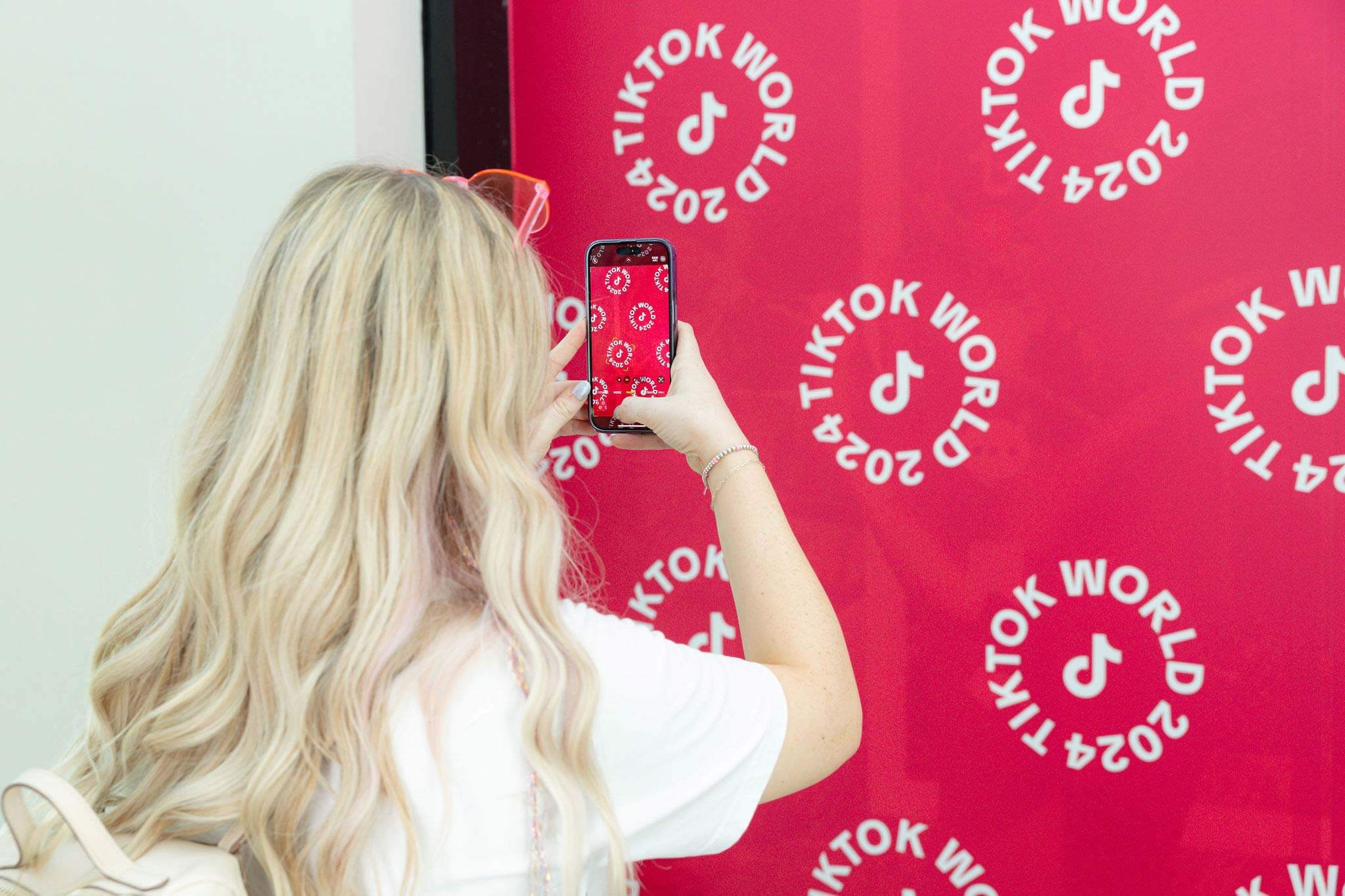
TikTok World 2024 marked the fourth global product summit and represented a maturation of the platform’s positioning from an advertising channel to a full-funnel business partner for brands. Held on May 22 at Skylight at Essex Crossing in New York City, the event convened 223 clients in person, with satellite activations in Los Angeles and Chicago extending its reach to key regional markets. The strategic ambition was clear: centralize innovation storytelling in a flagship experience while amplifying impact through distributed events, networking opportunities, and a persistent digital hub that allowed non-attendees to engage with product launches and thought leadership. This hybrid model reinforced TikTok’s commitment to accessibility, scalability, and sustained engagement beyond a single moment in time.
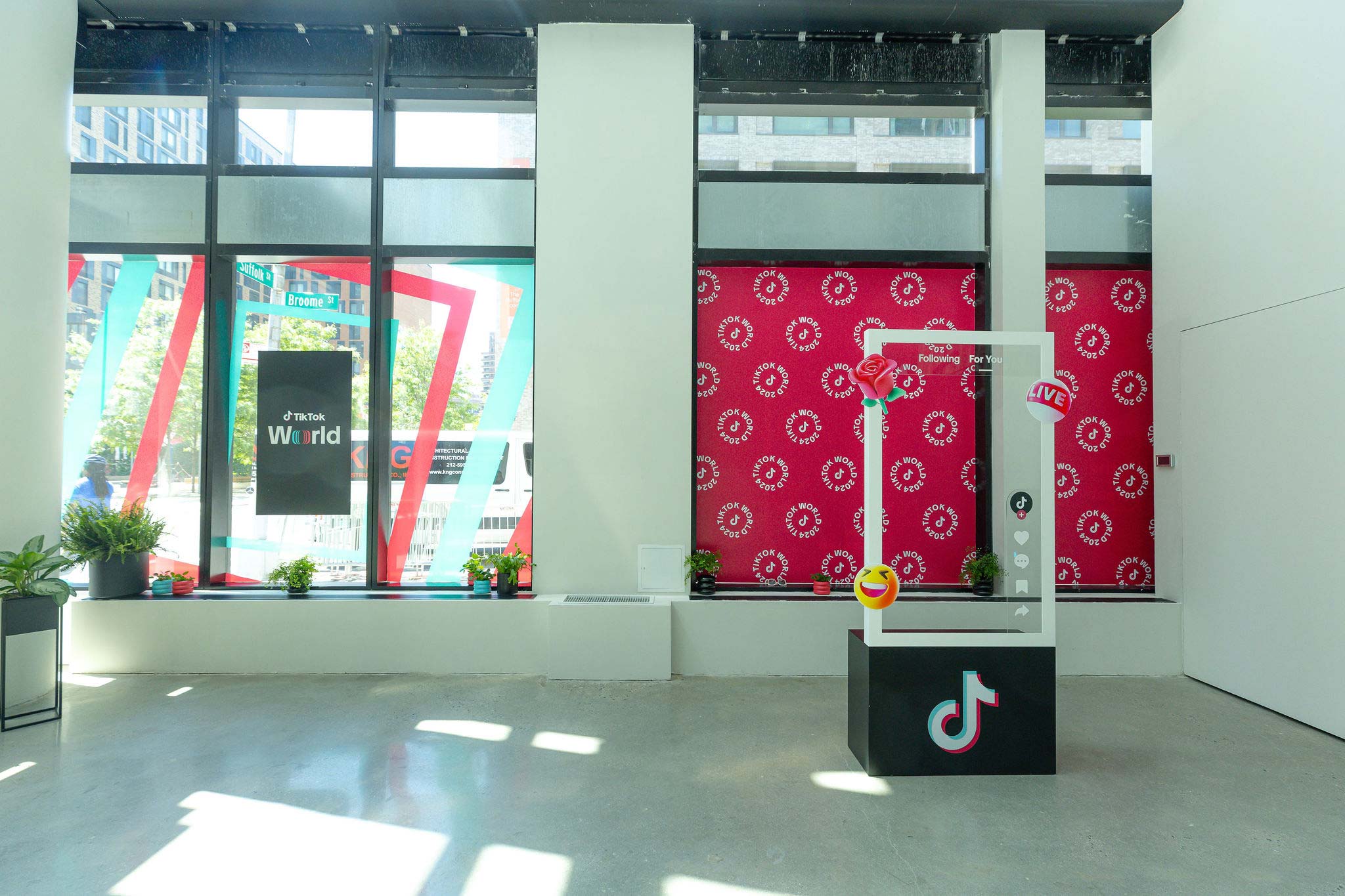
At its core, the event’s business positioning framed TikTok as “entertainment that drives impact,” emphasizing three primary goals: excite clients with new and existing ad solutions, demonstrate TikTok as a full-funnel platform, and shift perception from vendor to strategic partner. This reframing reflected a broader industry shift toward integrated marketing ecosystems where platforms are expected to deliver measurable outcomes across awareness, consideration, and conversion. TikTok World 2024 operationalized this narrative through programming that fused product education, experiential storytelling, and direct access to experts. The result was a cohesive value proposition that aligned brand storytelling with performance marketing outcomes.
The main stage programming reinforced this positioning through executive vision keynotes and product deep dives spanning branding, creative tooling, and performance automation. Leaders outlined TikTok’s innovation roadmap while showcasing solutions such as TikTok One, Symphony, automated performance tools, and Unified Lift measurement, demonstrating how creative, data, and automation converge into a unified growth engine. The inclusion of client panels grounded the narrative in real-world outcomes and validated TikTok’s role as a strategic growth partner. This balance of visionary leadership and practitioner insight ensured the content resonated with both senior decision-makers and hands-on marketers.
The physical environment for TikTok World 2024 was conceived as an immersive brand ecosystem rather than a traditional conference venue, transforming Skylight at Essex Crossing into a fully articulated spatial narrative. From the moment attendees entered, the space communicated TikTok’s core ethos of creativity, community, and entertainment through a layered combination of architectural interventions, digital surfaces, and dynamic lighting. Every sightline, material choice, and transition point was intentional, designed to guide movement while reinforcing brand presence without overwhelming the user experience. The venue became a living interface, translating TikTok’s product story into spatial form.
Partnering with Civic Studios was instrumental in bringing this vision to life, as their expertise in experiential fabrication and technical production enabled us to execute at both scale and precision. Together, we developed a modular scenic system that balanced speed of installation with structural integrity, allowing for complex builds within tight load-in windows. Civic’s fabrication teams produced custom scenic elements, branded structures, and integrated tech housings that concealed wiring and hardware while maintaining a clean, premium aesthetic. Their ability to translate creative direction into buildable solutions ensured fidelity between design intent and physical execution.
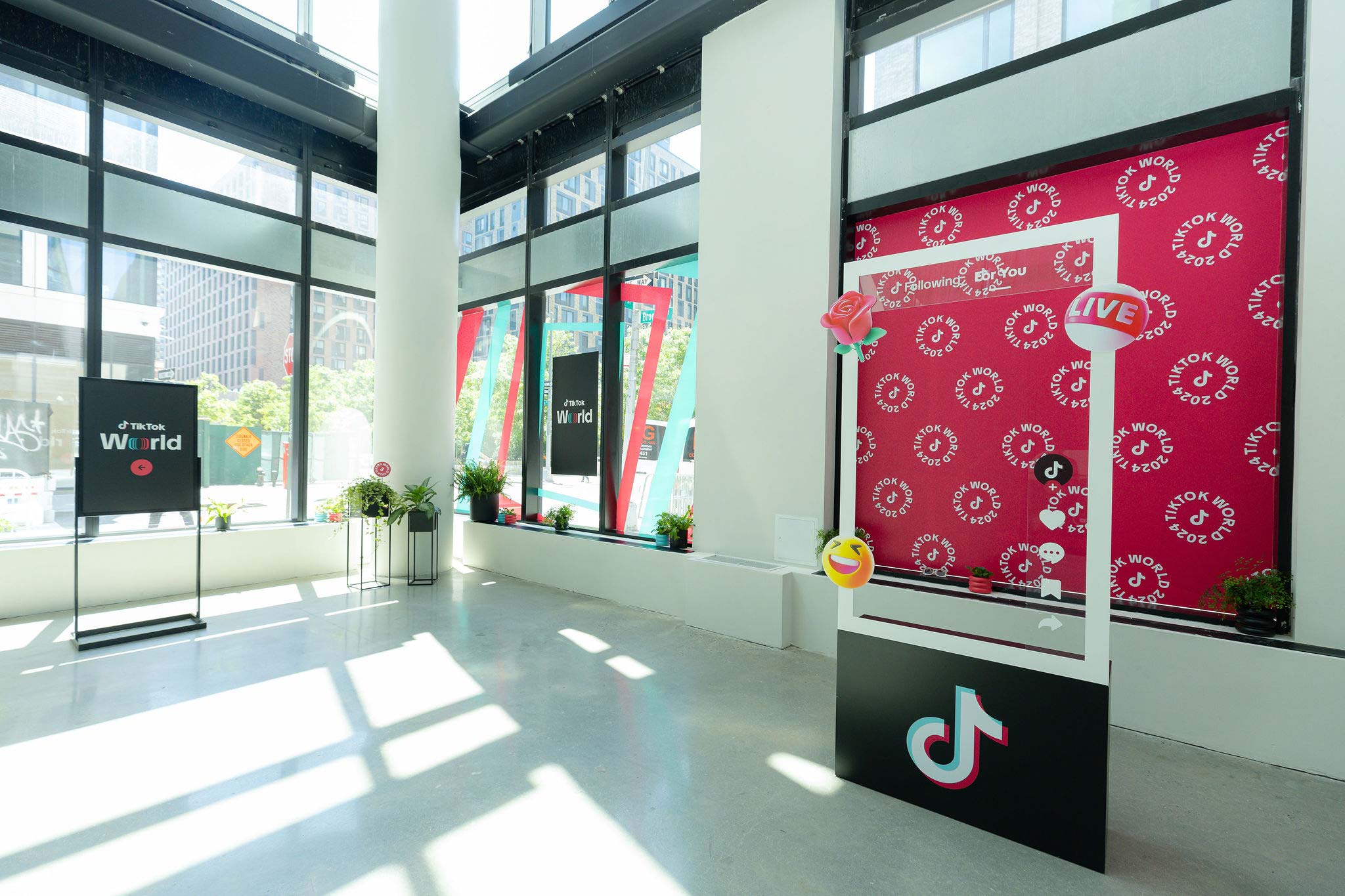
Lighting design played a central role in shaping the emotional cadence of the space, functioning as both a navigational tool and a storytelling device. We implemented programmable LED systems, color-temperature zoning, and dynamic washes that shifted throughout the day to support programming transitions. Cooler tones emphasized product education zones, while warmer hues activated lounge and networking areas, subtly guiding attendee behavior without explicit signage. This layered lighting approach created depth, dimension, and a sense of movement that kept the environment visually engaging across long dwell times.
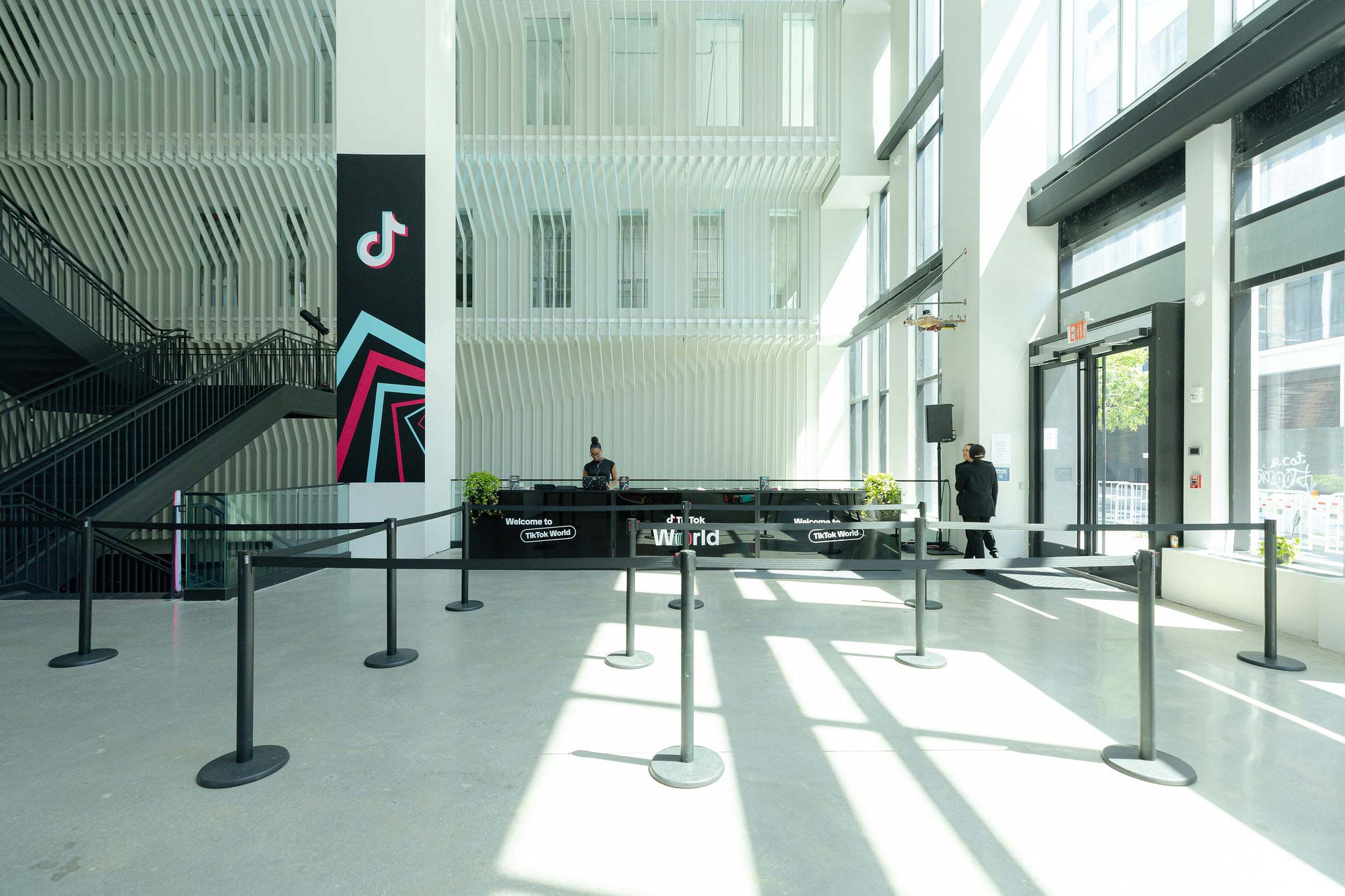
Load-in and build logistics required meticulous coordination across multiple vendors, unions, and venue constraints, with staggered schedules to accommodate scenic installation, lighting rigging, AV setup, and safety inspections. Civic Studios led the physical build, sequencing fabrication deliveries and coordinating with freight elevators, dock access, and storage limitations within the venue. Overnight shifts ensured that complex structures could be assembled without disrupting adjacent workstreams. This choreography of labor and timing was critical to delivering a seamless opening without visible traces of the intensive build process.
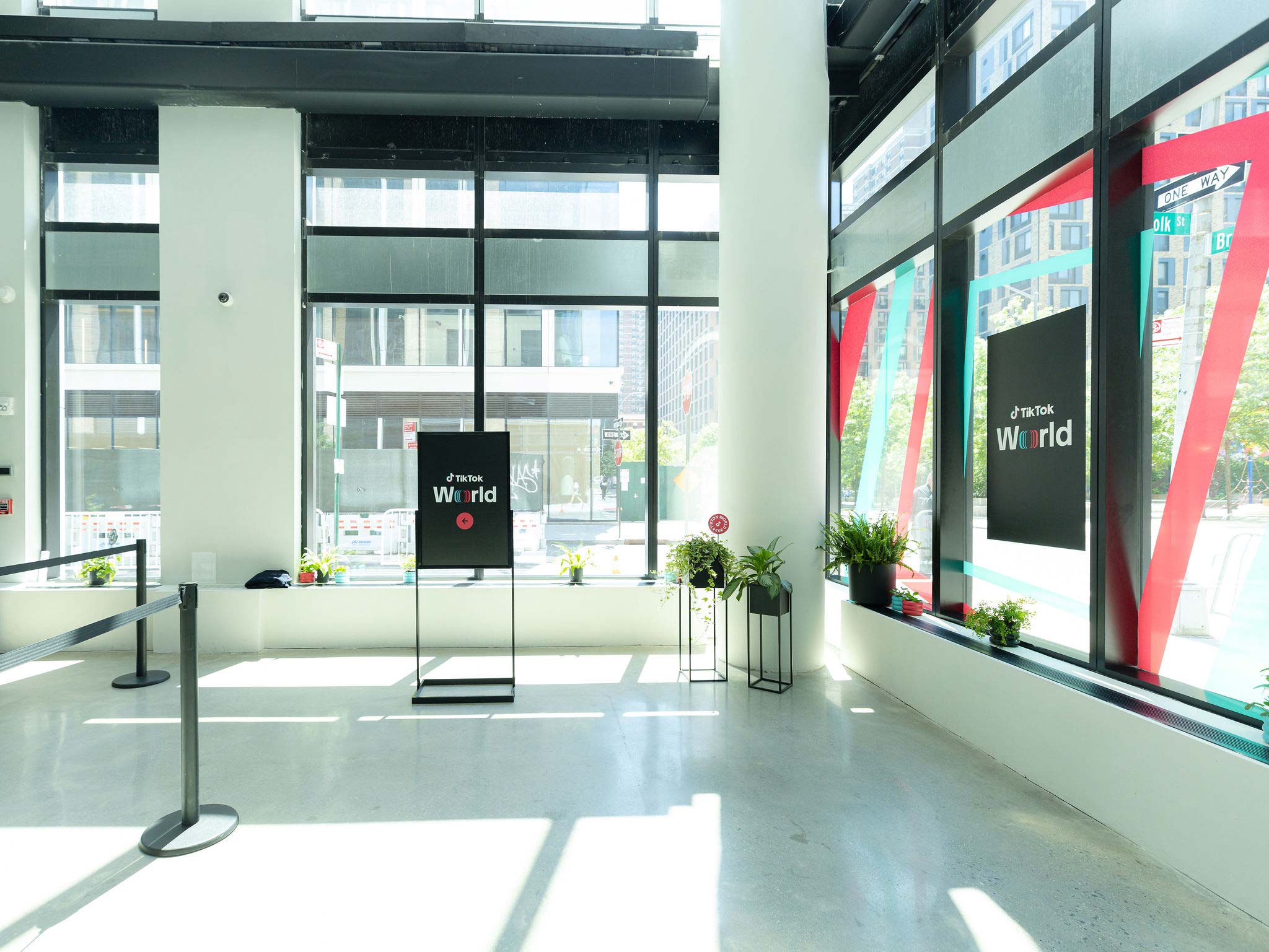
Material selection balanced durability with brand expression, utilizing lightweight composites, tension fabrics, and powder-coated metals to achieve a premium look while enabling rapid installation and breakdown. Surfaces were chosen to interact favorably with lighting, avoiding glare while also leaning into it at times, enhancing color saturation for brand consistency. Sustainable considerations informed material reuse and modular design, allowing components to be repurposed for future activations. This approach aligned operational efficiency with environmental responsibility, an increasingly important factor in large-scale event production.
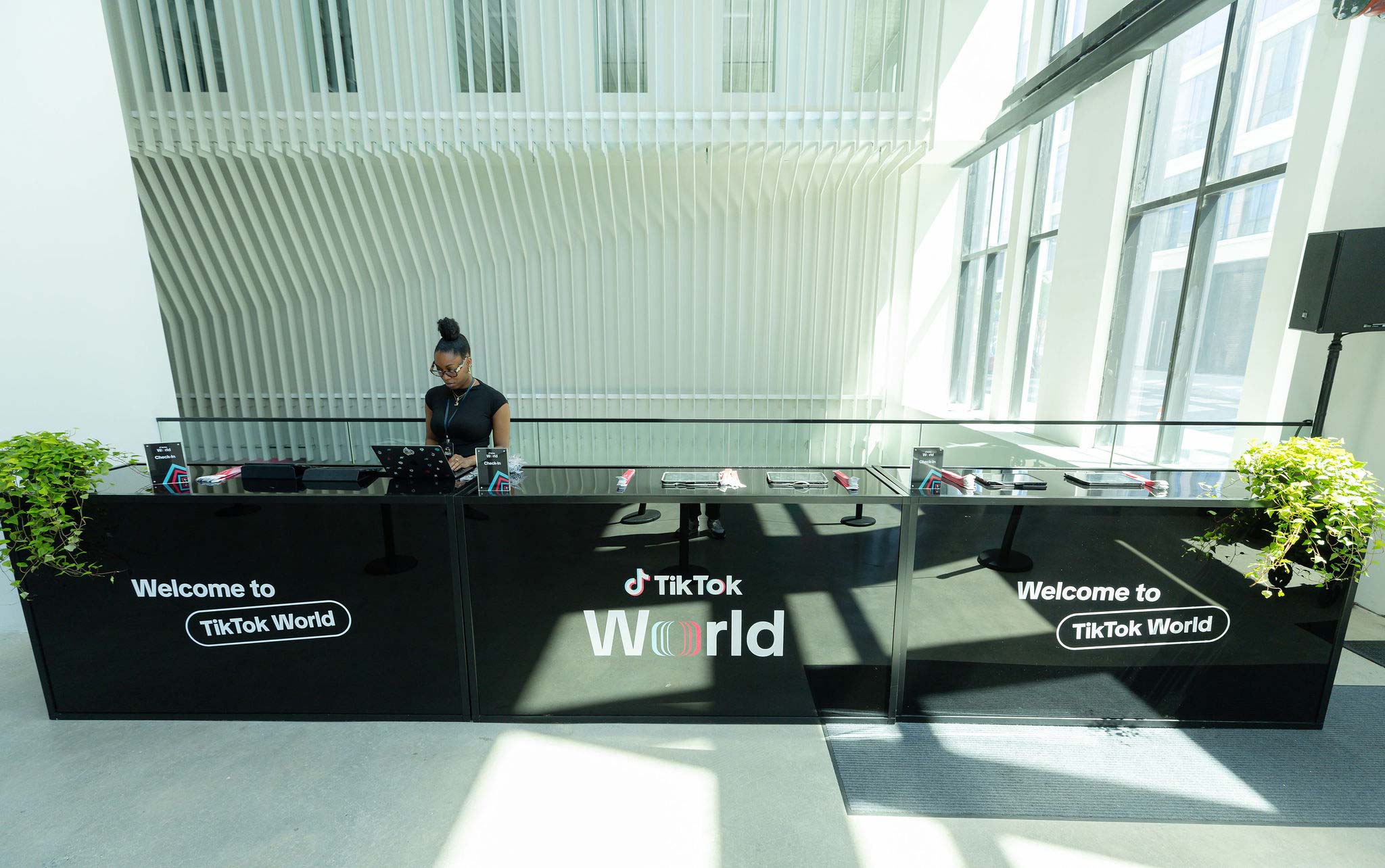
The natural light pouring through the atrium at Skylight Essex Crossing became one of the defining features of the TikTok World 2024 environment, transforming the venue into a bright, open, and welcoming canvas that elevated every design decision. Sunlight filtered through the expansive glass overhead, diffusing across the space and interacting beautifully with the crisp white finishes that formed the architectural backbone of the build. Rather than competing with artificial lighting, this daylight softened edges, enhanced color accuracy, and lent a sense of authenticity that made the environment feel less like a staged event and more like a living, breathing cultural space. The result was an atmosphere that felt calm, modern, and inherently shareable, inviting attendees to linger, connect, and document their experience.
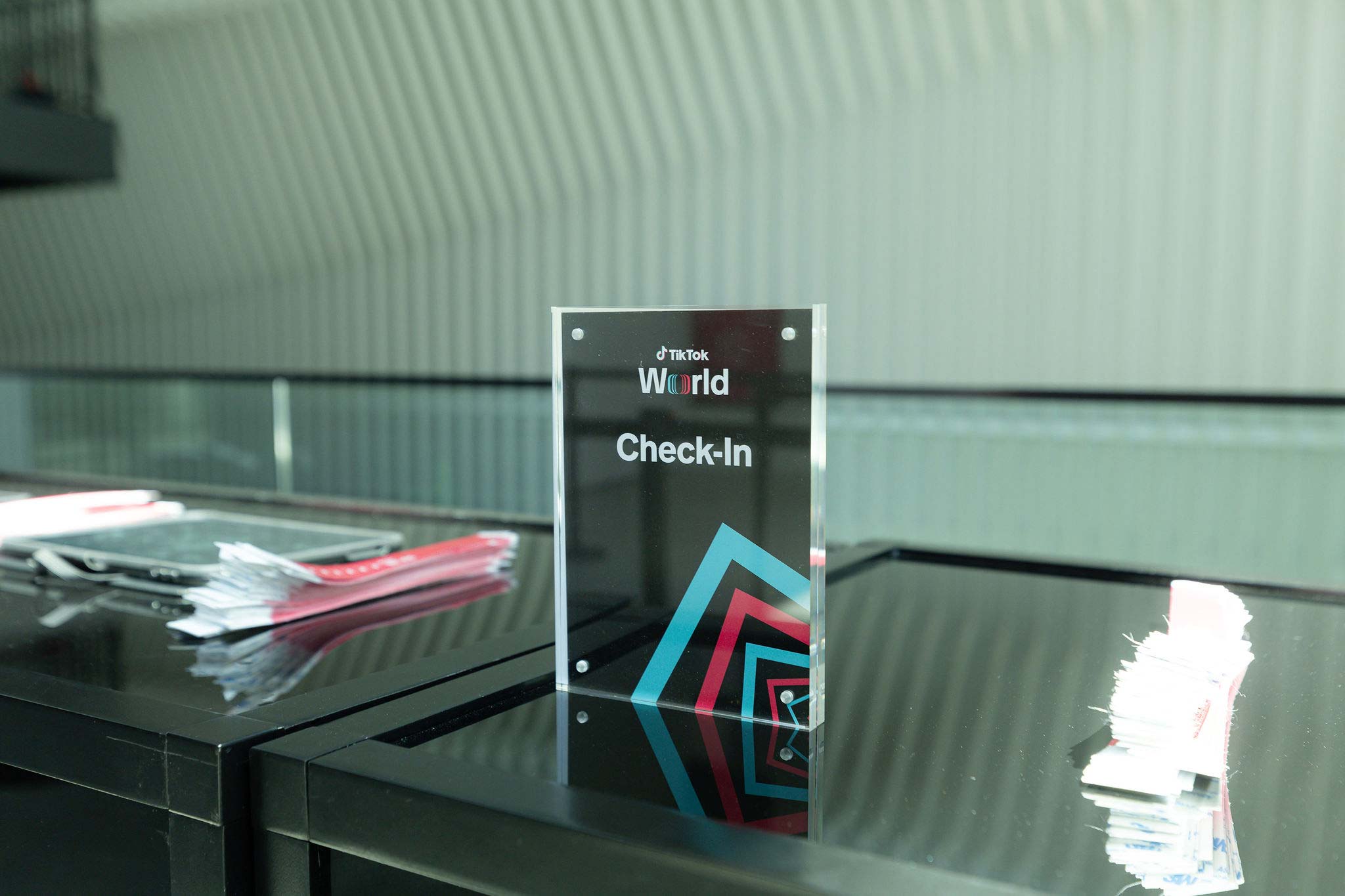
Hosting the event during daylight hours was a deliberate strategic move that aligned with both the spatial advantages of the atrium and the behavioral rhythms of our audience. Daytime programming fostered a more focused, business-forward energy, encouraging meaningful conversations, product exploration, and intentional networking rather than the fleeting interactions often associated with evening events. The natural light supported cognitive engagement and reduced fatigue, helping attendees remain present and receptive across a full day of sessions and activations. It also reinforced TikTok’s positioning as a serious platform for business while still honoring its creative spirit.
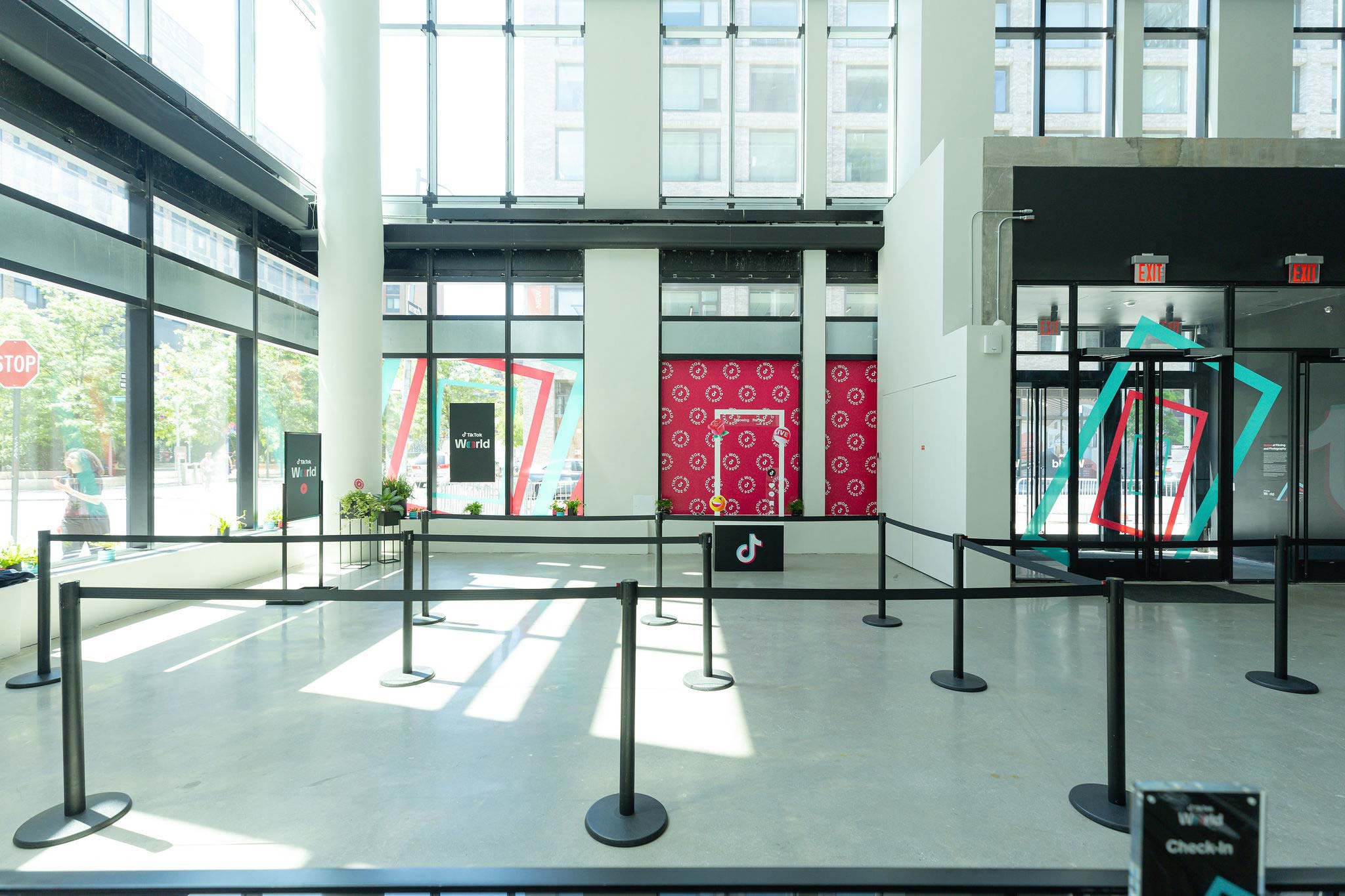
Beyond functionality, the daylight transformed the emotional tone of the experience, making the space feel open, optimistic, and inclusive from the moment guests arrived. There was a psychological ease that came with stepping into a sunlit environment, a subtle but powerful contrast to the dim, overstimulating atmospheres typical of large tech conferences. This sense of invitation encouraged exploration and extended dwell time, allowing attendees to move organically between zones and engage more deeply with the content and each other. In many ways, the atrium light became an unspoken host, setting the tone for an event that felt human, transparent, and forward-looking.
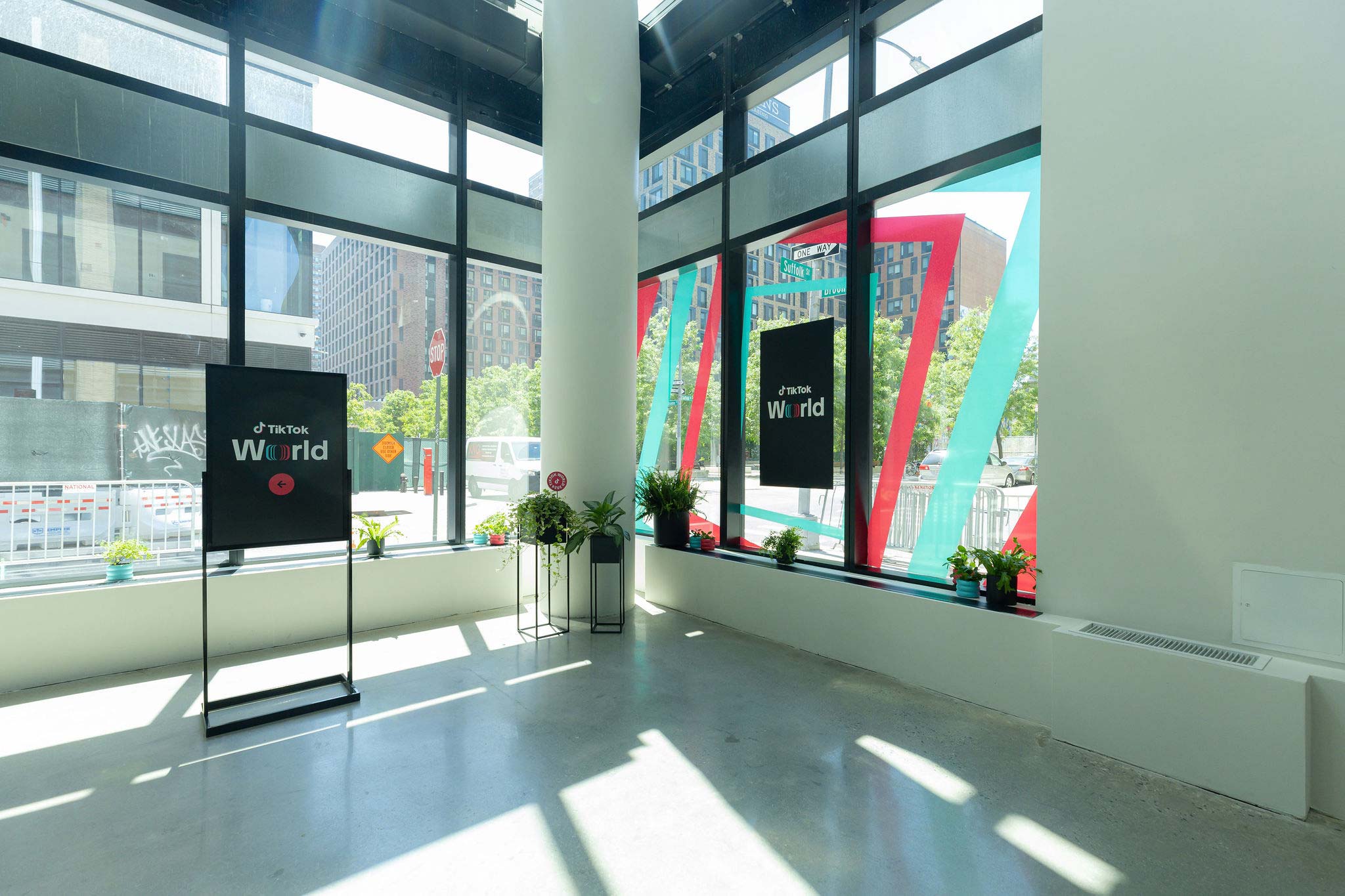
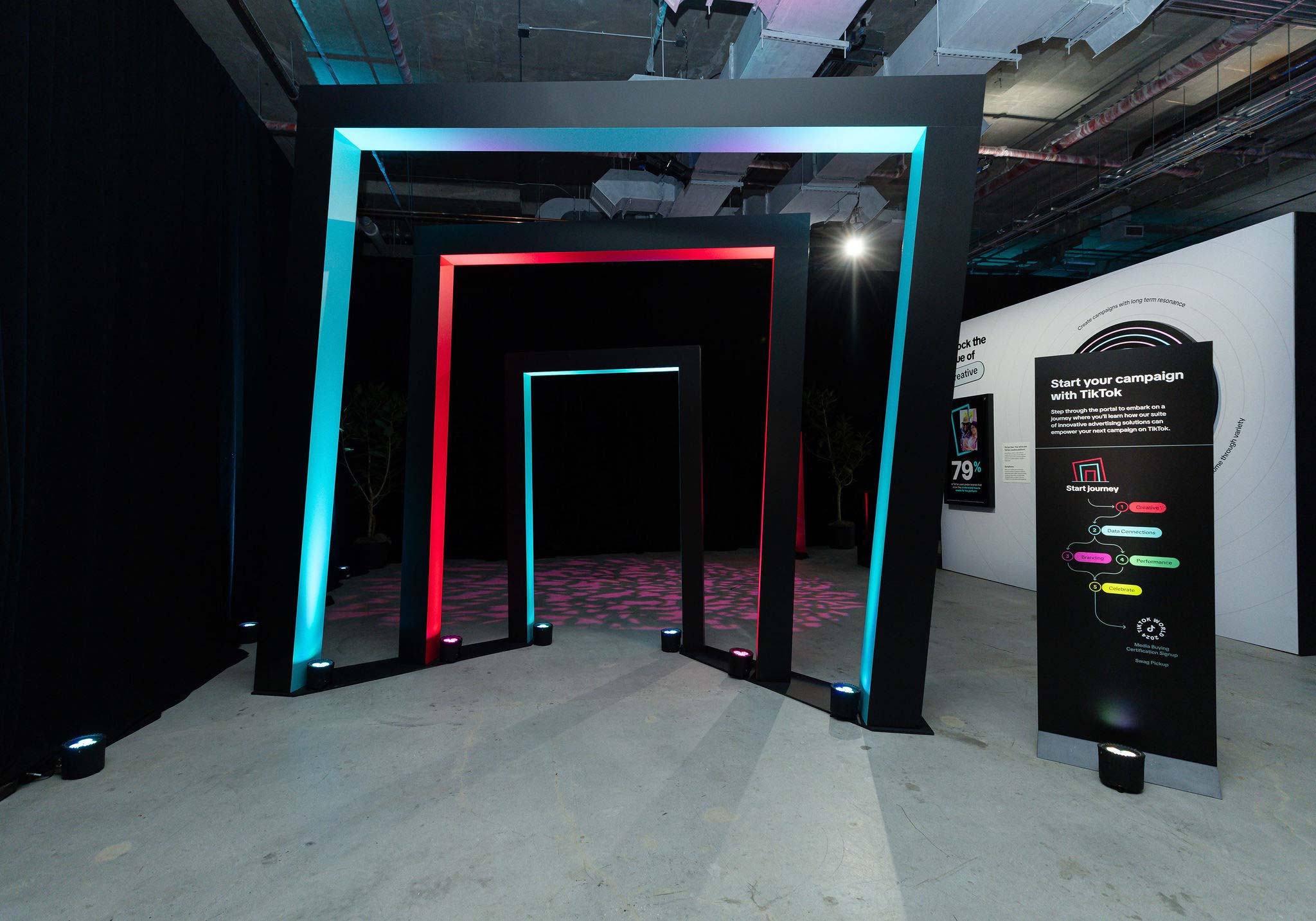
Wayfinding was integrated into the physical design rather than treated as an afterthought, using spatial cues, lighting gradients, and architectural framing to guide attendee flow. Civic Studios fabricated branded portals and threshold elements that marked transitions between zones, helping attendees intuitively navigate the environment. This reduced reliance on traditional signage and preserved the visual integrity of the space. The result was a fluid attendee journey that felt exploratory rather than prescriptive.
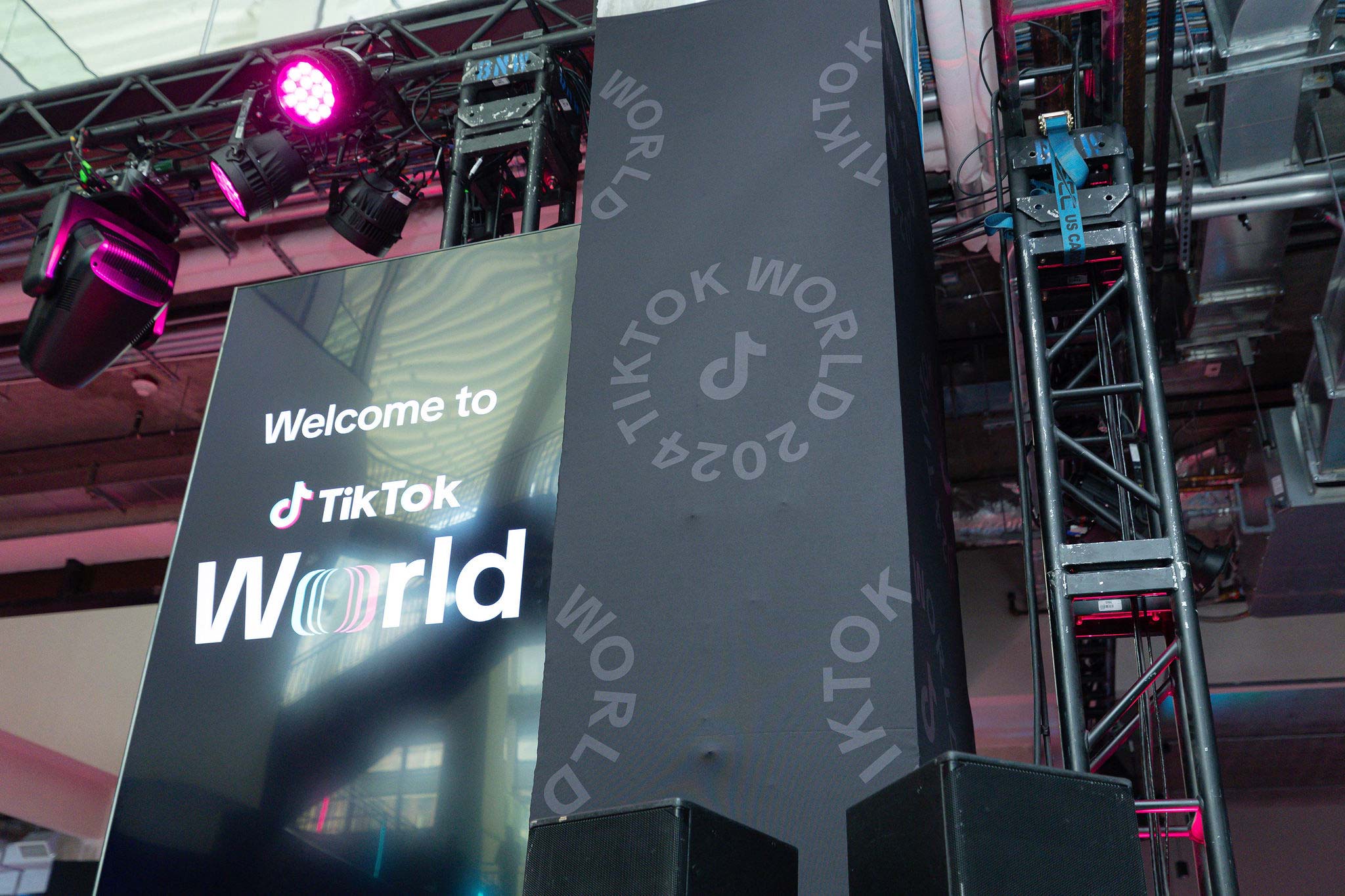
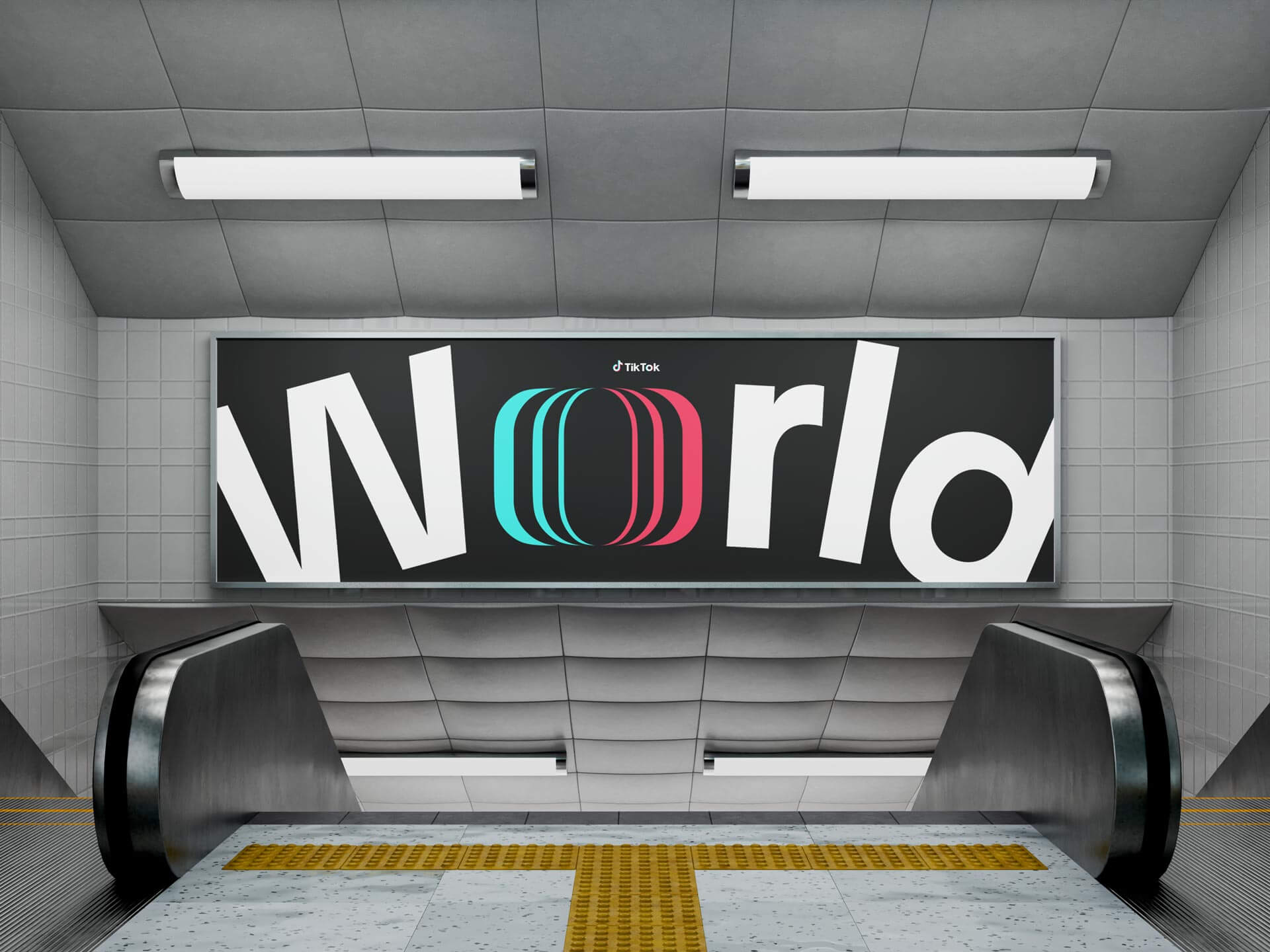
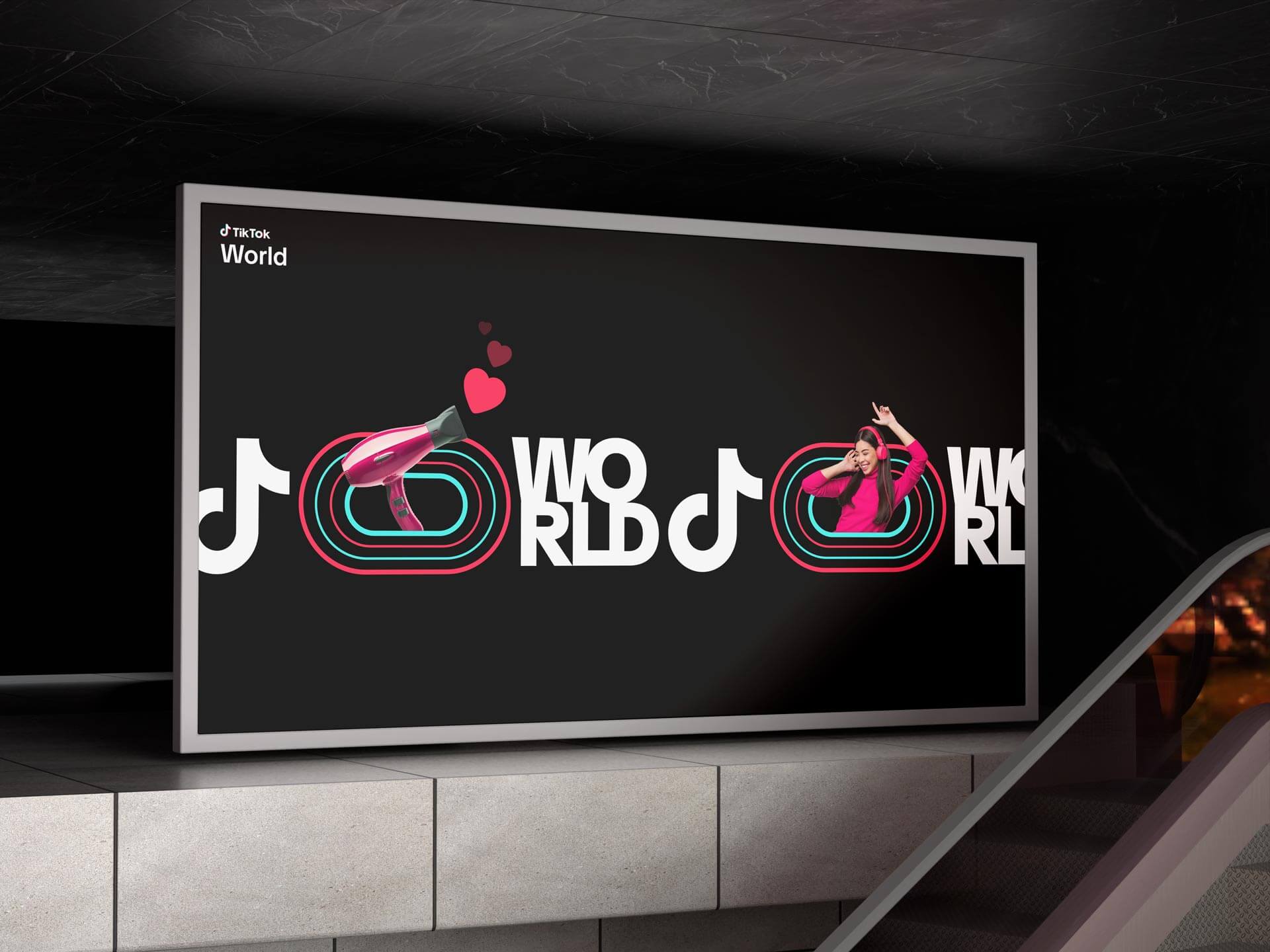
Building on the established visual identity from previous years required a careful balance of continuity and evolution, ensuring that TikTok World felt instantly recognizable while signaling forward momentum in both product innovation and brand maturity. We began by auditing prior systems, identifying the core visual equities that audiences had come to associate with the event such as bold typographic hierarchy, modular layouts, and the interplay between digital motion and physical space. From there, we refined the design language to feel more architectural and spatially aware, developing a system that could scale seamlessly across environmental graphics, wayfinding, stage design, and on-screen content. The goal was to create a cohesive ecosystem where every touchpoint reinforced the same visual narrative without feeling repetitive or static.
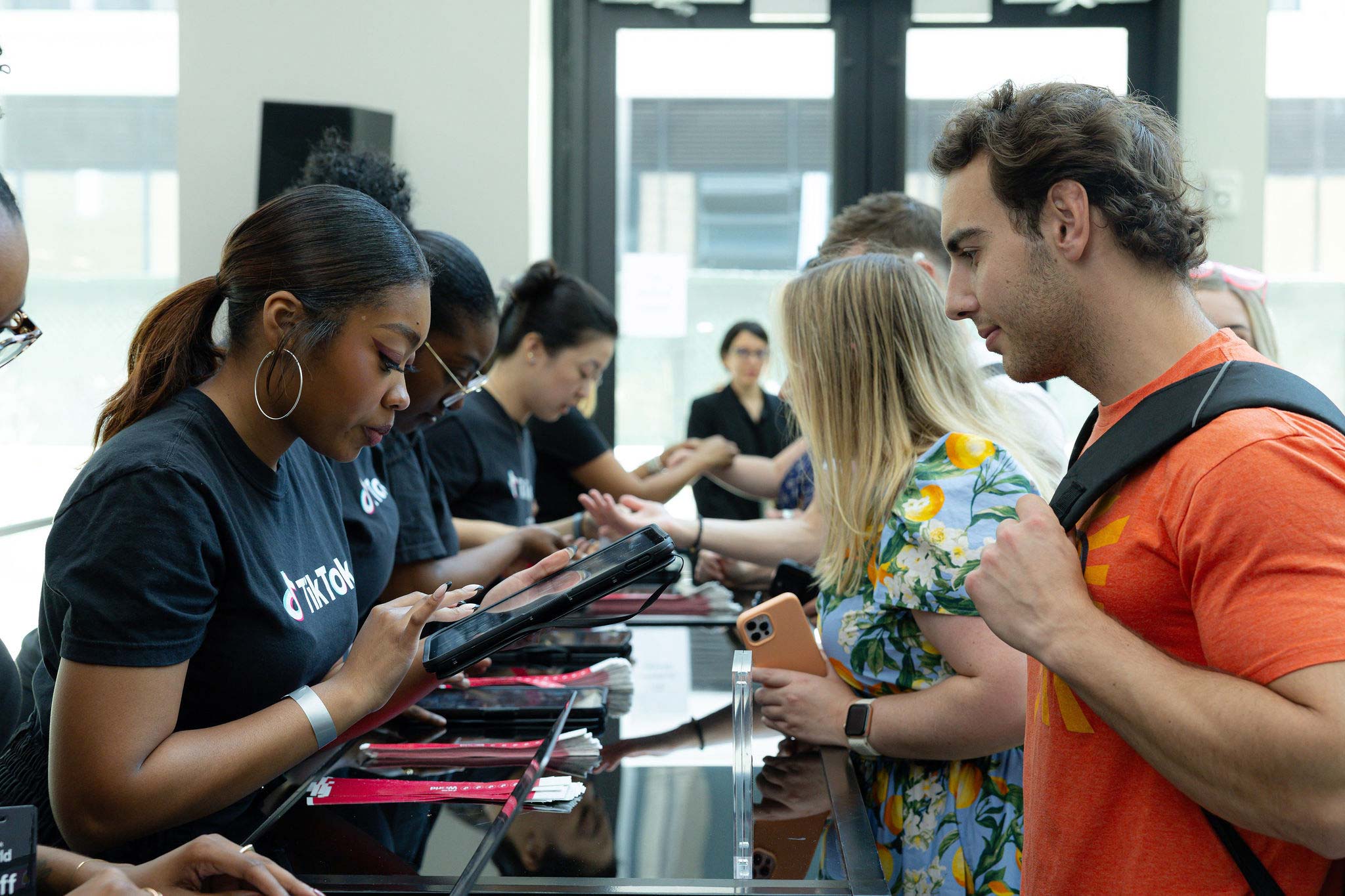
Working closely with Hyunjin Park, Crystal Yin, Eric Schroeder, and Dana Spomer, we approached the identity as a living system rather than a static style guide, collaborating across disciplines to ensure the visuals translated fluidly from screen to large-format print and fabricated environments. Hyunjin brought a sharp sensibility to layout precision and spatial rhythm, helping ensure that typography and graphic blocks maintained clarity even at monumental scale. Crystal focused on color calibration and material interaction, ensuring brand hues remained consistent across vinyl, fabric, LED, and painted surfaces under varying lighting conditions. Eric contributed to motion-to-static translation, ensuring that kinetic digital assets retained their energy when expressed as environmental graphics, while Dana helped orchestrate production-ready files and vendor coordination to maintain fidelity from concept through fabrication.
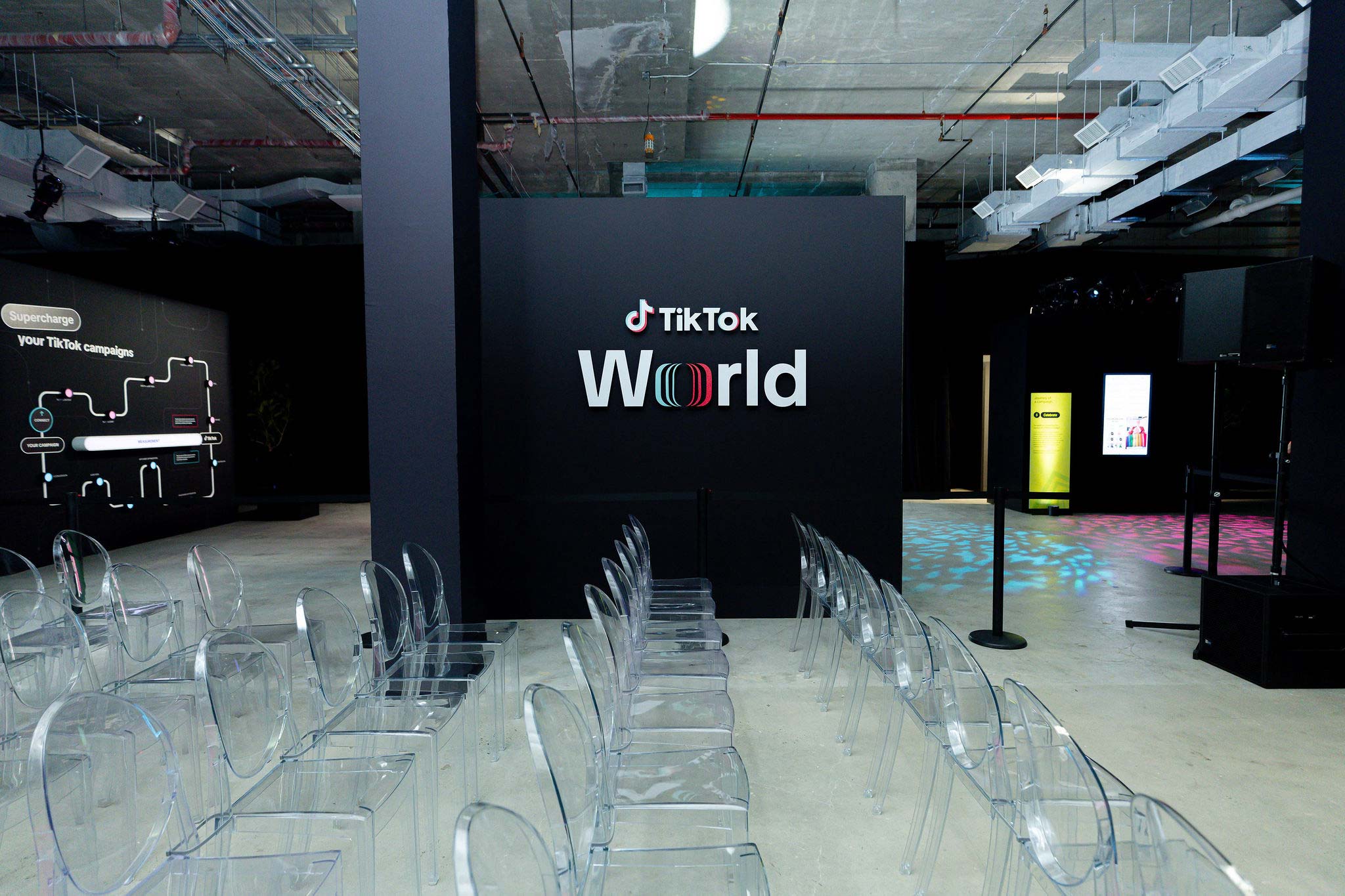
Our process involved developing an extensive suite of production materials, including vector-based environmental graphics, large-scale print layouts, dimensional signage specifications, and material finish callouts that Civic Studios could use to fabricate with precision. Every file was built with bleed tolerances, mounting considerations, and substrate behavior in mind, minimizing guesswork during production and ensuring consistency across the build. We created annotated proof decks that mapped each graphic to its physical location in the venue, allowing stakeholders and fabricators to visualize the final environment before a single piece was printed. This level of detail helped align cross-functional teams and reduced costly last-minute adjustments during installation.
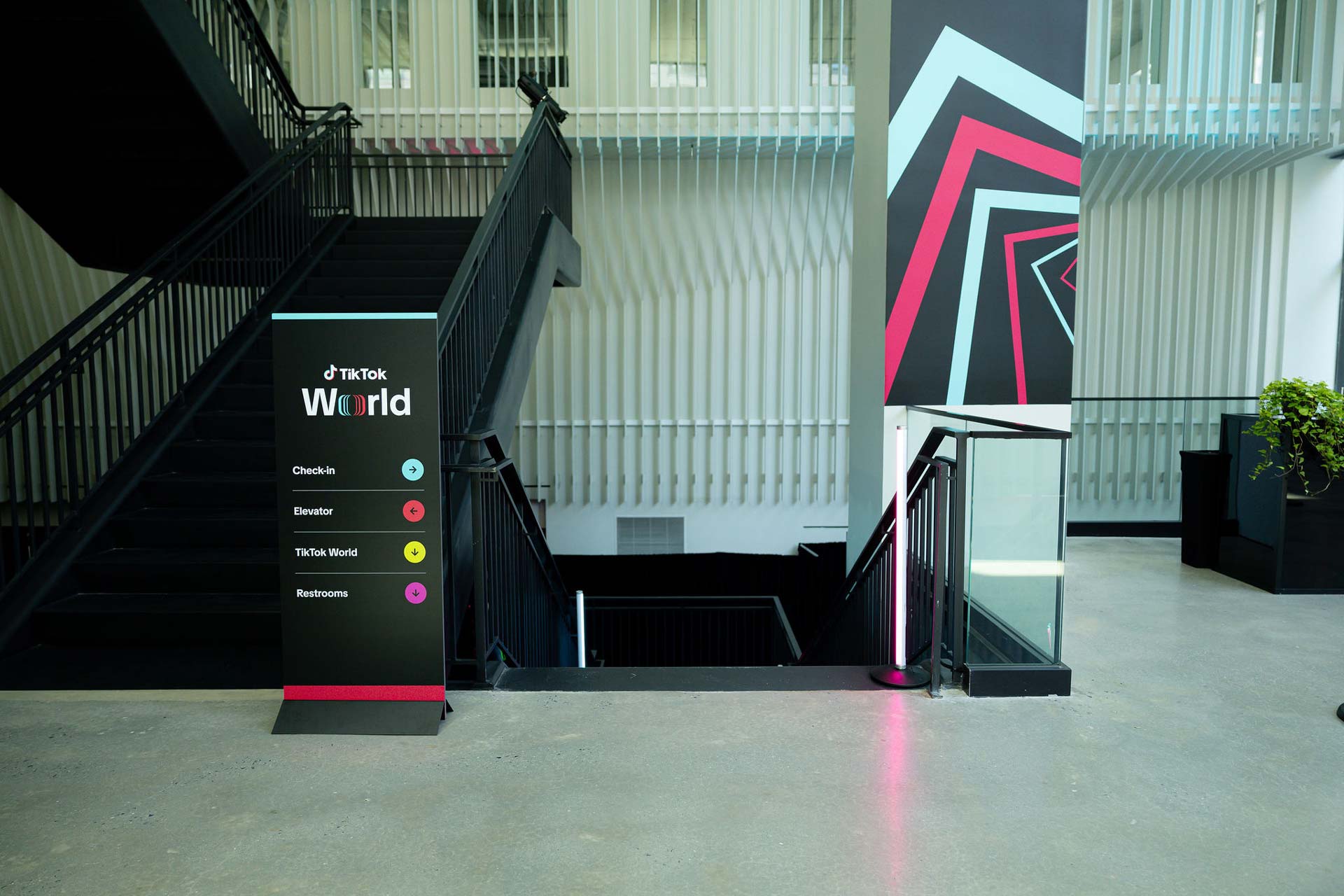
Proof printing became a critical phase of the process, where we worked hand in hand with Civic to test color accuracy, legibility at distance, and material performance under the venue’s specific lighting conditions. Large-format test prints were reviewed for contrast, edge sharpness, and glare, particularly on glossy substrates that could interfere with readability or photography. We iterated on finishes, shifting between matte, satin, and textured applications to ensure the graphics felt premium while remaining camera-friendly. These proofs allowed us to make micro-adjustments that significantly improved the final attendee experience, especially in a space designed to be heavily photographed and shared.
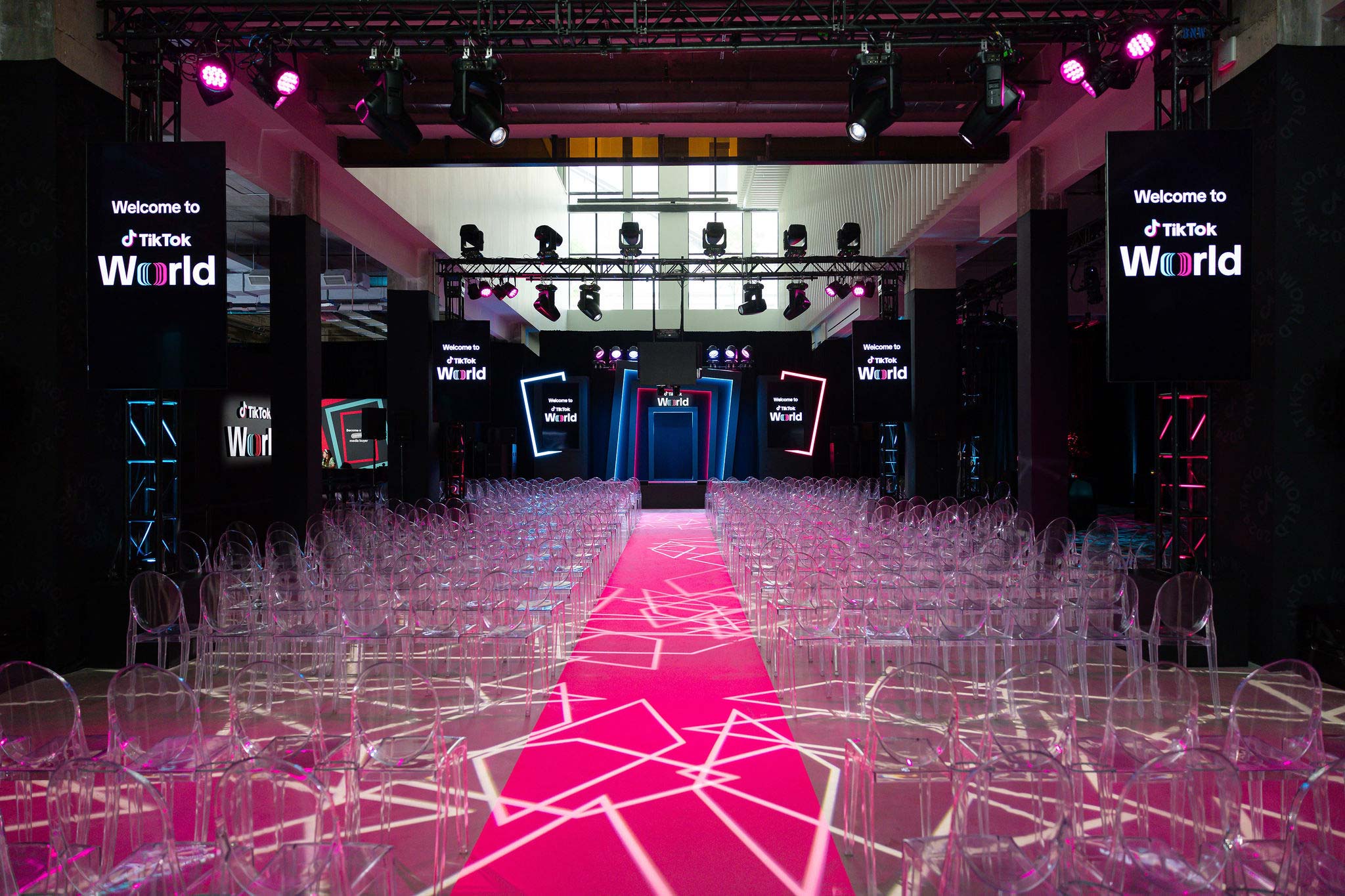
Beyond static graphics, we considered how the identity would guide spatial flow and user behavior, using visual cues to intuitively direct movement without excessive signage. Color blocking and typographic scale shifts were used to delineate zones, helping attendees navigate the environment organically while reinforcing the brand language at every turn. The identity became both aesthetic and functional, shaping how people experienced the space rather than simply decorating it. This approach ensured that the visual system worked in service of clarity, accessibility, and engagement.
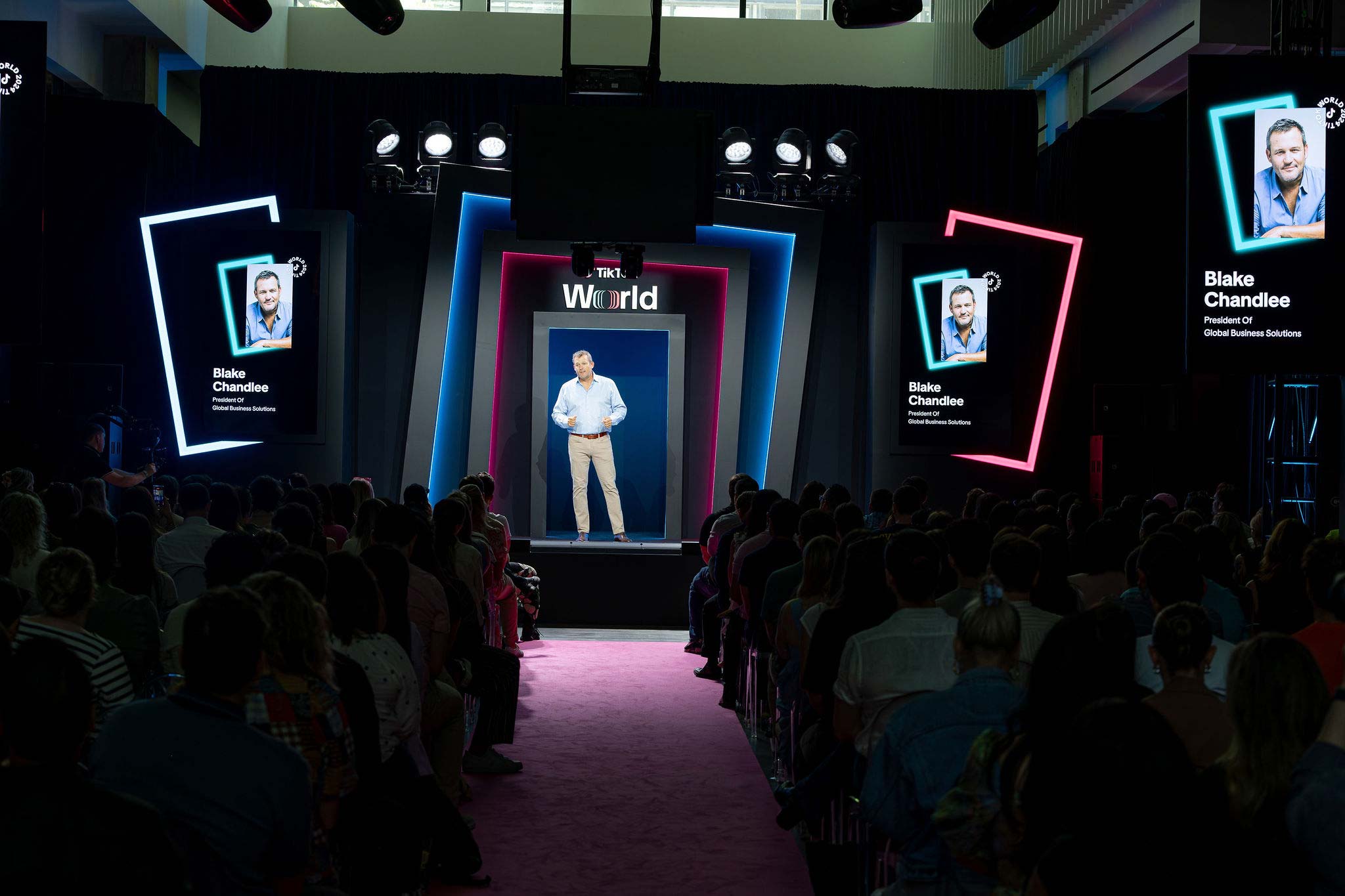
As the identity moved from proofs to full-scale production, the conversation naturally transitioned toward stage build and scenic integration, where the visual language would anchor keynote moments and product storytelling. The stage became the focal point where typography, lighting, and dimensional elements converged, requiring tight coordination between graphic design, scenic fabrication, and technical production. By this stage, the groundwork laid through identity development and production rigor ensured that the stage environment would not feel like a separate element, but the culmination of a unified visual world that attendees had been moving through all day.
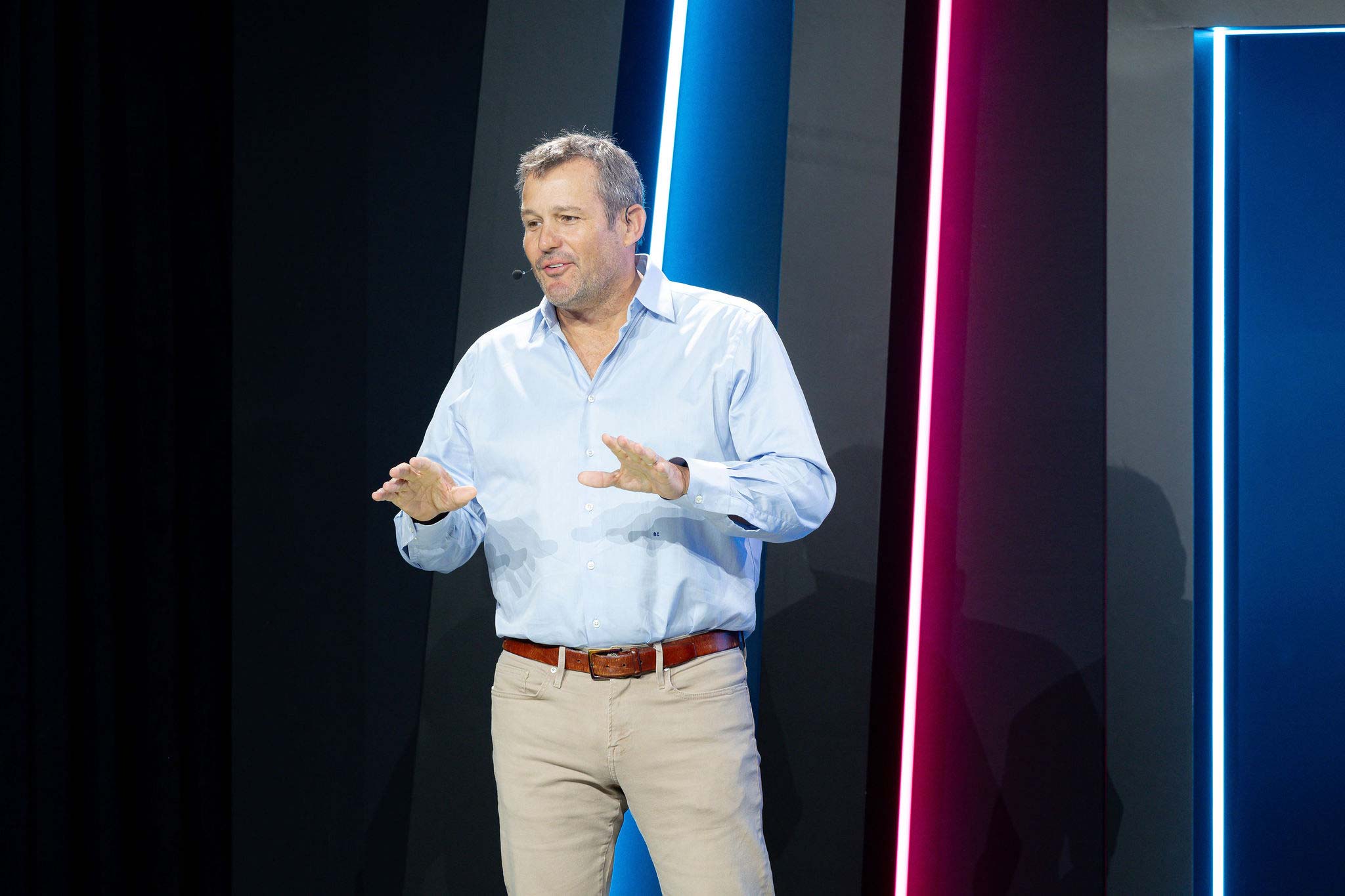
Collaboration with Civic extended beyond fabrication into problem-solving on how graphics interacted with architectural constraints, rigging points, and safety requirements. We worked through load-bearing limitations, fire code compliance for materials, and installation sequencing to ensure the build could be executed efficiently and safely. Civic’s technical expertise informed adjustments to panel sizes, mounting methods, and modular construction, allowing us to maintain design intent while adapting to real-world constraints. This partnership turned potential limitations into opportunities for smarter, more resilient design solutions.
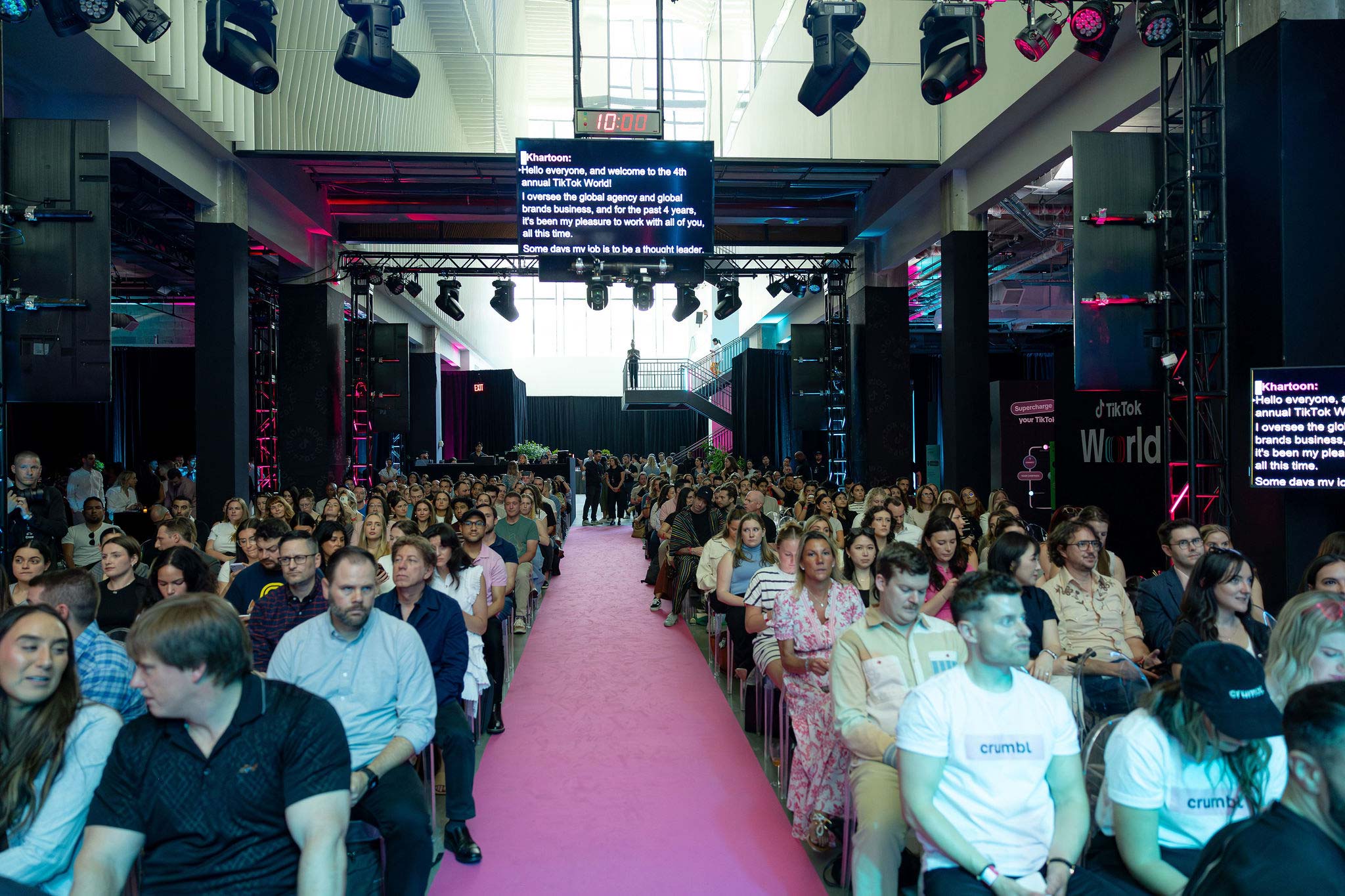
TikTok World 2024 marked a pivotal evolution in how the platform positioned itself at the intersection of creativity, commerce, and measurable performance, reinforcing its role as a full-funnel marketing ecosystem rather than a single-touch discovery channel. With over one billion global users engaging in sound-on, full-screen experiences, the summit underscored how TikTok had matured into a cultural engine where entertainment, education, and commerce coexist in a single scroll. The event framed advertisers not as interruptions but as participants in culture, emphasizing that brands succeed when they co-create with communities rather than broadcast at them. This philosophy set the tone for a product suite designed to make creativity more scalable, performance more transparent, and brand participation more native to the platform’s behaviors.
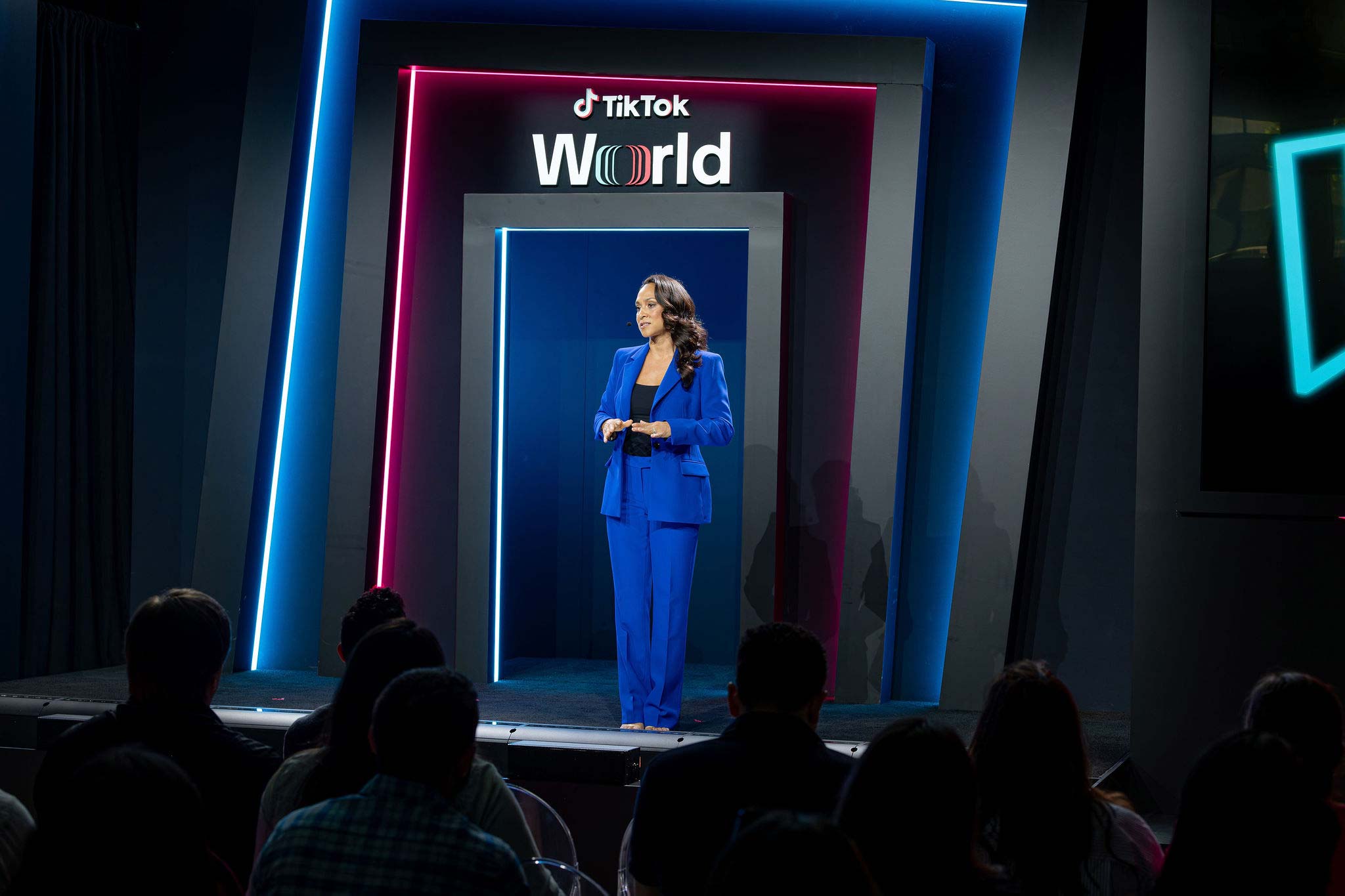
A central theme of the summit was “Return on Creative,” a concept that reframes creative output as a measurable growth lever rather than a subjective brand exercise. TikTok presented research demonstrating that TikTok-first creative significantly lifts purchase intent and brand favorability, reinforcing the idea that platform-native storytelling outperforms repurposed assets. This insight validated what many marketers had observed anecdotally: authenticity, speed, and cultural fluency outperform polished but detached advertising. By formalizing this into a measurable framework, TikTok provided marketers with both the rationale and the tooling to invest more confidently in creative.
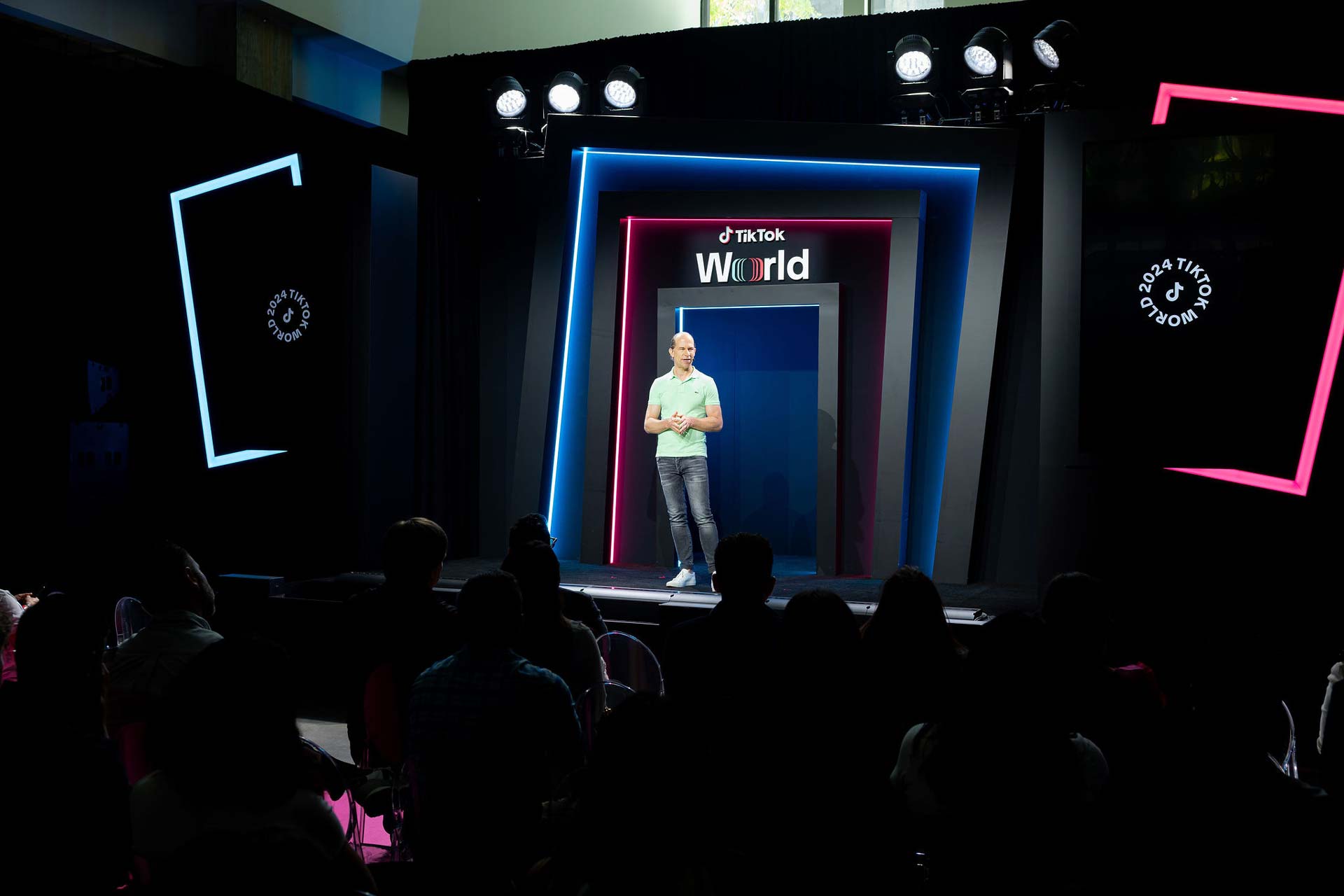
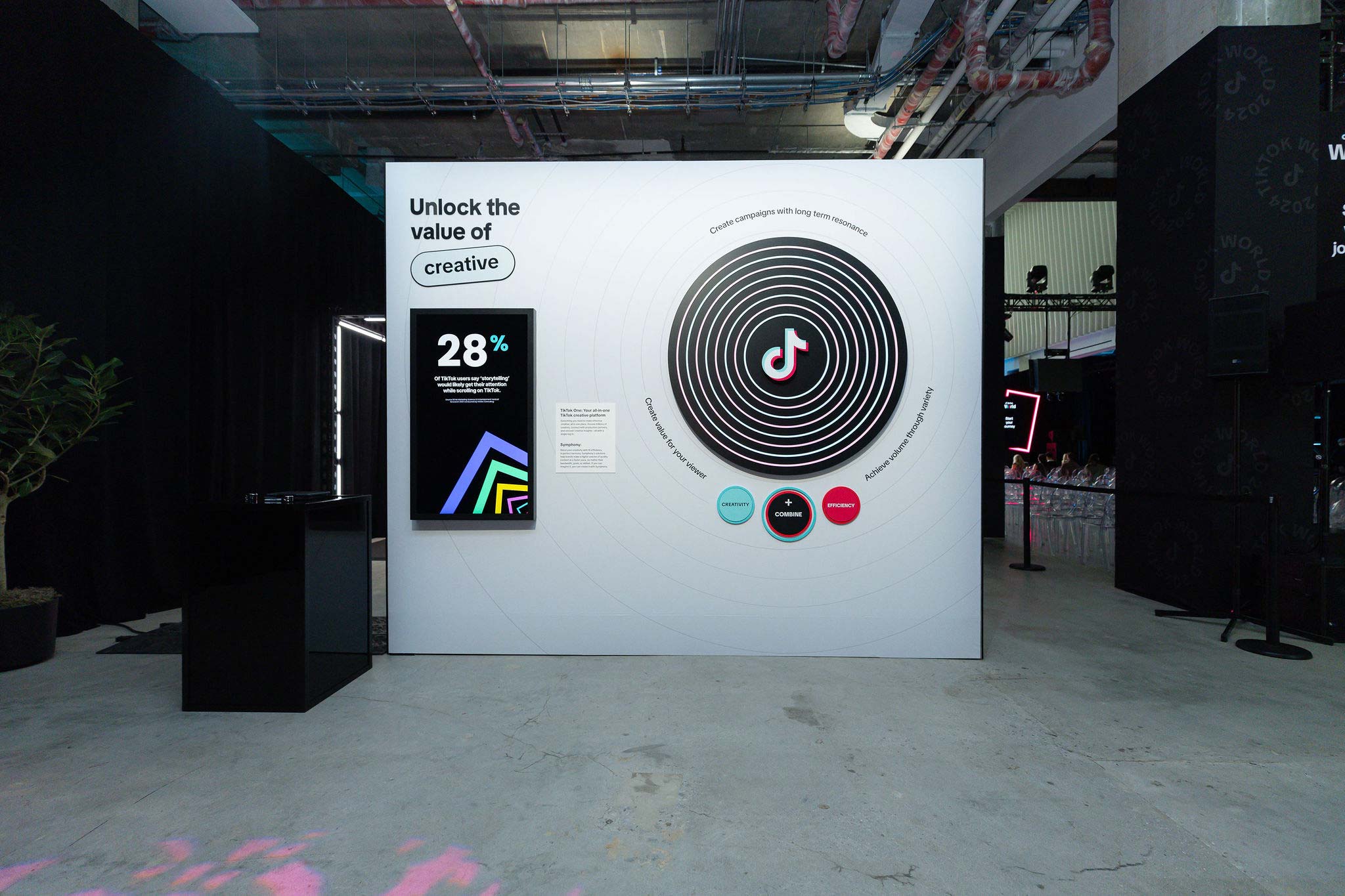
To operationalize this shift, TikTok introduced TikTok One, a centralized hub designed to unify creators, production partners, and creative tools into a single workflow environment. This move addressed one of the industry’s biggest friction points: fragmentation across discovery, collaboration, and execution. By enabling access to millions of creators and vetted partners within a single interface, TikTok One positioned itself as both a marketplace and a production operating system for modern marketing teams. The platform’s integration of insights and collaboration tools signaled a future where creative sourcing, campaign activation, and optimization happen in one continuous loop.
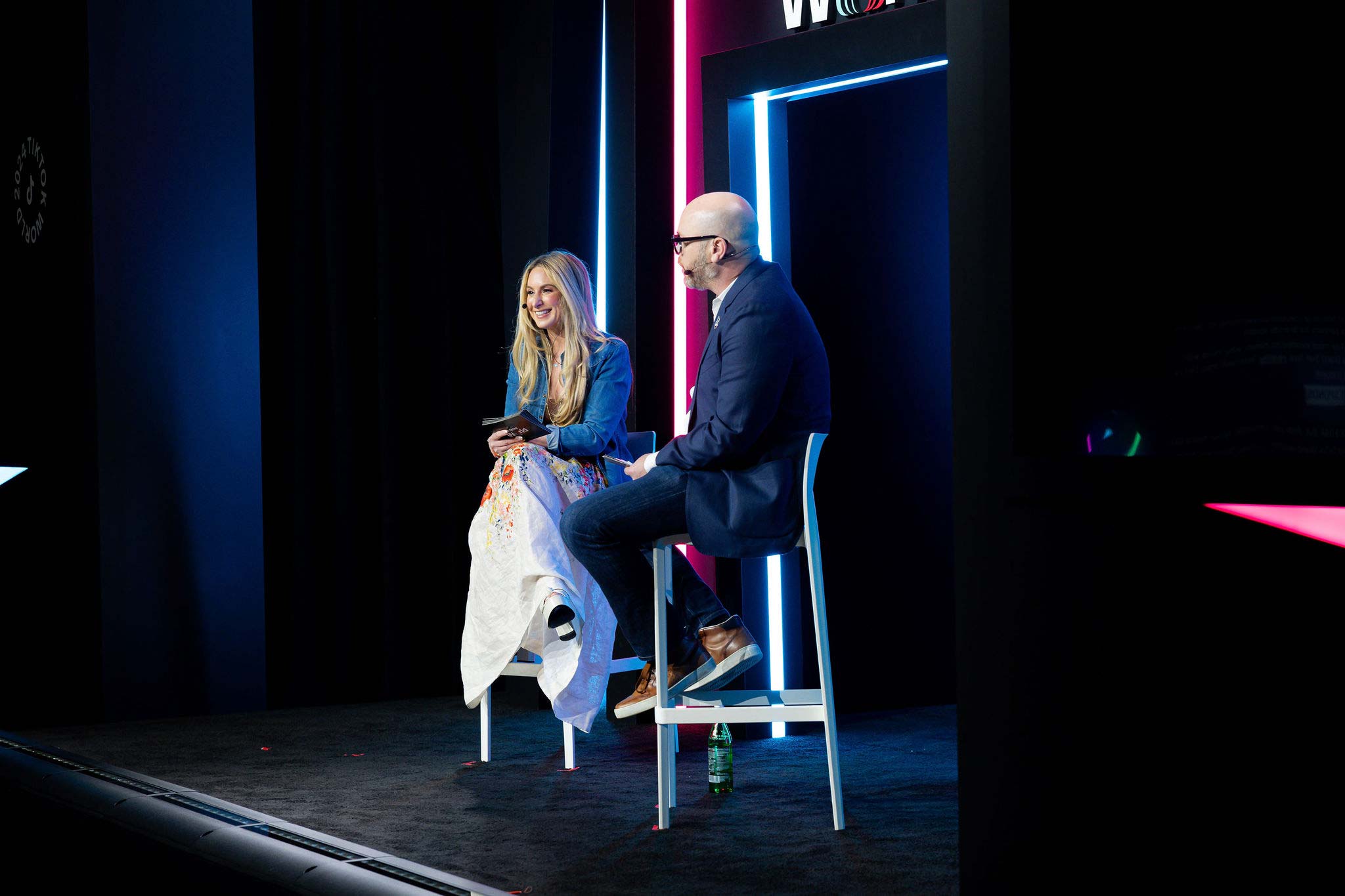
Complementing this ecosystem was TikTok Symphony, the platform’s Creative AI suite, which introduced a new paradigm for scaling content without sacrificing relevance. Symphony leverages AI to assist with scripting, video generation, and asset optimization, enabling brands to produce culturally tuned content at the speed the platform demands. Rather than replacing human creativity, the toolset amplifies it, allowing teams to test more variations, respond to trends faster, and localize content efficiently. This shift reflects a broader industry move toward human-AI collaboration, where automation handles iteration while creative teams focus on narrative and cultural resonance.
Beyond creative tooling, TikTok World 2024 emphasized the convergence of entertainment and performance, highlighting the platform’s ability to drive measurable outcomes across the purchase journey. User behavior data demonstrated that discovery on TikTok frequently translates into real-world action, from product purchases to app downloads and major consumer decisions. This insight reinforced TikTok’s positioning as a performance channel disguised as entertainment, where intent is generated through cultural participation rather than explicit search. For marketers, this reframes media planning, placing TikTok earlier in the funnel while still delivering lower-funnel results.
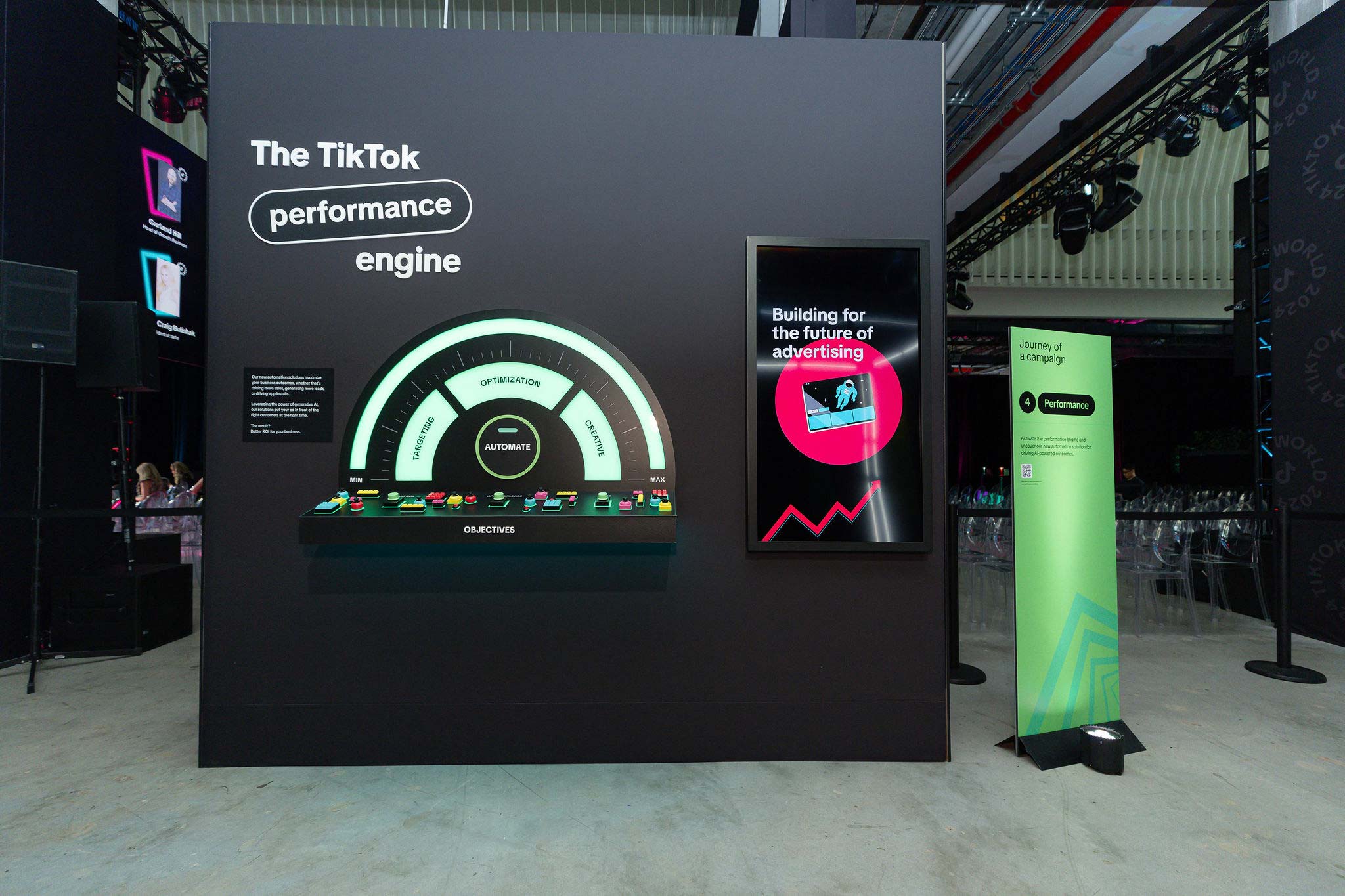
To support this full-funnel capability, TikTok introduced new performance automation and measurement solutions powered by predictive AI and machine learning. These systems dynamically optimize creative selection, audience targeting, and delivery timing to maximize outcomes such as conversions, installs, and sales. By allowing advertisers to input goals and constraints while automation handles execution, TikTok reduces operational complexity and improves efficiency. This approach reflects the industry’s broader shift toward outcome-based buying, where success is defined by business impact rather than media metrics alone.
Measurement innovation also took center stage with Unified Lift, a solution designed to provide a holistic view of campaign impact across the decision journey. By combining brand lift and conversion lift methodologies, the tool gives marketers a clearer understanding of how upper-funnel storytelling translates into lower-funnel action. This integrated measurement framework addresses a longstanding challenge in digital marketing: connecting emotional engagement with tangible business results. In doing so, TikTok strengthens its credibility among performance-driven advertisers while preserving the platform’s creative ethos.
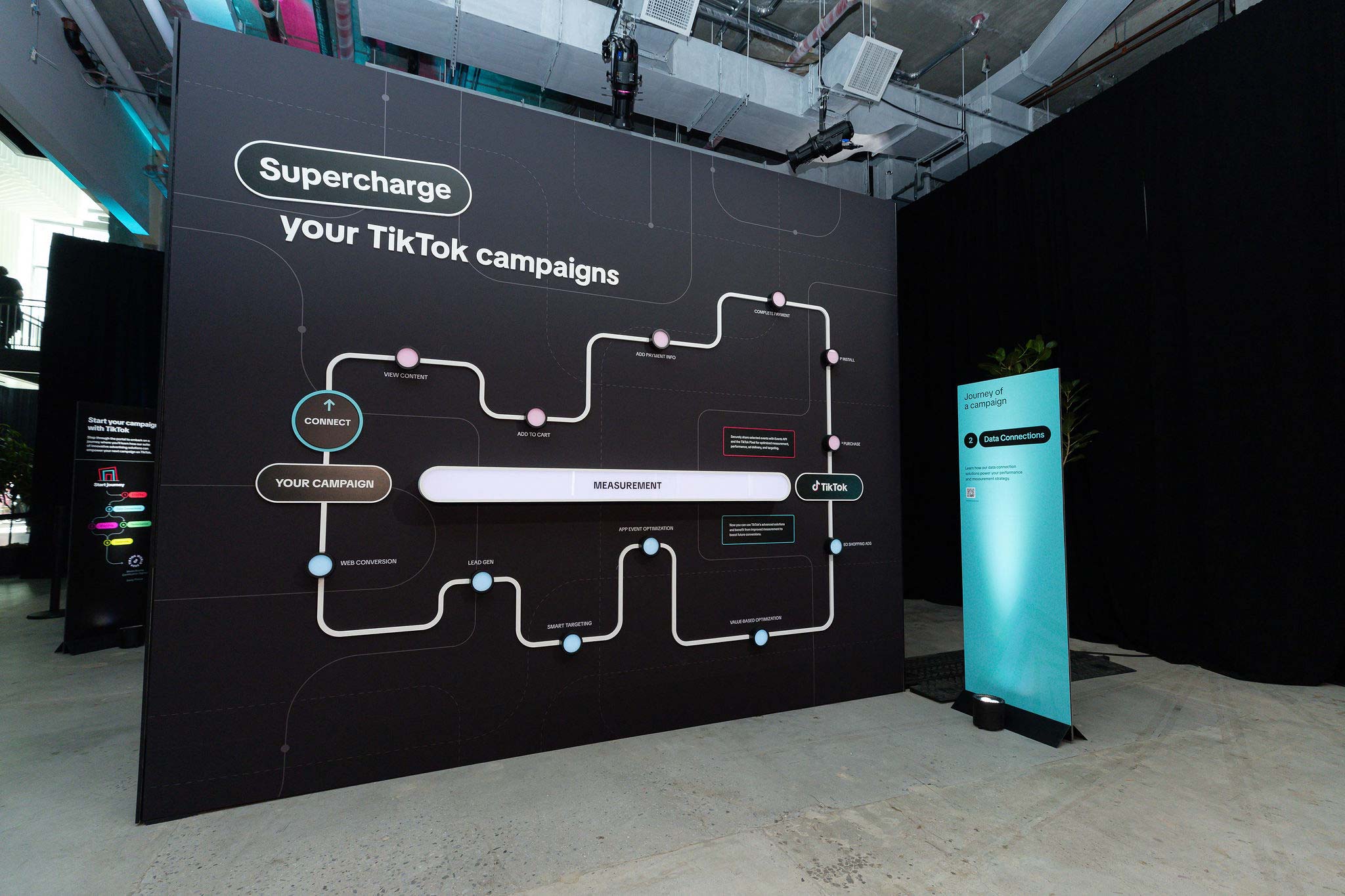
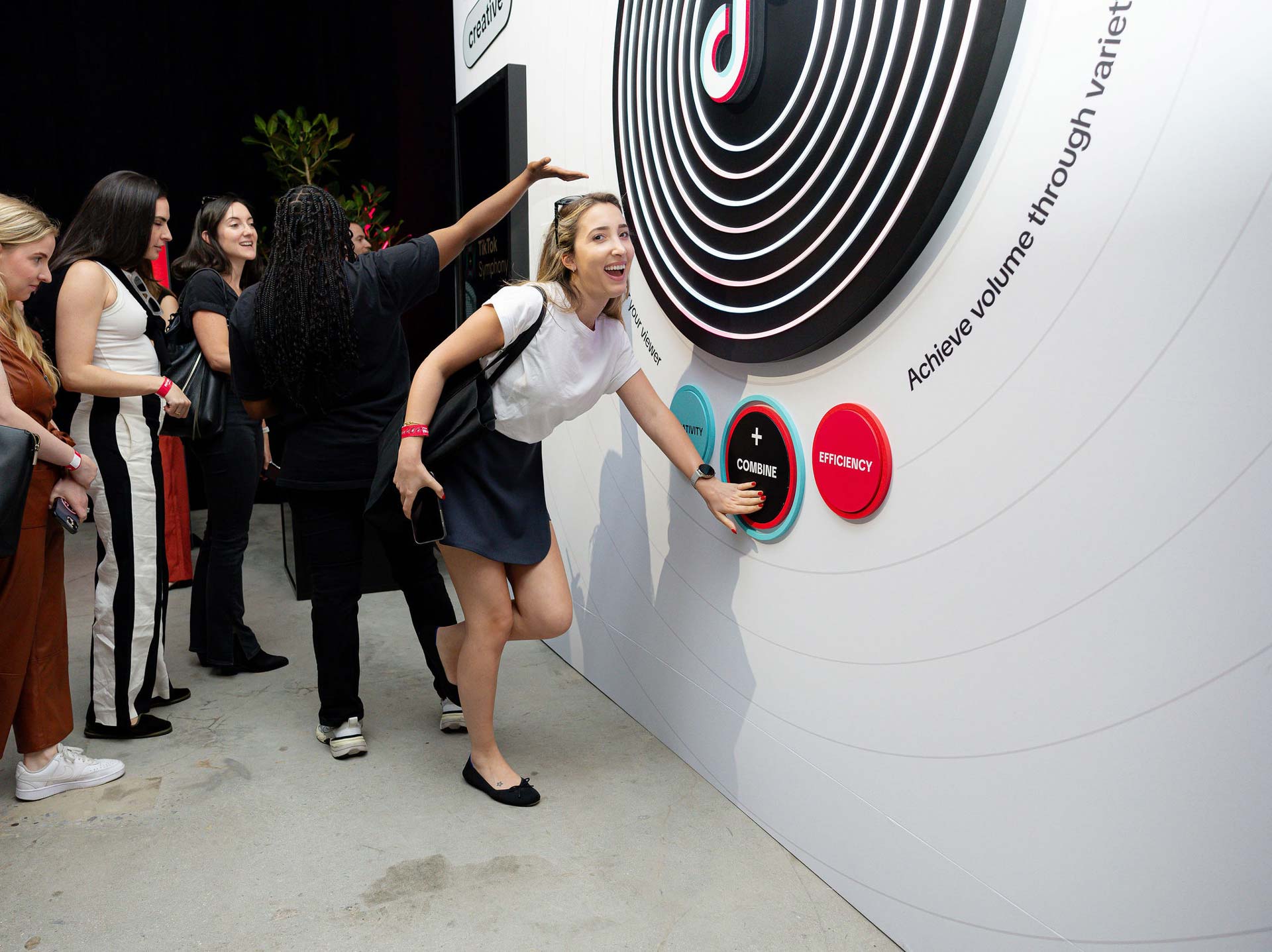
Beyond the stage, the “Journey of a Campaign” activation transformed product education into an experience. Six touchpoints guided attendees through creative development, data connections, branding, performance automation, content creation, and certification, using tactile interfaces and immersive lighting to visualize campaign mechanics. Engagement levels underscored its effectiveness, with high traffic across stations and meaningful dwell time that enabled deeper conversations with product specialists. By translating complex ad tech workflows into intuitive physical interactions, the activation accelerated comprehension and increased confidence in platform capabilities.
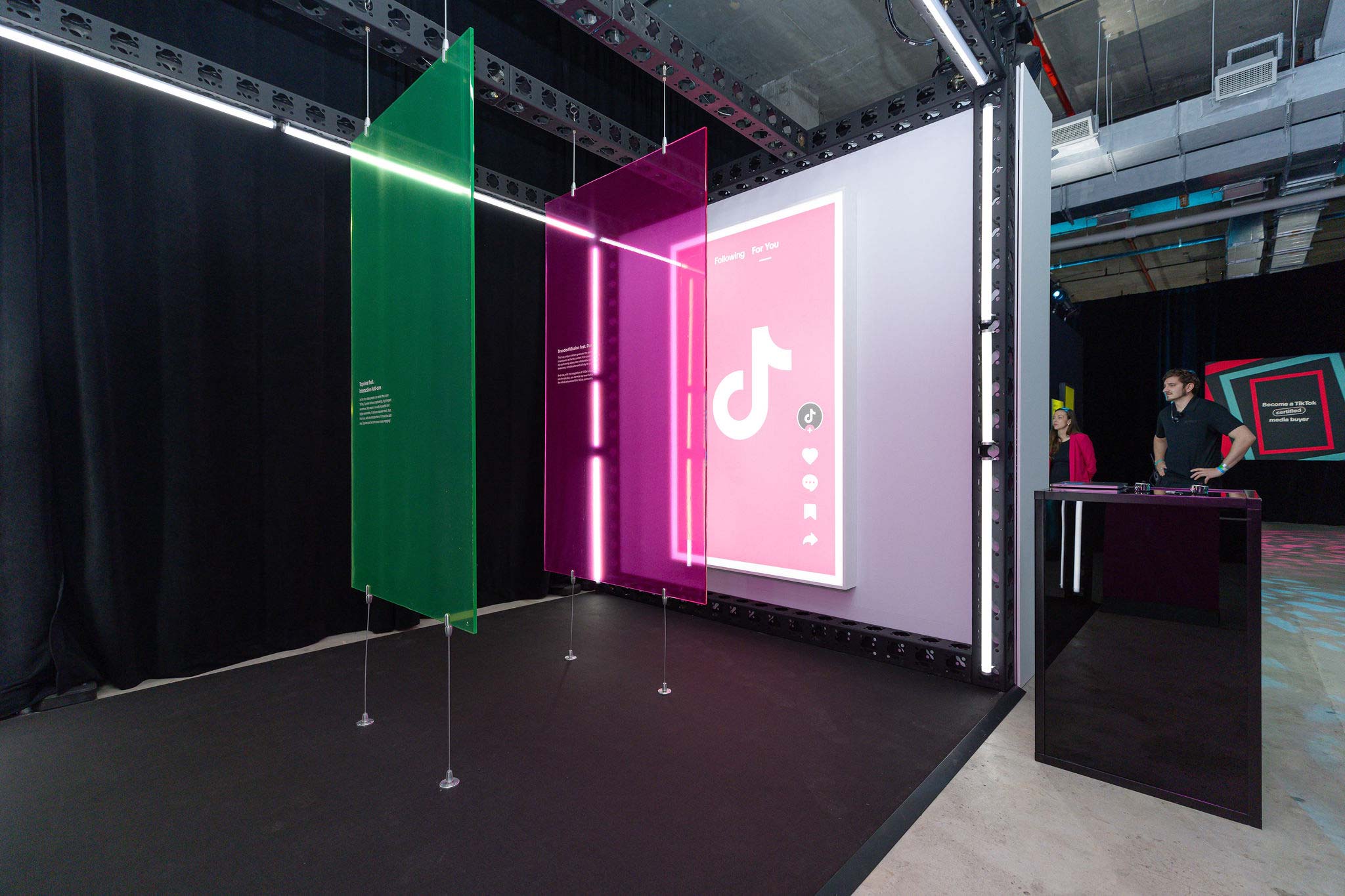
The content creation booth embodied TikTok’s creator-first ethos by enabling attendees to produce their own TikToks on site. This hands-on environment translated platform behaviors into a tangible experience, reinforcing TikTok’s democratization of creativity and showing brands how easily they could participate in native content ecosystems. The activation also generated a steady stream of shareable content that extended the event’s reach across social channels. In doing so, it blurred the line between attendee and creator, positioning participation itself as a form of brand storytelling.
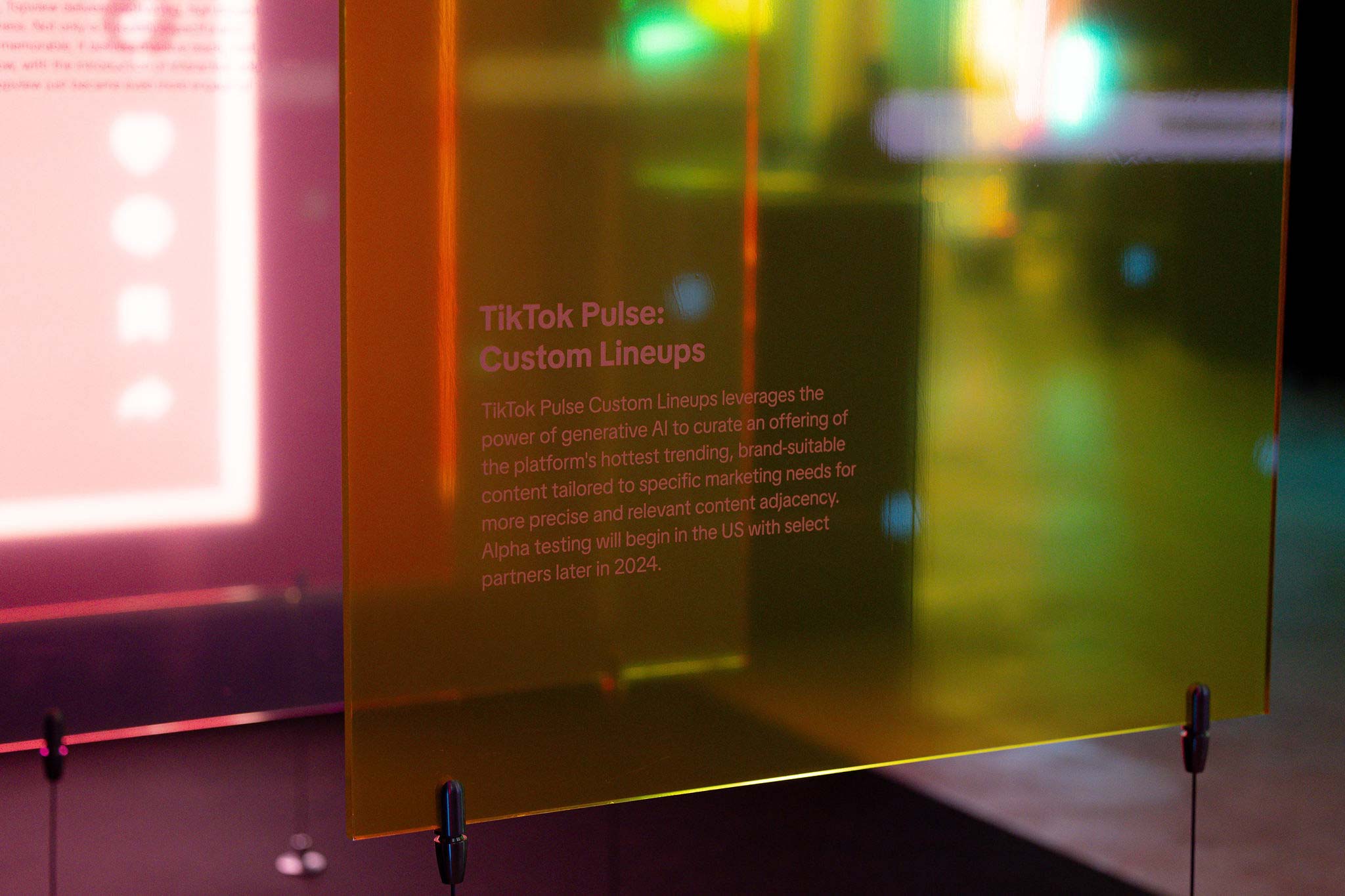
The integrated digital strategy ensured that TikTok World extended beyond the physical venue. The event landing page, SEO strategy, and social amplification worked in concert to drive awareness, capture demand, and provide ongoing access to product content. Social posts from executive leaders and brand channels expanded reach and reinforced key announcements, transforming a single-day event into a sustained demand-generation engine. This omnichannel approach demonstrated how experiential and digital marketing can operate as a unified system rather than separate initiatives.
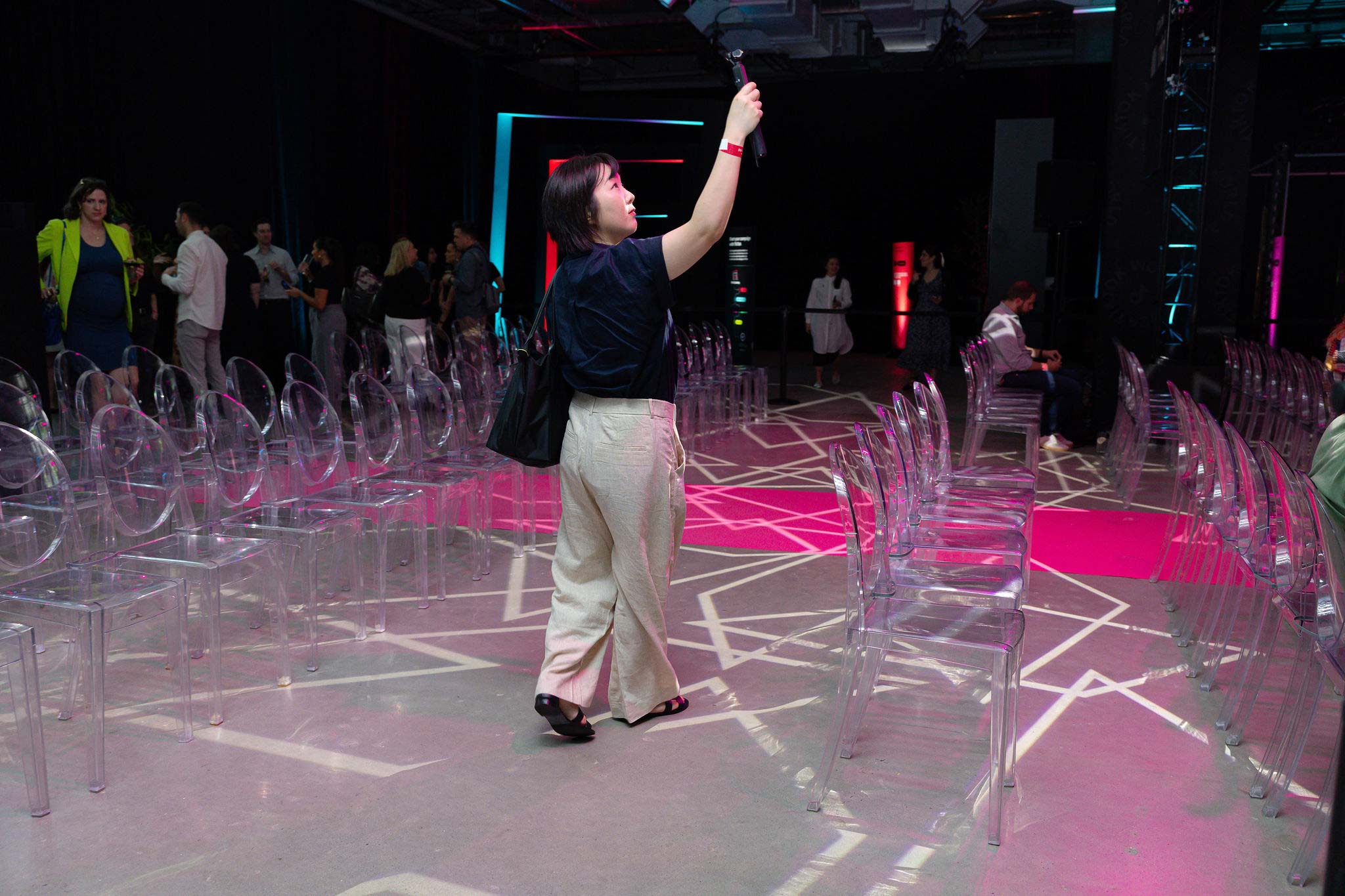
CRM and communications strategy played a pivotal role in driving attendance and post-event engagement. Targeted invitations, lifecycle email flows, and follow-up content nurtured high-value prospects and encouraged deeper exploration of TikTok’s solutions. Post-event communications sustained momentum by directing attendees to certification programs, product demos, and additional resources. This lifecycle approach ensured the event functioned as a conversion catalyst rather than a standalone awareness moment. Intentional, iterative, and deeply collaborative, shaped by cross-functional trust and a shared commitment to excellence.
Bringing in Tiffany Greene as our new Head of Events was a genuine inflection point for TikTok World, not only in terms of production value but in how the entire experience was architected to drive business outcomes. Her background spanning the Victoria’s Secret Fashion Show, large scale launches at Google and Airbnb, and even Broadway stage production brought a rare blend of spectacle, operational rigor, and narrative discipline. She understood how to choreograph attention at scale, how to move audiences emotionally while still delivering clarity for stakeholders, and how to translate brand ambition into physical environments that feel both premium and purposeful. Under her leadership, the event evolved from a successful product summit into a fully integrated brand platform designed to influence perception, accelerate adoption, and deepen partner trust. Grounded in strategy and elevated by design, ensuring every visual decision reinforced the larger narrative.
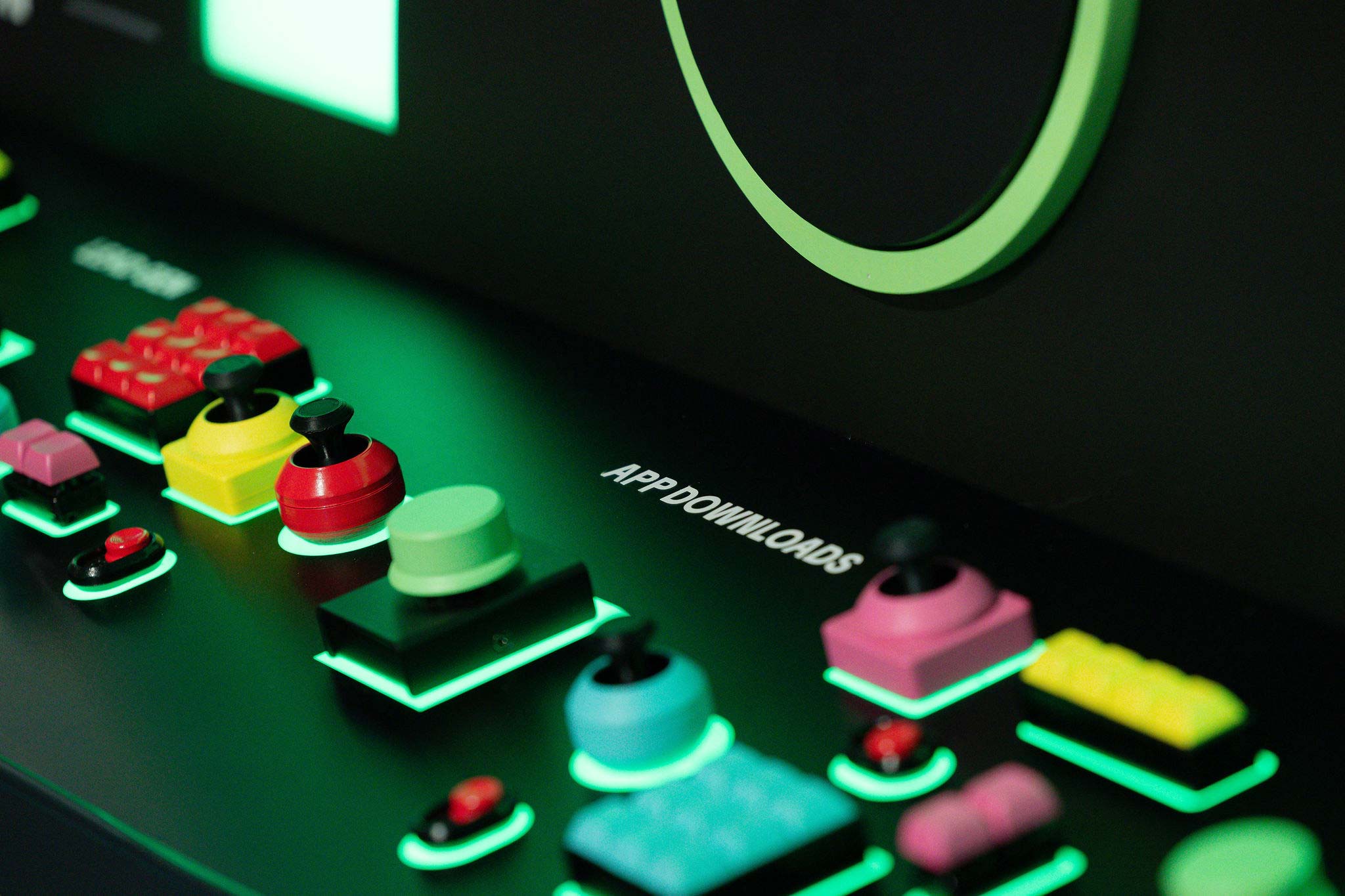
What set this iteration apart was a deliberate shift toward measurable business impact across product, partnerships, and activation strategy. Every touchpoint was mapped to a functional outcome, whether that meant enabling product teams to demo tools in context, giving sales teams environments conducive to high value conversations, or designing activations that translated complex ad solutions into tangible, experiential learning. Tiffany pushed us to think beyond attendance metrics and social buzz toward indicators like partner readiness, certification interest, product trial intent, and post-event pipeline acceleration. The result was an event that functioned less like a conference and more like a conversion engine for the TikTok ecosystem.
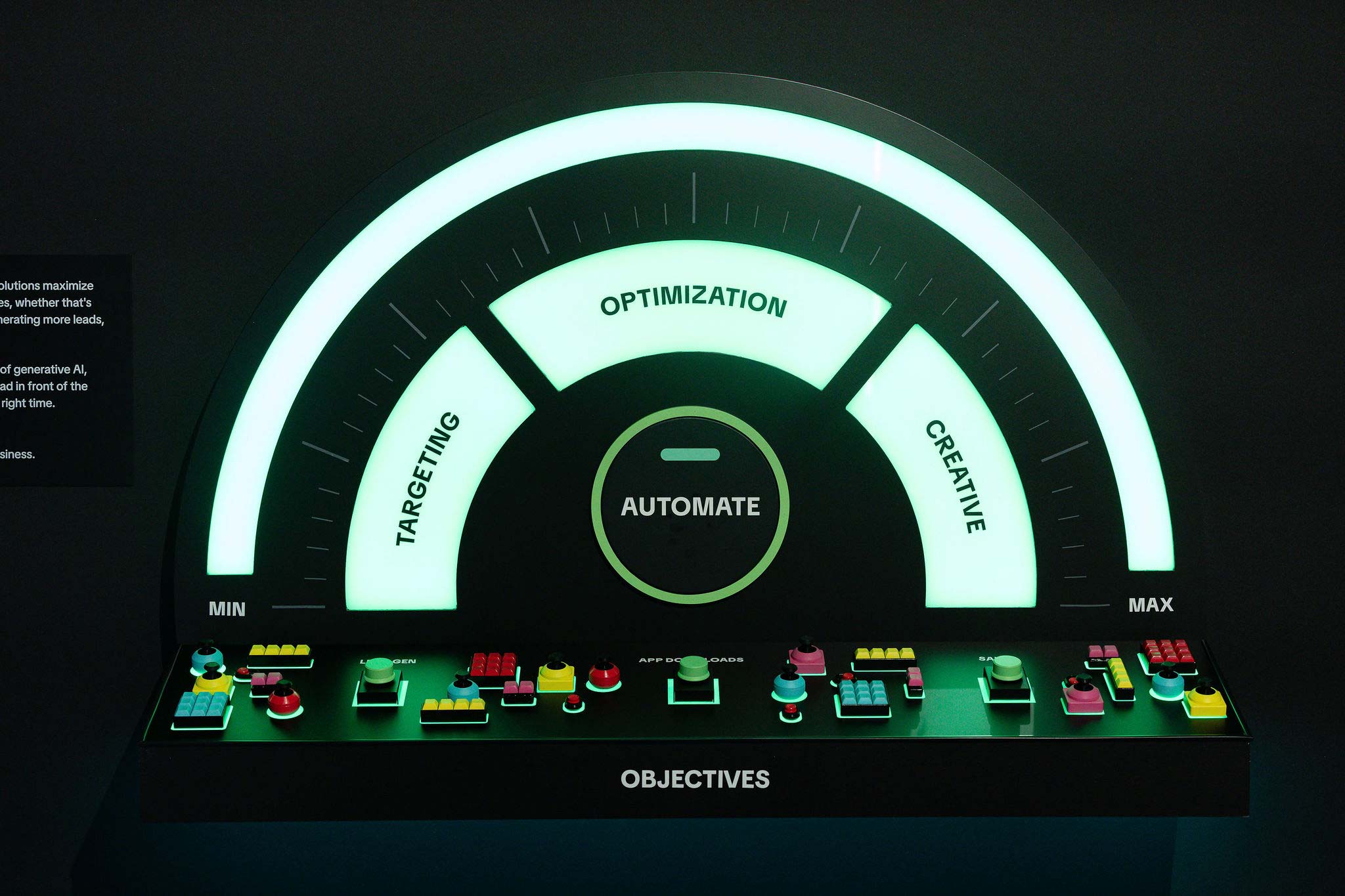
This strategic clarity extended to the creative theme of portals, which became both a visual motif and a conceptual framework for the entire experience. From the stage architecture to the motion system in the logo lockups, portals symbolized the For You Page as a gateway into personalized discovery, a dynamic threshold between brands and communities. Physical portal structures framed entrances, demo zones, and content moments, reinforcing the idea that TikTok is not a destination but a passage into culture itself. The stage design echoed this with layered apertures and dimensional frames that revealed speakers and product reveals as if emerging from the feed, creating a visual language that mirrored the platform’s infinite scroll and algorithmic serendipity.
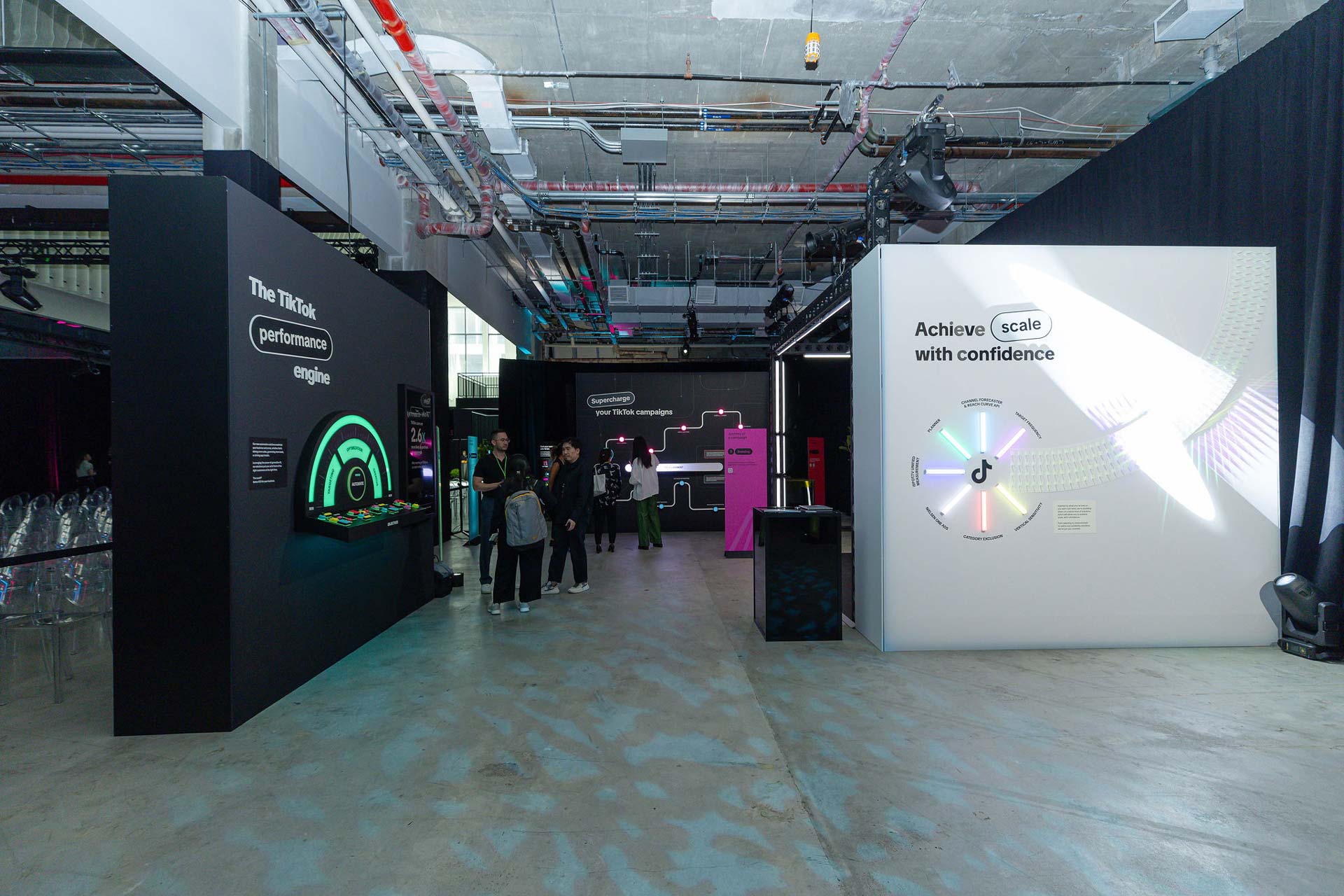
Working closely with the product team was essential in translating what are often abstract, dashboard driven ad tech solutions into something tangible, intuitive, and emotionally resonant in a physical environment. From the earliest planning stages, we partnered with product leads, UX designers, and solutions engineers to identify the core user flows, value propositions, and differentiators that mattered most to advertisers. Instead of presenting features as static slides or jargon heavy demos, we reverse engineered each tool into an experience that could be felt, navigated, and explored. This meant mapping product logic to spatial design, turning funnels into pathways, and transforming data visualizations into responsive installations that reacted to user input in real time.
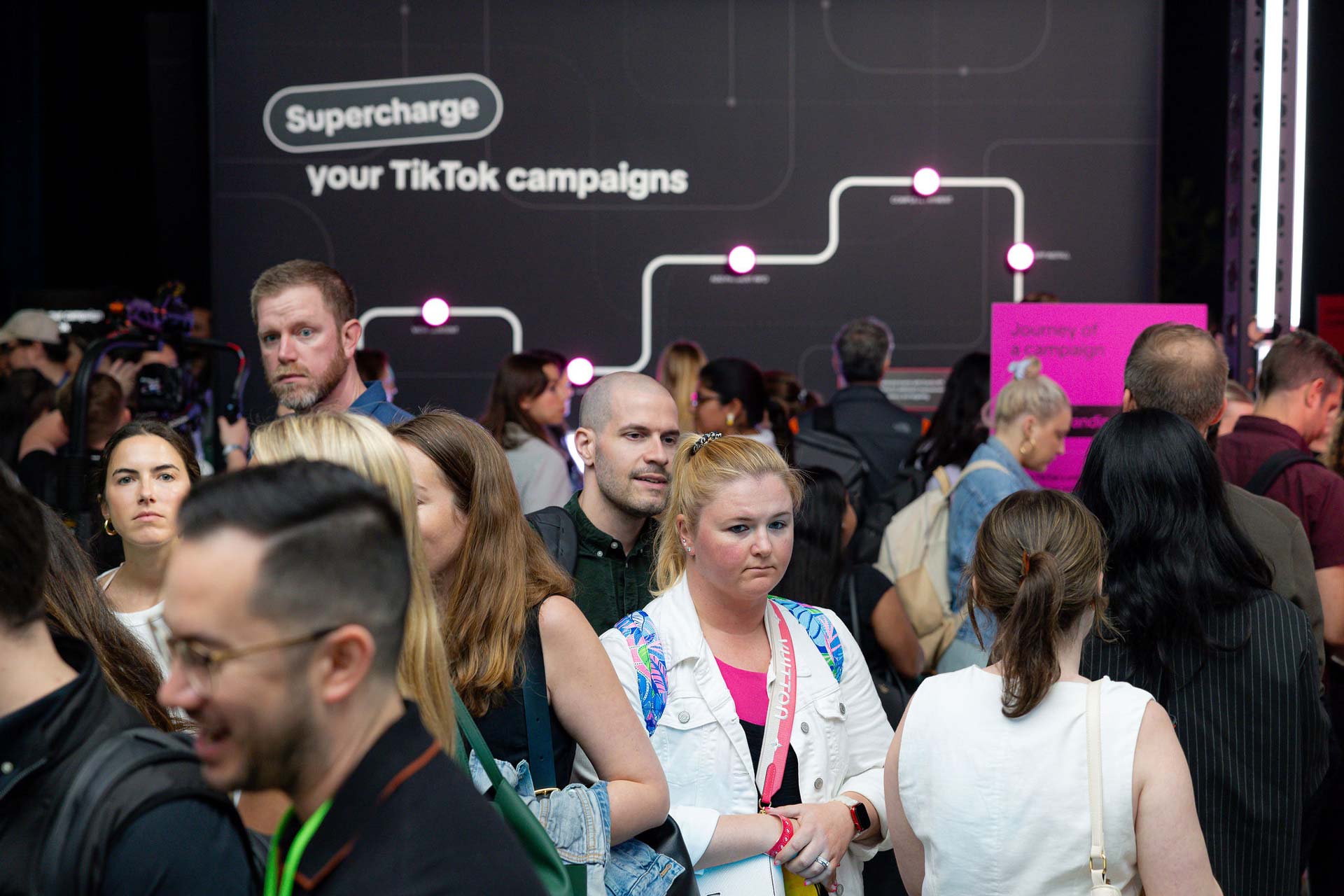
The integration of interactive elements across the production floor made complex offerings like performance automation, creator collaboration tools, and measurement solutions far more accessible. Attendees could simulate campaign optimization decisions through touch interfaces, explore creator matches through dynamic displays, or see how creative variations impacted outcomes via live scenario demos. By embedding these interactions into the environment rather than isolating them in demo booths, we allowed learning to happen organically through exploration. The result was that partners didn’t feel like they were being pitched to; they felt like they were discovering capabilities themselves, which dramatically increased comprehension and recall.
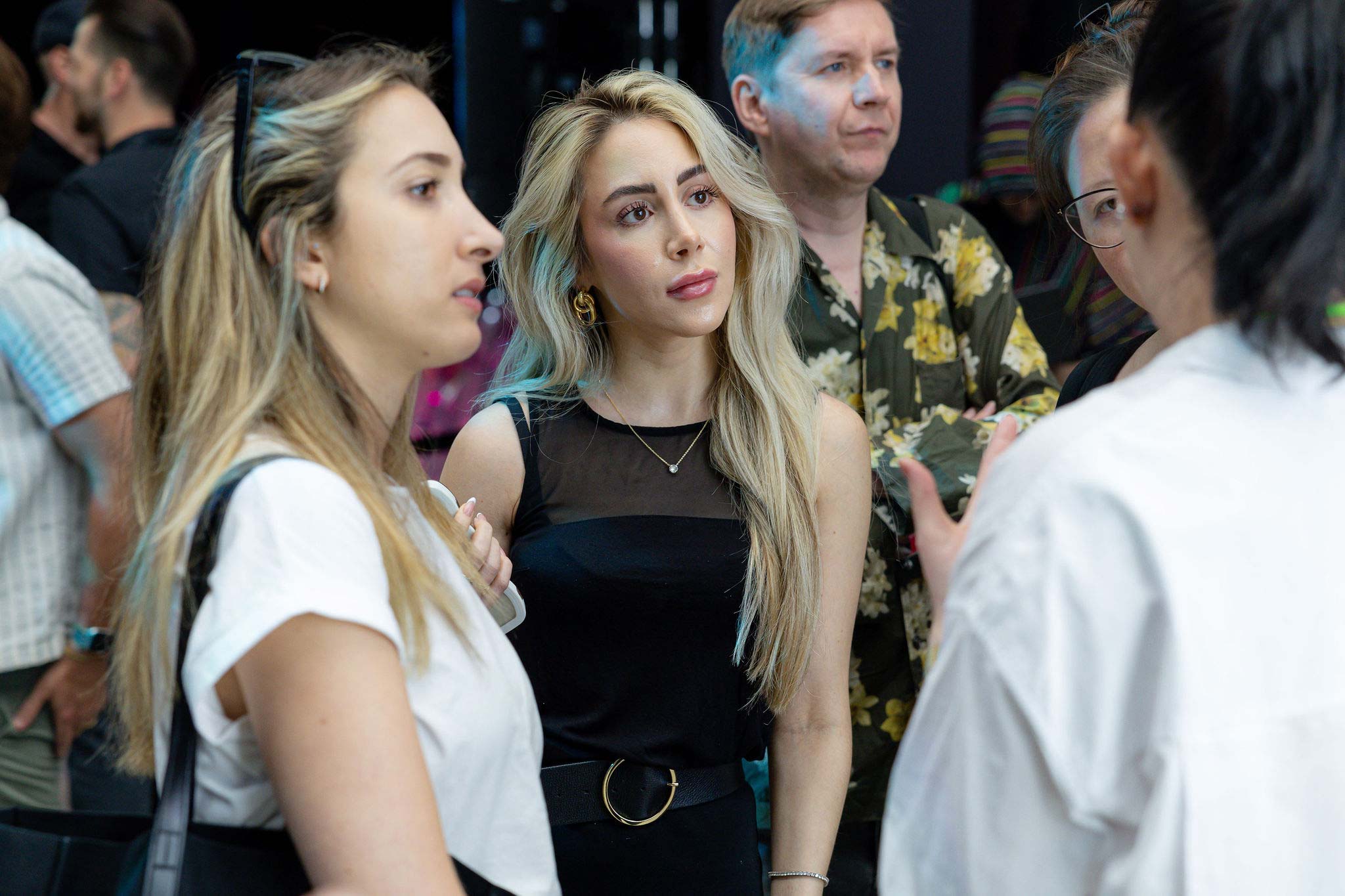
These experiential touchpoints also became natural conversation anchors for our brand ambassadors circulating throughout the space. Instead of relying on scripted talking points, ambassadors could reference the installations directly, guiding guests through use cases and answering questions in context. The physicality of the demos created shared reference points that made discussions more collaborative and less transactional. It shifted the dynamic from sales to dialogue, from explanation to co discovery.
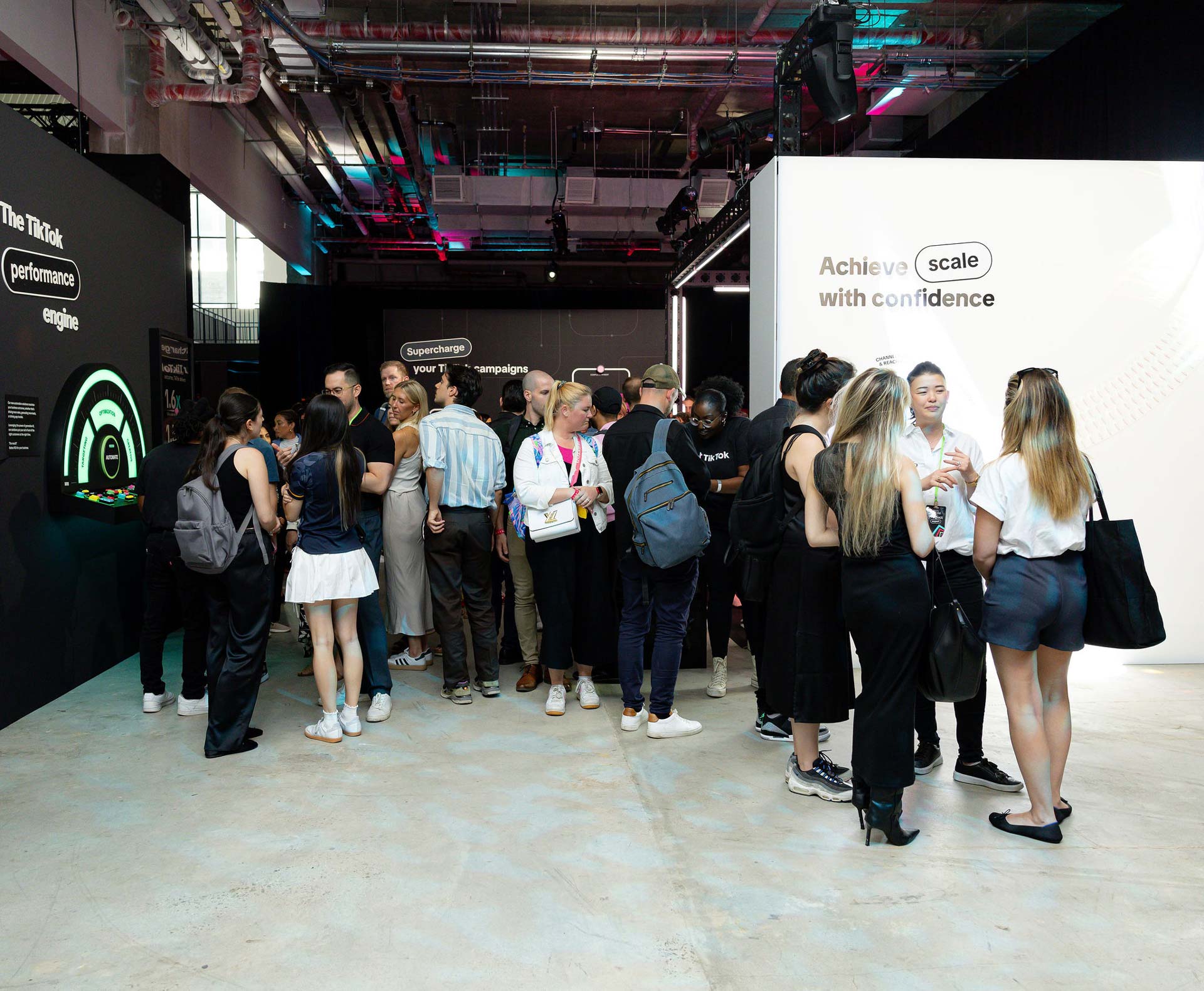
Perhaps most importantly, this approach made the products stick. When someone physically engages with a system, even in a simulated environment, they build a memory that goes beyond intellectual understanding. The tactile and visual reinforcement helped demystify ad tech and positioned TikTok’s solutions as approachable, human centered, and creatively empowering. It turned what could have been a dense product showcase into a living conversation about possibility, one that continued long after attendees left the venue.A benchmark for future executions, establishing patterns and principles that teams could build upon with confidence.
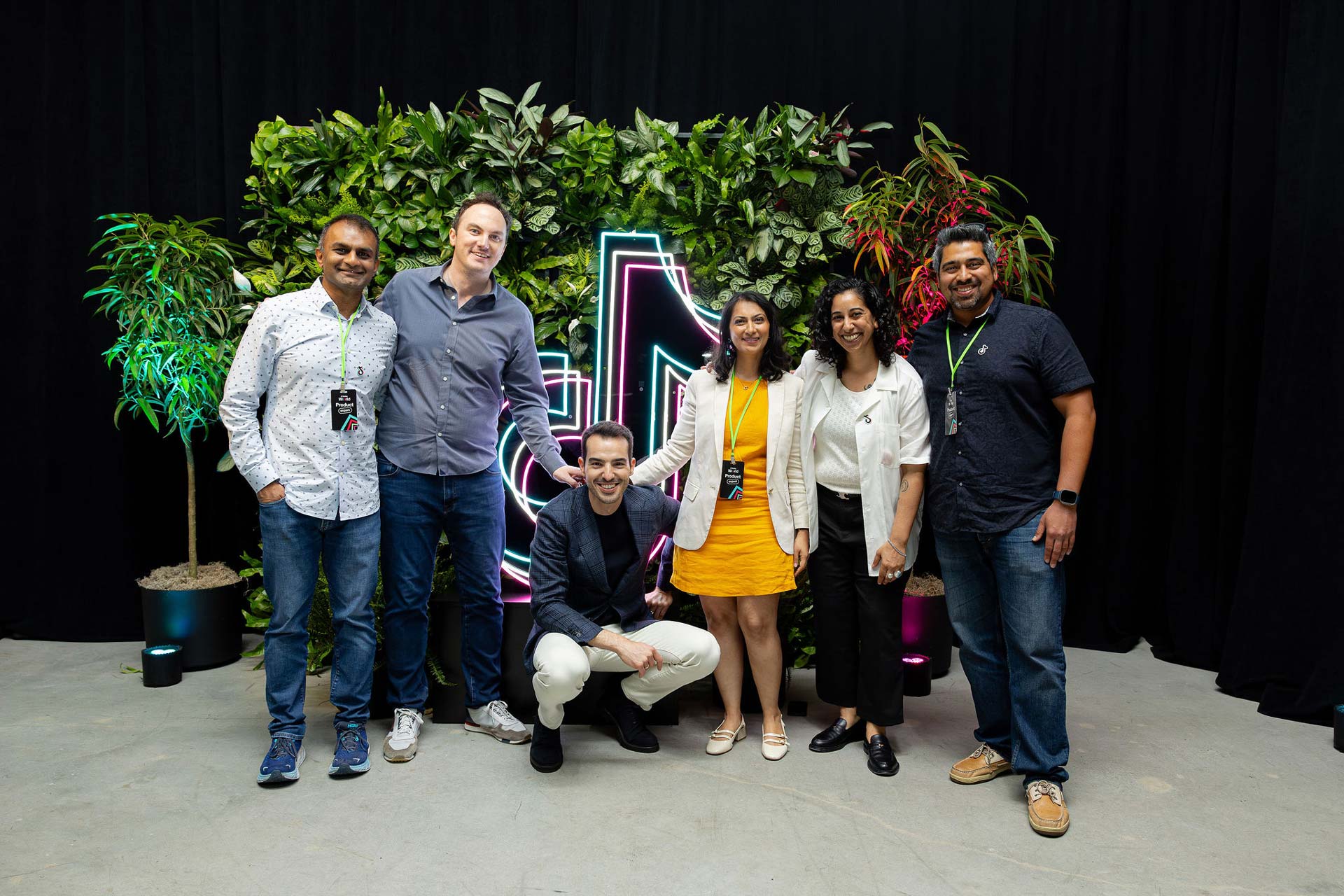
Collaboration with the product team was foundational to making TikTok World feel less like a marketing showcase and more like a tangible expression of the platform’s capabilities. Rather than treating product demos as static displays, we worked hand in hand with product managers, engineers, and solutions architects to translate complex ad tech and AI workflows into physical experiences that could be intuitively understood within seconds. This meant aligning on user journeys, simplifying interface states for live environments, and designing interactive touchpoints that mirrored real in-platform behaviors, from creative automation to performance dashboards. Through iterative reviews, rapid prototyping, and on-site calibration, we ensured that every screen, motion loop, and hands-on demo accurately represented the product while remaining approachable for marketers at varying levels of technical fluency. The result was a cohesive environment where storytelling, design, and functionality converged, allowing attendees to not only hear about TikTok’s tools but to experience their logic and value firsthand.
Every large scale production has that one person who becomes the quiet backbone of the entire operation, and for us it was Steven, our gaffer. He was a grizzled industry veteran with decades of sets behind him, the kind of guy who could read a lighting plot once and then improve it on the fly with an instinct you cannot teach. He moved slowly, deliberately, coffee in one hand and a roll of black wrap in the other, but the moment a cue was off or a shadow fell wrong, he was already there, ladder up, tweaking a flag or swapping a gel before anyone had time to call it out. There was no ego, no theatrics, only a deep pride in making the work look its best.
What made Steven especially beloved was his humanity. He remembered people’s names, asked about their families, and told stories from shoots in the seventies when everything was tungsten and guesswork. During one particularly tense rehearsal, he quietly set up a warm edge light behind the stage portal that softened the entire scene. No one asked for it, but the moment the lights came up, the space felt transformed, more dimensional, more cinematic, more intentional. He just shrugged and said, “Felt like it needed a little love.” This event was crafted with precision and care, down to the smallest details that collectively defined the experience.
Steven went far beyond his job description. When we were racing against load in deadlines and the atrium light was shifting faster than expected, he recalibrated the entire lighting balance so the stage, product zones, and installations all held visual continuity from morning through golden hour. He stayed late to help the scenic team test reflective finishes, making sure our white surfaces didn’t blow out on camera. He even worked with the content capture crew to fine tune color temperature so TikTok videos shot on phones would render accurately without post correction. It was the kind of cross functional generosity that elevated everyone’s work and kept the production running with a rare sense of calm.
By show day, the environment carried his fingerprints everywhere. The lighting didn’t scream for attention; it supported the narrative, guided the eye, and made every surface feel premium. The stage glowed without glare, the installations felt sculptural, and even casual phone photos looked polished. The space truly felt elevated, not because of any single hero element, but because someone like Steven cared enough to make a thousand invisible decisions that added up to magic.
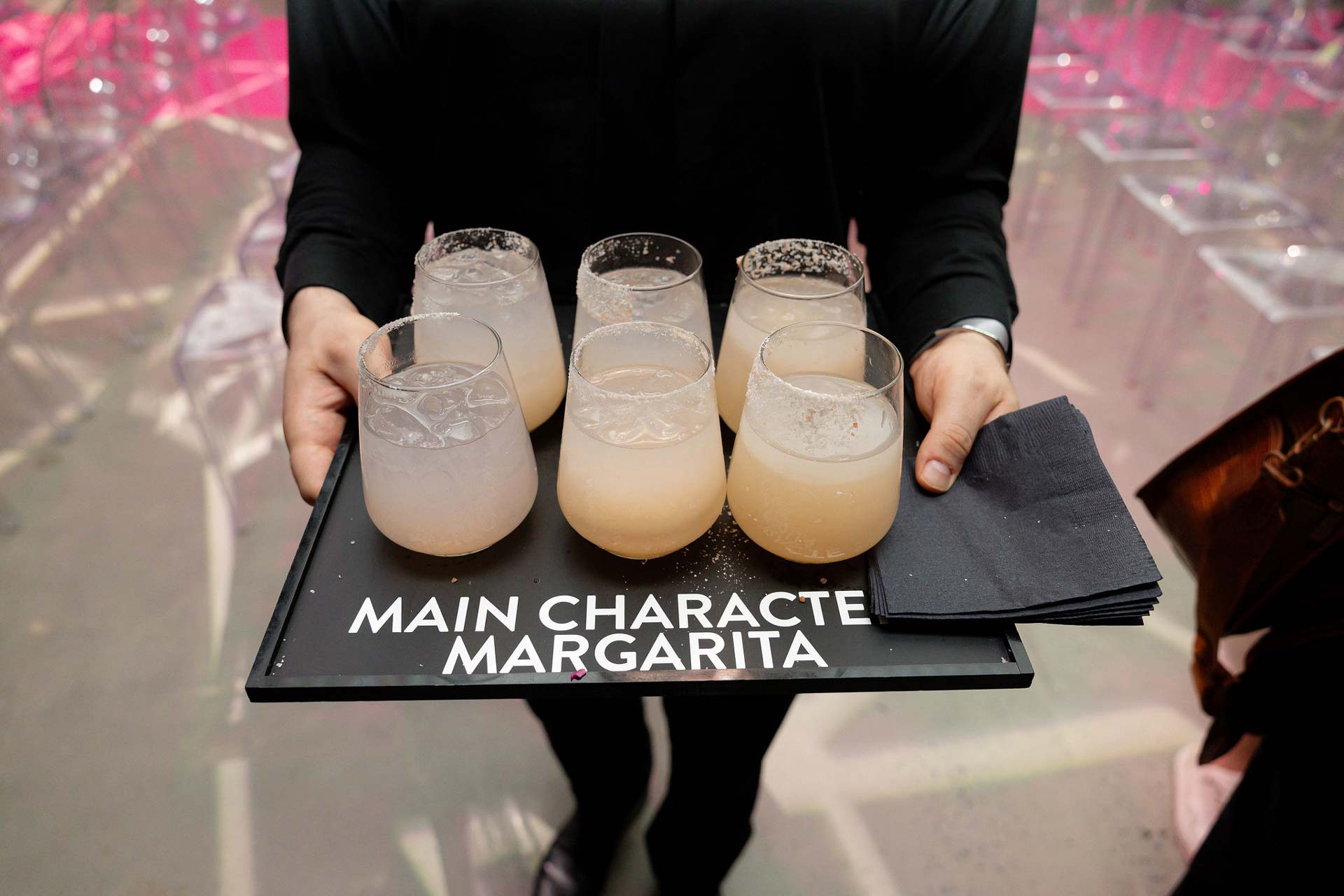
The hospitality program became one of those unexpected differentiators that attendees kept talking about long after the event wrapped, and the spicy margaritas were at the center of it. They were not an afterthought bar menu item but a deliberate brand expression, calibrated to feel modern, slightly daring, and unmistakably shareable. The balance of heat and citrus mirrored the event’s broader tone: bold but approachable, premium without feeling exclusionary. You could see it in real time as guests photographed the drinks against the clean white finishes and portal installations, those small moments turning into organic social posts that extended the event’s reach far beyond the room.
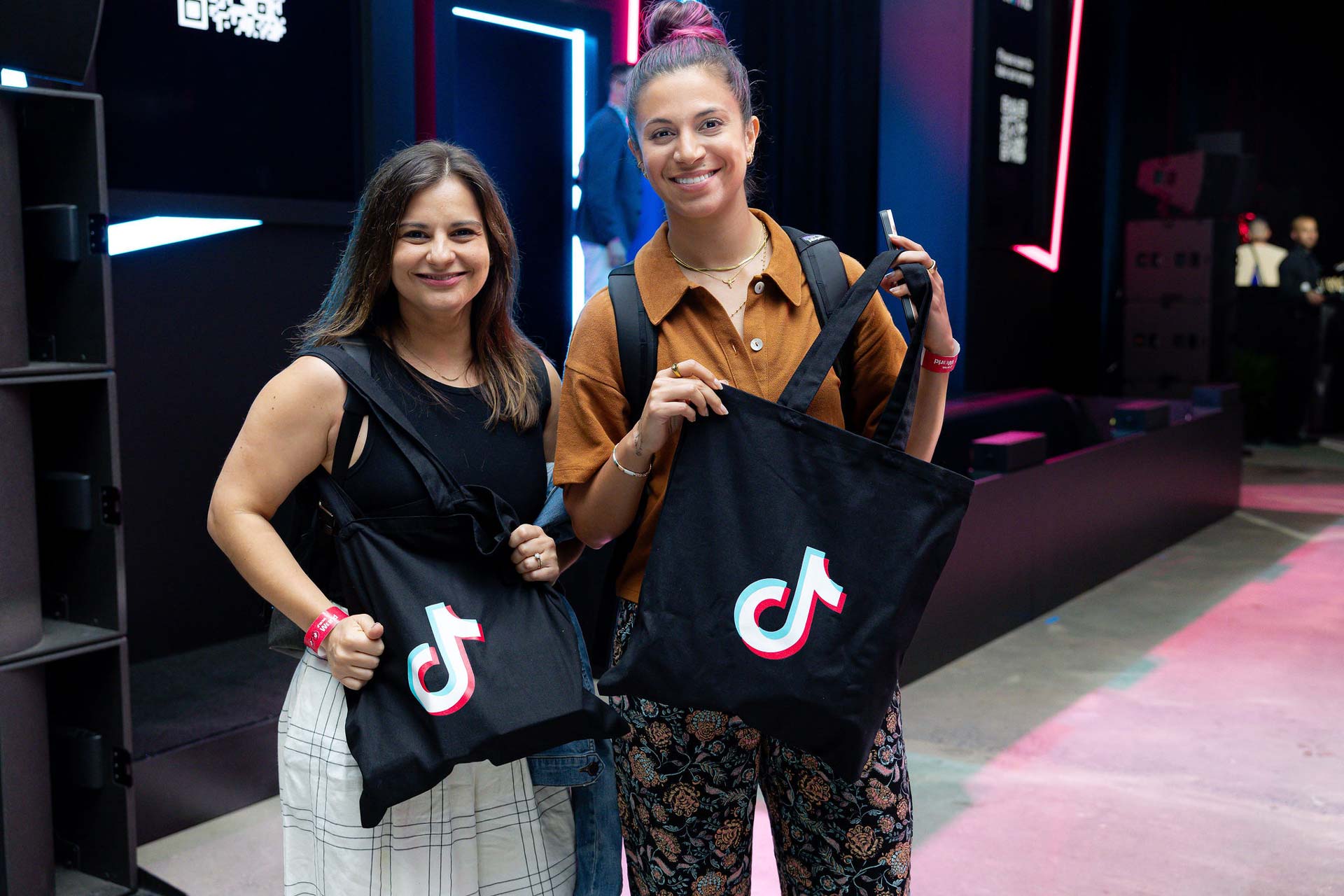
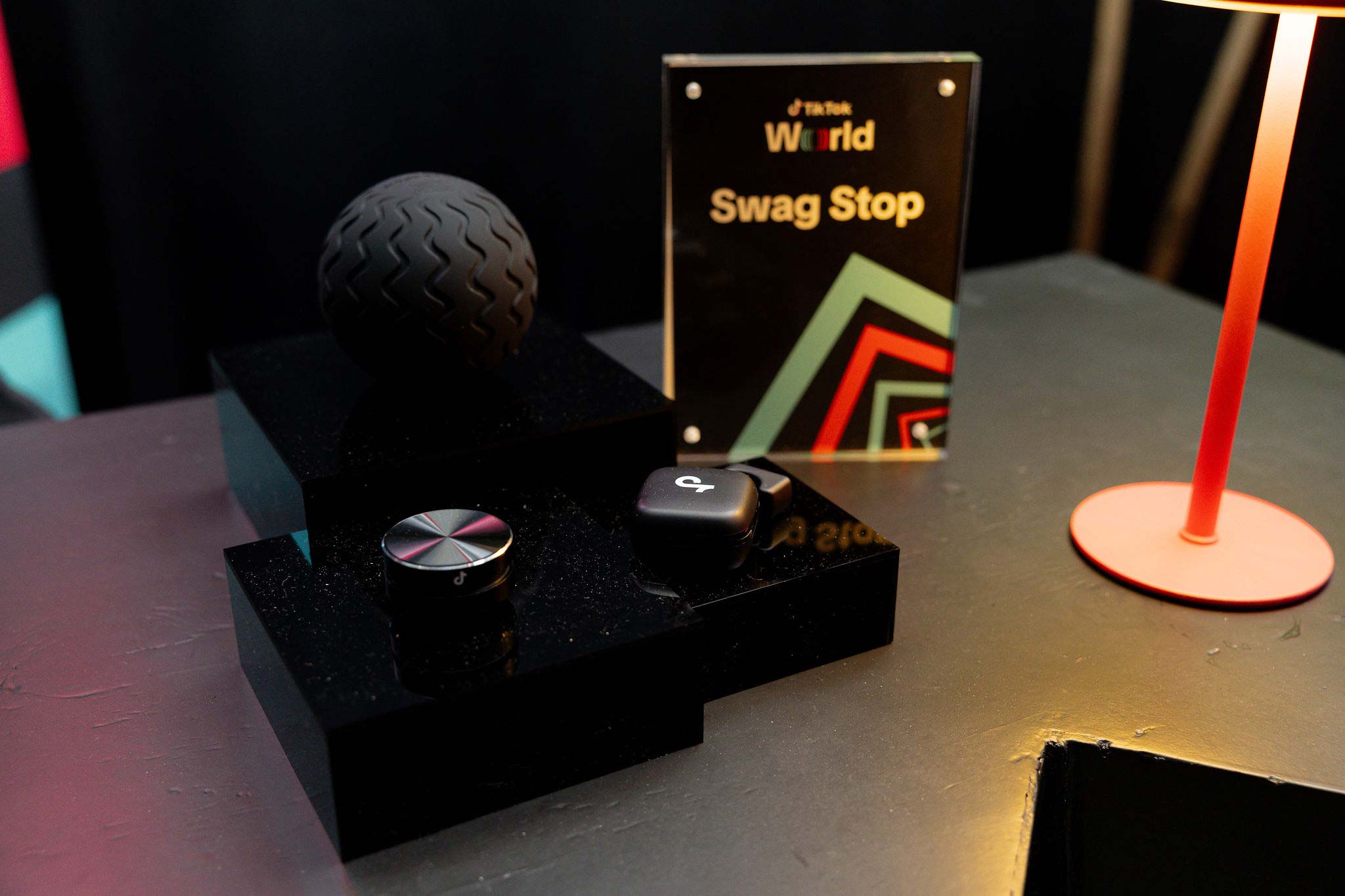
Alongside the cocktails, the elevated Therabody massager swag became a tactile expression of care that resonated deeply with attendees who had spent the day in back to back sessions, networking, and product deep dives. Rather than disposable giveaways, these were purposeful, wellness oriented tools that aligned with a growing industry focus on sustainability, longevity, and human centered design. People didn’t tuck them into tote bags and forget them; they tried them on the spot, compared attachments, and joked about needing recovery after absorbing so much information. It created micro moments of connection, reinforcing the idea that the experience had been designed with the attendee’s full day in mind.
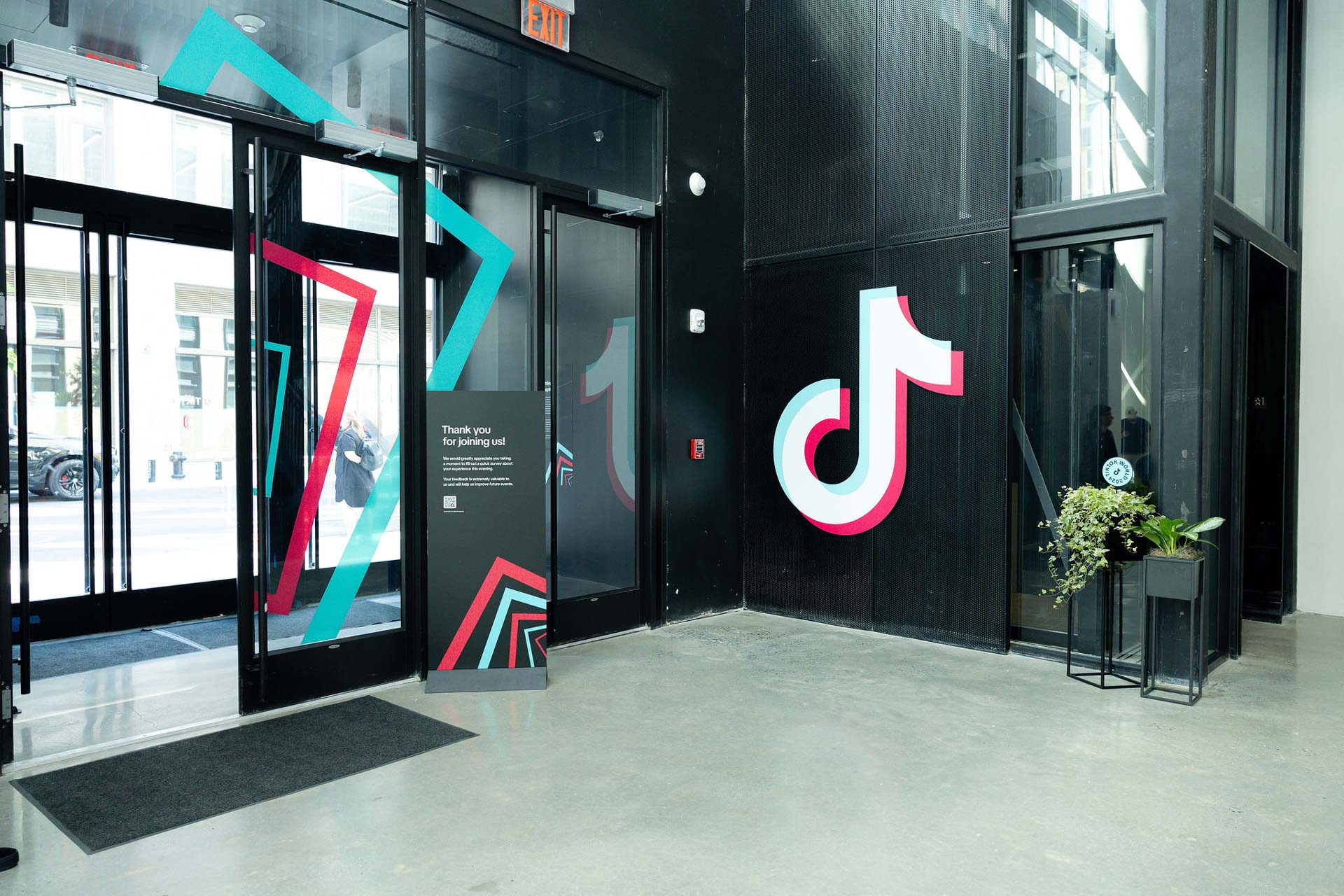
Media coverage amplified that sentiment, framing the event as a signal of TikTok’s maturation into a platform that could convene culture, creativity, and commerce in a single, cohesive environment. Industry trades highlighted the focus on performance driven solutions and creative AI, while lifestyle and marketing outlets emphasized the experiential design and hospitality as evidence of a brand that understands how to host, not simply present. The narrative that emerged positioned the event as both a product summit and a cultural moment, reinforcing TikTok’s role as a leader shaping how modern brands engage audiences. In the weeks that followed, the ripple effects were visible across social feeds, trade recaps, and partner decks that referenced the event as a benchmark. Attendees shared photos of the drinks, the installations, and even the Therabody tools in use back at their offices, extending the lifecycle of the experience into everyday environments. It was proof that when hospitality, design, and product storytelling are aligned, the impact does not end when the lights go down; it travels with people, becoming part of how they remember and talk about the brand.

The feedback loop was immediate and overwhelmingly positive. Brand partners, agency leaders, and creators alike noted how the event felt intentional at every touchpoint, from the menu to the spatial flow to the product storytelling. Many remarked that it struck a rare balance between inspiration and utility, offering both visionary framing and practical takeaways they could implement in their own campaigns. Internally, teams heard that the physicalization of complex ad tech solutions made them easier to understand and advocate for, turning abstract capabilities into tangible conversations.
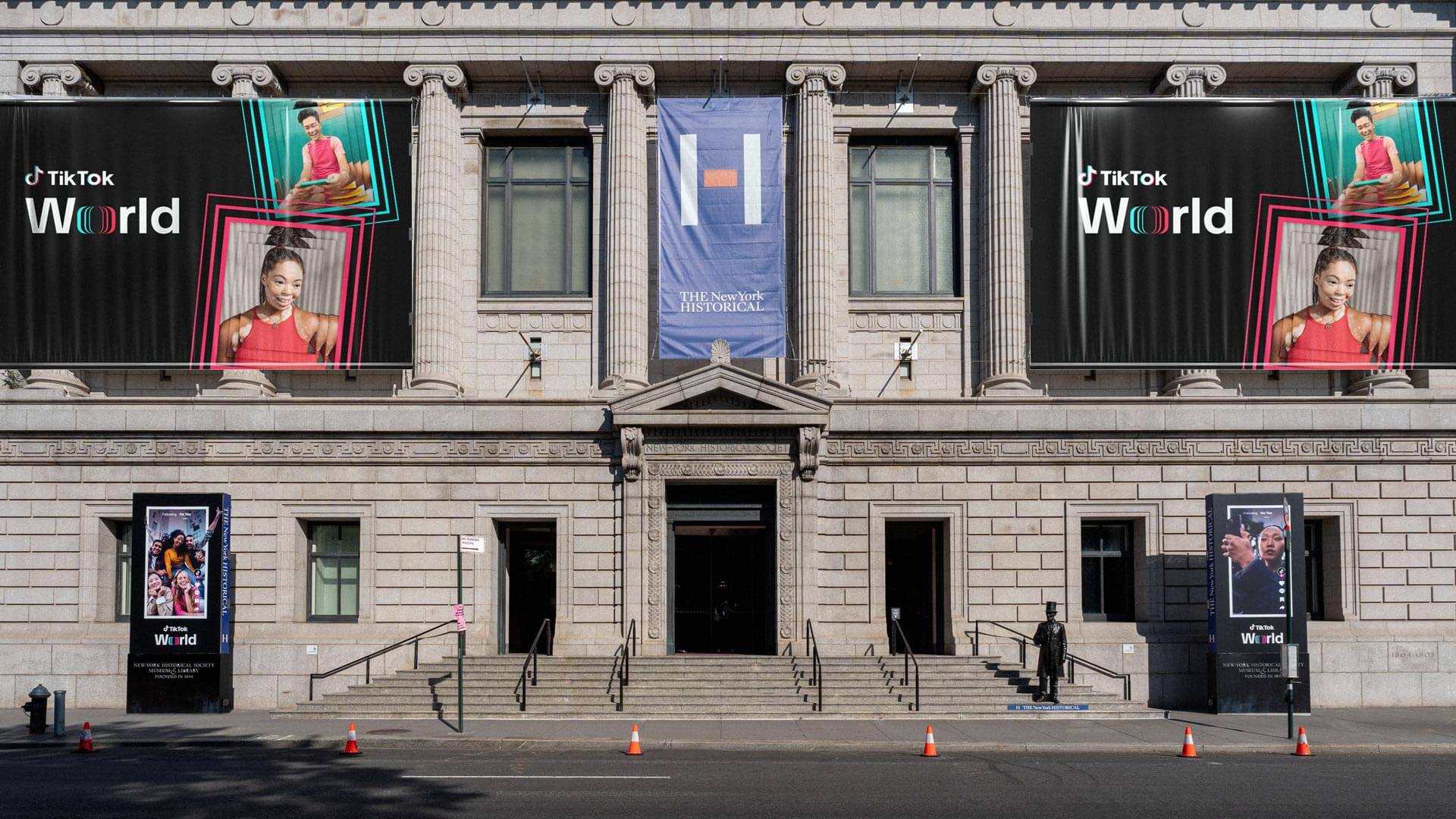
TikTok World 2025 reinforced the platform’s transition from an entertainment destination into a fully integrated performance marketing ecosystem. The event showcased how TikTok is building infrastructure to compete directly with search, social, and commerce platforms simultaneously, positioning itself as a primary engine for discovery, decision-making, and purchase. Rather than treating advertising as an interruption, TikTok framed marketing as participatory culture, where creative, community, and commerce operate as a unified system. A defining theme of the event was the elevation of AI from optimization tool to creative collaborator. The introduction of the Symphony suite signaled a future in which brands can generate scripts, localize campaigns, and produce video-ready assets at scale while maintaining platform-native authenticity. By embedding licensed media libraries and multilingual capabilities directly into creative workflows, TikTok lowered the barrier to global storytelling, enabling brands to expand into new markets without sacrificing cultural nuance.
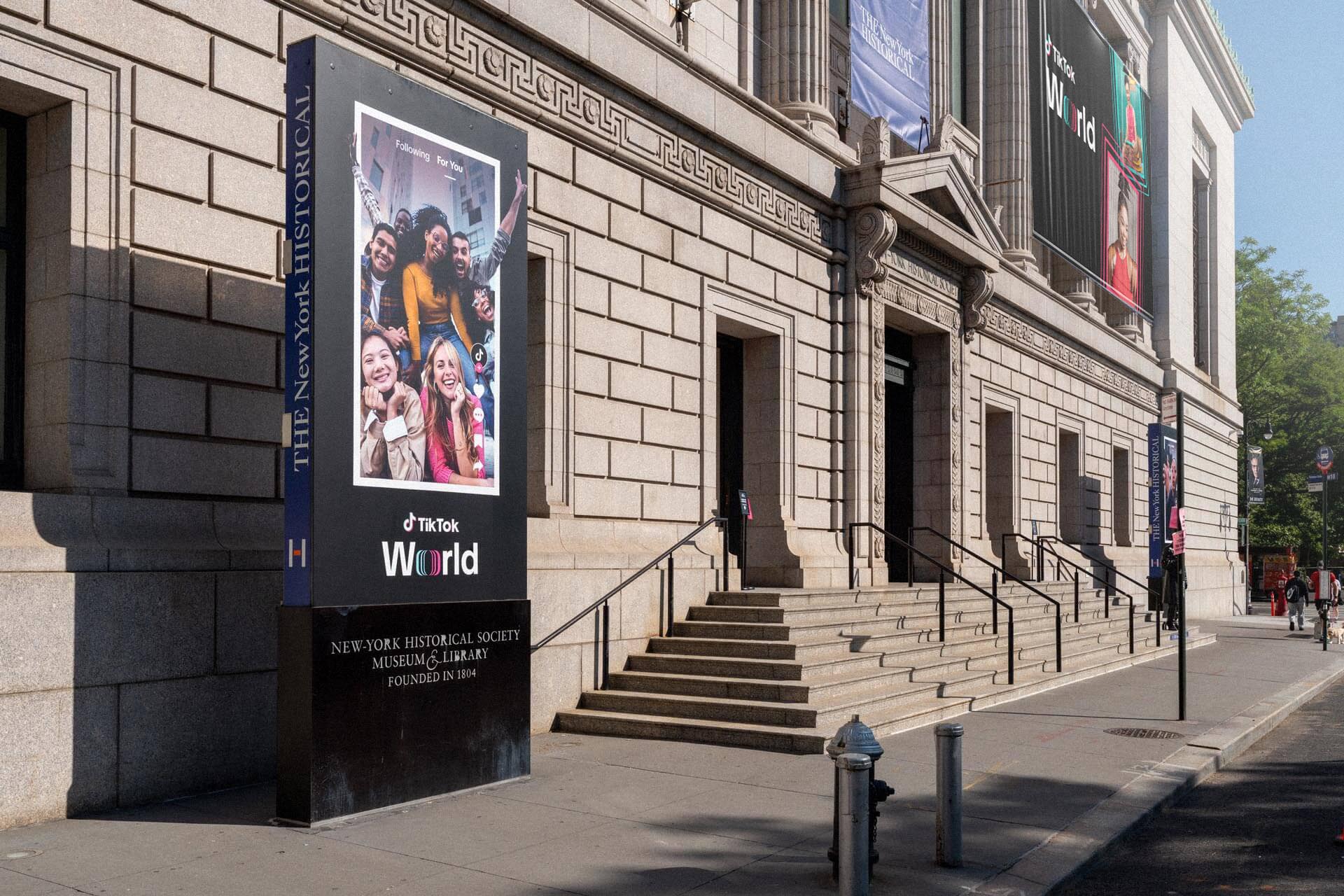
Search emerged as another strategic frontier, with TikTok formalizing its role as a video-first search engine. As younger audiences increasingly turn to TikTok for recommendations, tutorials, and product discovery, new search advertising tools and insights capabilities allow brands to align content with high-intent queries in real time. This shift reframes discovery as culturally contextual rather than keyword-driven, blending the precision of search marketing with the persuasive power of creator-led storytelling.An exercise in disciplined storytelling, where every element served a purpose and nothing existed without reason.
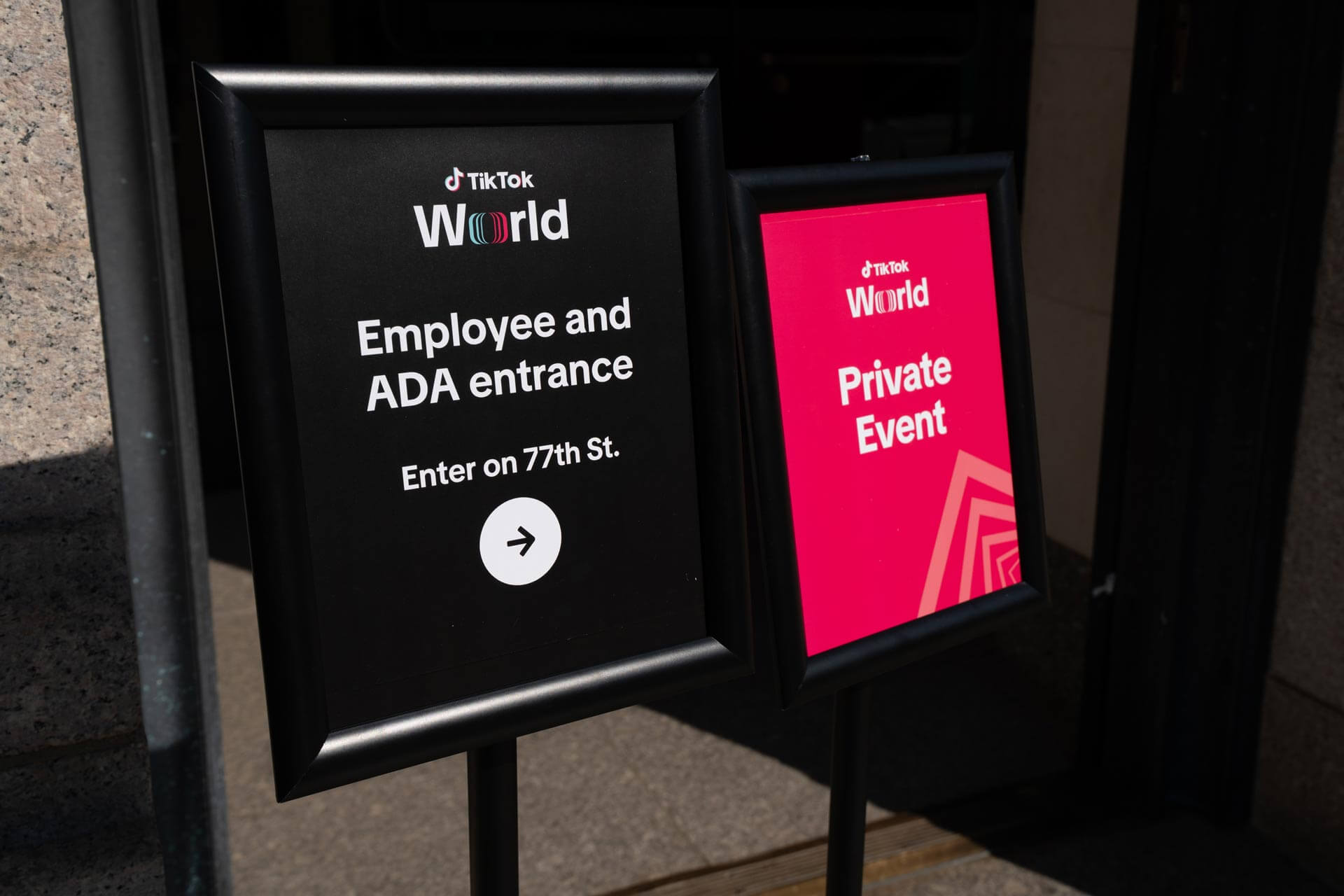
The platform also introduced deeper market intelligence through tools like Performance Manager and MarketScope, which translate campaign goals into actionable KPIs across regions and audience segments. By tracking behavioral signals across the funnel, these systems enable advertisers to identify high-consideration audiences and allocate budget more efficiently. This level of visibility transforms creator partnerships and Spark Ads from experimental tactics into measurable growth drivers.
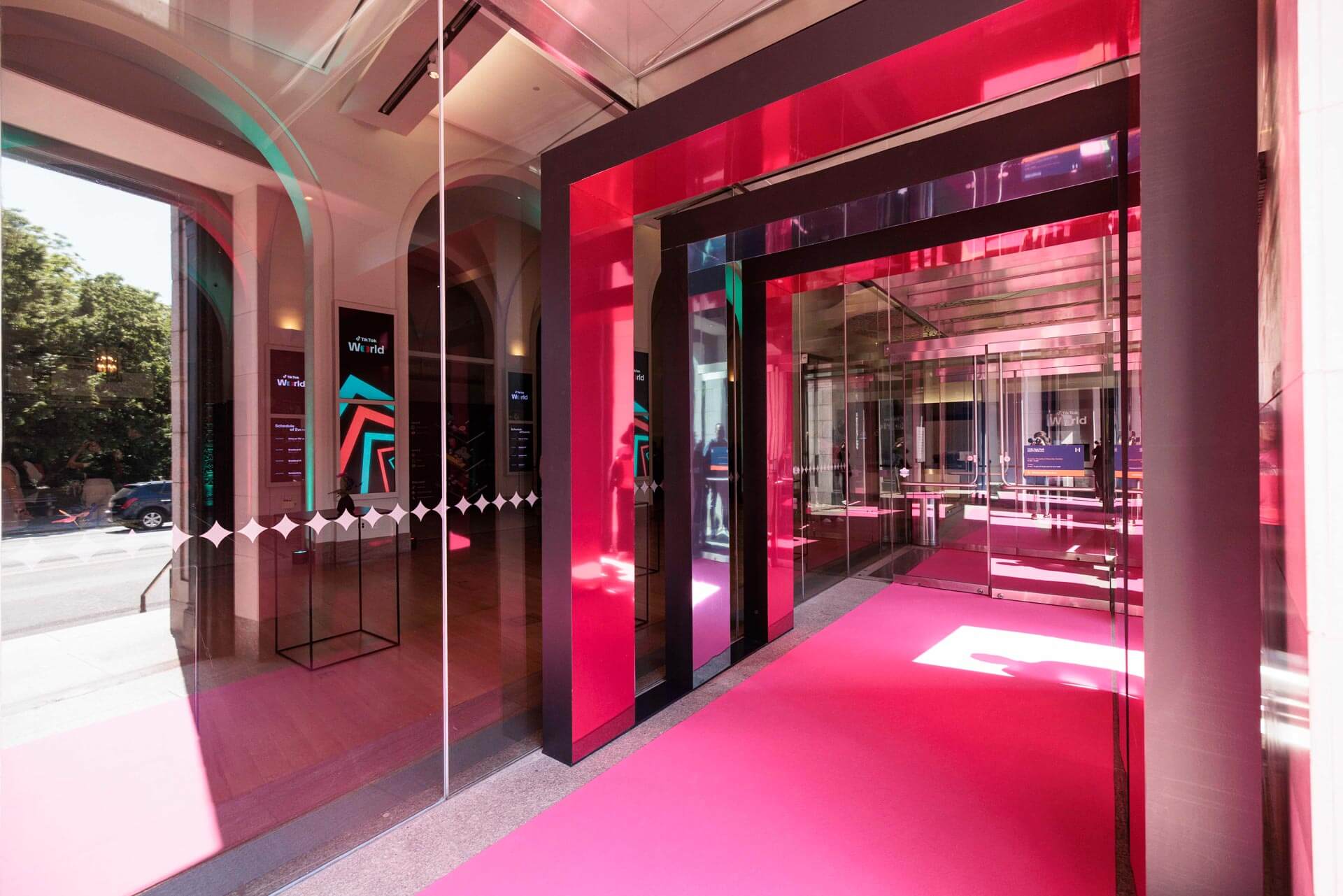
User-generated content remained central to TikTok’s value proposition, but the platform focused on making UGC scalable and operationally efficient. Expanded Creator Marketplace capabilities, centralized content dashboards, and predictive performance metrics allow brands to source, evaluate, and amplify creator content with unprecedented speed. This infrastructure turns authenticity into a repeatable growth lever rather than a one-off viral moment.
Brand safety and suitability controls were also elevated, reflecting the needs of enterprise advertisers. Enhanced inventory filters, customizable suitability profiles, and real-time contextual placement tools allow brands to maintain alignment with their values while participating in high-performing cultural moments. TikTok’s approach suggests that safety and scale are no longer trade-offs but parallel priorities in modern media planning.
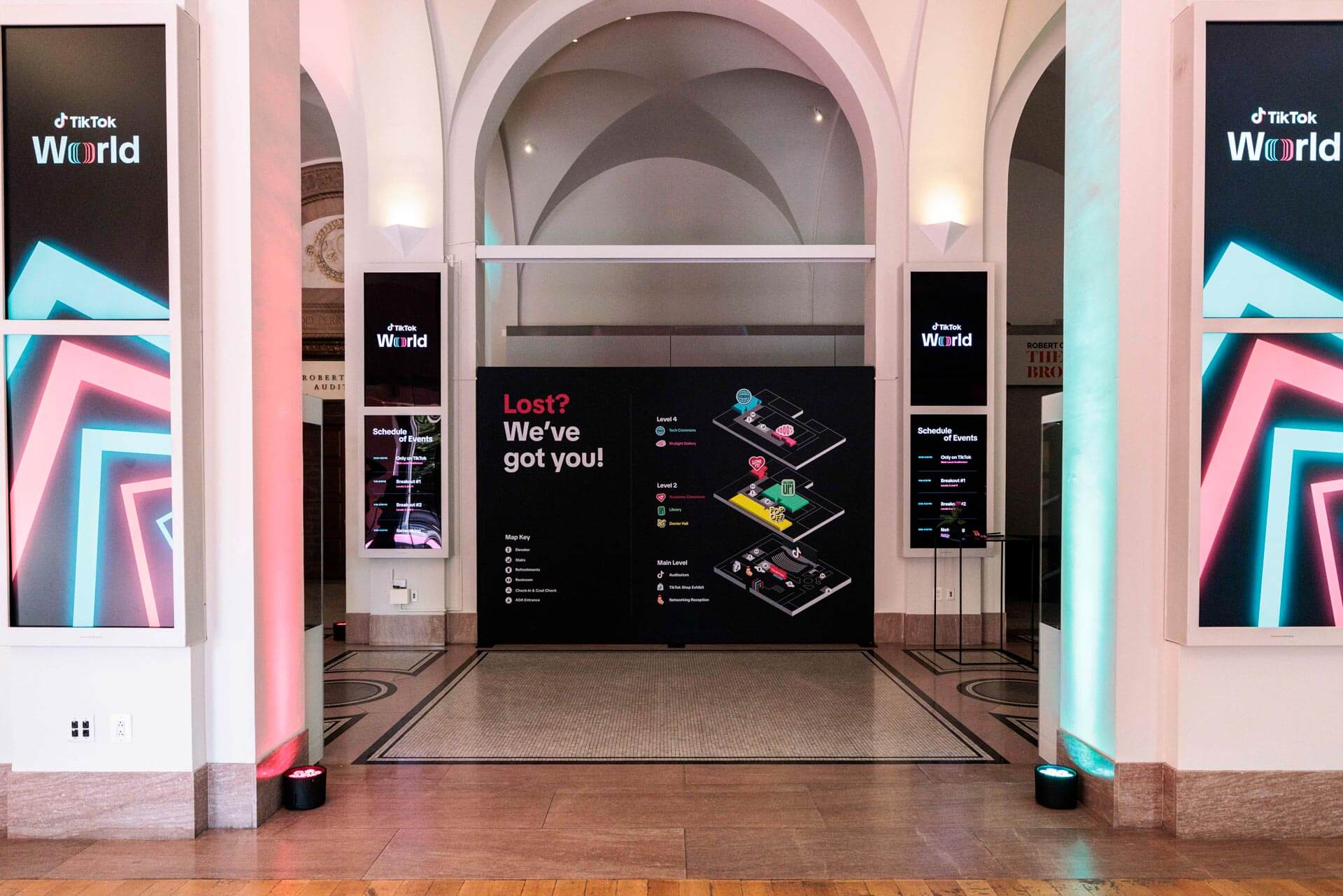
The New-York Historical Society, founded in 1804, is the oldest museum and research library in New York City and one of the oldest cultural institutions in the United States. Established by a group of civic leaders who believed the young nation needed to preserve its history, the Society began as a repository for documents, artifacts, and artworks that chronicled the American experience. Its early collections included Revolutionary War materials, manuscripts from the nation’s founders, and objects that captured the daily life of a rapidly evolving city. From the outset, the institution positioned itself not merely as an archive but as a public resource dedicated to education, civic memory, and cultural stewardship. After several relocations in its early decades, the Society settled in its current home on Central Park West in 1908, a Beaux-Arts building designed to reflect both permanence and accessibility. Over time, the institution expanded to include galleries, a major research library, and spaces for public programming, becoming a hub for historians, scholars, and the general public alike. Its collections grew to encompass millions of items, including fine art, decorative objects, photographs, rare books, and one of the most significant archives of early American history in the country. The building itself evolved alongside the city, undergoing renovations that modernized its facilities while preserving its architectural integrity.
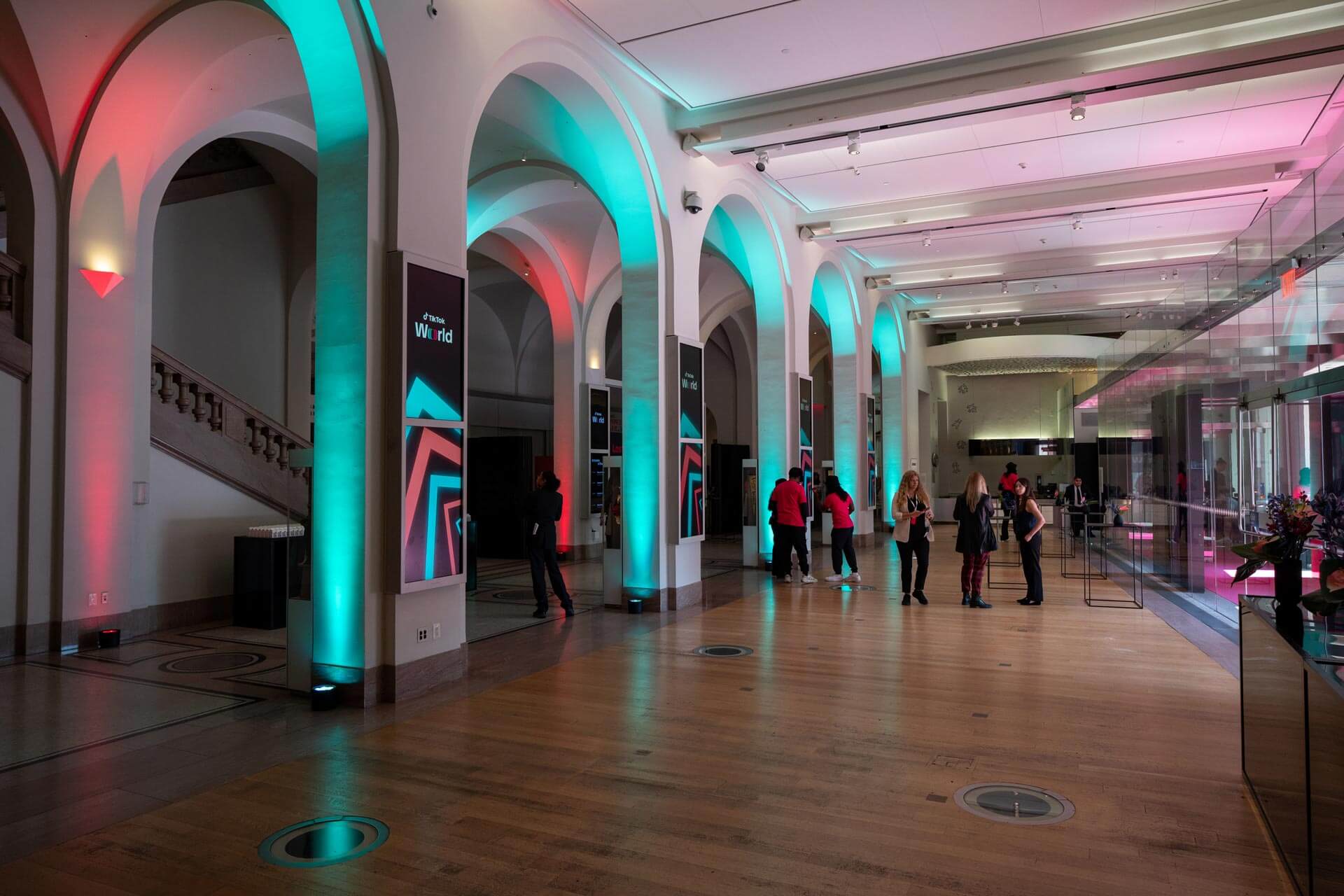
Throughout the twentieth and twenty-first centuries, the New-York Historical Society broadened its mission to engage with contemporary issues through the lens of history. Exhibitions began to explore themes such as immigration, civil rights, urban development, and cultural identity, positioning the institution as a space where past and present could be in active dialogue. Educational initiatives expanded to serve students and educators across the region, reinforcing the Society’s role as both a guardian of memory and a catalyst for civic understanding. Its ability to balance scholarly rigor with public accessibility has made it a cornerstone of New York’s cultural landscape. Today, the New-York Historical Society stands as a bridge between eras, preserving the artifacts of the past while hosting conversations about the future. Its galleries and programs reflect the layered complexity of American history, offering visitors a deeper understanding of the forces that shaped the nation and the city. Hosting events within its walls carries a symbolic weight, placing contemporary innovation in dialogue with centuries of cultural memory and reinforcing the idea that today’s stories are tomorrow’s history.
We chose the New York Historical Society for TikTok World 2025 because it offered a rare convergence of credibility, intimacy, and architectural character that aligned with the platform’s evolution from scrappy disruptor to cultural institution. Positioned on the Upper West Side across from Central Park, the venue carries intellectual weight without feeling exclusionary, allowing us to situate TikTok within a continuum of cultural storytelling rather than outside of it. The decision signaled maturity to partners and policymakers while still providing a canvas flexible enough to host a highly contemporary, tech-forward product summit.
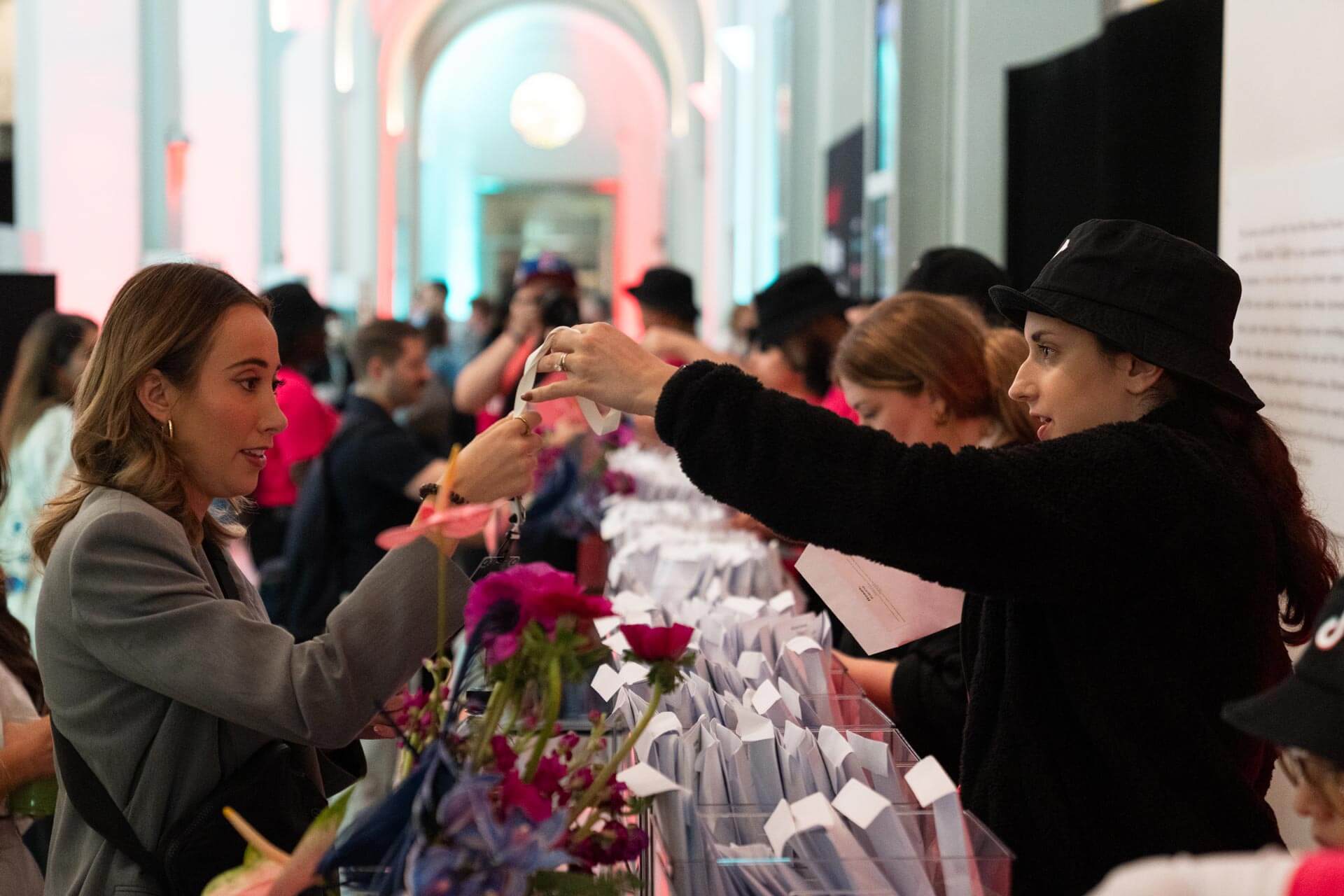
The building’s neoclassical exterior and museum-grade interiors created a compelling tension with TikTok’s vibrant visual language, enabling us to juxtapose heritage with velocity. Marble corridors, curated galleries, and archival exhibits framed the event with a sense of permanence, reinforcing the idea that the content and commerce behaviors born on TikTok are not fleeting trends but part of a longer cultural arc. This context elevated the narrative we were telling to advertisers: that participation on TikTok is participation in culture itself.
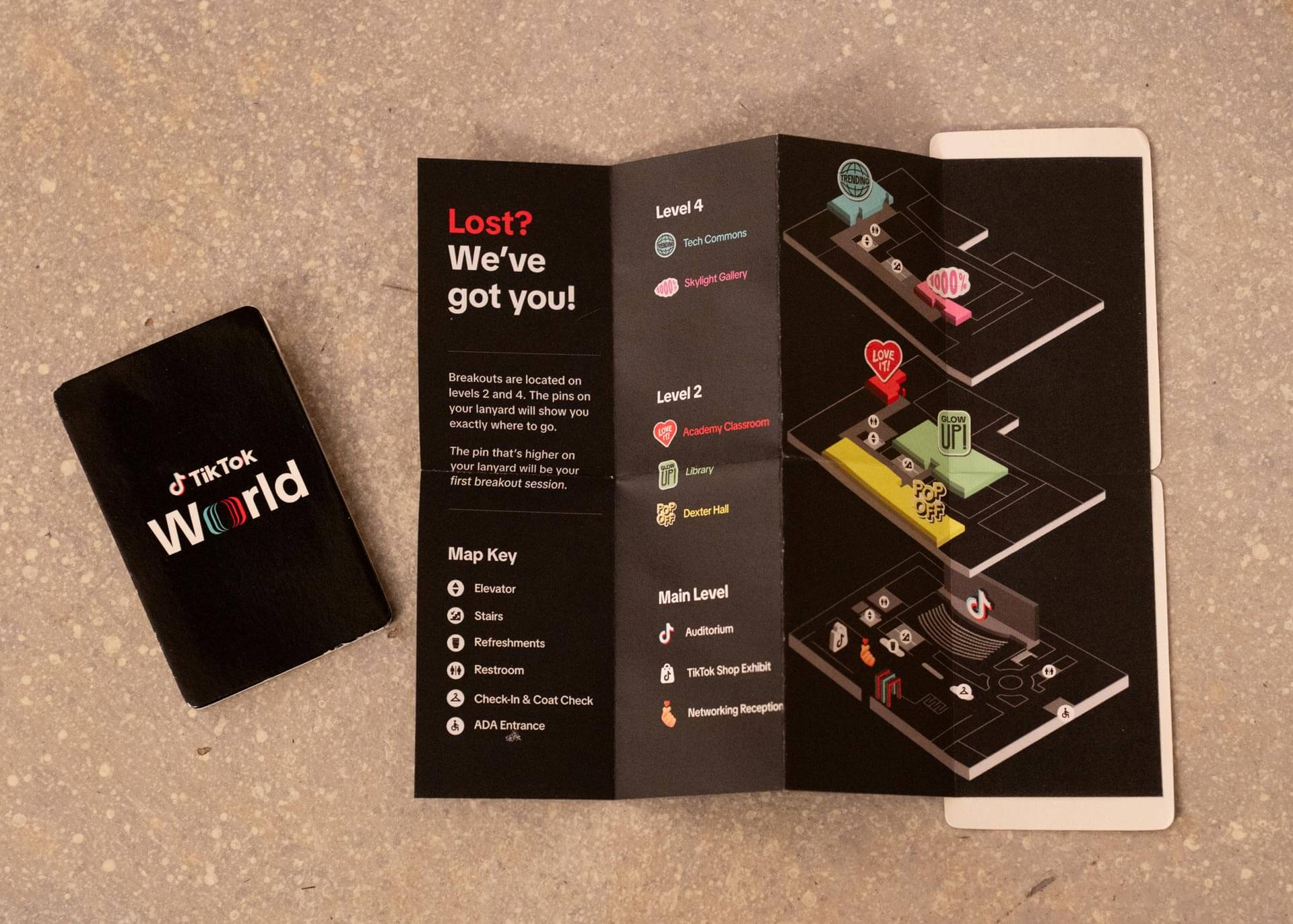
From a spatial design perspective, the venue offered a layered journey rather than a single-room spectacle. Guests moved through galleries and transitional spaces that we programmed as thematic zones, allowing product storytelling to unfold progressively instead of all at once. Exhibits became natural pause points for reflection and conversation, which we leveraged to embed product messaging and brand moments without overwhelming attendees. The flow encouraged exploration, mirroring the platform’s own discovery mechanics.
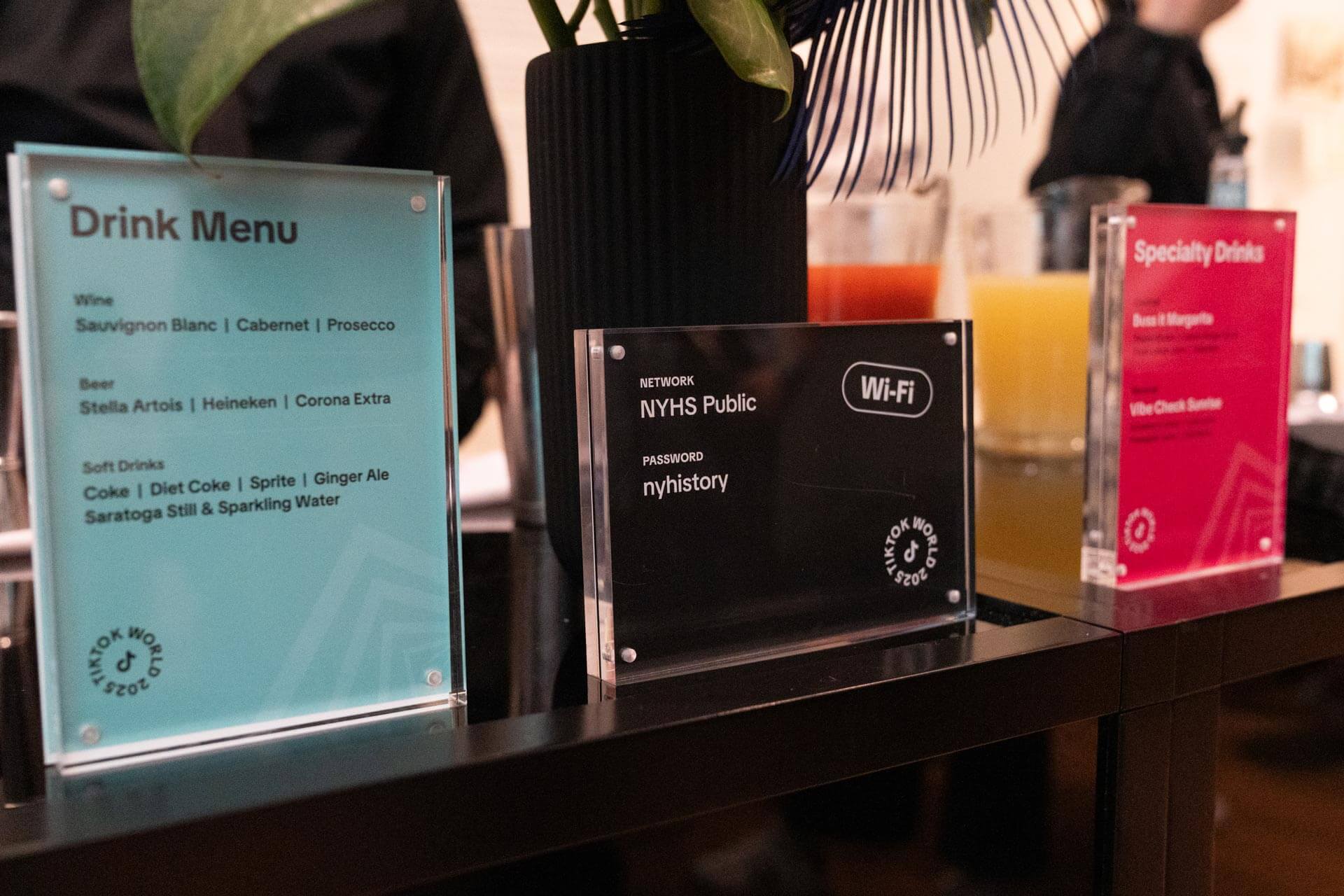
The stage design responded directly to the venue’s architectural constraints and opportunities. Rather than imposing a conventional conference setup, we developed a modular stage environment that felt integrated with the room’s proportions and sightlines. Portals, framing devices, and layered screens echoed the idea of entering the For You Page, visually reinforcing TikTok as a gateway to communities, knowledge, and commerce pathways. The stage functioned less as a podium and more as an interface, translating product features into spatial metaphors.
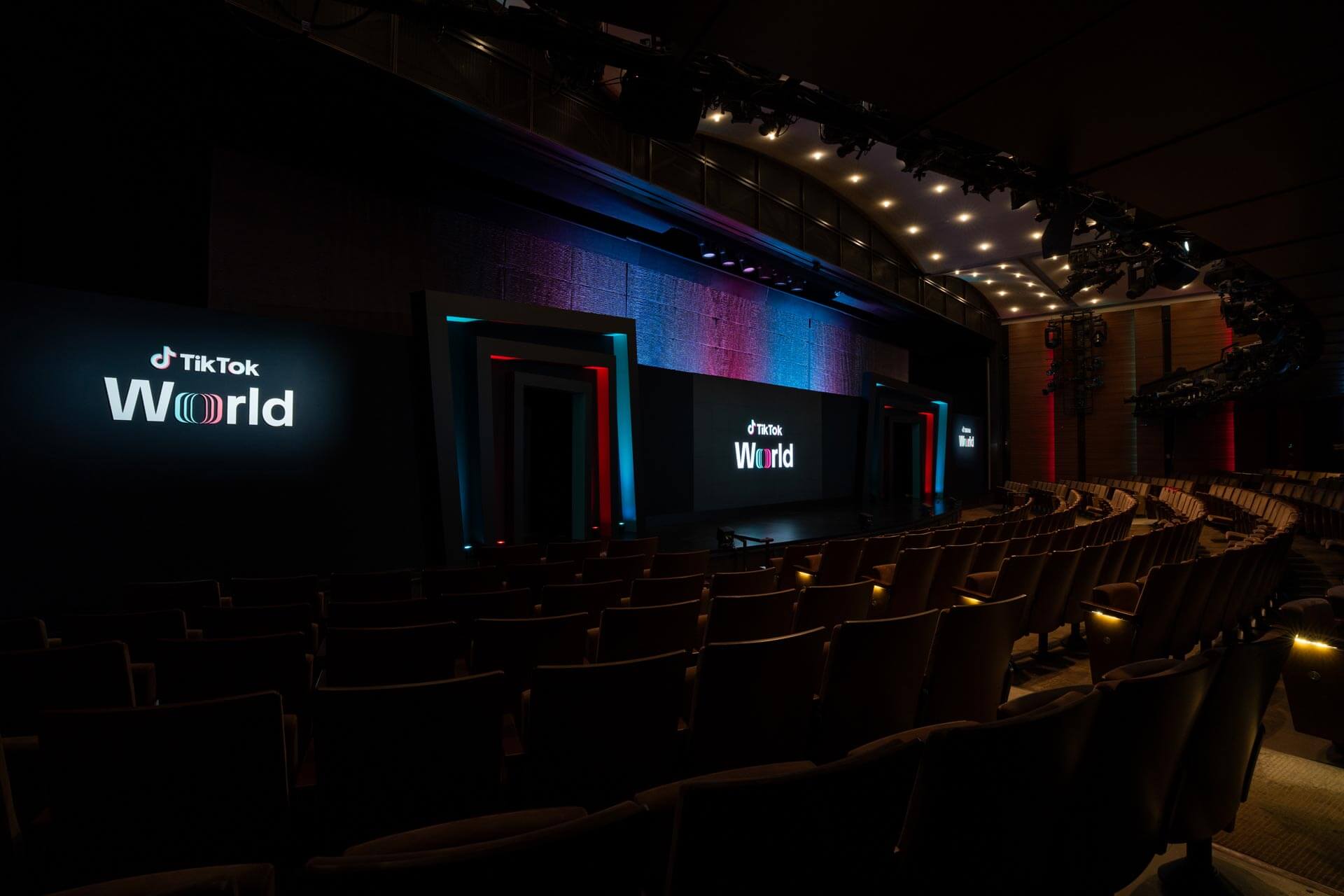
Adjacent gallery spaces were reimagined as workshop environments designed for smaller, high-intent cohorts. These sessions allowed us to move beyond broadcast messaging into practical enablement, offering hands-on walkthroughs of ad tools, creator partnerships, and measurement frameworks. The intimacy of these rooms fostered candid dialogue and deeper learning, positioning TikTok not only as a media platform but as a strategic partner invested in advertiser capability building.
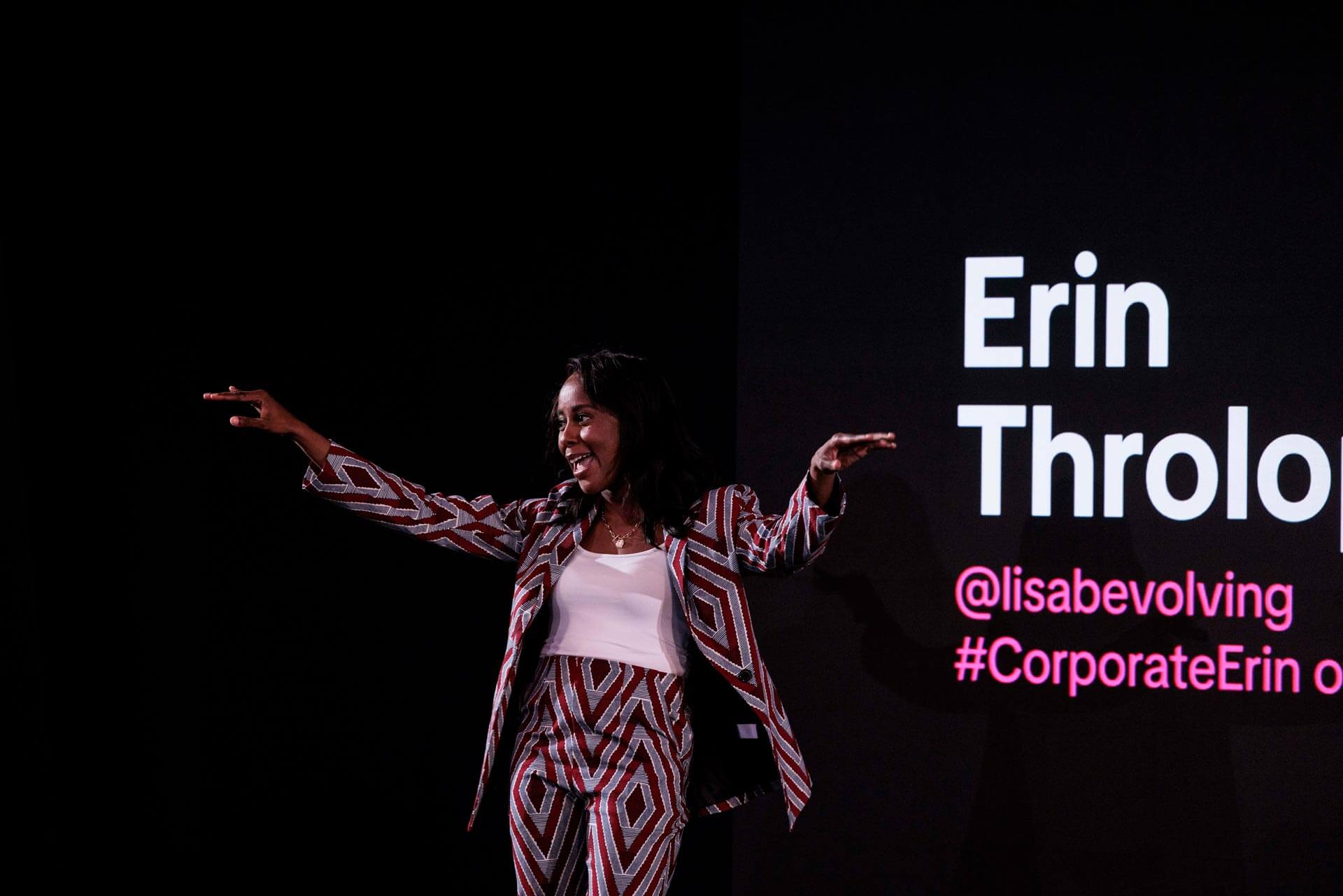
TikTok World exists in two places at once. There is the physical room, where lighting, staging, and timing have to land with precision, and there is the live stream, where the experience is flattened into a vertical screen and judged in seconds. Corporate Erin became the connective tissue between those worlds. She translated the energy of the stage into a format that felt native to the platform, shaping how talent showed up on camera, how moments were paced for retention, and how the broadcast felt alive rather than simply documented. Every beat had to read twice, once for the audience in the room and once for millions watching remotely, which meant rethinking blocking, eyelines, motion graphics, and even negative space so it held up in both contexts.

What made it work was the ability to navigate constant technical friction without letting it surface. Live streaming at this scale introduces latency, signal drops, audio inconsistencies, and the unpredictability of real time production. Erin operated inside that chaos, working closely with production, engineering, and creative teams to adapt on the fly while protecting the integrity of the show. When something shifted, the system flexed rather than broke. The result was a broadcast that felt seamless, where viewers around the world experienced TikTok World not as a compromised version of the stage, but as its own fully realized expression. It proved that the future of these moments is not choosing between physical and digital, but designing them as one cohesive experience from the start.

The inclusion of a larger stage show ensured that the event still delivered a unifying, high-impact narrative moment. Keynotes, product reveals, and creator appearances were choreographed to build momentum, blending storytelling with demonstration to make complex ad tech feel accessible and inspiring. Bringing a creator onto the main stage grounded the event in authenticity, reminding brands that the platform’s power originates with its community rather than its tools alone.
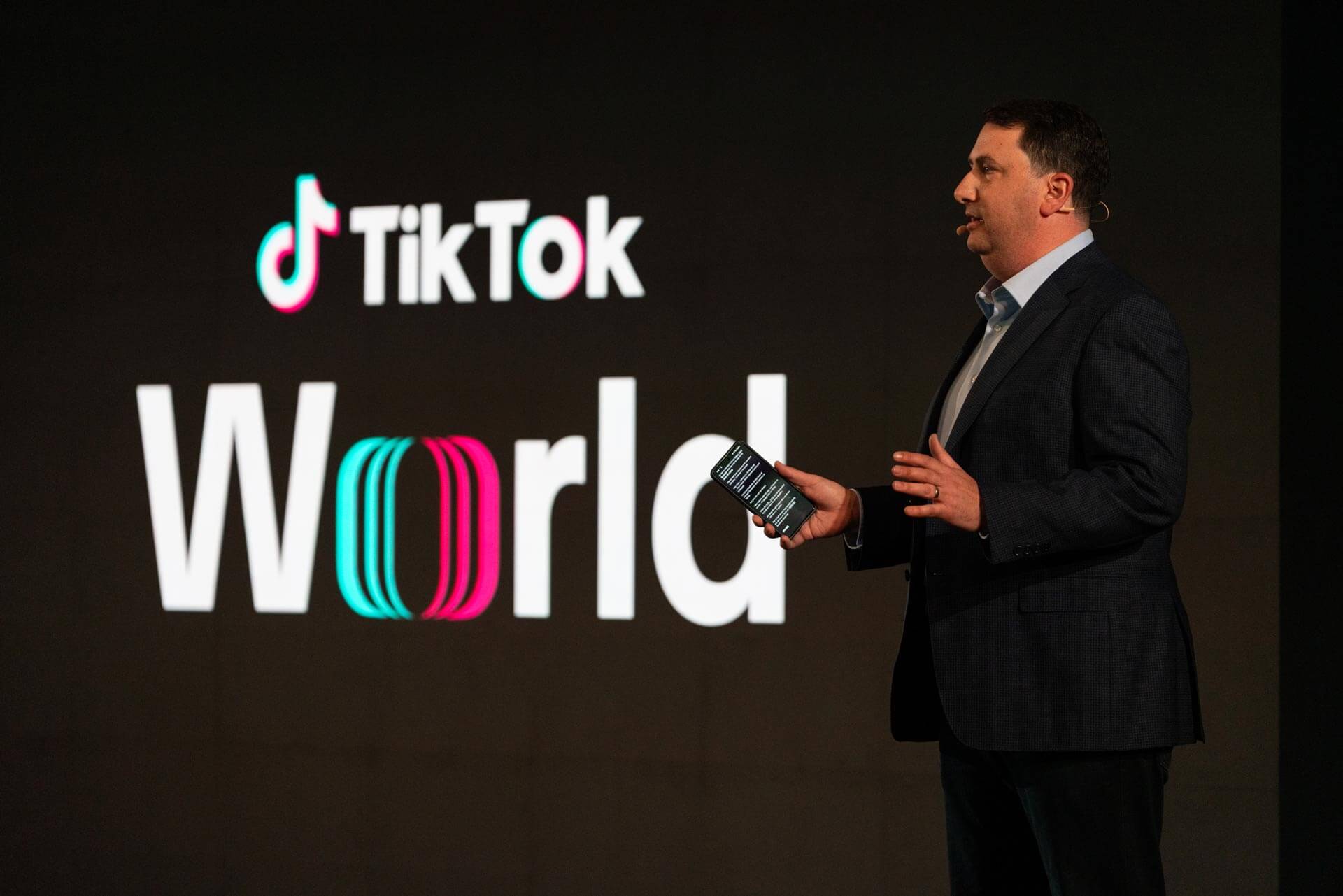
For the first time, we extended the experience beyond the physical room through a live stream on TikTok itself, transforming the summit into a hybrid cultural broadcast. This move collapsed the distance between advertisers, creators, and everyday users, allowing the broader community to witness the platform’s roadmap in real time. The live stream also modeled best practices for brands, demonstrating how tentpole moments can be amplified through native distribution rather than siloed in closed-door industry events.
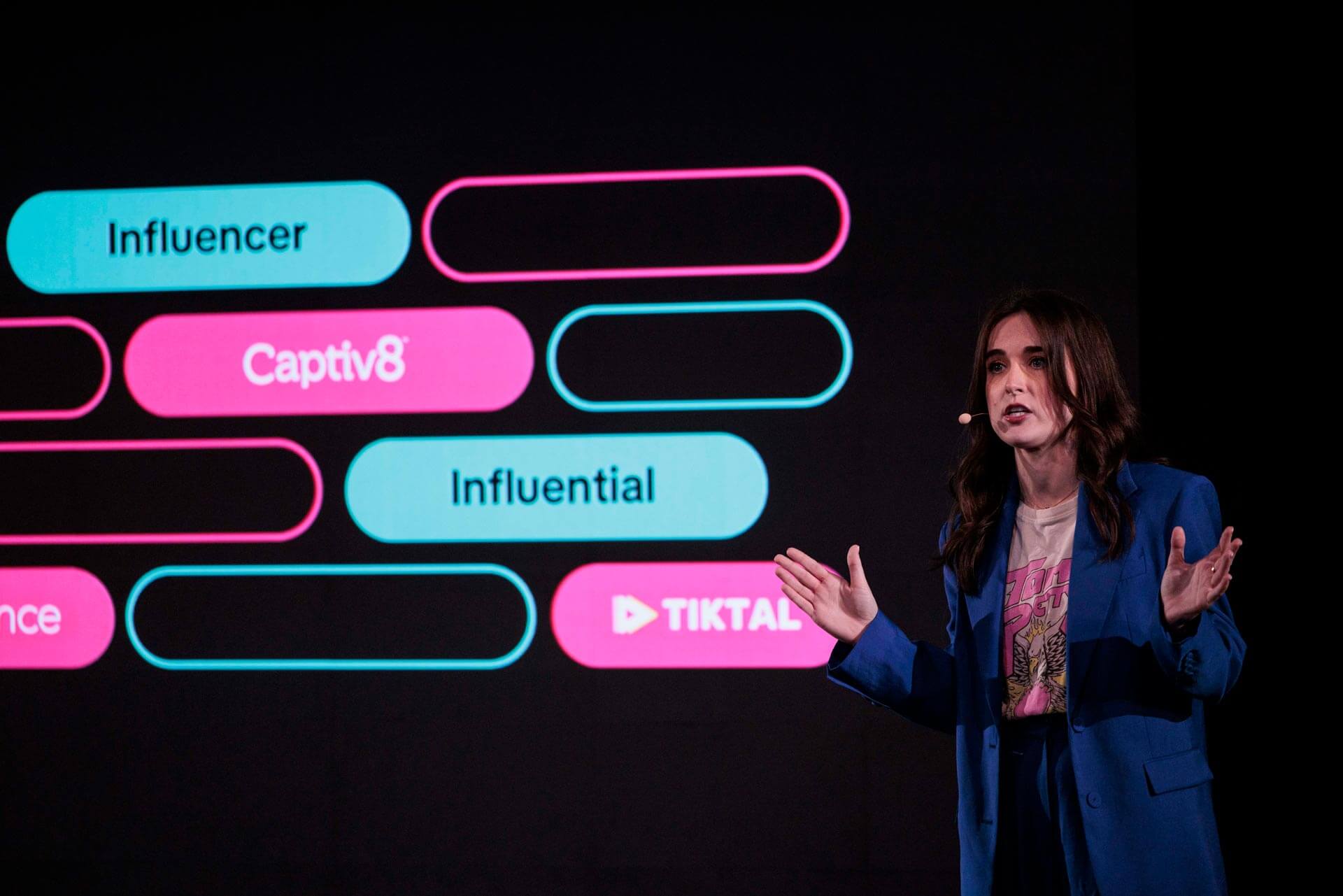
At its core, TikTok World functions as an owned and operated stage where we articulate the platform’s vision on our own terms. The 2025 evolution leaned into a multi-tiered experience: targeted workshops for depth, a flagship stage for narrative scale, creator integration for authenticity, and live streaming for democratized access. By designing the event as both a physical environment and a distributed media moment, we reinforced TikTok’s role as a full-funnel ecosystem where culture, creativity, and commerce converge in real time.
Bringing in Corporate Erin as the host was a strategic choice that perfectly embodied the bridge TikTok occupies between internet-native culture and enterprise marketing. She arrived with the credibility of a creator who understands platform humor, pacing, and audience expectations, yet she could translate that fluency into language that resonated with CMOs, media buyers, and agency leads in the room. Her presence signaled that this was not a traditional industry keynote environment but a culturally literate space where the vernacular of the For You Page could coexist with performance metrics and full-funnel strategy. What made her especially effective was her ability to disarm a room full of suits without undermining the seriousness of the business outcomes we were presenting. She deployed platform-native humor, self-awareness, and quick improvisation to keep energy high, weaving in references to comment culture, trending formats, and creator workflows that made the product demos feel grounded in real behavior rather than abstract features. Industry jargon can often create distance, but Erin translated it into creator-speak and back again, ensuring both sides felt seen and understood.
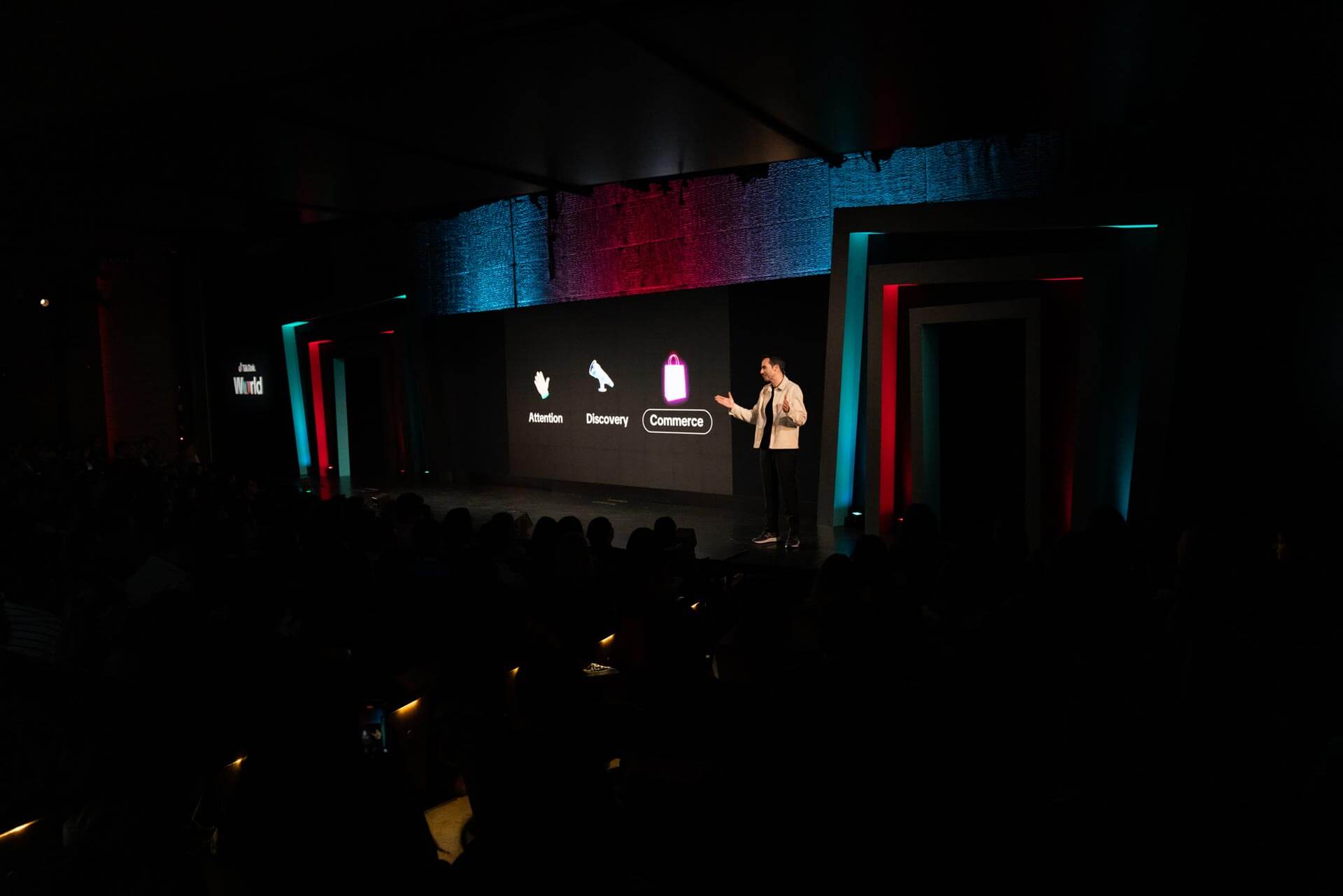
Her command of TikTok lingo and cultural cues also reinforced a key thesis of the event: that success on the platform requires fluency, not adaptation. By laughing with the audience and not at them, she modeled how brands can participate in culture without appearing opportunistic or out of touch. In many ways, her hosting style functioned as a live case study in endemic marketing, demonstrating how authenticity, timing, and tone drive engagement far more effectively than polished but disconnected messaging.
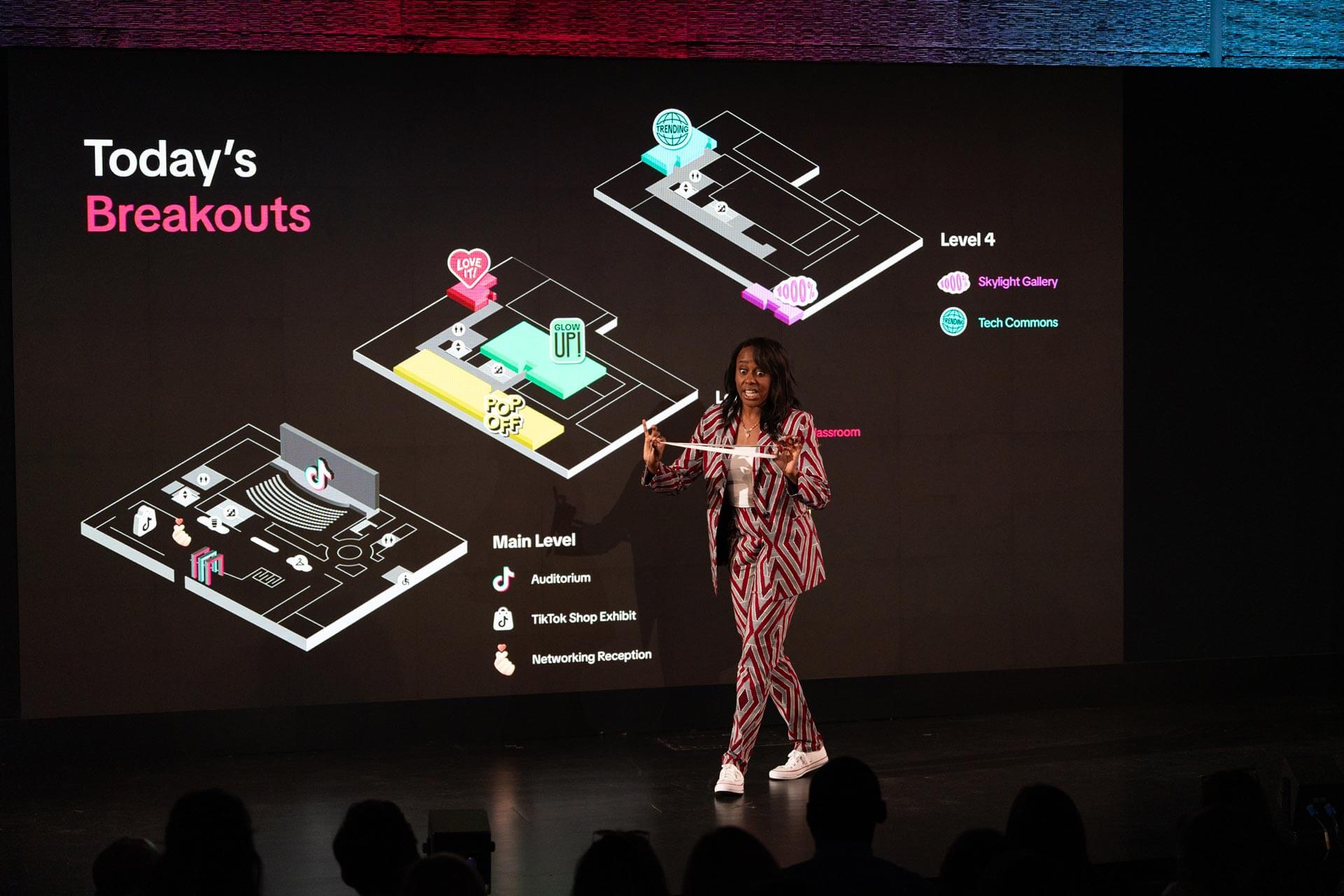
Ultimately, Corporate Erin helped humanize the event and anchor it in the creator economy that powers TikTok’s ecosystem. She made industry professionals feel like insiders rather than observers, turning a product summit into a shared cultural moment. That alignment between voice, audience, and platform ethos was not incidental; it was a deliberate extension of our creative strategy to make TikTok World feel unmistakably of the community it serves.
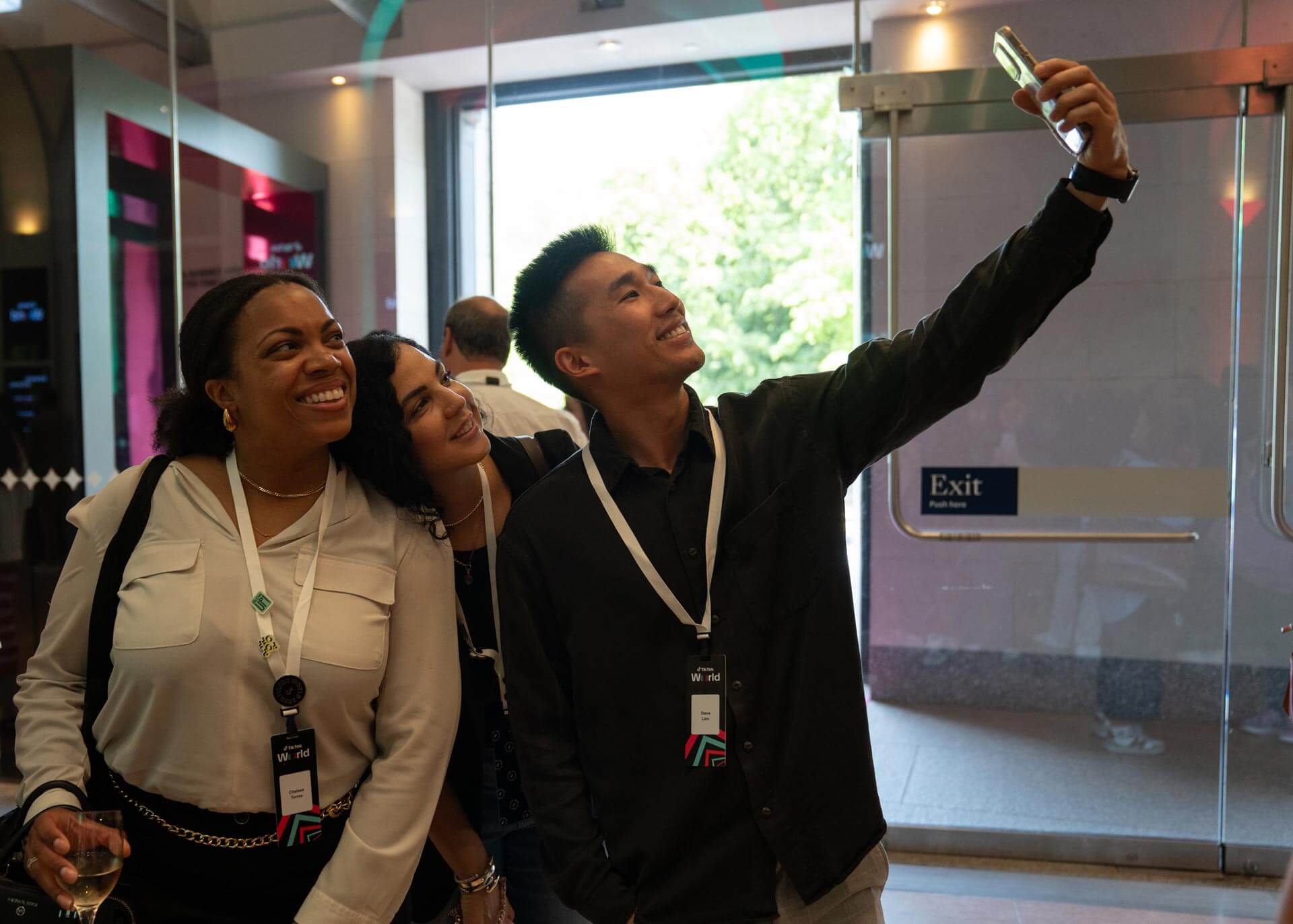
TikTok Academy functioned as the intellectual backbone of TikTok World 2025, transforming what could have been a one-day product showcase into a sustained learning ecosystem for marketers, agencies, and brand operators. Rather than treating education as an afterthought, the Academy positioned enablement as a core growth lever, equipping partners with the frameworks, certifications, and platform fluency required to succeed in an environment where culture moves faster than traditional campaign cycles. By embedding Academy touchpoints directly into the event narrative, we reinforced the idea that TikTok is not only a media channel but an operating system for modern brand building.
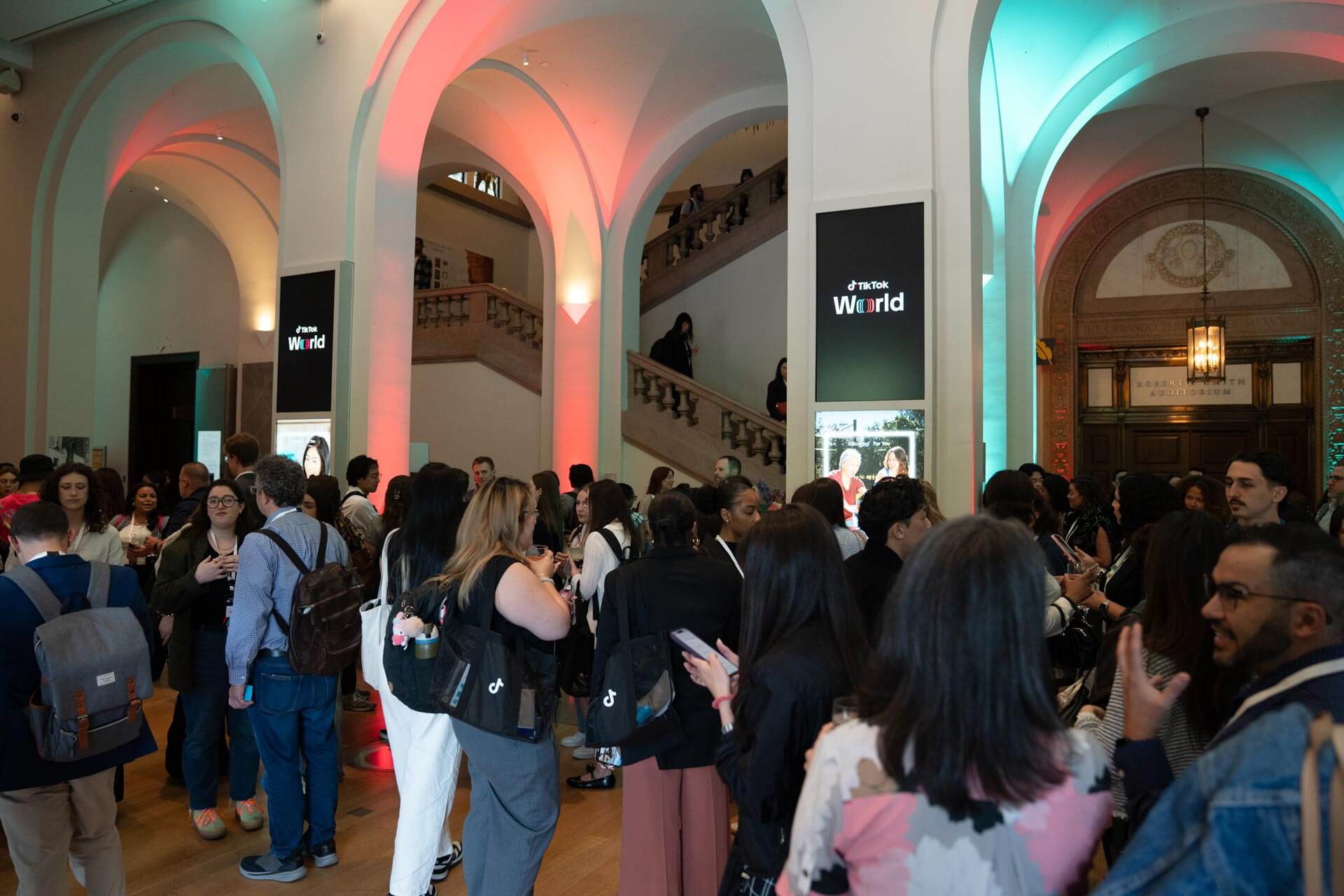
The Most Valuable Attention session reframed attention as an active state rather than a passive metric, emphasizing that TikTok audiences are lean-in participants who choose to engage. For industry professionals accustomed to viewability benchmarks and impression counts, this was a critical recalibration. The session underscored that attention on TikTok is earned through relevance, authenticity, and timing, and that brands who align with community behaviors see disproportionate returns in engagement and recall.
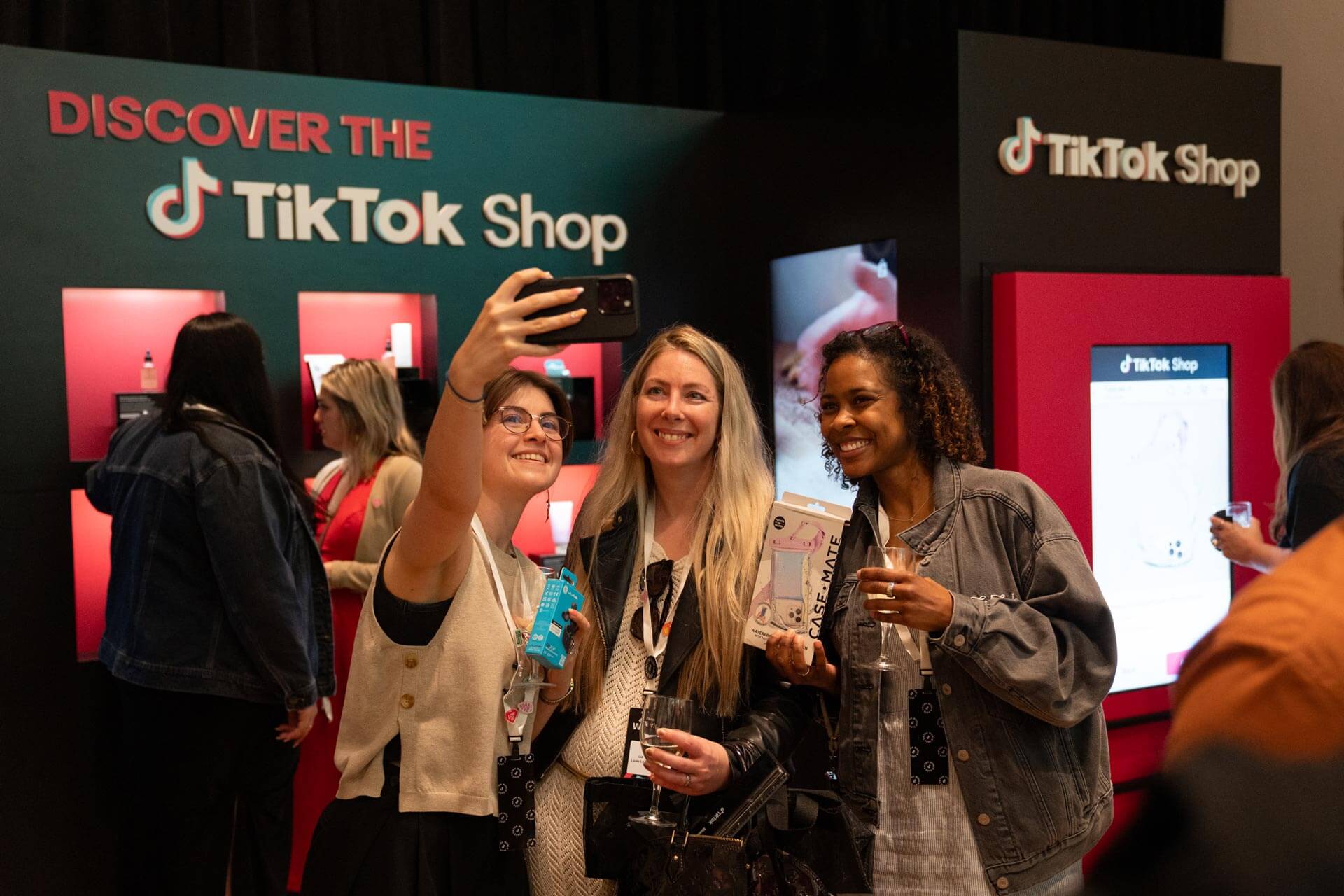
Create What Moves People translated these principles into actionable creative workflows, demonstrating how insights can be rapidly transformed into scripts, formats, and iterative content using TikTok-native tools. The emphasis on speed, modularity, and creator collaboration reflected a shift away from monolithic campaign production toward adaptive content systems that evolve in real time. This session resonated strongly with agencies seeking to reconcile traditional production pipelines with the platform’s demand for agility.
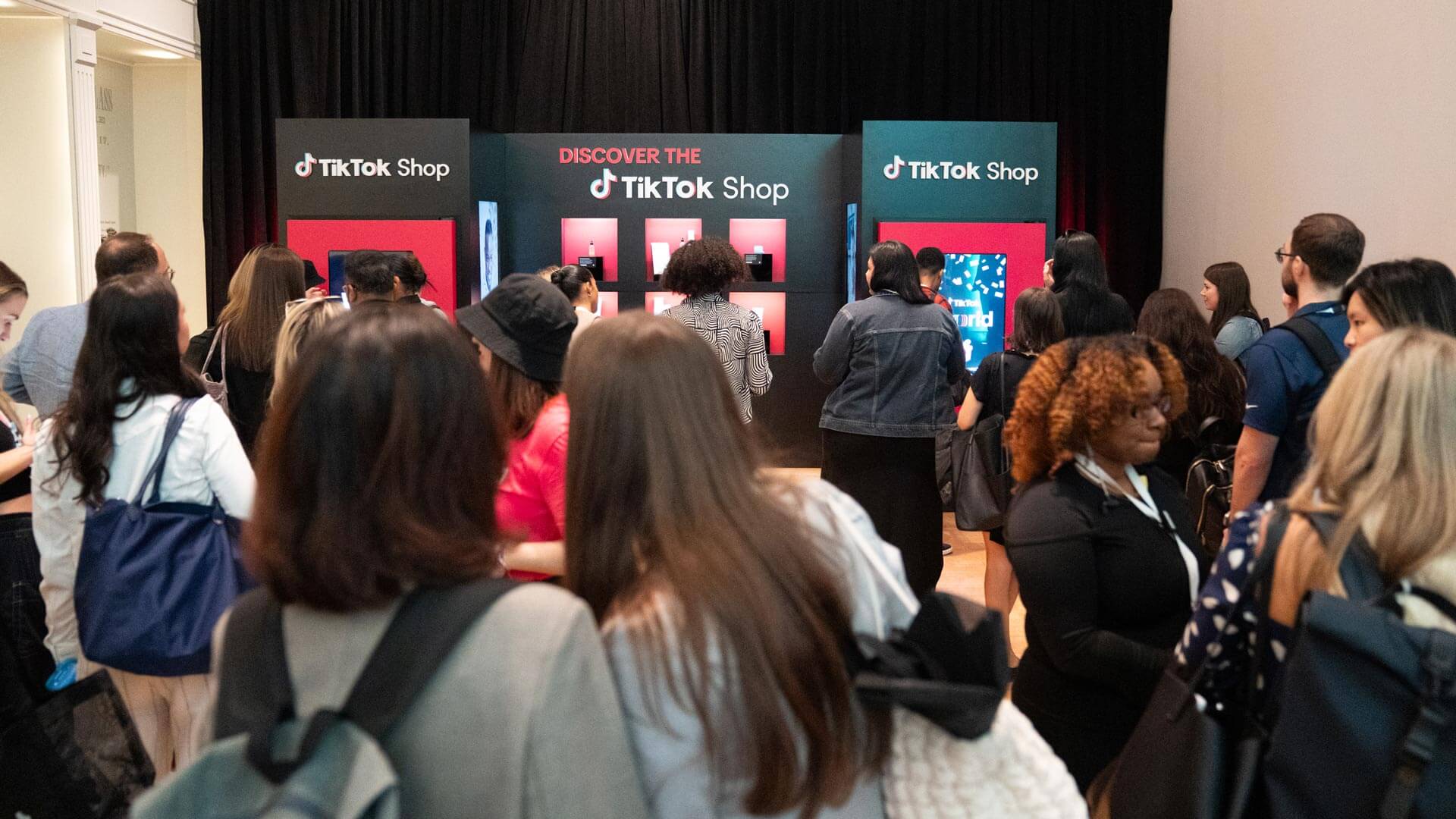
Search Drives Discovery highlighted a profound behavioral shift: TikTok is no longer only a feed, but a discovery engine where curiosity converts into action. By illustrating how users actively search for products, tutorials, and cultural moments, the session positioned search not as a utility feature but as a commerce gateway. For brands, this reframed SEO thinking into a video-first paradigm where relevance, keywords, and cultural context converge to drive intent.
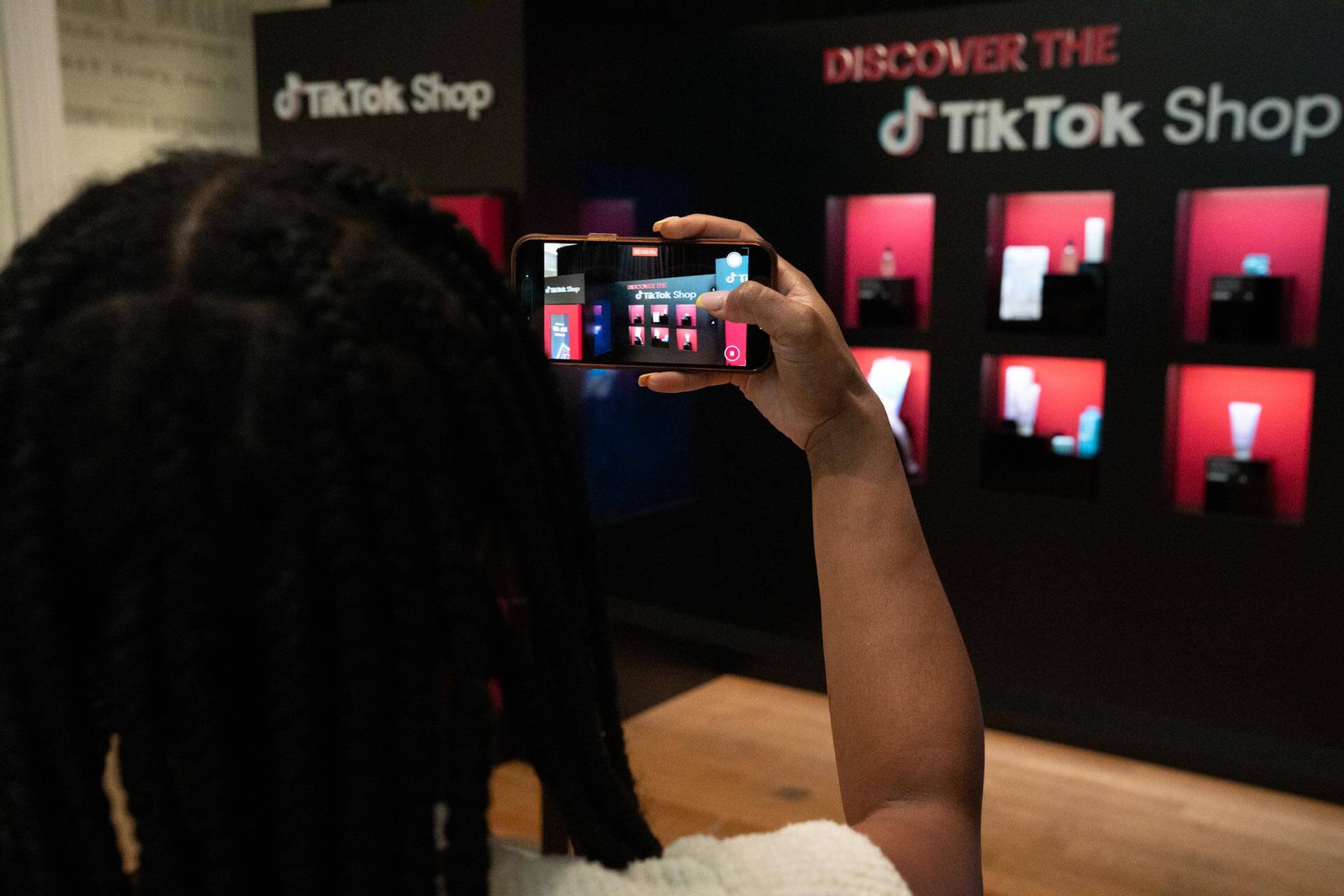
Drive Commerce Everywhere with AI-Powered Automation closed the loop by demonstrating how automation and machine learning can translate engagement into measurable business outcomes. By showcasing tools that optimize bidding, creative rotation, and audience targeting, the session made clear that performance and creativity are no longer opposing forces but mutually reinforcing systems. The throughline across all Academy content was unmistakable: TikTok World 2025 was not only about launching products, but about empowering a generation of marketers to operate with platform fluency, cultural intelligence, and data-driven confidence.
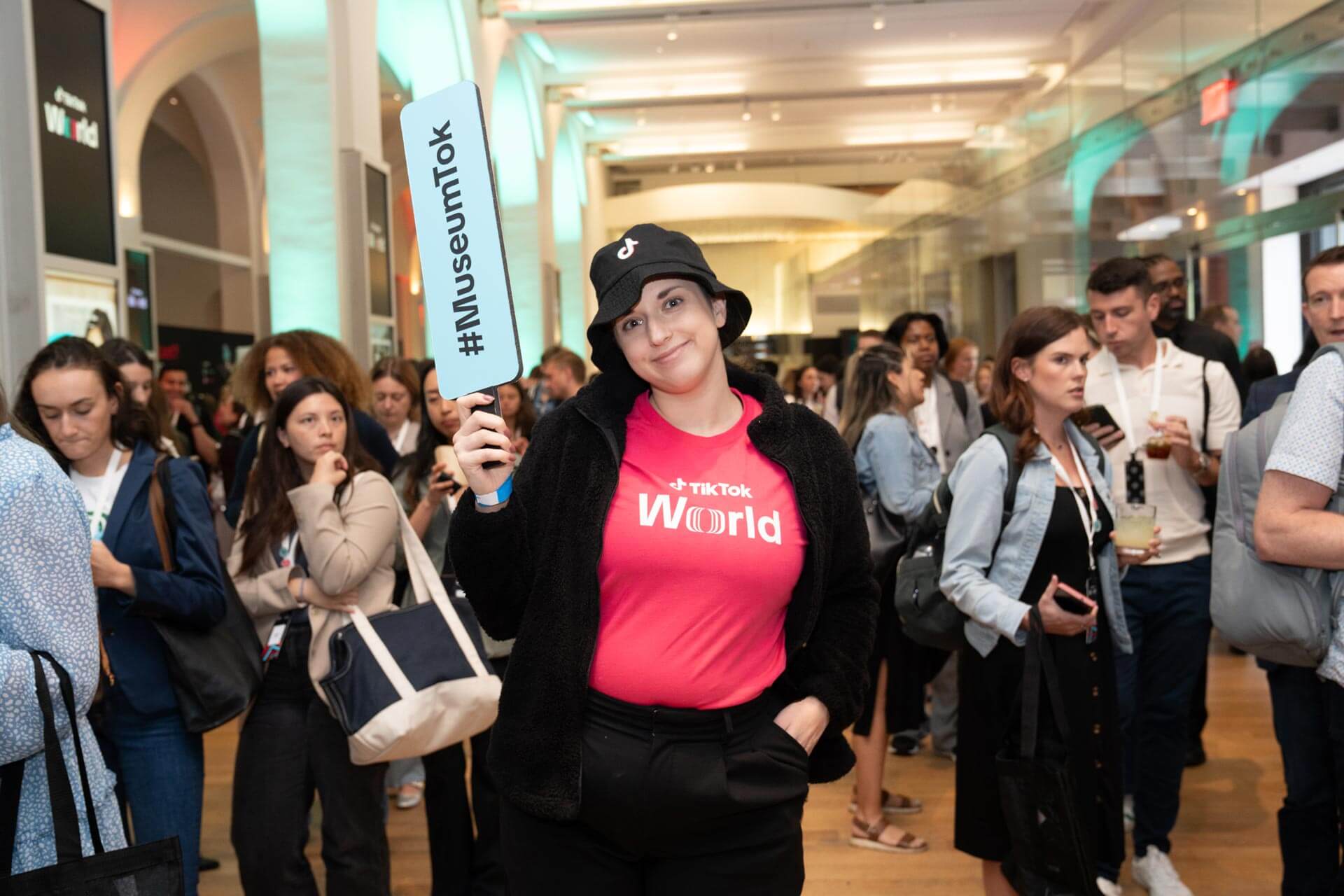
Positioning the Shop activation at the threshold of the happy hour was a strategic choice rooted in behavioral design. As guests transitioned from formal programming into a more relaxed social setting, the giveaway created a moment of shared excitement that loosened the room and catalyzed conversation. Instead of passive swag bags, the curated selection of top brands mentioned during the presentations functioned as cultural artifacts, each item carrying narrative weight from the stage and extending the storytelling into attendees’ hands.
The TikTok Shop integration at the front of the space served as a deliberate bridge between inspiration and transaction, transforming the post-show flow into a live demonstration of vertical commerce in action. Rather than ending the experience at the stage, attendees were funneled into a retail-meets-showcase environment where the products they had just seen contextualized in keynotes and demos were physically present, touchable, and immediately claimable. This spatial sequencing reinforced the core thesis of TikTok’s ecosystem: discovery does not live in isolation from purchase, and the path from content to cart can be both seamless and joyful.
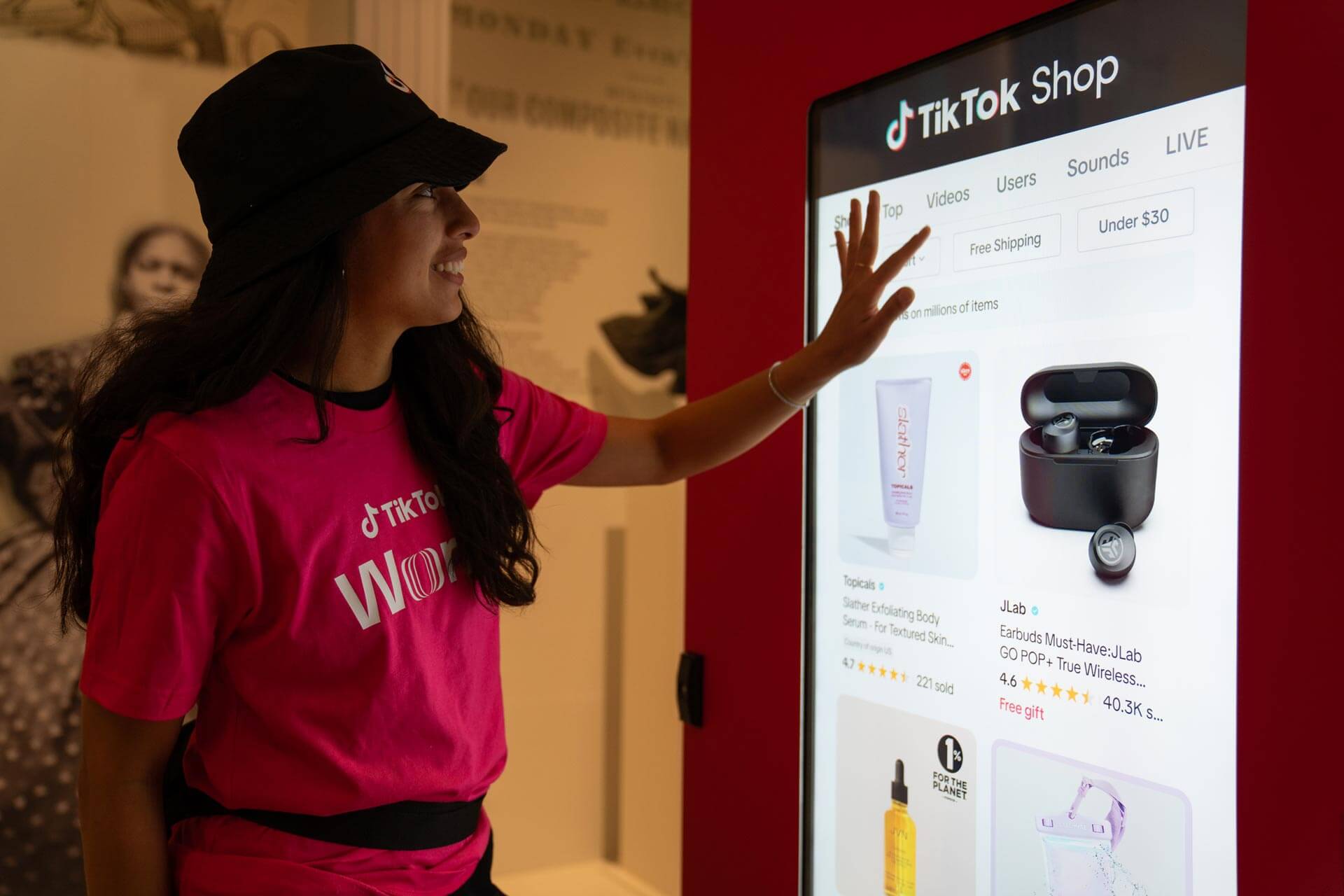
The giveaway itself became a living proof point of TikTok’s full-funnel promise. Attendees had just witnessed case studies illustrating discovery, engagement, and conversion, and now they were participating in that same loop in real time. The act of scanning, selecting, and receiving products mirrored the in-app experience, collapsing the distance between digital behavior and physical interaction. It was less about the items themselves and more about demonstrating how TikTok collapses the traditional marketing funnel into a single, continuous motion.
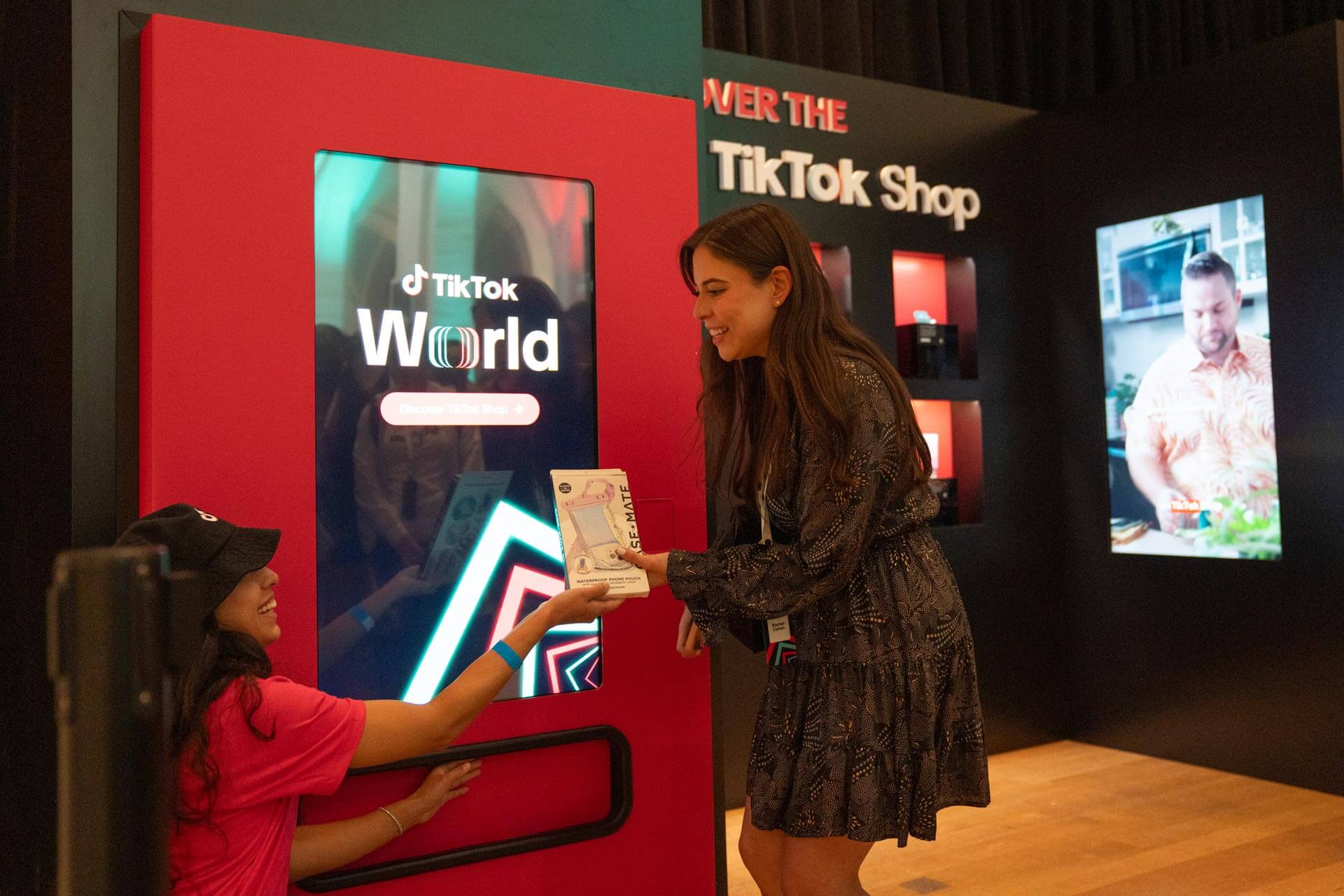
From a design perspective, the Shop zone balanced retail clarity with experiential warmth. Clean merchandising, vertical displays optimized for mobile-first sightlines, and clear brand storytelling panels ensured that even in a bustling environment, each product retained its narrative context. The layout encouraged browsing without bottlenecks, allowing guests to flow naturally while brand ambassadors facilitated conversations about how these products succeeded on the platform.
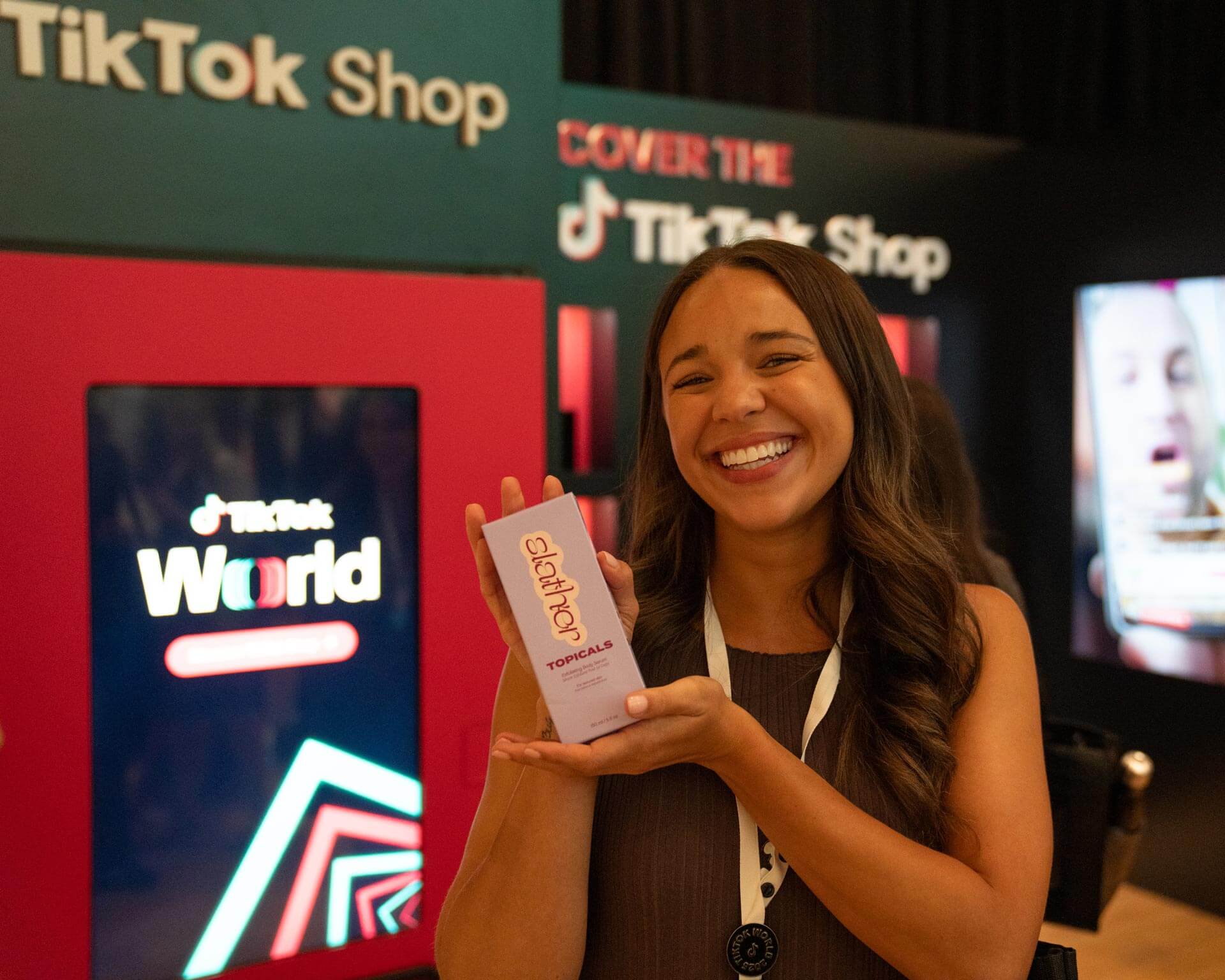
The activation also provided our brand ambassadors with an organic conversation starter. Instead of abstract discussions about ad formats or performance metrics, they could point to a tangible product and unpack the campaign mechanics behind its success. This grounded dialogue in real outcomes, helping marketers envision how similar integrations could work for their own brands and making the platform’s capabilities feel less theoretical and more attainable.
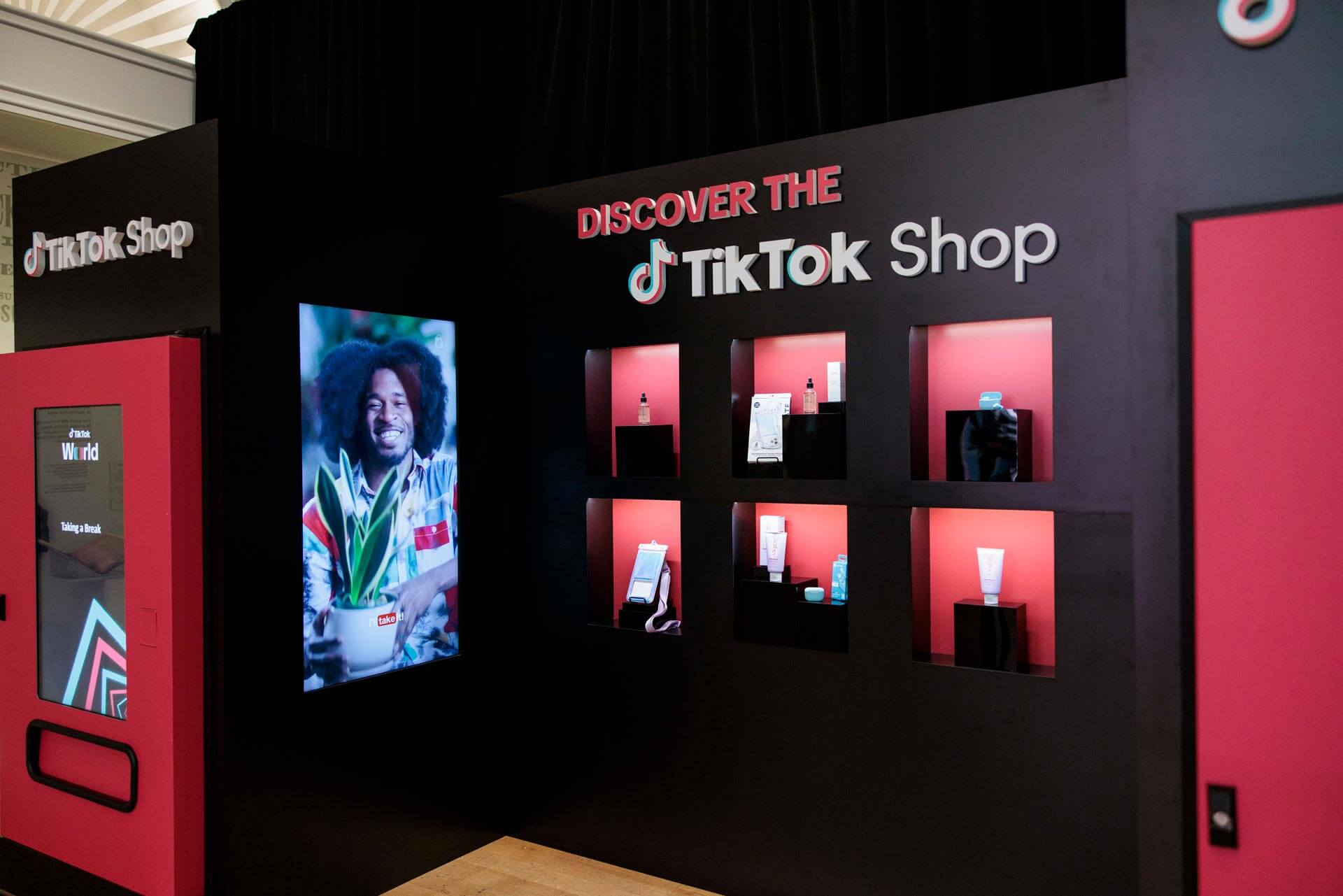
Social amplification was an unspoken but powerful byproduct. Attendees photographed their selections, shared them in real time, and tagged the brands, extending the lifecycle of the event far beyond the venue walls. The giveaway transformed guests into participants in a distributed content moment, reinforcing TikTok’s ethos that community co-creation is the engine of cultural momentum.
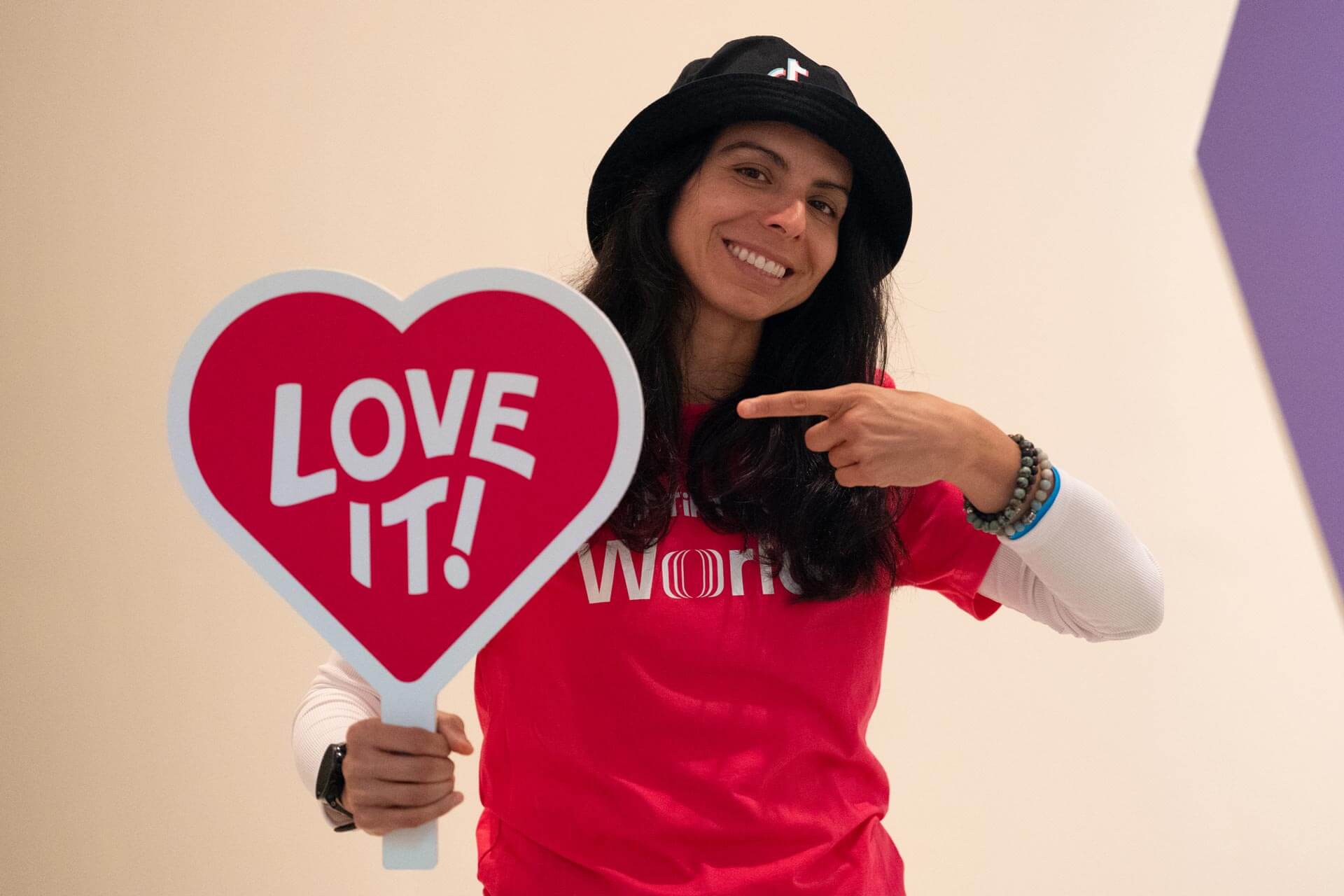
By the time happy hour was in full swing, the Shop integration had already achieved its purpose: it turned a networking session into a lived demonstration of commerce enabled by culture. The drinks loosened ties, the products sparked stories, and the space itself became a case study in how TikTok connects discovery, delight, and decision into one continuous experience that leaves people not only informed, but genuinely energized.
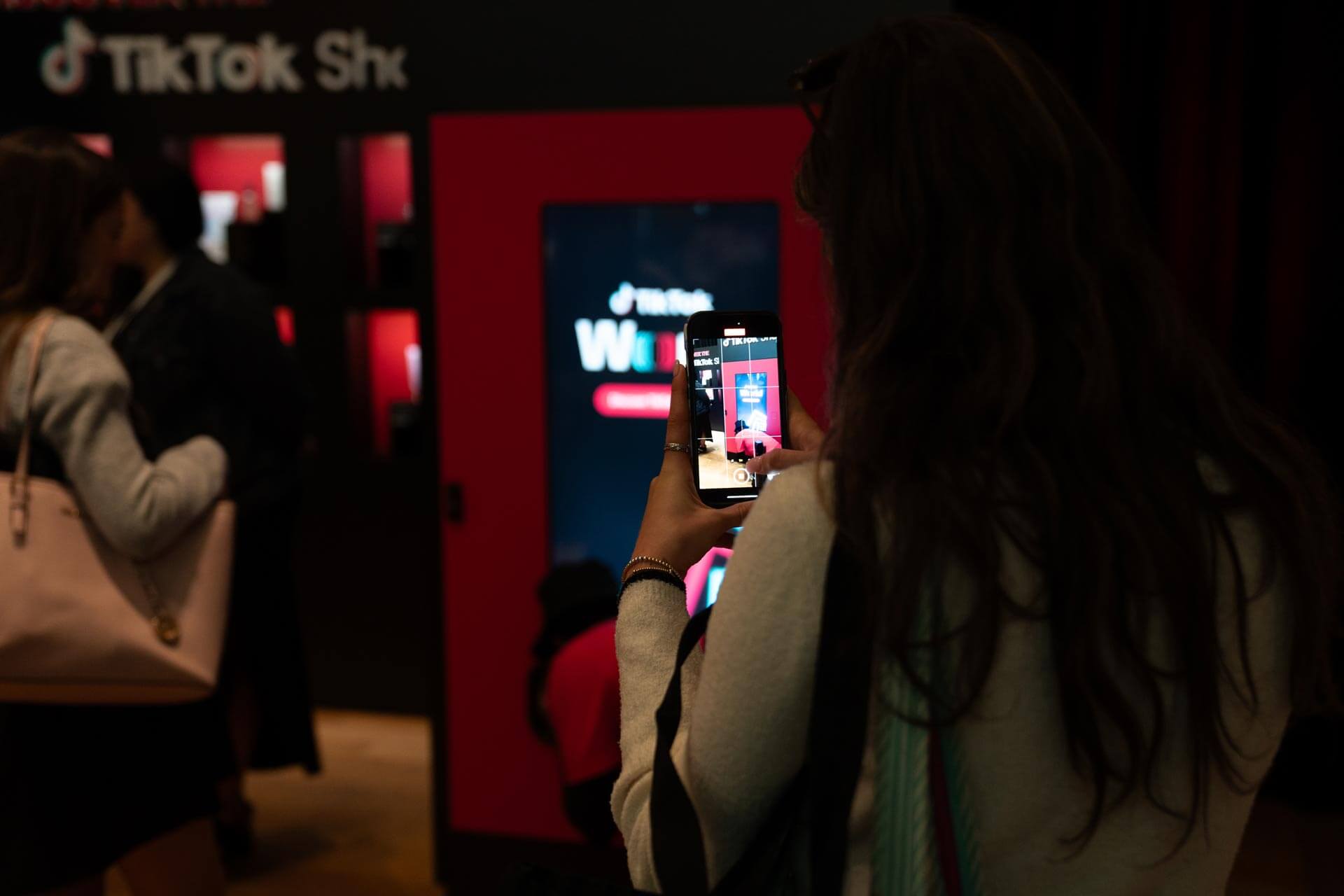
Industry professionals attend dozens of summits, upfronts, and product showcases each year, many of which blur together into a predictable cadence of dark ballrooms, overproduced sizzle reels, and templated keynote decks. We knew that if TikTok World was going to resonate with a room full of seasoned marketers and agency leaders, it had to break that pattern and create a sensory memory rather than another calendar entry. The ambition was not spectacle for spectacle’s sake, but a cohesive design language that signaled we understood both culture and craft, delivering an experience that felt unmistakably TikTok while still honoring the gravitas of the venue.
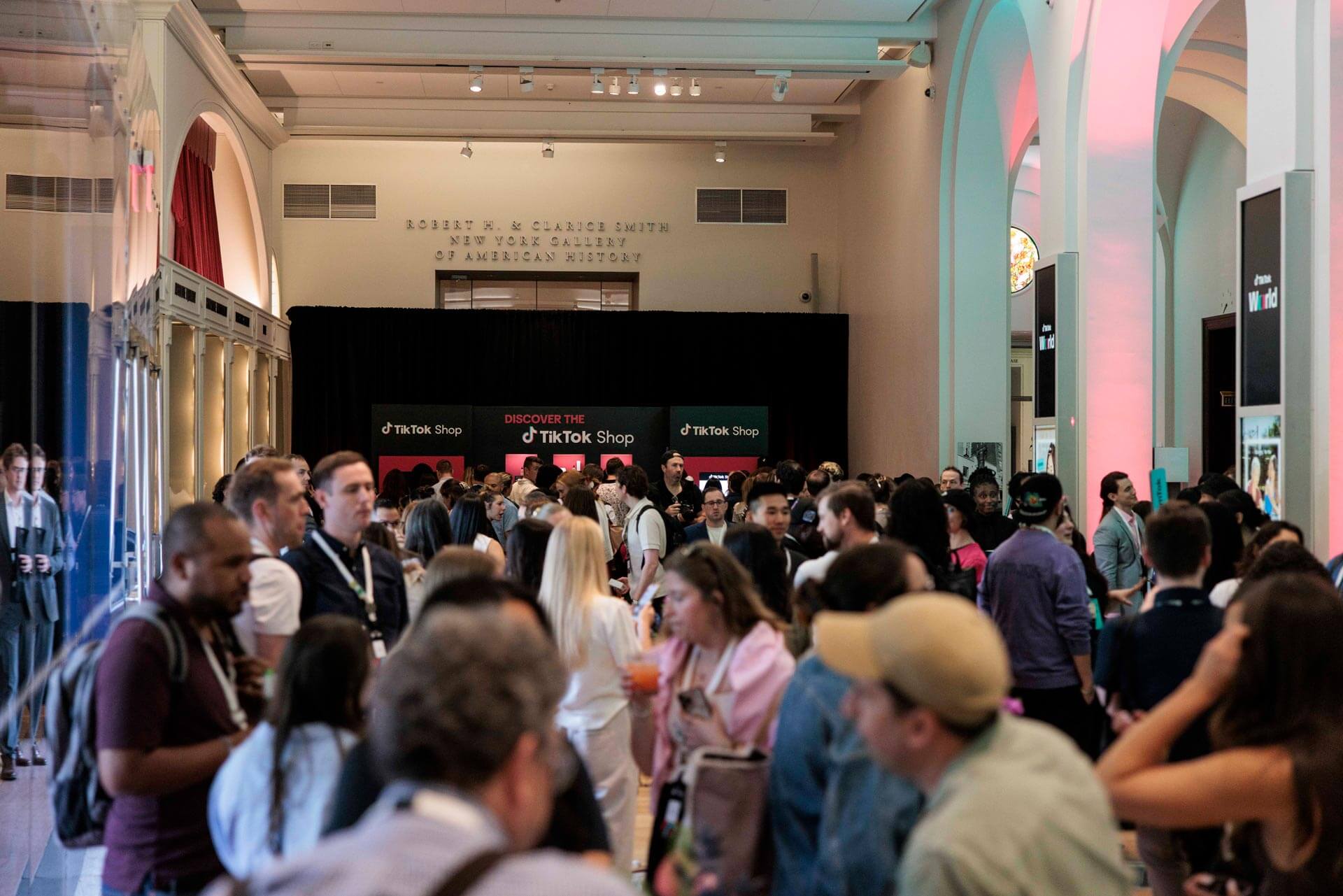
Transforming the New York Historical Society into a TikTok-native environment required a delicate balance between intervention and restraint. Rather than masking the museum’s neoclassical architecture and gallery rhythms, we treated the space as a canvas, layering our visual identity through modular signage, projection mapping, and spatial graphics that echoed the platform’s motion vocabulary. The result was a dialogue between past and present: marble floors and archival exhibits coexisted with dynamic gradients, kinetic typography, and portal motifs that suggested movement through the For You Page, reinforcing the idea that discovery is a journey across time, taste, and community.A catalyst for meaningful engagement, inviting audiences to interact rather than passively observe.
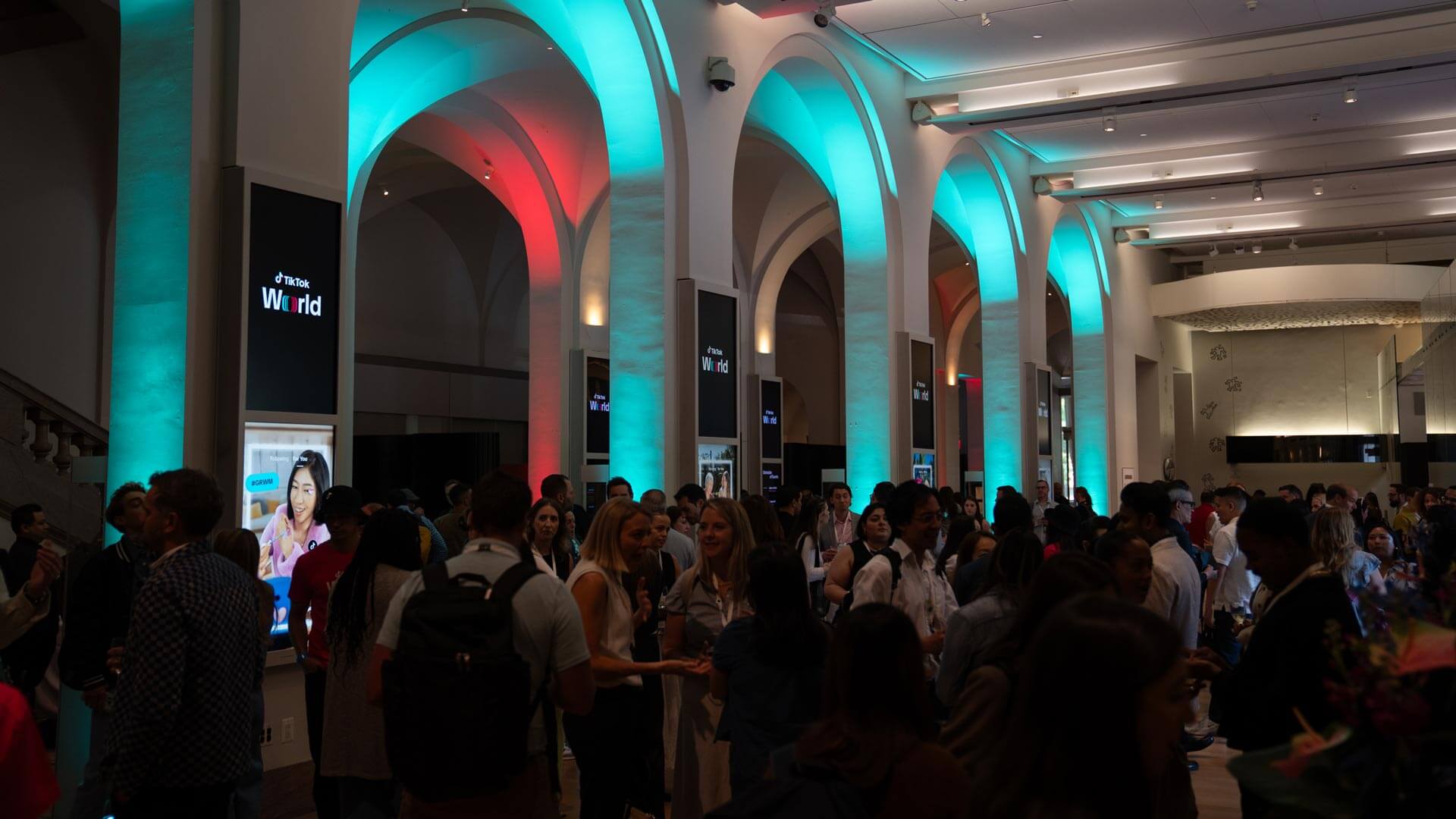
Our design system functioned as a form of smart creative in the physical world. Just as TikTok’s ad tools optimize and adapt assets for different audiences and contexts, the environmental graphics were conceived as a flexible toolkit that could scale across touchpoints without losing coherence. Wayfinding, stage backdrops, workshop rooms, and social moments all drew from the same motion principles, color logic, and typographic hierarchy, ensuring that every surface felt intentional and interconnected rather than decorative. This consistency helped attendees subconsciously map the experience, making the event feel intuitive despite the complexity of the program.
Leaning into what the museum already offered was equally strategic. Natural light in the atrium softened the saturated brand palette, allowing colors to feel luminous rather than overpowering, while the existing sightlines guided guest flow without the need for intrusive barricades or heavy staging. By working with the architecture instead of against it, we preserved a sense of openness and legitimacy that elevated the brand, signaling that TikTok could sit comfortably within institutions of history and culture while still pushing the medium forward.
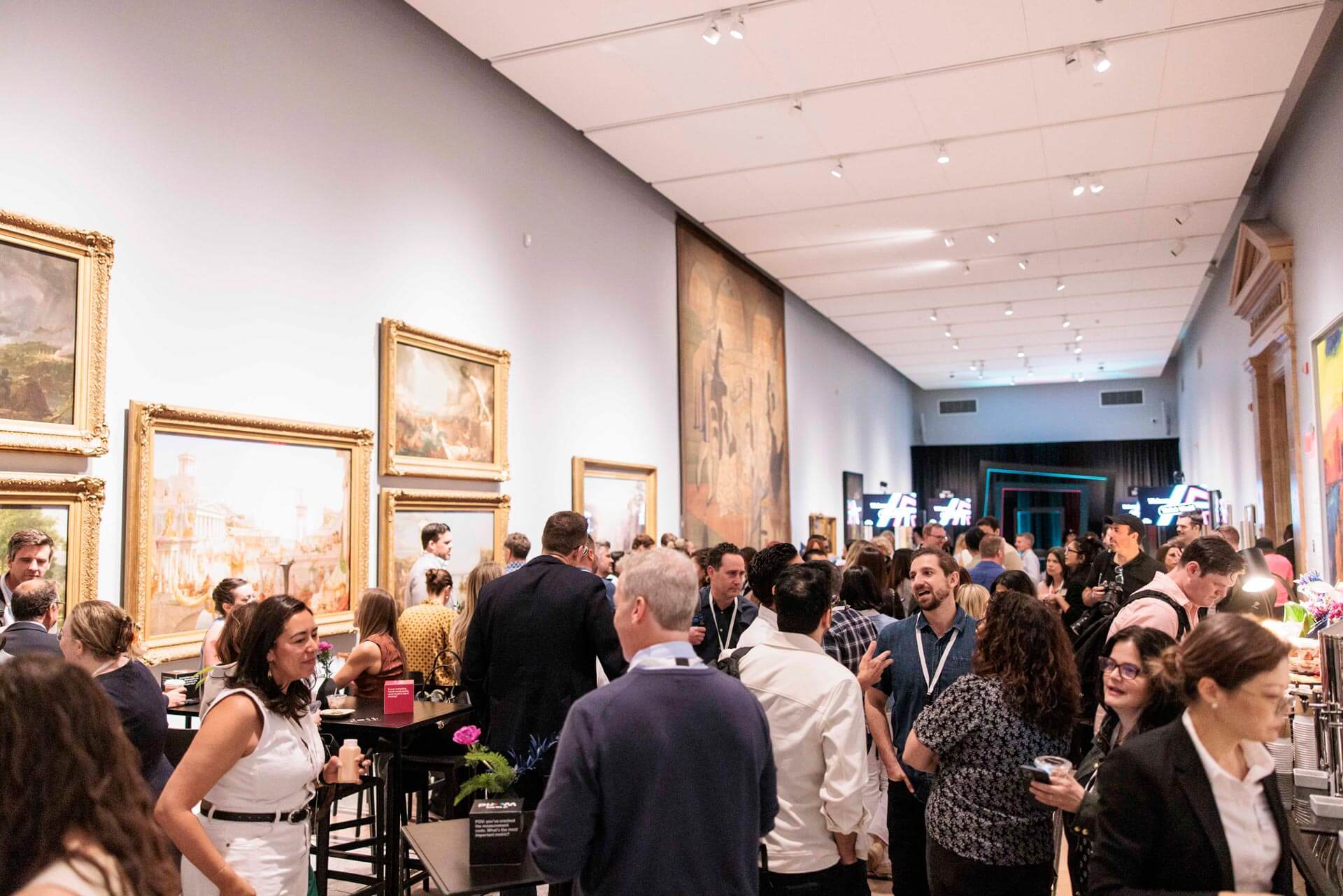
Ultimately, the goal was to create an environment that mirrored the platform’s core promise: familiar enough to navigate, surprising enough to remember. Industry attendees left not with a blur of slides, but with a clear spatial memory of portals, light, texture, and conversation points that embodied TikTok’s approach to creativity. In a landscape crowded with interchangeable events, that synthesis of smart creative, contextual design, and cultural fluency made TikTok World feel less like a conference and more like a living expression of the product itself.
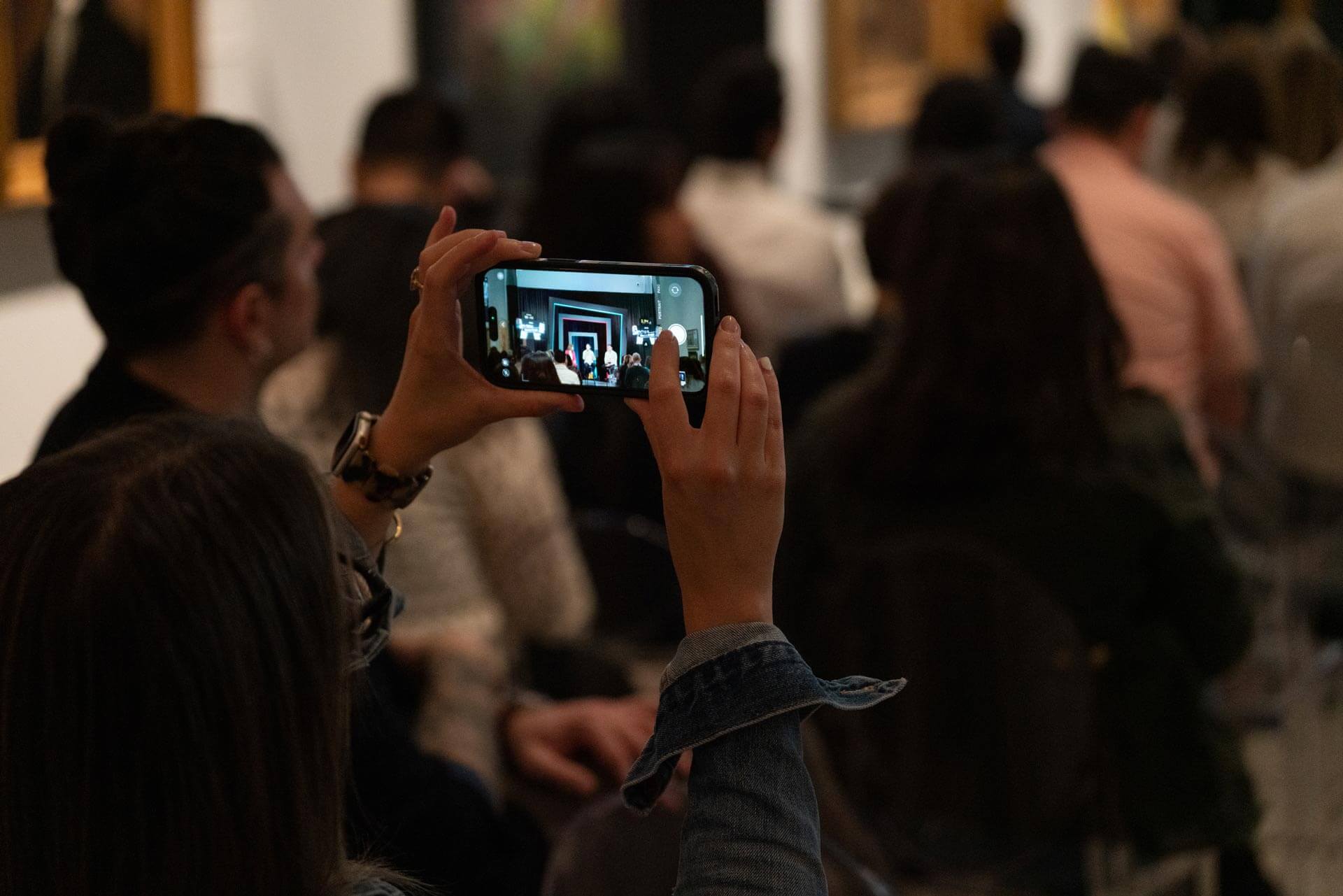
Interactive product summits have evolved from passive, stage-forward presentations into fully instrumented brand environments where spatial design, content systems, and audience participation converge to create measurable business impact. For TikTok World, the mandate was to treat the event not as a one-off spectacle but as a repeatable experiential framework that could be localized, versioned, and deployed globally. That required a level of systems thinking more akin to product design than traditional event production, with every visual, motion, and environmental element engineered for modularity, portability, and cultural adaptability.
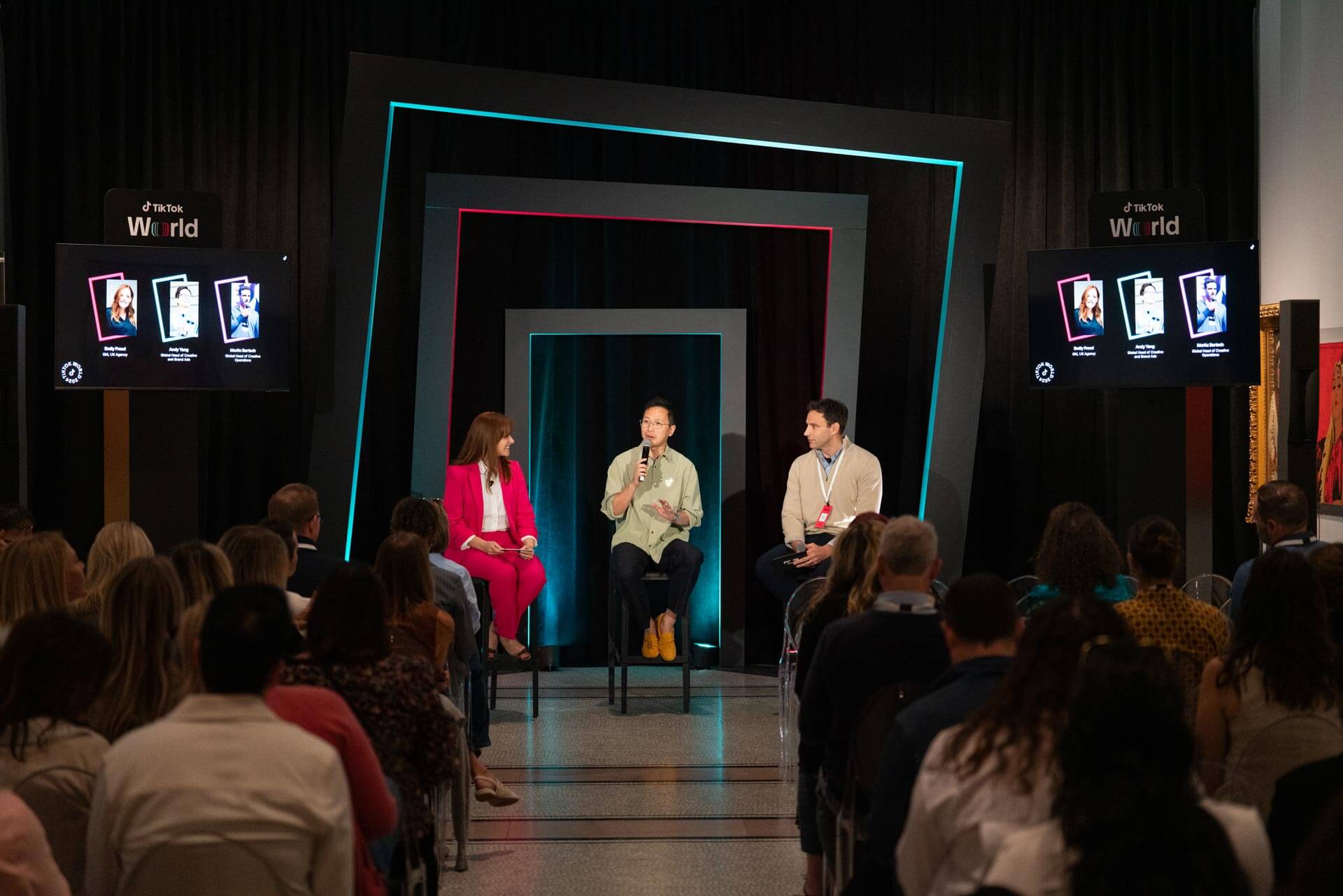
Working closely with Hyunjin and our cross-functional design pod, we approached the year’s execution as the next iteration of a living design system rather than a fresh aesthetic reset. Our goal was to codify a cohesive visual identity that could flex across venues, regions, and audience compositions without diluting brand equity. We established a core toolkit of gradients, portal geometries, typographic scales, motion behaviors, and material finishes that functioned as atomic design components, enabling regional teams to compose locally relevant expressions while maintaining global consistency. We ran it back with Civic as our production agency to keep things easy and consistent from previous yearsThe work spoke for itself, resonating through execution rather than relying on explanation..
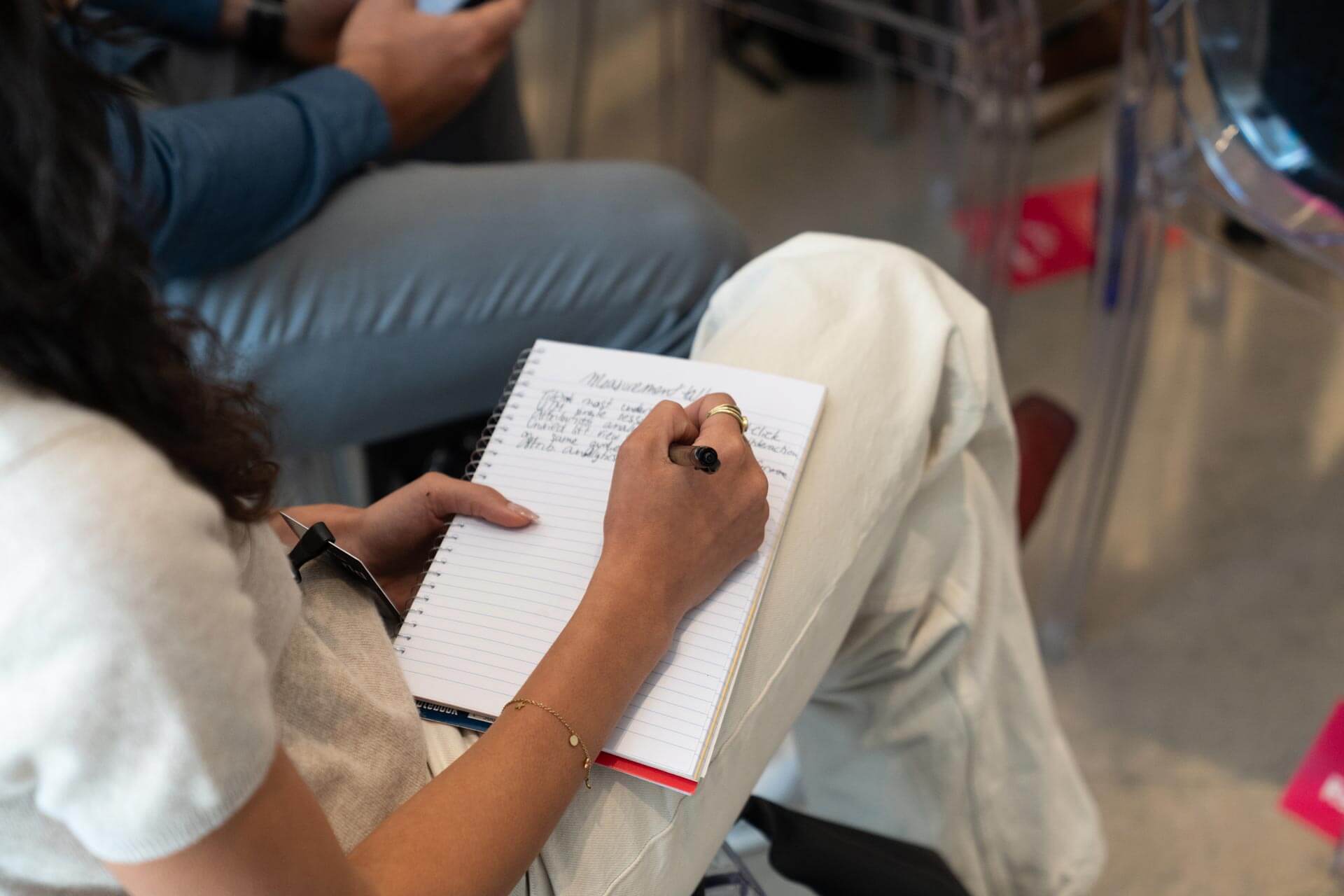
Templatization was not about reducing creativity but about operationalizing it. By developing standardized layout grids, environmental graphic ratios, and motion presets, we ensured that everything from stage backdrops to workshop signage adhered to a shared visual grammar. This approach dramatically reduced production ambiguity, streamlined vendor handoffs, and allowed Civic and regional fabrication partners to execute with precision, regardless of location. In practice, it meant that a portal motif in New York could be faithfully reinterpreted in São Paulo or Singapore without losing its semantic weight or visual integrity.
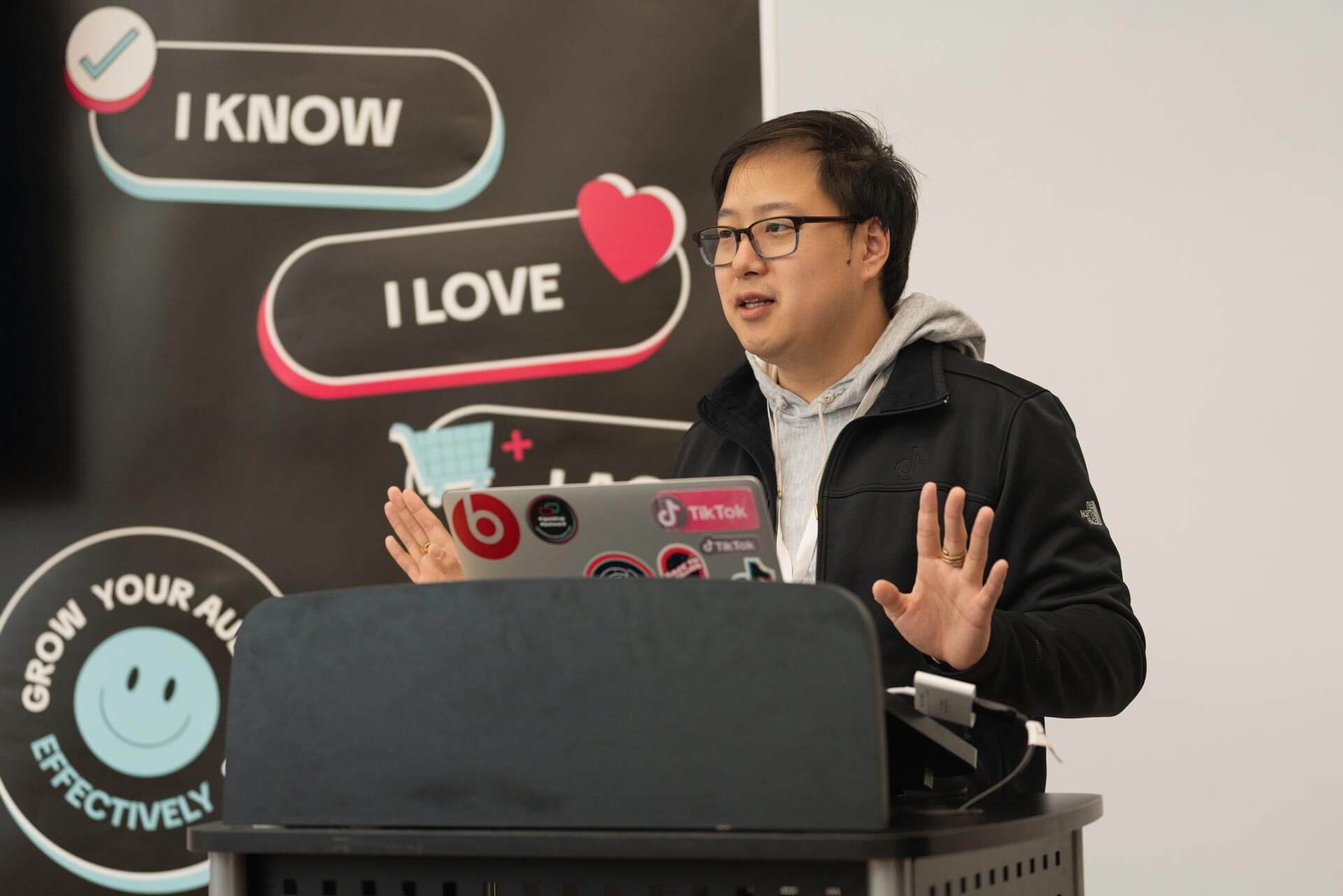
A critical part of this process involved building a scalable asset pipeline. Emma Tobin and Vanessa Rizk led the effort to create master files and parametric templates that allowed for rapid localization, including language swaps, sponsor integrations, and regulatory adjustments. By structuring our files with variable inputs and locked brand constants, we created a system that balanced flexibility with governance, empowering regional teams to move fast without fragmenting the identity. This mirrored the way TikTok’s own creative tools enable iteration at scale while preserving platform-native best practices.
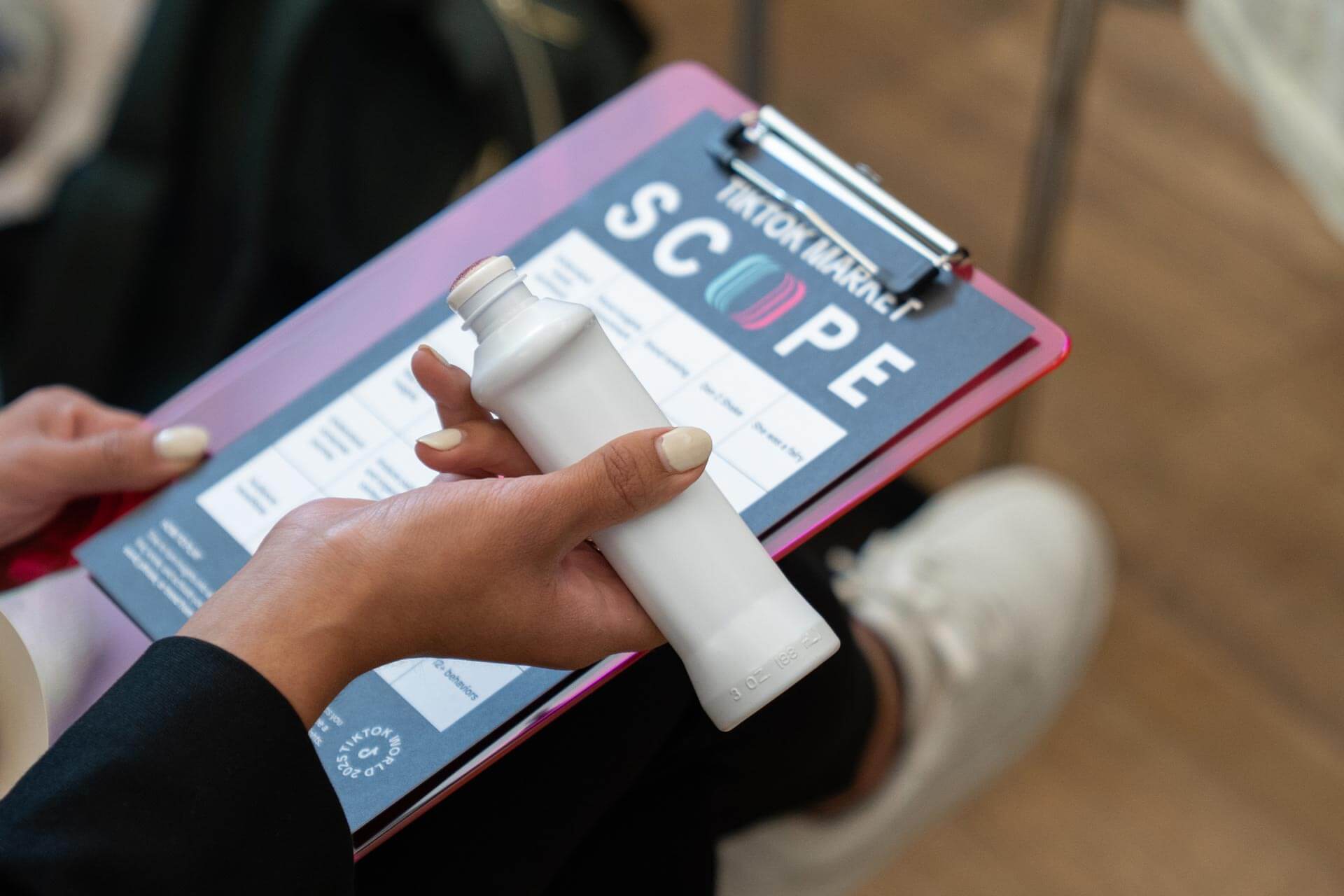
From a spatial storytelling perspective, we treated interactivity as a narrative device rather than a novelty. Touchpoints such as product demo stations, creator-led activations, and branded installations were choreographed to guide attendees through a sequential journey that mirrored the funnel from discovery to action. Me and the team mapped these interactions using experience flow diagrams, ensuring that each moment reinforced product comprehension while feeding into broader brand recall. The environment became an interface, and the attendee became an active user navigating it.
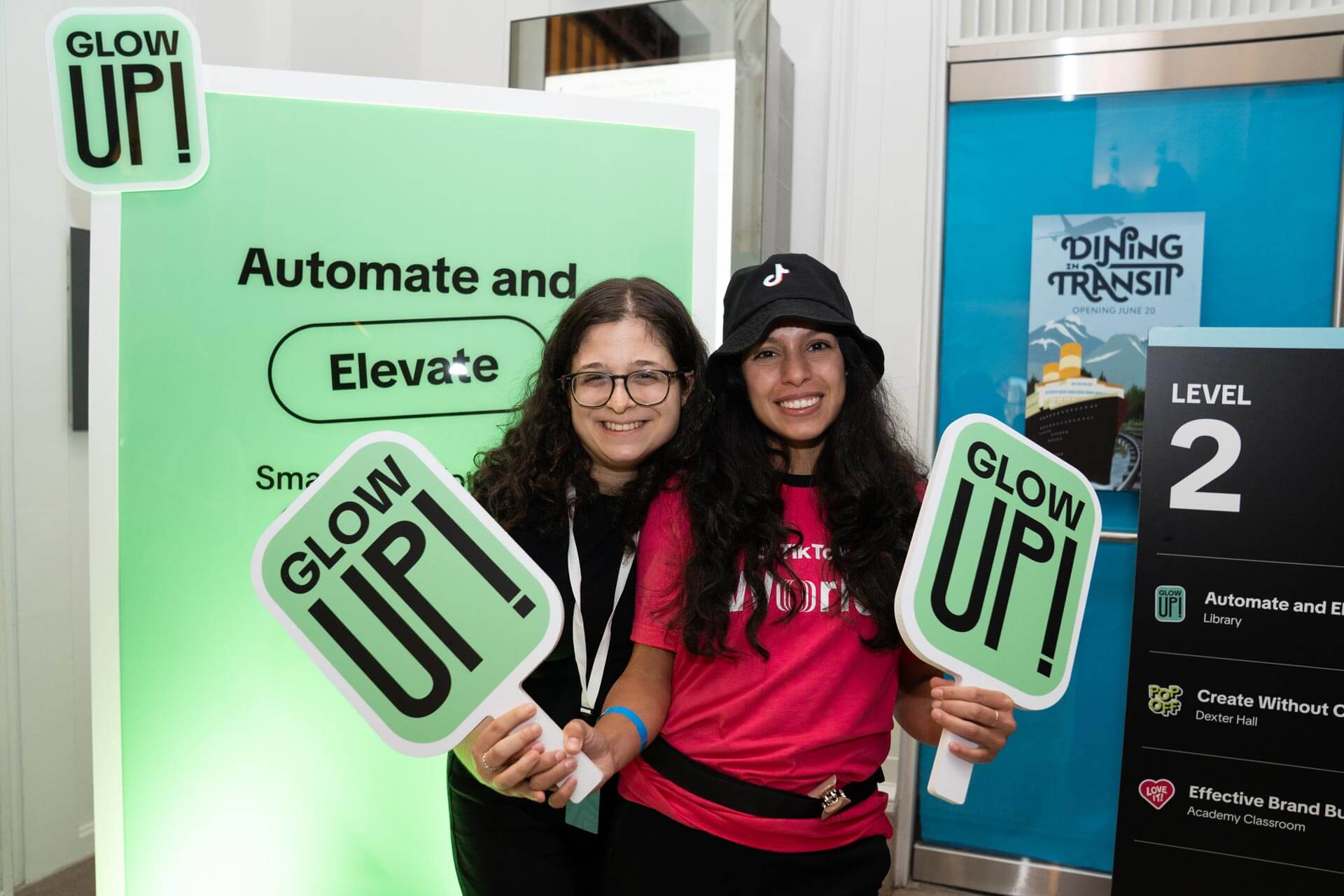
Materiality and fabrication standards were also codified to support scalability. We specified finishes, substrates, and lighting temperatures that could be sourced globally while maintaining a premium look and feel, reducing the risk of regional inconsistencies. We collaborated closely with production partners to develop a materials playbook that balanced durability, sustainability, and visual impact, ensuring that the tactile experience aligned with the brand’s digital polish. This systems-level thinking allowed us to futureproof the event as it expanded into new markets.
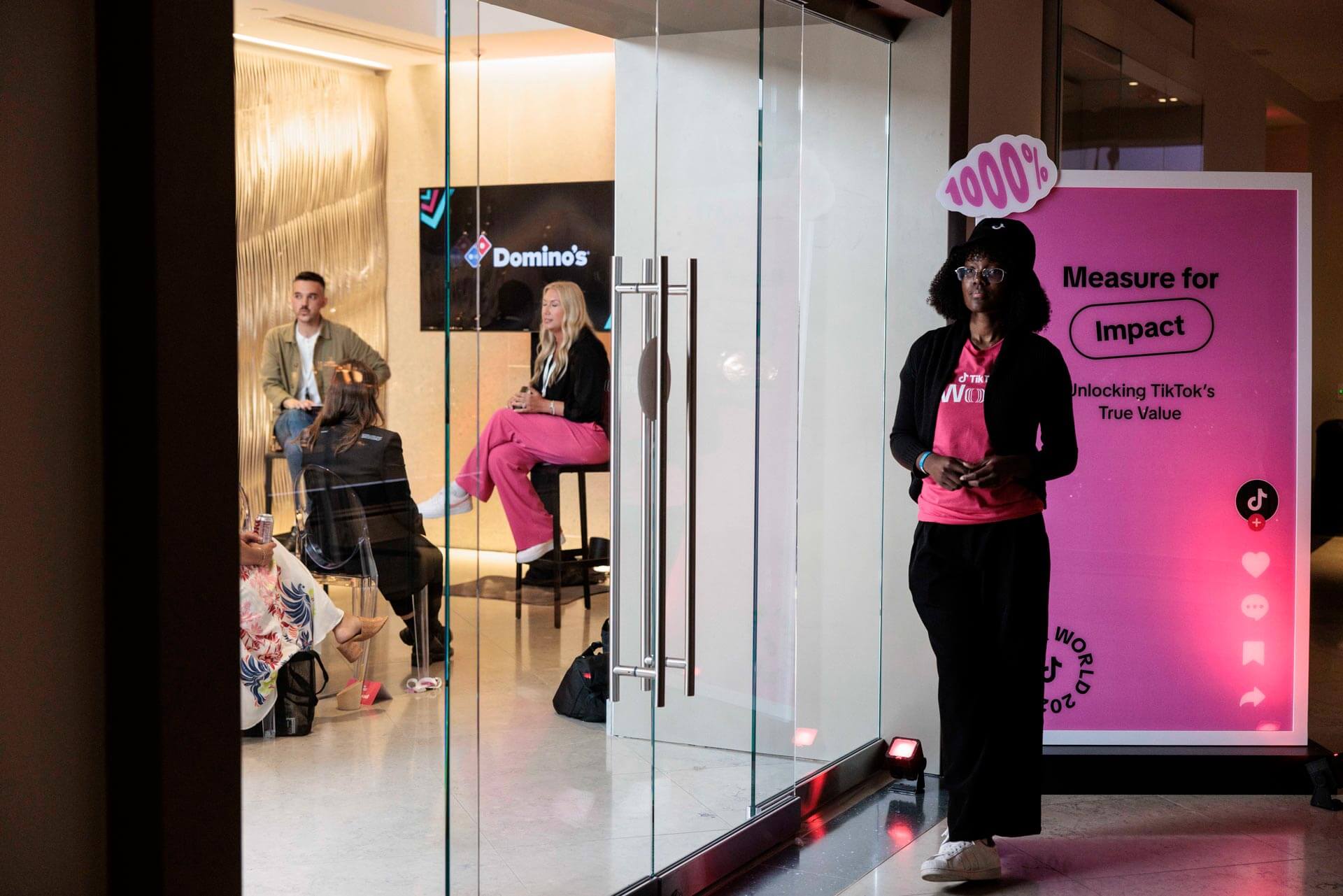
Another cornerstone of the strategy was data-informed iteration. By instrumenting interactive zones with engagement tracking and qualitative feedback loops, we were able to evaluate which installations drove dwell time, conversation, and product understanding. These insights fed directly back into the design system, enabling the team to refine templates and prioritize high-performing elements for future deployments. The event thus functioned as both a showcase and a research lab, closing the loop between experience design and product marketing.
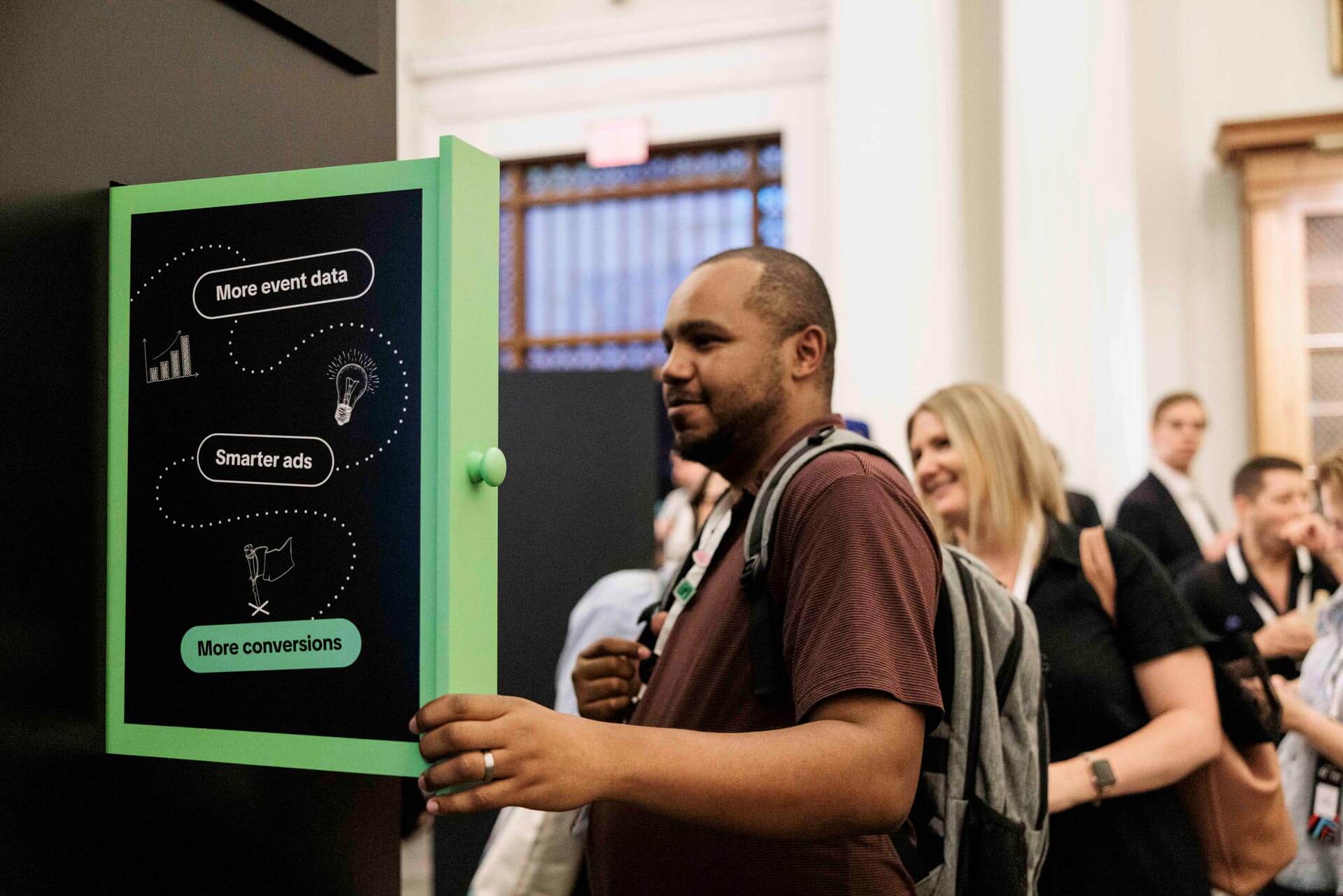
Across the years of building and evolving TikTok World, one of the most enduring learnings has been that experiential marketing only delivers lasting value when it behaves like a product, not a one-time performance. Early iterations taught us that spectacle alone does not translate into comprehension or adoption. As we matured the program, we shifted toward systems thinking, ensuring that every installation, keynote, and interaction was designed to clarify product value, reinforce platform behaviors, and drive measurable business outcomes. The event became less about impressing attendees and more about enabling them.
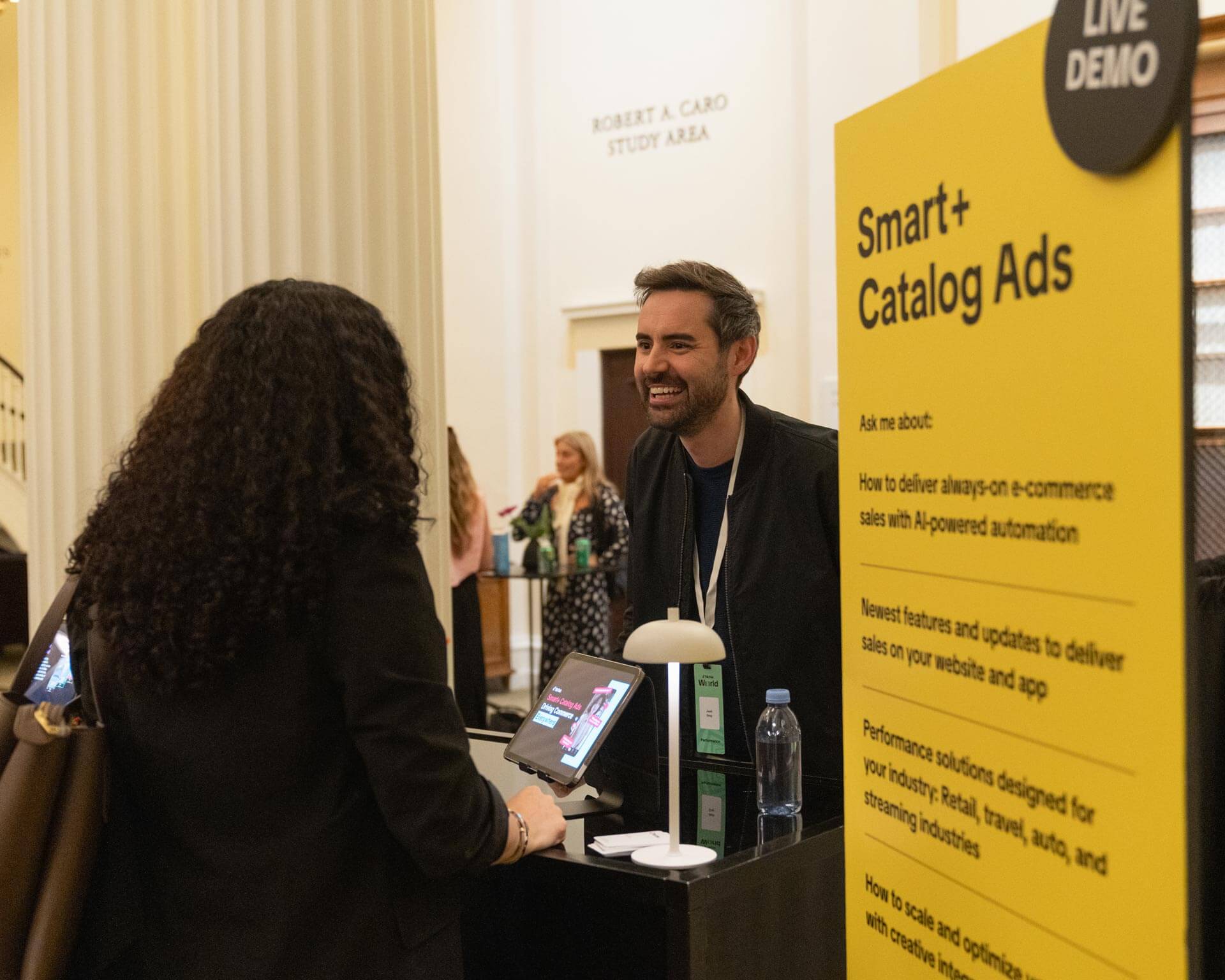
We also learned that authenticity is not a creative choice but an operational discipline. The closer the event experience mirrored the behaviors and aesthetics of the For You Page, the more credible it felt to both brands and creators. Overly polished, corporate presentations underperformed, while culturally fluent, creator-informed executions resonated. This reinforced a core truth of the platform: relevance beats perfection, and participation beats performance.
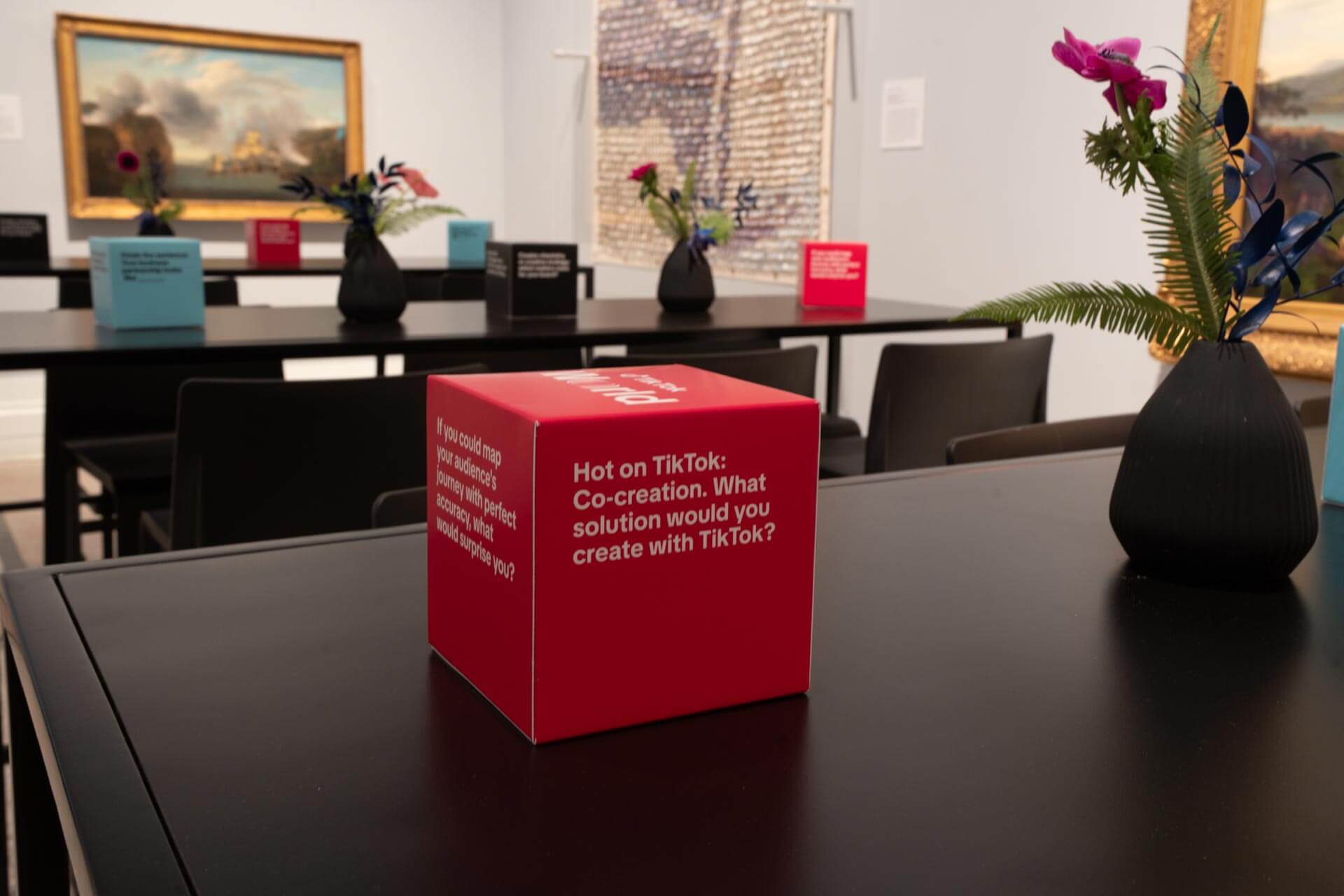
From an organizational standpoint, cross-functional integration emerged as the single biggest predictor of success. The years when product, marketing, sales, creator partnerships, and experiential teams operated in lockstep produced the most cohesive outcomes. When these groups collaborated early, we were able to align messaging, prioritize the right features, and design activations that supported real sales conversations. The event became not only a showcase but a revenue enablement tool.
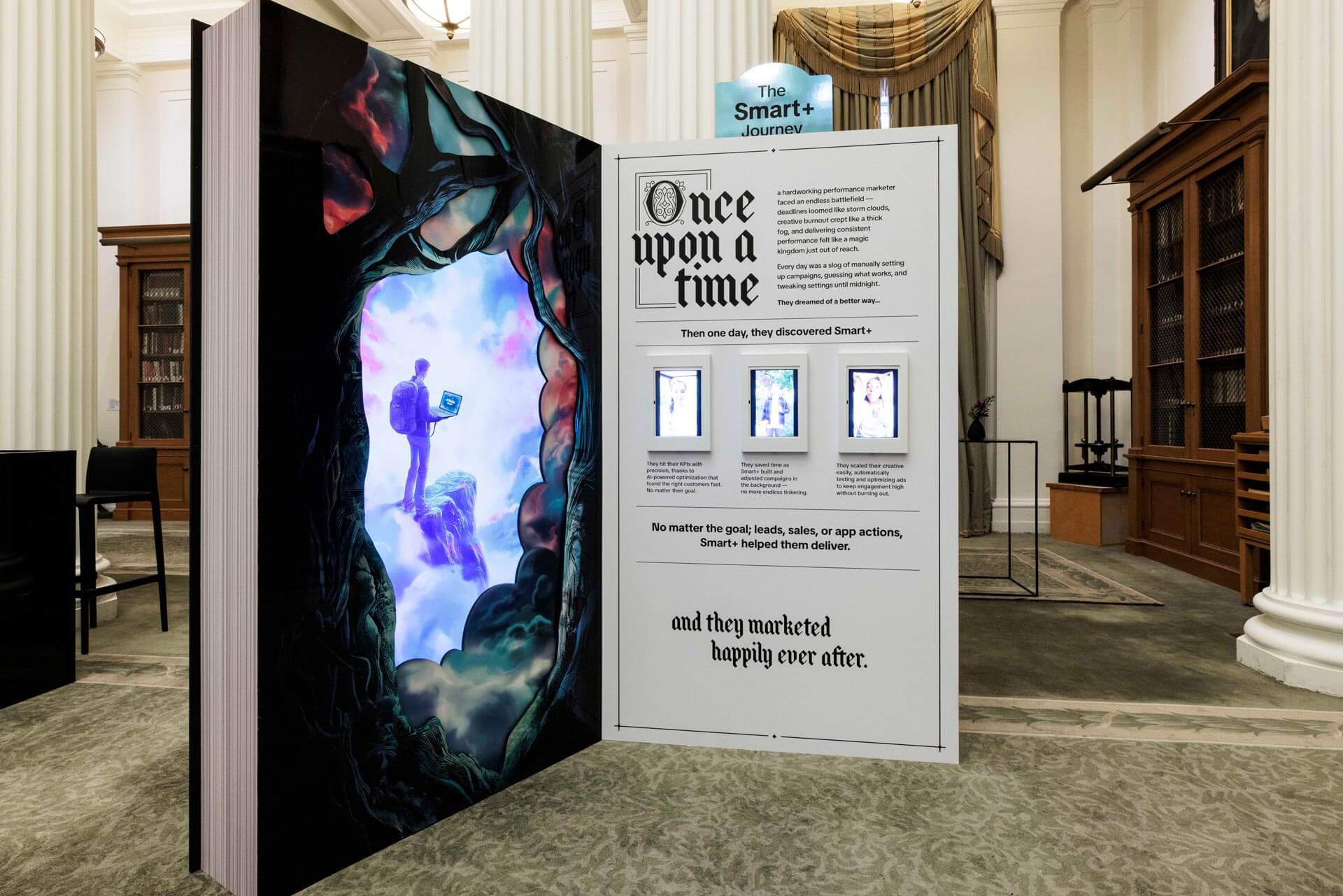
Scalability has been another defining lesson. As TikTok World expanded in scope and influence, the need for modular design systems, templated assets, and global production standards became non-negotiable. By codifying visual identity, motion behaviors, and fabrication guidelines, we ensured that the experience could travel across regions without losing coherence. This transformed TikTok World from a flagship moment into a globally deployable platform.
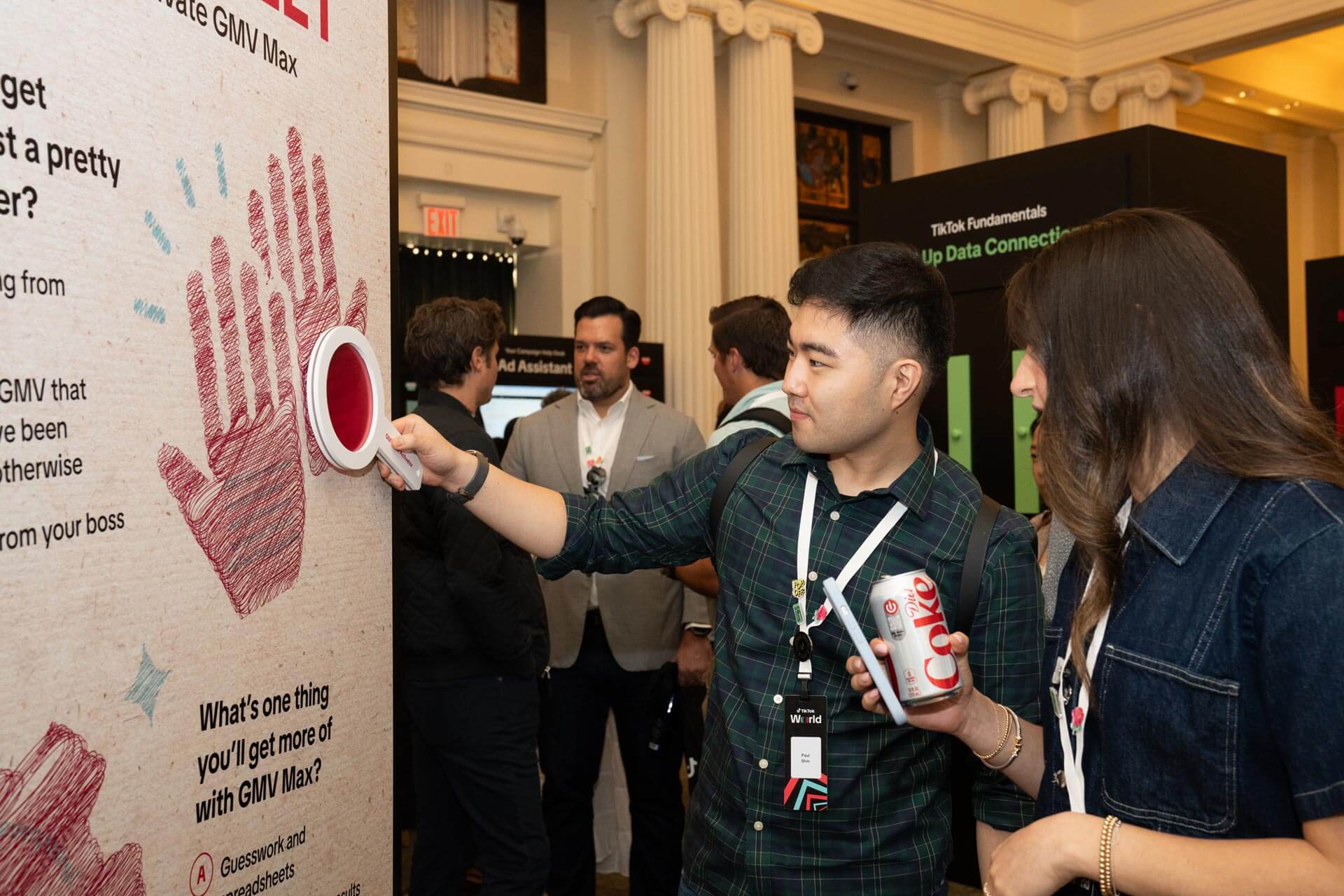
We also discovered that hospitality is not peripheral to brand experience but central to it. Thoughtful details such as menus, lounge design, swag utility, and surprise moments created emotional resonance that made the event memorable. When attendees felt cared for, they stayed longer, engaged more deeply, and associated that positive feeling with the brand itself. Experience design and brand trust proved to be tightly linked.
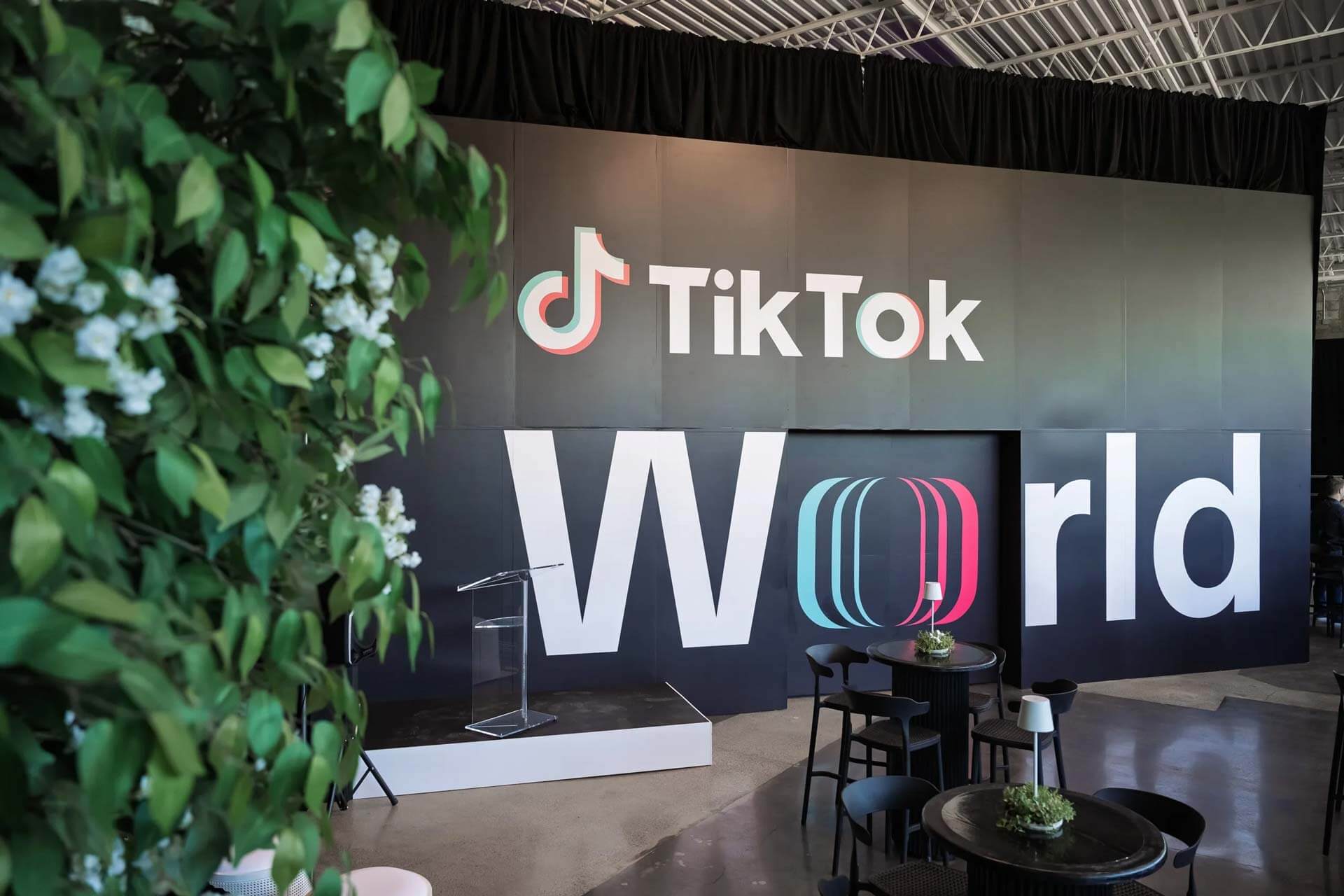
Data and feedback loops played a crucial role in refining the program year over year. Instrumenting interactions, gathering qualitative insights, and tracking post-event adoption allowed us to identify which activations truly moved the needle. Rather than relying on anecdotal success, we built a culture of iteration, using each year’s learnings to inform the next. TikTok World evolved into a living system shaped by evidence, not assumption.
Scaling TikTok World into Canada in 2025 required more than geographic expansion. It demanded a regionalized go to market framework that translated global platform narratives into locally resonant business value. With more than 14 million Canadians actively participating on TikTok, the Toronto summit became a strategic inflection point to position the platform not as an emerging channel but as critical infrastructure within the Canadian marketing ecosystem. The mandate was clear: operationalize full funnel storytelling in a way that acknowledged Canada’s unique media landscape, bilingual realities, and high trust expectations around brand safety and data stewardship.
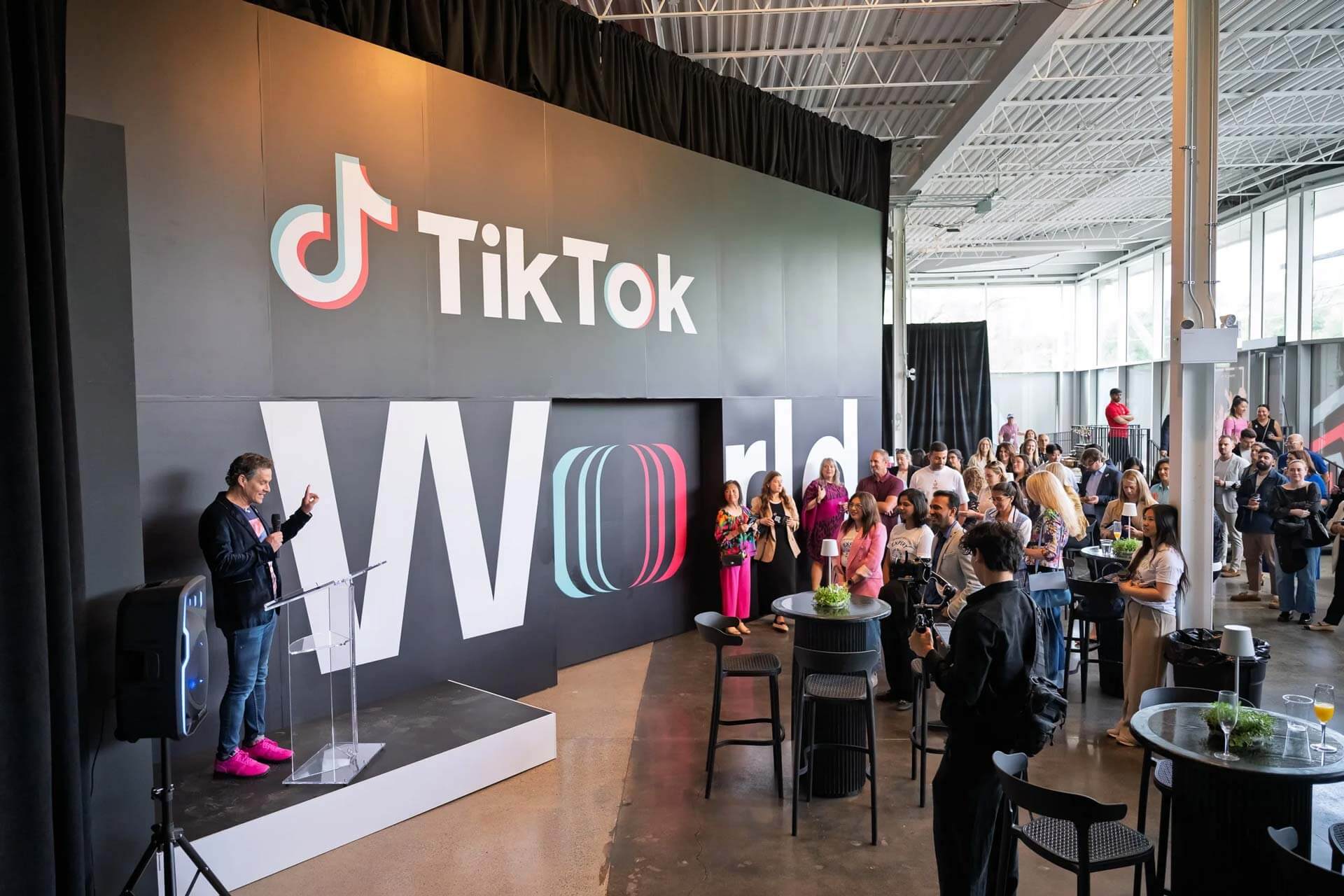
We approached the Canadian rollout as a modular extension of the global TikTok World system, applying lessons learned from prior years in the US and other regions. The core experiential architecture remained intact, including product education zones, creator integrations, and live demonstrations, but the content strategy was recalibrated to reflect Canadian vertical strengths such as retail, financial services, telecom, travel, and quick service restaurants. This ensured that the narrative was not abstract or imported but grounded in market specific use cases that Canadian marketers could immediately operationalize.
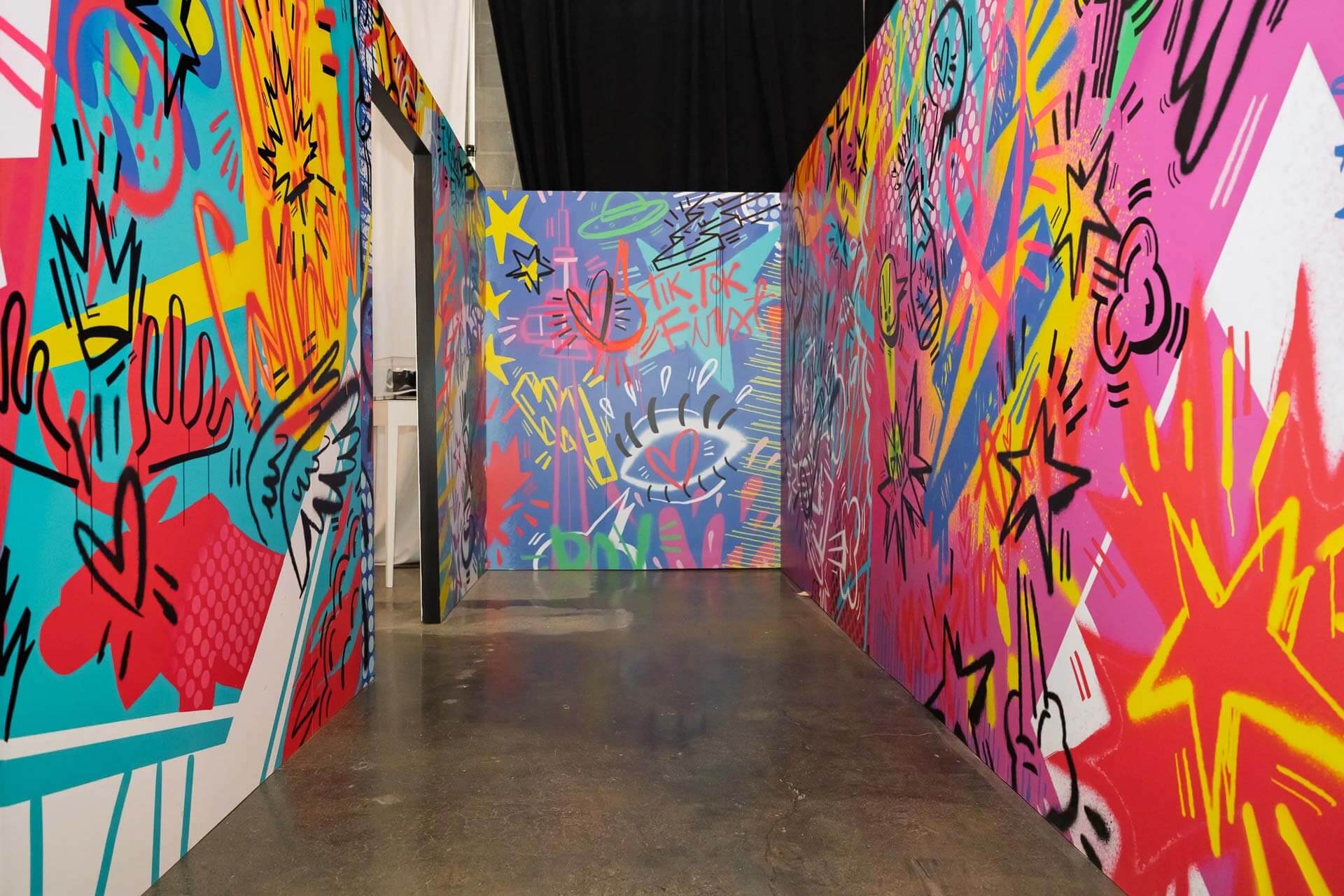
Toronto was selected not only for its status as Canada’s economic hub but for its role as a cultural gateway between North American and global audiences. The event evolved from the earlier #ForYou Summit into a fully realized TikTok World Canada, signaling maturation and alignment with the global flagship. This rebrand was more than nominal. It established parity with other regions and reinforced the message that Canadian partners were integral to the platform’s global growth strategy rather than a secondary market.
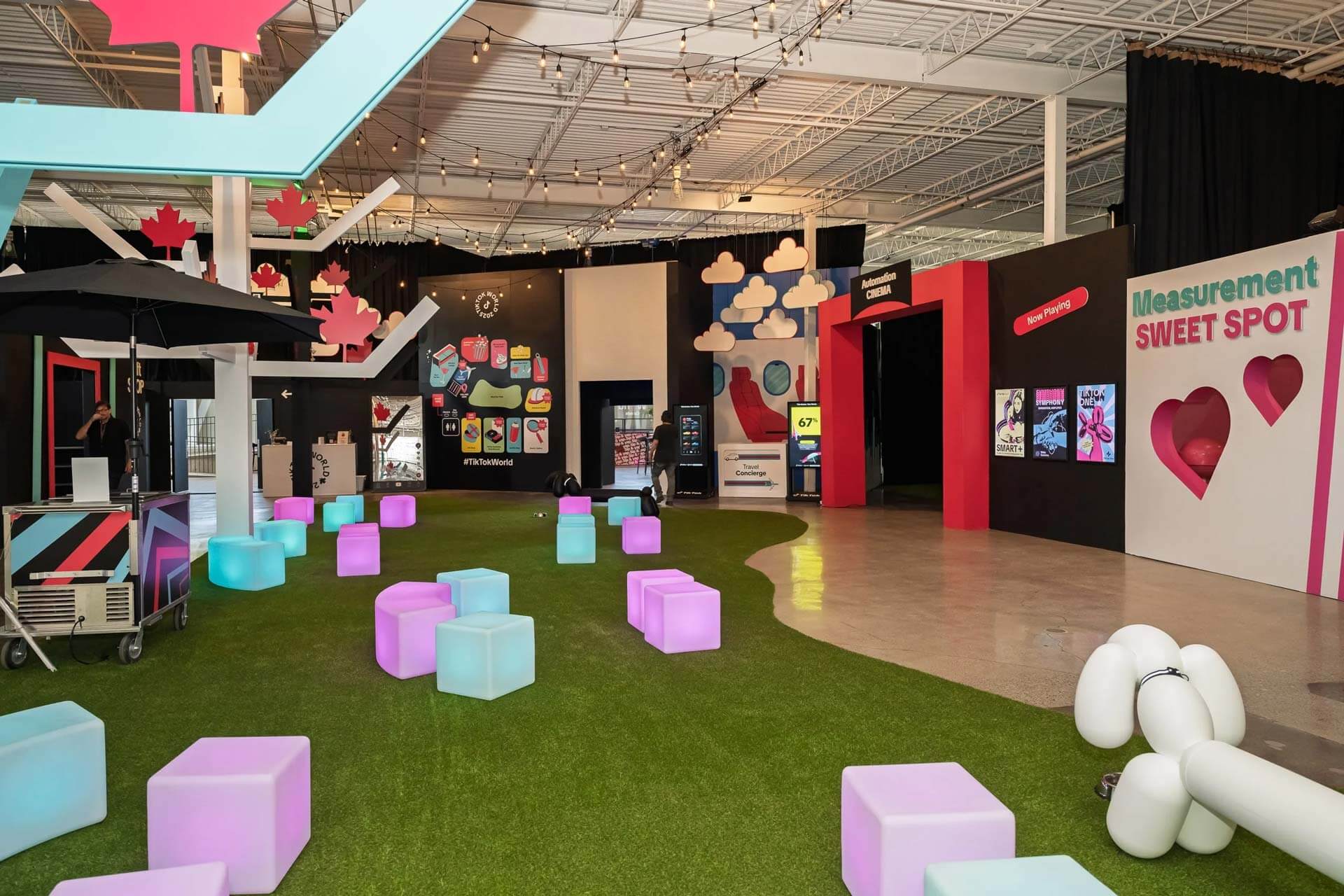
A central theme of the Canada summit was creative at scale, anchored by TikTok One as the unified creative operating system for marketers. By consolidating creator discovery, agency partnerships, insight tools, and content workflows into a single interface, TikTok One reframed creative production as a performance lever rather than a brand exercise. Canadian marketers were introduced to Insight Spotlight, which surfaces first party trend intelligence, enabling brands to identify emerging cultural signals and translate them into high performing content strategies before competitors can react.
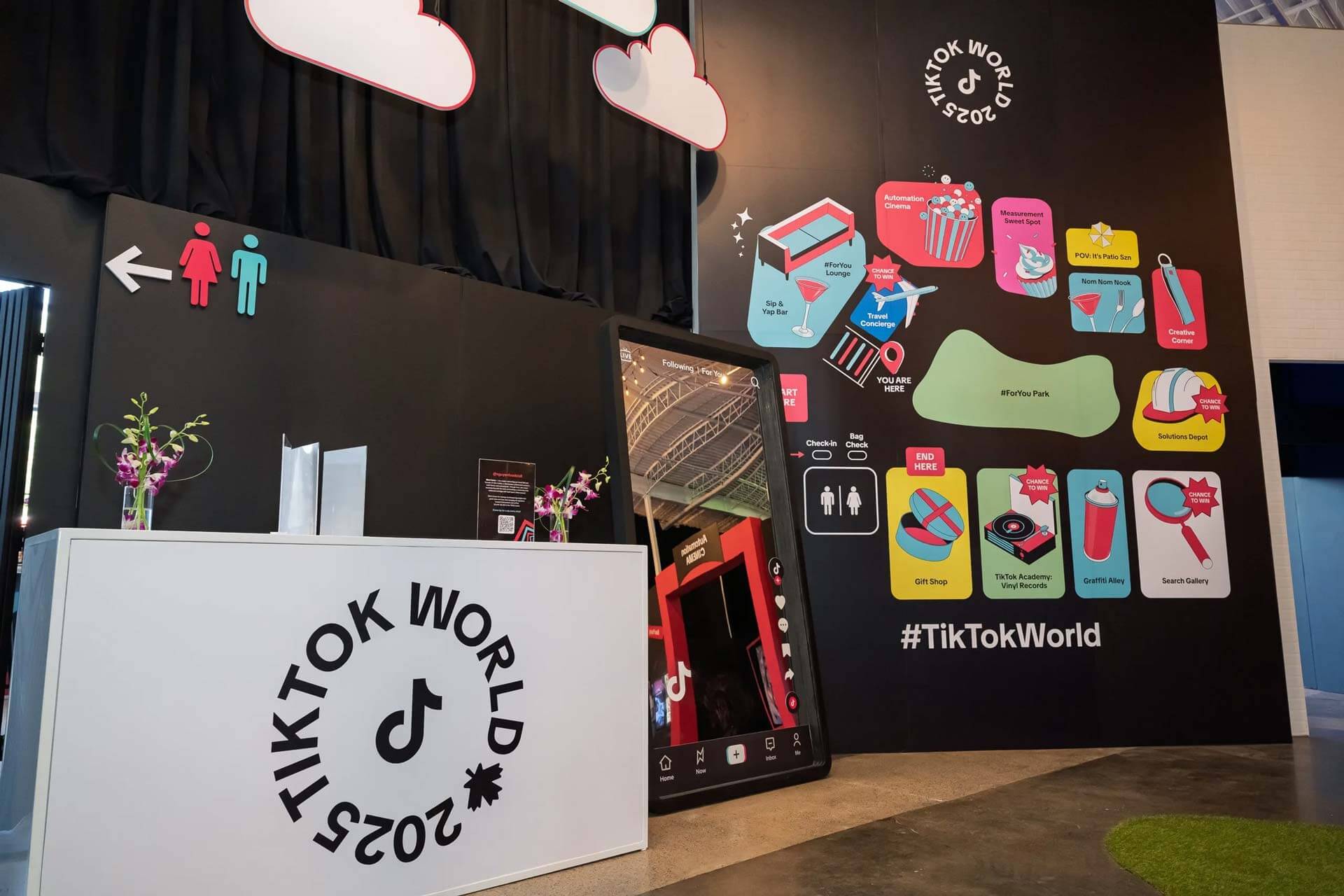
The introduction of the TikTok One Content Suite further operationalized user generated content as a scalable media asset. By surfacing pre vetted brand mentions ranked by ad potential, the system dramatically reduced the friction associated with sourcing, licensing, and activating creator content. In a market where authenticity is a key trust driver, this capability allowed Canadian brands to amplify real customer voices while maintaining brand safety and performance rigor. The implications for cost efficiency and speed to market were significant, particularly for mid market advertisers with limited production budgets.
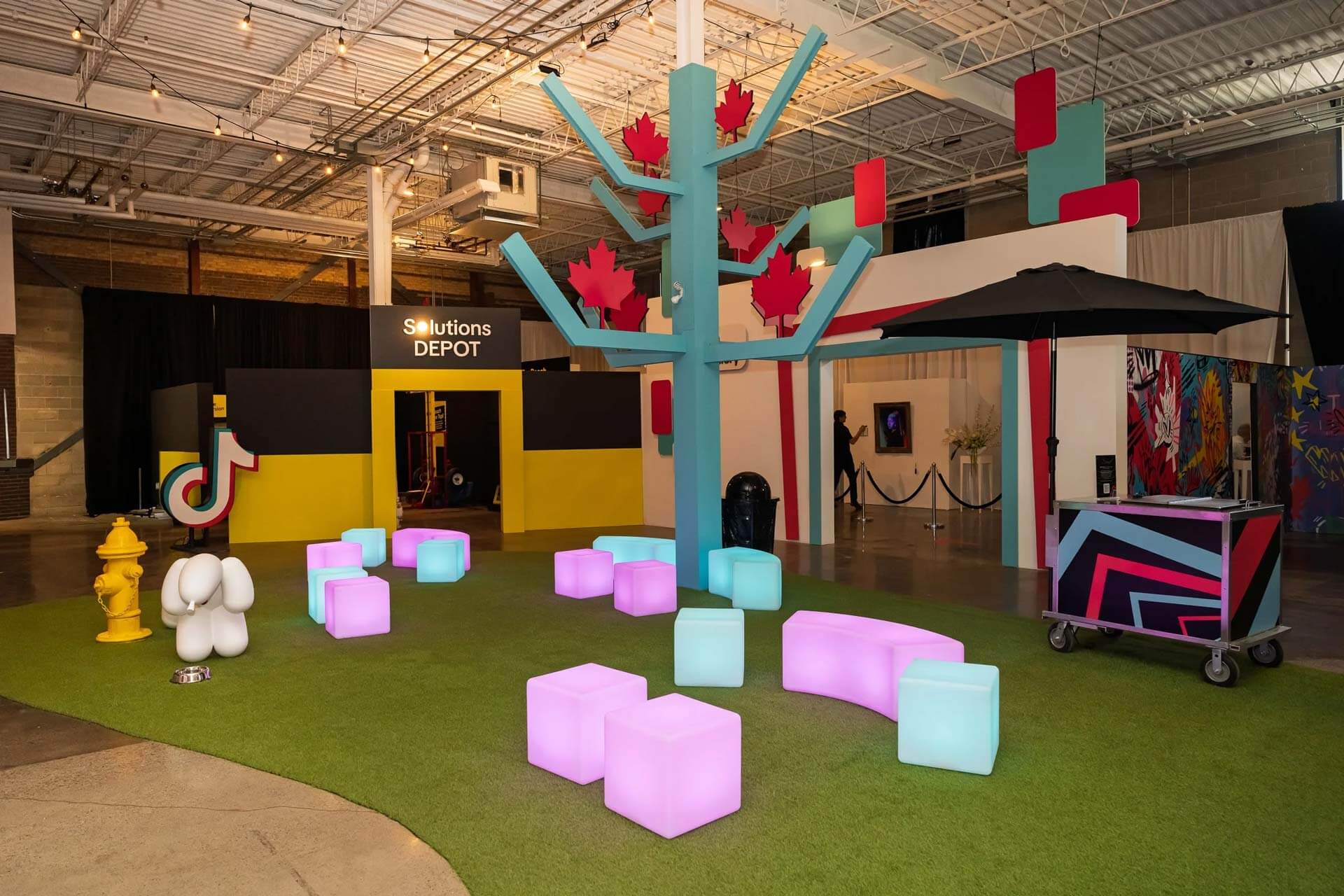
Search emerged as a defining behavioral shift addressed at the Canada summit. With billions of searches occurring on TikTok daily and a substantial percentage of users initiating search within seconds of opening the app, the platform is increasingly functioning as a discovery engine rather than a passive feed. The forthcoming Branded Search Hub, previewed through the on site Search Gallery, demonstrated how brands could transform high intent queries into immersive narrative environments that unify brand content, creator perspectives, and commerce pathways within a single destination.
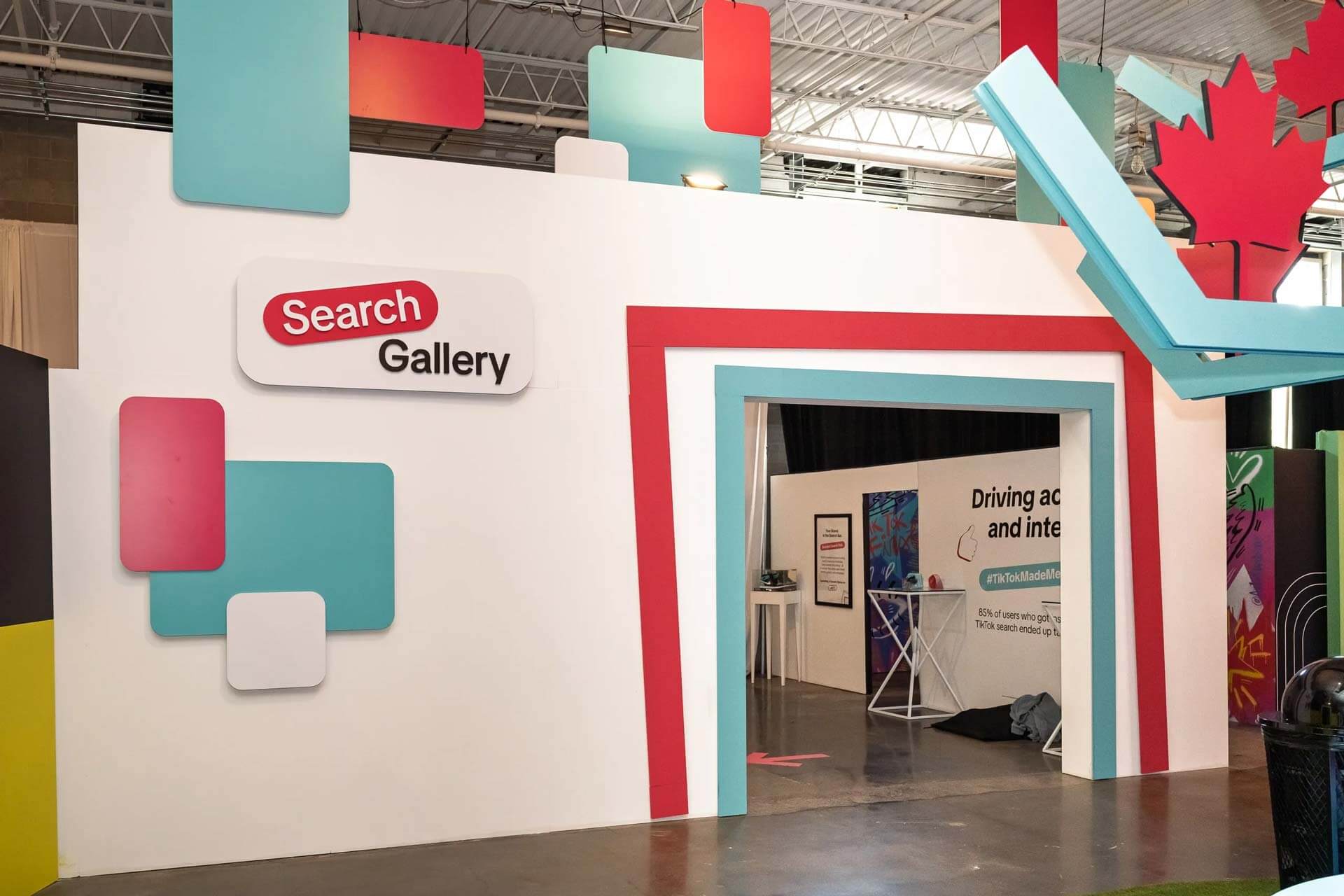
AI powered performance automation was positioned as the connective tissue between creativity and conversion. The integration of TikTok Symphony capabilities into Smart+ signaled a move toward predictive campaign orchestration, where creative variants, targeting parameters, and placement decisions are dynamically optimized to maximize return on ad spend. For Canadian advertisers navigating fragmented media consumption patterns, this level of automation offered a path to efficiency without sacrificing cultural relevance or brand control.
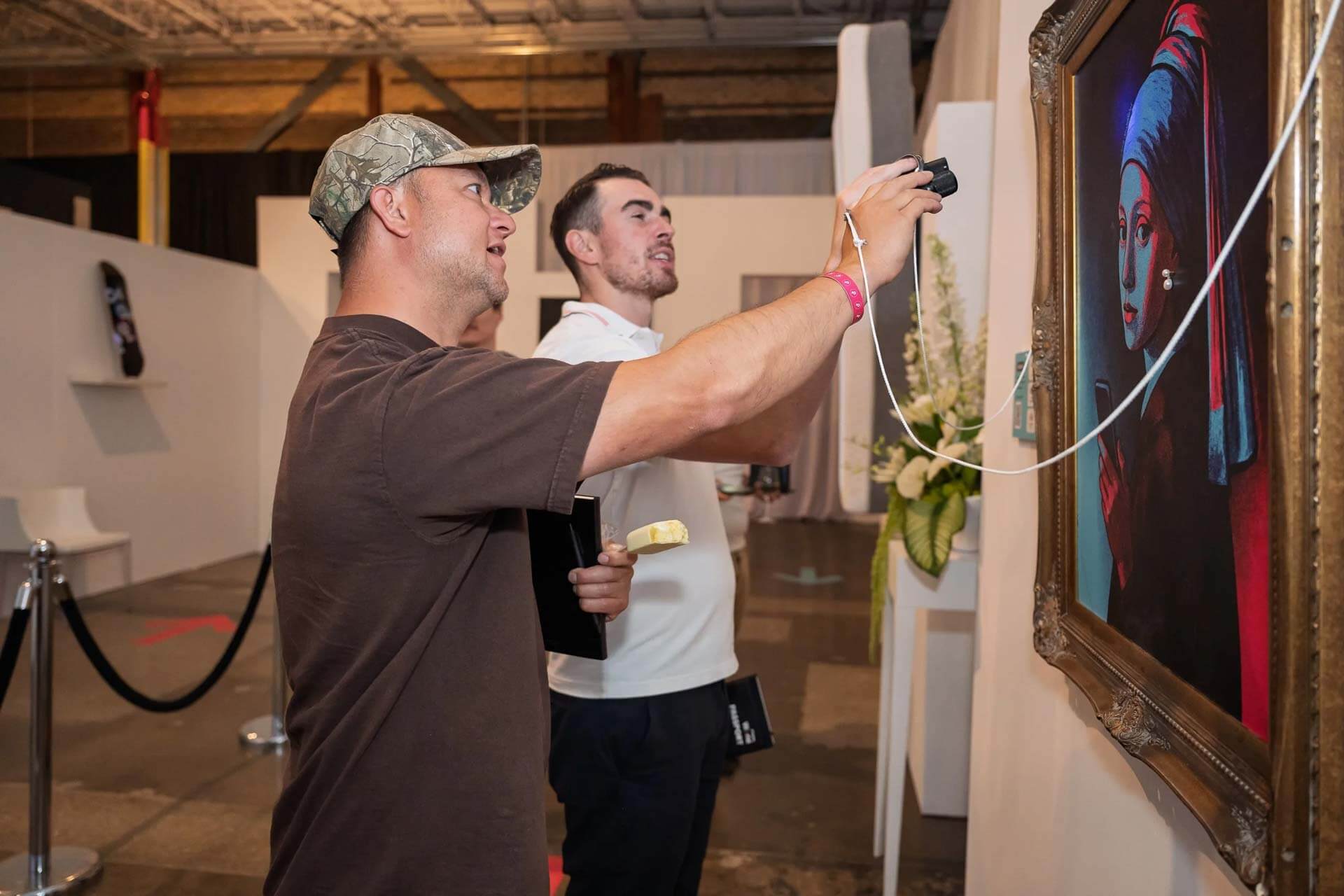
Measurement and accountability were also foregrounded through the introduction of Media Mix Modeling partnerships and enhanced first and third party brand safety controls. In a regulatory environment that prioritizes transparency and consumer protection, these tools reassured Canadian marketers that TikTok investments could be evaluated within broader media portfolios while maintaining strict suitability standards. The ability to align TikTok performance with cross channel attribution models elevated the platform’s credibility among enterprise advertisers.
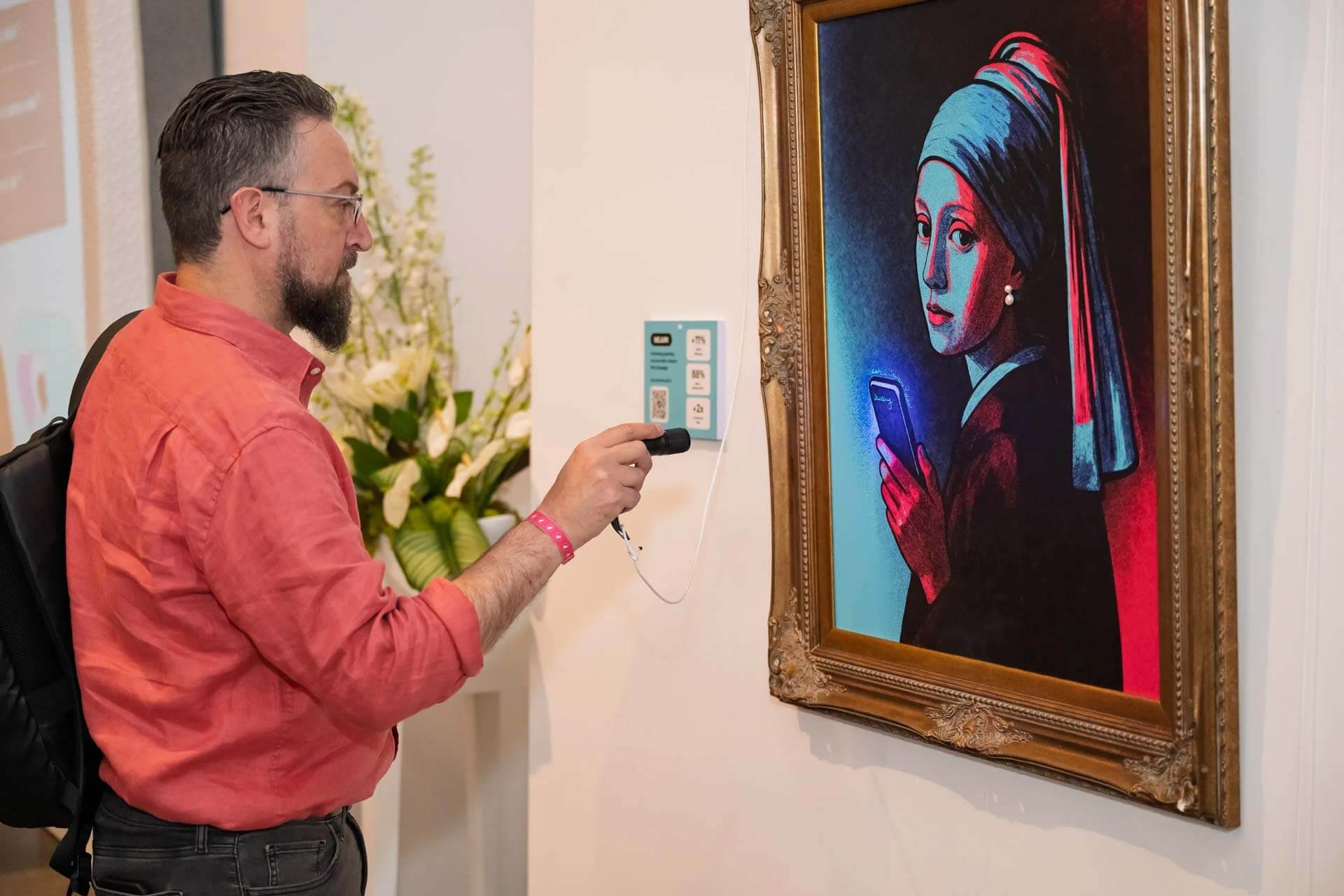
The expansion of Smart+ to support catalog integrations and always on personalized recommendations represented a major leap for commerce enablement in Canada. By allowing advertisers to connect product feeds and deliver real time recommendations across verticals including automotive, travel, and streaming services, TikTok strengthened its position as a performance channel capable of driving measurable revenue outcomes. This was particularly compelling for Canadian retailers seeking to unify online and in store purchase journeys.
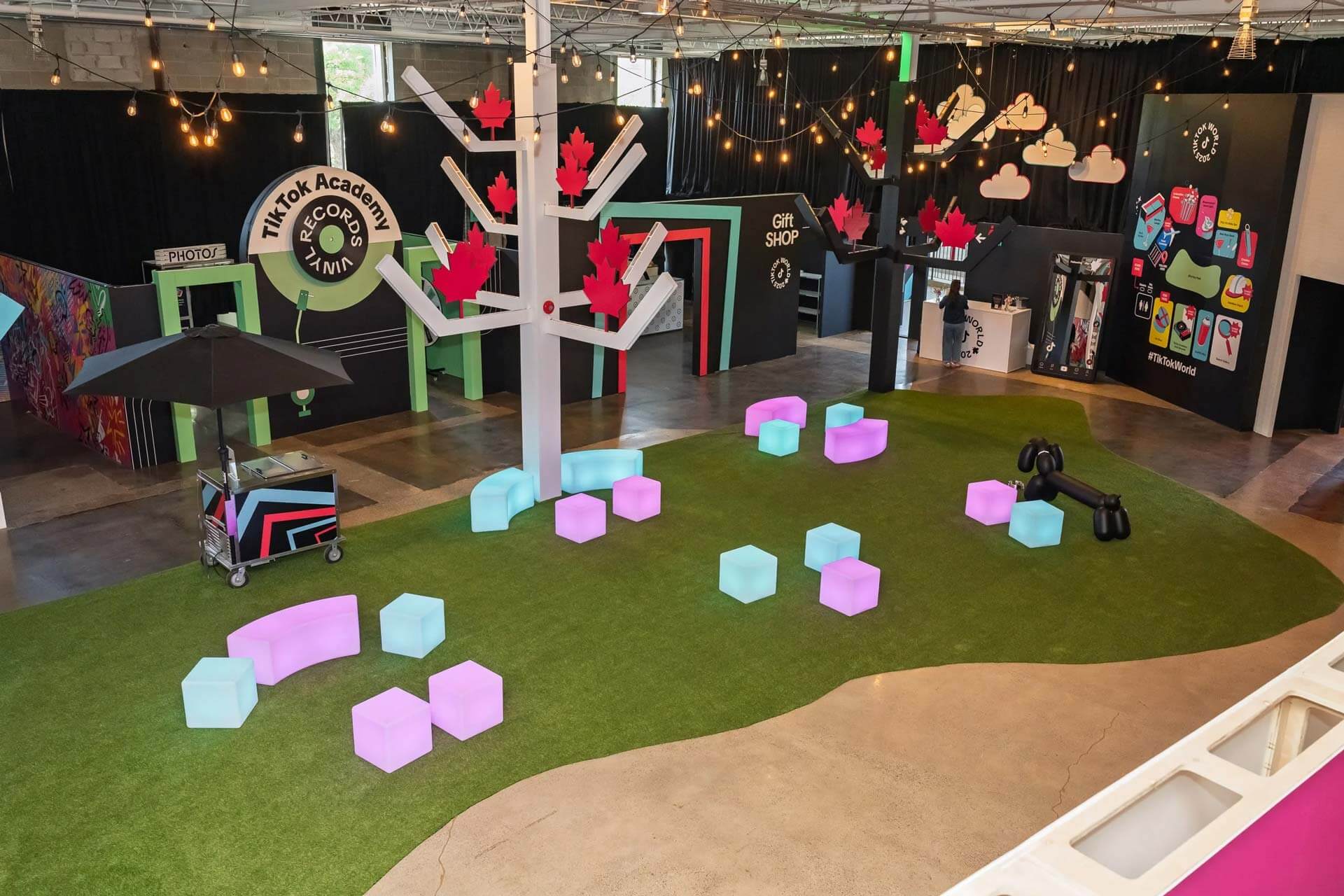
From an experiential design perspective, the Canada summit leveraged proven spatial storytelling techniques refined in prior years. Interactive galleries translated complex ad tech into tactile demonstrations, while guided product walkthroughs enabled attendees to visualize implementation within their own organizations. These design patterns, validated through previous events, were adapted to Canadian audience expectations, emphasizing clarity, accessibility, and practical application over spectacle. Even simple stuff like a big giant map right at the front.
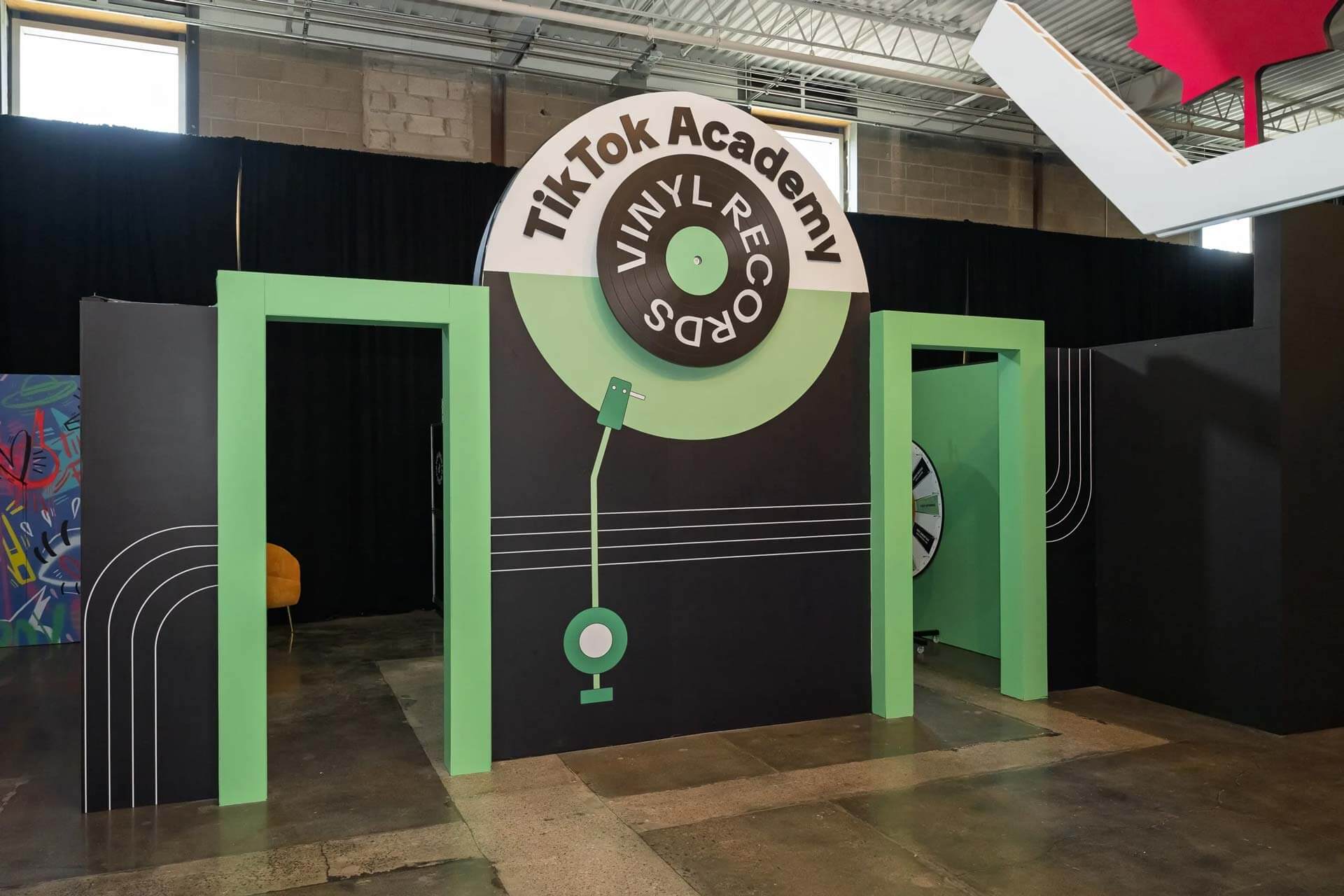
Creator integration remained a cornerstone of the Canadian execution, reinforcing the platform’s participatory ethos. By embedding creators into product demonstrations and panel discussions, the event illustrated how cultural fluency drives performance outcomes. This approach resonated strongly in Canada’s diverse cultural landscape, where authenticity and representation are essential to brand credibility and audience trust.
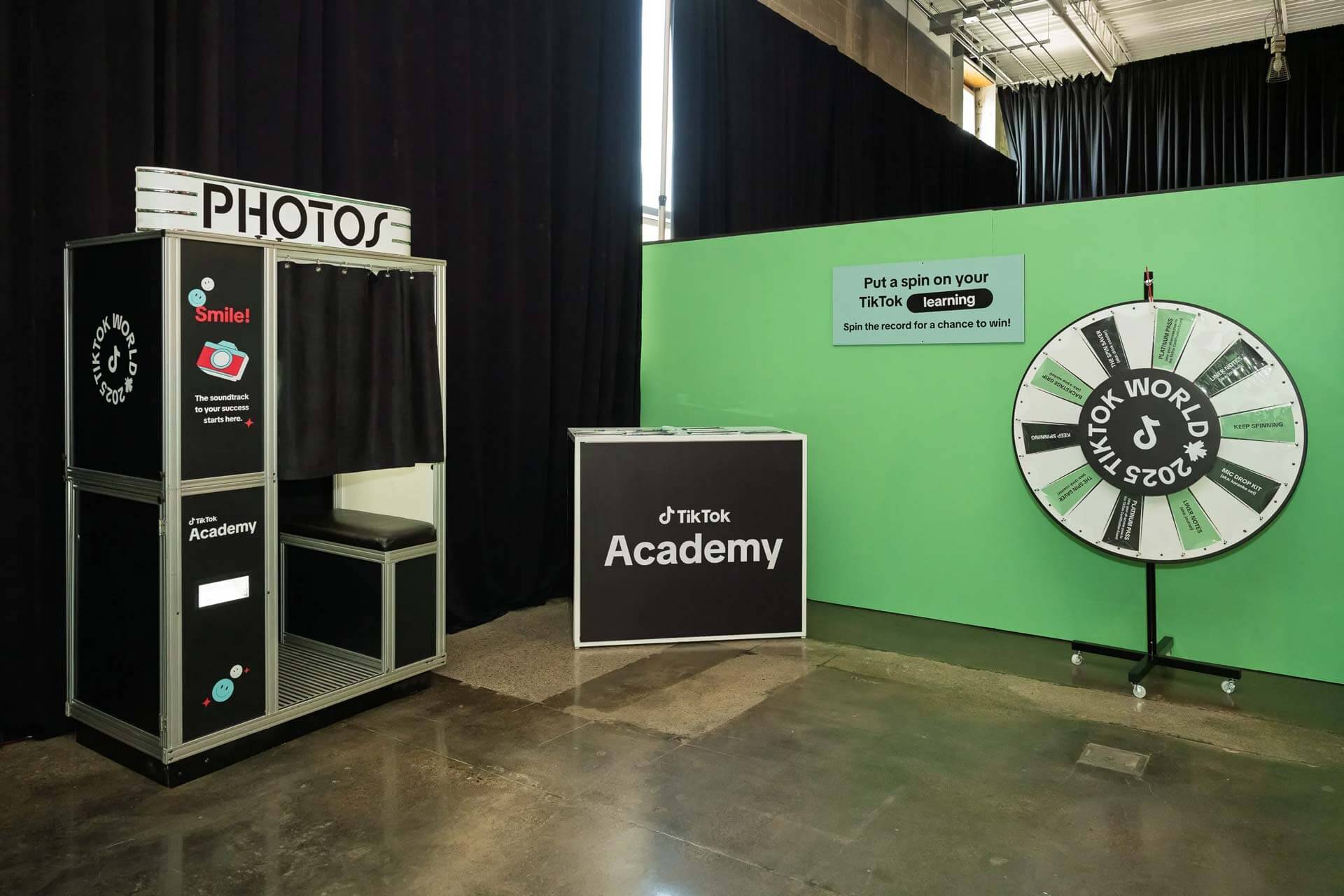
Operationally, the Canada rollout benefited from a templated production framework developed through earlier TikTok World iterations. Fabrication standards, motion systems, typography hierarchies, and environmental graphics were adapted to local regulations and venue constraints while preserving global brand coherence. This balance between standardization and localization enabled efficient deployment without diluting the experiential integrity of the event.
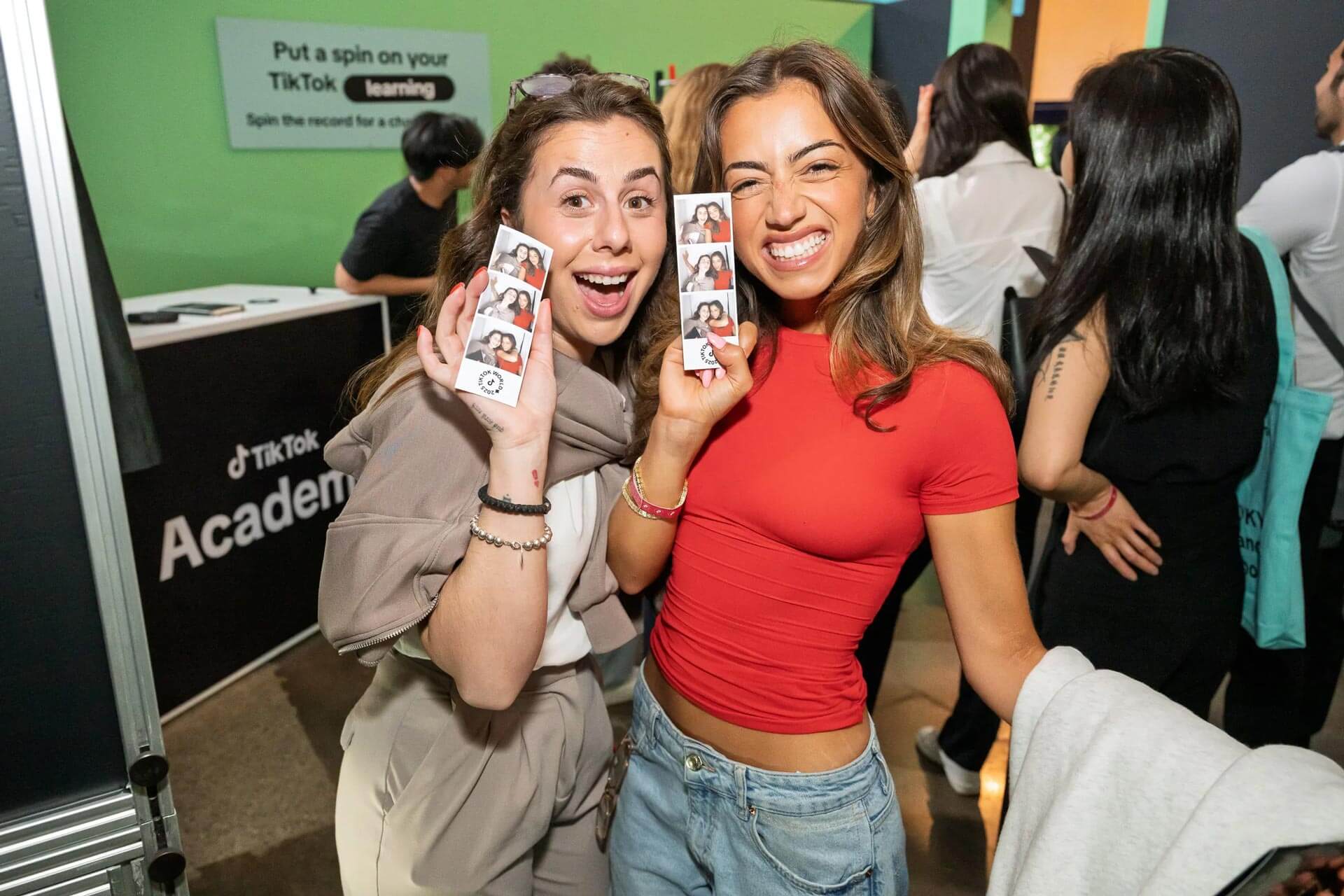
Hospitality and attendee experience were also calibrated using prior learnings. Canadian audiences demonstrated a preference for conversational, workshop driven formats that facilitate peer exchange and practical learning. As a result, the agenda incorporated smaller breakout sessions alongside keynote programming, enabling deeper engagement and fostering a sense of community among attendees. This format supported relationship building and positioned TikTok as a collaborative partner rather than a one way broadcaster.
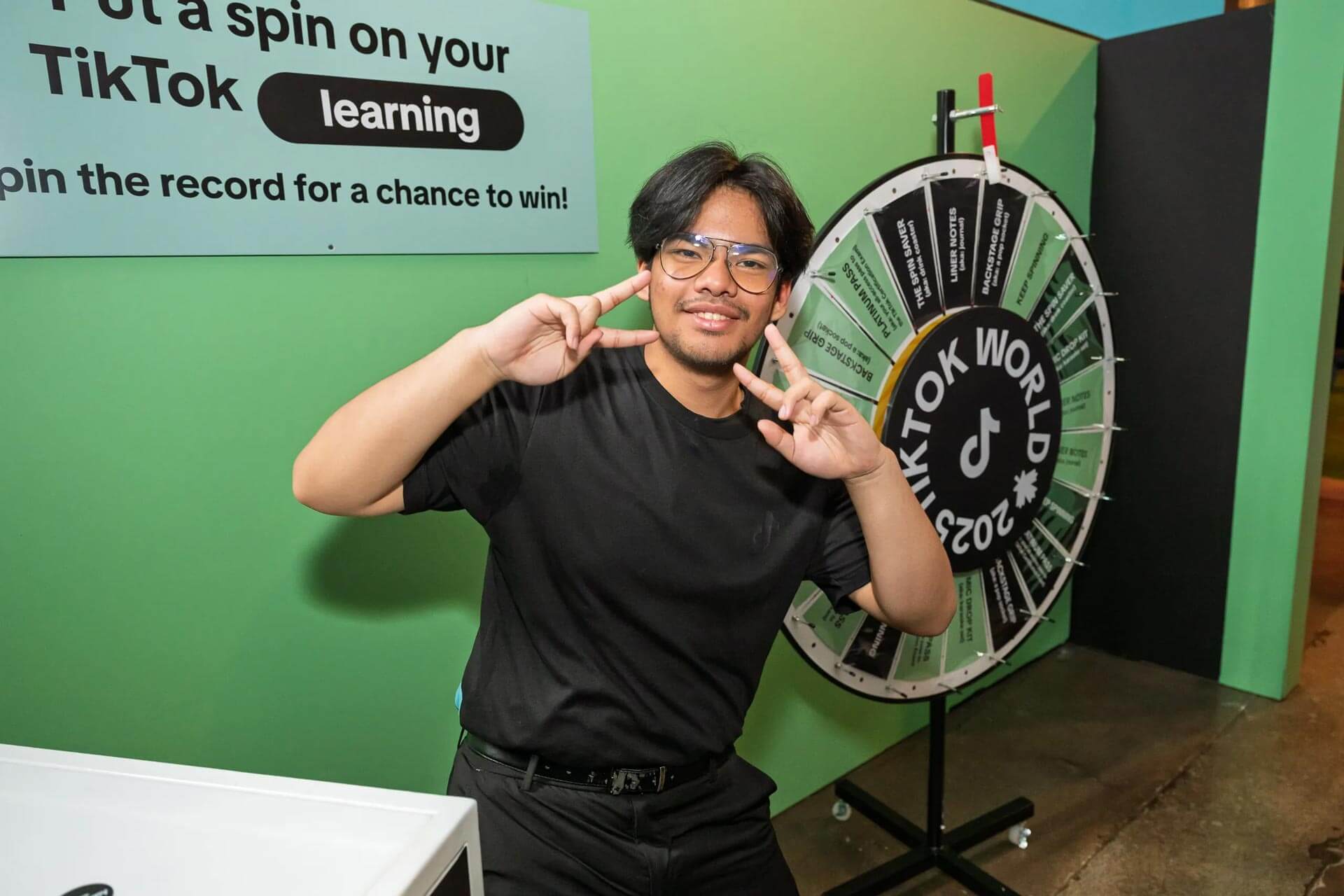
The layout prioritized movement and sightlines, ensuring that keynote content, product showcases, and networking zones coexisted without friction. Open circulation paths allowed attendees to drift organically between activations, while strategically placed brand moments created visual anchors that encouraged social sharing and dwell time. This choreography of space mirrored the platform’s own For You feed logic, where discovery feels intuitive rather than prescribed, and each interaction invites the next.
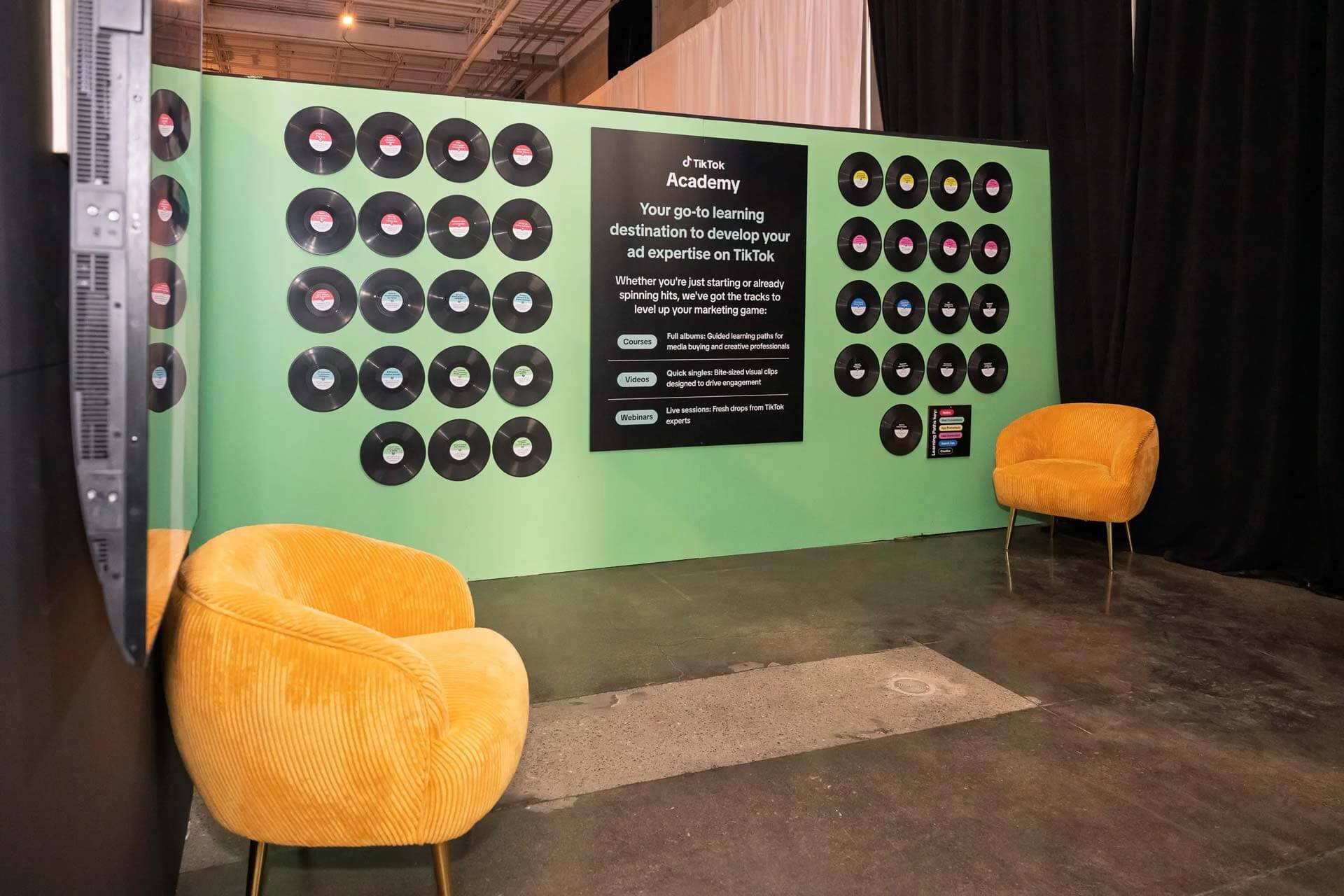
Staging and environmental graphics worked in tandem to create a cohesive visual language that balanced corporate clarity with creator-driven vibrancy. Large-format displays, dimensional logos, and layered lighting treatments provided depth and texture, transforming the venue into a living brand system rather than a temporary event build. The result was an atmosphere that felt both premium and participatory, signaling to Canadian advertisers that TikTok is not only culturally fluent but operationally sophisticated.
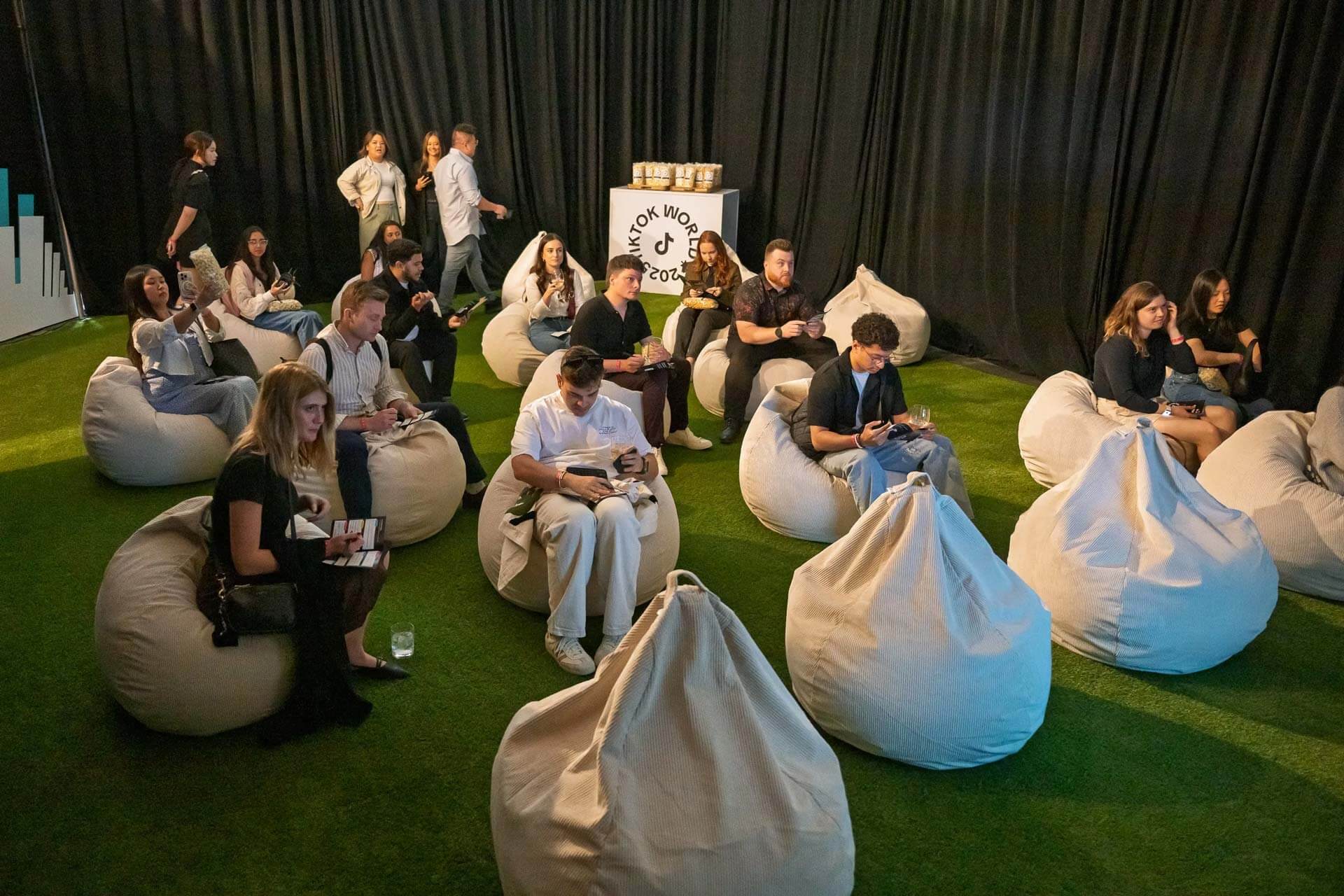
The experiential zones were designed as conversation catalysts, enabling brand partners to engage with product specialists in environments that felt approachable rather than transactional. Demo areas showcased ad solutions and creative tools within contextual scenarios, helping attendees visualize how these capabilities translate into real campaign outcomes. By embedding education within experience, the event reduced cognitive friction and made complex ad tech feel intuitive and actionable.
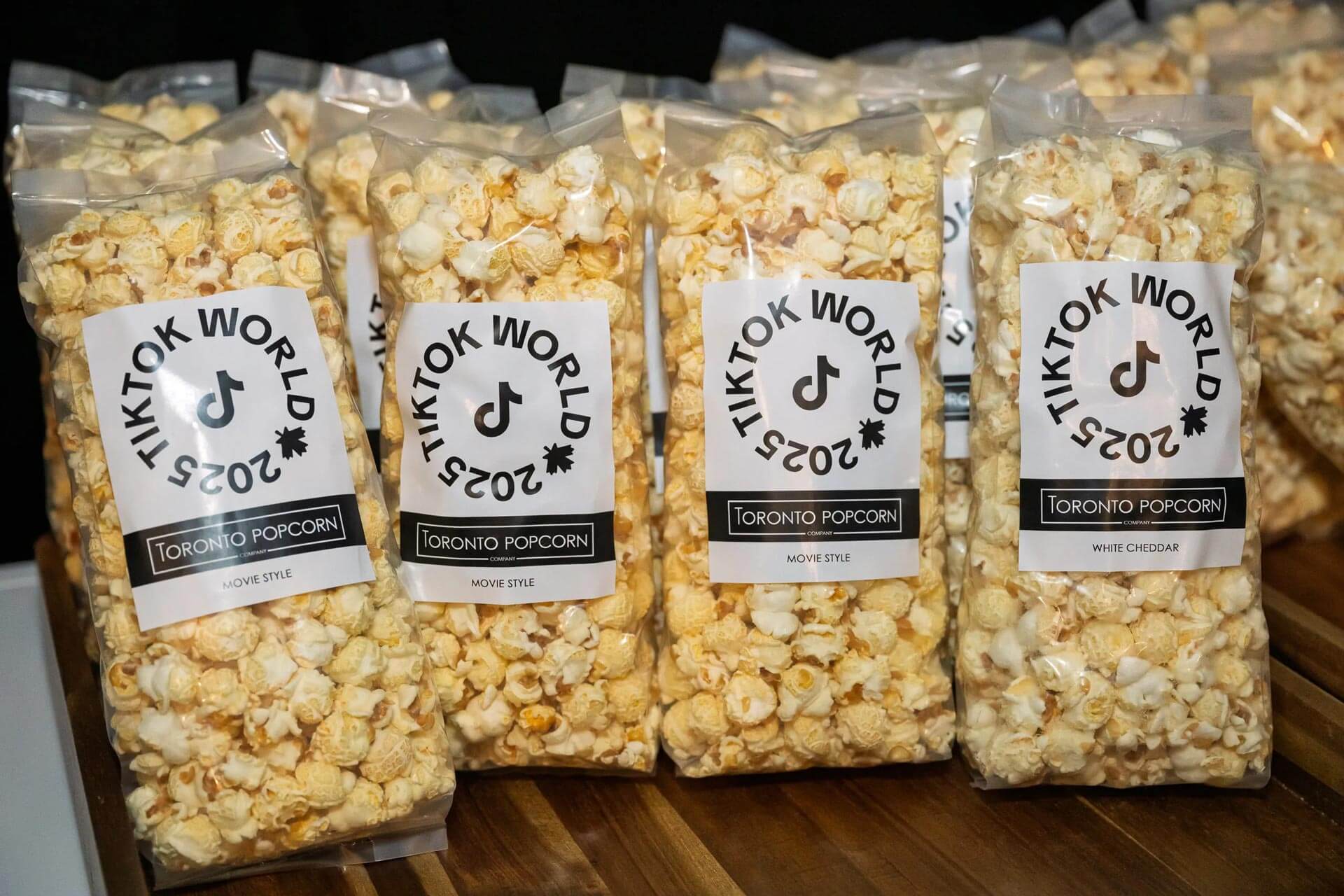
Lighting design played a critical role in shaping mood and hierarchy, using contrast and color temperature to delineate zones and guide attention. Brighter, cooler tones emphasized product demonstrations and keynote areas, while warmer, ambient lighting softened networking spaces to encourage conversation. This layered lighting strategy elevated the perceived production value and reinforced the platform’s commitment to premium brand experiences.
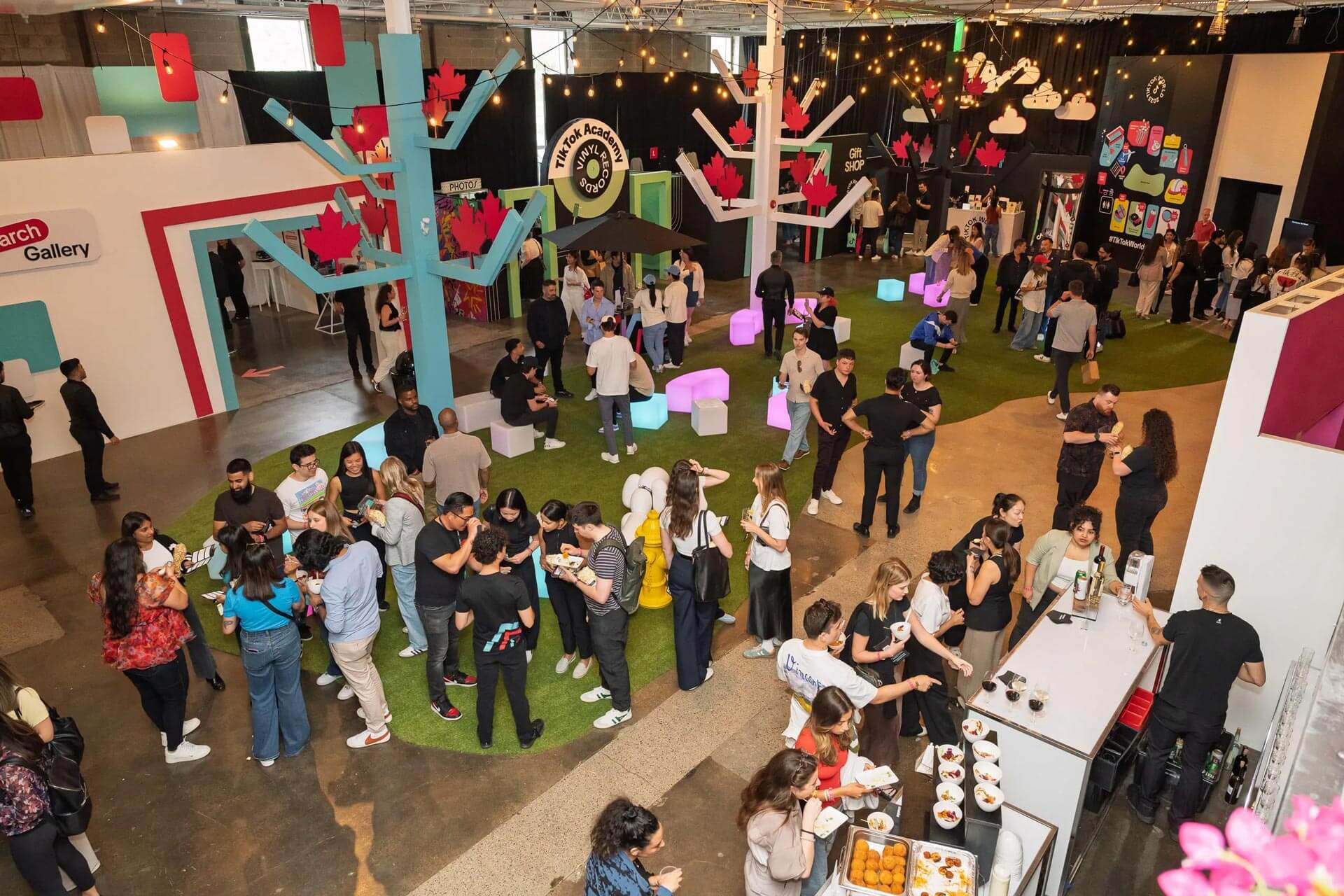
Scaling TikTok World into Canada was not a copy-paste exercise. It was a disciplined exercise in modular design systems, production templating, and regional calibration. By 2025, our North America builds had matured into a repeatable but flexible framework: core scenic architecture, stage geometry, portal motifs, LED content ratios, typography hierarchies, and wayfinding logic were all templatized in advance. What changed market to market was the narrative emphasis, partner integrations, and spatial choreography. This allowed us to dramatically compress pre-production timelines while maintaining brand fidelity at a premium level.
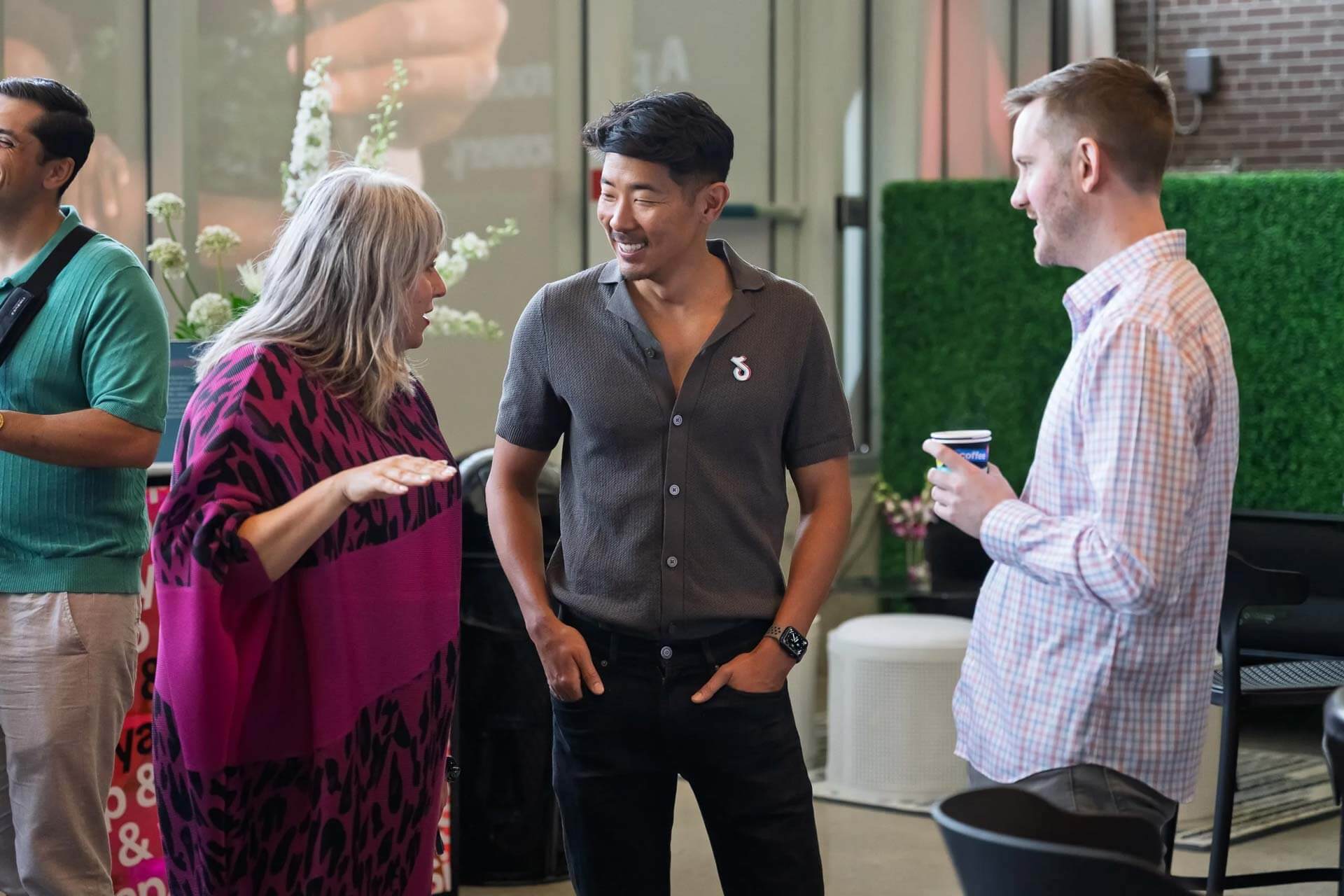
Load-in was executed like a touring production rather than a one-off corporate event. Scenic flats, dimensional logos, truss systems, and LED walls were spec’d to standardized measurements developed in previous U.S. builds, which meant our fabrication partners could pre-engineer tolerances, mounting systems, and cable runs before trucks even docked. By creating a North American production playbook that included lighting plots, power distribution schematics, scenic elevations, and content safe zones, we reduced on-site friction and allowed the local Toronto crew to plug into a system rather than reinvent one. Efficiency became a creative enabler rather than a constraint.
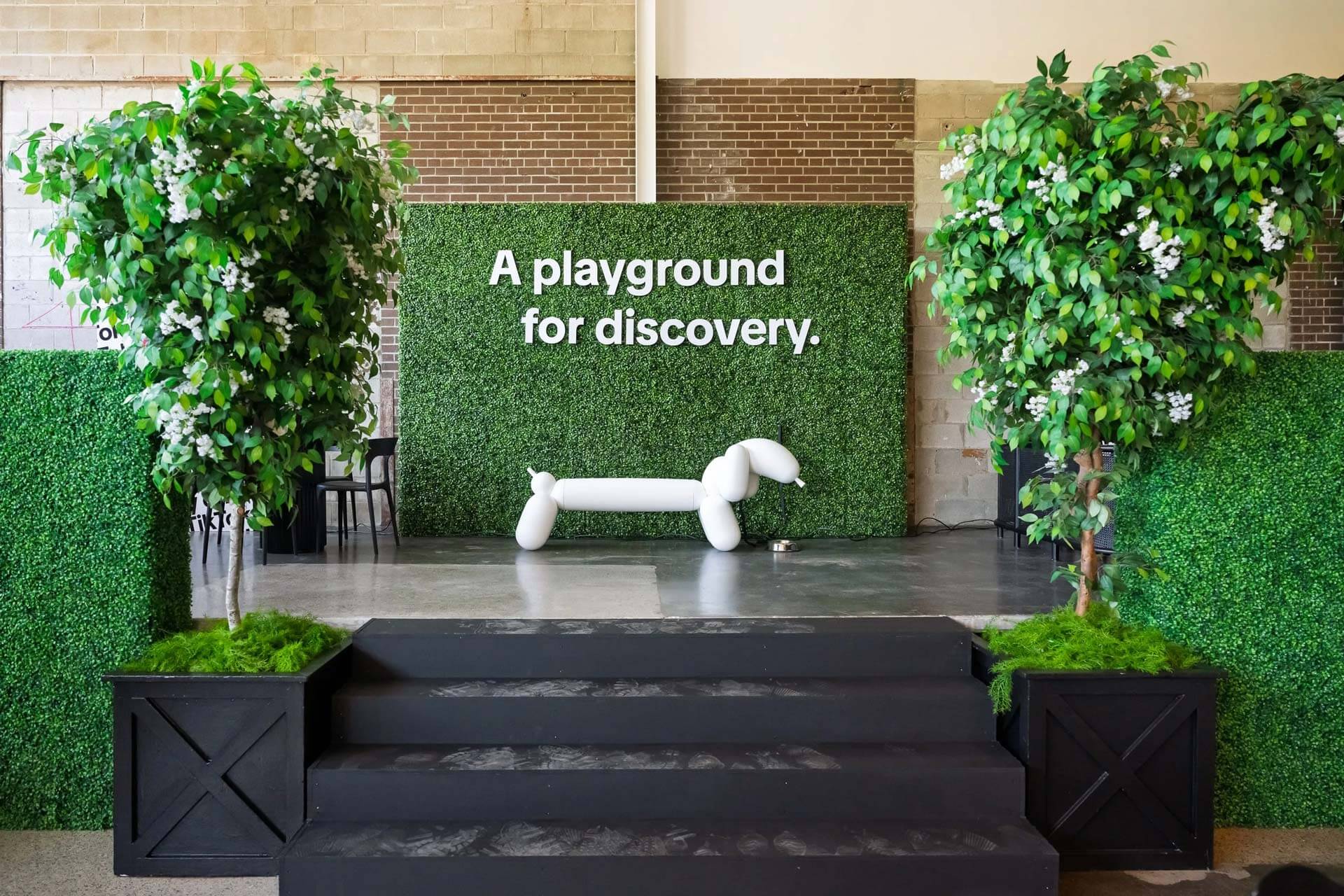
TikTok functions as a true playground for discovery, a space where curiosity is rewarded and algorithms act less like gatekeepers and more like guides leading users down ever-evolving rabbit holes of culture, commerce, and creativity. Unlike traditional platforms that rely on static social graphs, TikTok’s interest-based feed continuously surfaces unexpected content, allowing a niche ceramic artist, a small-town chef, or an emerging streetwear label to appear alongside global superstars on equal footing. This flattening of distribution transforms the platform into a living laboratory where trends are prototyped in real time and validated by community participation rather than institutional approval. For brands and creators alike, the implication is profound: discovery is no longer a top-of-funnel hope but an always-on engine, one that rewards authenticity, speed, and cultural fluency while turning moments of inspiration into measurable action.

The environmental graphics and wayfinding were also developed as a modular kit of parts. Vinyl applications, dimensional letters, freestanding moment walls, and product demo kiosks were designed as reusable assets with interchangeable copy and localized data overlays. This approach enabled us to swap in Canada-specific messaging, regional stats, and partner highlights without compromising the master visual identity. It also reduced waste, minimized reprints, and improved sustainability metrics across markets, which was increasingly important for internal accountability.
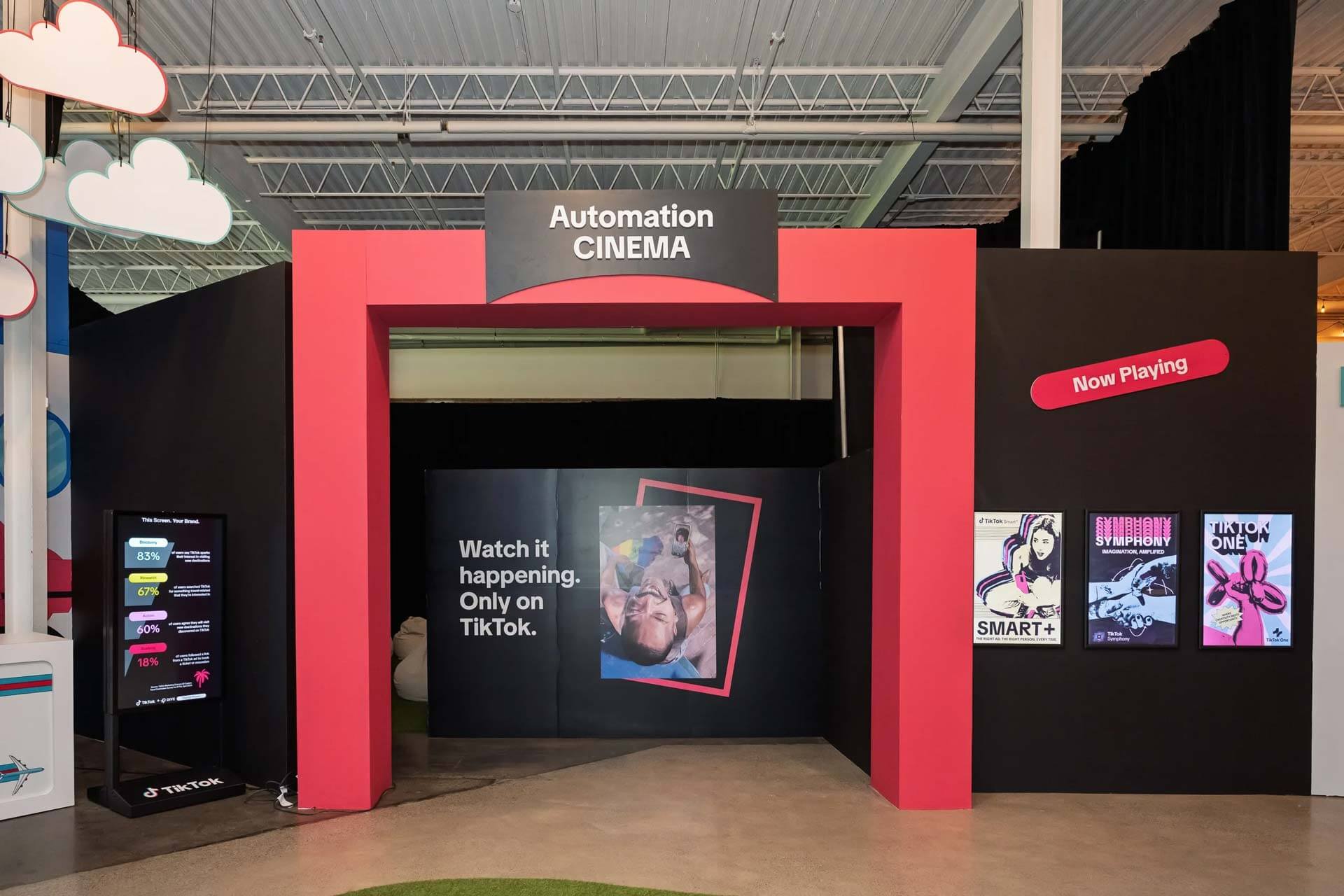
The environmental graphics and wayfinding were also developed as a modular kit of parts. Vinyl applications, dimensional letters, freestanding moment walls, and product demo kiosks were designed as reusable assets with interchangeable copy and localized data overlays. This approach enabled us to swap in Canada-specific messaging, regional stats, and partner highlights without compromising the master visual identity. It also reduced waste, minimized reprints, and improved sustainability metrics across markets, which was increasingly important for internal accountability.
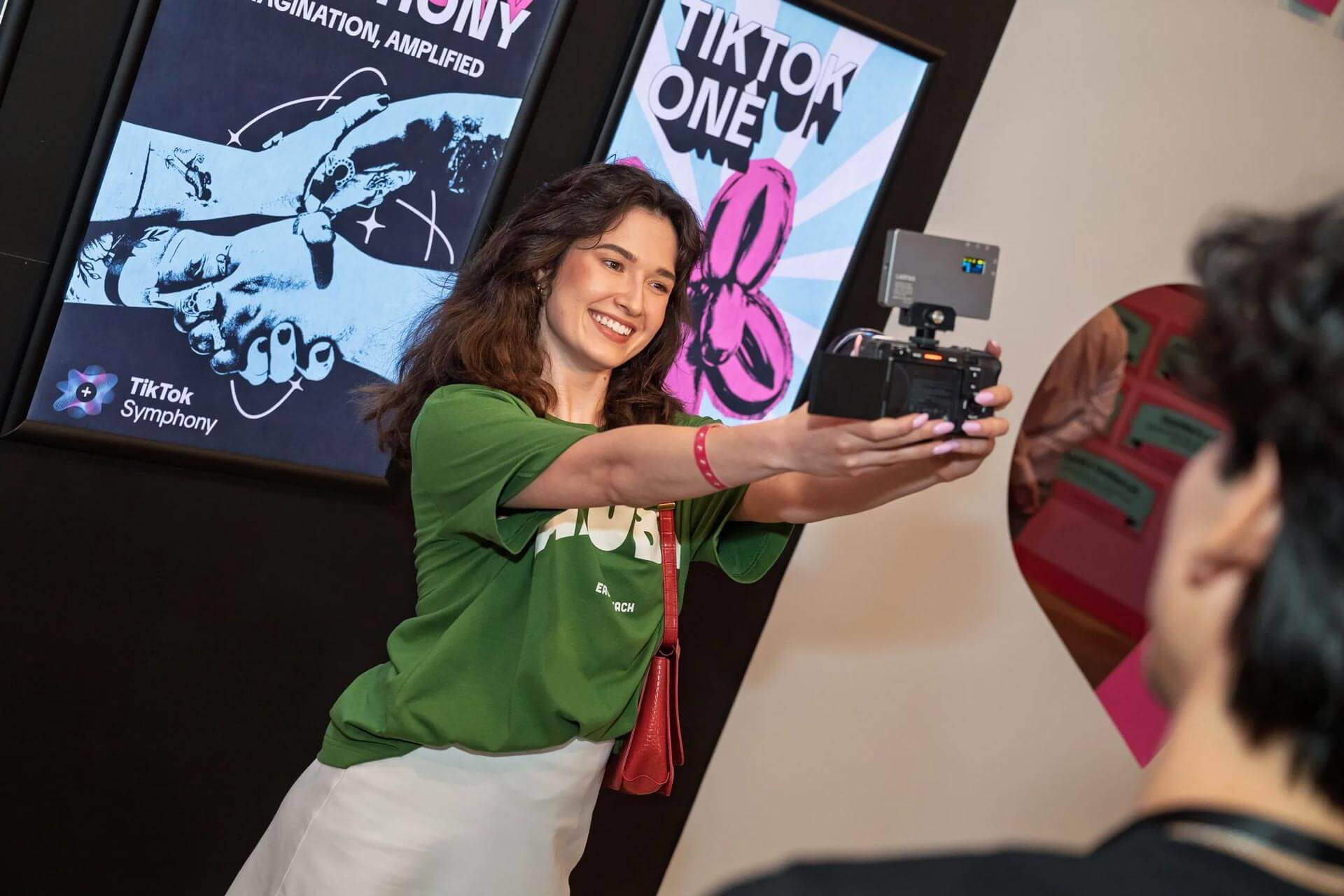
Automation emerged as a central pillar of TikTok World 2025, signaling a decisive shift from manual campaign management toward intelligent, system-driven optimization that mirrors the platform’s algorithmic DNA. The focus was not automation for efficiency alone, but automation as a creative and performance multiplier, enabling marketers to input strategic parameters such as budget, assets, and objectives while TikTok’s machine learning infrastructure dynamically handled audience selection, placement, creative rotation, and bid optimization in real time. This approach reframed media buying from a labor-intensive discipline into a high-level orchestration role, where human insight sets the direction and automated systems continuously refine execution based on live behavioral signals. The result is a feedback loop where campaigns evolve alongside culture, improving relevance, lowering acquisition costs, and accelerating time to impact.
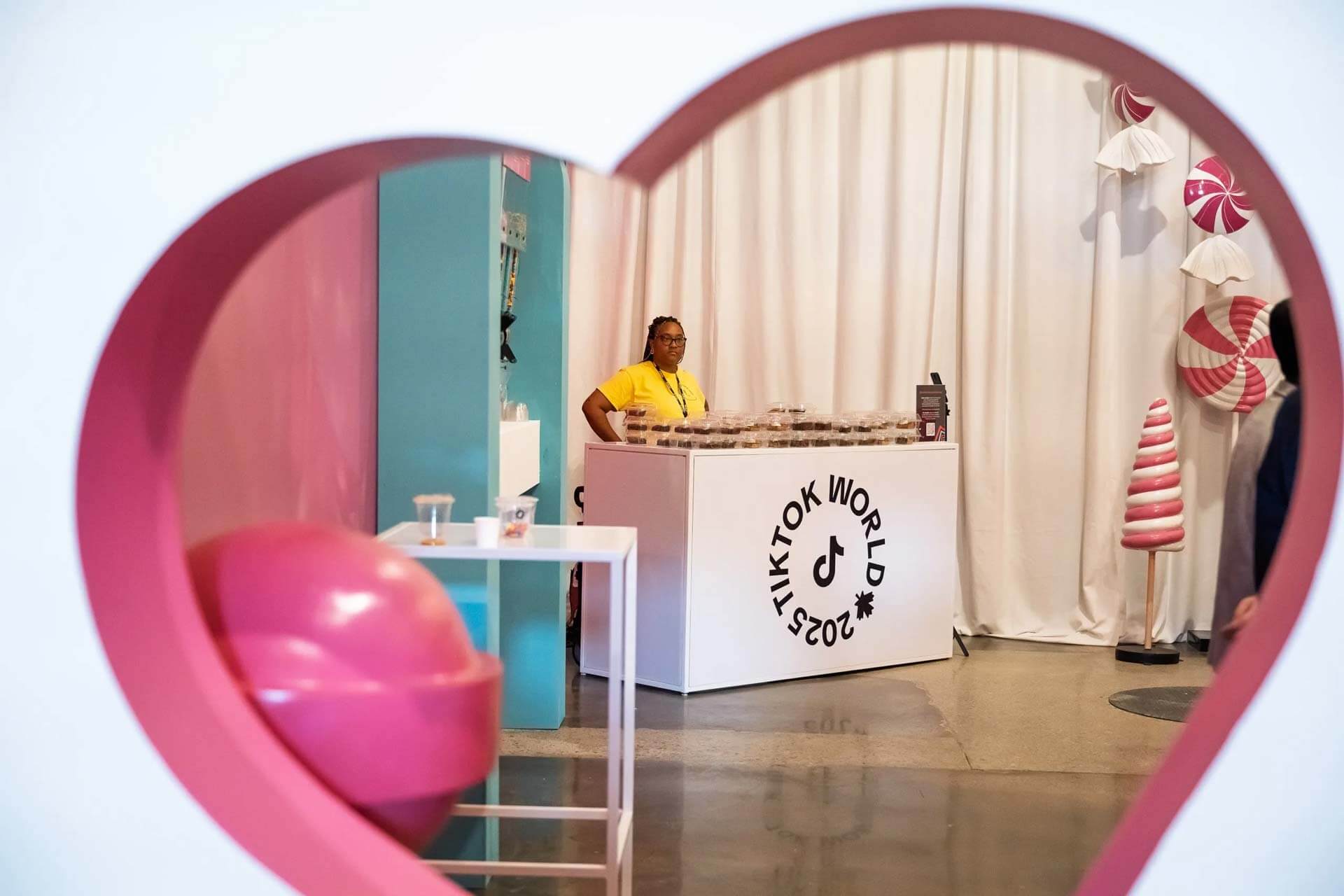
This interplay between high-density product education and low-stakes cultural touchpoints was intentional. We understood that cognitive load is real at industry events, and that retention improves when information is paired with emotional texture. By embedding humor and personality into unexpected surfaces, from bar menus to wayfinding signage, we created a rhythm between focus and release. Attendees could move from a deep dive on automation tools to a laugh over a cleverly worded coaster, then onto the dance floor, carrying both the knowledge and the feeling with them.
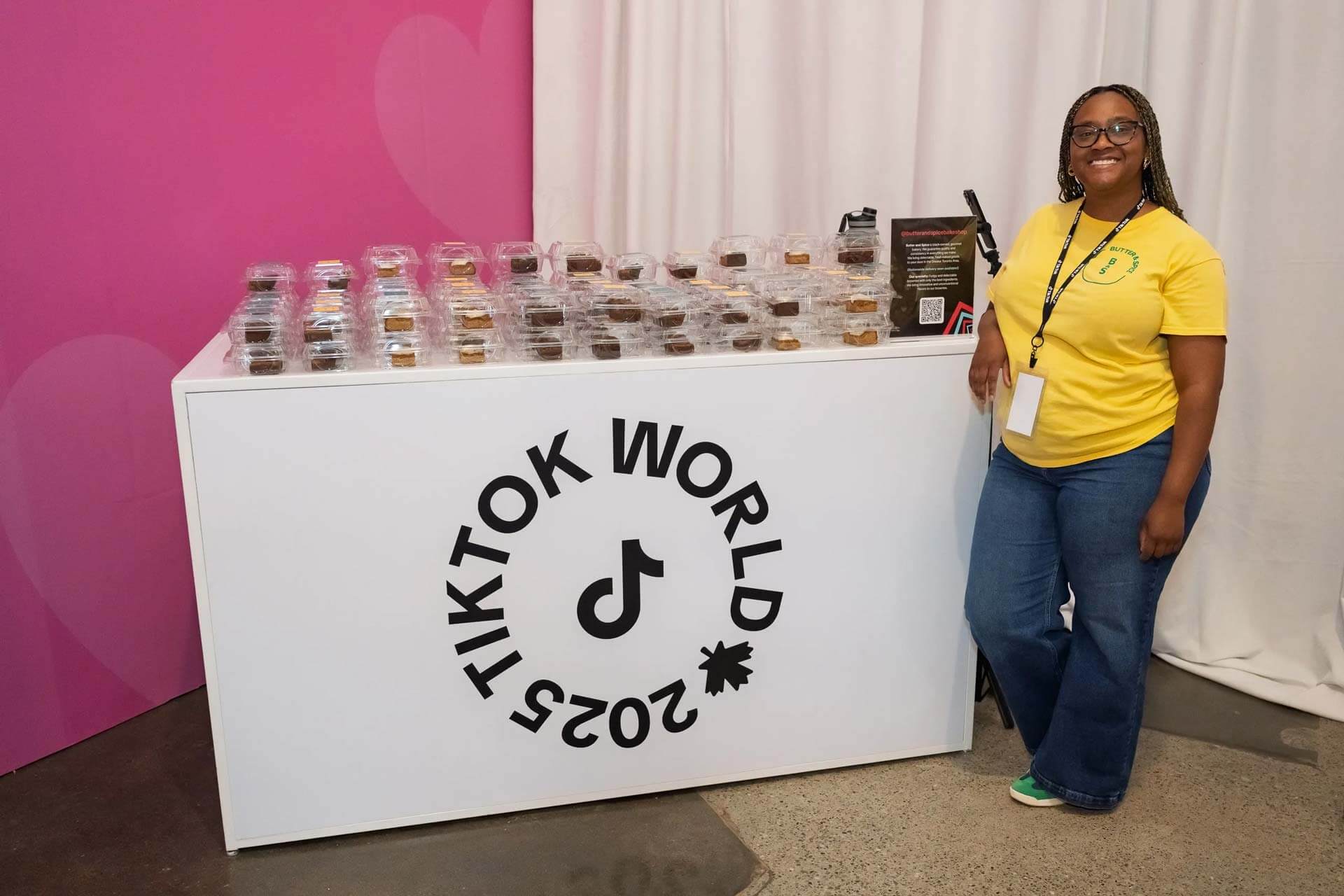
Every great TikTok event understood that the camera eats first, which meant the food program had to be as cinematic, scroll-stopping, and culturally fluent as the content we were showcasing on stage. From perfectly striped popcorn cartons designed to pop on vertical video to frosted cookies stamped with the TikTok note and custom color palettes that matched the visual identity, each offering was conceived as both hospitality and content fuel. We treated catering as an extension of creative direction, storyboarding how items would appear in hands, on tables, and across feeds, ensuring they were instantly recognizable, highly photogenic, and aligned with the platform’s playful yet premium tone. Partnering with local vendors who understood the nuances of the community allowed us to embed regional flavor while maintaining brand consistency, turning snack moments into shareable rituals and reinforcing a repeatable playbook where taste, texture, and visual delight worked together to create memory, engagement, and organic reach long after the last bite.
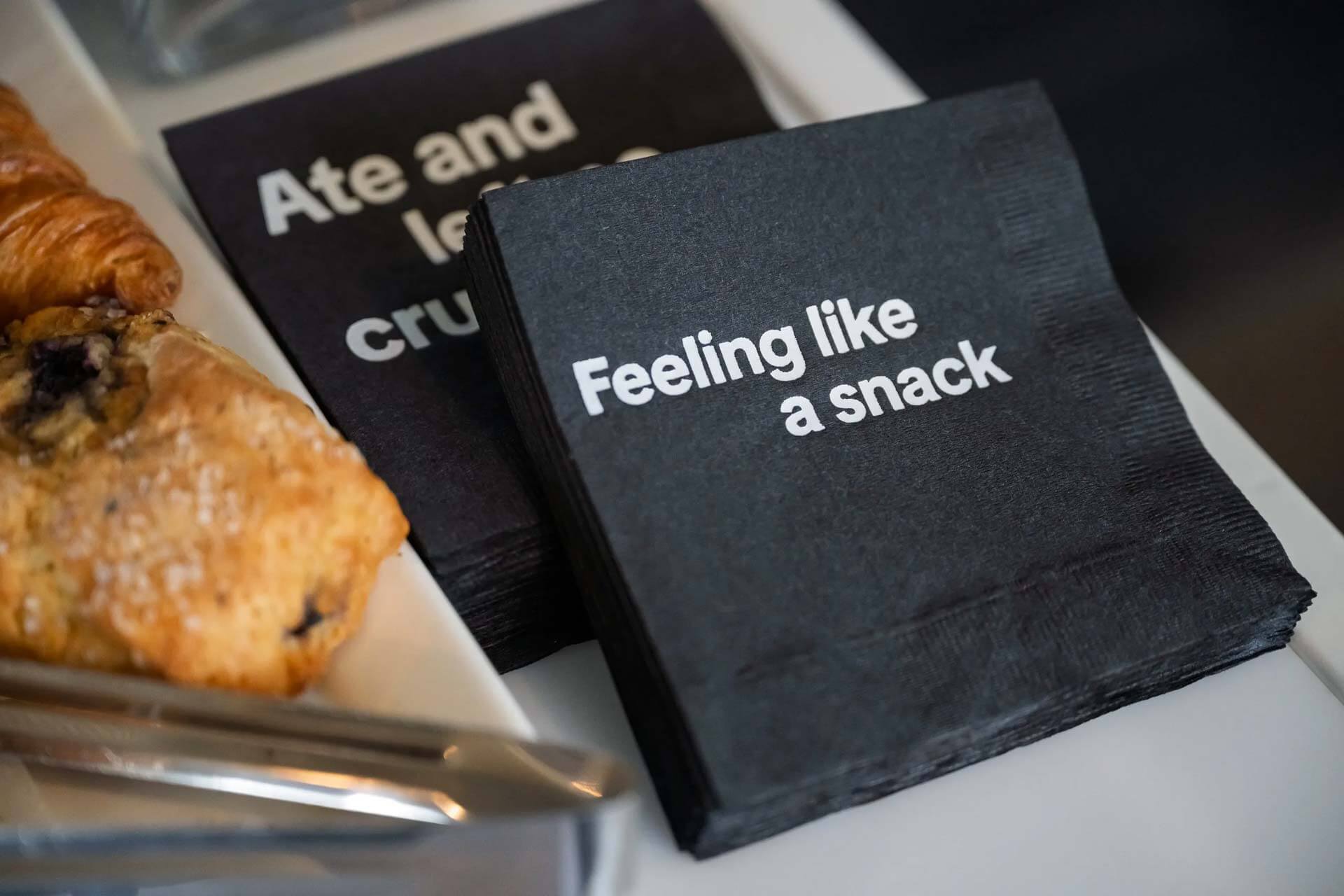
To balance the technical depth of the product showcases, we worked closely with the copywriting team to seed moments of levity and brand voice throughout the environment. This extended far beyond keynote scripts into microcopy across drink menus, cocktail napkins, tote bags, and signage. A spicy margarita wasn’t just a beverage, it became “algorithm-approved heat,” while napkins carried quips about “spilling tea, not data.” These small touches acted as pressure valves, giving attendees permission to smile, take photos, and share, which in turn amplified organic social reach. The copy functioned as connective tissue between the serious business of ad tech and the playful spirit that defines TikTok’s community.
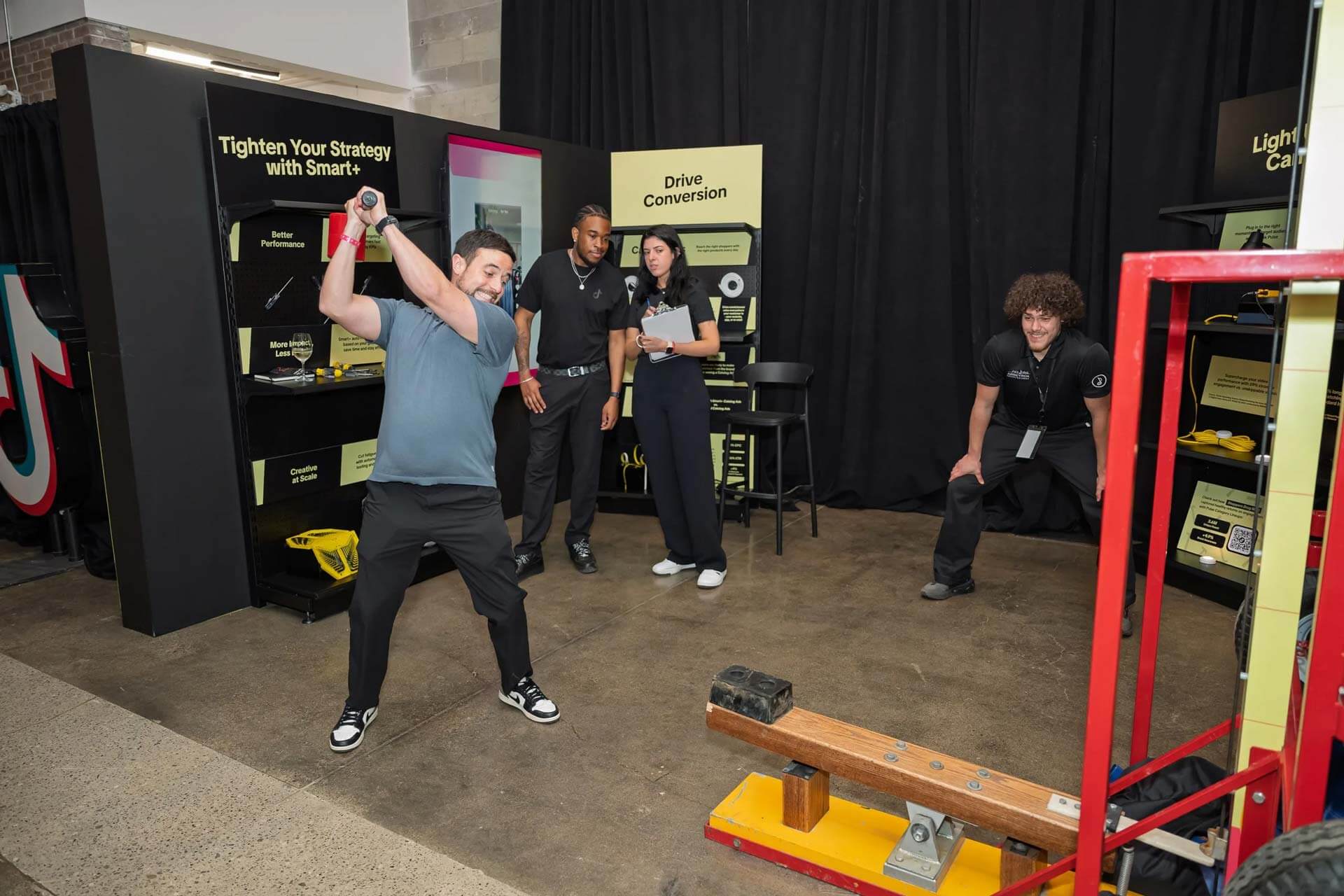
Smart+ and TikTok One emerged as cornerstone pillars of the platform’s enterprise offering, designed to operationalize creativity and performance at scale across every region where TikTok operates. Smart+ reframed campaign management through automation, predictive modeling, and asset-level optimization, allowing advertisers to input business objectives, creative variables, and budget parameters while the system dynamically orchestrated delivery against the highest-value audiences. By collapsing manual media buying workflows into an AI-assisted decision engine, Smart+ enabled brands to move at the speed of culture while maintaining efficiency, brand safety controls, and measurable outcomes across awareness, consideration, and conversion. Its architecture was intentionally modular, allowing regional teams to localize inputs while benefiting from a unified optimization framework that improved with every campaign iteration globally.
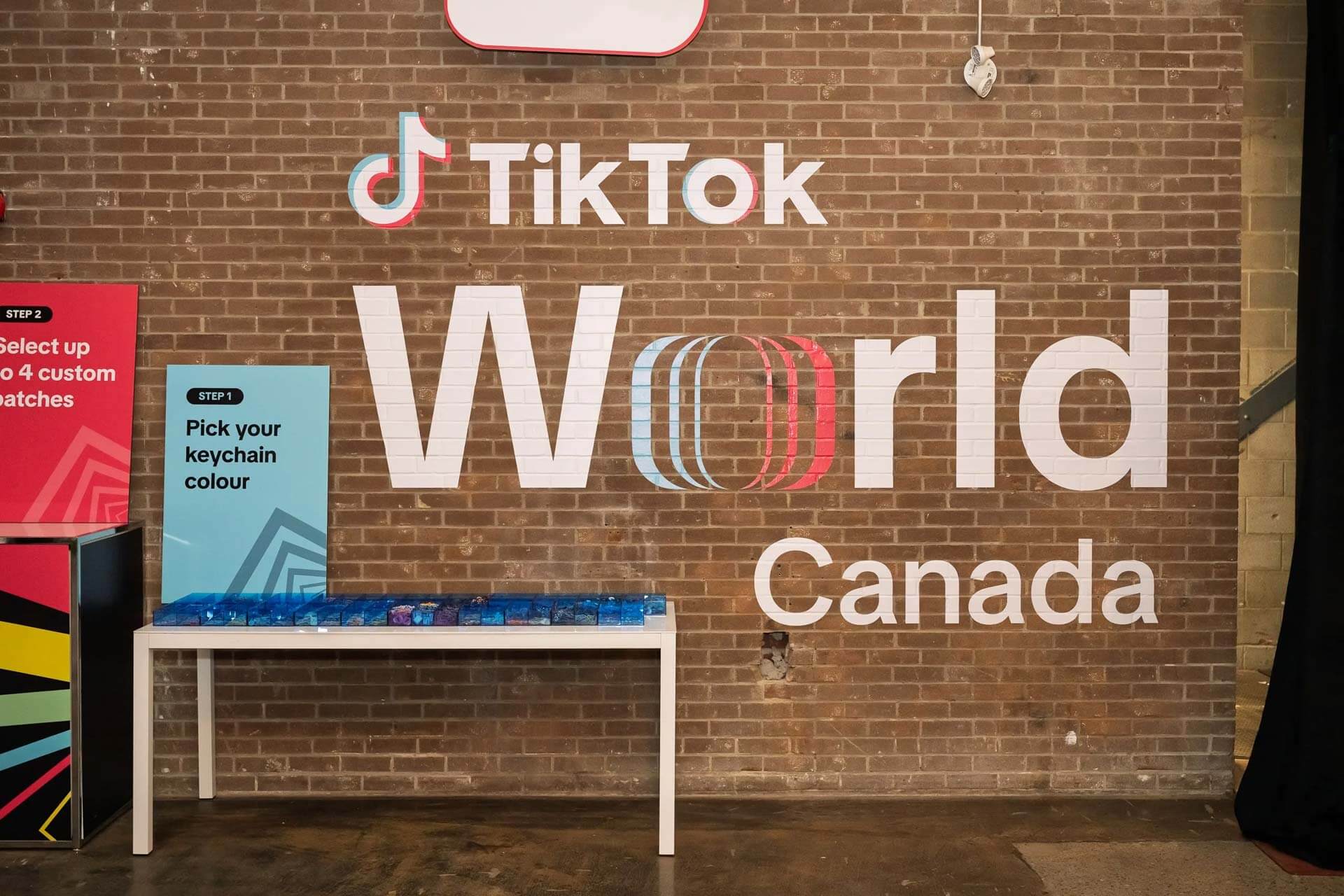
TikTok One complemented this by functioning as the connective tissue of the creative ecosystem, a centralized platform where marketers could access creators, vetted partners, trend intelligence, and production tools within a single environment. Rather than treating creative as a fragmented upstream task, TikTok One embedded ideation, sourcing, licensing, and performance insights into one continuous workflow, making TikTok-first execution both scalable and repeatable across markets. This unified approach allowed regional teams to tap into global learnings while tailoring outputs to cultural nuance, ensuring that a campaign developed in New York, Toronto, or London could share a strategic backbone while feeling native to local audiences. Together, Smart+ and TikTok One signaled a maturation of the platform from a media channel into an end-to-end marketing infrastructure, where automation and creativity were not opposing forces but interdependent systems designed to turn attention into sustained business impact.
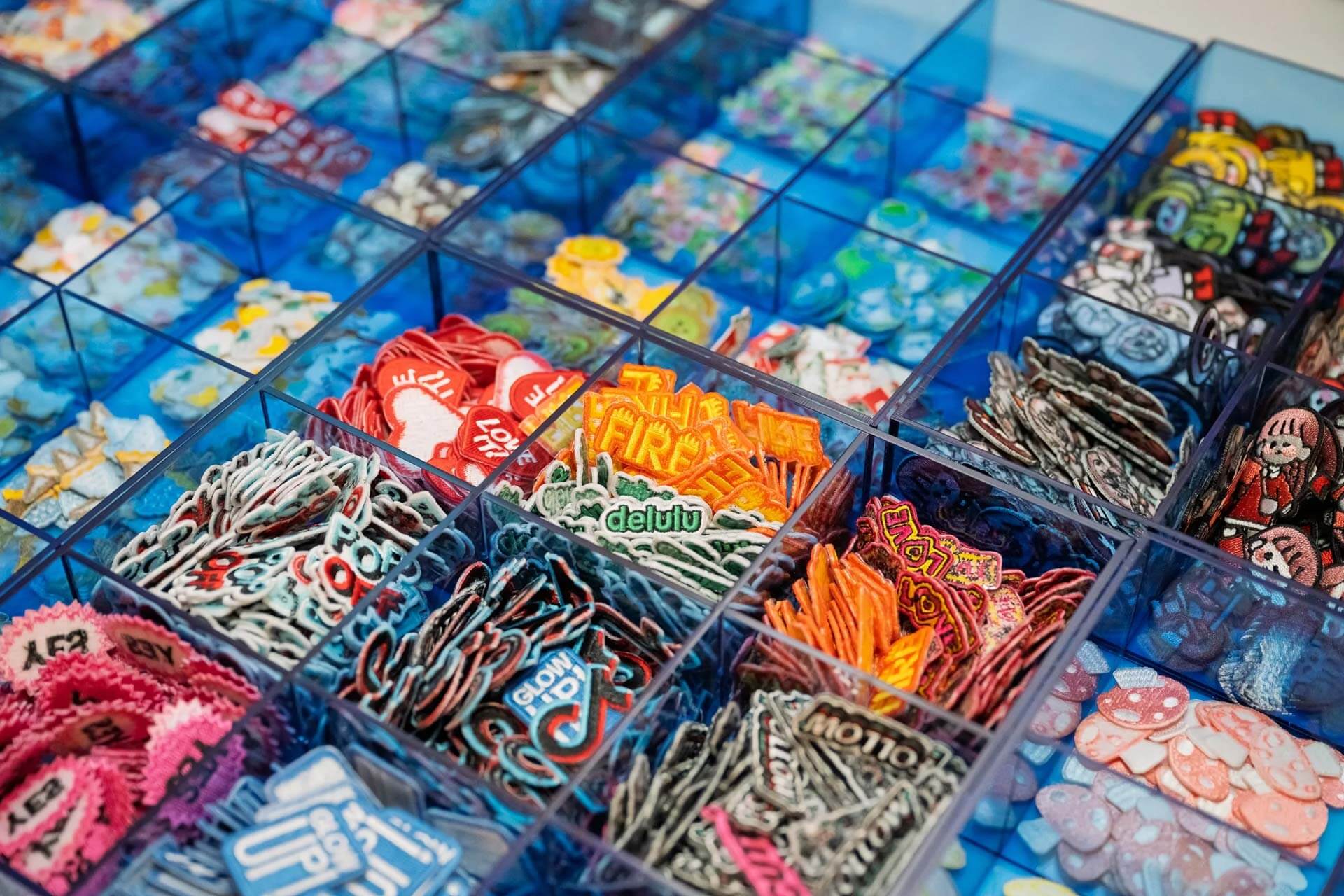
Customization has evolved from a novelty into an industry expectation, with brands like Nike Maker Lab and Coach’s charm bars redefining retail as a participatory experience rather than a transactional one. Audiences now anticipate the ability to leave with something that reflects their identity, not merely the brand’s logo, and this shift has transformed swag from passive merchandise into an interactive storytelling tool. Incorporating patches, pins, heat transfers, and modular add-ons into our event swag allowed attendees to co-create their takeaways in real time, turning a tote bag or cap into a personalized artifact that documented their presence and perspective. This approach aligned with a broader experiential trend where customization signals care, exclusivity, and cultural fluency, reinforcing the idea that the brand sees and values the individual.
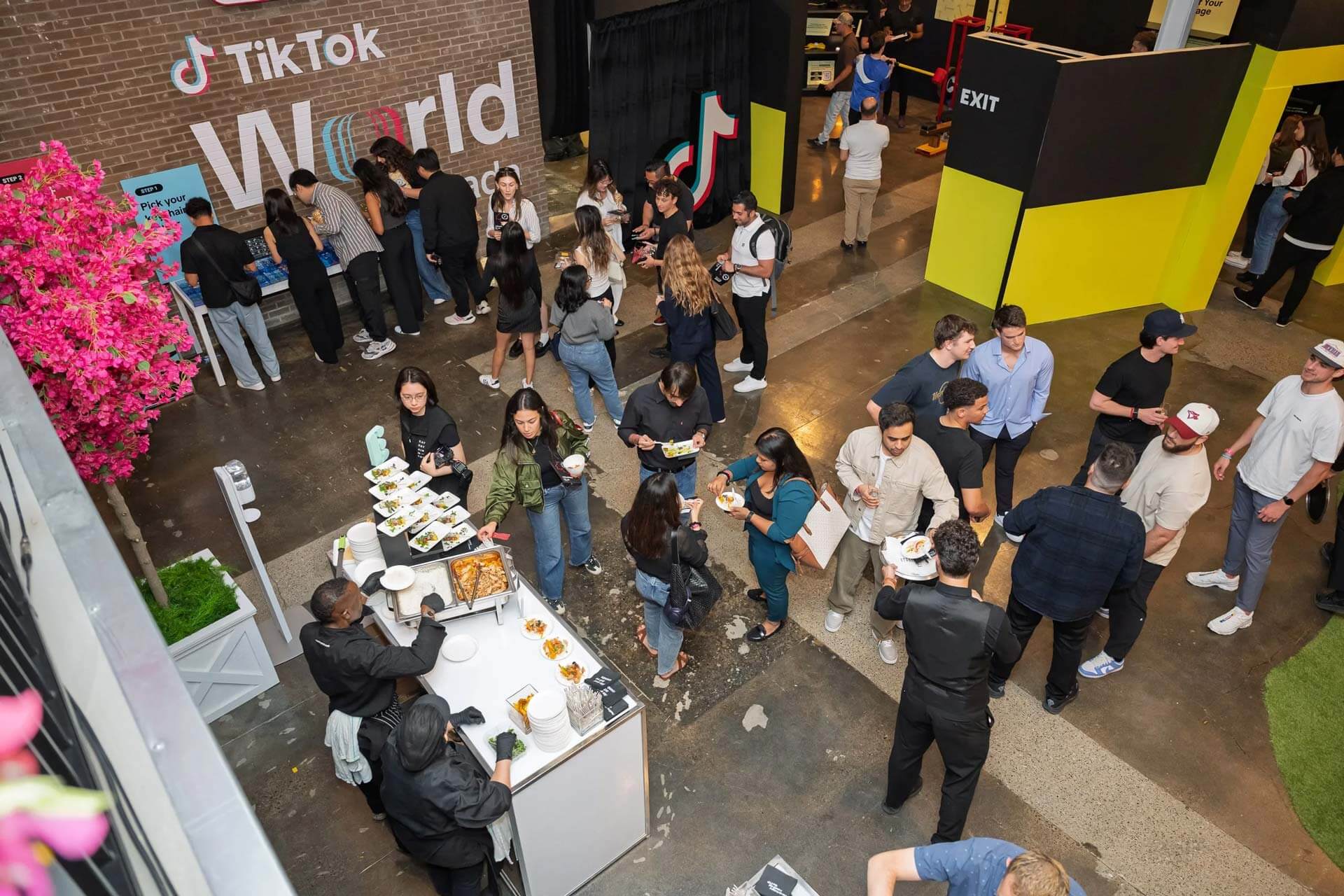
By designing swag stations as micro-activations rather than afterthoughts, we created moments of dwell time, social sharing, and organic conversation that extended the lifecycle of the event beyond the venue walls. Personalization invited attendees to slow down, engage with staff, and make deliberate creative choices, which in turn deepened emotional investment and memory retention. The resulting pieces functioned as mobile media, carried into offices, conferences, and daily life, amplifying brand visibility through authentic, user-driven distribution. In a landscape where attention is fragmented and audiences are increasingly immune to generic giveaways, interactive customization proved to be a strategic lever, transforming simple merchandise into meaningful, shareable experiences that felt both premium and personal.
The “Sip and Yap” drink station translated our NewFronts visual identity into a tactile, social touchpoint, transforming a simple beverage bar into a branded conversation hub. Drawing from the same graphic language of bold typographic lockups, playful copy, and color-blocked surfaces, the station felt like a living extension of the event’s design system rather than a standalone amenity. Custom cups, napkins, and menu boards carried quippy, platform-native phrases that mirrored the tone of the For You Page, encouraging attendees to literally sip while they networked, ideated, and exchanged takes. The result was a hospitality moment that doubled as a content engine, with the vibrant setup and cheeky messaging inviting photos, Stories, and casual documentation that extended the event’s reach across social feeds. By embedding visual identity into a functional space, the drink station reinforced the idea that every touchpoint, no matter how small, could carry brand voice, spark connection, and make the environment feel unmistakably TikTok.

The tote bags became roaming billboards for this tonal balance. Instead of generic event swag, we used culturally fluent, platform-native language that felt like it belonged in a comment thread rather than a conference hall. Lines that nodded to FYP culture, creator hustle, and brand cringe versus brand win sparked conversation among attendees and encouraged user-generated content as people photographed and posted their favorites. In a space dense with product terminology and performance metrics, these moments of wit humanized the experience and made the brand feel self-aware and culturally literate.
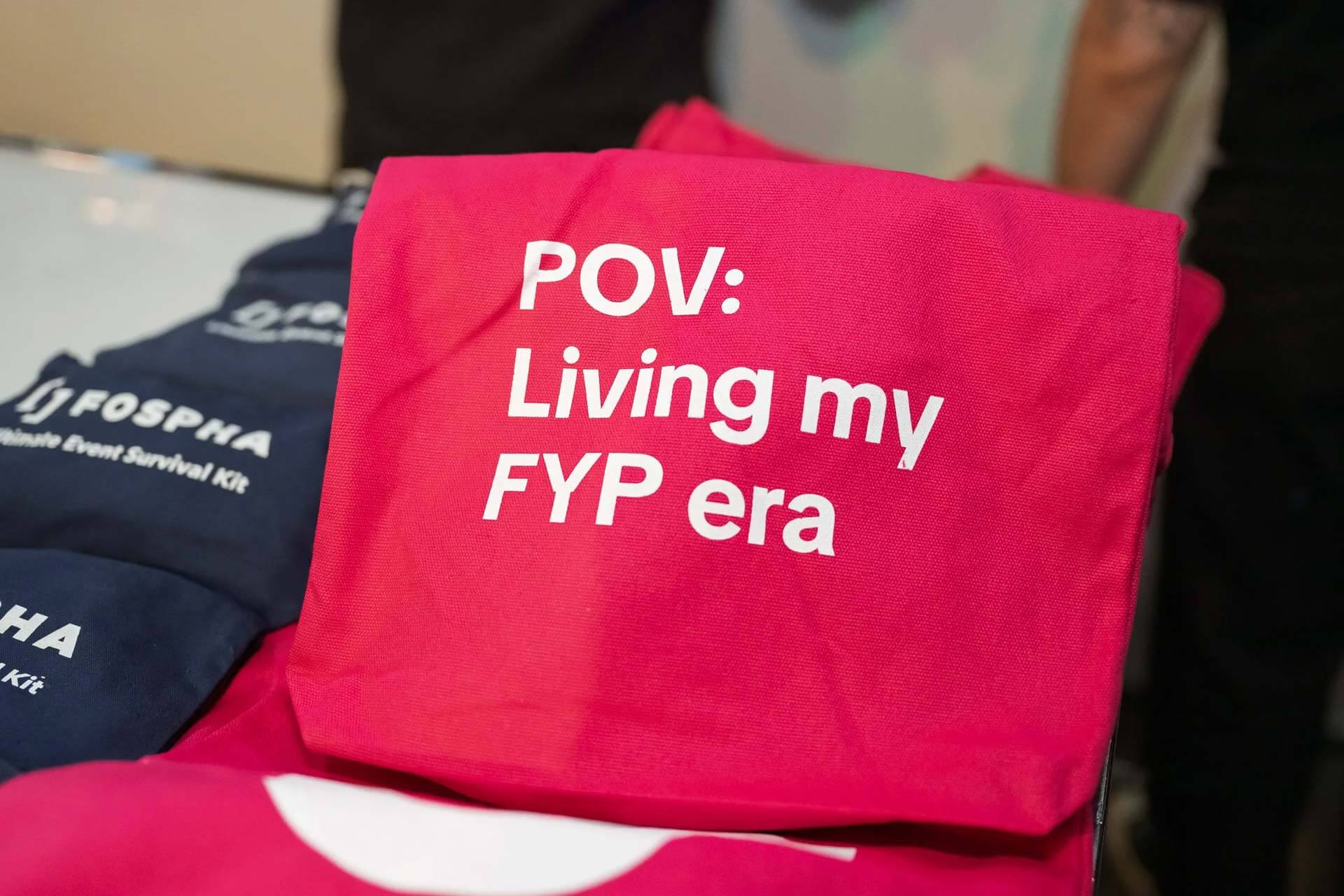
Being the creative force behind these TikTok World experiences meant translating complex ad tech, AI tooling, and full-funnel marketing solutions into environments that felt human, intuitive, and culturally alive rather than technical or transactional. My role sat at the intersection of brand storytelling, spatial design, and product education, ensuring every touchpoint, from stage visuals to interactive demos to hospitality moments, functioned as a narrative bridge between innovation and real business value. By embedding product flows into experiential moments and designing for participation rather than passive consumption, we transformed abstract features like automation, creator marketplaces, and performance measurement into tangible, memorable interactions that attendees could see, touch, and immediately understand. This approach not only deepened comprehension and trust but also accelerated adoption, turning curiosity into pipeline, and engagement into measurable revenue impact. In a landscape where attention is scarce and skepticism toward advertising platforms runs high, humanizing the technology through thoughtful creative direction became a strategic lever, positioning TikTok not merely as a media channel but as an indispensable growth partner integrated into the daily workflows of modern marketers.
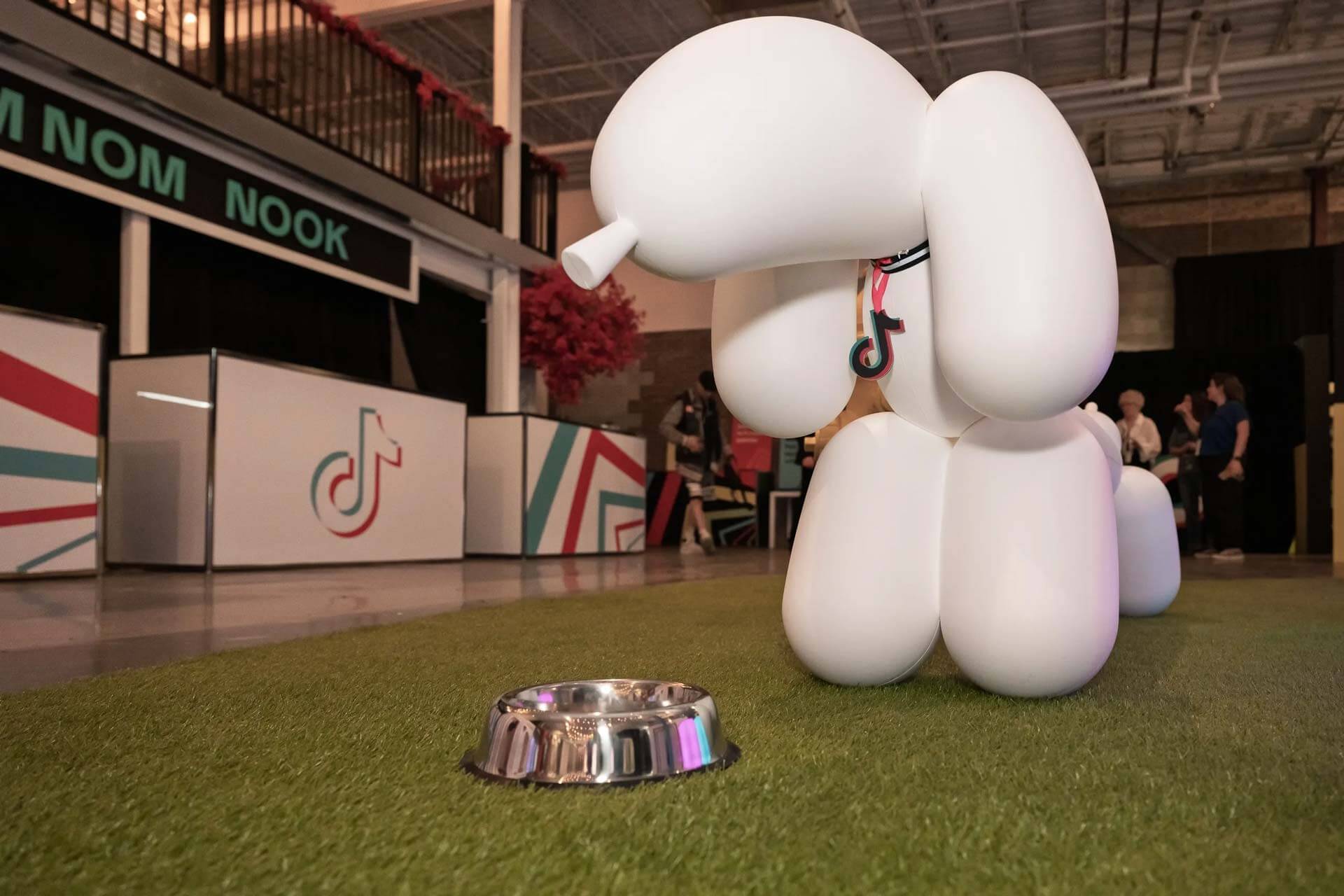
TikTok World, taken as a whole, evolved from a product showcase into a global operating system for how the company communicates value to the market. Across regions and iterations, the event matured into a full-funnel narrative engine that aligned brand marketing, product education, creator ecosystems, and commerce enablement under one cohesive umbrella. What began as a summit for advertisers became a strategic platform for demonstrating measurable business outcomes, with programming designed to move attendees from inspiration to implementation within a single day. By standardizing core modules such as creator integrations, AI-powered creative tools, search and commerce demos, and certification pathways, the event established a repeatable framework that could be localized without losing fidelity, enabling regional teams to scale impact while maintaining global consistency.
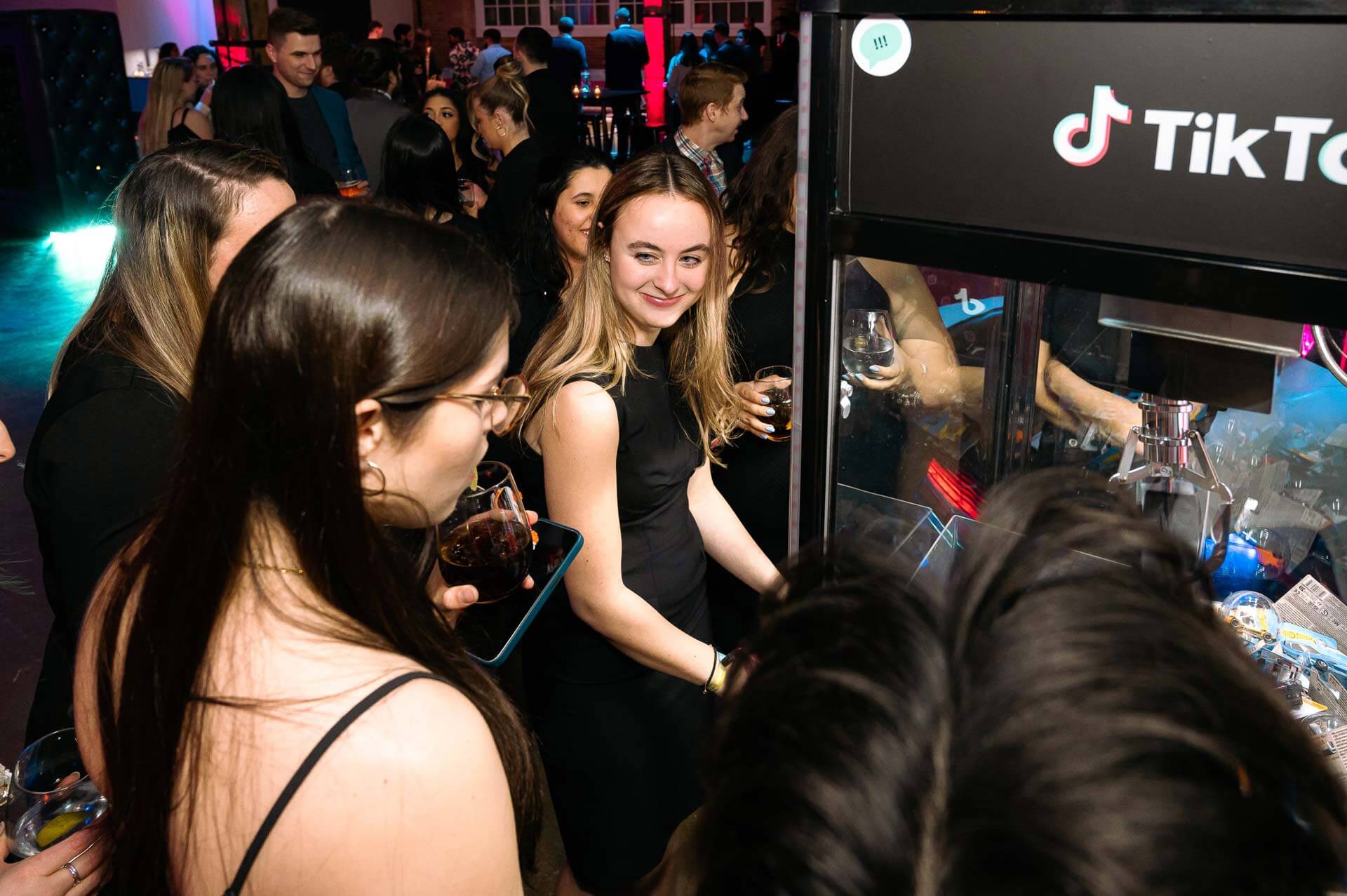
From an industry standpoint, TikTok World repositioned the company alongside legacy tech keynotes while maintaining a distinct cultural edge that competitors struggled to replicate. Trade coverage and analyst commentary increasingly framed the event as a bellwether for where digital advertising was heading, particularly in the convergence of AI, creator-led commerce, and full-funnel measurement. The cumulative impact across years was measurable in both perception and performance: stronger brand trust among marketers, increased share of media budgets, and a growing recognition of TikTok as a discovery engine rather than a supplementary social channel. In an ecosystem where attention translates directly into revenue, TikTok World became the proof point that culture, creativity, and commerce are no longer separate disciplines but interdependent drivers of modern marketing success.
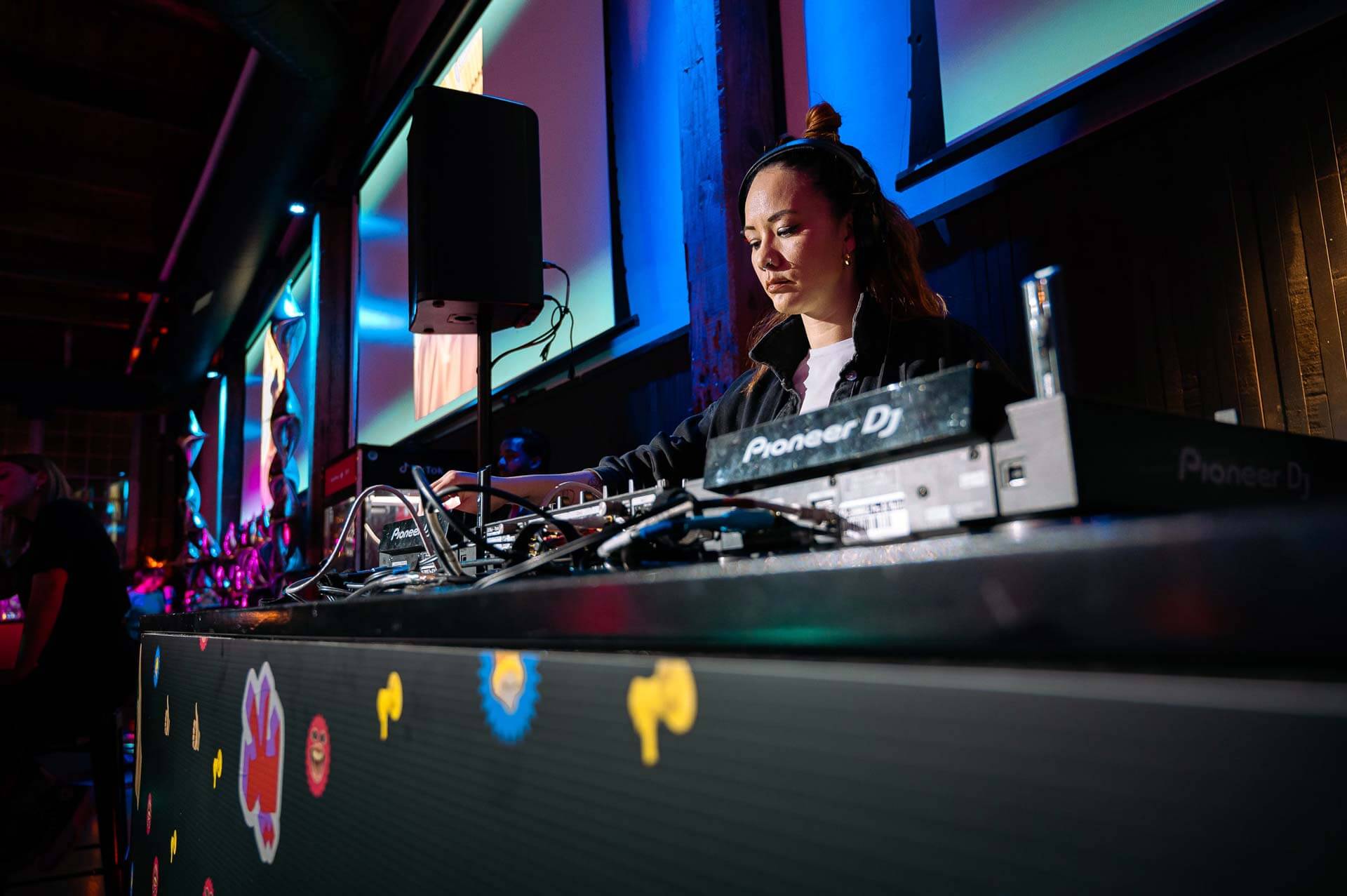
The DJ booth itself was integrated into the scenic design rather than treated as an afterthought. Branded scrims, reactive lighting cues, and LED visualizers synced to the beat created a feedback loop between music and motion, turning the space into a live embodiment of the For You Page. As attendees loosened up and stepped onto the floor, brand marketers who had spent the morning discussing performance automation and MMM models suddenly found themselves inside the very cultural engine they were trying to harness. That emotional shift mattered. It reframed TikTok not as an abstract media channel but as a visceral, communal experience that drives real-world behavior and memory. This interplay between high-density product education and low-stakes cultural touchpoints was intentional. We understood that cognitive load is real at industry events, and that retention improves when information is paired with emotional texture. By embedding humor and personality into unexpected surfaces, from bar menus to wayfinding signage, we created a rhythm between focus and release. Attendees could move from a deep dive on automation tools to a laugh over a cleverly worded coaster, then onto the dance floor, carrying both the knowledge and the feeling with them.
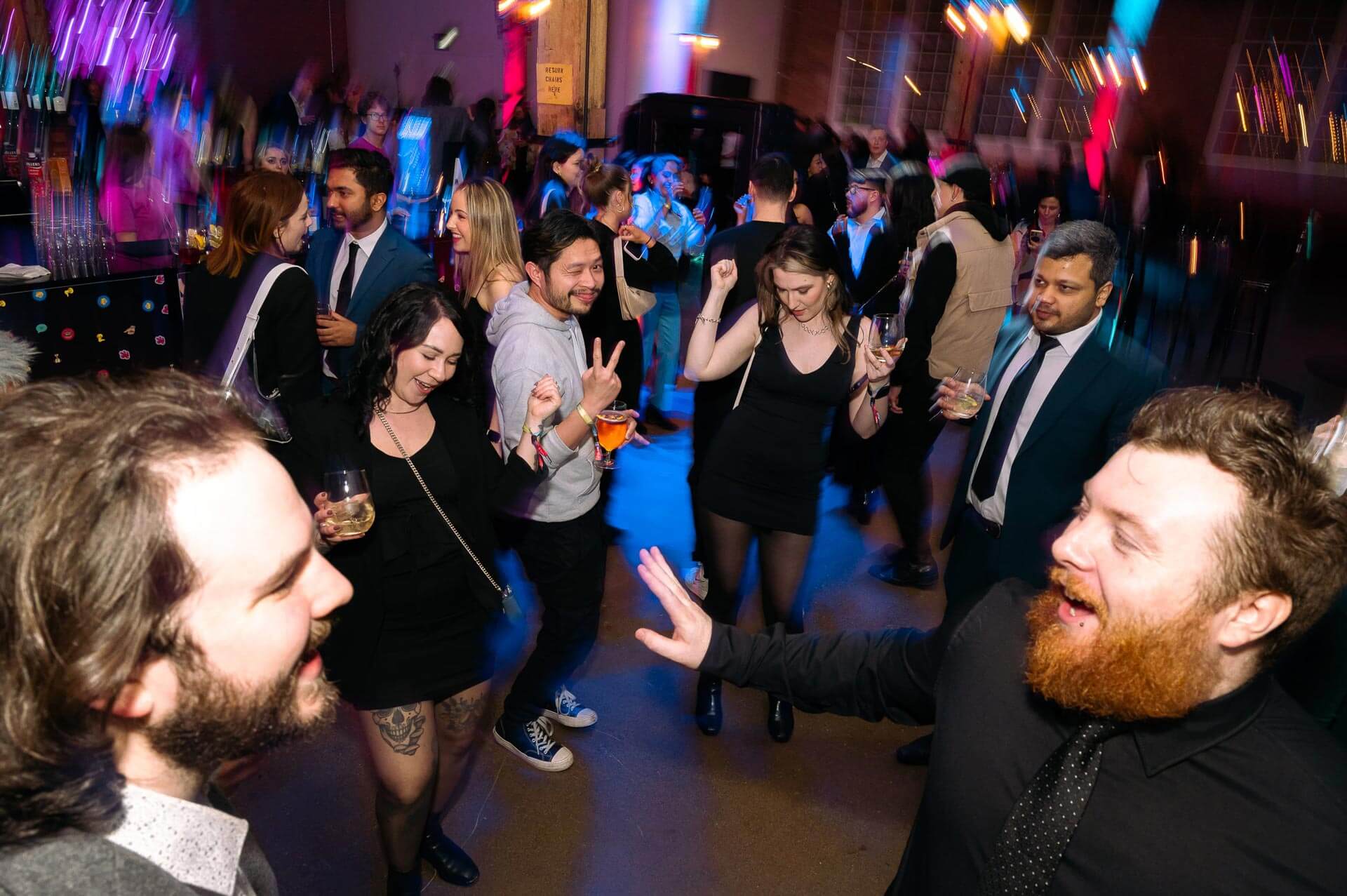
In the end, the DJ and copywriting elements were not decorative extras but strategic tools. They ensured the event delivered on TikTok’s core promise: entertainment that drives impact. By orchestrating a space where people could learn, laugh, move, and share within the same ecosystem, we demonstrated that brand experiences can be both intellectually substantive and culturally alive. That balance is what made the Canada event memorable and what continues to differentiate TikTok World from the sea of conventional industry gatherings.
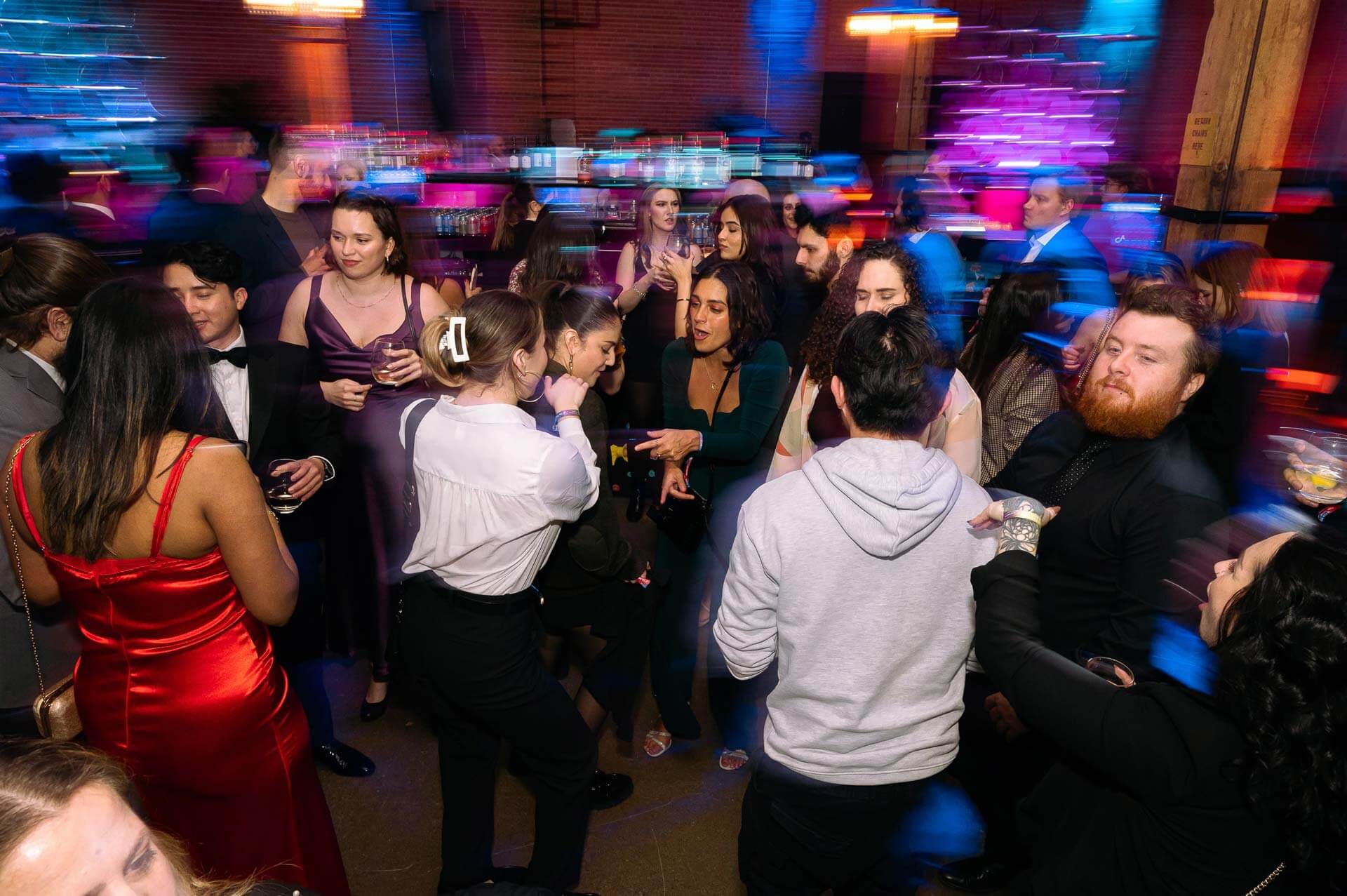
The cross-regional learnings were profound. North America proved the effectiveness of immersive product storytelling, while Canada validated the importance of search and automation narratives for mid-market and enterprise adoption. Brazil and Mexico demonstrated that community-led programming and creator co-hosting significantly increased engagement time and social amplification, reinforcing that cultural fluency drives performance. Across markets, data showed that attendees who participated in interactive demos and workshops were far more likely to activate new ad products within a quarter, translating experiential engagement into tangible revenue growth. The consistent uplift in advertiser adoption, increased certification enrollments, and expanded partner pipelines underscored the event’s role not as a brand exercise but as a revenue-driving mechanism embedded within TikTok’s go-to-market strategy.
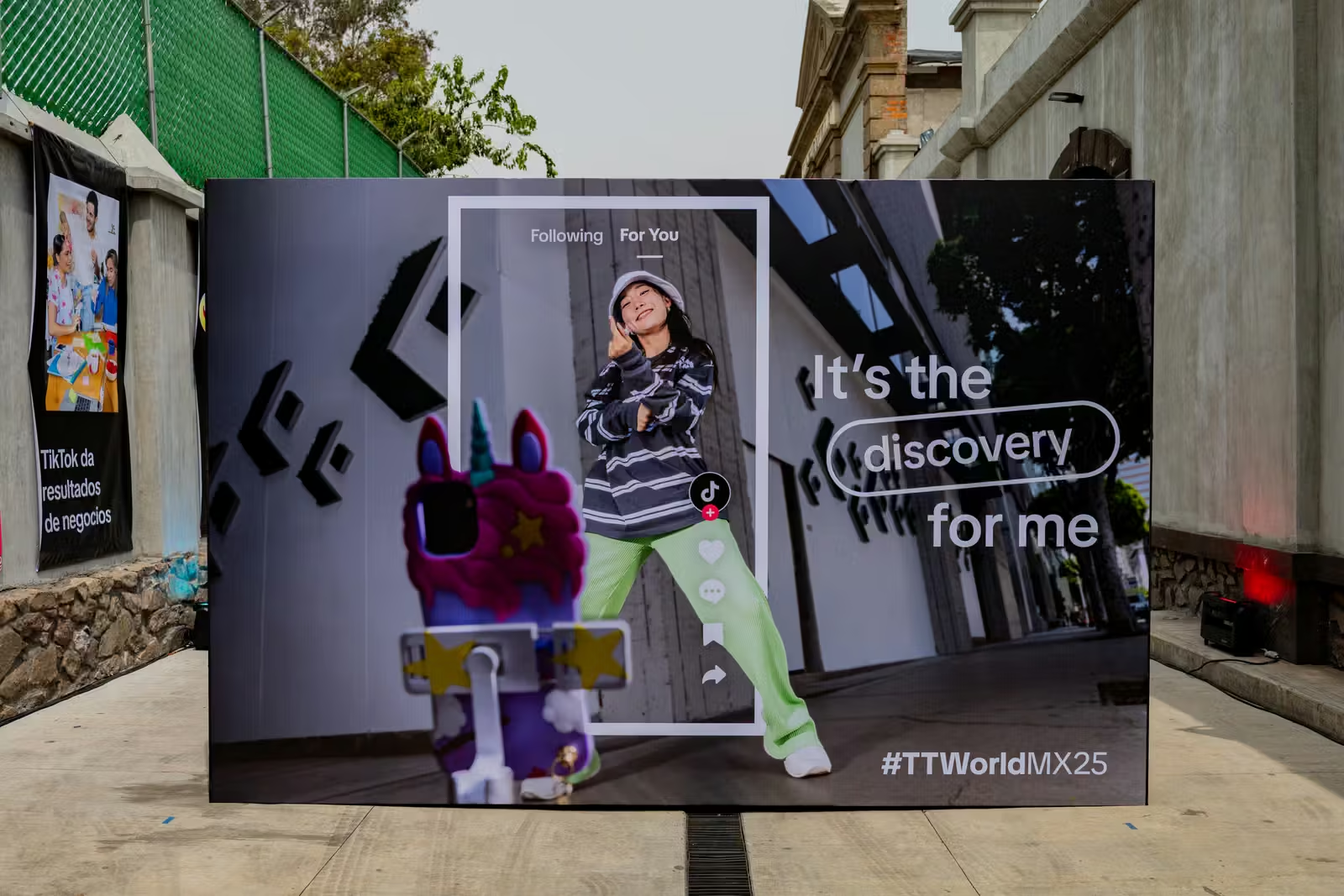
In Mexico, the Mexico City activation further stress-tested the portability of the TikTok World framework, requiring nuanced adaptation for a market defined by hybrid commerce behaviors, creator entrepreneurship, and a deeply social event culture. Operating remotely, I provided art direction and systems oversight, guiding local teams through spatial programming, branded environment fabrication, and the integration of Smart+ and TikTok One product narratives into physical touchpoints. We localized copy and wayfinding into Spanish while maintaining typographic rhythm and ensuring legibility across high-contrast environments, particularly in sunlit atrium conditions common to the selected venue. The production approach emphasized modular scenic elements, allowing rapid load-in and strike while supporting multiple content capture angles for creators and press, a critical requirement in a market where earned media velocity is high. We also calibrated hospitality and customization stations to reflect regional tastes, integrating local vendors and culturally resonant design motifs without diluting the core visual language.
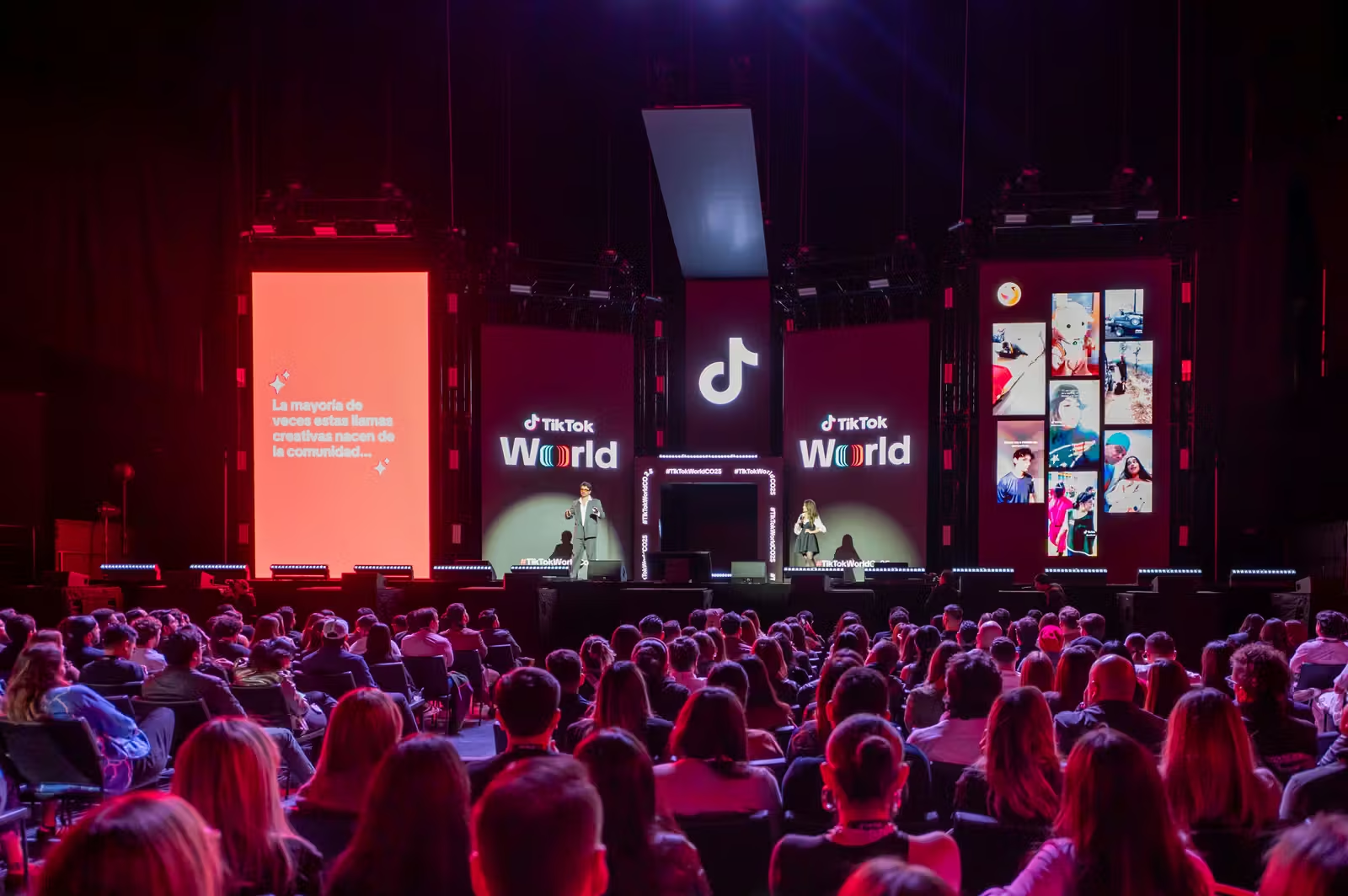
As TikTok World expanded into Brazil, the event framework evolved into a modular, regionally adaptable system that preserved core brand equity while allowing for culturally fluent expression. I continued in a creative consultant and art director capacity, translating the North America playbook into a scalable toolkit that local teams could operationalize across São Paulo’s venue constraints, audience behaviors, and regulatory considerations. This included delivering a comprehensive production bible covering spatial zoning, stage sightlines, motion graphics packages, and interactive product demo flows, ensuring fidelity to the global visual identity while enabling localized storytelling. We established a cloud-based asset pipeline and templated design system that allowed Brazilian partners to version typography, color accents, and copy tone for Portuguese without compromising typographic hierarchy or accessibility standards. Close collaboration with regional experiential vendors ensured lighting temperature, LED calibration, and projection mapping adhered to the brand’s chromatic specifications, preserving gradient integrity and motion smoothness on stage surfaces. The São Paulo execution leaned into music, dance, and creator-led energy, so we architected flexible engagement zones that could toggle between workshop formats and high-throughput social moments optimized for capture and shareability.
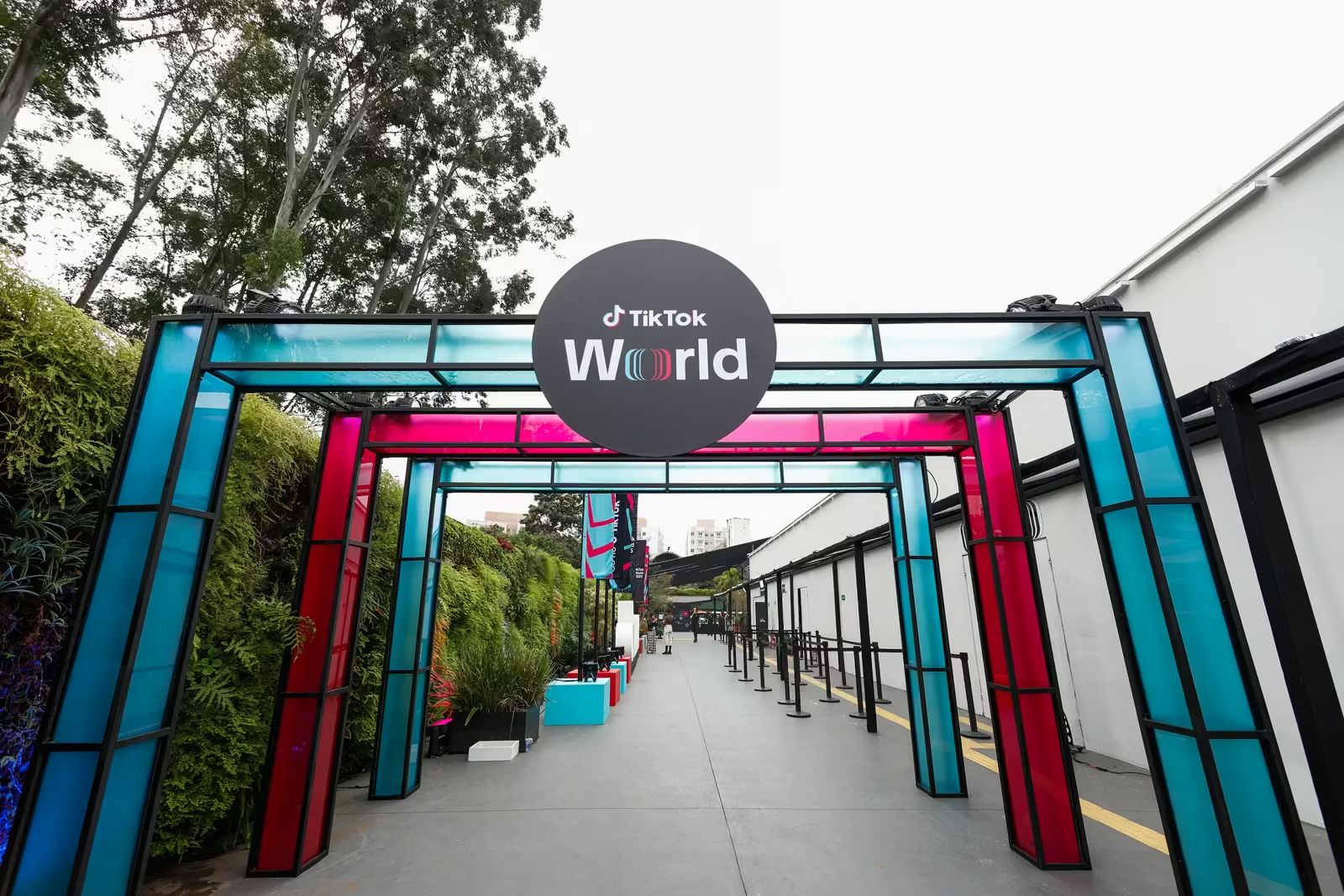
Key Collaborators: Lizzy Petigrew, Gabrielle Espinet, Hyunjin Park, Vanessa Rizk, Elena Robusteli, Gideon Mocriefe, Emma Tobin, Crystal Yin, Josephine Minnow, Jen Pincus, Hamilton Tamayo, Eric Schroeder, Henry Kaye, Kenneth Liew, Josh Young, Nurys Castillo, Michael Hinson, Tracy Lewyelln, Jessica Doren, Joy Seet, Dwight Holden, Ashley Rutland, Maya Shedashri, Yvette Banks, Justin Snow, Sandra Manzanares, Malia Estes, Sofia Hernandez, Yvonne Cheng, Anand Ghalot, Joshua Bloom, Mah Lobo, Eduardo Lyl, Erin Piller, Farayal Ali, Civic, Design Force, Streamline Event Agency, Wizardry
Tools: Adobe Creative Suite, After Effects, Figma, Cinema 4D, and Sketch.
Deliverables: Immersive installations, branded activations, co-branded workshops, executive speaking engagements, and integrated design narratives.