

Fashion has become one of TikTok’s fastest growing and highest revenue driving verticals, fundamentally reshaping how trends are born, how they travel, and how they translate into real world demand. What once moved seasonally through magazines, runways, and retail calendars now moves continuously through creators, communities, and culture. On TikTok, fashion discovery is no longer aspirational at a distance. It is participatory, iterative, and emotionally resonant, with trends emerging from everyday creators and accelerating through remix, commentary, and collective validation. This shift positioned the platform not only as a mirror of fashion culture, but as an engine for taste making and commerce, where inspiration and conversion increasingly collapse into the same moment. As Design Director, I helped lead the creative vision for TikTok’s Fashion Week and Fashion Month initiatives across global markets, partnering closely with fashion leadership, product teams, and regional stakeholders to define how the platform showed up in the industry. My role spanned concepting and creative direction through execution, overseeing immersive digital experiences, in app campaigns, and large scale moments that brought brands, designers, and creators into a shared cultural space. We developed flexible visual identity systems, event branding, and creator forward content toolkits that allowed high fashion to feel native to TikTok’s language rather than imposed on it. The work was designed to respect the codes of luxury while embracing the openness, humor, and authenticity that define the platform. From New York to Paris and Milan, these campaigns reframed the runway as something lived rather than observed, celebrating self expression, accessibility, and discovery alongside craftsmanship and design. By grounding fashion moments in community and creativity, we helped position TikTok as a legitimate cultural force within the global fashion ecosystem while proving its ability to drive tangible business outcomes. The result was not only increased relevance with designers and luxury houses, but measurable impact for emerging and established brands alike, demonstrating that TikTok could sit at the intersection of culture, creativity, and commerce in a way no other platform could.


“TikTok lets you experiment publicly. You don’t have to be right the first time. Style becomes something you refine in conversation with people, not something you perfect in private.” - Wisdom Kaye
Fashion on TikTok is a uniquely fluid vertical, shaped less by institutions, seasons, or gatekeepers and more by participation, velocity, and cultural feedback. Style does not arrive fully formed or sanctioned by authority. It emerges in public, evolves through iteration, and earns legitimacy through resonance, remix, and collective response. What makes the platform distinct is that fashion is not positioned as aspiration at a distance, but as something lived, tested, and refined in real time. A fit is posted, reinterpreted, debated, and reworked, often within hours. Identity is not styled once, it is authored continuously. This fundamentally alters how fashion operates, collapsing the distance between inspiration, validation, and adoption. Designing for fashion in this environment required rethinking the category from the ground up, not as a fixed aesthetic system, but as a living, community driven language that moves at the speed of culture. The work began with establishing a clear creative point of view for how fashion should exist on TikTok, one that could respect the heritage, craft, and symbolic weight of fashion while translating it into something expressive, participatory, and emotionally legible within native behaviors like sound, motion, humor, and creator led storytelling. Rather than importing traditional fashion tropes wholesale, we focused on distilling their essence and rebuilding them in a way that felt native to the platform’s grammar and rhythms. That translation demanded systems over spectacles. One off moments could generate attention, but they could not sustain culture. We focused on building flexible visual identity systems, motion principles, and narrative frameworks that could scale across regions, creators, and brands without collapsing into sameness or chaos. These systems needed to hold both luxury and accessibility at once, allowing established fashion houses and emerging designers to participate without diluting their own identities. Early virtual expressions became a proving ground for this thinking, allowing us to experiment at speed, observe how communities responded, and codify what resonated before expanding further. As the platform’s role within the global fashion ecosystem became undeniable, those early foundations enabled a broader and more confident evolution. Fashion experiences extended into physical and hybrid expressions, with IRL events, pop ups, and shows designed as extensions of the in app narrative rather than isolated spectacles. In parallel, the work moved deeper into the TikTok Shop ecosystem, aligning fashion storytelling with discovery and conversion, and helping brands rethink how inspiration translates into action in a creator led environment. Throughout the journey, the central challenge was not trend chasing or aesthetic novelty, but continuity, designing durable creative infrastructure that could evolve alongside culture while keeping fashion on TikTok rooted in self expression, accessibility, and cultural relevance.


.jpg)
.jpg)
.jpg)


For most of the last century, culture moved through narrow corridors. Style was mediated by glossy magazines, linear television, and guarded runways where a small group of editors, buyers, and broadcasters decided what mattered and when it would arrive. Fashion flowed downstream as decree rather than dialogue. But the digital present collapsed those hierarchies, and TikTok emerged as a living field recording of the zeitgeist, where taste is no longer issued but discovered. Here, the runway dissolves into the everyday. A bedroom mirror becomes a catwalk. An algorithm replaces the gatekeeper. What once required invitation now requires intuition. Fashion becomes less about access and more about attunement.
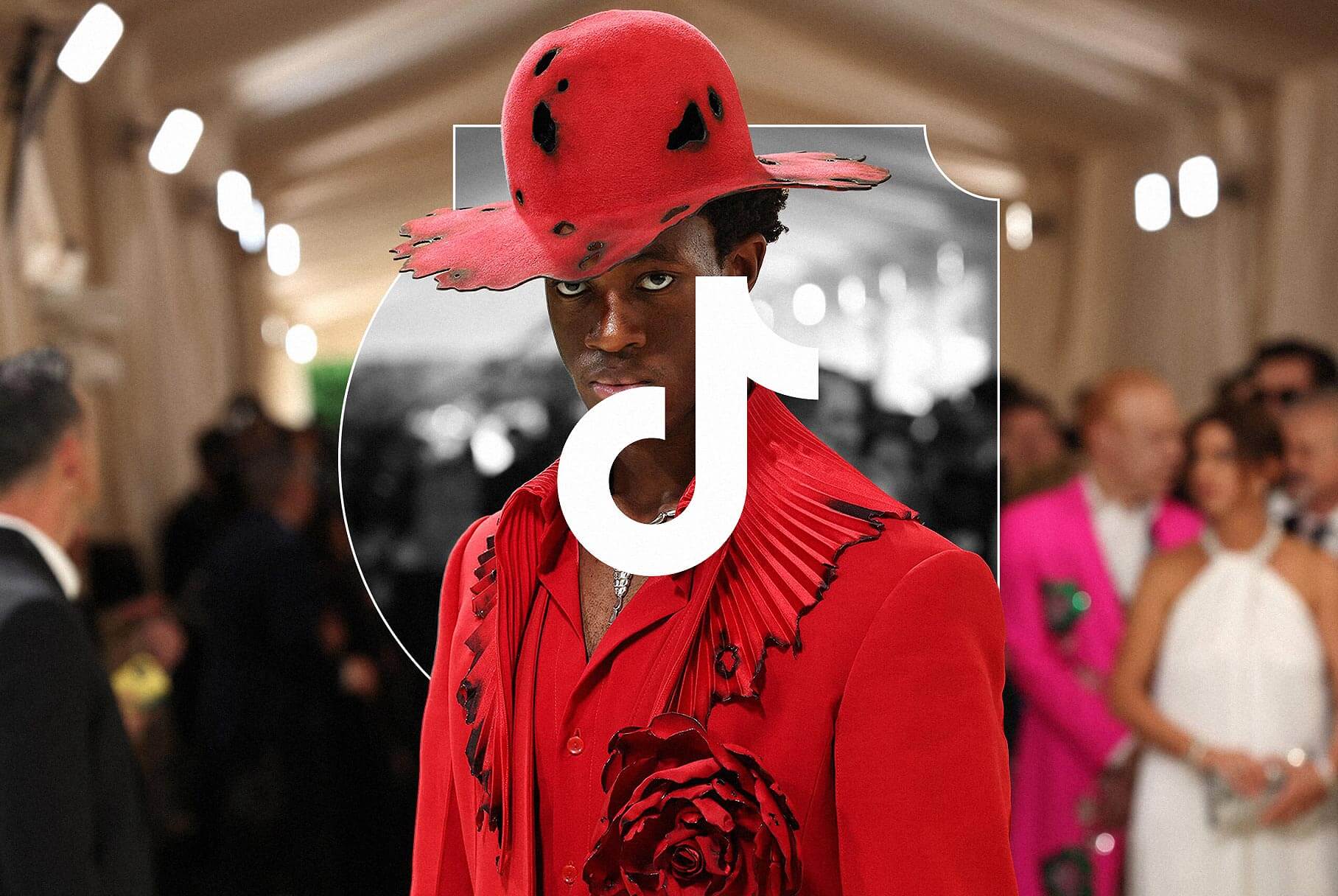
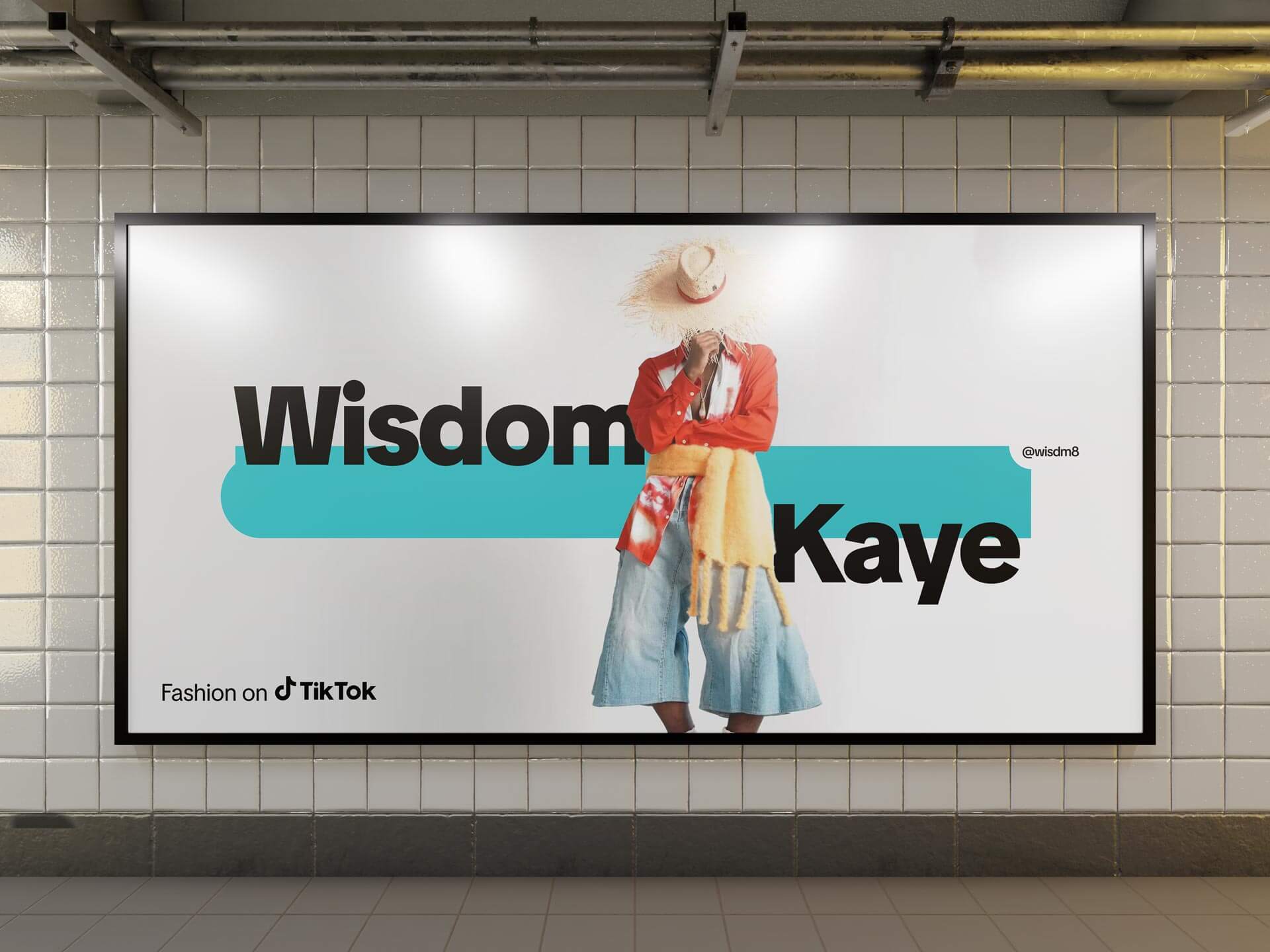
TikTok didn’t just produce “fashion content,” it manufactured a new class of tastemaker: creators whose credibility came from repetition, point of view, and real time feedback loops instead of a masthead or an invite list. Out of the pandemic era closet raids and fit checks, a handful of fashion first creators became breakout nodes in the network and then, very quickly, bona fide industry talent. Wisdom Kaye is the cleanest example of TikTok style turning into institutional validation, framed by Vogue as “the best dressed guy on TikTok,” and then reinforced by legacy fashion media and retail platforms treating him like a real style authority. Alongside him, creators such as Addison Rae demonstrated a different but equally powerful pathway, where mass appeal, cultural timing, and aesthetic evolution converged. What began as dance and performance quickly expanded into beauty and fashion influence, proving that TikTok tastemakers could move fluidly across categories and shape mainstream style consciousness at scale.
In this environment, culture is sensed as much as it is seen. Style evolves in public through iteration and response, through remix, thrift, memory, and self narration. Micro aesthetics surface, collide, and recombine. Identity is not styled once but authored repeatedly. The platform does not simply democratize fashion. It restructures authorship itself, shifting power from institutions to individuals, from spectacle to signal, from prescribed trend to lived temperament. The result is a modern commons of taste, where the collective eye edits in real time and the runway belongs to anyone with perspective, timing, and something true to articulate.
Fashion was a quiet accelerant in TikTok’s explosion, especially during the pandemic, when the world slowed down and people turned inward. With nowhere to go and time suddenly elastic, users began digging through their closets, rediscovering forgotten pieces, thrifted finds, old designer gems, and hand me downs that hadn’t seen daylight in years. OOTDs and fit checks quickly became a dominant visual language on the platform. What started as casual mirror videos evolved into a collective reimagining of personal style, where creativity mattered more than access and storytelling mattered more than status. TikTok didn’t just surface outfits, it surfaced taste. Algorithms rewarded originality, micro aesthetics, and remix culture, allowing niche fashion identities to flourish in parallel. In a moment when traditional fashion infrastructure was frozen, TikTok became the runway, the front row, and the after party all at once.
That cultural energy set the stage for TikTok: Runway Odyssey, a mixed reality fashion show built for a world in quarantine. With physical Fashion Week off the table, we reimagined what a runway could be for a digital first, creator driven audience. We shot over twenty fashion creators practically and placed them into four custom built virtual environments, blending real world performance with immersive digital worlds. The experience was designed to feel both elevated and accessible, complete with shoppable integrations that collapsed inspiration and commerce into a single moment. To mirror the full Fashion Week ecosystem, we layered in DJ sets, exclusive merch, and an after party featuring Jaden Smith, translating the rituals of fashion culture into a format native to TikTok. Produced in partnership with Giant Spoon, the project demonstrated how fashion, technology, and creators could converge in a way that felt authentic to the platform. I served as the creative lead on the client side, shaping the vision, collaborating closely with the agency and creators, and ensuring the experience honored both fashion’s cultural gravity and TikTok’s participatory spirit.
.jpg)
What made TikTok the spot for tastemakers is that it collapses the entire fashion system into one surface: editorial, runway, street style, fitting room, comment section, and conversion layer. The old loop was seasonal and top down. TikTok’s loop is continuous and bottom up. Trends are no longer introduced, they are stress tested. A look is posted, remixed, dueted, memed, “de influenced,” reconstructed, and either dies or graduates into the wider culture. That means the creator is not merely a billboard, they’re a live R and D lab for taste, and the community is the review board. That’s why the fashion industry started treating TikTok creators less like distribution and more like infrastructure, the place where culture signals form early and harden fast. Vogue Business now tracks TikTok trends and creators as an ongoing data product, which is basically an admission that TikTok is not adjacent to fashion culture, it is one of its primary sensing organs.
Fashion is less a fixed industry than a living conversation, one that reflects how people see themselves and how they want to be seen in a given moment. It absorbs shifts in culture, technology, and identity, translating them into form, texture, and silhouette. Today, fashion moves faster and more laterally than ever, shaped by individual expression as much as by designers and institutions. Trends no longer arrive fully formed. They emerge through experimentation, reinterpretation, and collective taste, gaining meaning as they circulate. At its best, fashion becomes a record of the present, capturing mood, values, and aspiration in ways that are both deeply personal and broadly shared.
One thing we looked to innovate on was turning the week into a much longer celebration of style as TikTok was positioned at the center. Fashion Month demonstrated the power of live, participatory storytelling when brands are treated as collaborators rather than sponsors. By integrating luxury houses, mass brands, and creators directly into live stream programming, TikTok transformed fashion from a seasonal spectacle into an always on cultural feed. The runway was no longer a closed moment reserved for insiders. It became a shared experience where audiences could watch collections unfold in real time, respond instantly, and remix what they saw into their own expressions of style. This approach tapped directly into user appetite for fashion content that feels immediate, personal, and alive rather than aspirational at a distance. At a high level, the strength of Fashion Month came from collapsing the traditional funnel between inspiration, entertainment, and participation. Brand moments were embedded directly into LIVE programming, creator led segments, and hashtag driven narratives, allowing fashion to travel fluidly between premium runways and everyday feeds.
.jpg)
Fashion Month showcased how live streaming can function as a premium brand canvas when fashion partners are integrated directly into the content experience. Rather than treating brands as isolated moments, the program embedded luxury houses and mass brands into live runway broadcasts, creator-led segments, and interactive formats that unfolded in real time. This approach collapsed the distance between runway and audience, allowing viewers to experience collections as they launched, react instantly, and engage with fashion as a living cultural moment rather than a post-event recap. At the system level, brand partnerships were designed to fuel sustained user appetite for fashion content across the month. Live runway streams, creator interpretations, and hashtag driven programming worked together to create a continuous feedback loop of inspiration and participation. Fashion moved fluidly between high end presentations and everyday creator expression, reinforcing TikTok’s role as a place where trends are not only introduced but actively shaped by the community.
.jpg)
Anchored by the explosive growth of #TikTokFashion and #BeautyTok, the program celebrated how trends are born on platform through everyday creator expression, from GRWM and OOTD formats to runway reactions, sustainability conversations, and behind-the-scenes access. By aligning with New York Fashion Week and extending across a month of programming, Fashion Month reinforced TikTok’s role in shaping what’s trending next, not just reflecting what already exists. A core pillar of the initiative was the launch of the first-ever global #TikTokFashion Collective, spotlighting next-generation designers, models, commentators, and creatives redefining fashion through authenticity and self-expression. Supported by the in-app Fashion Month Hub, the experience centralized discovery through curated tabs like From the Runway, Trending, and Behind the Scenes, making it easier for users to explore creators, brands, and moments in one place. Together, the Collective, live moments, and hub infrastructure created a scalable ecosystem that connected fashion culture, community, and commerce, positioning TikTok as fashion’s most inclusive and dynamic destination.
.jpg)
A fresh new innovative idea, Runway Labyrinth was conceived as a virtual fashion show designed to cap off Digital Fashion Month with a fully immersive, live experience that was new for the industry. The objective was threefold: increase live viewership, drive in-show commerce for featured designers, and demonstrate the creative and technical range of TikTok’s immersive capabilities. Rather than replicating a traditional runway, the experience reimagined fashion as a spatial journey, allowing audiences to move through digital environments that elevated both performance and product. The program was built around seven bespoke 3D worlds, each uniquely designed to reflect the identity of a featured designer or musical performer. These environments were not backdrops but narrative spaces, integrating motion, scale, and atmosphere to frame clothing, talent, and music as part of a cohesive visual system. World-building became the connective tissue between fashion, performance, and platform, reinforcing TikTok’s position as a place where culture is experienced rather than simply watched.
Execution took place under a condensed six-week timeline, requiring tight coordination across creative, production, and technical teams. This included sourcing and managing equipment and wardrobe, directing remote green screen shoots for all participating talent, and orchestrating live-ready assets across multiple segments. The final event featured a host appearance, three musical performances, and sixteen TikTok creators and WNBA athletes modeling collections from three designers, all composited seamlessly into the virtual worlds. Runway Labyrinth demonstrated how immersive media can transform live fashion programming into a scalable, commerce-enabled experience. By blending 3D design, motion XR, influencer coordination, and live operations, the project delivered a first-of-its-kind virtual runway that expanded what fashion shows can be in a digital-first context. The work culminated in recognition as a finalist in Immersive at the 2022 Shorty Awards, underscoring its impact and innovation for TikTok. The event reached 874,228 total unique viewers and generated 66,000 new live users, validating immersive live formats as a meaningful driver of audience growth and engagement. By combining rapid execution with high production value, the project demonstrated how TikTok can scale immersive storytelling, creator participation, and live commerce within a single cultural moment.

World building became the strategic lens through which TikTok extended its evolution from a meme engine into a cultural infrastructure. What began as short-form expression rooted in humor, remix, and social signaling matured into spatial storytelling that mirrors how societies construct meaning through ritual, performance, and shared symbols. These live fashion experiences treated culture not as content to be consumed but as an environment to inhabit, reflecting an anthropological shift where identity, taste, and belonging are performed collectively in real time. Within this framework, fashion and music functioned as reciprocal forces rather than parallel tracks. Designers’ collections and musical performances were staged inside bespoke digital worlds that allowed each discipline to amplify the other. Clothing gained narrative depth through motion, sound, and spatial context, while music performances were grounded visually through fashion as texture, silhouette, and mood. Each world acted as a cultural microclimate where sound, style, and movement converged, reinforcing the idea that fashion is not static product but lived expression shaped by rhythm, attitude, and environment.
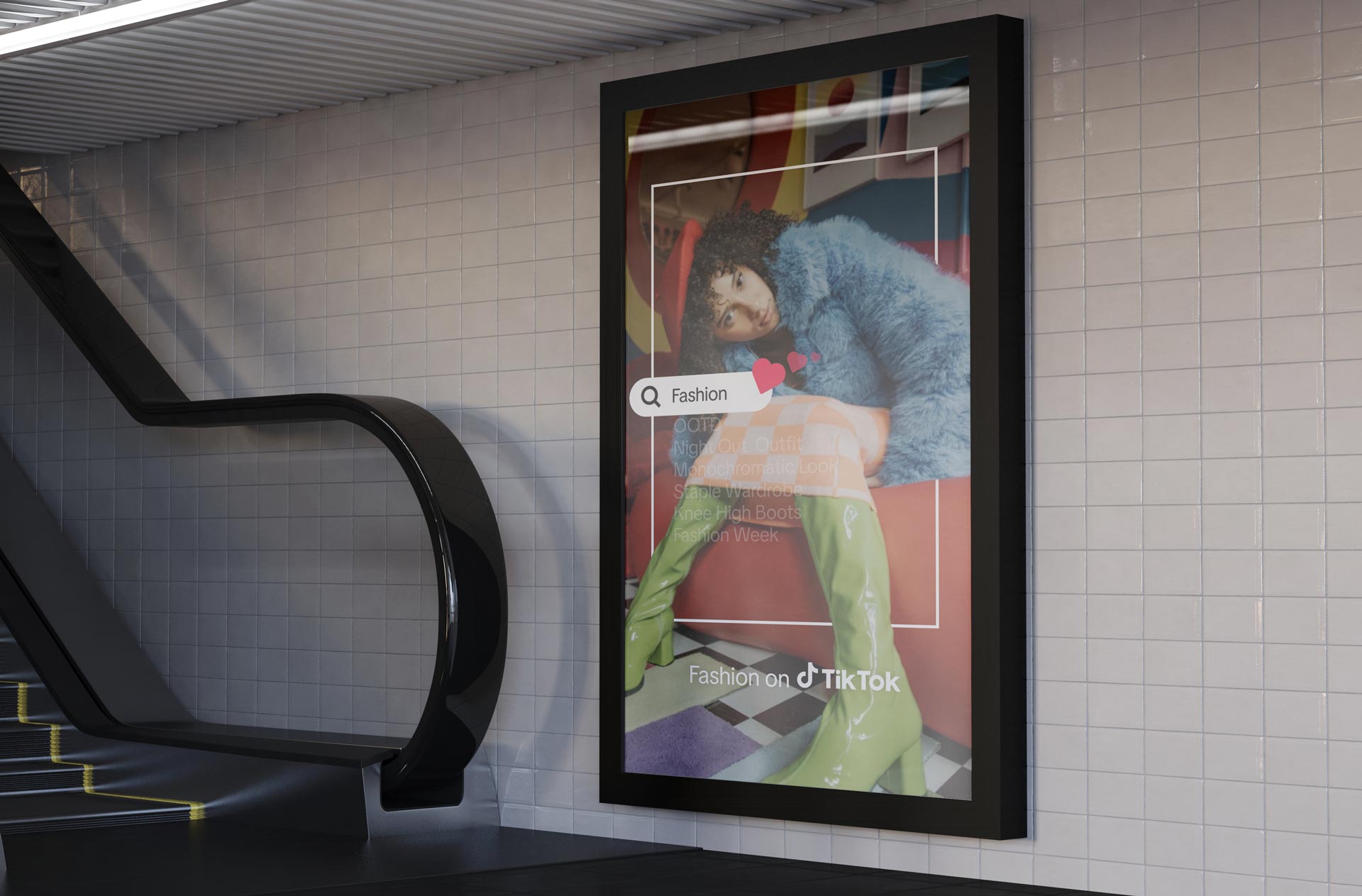
Fashion has emerged as one of the most powerful commerce accelerants on TikTok because it collapses the traditional distance between inspiration and transaction. Unlike legacy retail funnels that rely on staged awareness and delayed intent, fashion on TikTok operates as a real-time demand engine. Trends surface organically through creators, gain velocity through remix and social proof, and convert through immediacy. Products do not simply trend. They move markets, empty inventory, and create measurable lift across DTC, retail, and resale ecosystems. Fashion became the clearest proof point that culture, when activated natively, can outperform conventional performance marketing.
.jpg)
From a marketing and ad tech perspective, fashion functioned as the ideal vertical to validate TikTok’s full-funnel capabilities. The platform demonstrated an ability to drive discovery at scale while simultaneously influencing consideration, preference, and purchase intent within the same session. Live formats, creator-led storytelling, and immersive experiences introduced a new conversion dynamic where entertainment, community endorsement, and commerce were tightly interwoven. This created an environment where product context mattered as much as product placement. Viewers were not being sold to. They were being invited into moments where buying felt like participation rather than persuasion. What made this impact especially significant was the speed at which fashion trends translated into measurable commercial outcomes. TikTok did not just amplify existing demand. It created it. Styles, silhouettes, and micro-aesthetics born on platform regularly translated into real-world behavior, driving sell-through, influencing assortments, and even shaping supply chain decisions. This demonstrated a shift in power from traditional fashion gatekeepers to creator-driven cultural signals, with TikTok acting as the connective tissue between taste formation and transactional action.
.jpg)
The importance of this connection cannot be overstated. Fashion proved that when creative systems, distribution, and commerce infrastructure are aligned, platforms can become economic engines rather than media channels. TikTok’s ability to move product off shelves validated a new model of value creation, one where culture is not merely monetized after the fact but actively generates demand in real time. This redefinition of how influence converts to revenue reshaped expectations for brands, advertisers, and platforms alike, positioning fashion as both a cultural bellwether and a commercial catalyst.
TikTok fundamentally rewired the traditional path to purchase by replacing the linear marketing funnel with an infinite loop driven by culture, participation, and joy. Instead of forcing users through sequential stages of awareness, consideration, and conversion, the platform aligned commerce to how people actually behave: discovering products through entertainment, circling back through community validation, and re-entering the journey multiple times through remix, repetition, and relevance. Discovery does not end at purchase; it accelerates after it. Unboxings, tutorials, reviews, and “As Seen on TikTok” moments feed back into the system, turning consumption into content and customers into advocates. This loop collapses media, marketing, and retail into a single experiential ecosystem where inspiration and transaction coexist, enabling brands to build long-term loyalty, repeat purchasing, and greater lifetime value rather than one-off conversions. In doing so, TikTok positioned commerce as an outcome of participation, not persuasion.

Fashion quickly emerged as one of the most powerful commerce drivers on TikTok because it naturally sits at the intersection of discovery, aspiration, and action. Unlike categories that rely on intent based search, fashion thrives on visual storytelling, creator credibility, and emotional resonance, all of which are native strengths of the platform. Trends surface organically through creators, gain momentum through repetition and community validation, and translate into demand at speed as audiences see products styled in real life contexts. This dynamic shortens the path from inspiration to purchase, turning content into a live storefront rather than a passive ad unit. As a result, the fashion vertical has become a key engine for TikTok Shop, proving that when culture leads, commerce follows, and that authentic creator led fashion content can drive both relevance and real business impact.
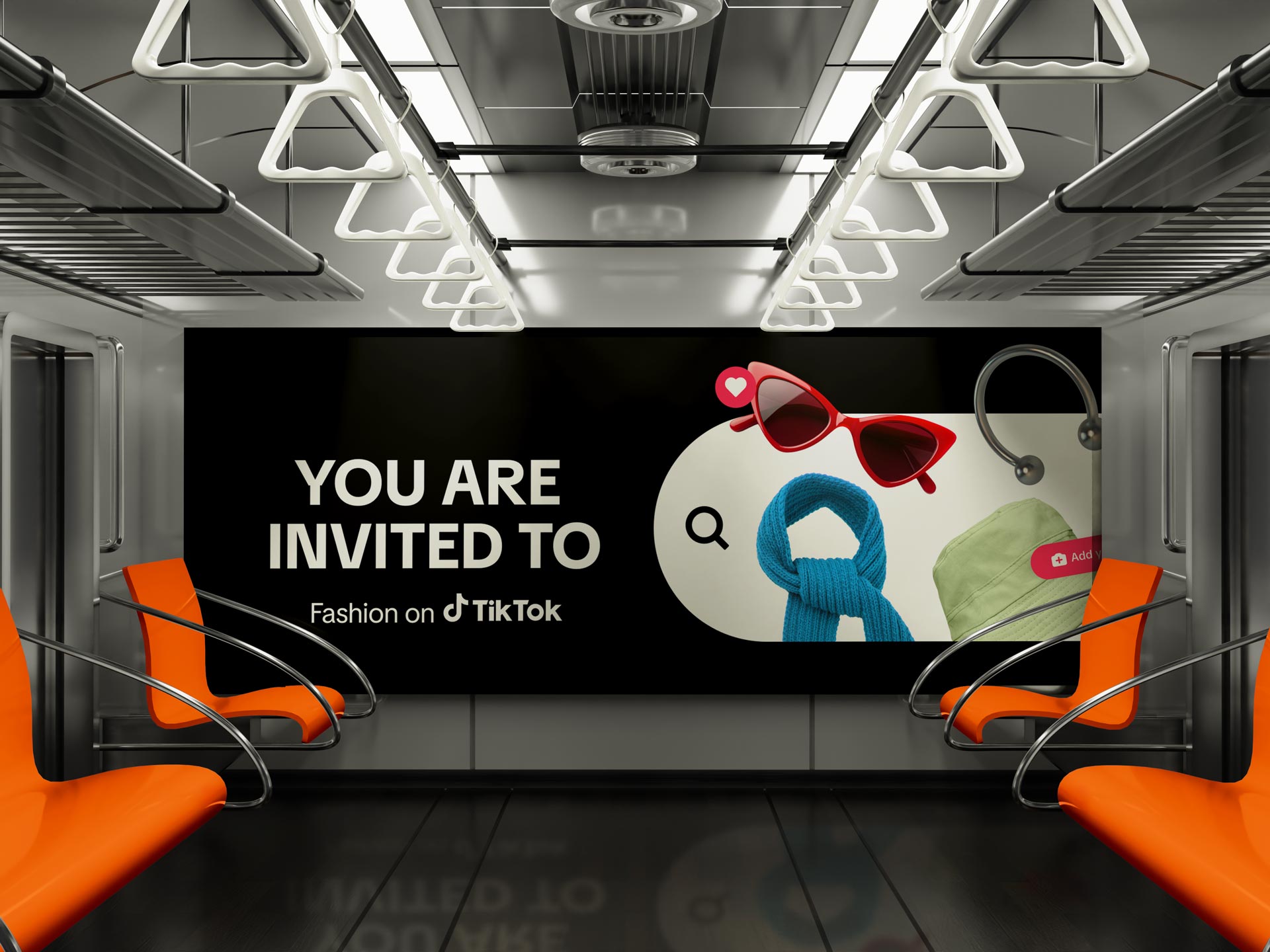
The fashion toolkit, visual language, and template system were designed to plug directly into TikTok’s broader Shop strategy, ensuring that inspiration and commerce felt connected rather than sequential. Instead of treating shopping as a separate layer, the look and feel were built to mirror the way fashion already lived on the platform, expressive, creator led, and rooted in everyday discovery. Templates and content frameworks were optimized to support scale without flattening individuality, allowing brands to move quickly while still feeling native to TikTok’s aesthetic rhythms. This approach helped bridge storytelling and conversion, giving creators and brands a shared design foundation that could flex across product drops, live shopping, and in feed moments. By aligning fashion’s creative systems with the mechanics of TikTok Shop, the toolkit reinforced a seamless journey where style discovery, trust, and purchase could coexist in a single cultural flow rather than a traditional funnel.
.jpg)
TikTok gave fashion creators a way to stay in constant conversation with their audience rather than publishing finished opinions and moving on. Through replies duets and stitches creators could answer questions challenge takes reinterpret looks and evolve their perspective in public. Comment sections became extensions of the content itself with fit critiques styling suggestions and cultural context feeding directly into follow up videos. This created a living feedback system where fashion ideas were stress tested refined and amplified in real time. The result was a more democratic and iterative fashion culture where relevance came from responsiveness and insight rather than gatekeeping or polish.
.jpg)
As the industry emerged from the constraints of the pandemic, experiential fashion returned as a critical lever for cultural relevance, but the expectation had shifted. Simply recreating physical runways was no longer enough. Audiences had been conditioned to participation, intimacy, and real-time dialogue. This moment created an opportunity to reintroduce experiential fashion through a distinctly TikTok-first lens, one rooted in energy, community, and co-creation rather than spectacle alone. Live, immersive formats allowed fashion to feel vibrant and present again, while still honoring the behaviors people had developed during lockdown, discovery through creators, interaction through comments and remix, and shared moments unfolding in real time. By showing up in a TikTok-native way, experiential fashion evolved beyond attendance into engagement. Physical world sensibilities were translated into digital environments that felt playful, social, and emotionally legible, aligning with how culture already moves on the platform. Fashion became something audiences could step into rather than observe from a distance, reinforcing TikTok’s role as a space where post-pandemic creativity did not revert to old norms, but expanded into new forms of collective experience on TikTok.
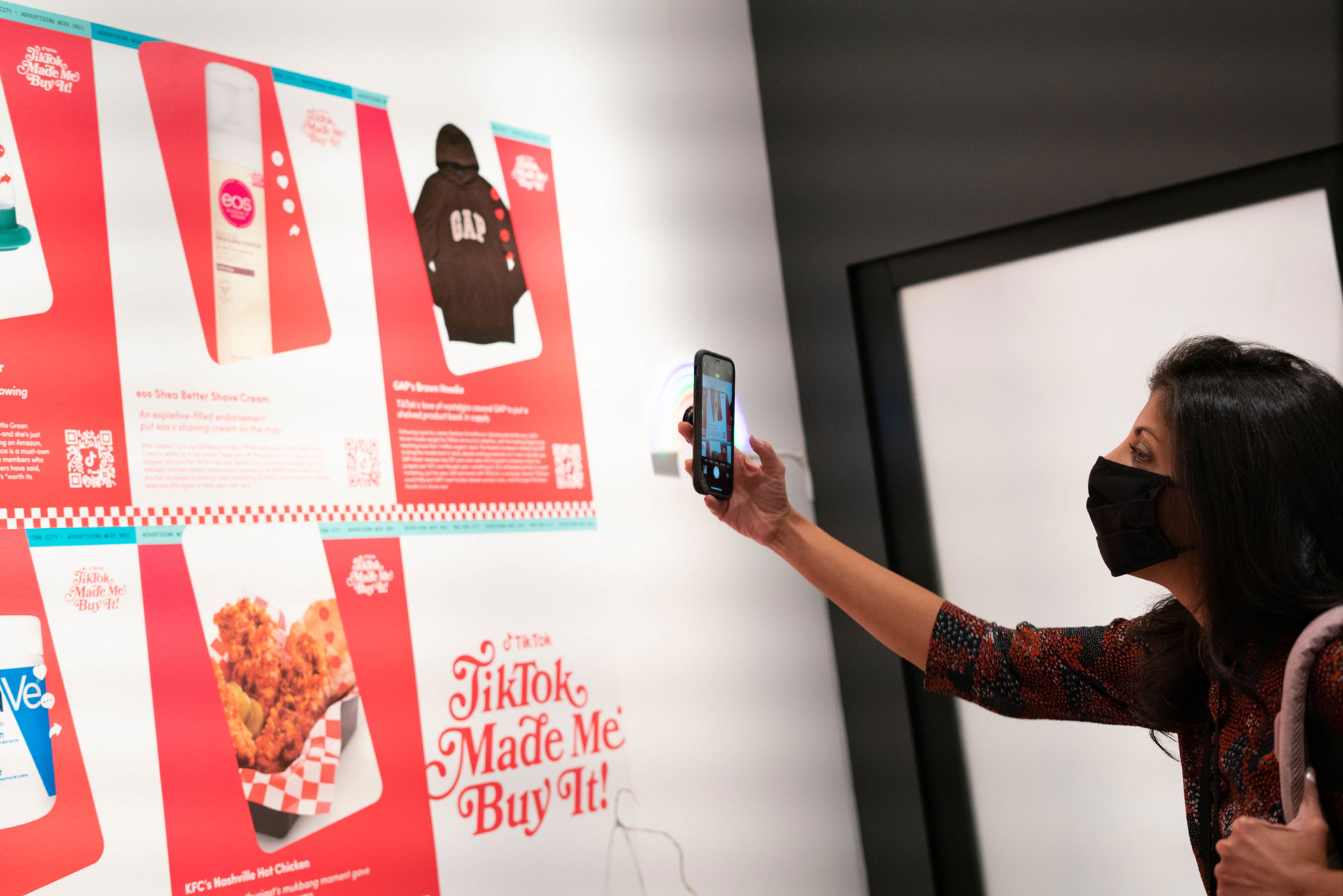
As early as 2021, our team began intentionally linking culture, content, and commerce on the platform by coining and operationalizing the phrase “TikTok Made Me Buy It.” What started as an organic user behavior was elevated into a strategic north star for how discovery could translate into real economic impact. We positioned it as a proof point that entertainment and shopping were no longer separate moments but part of the same behavioral loop. That idea moved beyond messaging and into physical space when we brought it to life experientially at Advertising Week through a shoppable bodega, allowing attendees to move seamlessly from inspiration to purchase. This moment helped formalize TikTok’s role not only as a trend engine, but as a credible driver of consideration, conversion, and modern commerce.
TikTok Fashion Month 2023 ran from September through October, aligning with the global runway calendar across New York, London, Milan, and Paris while reframing how those moments were experienced on platform. Rather than treating Fashion Week as a closed industry ritual, the program turned the month into a continuous creator-led feed where runway shows, behind-the-scenes access, designer conversations, and creator interpretations unfolded in real time. Through the in-app Fashion Month Hub, users could move fluidly between live runway streams, trending creator content, and curated discovery surfaces like From the Runway and Behind the Scenes, collapsing the distance between front row access and everyday participation. The initiative brought together luxury houses, emerging designers, and fashion creators into a shared cultural moment that lived simultaneously across live broadcasts, short-form content, and community conversation. By extending the traditional fashion calendar into an always-on digital ecosystem, TikTok positioned Fashion Month not as a recap of industry events but as a participatory layer where trends are interpreted, remixed, and accelerated through creators and audiences in real time.

For TikTok Fashion Month, we partnered closely with Seen as an end to end collaborator to bring the Fashion Month Competition to life, bridging platform strategy with real world cultural execution. Together, we shaped the experience from the earliest creative decisions through final delivery, with Seen playing a key role across judging participation, pre event photoshoots, creator and designer content capture, and the execution of the IRL showcase and afterparty. The collaboration was designed to demonstrate TikTok’s value not just as a distribution channel, but as an active cultural platform for the fashion industry, one capable of surfacing and legitimizing new talent. By creating space for emerging British designers to present their work during London Fashion Week, the most visible moment in the fashion calendar, the project reinforced TikTok’s position as a launchpad for discovery, creativity, and upward mobility within fashion. Working with Seen allowed us to translate digital first fashion storytelling into a cohesive physical experience that still felt native to TikTok’s creator driven ethos.
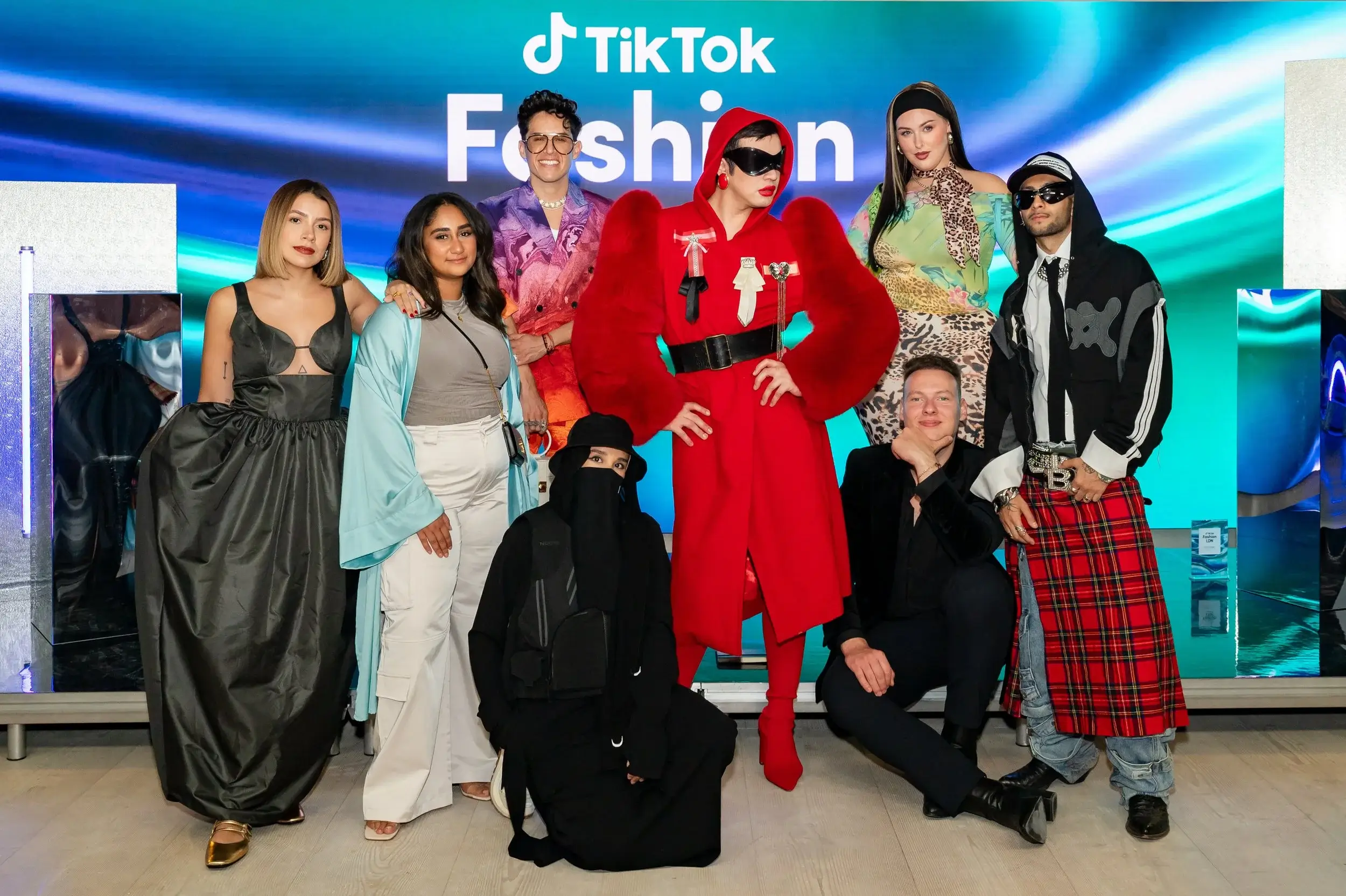
TikTok Fashion Week was conceived as a global creator-first experience spanning London, Paris, and New York, designed to reinforce TikTok’s credibility in the fashion ecosystem while actively driving content creation. Rather than positioning TikTok as a sponsor adjacent to Fashion Week, the program embedded the platform directly into the cultural fabric of each city, aligning with how fashion is actually discovered, performed, and shared today. The goal was to create environments where creators could express personal style, generate native content, and participate in fashion as an evolving, social experience. The TikTok Fashion Design competition demonstrated how the platform has become a launchpad for emerging fashion talent by collapsing the distance between creative process, community validation, and industry recognition. Built around a simple but powerful brief, designers were invited to create either an upcycled or original garment and document the full journey on TikTok, shifting emphasis from polished end result to craft, experimentation, and storytelling. This process-first framing aligned naturally with how creativity is consumed on the platform and allowed audiences to follow, support, and shape emerging talent in real time.
.jpg)
The competition culminated in a rare moment of platform-to-runway translation when the winning design was realized physically and showcased at London Fashion Week. Designer Eva Clarkson’s upcycled corset, crafted from a repurposed saddle, was selected for its technical rigor and conceptual reinvention of materials. The piece was modeled by Sabrina Bahsoon, bridging TikTok-native cultural influence with one of fashion’s most established global stages. This pairing underscored how digital creators and emerging designers now share equal footing in shaping fashion’s visual language. Beyond visibility, the program delivered tangible career infrastructure. The winner received professional garment production, six months of representation through SheerLuxe’s Blush Talent Management, and funding for a brand film to build a long-term portfolio. Judged by respected industry voices across sustainability, luxury, and media, the competition validated TikTok as a credible pipeline for fashion discovery rather than a parallel, informal space. It reframed social platforms as places where designers can be evaluated on skill, originality, and process, not just reach.
At a cultural level, the initiative reinforced how TikTok has redefined fashion’s talent economy. By using hashtags, community engagement, and creator-led storytelling, TikTok transformed fashion discovery into a participatory system where emerging designers can move directly from studio to spotlight. The result is a more open, inclusive, and process-driven fashion ecosystem, one where creativity is surfaced early, supported publicly, and rewarded with real-world opportunity.

Working with Sabrina underscored TikTok’s role as a true cultural engine, not just a distribution channel. TikTok didn’t simply amplify her visibility, it enabled the conditions for her to become iconic by allowing a single behavior to be iterated, remixed, and collectively validated at scale. Her transition from creator to front-row fixture and runway model for major beauty and fashion brands illustrates how TikTok now functions as a primary talent incubator for the industry. Collaborating with her during Fashion Week moments bridged platform-native culture with institutional fashion, proving that today’s icons are not discovered after the fact, they are forged in real time through community participation and cultural momentum.
Experiential events created rare moments where followers, creators, and industry insiders could step into the spotlight and feel like protagonists of the fashion story rather than spectators on its edges. By designing environments that functioned as style studios, photoshoot sets, and performance-ready spaces, these experiences gave participants permission to show up with confidence, intention, and individuality. The goal was never passive attendance. It was activation, giving people the tools, lighting, framing, and context to see themselves as stars and to capture content that reflected their personal style at its best.
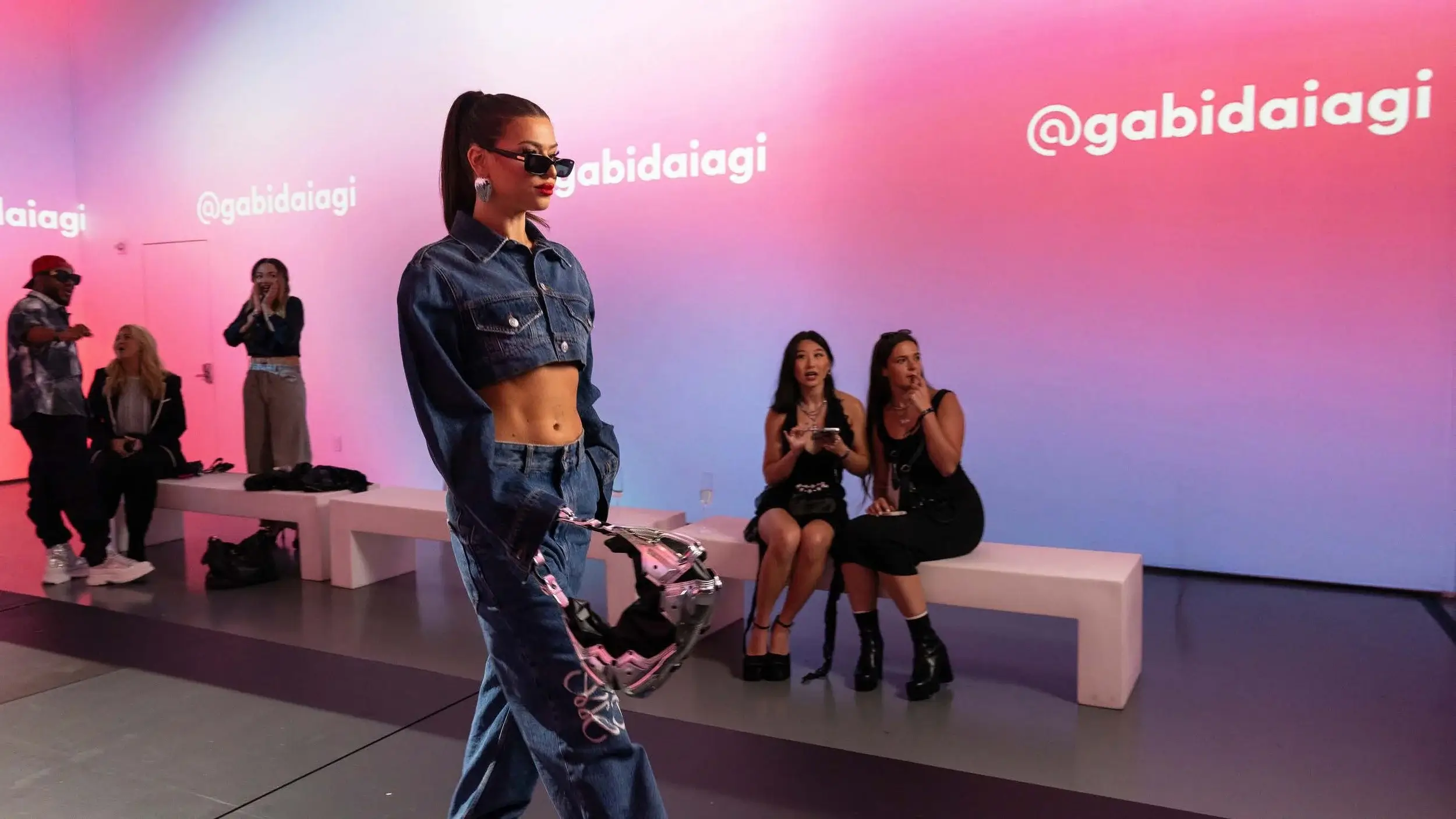
These moments mattered because fashion culture today is built through self-representation and shared visibility. Offering creators and community members a professionalized setting to express themselves blurred the line between audience and talent, reinforcing the idea that influence is not reserved for a select few. Style studios and photoshoot moments became both a creative reward and a cultural signal, validating participants’ voices while fueling content that lived far beyond the physical event, carrying the energy of the experience back onto the platform and into the broader fashion conversation. Developing a vibrant, welcoming, and youthful brand expression was central to how TikTok showed up across these fashion moments. The aesthetic was designed to feel native to the platform’s rhythm, expressive, optimistic, and constantly in motion, while remaining flexible enough to hold a wide range of emerging and established fashion voices. Rather than imposing a rigid visual system, the brand language acted as a cultural container, one that celebrated individuality, experimentation, and trend-forward energy. This openness allowed TikTok to feel inclusive and inviting, signaling that fashion on the platform is not about perfection or elitism, but about participation, confidence, and creative momentum.

In this way, TikTok became a showcase for the best of the best, not by curating from the top down, but by amplifying what was already resonating within the community. The brand expression functioned as a stage that elevated fresh designers, iconic creators, and fast-rising labels alike, giving them equal visual legitimacy within a shared ecosystem. By balancing coherence with creative freedom, TikTok was able to unify diverse fashion aesthetics under a single, recognizable energy, positioning itself as the cultural home where the next generation of fashion brands and voices are not only discovered, but celebrated.

Commerce was treated as a natural extension of culture rather than a transactional interruption, with fashion serving as a high-velocity engine for driving real sales outcomes. By embedding product into live moments, creator storytelling, and immersive experiences, TikTok shortened the distance between inspiration and purchase, allowing intent to form and convert in the same breath. Discovery, social proof, and immediacy worked in tandem, turning moments of excitement into measurable demand. This approach proved that when brands show up authentically inside culture, commerce follows organically, enabling products to move off shelves, drive sell-through, and build sustained momentum rather than one-time spikes.

Fashion and beauty converged naturally as two expressions of the same cultural impulse, self-definition through style, transformation, and ritual. On TikTok, outfits rarely exist without the accompanying GRWM, makeup routine, or skincare moment that completes the look, making beauty an intrinsic part of the fashion narrative rather than an adjacent category. Integrating beauty into fashion experiences mirrored how creators actually show up on the platform, where looks are built layer by layer and shared as process, not just outcome. By treating beauty as a seamless extension of fashion, these moments unlocked richer storytelling and stronger commercial impact. Beauty brands were woven into style journeys through live demos, creator-led stations, and real-time experimentation, allowing audiences to see how products perform in context rather than isolation. This intersection reinforced TikTok’s strength as a culture-to-commerce engine, where inspiration flows fluidly across categories and purchasing decisions are driven by holistic self-expression rather than siloed product placement.

Makeup emerged as one of the most strategically important commerce categories because it sits at the ideal intersection of low friction purchase, high emotional resonance, and repeat behavior. Price points are accessible, trial is encouraged, and replenishment cycles are short, making beauty an optimal entry product for users discovering commerce on platform for the first time. Unlike higher-consideration categories, makeup invites impulse, experimentation, and iteration, allowing users to move from discovery to purchase with minimal hesitation while still feeling expressive and personal. From an ecosystem perspective, beauty functions as a user acquisition engine. First-time buyers often enter through a single hero product seen in a GRWM, tutorial, or live demo, but the long-term value comes from what happens next. Once trust is established, users re-enter the ecosystem repeatedly, exploring adjacent products, creators, and brands. This creates a compounding effect where initial conversion unlocks habitual behavior, higher lifetime value, and deeper platform dependency. Makeup becomes the gateway that normalizes buying behavior and primes users for broader commerce participation.
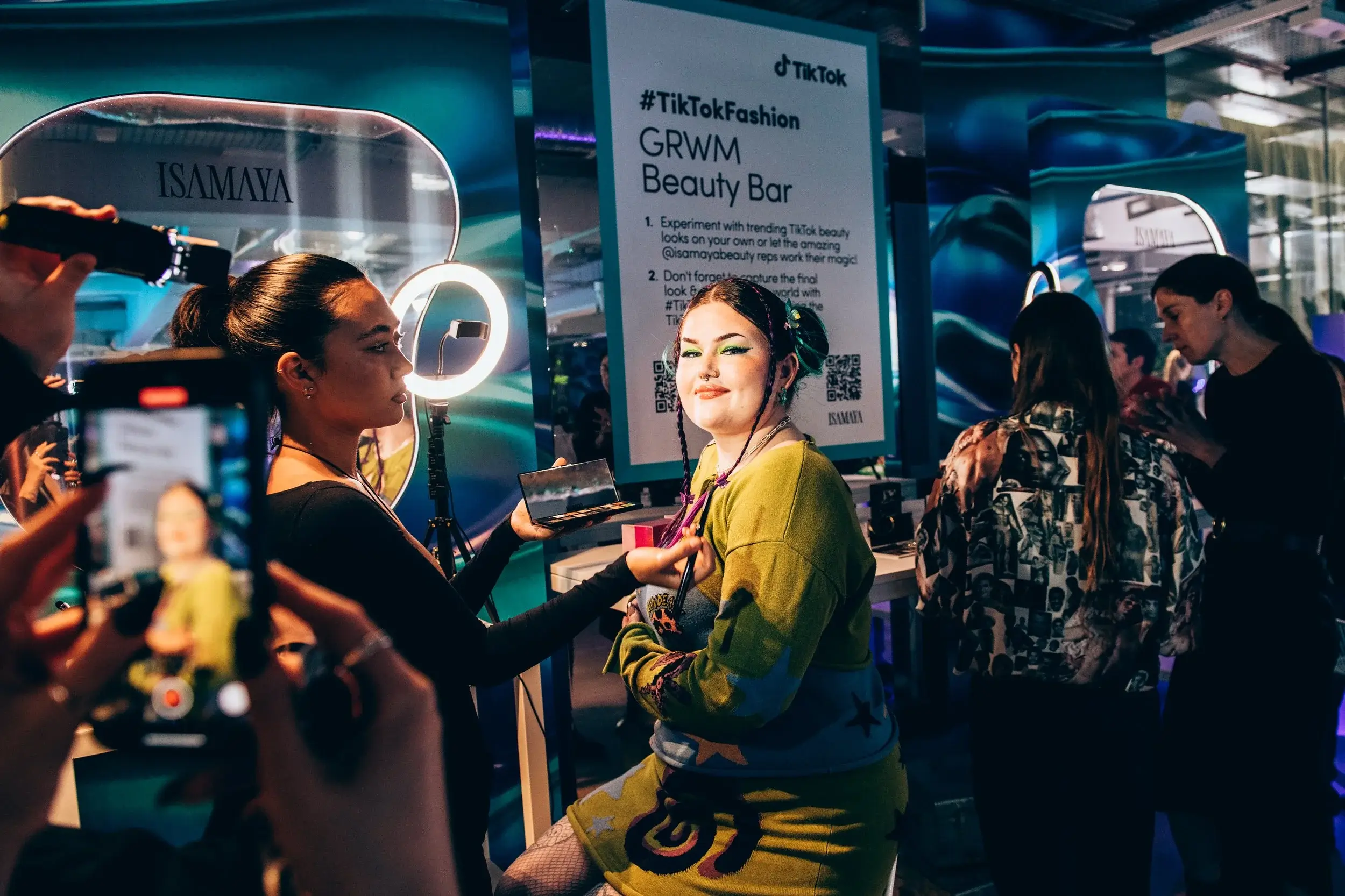
For TikTok and TikTok Shop, this dynamic was critical to market share expansion. Beauty allowed the platform to scale both demand and supply simultaneously, onboarding consumers at volume while attracting brands eager to tap into creator-led conversion. The category proved that entertainment-driven commerce could outperform traditional performance channels by blending education, authenticity, and social proof into a single surface. Each successful purchase reinforced the credibility of the marketplace, accelerating flywheel growth across categories. From a KPI standpoint, makeup directly supported core objectives around user acquisition, conversion rate, repeat purchase, and retention. It validated TikTok Shop not just as a feature, but as a viable commerce destination capable of sustaining ongoing customer relationships. By anchoring commerce strategy in beauty, TikTok was able to seed purchasing behavior early, build trust quickly, and create a scalable foundation for long-term growth, positioning the platform as a serious player in the next generation of social commerce.
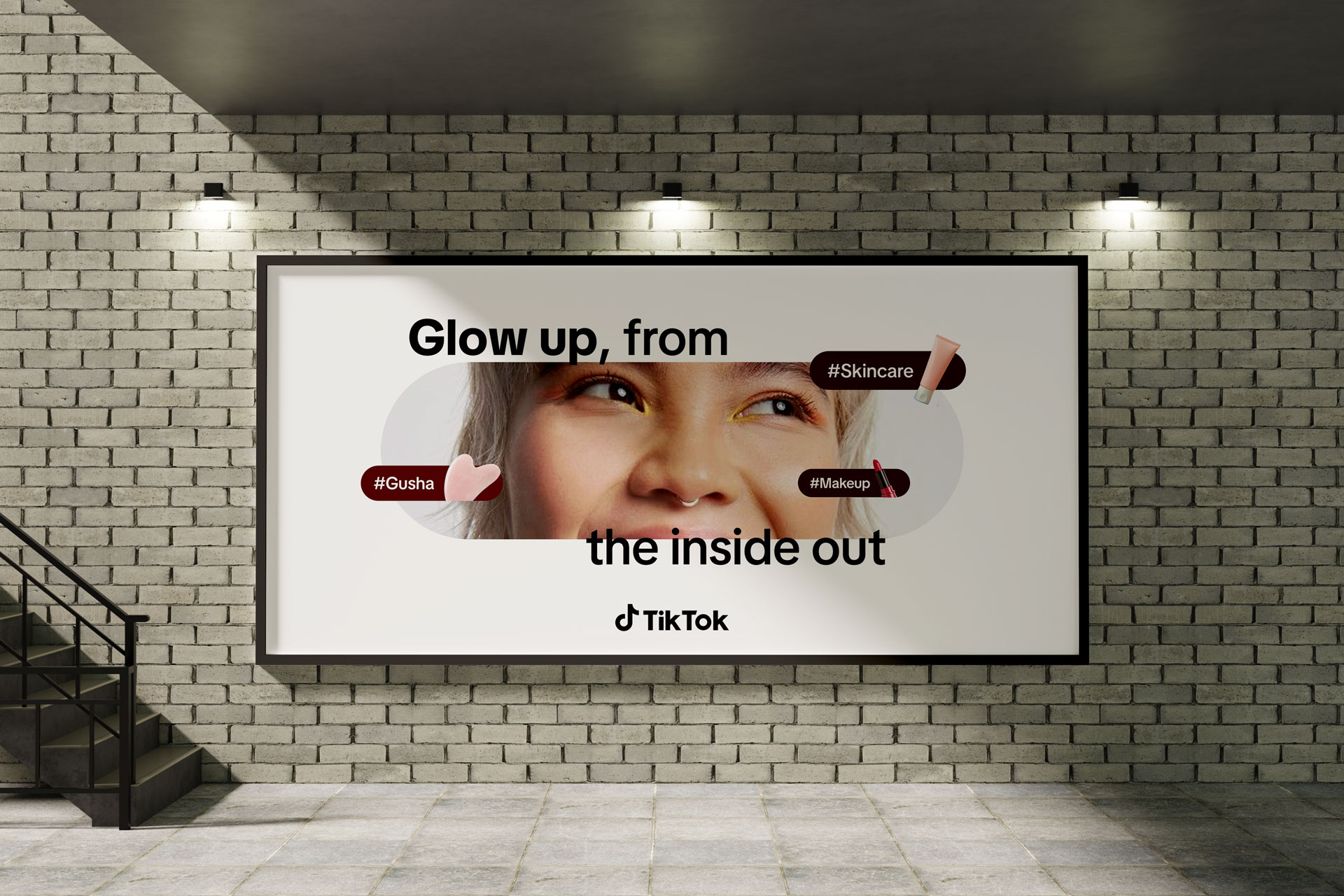
The worlds of makeup and fashion intersect most powerfully when they operate as culture, not categories, and platforms like TikTok have accelerated that convergence at an unprecedented scale. Beauty no longer follows fashion, and fashion no longer dictates beauty. They evolve together through creators, communities, and shared visual language. Makeup becomes styling. Fashion becomes expression. Trends are not launched from runways alone but shaped in real time through participation, remixing, and dialogue. This overlap creates a strategic advantage for brands that understand how to position themselves at the intersection rather than choosing a lane. When makeup and fashion coexist fluidly on a platform built for discovery and iteration, they gain cultural velocity, commercial relevance, and emotional resonance, turning content into influence and influence into impact across industries.
Beauty and fashion operated on a shared commerce backbone inside the pop up, revealing how adjacent categories can reinforce one another when the infrastructure is designed for discovery, aspiration, and impulse. The same retail logic that moved mesh jerseys and co-branded caps also supported lifestyle goods, grooming products, and collectible accessories, creating a holistic basket that mirrored how fans actually express identity across categories. By merchandising apparel alongside objects tied to self-presentation and daily ritual, we positioned the space less like a traditional sports store and more like a culture boutique where personal style, fandom, and lifestyle converged. This approach increased dwell time, encouraged cross-category purchasing, and demonstrated that the future of sports commerce lives at the intersection of wardrobe, wellness, and self-expression rather than in siloed product verticals.
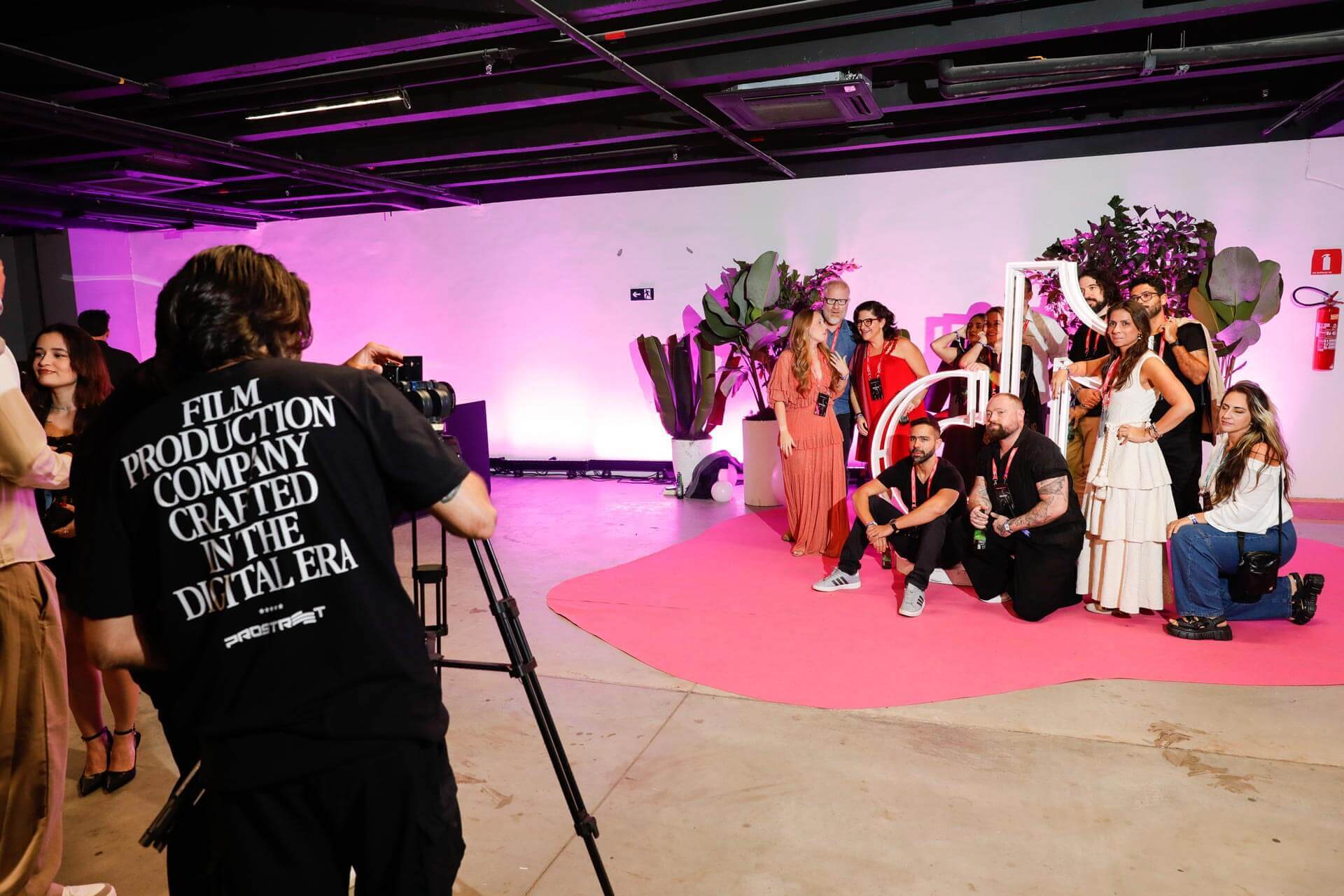
Makeup stalls were intentionally embedded into the experiential activations to reflect how personal style is actually constructed, as a holistic look rather than a single garment or product. By placing beauty alongside fashion, the experiences allowed creators and attendees to see how makeup completes an outfit, sets a mood, and reinforces individual identity. These stations functioned as live styling moments where brands could integrate seamlessly into the creative process, showing products in context, in motion, and in real time. This approach transformed beauty from an add-on into a core part of the fashion narrative, enabling brands to participate in look-building authentically while giving creators the tools to express a fully realized sense of personal style.

Fashion and beauty ultimately converge in the moment someone steps into the world and claims the look they have assembled. On TikTok that threshold between preparation and presentation has become a cultural language of its own. A finished outfit is rarely just clothing. It is the culmination of small rituals: hair adjusted, lipstick reapplied, posture shifted, confidence settling into the body. What makes the platform powerful is that these transitions are shared openly rather than hidden behind the curtain of traditional fashion imagery. Style becomes visible as a process rather than a final reveal. The camera captures the instant where experimentation turns into presence, where identity moves from private rehearsal to public expression. In that sense fashion on TikTok is not merely worn. It is performed, refined in conversation with an audience, and carried forward as part of an ongoing cultural dialogue about taste, individuality, and self-definition.

Brands placed significant value on the ability to be literally and emotionally in customers’ hands, creating moments where trial, play, and purchase converged. Experiential formats allowed attendees to touch products, experiment with looks, and immediately translate excitement into action, collapsing the gap between consideration and conversion. This simultaneity was critical. Trying on and buying in the same moment reinforced confidence, reduced friction, and made purchasing feel like a natural continuation of self-expression rather than a sales decision. For brands, this created a rare opportunity to drive intent through embodied experience, proving that when products are activated through participation, commerce follows with speed and conviction.
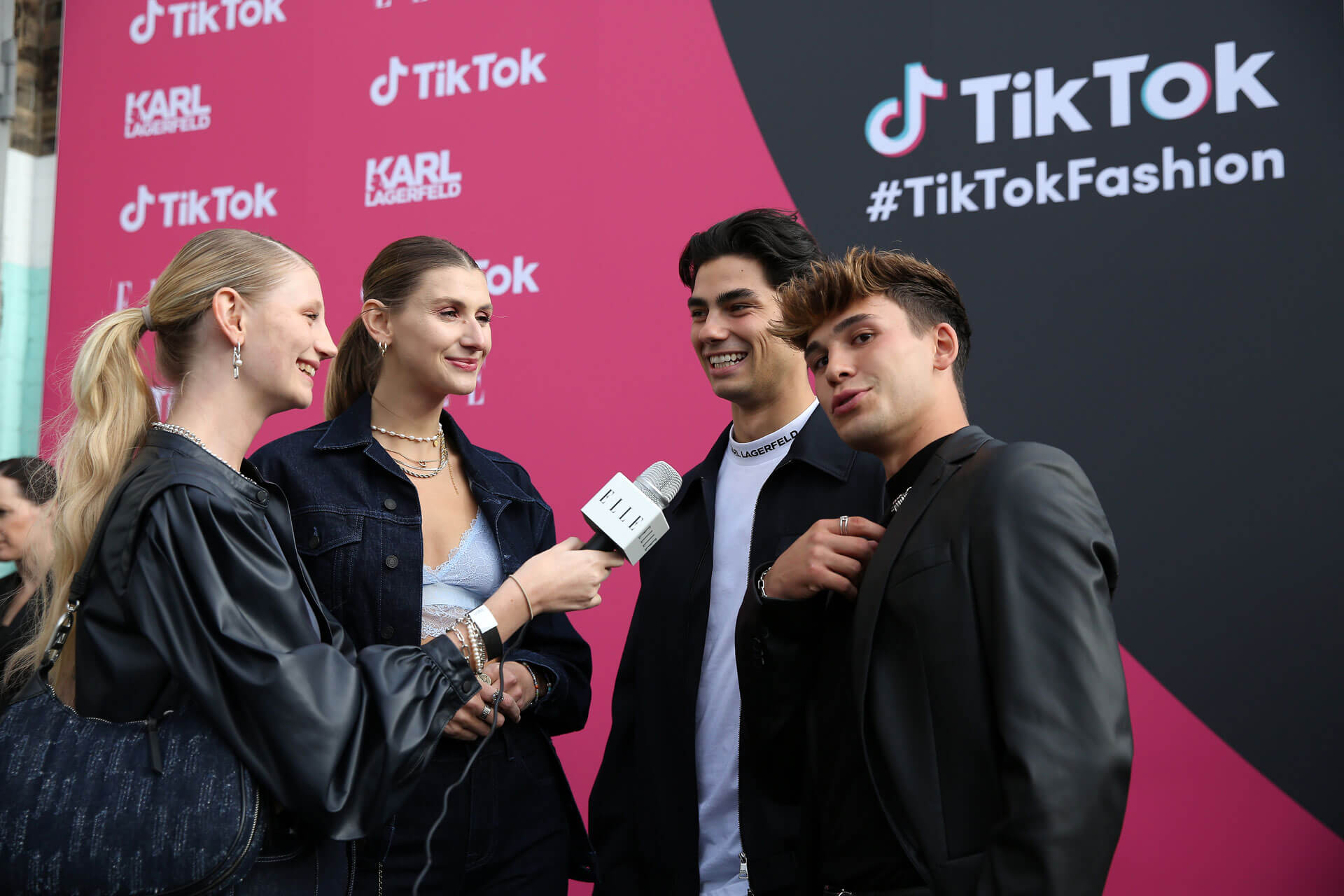
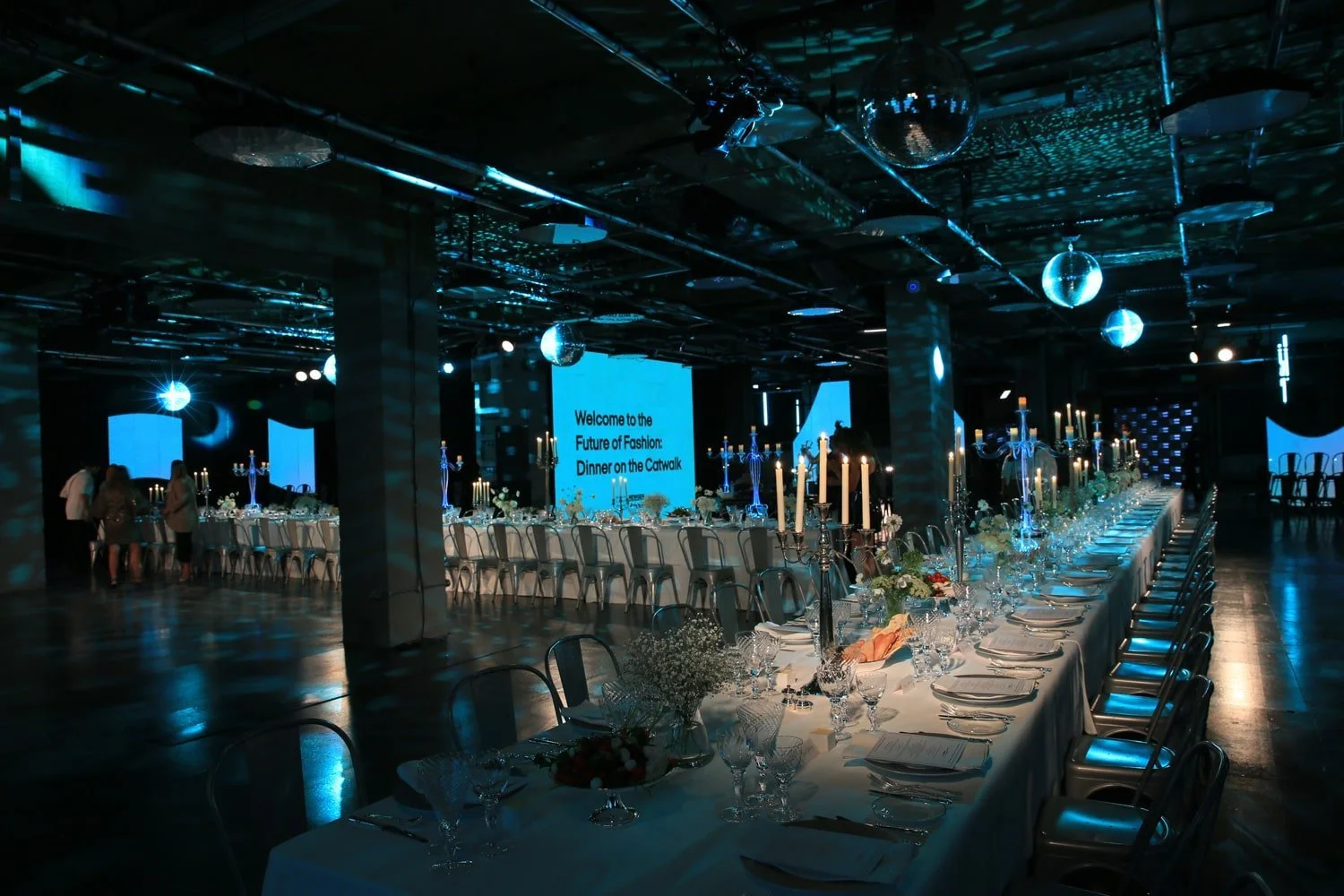
“The Future of Fashion” event in Berlin positioned TikTok at the center of an industry-level conversation by bringing together media, luxury, creators, and culture in a single experiential moment. Hosted in partnership with ELLE and Karl Lagerfeld, the event blended editorial authority with platform-native energy through a panel discussion on the future of fashion, digital identity, and emerging technologies like NFTs and the metaverse. By pairing thought leadership with creator keynotes on building fashion careers on TikTok, the experience reinforced the platform’s role as both a cultural signal and a legitimate pathway into the industry.

Live performances by Lie Ning, Bausa, and a DJ set from Alyssa & Gia transformed the evening into a multisensory expression of the fashion zeitgeist, where music, style, and identity operated as a single ecosystem. Red carpet interviews with leading creators and appearances by public figures further collapsed the line between audience and talent, turning the event into a living snapshot of where fashion is headed. Together, the collaboration demonstrated how TikTok can convene legacy institutions and next-generation voices to explore the future of fashion as something participatory, expressive, and culturally co-created.

Partnerships with luxury brands and legacy media companies played a critical role in establishing TikTok’s legitimacy within the fashion industry, signaling a shift from platform novelty to cultural authority. Collaborations with institutions like ELLE and heritage houses such as Karl Lagerfeld demonstrated that TikTok was not operating adjacent to fashion culture, but inside it. These alliances brought editorial rigor, industry credibility, and historical context, while TikTok contributed scale, immediacy, and a living connection to contemporary taste. The result was a shared stage where tradition and innovation could coexist without dilution.

Strategically, these partnerships were mutually reinforcing. Luxury brands and media companies gained authentic access to Gen Z and younger millennial audiences who increasingly shape cultural relevance and purchasing power, while TikTok benefited from association with trusted tastemakers and institutional voices. TikTok did not just offer distribution, it offered participation, enabling partners to show up as part of the conversation rather than as observers. In return, these collaborators validated TikTok as a serious platform for fashion storytelling, talent discovery, and industry discourse, positioning TikTok as a connective layer between legacy influence and the next generation of culture.

Photo moments were deliberately designed as bookable content-creation opportunities, functioning as a critical lever in every experiential activation. These moments gave creators a polished, high-production setting to capture their fresh glam and new threads, transforming the event into a personal shoot rather than a passive experience. By building in lighting, framing, and visual backdrops optimized for social publishing, each photo moment ensured that creators could immediately translate presence into posts, extending the life of the experience far beyond the physical space. This strategy created a sustained content tail across platforms, turning each event into a distributed media engine and reinforcing how TikTok experiences are designed not just to be attended, but to live on through ongoing creation and cultural amplification.
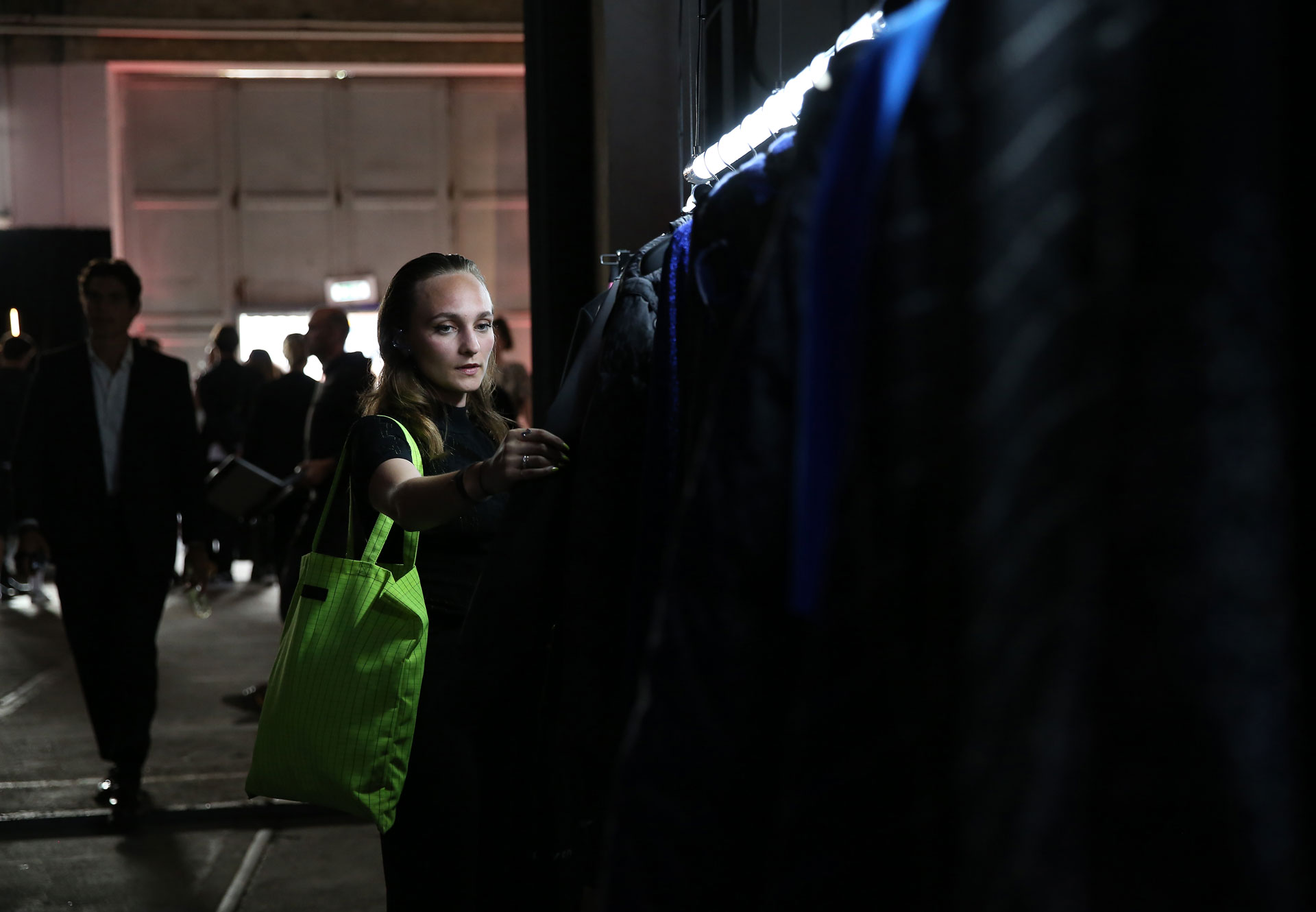
Experiential activations proved to be one of the most powerful avenues for fashion brands to meaningfully connect with consumers because they transform passive viewing into physical belief. Fashion is inherently tactile and emotional, and giving people the chance to see garments up close, feel fabrics, try silhouettes, and understand fit in real life builds trust in a way digital alone cannot. These environments collapse the gap between aspiration and reality, allowing consumers to move from curiosity to confidence through direct interaction. When paired with content creation and commerce layers, experiential moments become proof points rather than marketing claims. Seeing truly becomes believing, and that belief is what converts attention into affinity, advocacy, and ultimately purchase.

Working with legacy media publishers like Elle and Vanity Fair was a deeply symbiotic relationship that strengthened credibility on both sides. For TikTok, these partnerships helped anchor the platform within the established fashion and editorial ecosystem, signaling to brands, designers, and industry leaders that what was happening on TikTok was not peripheral but central to the cultural conversation. For publishers, TikTok offered reach, relevance, and a direct line to younger audiences who engage with fashion through participation rather than passive consumption. Together, we blended editorial authority with creator driven storytelling, allowing traditional fashion narratives to evolve into more dynamic, conversational, and commercially actionable formats. This collaboration was especially critical in the fashion space, where legitimacy, taste, and timing matter, and where TikTok could amplify editorial voices while giving them new tools to experiment, scale, and stay culturally current.

These events quickly evolved into high-signal gathering points where the fashion industry and creator ecosystem could meet on equal footing. Designers, brand leads, media, buyers, and creators were no longer operating in parallel lanes but occupying the same physical and cultural space, exchanging ideas in real time. For creators, this meant access to decision makers they would rarely encounter in traditional fashion settings. For brands and industry leaders, it meant direct exposure to the voices actually shaping taste, demand, and discourse on the platform. The events functioned as live connective tissue, compressing months of outreach, pitching, and relationship building into a few hours of shared experience.
.jpg)
Just as importantly, these moments became catalysts for real collaboration. Creator brand partnerships, capsule drops, live shopping appearances, media features, and long term ambassadorships often emerged directly from conversations that started on the floor. By designing environments that encouraged interaction rather than hierarchy, we created conditions where collaboration felt organic instead of transactional. The result was a feedback loop where culture, commerce, and community reinforced each other, turning the events into launchpads not only for products and content, but for careers, partnerships, and new creative economies.
.jpg)
Milan Fashion Week kicked off with a creator-first celebration of the #TikTokFashion community, bringing together creators, brands, and partners who actively shape fashion trends on the platform through creativity and authenticity. The event placed TikTok squarely inside the cultural heart of the city, with large-scale OOH led walls in Piazza San Babila spotlighting creators and giving their work visibility typically reserved for traditional fashion institutions. This public-facing presence reinforced TikTok’s role as a legitimate driver of contemporary fashion culture, elevating creators from digital talent to city-scale cultural protagonists. Experiential corners throughout the space invited attendees to actively participate rather than spectate. Interactive catwalks encouraged fit checks, music-driven moments, and playful experimentation, all optimized for content creation aligned with trending formats on TikTok. These activations mirrored how trends are born on the platform, through movement, sound, personality, and joy, enabling creators to generate high volumes of authentic UGC while fully immersed in the Fashion Week atmosphere.

On stage, creators and brands shared firsthand perspectives through talks, interviews, and live content creation, supported by podcast partners Storielibere.fm alongside Chiara Tagliaferri and Maria Luisa Frisa. An innovative speed-dating-style format created direct, meaningful connections between creators and fashion brands, translating conversation into collaboration. The experience underscored how TikTok operates not just as a platform for visibility, but as an ecosystem that forges real relationships, fuels content creation, and advances the future of fashion through collective momentum and thoughtful execution.
These TikTok fashion events evolved into far more than cultural moments or brand showcases. They functioned as real networking ecosystems and, in many cases, informal job interviews for creators. By placing creators, brands, media, and industry decision-makers in the same physical and social space, the events created conditions where talent could be evaluated in real time. Not just on follower count, but on presence, professionalism, creative point of view, and the ability to collaborate. Conversations that began on stage, at speed-dating formats, or during content shoots frequently translated into paid collaborations, longer-term partnerships, and ongoing working relationships on both sides.
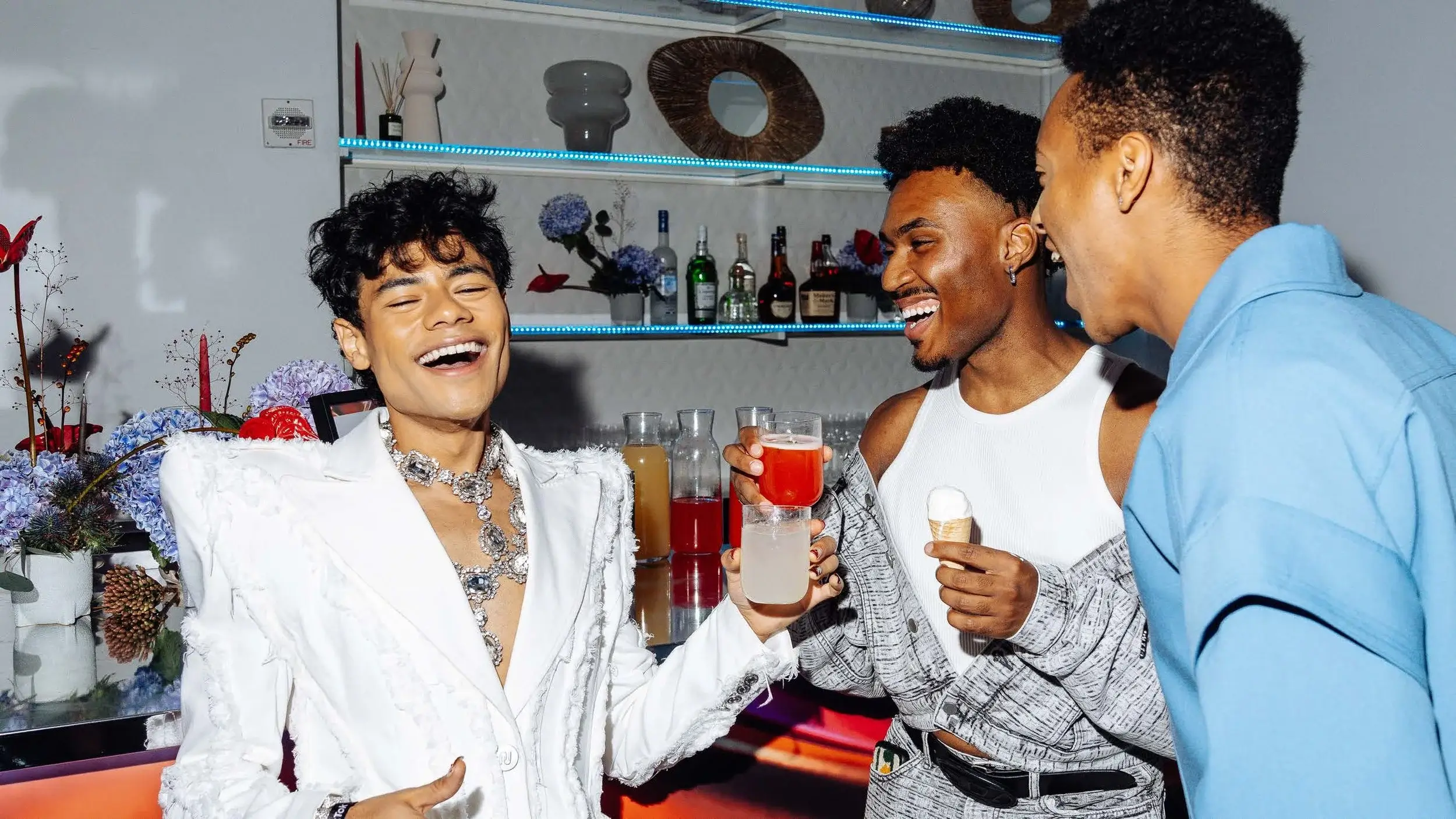
This dynamic reflects the broader maturation of the creator economy, where creators are no longer treated as campaign inputs but as independent creative businesses. TikTok’s role in this ecosystem is uniquely positioned. It operates simultaneously as a discovery engine, a proving ground, and a connective tissue between creators and commerce. By convening these events, TikTok acted as a liaison and facilitator, reducing friction between talent and opportunity and accelerating deal flow that might otherwise take months of outreach, pitching, and negotiation. In effect, TikTok became the town square of the modern fashion and creator economy. A place where visibility, credibility, and access intersect. These events demonstrated how physical presence could amplify digital reputation, turning cultural capital into economic opportunity. Creators left not just with content, but with contacts, briefs, follow-ups, and momentum. Brands left with trusted collaborators who already understood platform language and audience behavior. This convergence underscored TikTok’s strategic value as a marketplace of ideas, talent, and transactions, where culture, networking, and commerce are inseparable.
New York Fashion Week has long operated as the gravitational center of the global fashion calendar, the place where culture, commerce, media, and power converge and set the tone for what follows worldwide. It is where narratives are defined, careers are accelerated, and trends are legitimized at scale. TikTok’s Fashion Week event was intentionally designed to acknowledge and amplify that reality, not by mimicking traditional industry formats, but by reframing NYFW through a creator-first, culture-forward lens that reflected how influence actually moves today. By hosting a dedicated Fashion Week experience in New York, TikTok positioned itself as an essential layer within the fashion ecosystem, translating the intensity, visibility, and ambition of NYFW into a participatory, creator-driven moment. The event acted as both a showcase and a signal, reinforcing New York’s status as the epicenter while demonstrating how TikTok expands that center outward. What happens at NYFW no longer lives only in showrooms and front rows. Through TikTok, it radiates instantly into global culture, shaping taste, conversation, and commerce in real time.
.jpg)
What TikTok changed was the mechanism of access in fashion. Creators began openly sharing information about how Fashion Week works, who to contact, how invitations are requested, and how visibility is earned, effectively dismantling informal gatekeeping that had lived in private networks for decades. This wasn’t chaos for chaos’ sake, it was a redistribution of knowledge. TikTok became the place where the unwritten rules of the industry were made visible, learnable, and repeatable, allowing emerging creators and designers to advocate for themselves in real time rather than waiting for institutional validation. In doing so, TikTok functioned as the town square of fashion commerce and culture, a public layer where aspiration, instruction, networking, and opportunity intersected. Access became something you could work toward through creativity, persistence, and cultural fluency, not just something granted behind closed doors. That shift fundamentally altered how power and participation operate in fashion, moving the industry closer to an open, creator-driven ecosystem rather than a closed, credential-driven one.
.jpg)
New York Fashion Week holds a unique position as the cultural and commercial nerve center of the global fashion calendar. It is where legacy institutions, emerging designers, media, buyers, and tastemakers converge in real time, and where trends are not only presented but contested, debated, and remixed. For TikTok, showing up at NYFW was about acknowledging that gravity. It was the epicenter where fashion, culture, and commerce collide, making it the most meaningful place to demonstrate how digital platforms now sit alongside runways, showrooms, and editorials as engines of influence. For local creators, NYFW represented proximity to opportunity. It collapsed the distance between observer and participant, allowing New York–based creators to move from documenting fashion week to actively shaping it. Being invited into a TikTok-hosted experience during this moment validated creators as legitimate cultural contributors, not just content amplifiers. It gave them access to industry leaders, brand partners, and peers, while offering a platform to express their point of view in a space historically reserved for insiders. The city itself became a backdrop for visibility, signaling that creators could build careers and credibility without leaving their own communities.

For fashion industry attendees, the event reframed NYFW as a two-way exchange rather than a closed circuit. Designers, executives, and media were able to engage directly with the creators who drive discovery, relevance, and conversion at scale. This proximity made the creator economy tangible, turning abstract metrics into human relationships. By anchoring the experience in New York, TikTok positioned itself as a connective tissue between tradition and transformation, reinforcing NYFW not just as a spectacle, but as a living marketplace of ideas, talent, and cultural momentum. In bringing the New York Fashion Week experience to life, I worked closely with my design partners Crystal Yin and Michael Hinson to define and execute the art direction across every touchpoint of the event. Our collaboration centered on translating TikTok’s fashion ethos into a spatial and visual system that could live comfortably within the context of NYFW while still feeling unmistakably native to the platform. This meant developing a cohesive design language that scaled across digital invites, environmental graphics, LED moments, panel assets, wayfinding, and creator-facing content surfaces, all while maintaining strict adherence to brand guidelines and accessibility standards.
.jpg)
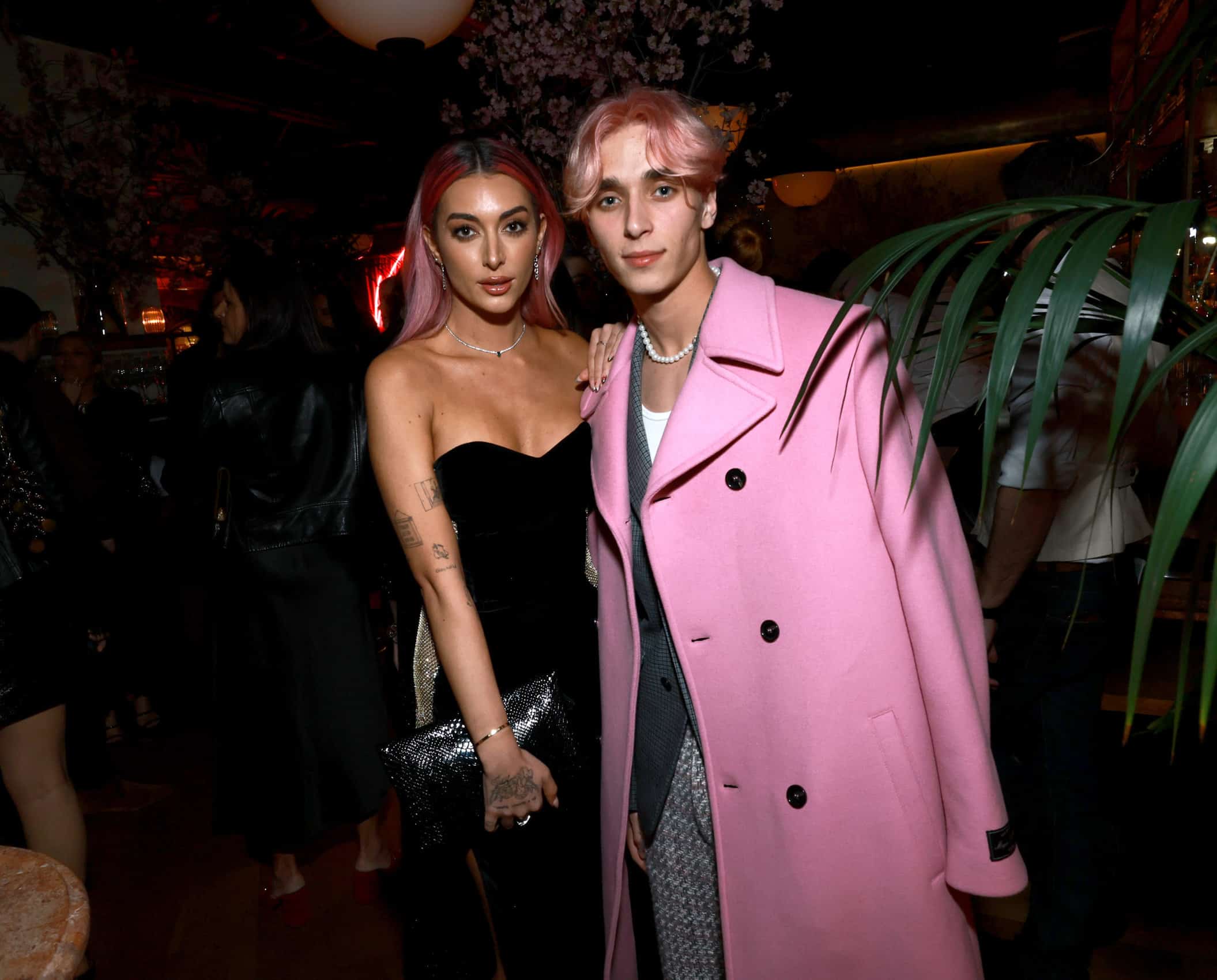
The evening also included a DJ performance by DJ Gallixc, reinforcing the role of music as an essential layer in fashion experiences and as a backdrop that shapes mood, pacing, and social energy. Held on Wednesday, September 6, 2023 from 6 to 9 PM at Ideal Glass Studios in New York City, the event was designed as a live expression of the Fashion For You concept. By centering creators as panelists, performers, and participants, the experience positioned TikTok as a space where fashion week is not only observed, but actively reinterpreted through community, creativity, and cultural participation. Color, typography, motion cues, and compositional rules were treated as modular components that could adapt to different formats without losing coherence. I led the creative direction and review process, aligning stakeholders, external vendors, and production partners, while Crystal and Michael drove execution across layout, asset development, and refinement. The result was an experience that felt intentional, energetic, and polished, one where the design did not simply decorate the event but actively shaped how creators, brands, and industry guests experienced fashion, content creation, and community in real time. One detail that stood out to me was the decision to introduce a razzmatazz carpet in place of the traditional red carpet. It felt like a small but meaningful subversion of fashion week convention, immediately signaling that this was not a passive, legacy moment but something more expressive and platform native. The color choice added energy and texture to the arrival experience, popping on camera, reading distinctly vertical, and giving creators a visual signature that felt unmistakably TikTok. It reinforced the idea that even the most familiar fashion tropes could be reinterpreted through a more playful, culture first lens without sacrificing polish or prestige.
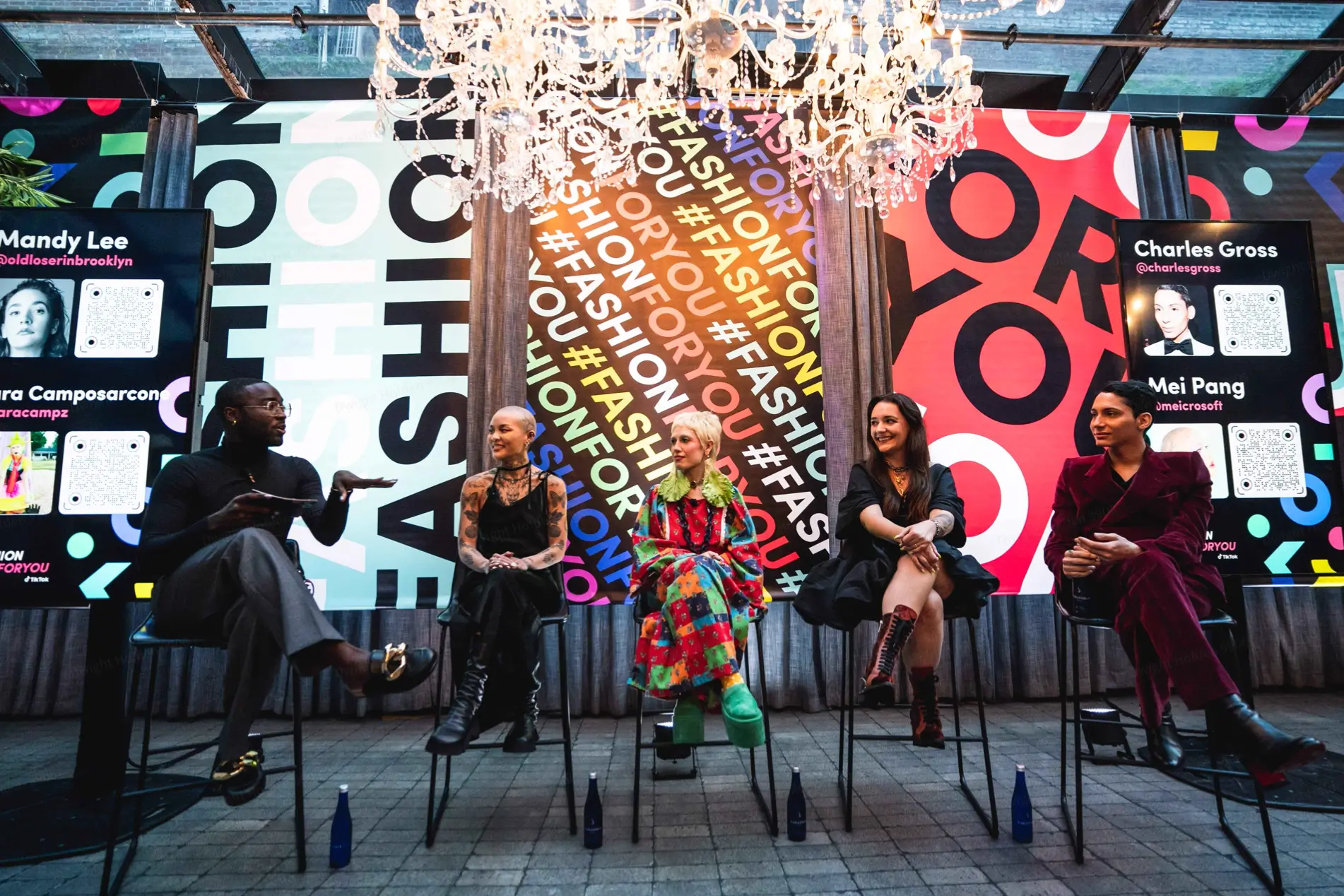
The Fashion For You event during New York Fashion Week brought together a curated group of creators working across fashion, beauty, and music, each representing a different facet of how style and culture move on TikTok. The panel featured Charles Gross, whose perspective on luxury, access, and the business of fashion reflects the evolving relationship between heritage brands and internet-native audiences. Mandy Lee contributed a voice rooted in personal style and self-expression, illustrating how individuality and point of view drive relevance in a crowded fashion landscape. Mei Pang rounded out the conversation with a beauty-forward lens, showing how makeup and visual experimentation function as both artistic practice and cultural signal within digital fashion ecosystems.

Across these initiatives, I acted as design lead, partnering closely with multiple external agencies to concept, develop, and deliver experiences that were cohesive, scalable, and unmistakably TikTok. My role sat at the intersection of creative direction and brand governance, translating core brand guidelines into flexible design systems that could stretch across physical environments, motion, OOH, content capture moments, and live programming without dilution. I set the visual and experiential north star, led art direction reviews, aligned agencies against shared creative principles, and ensured consistency across touchpoints while still leaving room for creator expression and cultural relevance. This required balancing rigor with adaptability, enforcing brand standards around color, motion language, typography, and tone, while evolving the aesthetic to meet the energy of Fashion Weeks, creators, and emerging trends. The result was a suite of experiences that felt vibrant, youthful, and platform-native, while maintaining strategic clarity and brand integrity at scale for TikTok.
.jpg)
Fashion has always been a reflection of identity, aspiration, and cultural dialogue, and TikTok accelerated that exchange at a global scale. The platform became a space where passion for style intersected with conversation, remix culture, and lived experience, allowing trends to move fluidly across age groups, geographies, and subcultures. A look could originate with a teenager in Seoul, be reinterpreted by a creator in Lagos, validated by a stylist in New York, and purchased by audiences across generations within days. By collapsing the distance between inspiration, discourse, and action, TikTok enabled fashion to function not only as visual culture but as a participatory, shoppable language, driving real product movement while shaping how different communities see themselves and each other around the world.
.jpg)
A new year in 2023 brought a meaningful evolution to TikTok’s design system, most notably with the introduction of TikTok Sans as our owned and operated typeface. More than a cosmetic update, TikTok Sans represented a strategic move toward greater brand authorship and consistency across surfaces, from product UI to campaigns, OOH, and experiential environments. The typeface was designed to be highly legible, expressive, and modular, capable of flexing between utility and personality depending on context. It balanced clarity with cultural energy, allowing us to speak fluently across commerce, creator storytelling, and brand moments without losing coherence. For fashion and experiential work in particular, TikTok Sans became a foundational tool. It allowed us to scale global event systems while maintaining a distinctly TikTok-first voice, anchoring bold visuals, creator spotlights, schedules, wayfinding, and content prompts within a single typographic language. The font supported speed and iteration while reinforcing brand trust, giving partners and creators a consistent visual signal that felt modern, youthful, and credible. In practice, it helped unify a rapidly expanding ecosystem of touchpoints and experiences, ensuring that as TikTok’s presence in culture grew, the brand expression remained intentional, ownable, and instantly recognizable.
.jpg)
In parallel, the imagery and compositional approach leaned more deliberately brutalist. We favored bold crops, raw framing, hard edges, and assertive shapes that felt direct, unapologetic, and culturally current. Photography and motion were treated less as polished spectacle and more as statements, allowing texture, attitude, and negative space to do the work. This approach aligned naturally with TikTok’s ethos of immediacy and authenticity, giving the brand a sharper point of view while creating a flexible system that could hold both emerging creators and established fashion voices under a unified, unmistakably TikTok expression for TikTok. This functional approach aligned with TikTok’s product-first mentality, where clarity and immediacy are critical. Images were selected and composed to support behavior, not distract from it, whether that meant prompting creation, anchoring a stage moment, or framing a photoshoot opportunity. By prioritizing utility alongside attitude, the visual system remained bold and expressive while still delivering precision and consistency, allowing the brand to communicate quickly and effectively across fashion, commerce, and experiential touchpoints on TikTok.
.jpg)
Another key design decision in 2023 was to tighten and discipline the color system, moving away from an overly expansive palette and refocusing on core brand tones. This shift brought greater clarity and confidence to the visual language, allowing color to function as a structural element rather than decorative noise. By concentrating on a smaller set of high-impact hues, we were able to create stronger contrast, faster recognition, and more consistent execution across campaigns, events, and owned surfaces, especially in high-energy fashion contexts where visual competition is intense. Imagery was treated as a functional system component rather than a purely expressive layer. Every image needed to do work: orient the viewer, signal hierarchy, create momentum, or frame action. We moved away from ornamental visuals and toward imagery that was purposeful, directional, and legible at speed, especially in environments where content competes aggressively for attention. Cropping, scale, and contrast were used to guide focus, reinforce messaging, and support wayfinding, ensuring visuals performed across physical spaces, mobile screens, and live environments without ambiguity.

Florals were introduced as a spatial material to soften the brutalist framework and inject a sense of lushness, tactility, and high-fashion sensibility into the environments. Rather than treating florals as decorative accents, we used them architecturally, as volume, texture, and contrast against hard edges, LED surfaces, and graphic forms. This interplay created visual tension that felt editorial and runway-adjacent, grounding the spaces in fashion language while keeping them emotionally warm and inviting. The florals brought depth, richness, and a sense of craft that elevated the experience from event design to something closer to a living set.
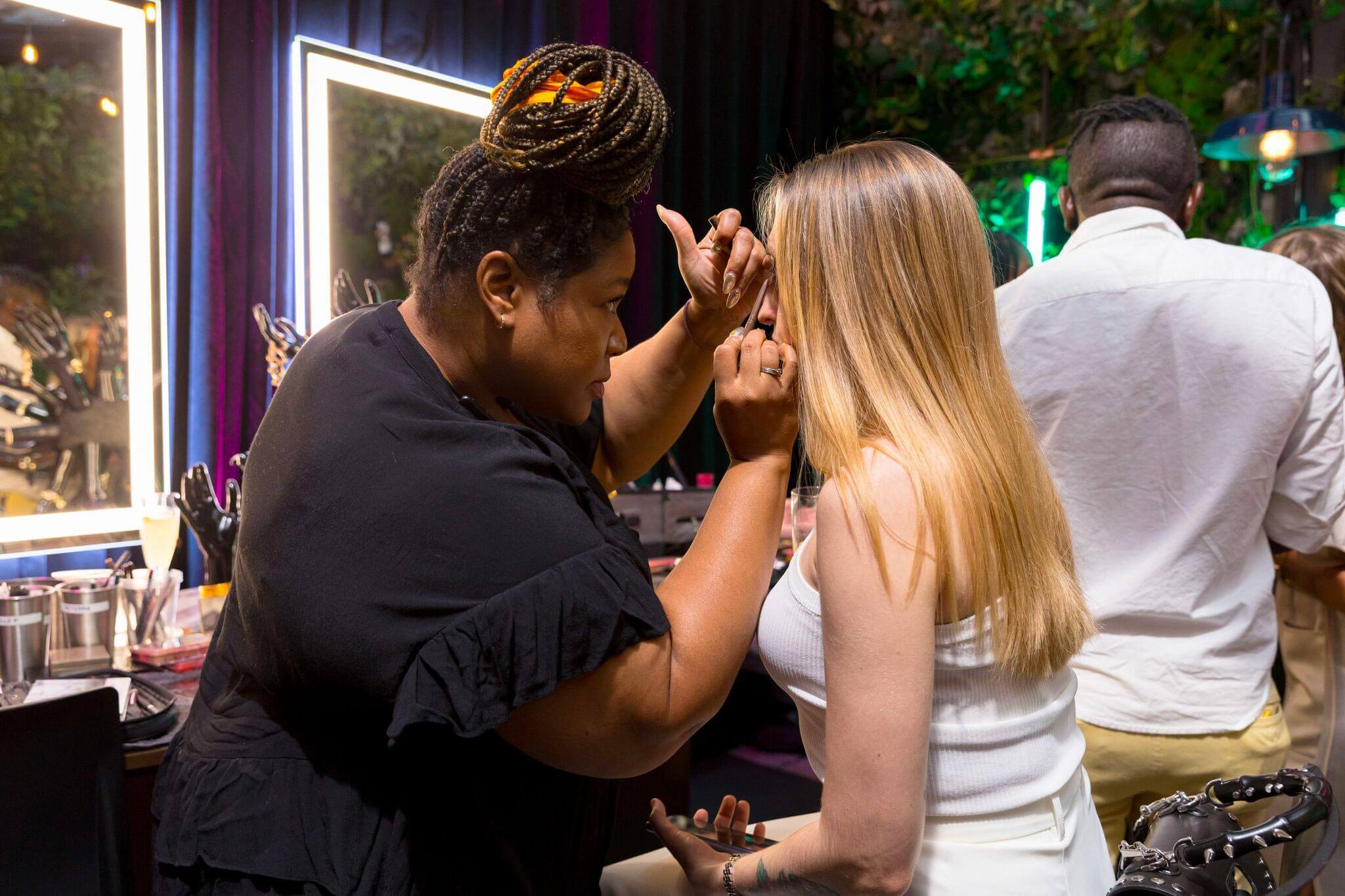
From an aesthetic standpoint, florals also functioned as a bridge between digital and physical worlds. They counterbalanced the precision of screens and geometry with organic movement and softness, giving creators a visually compelling backdrop that translated beautifully on camera. The result was an environment that felt immersive, aspirational, and unmistakably fashion-forward, while still remaining flexible enough to support content creation, photography, and live moments. Used this way, florals reinforced TikTok’s ability to blend raw cultural energy with elevated design, creating spaces that felt both of-the-moment and timeless. Makeup remained an integral first touchpoint of the experience, offered immediately after coat check as guests stepped in from the crisp New York Fashion Week autumn, allowing attendees to refresh, experiment, and complete their look before entering the main event space.

Working as design lead on these Fashion Week events was genuinely energizing because the spaces themselves were always rich with possibility. Each venue arrived with its own constraints and character, which made the challenge of transformation especially rewarding. Through lighting, spatial composition, and large-scale floral installations, we were able to reframe raw environments into expressive, fashion-forward settings that felt alive and camera-ready. The process of shaping atmosphere, guiding movement, and layering texture allowed design to operate at full scale, where every decision influenced how people felt, gathered, and created within the space.

It was critical to frame TikTok’s Fashion Week presence as more than a brand activation or cultural moment, but as a visible expression of how the platform, its commerce layer, and the creator economy now operate as a single ecosystem. TikTok’s role was not just to showcase fashion, but to demonstrate how discovery, influence, and transaction now coexist in the same environment. By aligning physical experiences with in-app behaviors, the platform showed how cultural relevance can translate directly into economic value, collapsing the distance between inspiration and purchase while keeping creators at the center of that exchange. At the same time, this integration signaled TikTok’s broader impact on the fashion and creator economies. Creators were no longer simply amplifiers of trends, but active participants in value creation, driving demand, shaping taste, and generating revenue through content, collaboration, and commerce. TikTok Shop extended that loop by giving creators ownership over outcomes, while Fashion Week experiences gave the industry a tangible view of how this new model works in practice. Together, it positioned TikTok as both platform and marketplace, a connective layer that links creativity, community, and commerce into a system that is reshaping how fashion is discovered, valued, and sustained.
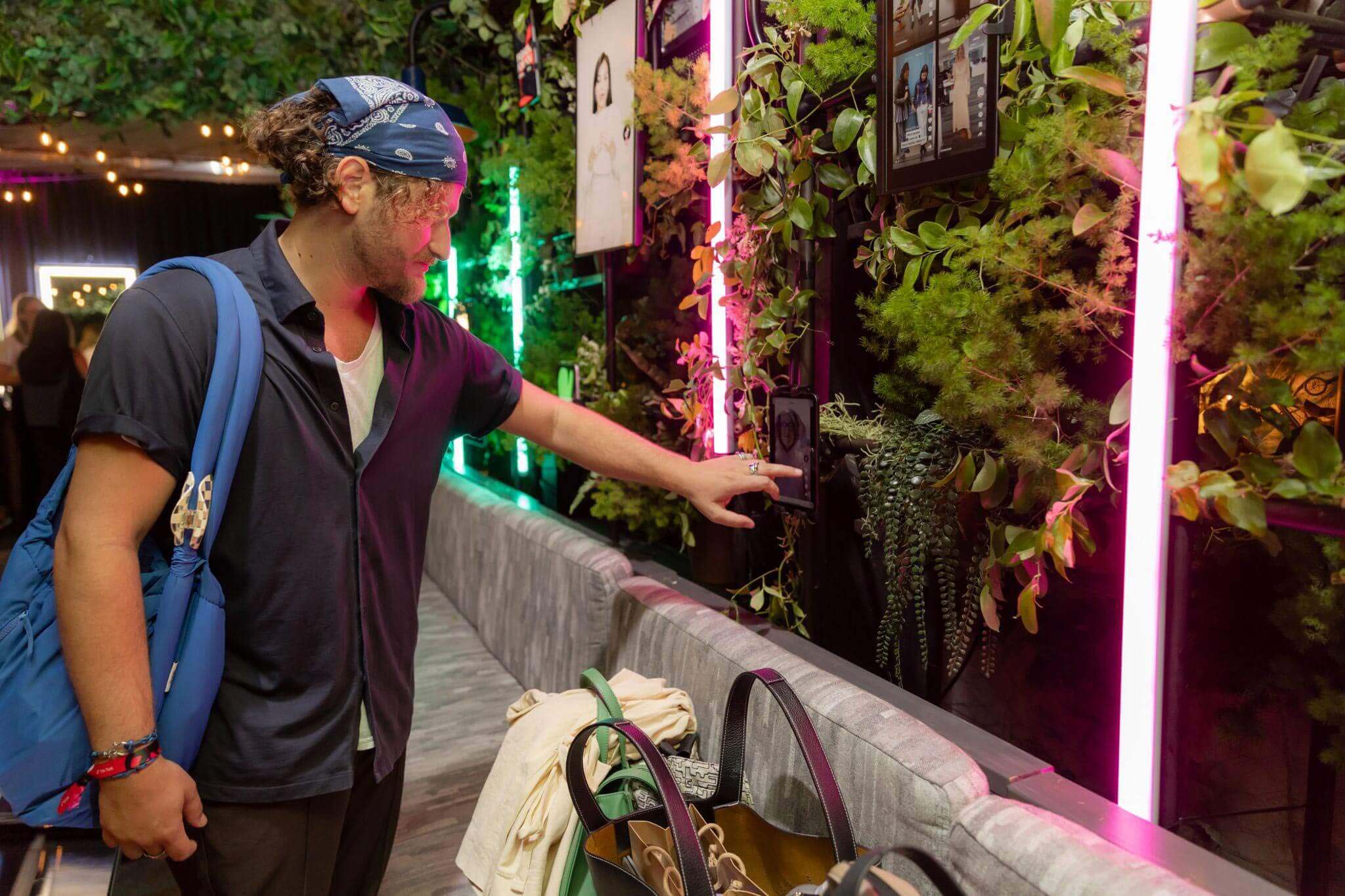
From an experiential design perspective, these events offered a rare opportunity to blend rigor and play. Lighting was used sculpturally to define zones and moments, florals introduced softness and contrast, and graphic systems anchored the brand throughout. Seeing creators and industry guests respond to those transformations in real time, using the spaces as stages for content, connection, and self-expression, made the work deeply satisfying. It reinforced why Fashion Week environments are such compelling design problems, and why building them through a TikTok lens was both creatively demanding and genuinely fun.
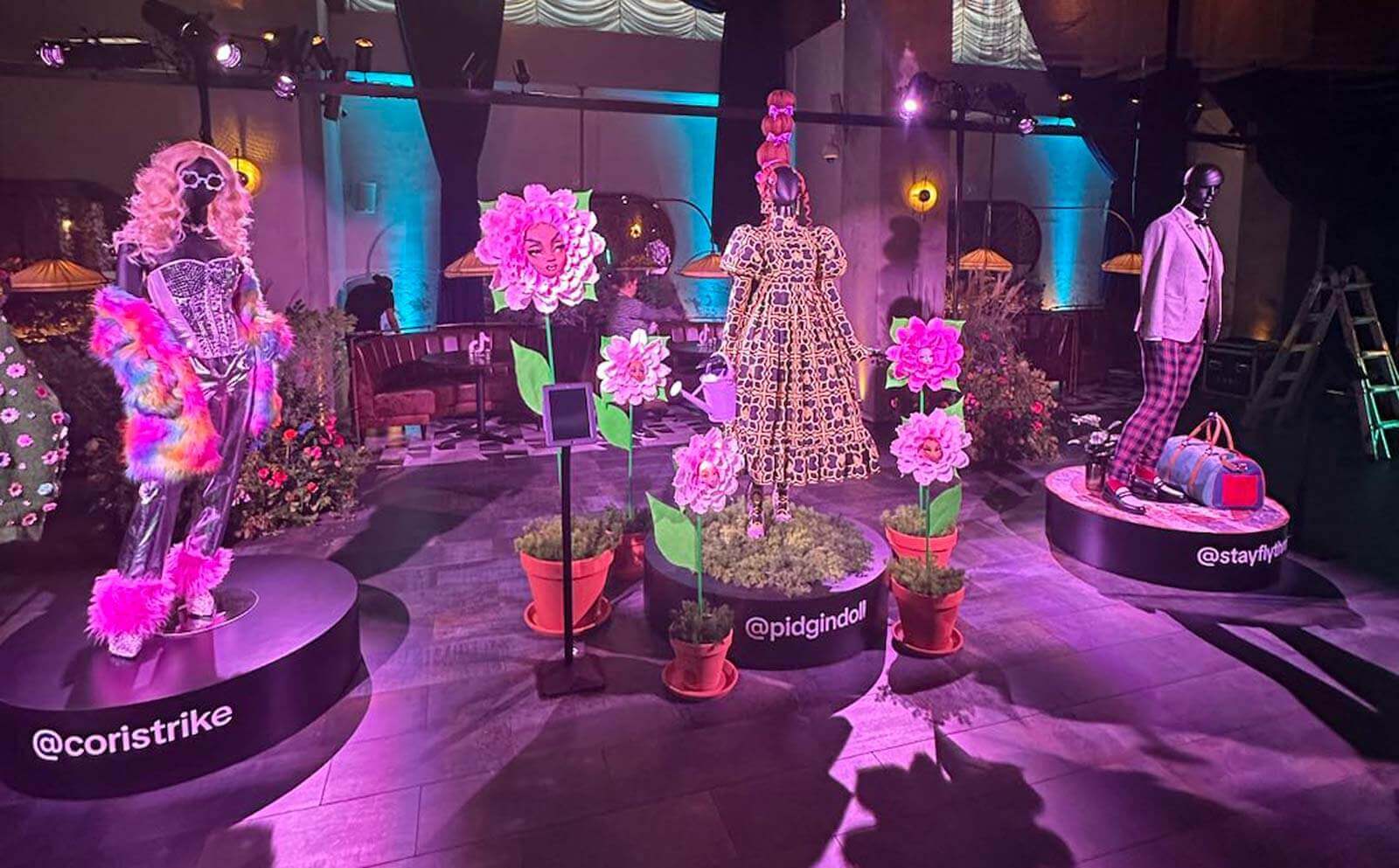
Working alongside creative strategist Cameron Colan, we developed a focused creator-platforming moment designed to give three fashion creators real authorship, visibility, and material support. The idea was to move beyond amplification and into patronage, giving each creator a mannequin, a defined budget, and a physical spotlight to translate their personal voice and aesthetic into a tangible fashion statement. Rather than prescribing outcomes, we created a structured framework that balanced creative freedom with clear constraints, allowing each creator to demonstrate ideation, taste-making, and execution in a way that felt authentic to their practice.

From an industry perspective, the installation functioned as a live portfolio moment. It gave editors, brands, and partners a clear read on how these creators think, style, and build narratives, while also providing the creators with a highly visible anchor for content creation before, during, and after the event. The mannequins became both exhibition and engine, a physical artifact to rally conversation, documentation, and behind-the-scenes storytelling. In doing so, TikTok reinforced its role not just as a stage for trends, but as an active enabler of creative careers, investing in creators as designers and cultural voices rather than simply content producers.
We built a suite of custom motion graphics that layered core brand shapes and disciplined color fields over kinetic typography to give the space a premium, editorial finish while maintaining strong brand presence. The motion system was designed to feel rhythmic and intentional, reinforcing hierarchy and pacing without overwhelming the environment. Typography moved with purpose, creating moments of emphasis and flow that anchored stages, transitions, and content zones, ensuring the space always felt alive, current, and unmistakably TikTok. Complementing this, looping TikTok reels featuring fashion content from local New York creators played throughout the venue, grounding the experience in real community expression. These loops functioned as both inspiration and validation, spotlighting creators who actively shape the city’s fashion culture and reinforcing the platform’s role as a living feed rather than a static backdrop. Together, the custom motion and creator content created a continuous dialogue between brand system and community voice, keeping the environment dynamic, premium, and culturally rooted.

The space itself felt intentionally lush and elevated, layered with florals, sculptural lighting, and rich material contrast that gave the environment a sense of luxury without tipping into stiffness. It struck a balance between high fashion and approachability, creating an atmosphere where creators felt celebrated and industry guests felt grounded in something contemporary and alive. That energy was reinforced by appearances from industry luminaries, including Steve Madden himself, whose presence underscored the credibility and gravity of the moment. Seeing established figures engage directly with creator-led spaces affirmed the event’s role as a meaningful intersection of legacy fashion and the next generation shaping where the industry is headed.

The impact of the event extended beyond the room itself, earning coverage from The New York Times and further cementing its relevance within the broader fashion and cultural conversation. That visibility signaled that these creator-led, TikTok-first experiences were no longer operating at the margins of Fashion Week, but firmly within its center of gravity. Recognition from a legacy publication reinforced the idea that the intersection of creators, commerce, and experiential design had become a legitimate and newsworthy evolution of how fashion is presented, accessed, and understood today.
.jpg)
In a hypergrowth phase, especially at a company scaling as fast as TikTok, standing still was never an option. Each year demanded a step change in ambition, scope, and cultural relevance. We were building the plane as we flew it, iterating in public while the platform rapidly expanded from breakout app to one of the largest and fastest-growing startups in the world. That velocity required taking calculated creative risks and showing up in places that signaled not just participation in culture, but leadership within it. Growth at that scale meant proving, again and again, that TikTok could operate at the highest levels of global influence.
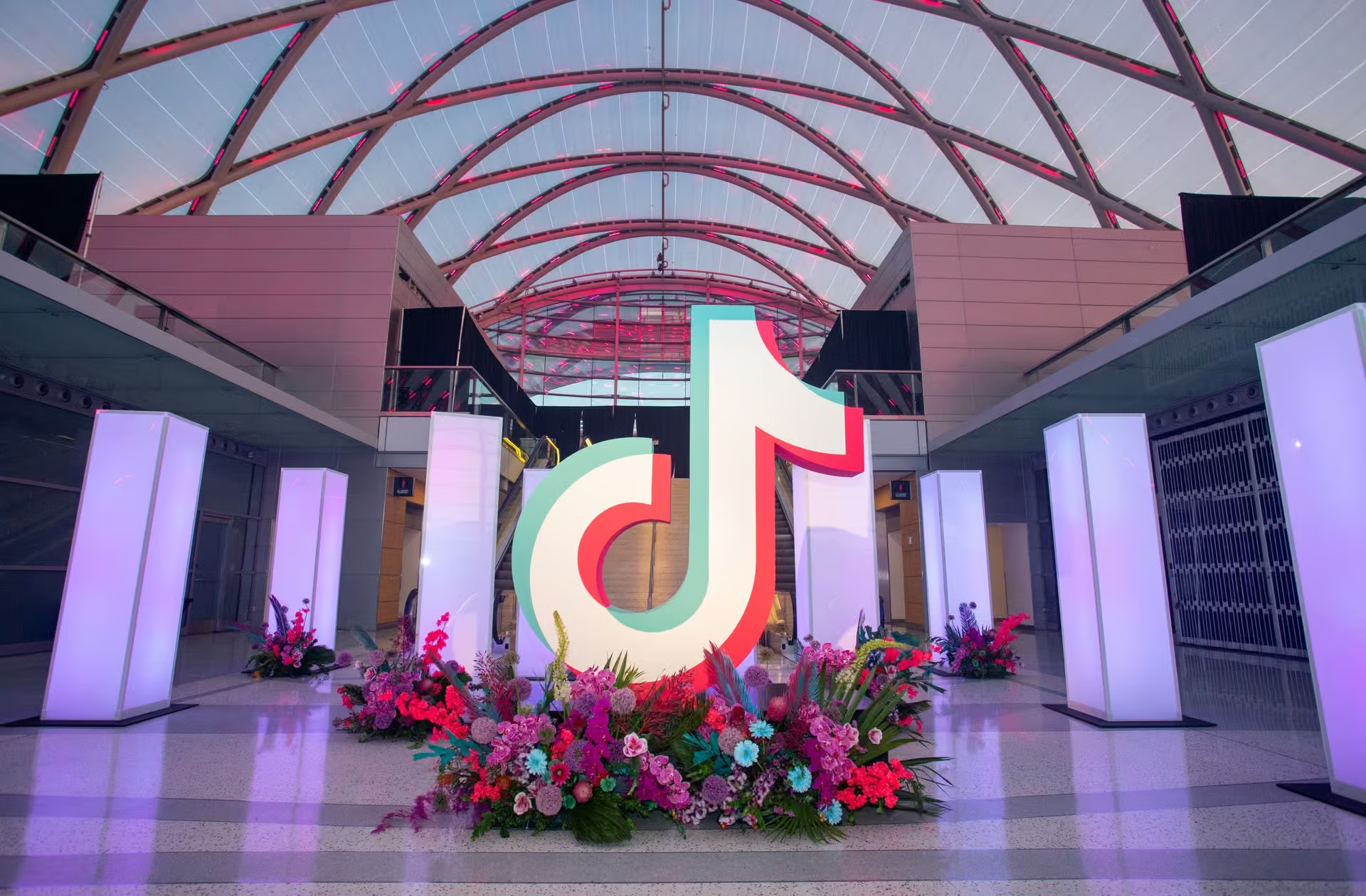
Partnering with the Met Gala became a natural extension of that mindset. It represented a decisive move into the most rarefied space in fashion and culture, a signal that TikTok was no longer adjacent to the industry but embedded within its most iconic moments. The partnership reinforced TikTok’s role as both a cultural engine and a modern distribution layer, capable of translating exclusivity into global participation without diminishing its impact. In doing so, TikTok demonstrated what hypergrowth leadership looks like: meeting legacy institutions at eye level while reshaping how their stories are experienced, shared, and ultimately sustained in the digital age.
TikTok’s partnership with the Met Gala marked a defining escalation in how a digital platform can operate at the highest tier of fashion, culture, and institutional legitimacy. By serving as lead sponsor of The Costume Institute’s 2024 spring exhibition, Sleeping Beauties: Reawakening Fashion, and the annual Met Gala benefit, TikTok moved decisively from cultural commentator to cultural stakeholder. This was not a surface-level brand placement, but a structural alignment with one of the most powerful arbiters of fashion history and taste. The partnership signaled that TikTok was no longer simply reflecting the industry’s output, but actively shaping how fashion is archived, interpreted, and experienced at a global scale. On the red carpet itself, TikTok transformed coverage into conversation. Correspondents engaged attendees not just on what they were wearing, but how they interpreted the theme and their creative process, shifting red carpet media from spectacle to context. In parallel, TikTok hosted an official creator watch party that brought together fashion-forward voices to react in real time, reinforcing the platform’s role as the social layer where collective meaning is made. These formats demonstrated how TikTok collapses the distance between insider and audience, turning fashion’s most exclusive moments into shared cultural literacy.

From a reach and impact standpoint, the numbers underscored the magnitude of that shift. More than 13.6 million total viewers tuned in globally to Vogue’s TikTok LIVE broadcasts and rebroadcasts, making it the most-watched red carpet livestream in platform history and one of the longest-viewed live events ever hosted on TikTok LIVE. In the lead-up to the event, #MetGala posts increased by 71 percent, demonstrating how TikTok not only amplifies marquee cultural moments but materially expands their audience, duration, and downstream engagement. What was once an exclusive, invitation-only night became a participatory, global media event without losing its aura. Creators were embedded across every layer of the experience, functioning as correspondents, commentators, stylists, critics, and cultural translators. TikTok creators attended early-access previews of the exhibition, offering the community first looks at more than 200 garments and accessories drawn from The Met’s archives. These moments reframed museum-going from a passive, physical act into a distributed storytelling engine, where fashion history could be unpacked through personal lenses, real-time reactions, and algorithmic discovery. This creator-first approach aligned perfectly with the exhibition’s themes of ephemerality and rebirth, extending curatorial intent into living digital narratives.

Taken together, TikTok’s Met Gala integration illustrated the platform’s broader role in reshaping the fashion economy. It connected institutional prestige with creator-led distribution, cultural influence with measurable scale, and historical legacy with real-time participation. Fashion’s next growth phase is being driven by platforms that can unify storytelling, community, and commerce, and TikTok demonstrated that capability at the industry’s highest altar. By bringing the Met Gala into the feed, TikTok didn’t dilute fashion’s power. It expanded it, proving that cultural authority and mass participation are no longer opposites, but mutually reinforcing forces in the modern fashion system.

At the center of the night, TikTok’s presence extended into the most symbolic spaces of fashion power. CEO Shou Chew hosted a table that brought together leaders across fashion, music, and entertainment, underscoring the platform’s cross-industry gravity. The evening continued with a high-profile afterparty co-hosted with Stella McCartney, further reinforcing TikTok’s ability to convene legacy brands, cultural icons, and next-generation talent in a single ecosystem. These moments mattered not just socially, but strategically, signaling that TikTok now operates as connective infrastructure across creative industries. The TikTok table at the Met Gala was hosted by Shou Chew and included a cross-section of fashion, music, and creator culture: Ashley Graham, Camila Mendes, Charli XCX, Jack Harlow, Joseph Altuzarra, Léna Mahfouf, Leon Bridges, and Wisdom Kaye.
Shou Zi Chew was named an honorary chair of the 2024 Met Gala, marking the first time a social media executive has held the role at fashion’s most influential event. His appointment reflected the scale and cultural gravity TikTok now commands, particularly within fashion, where discovery, influence, and commerce increasingly originate on the platform rather than through traditional gatekeepers. As lead sponsor of the Costume Institute’s exhibition Sleeping Beauties: Reawakening Fashion, TikTok’s presence signaled a structural shift in the industry, acknowledging that platforms shaping creator economies and global participation now sit alongside legacy institutions in defining taste, relevance, and power. He attended the event alongside his wife, Vivian Kao, drawing significant attention as leaders from Hollywood, fashion, business, and technology converged in New York. His appointment, alongside Loewe creative director Jonathan Anderson, reflected how influence in fashion has expanded beyond designers and editors to include platforms that shape taste, participation, and commerce at global scale.
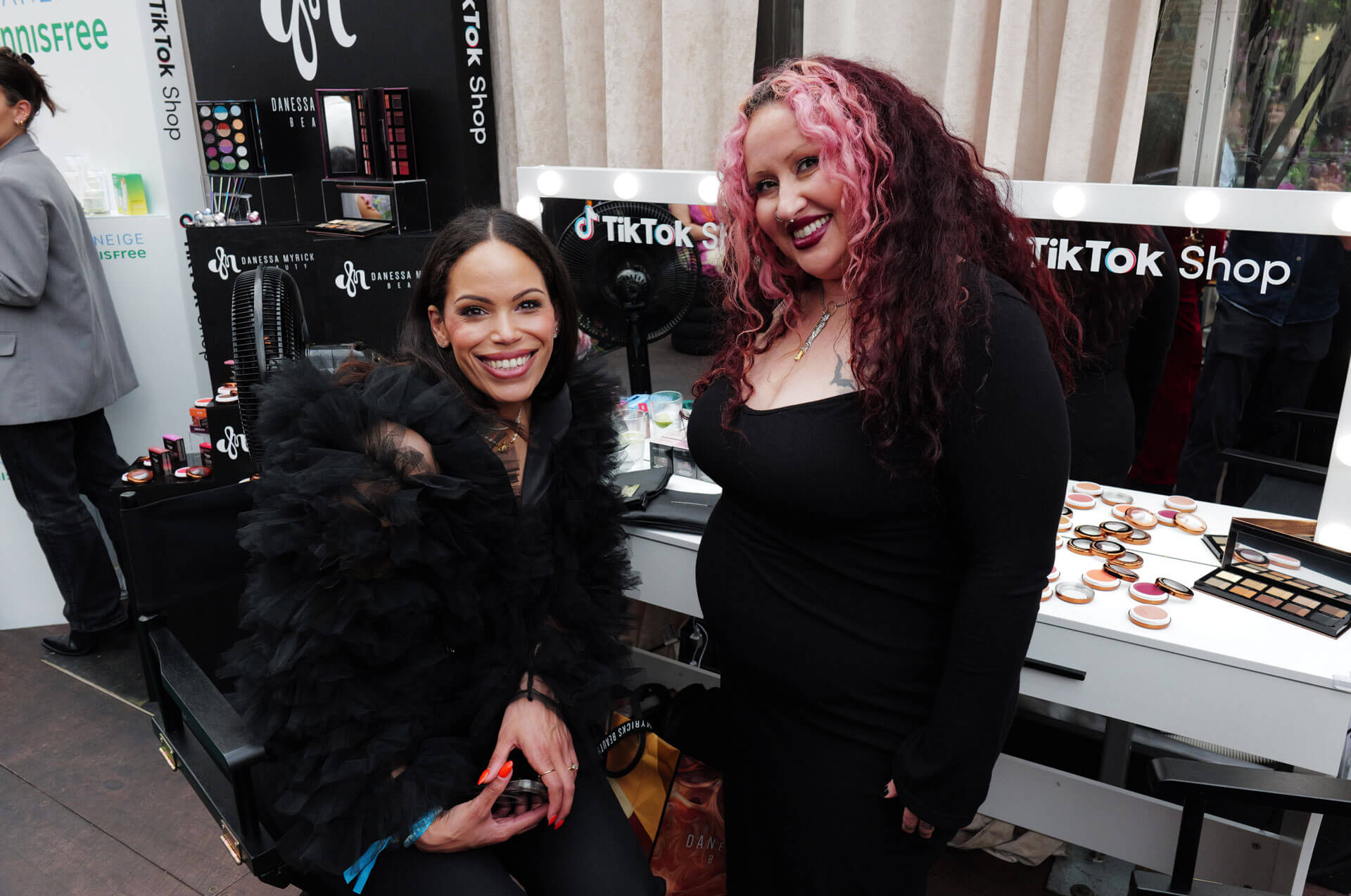
TikTok fundamentally reshaped how the Met Gala was experienced by turning a traditionally one-directional spectacle into a living, conversational culture moment. Beyond the red carpet itself, TikTok became the space where the night was decoded in real time through snark, humor, critique, and genuine admiration. Creators broke down looks instantly, debated interpretations of the theme, surfaced references, and challenged or celebrated executions, creating a post-event layer that often traveled further and lasted longer than the carpet itself. This reactive energy transformed fashion commentary from elite editorial judgment into participatory cultural analysis, where wit, speed, and point of view mattered as much as credentials.
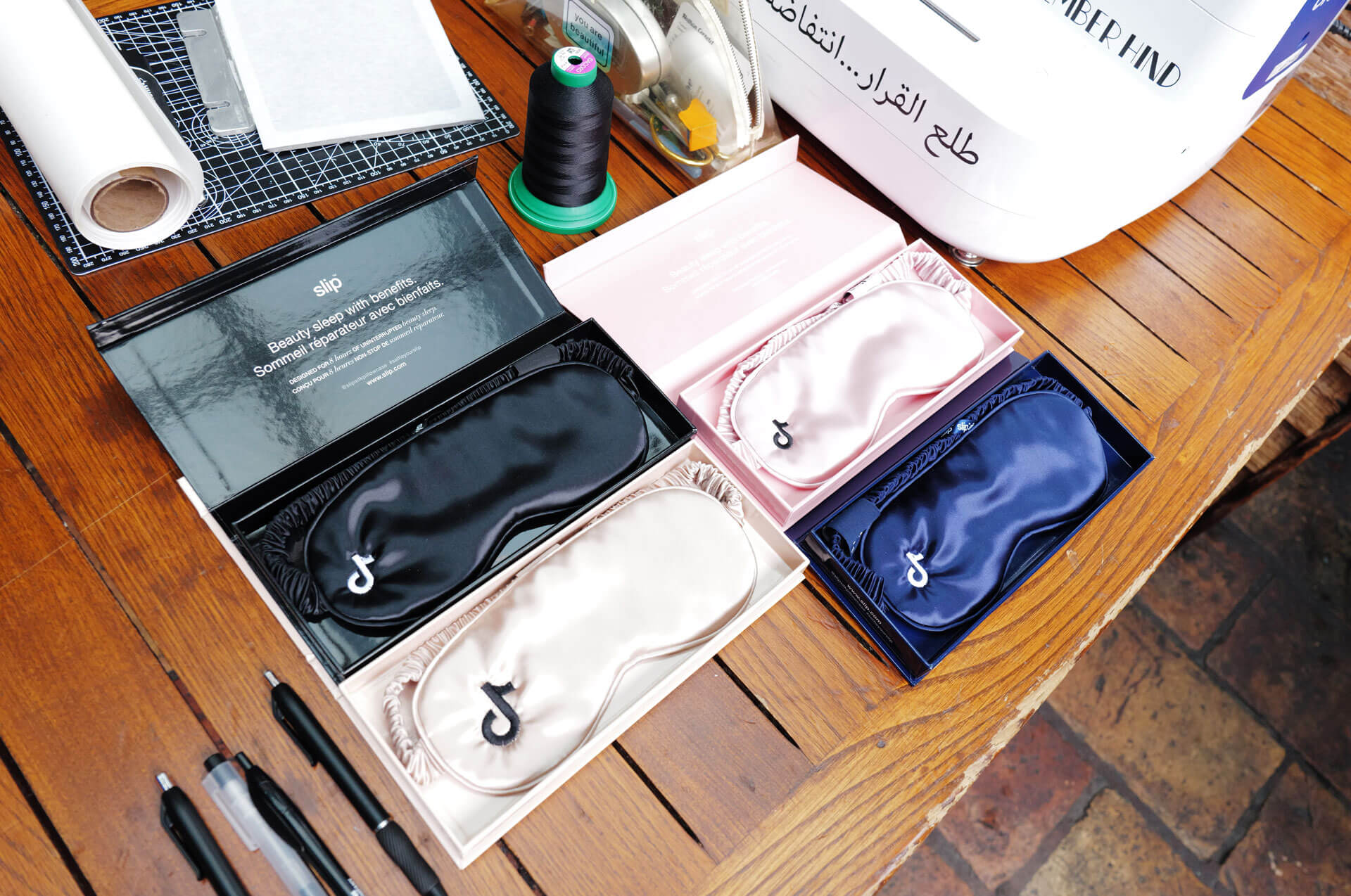
At the same time, TikTok expanded access during the event itself through live, creator-led coverage on the carpet. Interviews conducted by creators brought a different tone to red carpet media, prioritizing curiosity, context, and cultural fluency over rehearsed soundbites. Viewers weren’t just watching outfits pass by, they were hearing how guests interpreted the theme, how looks came together, and what the night meant to those inside the room. Together, the live coverage and the wave of post-Gala reactions positioned TikTok as both front row and afterparty, the place where fashion’s most exclusive night was not only seen, but collectively interpreted, debated, and remembered.

The creator watch party was designed as a fully immersive extension of the live Met Gala stream, blending real-time viewing with hands-on content creation. Custom-built vertical screens, optimized for a mobile-first viewing experience, anchored the space and mirrored the way audiences naturally consume fashion content on TikTok. These screens allowed creators to react live to red carpet arrivals while simultaneously producing commentary, duets, and short-form videos in the moment. Interactive content zones encouraged spontaneous filming, collaboration, and reaction-driven storytelling, ensuring the watch party functioned as both audience and broadcast. The energy carried seamlessly into the afterparty, where creators, artists, and industry guests continued the conversation through music, movement, and social content, extending the life of the event well beyond the live stream and reinforcing TikTok’s role as the cultural layer where fashion moments are experienced, reinterpreted, and amplified.

As design lead, I was intentional about ensuring the TikTok brand remained unmistakably present while operating at an elevated, fashion-forward level. Core brand elements such as typography, logo usage, and a disciplined color palette were treated as anchors throughout the experience, providing clarity and consistency amid premium venues, layered lighting, and lush floral installations. Rather than competing with the environment, the brand system was integrated with restraint and confidence, allowing TikTok to feel at home in rarefied spaces without losing its identity. This balance made it possible to deliver experiences that felt editorial, luxurious, and culturally credible, while still signaling clearly and cohesively that TikTok was the connective force bringing creators, fashion, and community together.
.jpg)
As TikTok scaled regionally, it became essential to build a fashion system that could travel across markets while still plugging into the broader TikTok Shop ecosystem. The fashion toolkit evolved from a set of visual assets into a scalable operating framework, one that aligned brand expression, creator behavior, and commerce mechanics across regions. This ensured that whether an event was happening in New York, Milan, Paris, or Berlin, the experience felt locally relevant but globally coherent, reinforcing how fashion discovery on TikTok naturally ladders into shopping, affiliation, and repeat engagement within TikTok Shop.

I worked closely with designer Jason Gomez to help build out the TikTok Shop brand guidelines, translating product and commerce principles into a flexible visual and experiential system. Together, we defined how typography, color, motion, and layout should function in shoppable contexts, then applied those learnings directly to fashion events and activations. Insights from our broader fashion programming fed back into the guidelines, creating a loop between live experience, creator behavior, and commerce performance. The result was a unified brand language that could support regional execution, elevate physical experiences, and seamlessly connect fashion culture to TikTok’s growing commerce engine.
.jpg)
The TikTok Shop Runway in Thailand was a clear signal of how the platform localized its fashion and commerce playbook while maintaining a globally recognizable format. Hosted at EM District, the event blended runway, live performance, and creator culture into a single, continuous spectacle designed for both in-person energy and social amplification. Even after the show ended, the content lifecycle continued, with highlights, reactions, and fan moments circulating across feeds, reinforcing how TikTok treats events not as finite moments but as content engines with long tails. A major driver of the event’s impact was the presence of regional stars and creators who already commanded deep, emotionally invested audiences. Performers and fashion figures like Mew Suppasit and Engfa Waraha brought fandom, music, and fashion into the same frame, collapsing entertainment and style into a single cultural moment. The runway became a hybrid stage where artists could perform, model, and interact with fans simultaneously, while creators captured and redistributed those moments in real time, extending reach far beyond the venue.

By anchoring the event inside EM District and framing it as an exclusive, TikTok-first runway, the platform created a premium cultural context while reinforcing its core value proposition: trend-led, cost-conscious fashion powered by creators and community. We took over a mall and were able to transform it into an experiential event, involving creators and brands, but then also elevate in the commerce angle by making it a live shoppable tiktok live broadcast to drive revenue. What marked a step change from earlier activations was the shift from awareness to action. The runway evolved from a brand moment into a conversion surface, leveraging TikTok Shop’s ability to move users from inspiration to checkout in seconds. With prior offline fashion events already generating more than 30 million hashtag views, this second 2024 installment doubled down on “shoppertainment,” intentionally collapsing performance, livestreaming, and commerce into an infinity loop. Fashion trends surfaced on stage, were amplified through creators, and became immediately purchasable, reinforcing TikTok Shop’s strength as both a discovery platform and a retail ecosystem.
.jpg)
The event also functioned as a growth accelerator for Thai fashion brands within the broader Creative Economy. With fashion contributing hundreds of billions of baht in revenue and employing hundreds of thousands nationally, TikTok Shop framed local designers as export-ready, digital-native brands capable of competing on a global stage. By offering exclusivity, live launches, and creator amplification, the platform positioned itself as more than a marketplace. It became a fashion community and infrastructure layer, connecting brands, creators, and consumers while helping Thai fashion scale as a form of cultural soft power.
.jpg)
Finally, the runway underscored how TikTok Shop operationalizes creator-led commerce at scale. From rising designers launching collections via livestream for the first time to artists and performers driving fandom-fueled engagement, the event showed how entertainment, influence, and sales reinforce each other inside one system. Integrated tools like ads, affiliates, KOL marketing, and backend commerce support allowed brands to move faster, learn faster, and monetize cultural momentum in real time. The result was not just a successful fashion event, but a blueprint for how social commerce can power the next phase of fashion growth in Southeast Asia and beyond.
.jpg)
These runway shows, paired with fully integrated shoppable live streams, became a breakout success in regional markets where live commerce was already deeply embedded in consumer behavior. In places like Southeast Asia, audiences were already fluent in discovering, evaluating, and purchasing products in real time through creators, so translating that behavior into a fashion runway format felt natural rather than experimental. The shows collapsed inspiration, entertainment, and transaction into a single moment, allowing viewers to watch a look walk the runway, understand its styling, and purchase instantly without leaving the experience. That immediacy created momentum and urgency, driving outsized engagement and conversion while turning fashion week into a participatory event rather than a distant spectacle. Once launched, the format spread quickly, proving that when cultural habits, platform mechanics, and commerce infrastructure align, fashion content doesn’t just land, it ignites.
.jpg)
Especially across APAC, where live shopping and creator-led commerce were already massive revenue drivers, this format felt less like a leap and more like an evolution. Markets in Southeast Asia had long embraced real-time selling as a primary shopping behavior, with audiences comfortable buying through livestreams, creator recommendations, and social proof. By layering runway shows on top of that existing commerce muscle, these events tapped into a mature ecosystem that was primed to scale. Fashion became both entertainment and transaction in one fluid motion, allowing regional teams to drive meaningful GMV while reinforcing TikTok’s role as the center of cultural discovery. The result was a format that moved fast, traveled well, and proved that when you meet markets where they already are, impact compounds quickly.
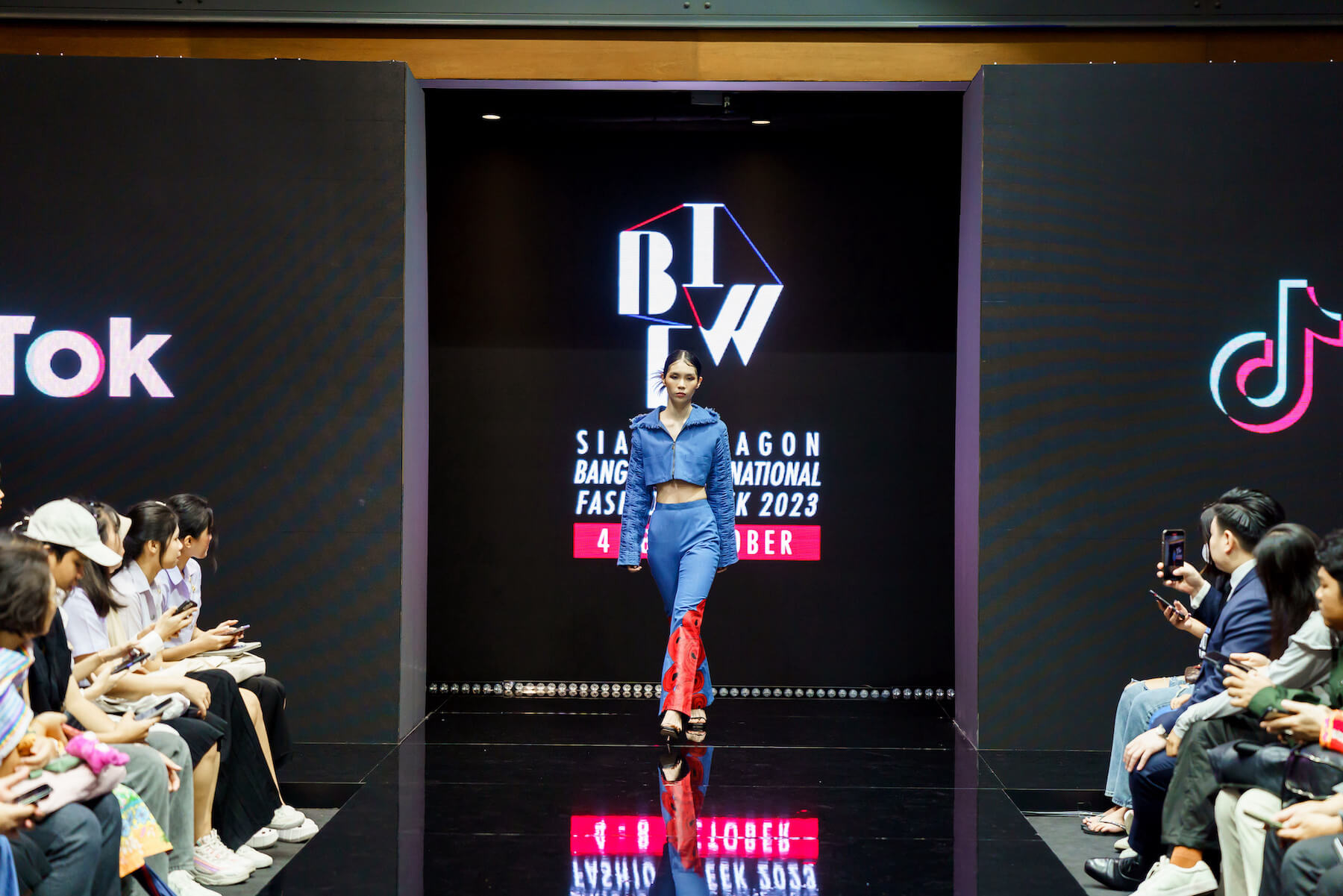
From Thailand to the Philippines to New York, these fashion moments were designed to live under one cohesive TikTok banner, creating a globally consistent yet locally resonant expression of the brand. No matter the market, the events shared a common visual and experiential language rooted in TikTok’s core identity. Typography, color, motion, spatial layouts, and content formats were intentionally systemized so that a runway in Bangkok, a creator showcase in Manila, or a fashion week moment in New York all felt unmistakably TikTok while still flexing to local culture, talent, and fashion sensibilities.
%20(1).jpg)
This consistency was critical to reinforcing TikTok as a unified global fashion platform rather than a collection of disconnected regional activations. Creators, brands, and audiences could recognize the experience instantly, whether they encountered it in person or through live streams and UGC on the For You feed. At the same time, each market brought its own energy, silhouettes, music, and style codes into the system, proving the strength of the framework. The result was a scalable fashion playbook that allowed TikTok to show up credibly and cohesively across continents while amplifying local creative economies within a shared global aesthetic.
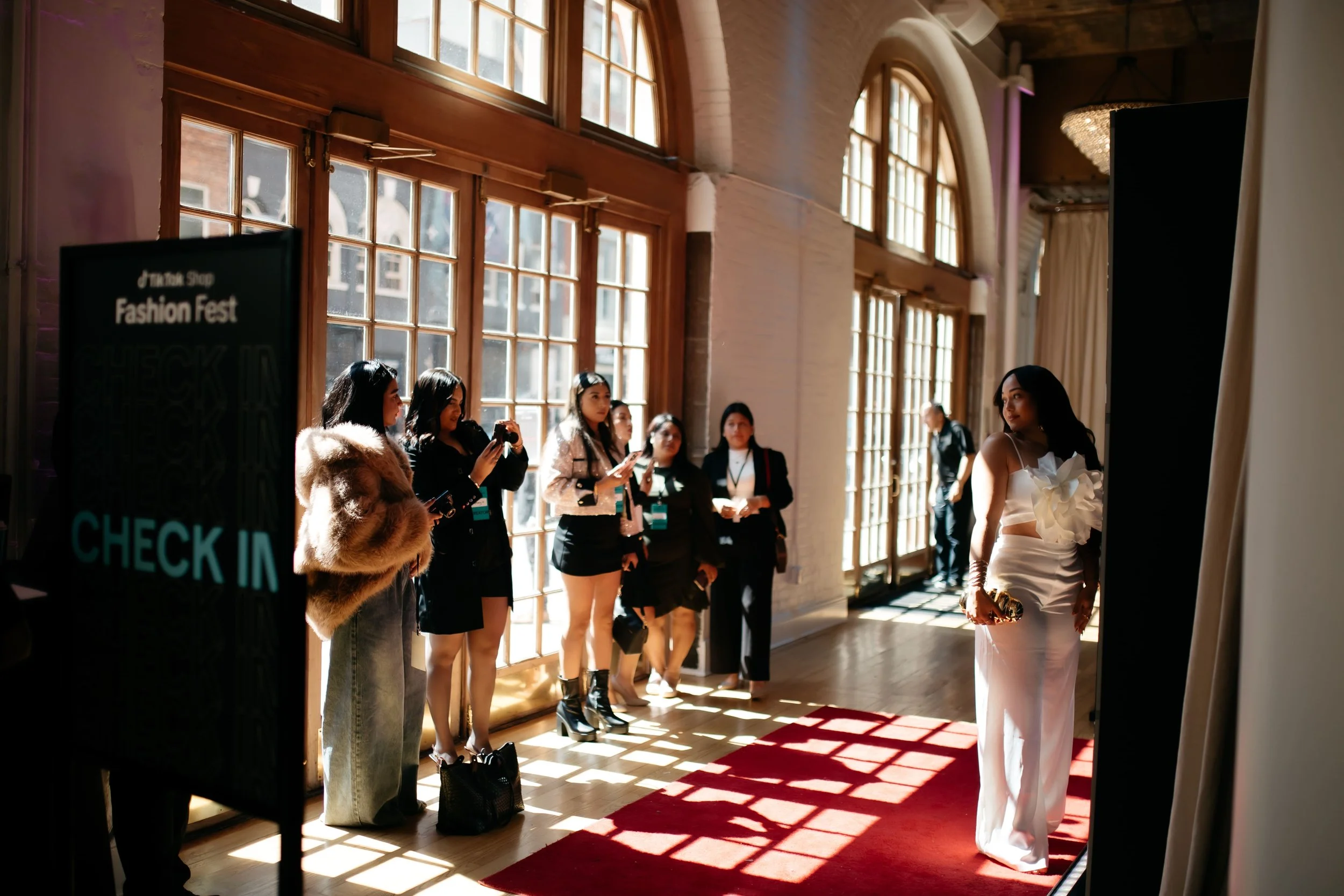
Global and regional teams stayed closely connected through reviews, working sessions, and shared design frameworks to ensure every execution adhered to a clear creative north star. Rather than prescribing rigid outcomes, we aligned on principles, systems, and intent, allowing local teams to adapt experiences to their audiences while staying within a cohesive visual and experiential language. By acting as a connective layer across regions, we were able to guide decisions around layout, motion, color, typography, and content moments in real time, troubleshooting and refining as projects evolved. This approach ensured that whether an event was produced in Southeast Asia or New York, it felt unmistakably of a piece with the broader ecosystem. Through this ongoing collaboration, TikTok was able to scale fashion experiences globally without fragmenting its identity, reinforcing a shared vision while empowering regional creativity.
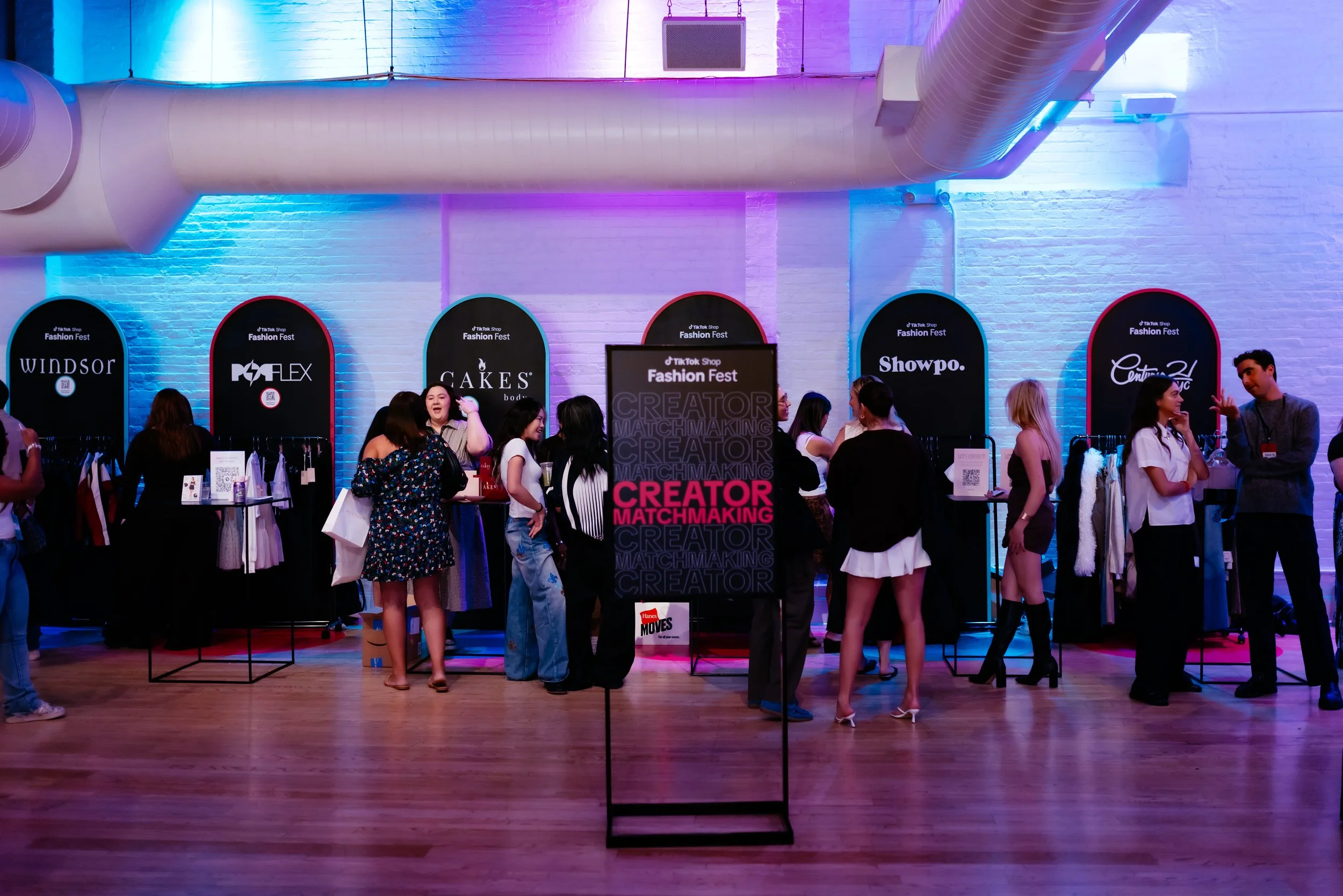
The TikTok event template we built, in tandem with the fashion-specific brand guidelines, became the foundational system for how Fashion Fest in New York came to life. Rather than starting from scratch, the team was able to draw from a proven experiential framework that already codified how TikTok shows up in fashion contexts across space, motion, typography, color, and content moments. This template acted as both a creative accelerator and a quality control mechanism, ensuring the event felt instantly recognizable as TikTok while still leaving room to respond to the scale, energy, and cultural weight of New York.
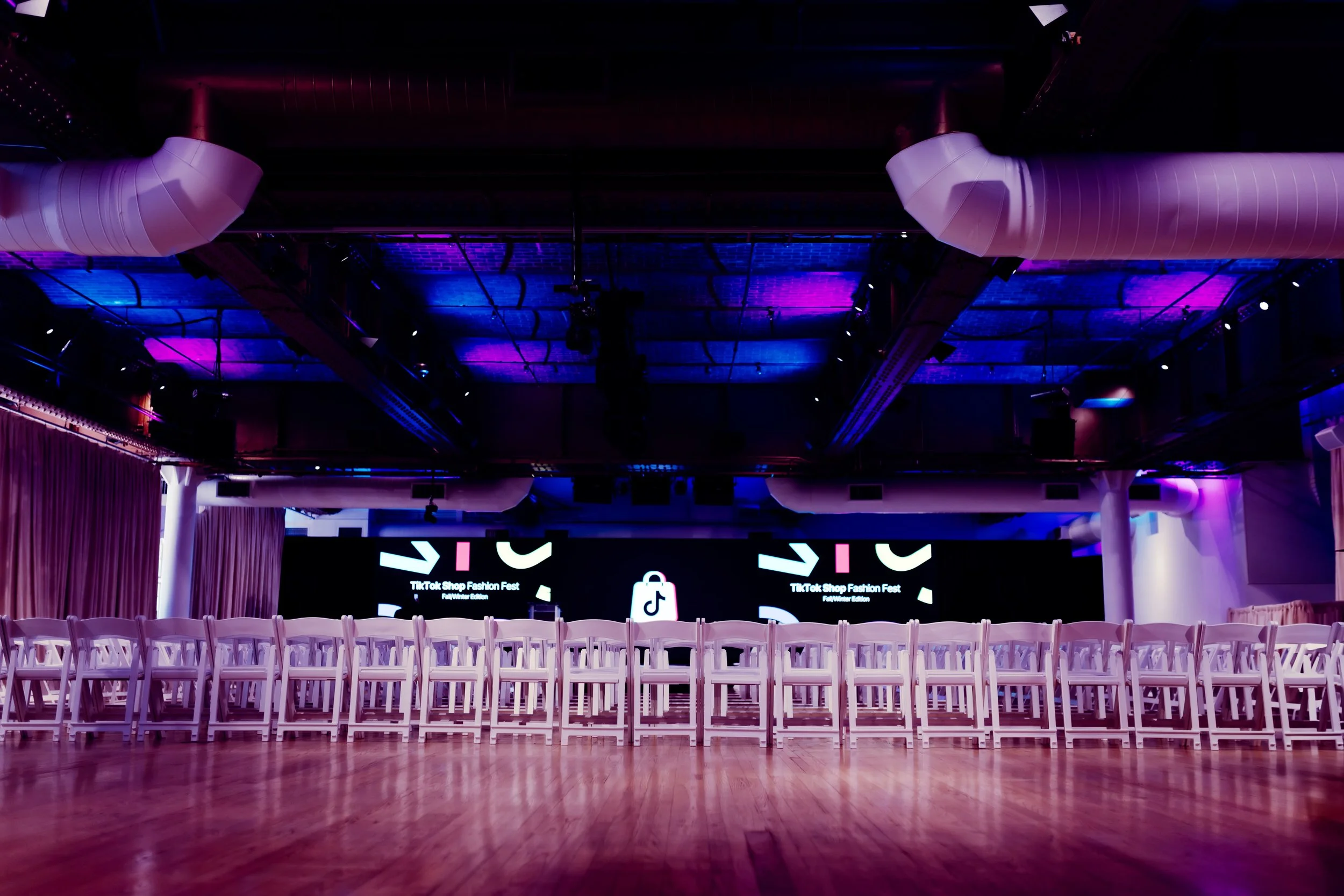
By applying this system to Fashion Fest, we translated global learnings into a local expression that felt elevated, confident, and intentional. The guidelines informed everything from spatial zoning and stage design to screen layouts, motion behaviors, and creator-first content touchpoints, allowing the experience to balance spectacle with usability. In this way, the Fashion Fest look and feel wasn’t a one-off execution, but a natural evolution of a broader design language built to scale. It reinforced how TikTok could maintain a cohesive fashion identity globally while continuously iterating on it in culturally meaningful ways.
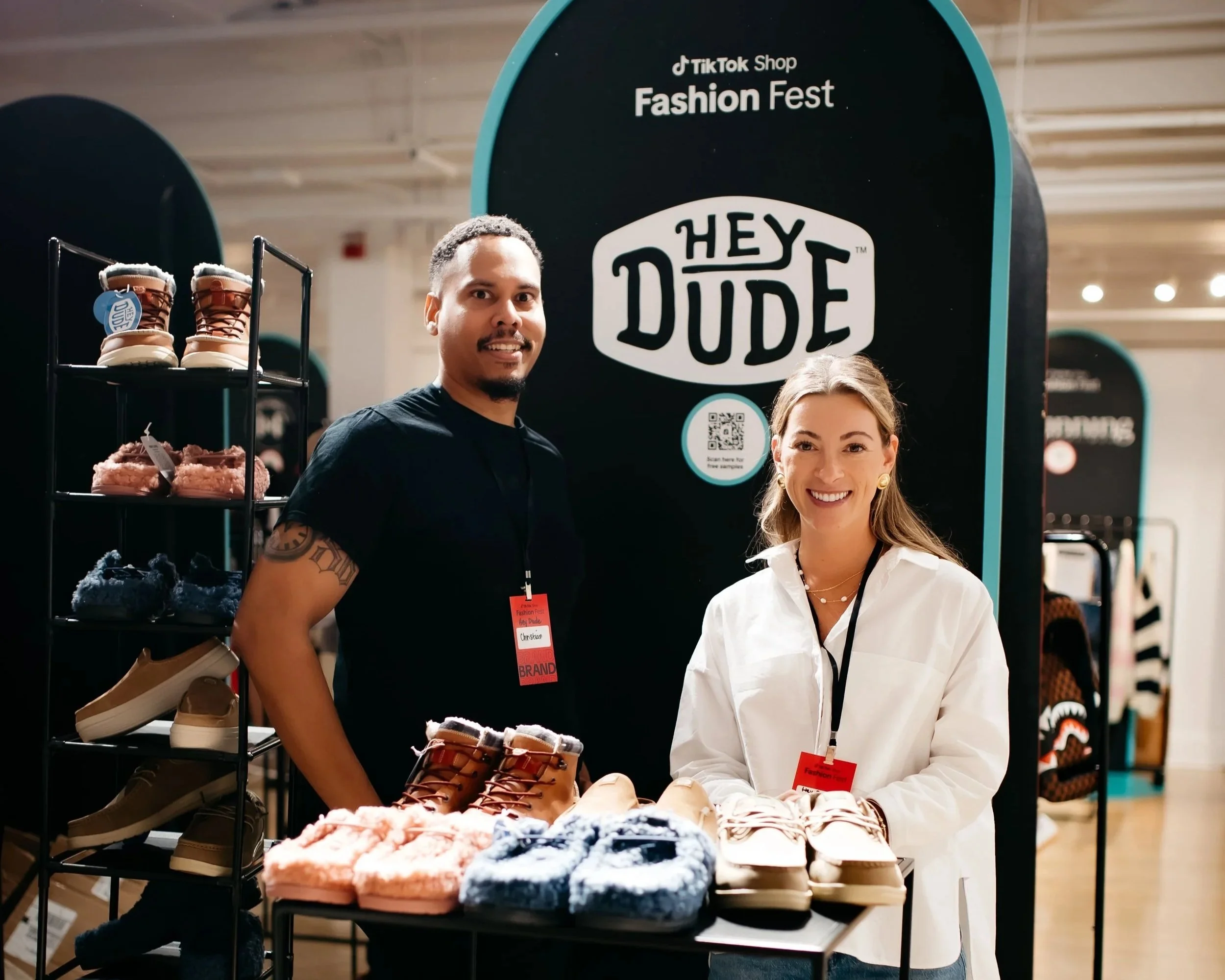
A more refined TikTok Shop branding system served as the backdrop for this iteration, signaling a step change in maturity and focus as commerce became central to the experience. The visual language was intentionally pared back, allowing the environment to feel cleaner, more premium, and more editorial, with fewer competing signals and clearer hierarchy. At the center of it all was a monochromatic white TikTok Shop logo, used as a quiet but confident anchor that grounded the space and created instant brand recognition without overpowering the fashion or the creators.
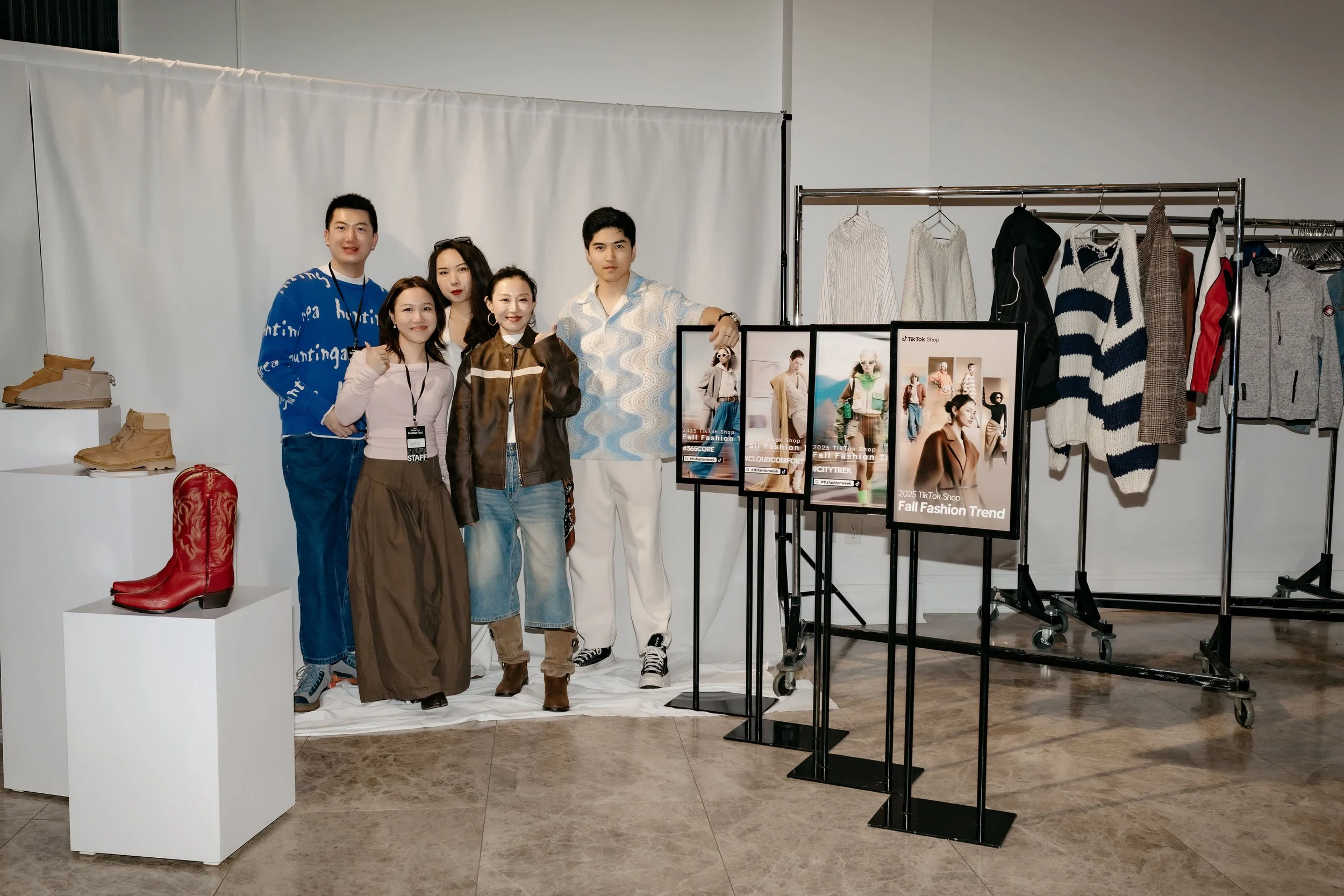
This restraint allowed the brand to operate more like a luxury retail or runway environment, where the backdrop supports the product rather than competing with it. The white logo became a consistent point of orientation across stages, screens, and spatial moments, giving cohesion to an otherwise dynamic, content-heavy environment. In doing so, TikTok Shop was positioned not just as a transactional layer, but as a credible, elevated commerce platform capable of sitting comfortably within high-fashion contexts while still driving discovery, storytelling, and conversion.
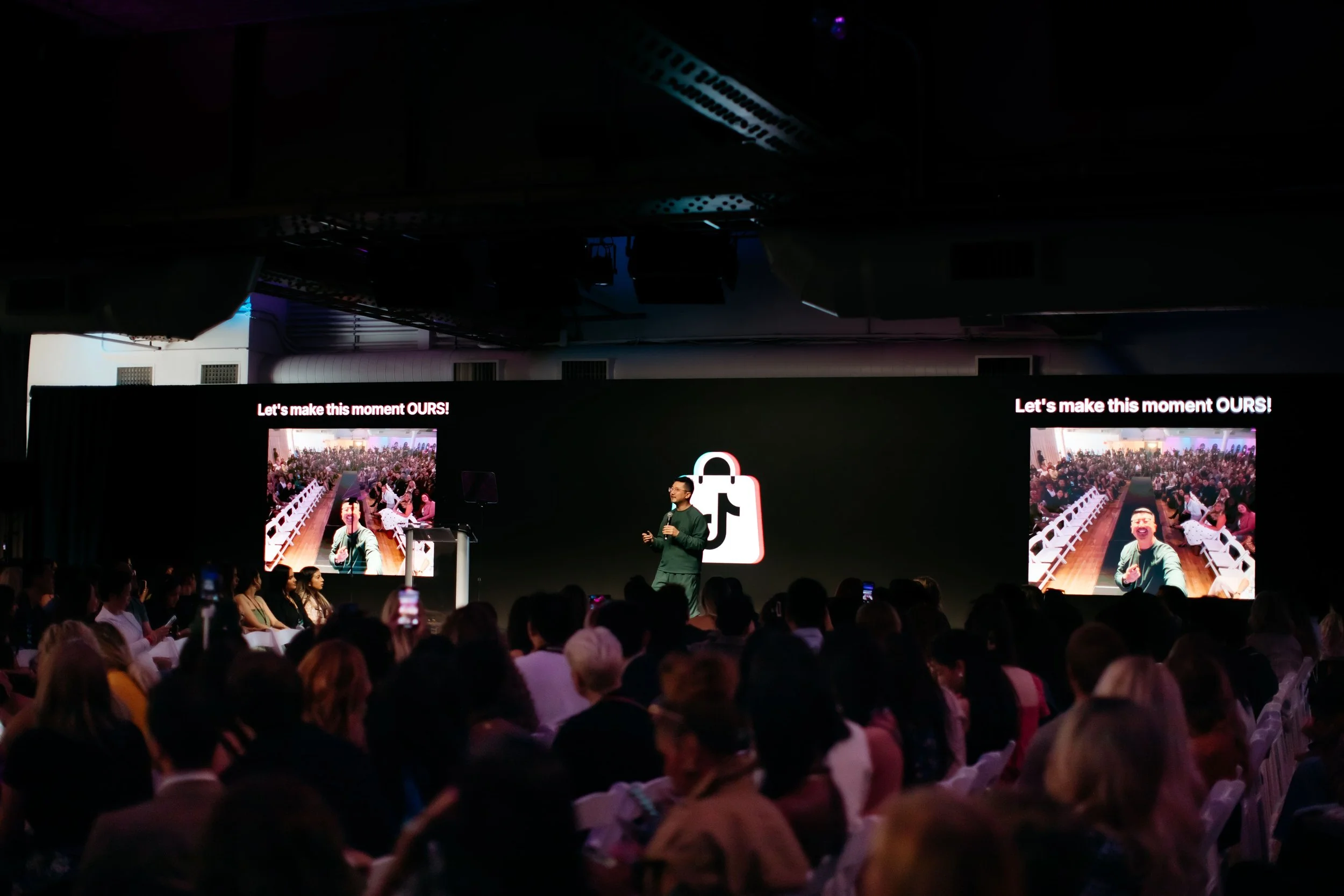
This refinement was especially critical in the stage presentations, where the brand system had to hold its own in a highly visible, content-first environment. With the updated toolkit, every element on stage, from the logo treatment and typography to the motion language and screen compositions felt intentional and elevated, allowing the brand to read clearly both in person and through the lens of live broadcast and creator content. The monochromatic approach and tighter color discipline reduced visual noise, giving the fashion, the creators, and the products space to breathe while still maintaining a strong, unmistakable TikTok Shop presence.
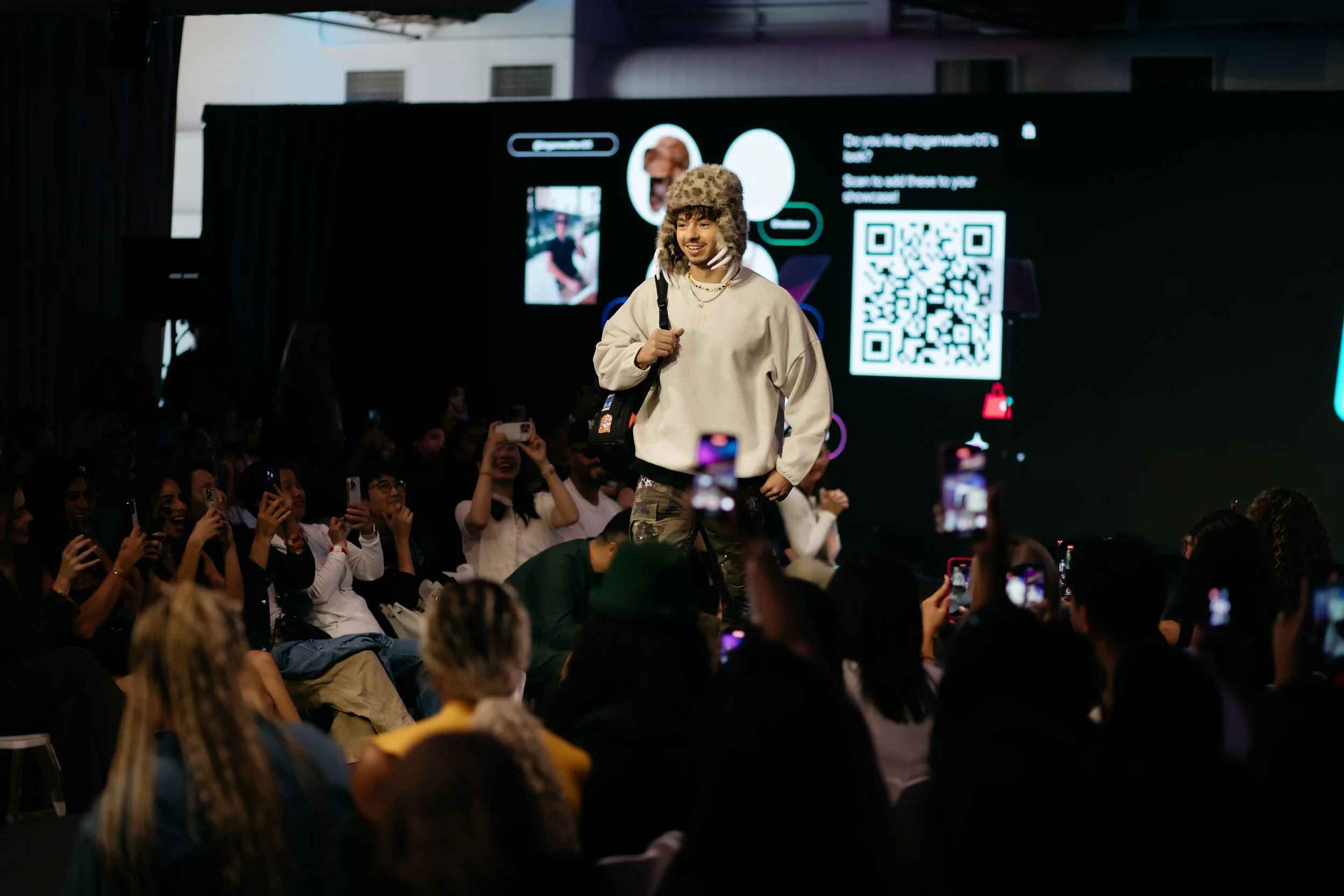
In this context, the stage became a proof point for the maturity of the platform. The brand no longer needed to shout to be recognized; it operated with confidence, using restraint, scale, and clarity to signal credibility. This elevation translated directly into how the event was perceived by industry audiences and creators alike, reinforcing TikTok Shop as a serious player in the fashion and commerce ecosystem, capable of supporting runway moments, live shopping, and cultural storytelling within a single, cohesive branded experience.
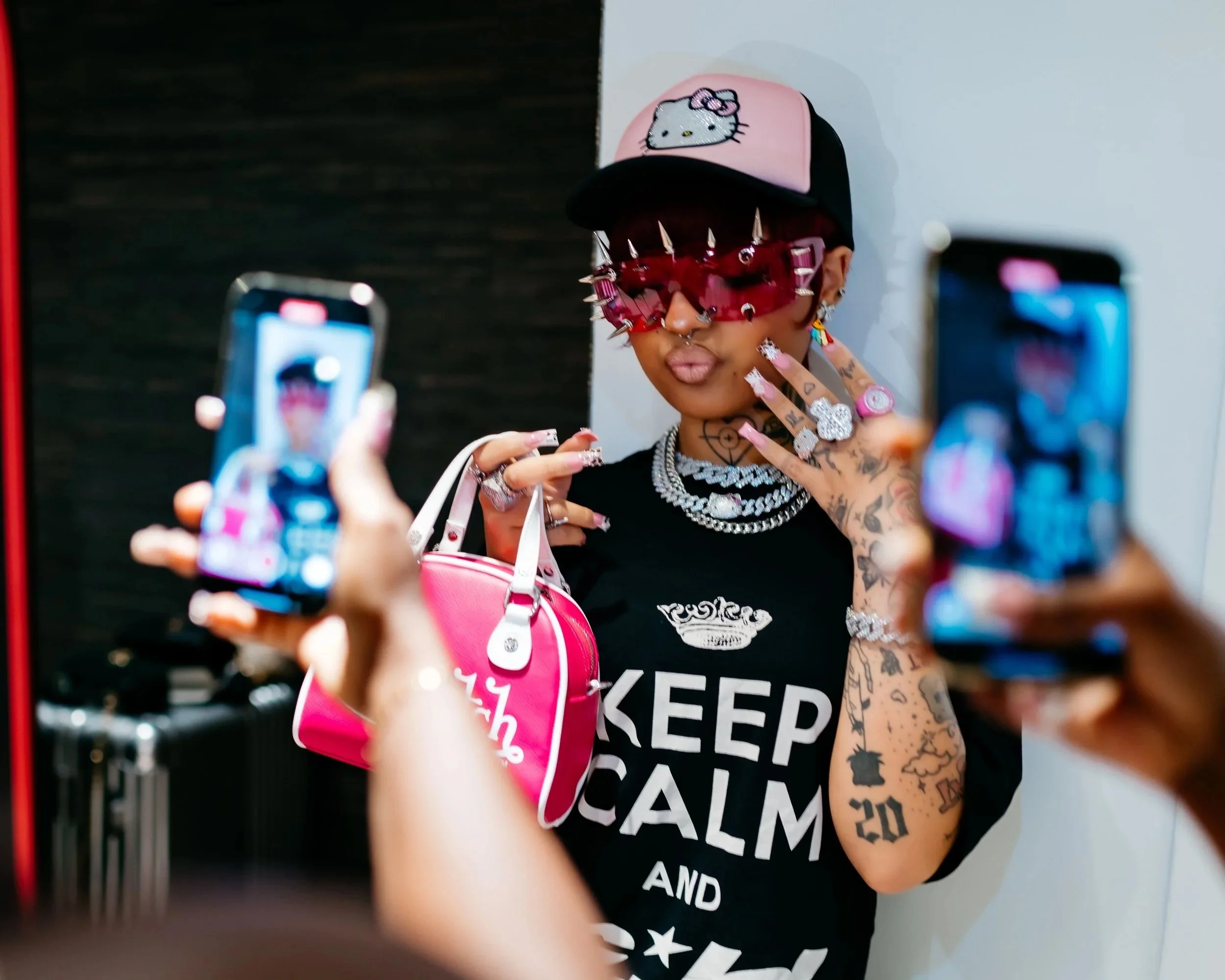
Partnering with legitimate brands, designers, and creators through highly produced shops, drops, live streams, and physical events was the corrective move. These activations reframed TikTok Shop not as a discount marketplace, but as an engine for discovery, storytelling, and commerce that could coexist with premium fashion norms. By anchoring the experience in real brands, real creators, and real cultural moments, the platform began to borrow and then earn trust at scale. Live shopping became less about impulse and more about participation. Events became proof points that TikTok Shop could operate in the same arenas as established fashion players while still doing what it does best: collapsing content, community, and conversion into a single loop. This strategy didn’t just drive revenue in the short term; it fundamentally repositioned the platform as a credible commerce partner, capable of supporting both emerging labels and established brands without diluting their value.This shift was reputationally critical for TikTok Shop. In its earliest go to market phase, the priority was speed and scale, aggressively capturing market share and proving demand for social commerce at volume. That approach worked in terms of growth, but it also came with perception tradeoffs. The platform could at times be conflated with low cost, low signal marketplaces where discovery outweighed quality, shipping was slow, and trust was still being earned. For a platform that sits at the center of culture, that perception gap mattered. Fashion in particular is an industry built on credibility, taste, and association, and without intentional intervention there was a real risk of TikTok Shop being framed as transactional rather than aspirational.
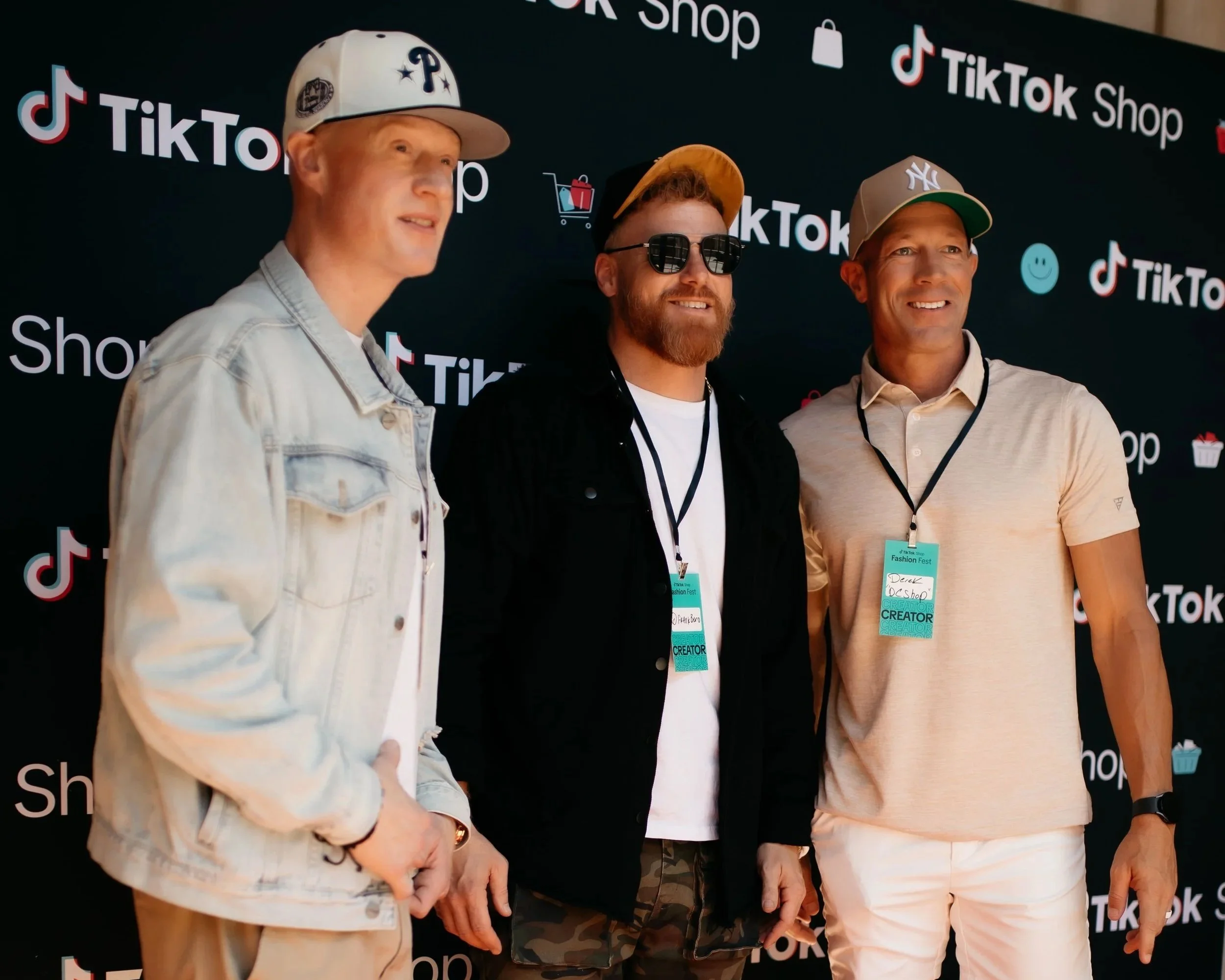
Partnering with legitimate brands, designers, and creators through highly produced shops, drops, live streams, and physical events was the corrective move. These activations reframed TikTok Shop not as a discount marketplace, but as an engine for discovery, storytelling, and commerce that could coexist with premium fashion norms. By anchoring the experience in real brands, real creators, and real cultural moments, the platform began to borrow and then earn trust at scale. Live shopping became less about impulse and more about participation. Events became proof points that TikTok Shop could operate in the same arenas as established fashion players while still doing what it does best: collapsing content, community, and conversion into a single loop. This strategy didn’t just drive revenue in the short term; it fundamentally repositioned the platform as a credible commerce partner, capable of supporting both emerging labels and established brands without diluting their value.
.jpg)
For Fashion Fest 2025 in New York, I helped shape a collaboration between TikTok and HSIA that demonstrated how the platform could fuse cultural credibility, inclusive fashion, and commerce into a single, scalable experience. Working across design, brand, and experiential teams, we transformed a traditional runway show into a digital-first fashion moment built for TikTok’s ecosystem. The event was conceived as an IRL spectacle optimized for vertical capture, creator storytelling, and live participation, while simultaneously functioning as a shoppable TikTok LIVE that allowed audiences to discover, engage, and purchase in real time. By debuting exclusive HSIA products directly through TikTok Shop, the experience reinforced TikTok’s evolution from a discovery platform into a legitimate commerce destination for design-led brands. The result was a full-funnel fashion activation where runway, creators, content, and conversion were tightly integrated, showcasing how TikTok can move culture and product together at scale.
.jpg)
TikTok evolved into a full-funnel business platform for fashion brands like HSIA by collapsing discovery, storytelling, community engagement, and conversion into a single, continuous ecosystem. Rather than relying on static product pages or traditional performance media alone, brands were able to activate culture through creator-led narratives, live formats, and participatory content that made the product feel socially validated before a purchase decision was ever made. For HSIA, this meant transforming functional product benefits like fit, support, and comfort into emotionally resonant proof points surfaced through real bodies, real movement, and real-time interaction. TikTok functioned as both a media channel and a retail environment, enabling brands to test creative, read signals instantly, and iterate in public while building trust and loyalty at scale. The platform became an always-on feedback loop where engagement, education, and commerce reinforced each other, positioning TikTok not just as a distribution surface, but as an operating system for modern fashion growth.
.jpg)
What’s most remarkable about these events and the digital experiences built around them is how they sit at the intersection of so many forces at once. They are not just fashion moments or brand activations, but living systems where technology, community, creativity, and commerce converge in real time. The physical spaces act as cultural stages, while the platform extends them infinitely, allowing creators, brands, and audiences to co-create meaning together. The addition of a shoppable layer transforms inspiration into action without breaking the spell, collapsing the distance between seeing, feeling, and owning. In these moments, art, tech, and culture are no longer separate disciplines but interdependent parts of a single experience, where creators shape narratives, brands participate rather than dictate, and consumers become active collaborators. TikTok becomes the connective tissue that holds it all together, a platform where society’s tastes, identities, and economic behaviors are expressed simultaneously, turning fashion into a shared, participatory, and commercially viable cultural event.
.jpg)
TikTok has become the most influential engine for fashion trend formation in the modern era, collapsing the distance between subculture and mass adoption and turning everyday users into global tastemakers overnight. Microtrends that once took seasons to trickle from runways to retail now ignite in comment sections and For You feeds, propelled by creators who remix aesthetics with an authenticity that traditional fashion media cannot replicate. Movements such as Coastal Cowgirl, Tomato Girl Summer, Balletcore, and the Clean Girl aesthetic illustrate how platform-native storytelling, from outfit transitions to “get ready with me” rituals, transforms clothing into narrative identity rather than mere consumption. Streetwear revivals like blokecore jerseys and jorts, alongside hyperfeminine waves like coquette bows and soft girl palettes, demonstrate TikTok’s ability to hold contradictory aesthetics in parallel, allowing users to code-switch visually depending on mood, community, or algorithmic niche. Even legacy items such as UGG boots, Adidas Sambas, and oversized leather jackets have been cyclically recontextualized through TikTok styling language, proving that the platform does not only create trends but continuously reauthors fashion history for a new generation. For brands and creatives alike, TikTok functions less as a marketing channel and more as a living mood board where culture is prototyped in real time and where participation, not polish, determines what the world wears next.

Key Collaborators: Salvatore Di Mari, M. Alessandra Zorzi, Olga Morace, Lorenza D'Amico, Monica Lanaro, Tommaso Ciani, Ian Talamè, Eleonora D'Aniello, Erin Kim Blackwell, Laura Milani, Giuliano Cini, Adela Leka, Marilina Moramarco, Federica Ceccarino, Francesco Astri Giulia Lizzoli, Gabriele Sanzari, Joanna Karamanis Helen, Herimbi-Moremi, Sonika Phakey, Haejin Suh, Emma Väggö, Sandie Hawkins, Sofia Hernandez, Sloane Humphrey, Yvette Banks, Ashlie Williams, Stacey Pang, Rema Vasan, Dana Viltz, Alainna Schiano, Michelle Chan, Corianda Dimes, Tiffany Perez Cook, Gabs Espinet, Matt Steele, I-Hsien Sherwood, Sandra Manzanares, Bella Lazzareschi, Selina Santiago, Meg Siegel, Kellie Norton, Grace Theodore, Marg Baughman, Angelo Miranda, Christopher Carr, Crystal Yin, Michael Hinson, Joy Seet, Leon Nguyen, Gina Kynoch, Jason Gomez, Sumonne Hornaday Brennan, Erica Coven, Ping he, Annika Kemp, Yuze Le, Lauren Wexler, Maria Ma, Julia Gabriel Same Valentine, Sheraz Amin, Tatiana Dupond Fielders, Leanna Camacho, Katrina Hu, Yohan Yoon, Seen Agency, Moonlab Productions, TriggerXR
Tools: Adobe Creative Suite, After Effects, Figma, Cinema 4D, and Sketch.
Deliverables: Immersive installations, live streams, branded activations, co-branded workshops, executive speaking engagements, and integrated design narratives.